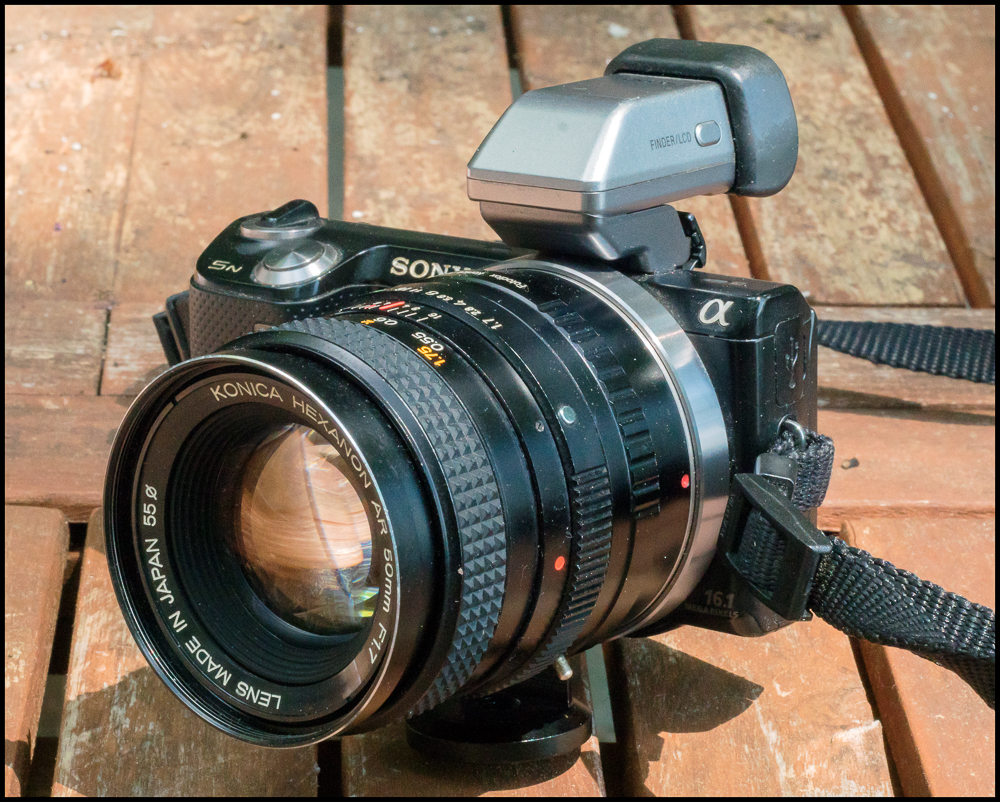
Vintage Lens: Konica Hexanon AR 50mm f1.7

I’ve had this lens for quite some time – at least since 2015, but haven’t used it very much. Most Saturday’s I take the dog for a walk around Briarcliff Manor. We usually pass behind the first station; around by the playing fields; through the library and finally end up at Moon Beam Cafe for a coffee for me and a well deserved bowl of water for Harley. It’s particularly pleasant in warm weather because the Cafe was formerly a house so it has a nice covered porch in front. I love to sit and read there while we wait for my wife.

As for the lens. It feels very well made and is certainly very sharp. However, there’s something about it that I’m not wild about. It’s hard to put my finger on it. Maybe it’s the colors. I find them a little too cool for my taste.

There’s a comprehensive review of it on My Favorite Lens (See: Konica Hexanon AR 50mm f1.7 Review).


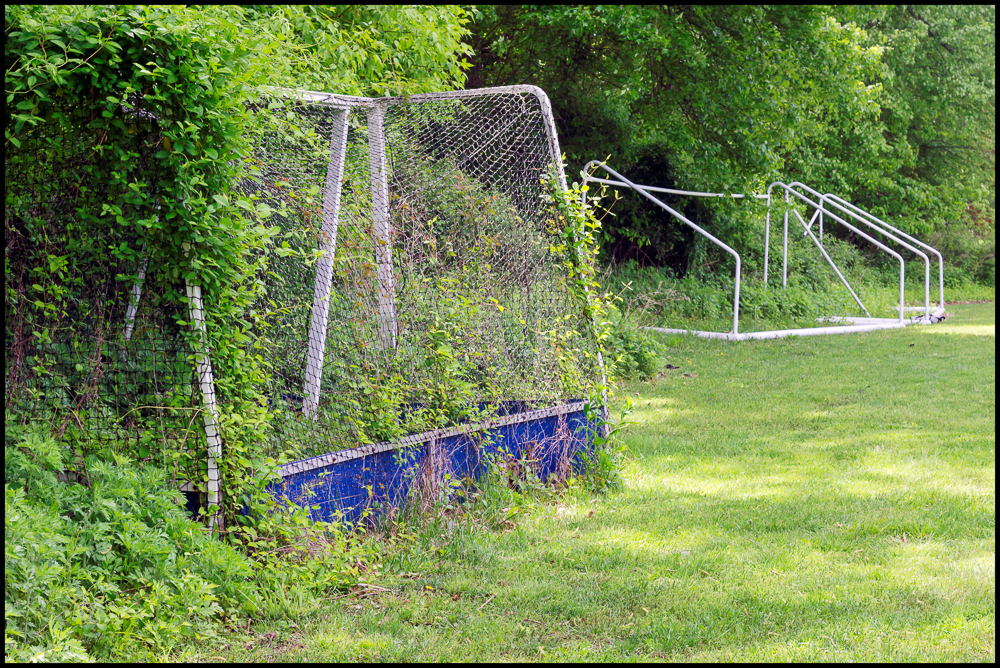
On the playing fields.


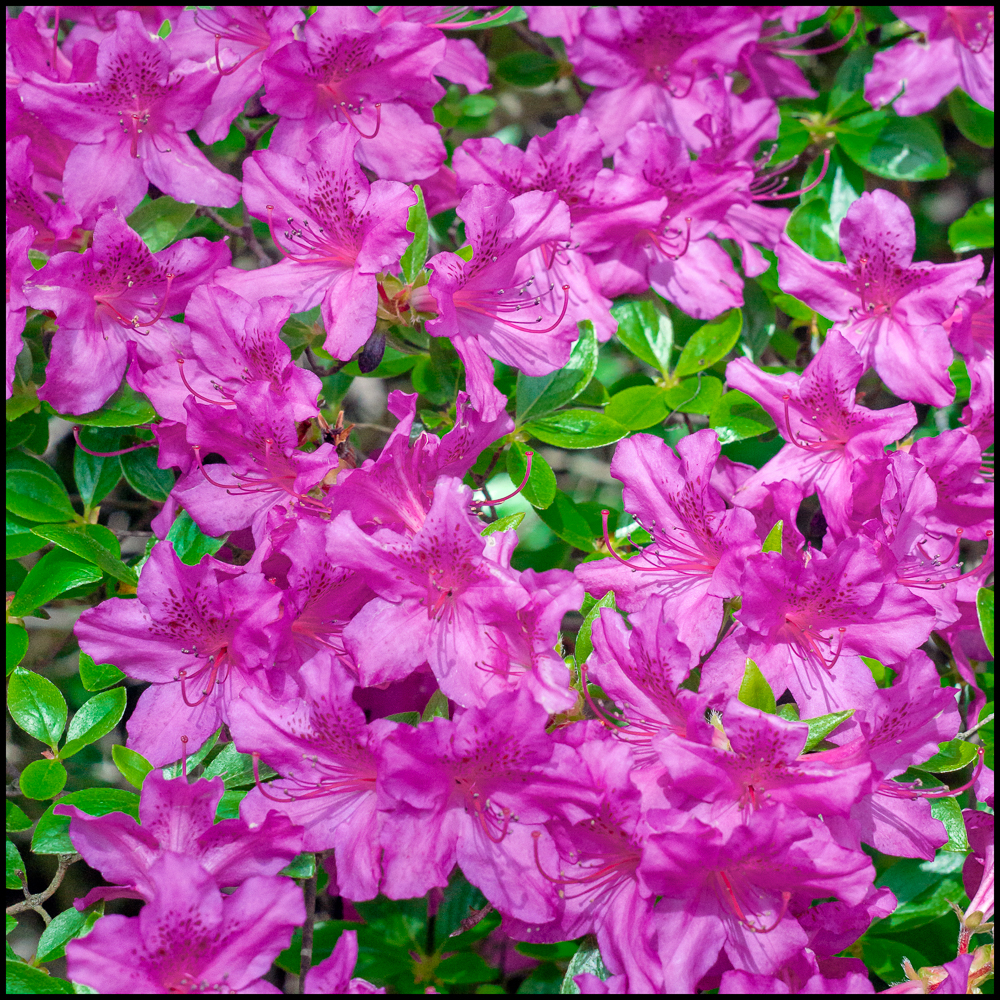
Purple azalea.


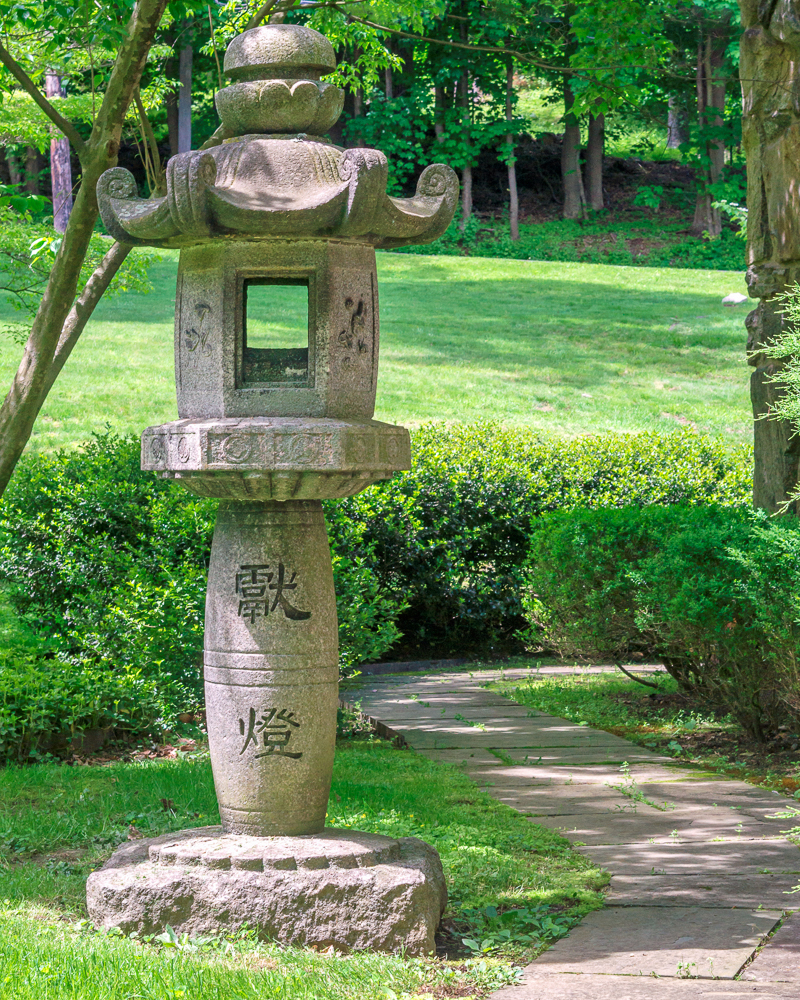
Asian Structure at the Briarcliff Congregational Church.


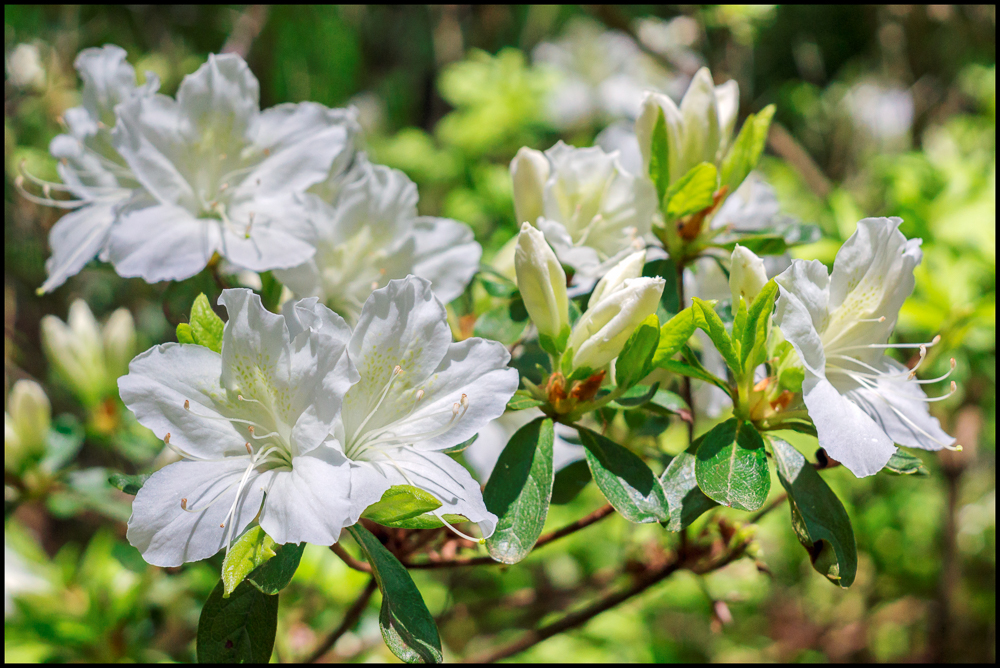
White azalea.


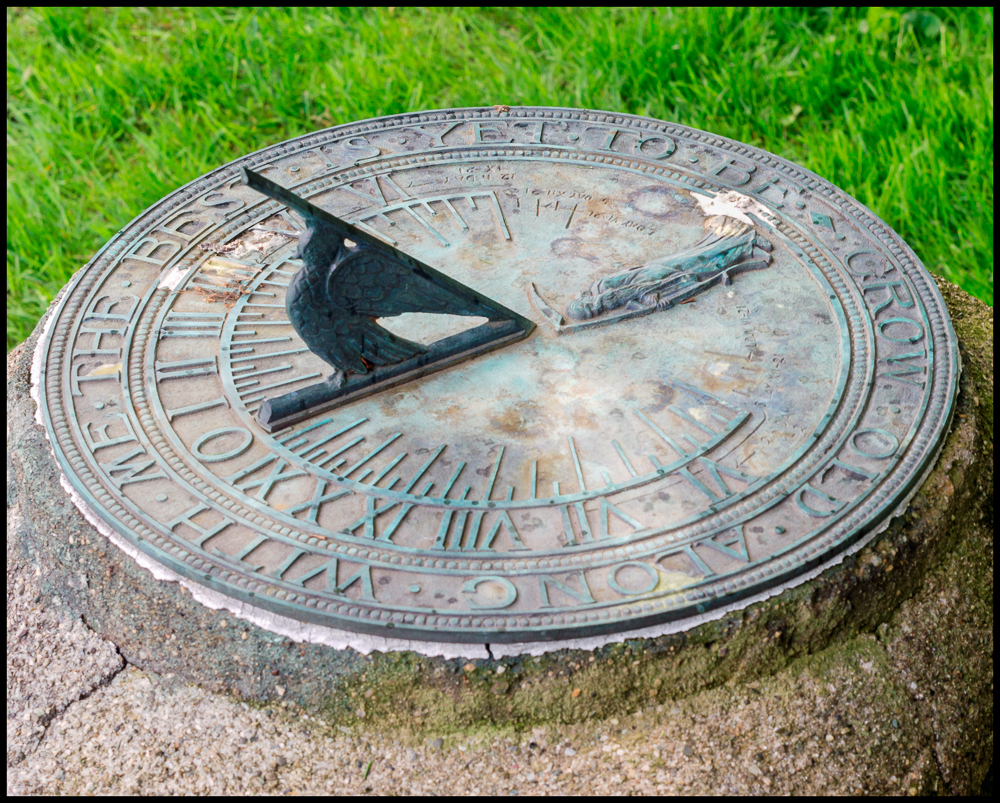
Sundial.


On the computer at Moonbeam Cafe.

Film Camera 2019/5 – Olympus IS-3

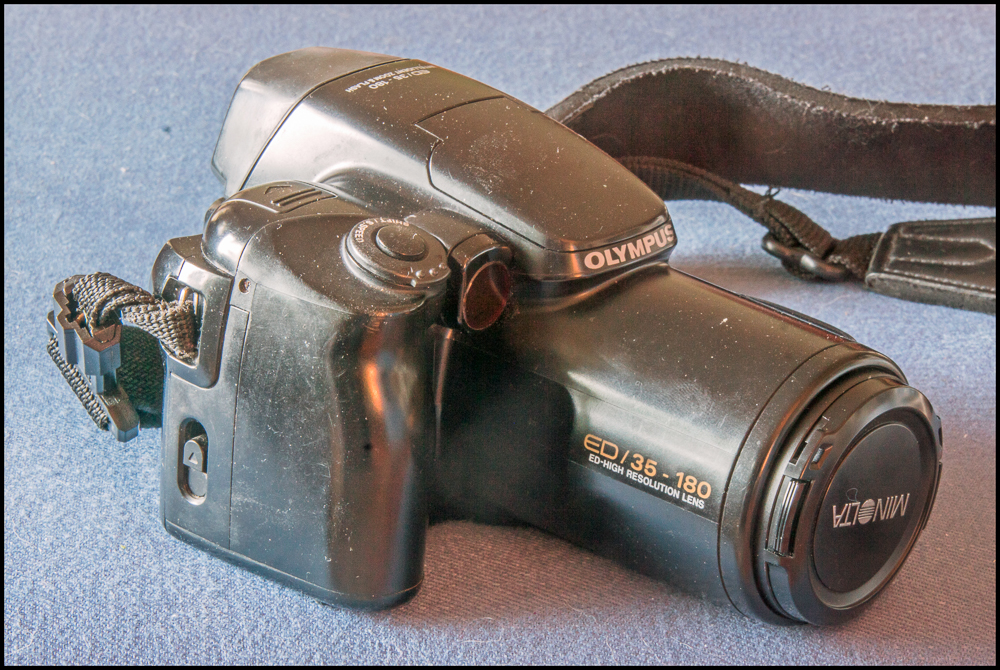
I recently picked up this camera for next to nothing (the film and the processing cost significantly more than the camera did). It’s an Olympus IS-3 (also known as IS-3000 in Europe and L-3000 in Japan) and it came out in 1992. I was interested in it because it’s a bit out of the ordinary (as an early attempt at a bridge camera) and was reputed to have an excellent lens.

Cosmetically it’s not in the greatest shape, but everything seems to work as it should (we’ll see). The only problem I’ve noticed is an LCD bleed in the viewfinder. It’s still just about usable (except in really bright light) and in any case I can always take a quick look at the large rear LCD screen if I need to so it’s not all that much of a problem.

This particular camera features the date back (which I’ll never use) and is called the IS-3 DLX QD.

It has a 35-180mm f4.5-5.6 lens comprising 16 elements in 15 groups focusing down to 1.2 meters (0.6m in macro mode).

Shutter speeds range from 15 seconds to 1/2000 second plus ‘B’. Manual shutter speed range at F8: 60 sec.~1 sec.; Programmed shutter speed range: 4 sec.~1/2000 sec. Flash synch is 1/100 second.

Focus modes include Single Auto Focus; Continuous Auto Focus, and Power Focus (manual focus).

The viewfinder (85% coverage) includes: the following information: Autofocus Frame; Spot Frame; Panorama Marks; Autofocus Indicator; Shutter Speed; Aperture Setting; Spot Metering; Macro Mode; Exposure Compensation / Manual Exposure; Flash Symbol.

Exposure consists of a TTL light metering system with fuzzy logic ESP light metering including center-weighted average light metering and spot metering (don’t ask me what that last sentence means). Exposure compensation is in the range of +/- 4ev in 1/3rd step increments. ISO is determined by DX coding in the range of ISO 25-5000. The following exposure modes are supported: Aperture Preferred AE; Shutter Preferred AE; Manual Exposure; Program; Sport Program (Stop Action); Portrait Program; Landscape Program; Night Program.

The camera has a built in flash with guide number of 28 (auto tele) or 20 (auto wide, manual). A dedicated flash unit (G40) was also available.

Power comes from two 3V lithium batteries (CR 123A or DL 123A).

It’s a solid feeling camera weighing 960 g. with the following dimensions (width, height, depth): 112x93x173mm.

Wide angle, tele and macro converters were also available.

For an overview of of the series see: Olympus IS-Series, which is complete up to this model.

Film Camera 2019/4 – Canon Sureshot Owl – Results

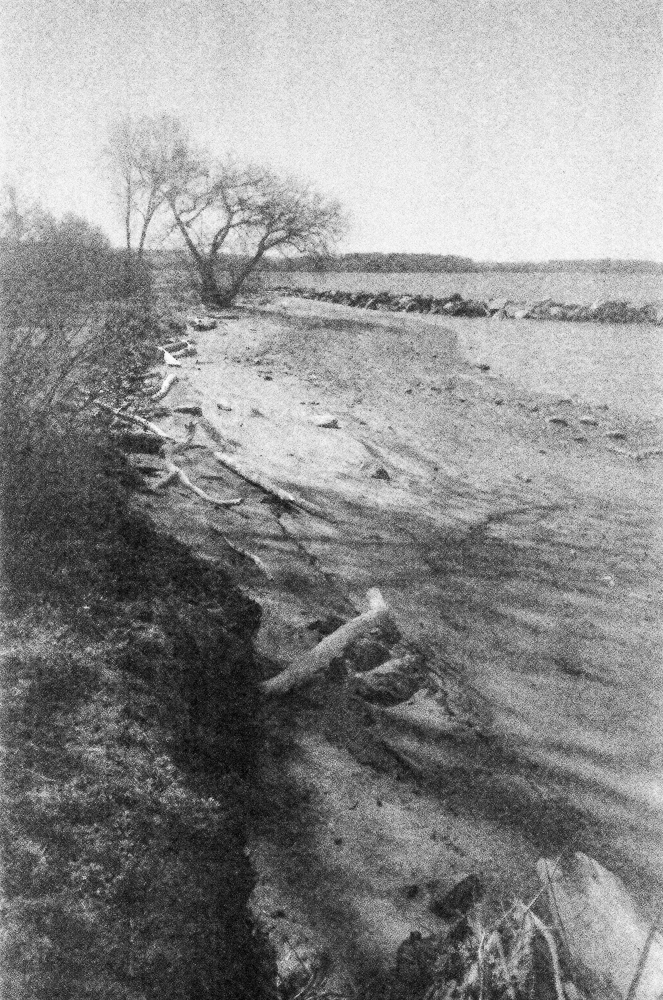
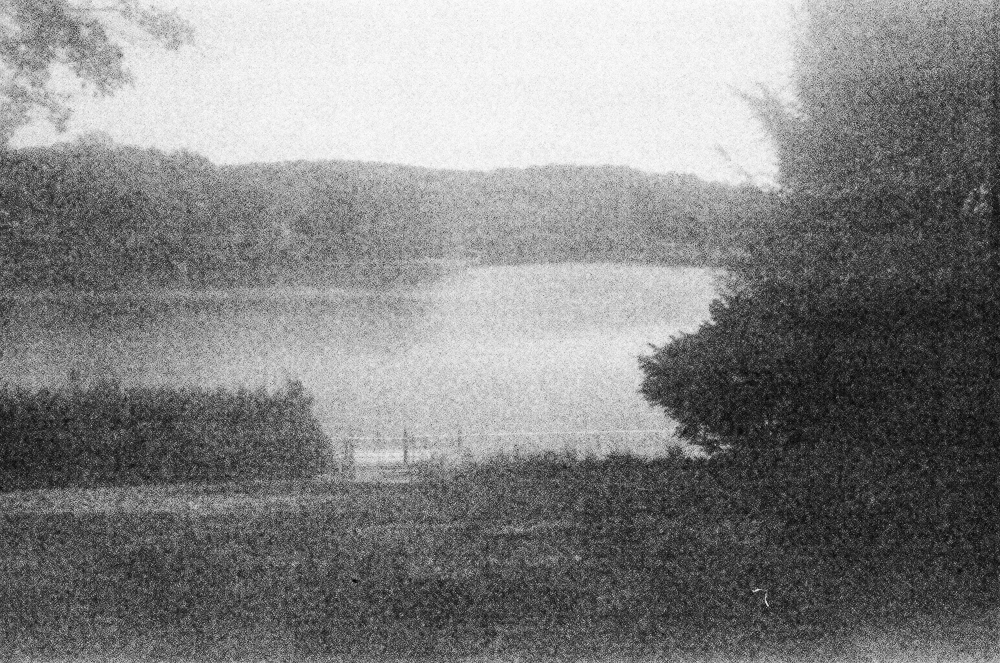
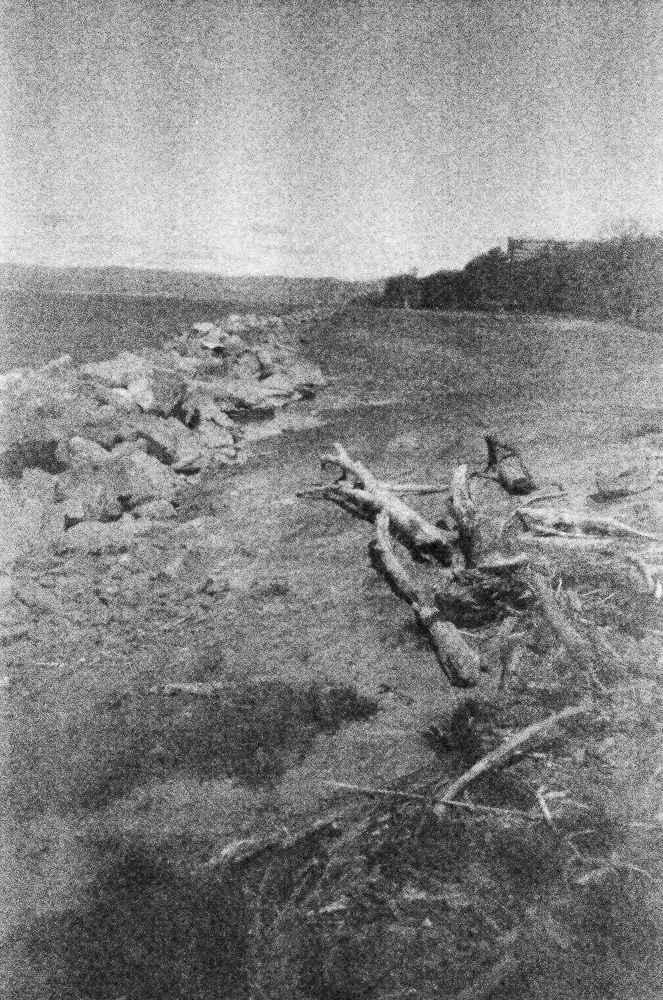
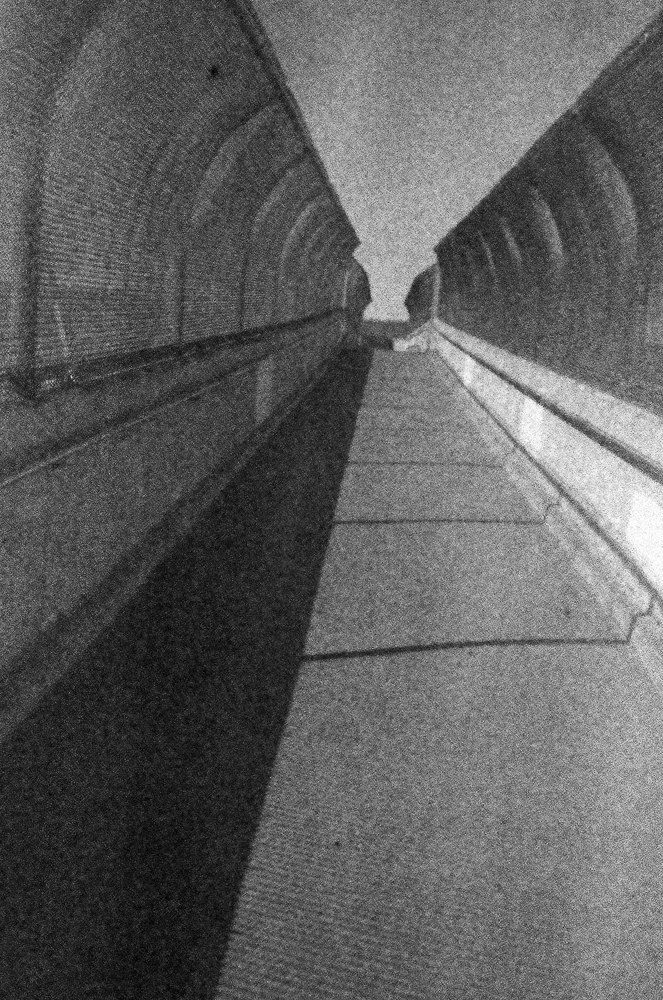
So how did it go with the camera. In a word – disastrous!

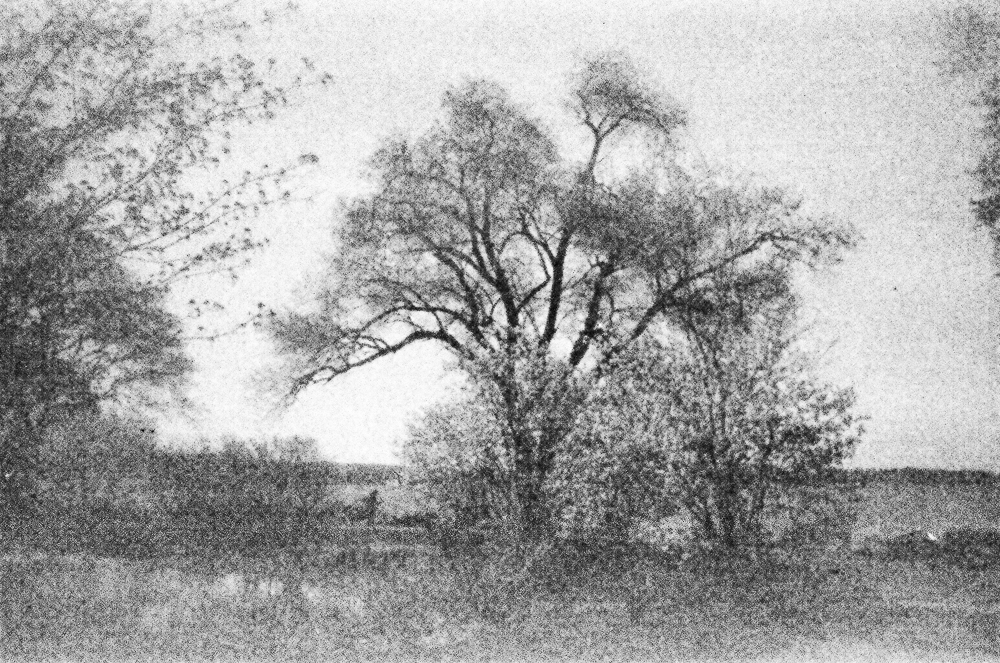
When I got the scans back I could barely see anything. Looking at the histogram everything was clustered into a small area in the middle, indicating that there was virtually no contrast at all (I think).

I’ve used quite a number of old film cameras and even though I’ve lost a few frames here and then I’ve never had something like this: a complete roll that’s useless. I’ve no idea what went wrong. Was it something I did? I doubt it. The camera has little in the way of controls so I doubt I could have set something incorrectly. I noted that the camera already had a film inside when I got it. I have no idea how long it had been there. Could it have degraded to such an extent that this happened? Maybe a problem with the camera itself? It seemed to be working, but who knows?

After some tweaking in Lightroom I managed to make the images visible if nothing else. I’ve posted a few here since I think it’s worth celebrating failures as well as successes. They remind me of some of pictures I’ve seen from the very early days of photography.

I’m tempted to try the camera again with a fresh roll of film to see what I get. But the cost of the film plus the cost of processing and scanning deters me. But I can be stubborn and I’d really like to know if the camera is working even if, at its best, it’s probably not such a great camera. We’ll see.


More than just roses in our garden

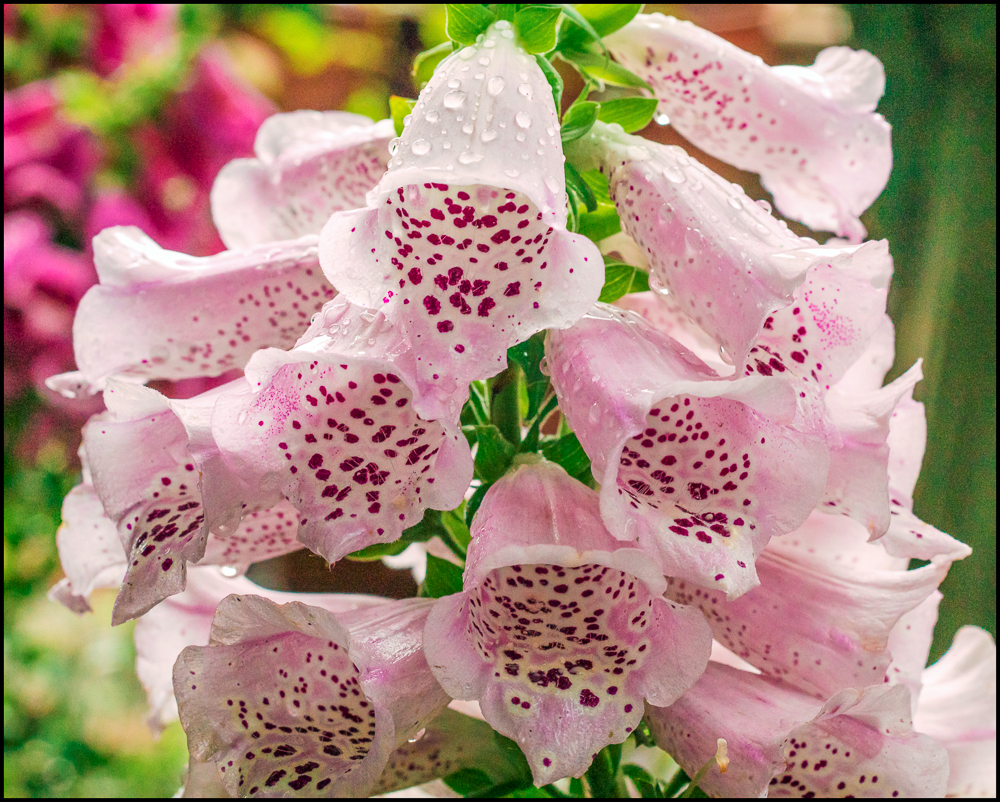
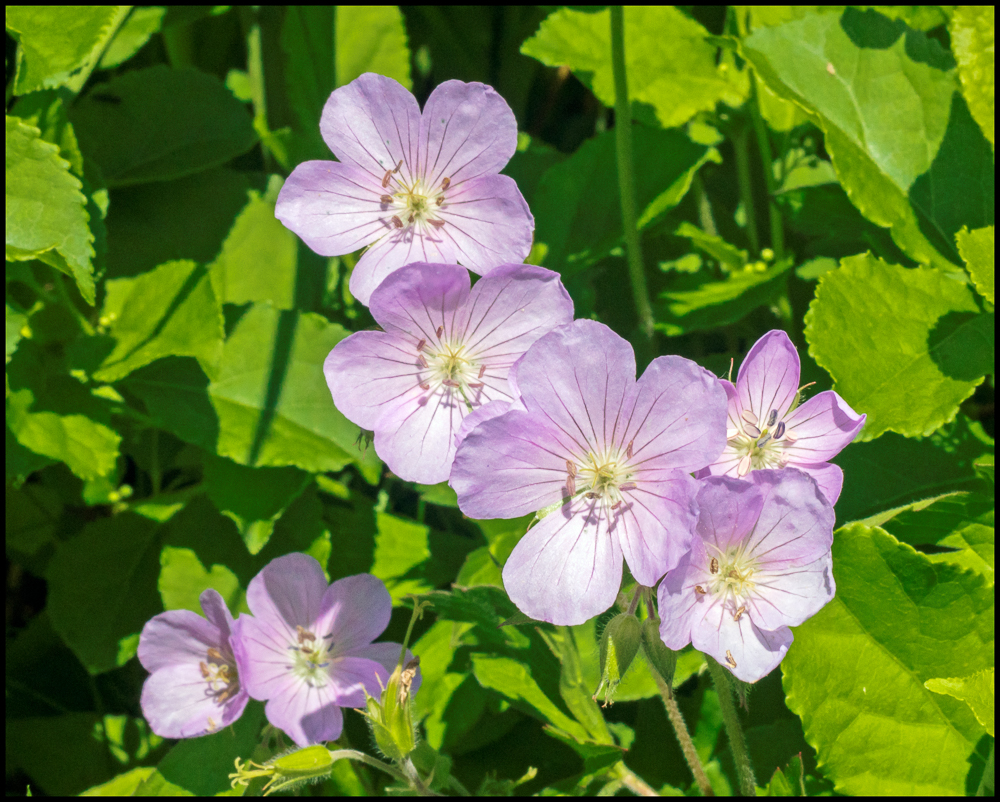
From earlier posts you might get the impression that we have only roses in our garden. This is far from the case. Although my wife loves roses above all other flowers, this doesn’t mean that she doesn’t want some variety in her garden. So here a few of her other flowers. Above Foxgloves.


Pink Evening Primrose.


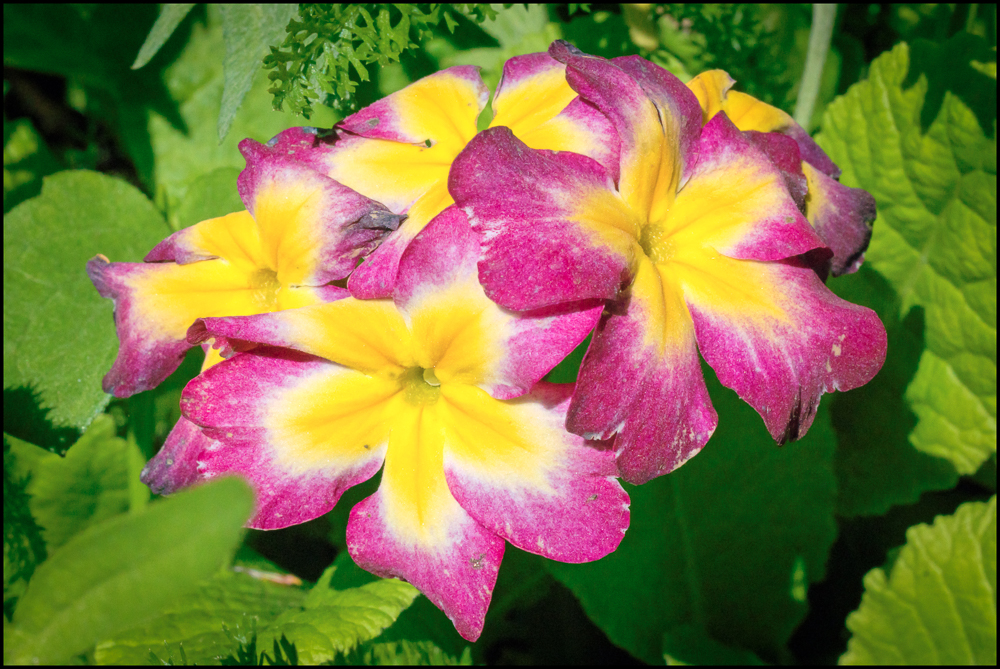
Primula.


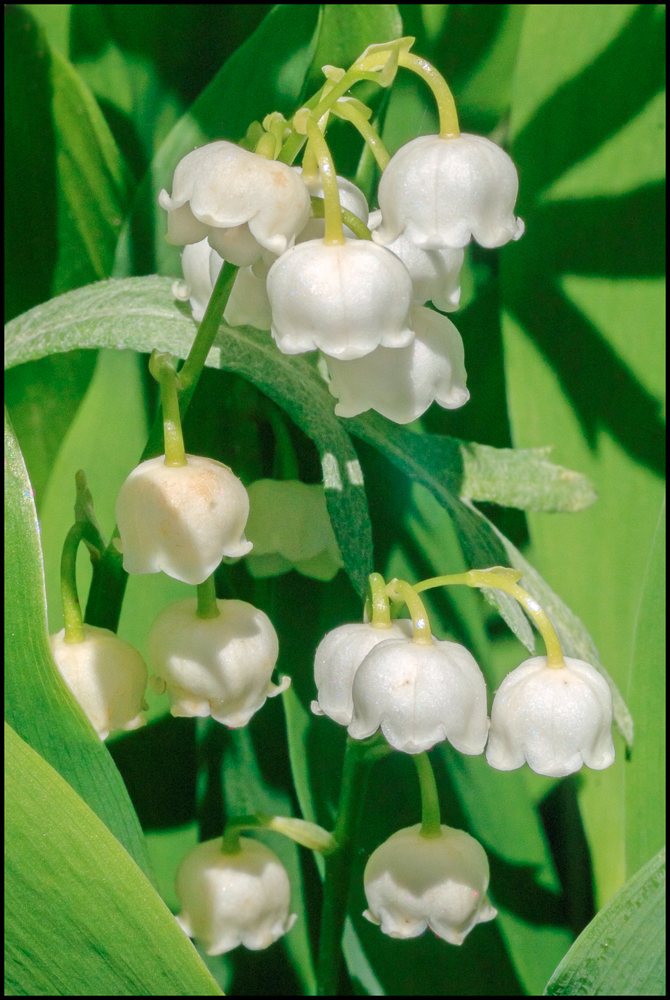
Lily of the Valley


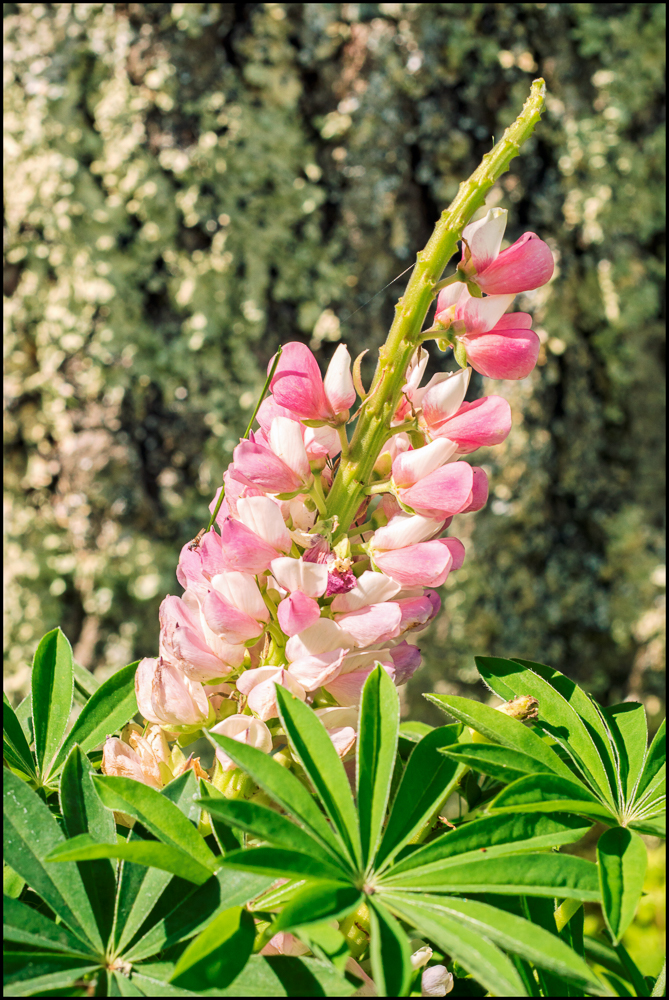
Pink Lupine.


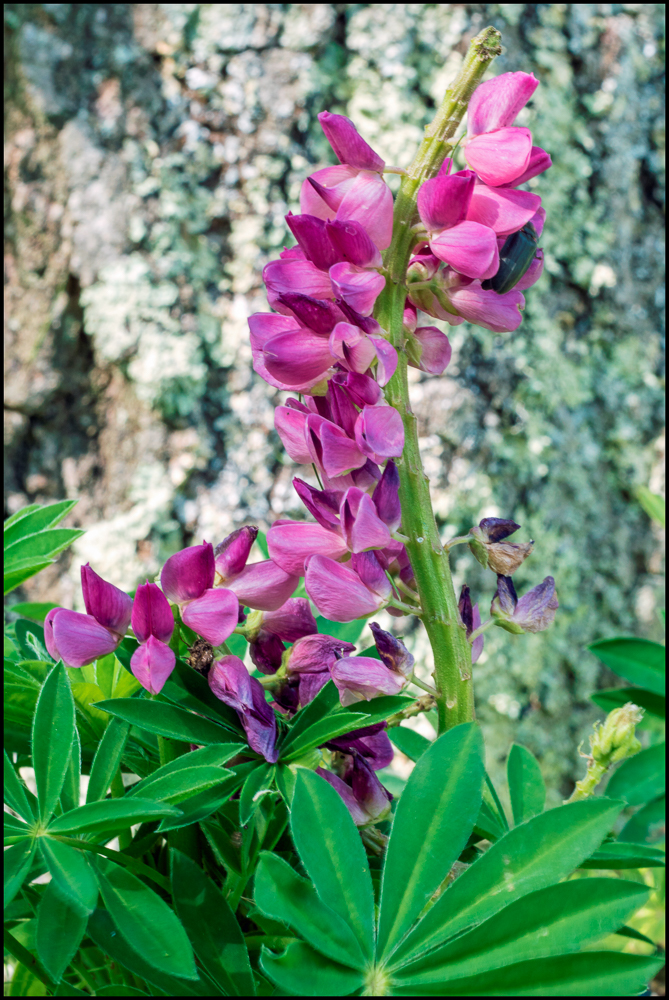
Purple Lupine.

Taken with a Sony A77II and Minolta AF 50mm f2.8 Macro.

Around the Neighborhood – Green heron revisited

A couple of days ago I posted some pictures of a green heron fishing for tadpoles (See:Attempts at bird photography part II: Fishing for Tadpoles).

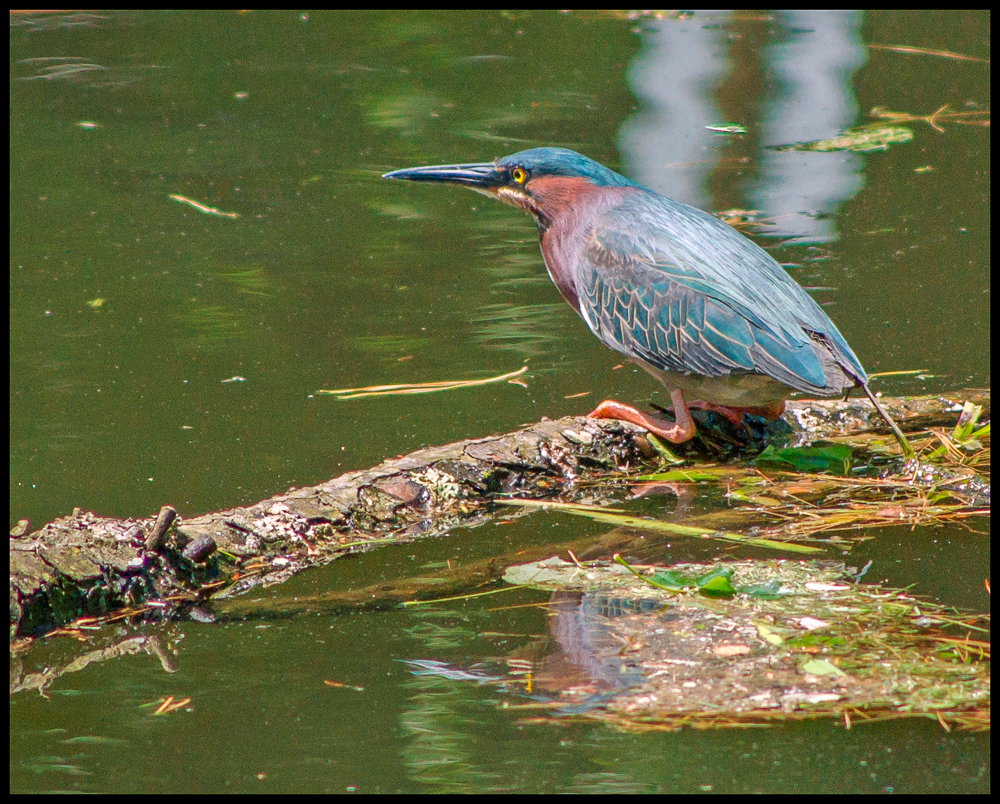
While I very much like those pictures and the way they show the bird in the act of catching a tadpole I feel they don’t altogether do the bird’s plumage justice. In the post I described it as: “somewhat brightly colored in a dull sort of way”. I take that statement back. In the right light it has lovely, colorful plumage.

Taken with a Sony A500 and Minolta Maxxum 100-200mm f4.5.