Horses


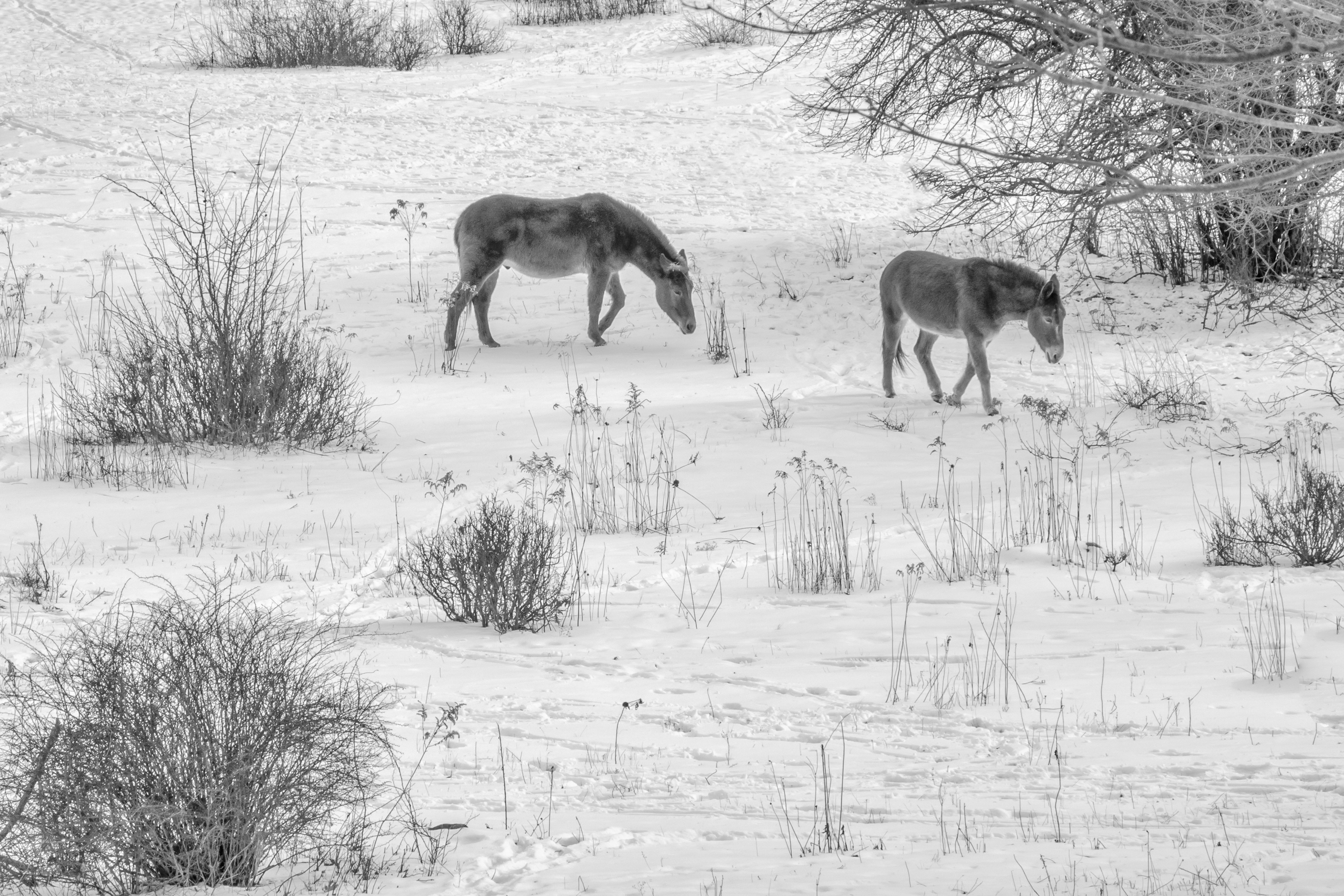
Horses in Peekskill Hollow, grazing even in the winter cold. Are they even horses? As I look closer they seem to have something of the donkey about them. Maybe some kind of pony? Clearly I don’t know enough about types of equine. In the first and final pictures I waited to see if the horses would move closer together (i.e. for a tighter composition). Unfortunately, they did the opposite and moved away from each other.


I think he knew that I was there.


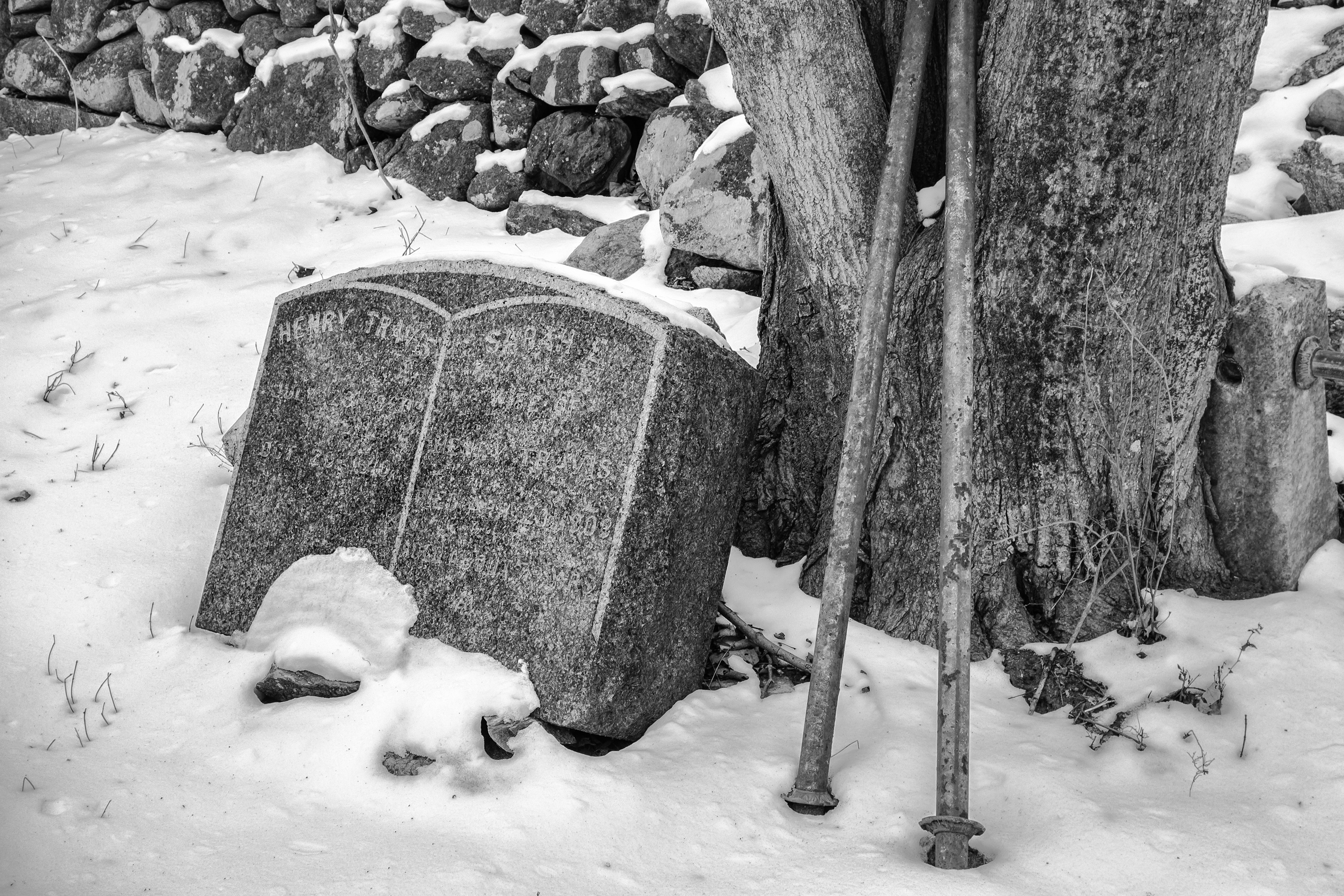
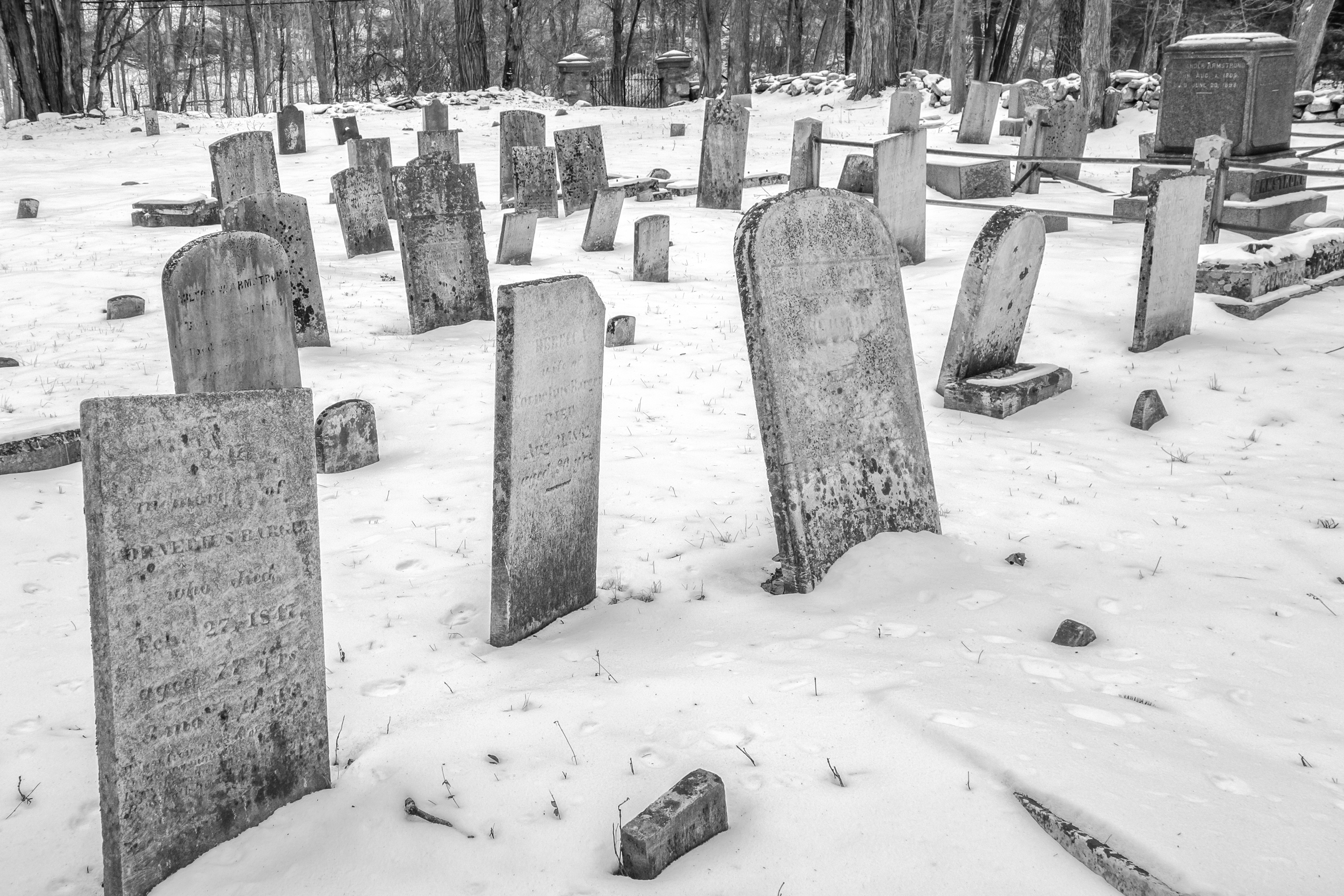
Adams Corners Cemetery


According to the Putnam Valley Historic Cemeteries Site:

In quite early times (c. 1794) tradition states that Richard Curry came up to Peekskill Hollow from White Plains. He traveled by horse wtih his wife, bringing all his worldly goods with him, and settled below Adams Corners. While sitting one summer day with his young child between his knees, a flash of lightnening struck and killed the child instantly, leaving the father unharmed. The young victim of the “fires from heaven” was buried on the hill on the west side of the roakjd, and from that time to the present day this has been the village cemetary. (from History of Putnam County, by William Pelletreau).

The title of this burying ground seems to have remained in doubt for many years. October 5, 1842, Charles Adams and others sold, for a nomial consideration, to “the trustees of the Methodist Episcopal churce of Philipstown Circuit, in Putnam Valley,” “all that certain tract of land situate on the northwesterly side of the Peekskill Hollow raod, beginning at an ash tree standing by the brook on the northwesterly side of said road, and running along the land of Nichols Purdy, thence north &ce., for the use of a burial ground for the neighborhood, and for all other persons, whom the party of the second part may permit to be buried there.”

The earliest grave is that of Ann Hills, born 1746, died January 30, 1794. Twelve Revolutionary War veterans are buried here, as well as a European Princess (Phebe Lehman), who with her German husband (Andries/Andrew Barger) settled in the area about 1700.

Cairn on Peekskill Hollow Creek


I was driving along Peekskill Hollow Road a few days ago – as I had many times in the year or so that we’ve lived out here. Most of the time you can’t really see Peekskill Hollow Creek because the leaves on the trees block the view. In winter though you see more. For the first time I noticed this cairn, apparently in the middle of the creek. A few days later I went back to take a closer look. On a platform (or rock?) in the middle of Peekskill Hollow Creek is this cairn. I have no idea what it is or why it’s there.

View vaguely south. Taken from the bridge in the second picture


View vaguely north.

Putnam Valley Grange


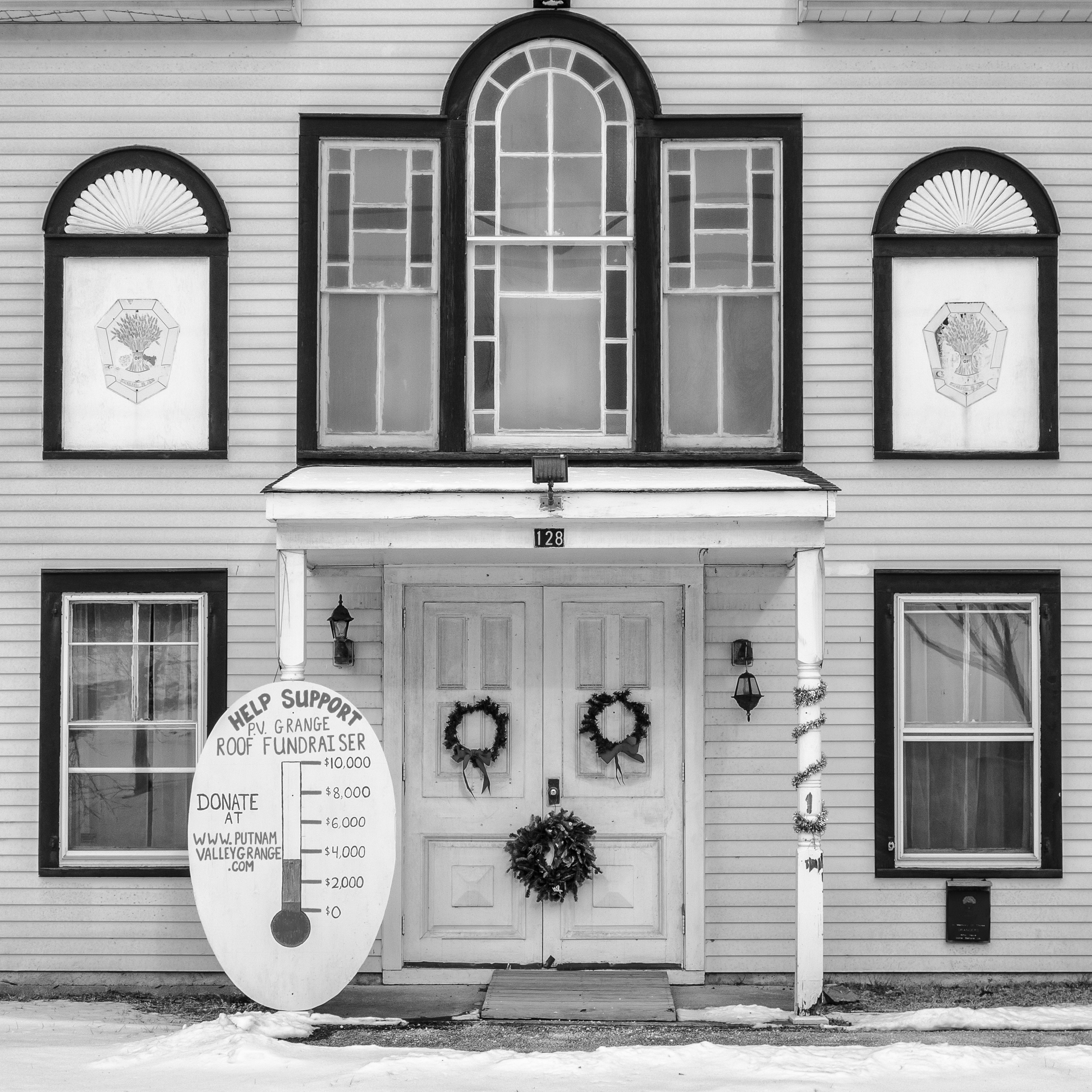
At the interesection of Peekskill Hollow Road and Mill Street is a small, but very interesting looking builiding. It’s the Putnam Valley Grange and according to its website:

On December 4, 1867 in a small Washington, D.C. building that housed the office of William Saunders, Superintendent of Propagating Gardens in the Department of Agriculture, the Order of Patrons of Husbandry, more commonly known as the Grange, was born. Sitting around a plain wooden table, a group of seven earnest men planned what was destined to become a vital force in preserving and expanding American democracy. They were men of vision, they had faith in God, in their fellow man, and in the future.

The Seven Founders of the Order of the Patrons of Husbandry were Oliver H. Kelly, William Saunders, Aaron B. Grosh, John Trimble, John R. Thompson, Francis McDowell, and William M. Ireland. They were assisted by Caroline Hall.

Recognizing the importance of a viable agriculture and strong family unit, the Grange established these principles as cornerstones of the organization.

Early on, women were given equal representation and this has proven to be of great benefit to the Grange’s success. It was the first organization to give women an equal vote with men in 1867, as well as full and equal recognition.
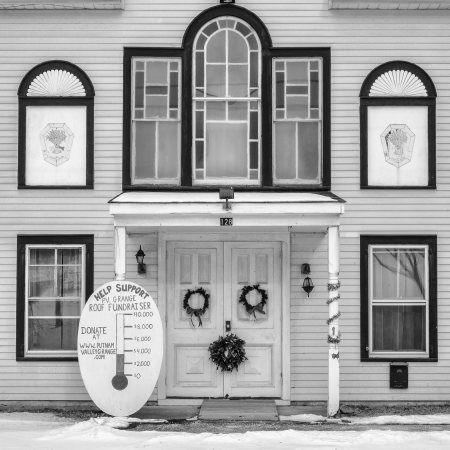

Facade. Again from the website: “The Grange emblem has a lot of history behind it. The seven-sided emblem represents the seven degrees of the Grange, and the seven founders. “P of H” stands for “Patrons of Husbandry”. The name “Grange” was chosen because old English farm estates, each a complete community, were called Granges. The sheaf of wheat represents our interest in agriculture.”


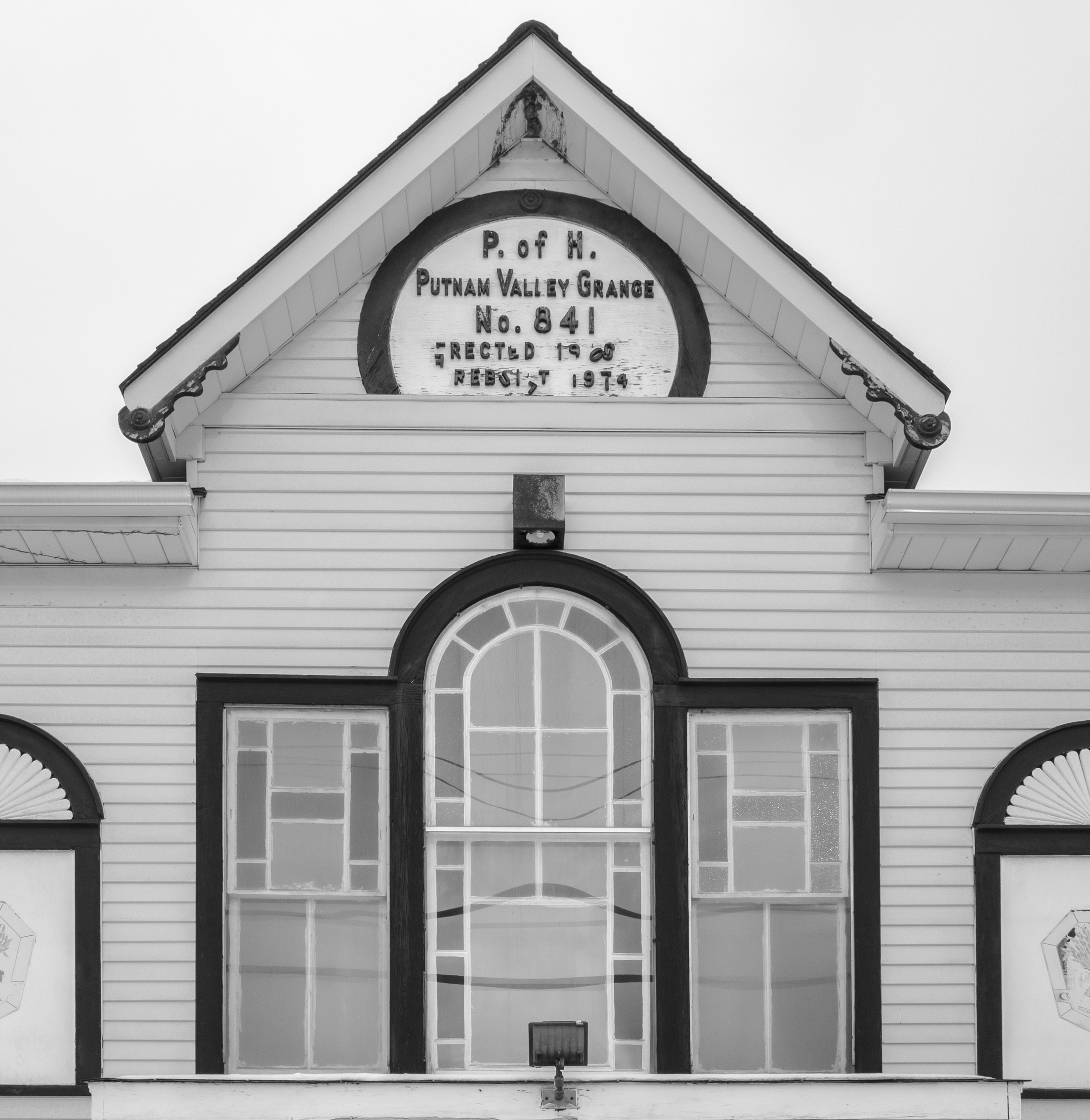
Pediment with date of construction.


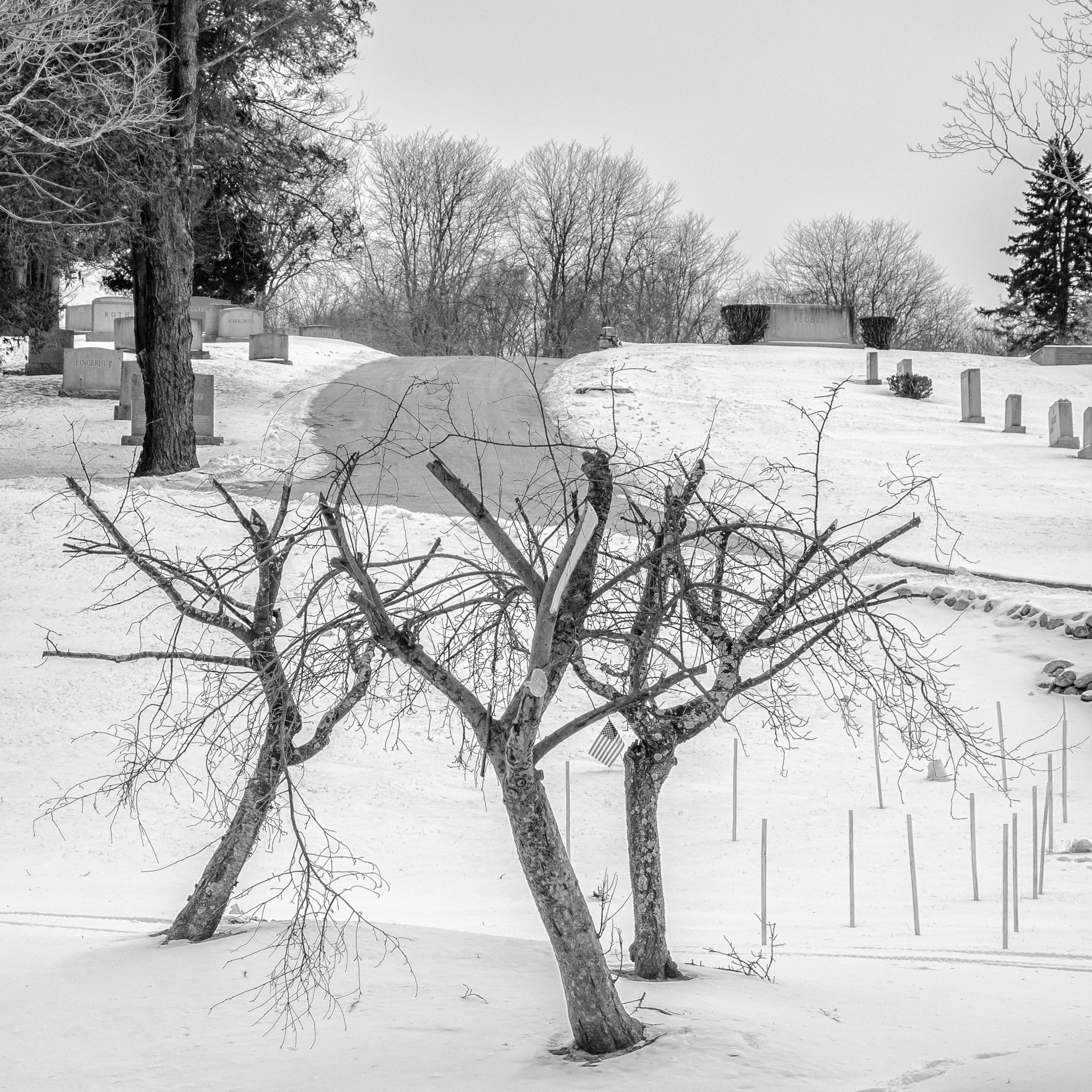
The King David and Beverly Hills cemeteries are directly opposite ‘The Grange’ building. I’ve yet to explore them. This is the view over an interesting grouping of trees towards the King David Cemetery.