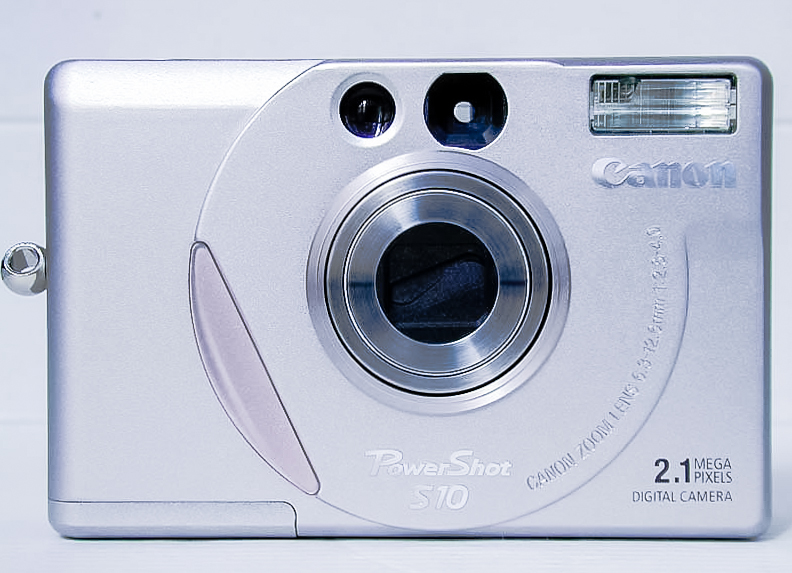
Canon Powershot S10


My second digital camera after the late, unlamented Casio QV-100. This one had a massive 2.1 mexapixel sensor. Seemed a lot at the time.

Digital Photography Review concluded:

The Canon S10 certainly sets new ground, and I’m sure it’s sent a few manufacturers racing back to the drawing board (as I’m sure the 950 did when it was released). The S10 is just so good on so many grounds it goes high on my favourite digicams list. With the addition of USB, CF Type II, Super-Fine JPEG, its small size and value for money, if you can live with the limited zoom ability then the S10 is one camera that ANYONE considering buying a digicam should have somewhere in their list.. (somewhere near the top).

Kudos Canon, you’ve produced a digital camera capable of taking beautiful images in anyones hands, with a great feature set and some neat touches it makes some larger bulkier digicams look like dinosaurs and brings compact digital cameras to a new level.

I liked this camera (mind you after the QV-100 I would probably have liked anything). After a few years I left it on a train to Grand Central Terminal. I’d been thinking about upgrading and this gave me the excuse. After doing some research I chose the Canon Powershot S50. Feeling certain that I would never see the S10 again I went out immediately to buy the S50. A few days later I went to the lost and found at Grand Central Terminal – just in case. Lo and behold the camera had been handed in. I guess I had underestimated the honesty of the average new yorker. Co-incidentally a few years later I left the replacement Powershot S50 in a taxi in Geneva, Switzerland. That too came back, but only after I had purchased a Panasonic LX3, the camera which re-kindled my interest in photography.
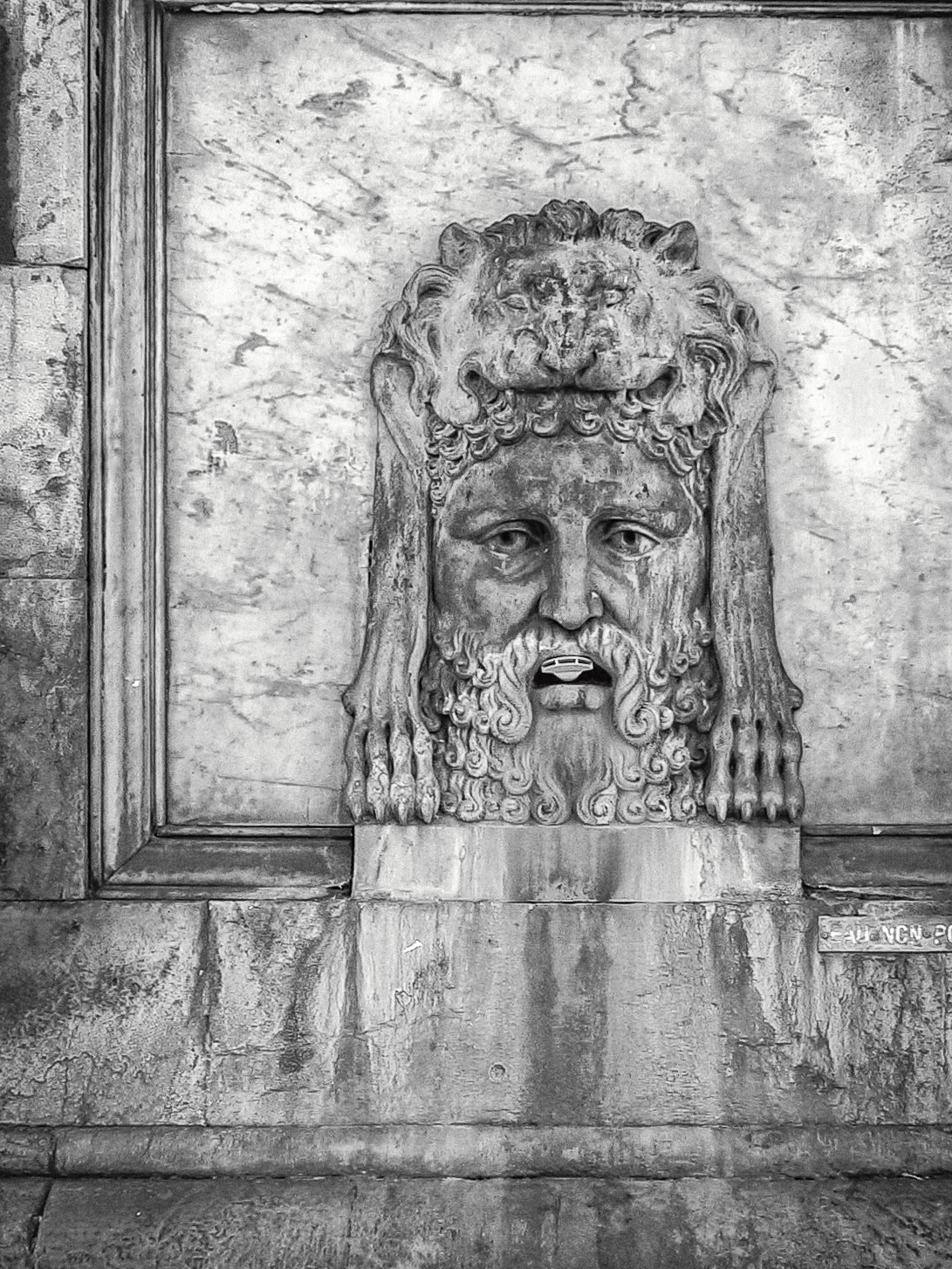

Fountain, Arles, 2001
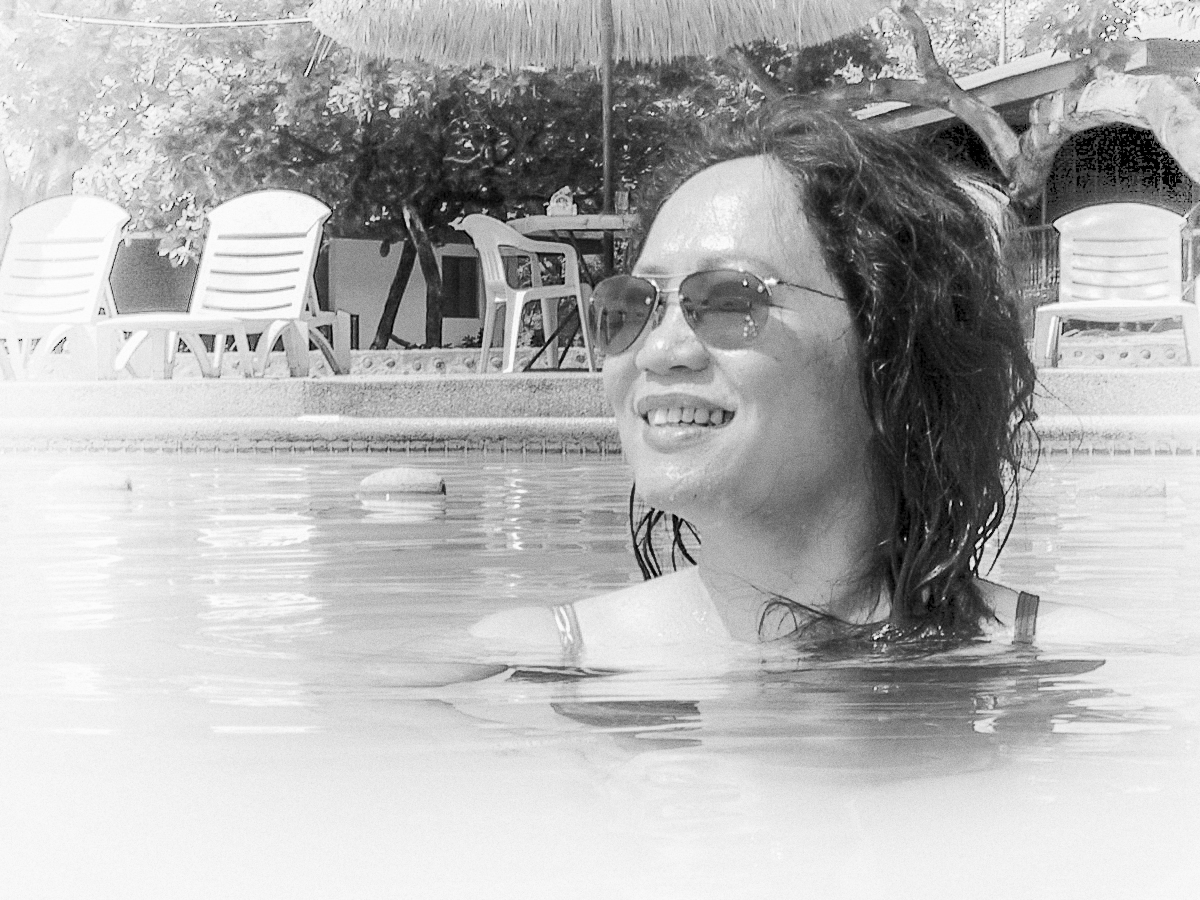

Eirah, Philippines, 2000
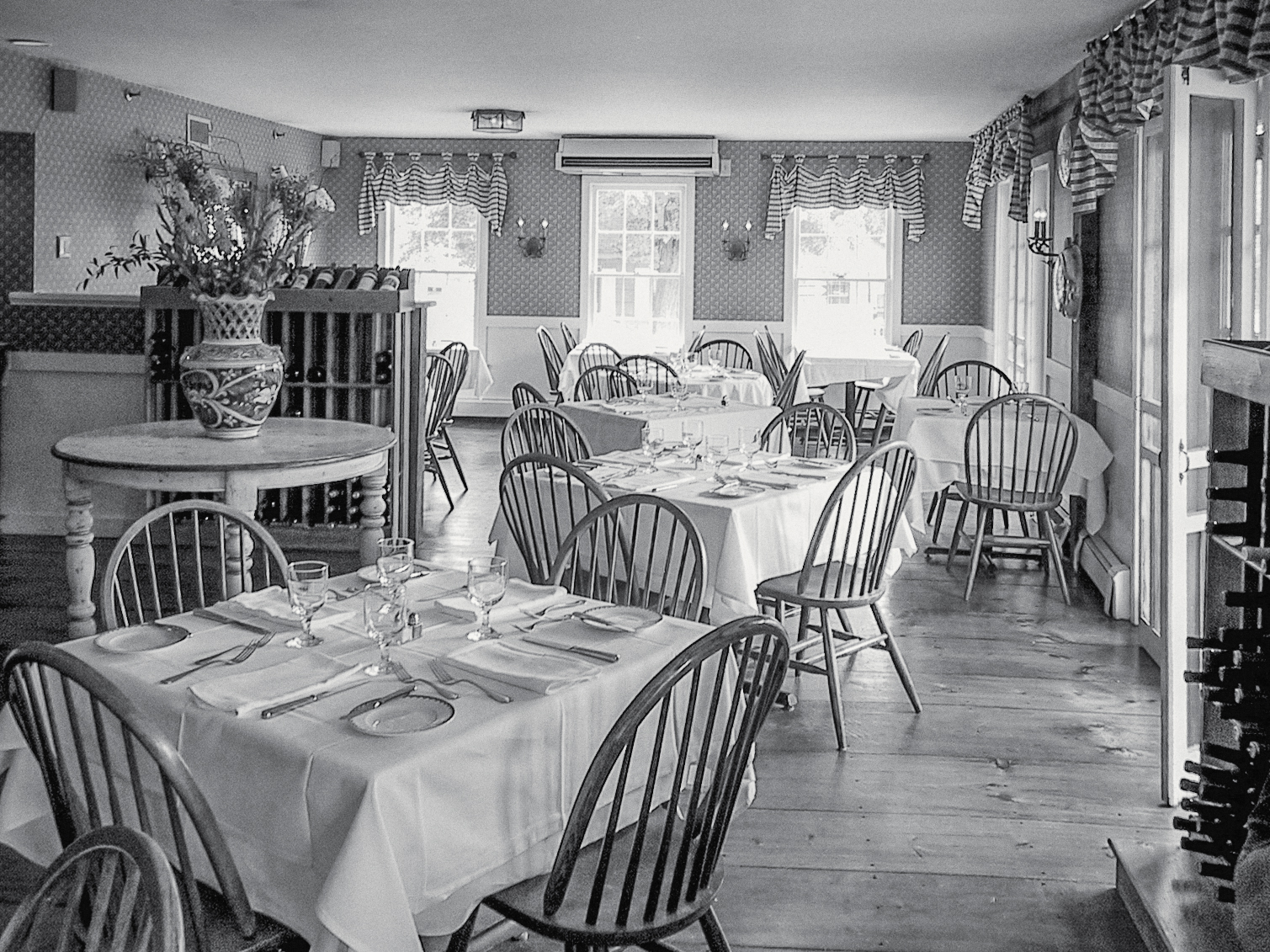

Interior, Hudson House, Cold Spring, NY, 2002
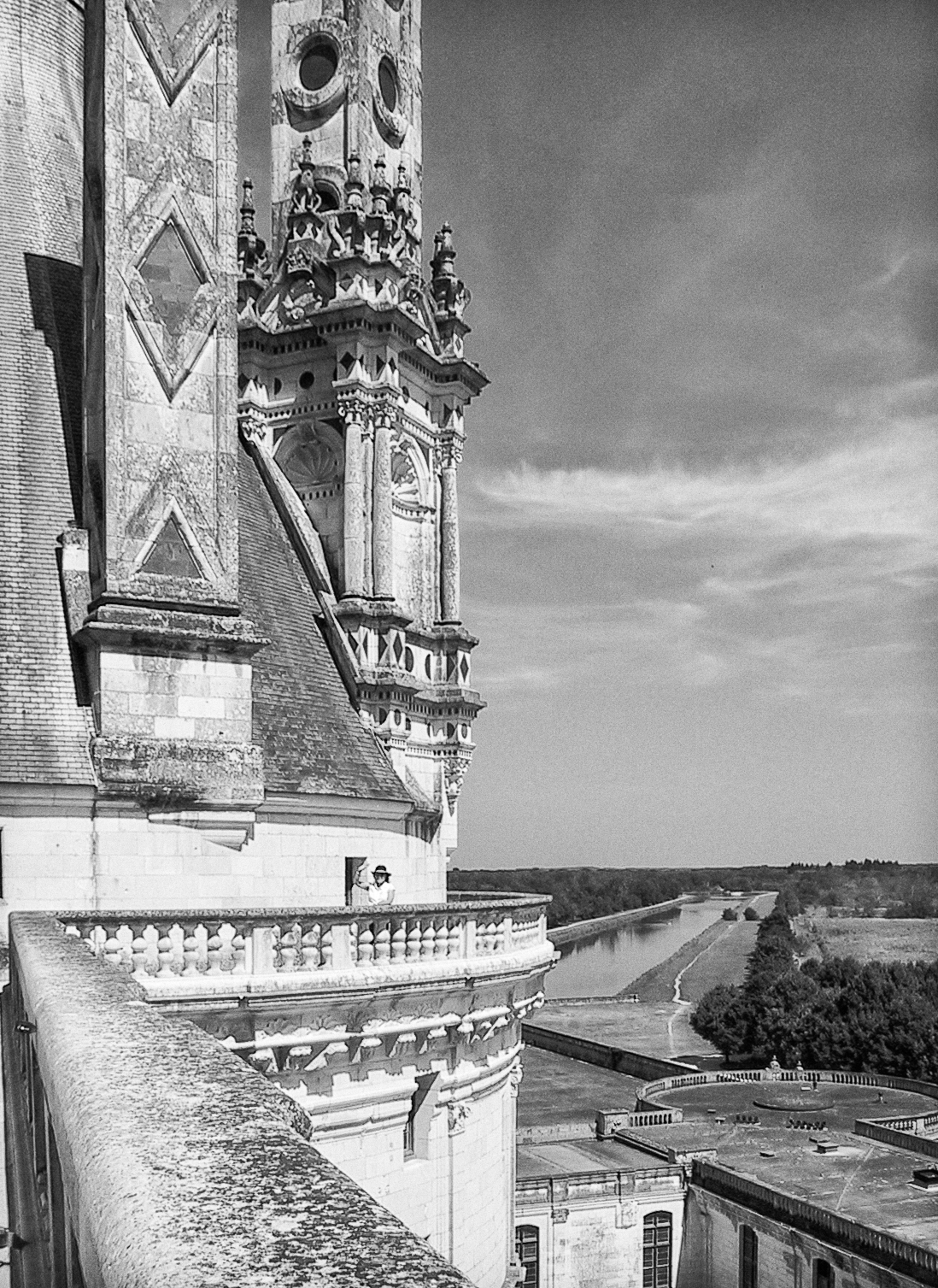

Chambord, Loire Valley, France, 2002
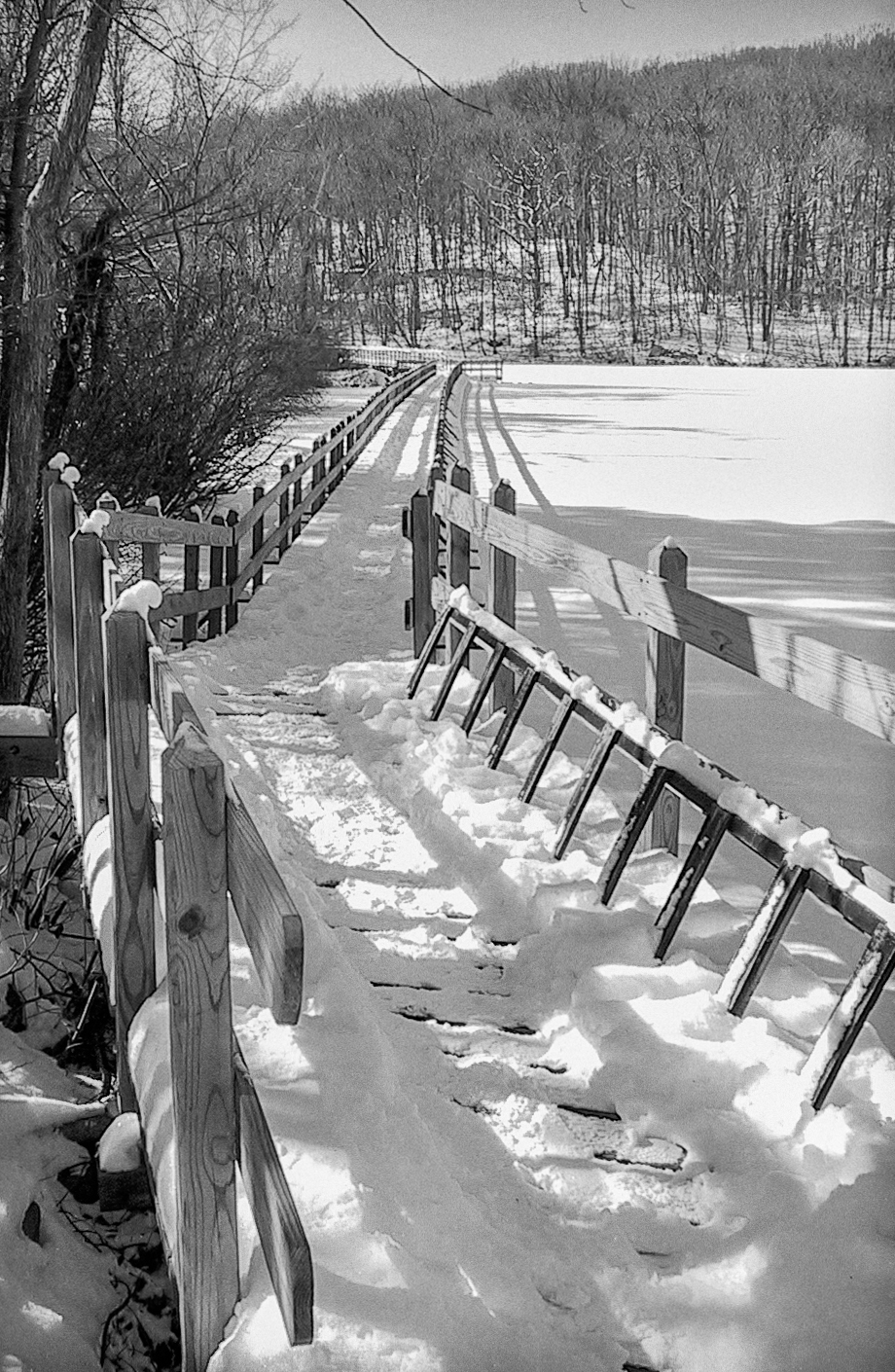

Boardwalk at Teatown Lake Reservation, 2002
Vintage Tractor show at Tilly Foster Farm


I love history and I’m fascinated by old things: old buildings; old cars; old aircraft; old machinery etc. So when I saw an ad for the vintage tractor show at the Tilly Foster Farm I had to go. When I was young my father used to take me to traction engine rallies. I can’t say that I enjoyed them too much at the time (I imagine I was too young) but they certainly left an impression – including once getting stuck behind about 50 of these behemoths on a single lane road where overtaking was forbidden! They move at about 5 miles per hour!

I expected to find all kinds of old technology and I wasn’t disappointed.


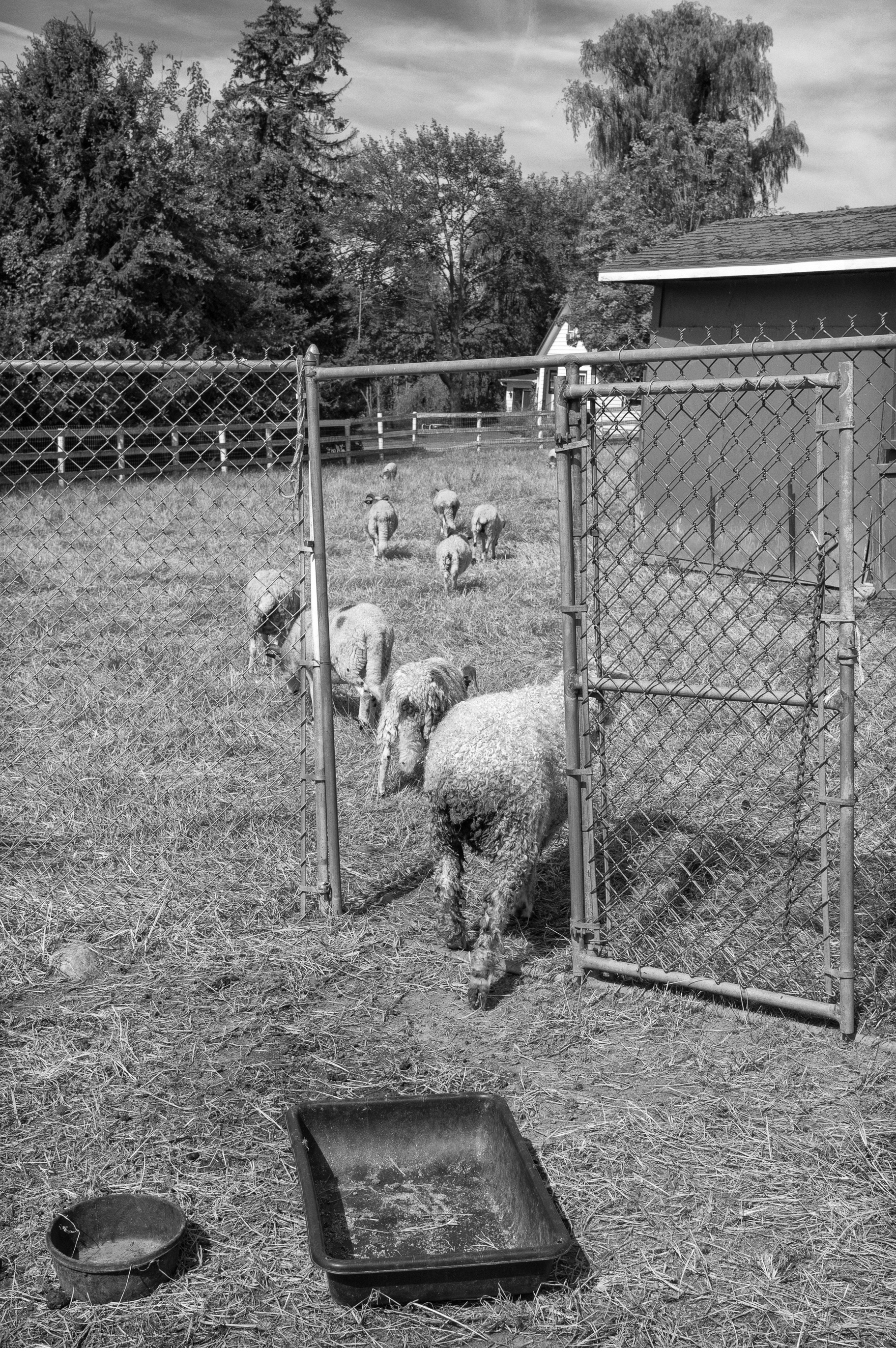
Farm Buildings


Vintage water well-drilling machinery. Apparently it’s driven by a 9 horse power Fairbanks engine and dates to around 1891. It was restored by and is owned by the Hyatts of Holmes, NY.


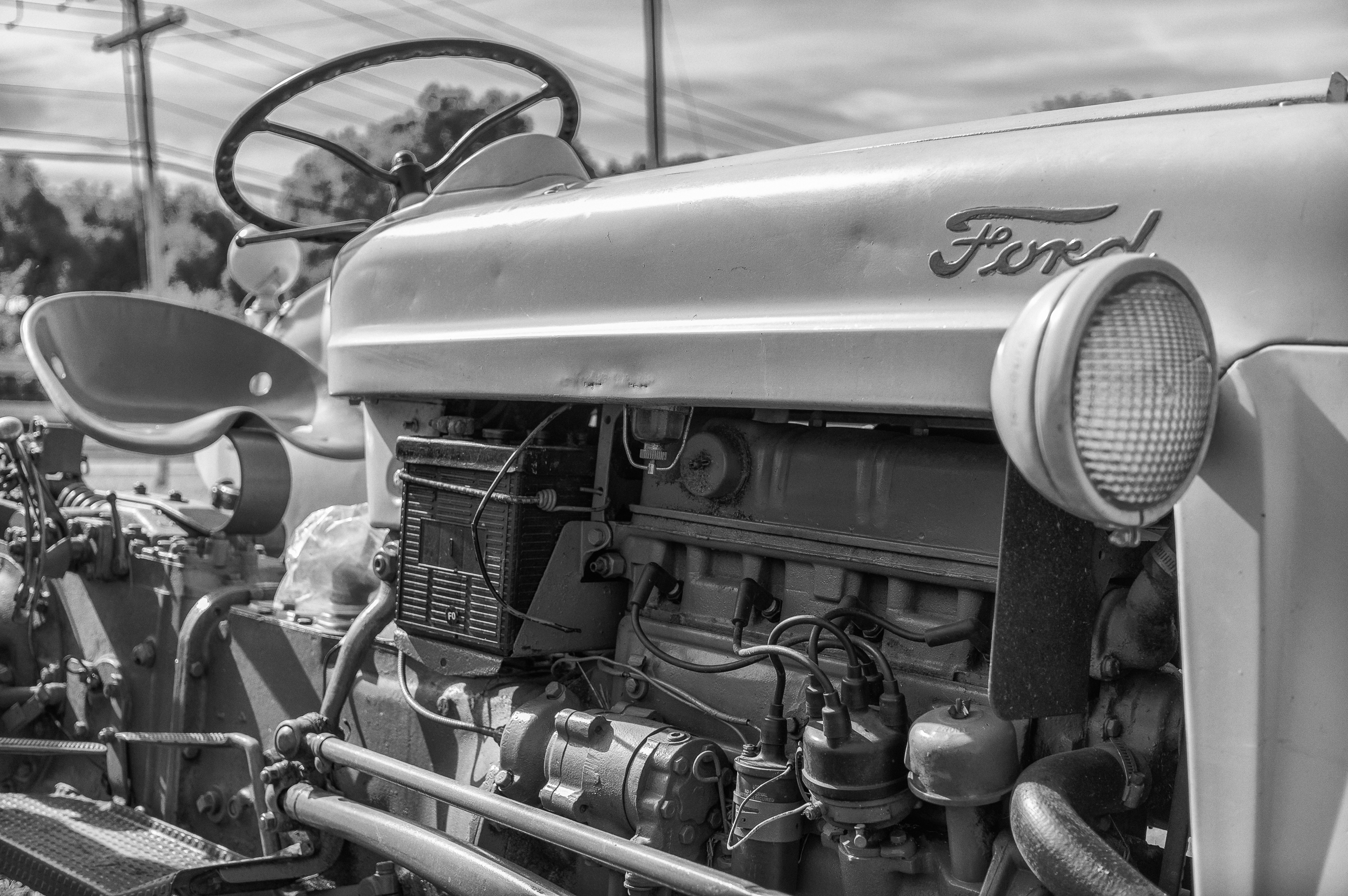
Vintage Ford Tractor


Old Ford


Not so old driver


Was it something I said?

The Visual Science Lab / …Technique in search of a subject

Interesting post from Kirk Tuck at “The Visual Science Lab”. I think he’s right and I suspect that I, too, fall into the second camp. He at least has the excuse that as a professional photographer he has to photograph subjects about which he’s not that passionate. I don’t have that excuse. I can take pictures of whatever I want. My problem is that while I’m interested in a lot of things I’m not really passionate about too much. Maybe it’s because I’m British. In my day at least we were not encouraged to be passionate about things – stiff upper lip and all that. The area I’m most interested in is photography, but how do you take pictures of “photography”. As I look back over the pictures I’ve taken over the last year or two I notice that a lot of them are of old things: buildings; objects; technology etc. I’ve been interested in history for a long time so maybe that’s it. I’ll give it a try.

As I get older and read too much I find that we can break down most photographers into two camps. The ones who master their craft in order to photograph the subject of their passion and the ones who get really good at their craft in order to be really good at their craft. To the first group the mastery of technique is a means to an end. The mastery gives them the potential to make images of their chosen subject in a style and a way that is unique to them. These are the people whose work comes to mind in a heart beat. Annie Leibovitz and Richard Avedon as people photographers. Patrick Demarchalier and Peter Lindbergh as fashion photographers, and Ansel Adams and Mark Klett as Landscape photographers. They pursue their passion. Theyve found their passion. And they explored it relentlessly.The second group are the universal shooters. They can shoot food, shoot a car, shoot a model, shoot a sunset or a sunrise, shoot a factory or a building or someone hanging off an enormously tall tower, or fighter jets or a child lit by a sparkler on a Summer evening. And in every situation they bring a technical expertise to the image that is arguably correct but, because it is largely a generic solution based on satisfying or solving the technical issues of the image it is homogenous and boring. Forgettable.

Technique in search of a subject. | The Visual Science Lab / Kirk Tuck.

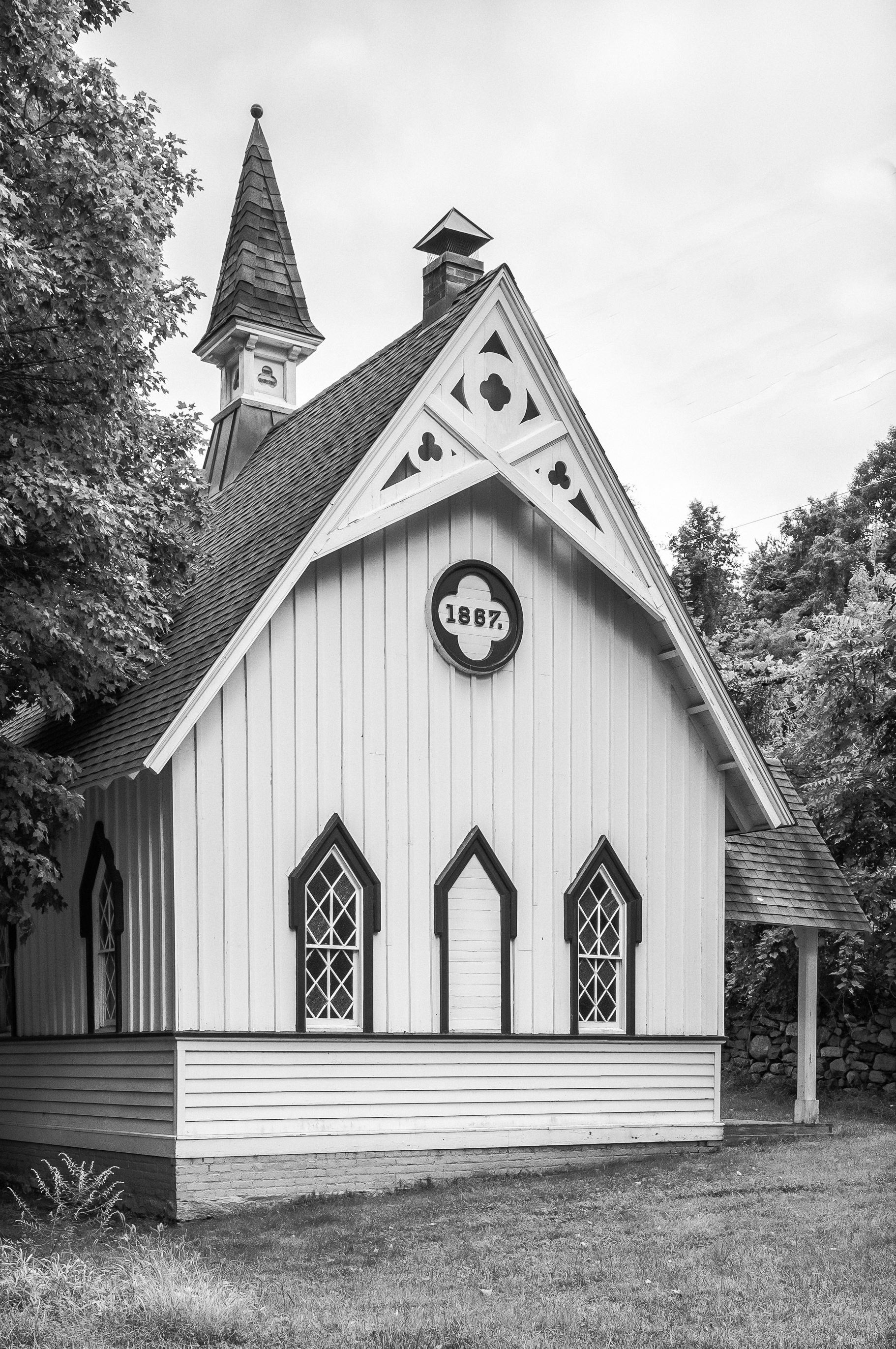
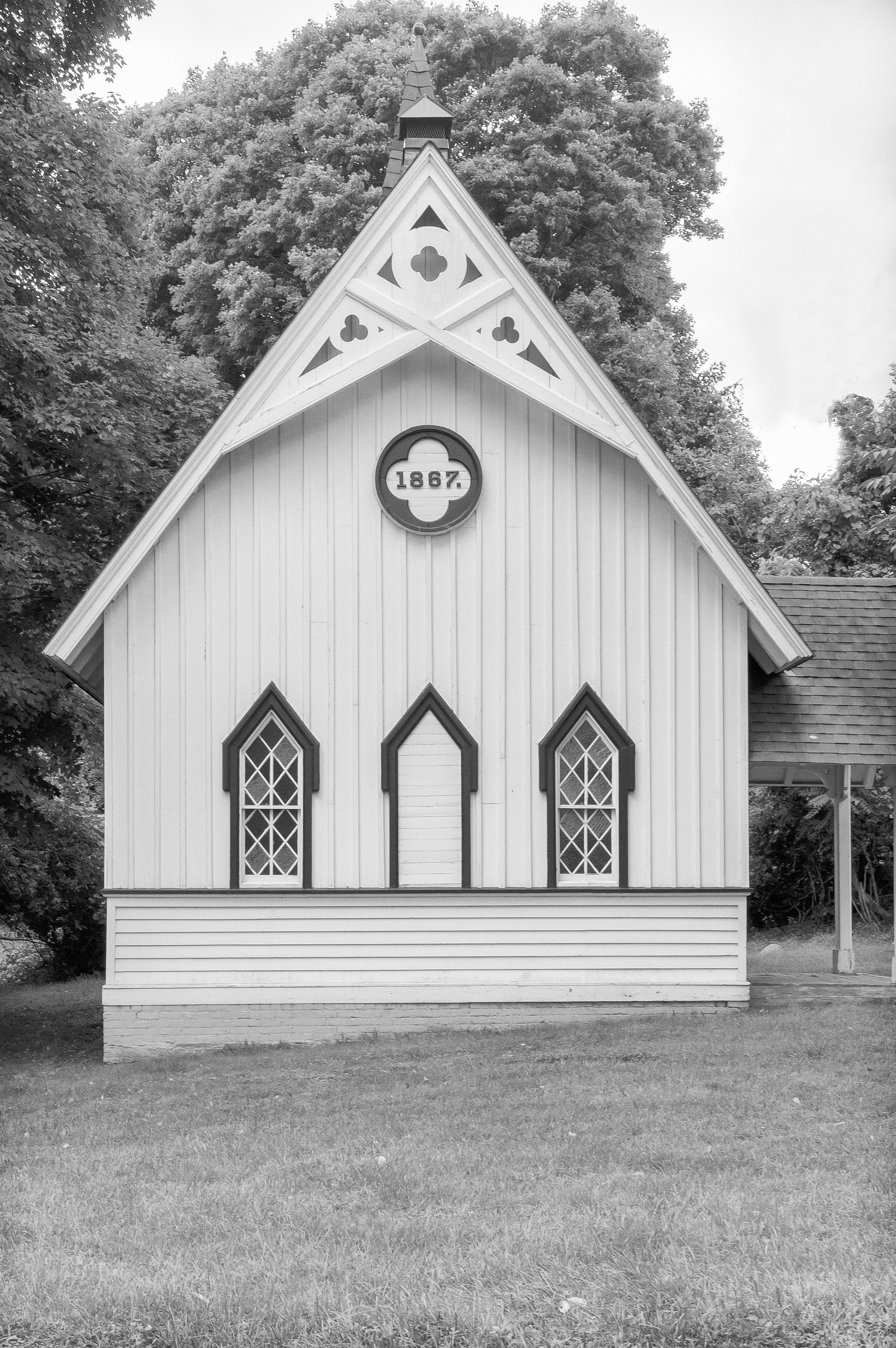
Church at the intersection of Route 9 and Route 301

This small church is at the intersection of Route 9 and Route 301 not too far from Cold Spring. It’s not easy to see from either road. I didn’t see a sign and my admittedly cursory attempts to find information on the web have failed to turn up anything. So I don’t know what church this is. Maybe it’s no longer in use? Still it’s an interesting looking church!


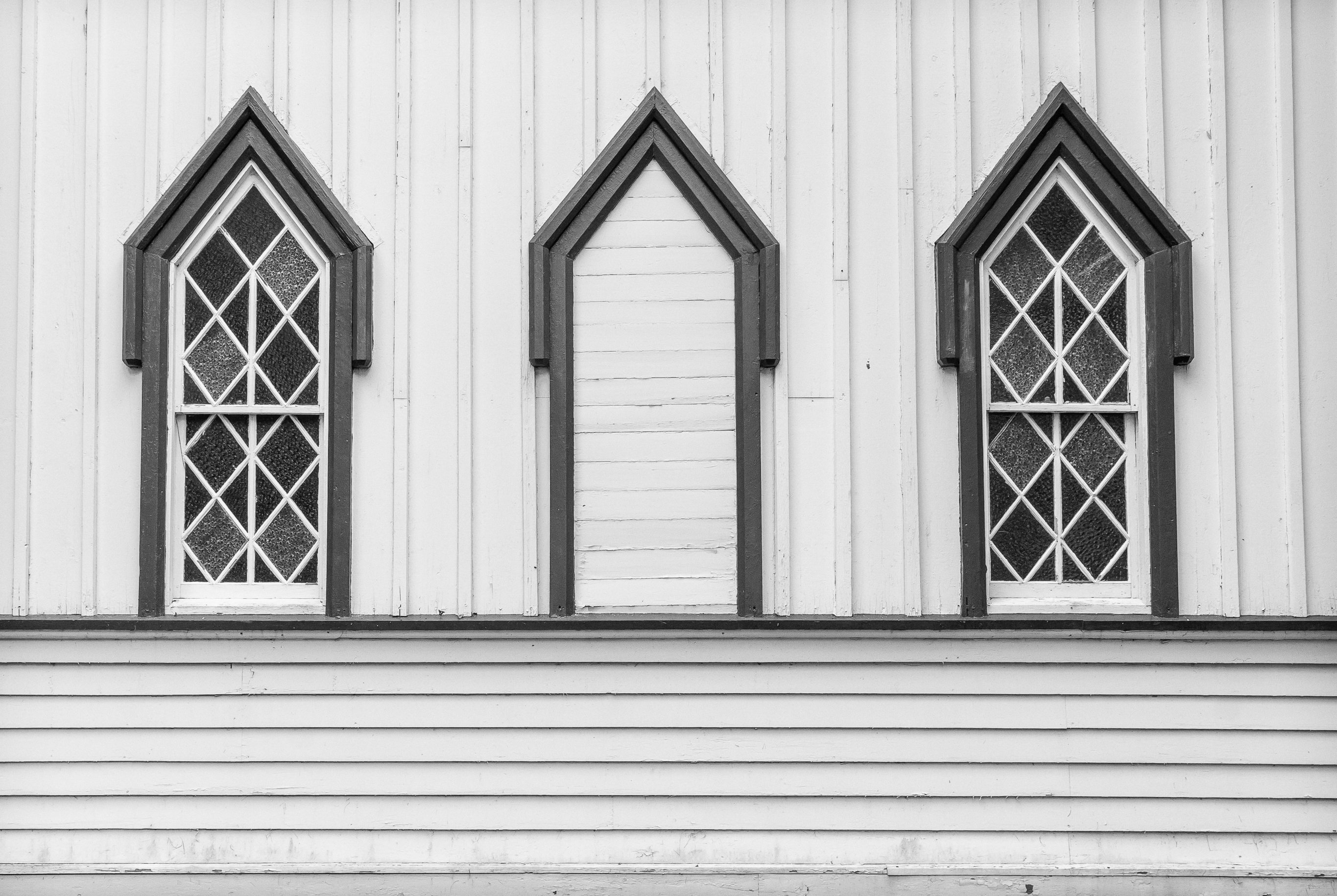
Windows


Facade