Interesting article on Elements and Principles of Design

An interesting read. I’m constantly trying to learn more about composition and design so this was definitely worth reading.

It’s probably not the first thing you think about when you’re going to make a picture.  But an awareness of the Elements and Principles of Design will help improve your work.  For some photographers, this article will be a review, for others, it will be new, but regardless, it will sharpen your photographic eye.The Elements and Principles of Design are the backbone of photography and indeed, for all the visual arts.  This article takes a fresh look at what the Elements and Principles of Design are and how they can be used to make your photographs better.

via Compelling Photographs: The Elements and Principles of Design – Luminous Landscape.

A Birthday Party

My wife regularly (usually 4-5 times a week) takes dance/exercise classes. Once a year she and other friends celebrate her teacher’s birthday. Sometimes it’s at a restaurant, but this time she invited them to our house. Everyone brought food and a good time was had by all.

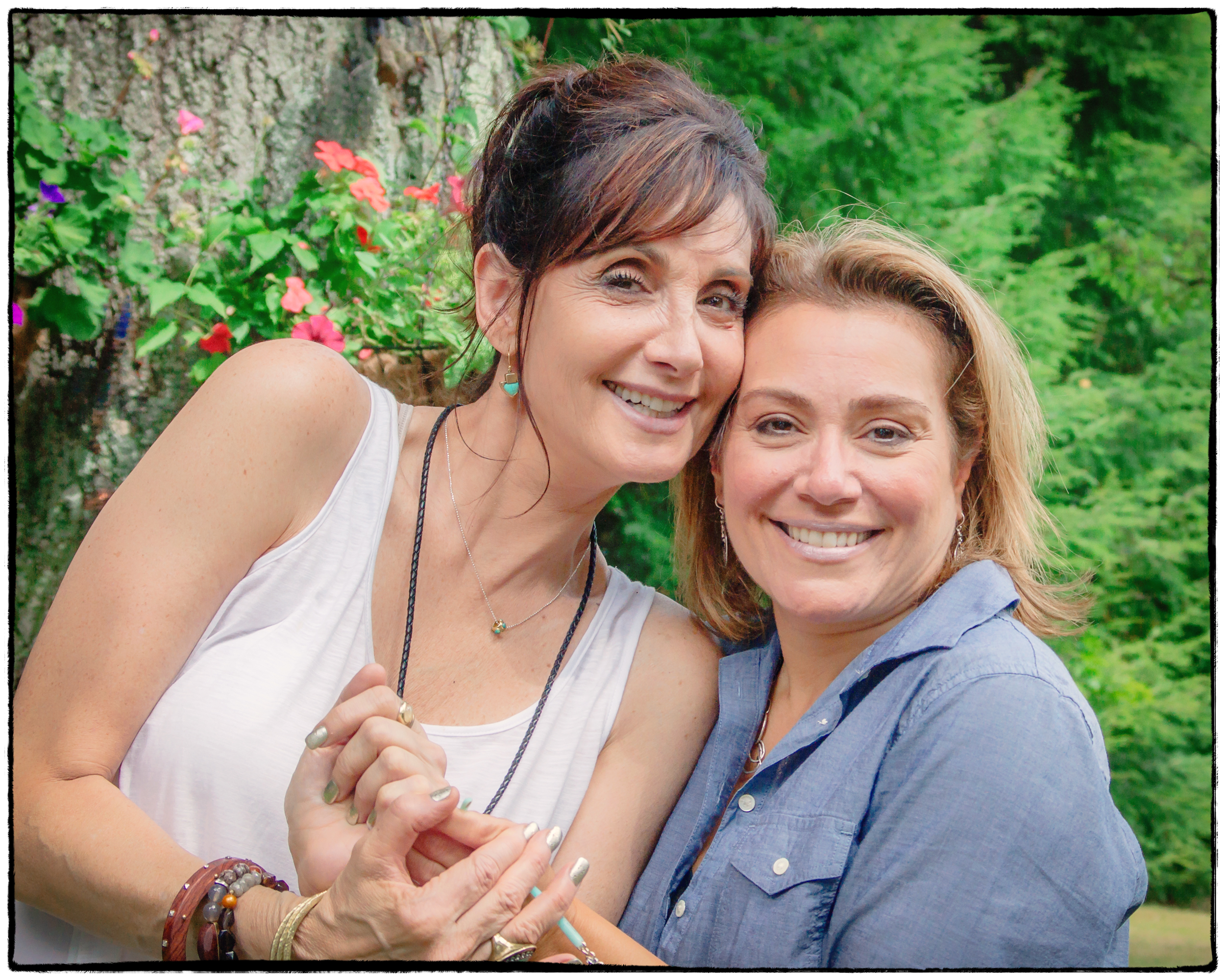
Taking pictures at this type of occasion isn’t really my cup of tea, but I didn’t really have much of a choice this time. In the end I rather enjoyed it. Above is the birthday girl (on the left) with one of the other teachers.

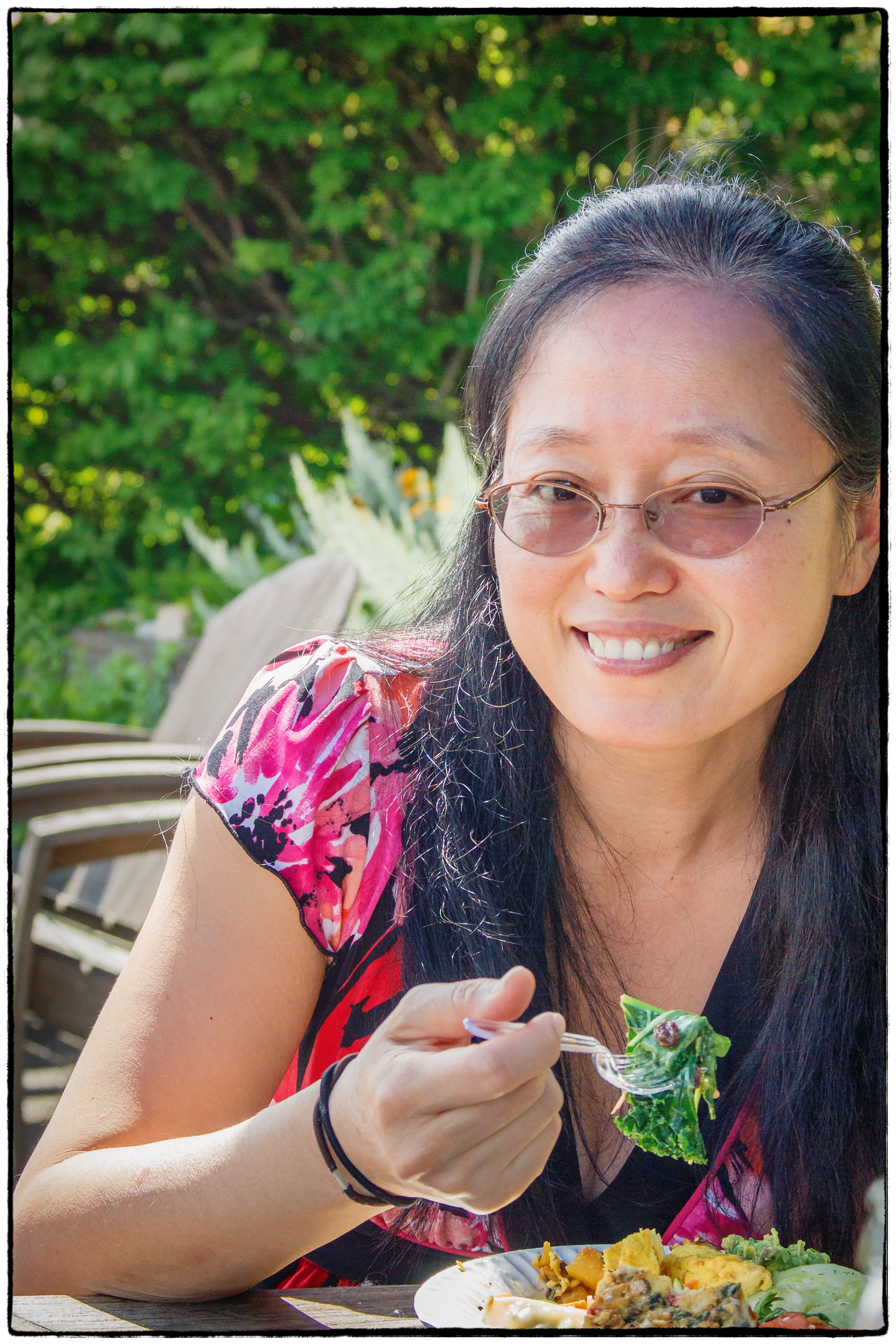
Under the umbrella on our dock.

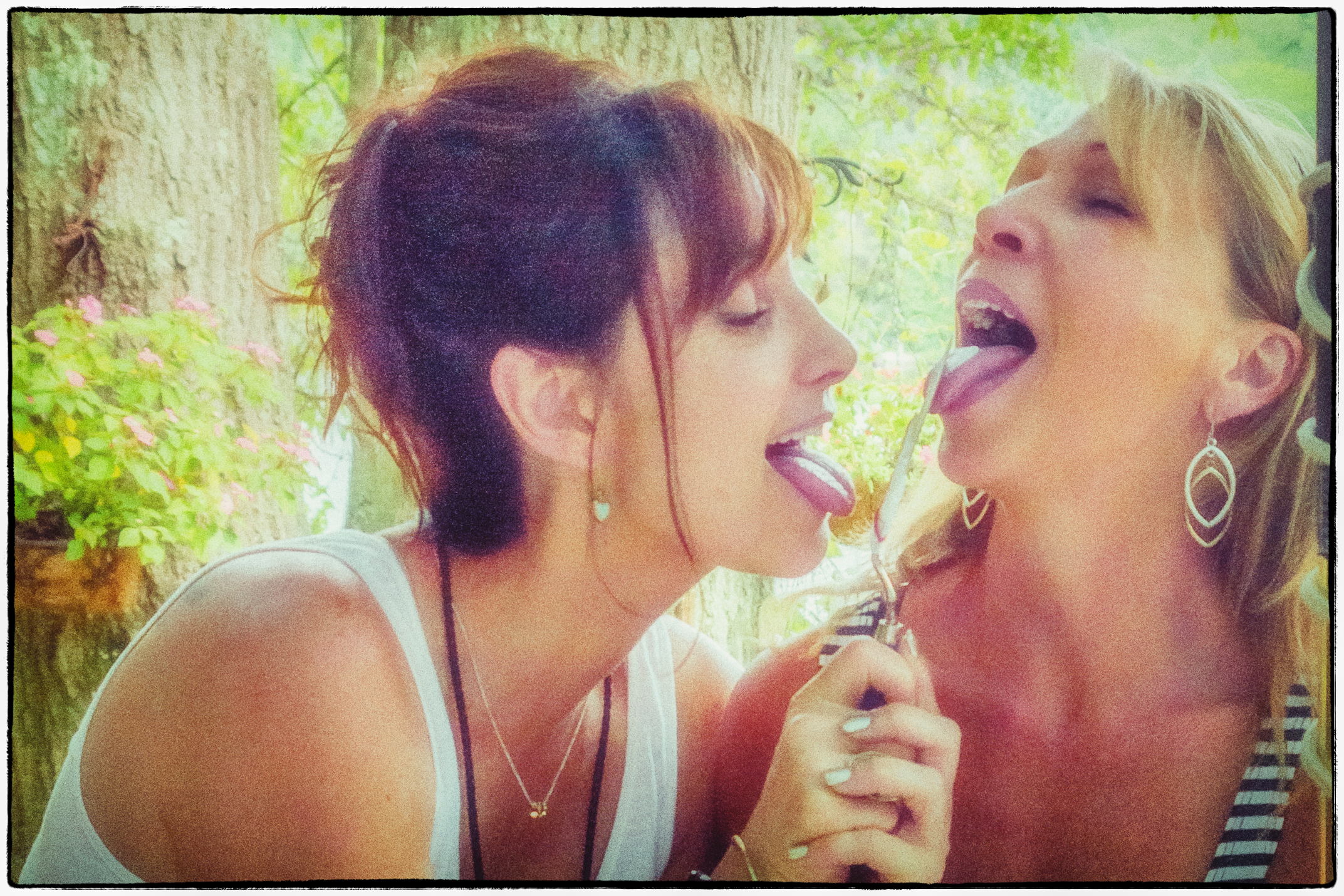
Ahhhh…..Fooling around, but they seem to be enjoying the birthday cake.

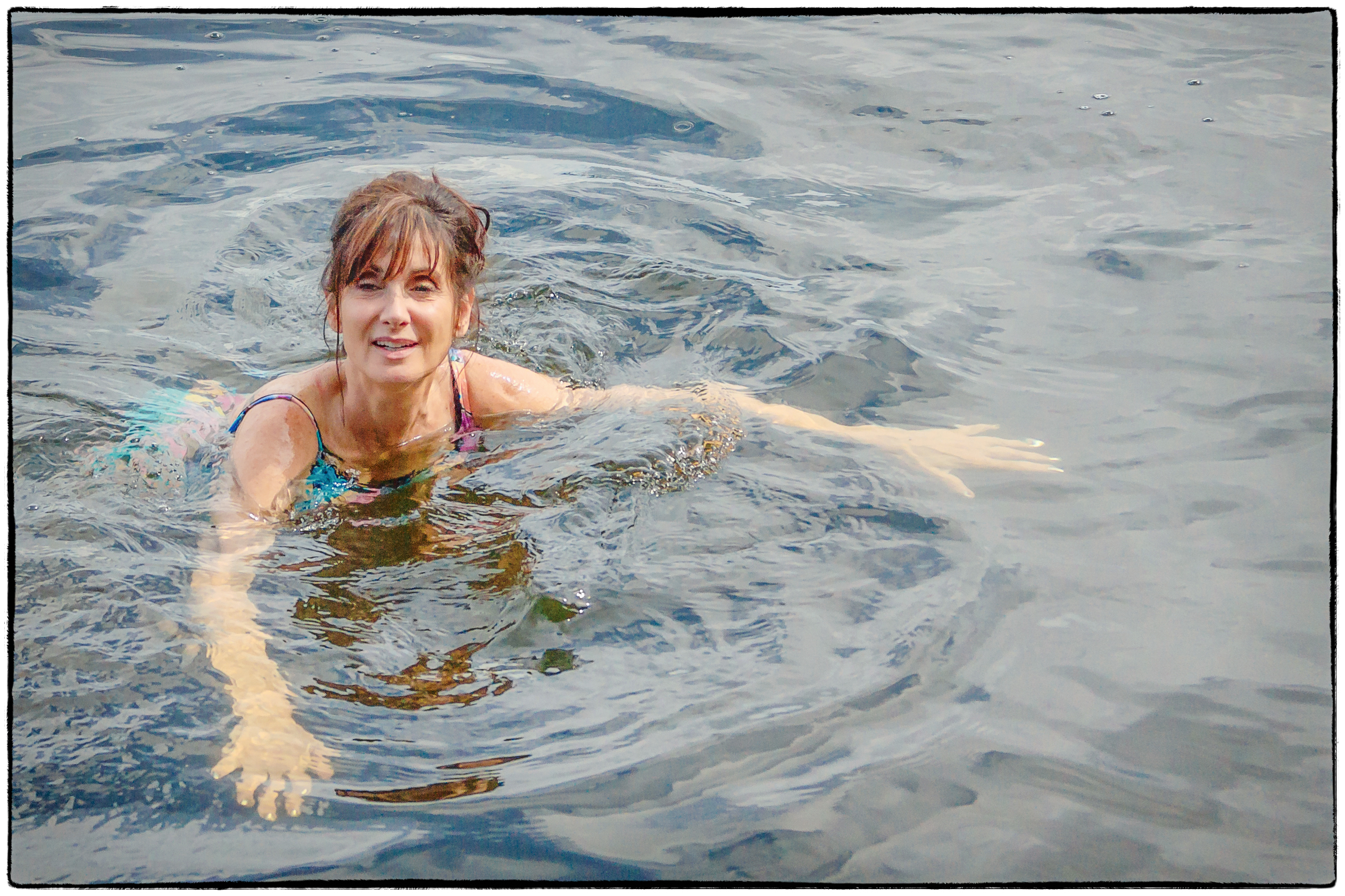
The birthday girl takes a dip

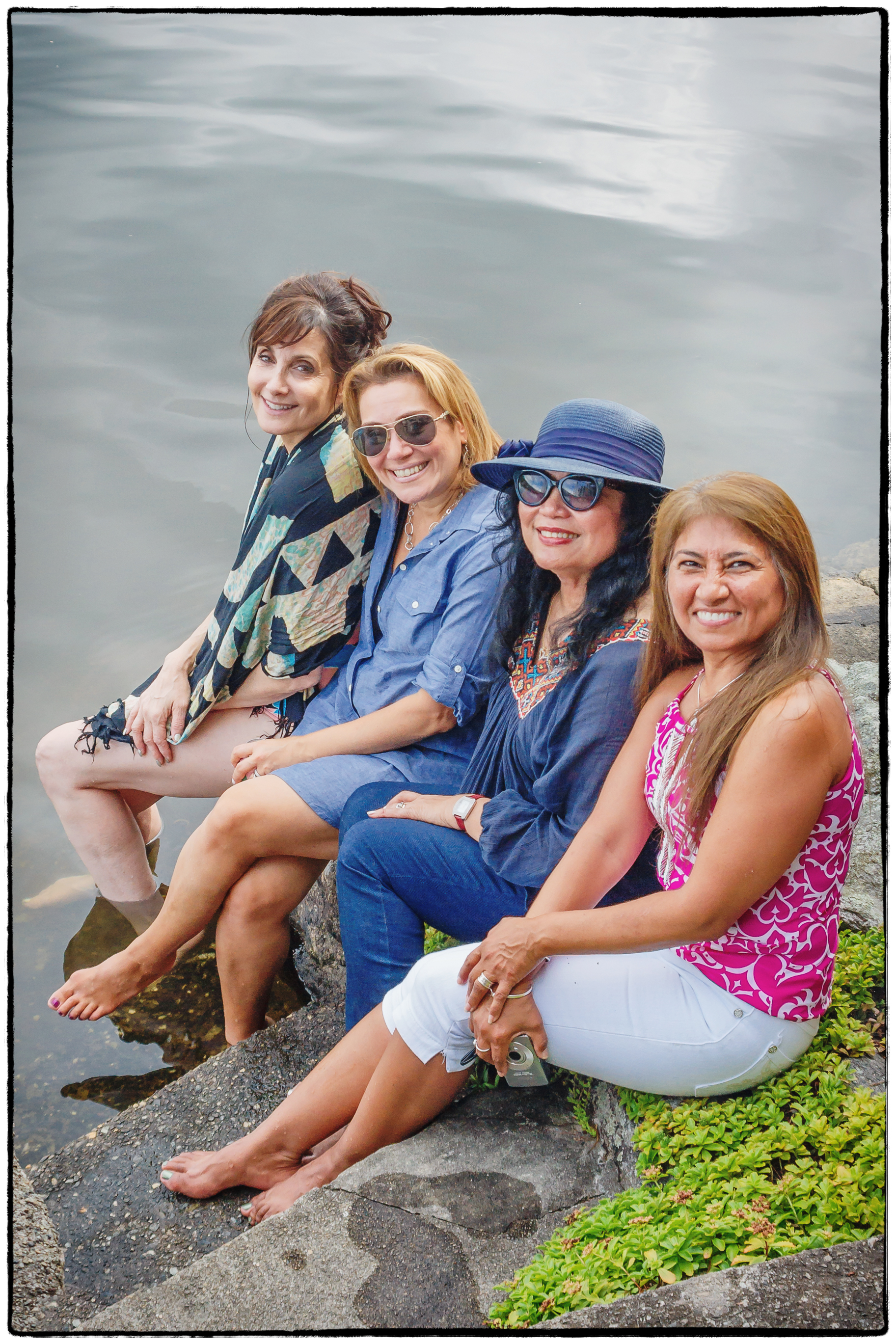
Sitting by the lake

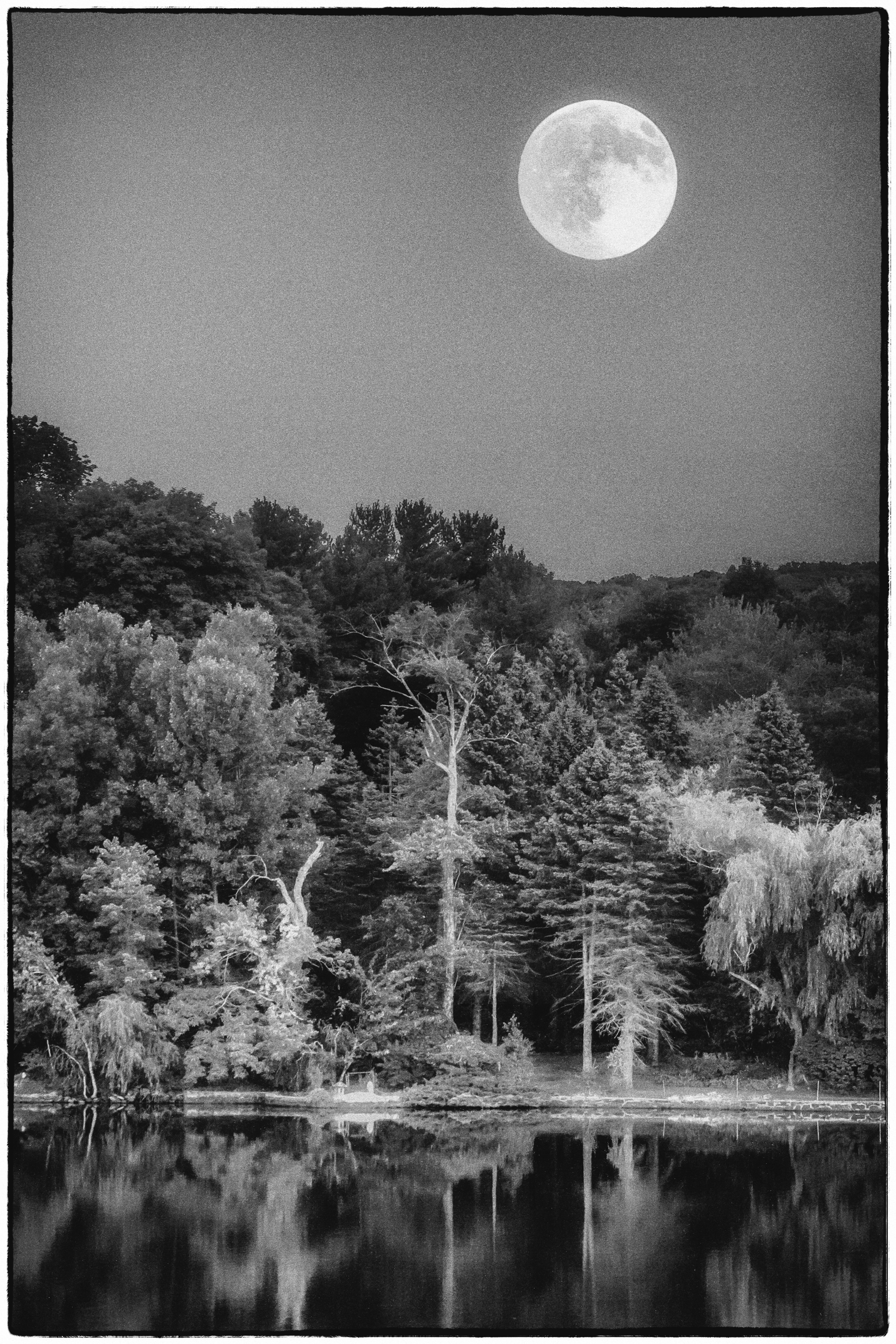
Moonrise Roaring Brook Lake

My wife and I were returning down the Taconic State Parkway from a shopping expedition to the Danbury Fair Mall when I noticed what seemed to me to be an exceptionally large moon over our lake. I rushed home, got out my camera and tripod and rushed out to take the picture. The situation was dire. The light was changing very quickly and if I didn’t take the shot quickly I wouldn’t have it at all. I didn’t trust my exposure meter but knowing the luminance of the moon I was quickly able to get off a picture. I was about to take a second picture when the light suddenly changed and the opportunity was gone forever.

Of course the above is mostly complete nonsense liberally adapted from Ansel Adams‘s famous description of the circumstances surrounding the taking of his picture “Moonrise, Hernandez Mexico“. The reality was quite different.

It’s true that we were returning from Danbury and that I saw a large moon over the lake. It’s also true that I grabbed my camera and tripod and went to get the picture. Unfortunately, I then discovered that the picture I had in mind was impossible to get. I wanted the trees and the lake and over them a very large moon. I quickly found that if I wanted a large moon I had to exclude the trees and the lake or if I wanted the trees and the lake then I would have to accept a small moon. Neither of these was a good alternative so I decided on something else: two exposures, one of the trees and the lake and the other of the large moon, which I then combined. The picture was originally in color, but I thought it would look better in black and white.

I quite like the result, but it’s a complete fake.

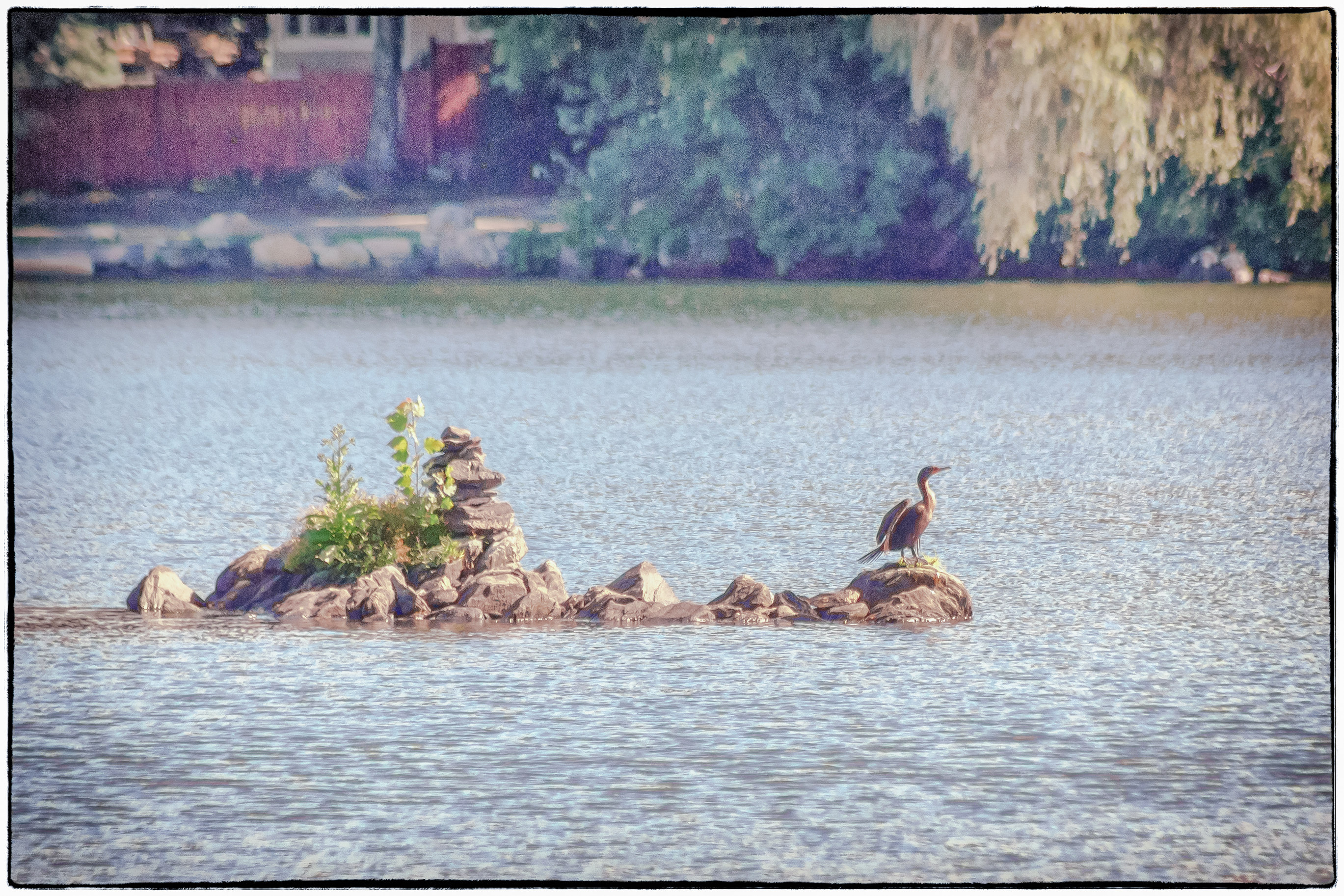
Cormorant on a Rock

I knew that I would be going to the NY Air Show with some friends and would need to use a long focal length lens. The last time I’d tried to capture aircraft in flight I hadn’t been particularly successful – and these were WWI vintage aircraft that didn’t move particularly quickly. This time there would be fast jet aircraft (AV-8b Harrier, F/A 18 Super Hornet, F-22 Raptor etc.) so I didn’t give much for my chances without some practice (or even with it for that matter). Anyway out came the Sigma 70-300mm f4-5.6 – The longest lens I own. Since this is a Sony/Minolta A-mount lens out too came the Sony Alpha 500 – a camera I’m getting to like more and more as I use it. Down I went to the dock where I’d seen a Cormorant standing on a rock on the lake. It was a good distance from our dock and I thought it would be a suitable subject – it wasn’t moving much and I thought it would be a good opportunity to try out the lens without worrying too much about the movement.

I wasn’t too impressed with the results but I did learn a lot from the exercise:

1. I can’t handhold at long focal lengths. So out came an old monopod.
2. The monopod by itself helped but the pan/tilt head seemed to get in the way so I put on the ball-head from my tripod. This gave me much more flexibility while still providing stability.
3. This really is a sunny day lens. I took the pictures late in the afternoon and had to bump the ISO up to 800 in order to get a decent shutter speed. This increased the noise.
4. At 300mm the lens is very soft even at small apertures. 200m was better.
5. Using continuous autofocus seemed to work better than single shot. Even though the subject wasn’t moving maybe I was.
6. The sun was behind and to the side of the cormorant and it was difficult to get the exposure right. Spot metering seemed to help but even then the subject was often too dark requiring shadows to be boosted in PP and more noise.

So not much of a picture, but a useful exercise. We’ll see how I do at the air show.

A Statue on top of Grand Central Terminal

Hercules looks up at Mercury in this statue by Jules-Félix Coutan called Glory of Commerce. The third statue (Minerva) is not visibly in this picture.

According to The Secrets of Grand Central, Part 2 on the Untapped Cities website:

The statue “Transportation”, alternatively “The Glory of Commerce” adorns the front of Grand Central facing south. On the left sits Hercules, representing physical strength; on the right, Minerva, goddess of wisdom and protectress of cities; featured at the center is Mercury, god of travel and commerce. This sculptural grouping was considered the largest of its kind when it was built in 1914. Made of the same Bedford limestone façade as the Terminal, it is 48 feet high and weighs 1500 tons. Underneath Mercury is the world’s largest example of Tiffany glass, at 14 feet in diameter.

Though it was designed by the French sculptor Jules-Felix Coutan, then a professor at the École des Beaux-Arts in Paris, the artist himself never set foot in the United States. Asked if he would visit to oversee the construction of his piece he replied in the negative, explaining, ”I fear some of your [American] architecture would distress me.” The piece was instead constructed/assembled by William Bradley and Son of Long Island City, Queens. It took 7 years, whereas the building of Grand Central itself took 10.