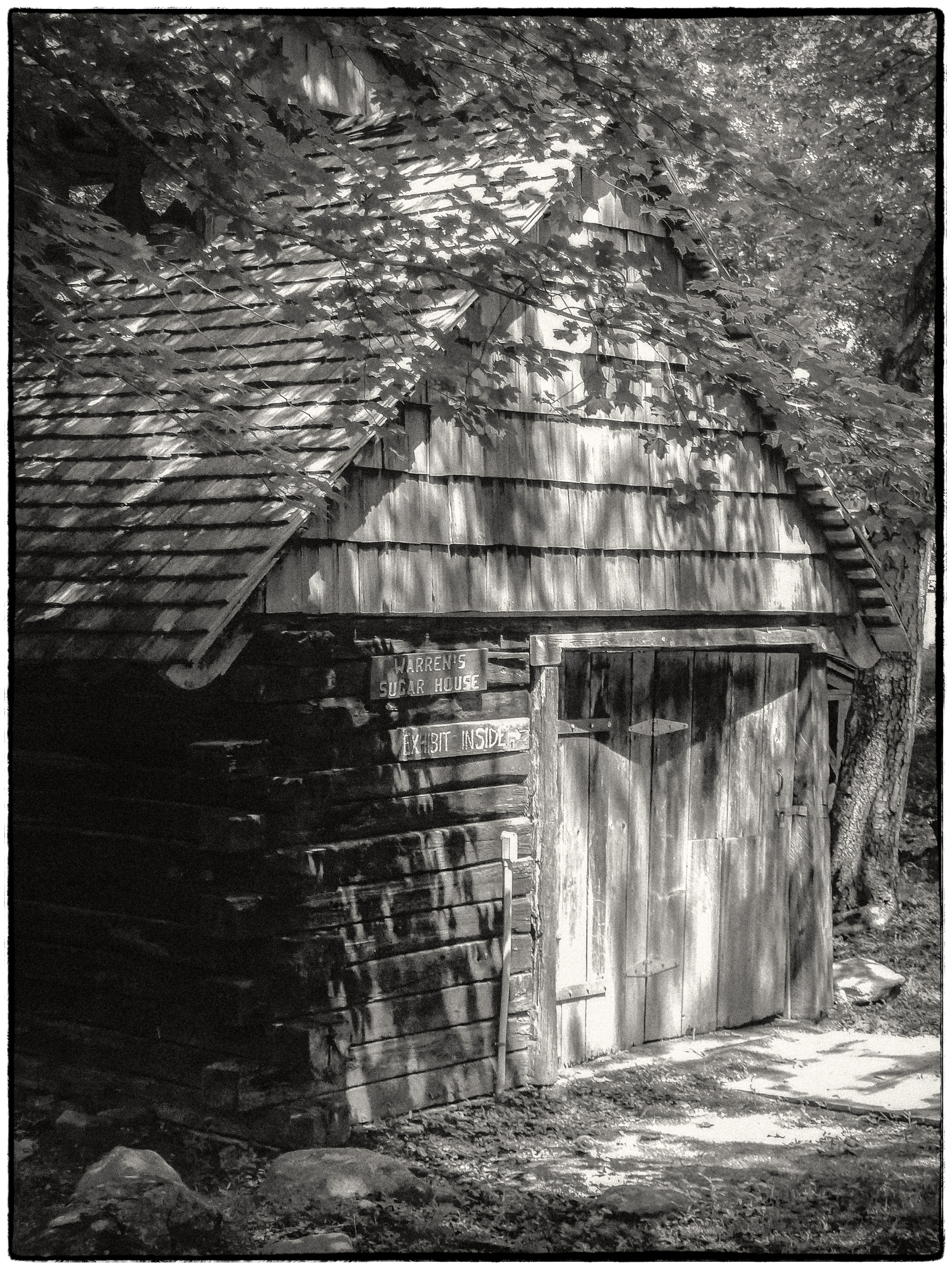
Warren’s Sugar House

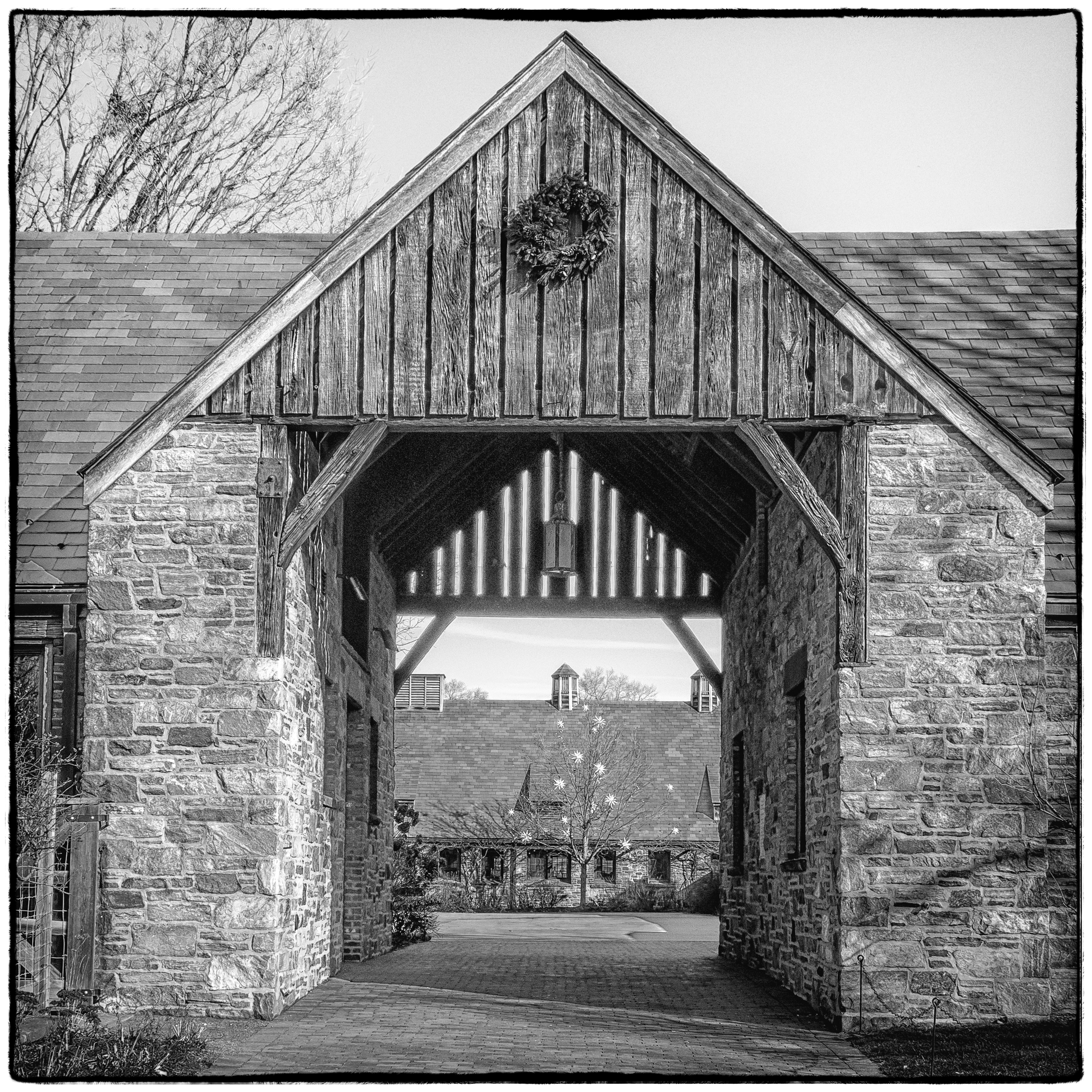
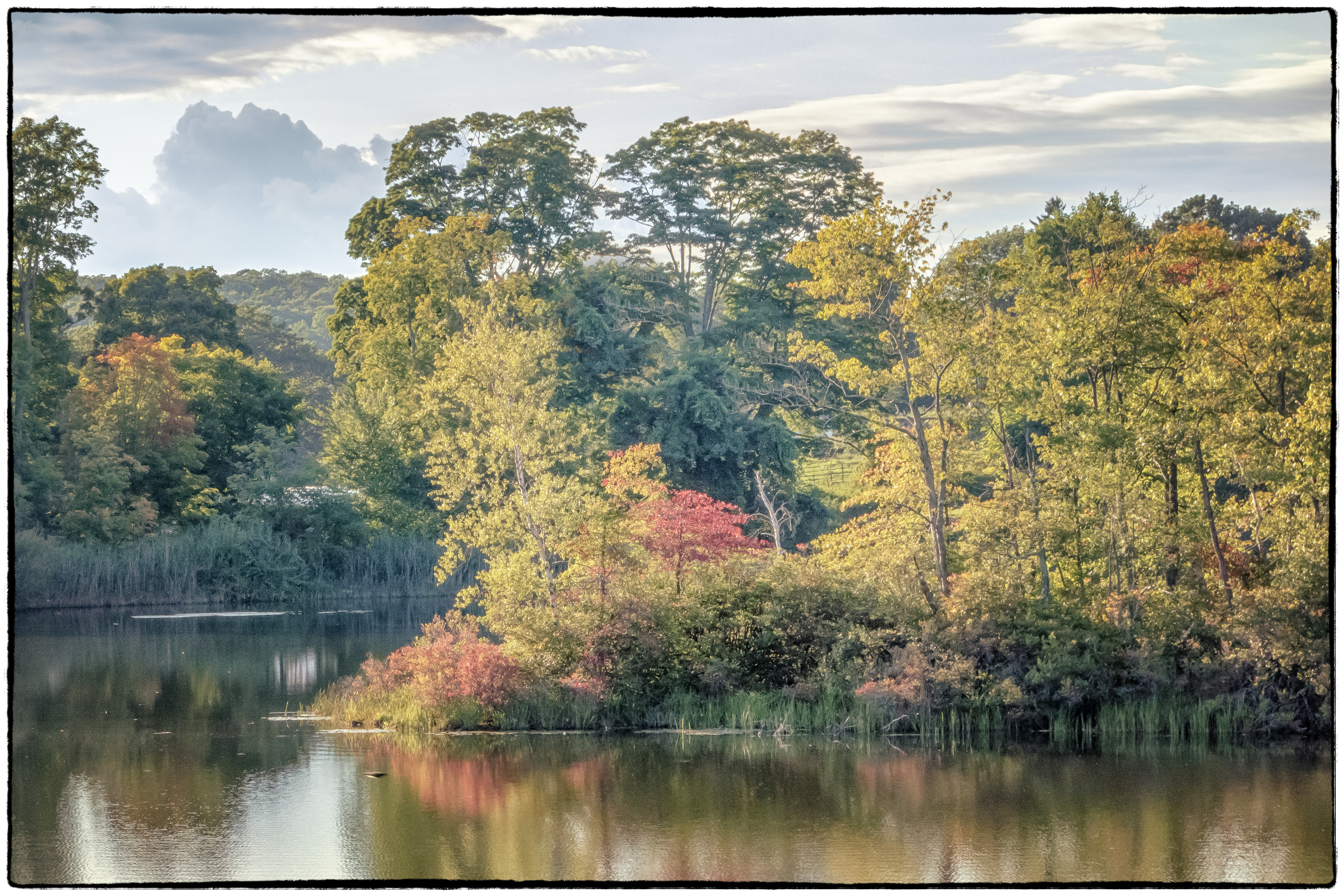
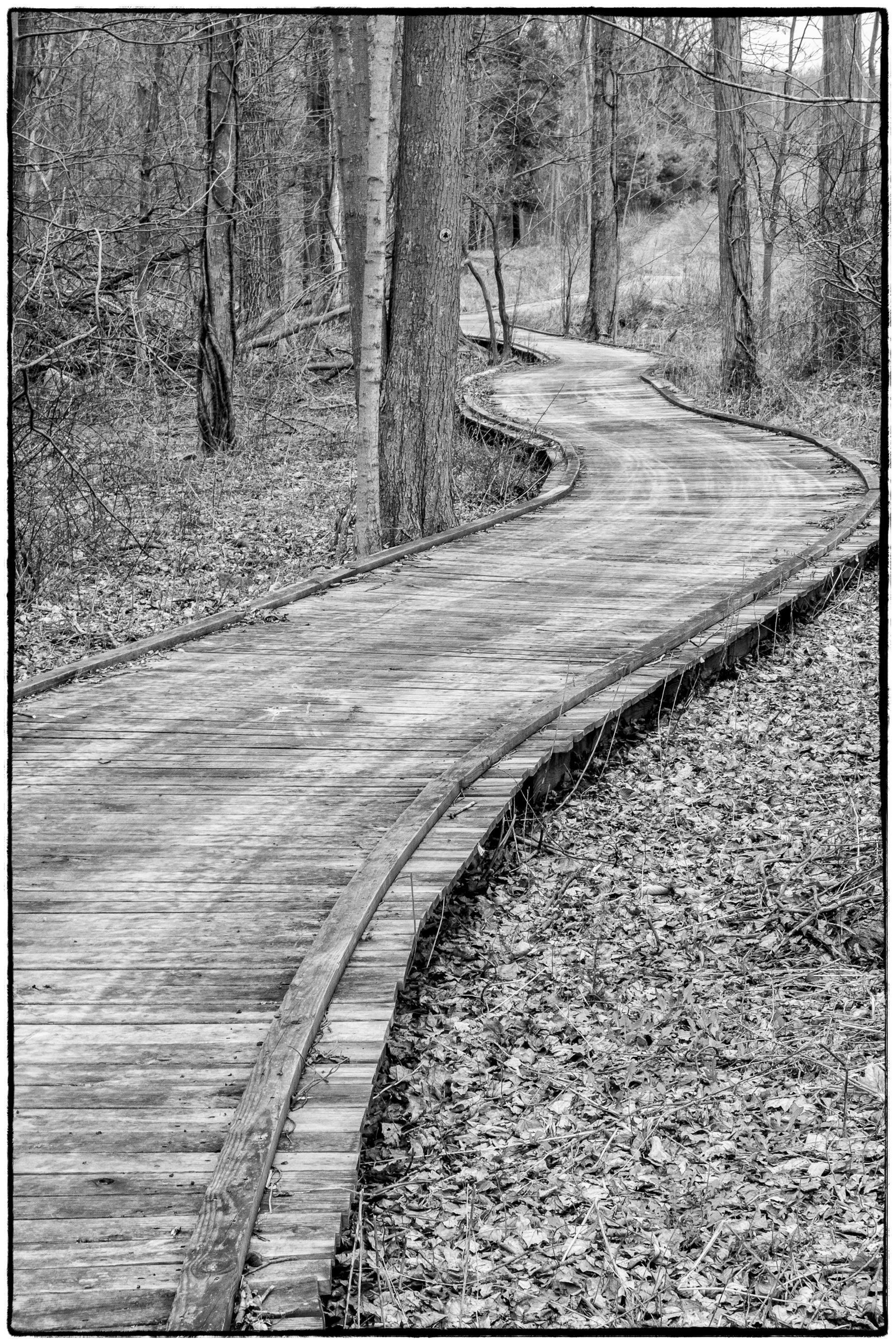
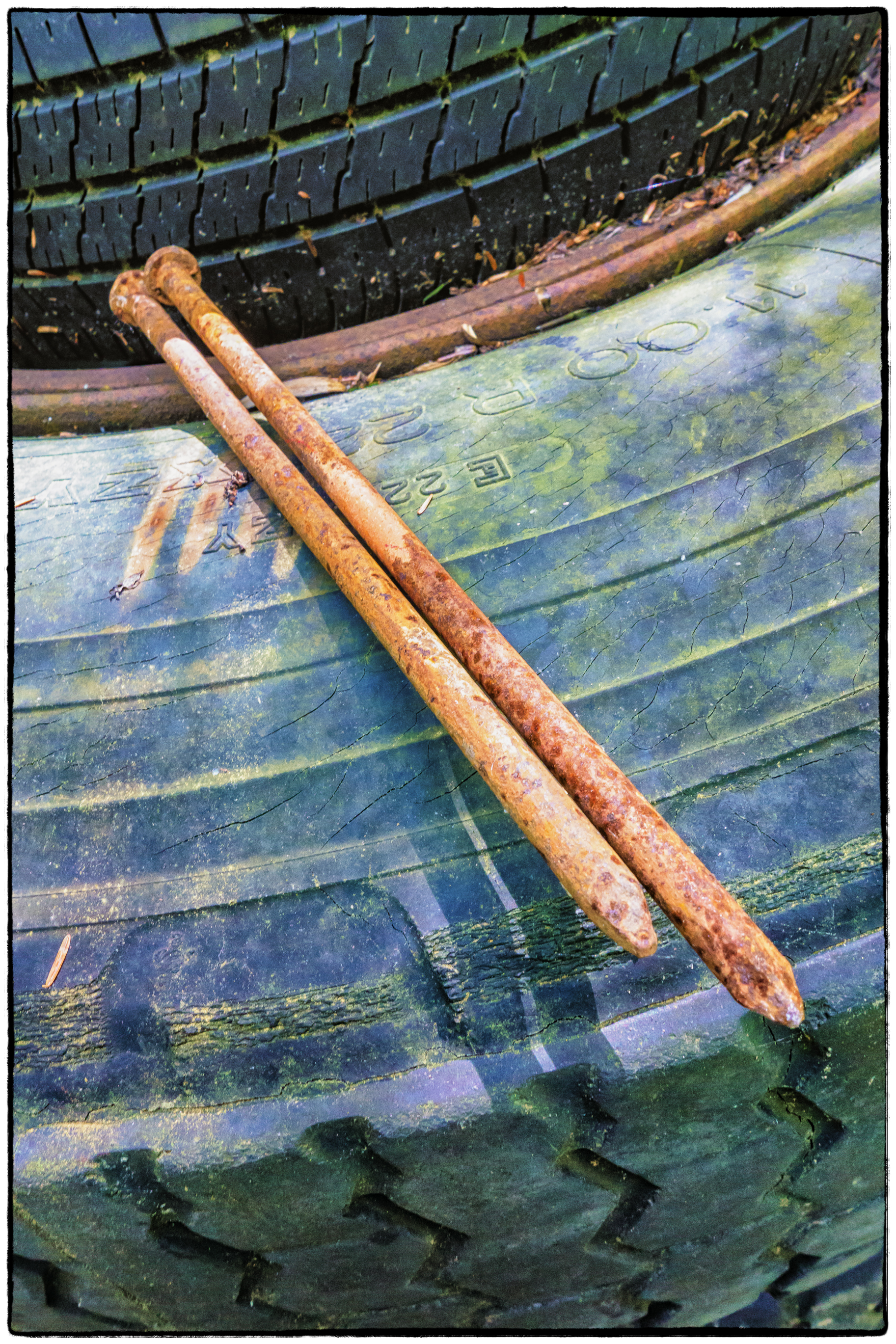
This picture was taken with a Panasonic Lumix ZS7 at Teatown Lake Reservation, one of my favorite places to walk. I liked the rustic look, the wood textures and the dappled light. It works better in black and white than in the original color.

Teatown Lake Reservation by Lincoln Diamant describes the sugarhouse as follows:

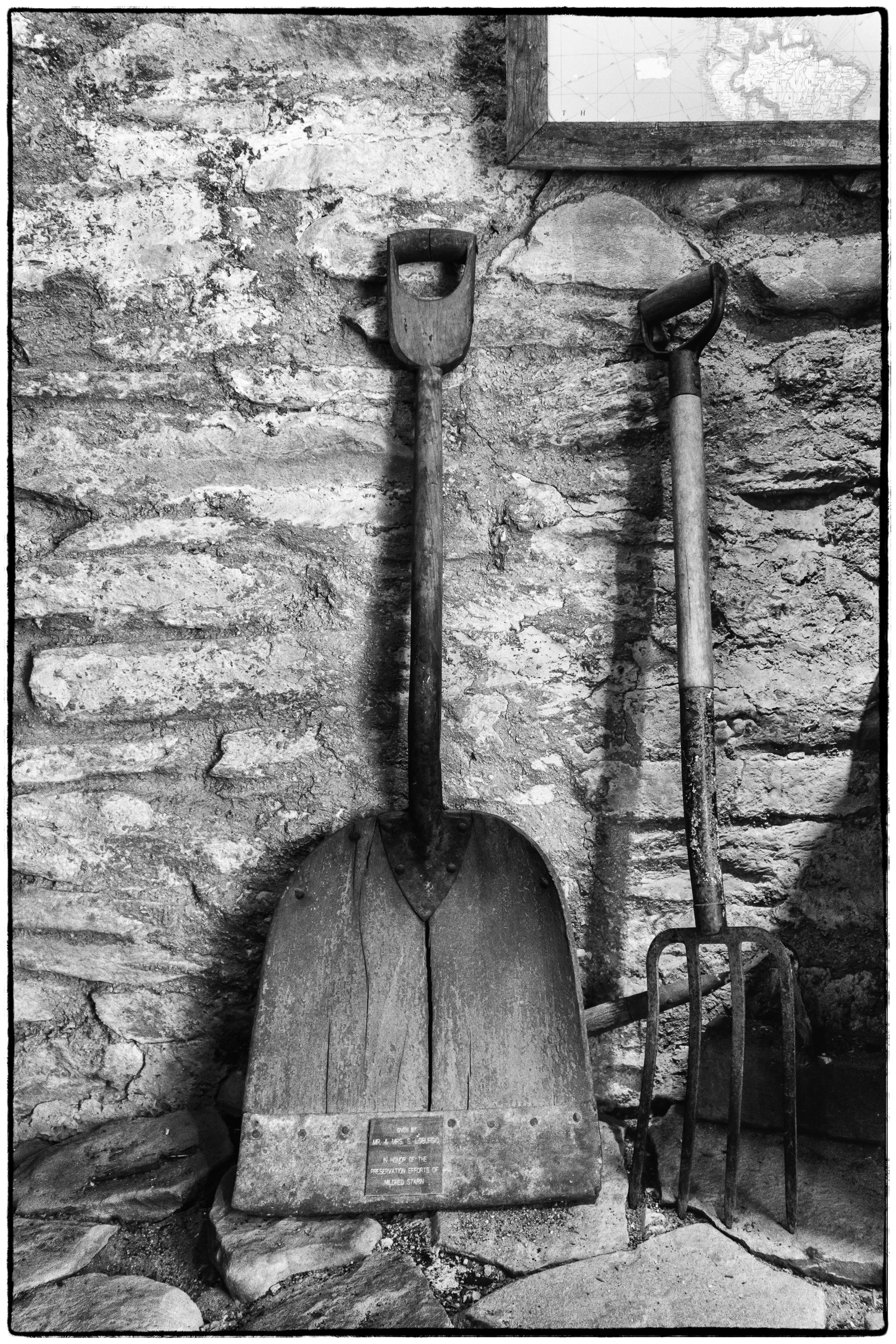
Modern-day sugaring at Teatown began with its first director, Warren Balgooyen. With a keen interest in homesteading and pioneer skills, Balgooyen quickly realized the potential sugaring offered for learning. From tapping a few maples, collecting sap by hand, and boiling it over an opern fire,, to the first small evaporator located in the old cider shed, Balgooyen tied together education and history. Certainly his sugarhouse, with its moss-covered roof and jauntily tilted chimney, is a reminder of how the history of the land can be a powerful tool in teaching about today’s environment.

Built in 1976 from woods culled from the property, the sugarhouse delights the many visitors that enter its doors. The shakes were hand split from white and red cedar, sassafras and oak – all trees known for their rot-resistant properties. Looking up at the rafters 25 years later, you can still see the adze marks on the beams. The littlest of children sometimes have to be coaxed inside; the dark interior and glowing fire stir up images of fairy tales told at bedtime.

The reservation’s web provides the following historical information:

The name Teatown dates back to 1776 when tea was scarce due to British taxation. A man by the name of John Arthur moved to the northern Westchester area hoarding a chest full of tea with thoughts of selling it at huge profit. A group of women called Daughters of Eve found out about the tea and demanded Mr. Arthur sell the tea at a reasonable fee. After refusing, the women laid siege to the farmhouse. Mr. Arthur finally agreed to sell the tea at a fair price in exchange for a peaceful withdrawal. Hence, the area became known as “Teatown.”

Teatown’s property was owned by Arthur Vernay, who built “The Croft” south of Spring Valley Road. That estate subsequently passed to Dan Hanna; in 1917, he constructed the stable, which now serves as Teatown’s Nature Center and executive offices, and the adjoining Carriage House, both on the slope north of Spring Valley Road.

In 1923, Gerard Swope, Sr., Chairman of General Electric, purchased “The Croft” and all its surrounding land. He and his family enjoyed riding horses, so they stabled the animals in the English tudor outbuildings and built a network of horse trails. A few years later, he dammed Bailey Brook, which flooded a low-lying meadow, creating the 42-acre Teatown Lake.

After enjoying the land almost daily for many years, Mr. Swope died in 1957, leaving the property to his children. In 1963, the heirs of Gerard Swope gave the Brooklyn Botanic Garden 194 acres to provide an outreach station in Ossining. In exchange for the donation, the Swope’s directed the Botanic Garden to conserve the open space while educating the public about the resources such land could provide. Teatown began functioning with only a small staff and a few volunteers, offering nature classes and activities for both children and adults. In 1971, Teatown became formally incorporated as a separate legal entity, and 21 community members made up a board of directors.
RX-100 Revisited

I’ve had my RX-100 for over a year now. I originally bought it as “carry everywhere” camera, the lack of which I felt after I got rid of my Panasonic Lumix LX-7.

First a word about the type of photography I incline to. I mostly take pictures of old buildings, old machines, landscapes, flowers etc. Occasionally I take pictures, usually at family events or social gatherings. What I don’t normally take pictures of are things which move quickly (e.g. sports, people in the street, kids running around etc.) so lightning fast focus isn’t really that important to me.
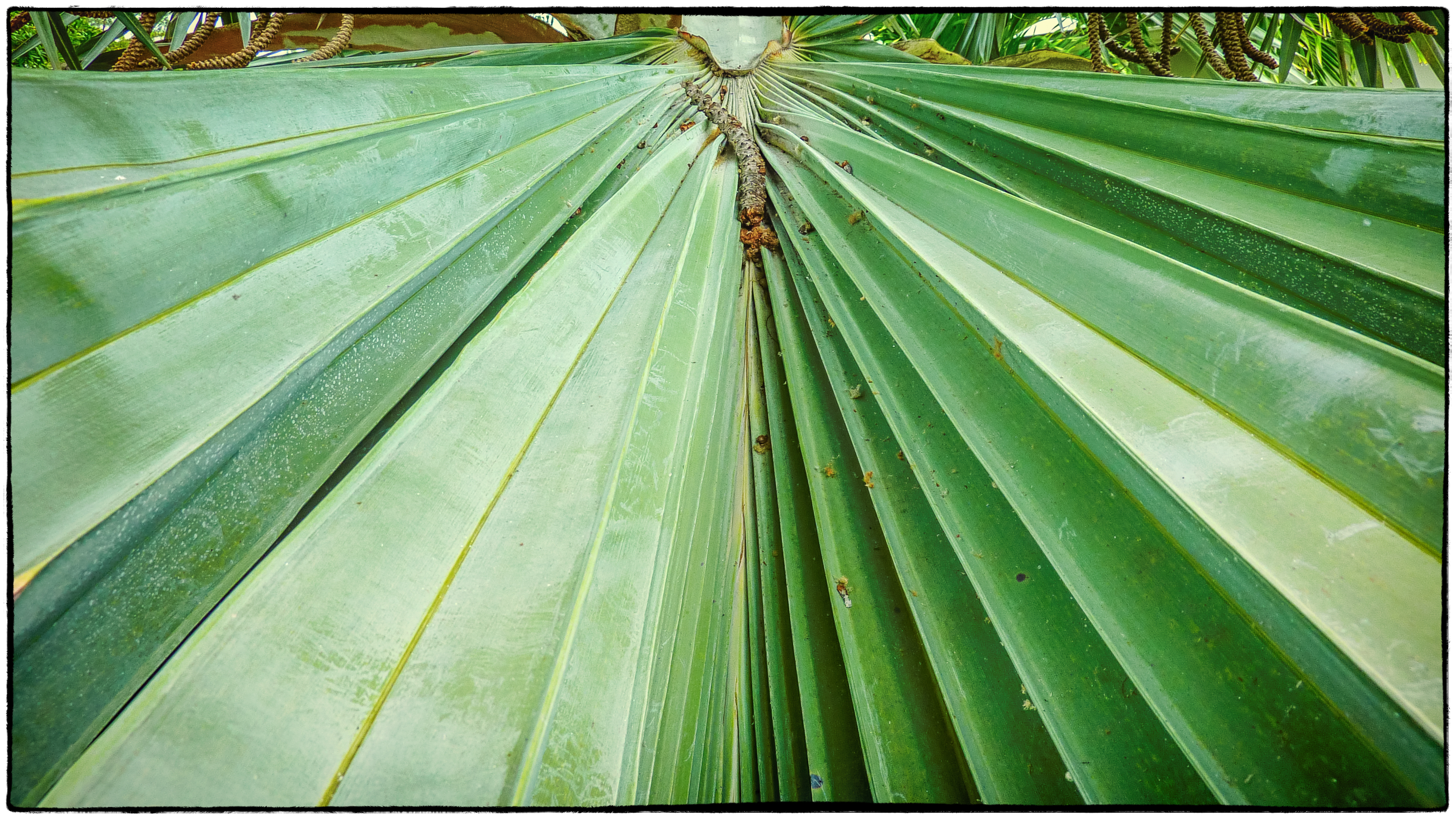
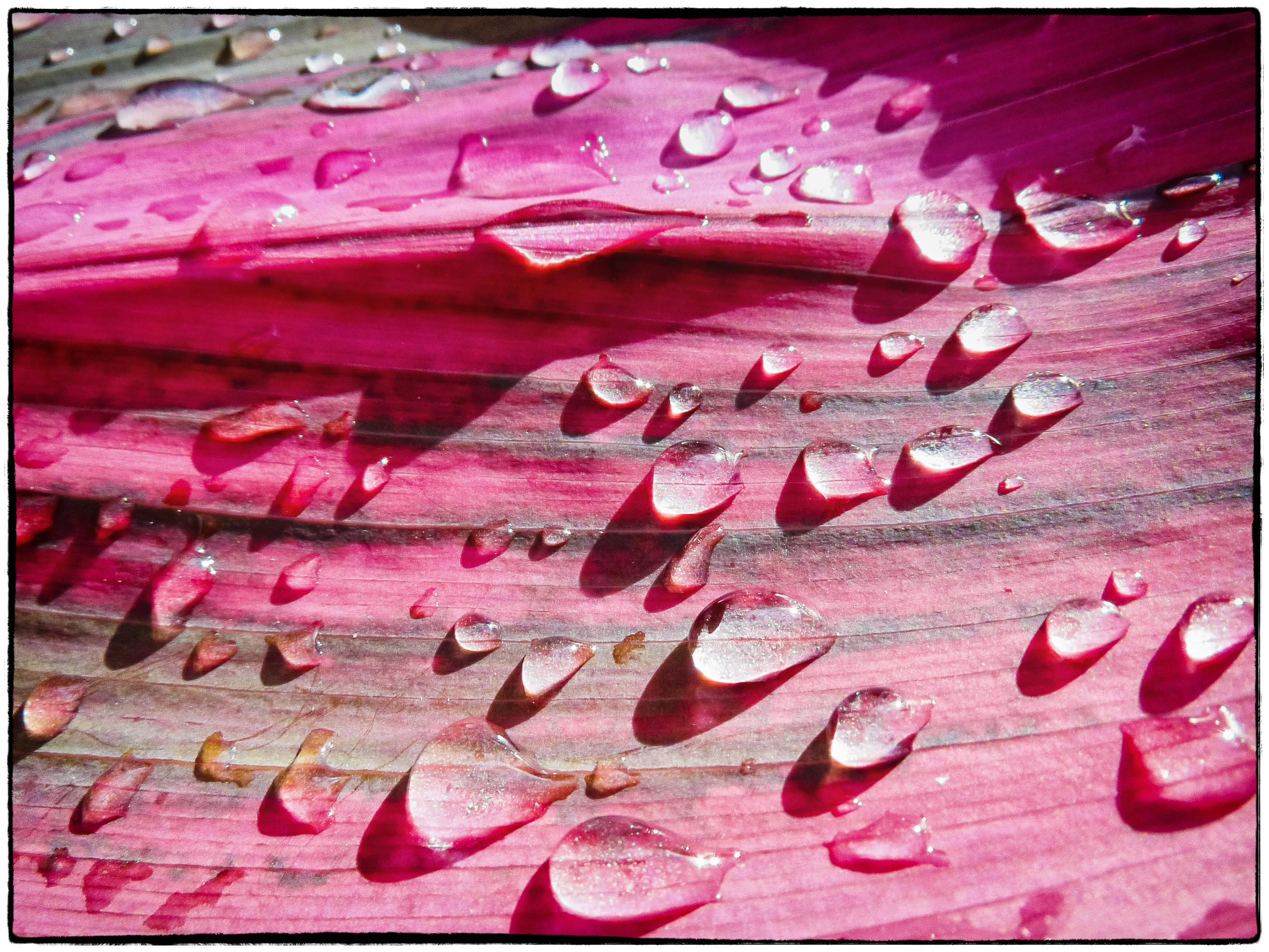
For my type of photography the RX-100 has done very well. I find the autofocus to be very accurate – much more so that that of my NEX 5N, which I usually shoot using manual focus because I don’t trust the autofocus. The pictures produced by the RX-100 are very sharp and it has done very well in low light situations where I’ve been shooting without a tripod. The colors are bright and contrasty. And of course the most important thing is that it’s so light and easy to carry around that I almost always have it with me. Because of this I now shoot more pictures and consequently have more “keepers”. Some of my favorite pictures have been taken with this camera (see a few below).

It’s not without its failings though. The thing that used to annoy me the most was that it was far too easy to accidentally press the video record button. I don’t shoot much video so I didn’t really even need the button. Fortunately a recent firmware upgrade eliminated this problem by disabling the button in still mode – thank you Sony. I also find that the lens flares a lot when pointed in the general direction of a strong light source. I suppose a lens hood would help, but I haven’t been able to find anything suitable. I miss having a viewfinder and a tilt screen (but then I knew that when I bought it so can’t really complain) and I find the manual focus to be so “fiddly” that I don’t use it, which is a pity since for my style of photography this would be my preferred option if it worked to my satisfaction.

Perhaps more significantly I find the pictures to be quite “clinical” – well focused, very sharp, bright and contrasty (maybe even a bit too contrasty) but somehow a little lacking in character. I shoot a lot with legacy lenses on my NEX 5N and even though some of them can be lacking in some of the above areas, they usually have a very definite “look”, which I like. I shoot in RAW and I find that with the RX-100 I have to tone down the contrast and the saturation and even soften the image a touch in order to get the look that I like.

Still, all gripes aside, it’s a wonderful camera and I would miss it greatly if it were to die on me – at least for the 10 seconds or so it would take me to decide to get a model III with the viewfinder and tilt screen I miss.

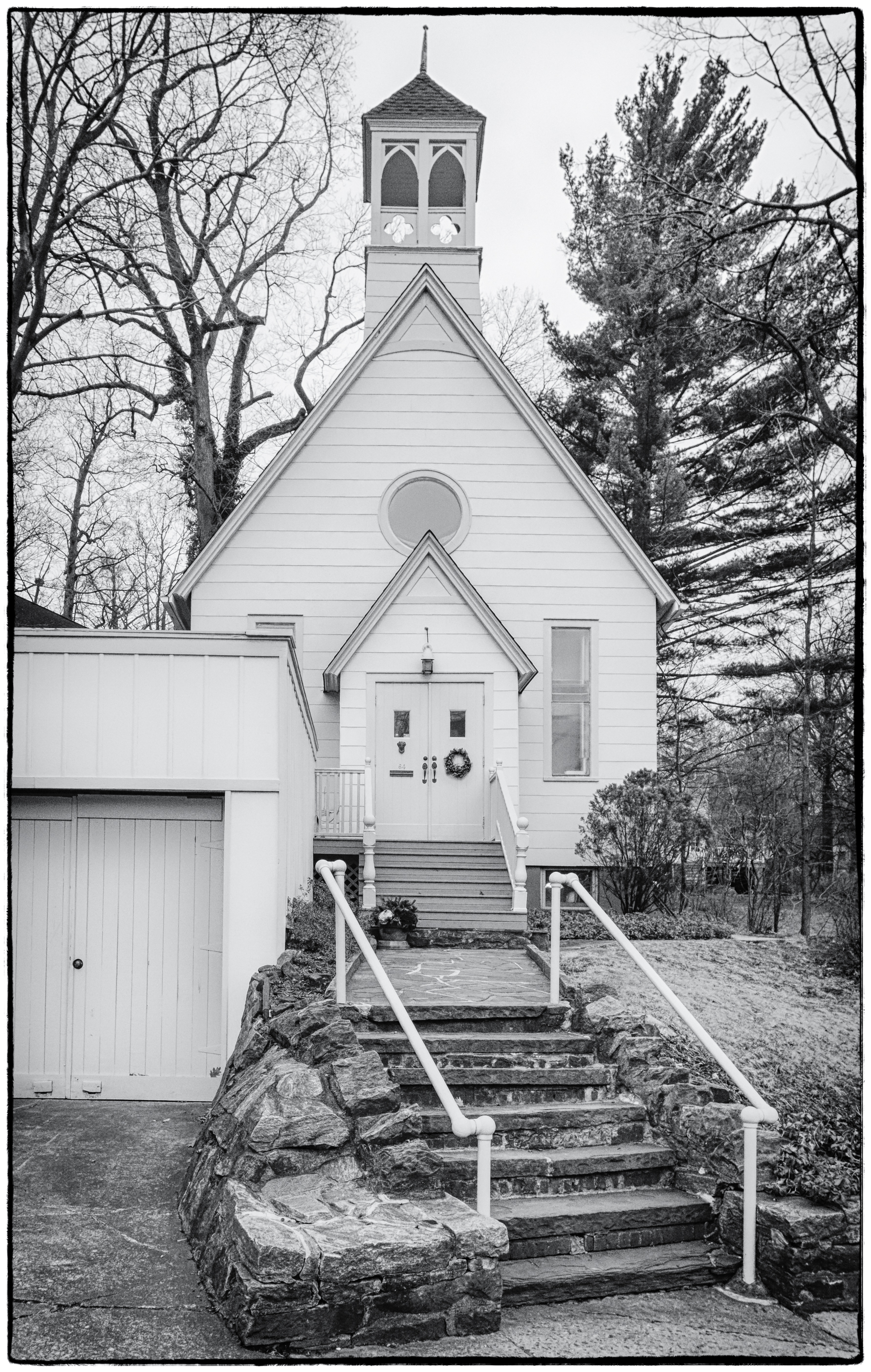
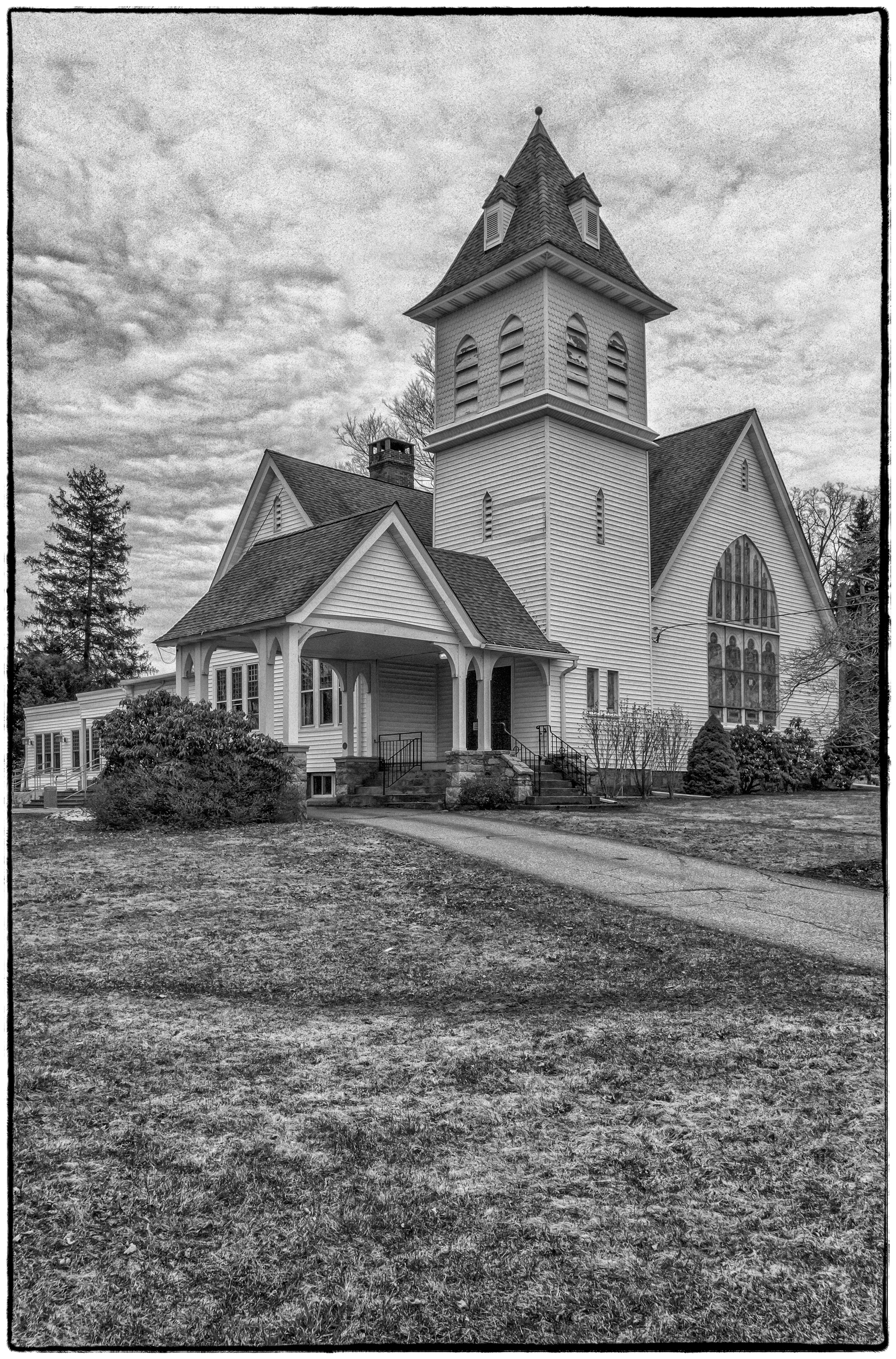
Gilead Presbyterian Church, Carmel, NY

According to its website Gilead Presbyterian Church:

… was first known as the West Church of Christ in Philips Patent, with Elisha Kent as Pastor. Its first house of worship was Historic Plaquea log structure that was built in 1743 in the area now known as Tilly Foster. From 1755 to 1834, Gilead worshipped in a building atop Seminary Hill in Carmel. The old Gilead Burying Ground is still located there, and is final resting place to patriot spy Enoch Crosby. Crosby was listed as one of the elected trustees when the congregation was incorporated in 1803 as the Second Presbyterian Congregation and Society of Carmel. In 1773, while the church was on this second site, a portion of the congregation migrated to found the present Baptist Church of Millerton, which still retains possession of Gilead’s original record book.

In 1836, the church moved to “Center City” (present-day Carmel) on the shore of “Shaw’s Pond” (now called Lake Gleneida). The congregation was later incorporated in 1893 as the Gilead Presbyterian Church and Society of Carmel. The name “Gilead” appears to have been associated with the church as well as with the nearby Lake Gilead from the time of Elnathan Gregory, who in 1760 preached with great effect on Jeremiah 8:22. From church records, it appears that a formal Presbyterian relationship dates from the enrollment of the church in the Presbytery of Bedford in 1835. Picture of old Gilead Church

The present edifice was dedicated on January 31, 1924. It is Gilead’s fifth house of worship and is the third on the current site, replacing an 1894 structure that was lost to fire in 1922. The existing building is substantially a replica of its 1894 predecessor. A modern school wing was added in 1958 and it houses the Gilead Church School as well as Carmel Nursery School (founded in 1949).

Since 1743, Gilead Presbyterian Church has had 48 pastorates, and over 100 men and women have served the community as Elders and Deacons.

A more detailed history in pdf format can be found at: A History of the Saints of Gilead: An Historical Sketch of Gilead Presbyterian Church (USA).

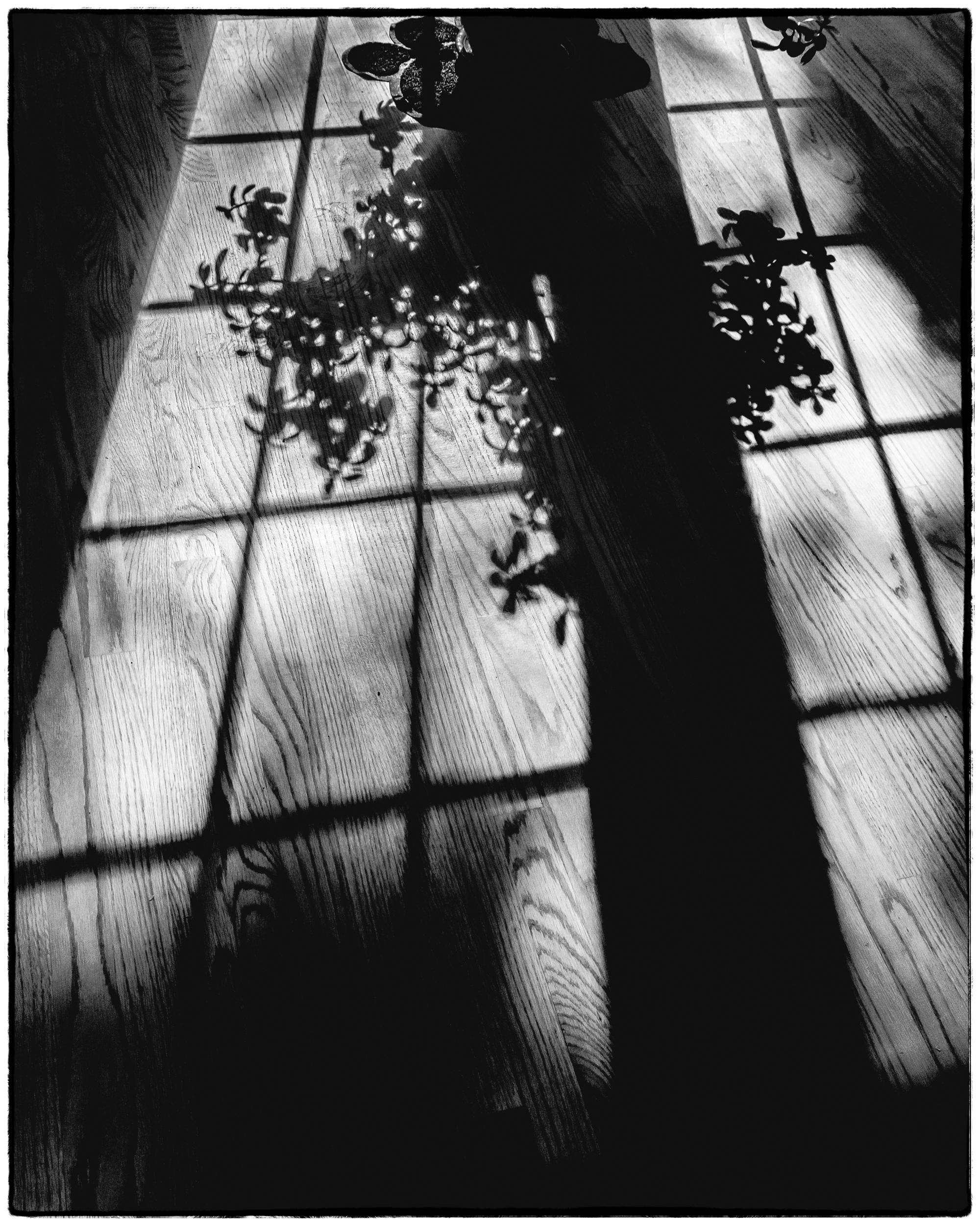
Shadows on the Kitchen Floor

We were going out and I was waiting for my wife to finish getting ready. As I stood in the kitchen I noticed the late (around 4:00 pm) afternoon light streaming through the french doors in the kitchen and casting the shadows of the lattice and of a plant onto the wood floor. It seemed to me that this would make a nice black and white image. I also liked the way the the texture of the wood grain on the floor contrasted with the essentially ‘textureless’ shadows.