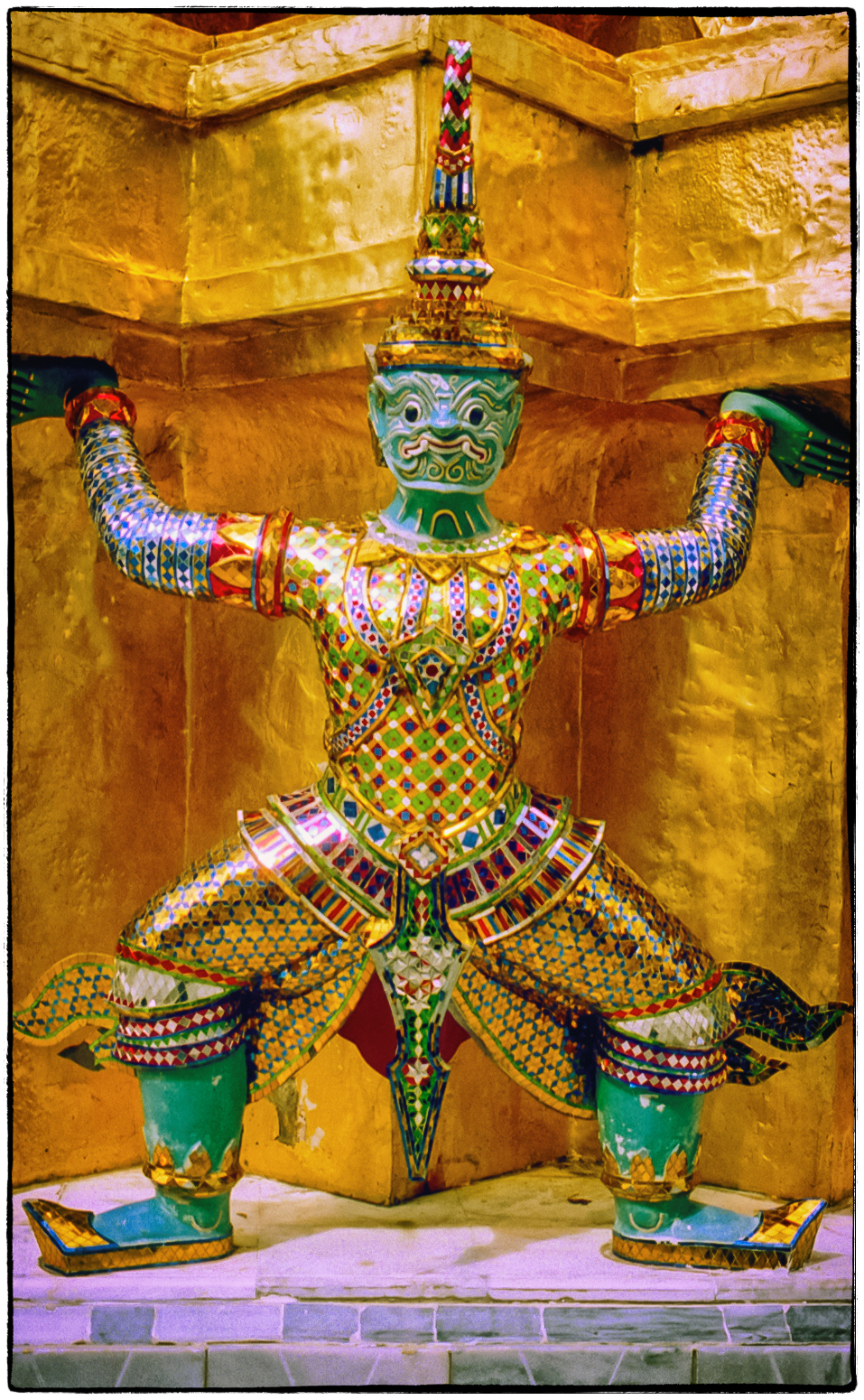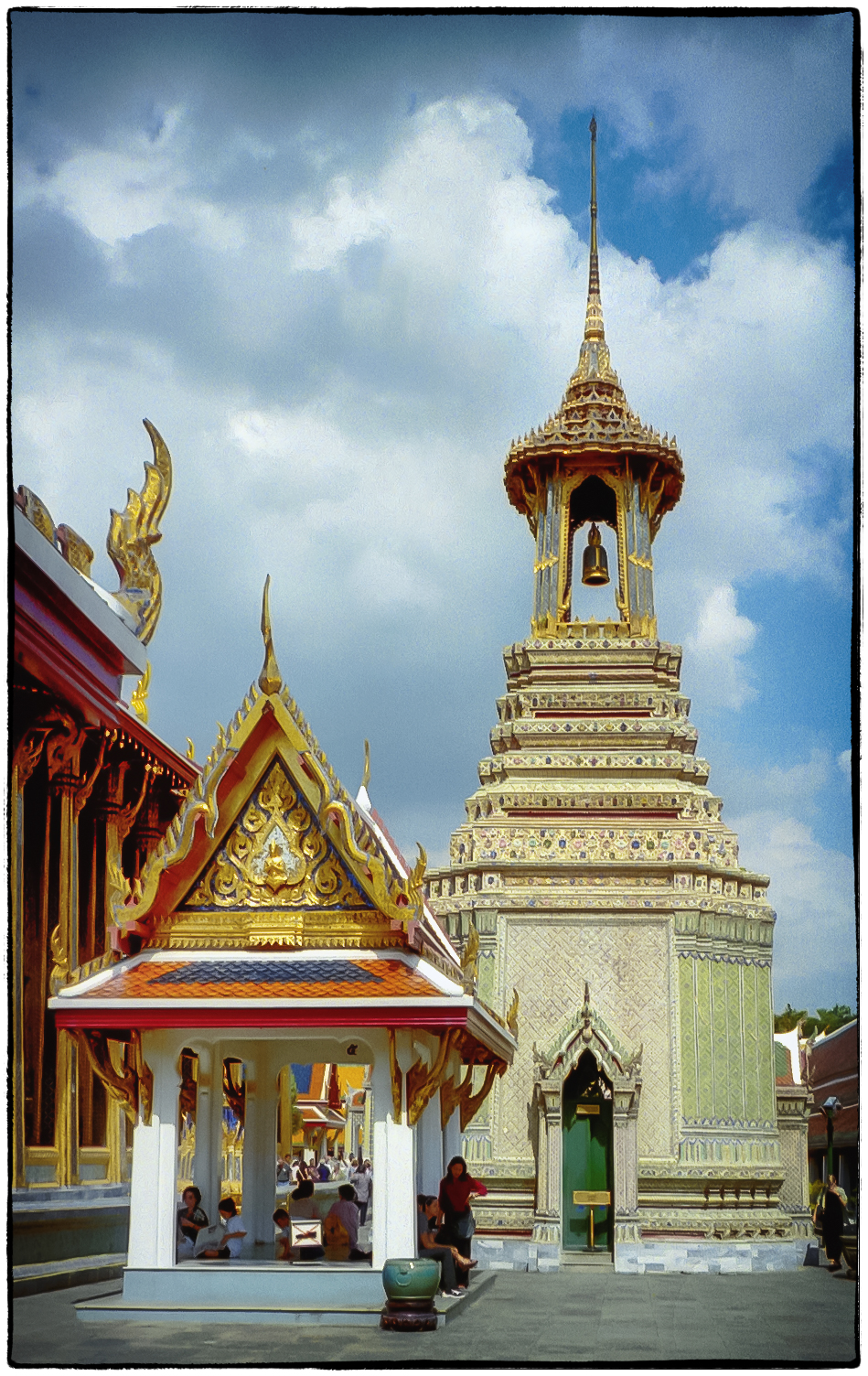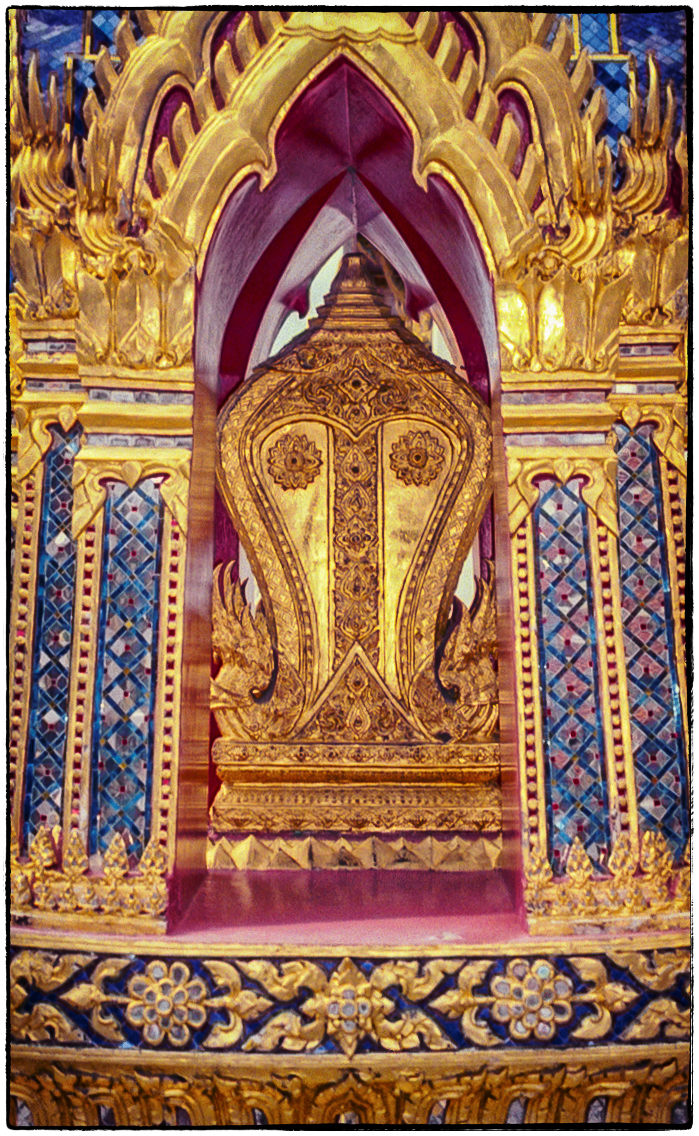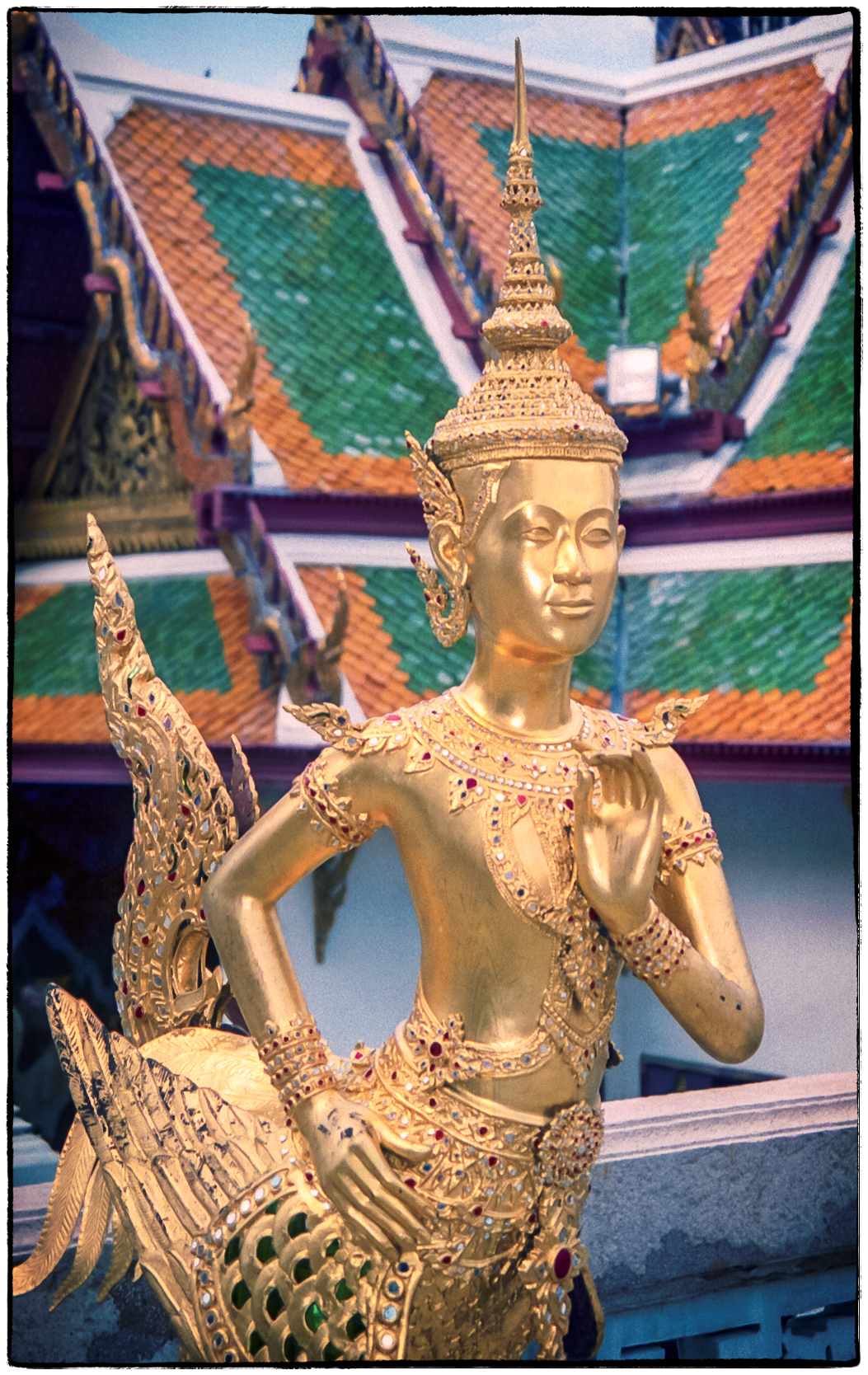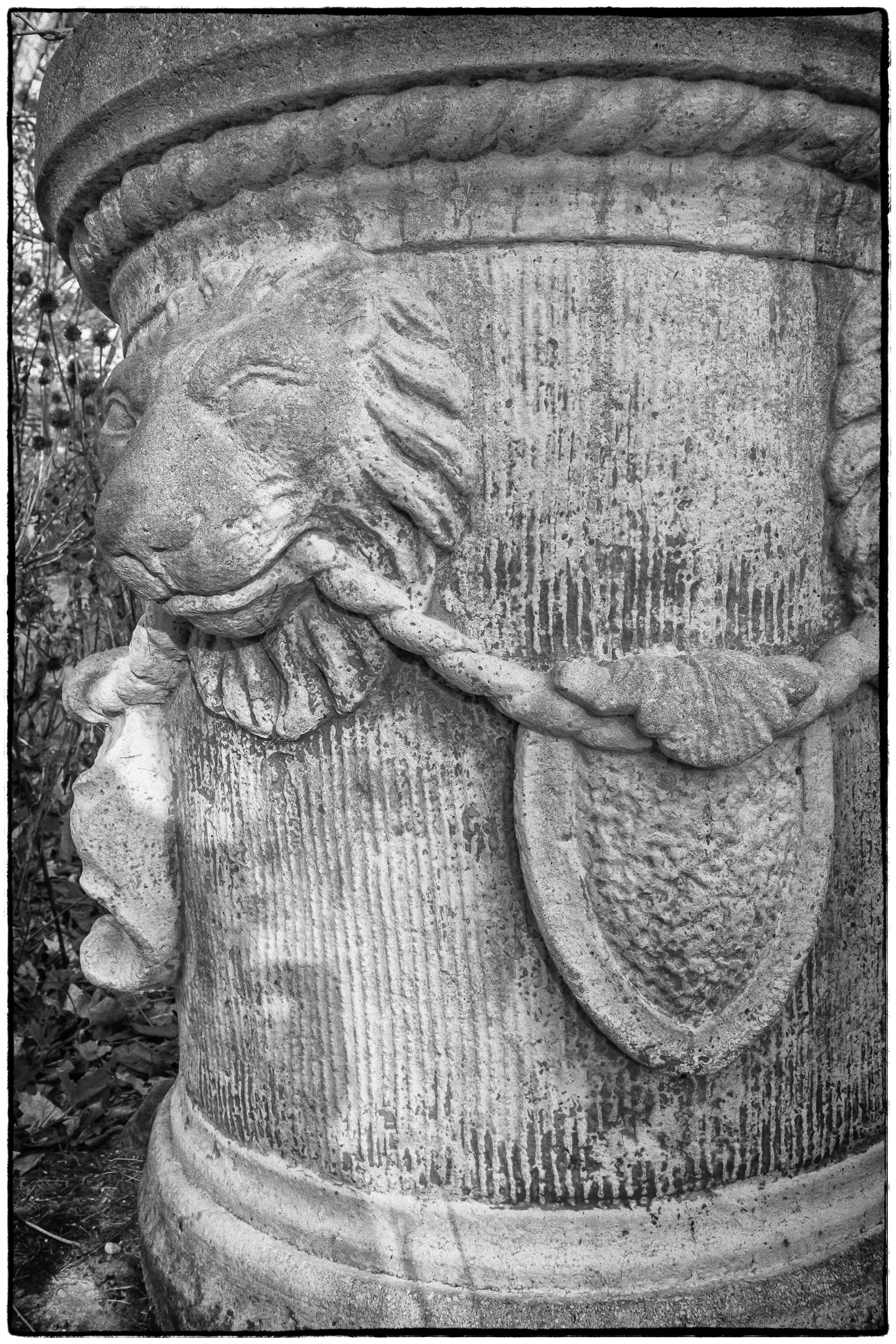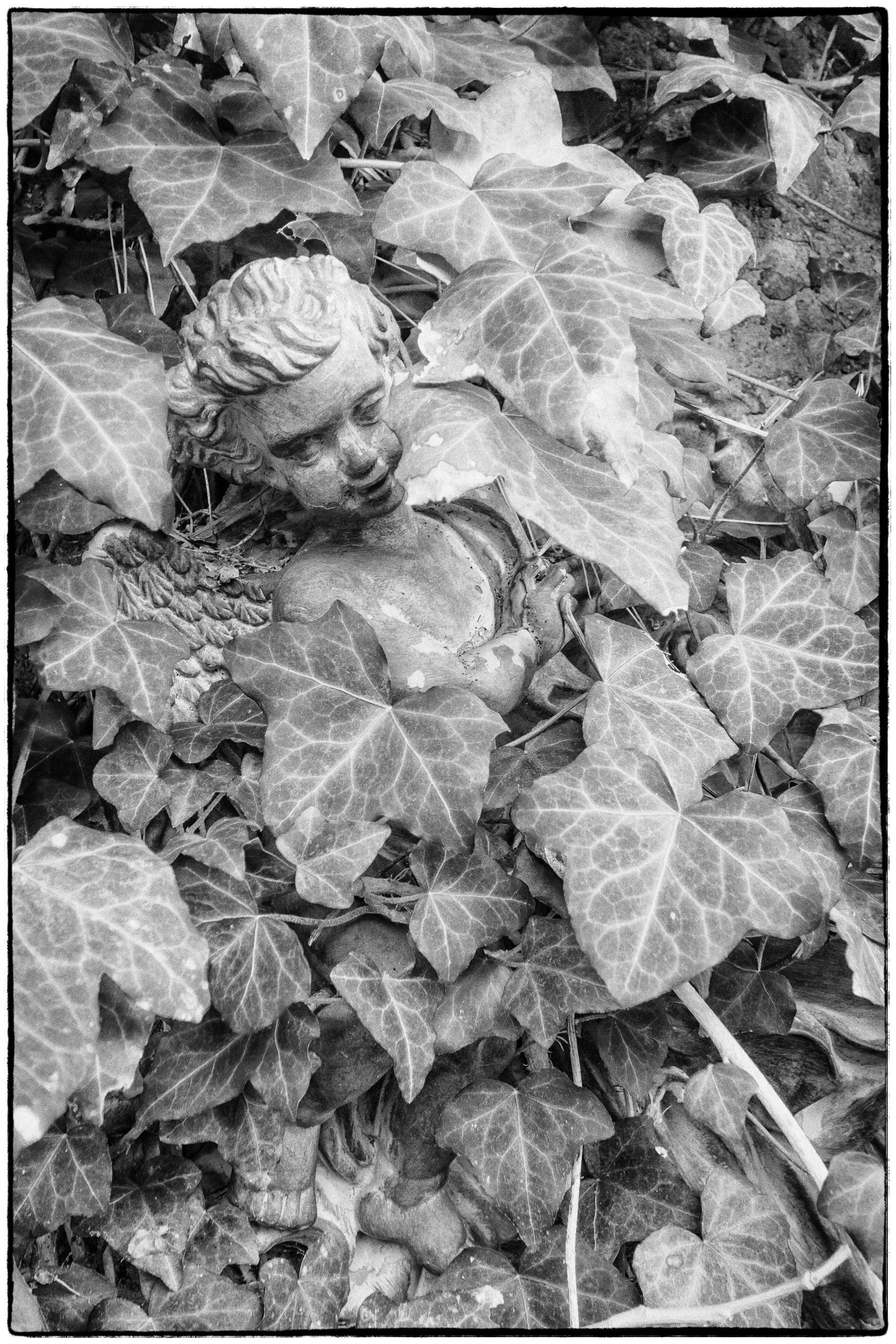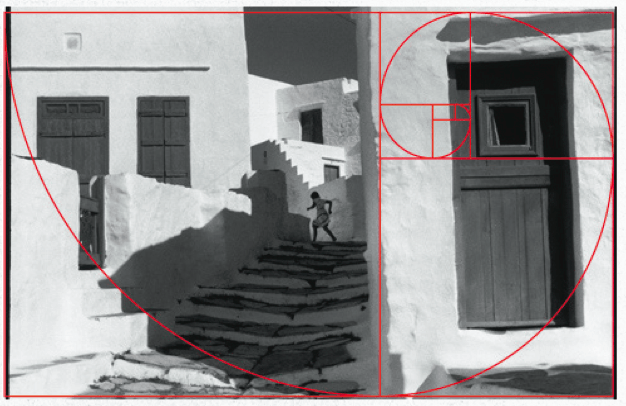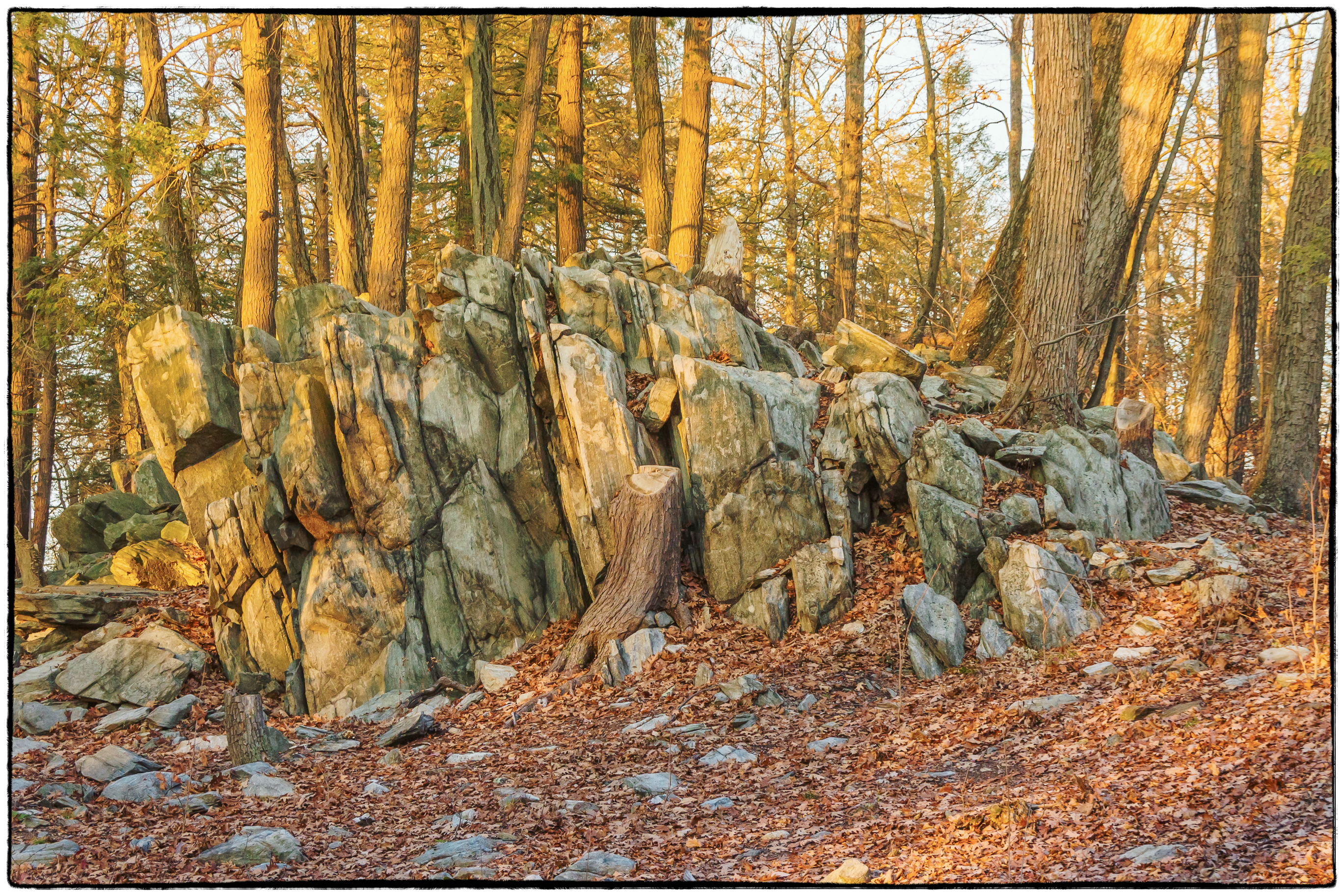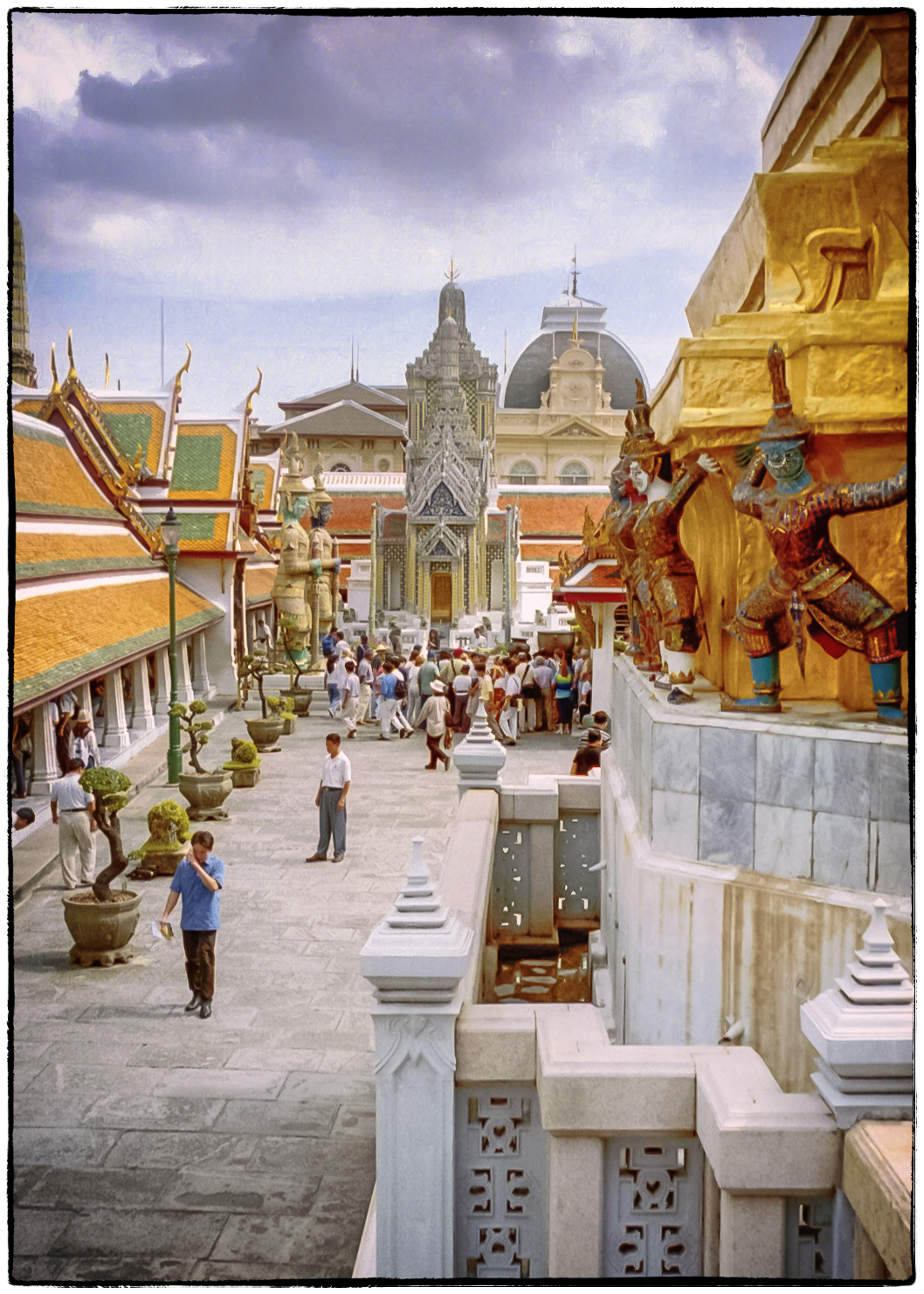
The last couple of days have been wet and dreary so I thought I’d go back to my long term project of scanning my old negatives. These were taken at the Temple of the Emerald Buddha in Bangkok sometime in the late 1990s-early 2000s. At least I think it was the Temple of the Emerald Buddha, but it might have been the Grand Palace. I seem to remember that they are in close proximity but I can’t remember which pictures came from where. According to Wikipedia:
Wat Phra Kaew (Thai: วัดพระแก้ว, rtgs: Wat Phra Kaeo, IPA: [wát pʰráʔ kɛ̂ːw], Pronunciation, English: Temple of the Emerald Buddha; full official name Wat Phra Si Rattana Satsadaram, Thai: วัดพระศรีรัตนศาสดาราม, IPA: [wát pʰráʔ sǐː rát.ta.náʔ sàːt.sa.daː.raːm]) is regarded as the most sacred Buddhist temple (wat) in Thailand. The Emerald Buddha housed in the temple is a potent religio-political symbol and the palladium (protective image) of Thai society. It is located in Phra Nakhon District, the historic centre of Bangkok, within the precincts of the Grand Palace.
The main building is the central phra ubosot, which houses the statue of the Emerald Buddha. According to legend, this Buddha image originated in India where the sage Nagasena prophesized that the Emerald Buddha would bring “prosperity and pre-eminence to each country in which it resides”, the Emerald Buddha deified in the Wat Phra Kaew is therefore deeply revered and venerated in Thailand as the protector of the country. Historical records however dates its finding to Chiang Rai in the 15th century where, after it was relocated a number of times, it was finally taken to Thailand in the 18th century. It was enshrined in Bangkok at the Wat Phra Kaew temple in 1782 during the reign of Phutthayotfa Chulalok, King Rama I (1782–1809). This marked the beginning of the Chakri Dynasty of Thailand, whose present sovereign is Bhumibol Adulyadej, King Rama IX.
The Emerald Buddha, a dark green statue, is in a standing form, about 66 centimetres (26 in) tall, carved from a single jade stone (“emerald” in Thai means deep green colour and not the specific stone). It is carved in the meditating posture in the style of the Lanna school of the northern Thailand. Except for the Thai King and, in his stead, the Crown Prince, no other persons are allowed to touch the statue. The King changes the cloak around the statue three times a year, corresponding to the summer, winter, and rainy seasons, an important ritual performed to usher good fortune to the country during each season.
Unfortunately I apparently didn’t get a picture of the Emerald Buddha itself.