Boscobel – Interiors

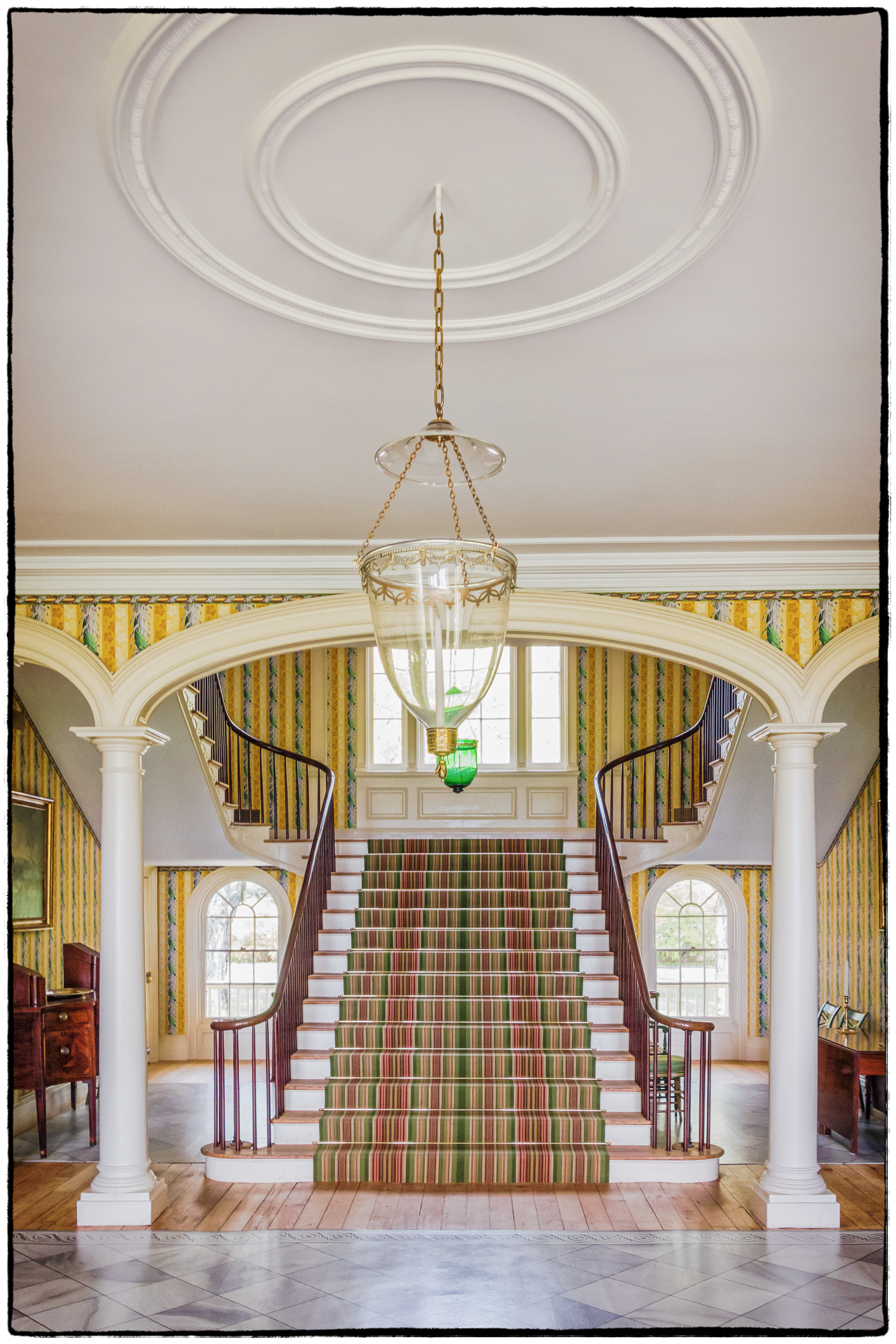
Entrance foyer.

My brother-in-law visited for a few days and we had to decide where to take him. It was still a little early in the year and many of the usual suspects (e.g. Lyndhurst, Sunnyside, Kykuit, Philipsburg Manor etc.), which did not open until May 1 and he was leaving before then.

Boscobel was open though. It has an interesting history; a picturesque location; it’s close to where we live and the tour is interesting. So we thought we’d take him there.

We’ve been to Boscobel a number of times before: to take the tour; to attend the Hudson Valley Shakespeare Festival; to attend other events e.g. the Big Band Night and we’ve always had a good time. I’ve taken many pictures there and have even done a few posts on this blog:

Constitution Marsh and Hudson Valley from Boscobel
Details of Sculpture at Boscobel
Big Band Show at Boscobel

In the past I’d only taken pictures of the gardens and the views, understanding that photography inside the mansion was not allowed. However, this time on the tour everyone was taking pictures – many with phone cameras, but quite a few with small compact cameras. And the tour guide didn’t say anything so I thought – if they’re taking pictures I’ll take a few too.
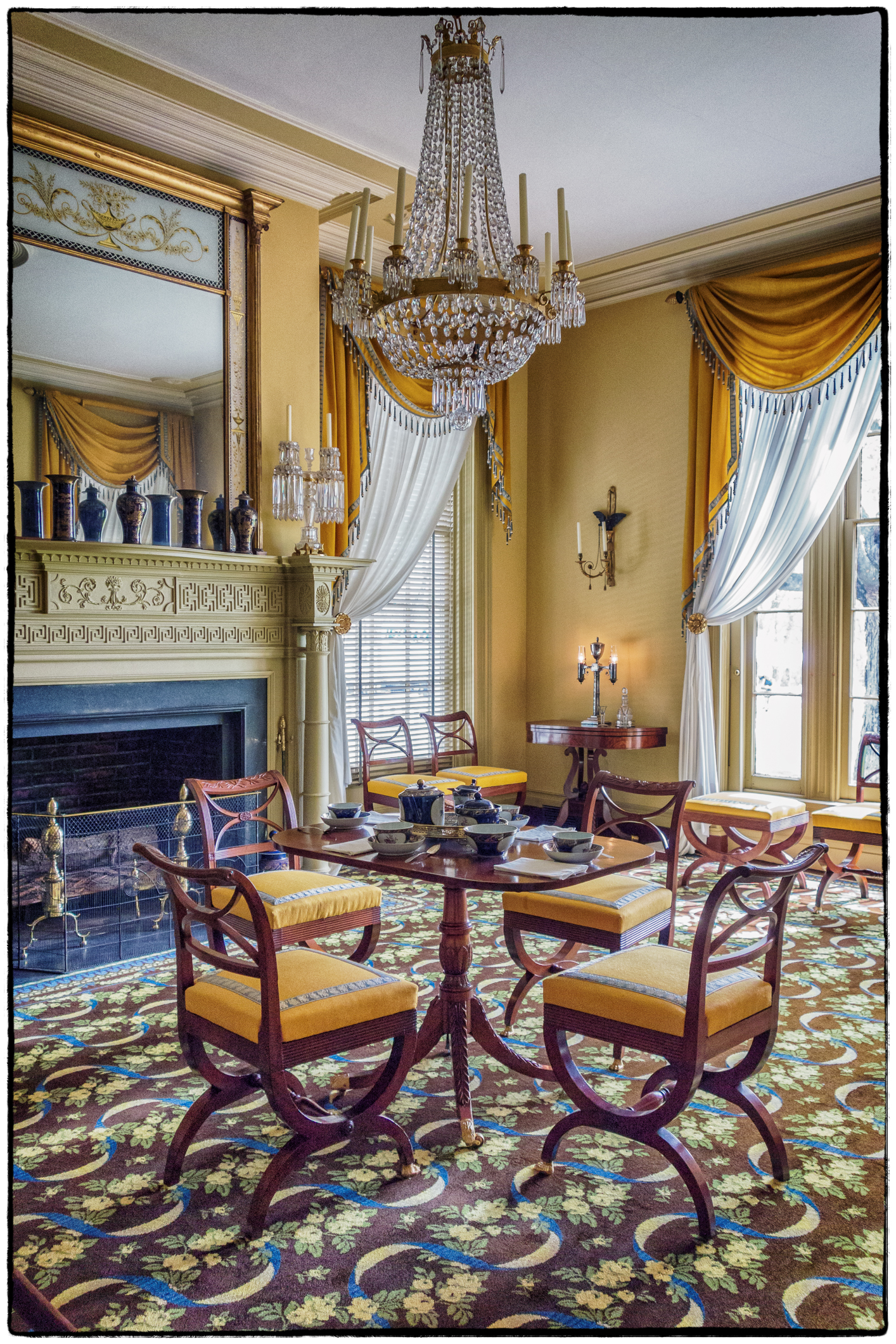
Sitting room.
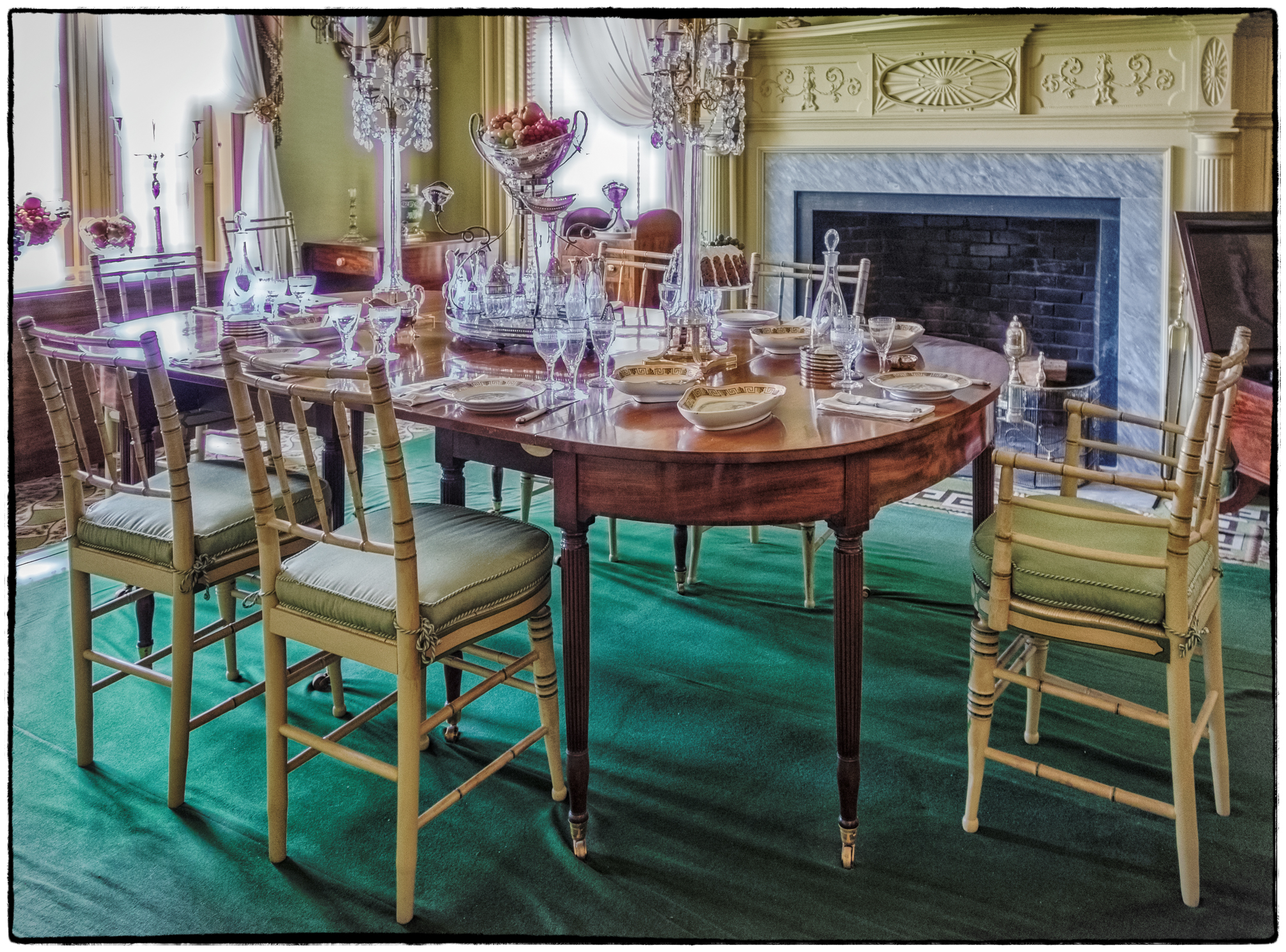
Dining room. Very tricky lighting. It was a very bright, sunny day outside and quite dark inside. This was the best I could do.
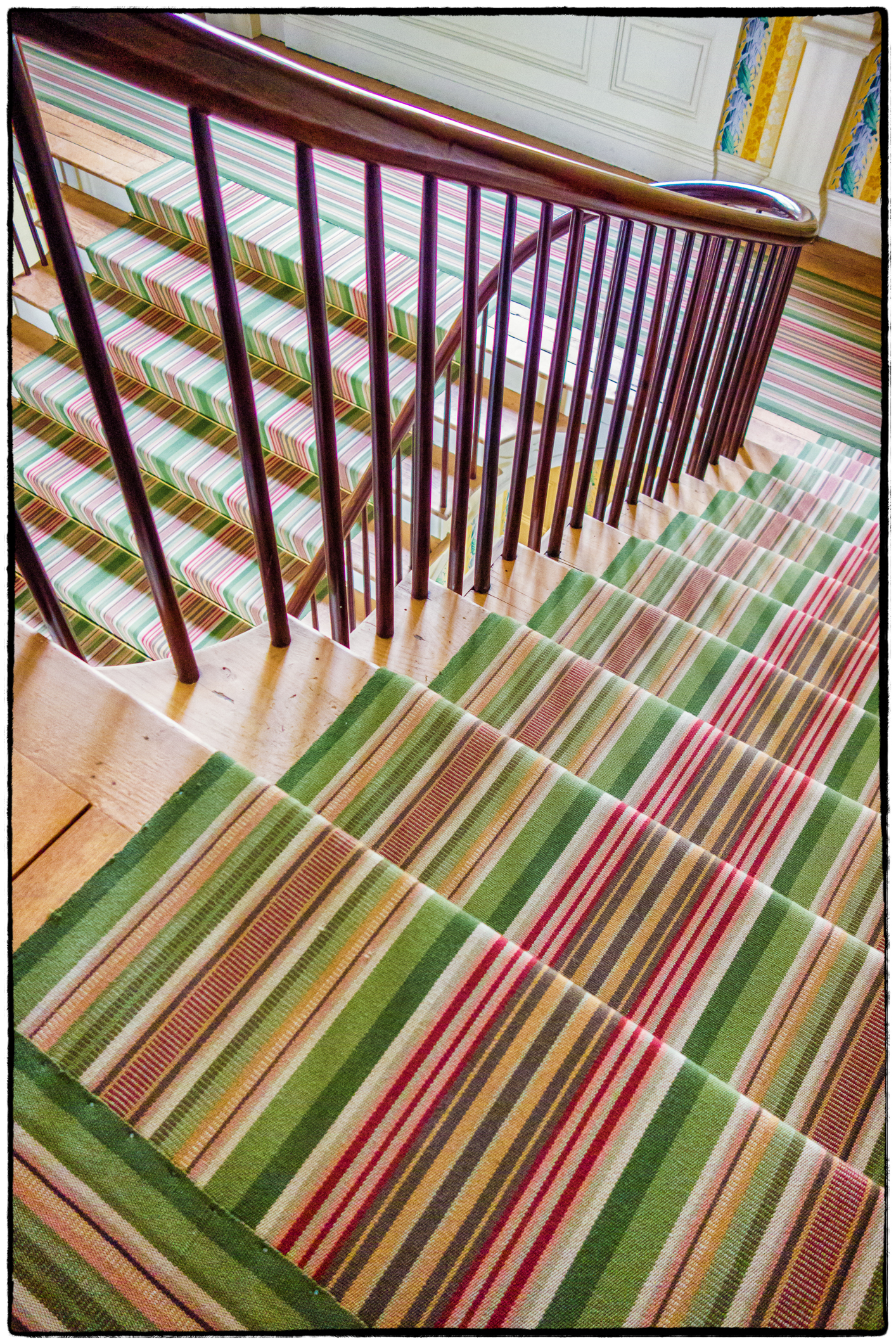
Staircase. I liked the colors and the diagonal lines here.
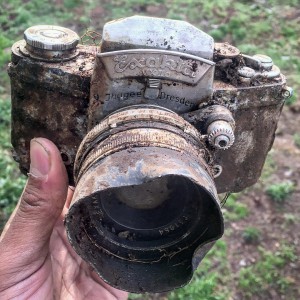
Mike Eckman on old cameras

Source: Mike Eckman – Breathing New Life into Old Cameras

.

I just discovered this site by Mike Ekman. The photography section has lots of information on classic cameras. Each camera has an extensive review (much more detailed than reviews on most other sites I’ve come across). Pictures of the cameras are also provided as well as sample photographs taken with the camera. So far getting on for 50 cameras have been reviewed (I think the actual number is 43).

There are also other useful articles not related to a specific camera such as: Breathing New Life into Old Cameras; Mike’s Guide to Buying Old Cameras; and What Is My Camera Worth?

If you’re into old cameras this is well worth looking at.

According to Mike:

I made my first old camera post in August 2014. At that time, I had no idea where this hobby would take me. I already had an interest in digital photography, but acquiring 100 year old film cameras wasn’t something I had ever considered. I was on my third Nikon DSLR and had already started to acquire some extra Nikkor lenses and accessories, but never did I think that I would become so interested in this “subculture” of photography, and certainly would have never thought I would one day be a resource for other people to learn about these wonderful devices or how to repair them.

Eighteen months have passed since that first post, and while I still would never consider myself to be an authority on old cameras or their repair, I have learned a few things along the way that I think are worth sharing. I’ve taken apart 20-30 cameras and in most cases, have been able to put them back together in better shape than when I started. Sure, there have been some failures like my attempt at replacing curtains on a Soviet made FED 2 camera, or correcting a mirror problem on a junk box Pentax Spotmatic, but my successes greatly outnumber my failures and I feel the time has come to try and pass on what I’ve learned.

Source: Breathing New Life into Old Cameras

Be sure to read his disclaimers (as described in Breathing New Life into Old Cameras) though.

Bellefield

By the entrance to the FDR house, Springwood in Hyde Park stands Bellefield, described on the Cultural Landscape Foundation site as follows:

The headquarters for the National Park Service in Hyde Park, was the former home of Thomas and Sarah Newbold, a cousin of Beatrix Farrand. Farrand was hired in 1912 to design the landscape, a series of three gardens descending from the elegant 18th century house, each enclosed by hemlock hedging and traditional native stone walls. The widest section nearest to the house had a large elm tree (now gone), while the other two had long, narrow flower borders. Other areas included a rose garden, a lilac and fruit-tree allée, a boxwood parterre, and a kitchen garden. Farrand also designed several gates with distinctive ornamental embellishments. The family donated the property to the National Park Service in 1976 and the garden fell into disrepair. In the 1990s a volunteer group was formed to restore the gardens. Although the bones of the garden were still in place, most of the plantings, as well as the original planting plans, had long since disappeared. Necessary repairs and replacements were made to the gates and other features using Farrand’s original sketches, while plant selections were made following a nearby Farrand garden designed around the same time. The gardens now are open to the public.

Two titans

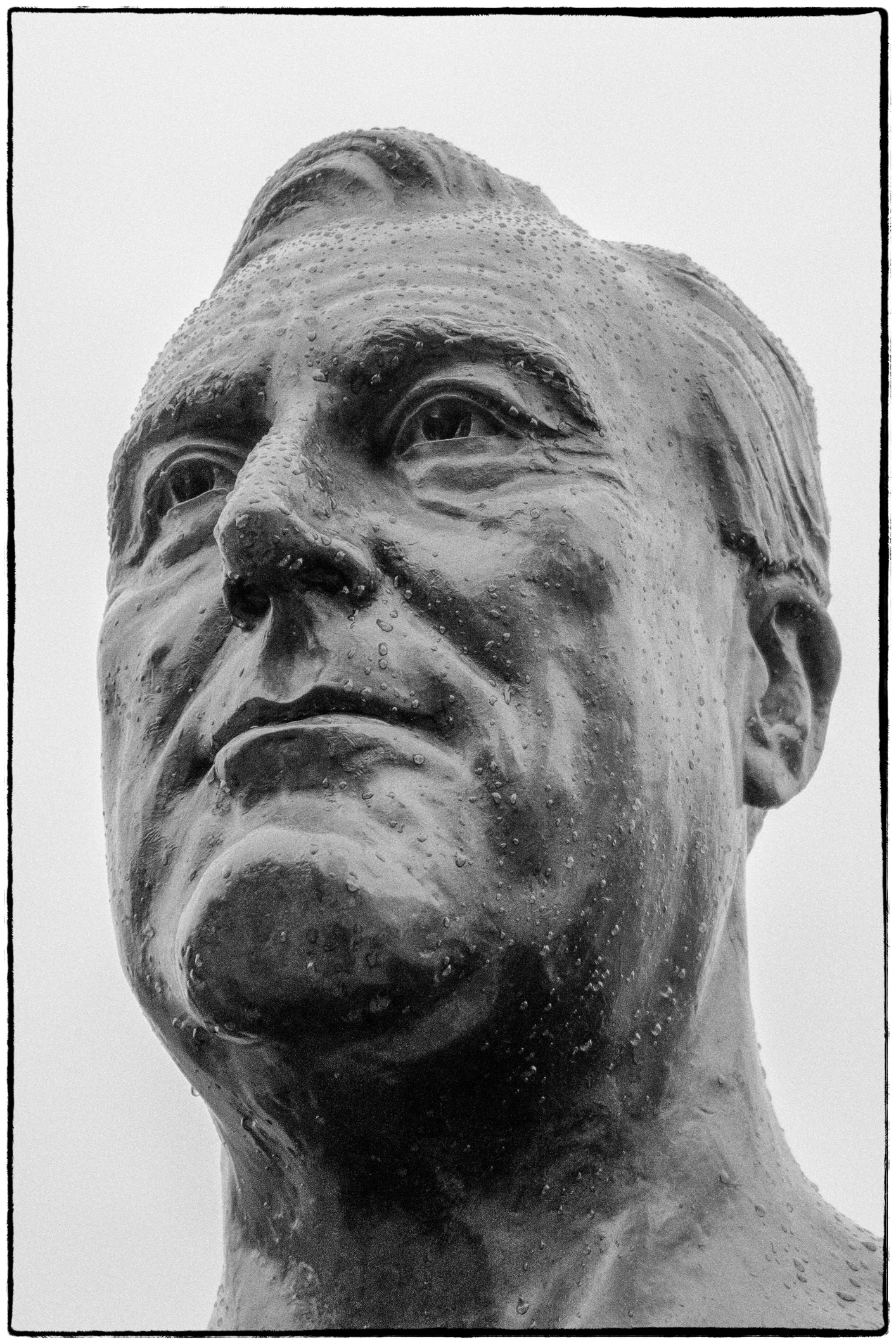
These two busts, one of Sir Winston Churchill and the other of Franklin Delano Roosevelt (FDR) stand facing each other on the grounds of the FDR house, Springwood in Hyde Park, NY.

They’re by Oscar Nemon (born Neumann). At least the Churchill bust is by Nemon (I’m not entirely sure who was the sculptor for the FDR bust) and is described on his estate’s website as follows:

A recent bronze cast by the Nemon Estate was the magnificent bust of Sir Winston Churchill which stands opposite the bust President Franklin Roosevelt at the Franklin and Eleanor Roosevelt Institute, Hyde Park, New York.

The bust of Churchill was unveiled by his granddaughter Edwina Sandys (herself an artist and sculptor) and the sculptor’s daughter Aurelia Young on June 15 2007 during a conference whose theme was ‘Roosevelt & Churchill: The Legacy of Two Statesmen’.