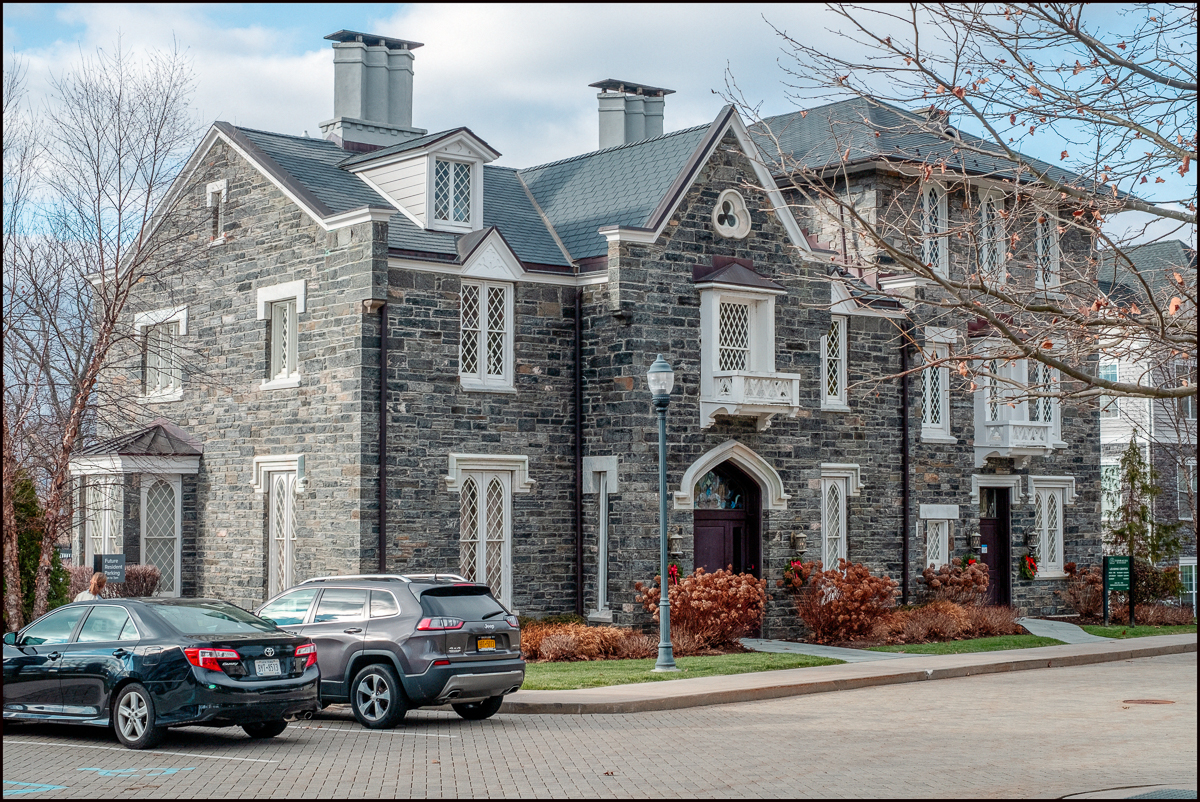
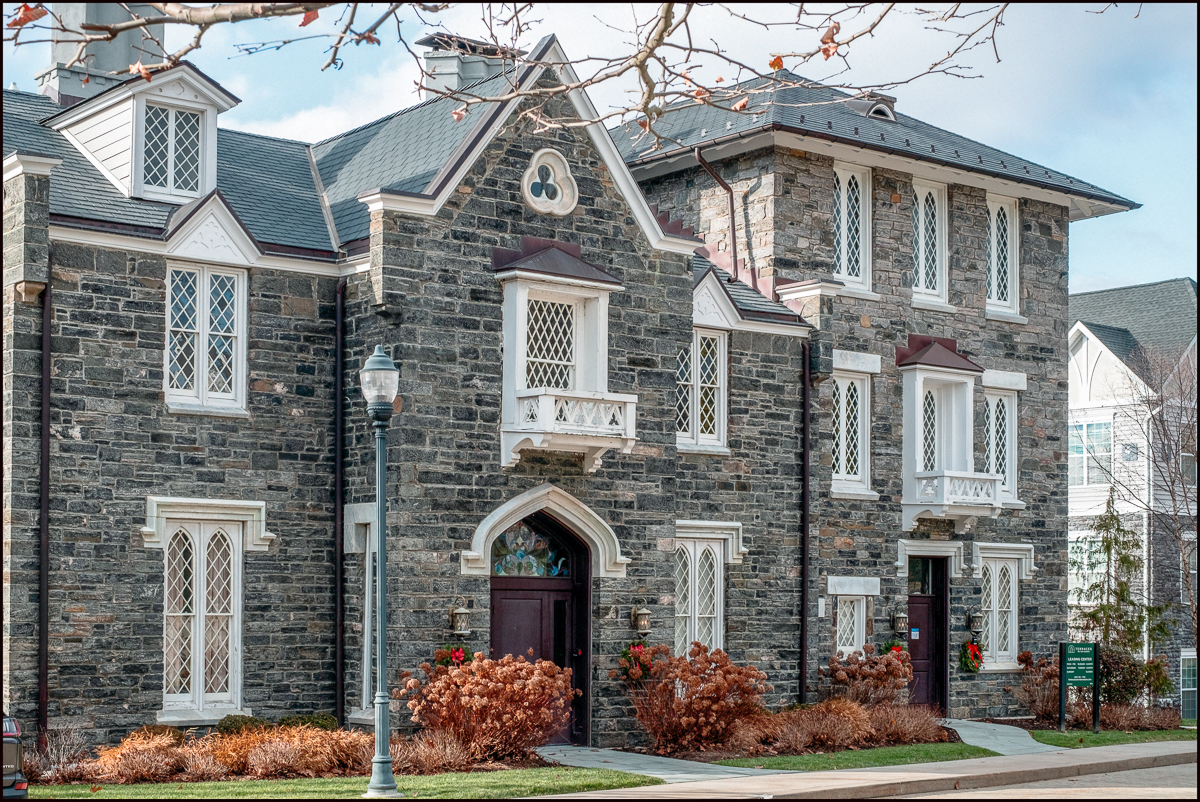
The Kane House, Ossining

During a recent conversation the “Kane House” was mentioned. I didn’t know what it was at the time so I ‘googled’ and discovered that I’d come across it before. Probably about 20 years before I was walking up the Old Croton Aqueduct Trail and came across this building. I vaguely remember taking a few pictures of it, but I can no longer find them. Maybe they were so bad I deleted them.

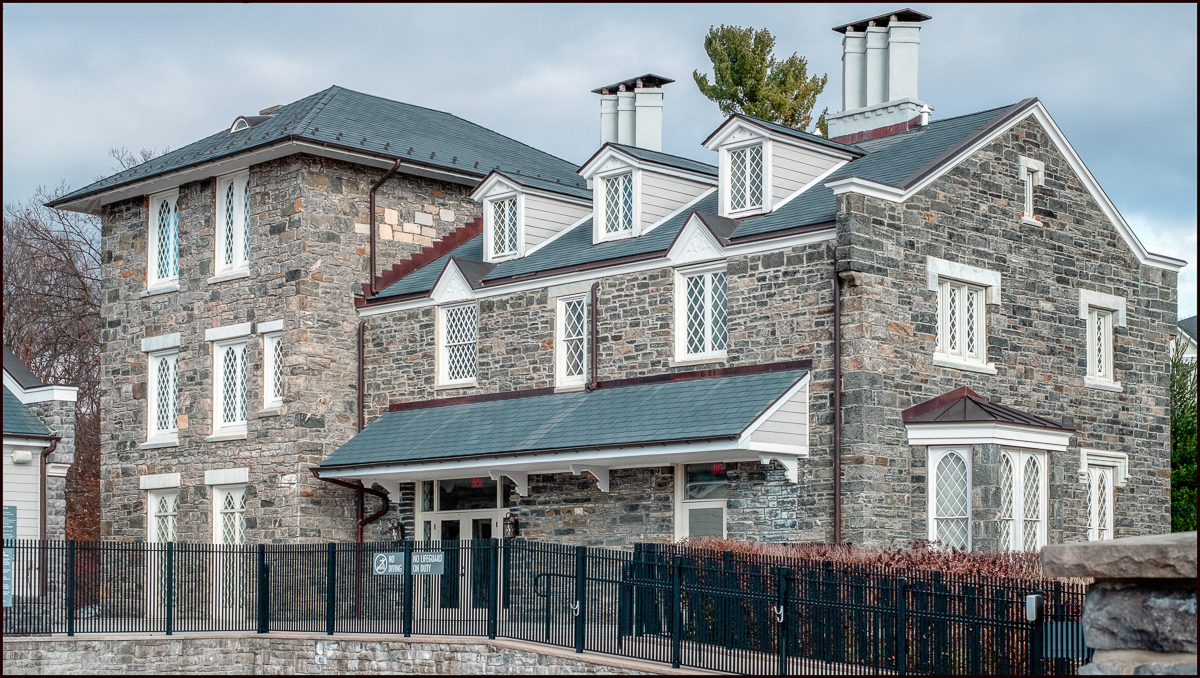
In those days the house, which is located quite close to the Hudson River, was all by itself surrounded by trees, grass and bushes. That’s no longer the case. The piece below states that “the mansion is used as offices for the Mearl Corporation”. I’m not sure that that is the case either as the mansion is now completely surrounded by Terraces on the Hudson, which describes itself as follows:

Inspired by the clubhouse’s 19th century charm, Terraces on the Hudson marries the past and present through its historic property and modern amenities. The open-concept apartment homes are adorned with contemporary kitchens, walk-in closets, hard-surface flooring, and more. You’ll find upscale amenities including a state-of-the-art fitness center and swimming pool. Conveniently nestled alongside the Hudson River, residents also have unrestricted access to the surrounding landscape from our luxury apartments for rent in Ossining, NY.

Of course I would rather it was as I first saw it. But it should be said that in those days it didn’t look in great shape. We should commend Terraces on the Hudson for not only not demolishing the mansion (as many others have done in similar circumstances), but also restoring it to its present condition (which looks pretty good to me).

“In the United States, 19th Century Gothic Revival residential architecture had its roots in the Hudson Valley. The renewal of interest in the style was spearheaded by the Newburgh-born landscape architect Andrew Jackson Downing (1815-1852) and his associates within the Picturesque movement, a school of design which sought to break from the dominance of Classical themes in the design ethos of the time and embrace the architecture of Medieval Europe. The architects of the Picturesque school believed that structures should be built in harmony with their natural surroundings and preferably sited in pastoral, rural settings. Houses built in this style utilized elements such as arched windows, vertical-oriented massing, and steeply pitched roofs to create a striking and imposing visual effect.
Kane House appears to have been built in two sections: the southern wing was constructed first, and contains many typical Gothic Revival elements, such as the steeply pitched center-gabled roof, the arched entryway over the front door, and diamond-shaped panes in most of the windows. The three-story northern wing, which was built at a later date than the southern portion, contains a hipped roof with a small eyebrow dormer, two elements atypical to Gothic Revival architecture. The house contains 20 rooms and has twelve fireplaces. A small wood-framed addition was also added to the northern wing at an unknown date. Kane House was constructed with hand-cut 24 inch thick granite.

Significance: Cultural and Architectural

Kane House is culturally significant for its association with the Kane family, a prominent family that lived in Ossining beginning in the mid 1800’s, and it is architecturally significant as an example of mid 19th century Gothic Revival architecture used in a residential housing context.

Narrative:

Kane House, also known by the name Woodlawn, is situated on a 17.7 acre estate off of North Highland Avenue. The original Kane estate was 46 acres in size and stretched from Highland Avenue to the Hudson River. The estate had originally been laid out as a subdivision when it was purchased in 1843. The Old Croton Aqueduct system, which was built several years prior to the construction of Kane House, extends north-south along the eastern boundary, while the Crawbuckie Nature Preserve is located to the southwest. Today, the mansion is used as offices for the Mearl Corporation.

The mansion was built around 1845 by John Innes Kane, a descendent of the prominent Astor family of New York. Kane’s son, John I. Kane II, lived in the home from the 1870’s until his death in the early 1900’s. Kane II and his wife Frances were heavily involved in the civic affairs of late 19th century Ossining, and Frances, a descendant of Benjamin Brandreth, played a pivotal role in the founding of the Ossining Historical Society in the early 1930’s.

Documented Sources of Information:

1. McAlester, Virginia and Lee “A Field Guide to American Houses”, (Alfred A. Knopf, New York, New York: 2003), 197-209.
2. Ossining Historical Society, “Images of America: Ossining Remembered”, (Charleston, SC: 1999), 66.
3. Sanchis, Frank E. “American Architecture: Westchester County, New York”, North River Press,(Croton-on-Hudson, NY: 1977), 76.” (Village of Ossining, New York Significant Sites and Structures Guide, April 2010)
Taken with a Fuji X-E3 and Fuji XF 35mm f1.4 R
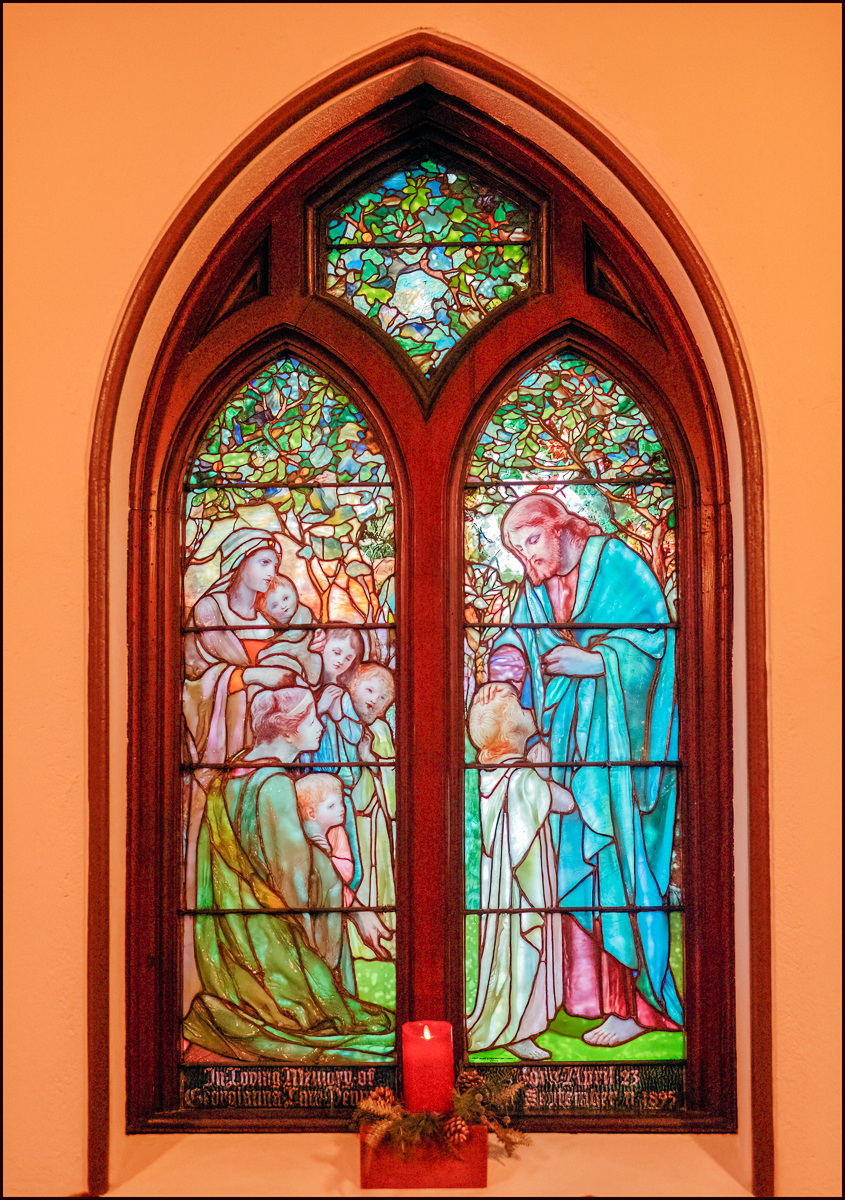
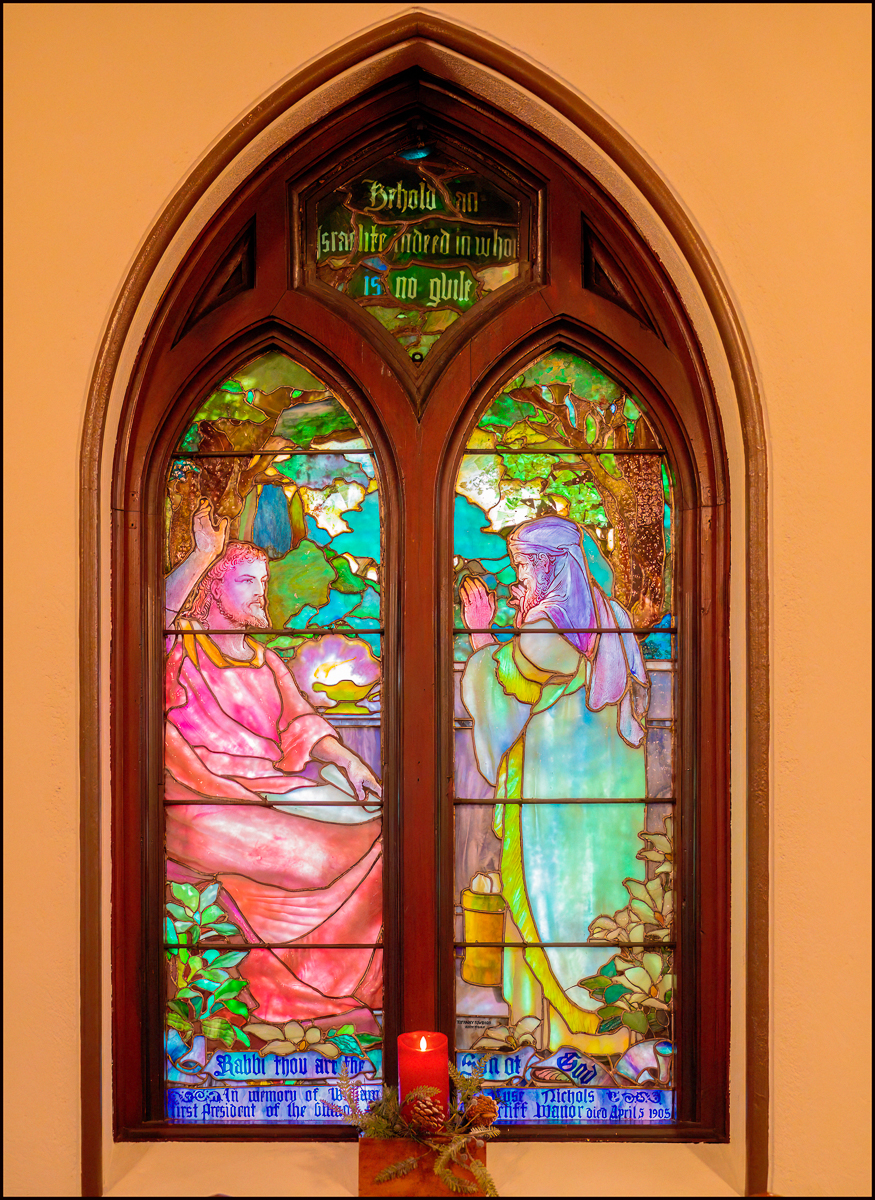
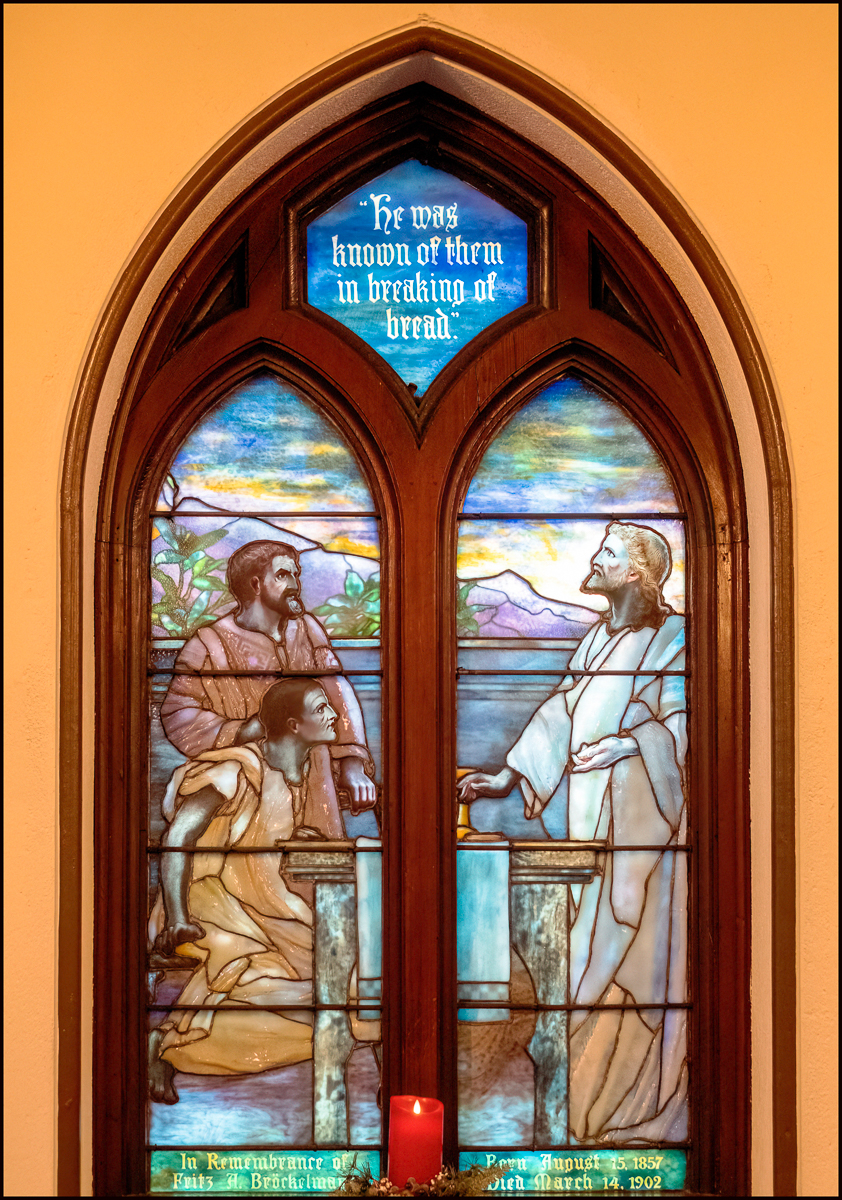
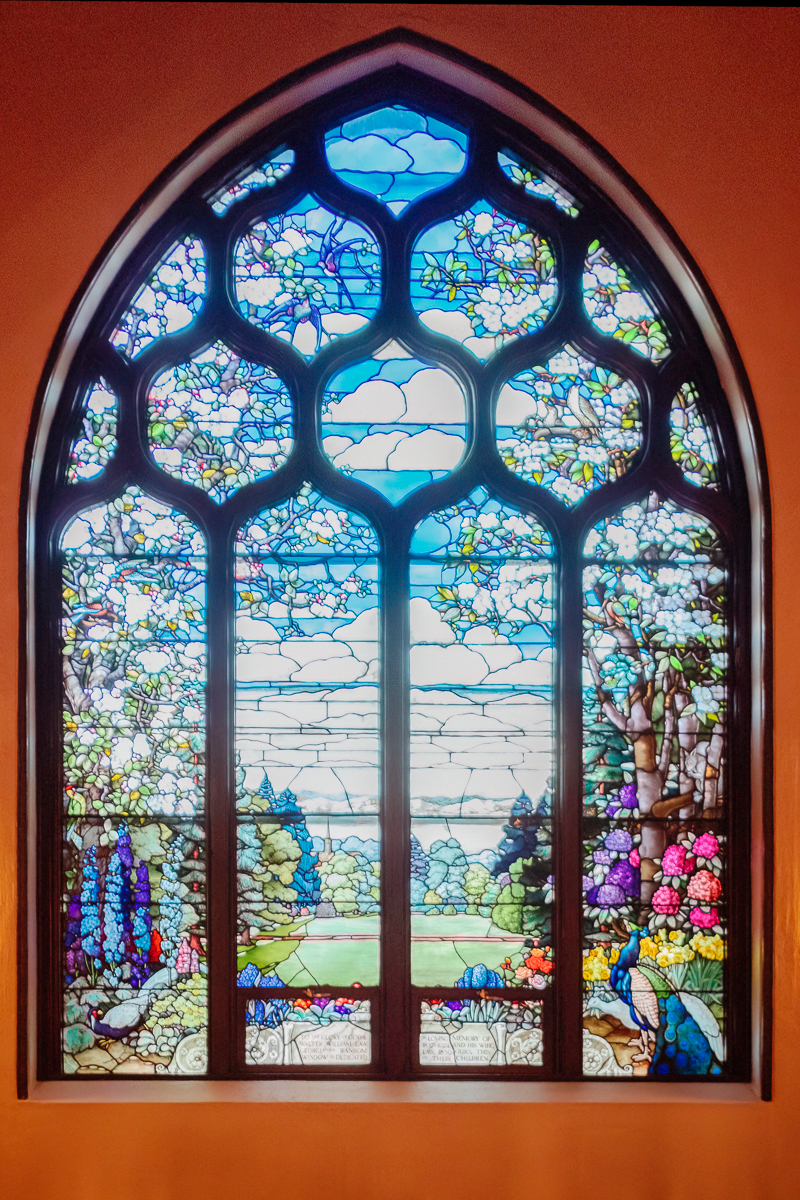
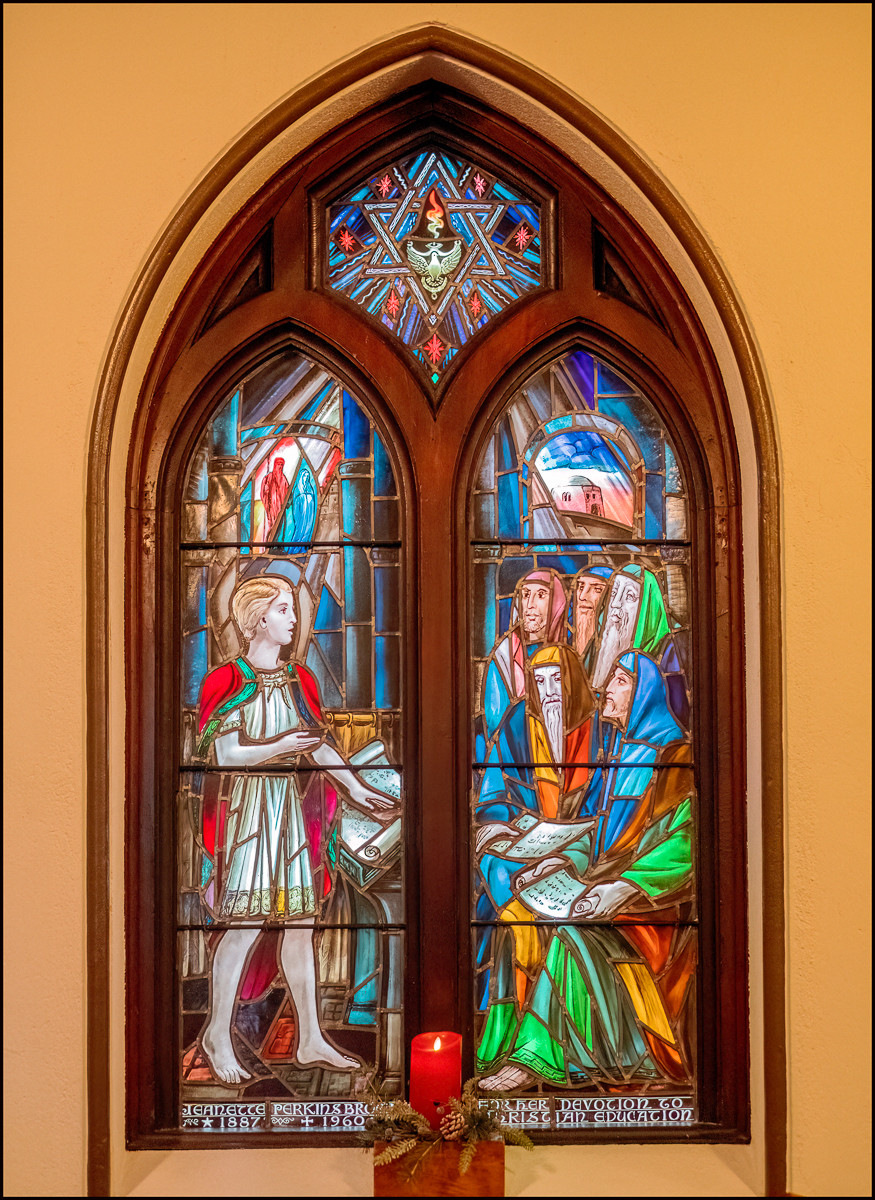
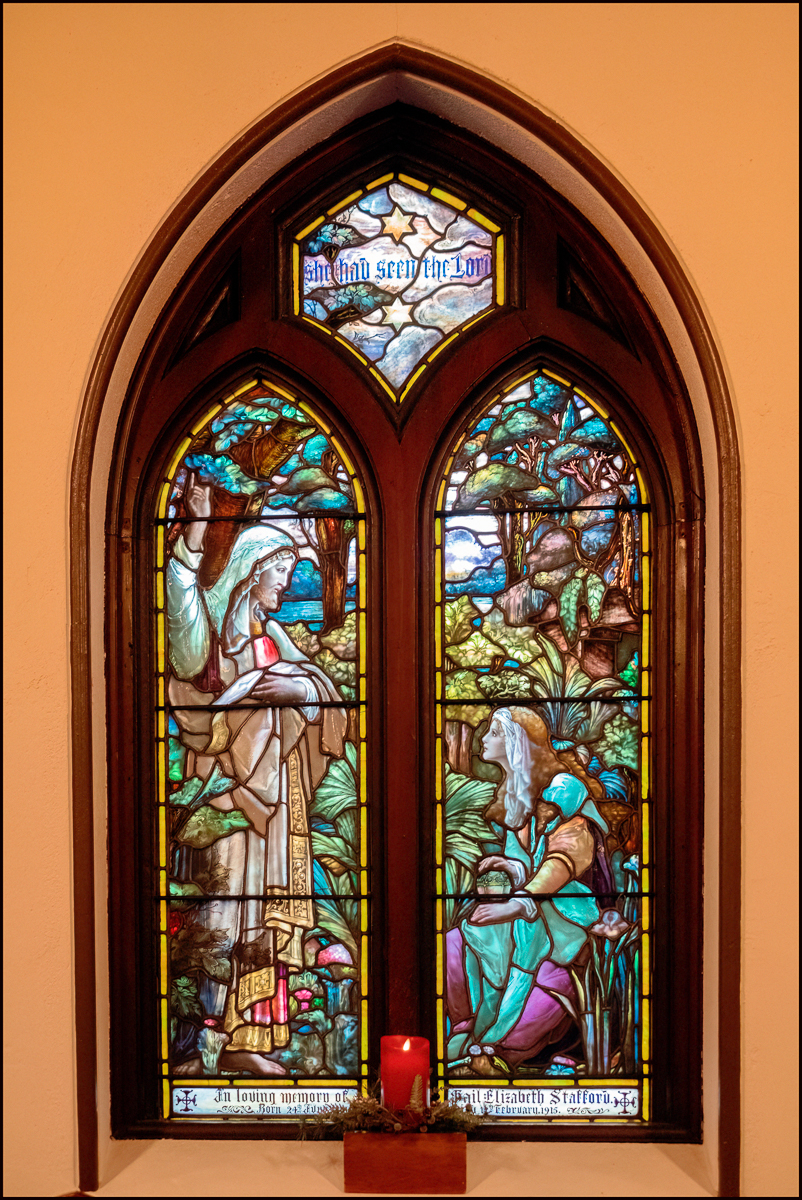
Some Stained Glass Windows

Here are a few of the renowned stained glass windows in Briarcliff Manor Congregational Church. I would have liked to have taken pictures of all of them, but I was attending a concert and couldn’t get to a number of them without going through the orchestra. I tried, but after inadvertently lowering a music stand and knocking over a flute, decided it wasn’t a good idea. After the concert it was dark outside and impossible to take more pictures.

Above: Christ Blessing the Children 1895-1899*.

“The Briarcliff Congregational Church (BCC) is endowed with many wonderful gifts both spiritual and material. One of the church’s priceless treasures is its collection of stained-glass windows, spanning more than 100 years of stained-glass art. All the windows were donated as memorial gifts, a tradition started by the church’s benefactor, Walter W. Law. Most represent specific biblical stories; some show historic persons; one or two allow the viewer’s imagination to have a go; others’ symbolism have multiple interpretations. All are beautiful to see; all change as the light moves with the day. The windows at The Briarcliff Congregational Church are also a reflection of the history, life, and traditions of the church as well as that of the community.

There are 17 stained glass windows in all, representing several well-known studios and decorative arts companies: J&R Lamb, NY; William C. Willett, Philadelphia; John Hardman Studios, Birmingham and London; Woodhaven Studios, Bermuda. Perhaps the most well-known among these is Tiffany Studios. BCC has 7 magnificent Tiffany windows, installed between 1898 and 1906.” (Briarcliff Manor Congregational Church Website).


Jesus and Nathaniel, 1906*.


The Boy Jesus in Jerusalem, 1963.


Jesus and Mary Magdalene, Post 1915.


Supper at Emmaus, 1902*.


The East Transept, 1929.

* indicates a Tiffany window.

For more information on the church together with some interesting historical pictures and some beautiful color photographs of the magnificent Tiffany (and other) stained glass windows see “Glory in the Glass. A Celebration of the Briarcliff Congregational Church 1896-1996”, Edited Karen M. Sharman. Copies may still be available from the Briarcliff Manor Congregational Church at 30 South State Road, Briarcliff Manor, New York 10510. Phone: 914-941-4368, Fax: 914-941-1513, info@briarcliffchurch.org. Church Office Hours:Tuesday – Friday 9:00 A.M. – 2:00 P.M.

The “Windows of the Soul” section of the church’s website briefly explores 10 of these magnificent windows: their art, history, biblical reference, and meaning.

Taken with a Fuji X-E3 and Fuji XF 35mm f1.4 R
A performance of Handel’s Messiah

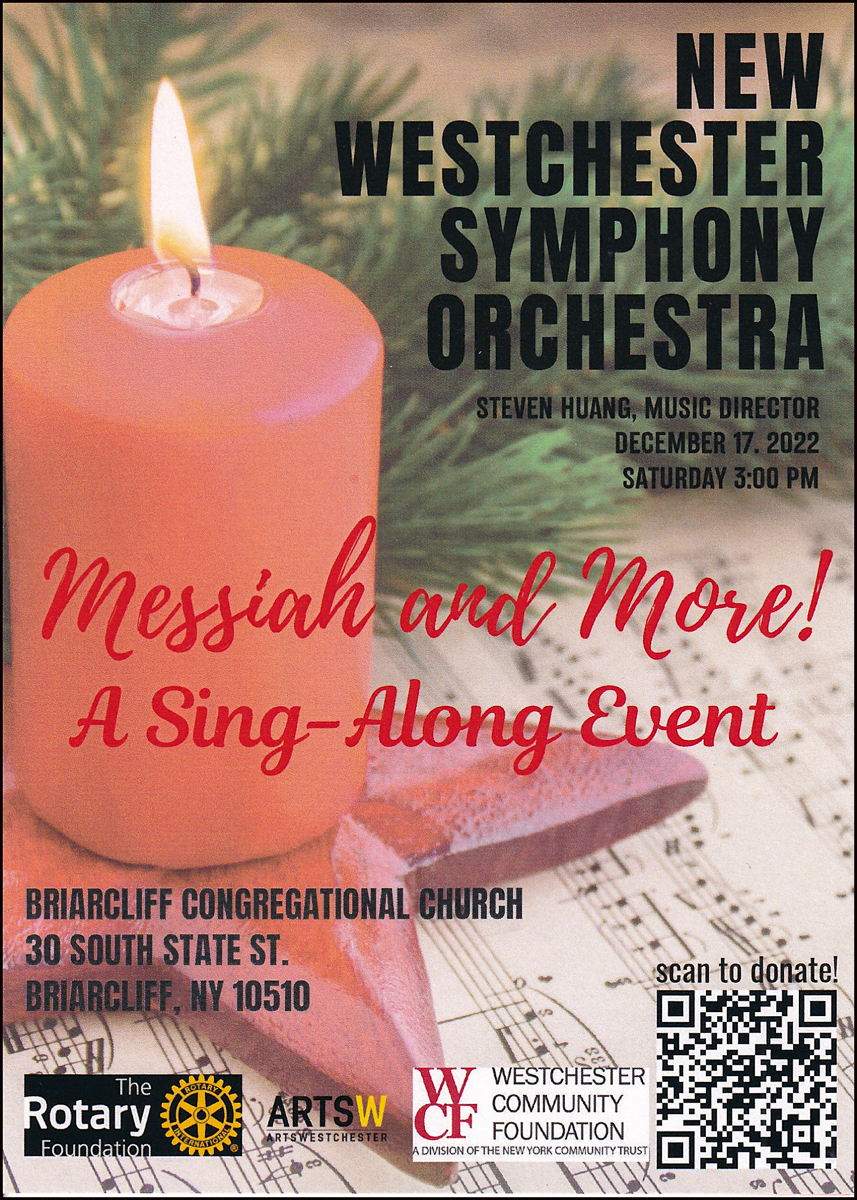
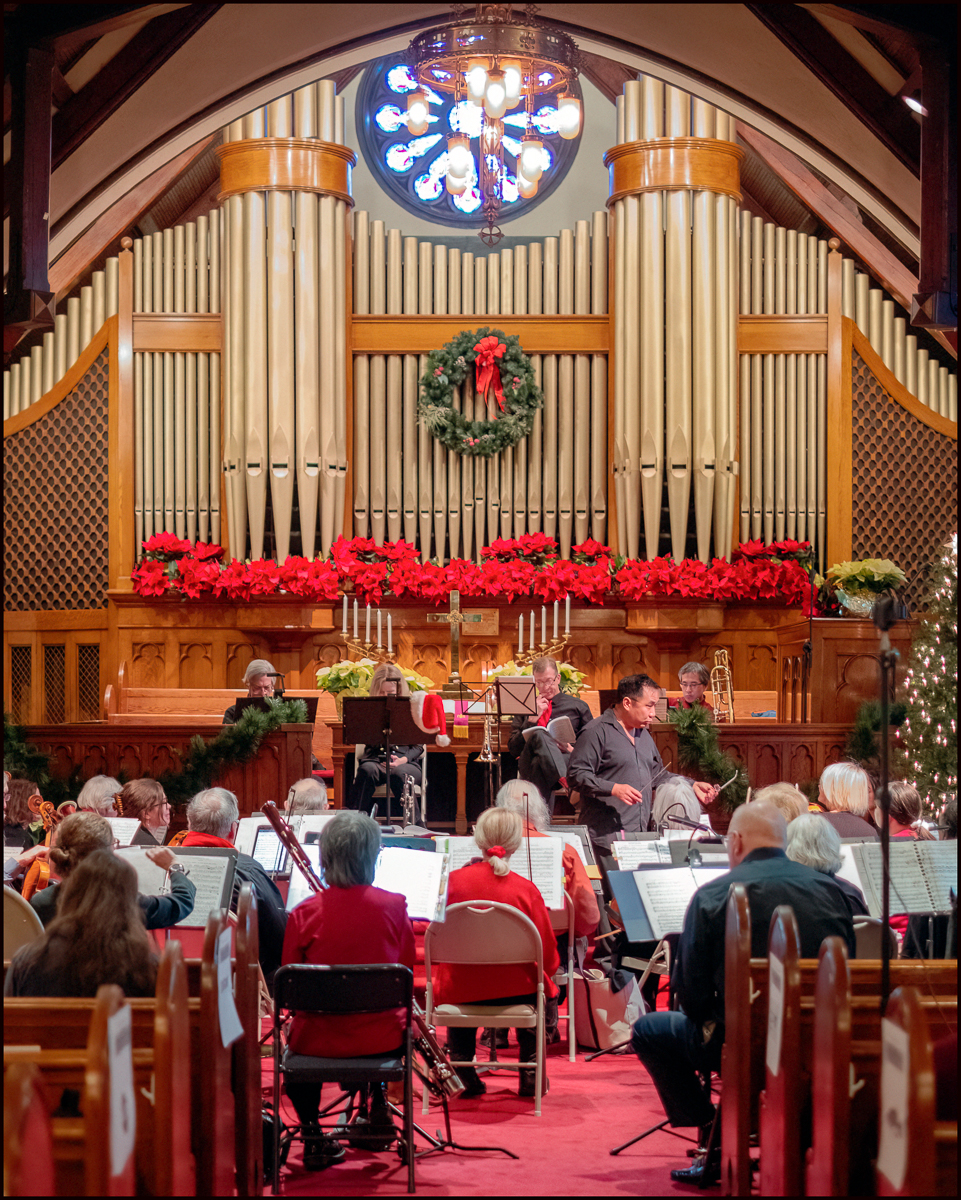
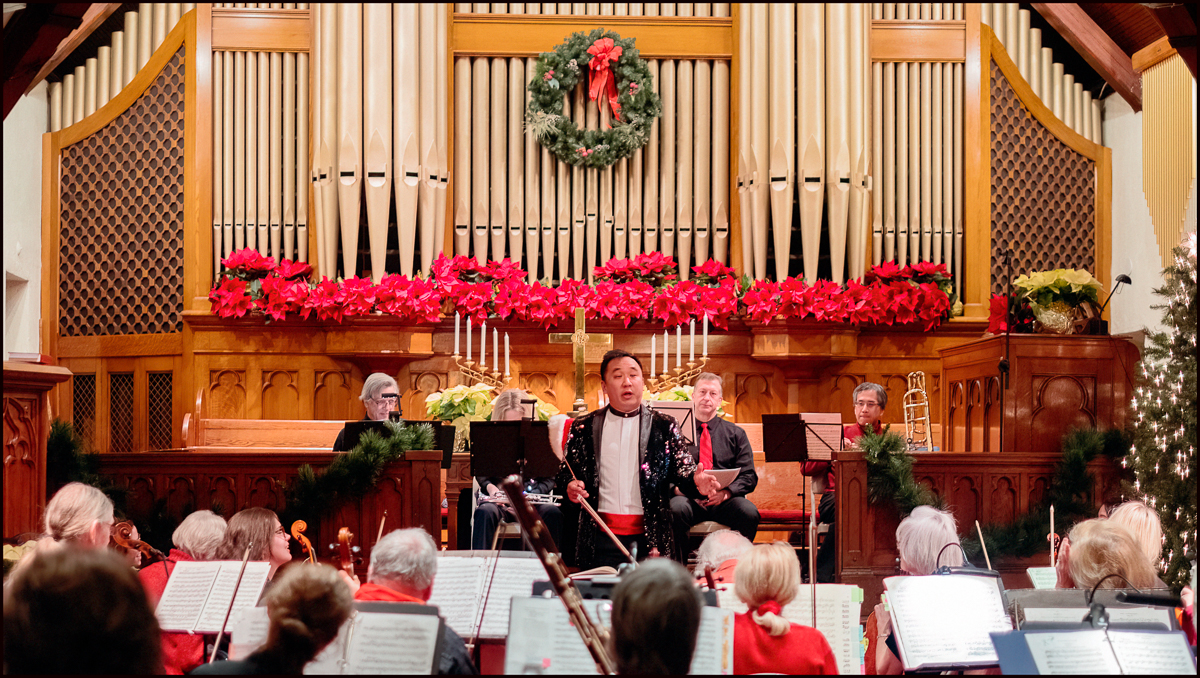
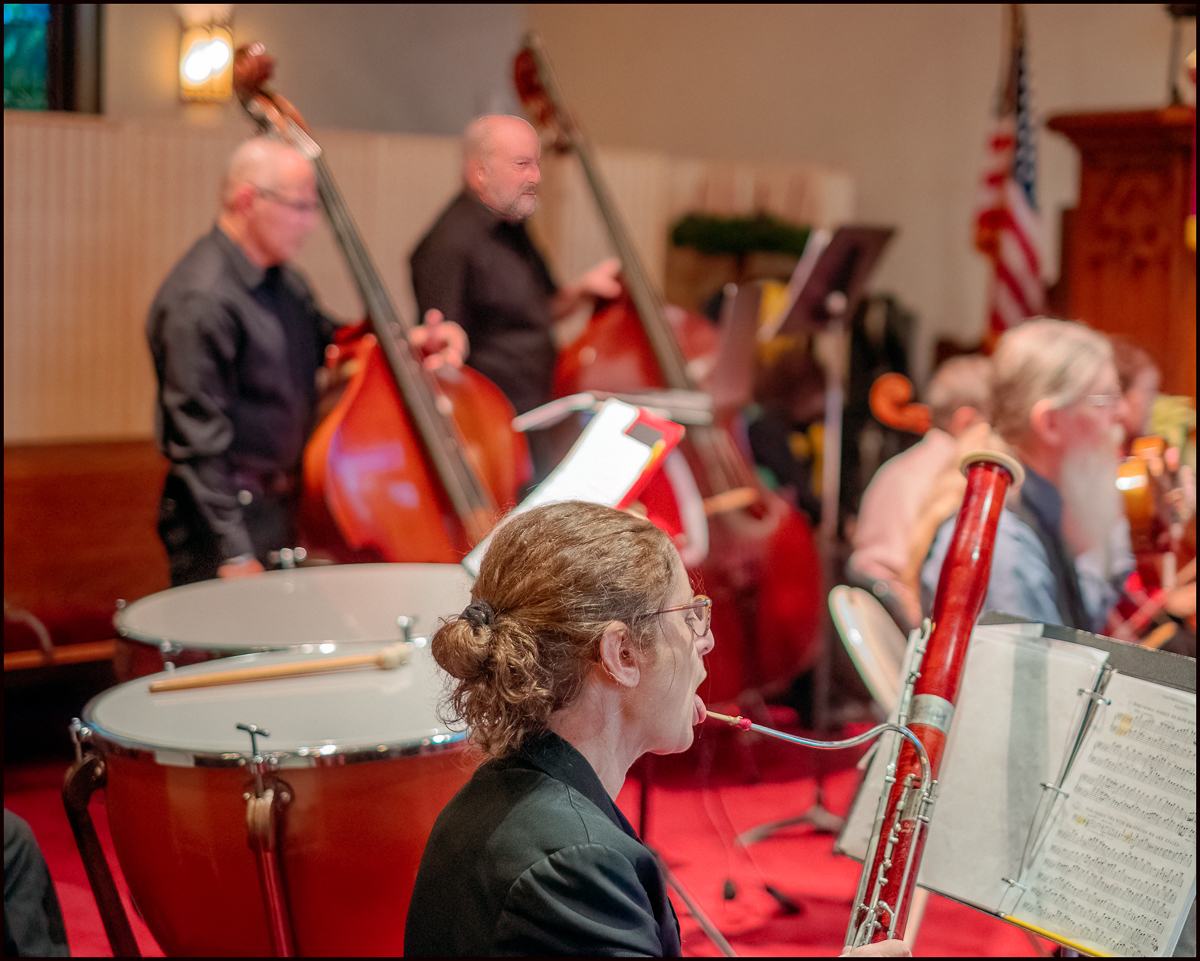
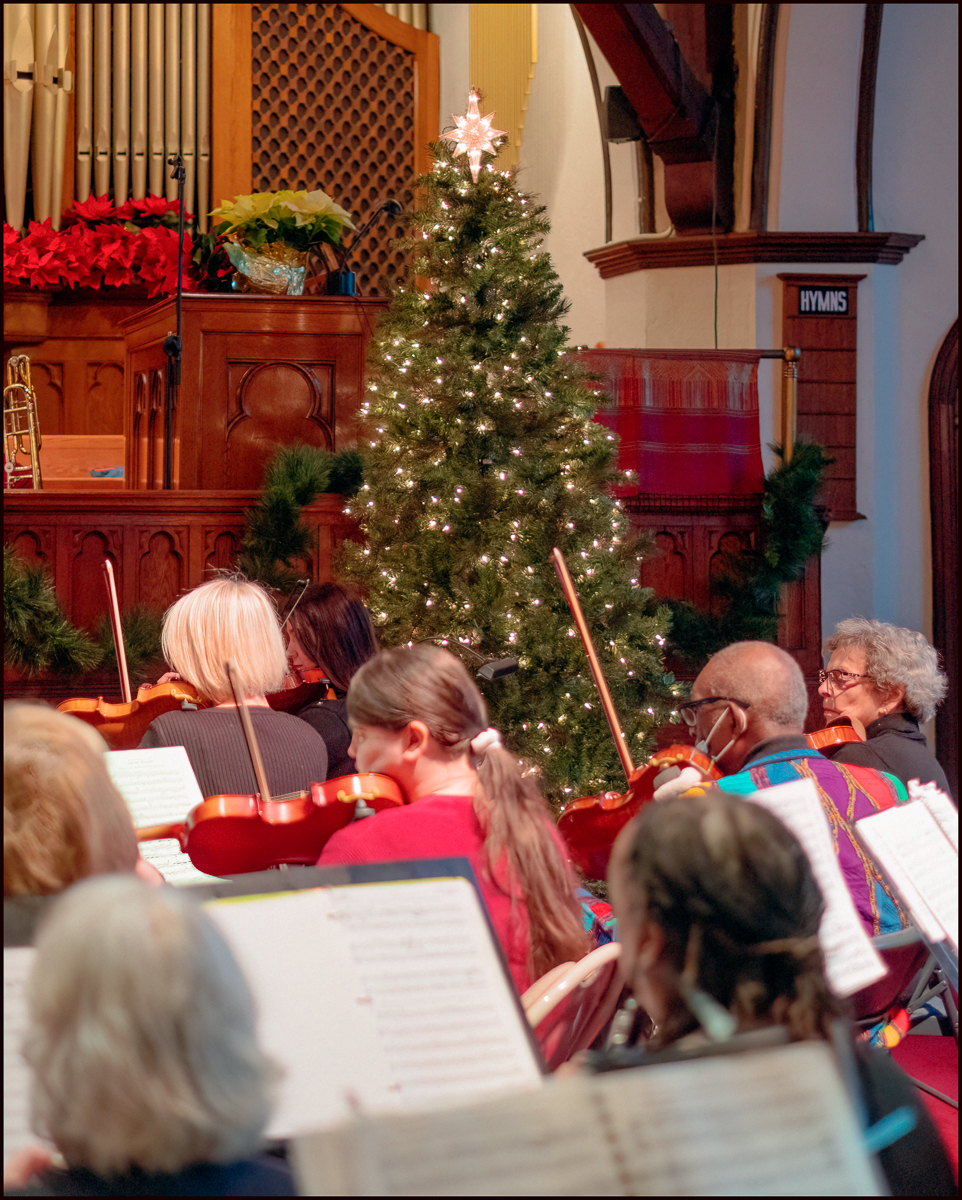
Last Saturday I went to a performance of Handel’s Messiah given by the New Westchester Symphony Orchestra conducted by Steven Huang.

I’ve been to a number of performances of Messiah, I’ve even played in a few, but I don’t think I’ve ever been to a ‘sing-along’ Messiah. This essentially means that the chorus is made up of whoever happens to turn up to the performance and is willing to sing. Scores were provided on loan to anyone who wanted/needed them – to be returned after the performance.

The orchestra’s website describes the orchestra as follows:

Who We Are

We are musicians of all ages and abilities. We rehearse one day a week on Wednesdays, playing great classical music. New Westchester Symphony Orchestra (NewWSO) has three main concerts every year, as well as performances in libraries and hospitals throughout the year. Our concerts are free to the public.

The New Westchester Symphony Orchestra is an audition-free, community orchestra serving Westchester County and surrounding areas. NewWSO offers instrumentalists of all ages and abilities the opportunity to play the same repertoire as professional orchestras, but in a non-competitive and supportive environment. There are no auditions to join, and anyone can play music with NewWSO. We take pride in serving our community and bring music to everyone.

Always something going on

NewWSO performs numerous outreach concerts throughout the year at assisted living homes, rehabilitation centers, local libraries and houses of worship. Our goal is to make classical music inclusive and accessible for all who wish to participate. Come join the Orchestra as a musician or in the audience!

It was certainly interesting and everyone seemed to have a great time!


Taken with a Fuji X-E3 and Fuji XF 35mm f1.4 R
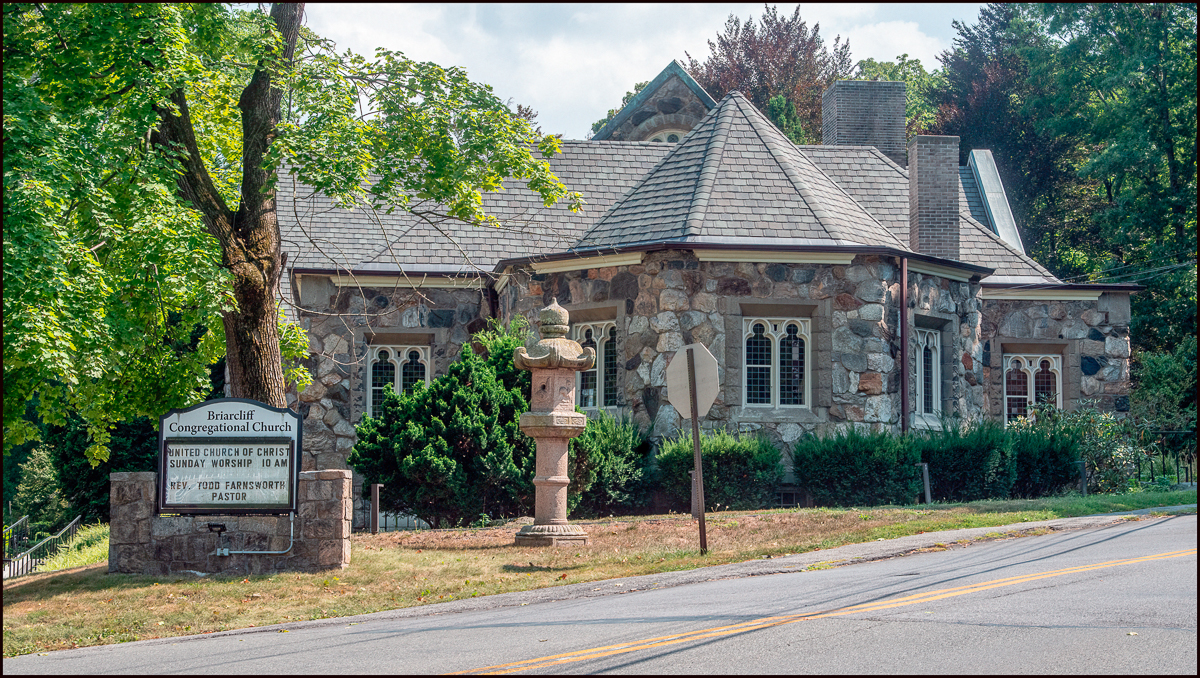
Briarcliff Manor Congregational Church

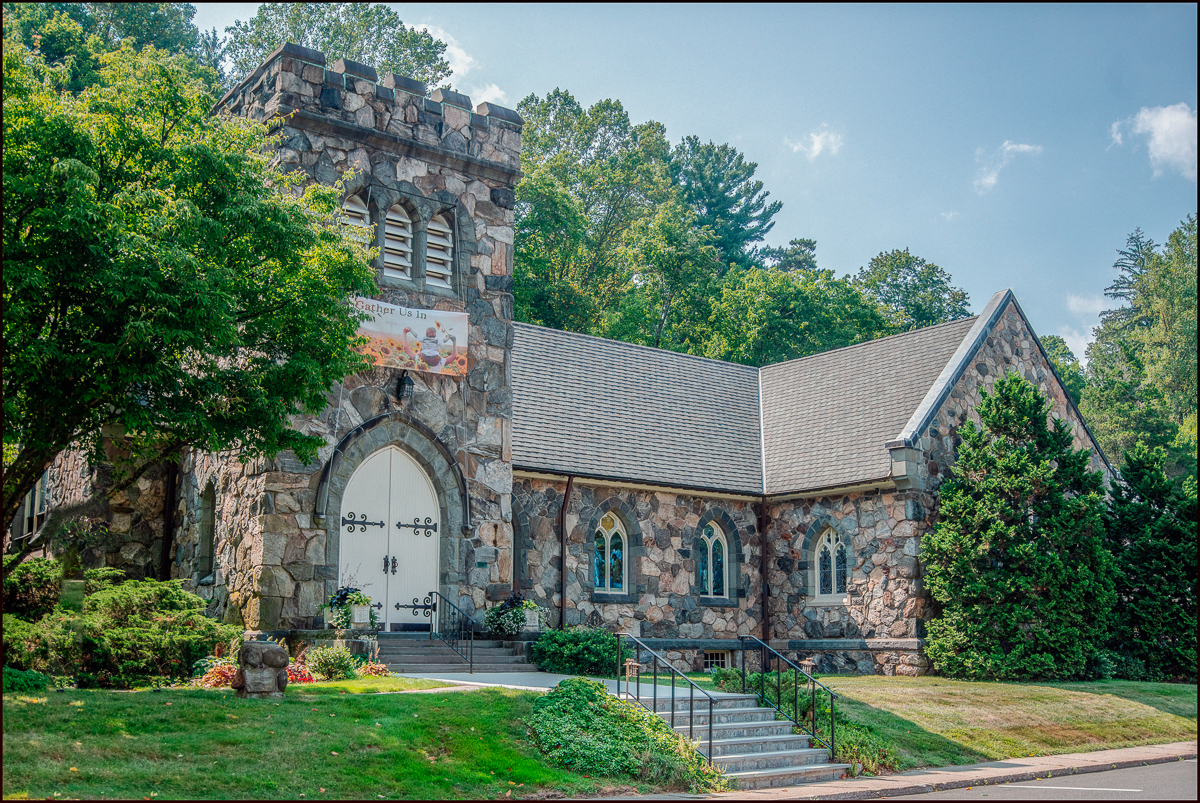
“[The Briarcliff Manor Congregational] Church was the outgrowth of a Sunday School held in the little schoolhouse, District No. 6. Some members of the Sing Sing Heights Chapel (now the Ossining Heights Methodist Church) started this Sunday School under the faithful leadership of John Edgar Johnson,Jr. It was the only religious service in a radius of two miles. When George A.Todd, Jr., became Superintendent the need for a Church was so evident that he interested Mr. Walter W. Law in the possibility. Mr. Law’s response was so immediate and enthusiastic that the first part of the structure was completed by Christmas of 1896 with its Norman tower and strong stone walls. The Church, organized October 20, 1896, dedicated January 10, 1897, and officially received into the Congregational denomination November 3, 1897, was doubtless the favorite of all the structures made possible by Mr. Law’s generosity. He also erected the Manse, the addition of the transepts, the Sunday school room (1902) and gave four memorial windows as well as the organ. It is a lasting testimony and monument to his devotion to the religious welfare of Briarcliff Manor.

Mr. George A. Todd, Jr. proved his devotion by giving the stones as a material manifestation of his personal loyalty. Most suitably the Church Flag, within the sanctuary, was presented by the Todd family, in 1942, in memory of the large share he had in the spiritual progress of the Church. The Church is fortunate in its many and beautiful memorials, through which the righteous are held in everlasting remembrance.” (History of Briarcliff Manor produced on the Semi-Centennial of Briarcliff Manor in 1952).

For more information on the church together with some interesting historical pictures and some beautiful color photographs of the magnificent Tiffany (and other) stained glass windows see “Glory in the Glass. A Celebration of the Briarcliff Congregational Church 1896-1996”, Edited Karen M. Sharman. Copies may still be available from the Briarcliff Manor Congregational Church at 30 South State Road, Briarcliff Manor, New York 10510. Phone: 914-941-4368, Fax: 914-941-1513, info@briarcliffchurch.org. Church Office Hours:Tuesday – Friday 9:00 A.M. – 2:00 P.M.

Taken with a Nikon D800 and Nikon AF Nikkor 28-80 f3.3-5.6

Dan Winters – Road to Seeing

Last month I posted a YouTube video of an interview with Dan Winters (See: Interesting Interview with Dan Winters). I didn’t really know his work and It interested me enough that I decided to get one of his books, specifically “Road to Seeing”. I usually order hardcover versions of photobooks, but this time I was impatient and I ordered the Kindle version. The fact that the hardcover version was over six times more expensive may also have had something to do with it! I don’t recommend that you do this unless you have the flashier color versions (or are willing to read it on your computer) as many of the images are in color and you lose a great deal by viewing them in black and white.

In his introduction he states: “My purpose in writing this book is rooted in a desire to share, on a human level, some of the moments in my life that have significance to me as a photographer, and a man” so it is at least in part autobiographical.
The book features many beautiful images. But in addition each chapter tells the story behind the image and how it was created. His focus, however, is not on technical matters. Rather he concentrates on such areas as what he was thinking in the run up to the photograph; how he collaborates with his subjects etc.

In addition to Winter’s own pictures the book contains many photographs from such photographic luminaries as : Alfred Stieglitz, Lewis Hine, Dorothea Lange, Eddie Adams, Gregory Heisler, William Wegman, Nadar, Henry Fox-Talbot, Eugène Atget, William Klein, Saul Leiter, Walker Evans, Henri-Cartier Bresson and many others.

He’s best know for his portraits of celebrities, done in his studio often using sets he has built himself (in an earlier existance he built models for a living and so has expertise in this area.) His work has been featured in National Geographic, Vanity Fair, The New York Times Magazine and many other newspapers and magazines. This work takes up much of the book.

However, he also produced a lot of personal (i.e. Non-commercial) work and this is where I have a bit of a difficulty. He almost seems to be apologetic of his commercial work almost as if he considers it a bit inferior to his personal work. Personally, I’m not wild about the personal work. Don’t get me wrong – It’s good, but I’ve seen better examples in the various genres that he’s tackled.

Even though it’s quite a long book (almost 700 pages) it’s quite easy to read and I got through it in no time. I very much enjoyed it and I’m glad I bought it. You can get a copy for yourself here.