I’ve been thinking about posting this for a while and today seemed to be an appropriate day to get it out. To understand why read on to the end of the post.
If you live near where I live I imagine you’re probably familiar with the name “Chilmark”, but I wonder how many know where it comes from.
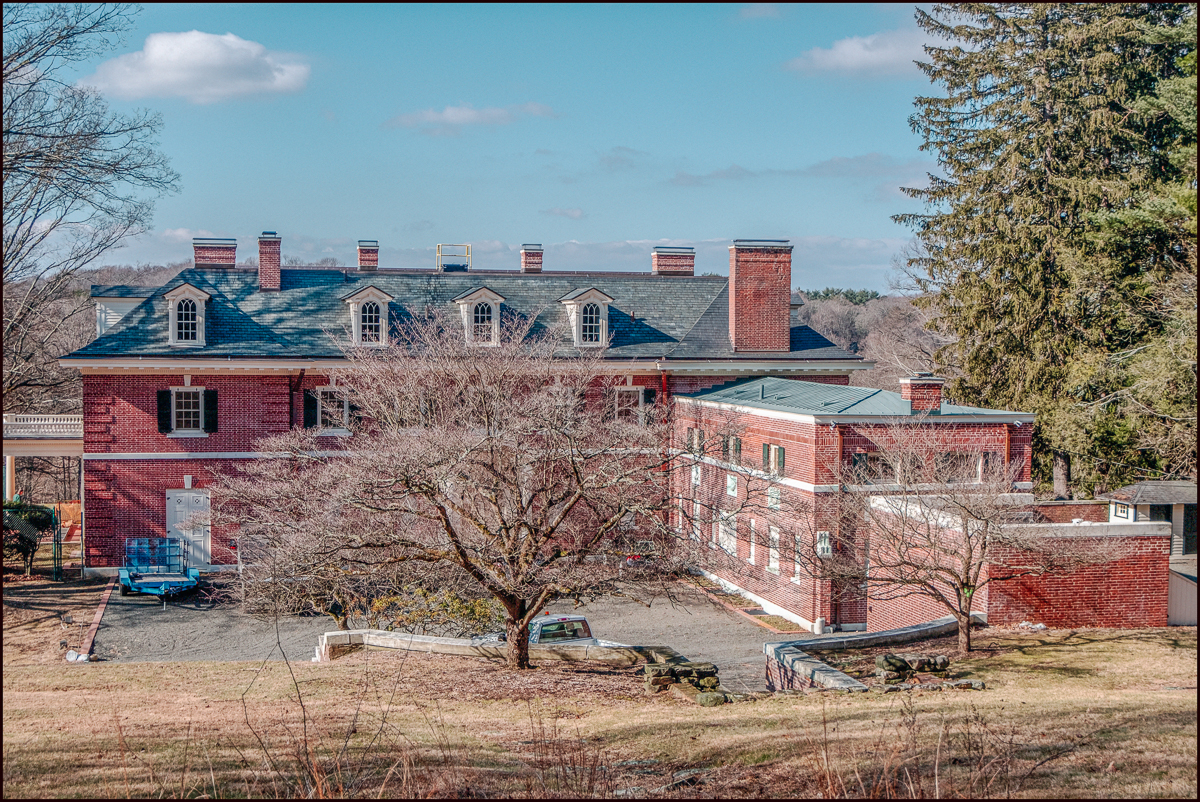
“Chilmark” was the name of the village, located about 100 miles west of London, that was the ancestral home of Thomas Macy, born in 1608 and the first of the family to arrive on our shores. As was often the custom when large estates were acquired in America, V. Everit Macy gave the name “Chilmark,” to the property he and Edith purchased in 1896, and to the magnificent 44 room mansion they completed in 1898, soon after the birth of the first of their three children. Chilmark is situated atop the highest ridge in the vicinity overlooking the Hudson River” (V. Everit Macy. Businessman, Philanthropist and Social Reformer. By Walter Schwartz in The Westchester Historian, Volume 89, No. 1, Winter 2013.
“V. Everit Macy (1871-1930), seen in the image above, was what my late father would have called “a helluva nice guy.” He earned a degree in 1893 from Columbia’s School of Architecture, where he studied alongside Chester Aldrich, architect of his future house. Macy himself never practiced professionally. Instead, this amazingly busy and selfless man spent his entire adult life improving the lives of others, mainly in Westchester County. He was commissioner of Charities and Correction, then of Public Welfare, and at the time of his death Commissioner of Parks. Macy also owned the Yonkers Statesman in the north, where he published his progressive opinions, and supported Tuskegee and Hampton Institutes in the south. As Parks Commissioner he was the organizing force behind two of Westchester’s most recognizable features, the Hutchinson and Saw Mill River Parkways. It helped that he was rich, far more so than his collateral relatives, the department store Macys. The money came from the family oil business which, thanks to the efforts of Macy’s father, was rolled into John D. Rockefeller’s Standard Oil in the 1870s, to the great benefit of the Macy family.
The Macys weren’t a long-lived group. Everit Macy’s father died at age 38; he himself succumbed unexpectedly at age 59 to pneumonia, while visiting the Ingleside Inn in Phoenix, AZ. County leaders, Supreme Court justices and lifelong friends like John D. Rockefeller Jr. joined Macy’s sons and their wives for the funeral at Chilmark, the family estate at Briarcliff Manor (or actually Ossining, if you want to split hairs). In 1932 Westchester County named a 200-acre tract in the Town of Greenburgh “V. Everit Macy Park” in his honor. If you live in Westchester and thought that name came from the department store, consider yourself corrected.” (From “What’s in a name?” on “Big Old Houses”.
“Macy’s wife, Edith was a social activist, suffragist, Chairman of the Girl Scouts of the USA National Board of Directors and namesake of the Girl Scout property, the Edith Macy Conference Center in Briarcliff Manor, N.Y. She was active in social work throughout her life. She joined King’s Daughters, which aimed to work with New York’s poor; assisted the Henry Street settlement in New York City by supplying them with milk from her home in Ossining, New York; helped form the Westchester County Children’s Association, where she served as the Vice President for destitute and neglected children; and established a Thrift Campaign in Westchester County during World War I.
These experiences led her to a position on the National Board of Girl Scouts of the USA in 1918. In 1919 became Chairman of the Board and served until her death in 1925. Throughout her years with Girl Scouts, Macy dreamed of a Girl Scout school that could provide leadership training for women. Her husband, V. Everit Macy brought her dream to life by donating land in Briarcliff Manor to the Girl Scouts of the USA, to be used as a national training school in memory of his wife. Edith Macy is a still a Girl Scout owned property today with a conference center, historic buildings, and acres of land.
She was also an ardent suffragist and served as the Director of the League of Women Voters for the Westchester County Region. At her memorial, friends told of her devotion to the cause as they recounted the morning women’s suffrage was to be voted in New York State, when Macy arrived at the League’s headquarters at 6 A.M. with coffee and sandwiches for the women who would work the polls that day. To Macy, Girl Scouting related to suffrage because it taught girls to be mature citizens and prepared them to fully exercise their responsibilities of citizenship.” (From an entry on the Girl Scout Archive Management System)
“The Macy’s property, added to over the following quarter of a century, amounted to some 300 acres bounded, roughly, by Old Briarcliff and Pleasantville roads on the east, Croton Avenue to the north and Holbrook and Scarborough roads on the south and west, with some lots on its western border within the village of Ossining. The old gate house, now missing its porte-cochere, still stands at the corner of Holbrook and Scarborough roads. The mansion was surrounded by gently sloping lawns planted with shade trees and shrubbery, meadows and woodlands. Great stone barns housed Guernsey cows, givers of prize winning milk, and Hampshire Down sheep. There was a greenhouse for the gardens, a carriage house with apartments over it for the help, a chicken house, a stable of spirited ponies, a polo field (the Holbrook School Football field), squash courts, a swimming pool, two tennis courts and a small but challenging (par 27) nine-hole golf course.” (From “The Changing Landscape, A History of Briarcliff Manor-Scarborough” by Mary Cheever, page 55).
Now you’ve reached the end you may be wondering why I said that it was appropriate to post this today. The answer is that although the owner of the “Chilmark” estate is usually referred to as V. Everit Macy, in fact his first name is Valentine. Check out today’s date.
Late 19th/early 20th century map of the area showing extent of the “Chilmark” estate. The Briarcliff Manor-Scarborough Historical Society has a great collection of around 200 historical maps.
This gatehouse guards the entrance to the estate. It still stands on the corner of Scarborough and Holbrook Roads. Note the porte cochère, through which carriages would have driven up to the mansion.
The Gatehouse today
The gatehouse today. Taken from the other side from the picture above you can clearly see that the porte cochère has been enclosed and is now a room in a private house.
This and the next five pictures show the Mansion. Privately owned, It still stands in about 60-70 (maybe more) acres of property.
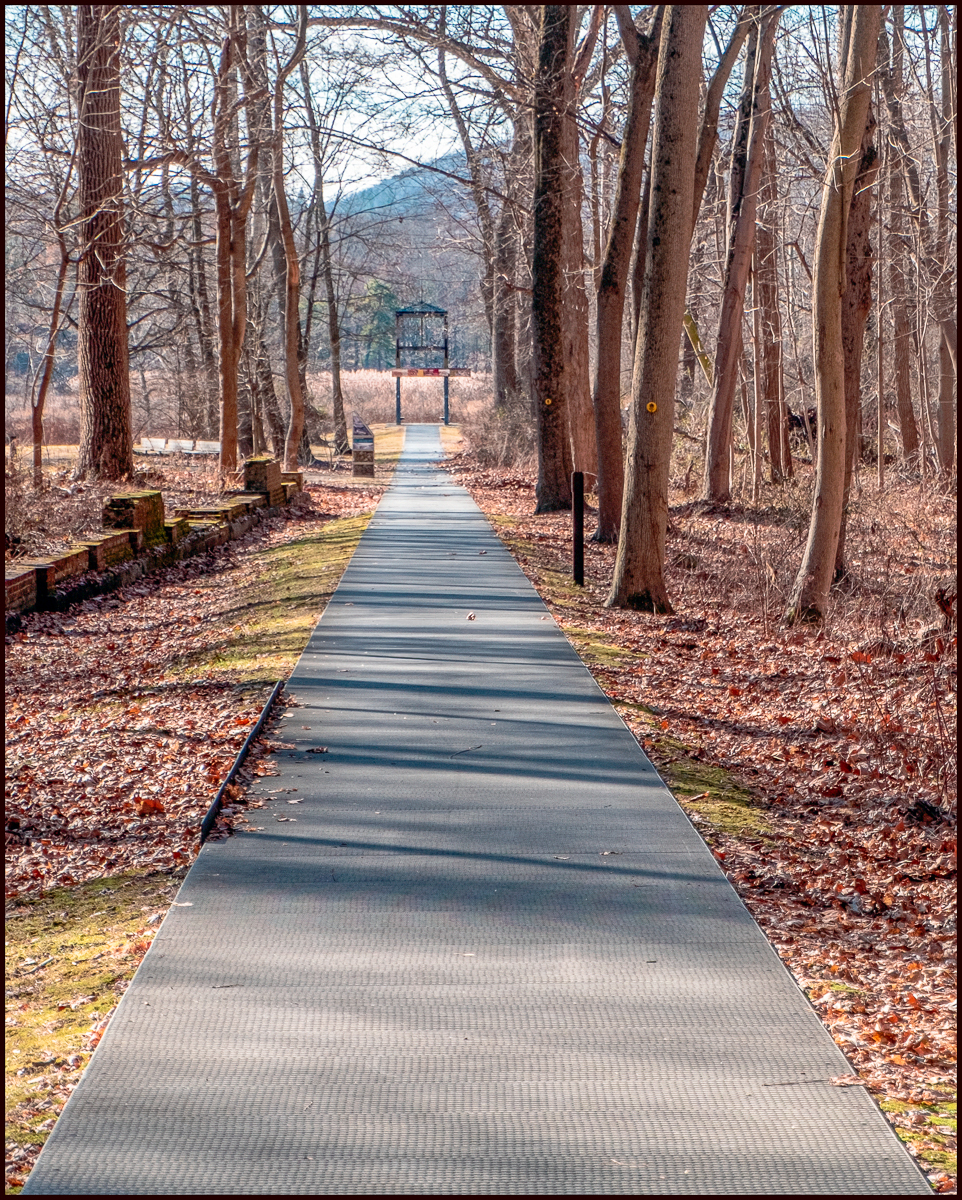
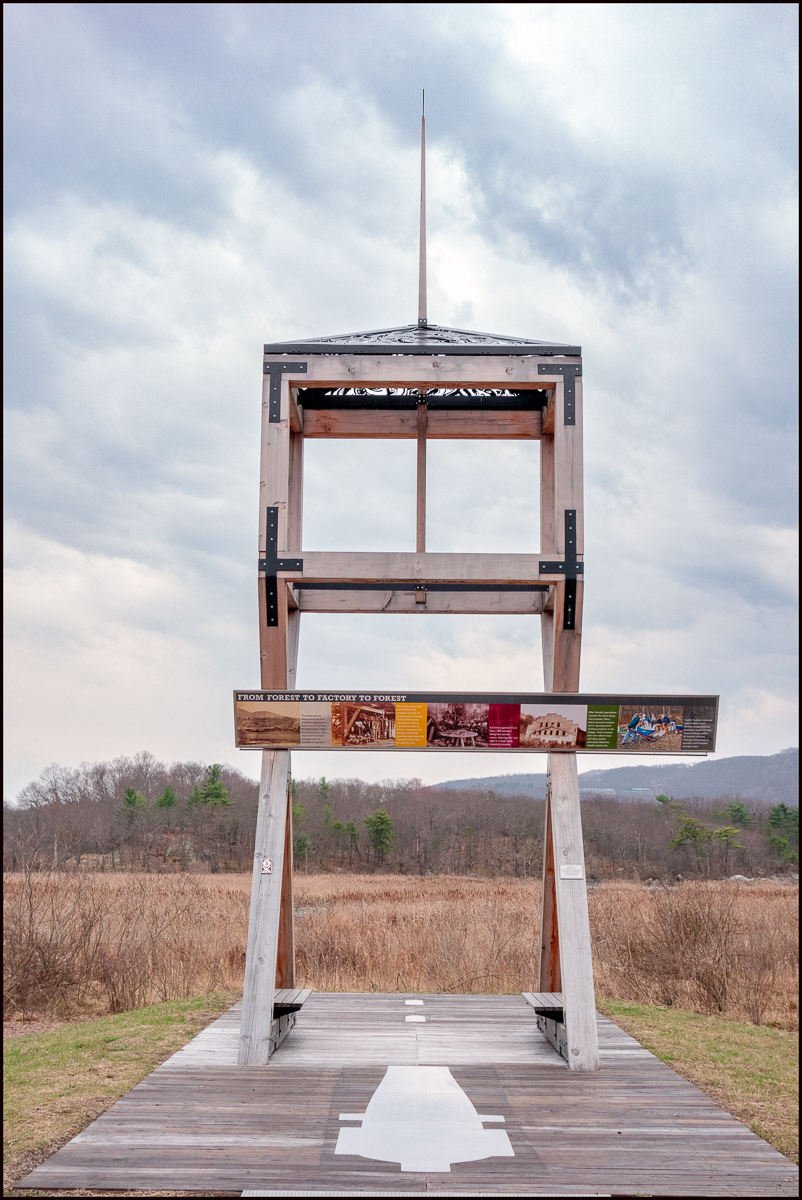
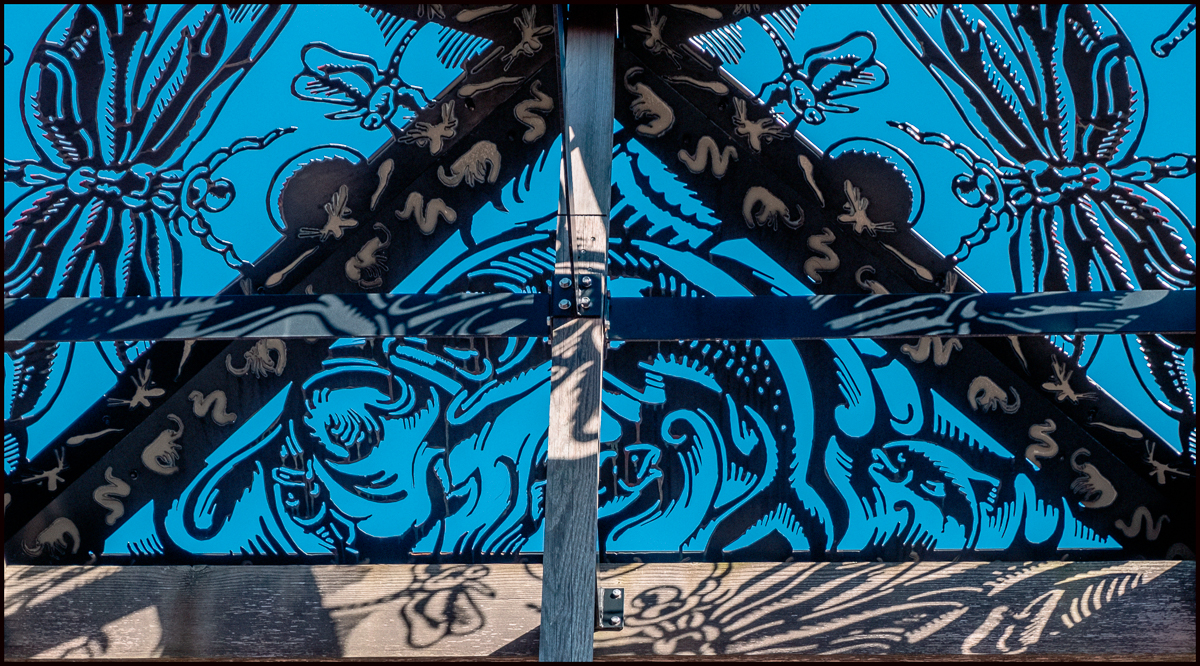
The Great Hunger Memorial in the V. Everit Macy Park in Irvington, NY.