Colorful pieces

I came across these pieces in a box outside a junk store in Brooklyn, NY. I have no idea what they are. Maybe badges? I just liked how colorful they are. It’s a chaotic jumble, but I can see quite a number of subjects: a dove, a wheel, an eagle, a horse’s head, a native american head complete with headdress, a mushroom, a deer, a locomotive, and, interestingly since the day I’m writing this is St. Patrick’s Day, a shamrock. There are probably more that I’m not immediately seeing. But somehow, among all this confusion my eye seems to settle on Angel figure with the red book.

Taken with a Panasonic Lumix GX85 and Leica DG Summilux 15mm f1.7

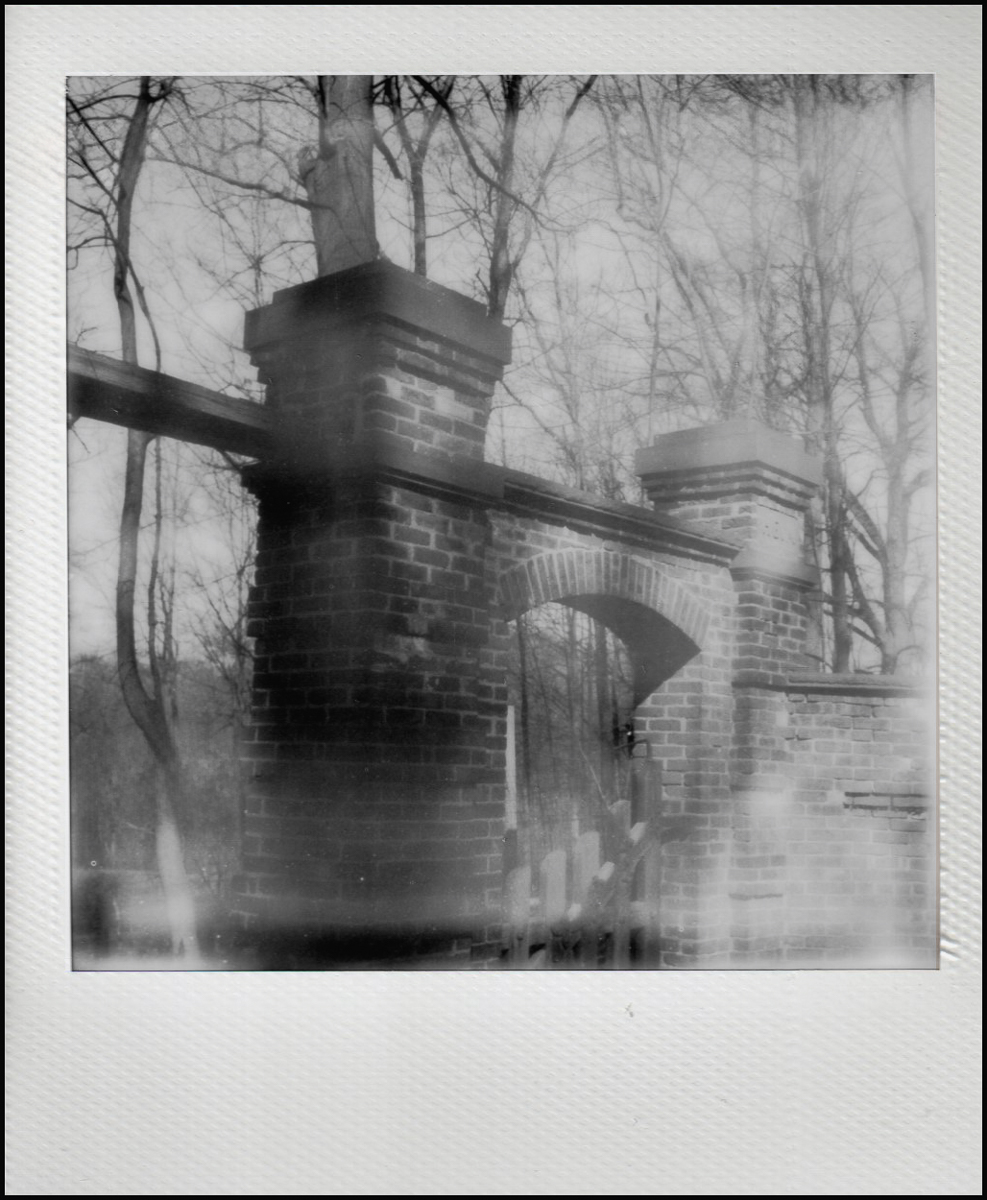
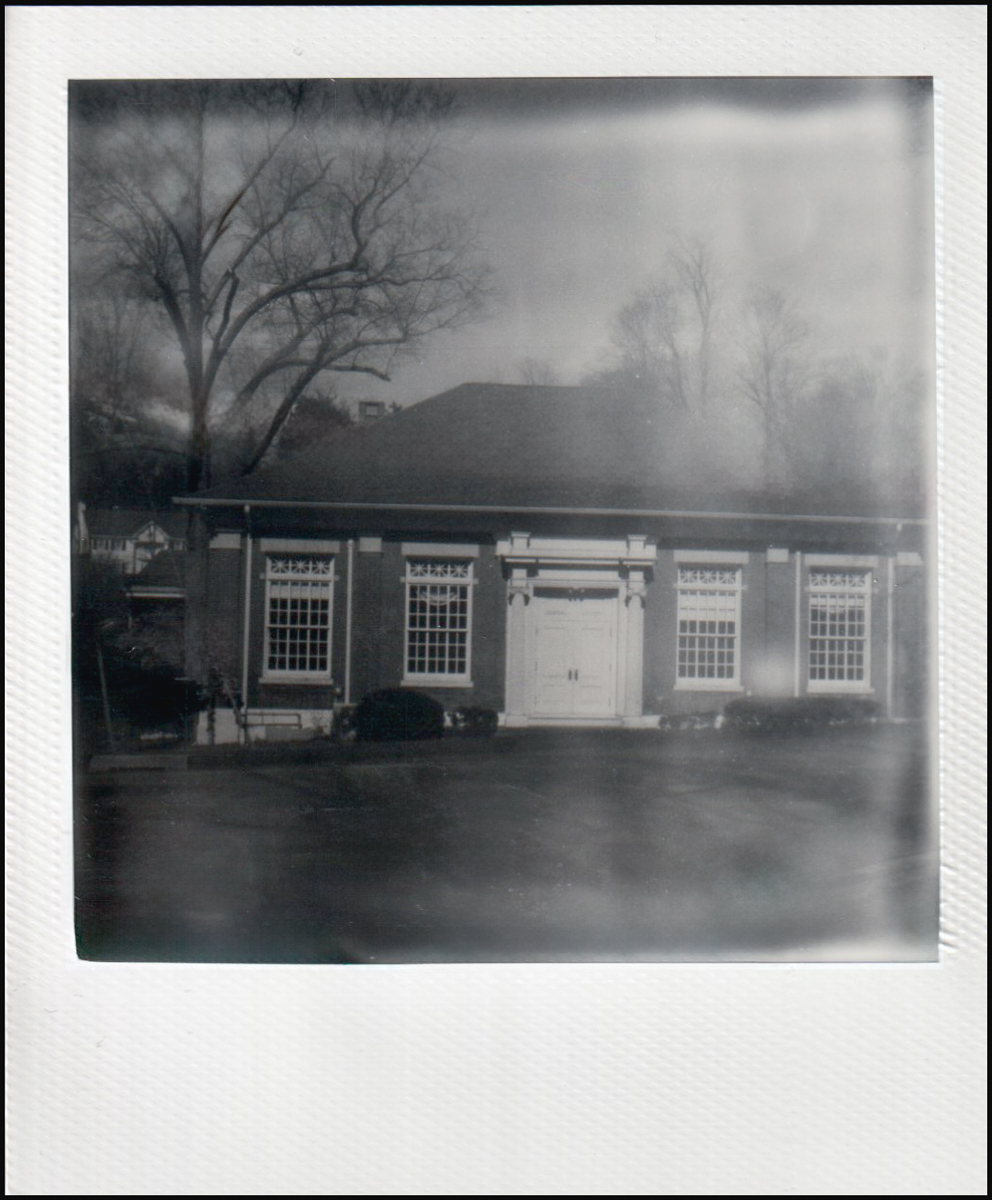
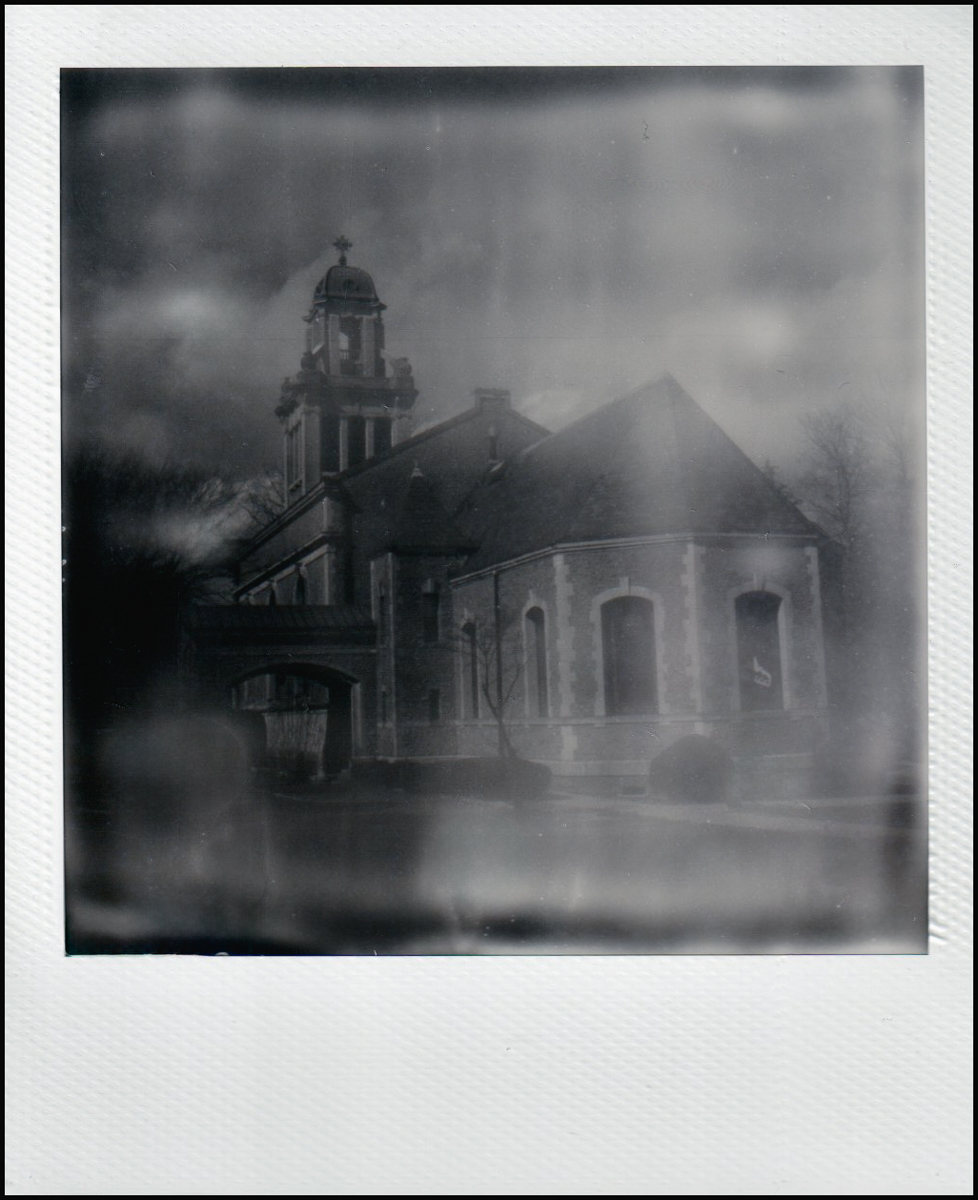
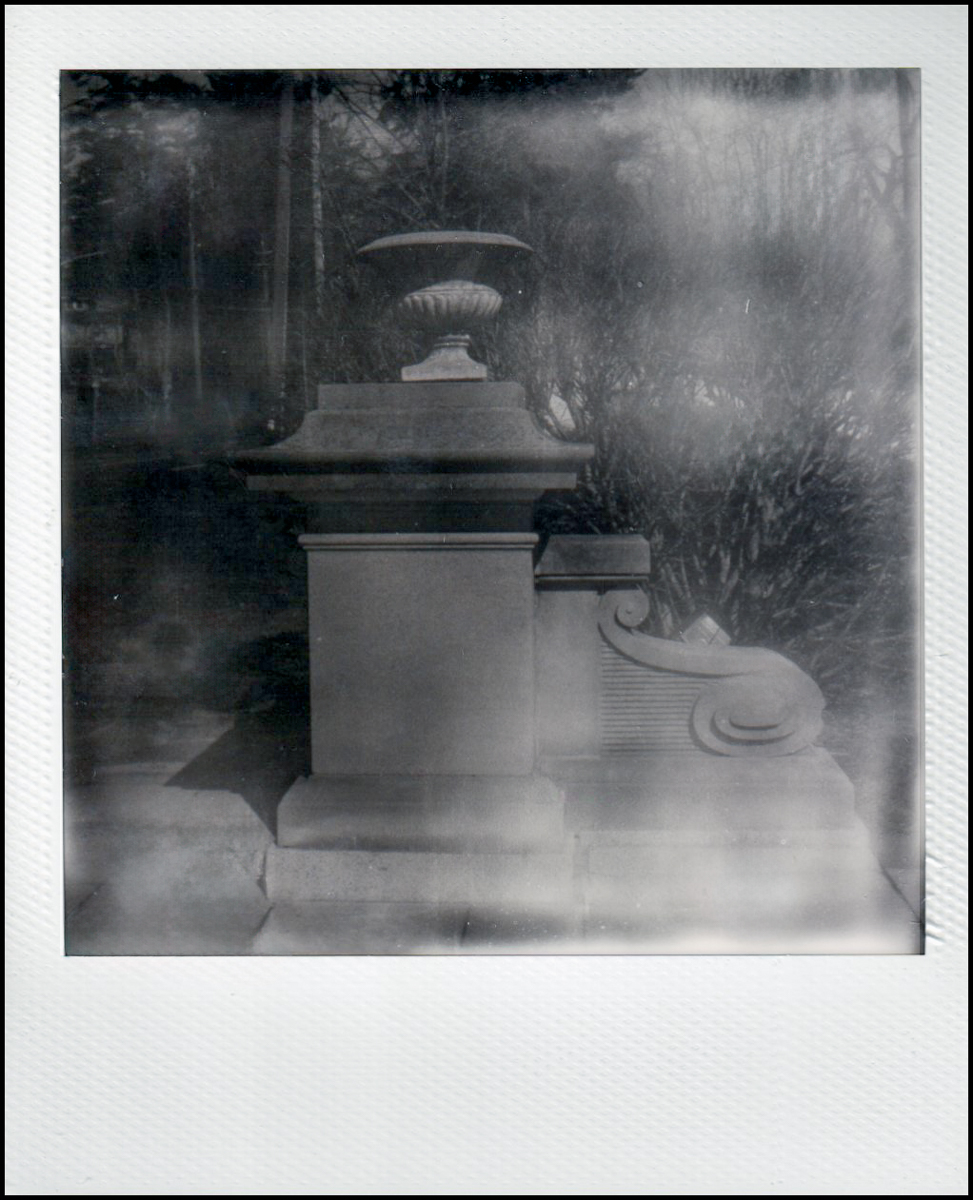
Film Camera 2024 -1: Polaroid SX-70 – Results

Of course, after I got my hands the Polaroid SX-70 mentioned in the previous post I rushed out immediately, eager to try it out – right? Actually, that was not the case. I think that I acquired the camera and film in 2022. When I opened the film package today, I noticed that the film was made in 2021, which of course makes it three years old. Polaroid warns that you should not use film more than one year old, which may have been a contributing factor to what happened today.

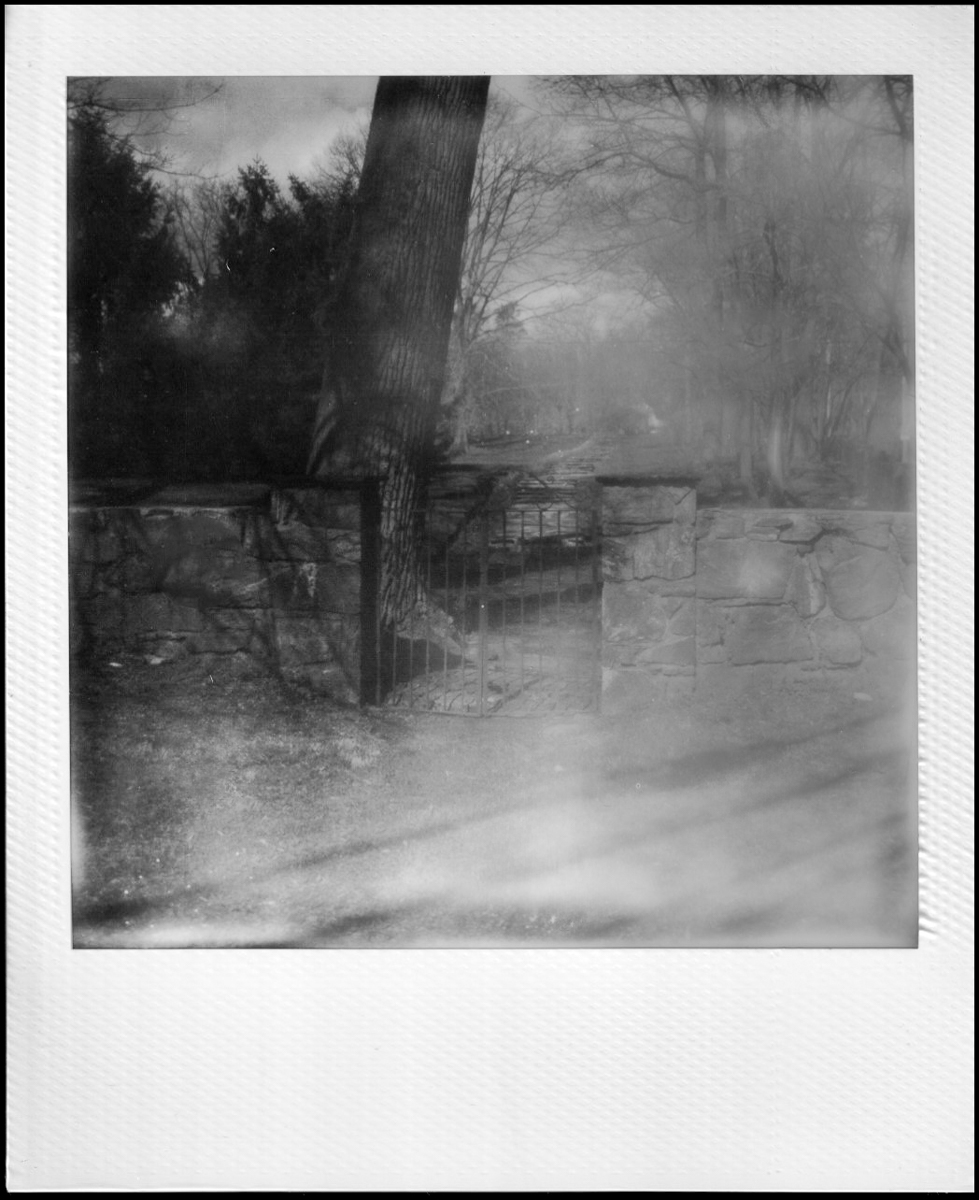
So how did things go? Well, I put the film in the camera and the dark slide popped out as it should. So far so good. I left the house and walked down towards the Hudson River. On the way I spotted something that I thought would make an interesting picture. I carefully focused, framed the picture and pressed the shutter release. The camera whirred but no picture was ejected. After tugging for a while, I managed to get it out. Of course, the picture was blank. I continued walking and took another picture with the same results. The third picture at least ejected from the camera without any assistance with me, but it looked as if it had been taken with a 150-year-old camera rather than 52-year-old camera that it is. I continued walking and taking pictures and they all ejected and were all pretty much of the same quality. When I got to the last two pictures, I pressed the shutter release…and nothing happened. Frustrating, but then I remembered that while the old Polaroid film allowed 10 exposures, the modern variant only allows eight. I imagine that the first two exposures did not register on the frame counter, which showed that there were two left when in fact there the film pack was finished. When I got home, I couldn’t get the film pack out of the camera, but after some YouTube browsing I managed to figure out how to remove it and also how to clean the rollers (which now had some bluish grey gunk on them, probably from my efforts to remove the film from the camera when it wouldn’t eject by itself).

I don’t consider today’s efforts a total disaster though (although I might have done if I hadn’t gotten any pictures at all). I was bit disappointed with the results, but not at all surprised. It’s an old camera that’s been sitting around for a while. The film was beyond its sell by date. Clearly the camera is not working properly, but all things considered I quite liked the results. They have a certain vintage look that has a charm of its own.

I also wanted to see whether or not I’d like the instant camera experience. I was surprised to find that I did, and I intend to continue. I might see if I can get the camera repaired. I browsed around for a while and discovered that a lot of people had good things to say about Brooklyn Film Camera. I live close to NY City, so I’ll probably give them a call, and if possible, take it in for them to have a look. If they can fix it for a reasonable cost I’ll probably do it. If not I might consider getting another one that they already renovated. It’s such a beautiful camera that I wouldn’t at all mind putting it out for display.

All things considered it was an enjoyable experience.


Taken with a Polaroid SX-70. Pictures messed with in Adobe Photoshop Lightroom

Film Camera 2024 -1: Polaroid SX-70

Even when they were in their heyday, I wasn’t much into instant cameras. I guess I shouldn’t even say instant cameras because back then there was only one brand: Polaroid. However, I witnessed the death and resurrection of Polaroid and admired they way that a group of determined and dedicated individuals had brought back both the film and the cameras. Good for them!

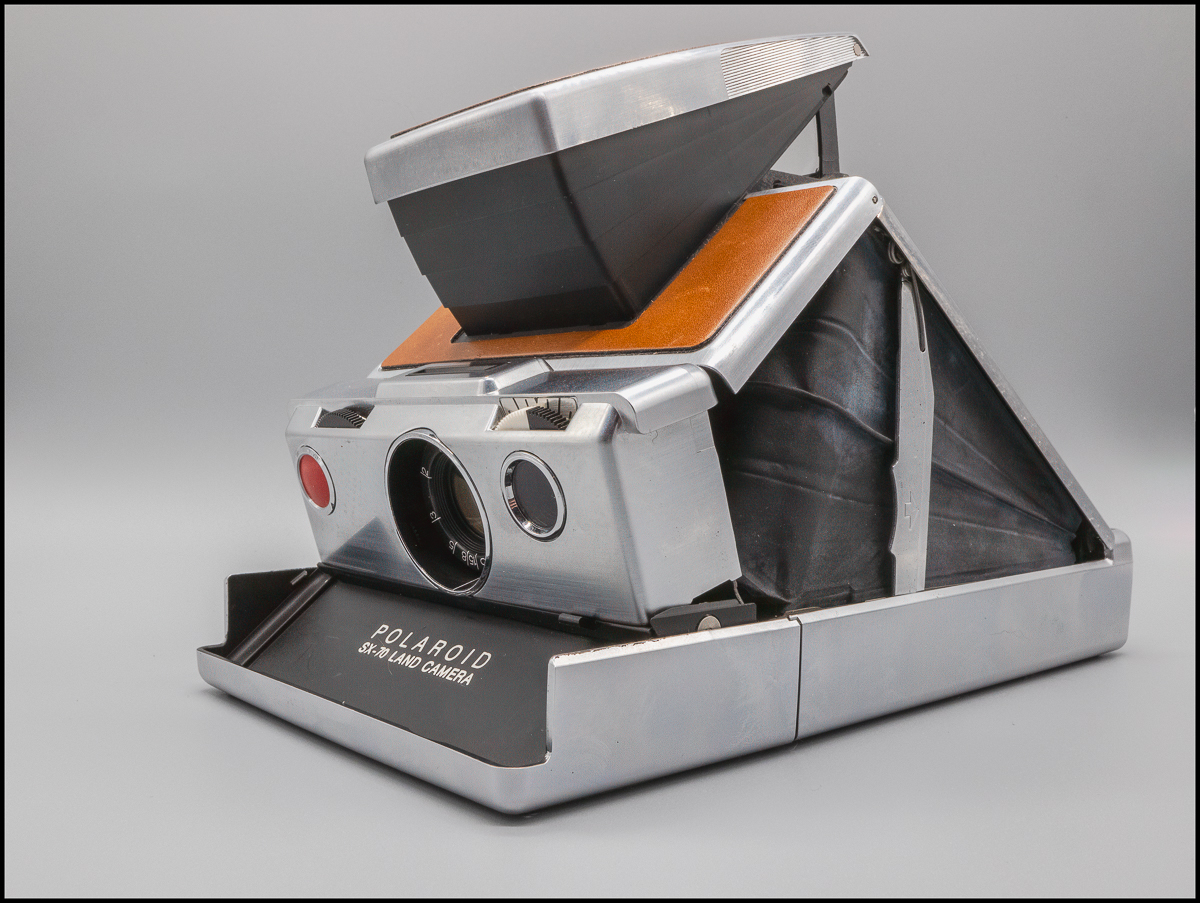
So when I was thinking about what new kind of camera I could try it occurred to me to go for a Polaroid camera. It seemed to me that the Polaroid SX-70 was arguably the best of the bunch so that was what I got, along with some Polaroid SX-70 black and white film.

The SX-70 is a folding single lens reflex Land camera which was produced by the Polaroid Corporation from 1972 to 1981. It helped popularize instant photography…There were a variety of models beginning in 1972 with the original SX-70, though all shared the same basic design. The first model had a plain focusing screen (the user was expected to be able to see the difference between in- and out-of focus) because Dr. Land wanted to encourage photographers to think they were looking at the subject, rather than through a viewfinder. When many users complained that focusing was difficult, especially in dim light, a split-image rangefinder prism was added. This feature is standard on all later manual focus models…Though expensive, the SX-70 was popular in the 1970s and retains a cult following today. Photographers such as Ansel Adams, Andy Warhol, Helmut Newton, and Walker Evans praised and used the SX-70. Helmut Newton used the camera for fashion shoots. Walker Evans began using the camera in 1973 when he was 70 years old. Not until the $40 Model 1000 OneStep using SX-70 film became the best-selling camera of the 1977 Christmas shopping season, however, did its technology become truly popular. More recently, it was the inspiration for the Belfast alternative band SX-70’s name. (Wikipedia).

I guess if it was good enough for Walker Evans it out to be good enough for me!

There’s a good review (along with some example photographs) at Polaroid SX-70 Land Camera Review & How to Use this Iconic Camera, by Sara Johansen. For another interesting take on this camera see: Polaroid SX-70 Instant Film Camera Review – The Pinnacle of Polaroid by James Tocchio on Casual Photophile, one of my favorite photography related sites.

It’s certainly a beautiful camera, and a technological marvel to boot.

Taken with a Panasonic Lumix GX85 and Leica DG Summilux 15mm f1.7

Midcentury Memories

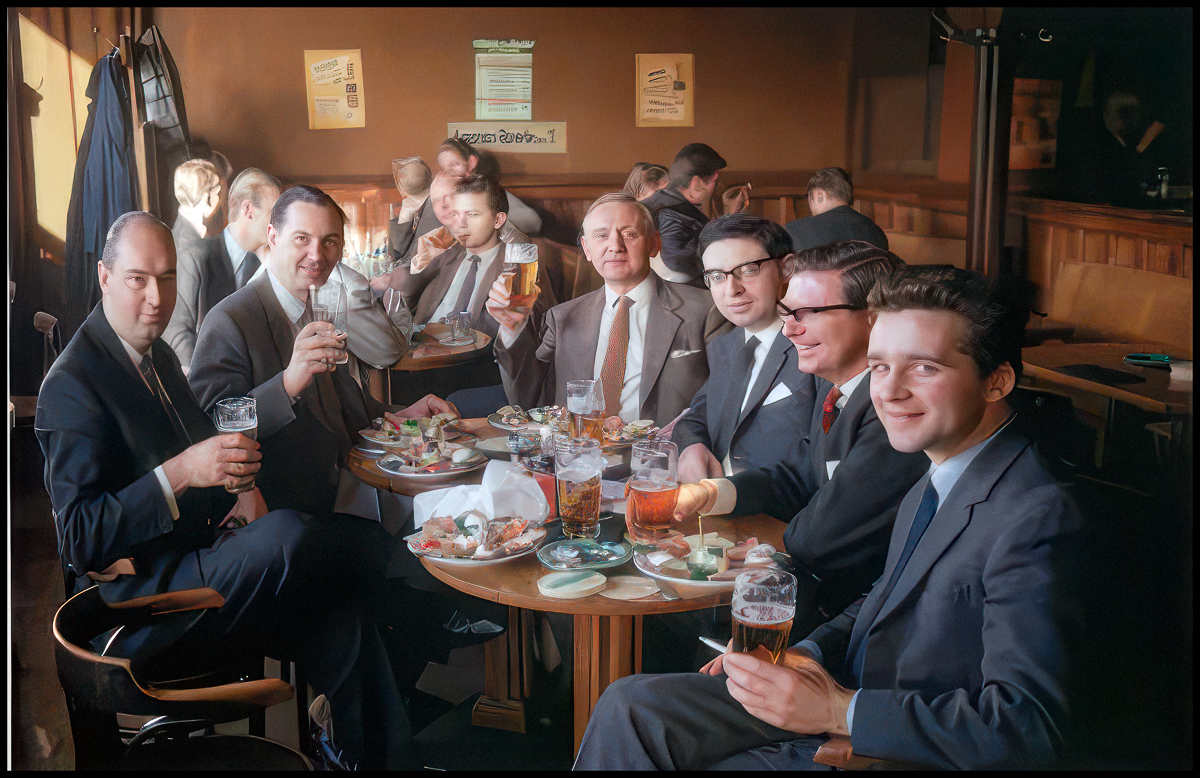
In first paragraph of his introductory essay, “Collective Memories in Kodachrome”, Richard B. Woodward writes:

A young woman is seated on the edge of a blue Adirondack chair. A thin and expensive yellow sweater draped over her shoulders and bare arms, she wears a high-necked black dress and holds a cigarette in her right hand. Her icy hauteur might have caught the eye of Alfred Hitchcock, who could have cast her as the threatened heroine’s younger sister. The Anonymous Project is a collection of similar scenes – the sweet, awkward, random moments that no one recalls now unless someone had recorded them in a photograph.

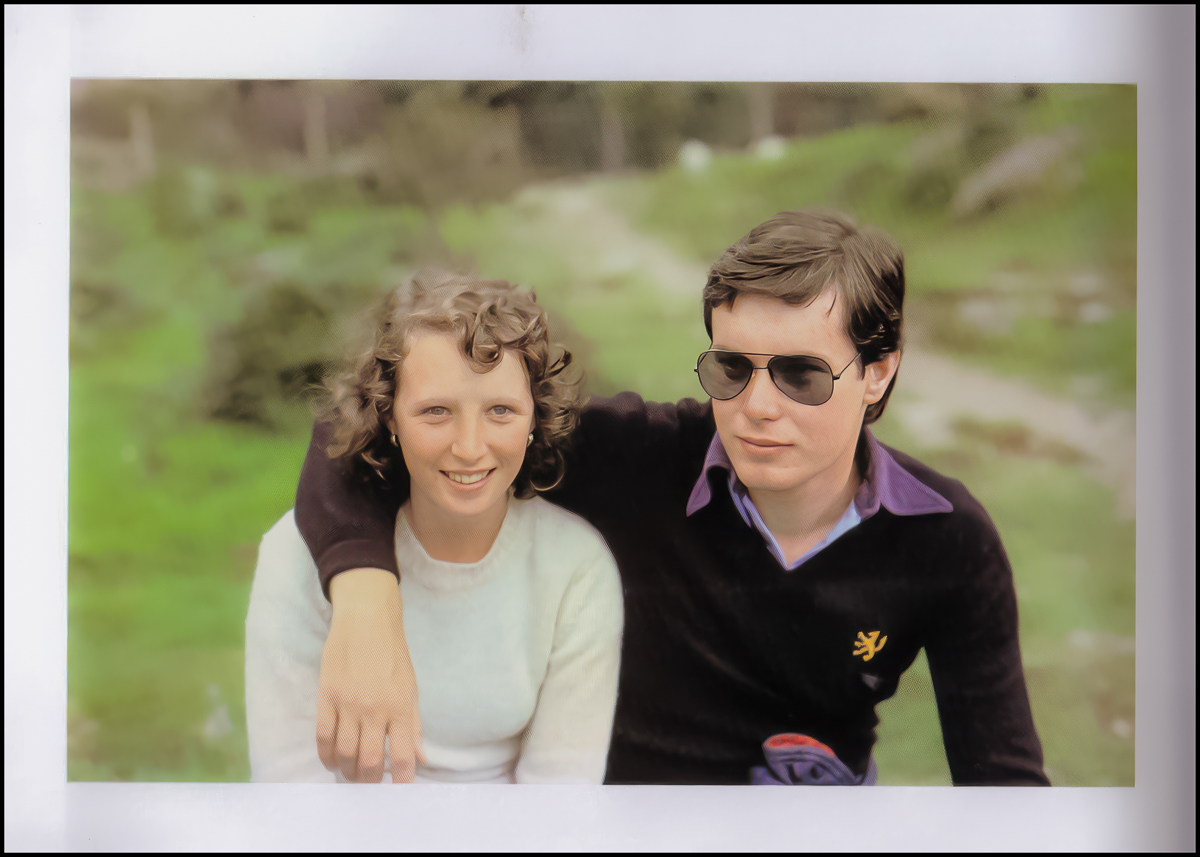
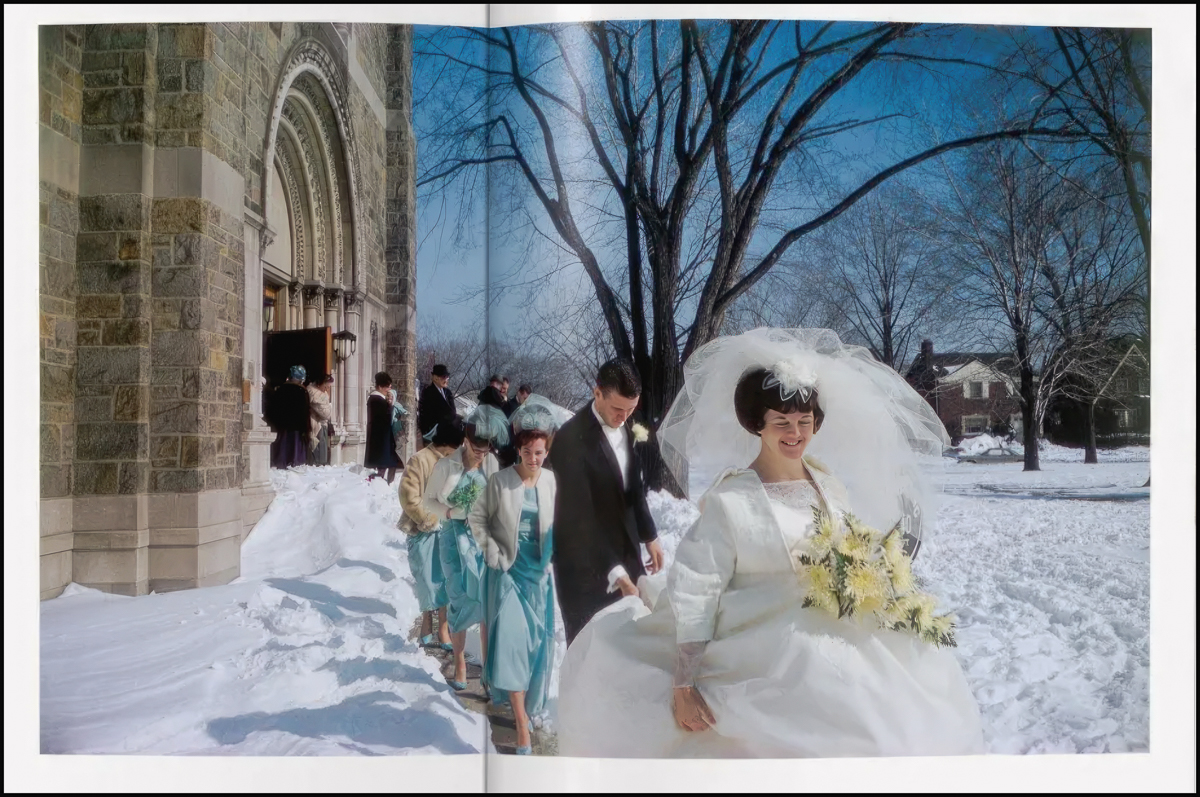
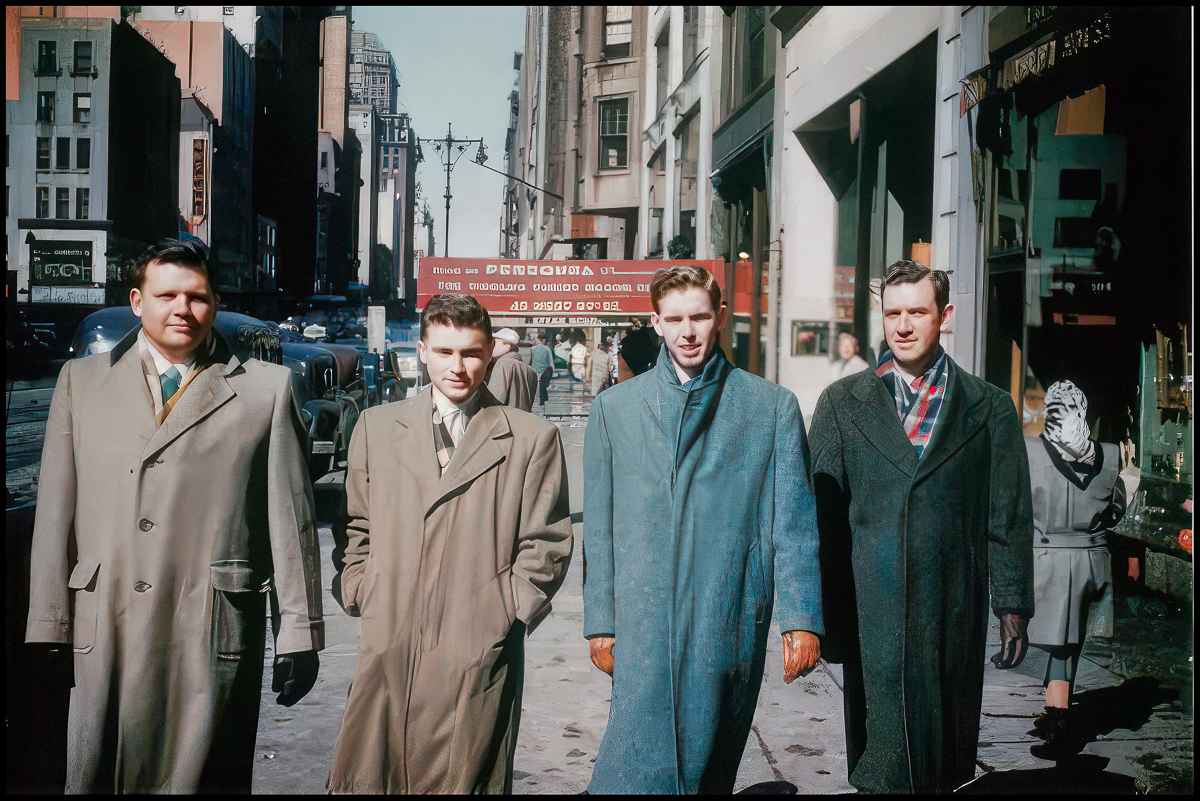
And that’s pretty much what this book is. Apart from this essay at the beginning, and a brief interview with the founder and creative director of The Anonymous Project at the end, that’s pretty much it: about 140 or so pages of anonymous photographs (a small sample below) derived from Kodachrome Slides.

I was never much into slide photography. As Woodward writes:

The downside was that slides were much easier to make than to look at. Once they came back from development by Kodak or Agfa or Ilford or Fuji, it was not clear what to do with them. You couldn’t paste transparencies in a photo album or put them on your desk at the office…But the only chance most had to review how well (or poorly) they had photographed something in Kodachrome or Ektachrome was by setting up a slide projector…In the 1950s and ’60s, as projectors entered middle-class American and European homes and school classrooms, the slide show became a group activity, and more often than not a coerced one under the dictatorship of a parent or teacher.

The person in the family hierarchy who organized the trays or held the remote control – the role of photographer in chief was usually the father’s – would set the order and the pace, which was often agonizingly slow with long pauses for commentary. The slides themselves had no afterlife beyond their one-night-only appearance in a living room or den. Most disappeared back into their cardboard boxes and never saw daylight again. Shulman estimates that many of the images in his book have not been viewed by anyone, even by those to whom they once belonged, for 60 years.

I agree with most of what he writes, but not that they were “easier to make than to look at”. On my very rare forays into slide photography, I found it extremely difficult to get them right.

However, as I look at the photographs in the book, I can’t help but feel that maybe I should have tried harder. The pictures really are very bright and colorful.

I have a feeling that the quality of the photographs in the book are somewhat better than your average snapshot. Could this be because the process of making and showing slides was so cumbersome that only more dedicated photographers did it?

Good book though, I enjoy picking it up and browsing through it from time to time…and wondering who the people in the slides were, and what happened to them.