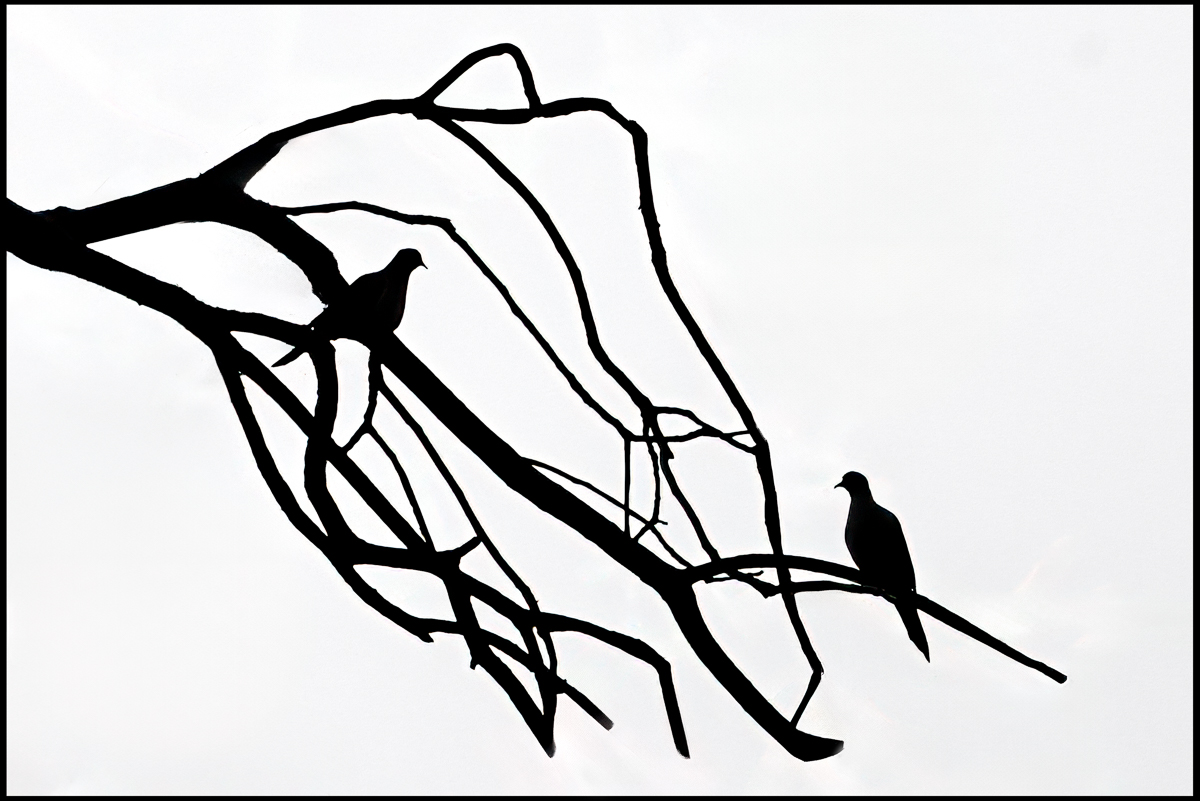
Doves Silhouette

I was leaving my house the other day when I noticed these two doves in a tree near the end of my driveway. They were quite a long way away and I had a 45mm lens on my camera, so I knew I would have to crop quite a lot. Luckily the camera has a resolution of 33 megapixel so I could crop quite a lot and still have a decent picture. While I was taking it I “visualized” a silhouette so the post-processing was fairly simple except for the rather lengthy processing of removing small, distracting branches.

I’m quite pleased with the way it came out.

Taken with a Sony A7IV and Samyang 45mm f1.8

Eirah’s Roses

I thought I had already posted about this, but after checking I believe I didn’t.

The “Eirah” in the title was my wife.

She enjoyed gardening of all kinds, but her first love was growing roses. She was particularly fond of old roses, especially those from the English grower, David Austin.

She also participated actively in a number of Facebook groups related to this topic and naturally she wanted to post pictures of her roses. As I’m an avid amateur photographer I was tasked with taking the pictures.

Initially she posted individual pictures, but after a while decided to combine a number of pictures so that they could be seen as a whole. For some reason this became known as the “calendar” even though it really wasn’t. While this was a good way of sharing a lot of pictures at once it had a major problem: the pictures were really small, and you couldn’t see the individual roses well.

So, we decided to do a photobook instead. I would provide the pictures and she would provide some text to go with them.

I dutifully took the pictures (mostly because she reminded me to do so), but she was a very busy person and never got around to providing the text. She passed away unexpectedly in 2020 after a thankfully brief illness.

Even though I lacked her text, I decided to go ahead with the book anyway after her passing. Since I don’t know much about roses I borrowed text from the David Austin web site.

So, this is very much in memory of my lovely wife of forty odd years.

You can see more pictures of her roses here.

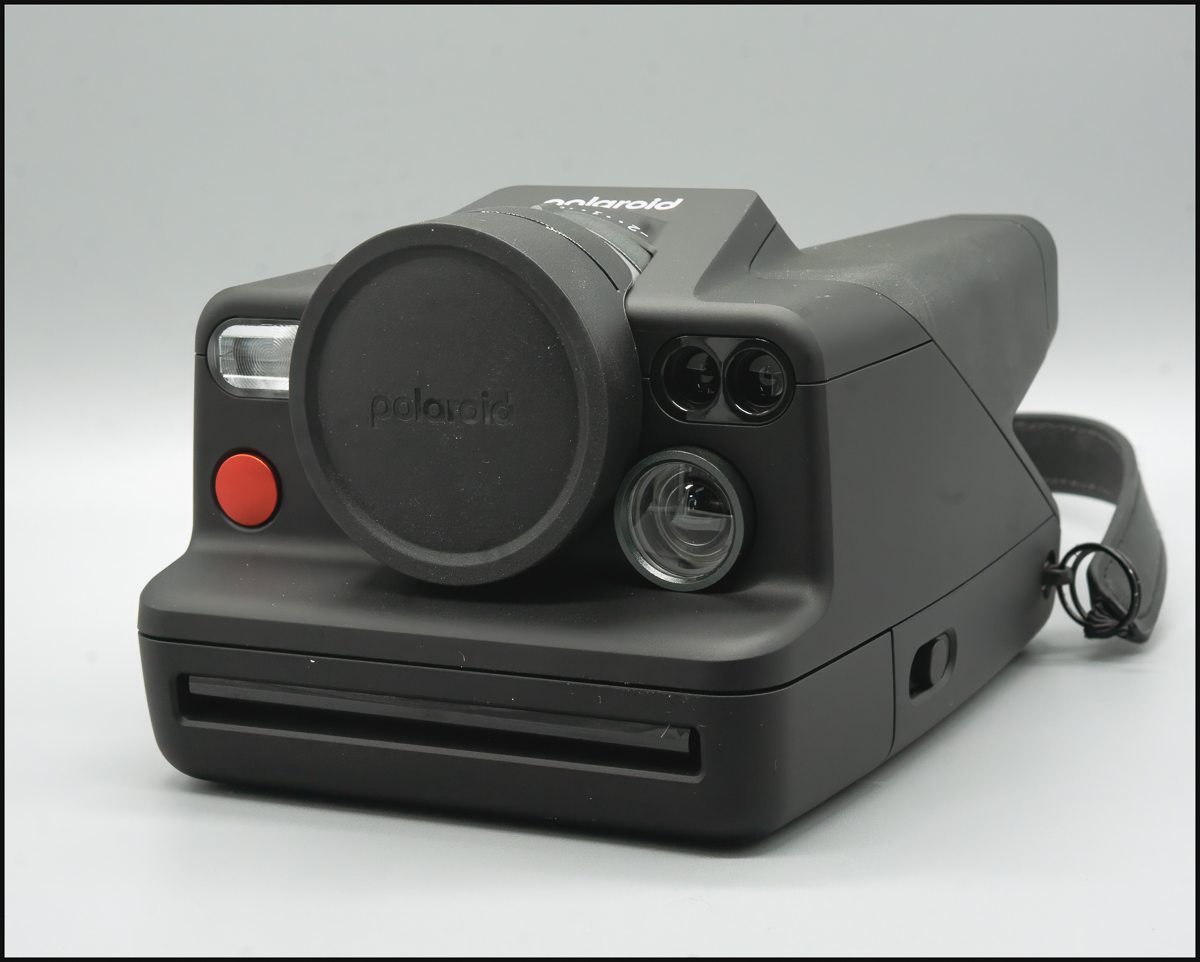
Film Camera 2024 -2: Polaroid I2 – Results

So how did my foray with the Polaroid I2 go.

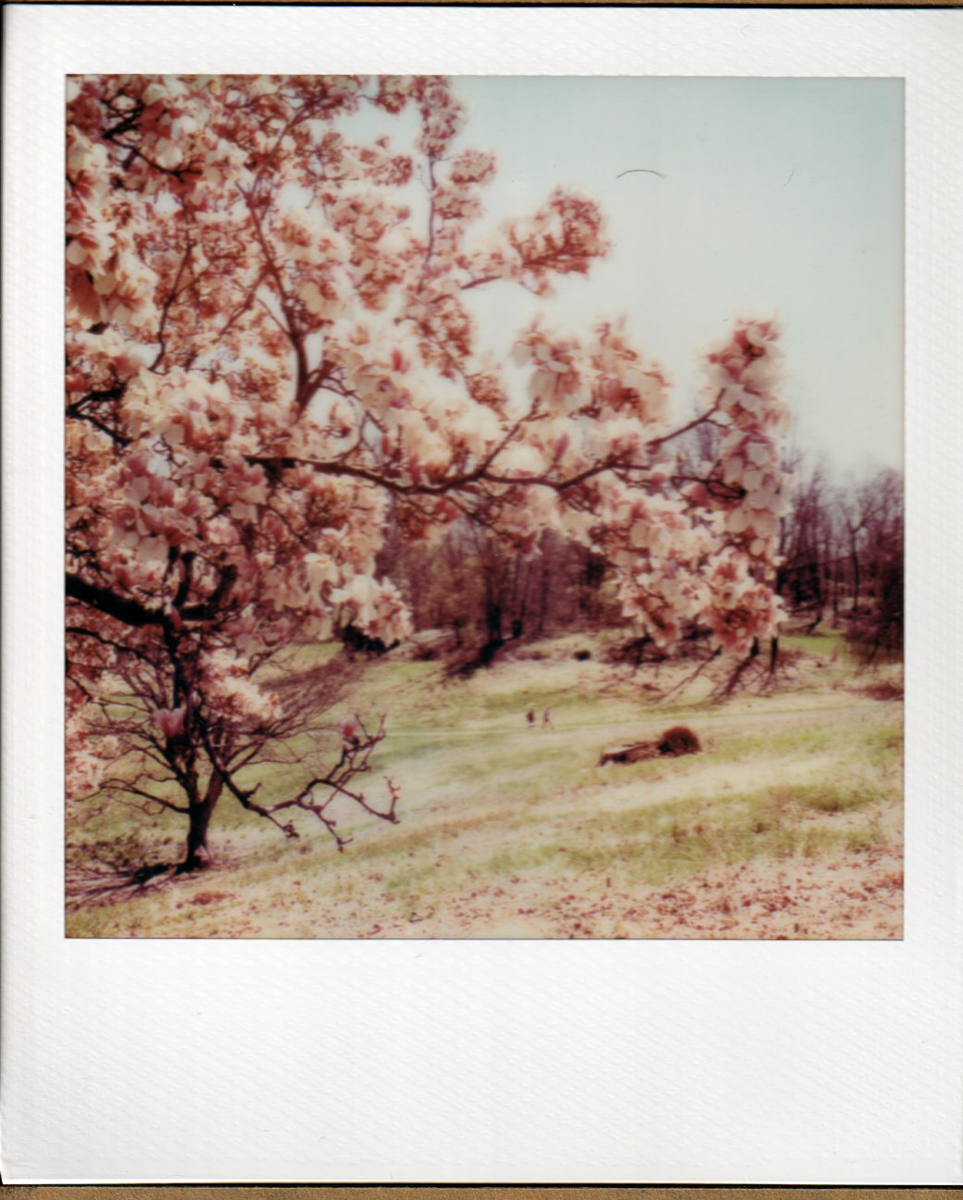
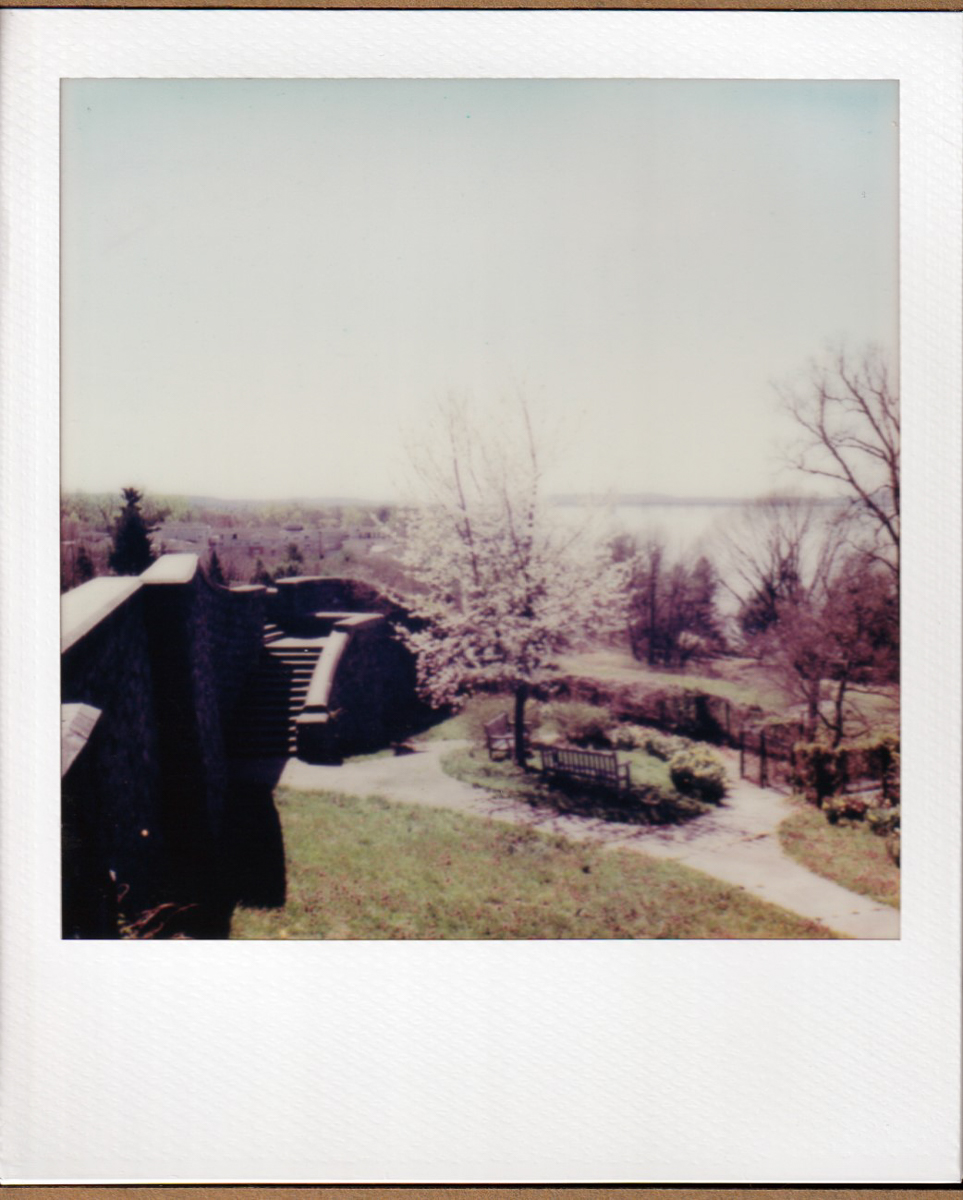
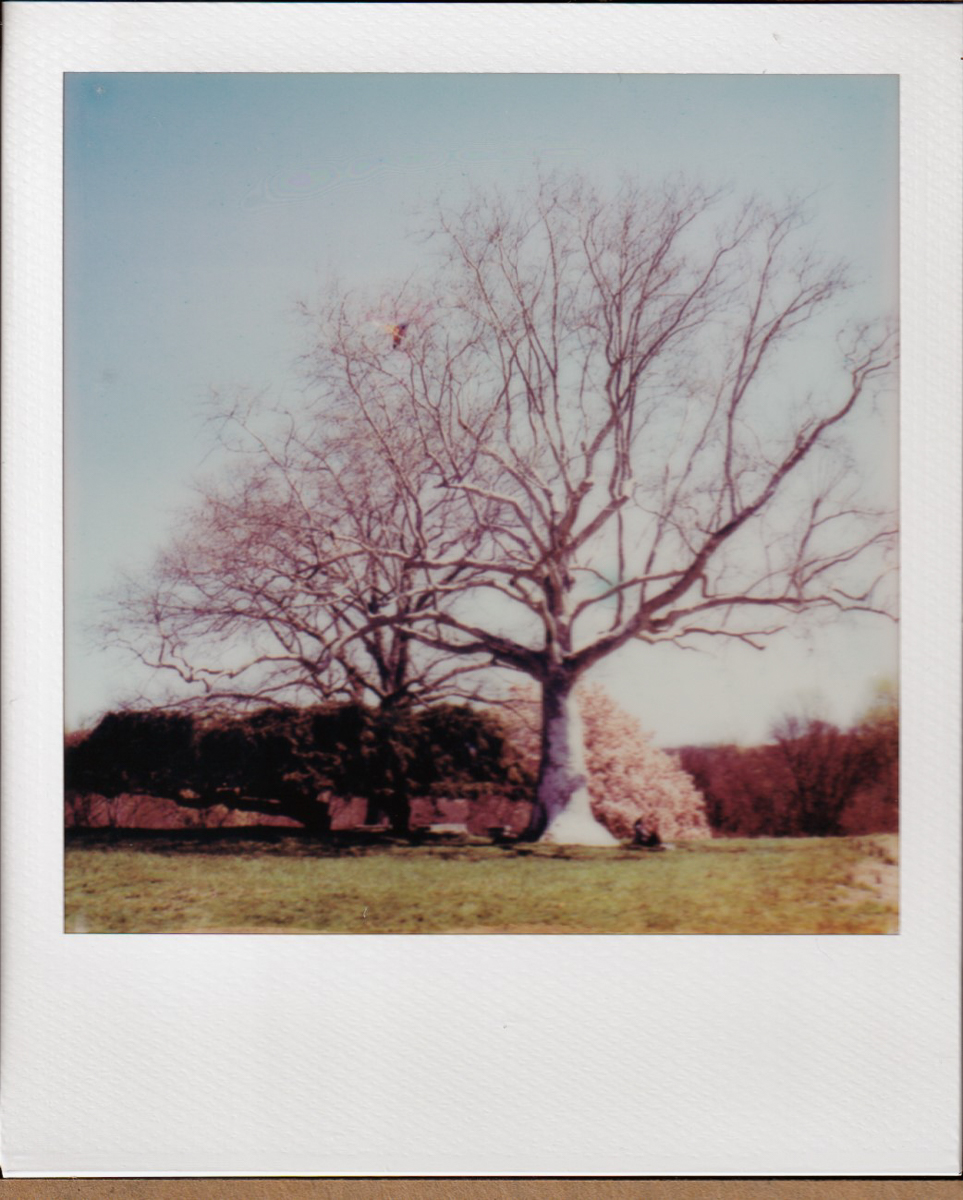
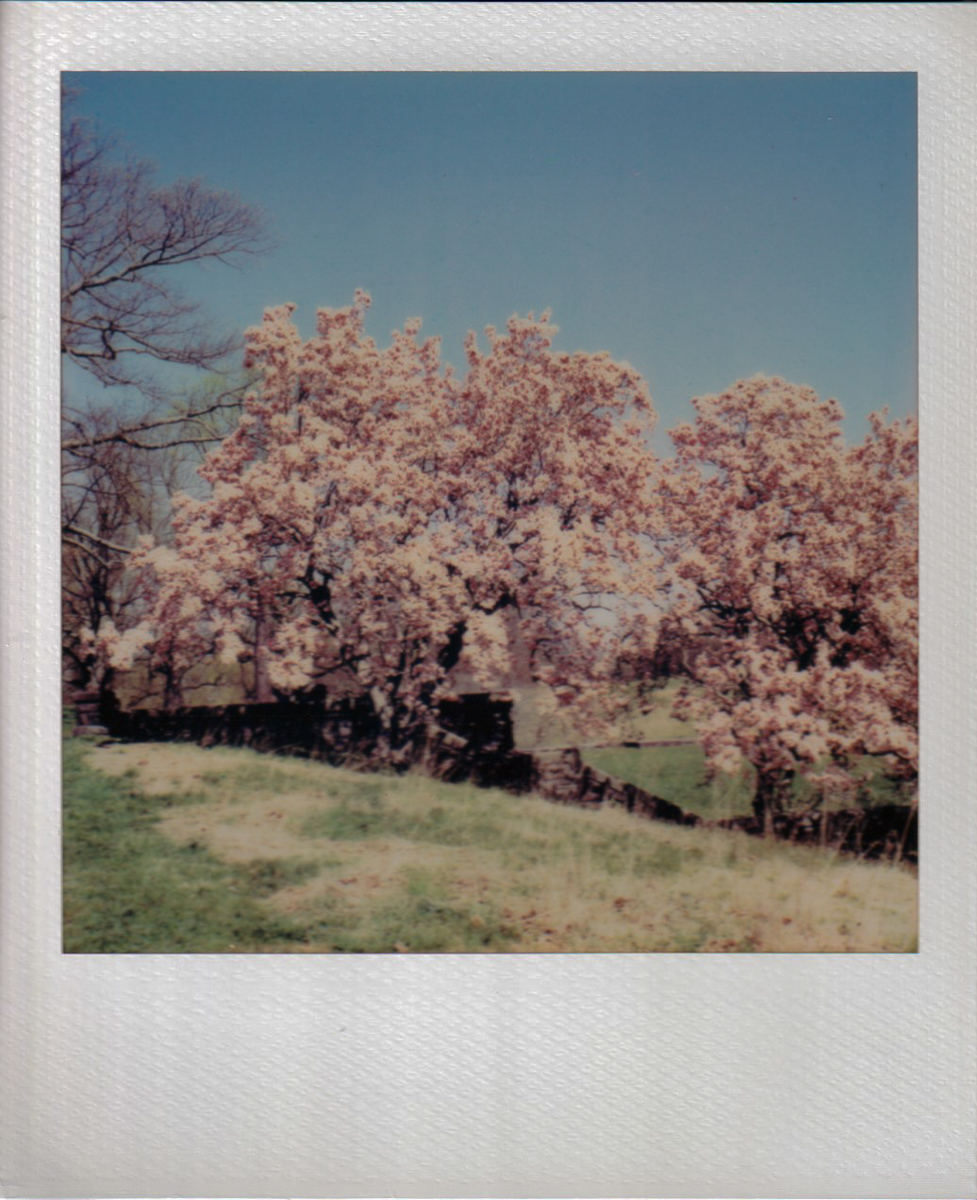
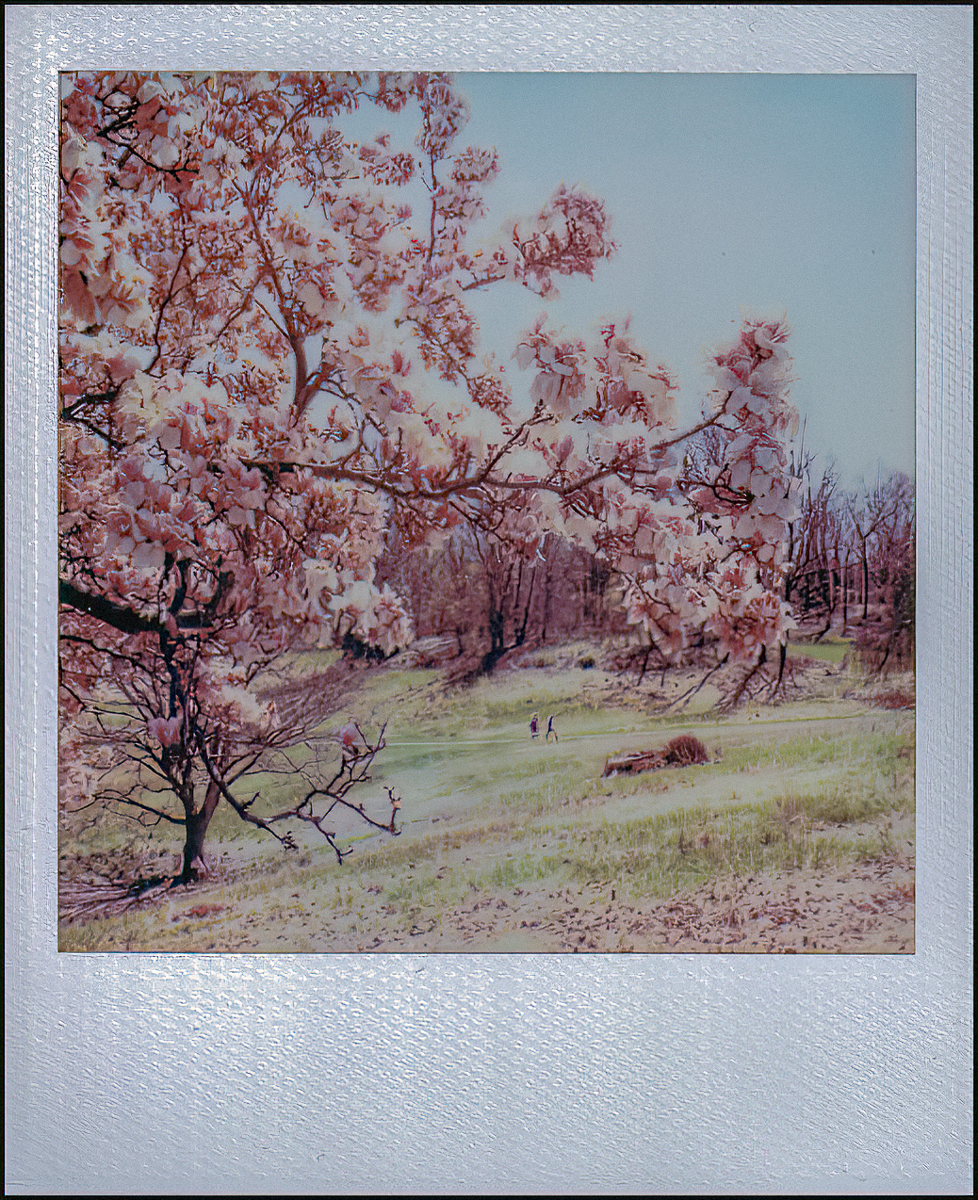
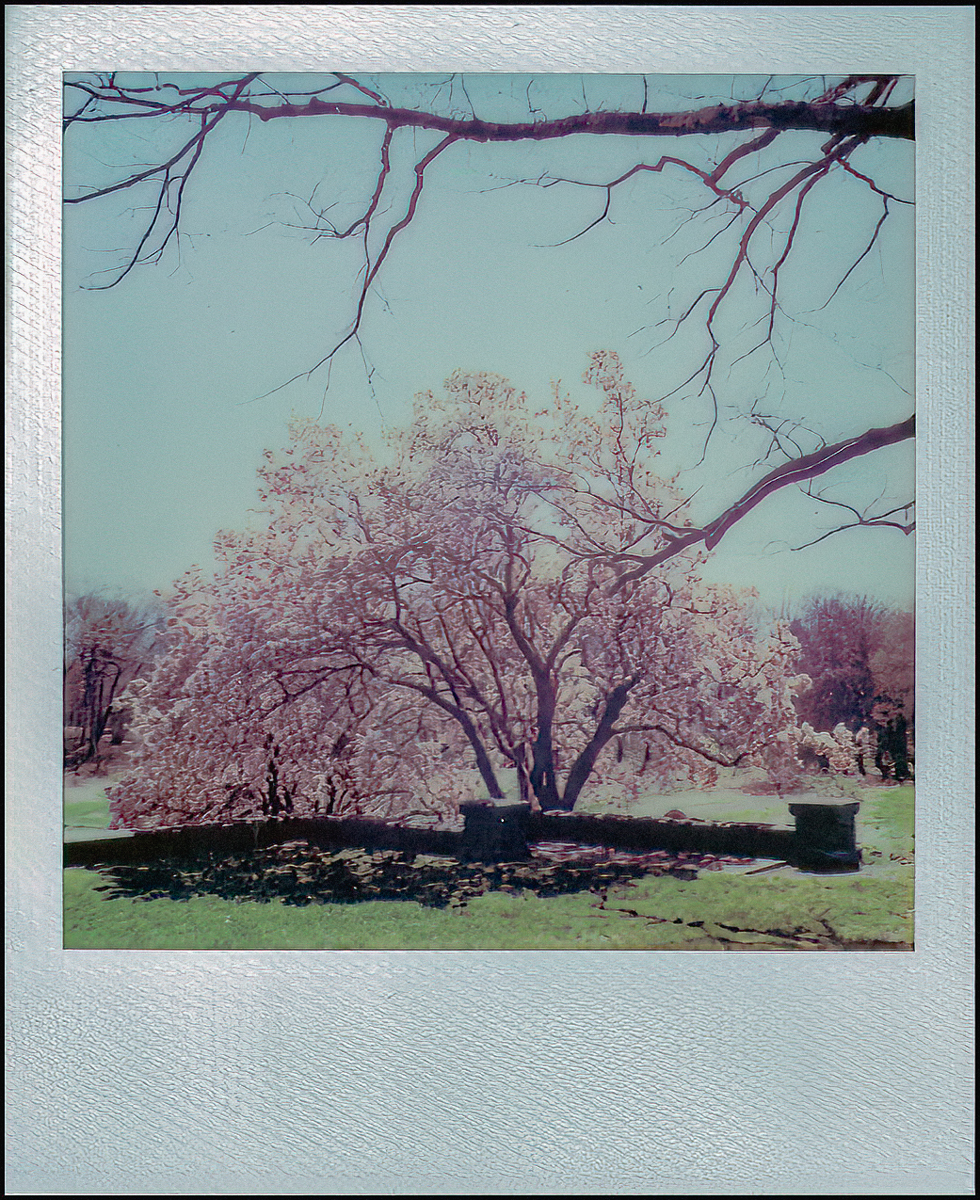
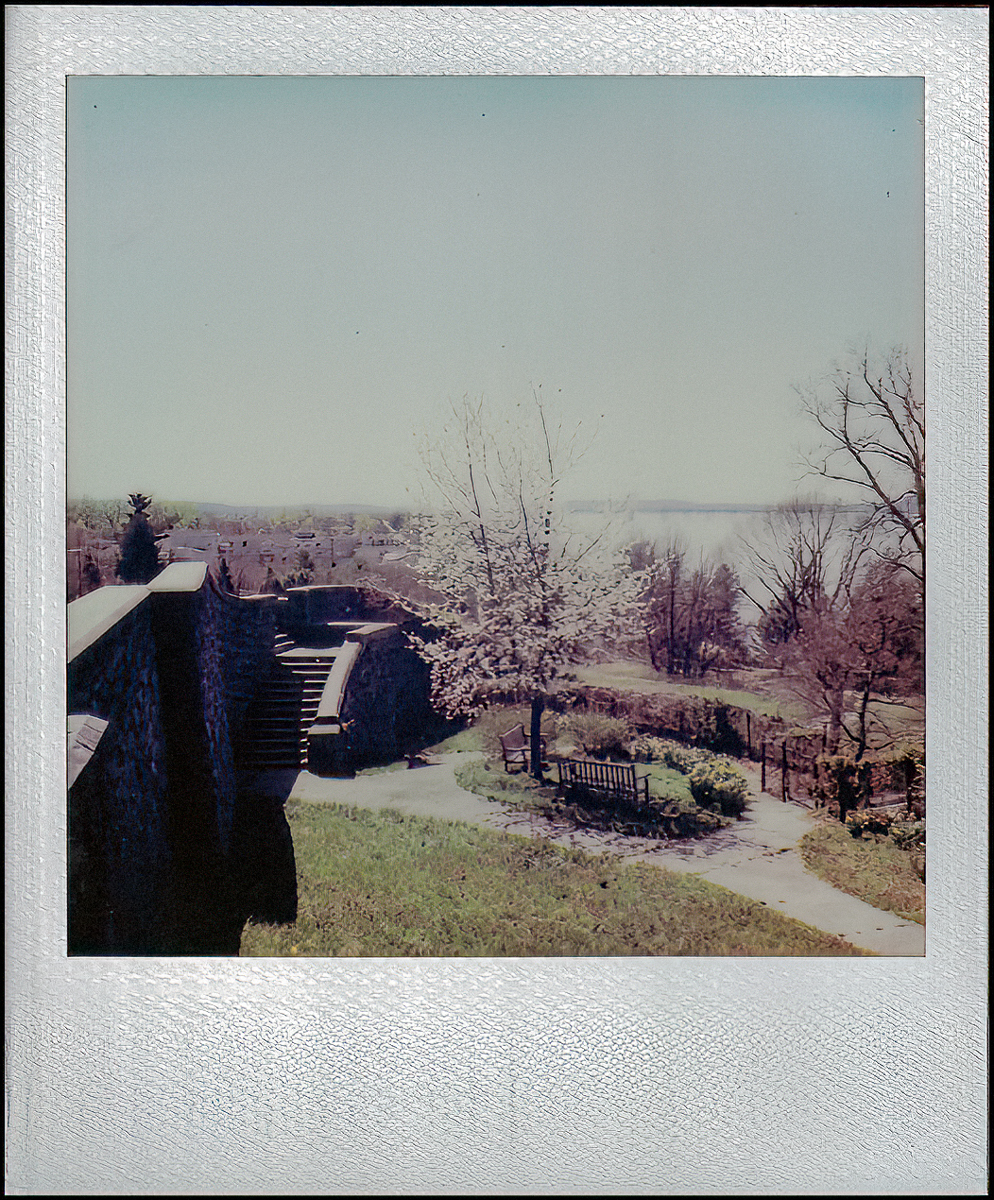
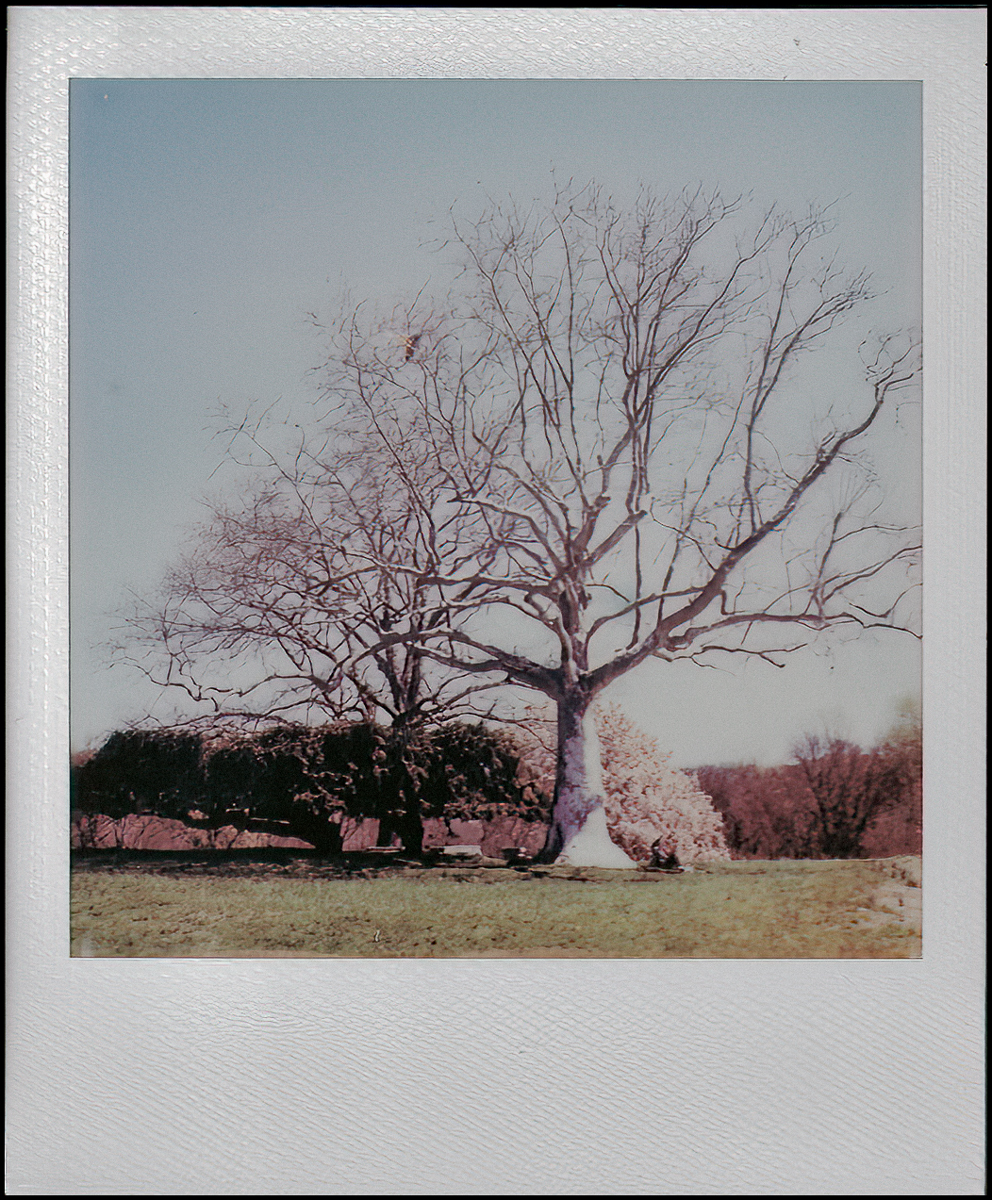
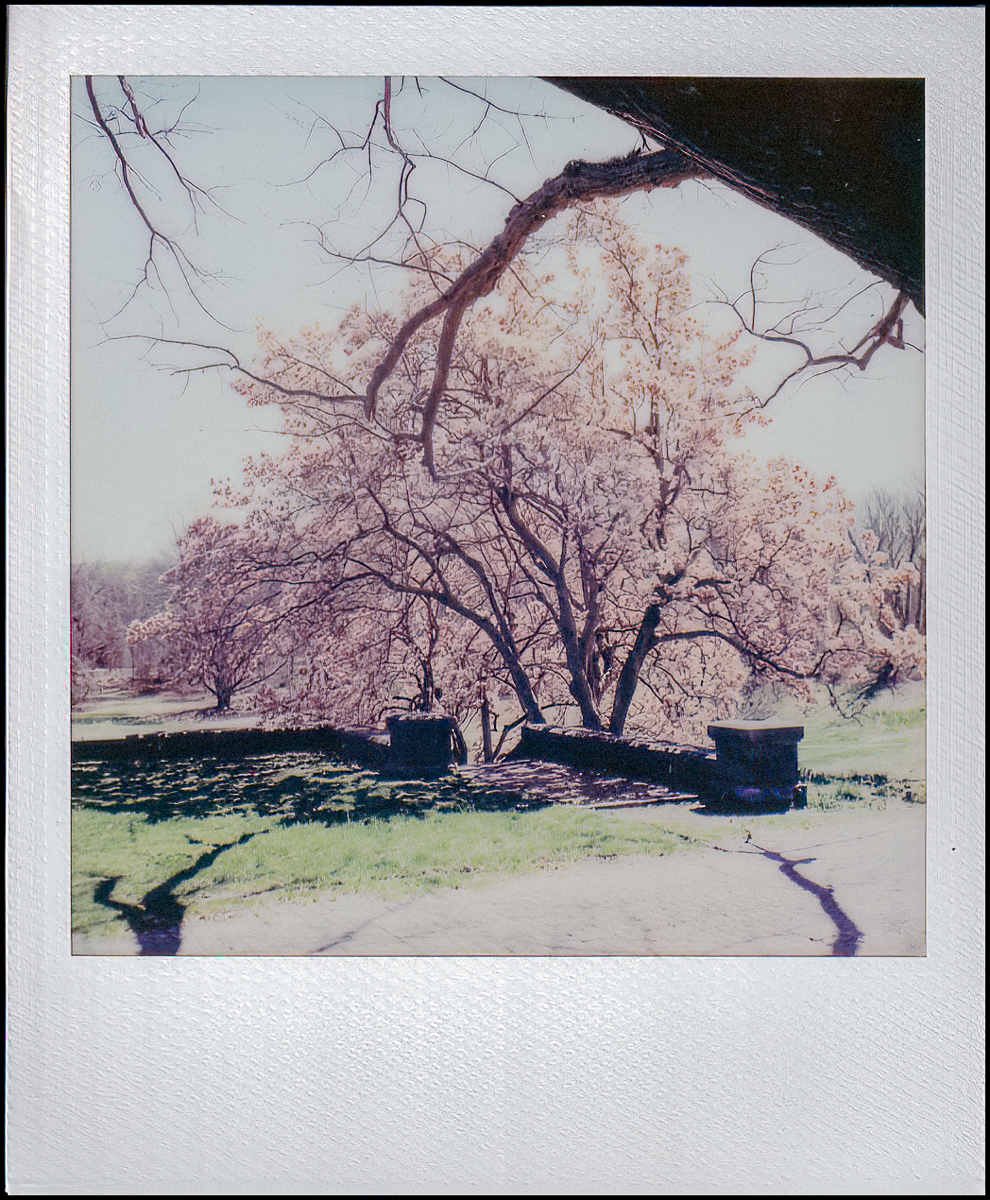
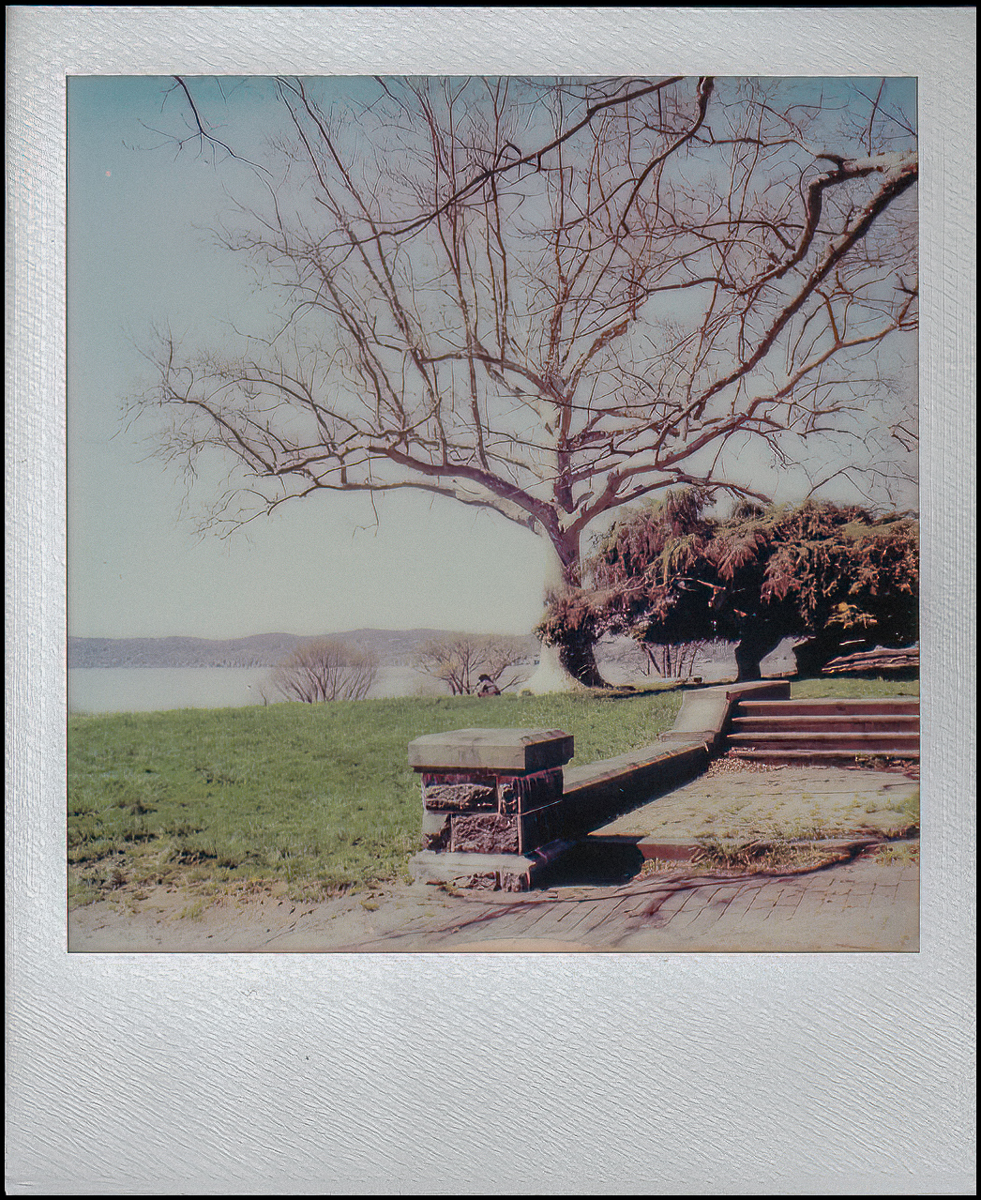
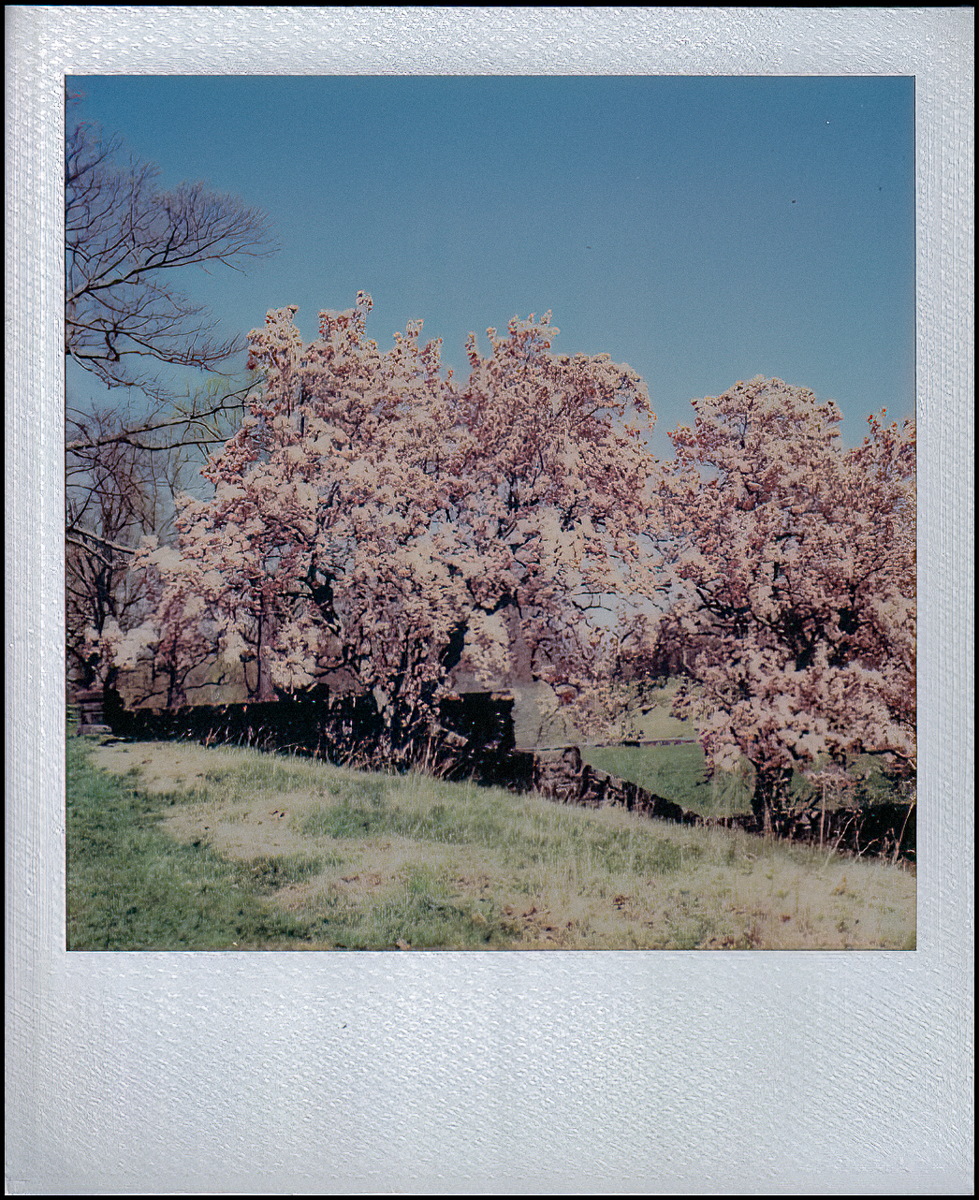
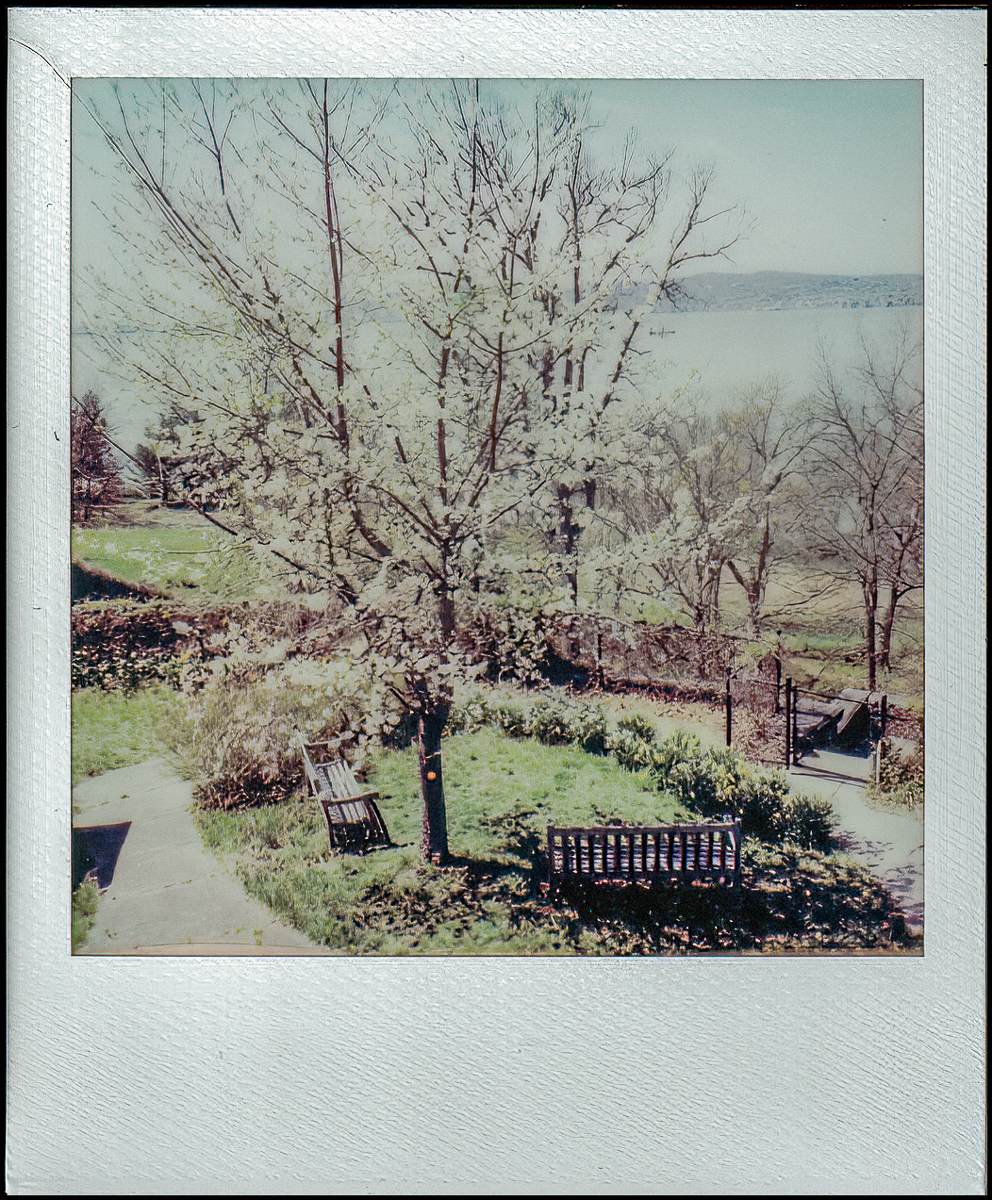
It went better than my first effort with the SX-70. The camera is clearly working as intended. The picture above, and the three below are pretty much straight out of the camera and onto the scanner.


I was a bit disappointed, but on further consideration I decided that the poor quality of the photographs is most likely the fault of the photographer (i.e. me). One of the main reasons for this is that I’m stubborn. I’d read on a number of websites that the camera didn’t work well in auto mode: i.e. it tended to overexpose and select a slow shutter speed, which introduces blur. I’d been told, but I decided to find out for myself. I can confirm that what the other sites had said was true.

Of course, after I’d scanned them, I had to fiddle around with them in Lightroom. I didn’t want to spend a lot of time on them, so they’re over sharpened in many cases. See the pictures below for how they looked after I’d “processed” them.


There were numerous constraints: Apart from the SX-70 mentioned above I’d only ever used a polaroid camera once, and that was about 50 years ago, and it was one of the “cheap and cheerful” models; This was the very first time that I was using this particular camera; I don’t know much about scanning polaroids and I’m not much good at scanning at the best of times; and I’d chosen to use a mode that everything I had read told me not to use.

So, bearing mind the constraints I was satisfied with the results. I’ll certainly use the camera again (I a paid a lot for it), but next time I won’t use the auto mode. Instead, I’ll probably use either Aperture priority (usually my preferred mode) or maybe even full manual.

Film Camera 2024 -2: Polaroid I2

I started my adventures (or maybe misadventures) in instant photography with an old Polaroid SX-70. It didn’t altogether work out (See: Film Camera 2024 -1 and Film Camera 2024 -1: Polaroid SX-70 – Results). Determined to continue with the adventure, I considered getting the SX-70 checked out and fixed. But then it occurred to me that it is after all an old camera and might well stop working entirely in the near future. And it’s a lovely piece of industrial design that I wouldn’t mind having it as a shelf queen. So, while not entirely ruling out the possibility of getting it fixed at some point I decided to get another camera: a more recent polaroid camera. Eventually I decided to go for broke and get Polaroid’s top of the line camera: The I2, Polaroid’s most sophisticated camera of all time.

There’s a good review of it on Digital Review: Polaroid I-2 review: The best instant camera doesn’t come cheap.

According to the review the key specs are:

  • 98mm f/8 lens (∼38mm f/3.2 equiv.)
  • LiDAR autofocus
  • Manual & auto exposure modes
  • Compatible with i-Type, 600 and SX-70 film
  • Optical viewfinder with LCD info display
  • Internal battery rechargeable via USB-C
  • Rear OLED info display
  • 2.5mm flash port
  • Metal tripod mount
  • Bluetooth enabled

The review concludes:

What we like

  • Sharp 98mm lens with a fast equiv. aperture (for an instant camera)
  • Manual and auto exposure control
  • Exposure compensation wheel
  • Accurate center point AF
  • Good build quality
  • Great battery life

What we don’t like

  • Pricey
  • Viewfinder glare is distracting, worse for glasses wearers
  • Viewfinder info display is hard to read
  • Max shutter speed of 1/250 too slow for some subjects
  • No manual focus mode

Pricey but capable, the I-2 is the best Polaroid camera money can buy in 2023. Its suite of full manual, auto, and semi-auto exposure modes provides plenty of flexibility. The sharp lens outputs fantastic shots and autofocus works with solid reliability. Plus, the camera handles well and looks even cooler.

However, for a lot of folks, the core features of the Polaroid I-2 are going to be overkill. This is especially true given the point-and-shoot style Polaroid Now camera is just $95. It doesn’t have as nice a lens or manual controls but it is $500 cheaper. Just think of all the film you could buy with that savings. (Though the prints are significantly smaller.)

But the I-2 isn’t meant to appeal to the masses, rather it’s a niche product for a very specific type of diehard Polaroid shooter. These are folks clinging for dear life to their creaky, twice-rebuilt SX-70 cameras (I know a few). And I believe these are the people who are going to appreciate the I-2 and all it has to offer, even if the price is a bit much to stomach.

The Polaroid I-2 is the ultimate instant photographer’s camera, with full manual controls, accurate autofocus and a super-sharp lens. But it is pricey and the sheer number of features may overwhelm some users.

Good for: Deep-pocket instant shooters. Anyone craving total exposure control over their instant photos. Polaroid diehards.
Not good for: Those who want an affordable and easy way to snap Polaroids.

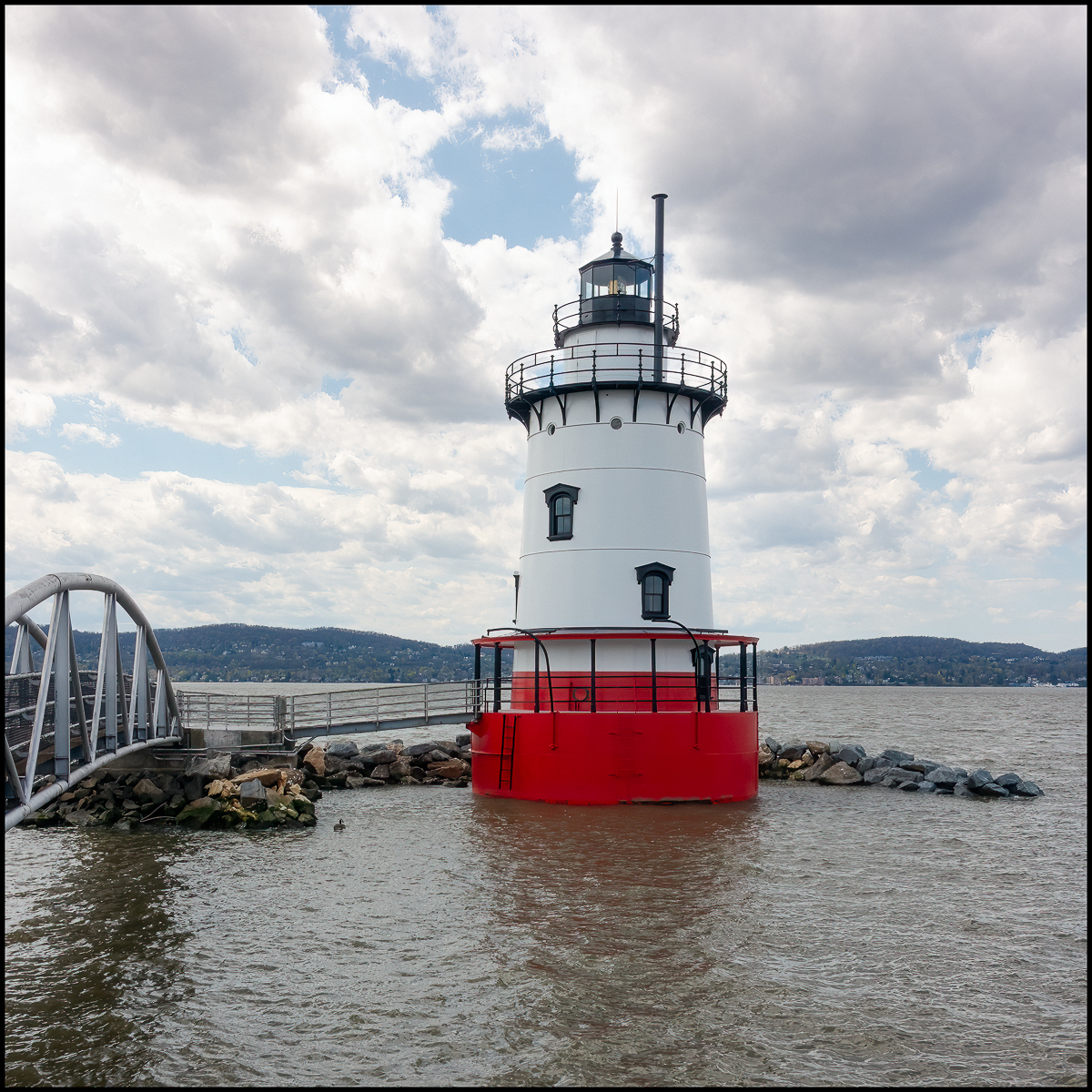
Trying to get to grips with the square aspect ratio

I have a few square format film cameras that I haven’t yet tried so I thought to try one of them. However, it occurred to me that I have only very limited experience with that format and there was a very real possibility that I would waste a lot of expensive film trying (and possibly failing) with a film camera.

So, I thought I’d practice with a digital camera. I knew that I had at least one digital camera that would allow me to see at 1:1 aspect ratio on screen: My 14-year-old Panasonic LX-3. But did I have something a bit more recent? Well, it turned out that I did. In fact, I had more than one. My Panasonic Lumix GX-85 and my Sony RX100 (and maybe others that I didn’t check) also did. Since the RX100 is very small and light I thought I’d take that.

So how did it go? Not surprisingly not that well. The RX100 shows you the 1:1 a2pect ratio in the viewfinder, but it doesn’t actually crop the image. Rather, when you bring the image into Lightroom it shows the full picture with the 1:1 crop superimposed. With almost all of the images I decided to reject the 1:1 crop and choose another one (e.g. 4×6) that I’m more familiar with. I guess I don’t’ yet see images with a 1:1 aspect ratio. I’ll have to practice more.

Taken with a Sony RX100 MIII