Shadows on a boarded up window

During one of my walks, I came across a house that was frankly not in the best of shape. I was a hot, bright, sunny day with very deep shadows. There was also a boarded-up window, and above it a fire escape which cast these shadows onto the white wall and the board covering the window. I liked the way it looked.

Taken with a Sony A7IV and Tamron 28-300mm f/4-7.1 Di III VC VXD lens.

An unsuccessful pursuit

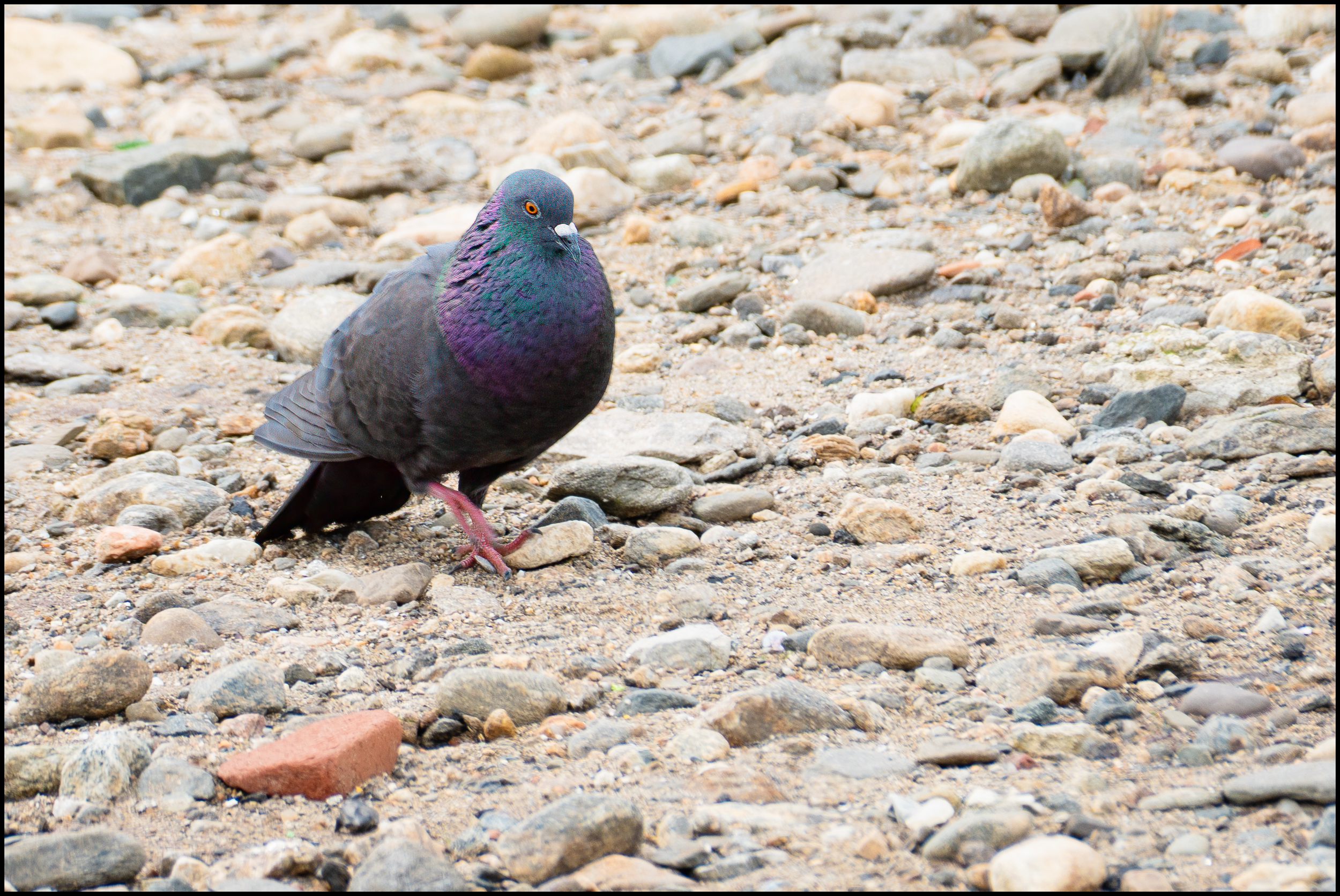
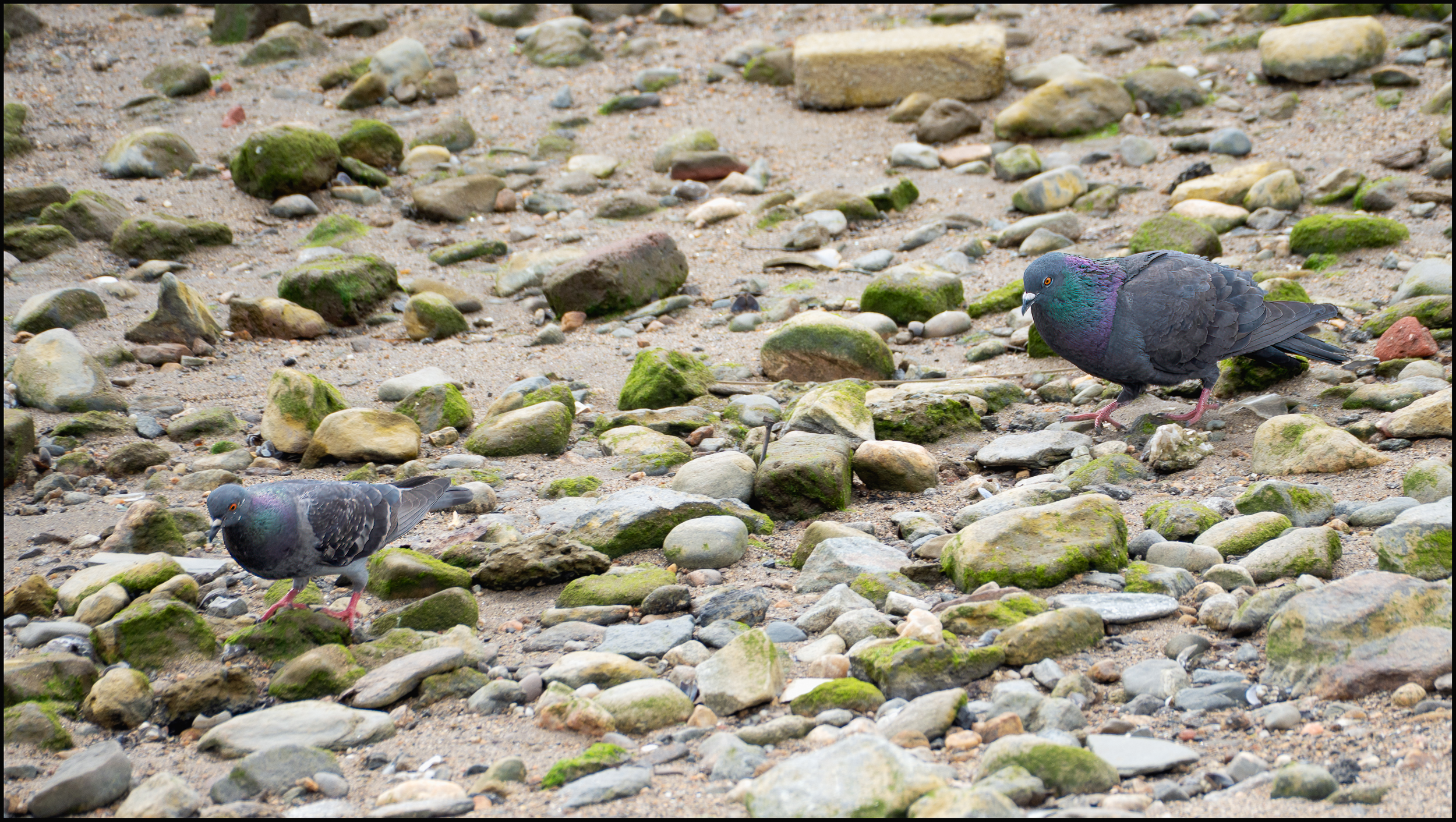
The pigeon (which I assume to be male) in the picture above was clearly looking for a mate. He chased the pigeon (which I assume was female) in the second picture for ages. Unfortunately, he didn’t have any success. She didn’t seem very interested. And he was easily distracted from his pursuit. Whenever he spotted something edible, he broke of his chase to eat it.

Taken with a Sony A7IV and Tamron 28-300mm f/4-7.1 Di III VC VXD lens.

A bird by the Hudson

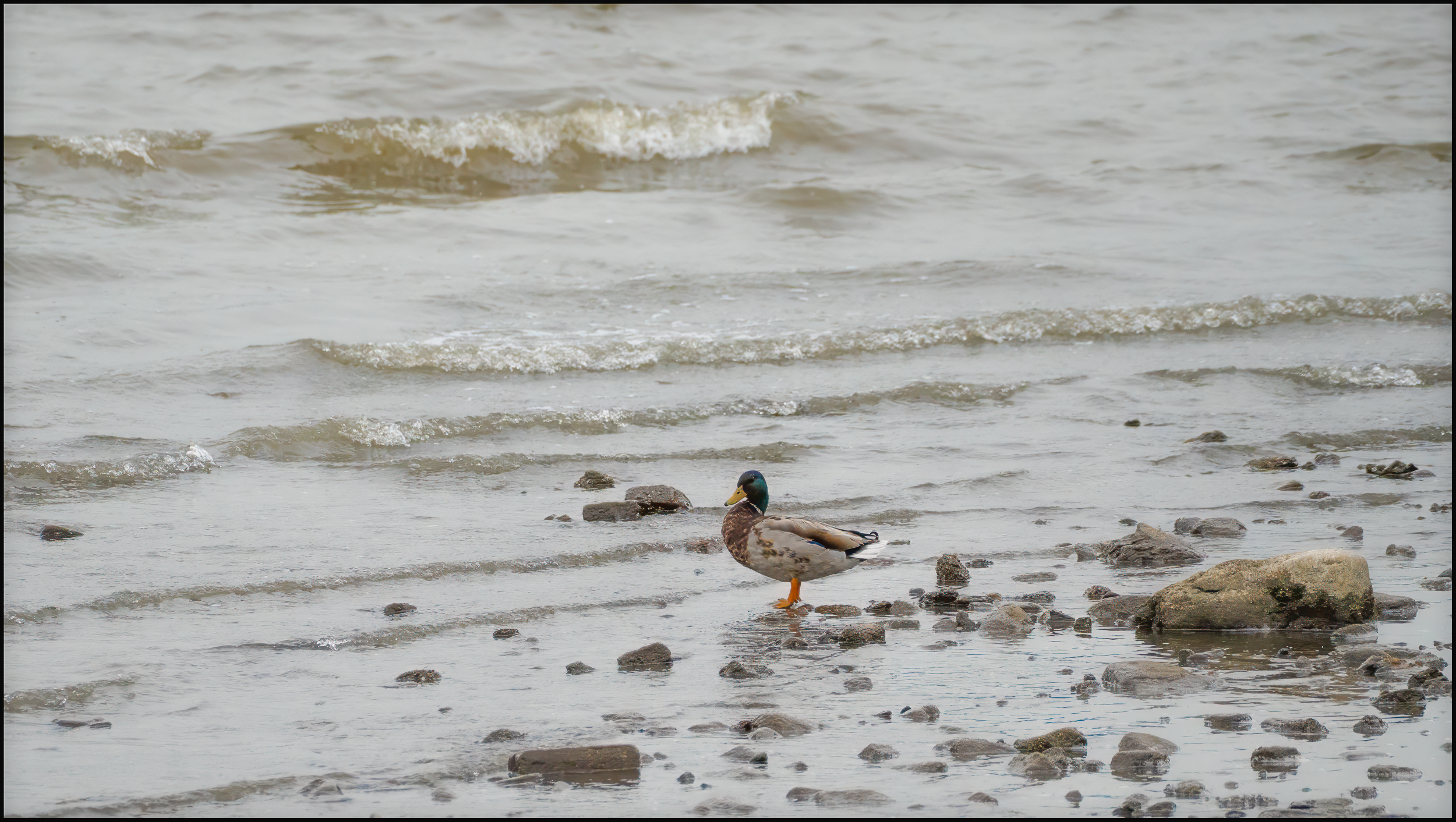
This time it’s the humble mallard. There are so many of them around that I tend to take them for granted. But they really are quite spectacular birds.

Some interesting facts about mallards:

  • Mallards live in wetlands and are social animals that prefer to congregate in groups or flocks of varying sizes.
  • They eat water plants and small animals.
  • Females can lay between 5 and 15 eggs, which they incubate for 26 to 30 days.
  • The young leave the nest within a day of hatching, led to the water by their mother.
  • A mallard usually lives for 5 to 10 years in the wild.
  • The oldest known mallard was a male that lived to be 27 years old.
  • Mallards are considered an invasive species in some regions.
  • They are very adaptable and can live and even thrive in urban areas.
  • Mallards prefer calm, shallow sanctuaries, but can be found in almost any body of freshwater across Asia, Europe, and North America.
  • Male mallards have vibrant feathers called “drakes”.
  • Female mallards are adept at camouflage.
  • Mallards are omnivorous.
  • Mallards form large flocks during migration.
  • Mallards occur in the same basic form across the northern hemisphere. That means a mallard in New York is essentially the same as one in Sandbach (my hometown).
  • Evidence suggests that some mallard pairs mate for life.
  • During summer molt male mallards lose their bright feathers and can look like females. They have a have a second molt in the fall or early winter, giving them back their brightly colored breeding plumage.

Taken with a Sony A7IV and Tamron 28-300mm f/4-7.1 Di III VC VXD lens.

At the boathouse again

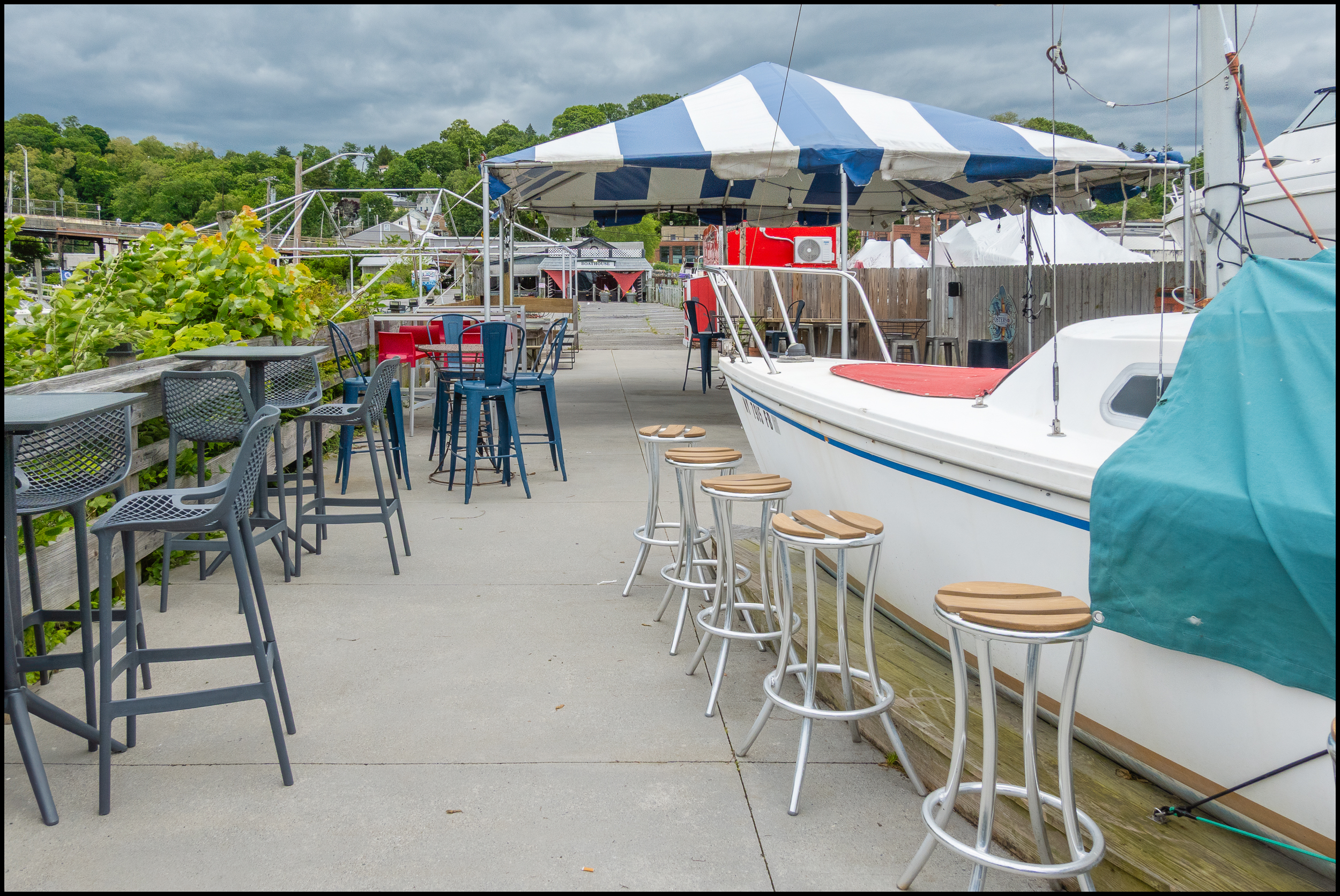
I’ve been to “The Boathouse” many times. It’s one of my favorite places to go for Sunday lunch by the Hudson River. I’ve also taken lots of pictures there. I often take pictures either looking at the restaurant or look out over the adjoining Shattemuc Yacht Club and the Hudson River.

I don’t think I’ve taken one from this location. It’s taken from the summer bar looking back towards the restaurant. As you can see it’s built around an old boat. They have live music there on Sunday evenings. I’ve never attended. Maybe I should try it. The sunsets from this location looking across the river would, when conditions are right, probably be spectacular.

Taken with a Sony RX100 VII

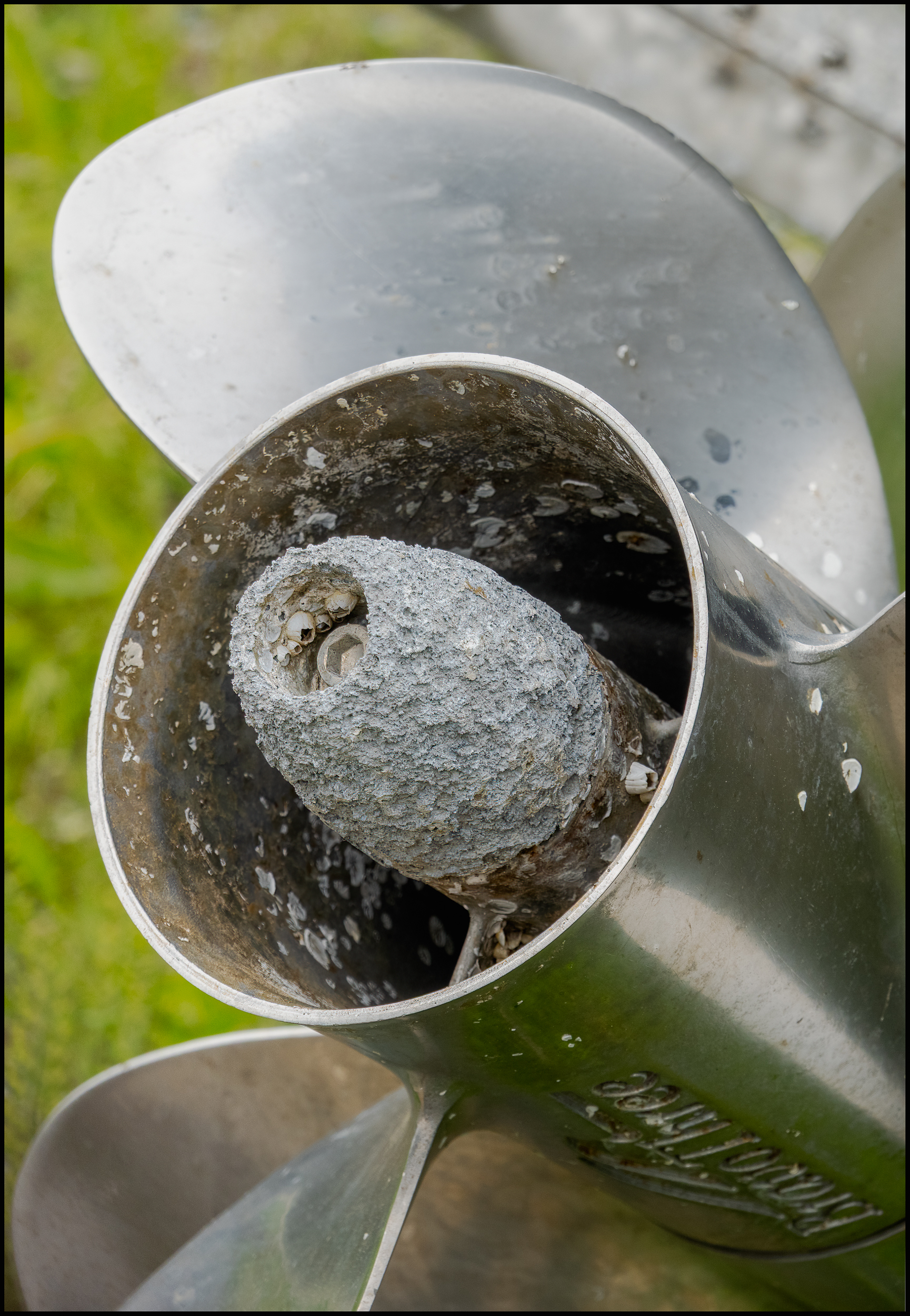
A Boat Propeller

Taken through a fence at Westerly Marina. I liked the contrast between the smooth metal and rough textures on the propellor boss. Although I didn’t notice them when I took the picture also liked what I assume to be barnacles. According to Wikipedia:

Barnacles are arthropods of the subclass Cirripedia in the subphylum Crustacea. They are related to crabs and lobsters, with similar nauplius larvae. Barnacles are exclusively marine invertebrates, many species live in shallow and tidal waters. Some 2,100 species have been described.The word “barnacle” is attested in the early 13th century as Middle English “bernekke” or “bernake”, close to Old French “bernaque” and medieval Latin bernacae or berneka, denoting the barnacle goose. Because the full life cycles of both barnacles and geese were unknown at the time, (geese spend their breeding seasons in the Arctic) a folktale emerged that geese hatched from barnacles. It was not applied strictly to the arthropod until the 1580s. The ultimate meaning of the word is unknown.

The name Cirripedia comes from the Latin words cirritus “curly” from cirrus “curl” and pedis from pes “foot”. The two words together mean “curly-footed”, alluding to the curved legs used in filter-feeding. Most barnacles are encrusters, attaching themselves to a hard substrate such as a rock, the shell of a mollusc, or a ship; or to an animal such as a whale (whale barnacles). The most common form, acorn barnacles, are sessile, growing their shells directly onto the substrate, whereas goose barnacles attach themselves by means of a stalk.

Taken with a Sony RX100 VII