Peekskill Riverwalk Park – Jan Peeck’s Vine

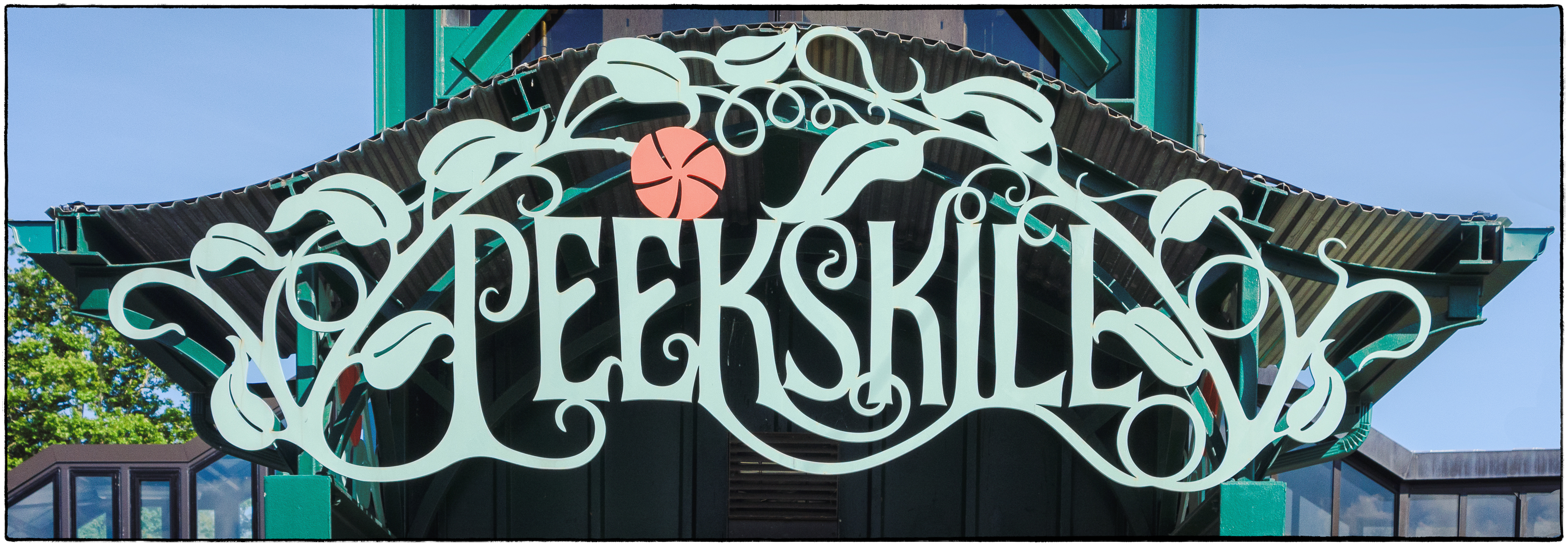
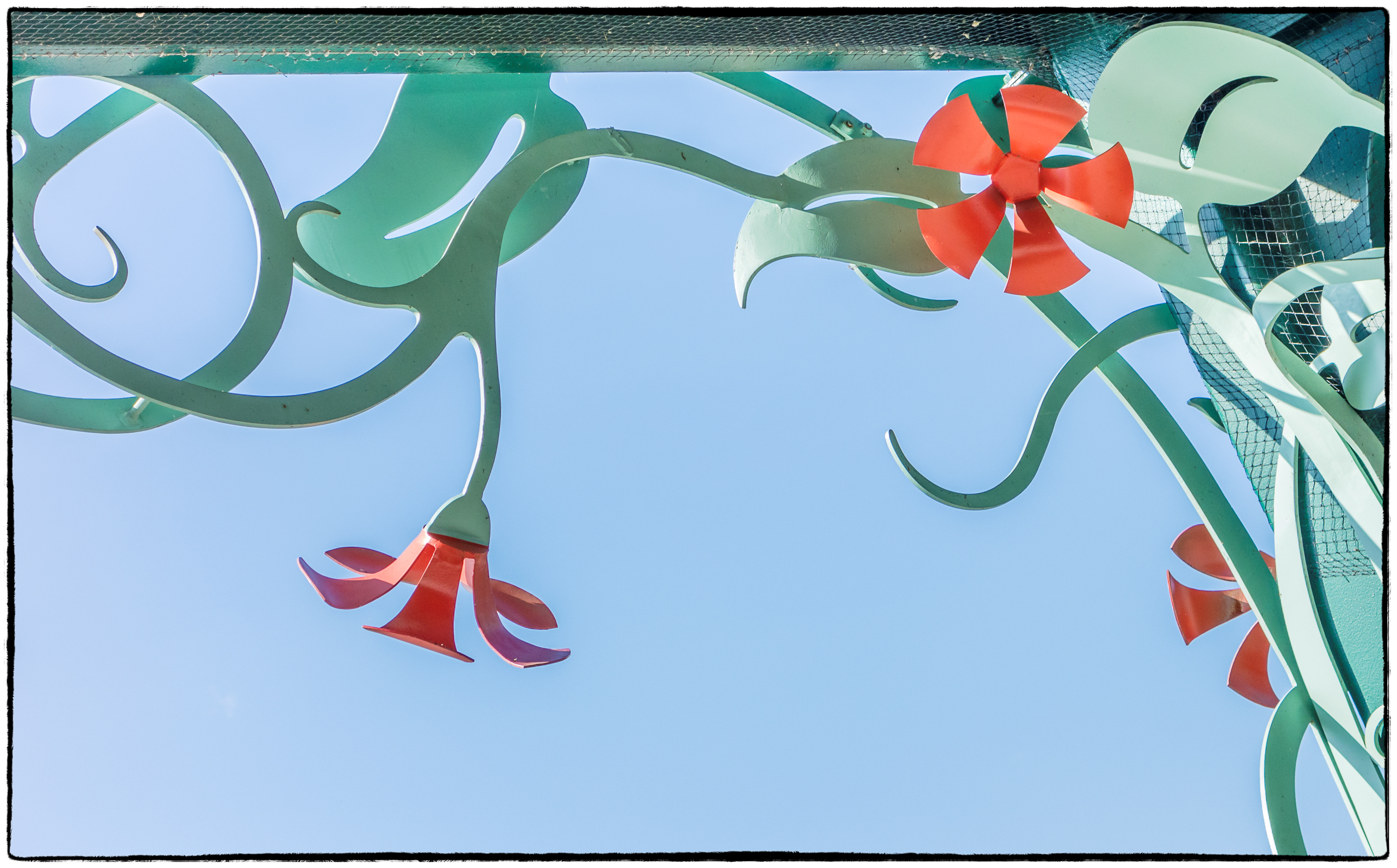
Seen at the Peekskill Metro North Station. According to a Metropolitan Transit Authority (MTA) press release dated April 26 2013:

The just-renovated train station at Peekskill now boasts “Jan Peeck’s Vine,” a steel sculpture that creeps around columns and railings and spells out the name “Peekskill” under the eaves.

The work by artist Joy Taylor and commissioned by MTA Arts for Transit and Urban Design translates natural forms into dramatic sculptures that echo the structural elements of the existing station, but frees them to run riot in a flowing, whimsical design. The artwork is named for the area’s first European resident for whom the city is named.

“The piece is designed exclusively for Peekskill,” Taylor said. “It incorporates the zigzag structure of the historic station, which transitions into a flowering vine descriptive of the current flowering of the arts in the city. The vine itself is a stylized contemporary vision of the indigenous bindweed that Jan Peeck would have found growing here on his arrival.”

The Vine consists of two matching sculptures on the southbound platform, one on either side of the stairs. From their bases they rise to the canopy roof, surrounding two supporting columns with zig-zag pattern that replicates the lacing historic northbound canopy. As they climb up the columns, they begin to curve and twine, transforming into vines that meet above the stairs like a huge vine-covered arbor welcoming visitors to a local garden.

These sculptural elements are fabricated from carbon steel rod and shaped plate carbon steel that gives the vines, the leaves and flowers a sinuous three-dimensional reality as well as a distinctive silhouette.

Elements of this sculpture recur in the two “Peekskill” monograms atop the elevator entrances. The third element includes several vine-like railing inserts that replace vertical railings in several sections on the northbound platform. Here the design, a near-symmetry reminiscent of the larger vine sculptures, is cut from flat steel and finished to match “Jan Peeck’s Vine,” unifying the elements. The artwork is finished in two colors, gray-green for the vines and leaves, red-orange for the flowers.

While it hints at earlier Peekskill architectural motifs, “Jan Peeck’s Vine” is a thoroughly contemporary piece. It takes advantage of steel’s ability to soar free of support, to twine and suspend itself in air. Its bold color and stylized, oversized leaves and flowers add a striking new layer to Peekskill’s visual life which will become part of the experience of arriving here.
Peekskill Riverwalk Park – Abraham Lincoln in Peekskill

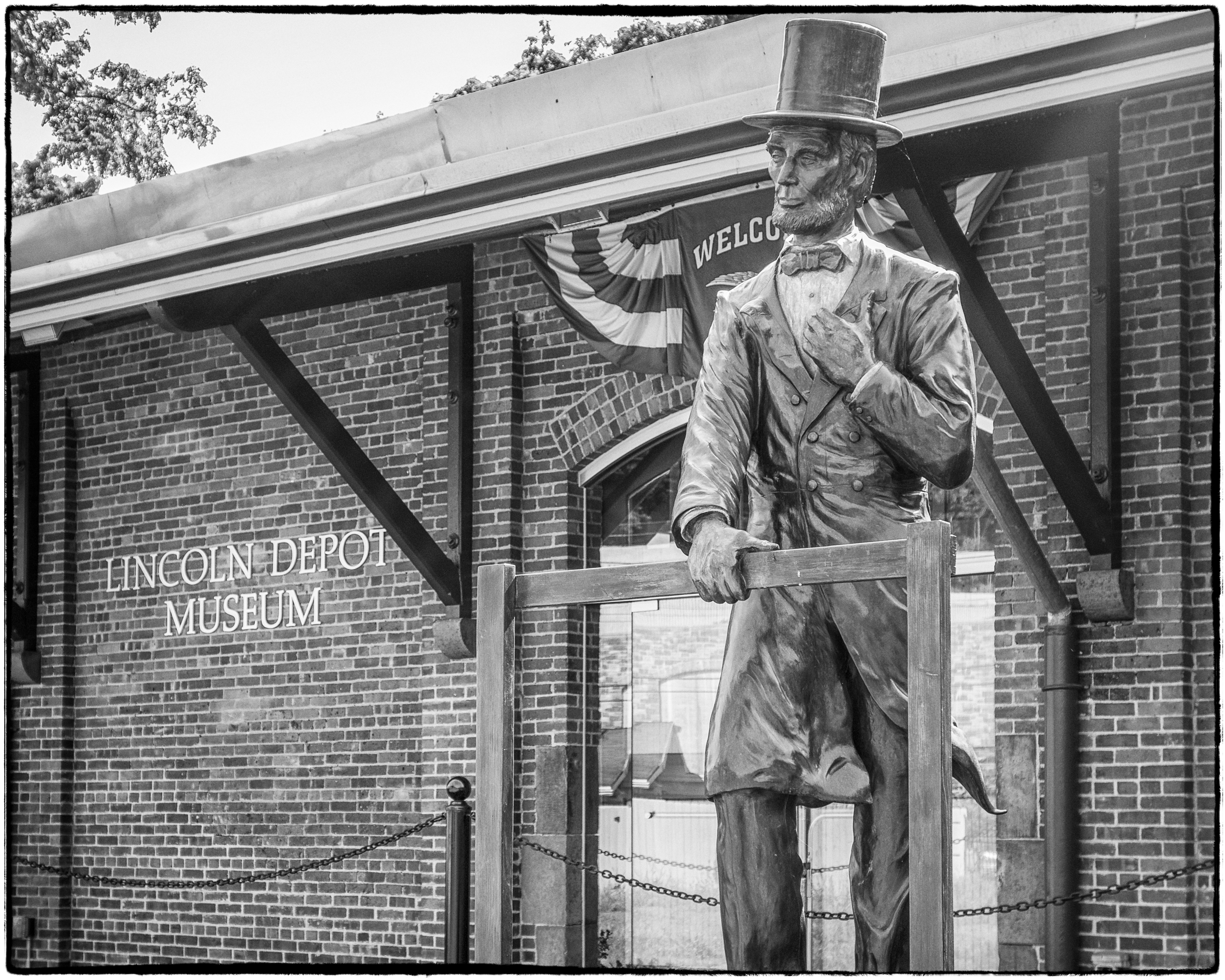
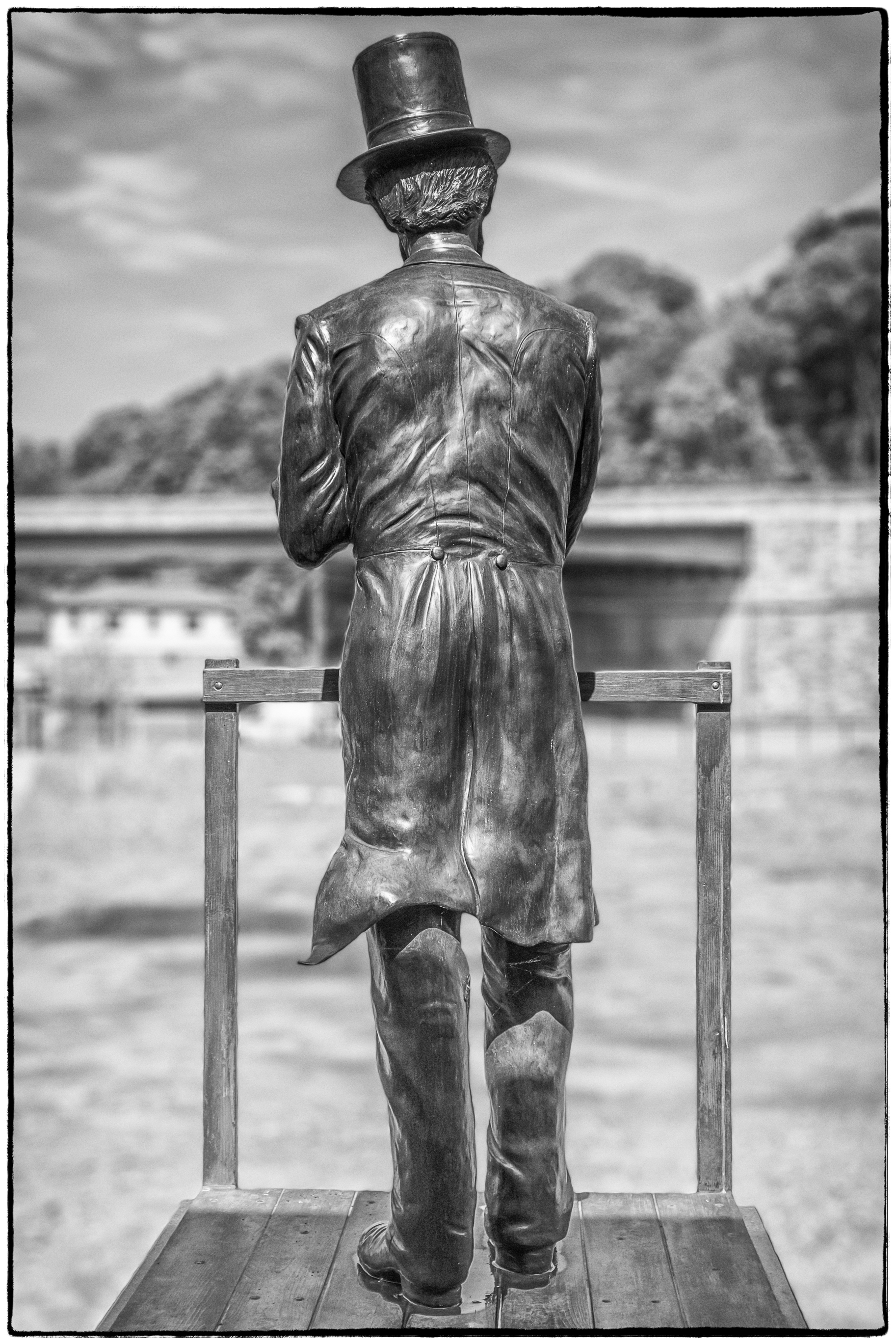
I didn’t even know that there was an Abraham Lincoln museum in Peekskill until I bumped into it while wandering around. It’s not far from the metro north station (between S. Water Street and the train tracks) and at first I didn’t even notice it and walked right by. Trying to find something interesting I kept going, but finding nothing I turned back. Then I noticed an entrance to something and decided to walk down to see what it was. It turned out to be the Lincoln Depot Museum (to give it it’s full name). The museum is for now only open on Saturdays and Sunday and since I was there on Friday I couldn’t go in.

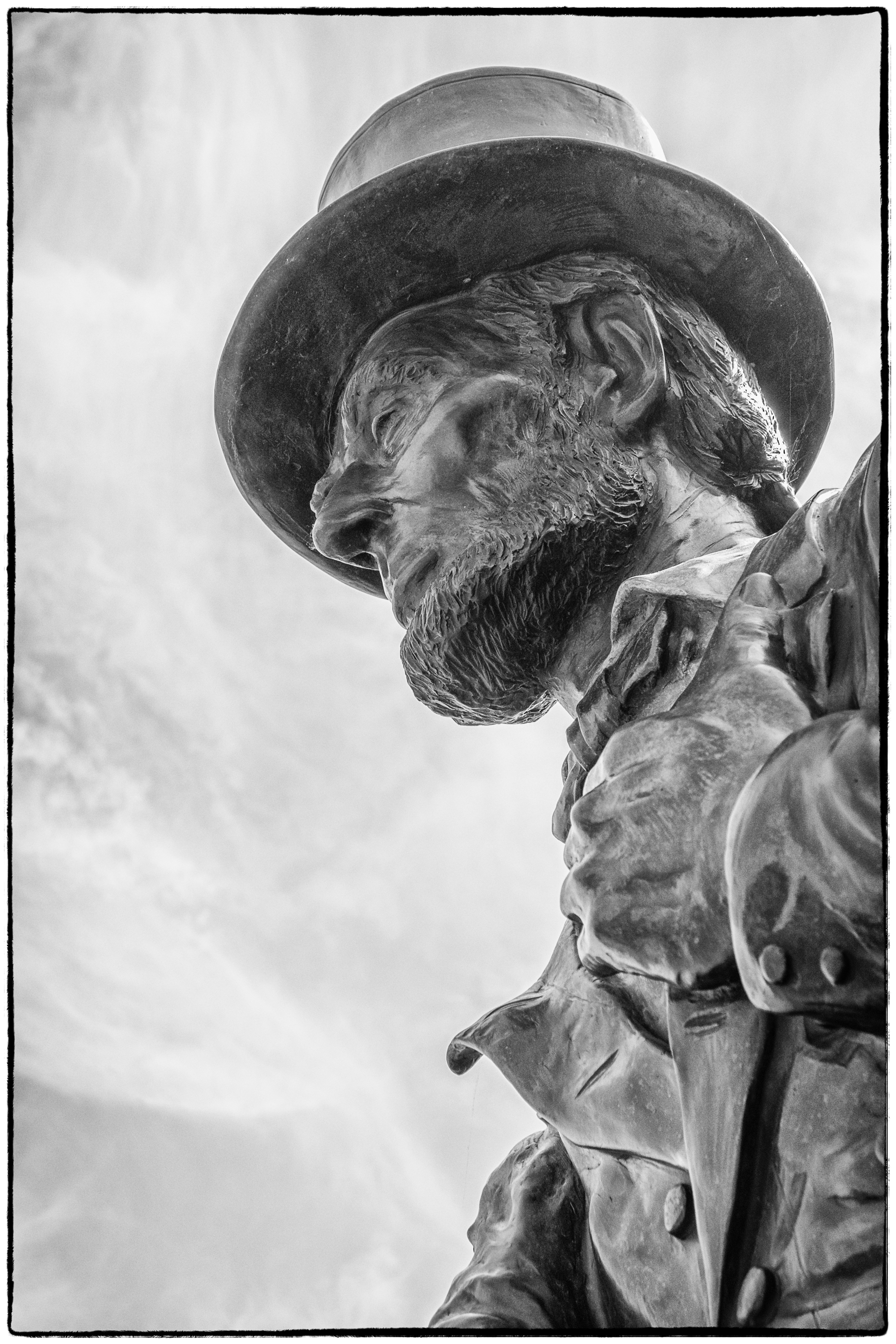
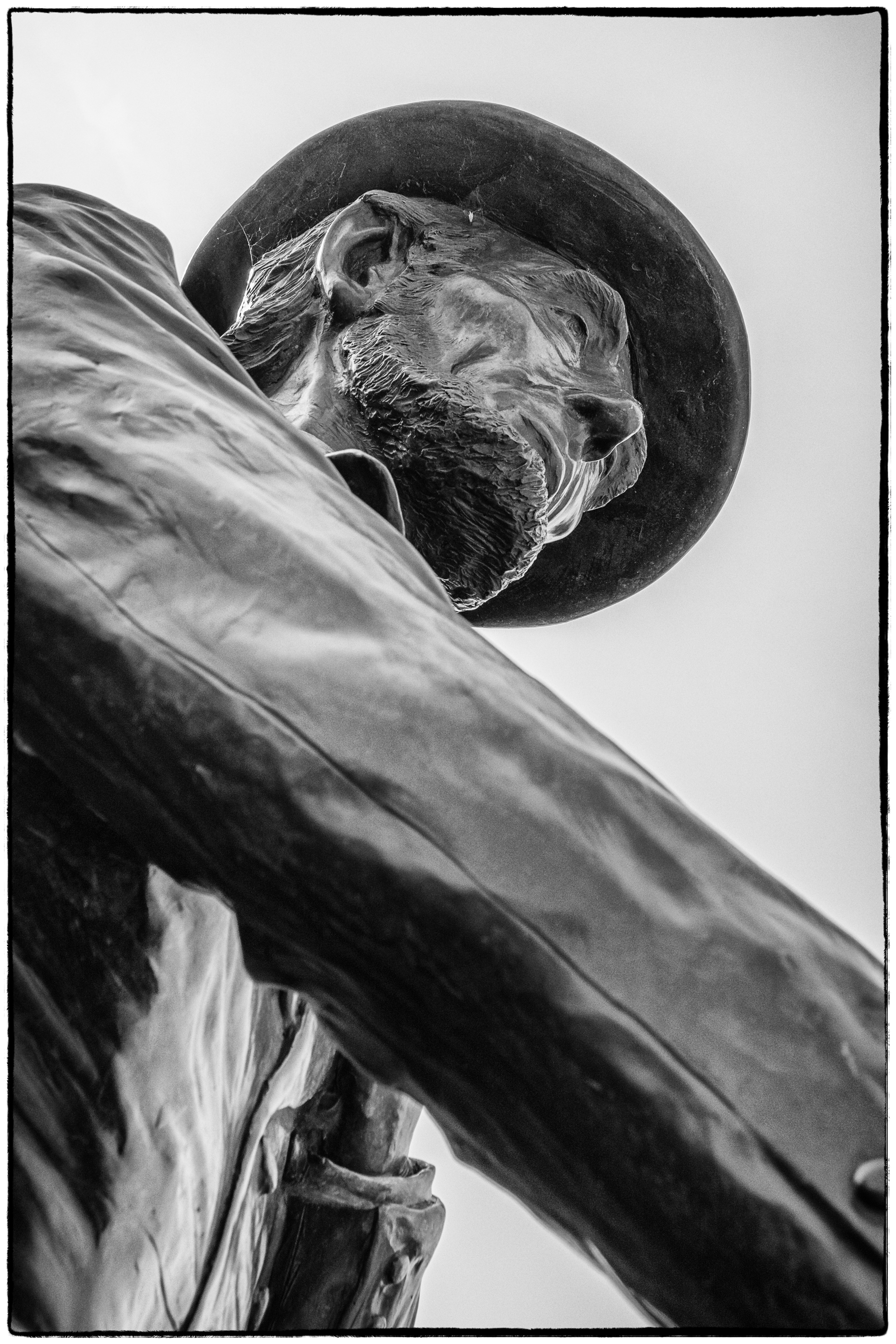
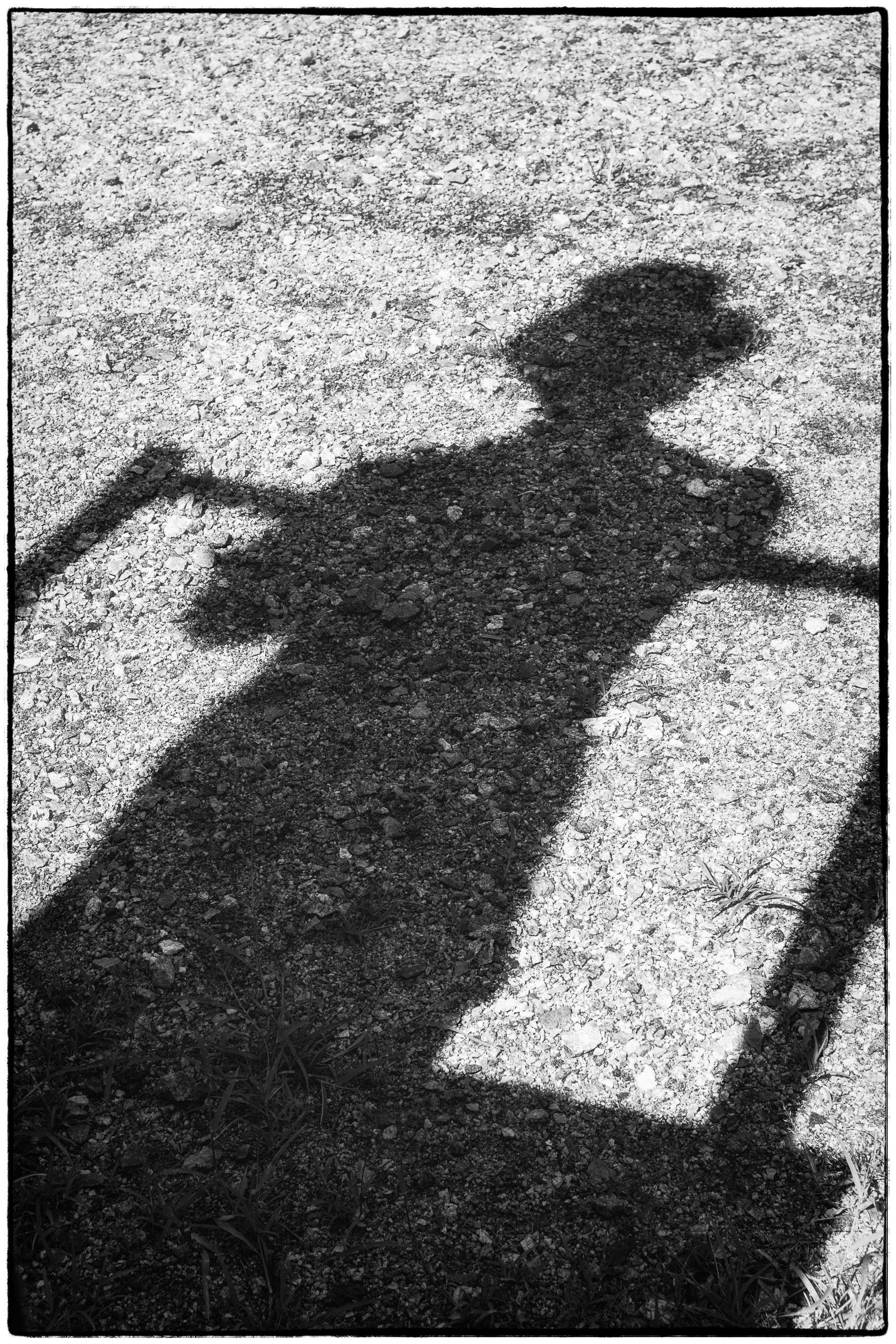
There is an interesting statue outside though. According to Wikipedia the story is as follows:

On February 19, 1861 President Abraham Lincoln’s inaugural train made a stop at the Peekskill Freight Depot, where he gave a brief speech. Approximately 1500 people, about half the city’s population at that time, attended the President’s visit. It is widely held that Lincoln made the stop on the request of his congressional colleague Congressman William Nelson from Westchester County, New York. In his speech, Lincoln requested support in the coming crisis – four states had already seceded from the Union by then. It was Lincoln’s only recorded appearance in Westchester County.) Lincoln’s stop in Peekskill was well documented by the press at the time: “Towards noon, quite a number came to the village from the country surrounding, and wended their way to the Depot.”;

After President Lincoln’s assassination in 1865, his funeral train retraced the route and stopped in Peekskill on the way back to Springfield.

The statue is by Richard Maslowski

Harley goes for a swim

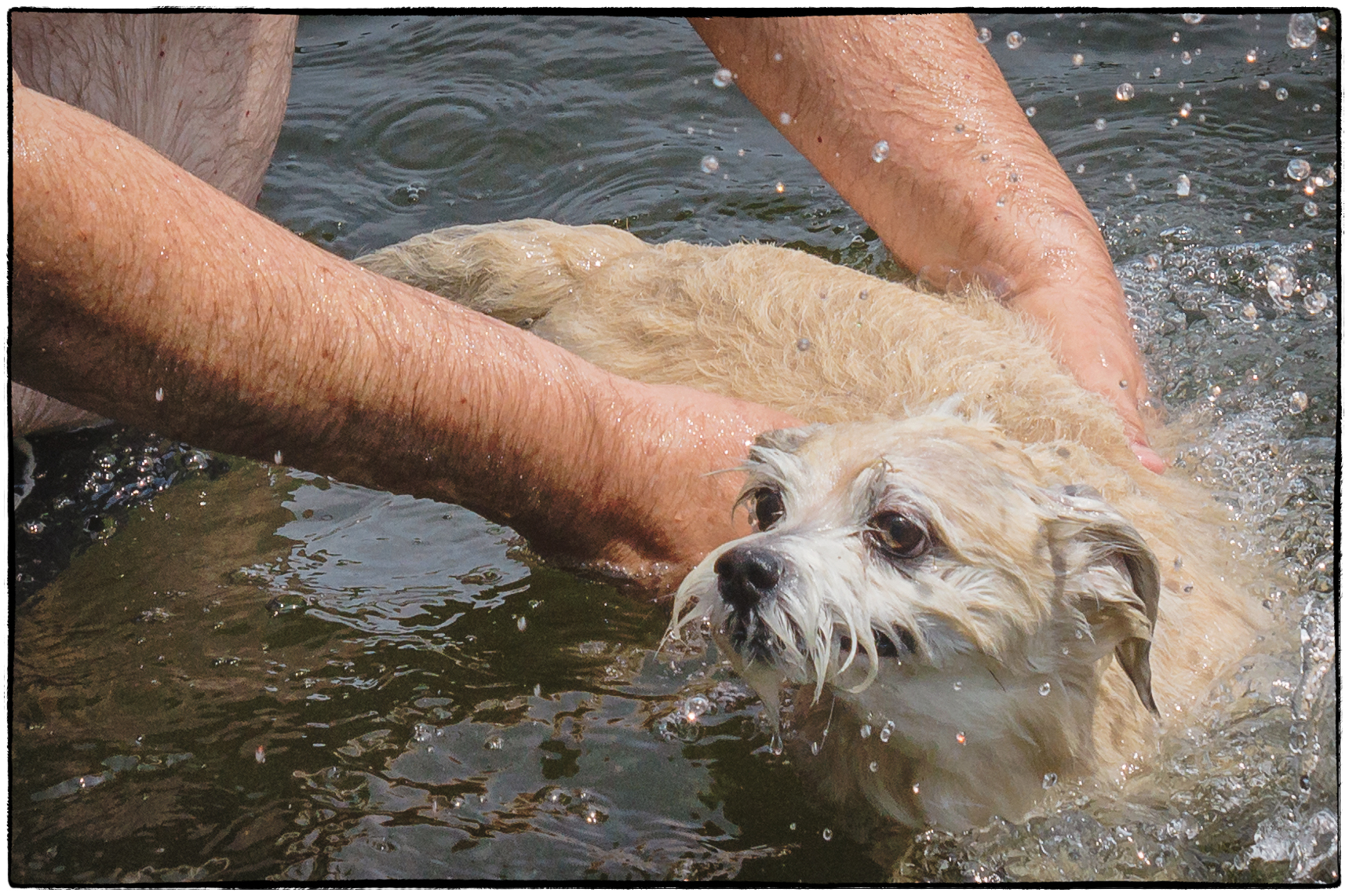
It was quite hot the other day so I decided to go for a swim in the lake to cool off. Our previous dog, Jackson had loved swimming in the lake but we weren’t sure how Harley would react to the water. So I carried him in and let him swim back to the steps up to the dock. He wasn’t as comfortable swimming as Jackson was (but then neither was Jackson at first). He doesn’t actually sink as much as he gives the impression that he might. His rear sinks and he “doggy paddles” in an almost vertical position through the water. Maybe he just needs more practice? My wife took the pictures since I was in the lake.

Introducing Harley to the water.

Wet (and maybe a bit scared) but cool.

Peekskill Riverwalk Park – The Peekskill Brewery

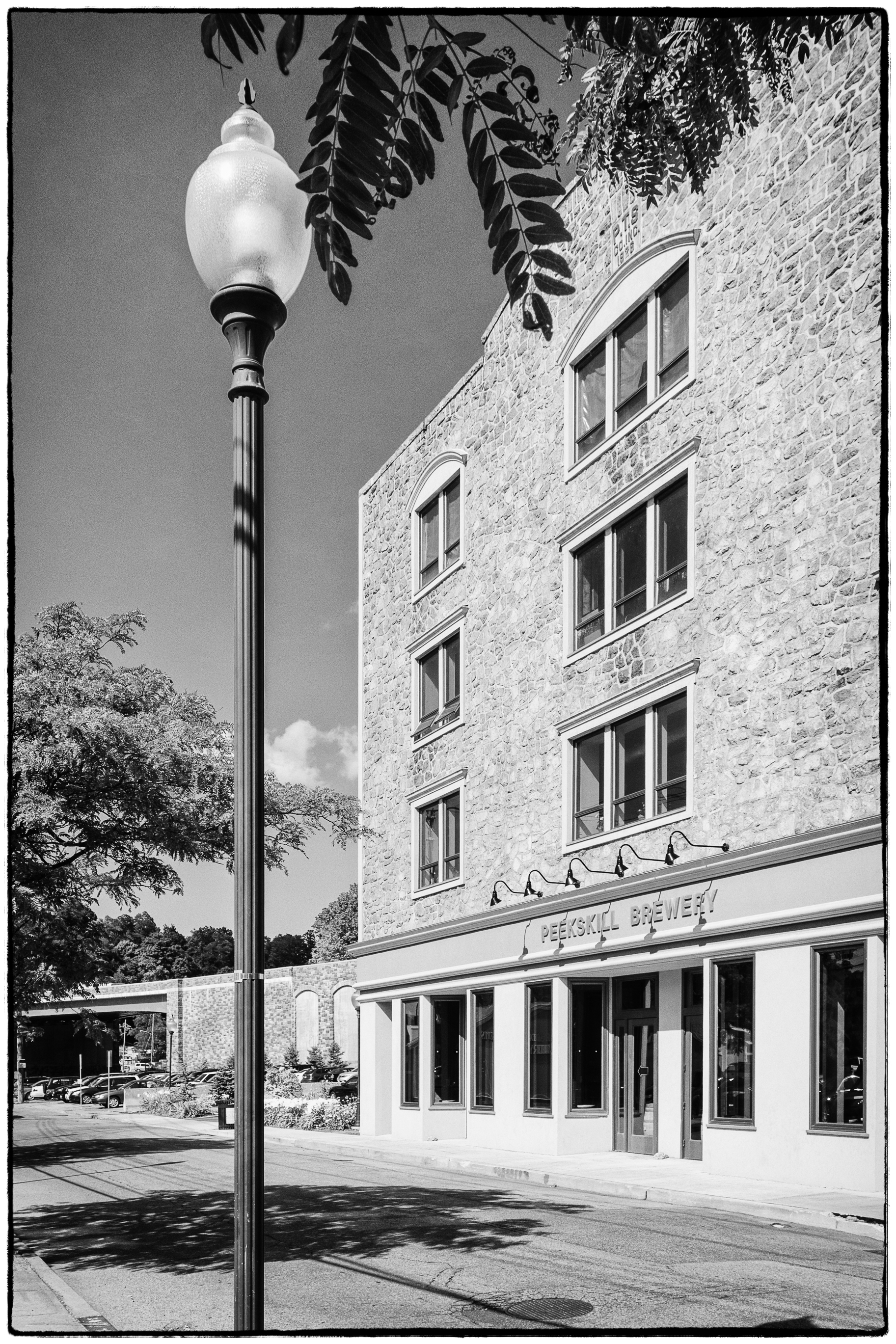
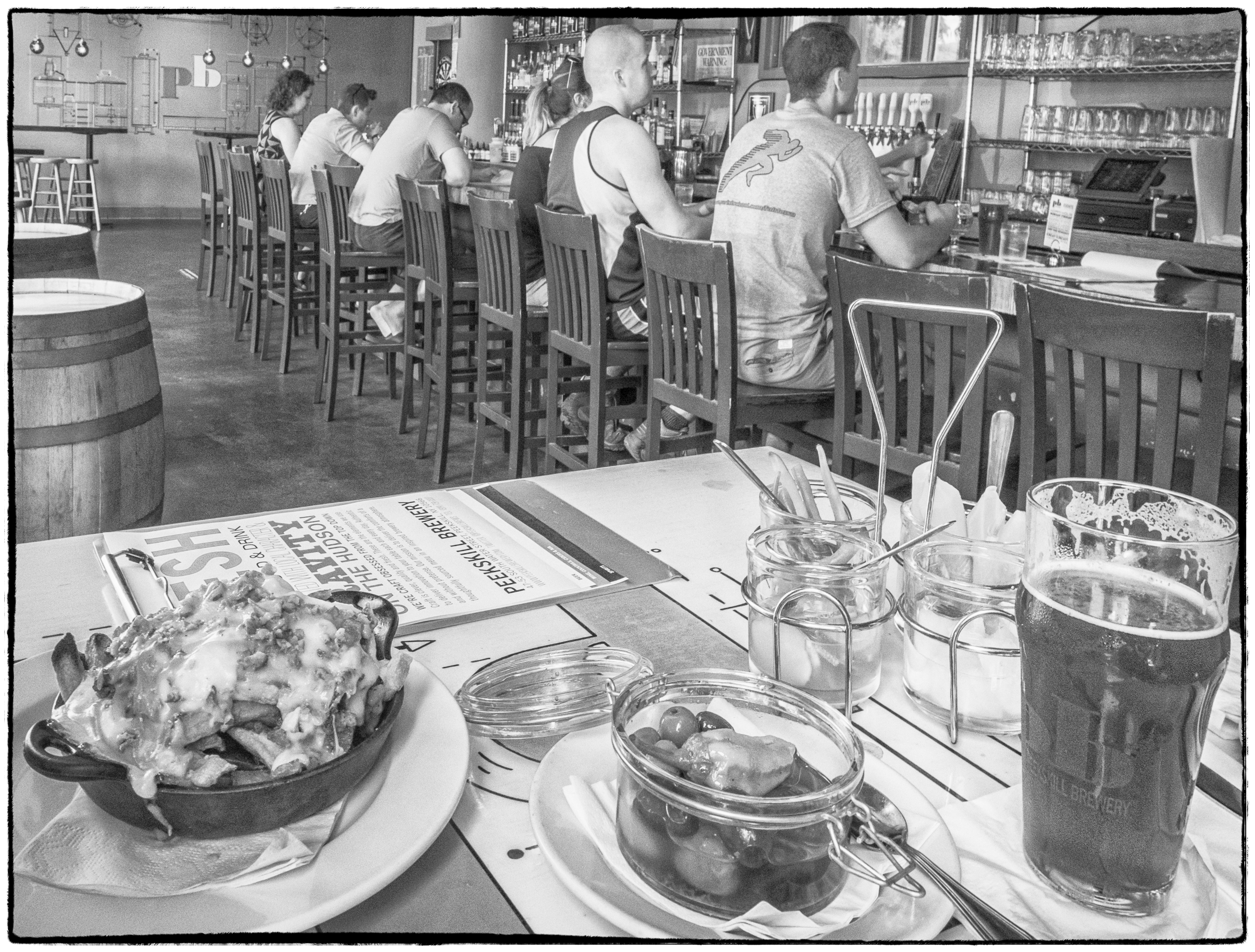
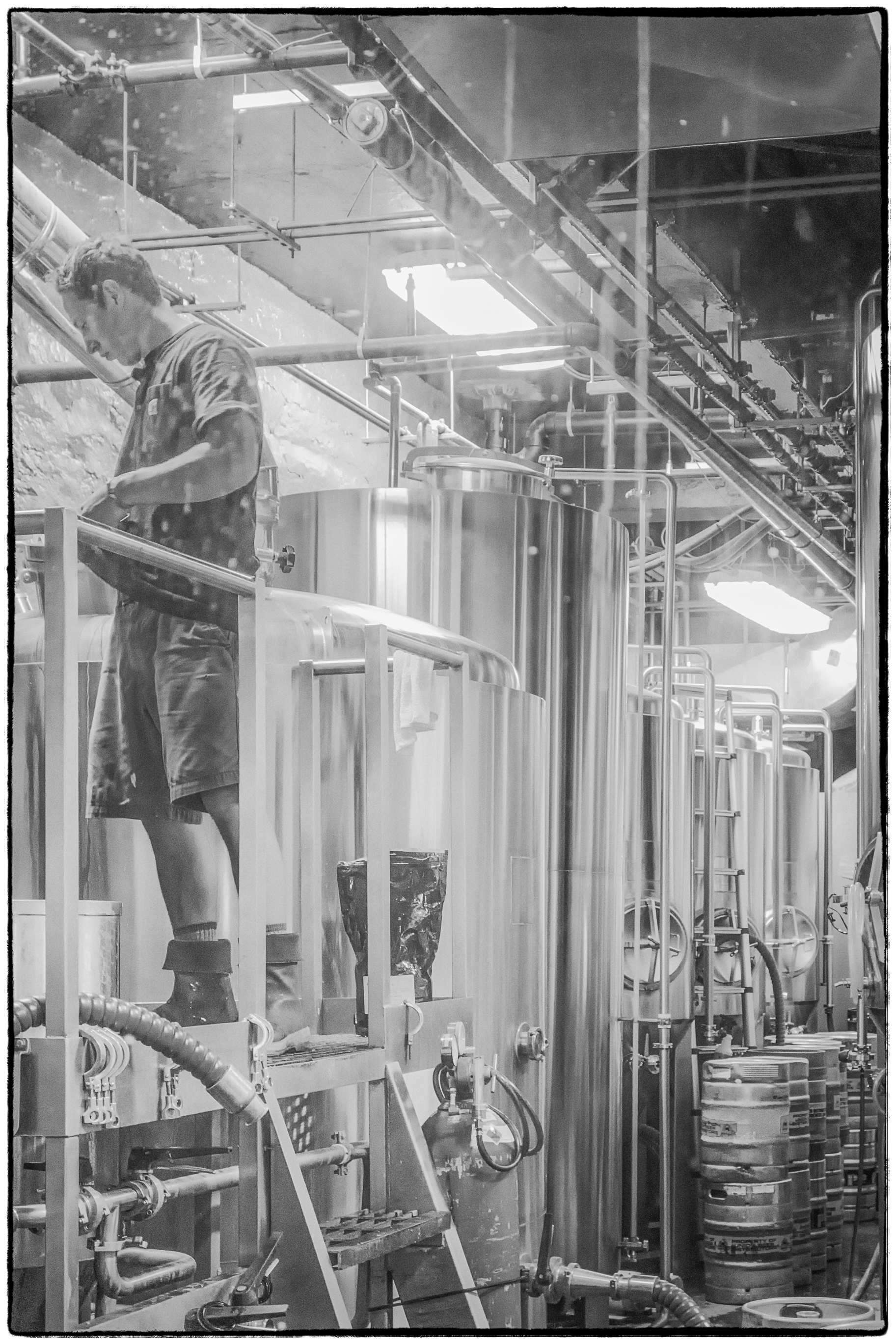
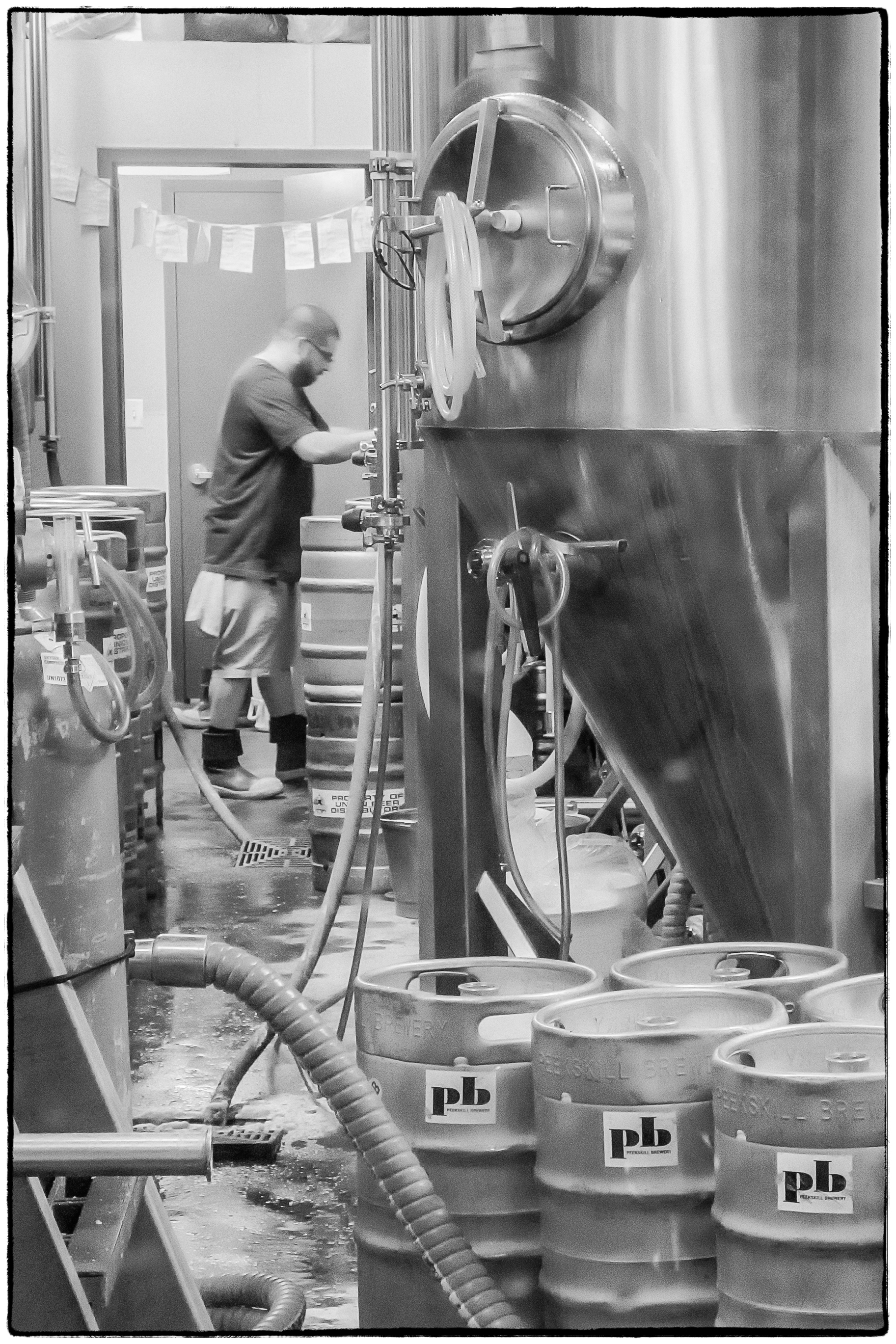
I went to the riverfront in Peekskill to take some pictures the other day. My wife needed the car so she dropped me in Cold Spring and I took the train down. It was a very hot day and when I got there the sun was still very high and the light wasn’t good so I decided to wait for a while to see if it would improve (it didn’t and I couldn’t stay long enough to see if it would). I’d been to the Peekskill Brewery before – but in its previous location a bit closer to the train station. This was my first time in the new building. The top two floors are not open to the public. The first floor contains a restaurant and the ground floor the tap room (also serves food) and the brewery. Yes the Peekskill Brewery is not just the name of a restaurant. It actually is a brewery – and a fine selection of craft beers they have too.

Interior. The Tap Room.

A view of the brewery.

Another view of the brewery.

Peekskill Riverwalk Park – The Golden Mean

By Carole A. Feuerman.

A nearby plaque reads:

The Golden Mean. Bronze with patina and gold leaf.

Using the riverfront’s edge on as its diving board, Feuerman’s monumental sculpture activates the urban environment and its inhabitants through a site-specific installation. Two years in the making, and more than 8,000 hours of labor, The Golden Mean is part of a series of swimmers and bathers Feuerman began working on in the late seventies. It is and icon for the strength and resilience of the human spirit, for achieving the impossible and for the struggle for survival