A Day in New York City – Honey Bear Statue

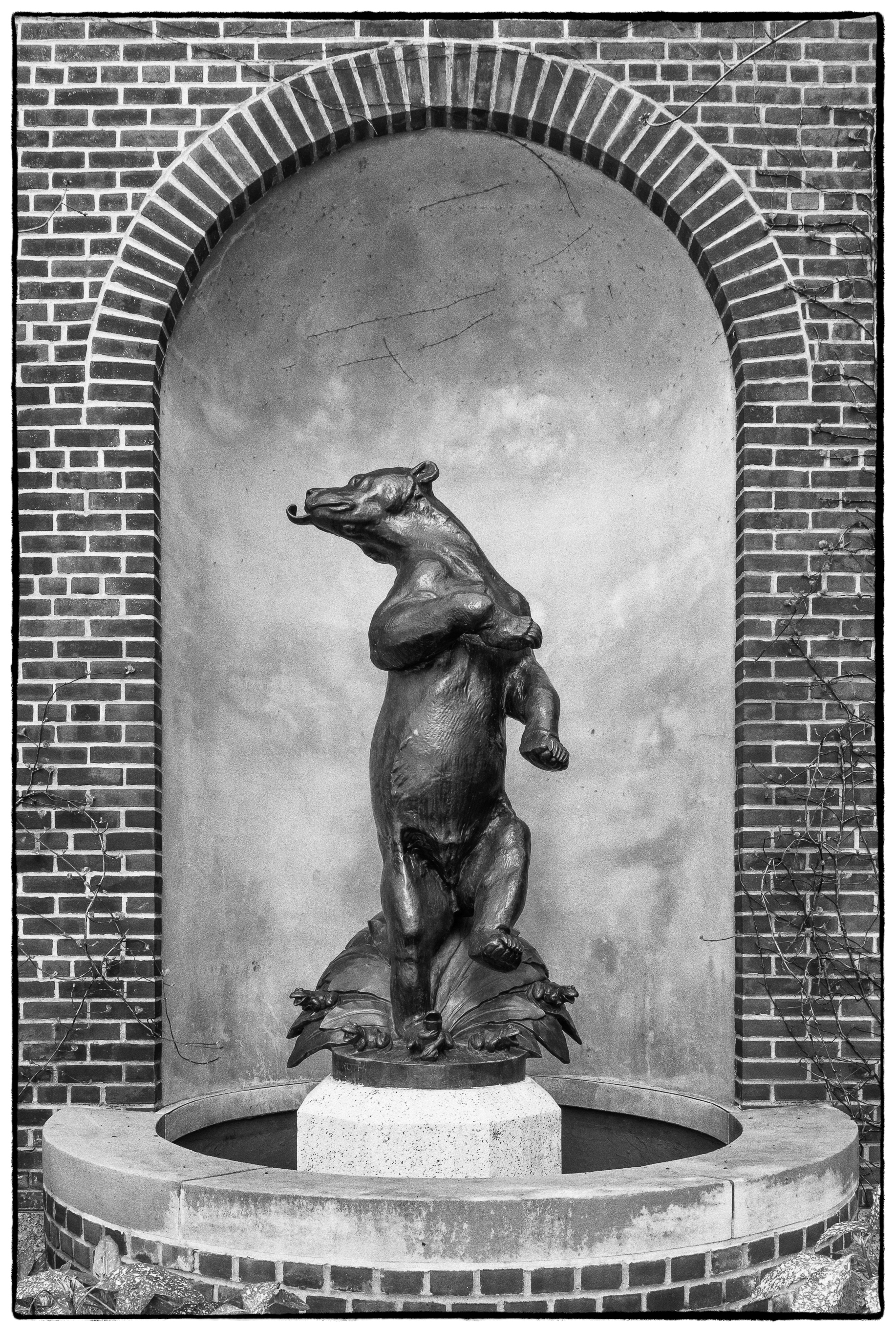
This statue stands just outside the zoo in Central Park, New York City. According to the Central Park Conservancy web site:

This whimsical bronze is in a niche that flanks the triple-archway that supports the Delacorte Musical Clock between the Central Park Zoo and the Children’s Zoo. The Dancing Goat is the bear’s counterpart on the southern side if the Zoo.

Cast at Roman Bronze Works in Brooklyn and installed in 1937, both sculptures are decorative fountains. Water sprays from five small frogs at the feet of the bear, and from five small ducks from the feet of the goat. Created by renowned animal sculptor and Brooklyn native Frederick George Richard Roth, the lighthearted pieces are among several Roth works he did for Central Park in the 1920s and 1930s. (Among them is Balto, the statue of the legendary Alaskan husky).

Central Park Conservancy restored the sculptures in 1993, and today Roth’s pieces continue to delight Park and zoo visitors of all ages.

Sadly I missed the ‘Dancing Goat Statue‘.

Taken with a Sony RX-100 M3

A Day in New York City – Samuel Morse Statue

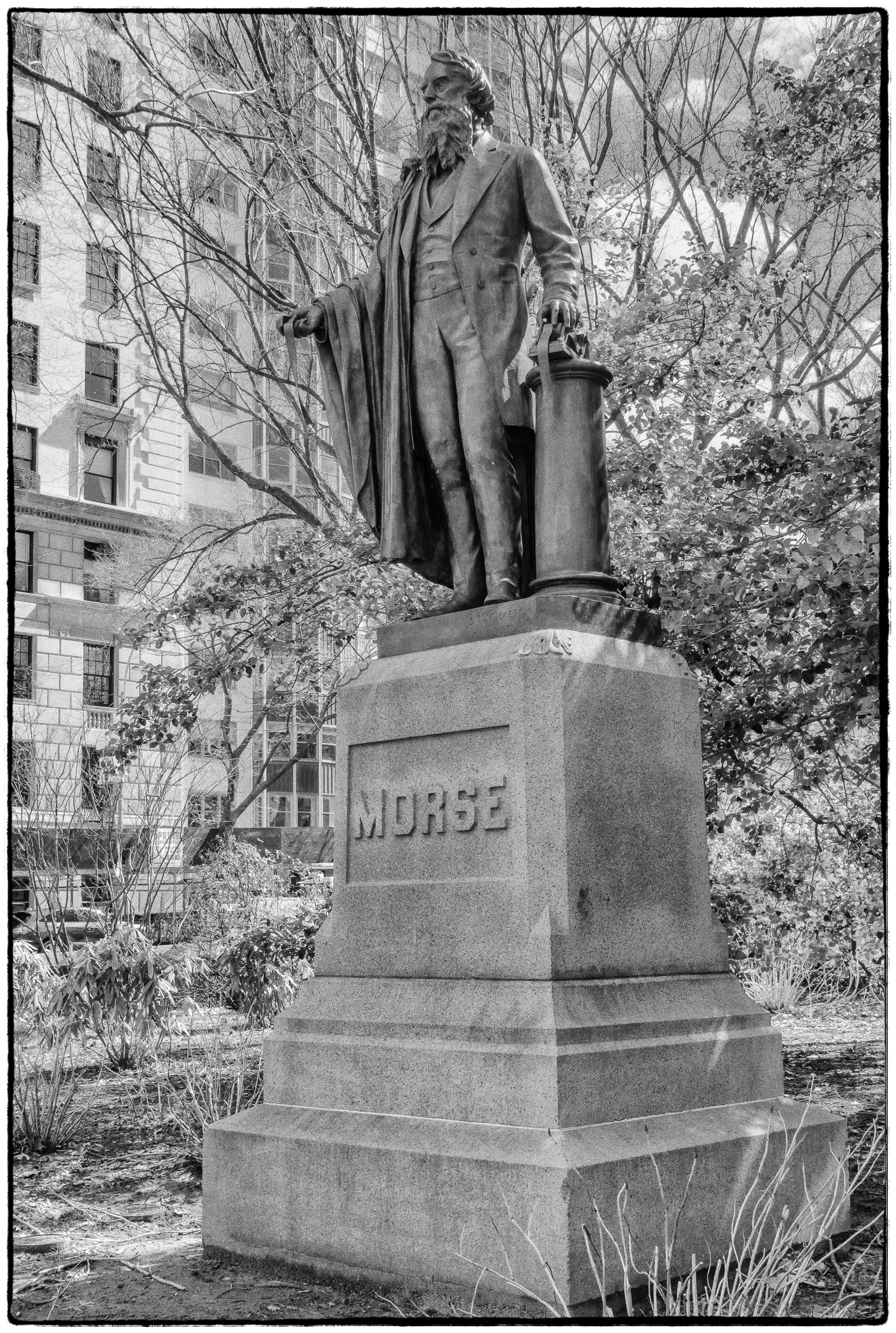
Finally in New York City, we took a taxi from Grand Central Terminal to Central Park. The driver dropped us off near 72nd Street and Fifth Avenue. As we got out of the taxi I noticed a statue. Imagine my surprise to discover that it was of Samuel F.B. Morse, whose former house, Locust Grove in Poughkeepsie we had visited just a couple of days earlier.

According to Wikipedia the statue:

…is an outdoor bronze sculpture depicting American painter and inventor Samuel Morse by Byron M. Pickett, located in Central Park in Manhattan, New York. The portrait statue measures 13′ x 5’6″ x 5′ and sits on a Quincy granite pedestal. It was dedicated on June 10, 1871.

I had some difficulty finding more information about Mr. Pickett, but eventually located the following artice: American sculptor Byron M. Pickett is memorialized. The article provides the following information:

Byron sculpted many works, and was well-known during his lifetime as a man of talent and master of his art. One such work was the statue of Samuel F.B. Morse, which stands today at the Inventors’ Gate at New York’s Central Park. Other works include the statue “Patriotism” in Kingston, two monuments at Gettysburg, and a relief portrait of Abraham Lincoln used by the U.S. Post Office in 1911 on a two-cent postal card. In July 1871, there was a dedication for unveiling the Morse statue and newspaper articles tell of all the dignitaries who were present. Two governors and even William Jennings Bryant were amongst thousands of New Yorkers present.

The information I was gifted by the N.Y. Metropolitan Museum of Art was his death record. My contact there was Catherine Mackay, administrative assistant. This record stated he had died in Tenafly, N.J., and was buried at Brookside Cemetery. Steve visited the plot only to discover there was no marker.

Byron seemingly died in obscurity in retirement at the Mary Fisher Home. To honor Byron’s life, I have purchased a marker for him that was placed on his 179th birthday, which was Aug. 3. Rest in peace Byron; this concludes our quest.

Taken with a Sony RX-100 M3

For posts on Samuel Morse’s former home, Locust Grove see:

Locust Grove – Blue Flowers
Locust Grove – Green Barn
Locust Grove – Hudson View
Locust Grove – View from the Lake
Locust Grove – Barn Doors
Locust Grove – Carriage House
Locust Grove – RIP Pinky Winky
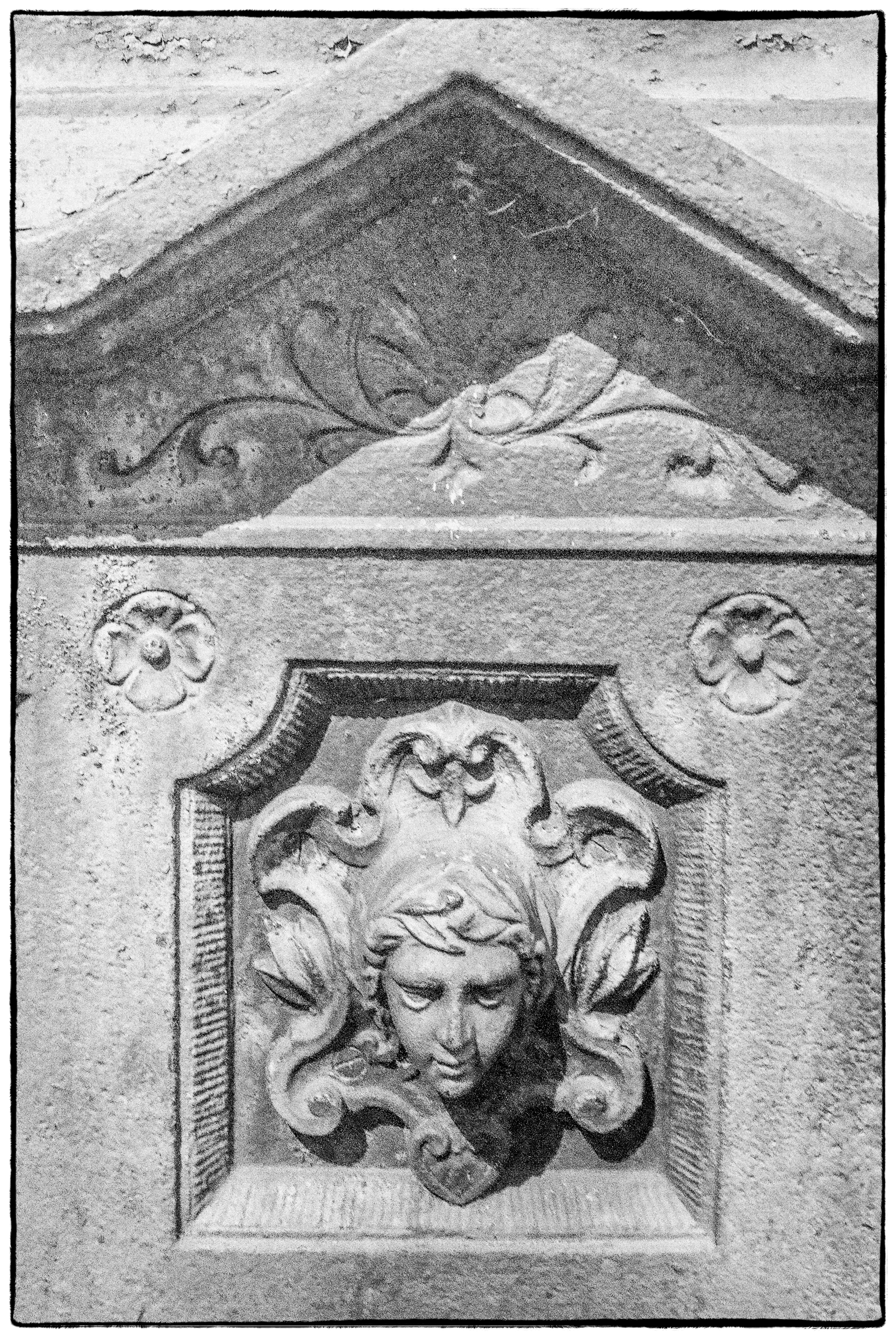
Locust Grove – Detail of a Wrought Iron Container
Locust Grove – The House

And

Canon Eos 650 – Results

Hopewell Junction Depot

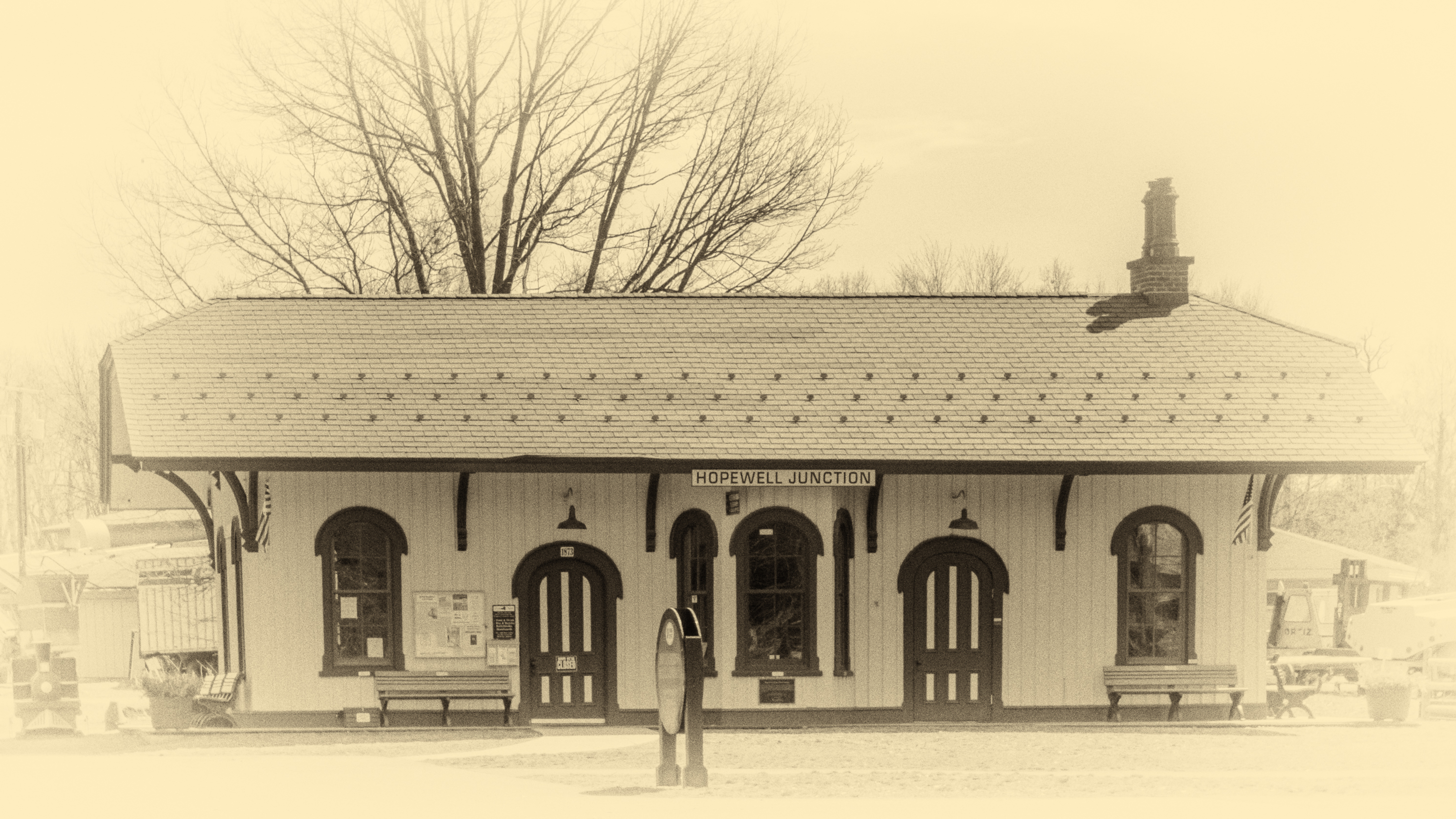
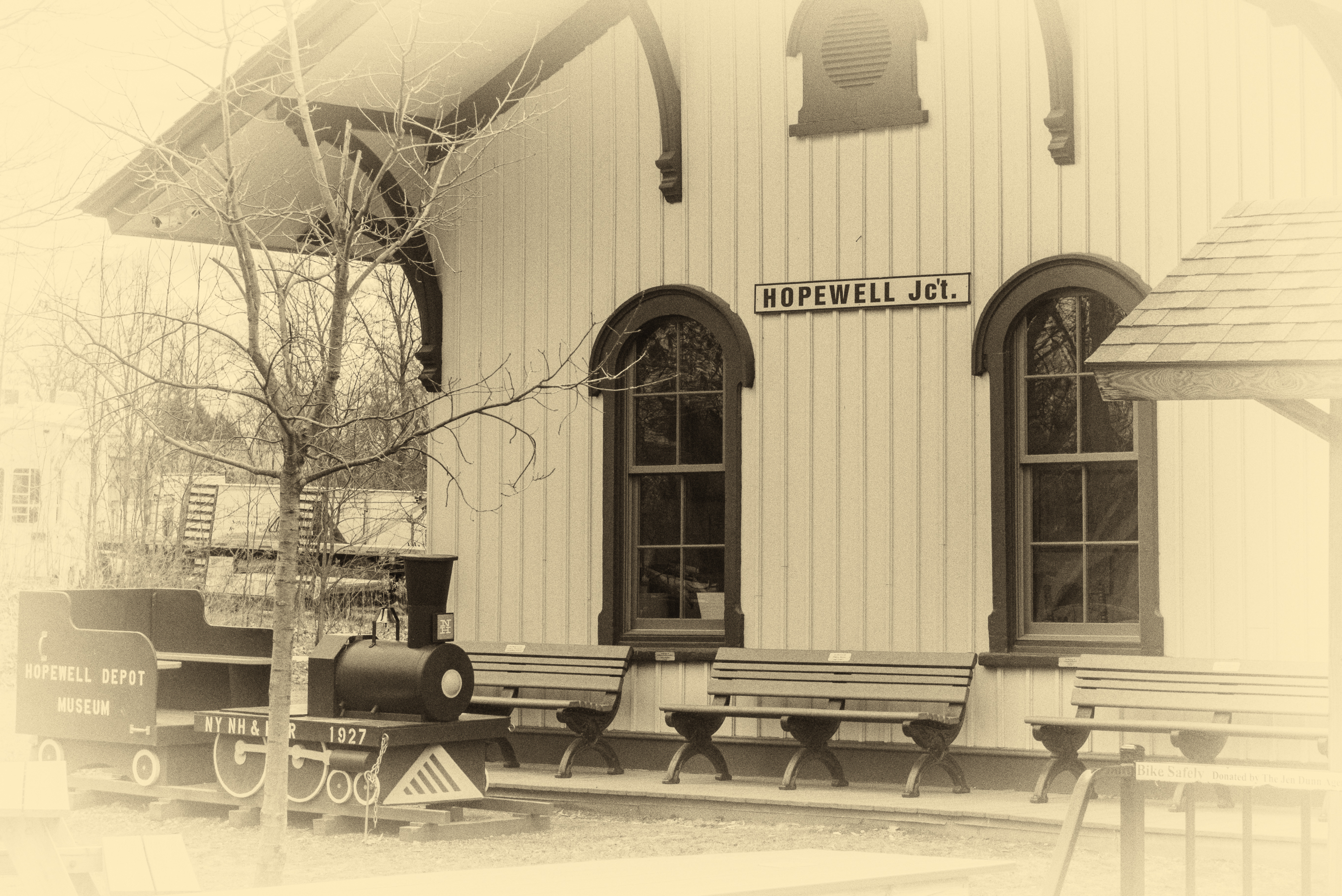
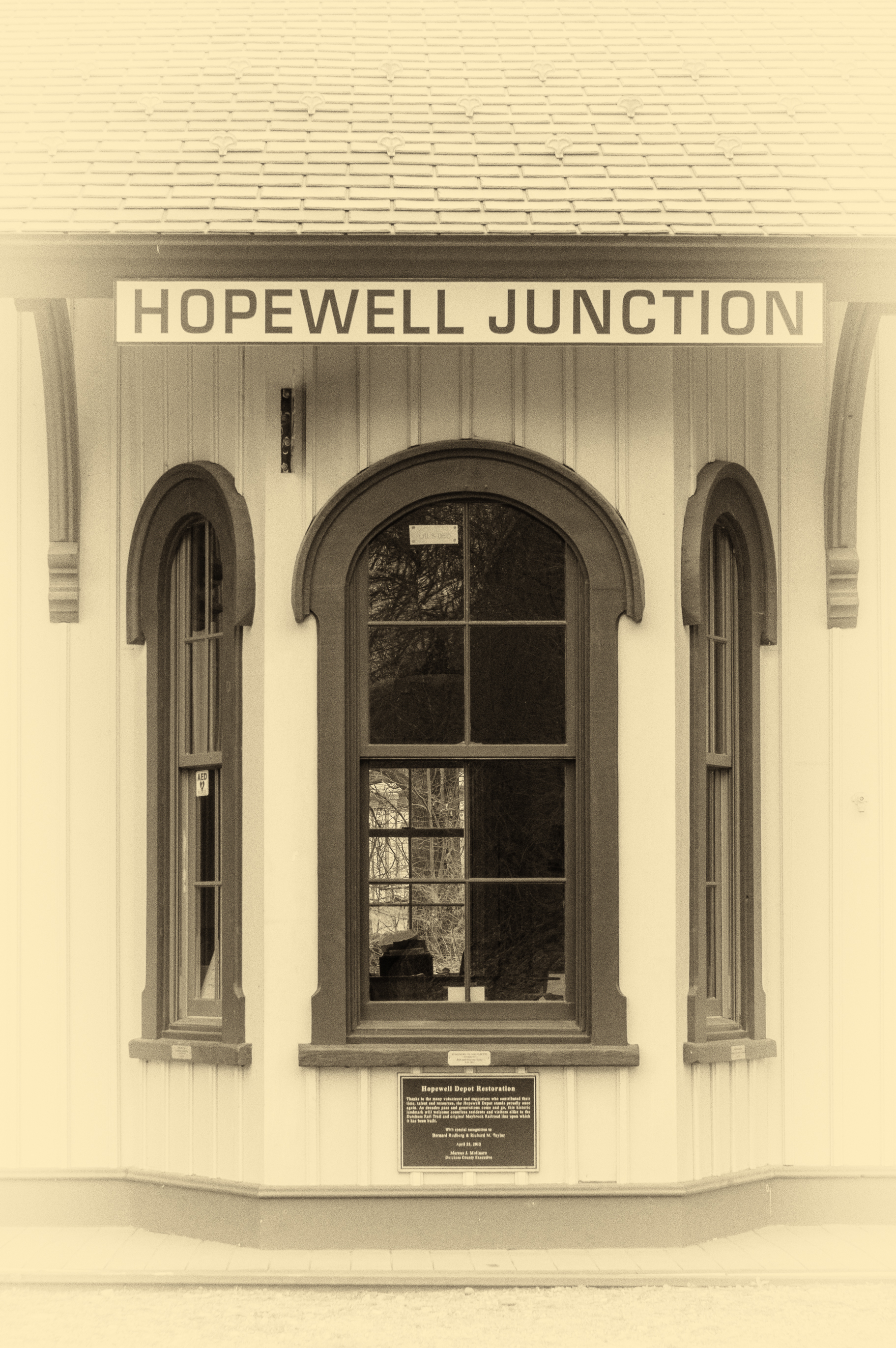
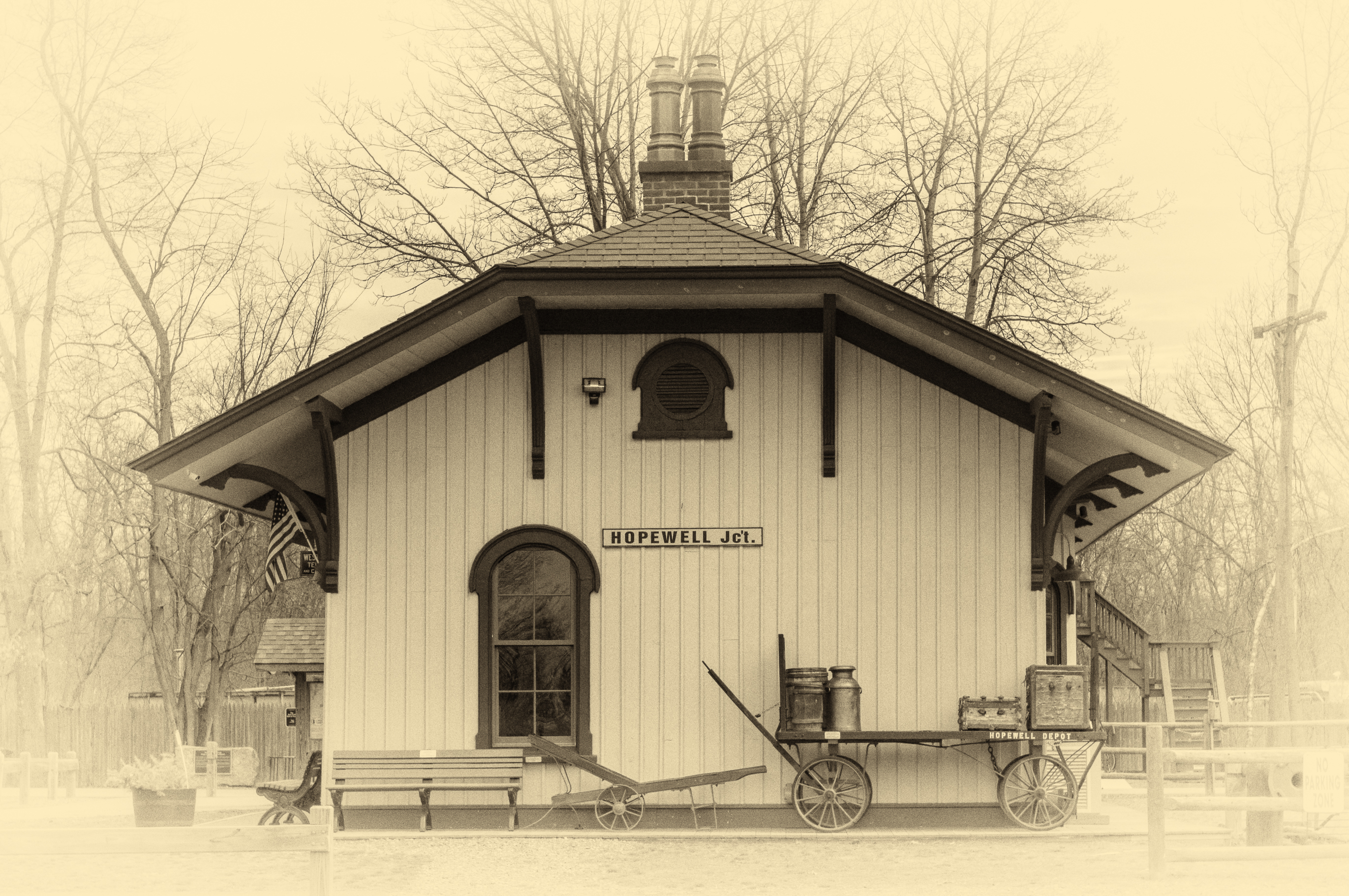
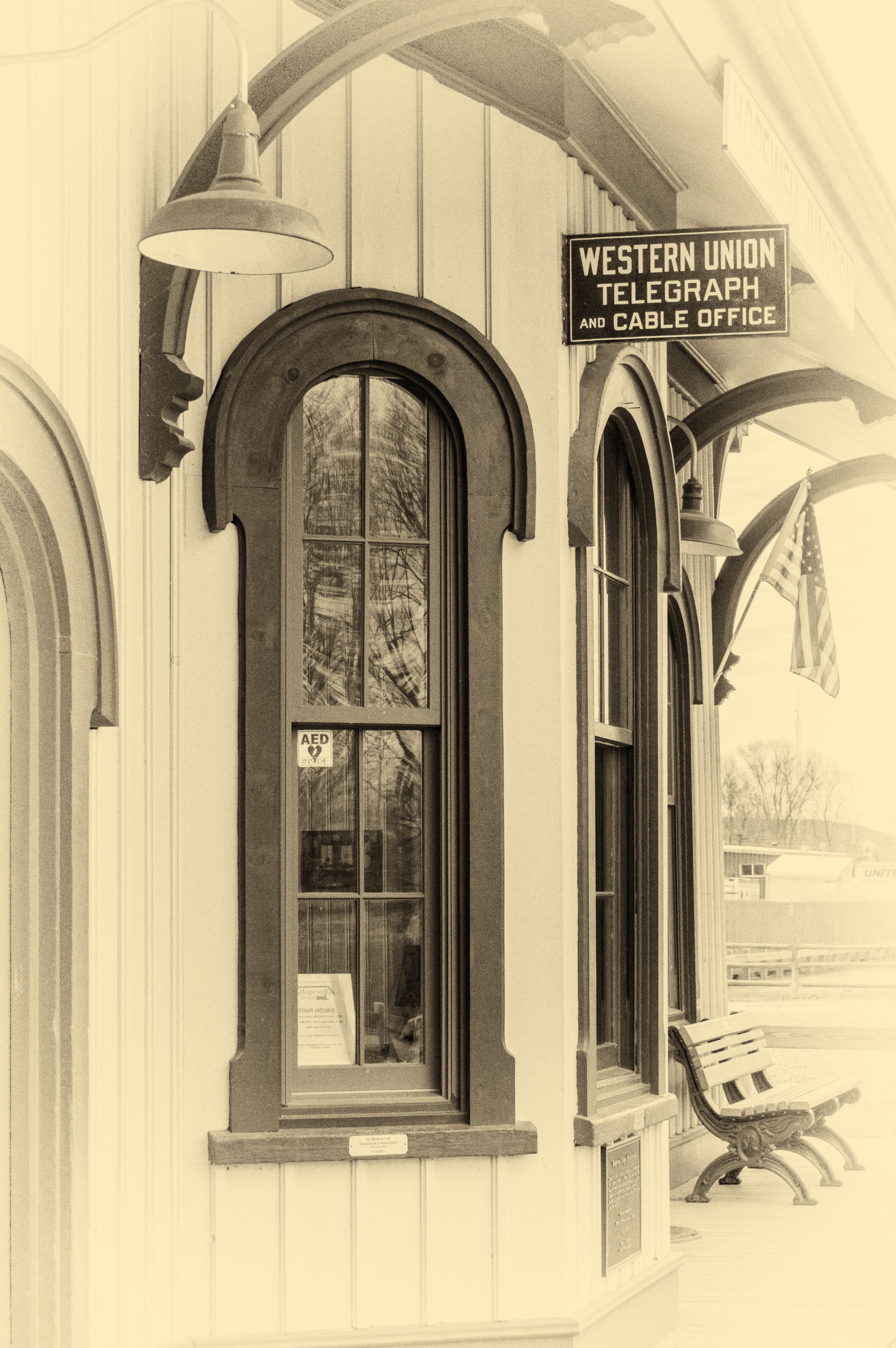
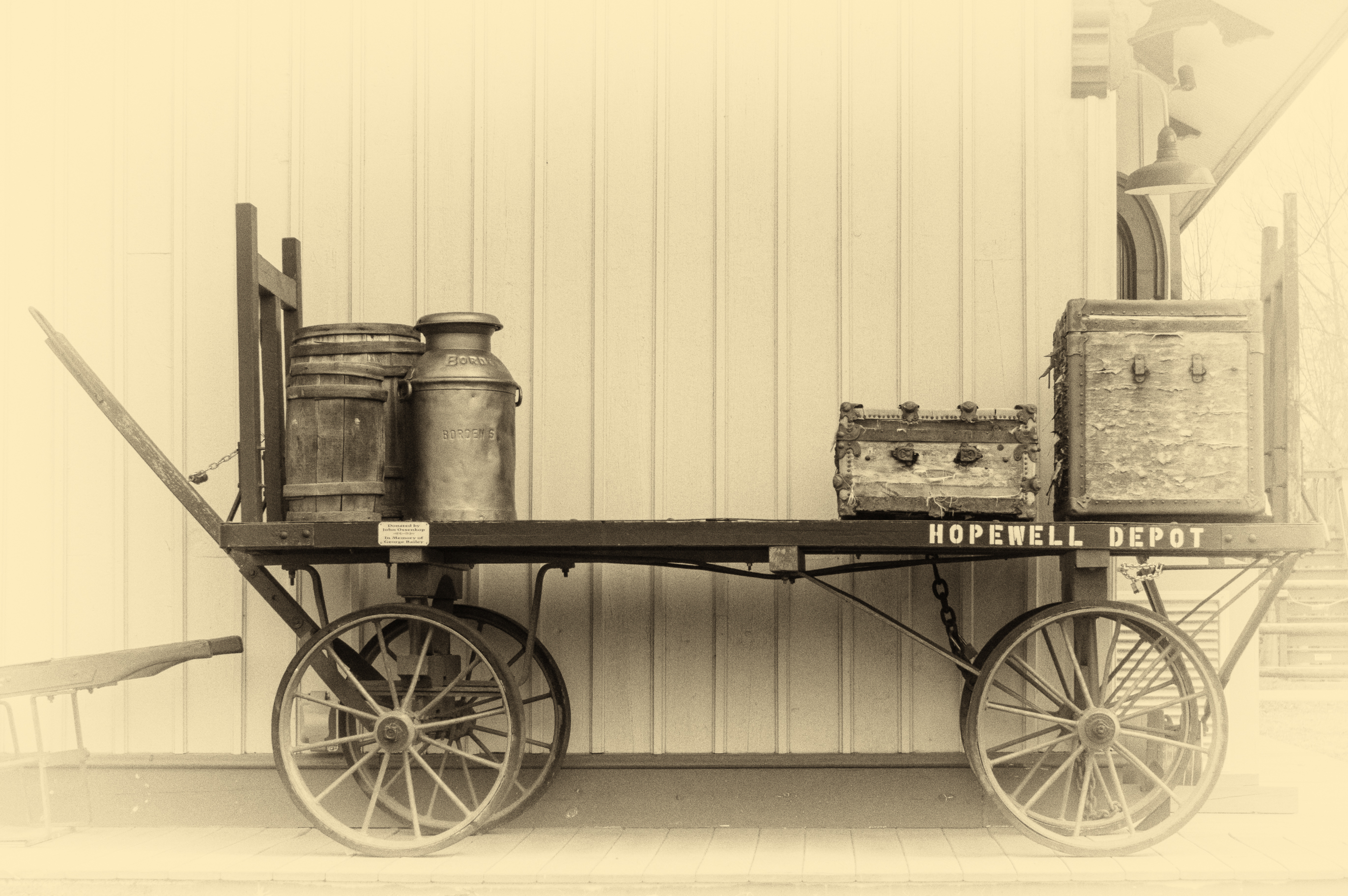
I came across these old photographs of the Depot at Hopewell Junction. I could tell that they were old because Anthony Musso in his book Hidden Treasures of the Hudson Valley Vol. II mentions that the original depot originally had doors with rounded tops. Apparently it was hard to insulate properly so all but one were replaced with square topped doors. In the pictures you can clearly see that the doors all have rounded tops so the pictures must pre-date the change. Right?

Actually no. I took these pictures about a month ago and decided that this “aged” look was appropriate. Mr. Russo’s book is now a few years old and it seems that the restoration efforts have proceeded well, with the doors having been changed back to their original tops. For additional information on the restoration efforts see here.

For a good, short, illustrated history of the depot see here.

The depot is now a vistor’s centre/museum located at the beginning of the Dutchess County Rail Trail. I’ve walked on a number of these converted rail trails and don’t usually like them. They’re also used by cyclists who go whizzing by at high speed, often without giving you any warning that they’re coming. This one is, however, different: The old railway had two tracks so there was room to separate the walkers and the cyclists. In fact there are two trails: one of packed earth for walkers and another one paved for cyclists so there is no likelihood of collision.

Taken with a Sony Nex 5N and Carl Zeiss Jena 50mm f3.5 T Tessar

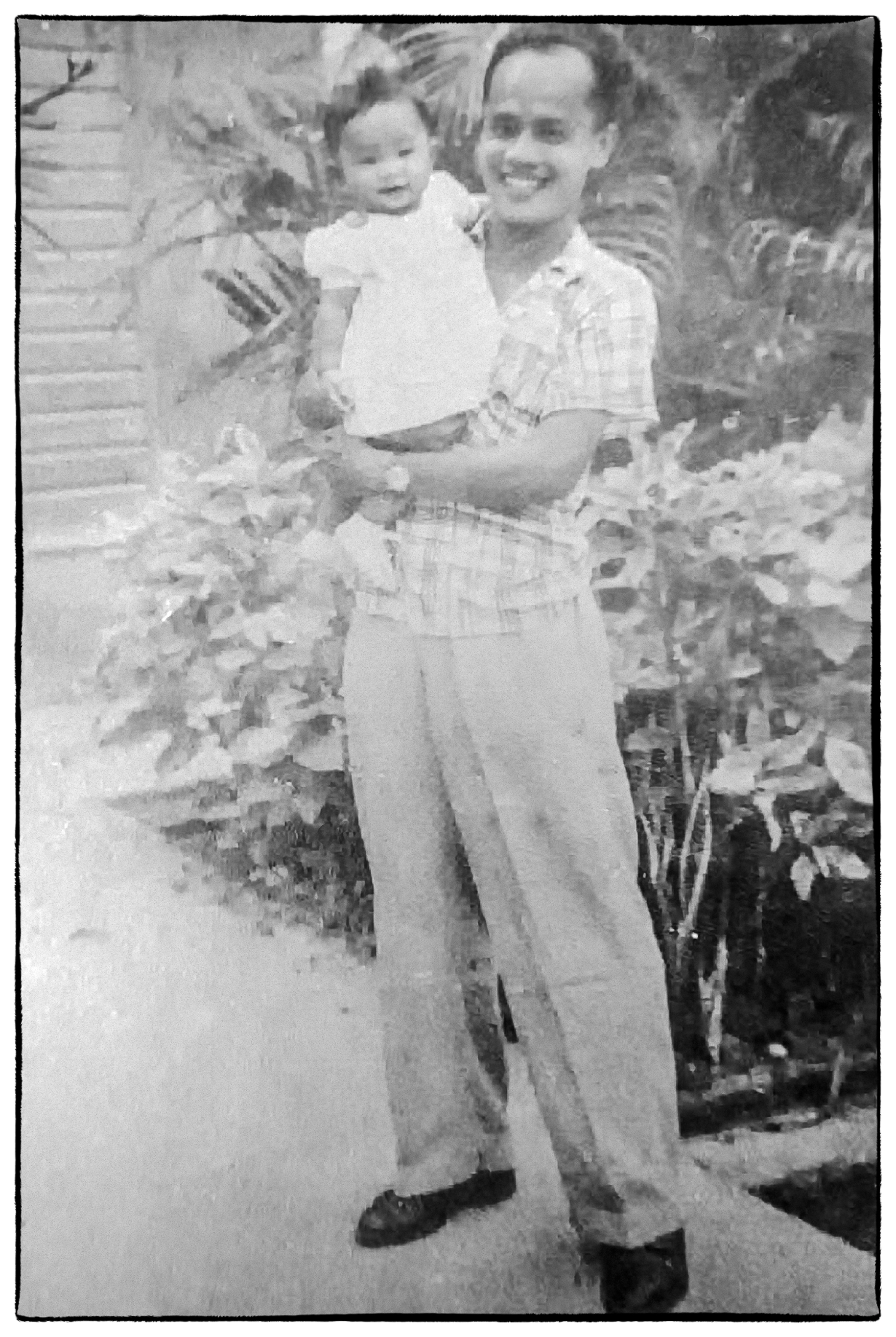
A treasured memory

We recently received this picture from one of my wife’s relatives. The small child is my wife aged about 6 months, being held by her father. It’s was very low resolution scan, full of spots and other marks i.e. not a particularly good scan.

I was able to eliminate many of the marks and improve the overall exposure. I printed it on our Canon Selphy CP 1200 (see: Another Christmas Present) and it actually printed much better than it appears on screen.

It’s not a brilliant picture, but it’s one of very pictures that my wife has of herself with her father. She is the oldest child and has five brothers. My sense is that she was always very close to her father, who passed away in his 50s (way too early) in 1978.

So for all it’s faults this picture will remain a treasured memory. They both look very happy.