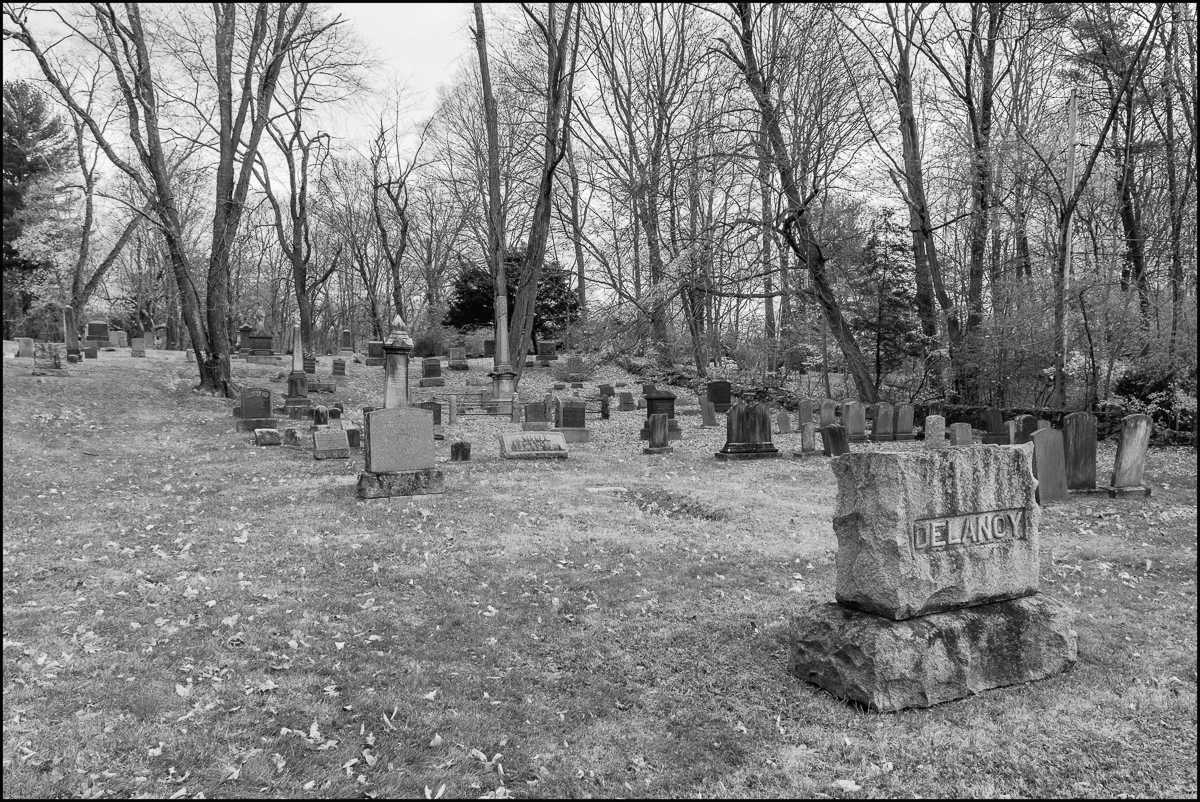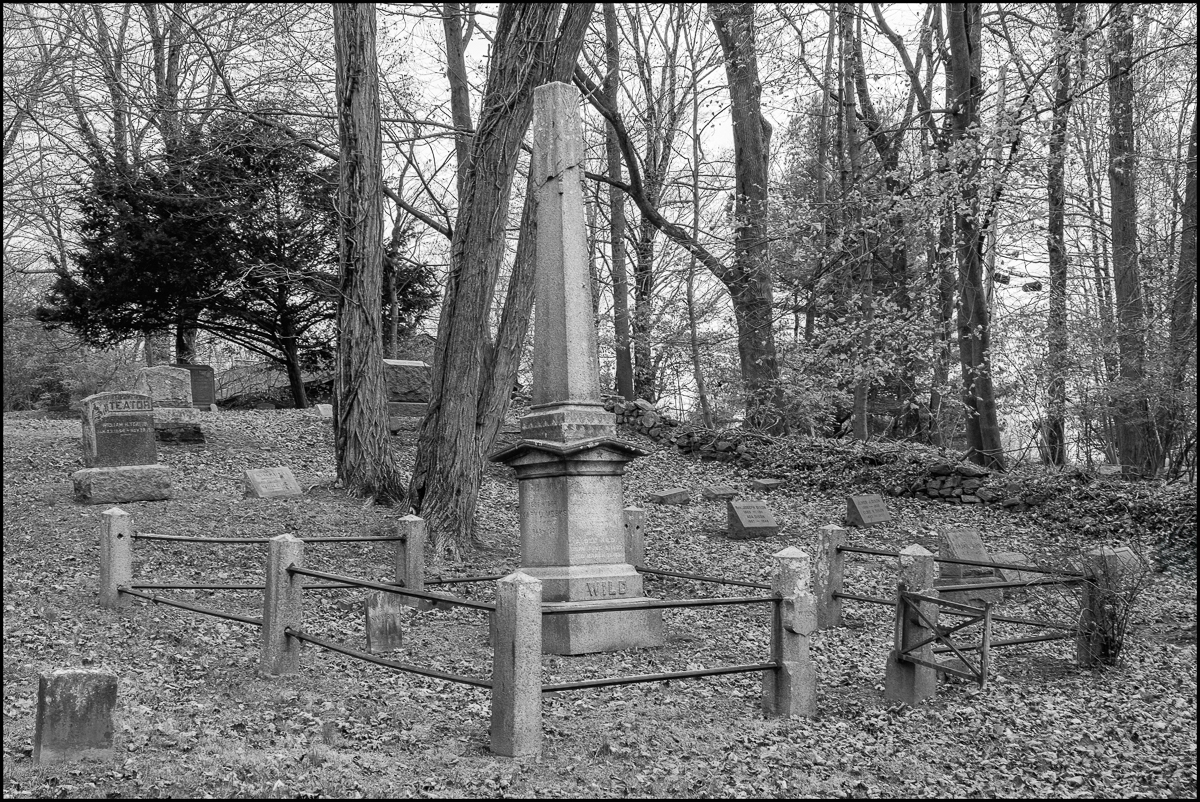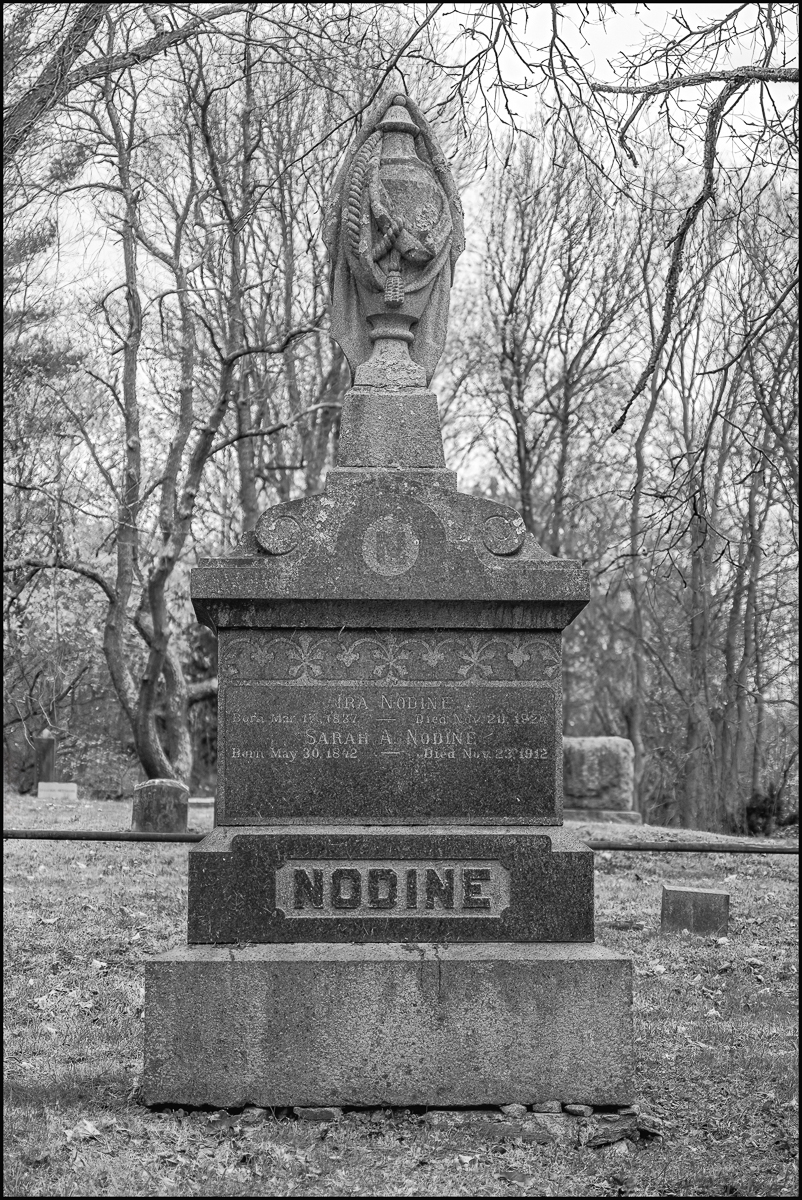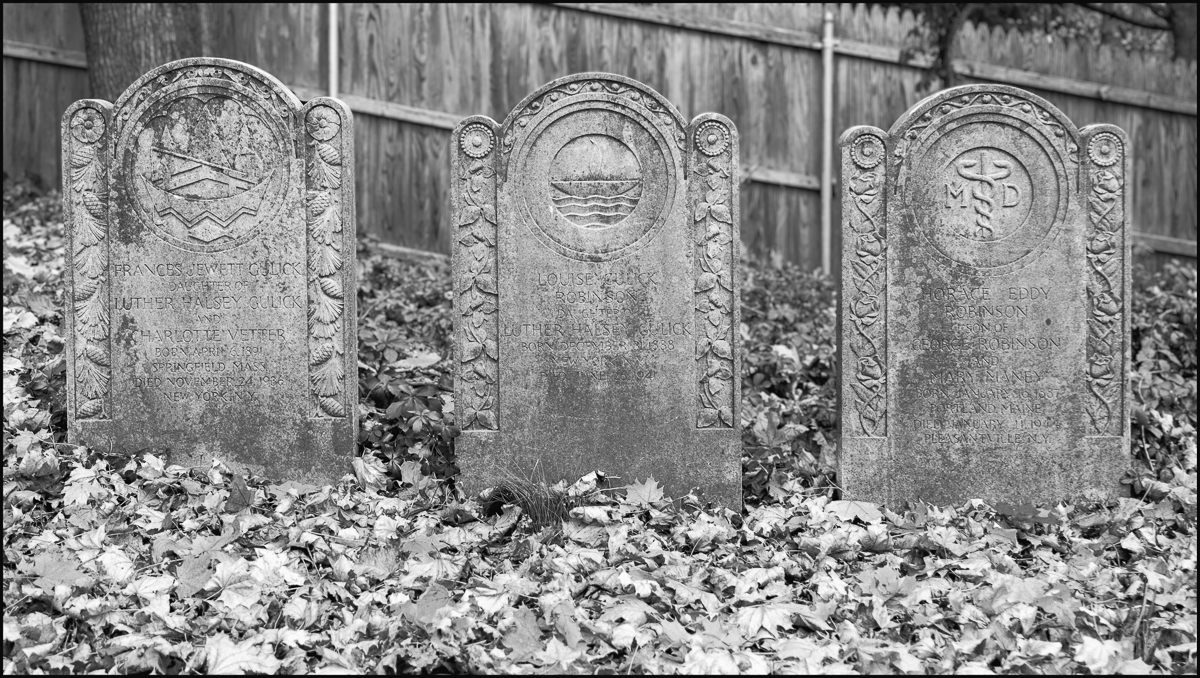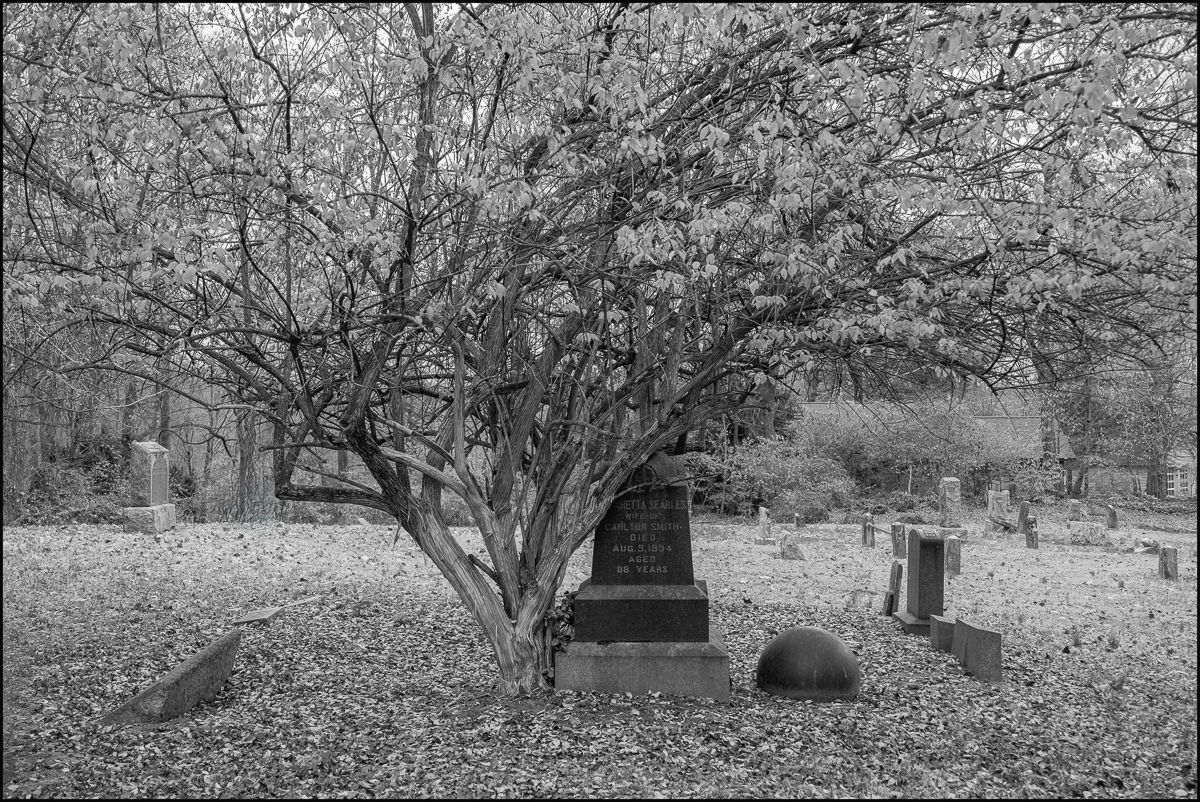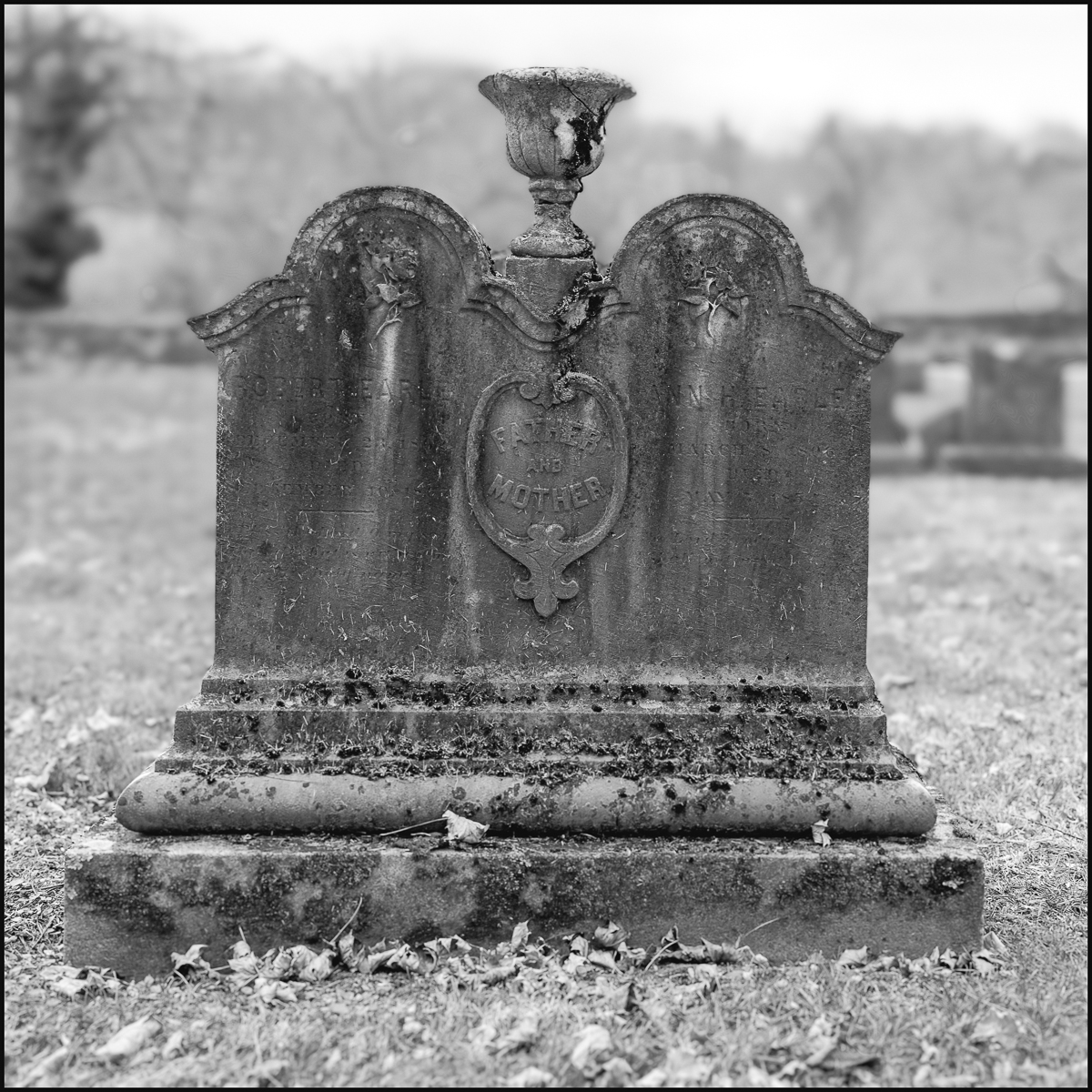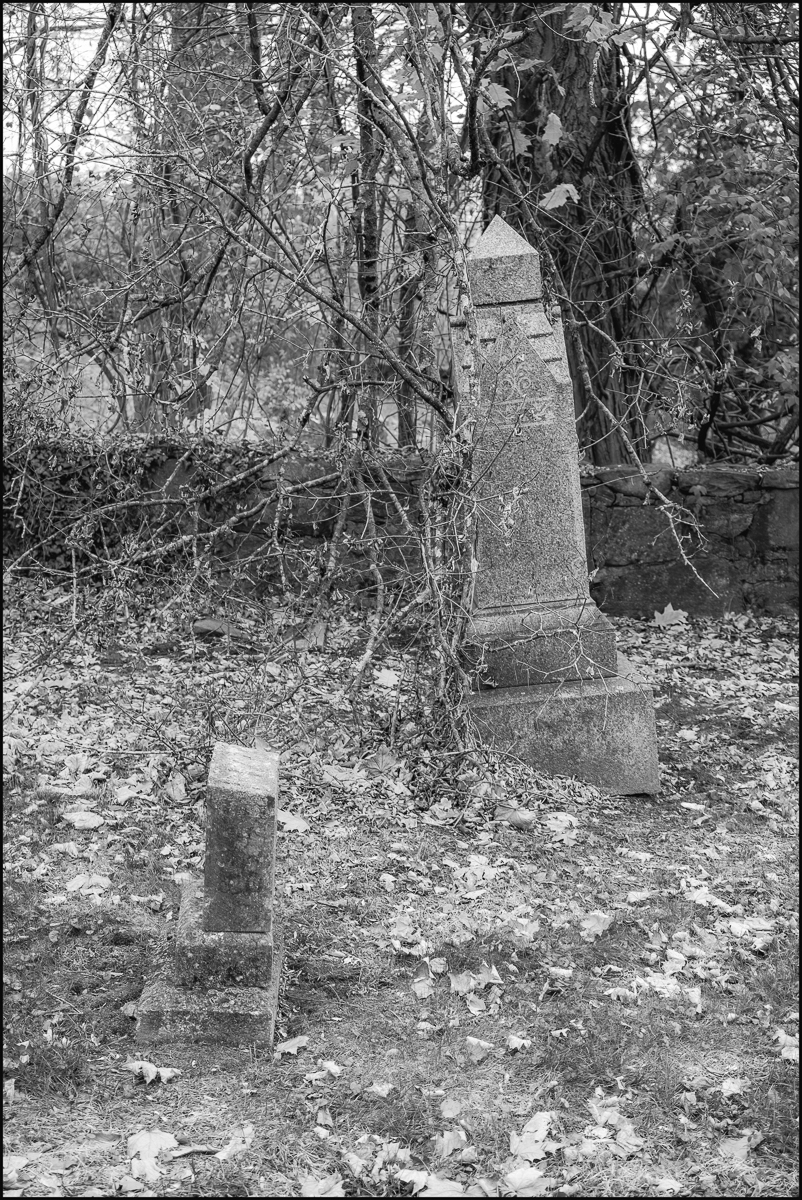
Three Cemeteries in Pleasantville – Palmer Family Plot

Again, according to Patrick Raftery:

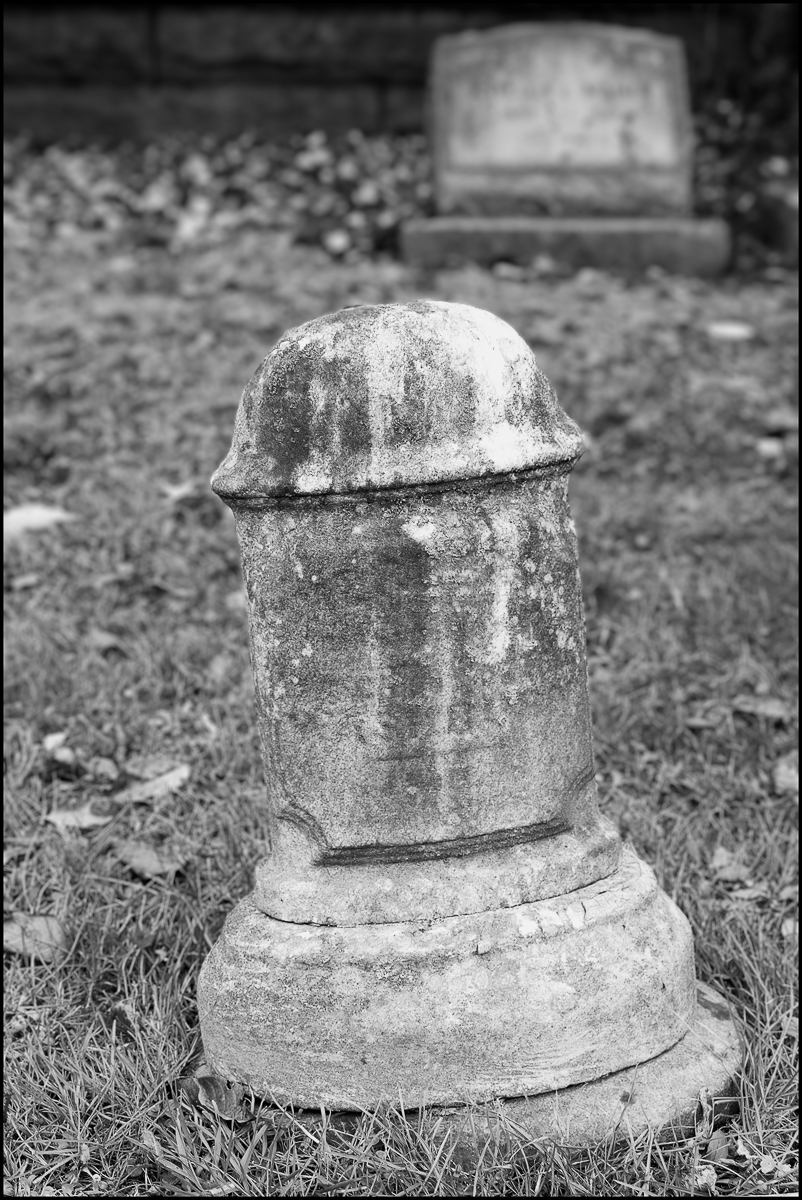
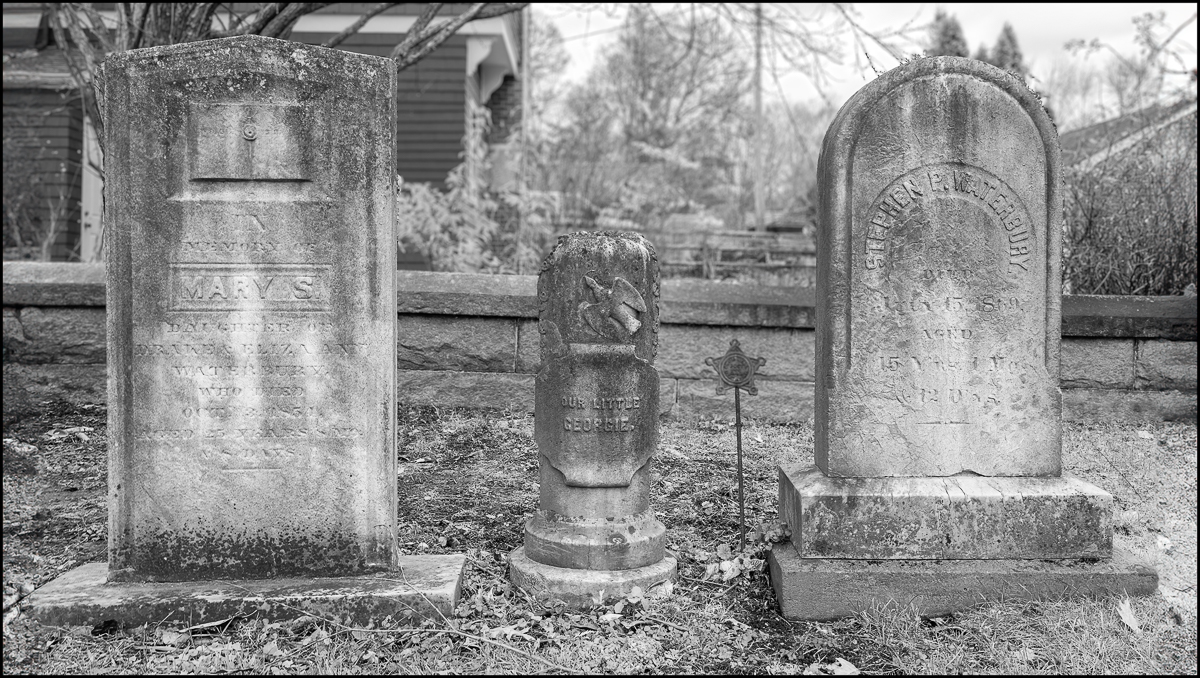
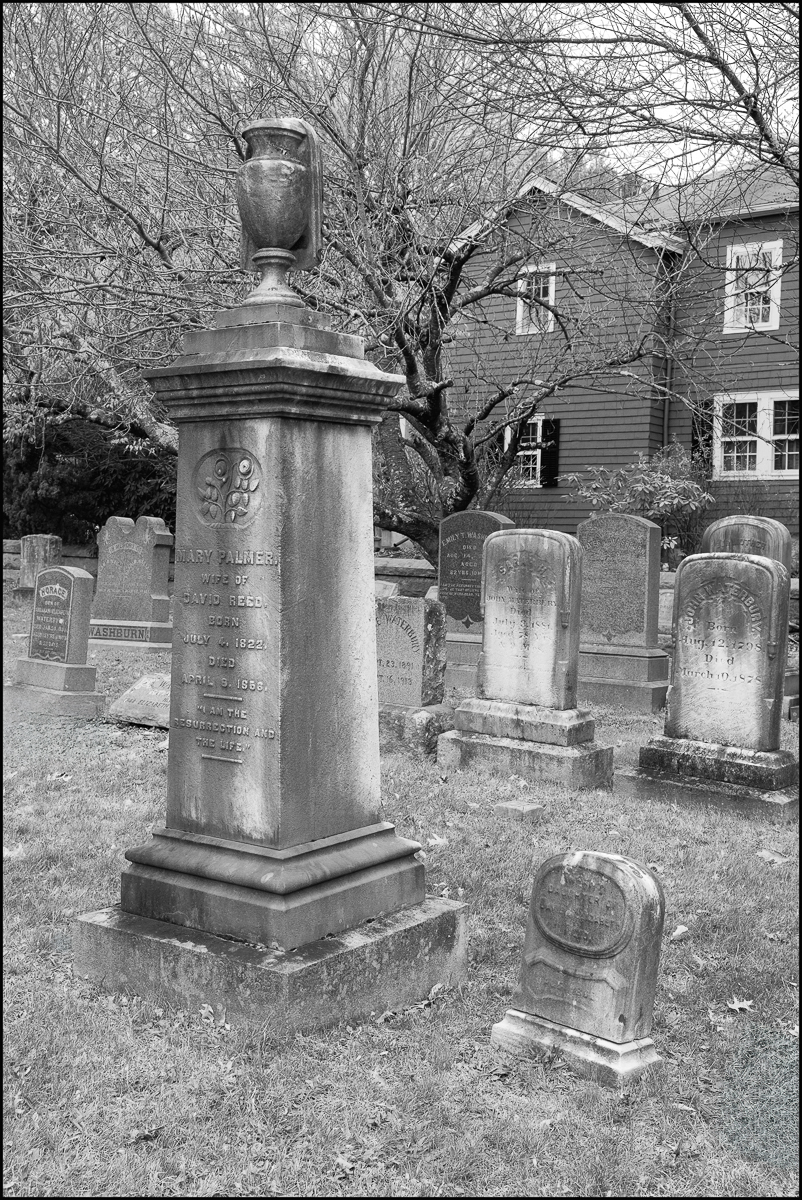
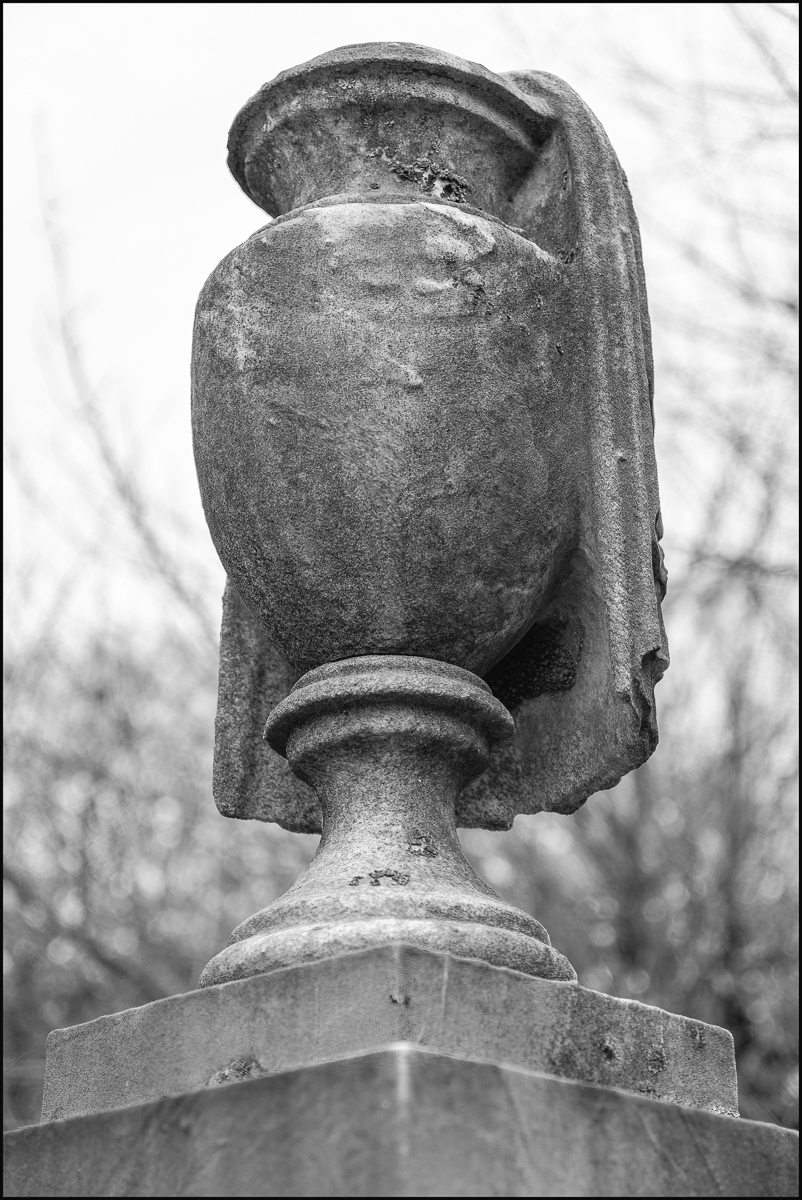
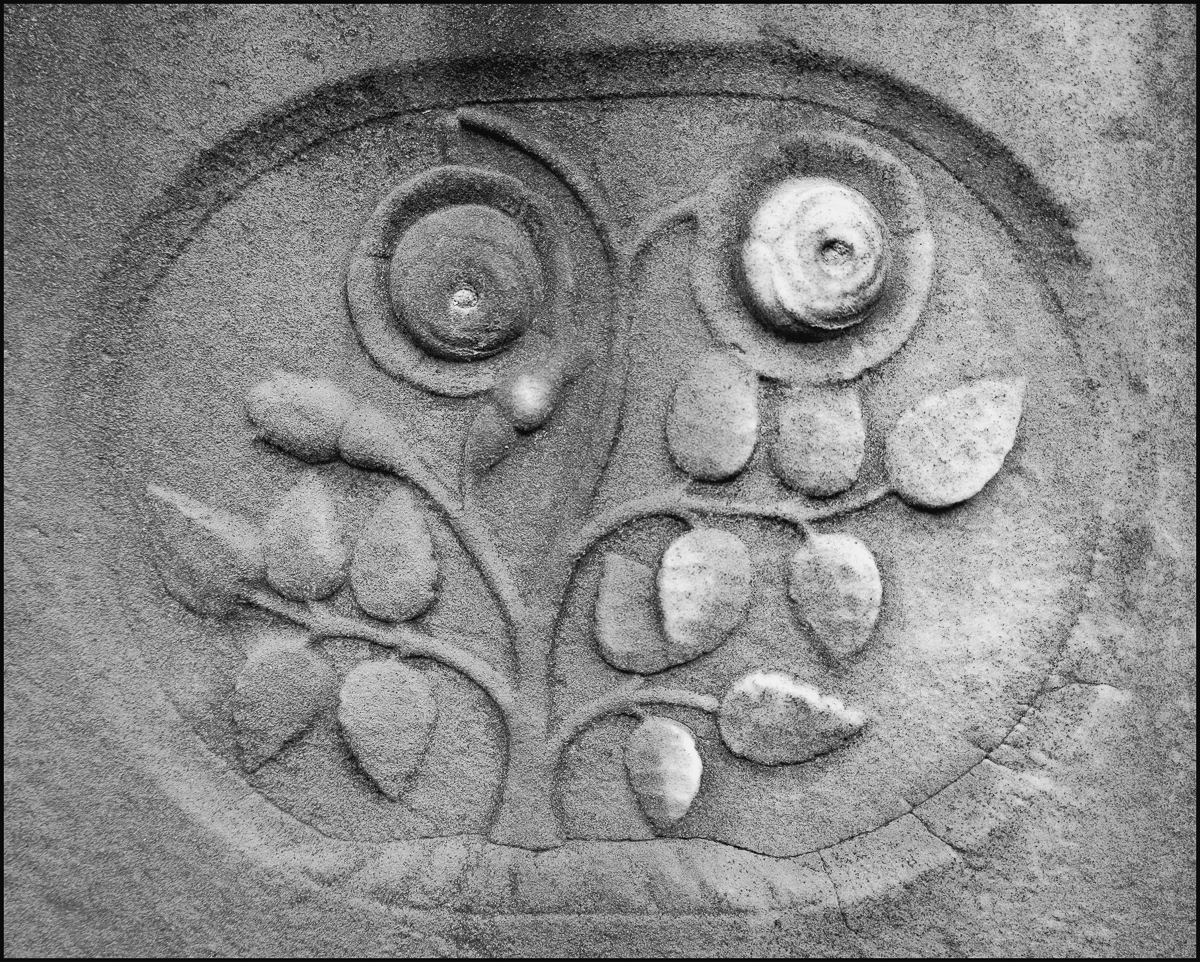
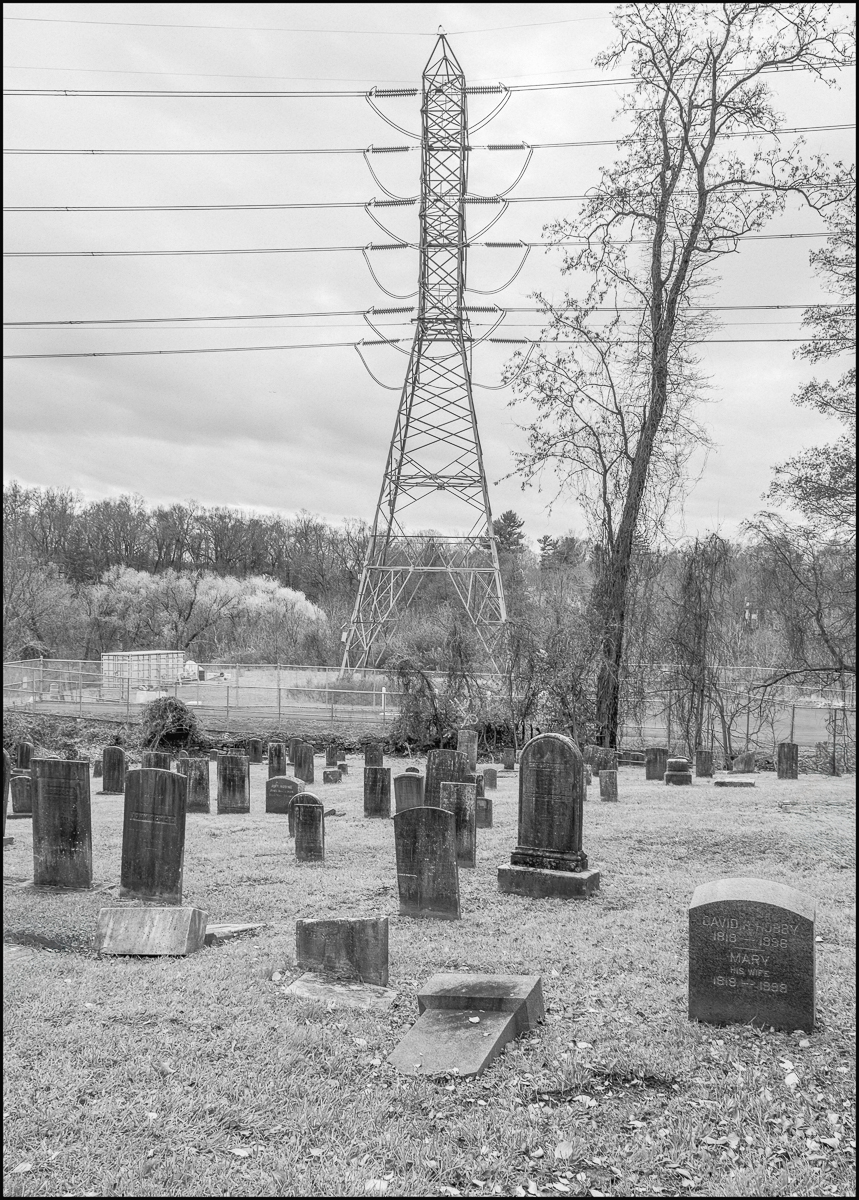
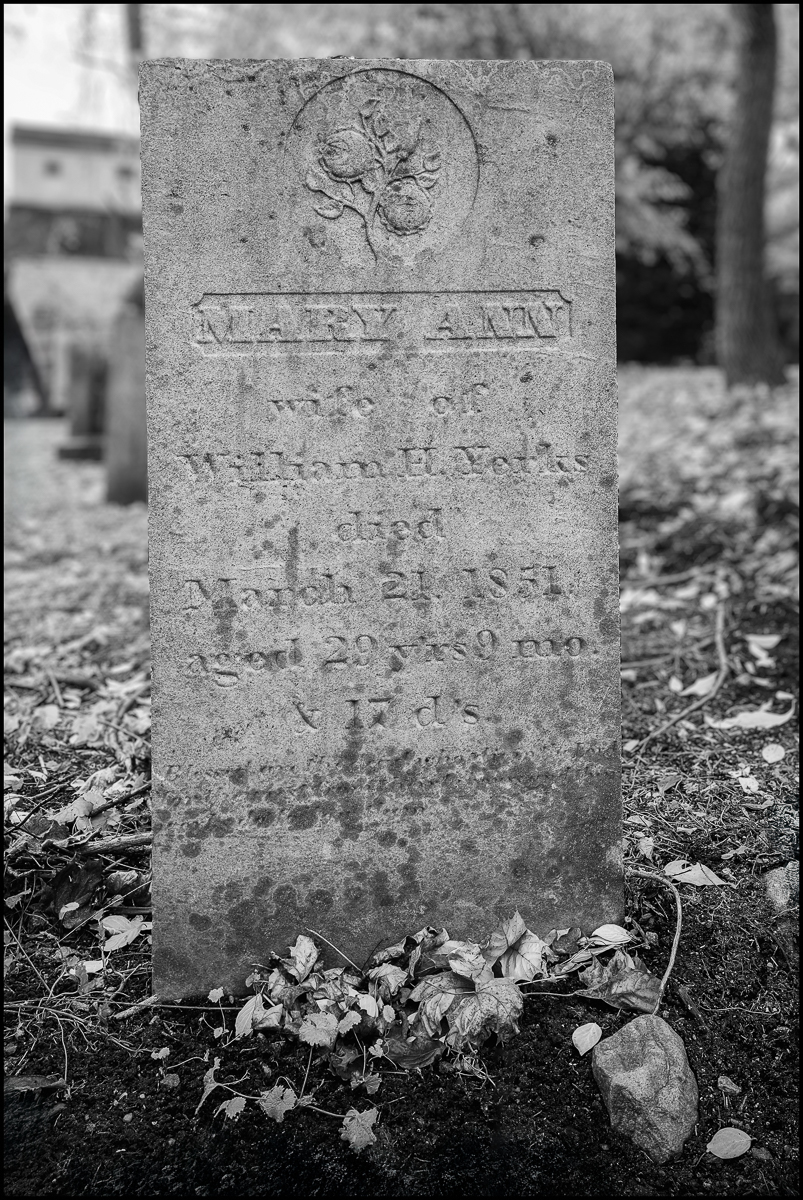
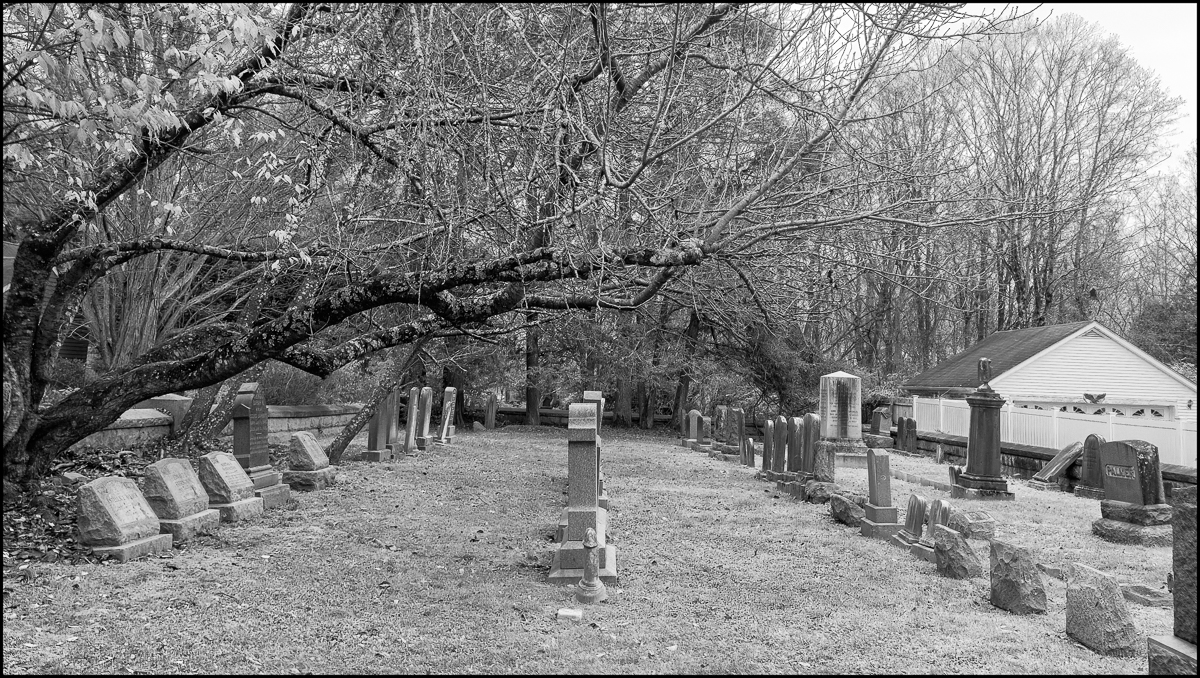
A second burial ground was founded in Pleasantville by the Palmer family, from whom the Pleasantville Methodist congregation acquired the land for their 1852 church. Writing for Scharf’s “History of Westchester County, New York” in 1886, the Reverent John A. Tod provided the following information regarding the Palmers of Pleasantville:

The ancestors of the Palmer family in America were three brothers of whom Abijah was the great-grandfather of Stephen Palmer. Mr. Palmer’s grandfather was Stephen Palmer…and his father was Harvey Palmer, who also inherited this ground [in Pleasantville} and occupied it through life, leaving it to his son John, in whose possession it remains.

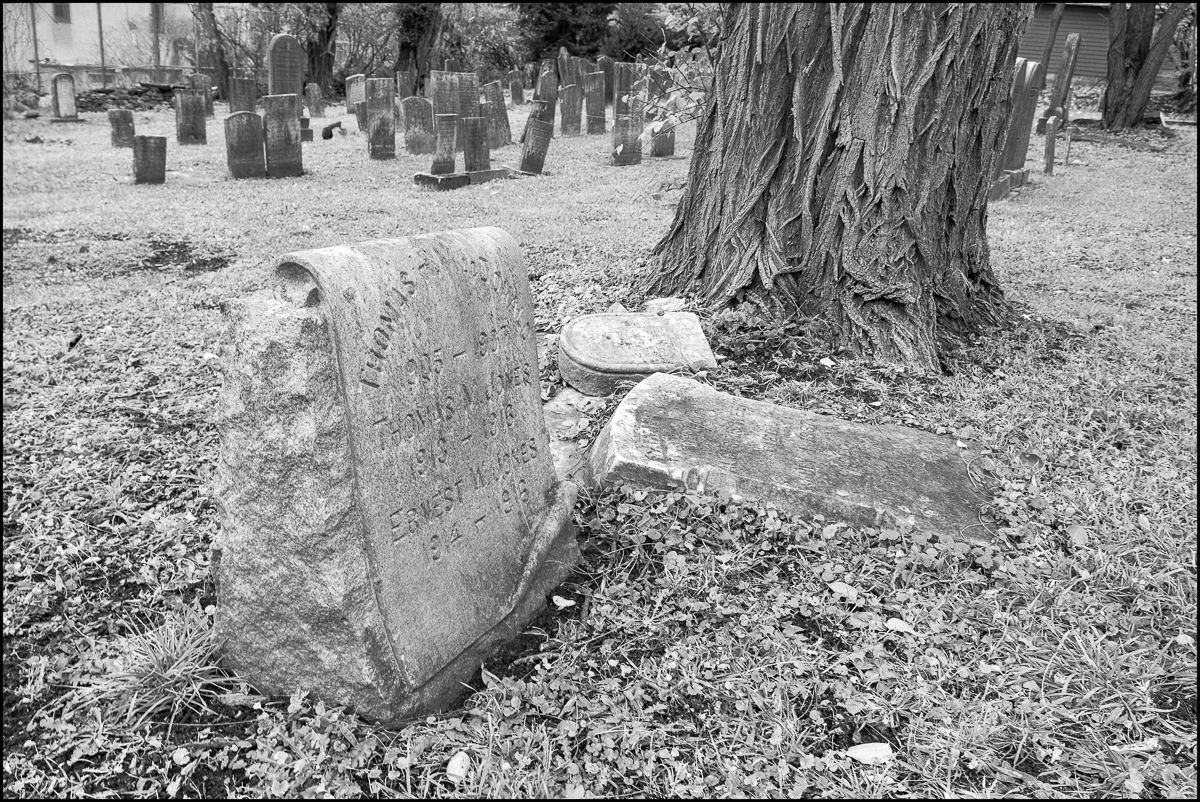
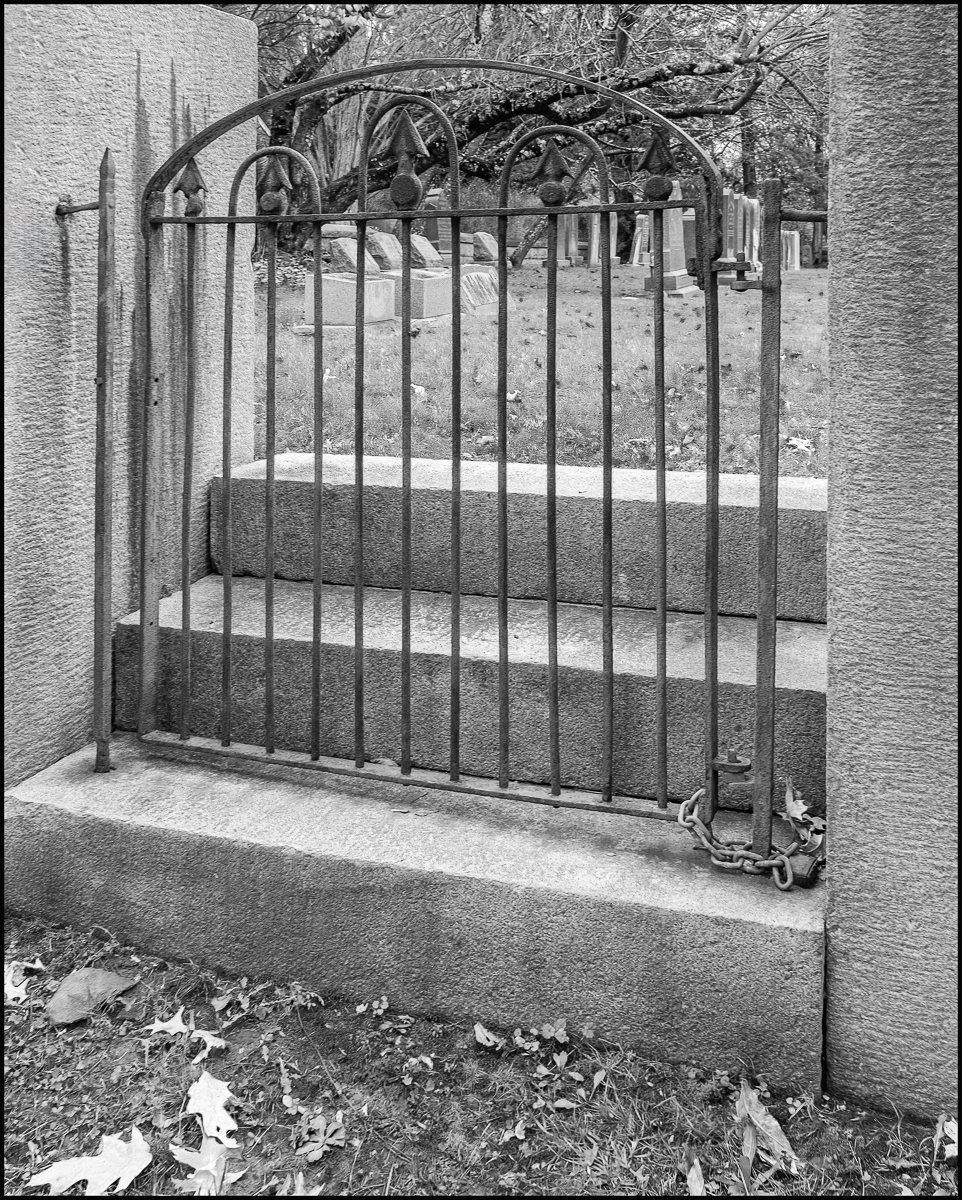
A native of Greenwich, Connecticut, the elder Stephen Palmer moved to Pleasantville in the 1790s. Stephen and his wife, Azuba, were interred in the White Plains Methodist Church Cemetery. In 1841 the couple’s son Harvey established his own family burial ground on his property near the Pleasantville Methodist Church. The boundaries of the Palmer Family Burial ground were established on May 1,1855, when Harvey and Phebe Palmer deeded the majority of the plot to James H Palmer, “with a privilege to pass to and from said lot through the gate”. Additionally, the Palmers gave a portion of the cemetery measuring 11′ by 133′ to Drake Waterbury, who was the husband of Harvey Palmer’s sister Eliza. Unlike nearly all the other family cemeteries in Westchester, the Palmer burial ground has continued to be used, albeit sparingly, until the present day. The most recent interment was made in 2006.


Taken with a Fuji X-E3 and Sigma 18-50mm f2.8
Three Cemeteries in Pleasantville – Overview and Methodist Church Cemetery

A while ago I was passing through Pleasantville, NY and I noticed three cemeteries all together along one stretch of road. According to Westchester County Historical Society’s, Patrick Raftery in his magnificent “The Cemeteries of Westchester County, Volumes I – III“:

These three burial grounds are located near the intersection of Broadway and Church Street…The Pleasantville Methodist Church Cemetery…is located on the west side of Broadway just south of Church Street. The Palmer Family Burial Ground…is located on the south side of Church Street about 300 feet east of its intersection with Broadway. Banks Cemetery is located on the east side of Broadway about 350 feet south of its intersection with Church Street.

Raftery continues:

Henry Clark, a trustee of the Methodist Episcopal Society, donated a three-quarter-acre parcel to that organization in 1818 “for the laudable purpose of divine worship…and a burying ground for the said society”. The society constructed a meeting house at the south end of this lot and set aside the northern portion of the parcel as a place for the interment of church members. The size of the congregation, which “at the beginning was very small,” grew rapidly to the point where a new church was constructed across the street from the burial ground in 1852.

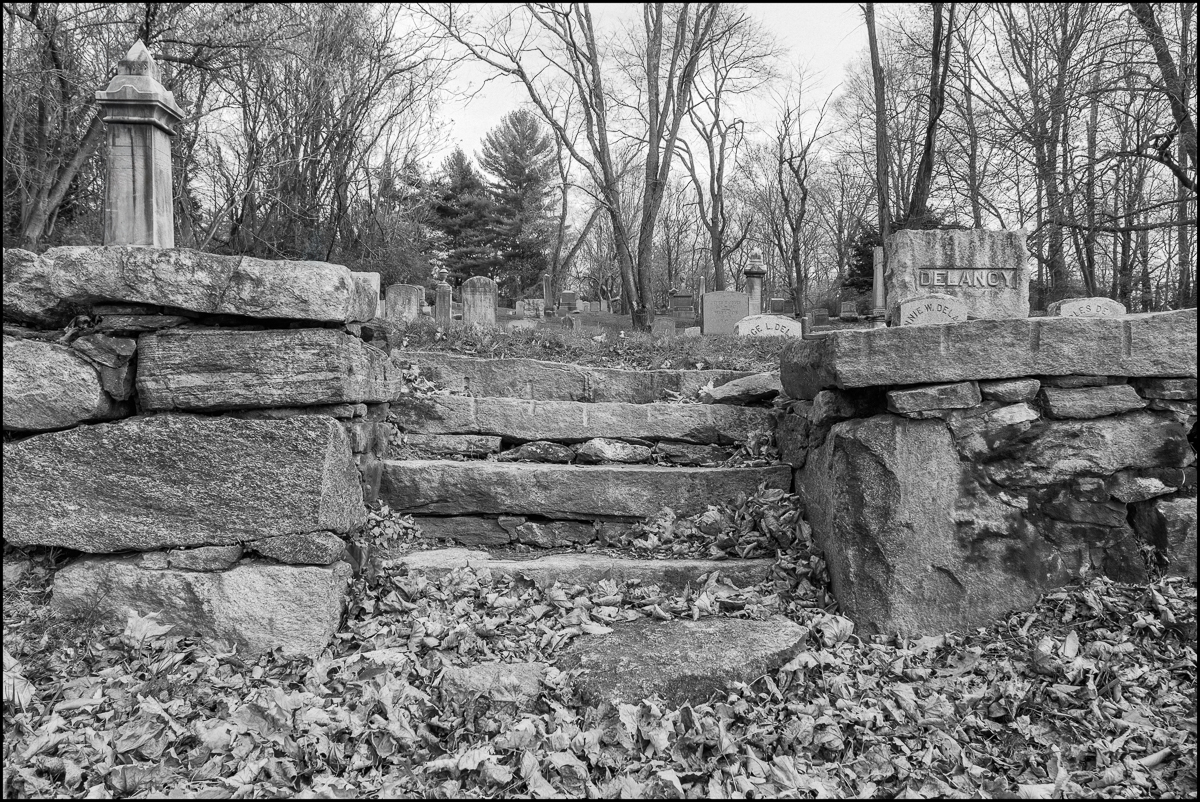
Over time, however, membership declined at this church due to the relocation of the center of activity in Pleasantville from Broadway, to the area surrounding the railroad station, and the Central Methodist Church being erected near the latter place in 1888. However, the fact that the congregation’s burial ground was seldom used in the 20th century was not as a result of fewer church members, but because the graveyard was almost full. The First Methodist Church continued to operate util 1948 when the congregation merged with the Central Methodist Church. Although the two congregations had been discussing a merger for some time, their final decision was hastened by the collapse of the 1852 church’s roof and sidewalls on January 3, 1948, due to the weight of ice and snow that had been left by a blizzard. Today, only the sone wall and steps next to the sidewalk along Broadway remain to indicate the site of the church. By the time of the merger, the Methodist cemetery had essentially ceased to function as an active burial ground. Two burials were made in the cemetery, one of which was the interment of two-day-old Ruthanne Boman who died on May 20th of that year. Only two more interments were ever made in this cemetery during the second half of the 20th Century. They were Ruthanne Boman’s parents, US Army veteran Stanley Boman (1920-1985) and his wife, Dorothy (1921-1984)


Taken with a Fuji X-E3 and Sigma 18-50mm f2.8
Some of my favorite pictures of 2023 – Black and White


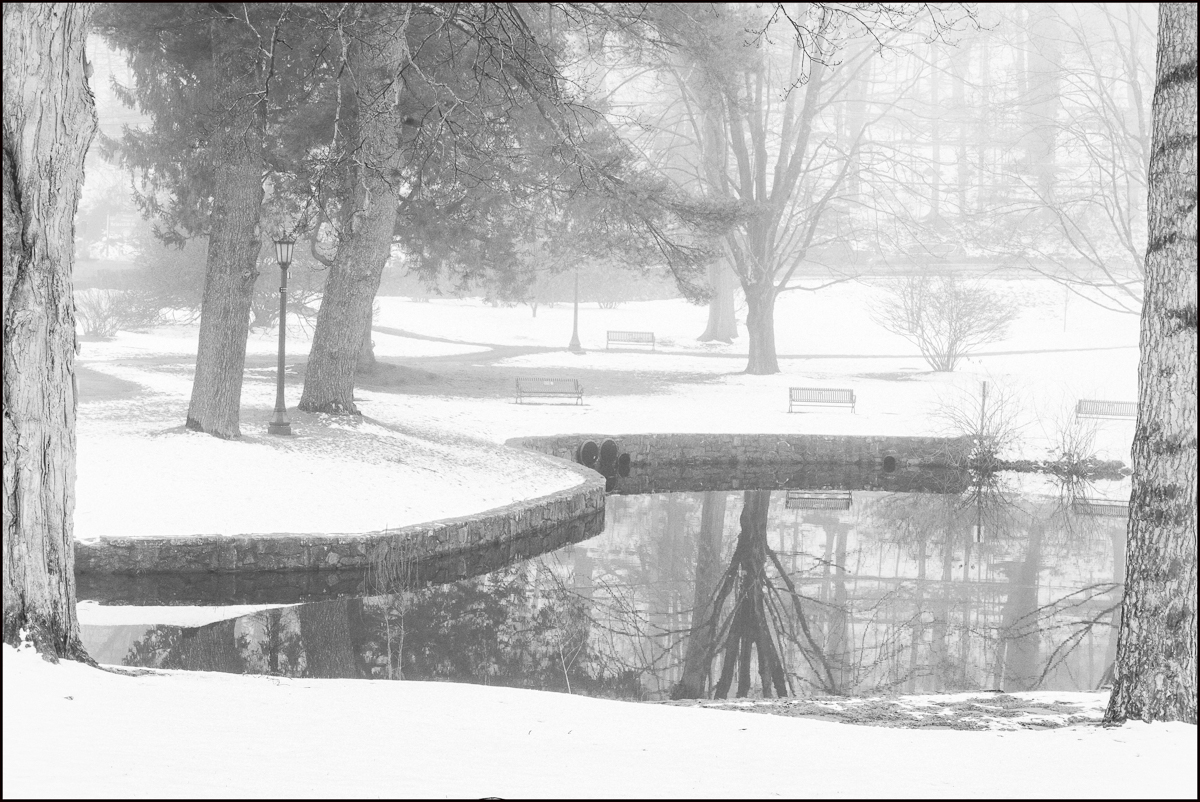
Foggy Law Park. Briarcliff Manor, NY. March 2.


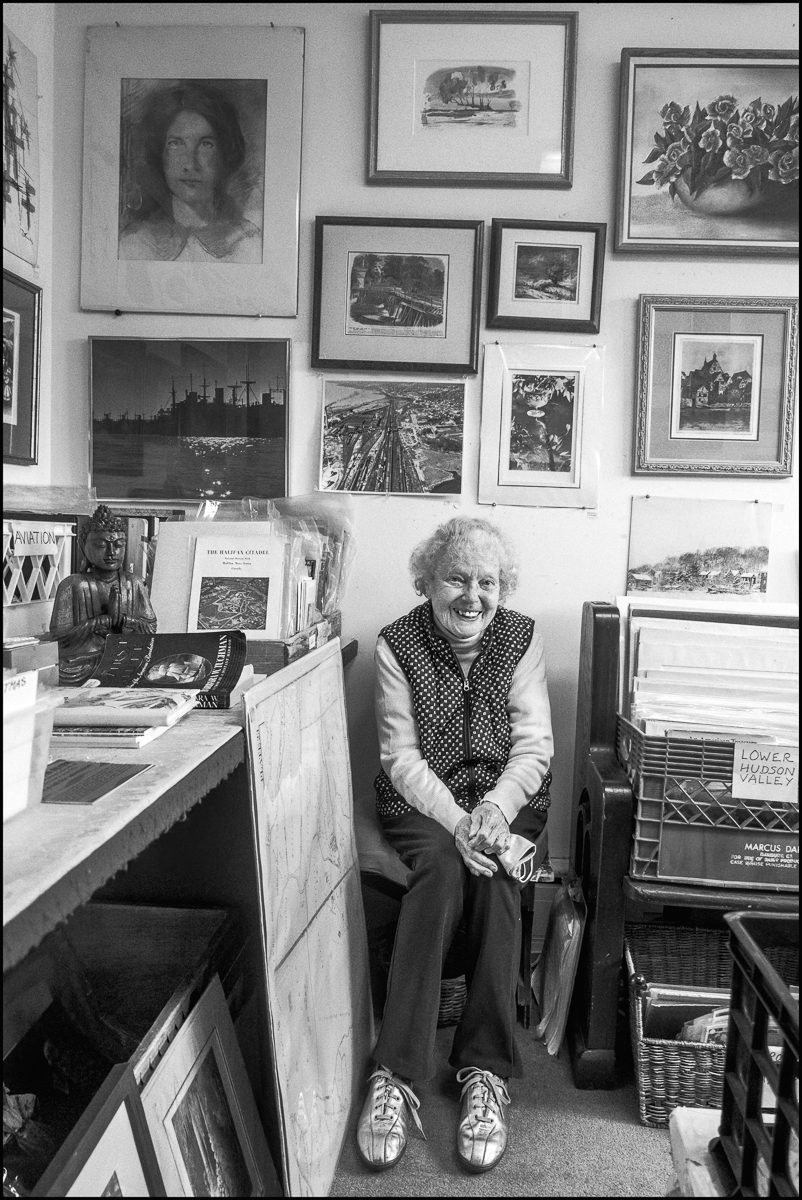
Cornelia Cotton in her store/gallery. Croton-on-Hudson. March 4.


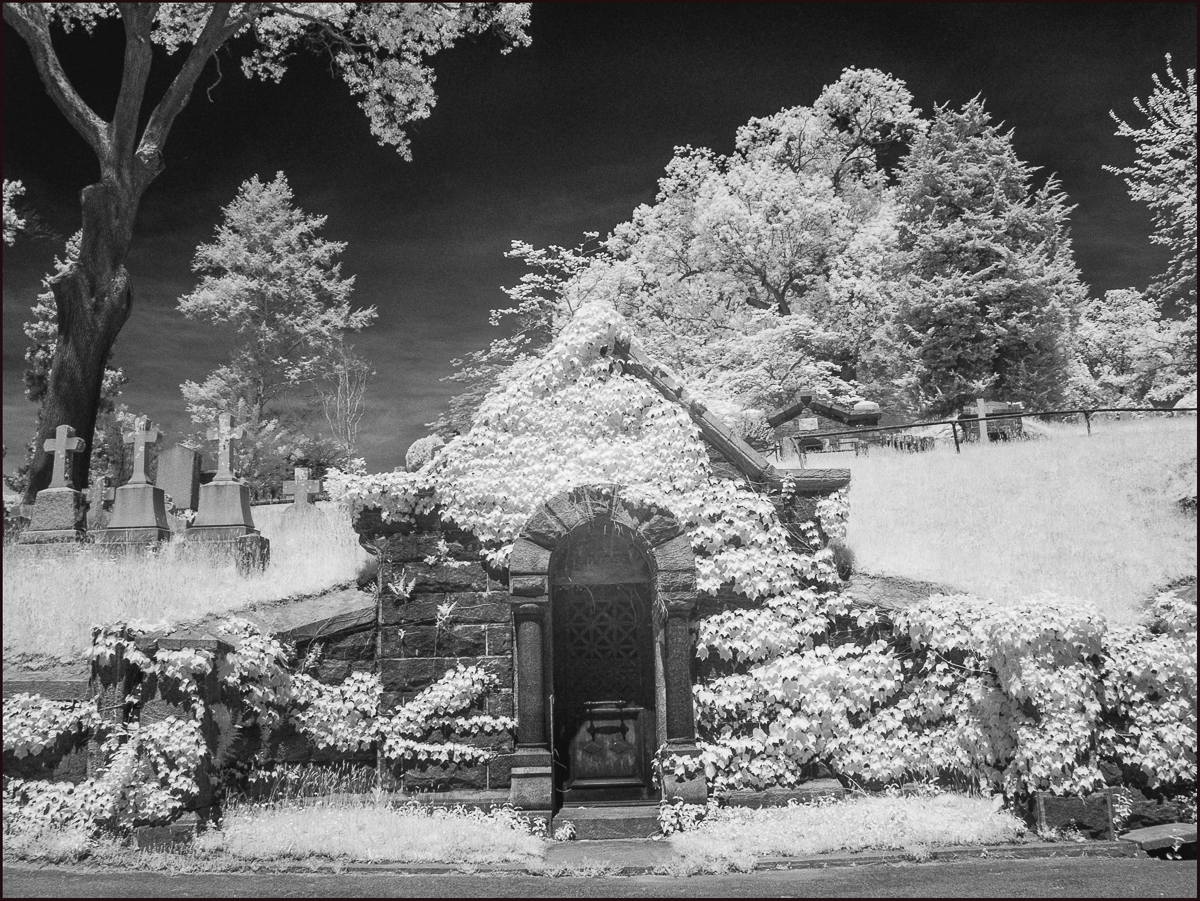
Tomb, Old Dutch Burying Ground. Sleepy Hollow, NY. February 14.


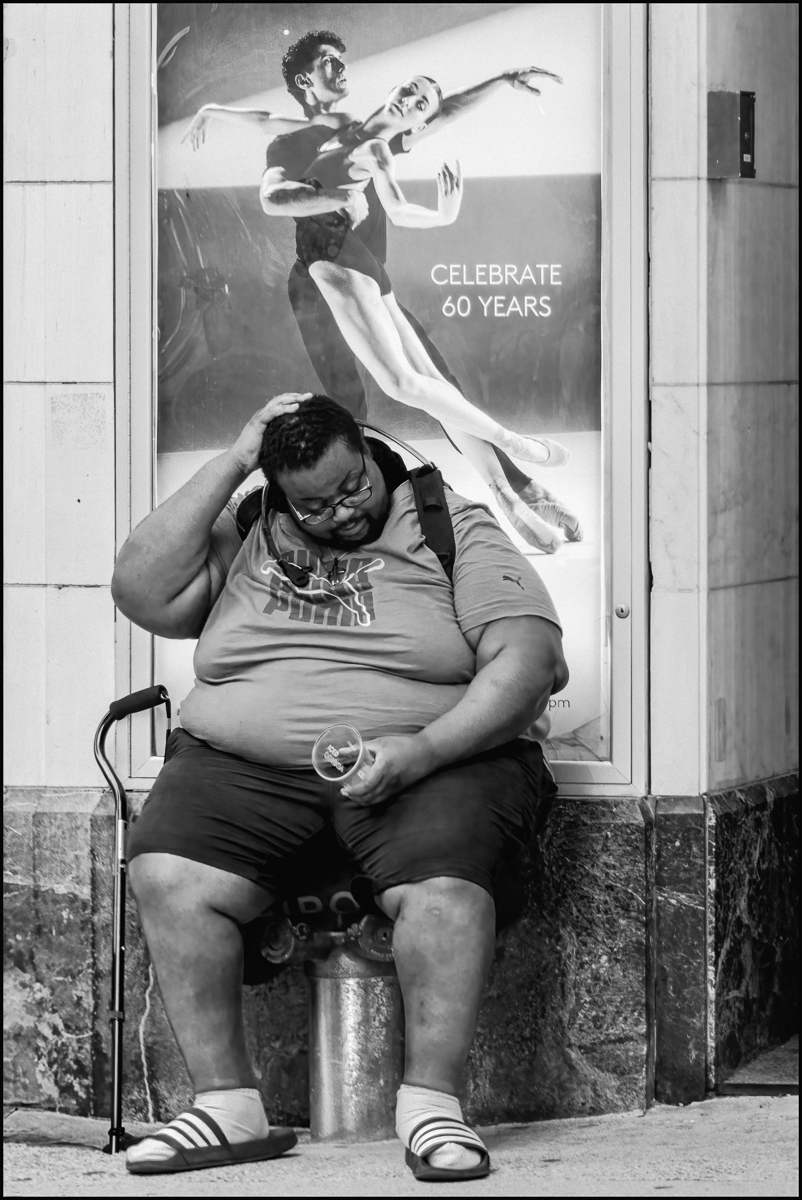
Taking a Break. Boston MA. July 22.


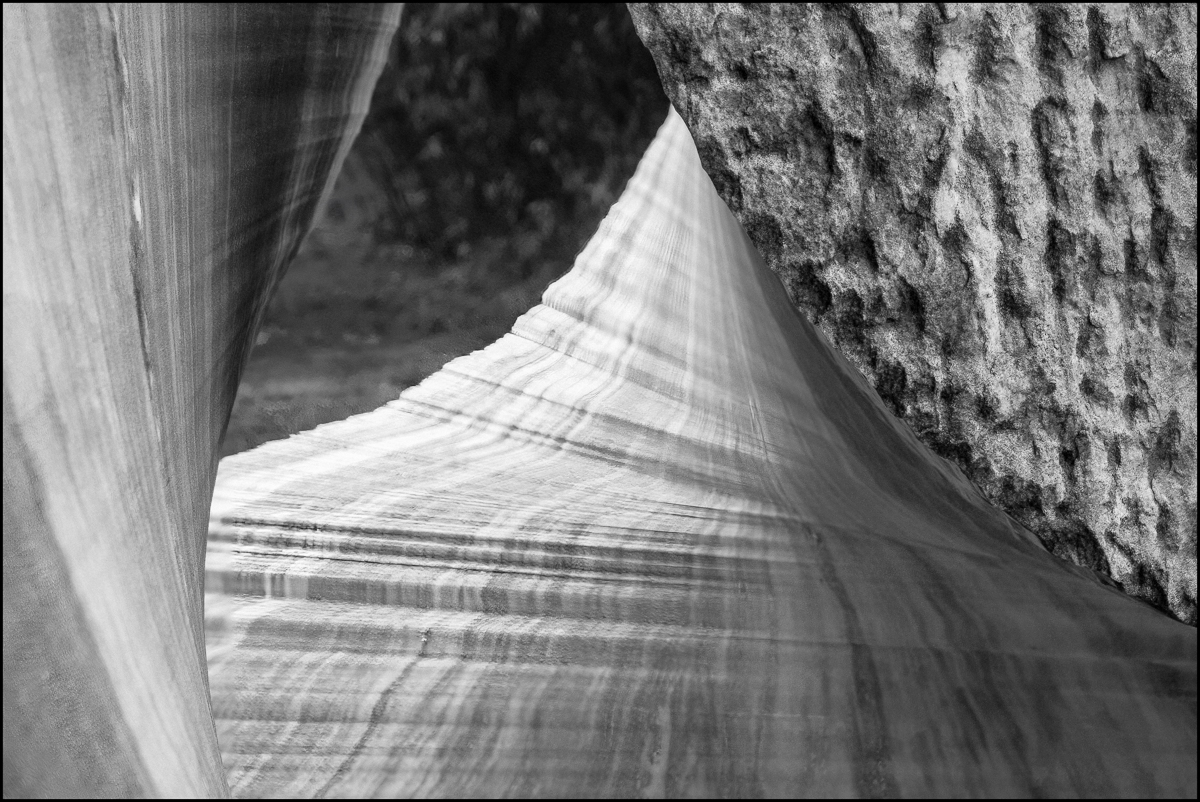
Abstract Composition. Grounds for Sculpture, Hamilton, NJ. August 16.


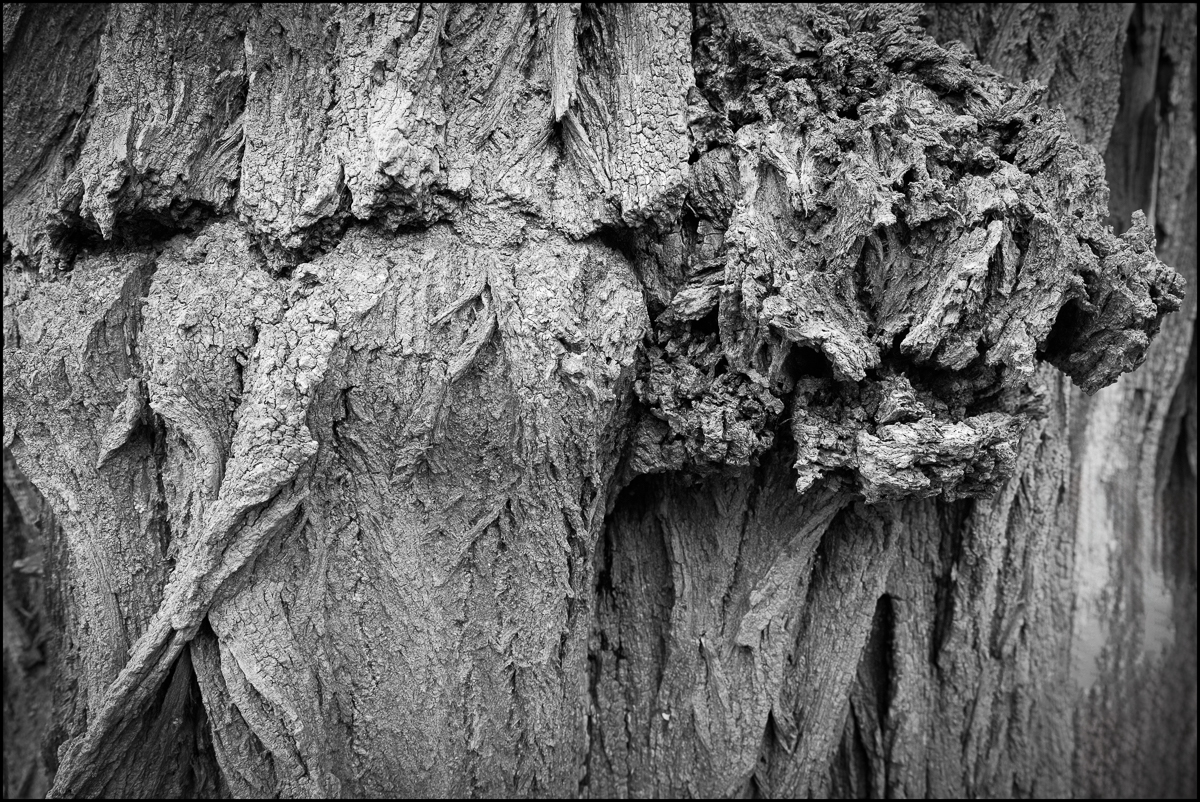
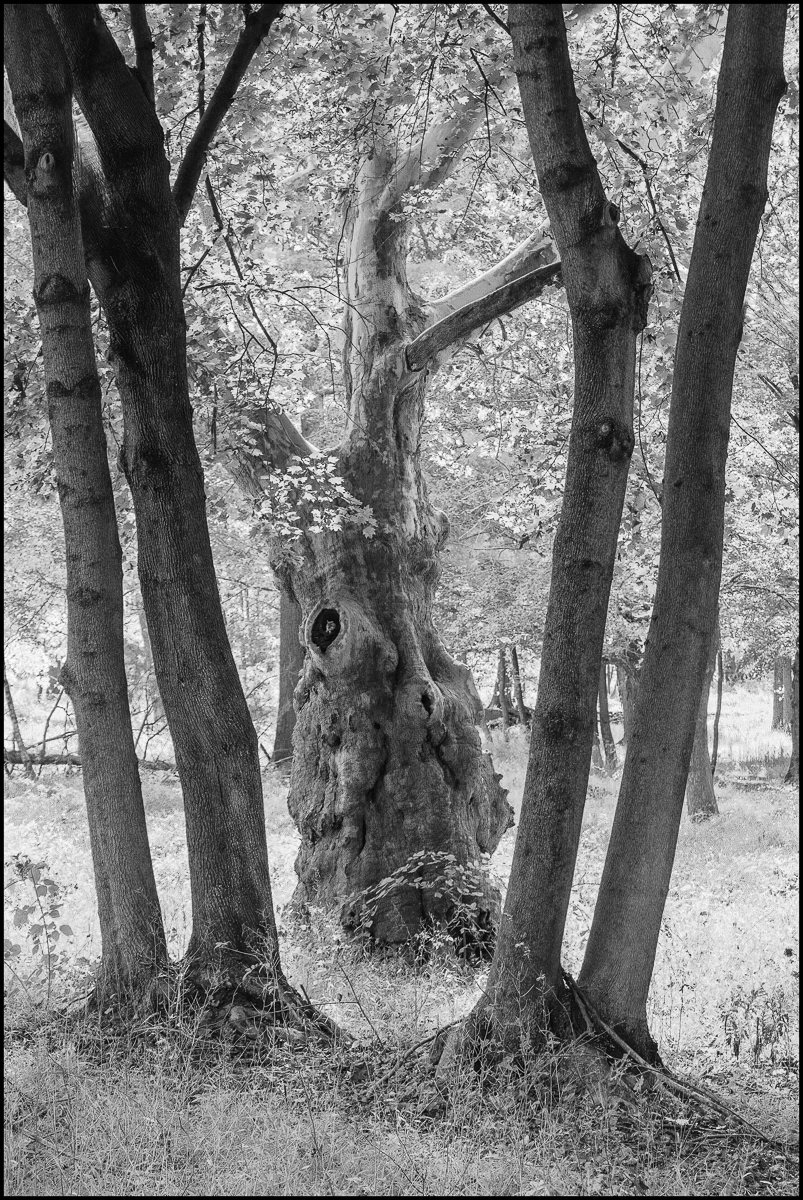
Gnarly Tree. Briarcliff Manor, NY. October 15.


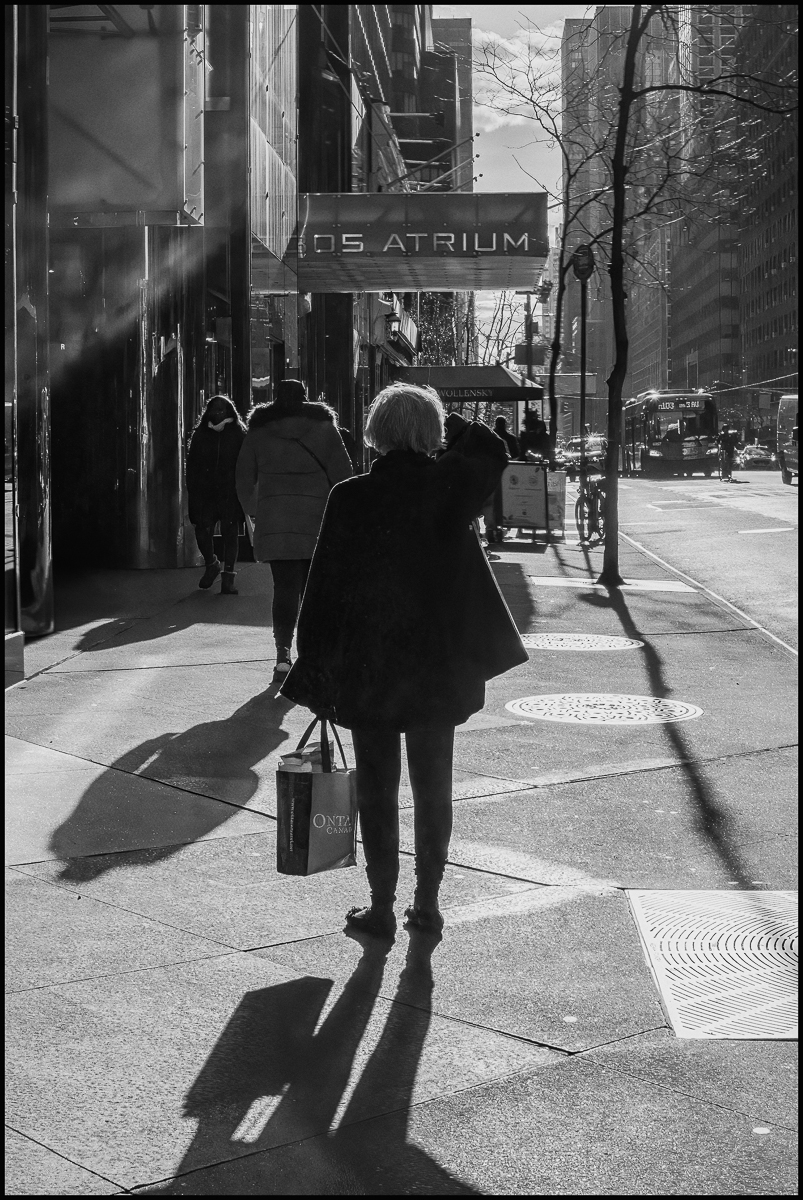
Figure on Third Avenue, Manhattan. December 20.


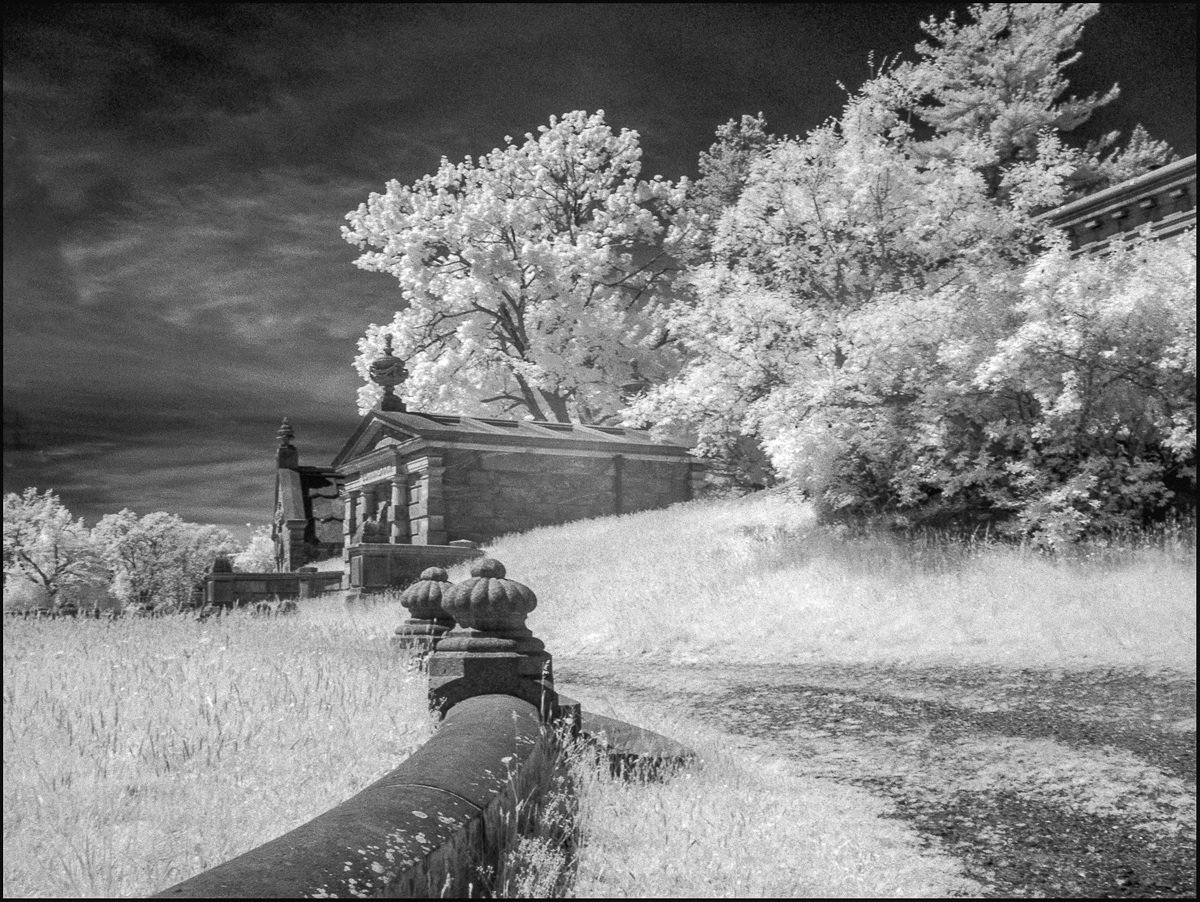
To the Mausoleum. Sleepy Hollow Cemetery. Sleepy Hollow, NY. Feb 14


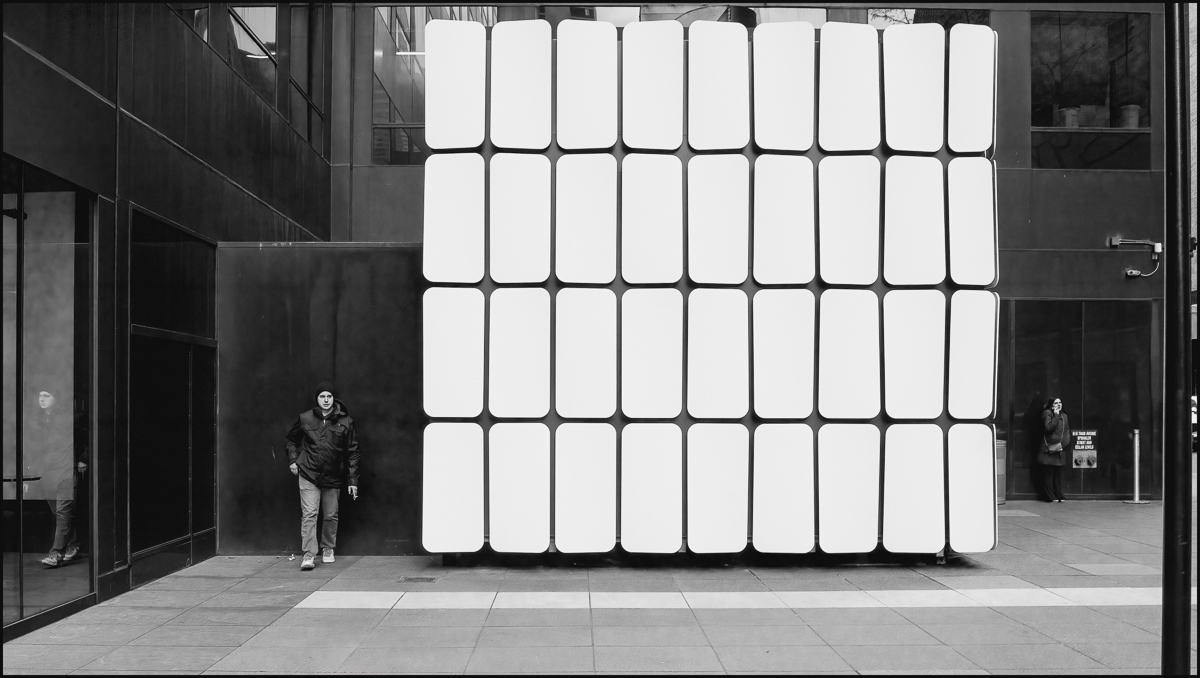
White Cube with onlookers. Manhattan. December 20.


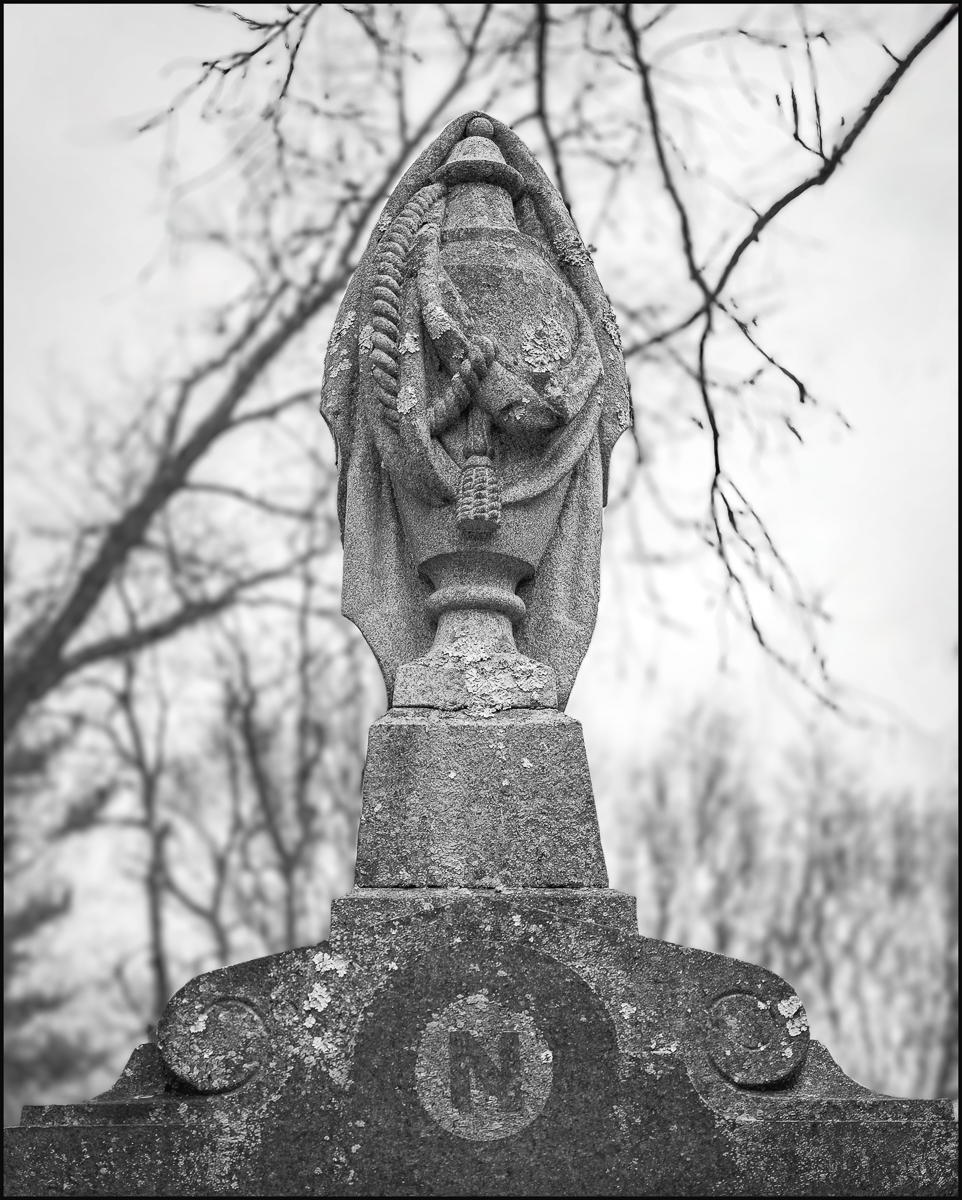
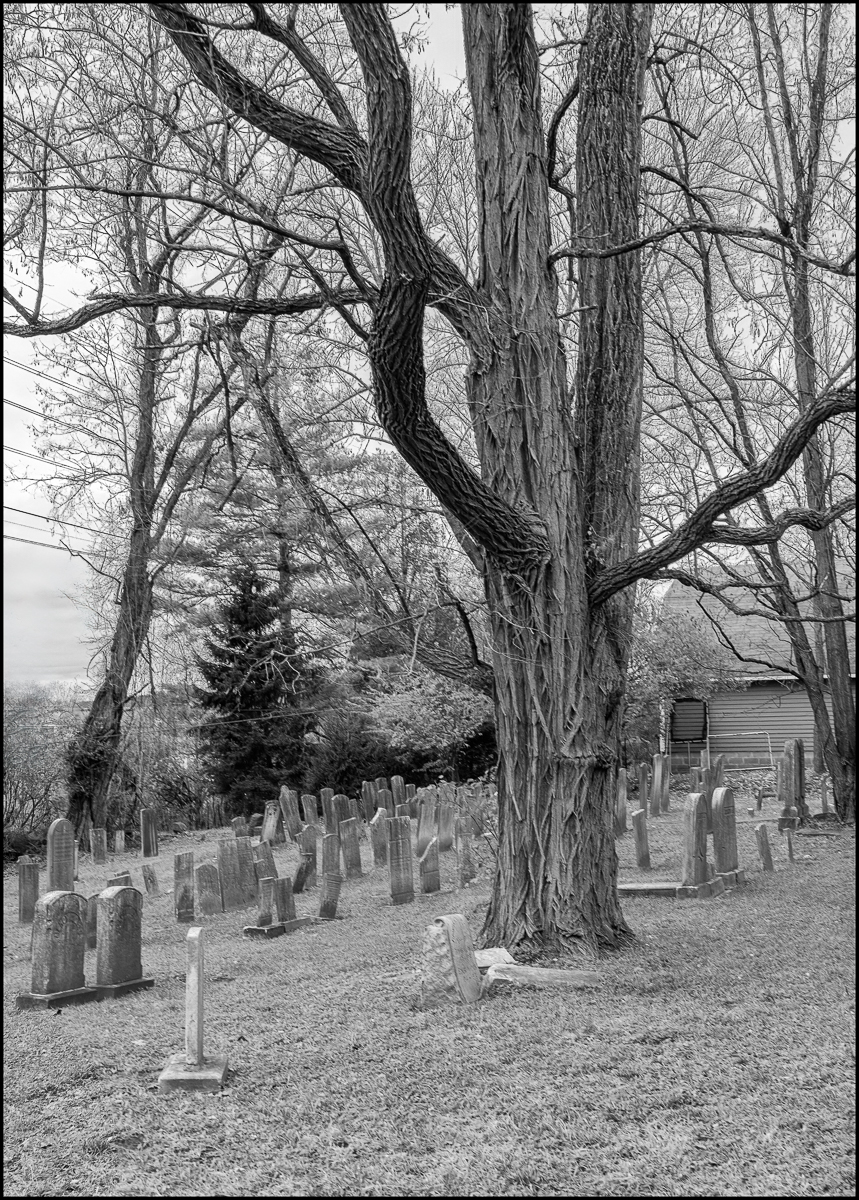
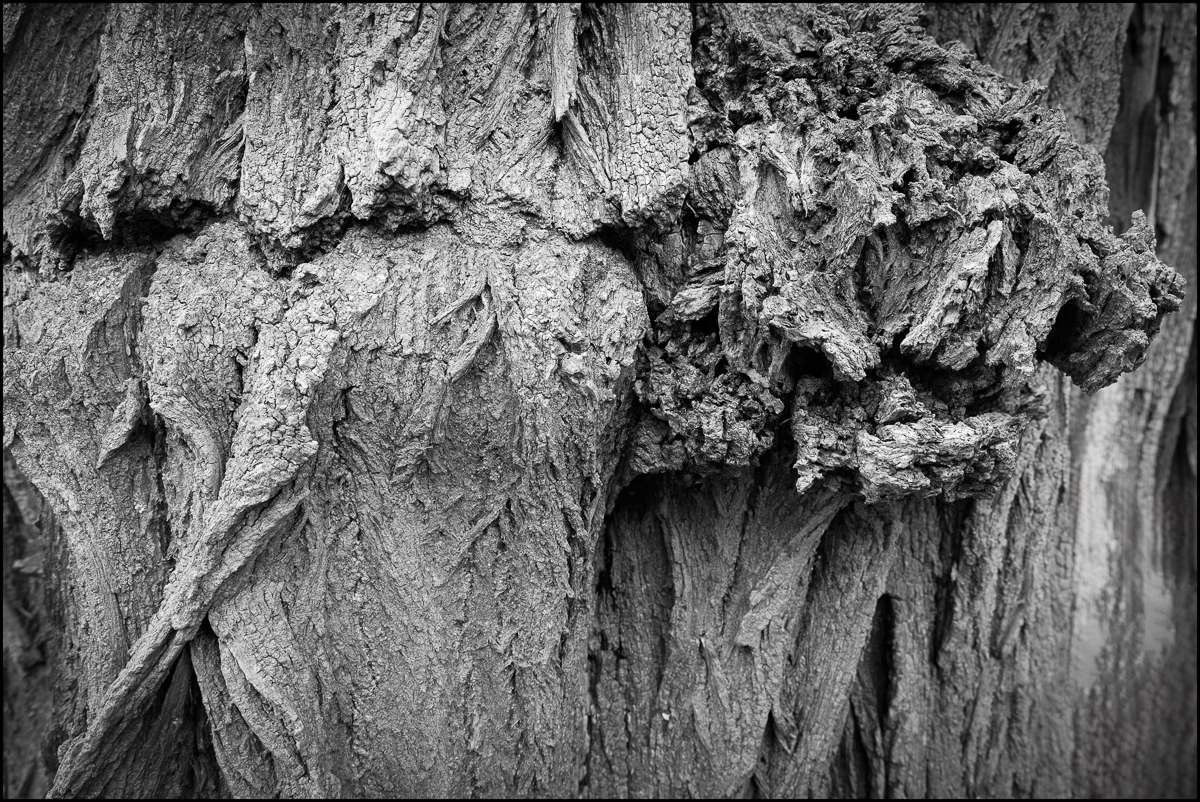
Tree detail. Old Methodist Cemetery. Pleasantville, NY. November 26.

Kensico Cemetery – The Administration Building

Kensico Cemetery was founded in 1889 as a rural cemetery. Its proximity to the New York Central Railroad provided easy access for funeral parties coming from Manhattan. The administration building served as a private railroad station for the exclusive use of lot owners. Kensico remained a regular stop on the railroad until the early 1980’s when the line was electrified north of White Plains. The Queen Anne style building still features the original arched windows, reception area, and ticket office and remains a symbol of welcome to arrivals.

Taken with a Fuji X-E3 and Sigma 18-50mm f2.8