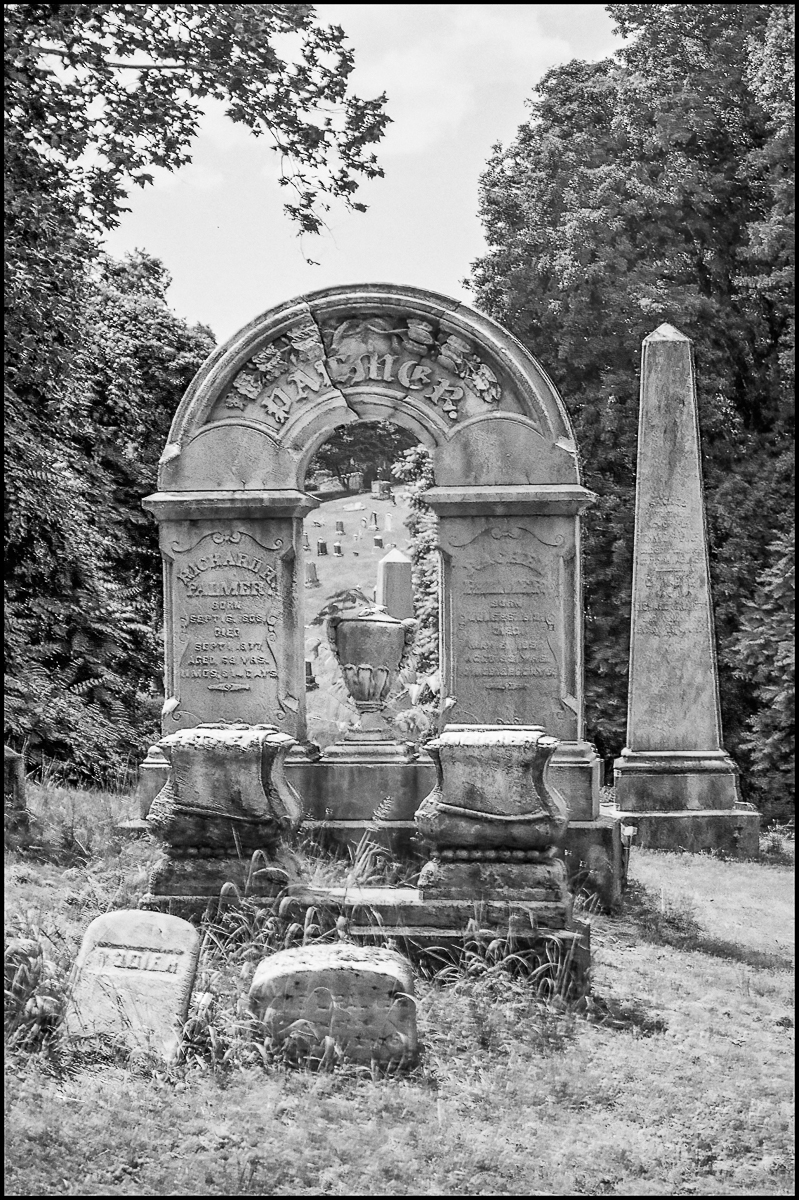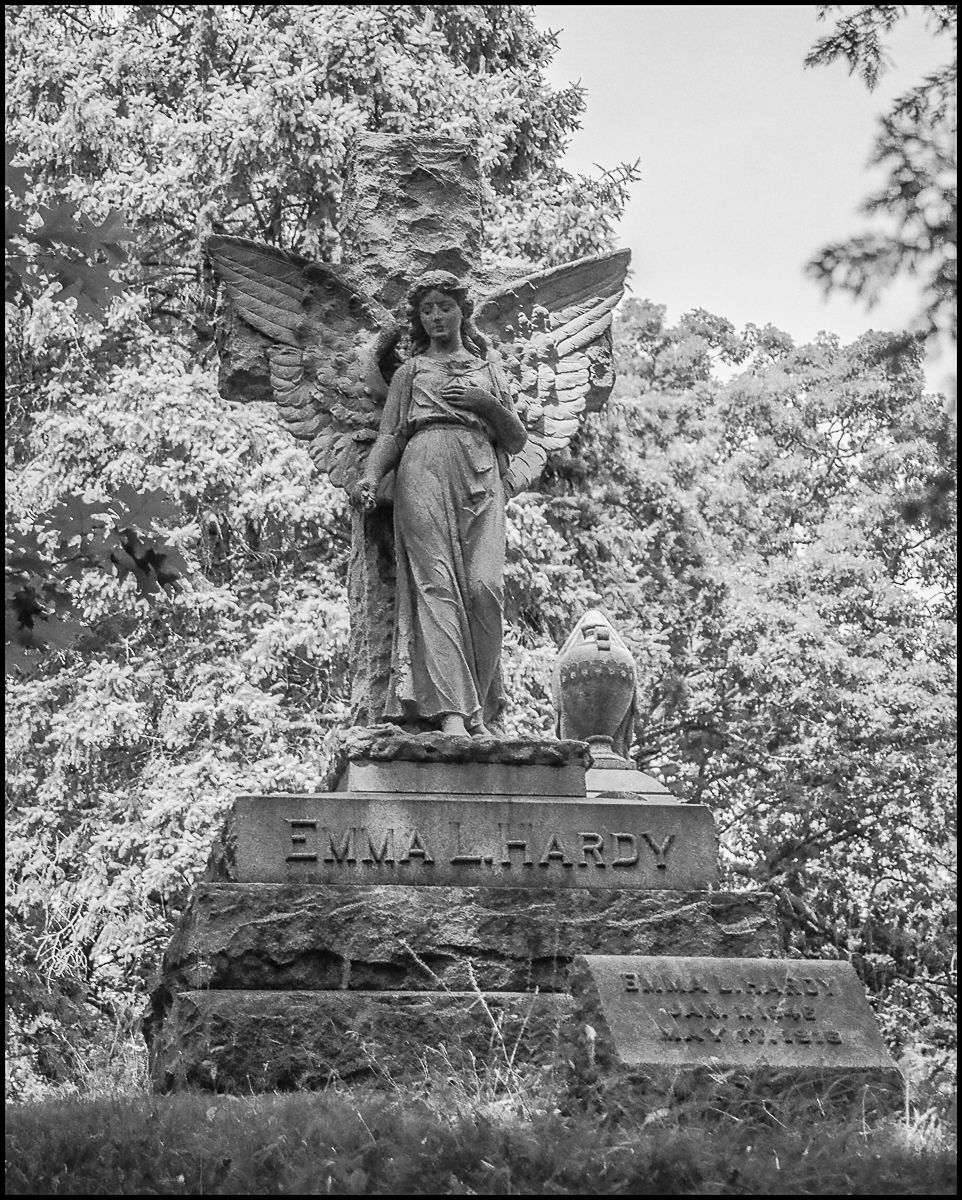
Trying out my newly acquired Pentax K10

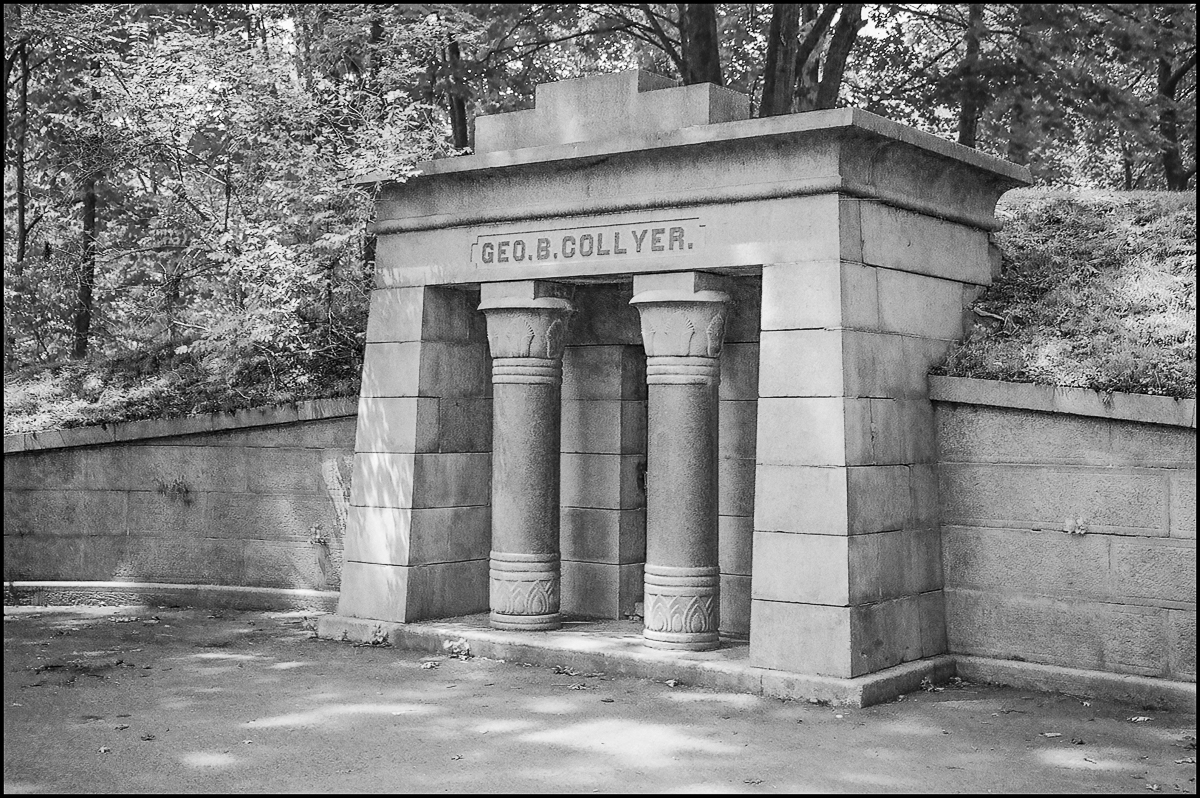
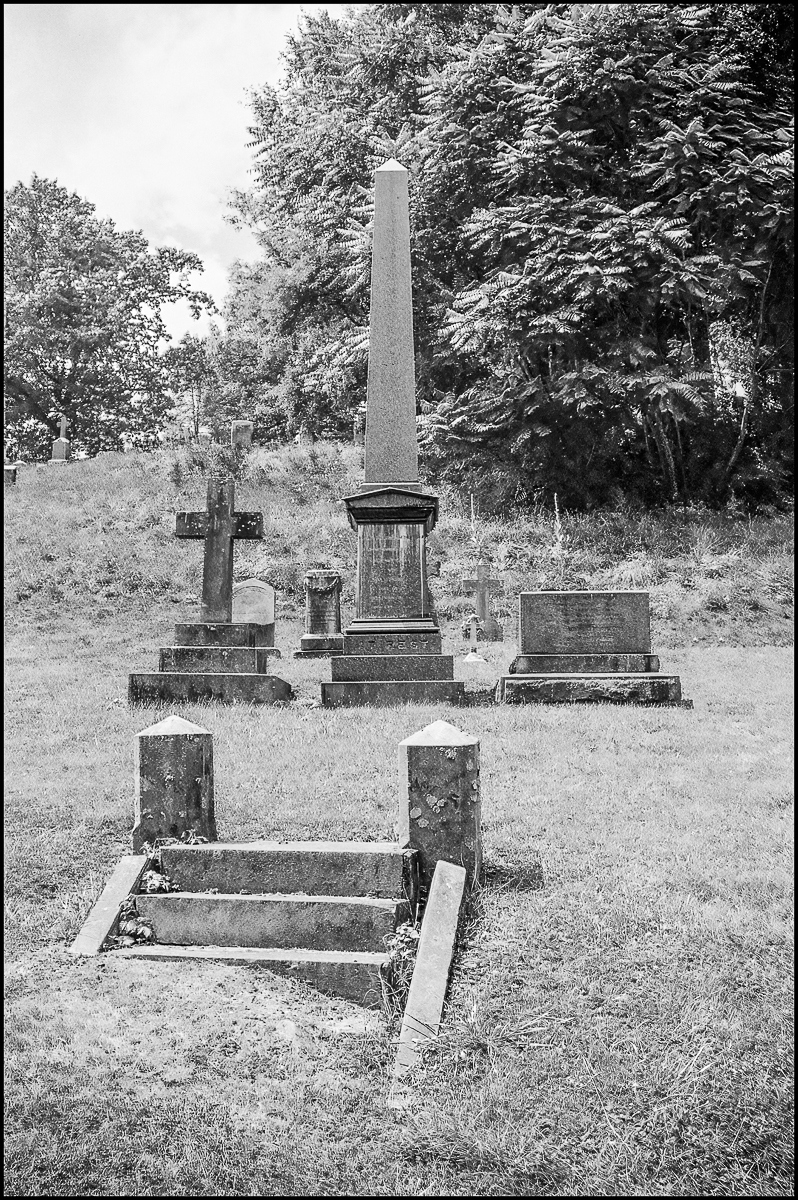
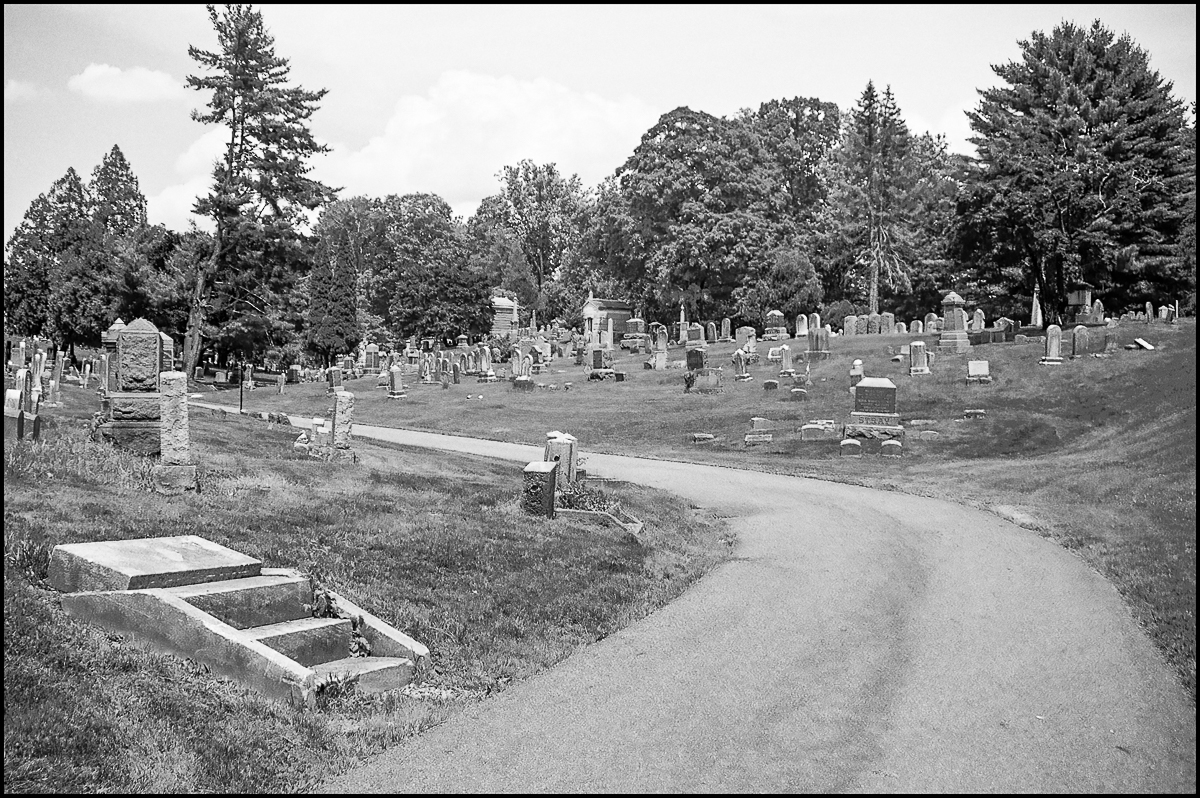
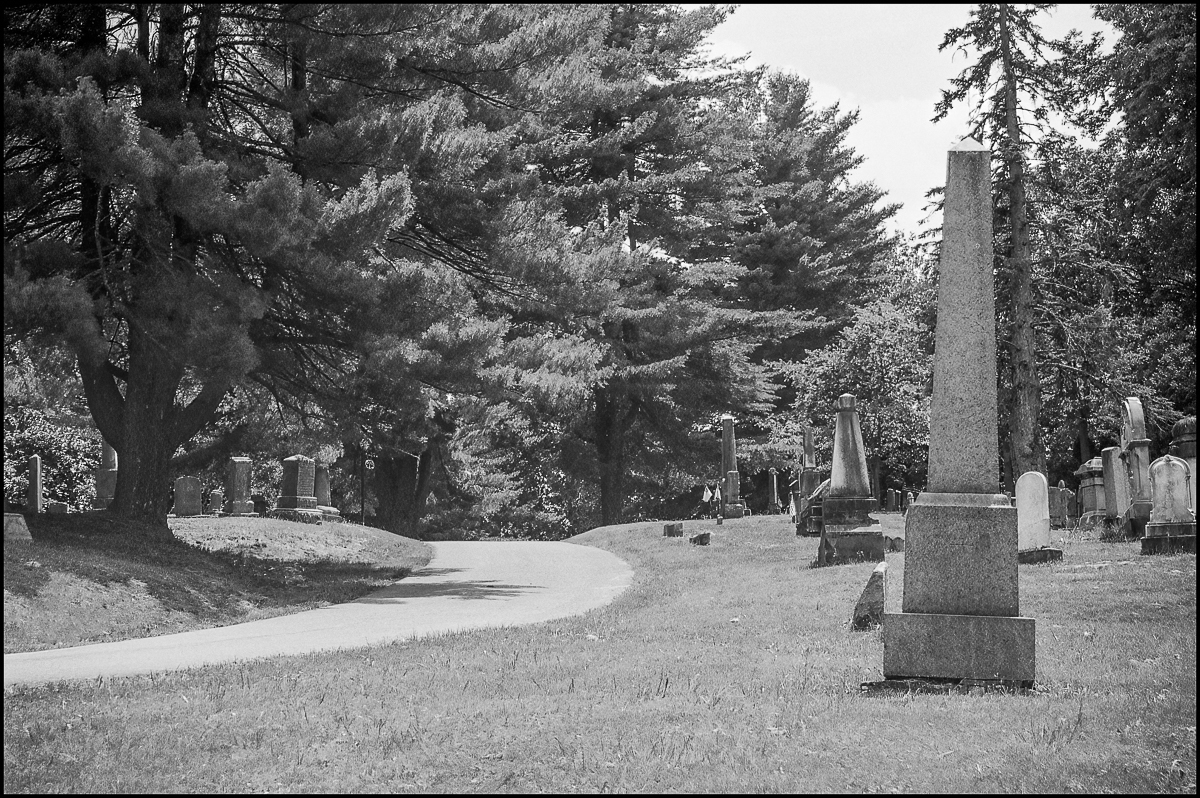
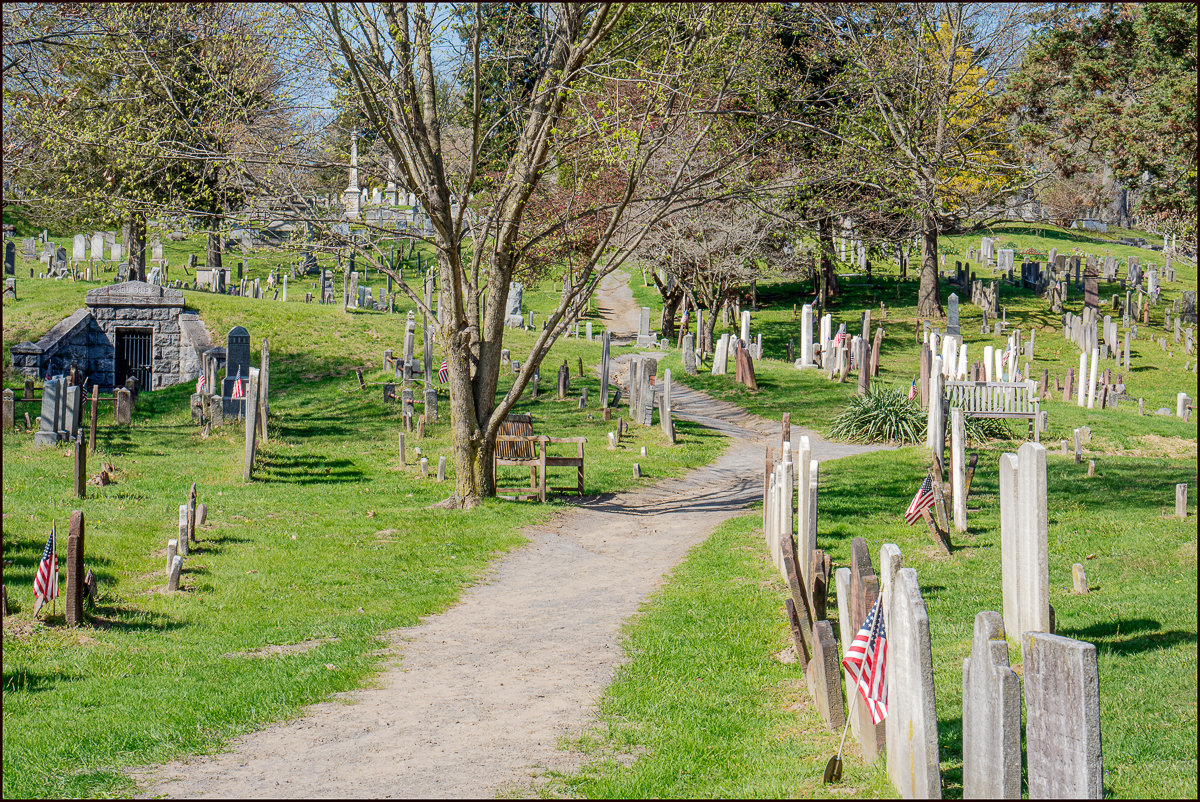
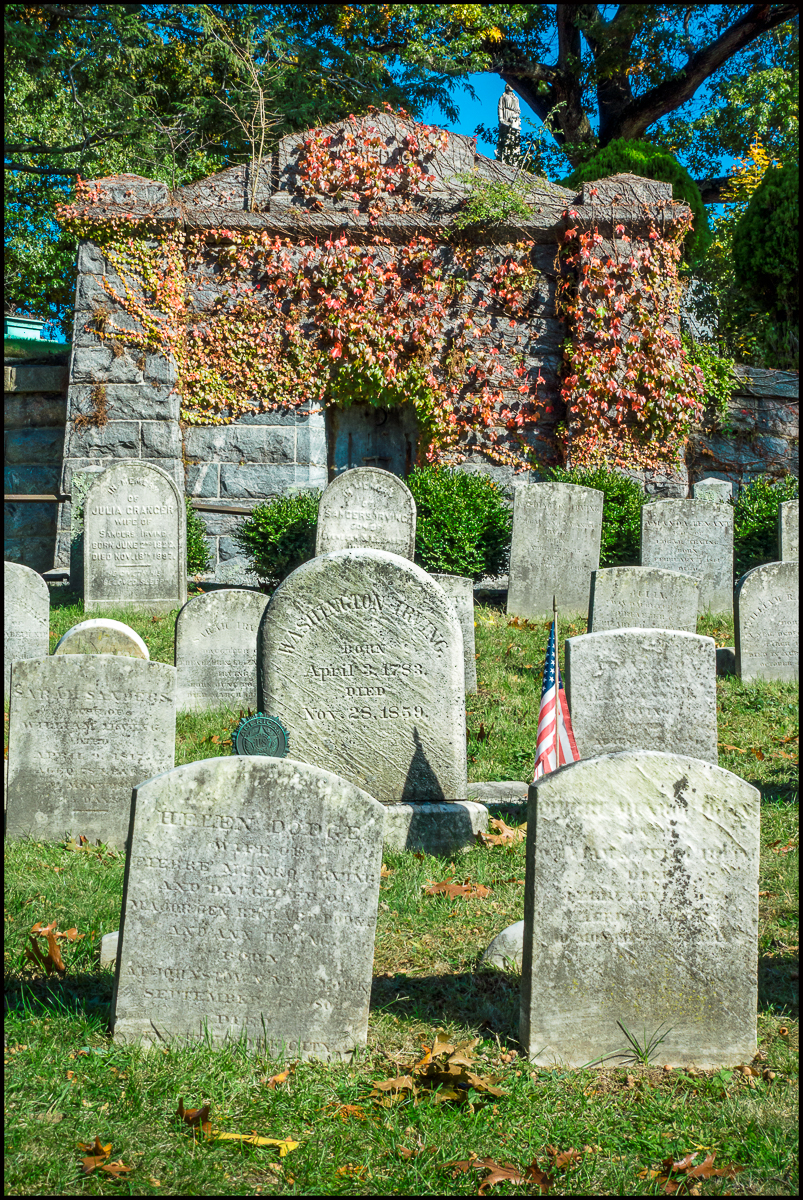
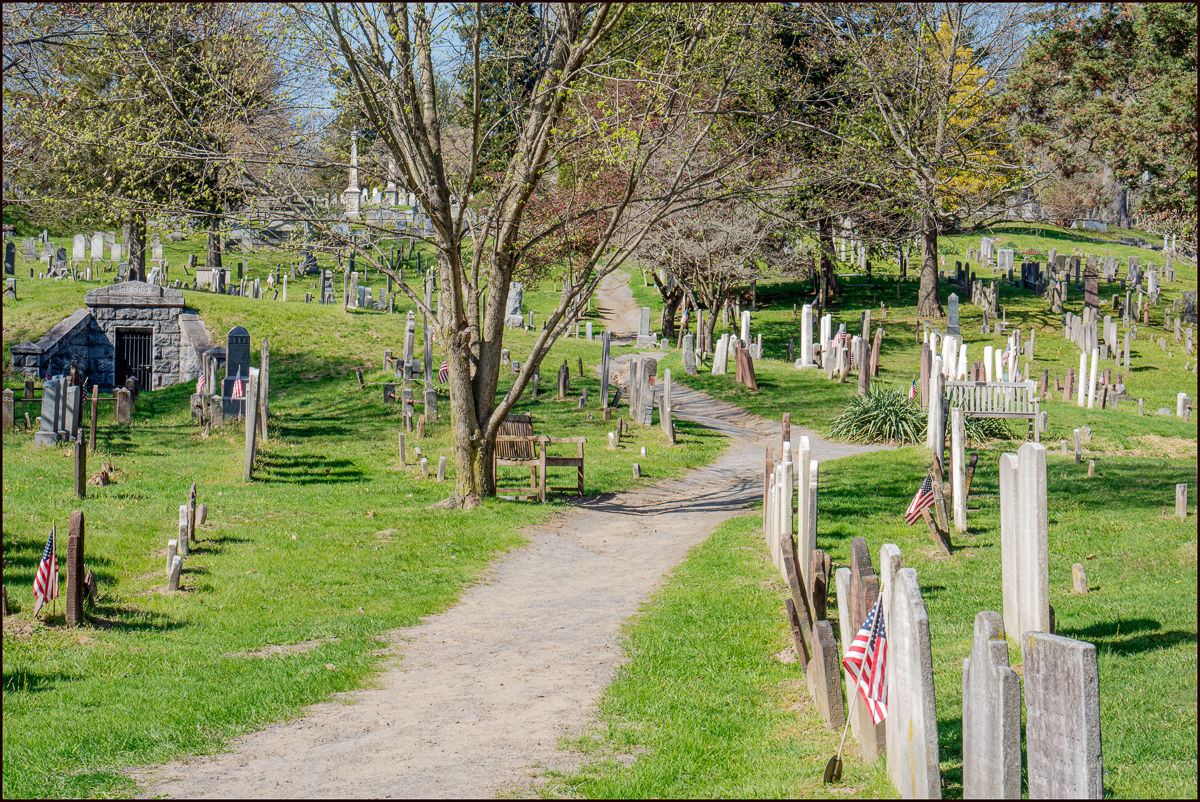
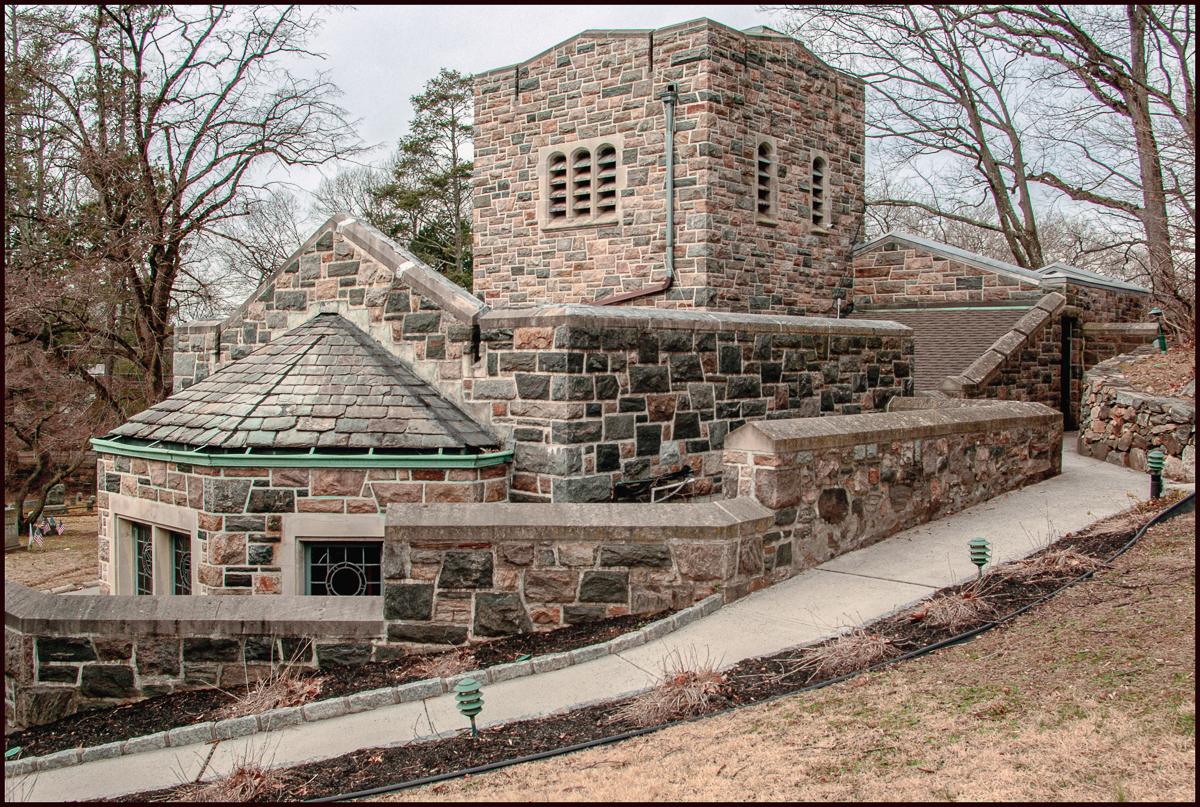
After charging the battery I decided to take my newly acquired Pentax to nearby Sleepy Hollow Cemetery in Sleepy Hollow, NY to confirm that it was working and see how it handled.

So how did things go. Well, the pictures weren’t bad for essentially quick snapshots. I even quite like a few of them. It was a very dull day and the camera/lens combination was not the best for those conditions: old sensor (2006 vintage) that’s not good in low light combined with a old, slow zoom lens (18-55mm SMC Pentax DA f3.5-f5.6). Added to that I made a stupid mistake: of course the camera was used and in my enthusiasm to try it out I forgot to check out how the previous owner had set it up. Turns out he’d set it up in a way that practically guaranteed slow shutter speeds. I thought they were ok for hand holding, but it seems that they weren’t and this led to soft and in some cases, blurry pictures. Still I enjoyed the 1 1/2 hour walk, the camera was fun to use and I learned a lot about it. I’ll do better next time.


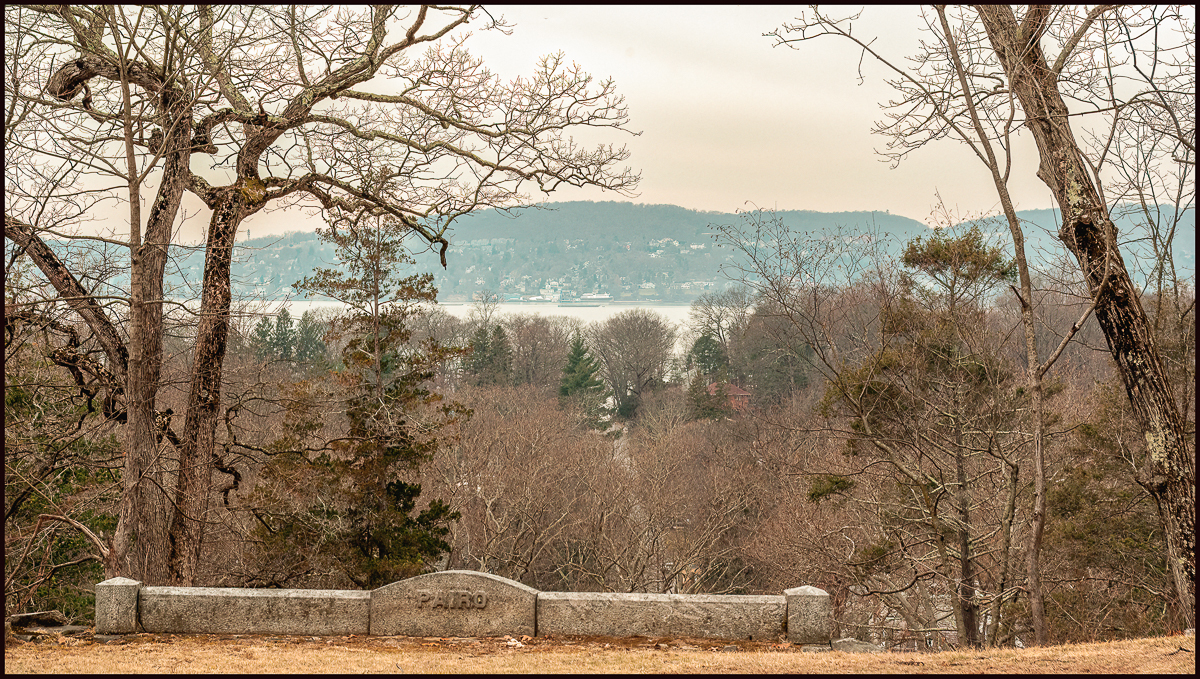


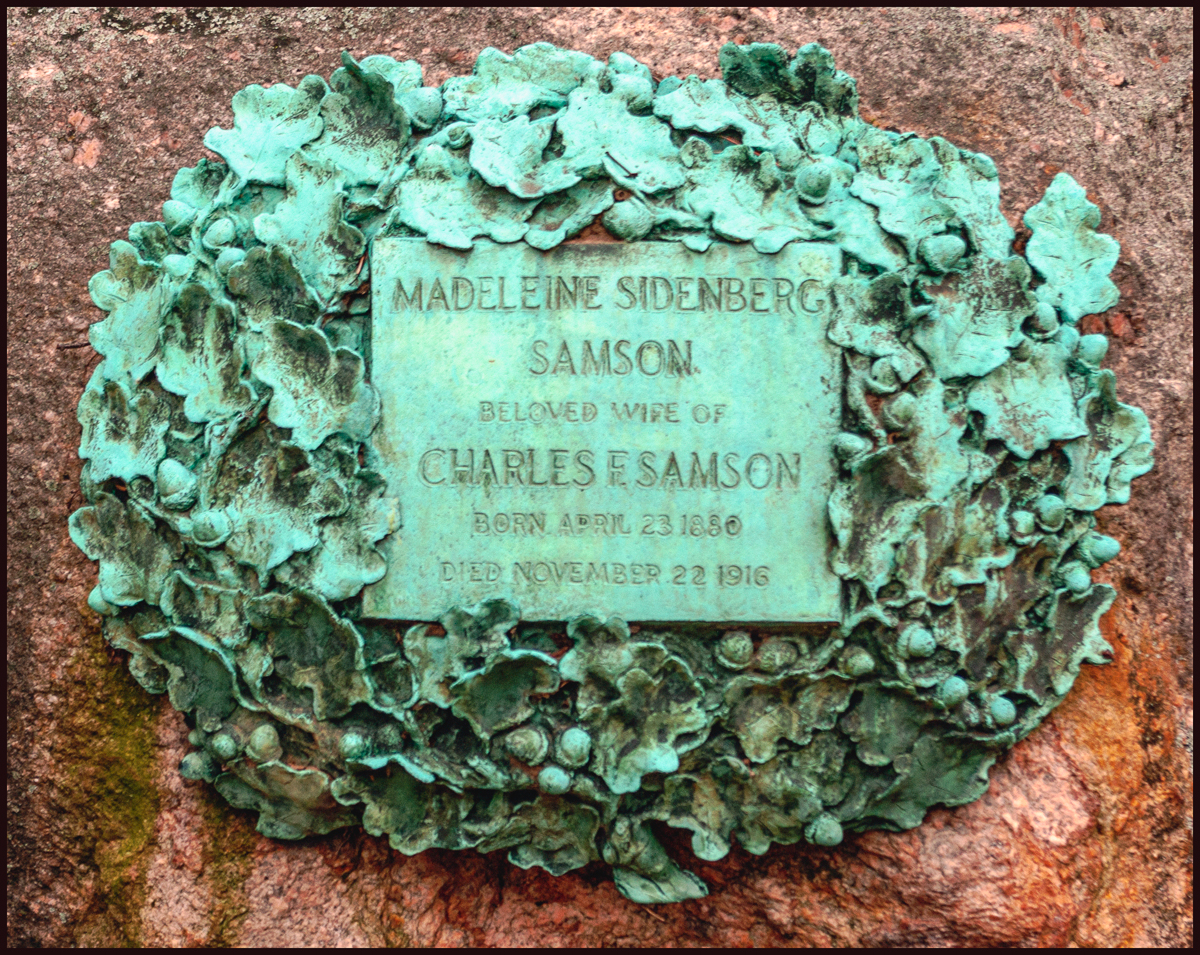
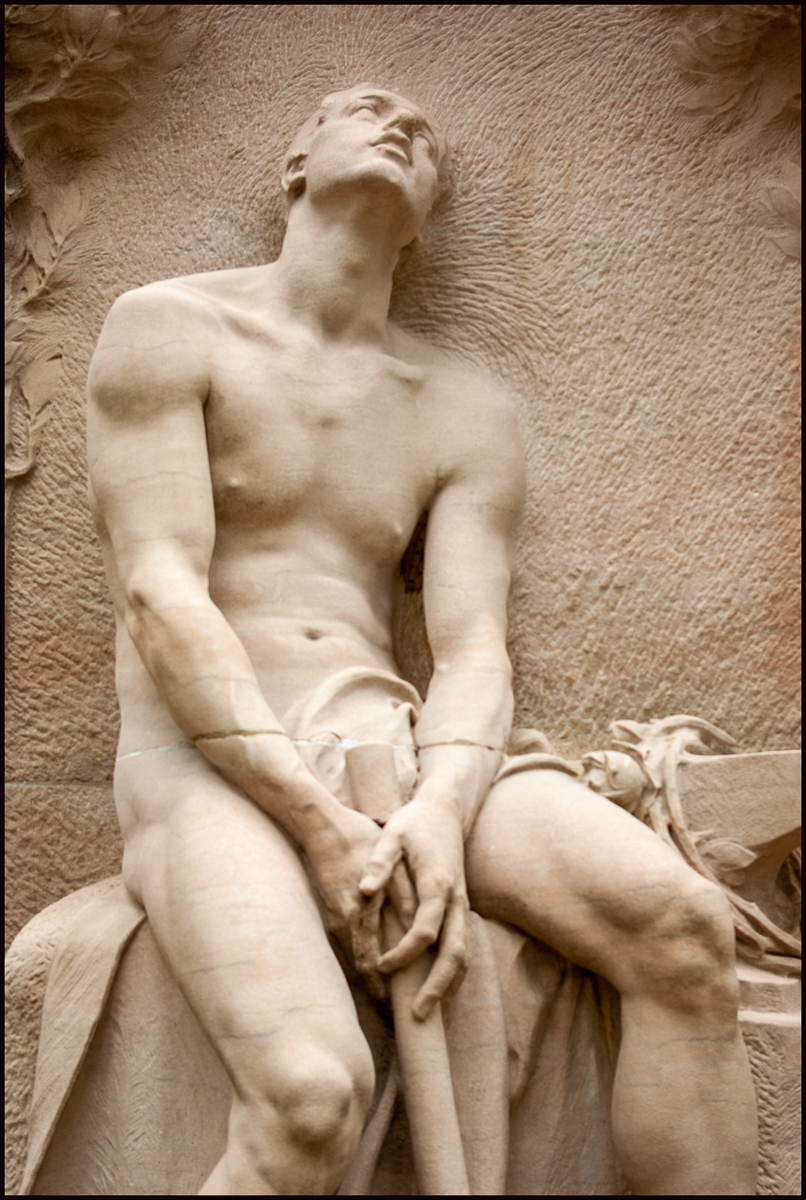
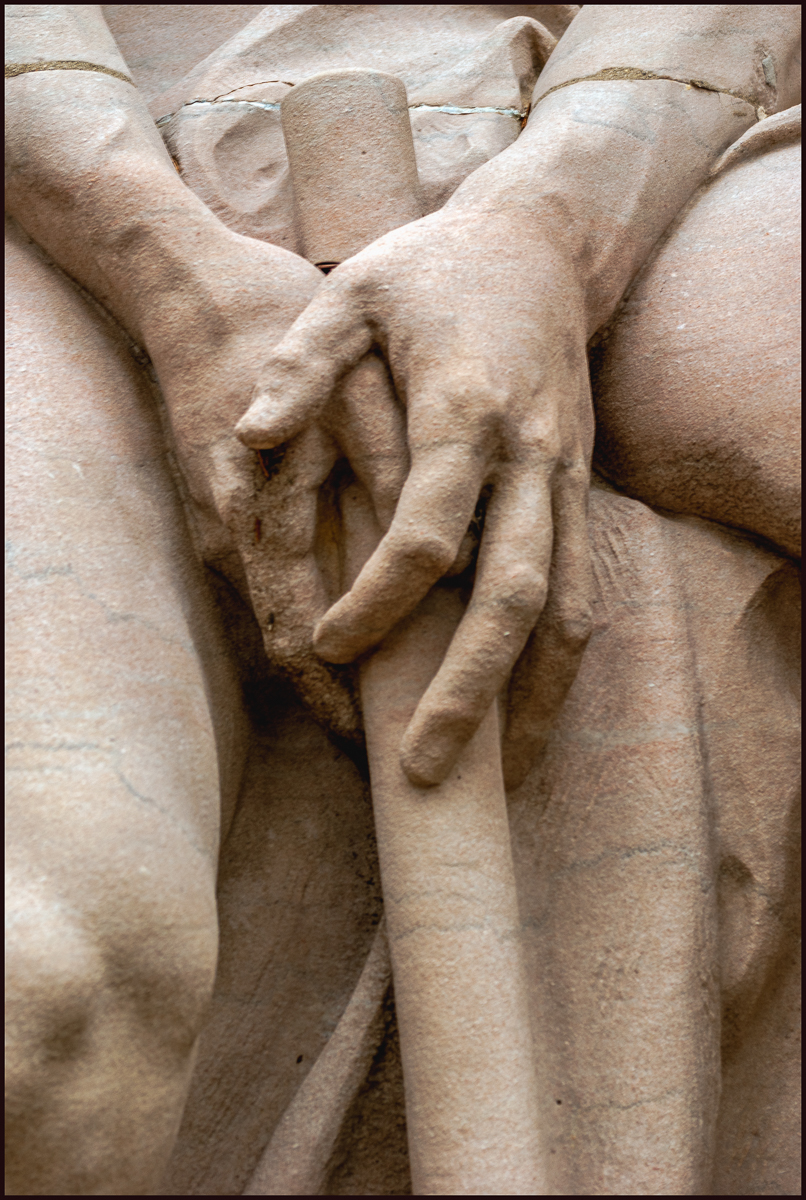

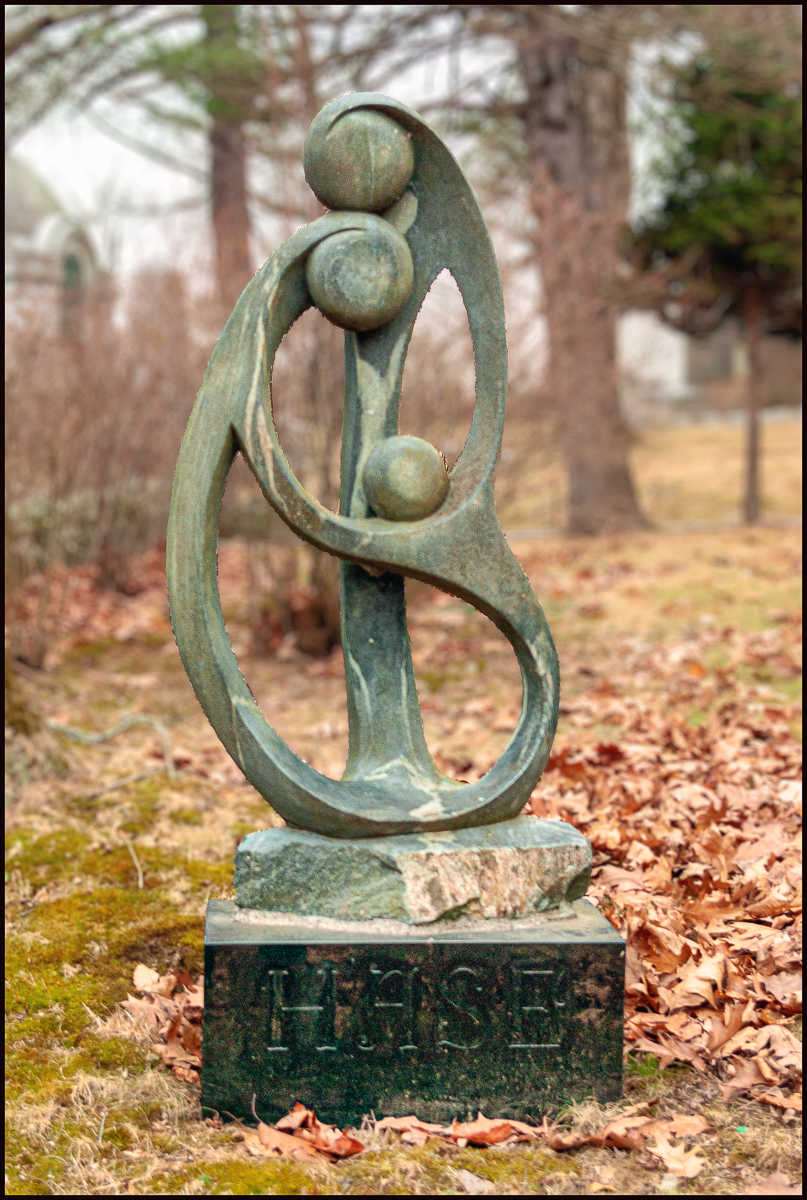
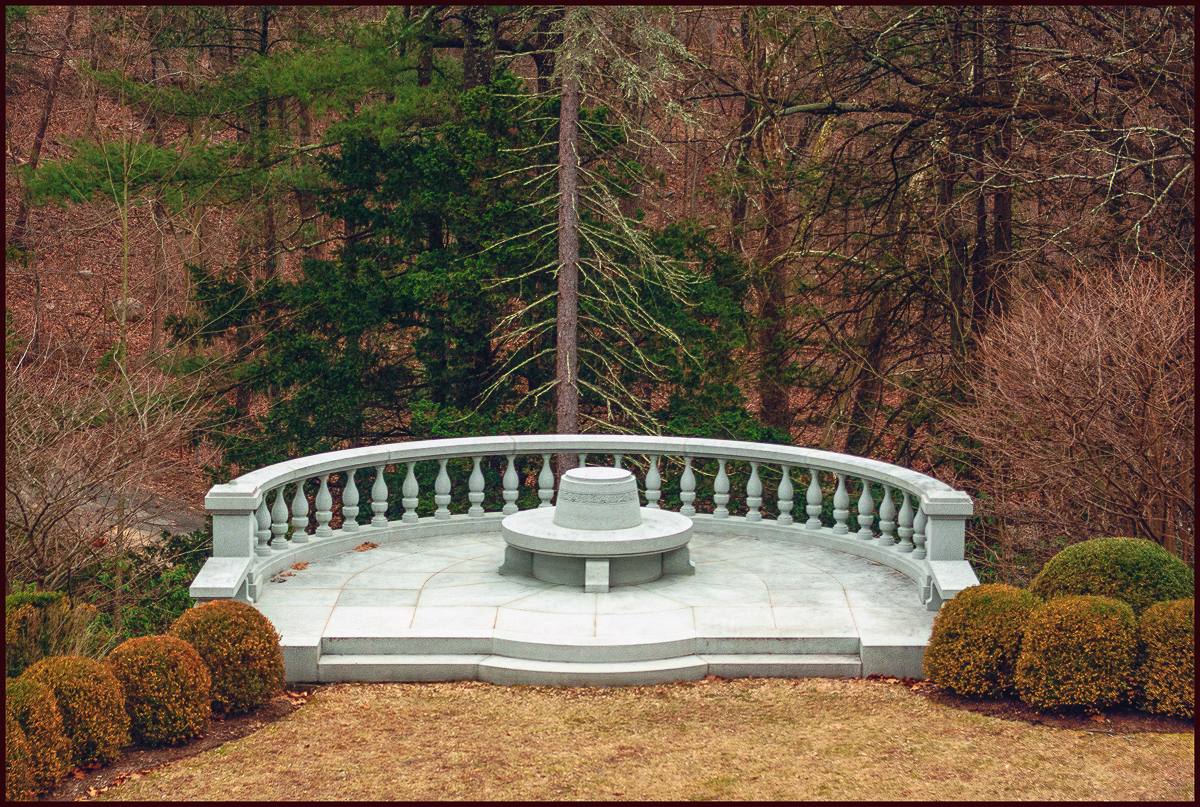


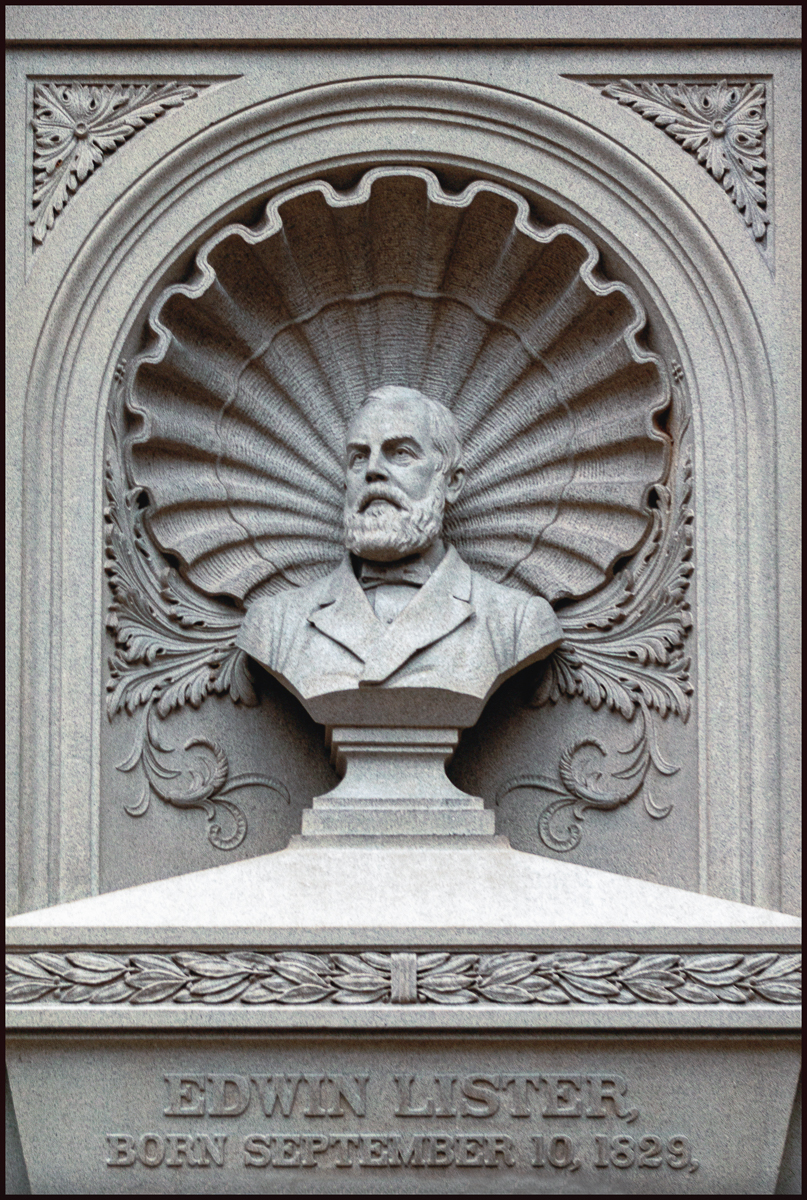

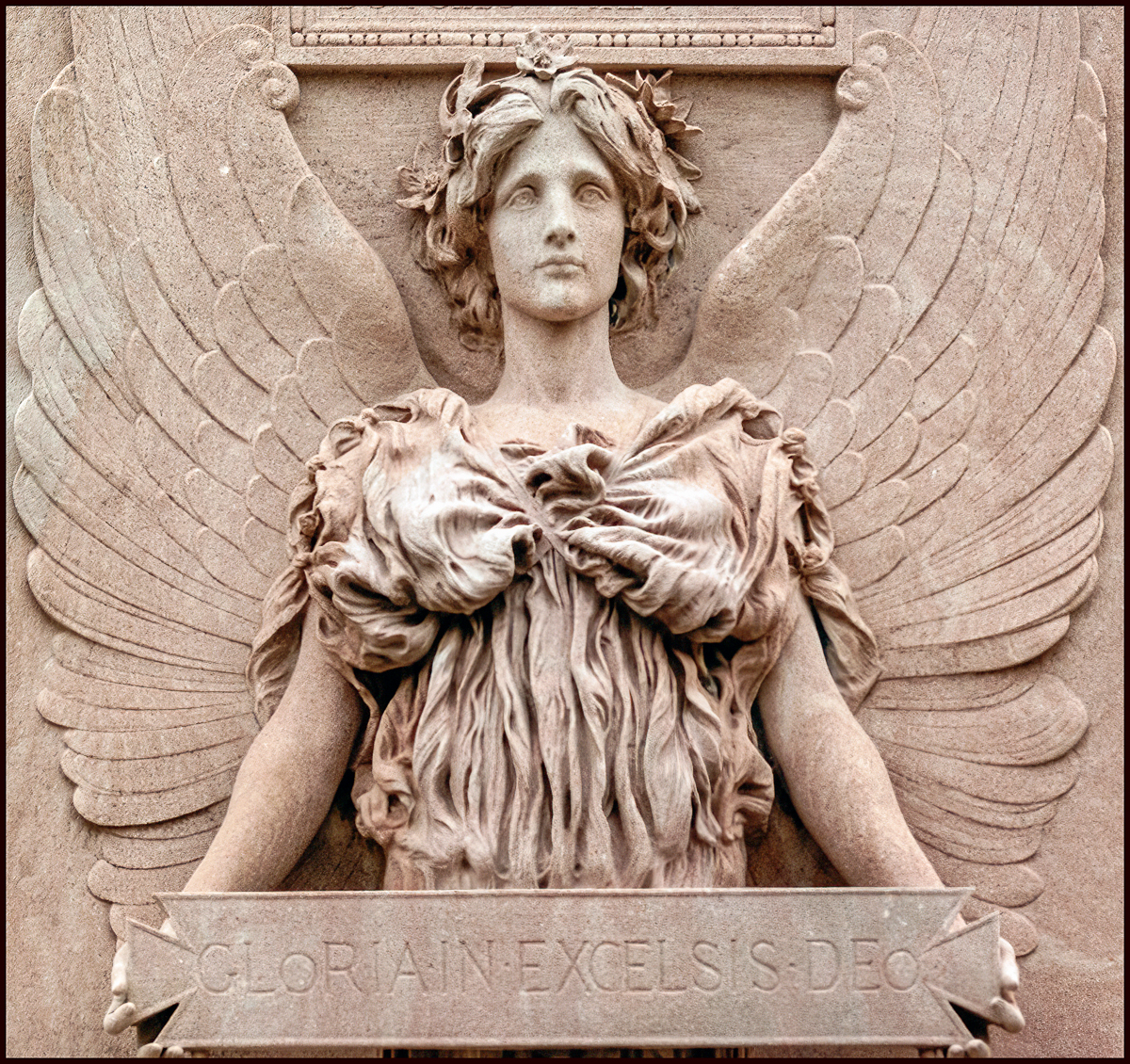
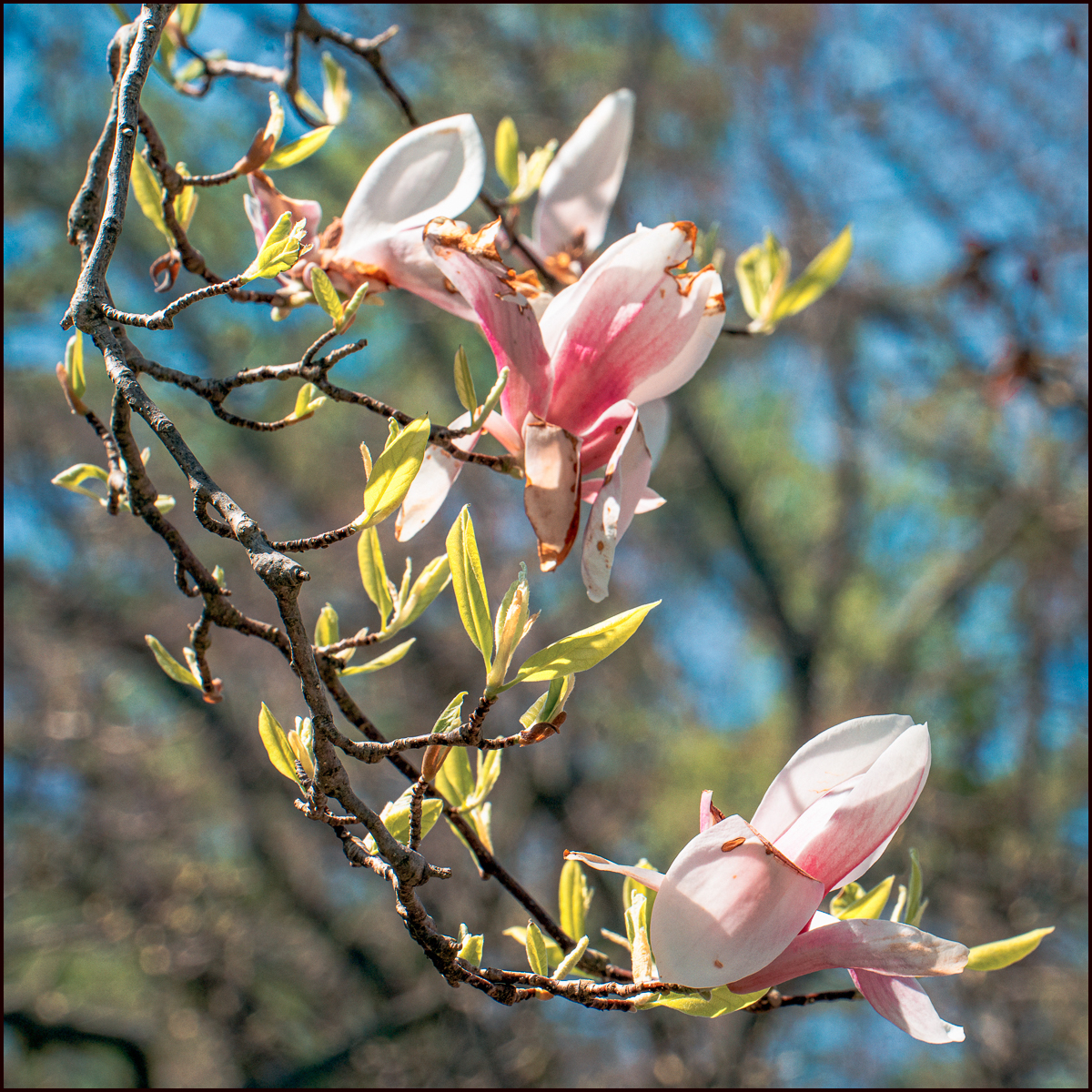
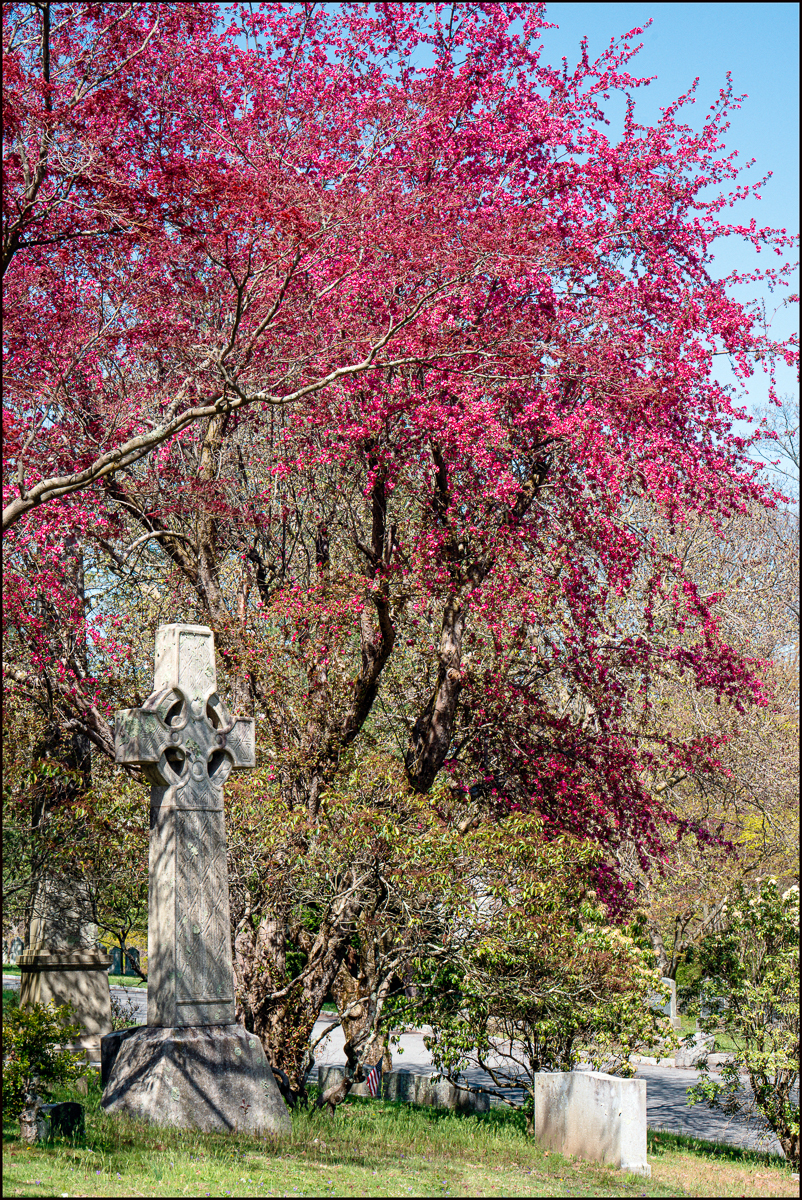
Taken with a Pentax K10 and 18-55mm SMC Pentax DA f3.5-f5.6
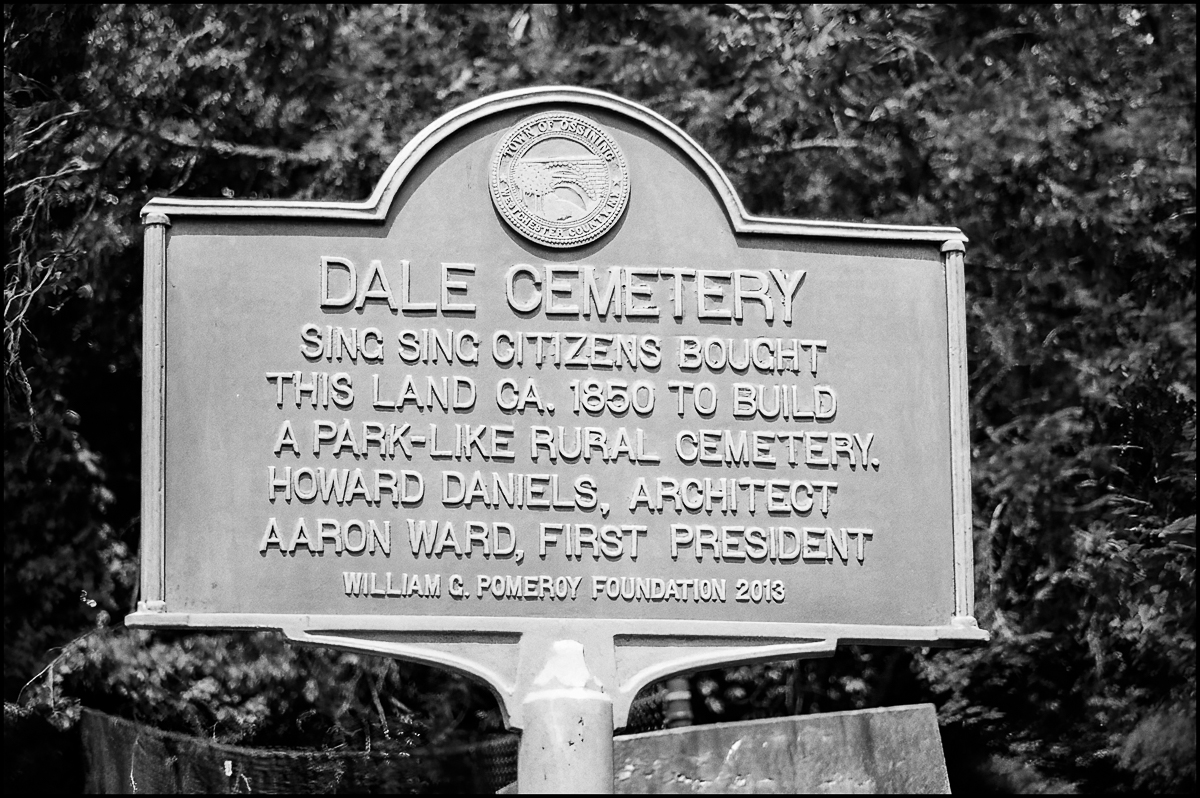
Film Camera 2022 – 2 – Minolta Maxxum 600si – Results

I like this camera. It’s fairly light and feels solid. I suppose what I like most are all of the buttons and dials. There’s a button or a dial for practically everything you want to do: exposure compensation; flash compensation; drive mode; exposure mode; exposure area; autofocus area; autofocus mode; flash settings; ISO. There’s no messing around with complicated menus here. I also liked the bright and uncomplicated viewfinder: just the shutter speed, aperture; a green light that illuminates when focus has been achieved. I also liked the top LCD where you can change and view settings without looking through the viewfinder. The various settings are controlled by two dials – one on the front and one on the rear.

The were only a couple of minor things that I didn’t like. I found the exposure compensation dial to be rather “fiddly” because you have to press in a small button before you can rotate it. The camera also has a proprietary flash shoe. This doesn’t bother me much because I don’t use flash a lot and in any case I have flashes I bought for my early Sony Alpha cameras, which used the same proprietary shoe. I would also have liked the grip to have been a little deeper.

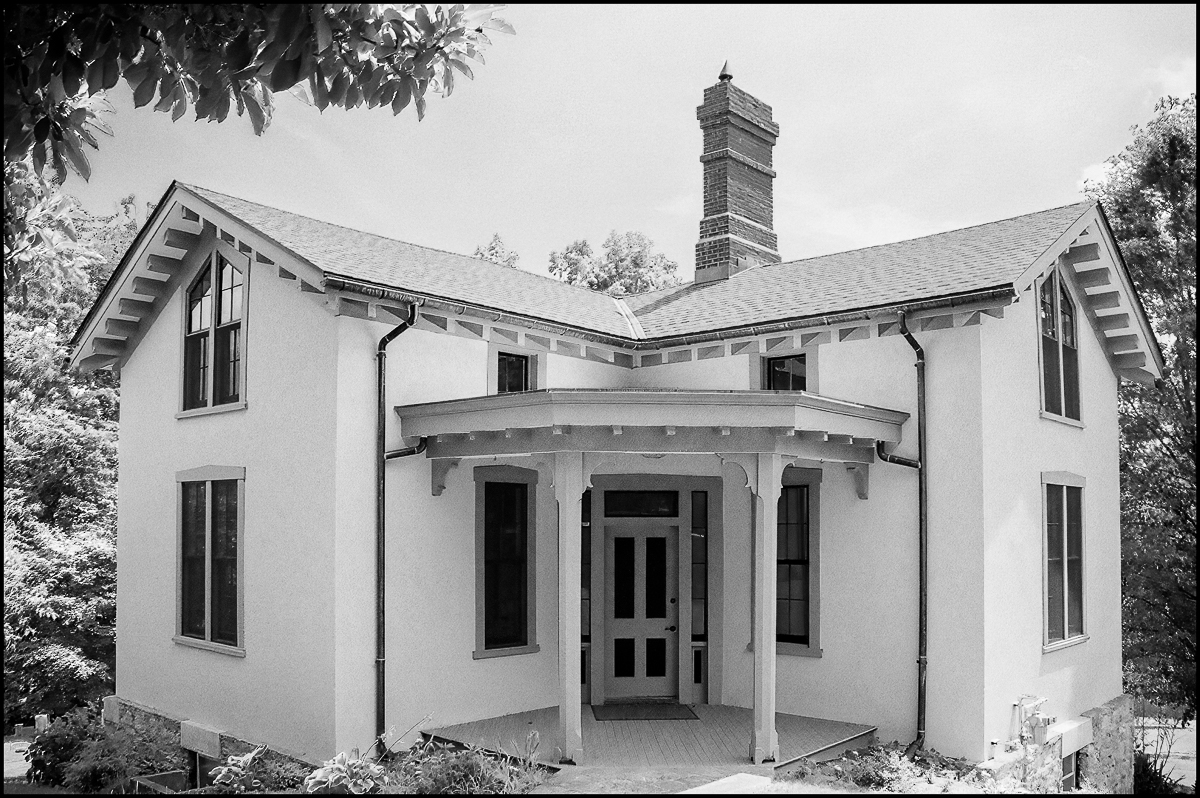
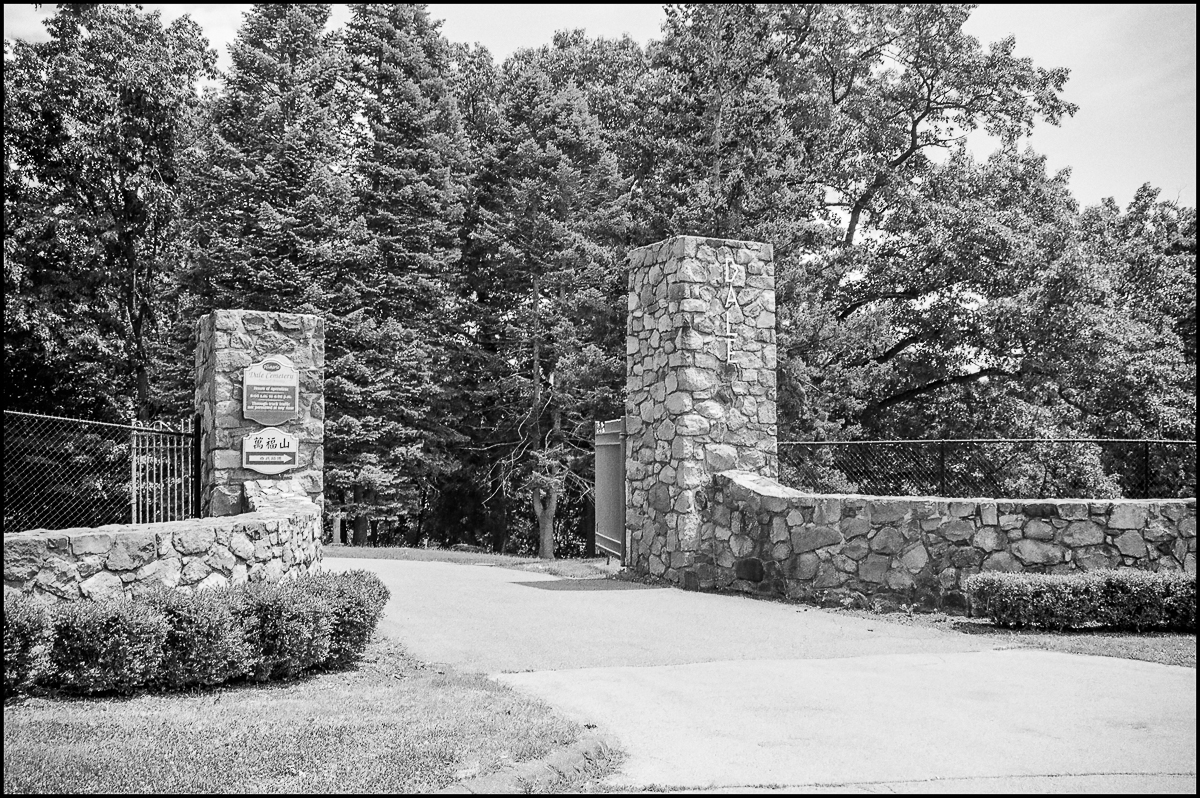
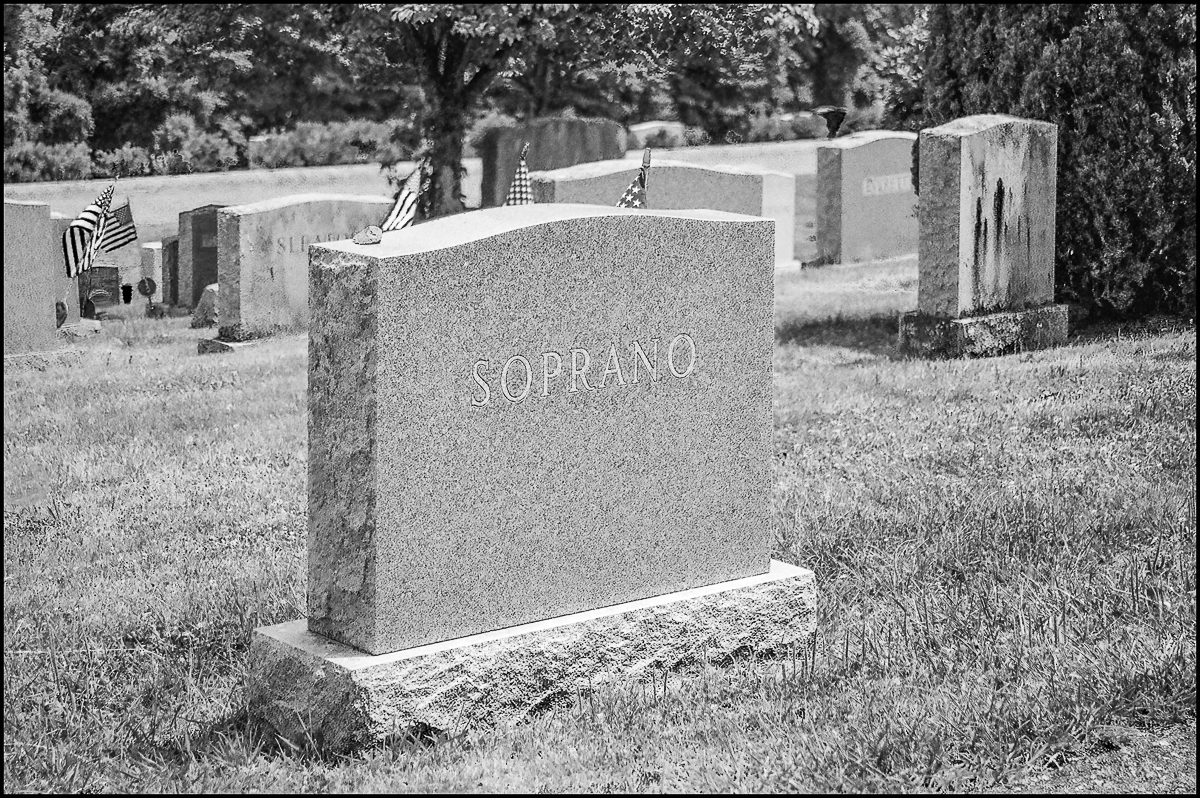
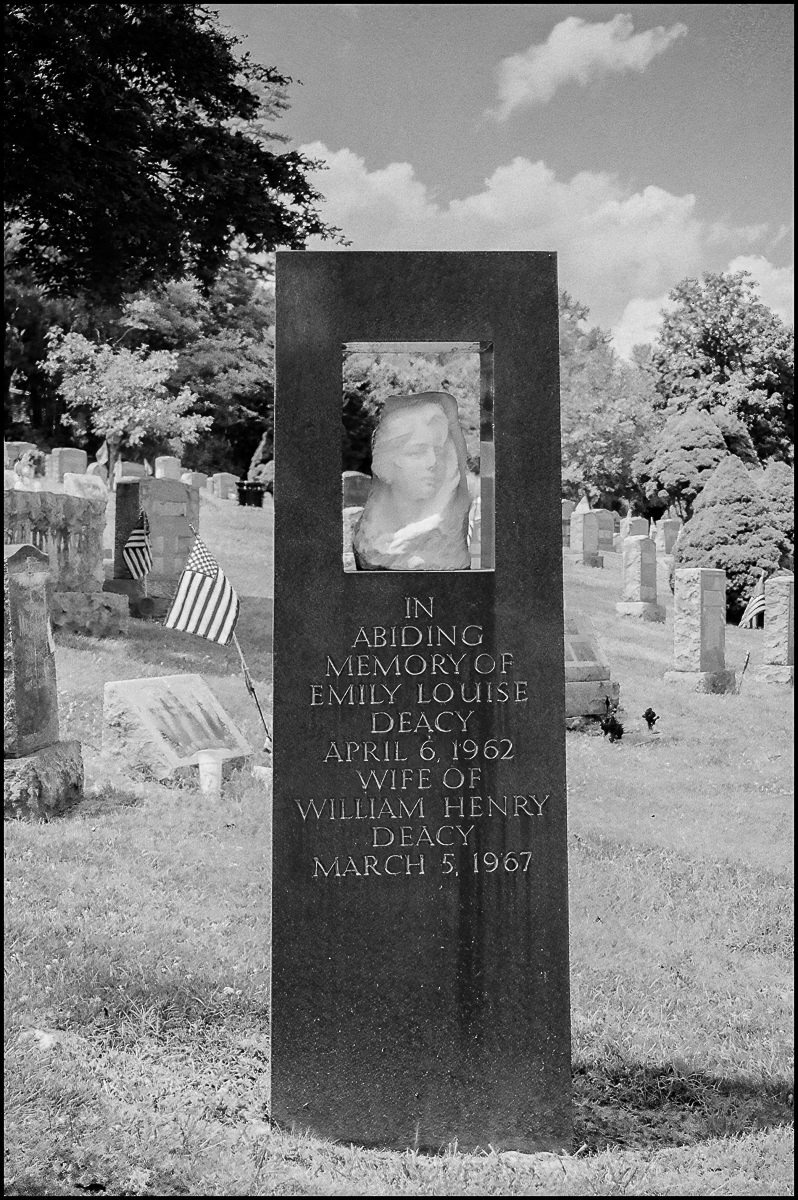
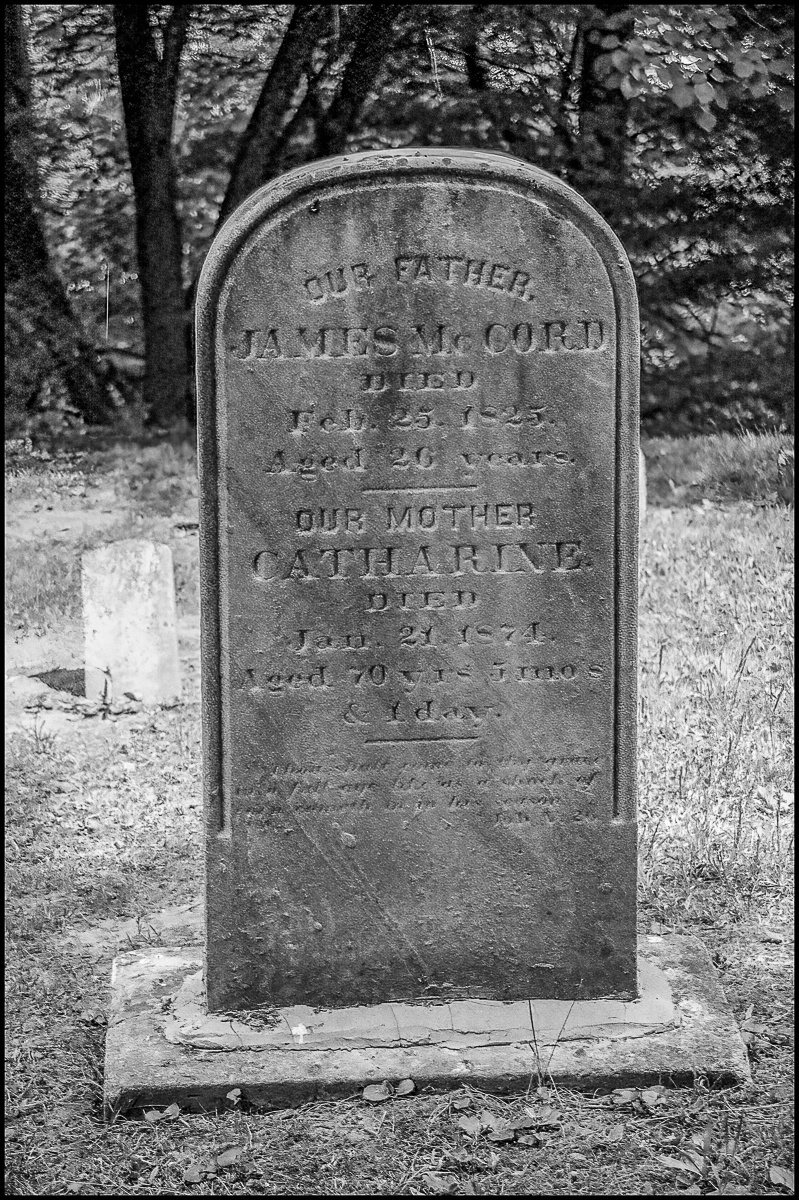
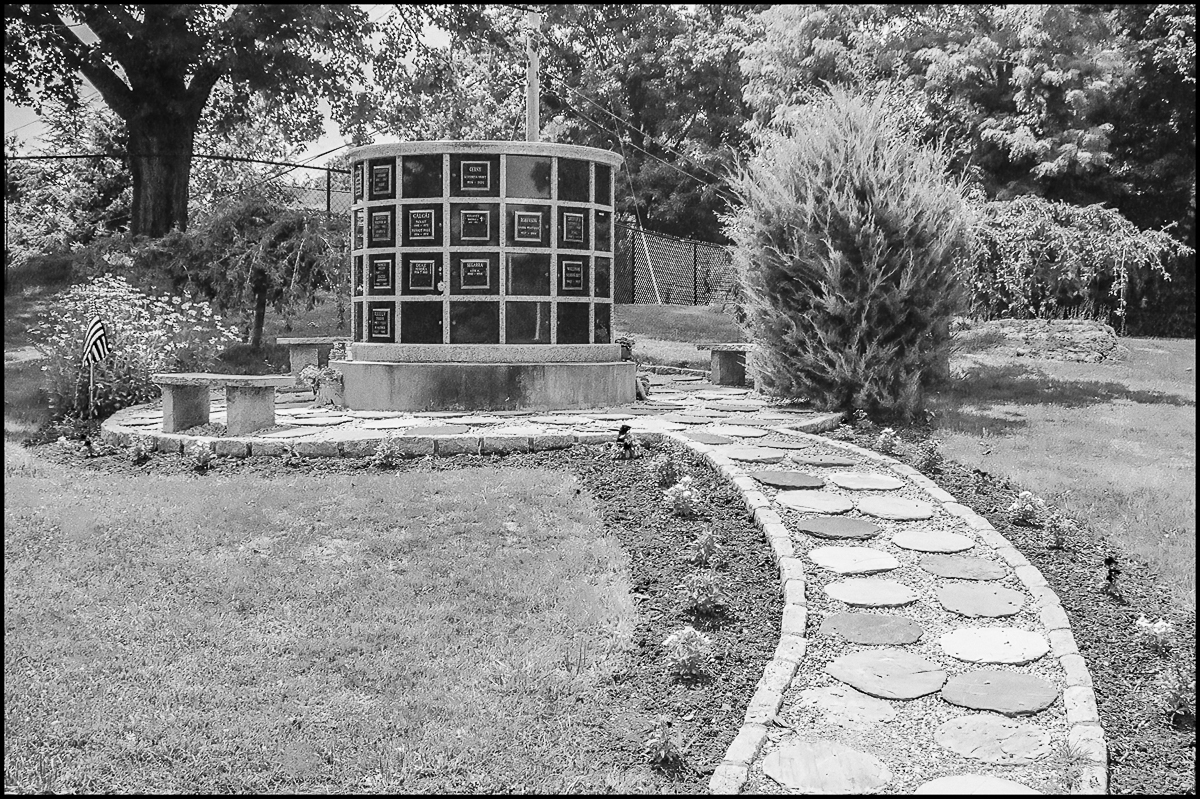
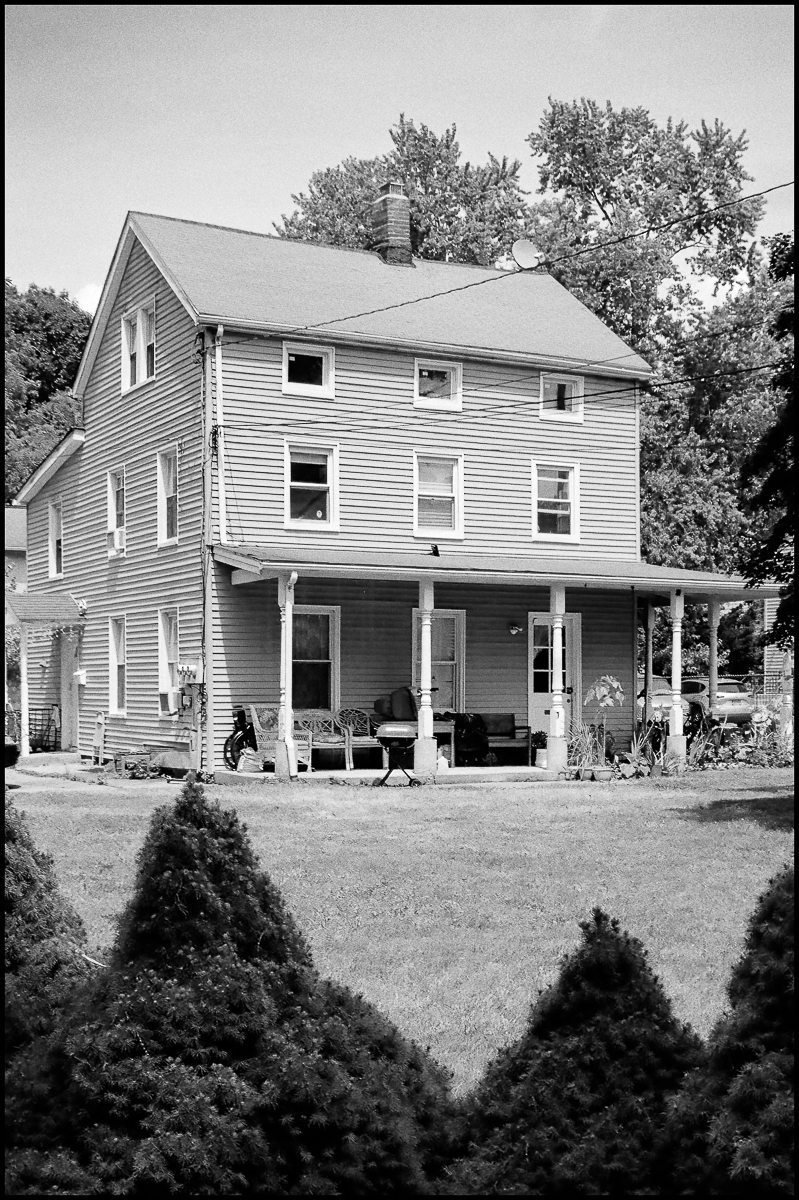
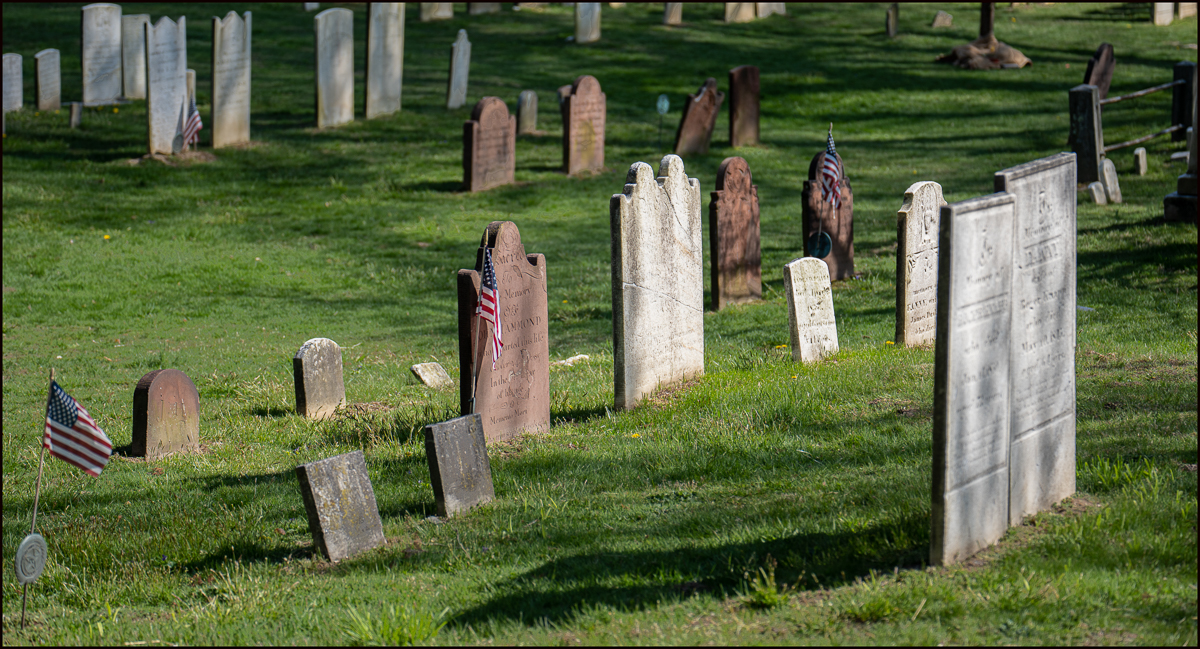
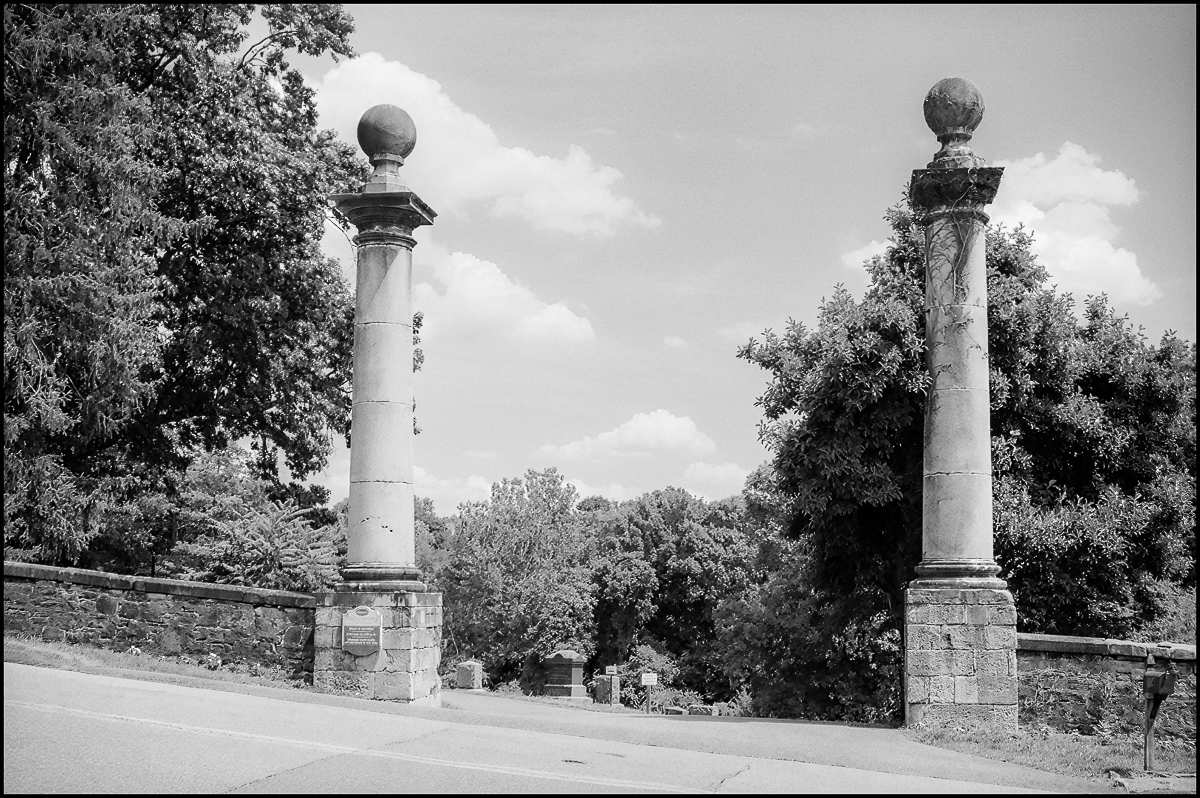
The pictures were taken at Dale (no relation) cemetery in Ossining, NY.


Reading “The Legend of Sleepy Hollow”…in Sleepy Hollow


I recently had some family visitors: two adults and two children. The parents had to go into New York City for business meetings. I got to look after the two children. I decided to read “The Legend of Sleepy Hollow” to them. I’ve always loved this story and I thought they might find it interesting.

We’d been reading for about 15 minutes when the parents announced they were leaving. So I decided to ask them to drop us in Sleepy Hollow so that we could continue there. Our first stop was the Philipsburg Manor. Unfortunately it was closed, but we were able to continue reading while sitting by the millpond (see picture above), which is mentioned in the story.


The girls by the millpond.


I thought it might be interesting to finish of the story in The Old Dutch Burial Ground (also mentioned in the story) so we crossed the road and passed over the Headless Horseman Bridge, one of two candidates for the site of the bridge in the story.


The Old Dutch Burial Ground where we sat and finished of the story.


The girls by a Clog shed.


After we finished the story I set the girls a challenge: to find the grave of Katerina Van Tassel, one of the main characters in the story. When I first looked for this grave it took me an age to find it. It took them about five minutes although admittedly we were sitting quite close to its location.


After that we continued into the cemetery and up the grave of Washington Irving, the author of the story.


Our final stop was at the second possible location for the Headless Horseman Bridge. I much prefer this to earlier one.

We thought of walking around in the cemetery for a while, but it was a very hot and humid day so we decided to go at get some refreshments at J.P. Doyles before heading home.

Sleepy Hollow Cemetery – The old dutch burial ground

The Old Dutch Church of Sleepy Hollow (Dutch: Oude Nederlandse Kerk van Sleepy Hollow), listed on the National Register of Historic Places as Dutch Reformed Church (Sleepy Hollow), is a 17th-century stone church located on Albany Post Road (U.S. Route 9) in Sleepy Hollow, New York, United States. It and its three-acre (1.2 ha) churchyard feature prominently in Washington Irving’s 1820 short story “The Legend of Sleepy Hollow”. The churchyard is often confused with the contiguous but separate Sleepy Hollow Cemetery.

It is the second oldest extant church and the 15th oldest extant building in the state of New York, renovated after an 1837 fire. Some of those renovations were reversed 60 years later, and further work was done in 1960. It was listed on the Register in 1966, among the earliest properties so recognized. It had already been designated a National Historic Landmark in 1961. It is still the property of the Reformed Church of the Tarrytowns, which holds summer services there, as well as on special occasions such as Christmas Eve.

Taken with a Sony A7IV and Tamron Di III VXD A056SF 70-180mm f2.8.