Olympus OM2-n MD – Results

It took me a while to get around to using my August film camera. I had a bunch of old, color film that I wanted to use up so when trying out new/old cameras I’ve tended to use this first, and then convert the scanned images to black and white. I’ve now used up most of this old stock, so in this case I used true black and white film, specifically Kodak TX 100.

Suddenly I found I was very busy and had trouble thinking of a venue to try out the camera. I kept taking the camera with me, but time went by and I was getting more and more frustrated at not using it. Eventually I decided that I’d return to nearby Sleepy Hollow Cemetery, where I can usually find something worth photographing.

I have my film processed at The Darkroom and co-incidentally the resulting scans were made available to me on Hallowe’en. I say ‘co-incidentally’ because, in case you don’t already know, Sleepy Hollow Cemetery is pretty much “Ground Zero” for Hallowe’en in the US. The stomping grounds of the headless horseman, it’s also the final resting place of Washington Irving, the author of “The Legend of Sleepy Hollow“.

I must say that I loved using this camera. It’s small and fairly light for an SLR from that period and everything just felt right. One of the problems with only using a camera once is that you don’t really become familiar with it. This is particularly true with the OM2-n because of the unique arrangement of the controls i.e. they’re all on the lens, including the depth of field preview button. At first I was was groping around a bit to find the appropriate dial/button, but as I got used to it I began to appreciate how useful it is to have all of these controls (i.e. aperture, shutter, focus, depth of field) all in one location. I appreciated the large, bright finder typical of most film SLRs and which you no longer find on current DSLRs. The innovative (for the time) metering worked pretty well even if in a couple of cases (in particularly contrasty conditions) it did tend to overexpose highlights (this is probably a result of my lack of experience in using the camera rather than a problem with the camera itself). The 50mm f1.8 F-Zuiko auto-s that I was using focused smoothly and produced sharp results.

I like to shoot in aperture priority so this was perfect for me. Select the appropriate aperture and the display in the viewfinder shows you what shutter speed will be chosen.

The design of the camera reflects a belief in simplicity: just what you need – no more, no less. It was refreshing to use a camera that just gets out of the way and lets you focus on what you need to do while still providing you with the required feedback. This has been my problem with the compact point and shoot cameras I’ve been using of late. Although they get out of the way and let you focus on composition, they just don’t provide the information you need to be confident that you are getting the photograph that you want. On the other end of the scale are recent generation DSLRs. I just bought a Sony A77II and I must say that I find the complex functionality a bit bewildering. The OM2-n seems to just about get it all right.

A review of the OM2 on Casual Photophile comments:

All told, the OM-2 is a camera with which I’ve fallen in love. It’s tiny, inconspicuous, quiet, capable, and proud. It’s modern enough to use standard batteries, yet vintage enough to offer analog charms. The OM-2 can do anything we ask of it without breaking our backs or the bank. It just might be a perfect 35mm film camera. Staring at the OM-2 with the most critical eye leads one to stare without result. There’s nothing substantive about which to complain.

I’d very much agree.
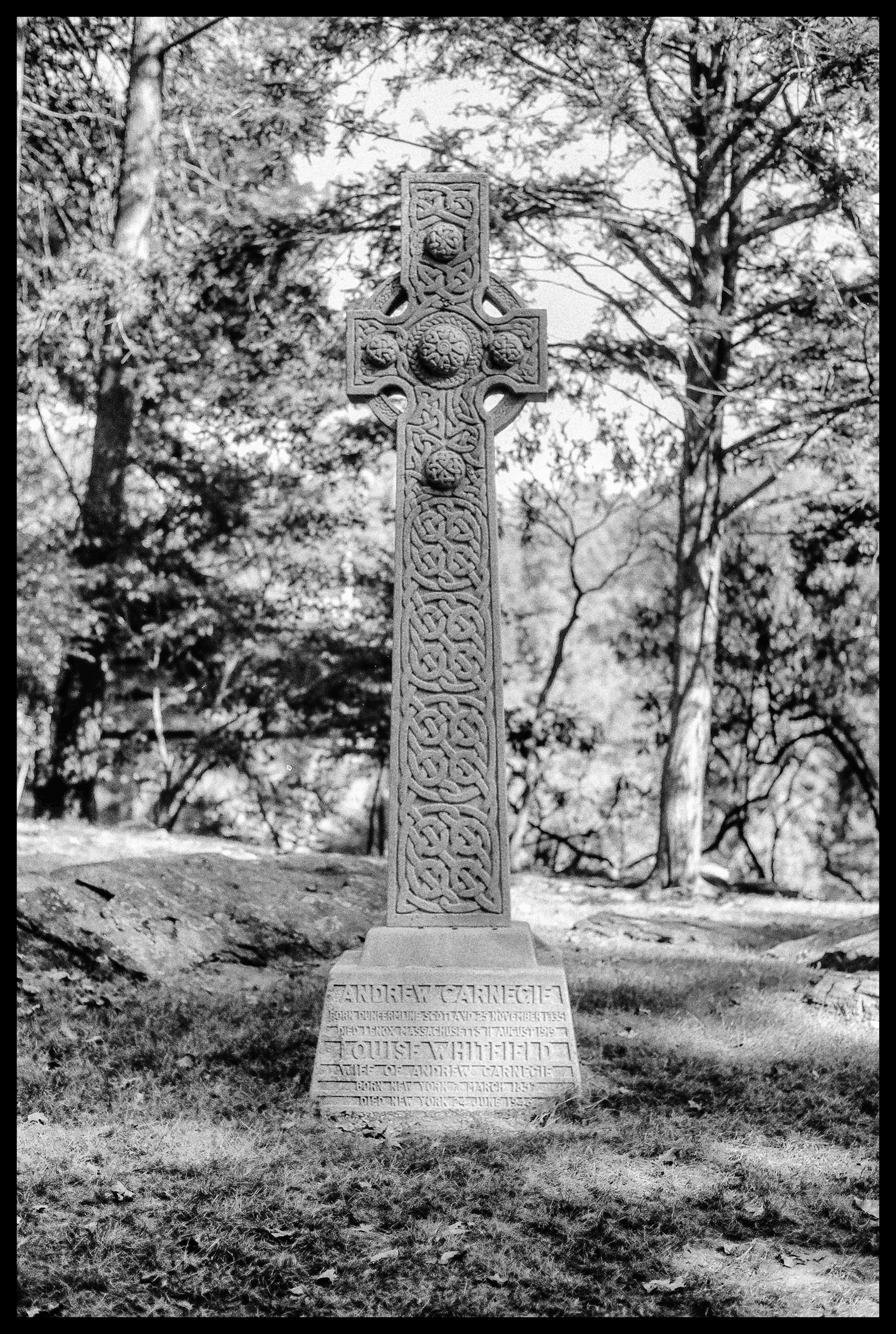
This simple celtic cross marks the final resting place of one of the richest people the earth has ever known: Andrew Carnegie.

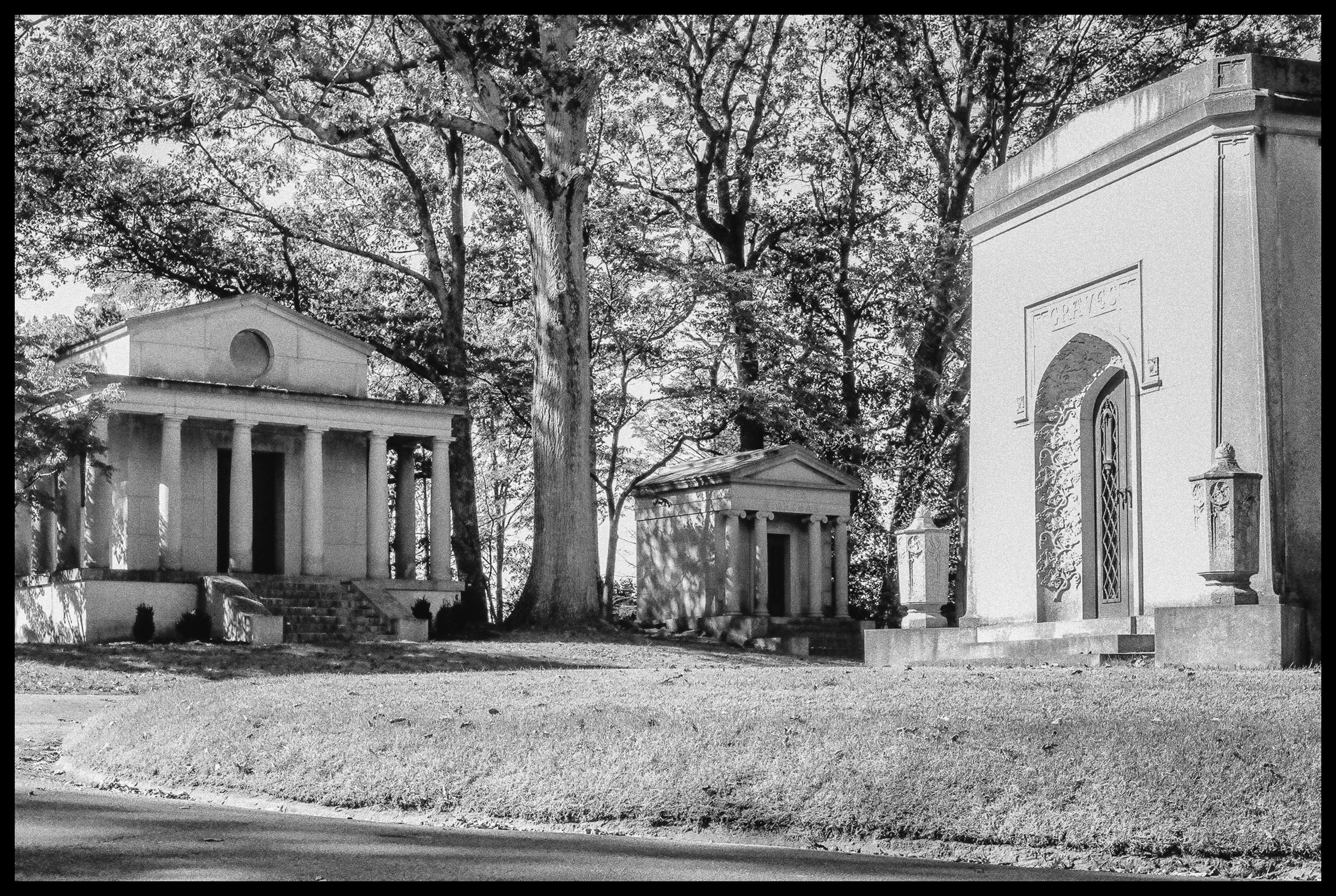
Tombstones.
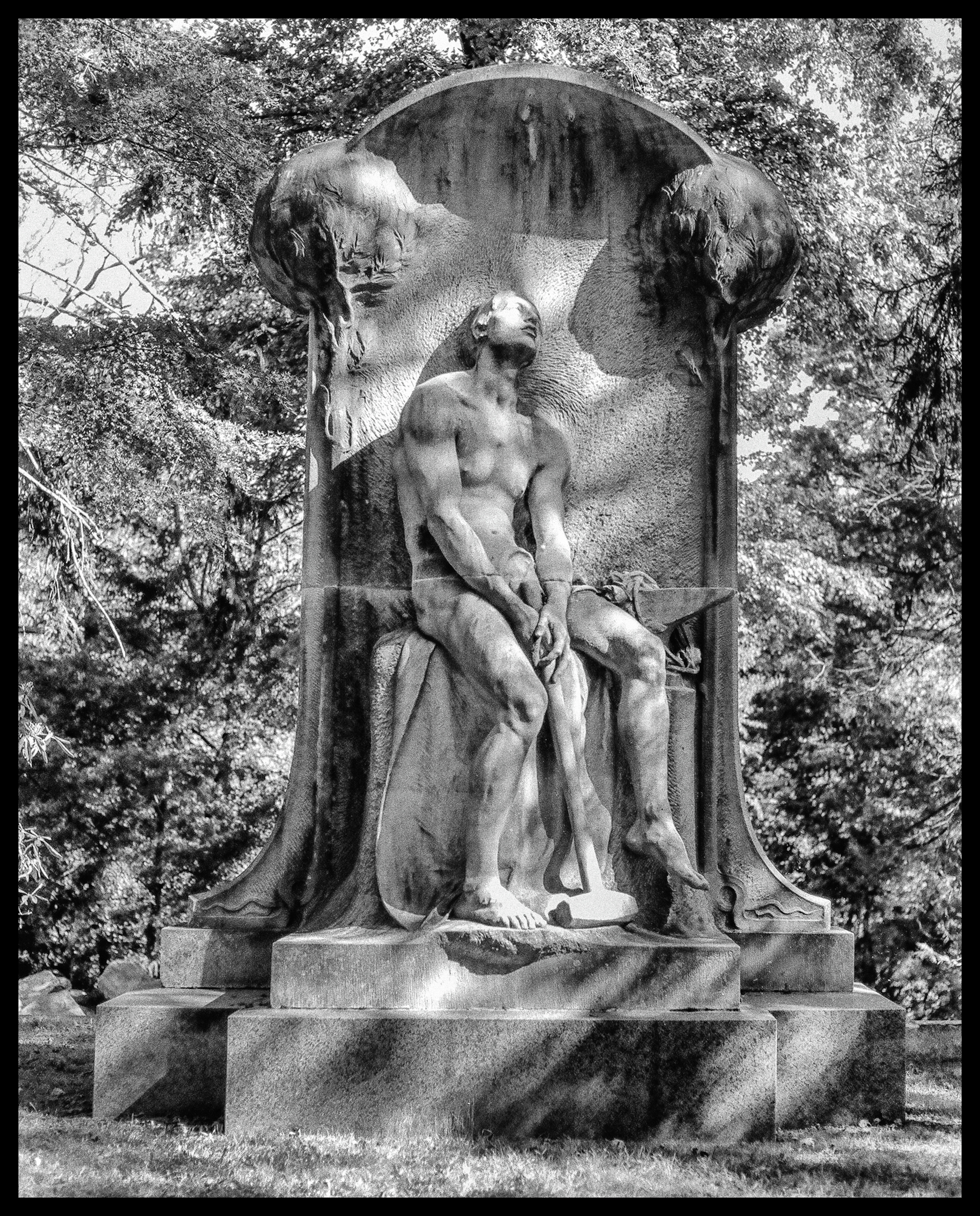
Henry Villard Memorial by Karl Bitter.
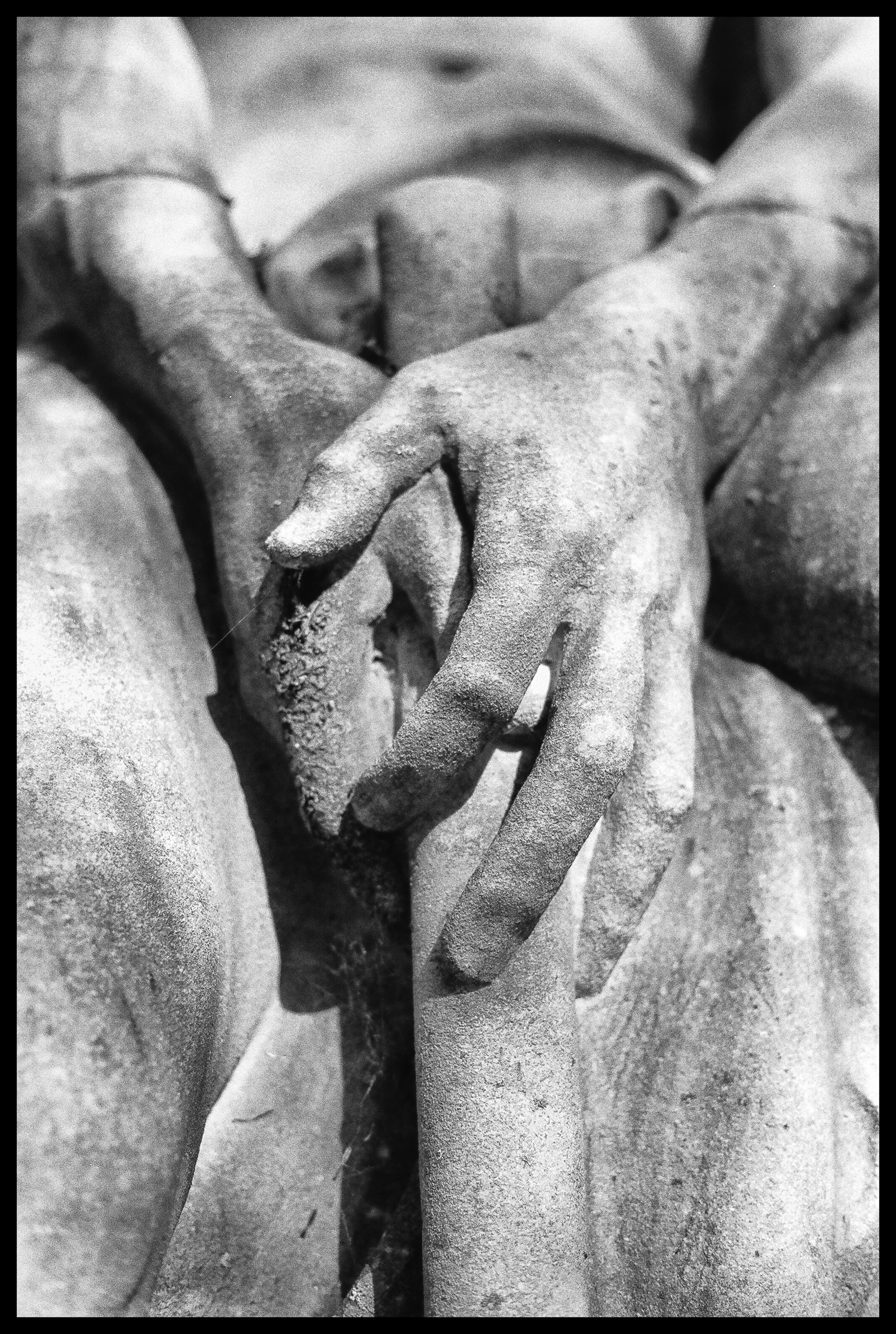
Detail of the Villard memorial.

William Evarts Benjamin (1859-1940) memorial. A prominent publisher and collector in Boston, Massachusetts.

Lyman Tiffany Dyer memorial. Trooper Squadron A 1896 – 1905. Member of Troop A ( Squadron A ), Volunteer Cavalry, Spanish American War. Participated in the Puerto Rico Campaign. Grandson of George Jones co-founder of the New York Times
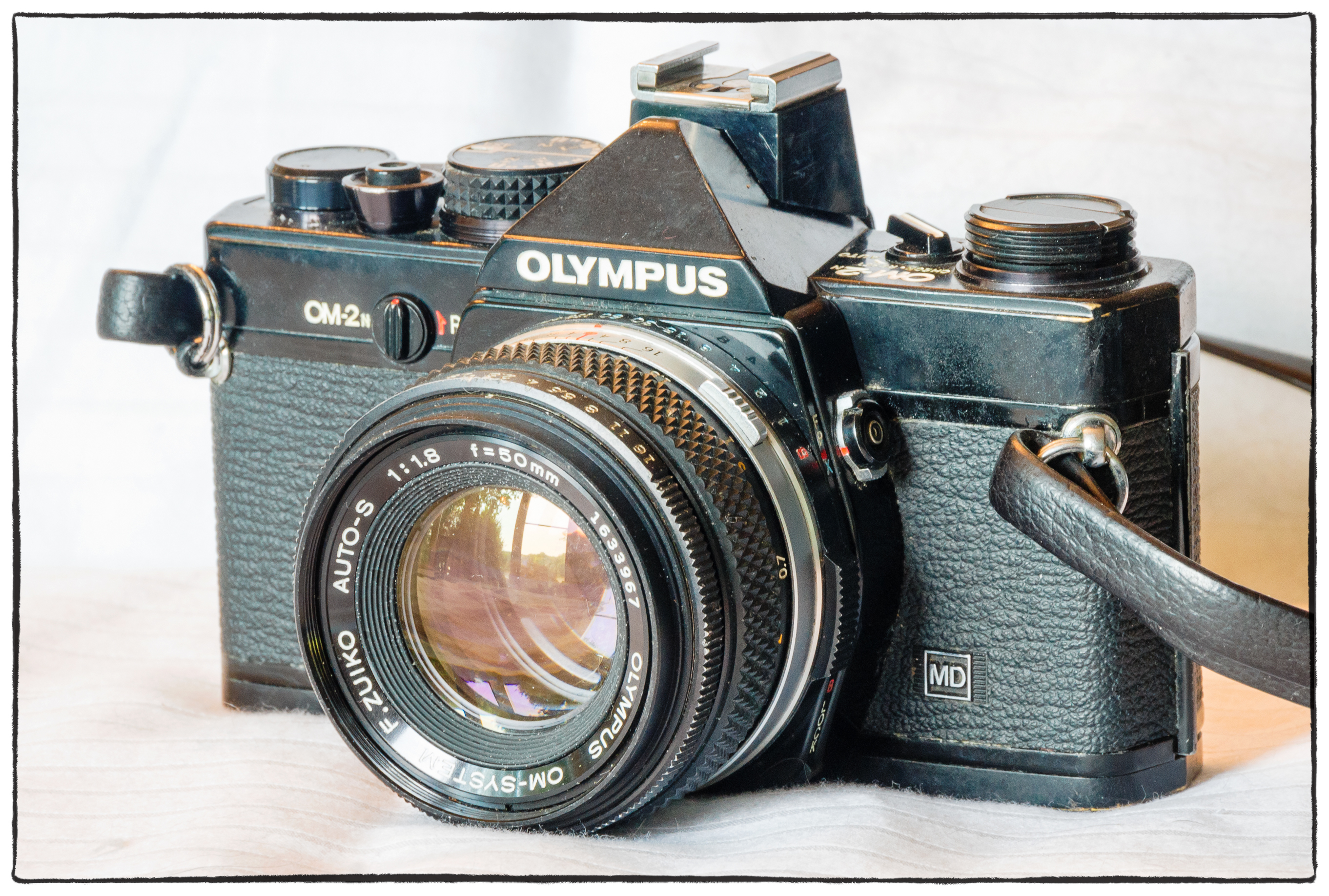
August Film Camera – Olympus OM2-n MD

Much has been written (I’ve included links to four pieces below. I particularly like the Mike Eckman article for its honest take on the camera; and the Photography in Malaysia article for its wealth of technical detail) on the Olympus OM cameras including on the OM2-n. Mine also supports a motor drive, hence the designation OM2-n MD.

It’s small and light weight for a camera of its time Compared to modern cameras it feels solid and well built but a little heavy compared to modern cameras.

On top of the camera there’s a lever for off, manual and auto. On the rear there’s a red battery check light, which when you move the lever to the very top remains steady when the battery is fresh, and blinks when it’s getting low.

There’s an exposure compensation (two stops over and under) dial on top (where the shutter dial is usually placed). The rewind lever and the self timer are on the front of the body – to the right.

There’s a flash synch (F,P,X) socket on the left of the lens mount. Most of the pictures I’ve seen of this camera show it without a flash shoe. Mine has one, so I assume it was an optional accessory. Mine bears the words “Shoe 4“. The third article below (i.e. the one from “Photography in Malaysia” provides the following information:

Shoe 4 should be the correct shoe type for all OM-1n and OM2n bodies. It permits manual and normal auto flash control But in the case of OM2n bodies, it will perform TTL flash exposure control; further, it will automatically sets X-sync at the shoe, and via a third contact to provide viewfinder flash ready/sufficient flash LED. Is it possible to use Accessory Shoe Type 1 or “Fix” type shoe on OM-1n bodies ? Yes. Because the Shoe 1 has only one pin and thus it is not possible to use those two pins accessory shoe(s) with earlier OM1 or M1 bodies which has only one socket. In the case of the original OM2 model which has two inputs, Accessory Shoe 2 should be the right type to use with older Quick AUTO 310 TTL flash.

The viewfinder is large and bright and has a split image focusing aid. The viewfinder display changes depending on the mode selected: Manual shows only + and -, automatic shows shutter speeds from 1-1/1000 second.

The shutter seems to be quieter than I’d normally expect from an SLR from that period. It’s electronic and will only fire with a battery.

The back is interchangeable as is the focusing screen.

There’s no shutter dial on top of the camera. Everything is on the lens: aperture, shutter, depth of field. I guess the idea was to have all of the controls in one place. This is convenient but since the lens itself is quite small it means that it can be hard to locate the right dial when you want it. I imagine you’d probably get used to it though.

Four Women on Hallowe’en

From time to time I look back on old photographs. Sometimes I see possibilities in them that I didn’t see before. Over time Lightroom has become more sophisticated and my Lightroom skills have improved. So occasionally I end up with a photograph, which I didn’t think much of at the time but which now seems to me to be much better.

This is a case in point. Even though it was taken 6 years ago I clearly remember taking it. I was walking from Grand Central Station to work and came across these three women on 44th Street between 2nd and 3rd Ave in New York City. I’m usually too shy to ask strangers to pose, but this was just too good to miss and as it turned out they were only too willing. The light behind them was quite bright and caused a certain amount of flare. You can still see it over the heads of the two women on the right, but it’s much less than on the original negative. I don’t find it too distracting.

Taken on Hallowe’en, 2011 with a Retina IIc and I’m guessing Kodak Gold 400.

Olympus Mju (Infinity Stylus) II Zoom 80 – Results

Here are some results from my July film camera (See: July Film Camera – Olympus Mju (Infinity Stylus) II Zoom 80).

I’d taken a some pictures (in Croton-on-Hudson and while walking to meet a friend in Ossining, NY). Then I went with my wife to Muscoot Farm to see a friends’ paintings – part of a water color exhibition being held there. I was getting close to the end of a 24 exposure roll so I decided to quickly finish it off so I could send it to be processed. I got up to 24 exposures, and then past. Fine, I thought, you usually get a few extra exposures. But then the the exposure counter kept on going. I glanced at the small window in the back of the camera and confirmed my suspicion that I had put in a 36 exposure roll (I have a number of very old rolls of Kodak Gold. I don’t know where they came from, but when I’m trying out a new camera I just grab one of them). As I’m never sure how well a “vintage” camera will work, I don’t usually spend too much time on getting a great shot. This time, however, I was definitely “snap happy”, just wanting to finish the roll and get it off. I suppose I was using the camera as intended: point shoot, point shoot, point shoot…So how did it all come out?

Not too bad as it turns out. Of the 36 exposures there were about 16 I liked. Of the remaining 20 I rejected 7 because I’d taken more than one picture of the same subject and I liked another better. The pictures were OK, but I liked others more. That left 13, 4 of which I rejected because of poor composition (i.e. my fault rather than the cameras); 5 because of blur (possibly because the camera had selected a slow shutter speed); and another 4 where the exposure was way off.

The camera is certainly capable of taking decent pictures. However, I did have some problems with focus/exposure. I’m not entirely sure which one it was because it seemed to happen most when I tried to focus on bright objects (e.g. a bright, white building in full sun, a white flower etc.). The resulting image came out very badly overexposed, to the extent that I couldn’t really determine whether it was in focus or not.

I also experienced the same problems as I’d had the Olympus Infinity Stylus and Olympus Infinity Stylus Epic: the inconvenience of having to turn off the flash every time I turned the camera on; the complete lack of any kind of information re shutter speed and aperture.

In addition this particular camera suffered from the light leak problem I mentioned in my earlier post. I’d had this in mind when I took the pictures and had composed somewhat less tightly than I usually do. This allowed me to crop out the leak on most of the exposures.

I felt that the lens was not as sharp as that on the Stylus and the the Stylus Epic, particularly at the long end of the zoom where it was soft.

On the plus side I was pleased with the one flash exposure I took.

I’m not likely to use cameras of this nature very much as I don’t like the lack of feedback on shutter speed/aperture. If I were to use one I would be more likely to use either the Stylus, or the Stylus Epic because of their better lens and the fact that the zoom isn’t all that helpful. And then there’s the light leak. That would be enough to prevent me from using the camera regularly. So all things considered it’s decent picture taker, but not for me.

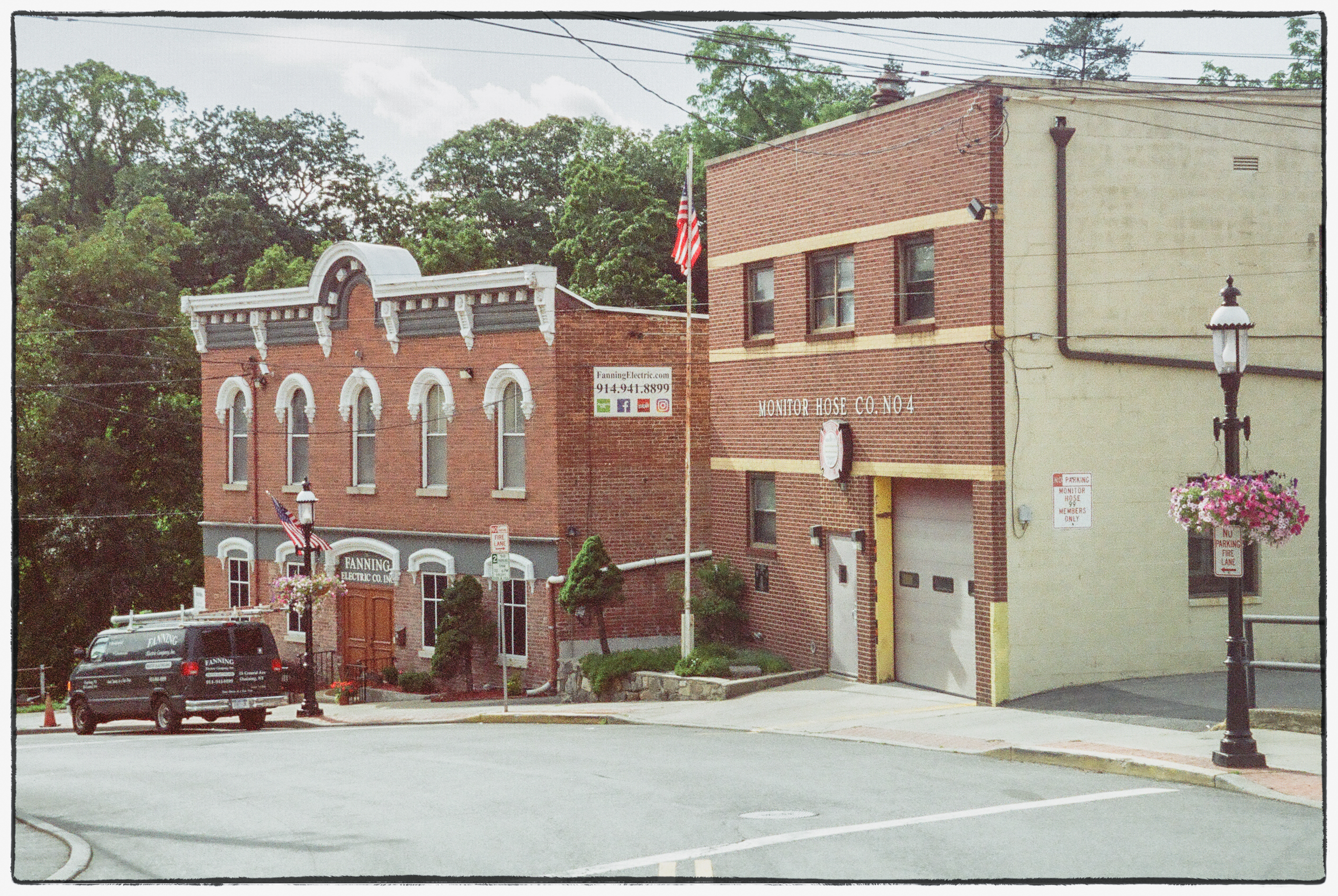
Above Ossining, NY Street Scene

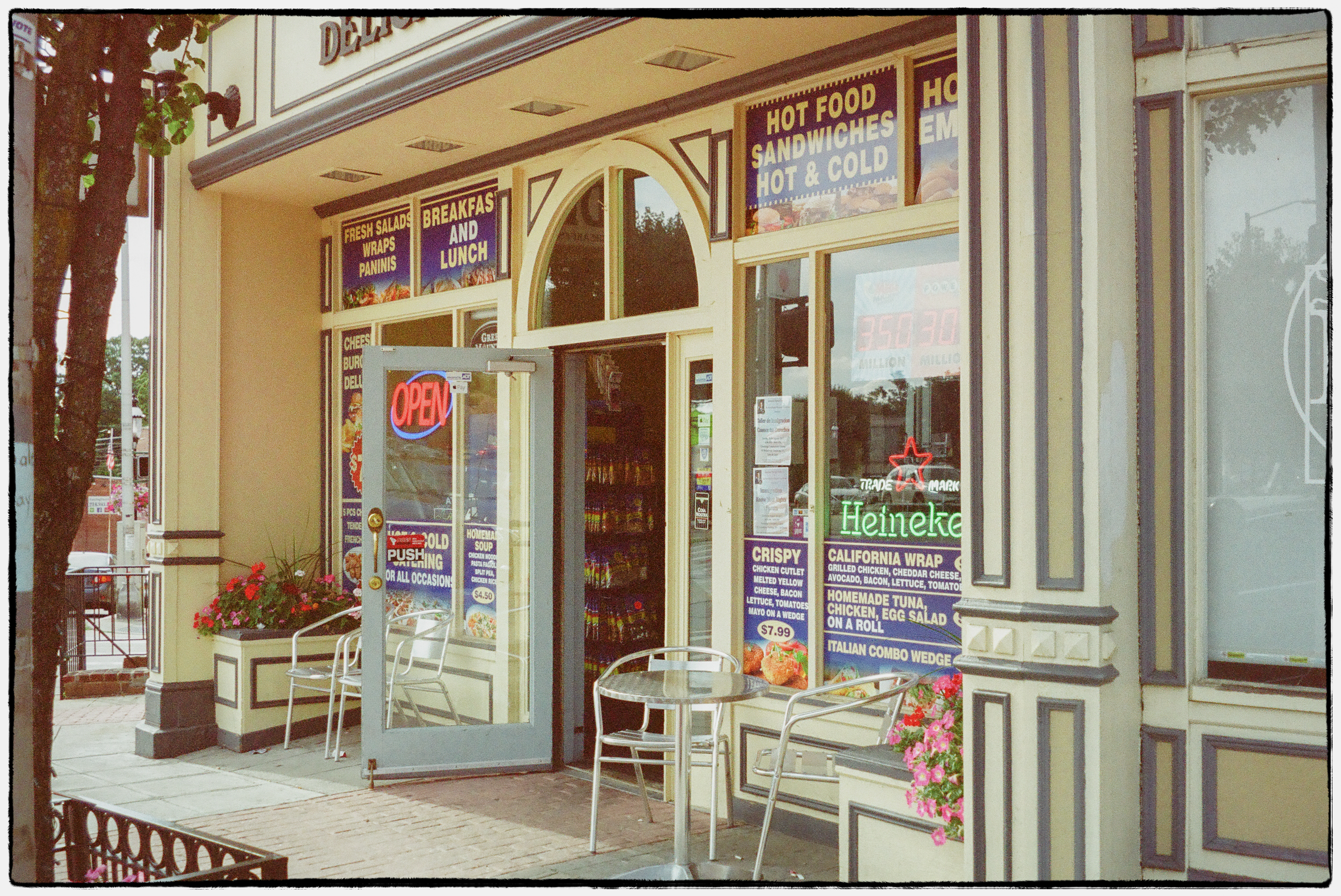
Ossining, NY Storefront.

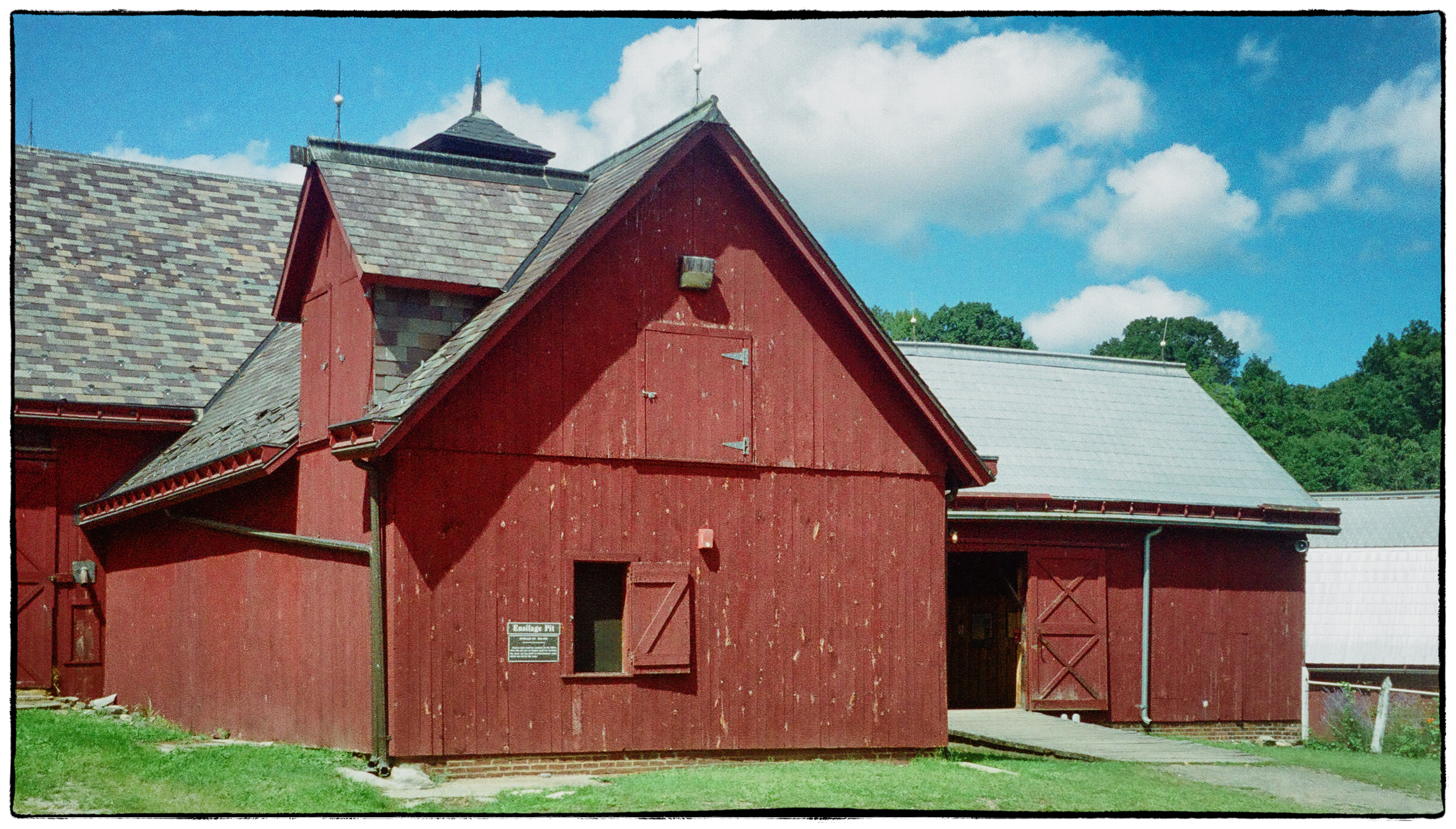
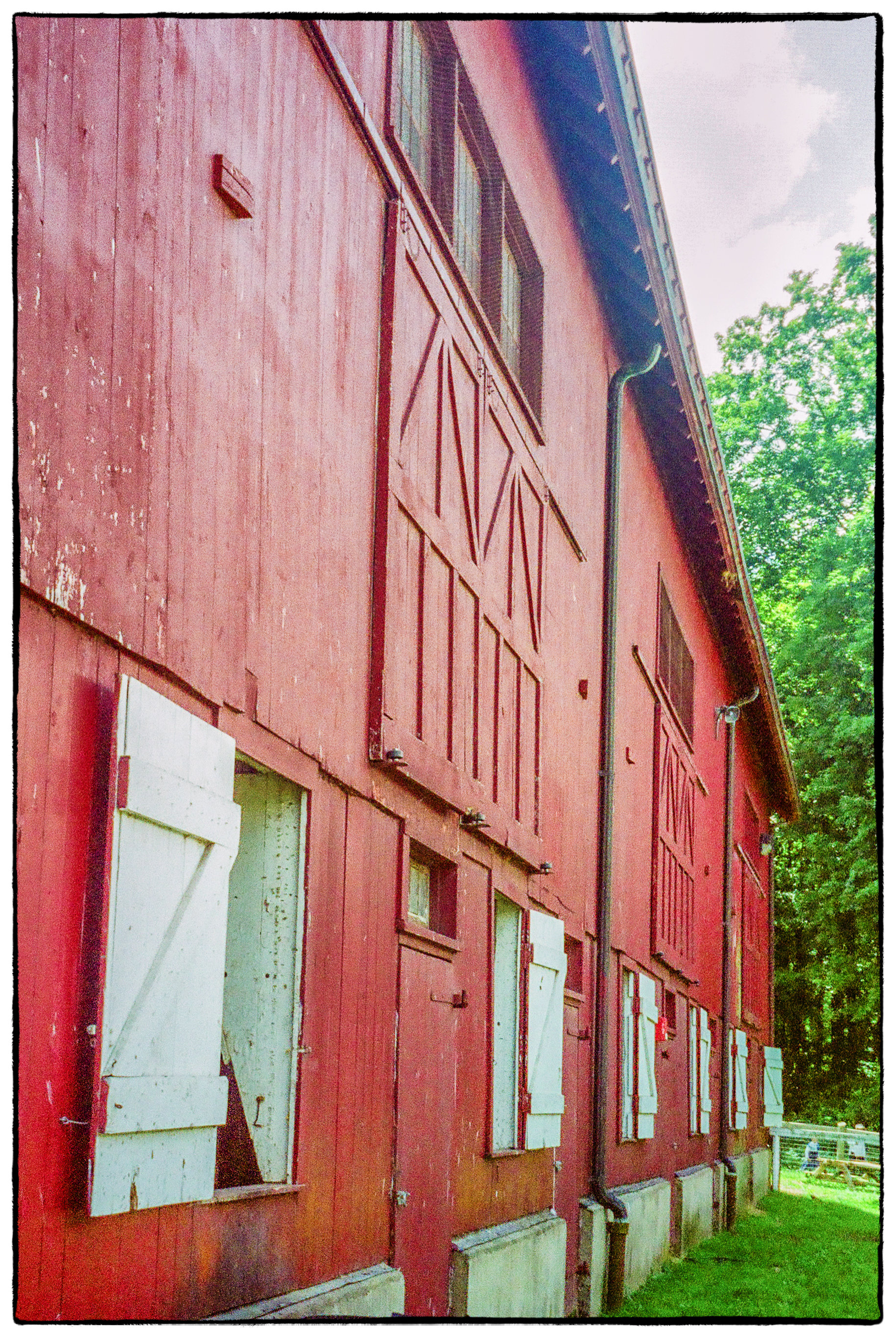
Muscoot Farm, Red Barn.

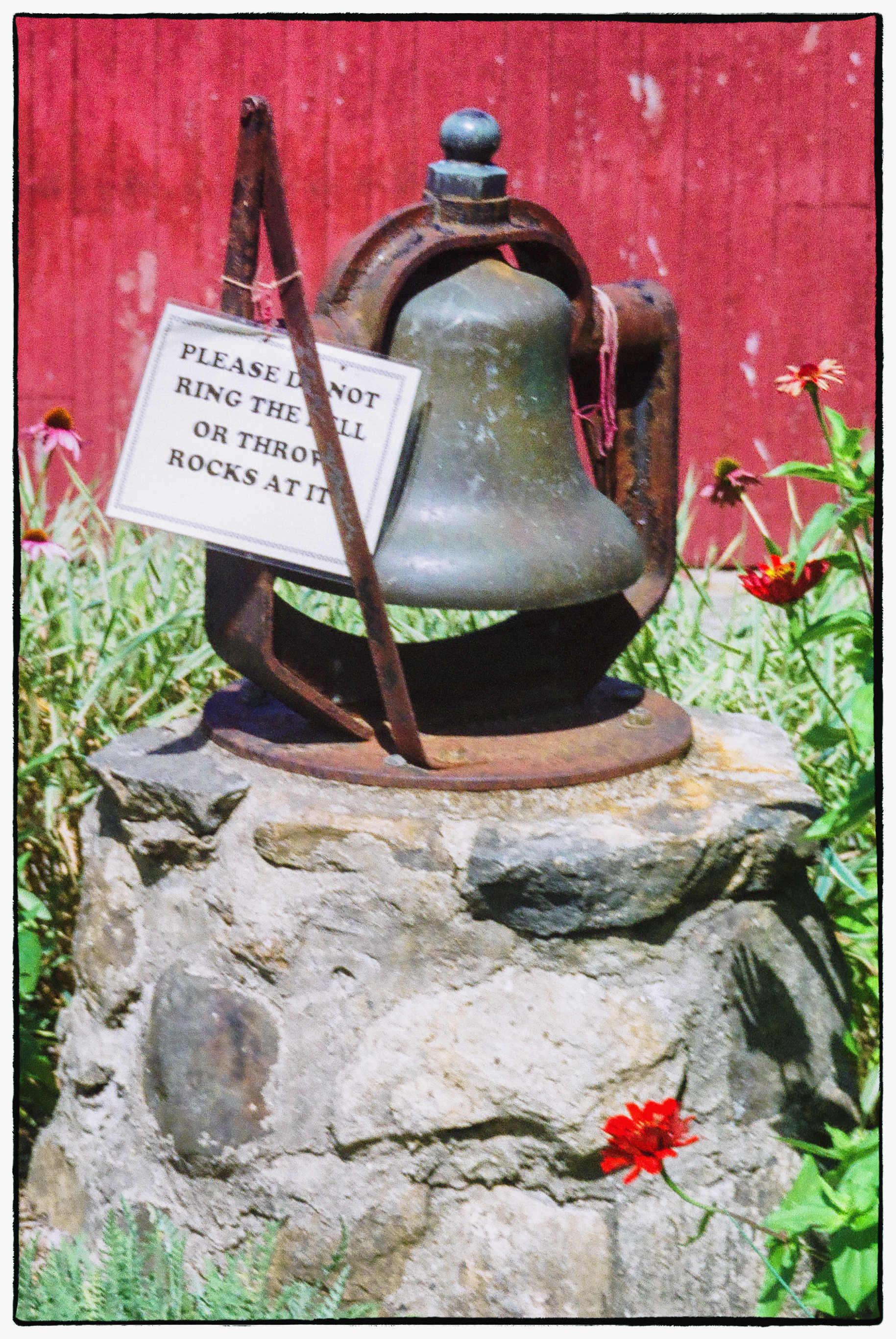
Muscoot Farm, Bell and Sign.

Muscoot Farm, Another Red Barn.

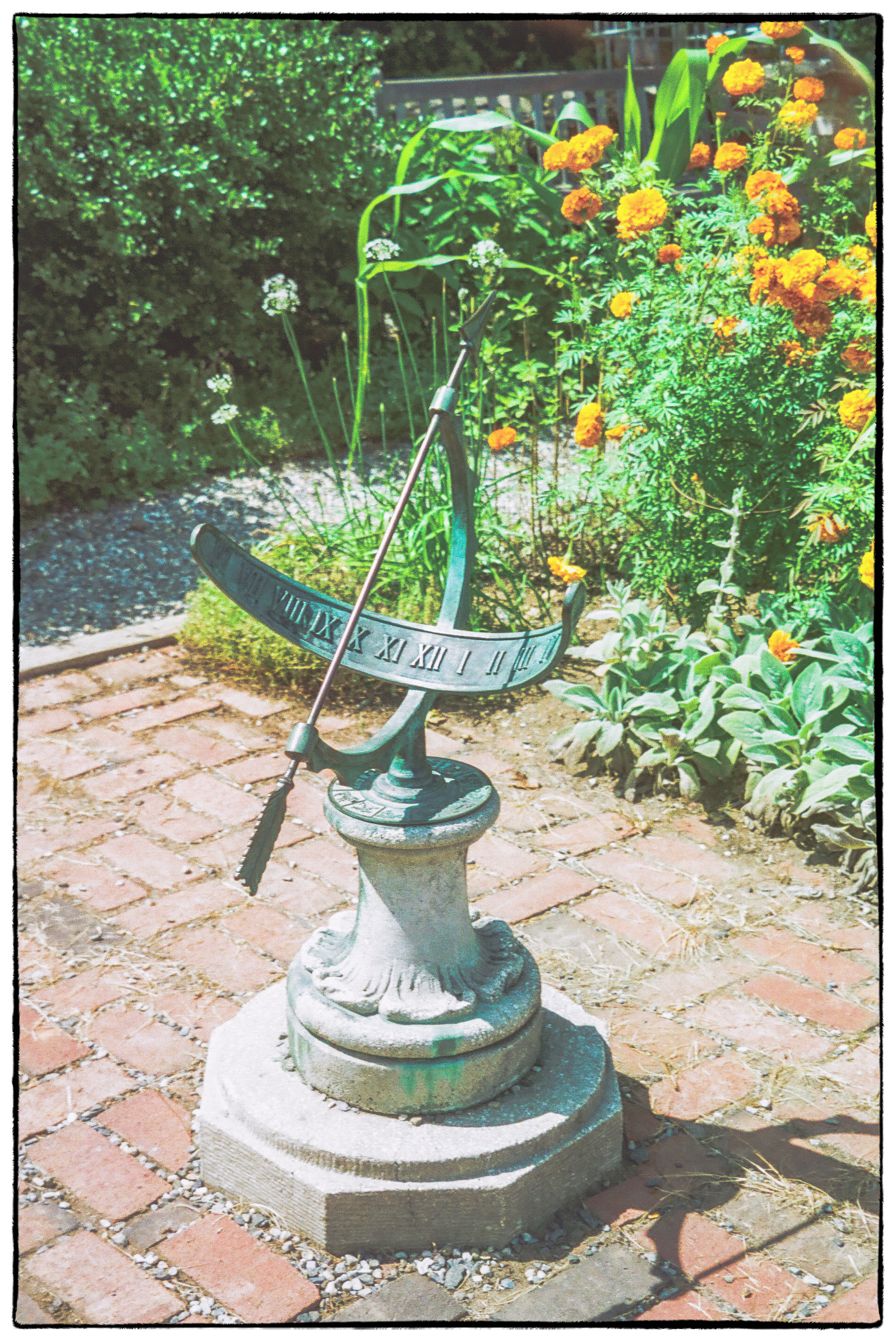
Muscoot Farm, Sundial.

For more pictures taken with this camera see: