A visit to upstate New York and Vermont – Back in Westchester County, NY – Stone Barns

In the previous post I mentioned that we took a look at the Stone Barns Center for Food & Agriculture. According to Wikipedia:

Stone Barns Center for Food & Agriculture is a non-profit farm, education and research center located in Pocantico Hills, New York. The center was created on 80 acres (320,000 m2) formerly belonging to the Rockefeller estate. Stone Barns promotes sustainable agriculture, local food, and community-supported agriculture. Stone Barns is a four-season operation.

Stone Barns Center is also home to the Barber family’s Blue Hill at Stone Barns, a restaurant that serves contemporary cuisine using local ingredients, with an emphasis on produce from the center’s farm. Blue Hill staff also participate in the center’s education programs.

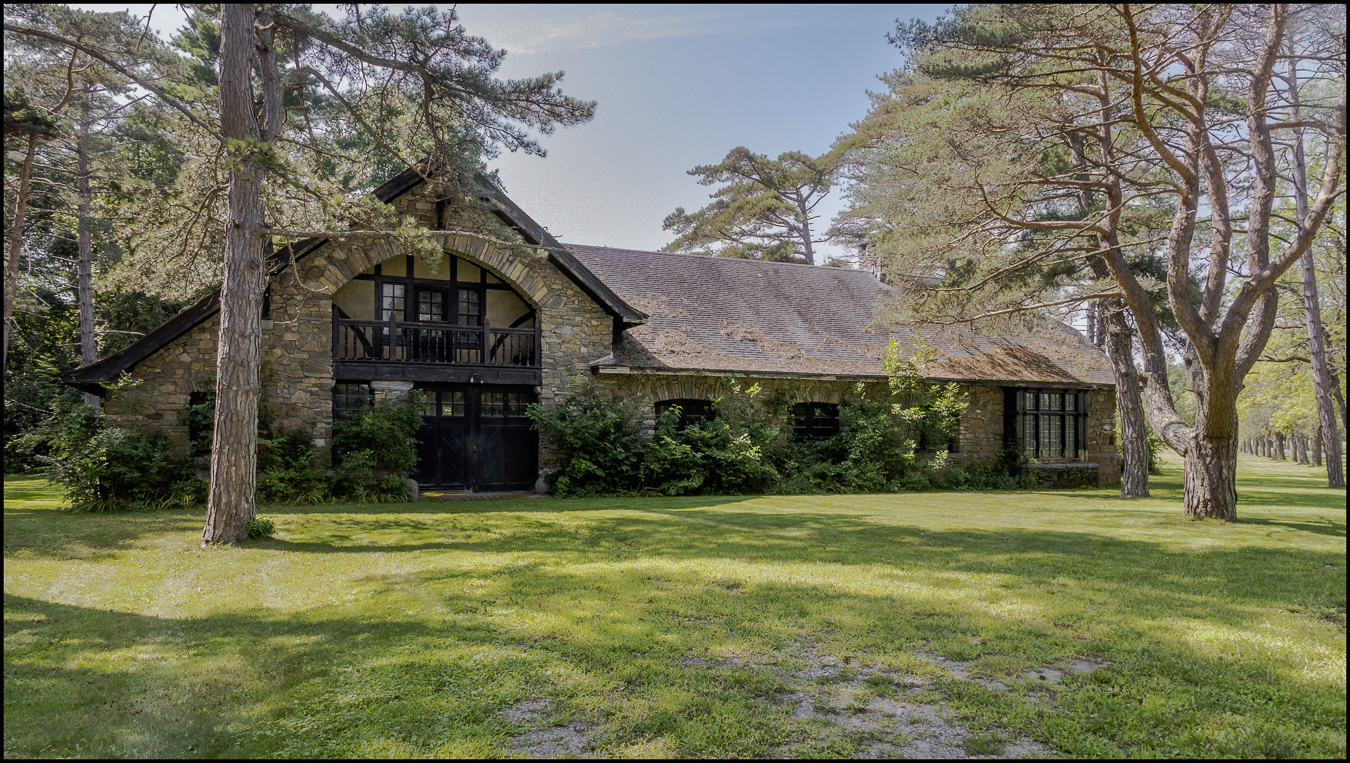
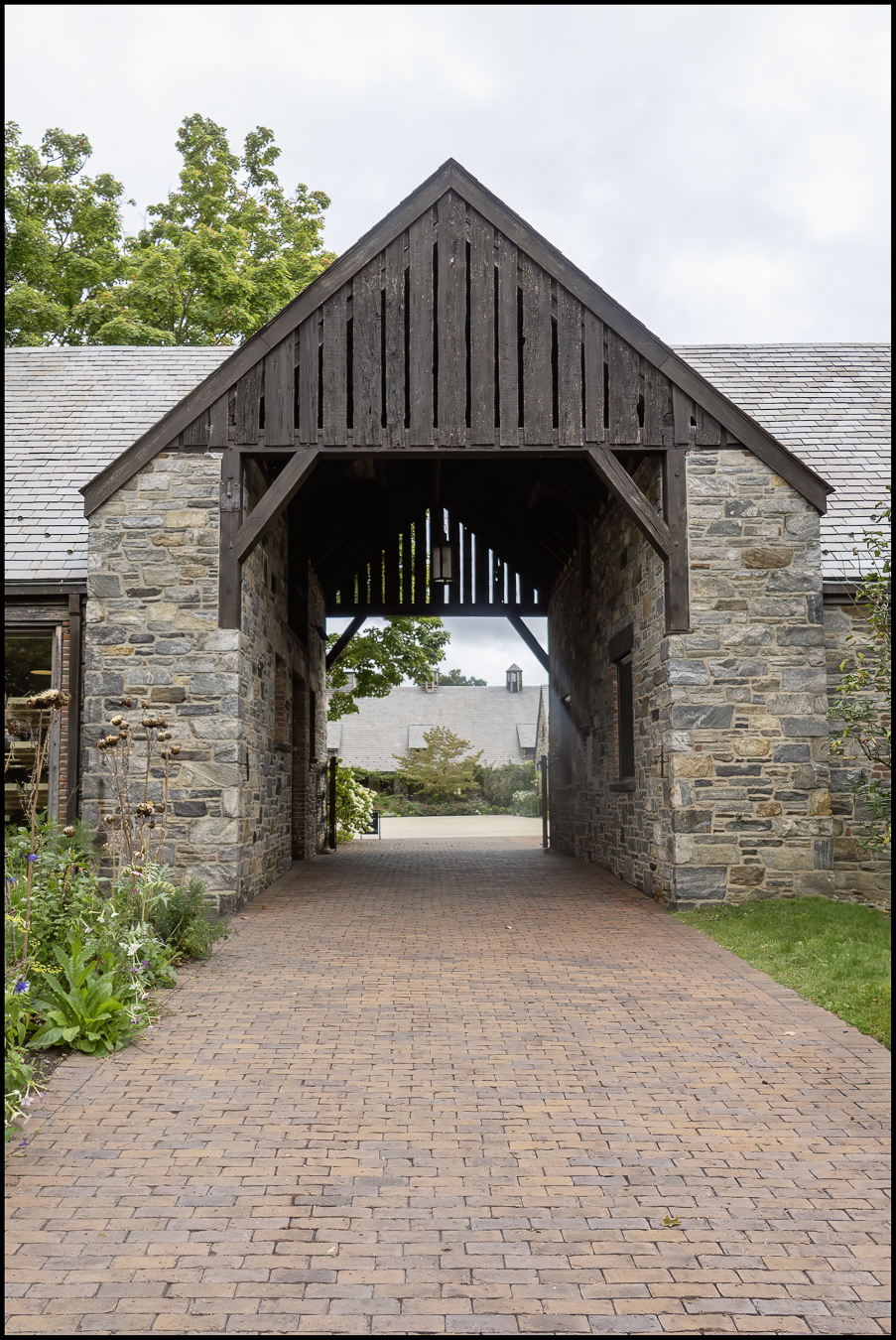
Stone Barns’ property was once part of Pocantico, the Rockefeller estate. The Norman-style stone barns were commissioned by John D. Rockefeller Jr. to be a dairy farm in the 1930s. The complex fell into disuse during the 1950s and was mainly used for storage. In the 1970s, agricultural activity resumed when David Rockefeller’s wife Margaret “Peggy” McGrath began a successful cattle breeding operation.

Stone Barns Center for Food and Agriculture was created by David Rockefeller, his daughter Peggy Dulany, and their associate James Ford as a memorial for Margaret Rockefeller, who died in 1996. Stone Barns opened to the public in May 2004.

In 2008, Stone Barns opened its slaughterhouse to slaughter its livestock for plating at Blue Hill. Using their own slaughterhouse also eliminated the long and expensive drives to the closest one.

In 2017, Stone Barns published Letters to a Young Farmer, a compilation of essays and letters about the highs and lows of farming life, including Barbara Kingsolver, Bill McKibben, Michael Pollan, Temple Grandin, Wendell Berry, Rick Bayless, and Marion Nestle.

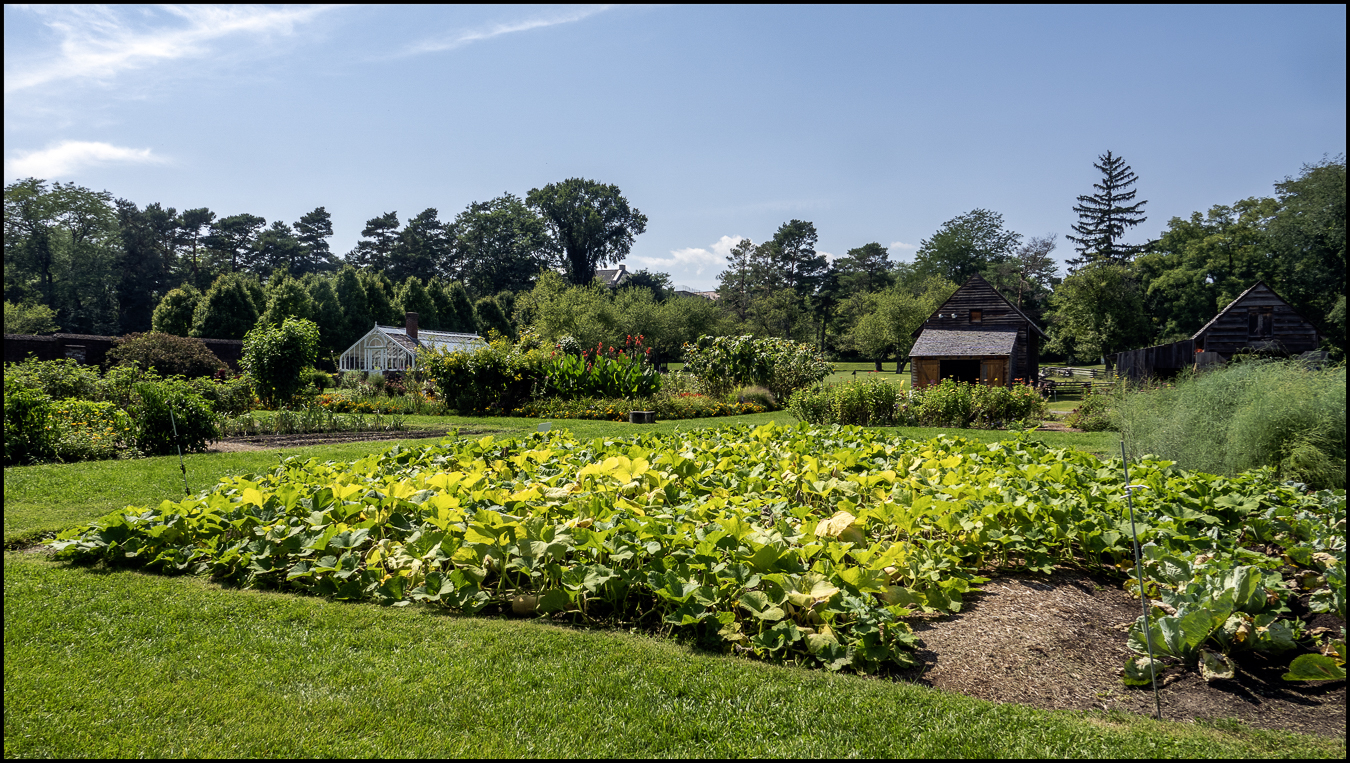
The farm at Stone Barns is a four-season operation with approximately 6 acres (24,000 m2) used for vegetable production. It uses a seven-year rotation schedule in the field and greenhouse beds. The farm grows 300 varieties of produce year-round, both in the outdoor fields and gardens and in the 22,000-square-foot (2,000 m2) minimally heated greenhouse that capitalizes on each season’s available sunlight. Among the crops suitable for the local soil and climate are rare varieties such as celtuce, Kai-lan, hakurei turnips, New England Eight-Row Flint seed corn, and finale fennel. The farm uses no pesticides, herbicides or chemical additives, although compost is added to the soil for enrichment. The farm has a six-month composting cycle using manure, hay, and food waste scraps.
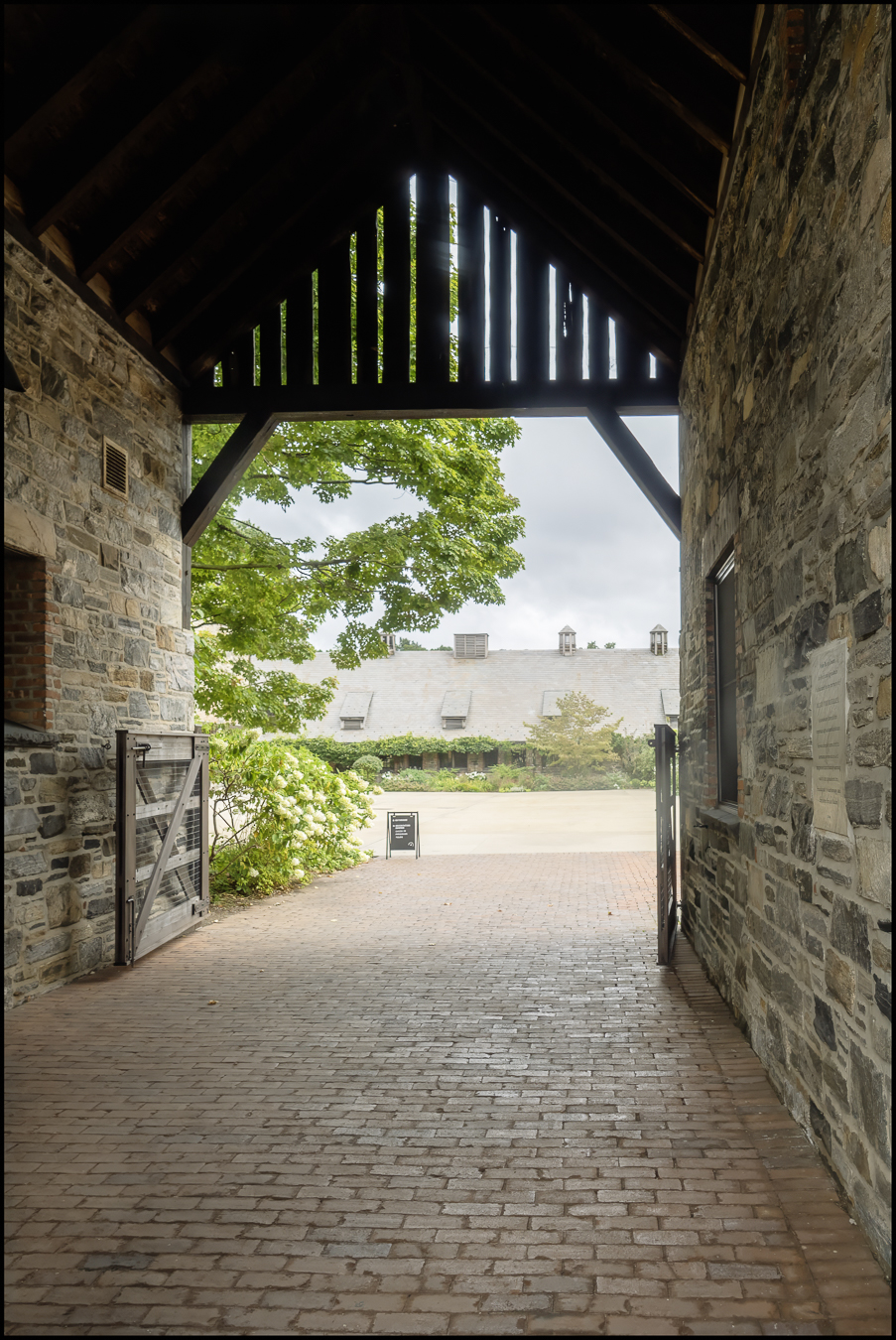
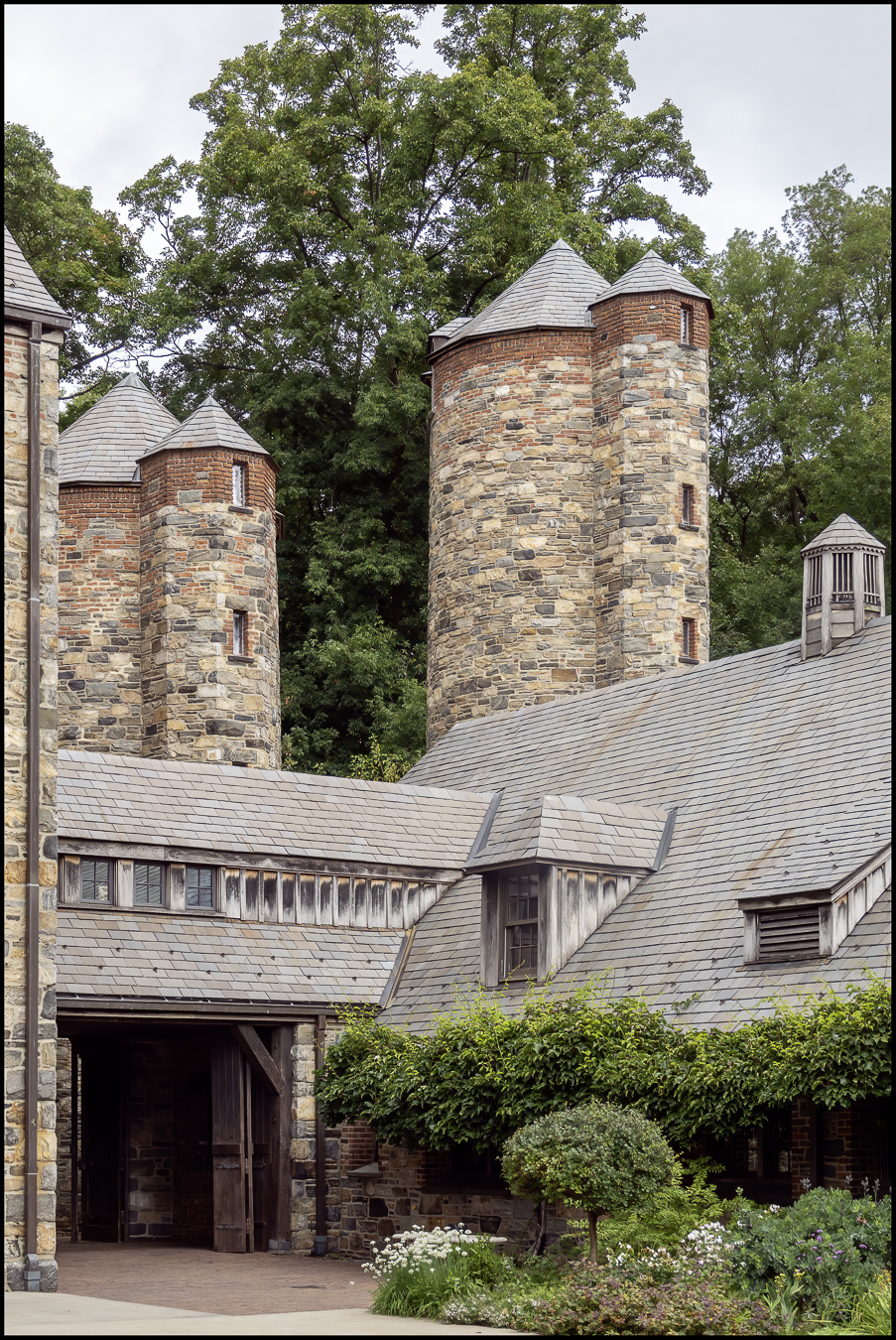
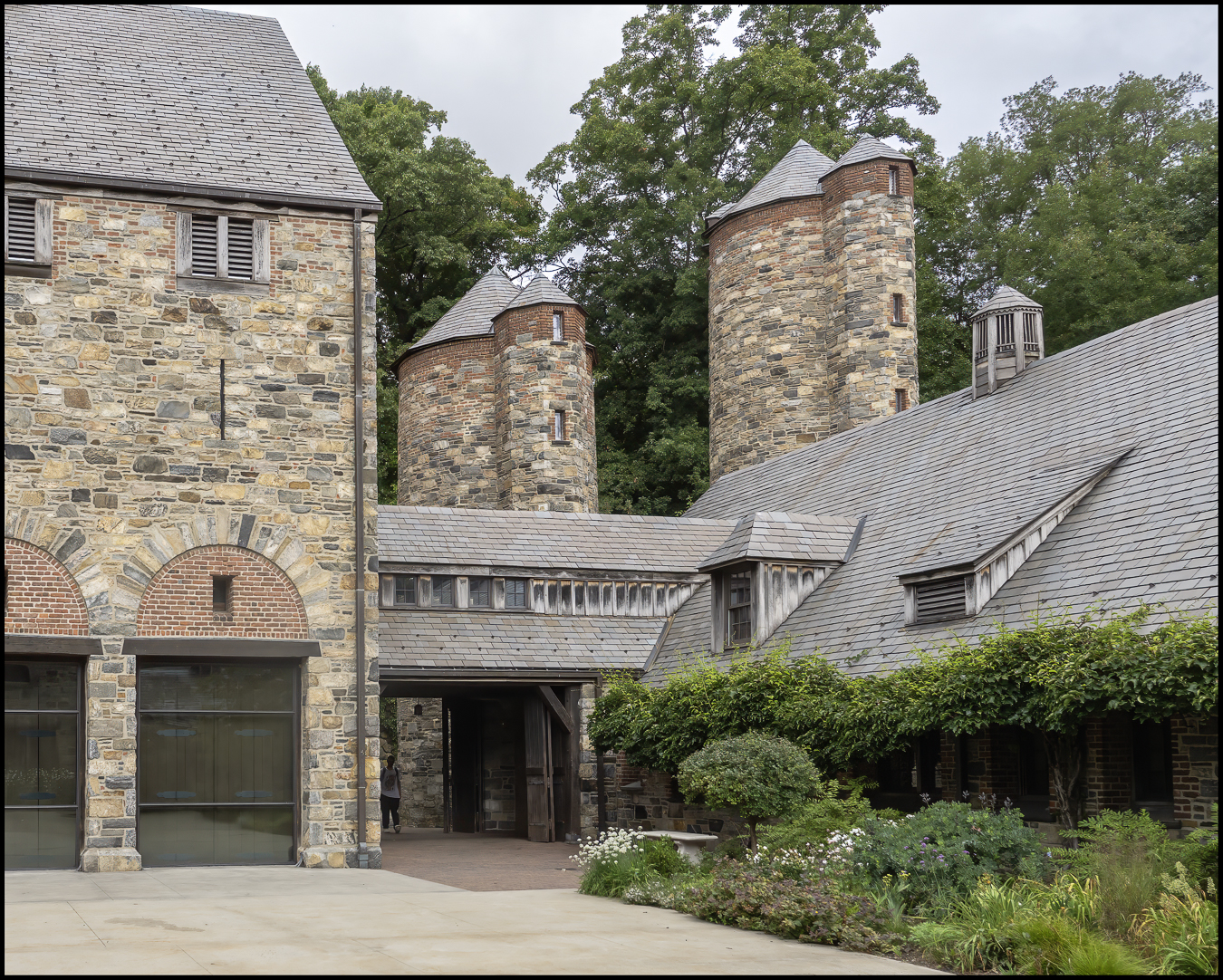
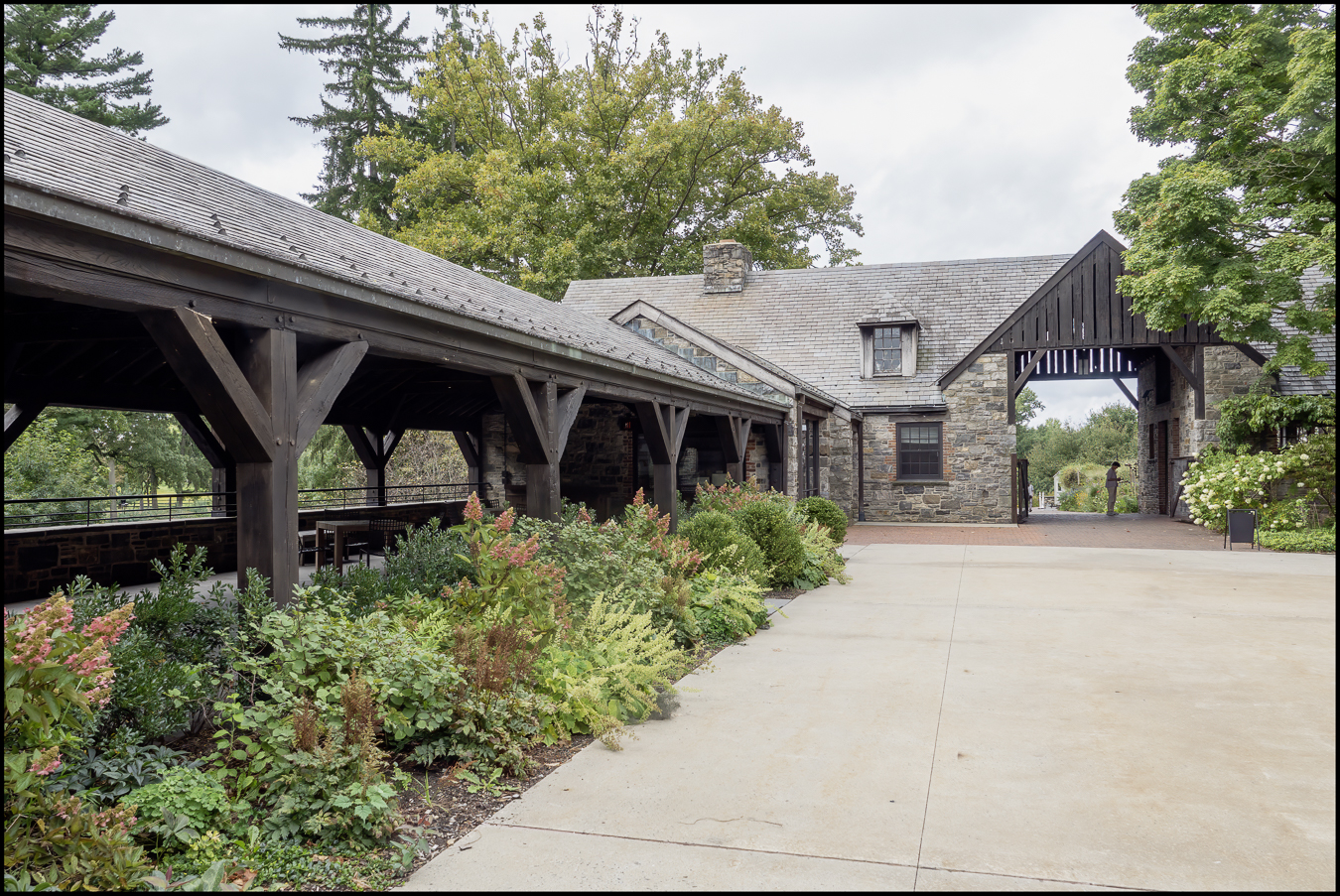
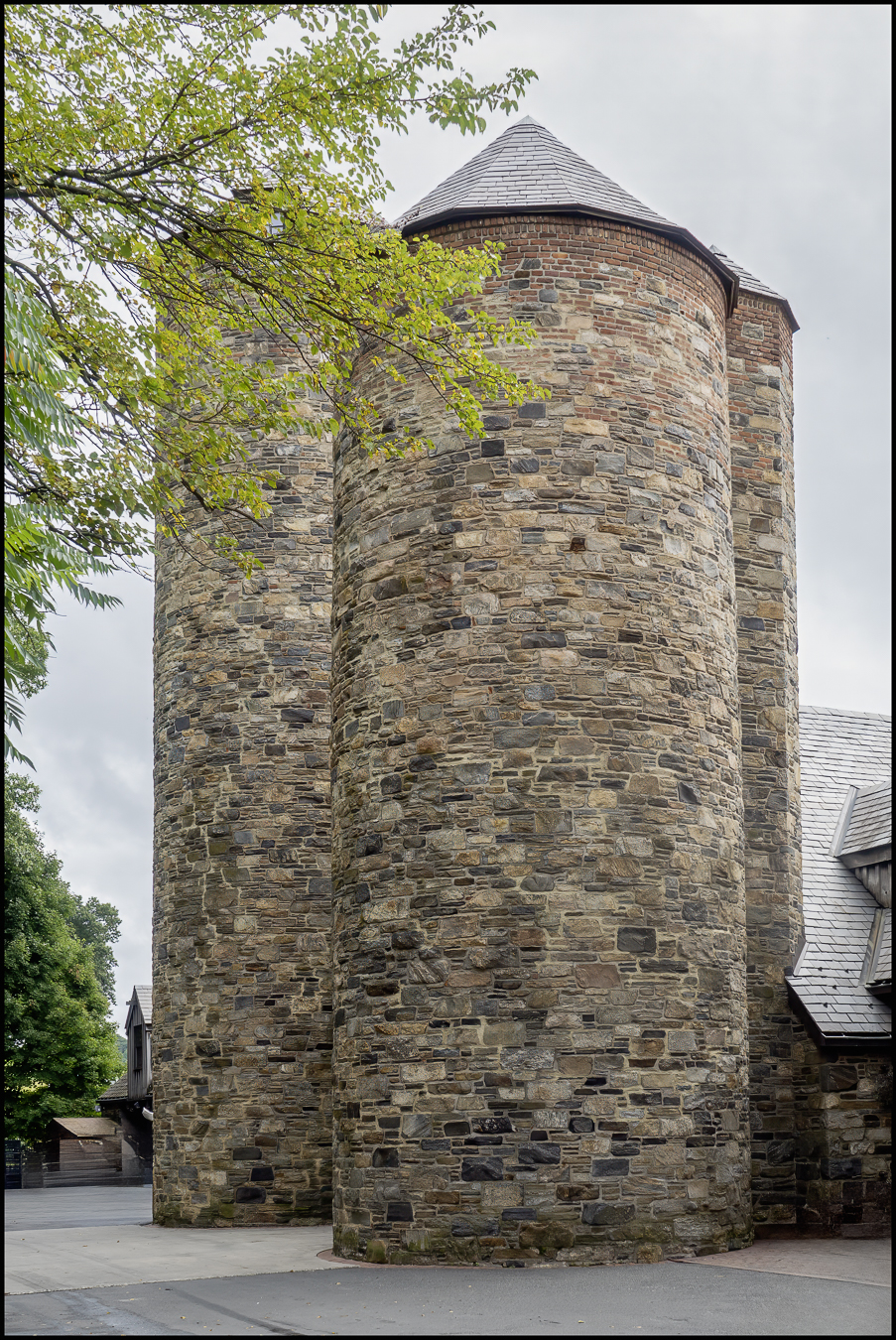
I’ve been to Stone Barns many times. It’s adjacent to the Rockefeller State Park Preserve, a fantastic place for walking.

Stone Barns also has its own restaurant: Blue Hill at Stone Barns. Blue Hill has two Michelin Stars, and the guide describes it as follows:

The passion of Chef Dan Barber is at the core of everything here, where a meal is a true experience that uniquely knits together his vision of improving our foodways, the grit of utilizing the land to provide sustenance, and luxurious touches like crisped linens and fine crystal.
A procession of dramatically presented, farm-fresh seasonal produce kicks off the meal and may include freshly plucked radishes with browned butter, Hakurei turnips dressed with poppy seeds, and morsels of dried honeypatch squash. While the focus is plant-based, heartier compositions may reveal roasted, retired dairy cow plated with root-to-leaf celeriac. The meal may end celebrating how this operation began; as a dairy, with a tower of milk crumbs, milk jam, panna cotta and ice cream to dress poached quince.

The restaurant also has a green star for gastronomy & sustainability. According to Chef, Bastien Guillochon:

“We work with 64 local farms; 30% of our winter menu purchased in October and November to store, preserve or ferment; day boat fisherman off Long Island represent 80% of our seafood purchases; we work closely with vegetable and grain breeders to develop and champion varieties that have lower inputs and require less energy to produce.”

For more on Blue Hill see here.

I once ate at Blue Hill. But that was many years ago, not long after it opened. It was much less expensive then.

The restaurant’s FAQs contain the following statements:

The menu price is $398 – $448 per guest, exclusive of tax and 22% administrative fee. Most reservations include a walking tour of the property prior to your meal. Bookings with this tour support Stone Barns Center programming and are $448 per guest; bookings without are $398.

Menu price is prepaid during booking, and beverages are charged separately at the time of your reservation.

And

Guests are welcome to bring special bottles of wine that are not represented on our wine list. The policy is limited to one 750ml bottle per two guests for a fee of $150 per bottle.

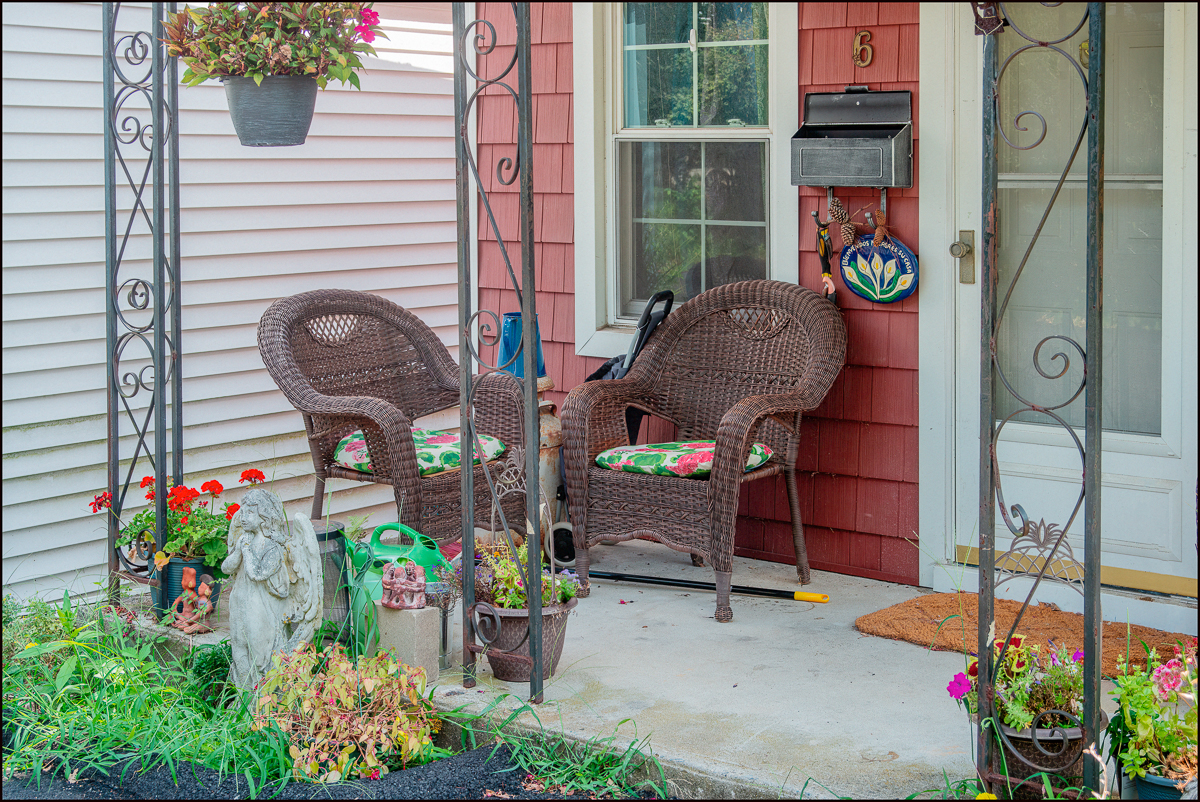
For a few pictures see below. The door to the restaurant was open so I peeped inside. However, I didn’t think it was appropriate to go around taking pictures. From what I saw it looked like a very nice place, as one might expect.
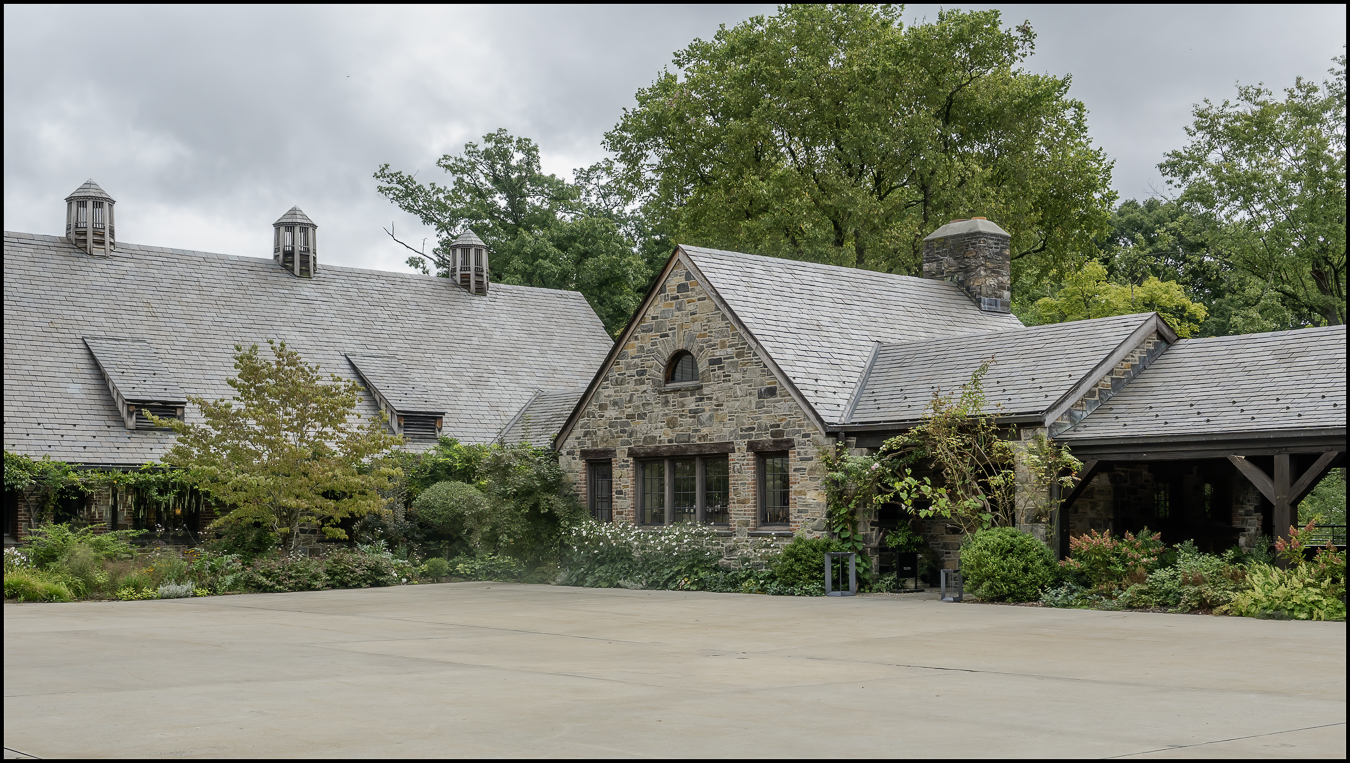
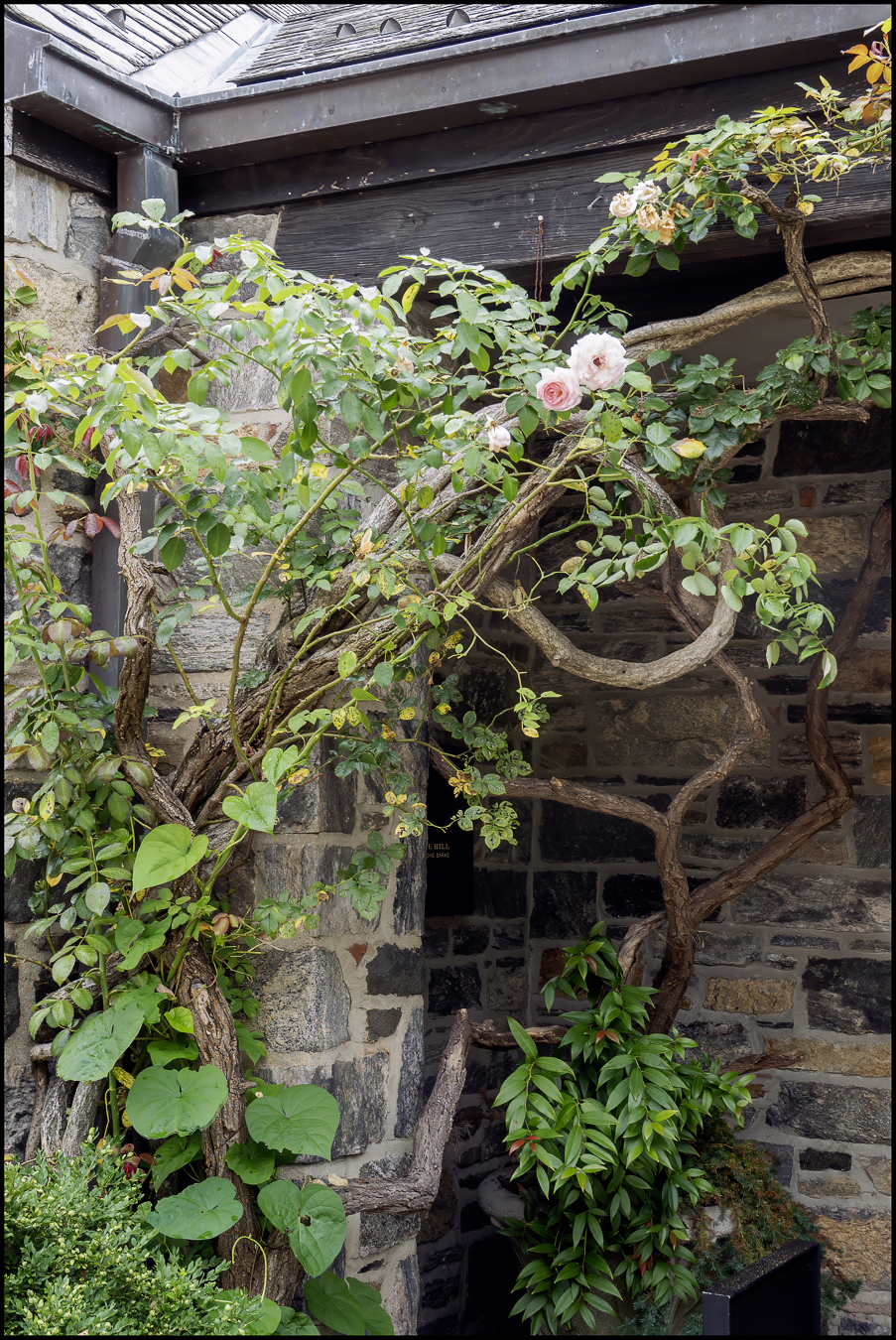
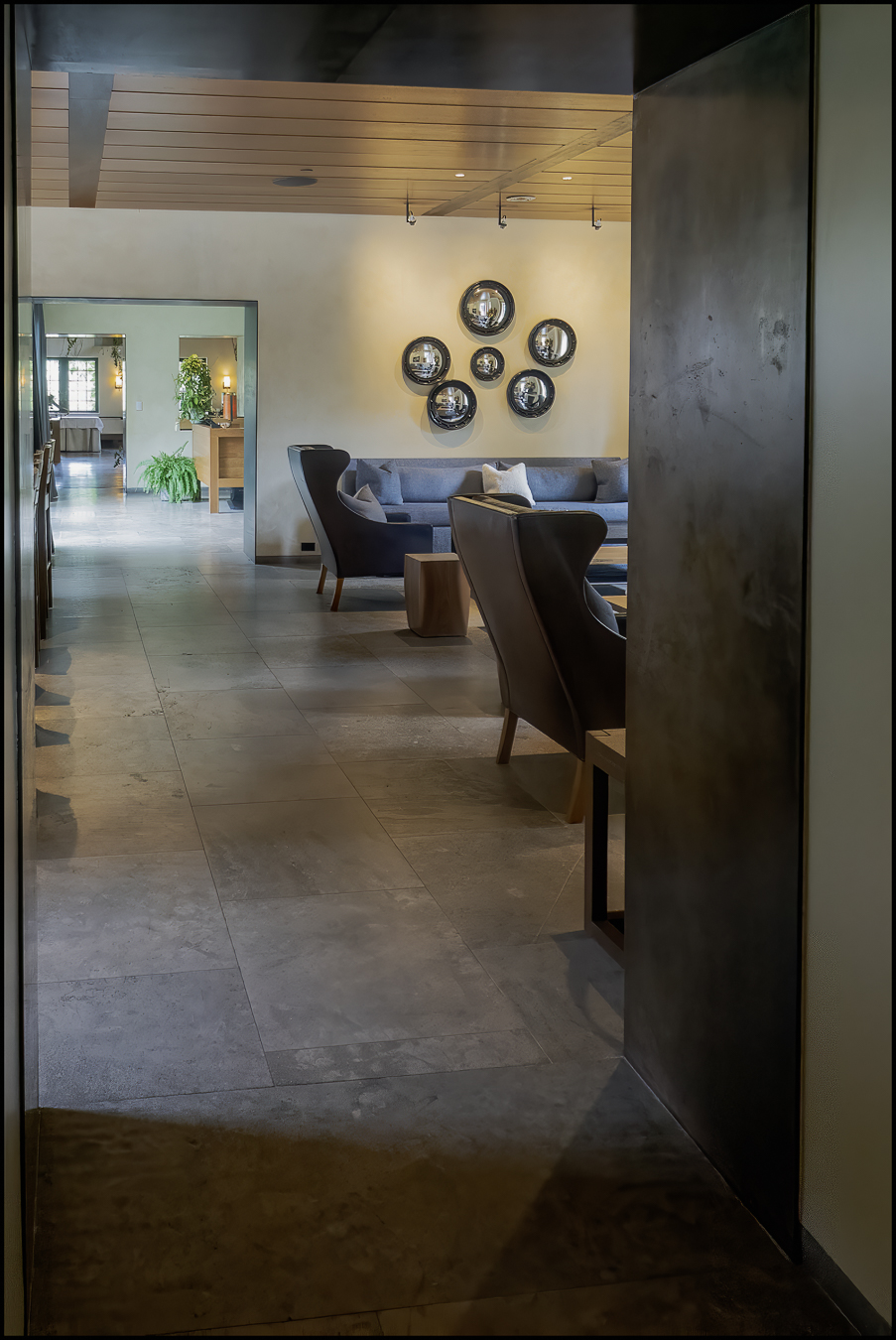
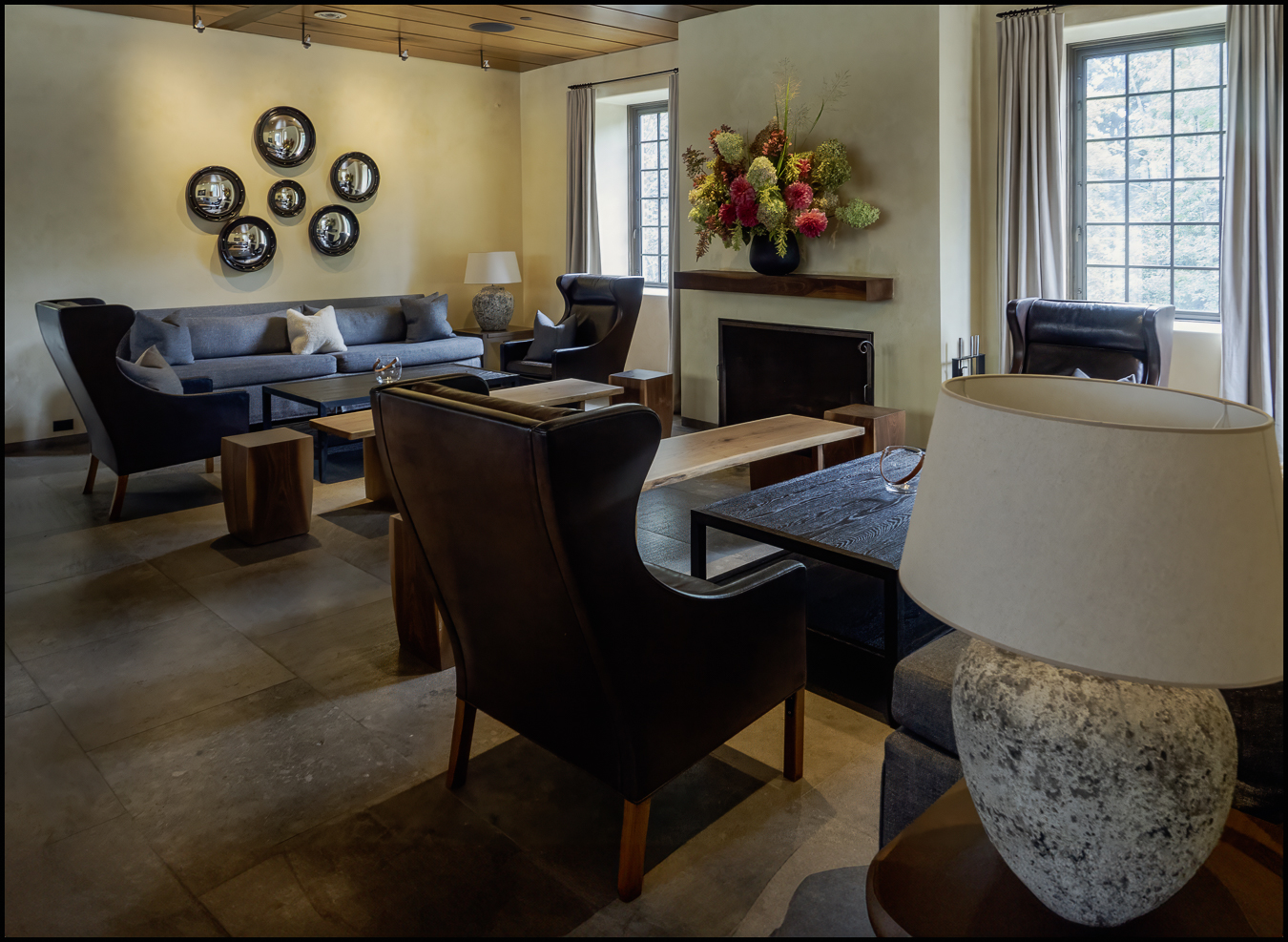
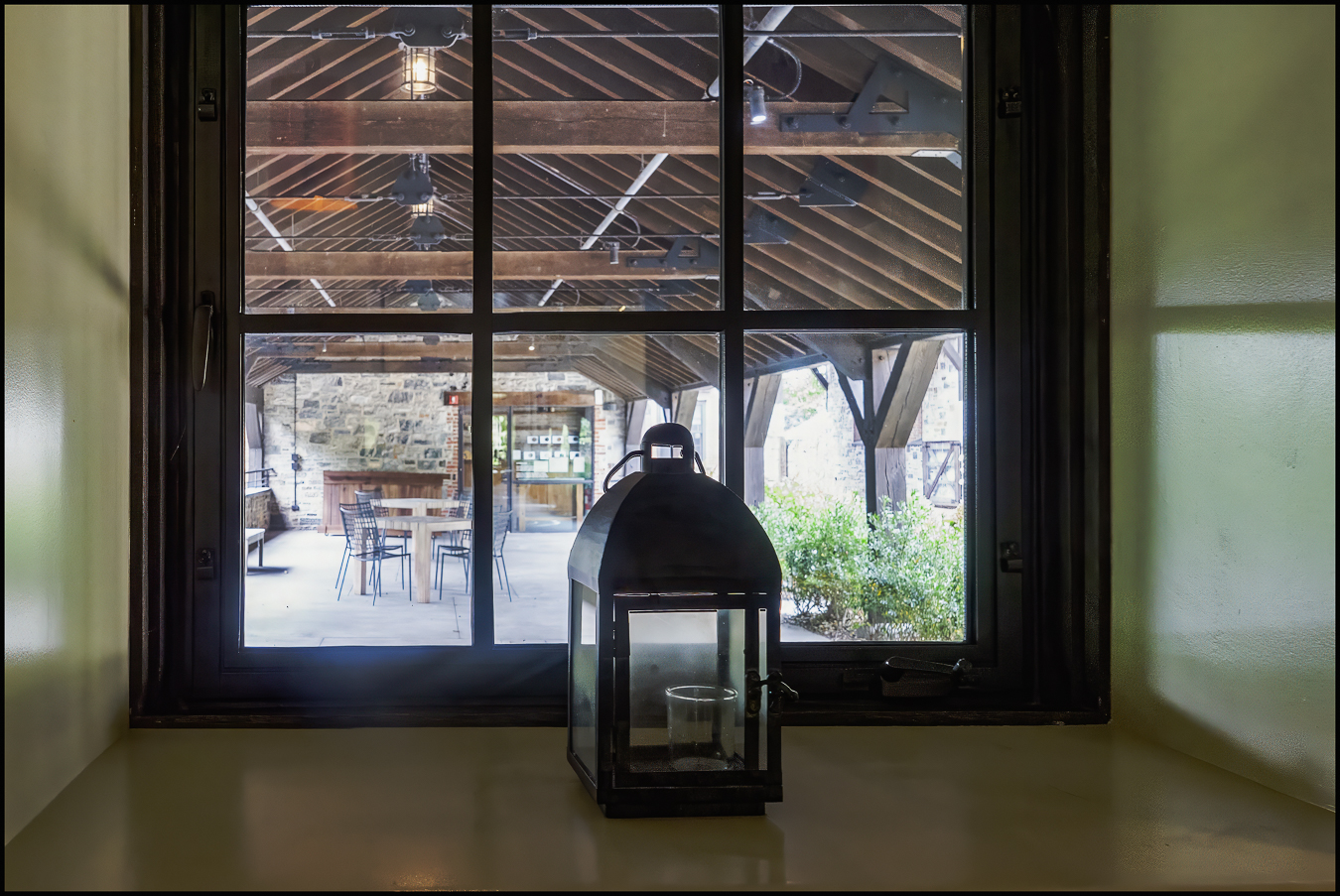
Since it would cost us in excess of $2,000 for dinner for the four of us, we decided we would skip that.

But Blue Hill has another trick up its sleeve: Breakfast:

Blue Hill Cafeteria, our casual, communal space, opened in October of 2021. The Cafeteria is anchored around a large table that opens to the Dooryard Garden, where we offer seasonal outdoor seating amongst the flower beds and their pollinators.

The Cafeteria is open Wednesday through Sunday to guests visiting the Stone Barns Center, highlighting our work with whole grains, preservation and butchery through breakfast, lunch and Community Table by Blue Hill—a family style dinner.

Reservations for both Lunch Tray at Blue Hill Cafeteria and Community Table by Blue Hill can be made online via Tock. All sales are final, and reservations cannot be canceled. If your preferred booking is not available, we encourage you to add your information to the waitlist. New reservations are released one month at a time on the 15th of the month prior.

I don’t recall that we made reservations. But we did get there very early, quite a while before it opened so we were among the first people through the door. We went inside, picked up what we wanted and then went out into the garden to eat. I must say that their offerings were very good, and not ridiculously priced. It was fun sitting in the garden.
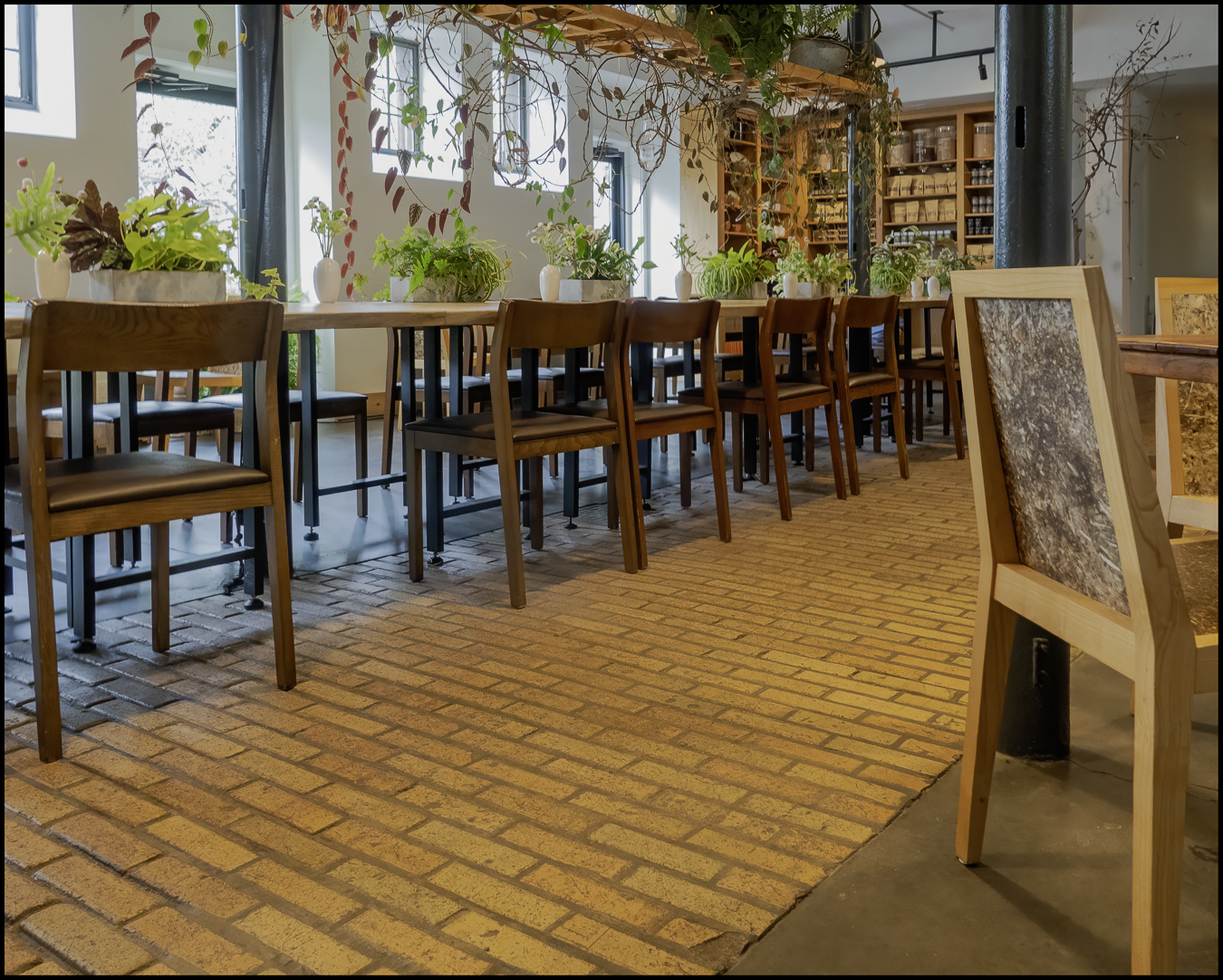
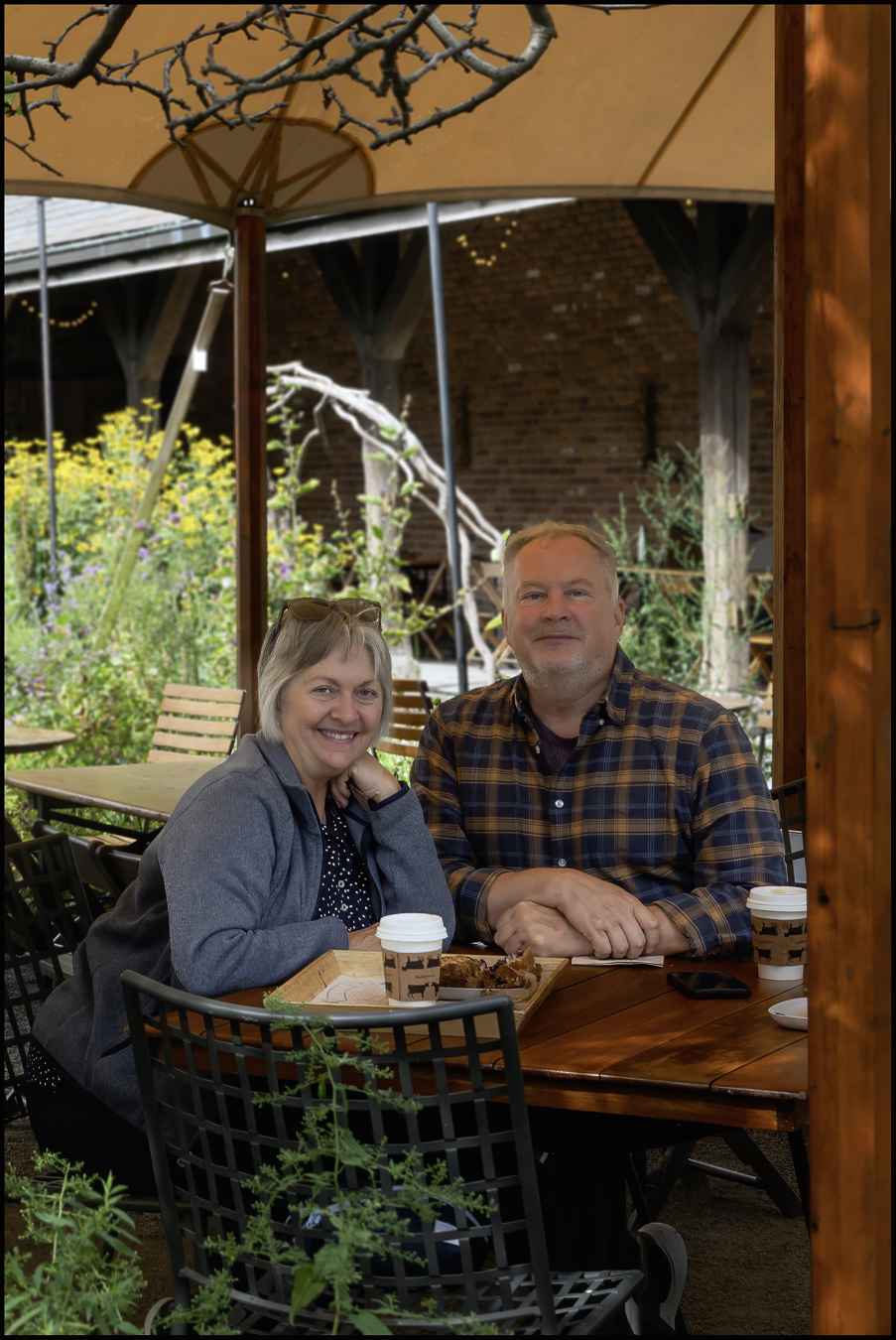
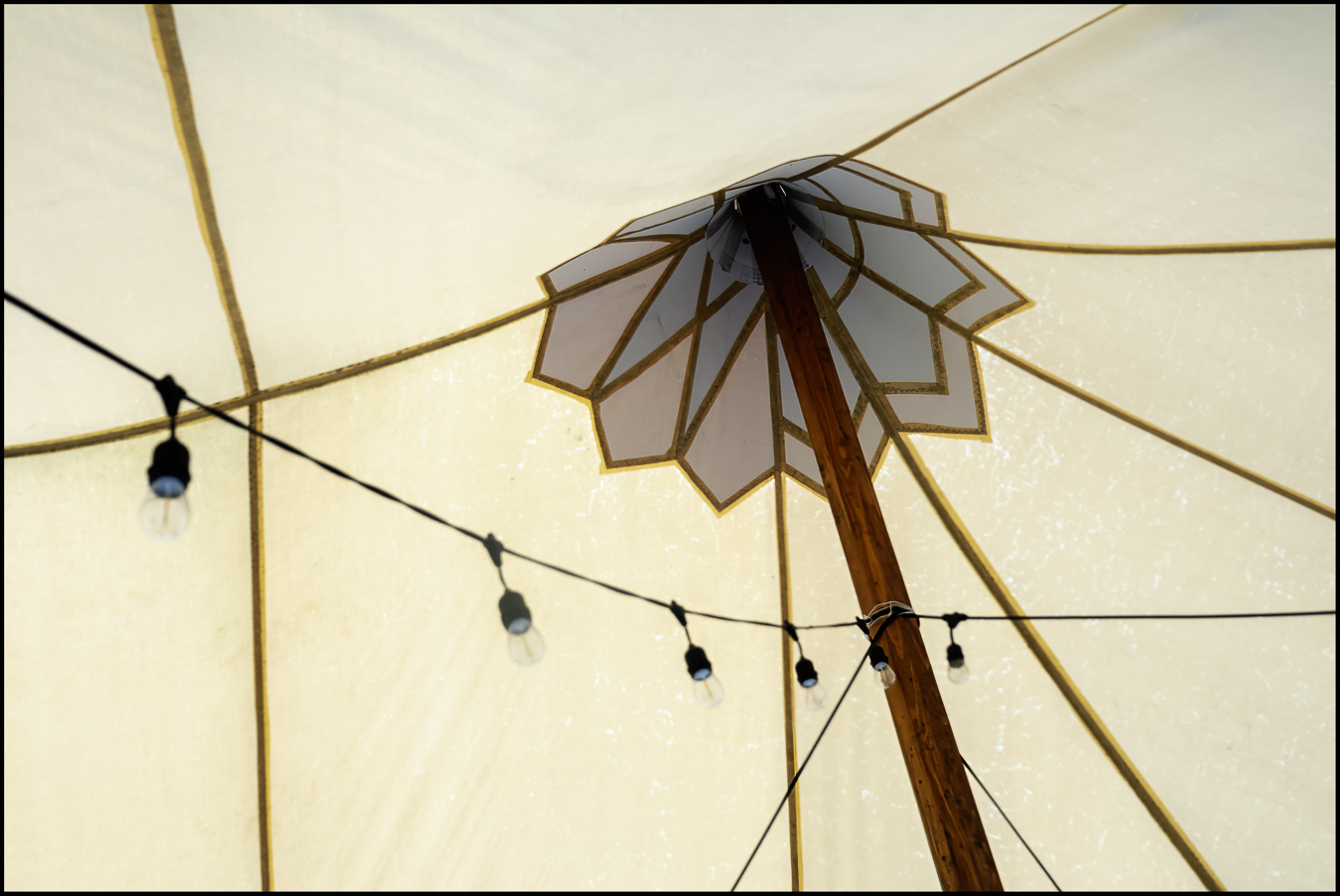
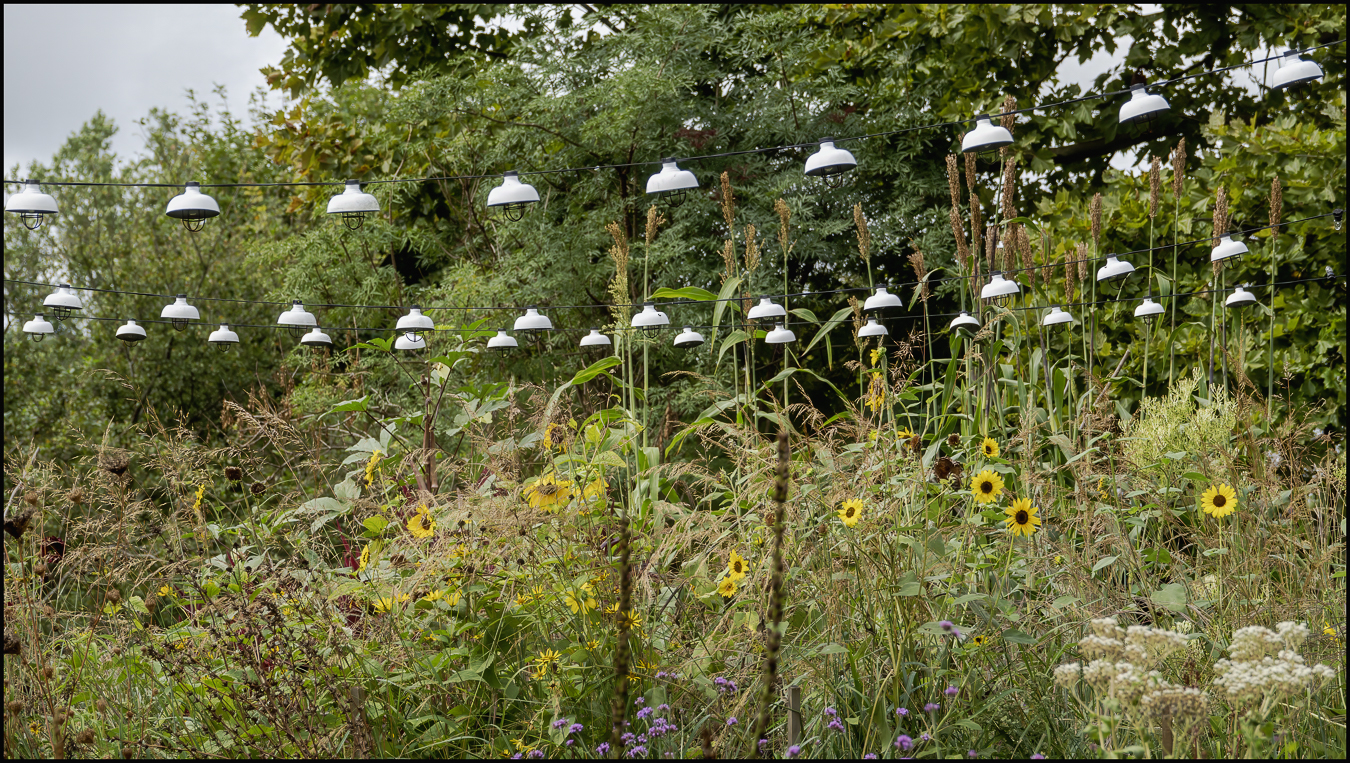
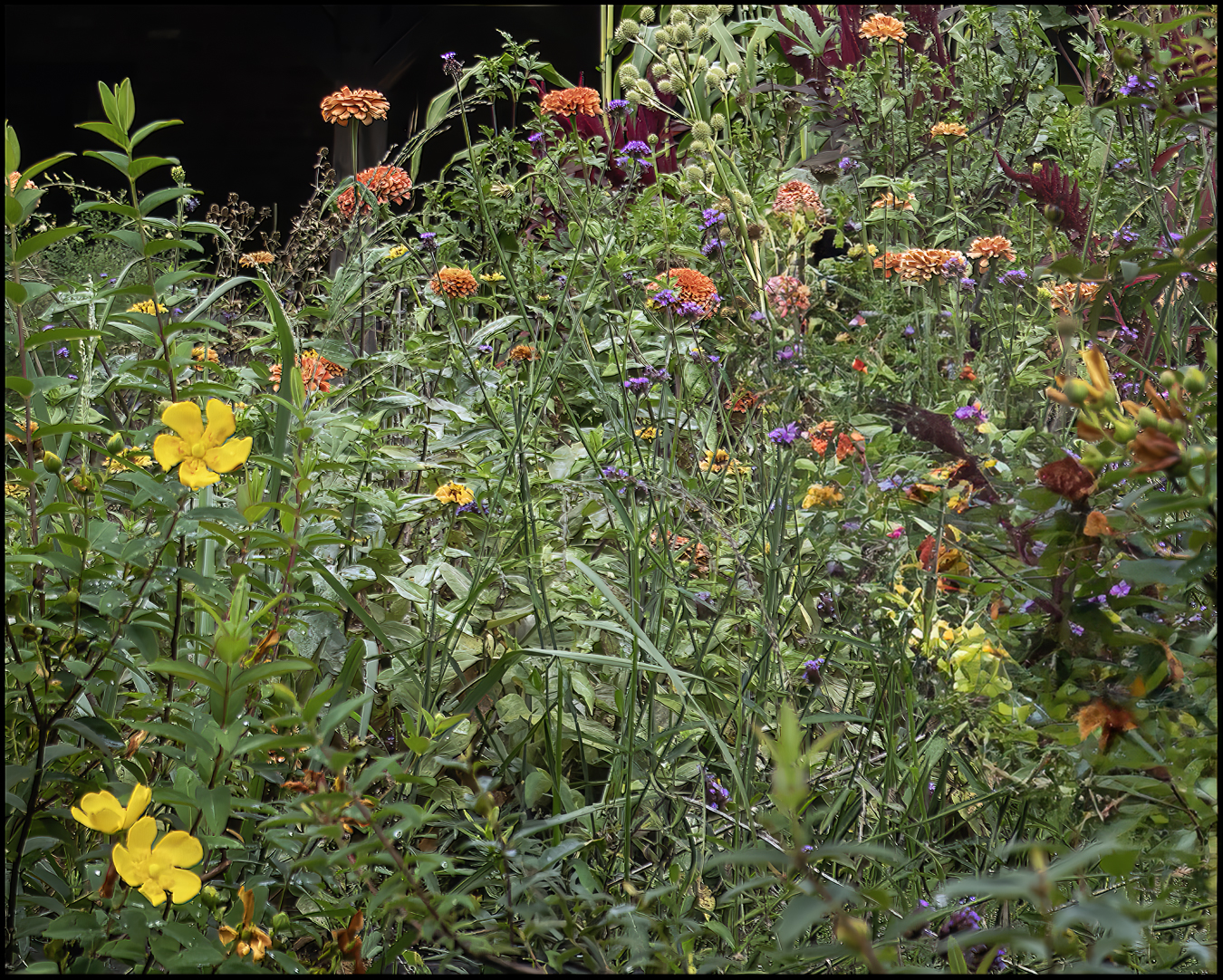
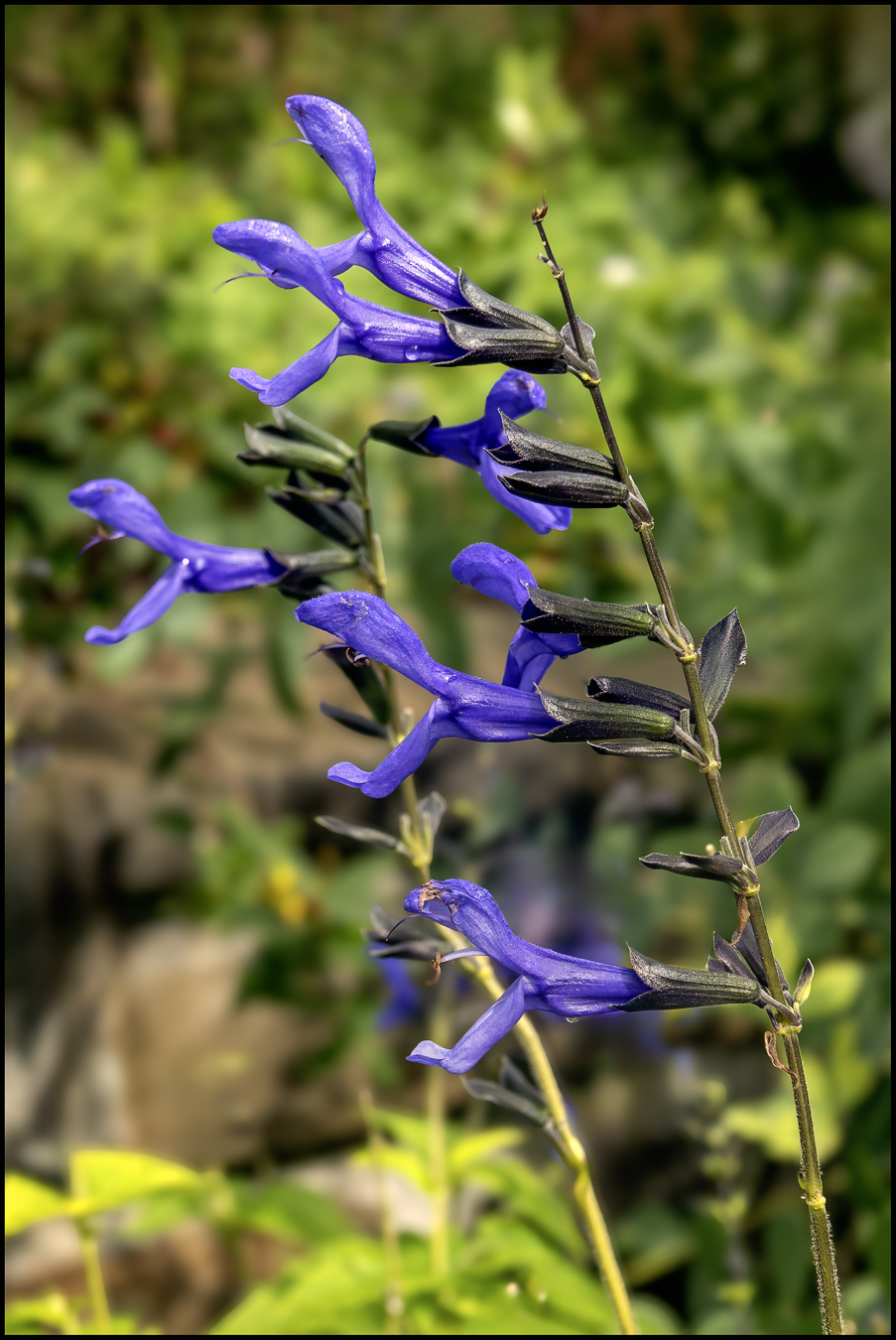
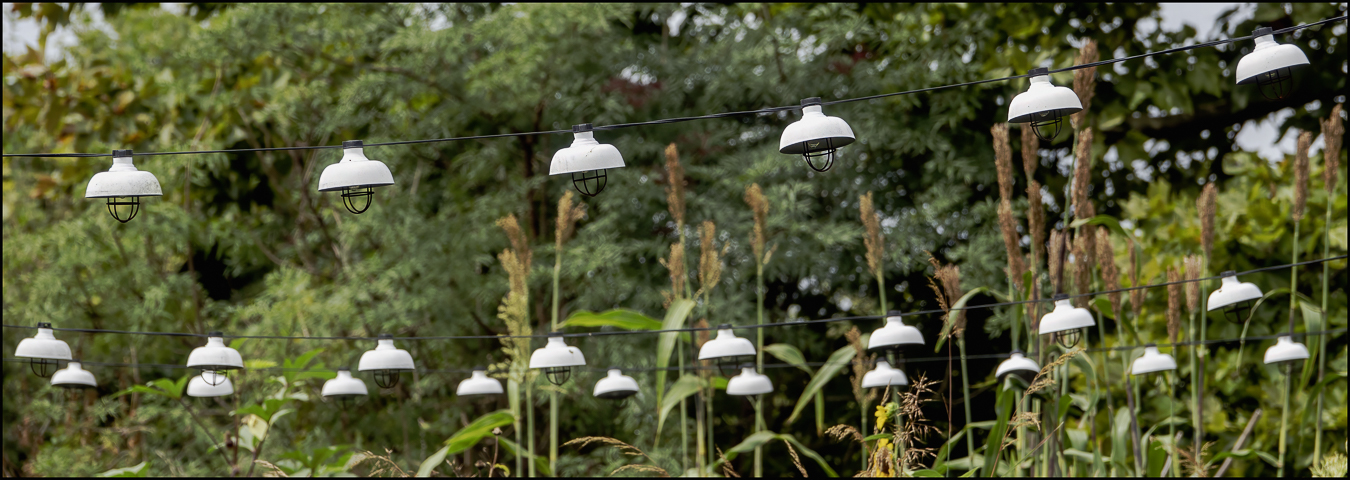
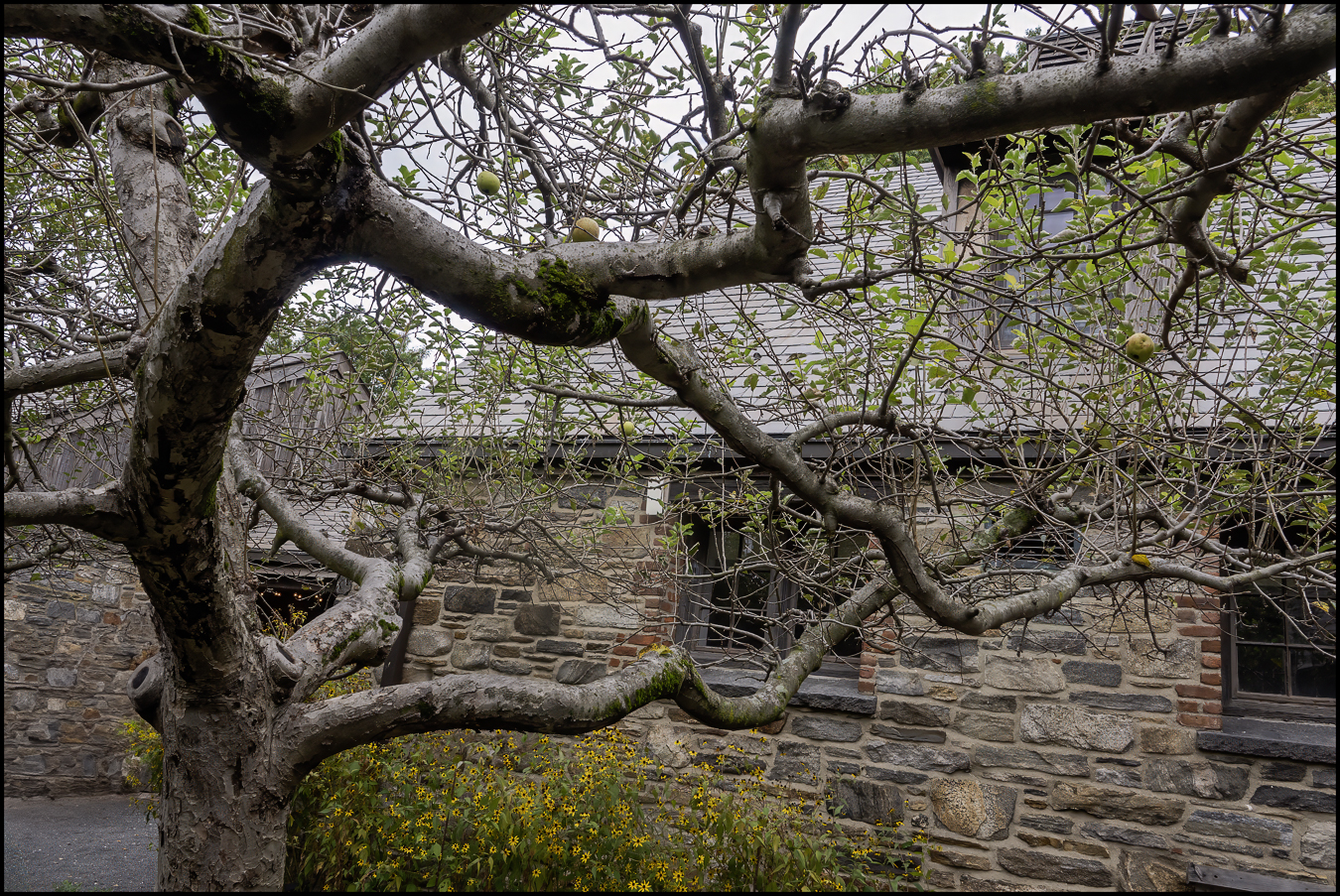
After we finished my friends dropped me home, and then set off on their long drive back to Ottawa. It was very nice to see them again.

Taken with a Sony RX10 IV (mostly)
A visit to upstate New York and Vermont – Fort Ticonderoga – The King’s Garden

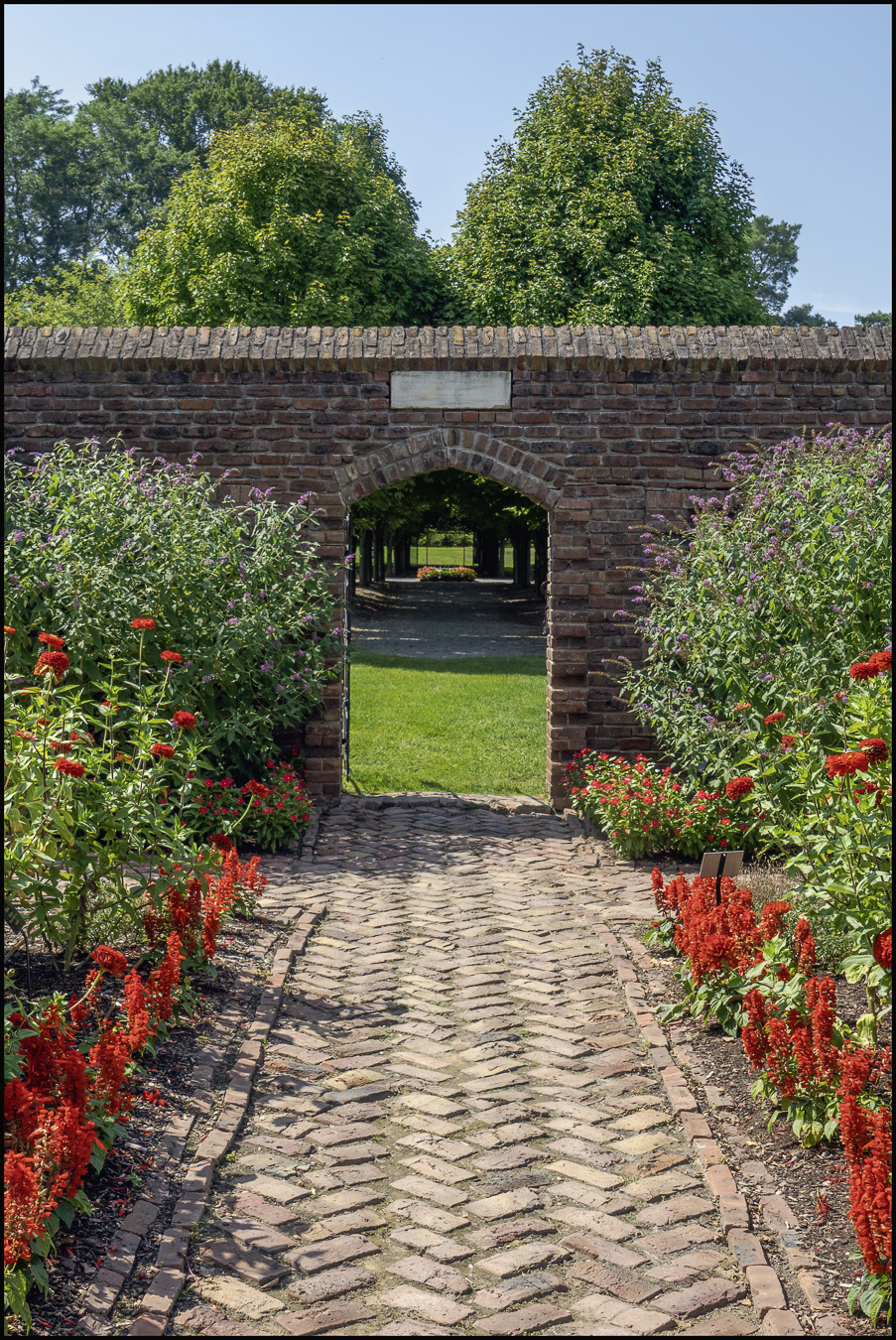
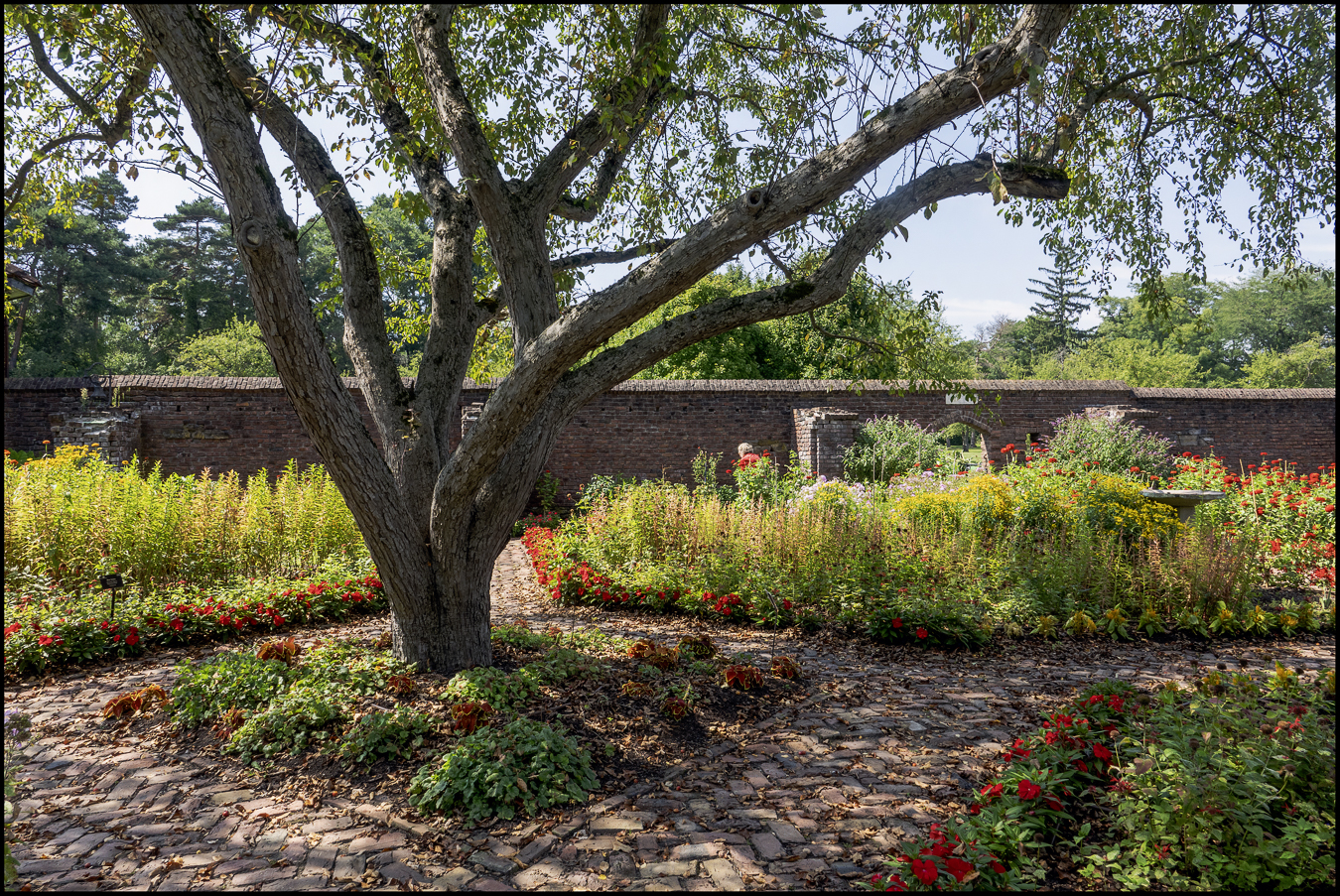
But there’s more to Fort Ticonderoga than the Fort itself and its collections. There’s an impressive collection of books in the shop; a restaurant offering locally produced farm to table meals; a boat ride on Lake Champlain (which looked interesting, but unfortunately we didn’t have time for); an extensive corn maze where my friend’s husband took their dog for a walk. And then there’s the King’s garden where my friend and I went while her husband and the dog explored the corn maze.

Take A Stroll Through New York’s Past At This Historic Garden by John Williams on Only in New York describes it as follows:

There are a lot of pretty gardens in New York State, but only a few come with over a decade of history. For those looking to visit a garden that is both beautiful and historical, there is one choice in New York State that is quite possibly a bit more satisfying than many others. We are talking about King’s Garden at Fort Ticonderoga. With major Revolutionary and Colonial war history, it might just be the most historical garden in New York. For lovers of nature, it will not disappoint. For more information, keep reading, below.

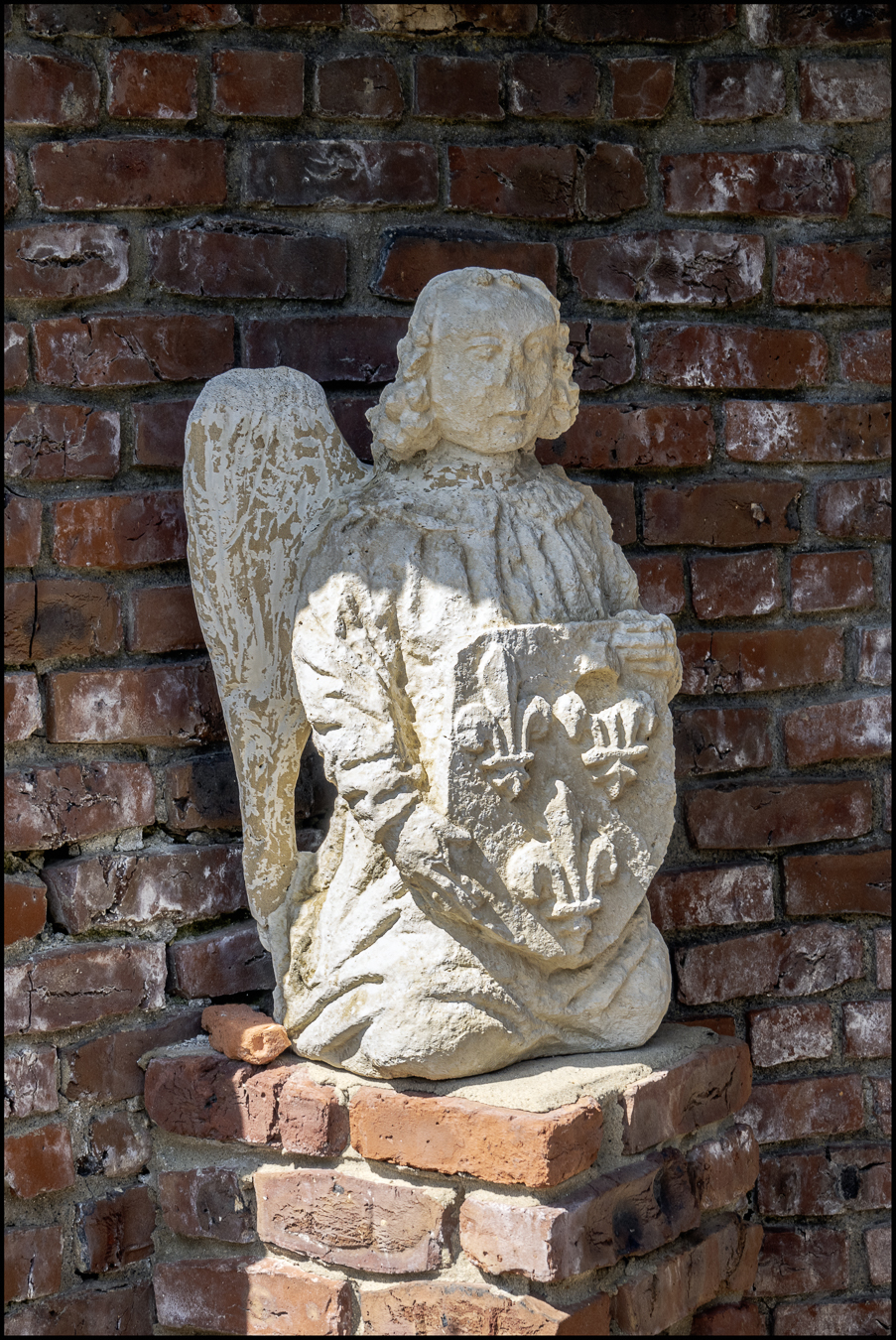
The garden, which was originally called the Colonial Revival King’s Garden, was first designed by Marian Cruger Coffin in 1921. Coffin also just happens to be one of the first female landscape architects in America.

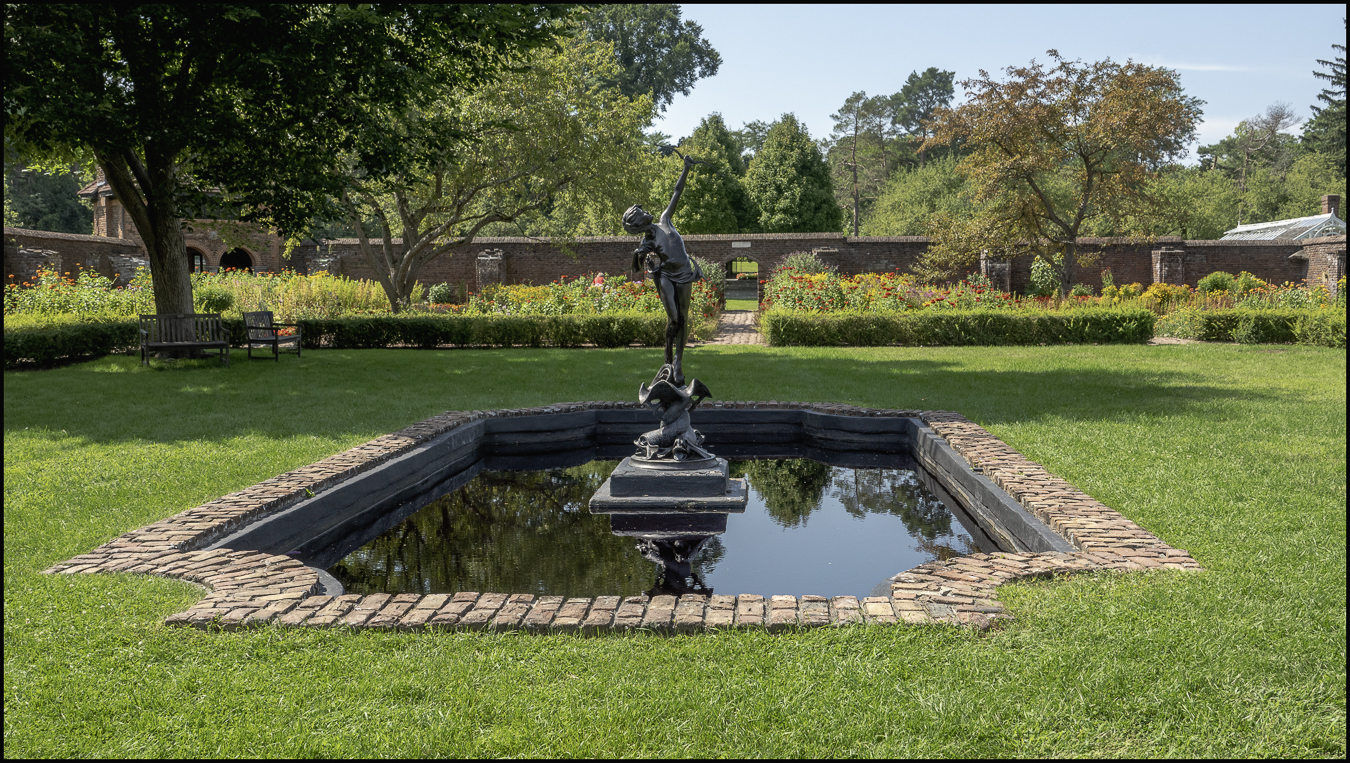
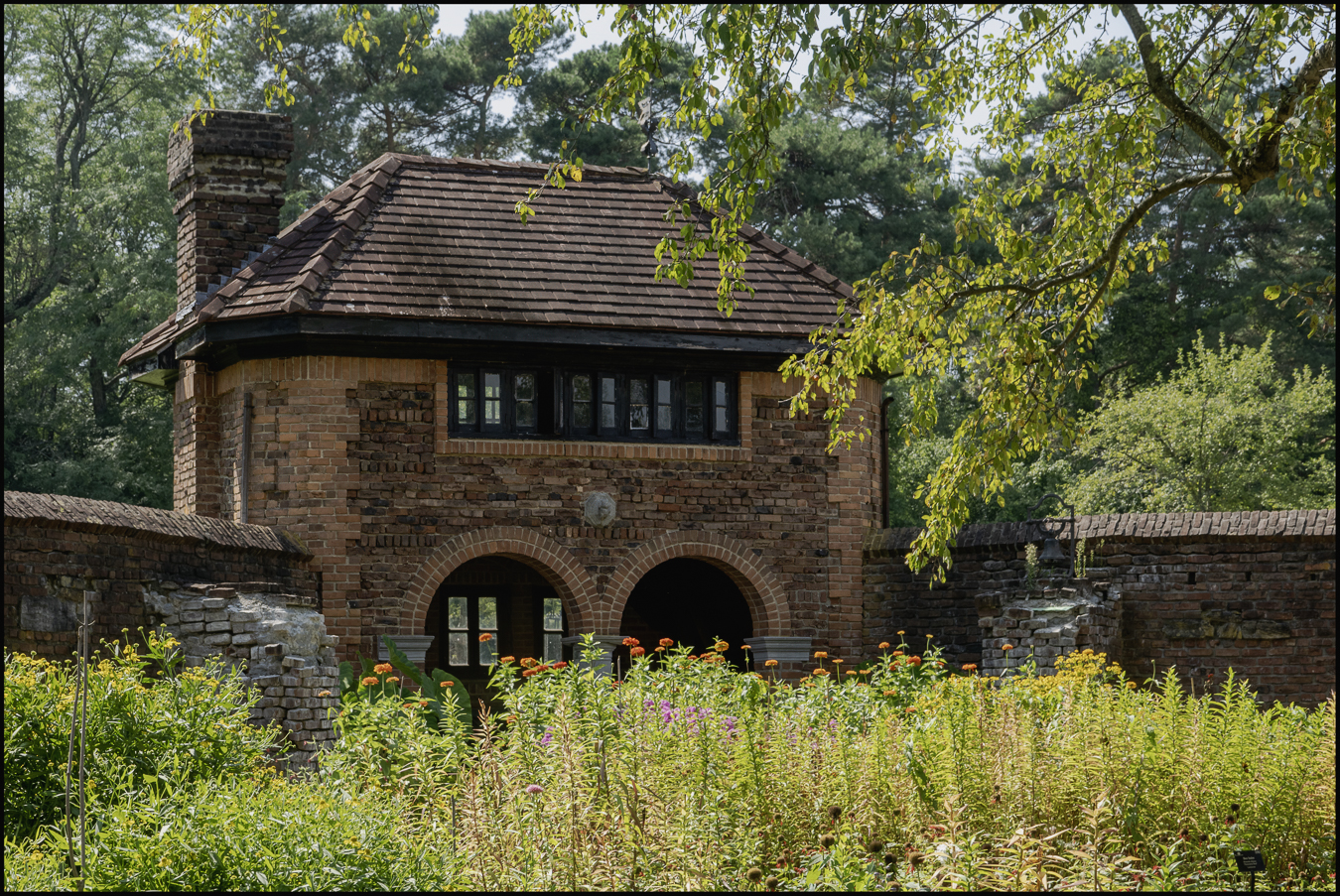
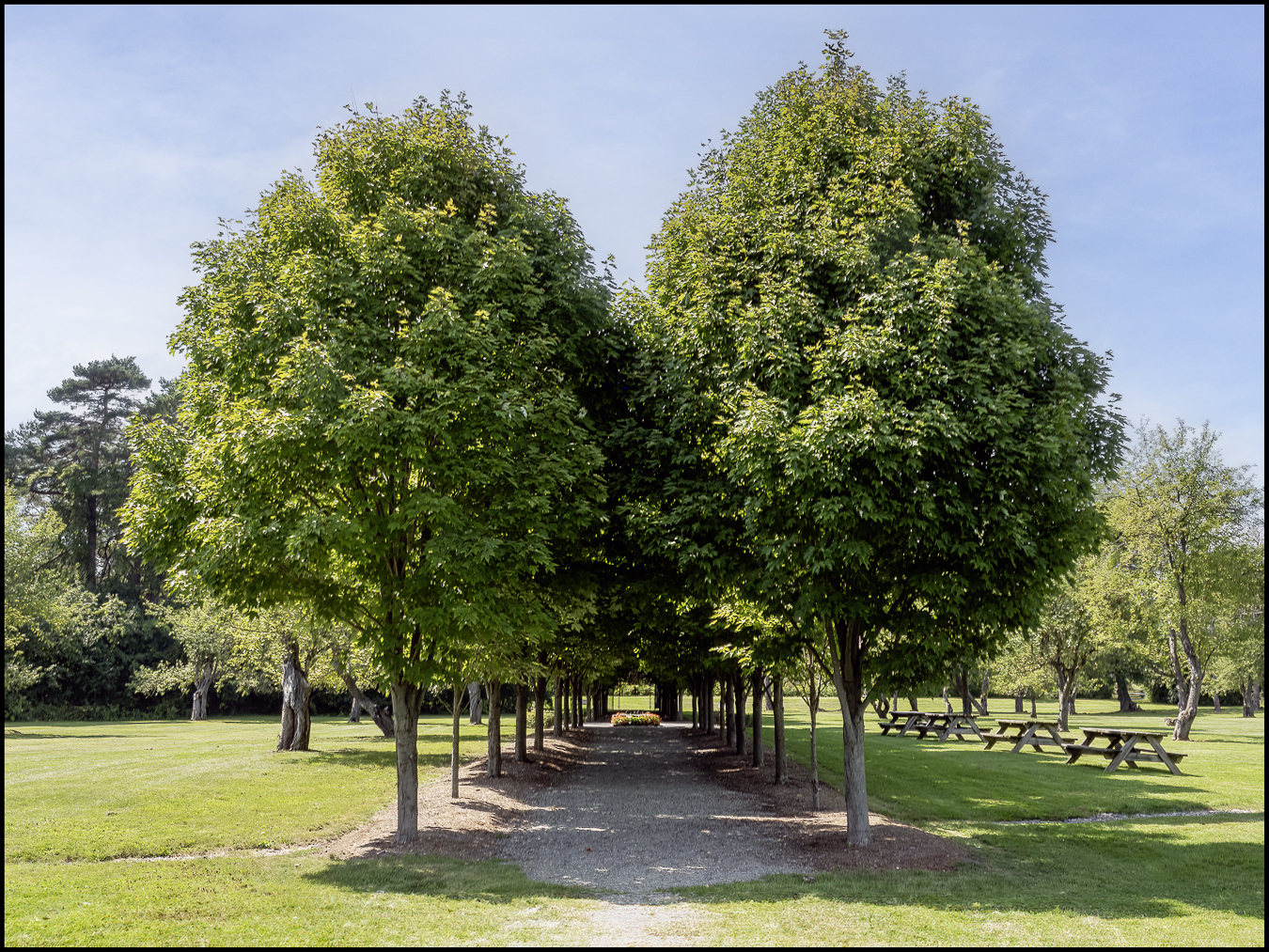
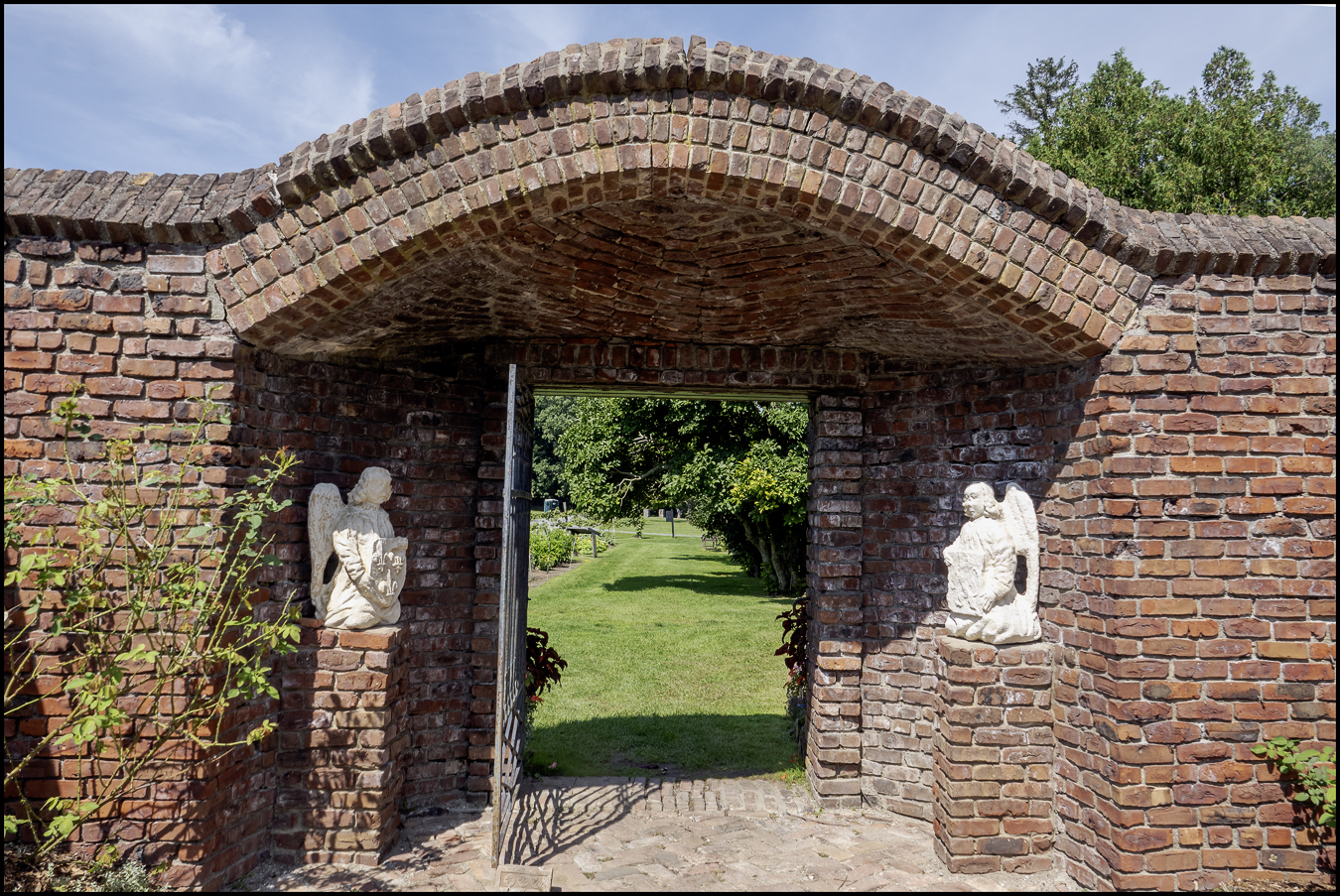
The elements of the park include a reflecting pool, brick walls and walkways, a manicured lawn and hedges, and plenty of annual and perennial flowers, which are displayed according to color and form.

The botanical garden is six whole acres, and full of heritage flowers that harken back to the location’s Colonial and Revolutionary history.

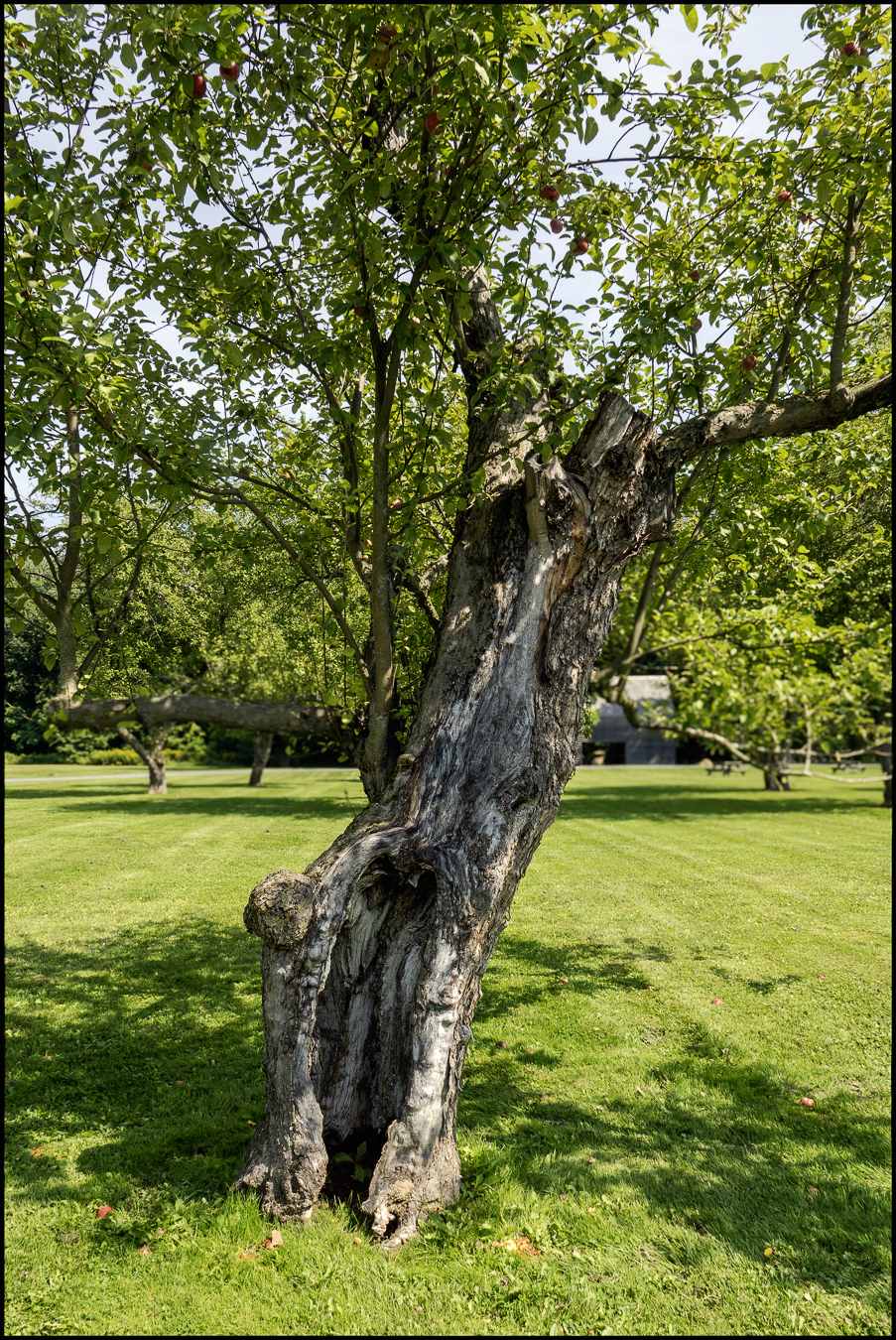
Today, it features new gardens and orchards, tended using sustainable agricultural practices.

A video tour of the grounds and gardens can be found here.


Taken with a Sony RX10 IV

A Visit to Philipsburg Manor – The Slave Garden

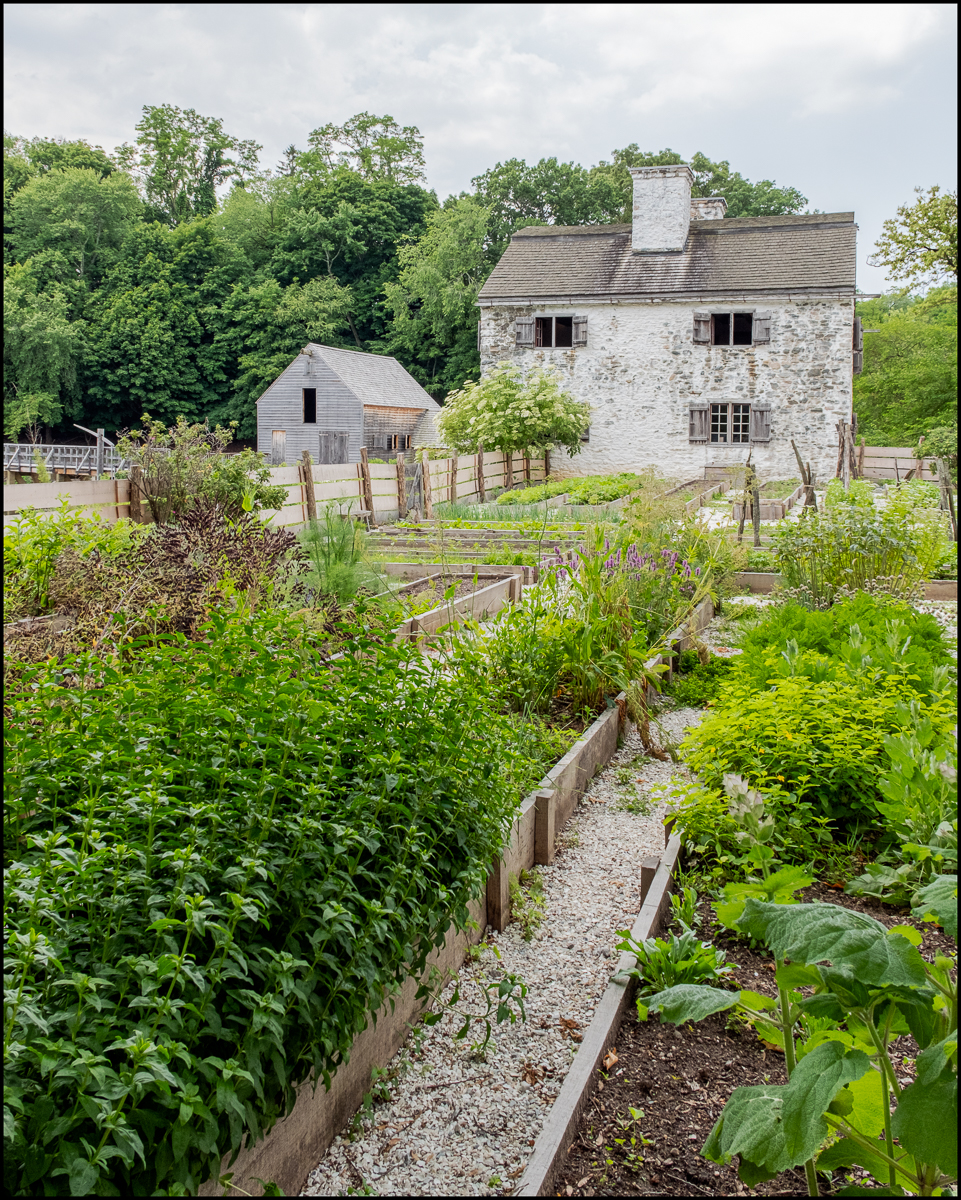
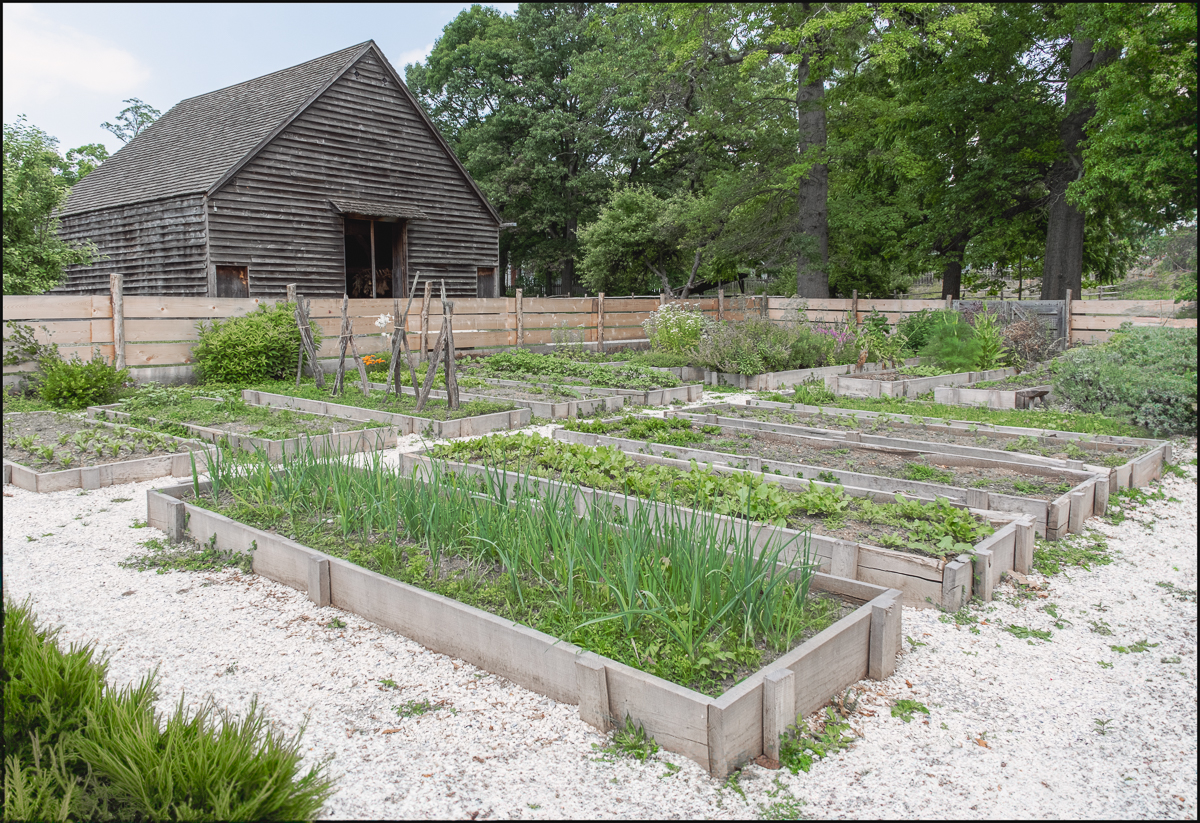
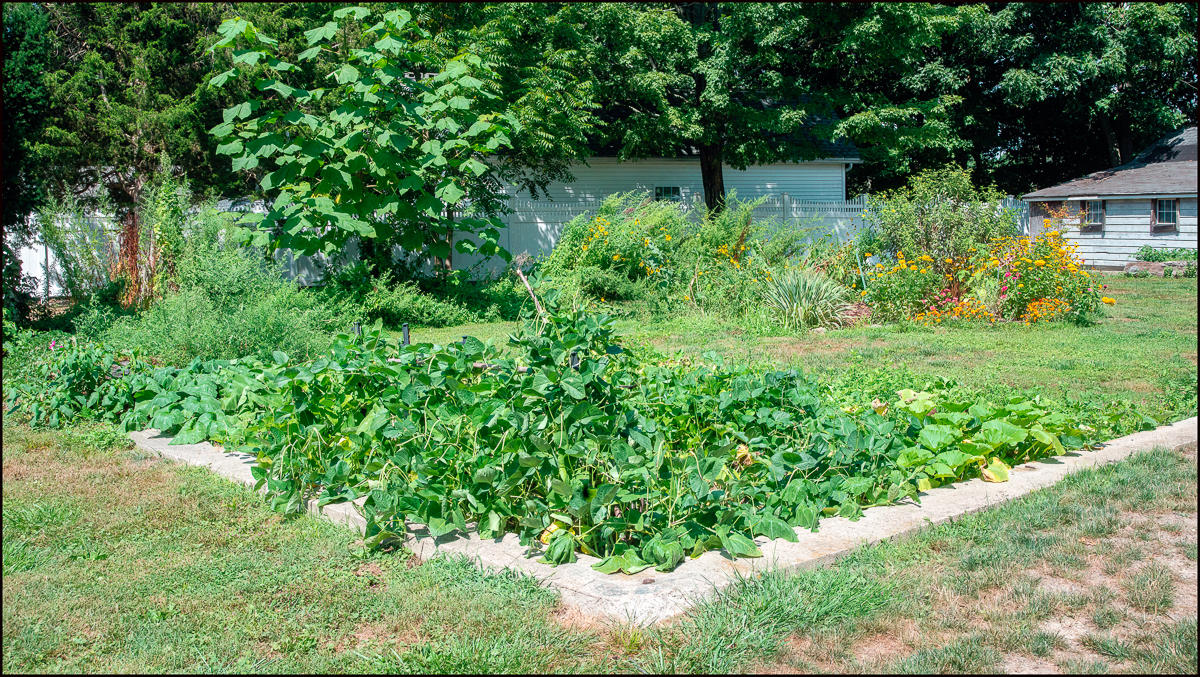
In colonial America, it was common for enslaved men and women in rural areas to keep a provisioning garden to grow vegetables they most wanted to eat.

At Philipsburg Manor, which interprets an 18th-century provisioning plantation operated by 23 enslaved Africans, the slaves’ garden is full of plants African gardeners would have preferred – vegetables like black-eyed peas and sweet potatoes – as well as herbs.

Africans had an intimate knowledge of plants and other natural materials that they used to cure all sorts of ailments. So the herbs in a garden like this one served as an apothecary as well as a spice rack. (A Colonial Drugstore: Philipsburg Manor’s Herb Garden)

Taken with a Fuji X-E3 and Fuji XC 16-50mm f3.5-5.6 OSS II

A visit to Merestead – Overview

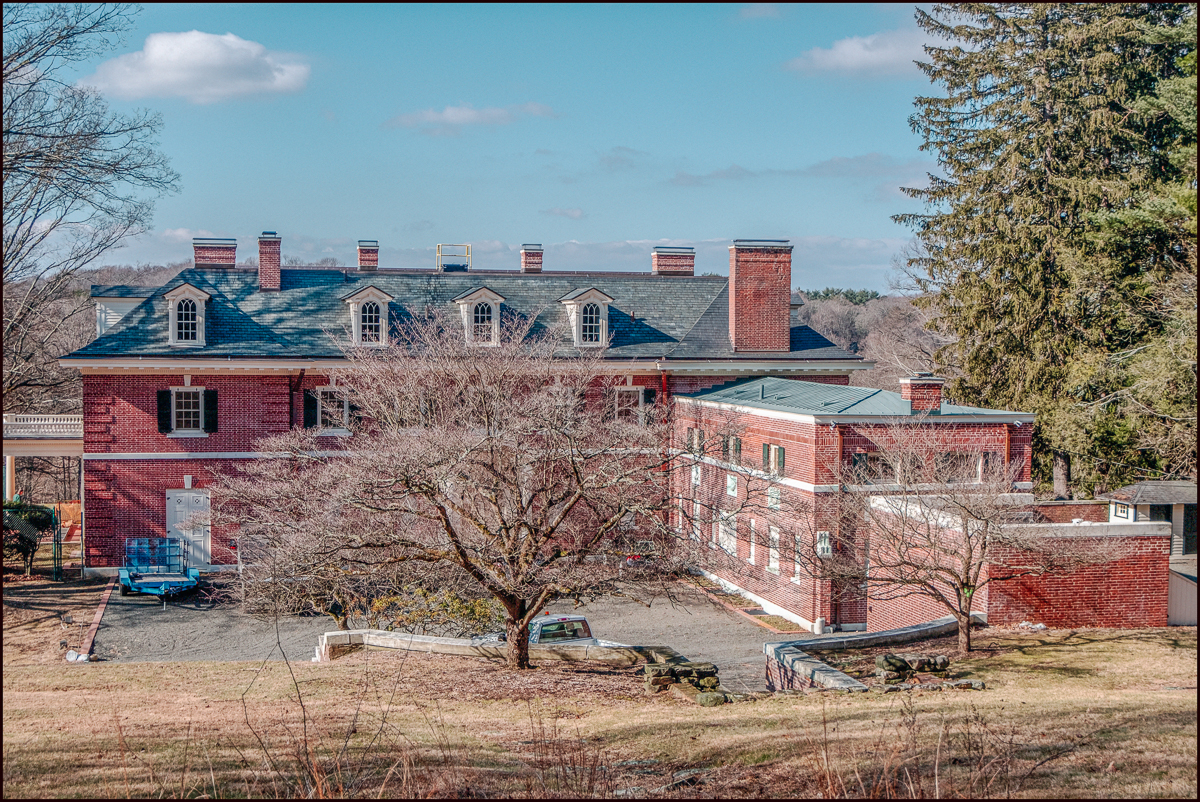
I recently went with a friend to the Merestead Estate in Mount Kisco. I had three reasons for going there: First, my friend offered to take me to visit somewhere interesting and I was only too keen to go; Second, I’d never been there; Third, there’s a connection to the work I’m doing for the Briarcliff Manor-Scarborough Historical Society (BMSHS). Last September I helped prepare a presentation on Walter Law’ Mysterious Lanterns. William Sloane, the owner of Merestead was a good friend of Walter Law (the founder of my village: Briarcliff Manor) and was for many years his partner at W. & J. Sloane, a luxury furniture and rug store in New York City that catered to the prominent and the wealthy. While researching the presentation we came across a photograph showing one of the lanterns. This was not a surprise as we already knew that Law had given one of the lanterns to Sloane. What was a surprise was that in the same picture, in the distance we could just about make out what looked like another lantern, the existence of which was unknown to us. So we just had to go an take a look.

“Merestead, the country estate of William Sloane, includes a large neo-Georgian mansion completed in 1907, a nineteenth-century farm complex modified at approximately the same date, and 136 acres of open fields, gardens, and woodlands. Approximately nine acres at the northwest corner of the estate property was sold off during the mid-twentieth century. The estate is located in a rural area of northern Westchester County on Bryam Lake Road east of the village of Mount Kisco, New York, There are ten contributing historic components which constitute the historic Merestead estate complex. The estate buildings and entire original estate lands have remained virtually unchanged since the early twentieth century and the property contains no non-contributing structures.” (United States Department of the Interior, National Park Service, National Register of Historic Places Inventory—Nomination Form)

Taken with a Fuji X-E3 and Fuji XC 16-50mm f3.5-5.6 OSS II

An interesting discovery

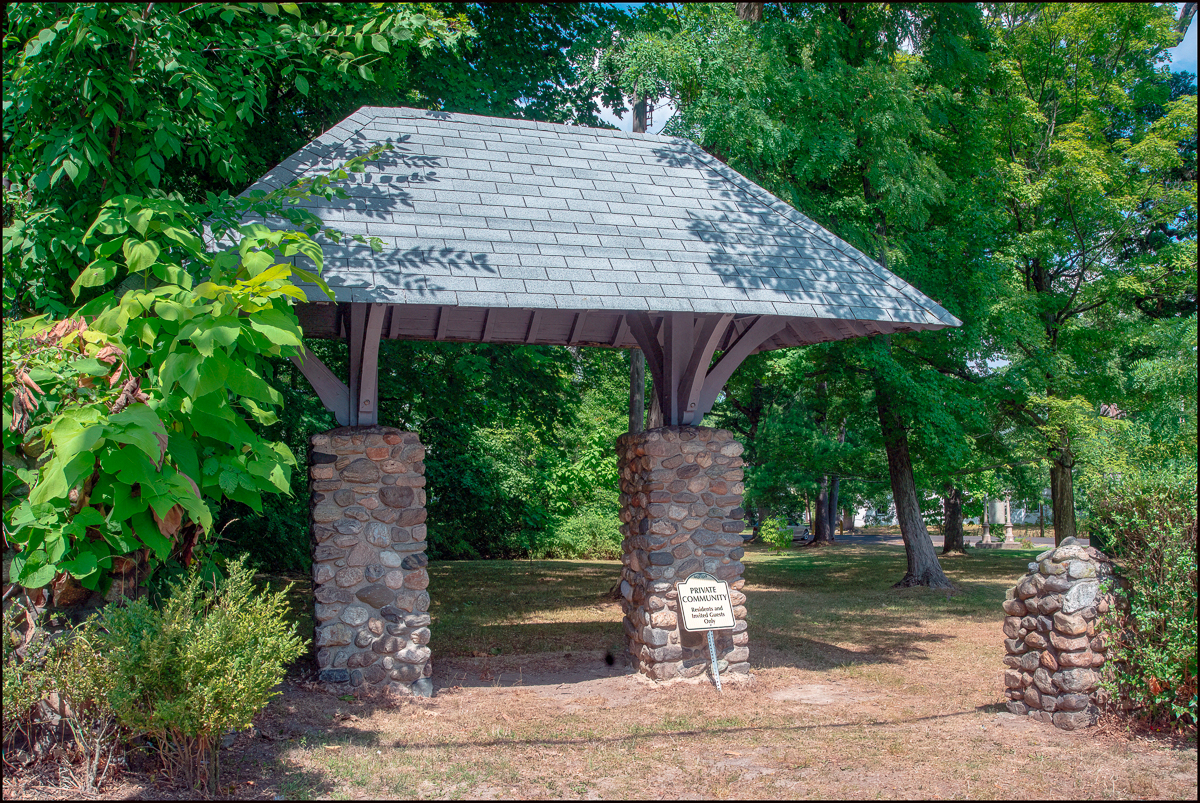
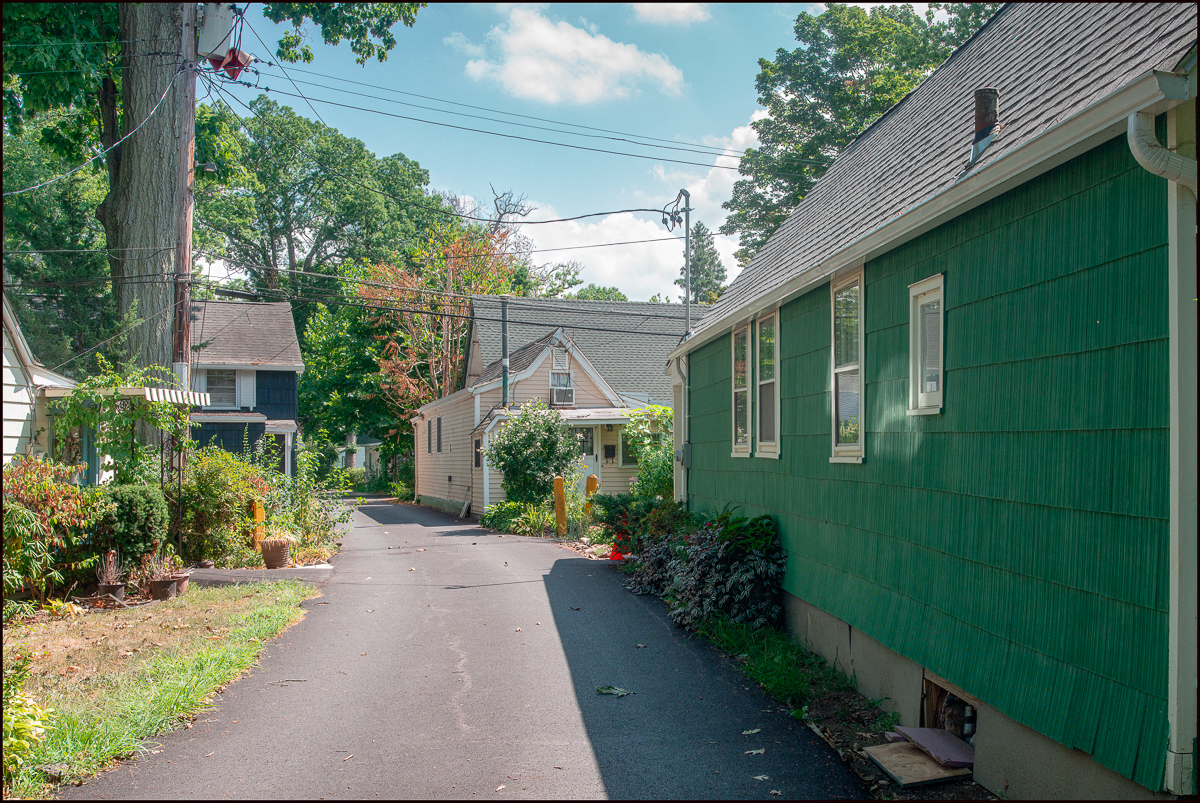
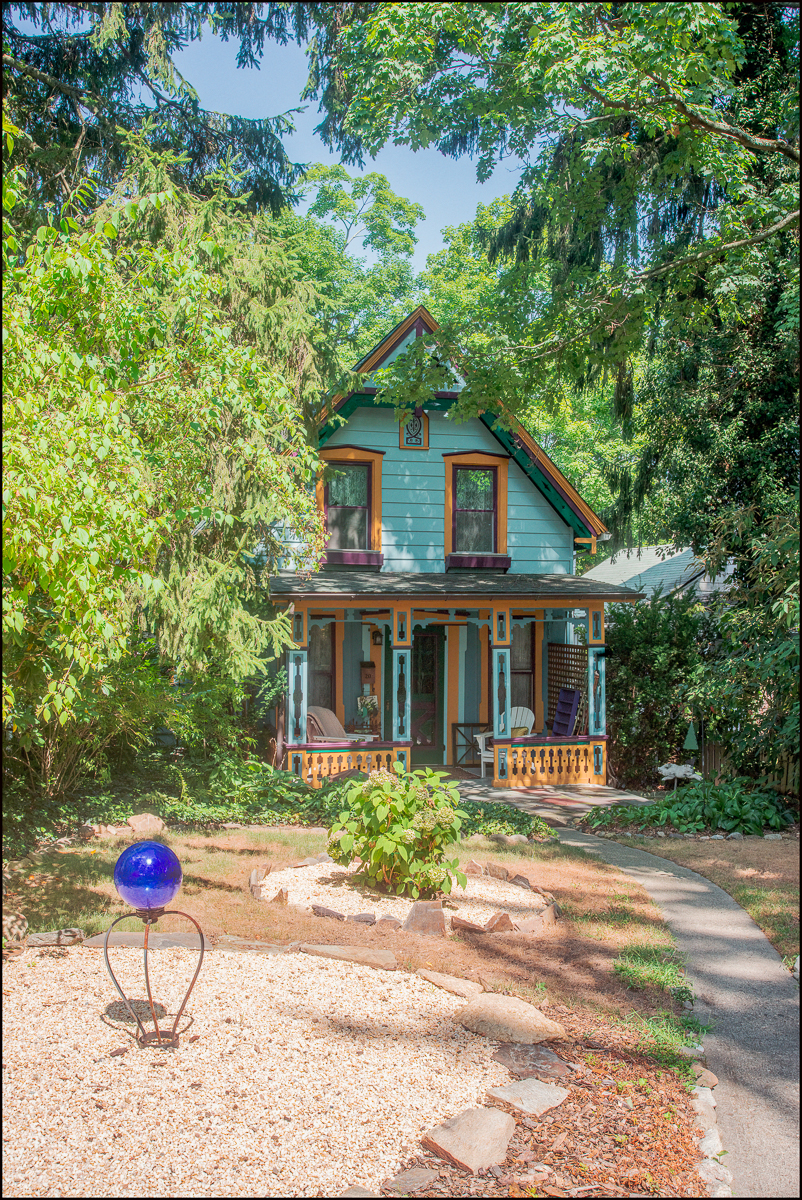
Last August I went for breakfast with some friends. We went to a small café in a part of Ossining, NY that I was not familiar with. As we approached the café I noticed the interesting structure above. It seemed to me that there might be something interesting there. I didn’t explore further because of time constraints, but on returning home I looked around for some additional information.

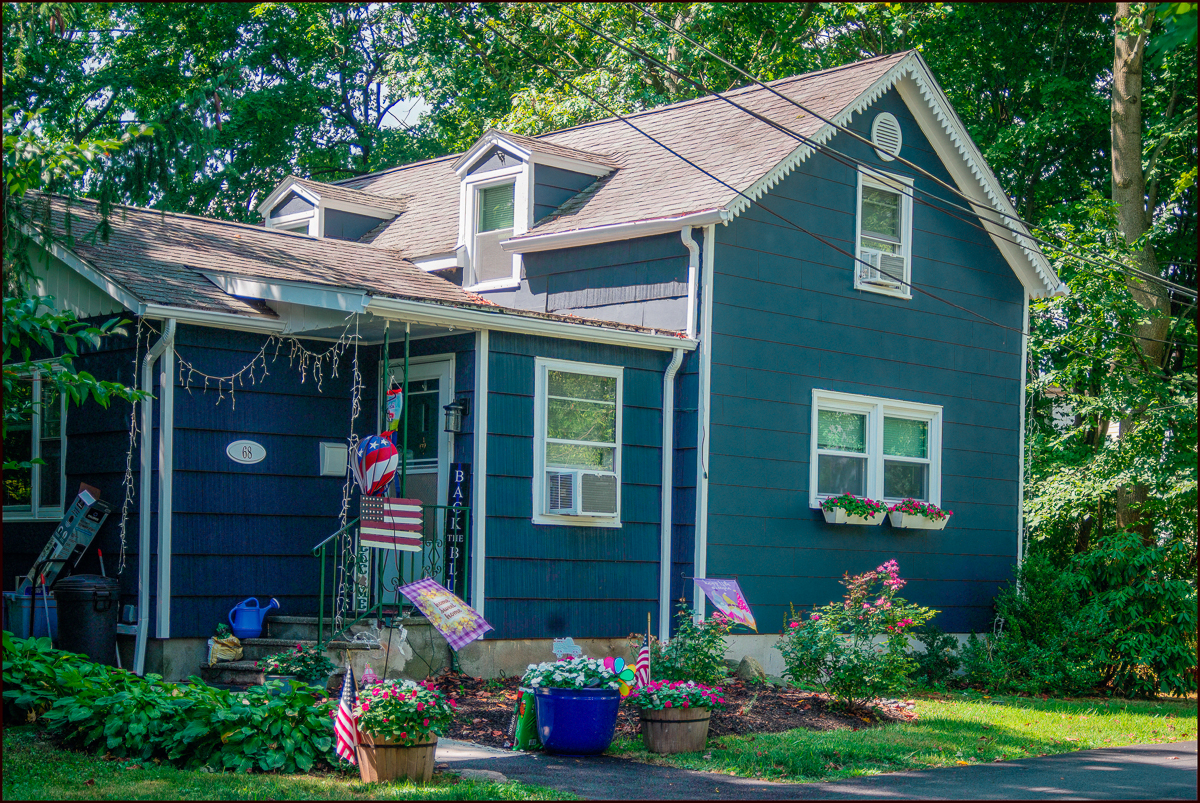
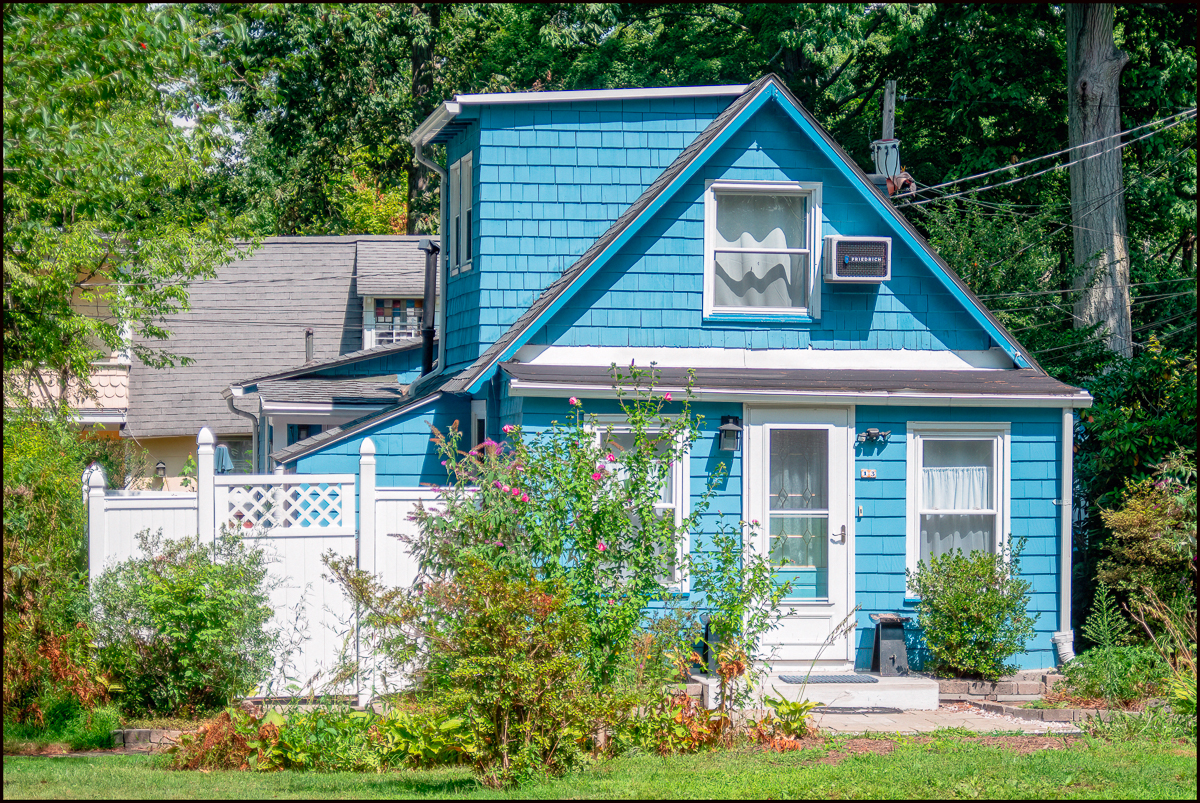
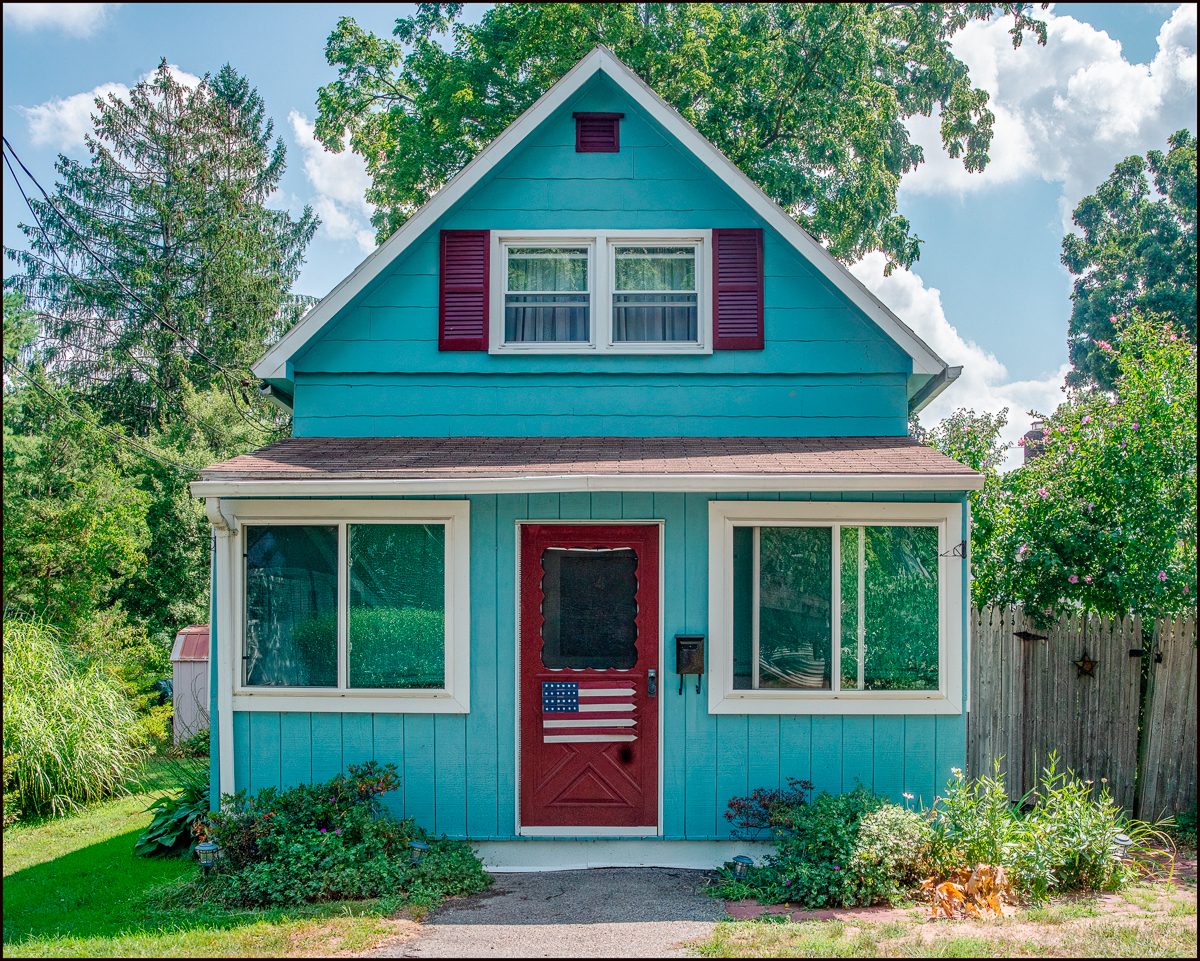
It’s called Campwood Grounds and this picturesque and colorful community has some interesting history.

The following is excerpted from “Camp Woods, Ossining, New York: Methodist Camp Ground to Secular Suburb, 1831-2001” Quarterly of the Westchester Historical Society 79.3 & 4 (Summer 2003)

In the early 19th century, the Methodist congregations that followed Wesley’s Methodist theology created a permanent home for the annual celebration of an evangelical expression of worship in the woods of Westchester. Wesley’s evangelical teachings are rooted in a theology that looks to the original source of Christian faith — the New Testament.

From the beginning, the Methodist camp meeting was a social phenomenon as well as profound religious experience for the participants. The evangelical preaching was often thunderous and lasted through the entire day and carried on late into the night, as various preachers took turns exhorting the crowd to accept salvation. CampWoods in Ossining proved to be an ideal location for these public religious affirmations.

In 1854 a group of Swedish Methodists, most of whom were recent immigrants to New York City, organized their first independent camp meeting at CampWoods. Their participation proved to be the lifeblood of the Ossining camp meeting site during the second 50 years of its existence.

The pre-Civil War period of the camp meetings at CampWoods maintained its character as a religious jubilee in the countryside. During the 1850’s, the atmosphere on the boats, trains and wagons coming to the 10-day meetings in the woods of Ossining and during the religious retreats themselves were jubilant and celebratory. A typical camp meeting in August 1868 attracted an estimated 15,000 attendees.

During the 1870’s, regular attendees began to erect quasi-permanent structures on top of what were originally tents used for temporary housing and small outdoor kitchens. Frame cottages replaced these “tents” by the end of the century. By this time, many families remained in residence throughout the summer, as they prepared for the 10 days of camp meetings. Eventually, the cottages were equipped with electricity, running water and modern plumbing. Eventually, these families began leasing land from the Association and building their own summer cottages, and a permanent community began to take shape.

After World War II, more families winterized their cottages and by 1962 there were 28 year-round houses on the grounds. They formed a close-knit group, gathering for picnics and other social events. By the closing decades of the 1800s, the large-scale camp meetings of the 1860s had waned, and an organized neighborhood was beginning to develop.

The building of the more permanent cottages after the turn of the twentieth century and the decreasing attendance changed the character of the meetings. The 10 days of the camp meeting could be likened more to an intensive religious retreat than the dynamic camp meetings of the early 19th century. Residents would stay for several months, including those renting a room or a cot at the boarding houses. During the latter years of the Depression only the Swedish meetings continued. The Association Board and residents organized Sunday evening vesper services in lieu of the camp meetings held by groups other than the Swedish contingent.

In 1947, the New York State Legislature codifed the transfer of CampWoods land ownership to a new organization under the name “the Ossining Camp Meeting Association.” During the 1950s more cottages were winterized and community developments were increasingly independent of the religious aims of the original community. The previous infrastructure supporting the large-scale annual meetings, for example, the religious tabernacle, the Brummel boarding house, and “The Restaurant” were eliminated. After 1994, the Swedish tabernacle, community dining hall and caretaker’s cottage have been closed.

Although today’s CampWoods grounds is a secular and more diverse community, the Ossining Camp Meeting Association continues to oversee the community, maintain the grounds, and preserve the Methodist history of the community.

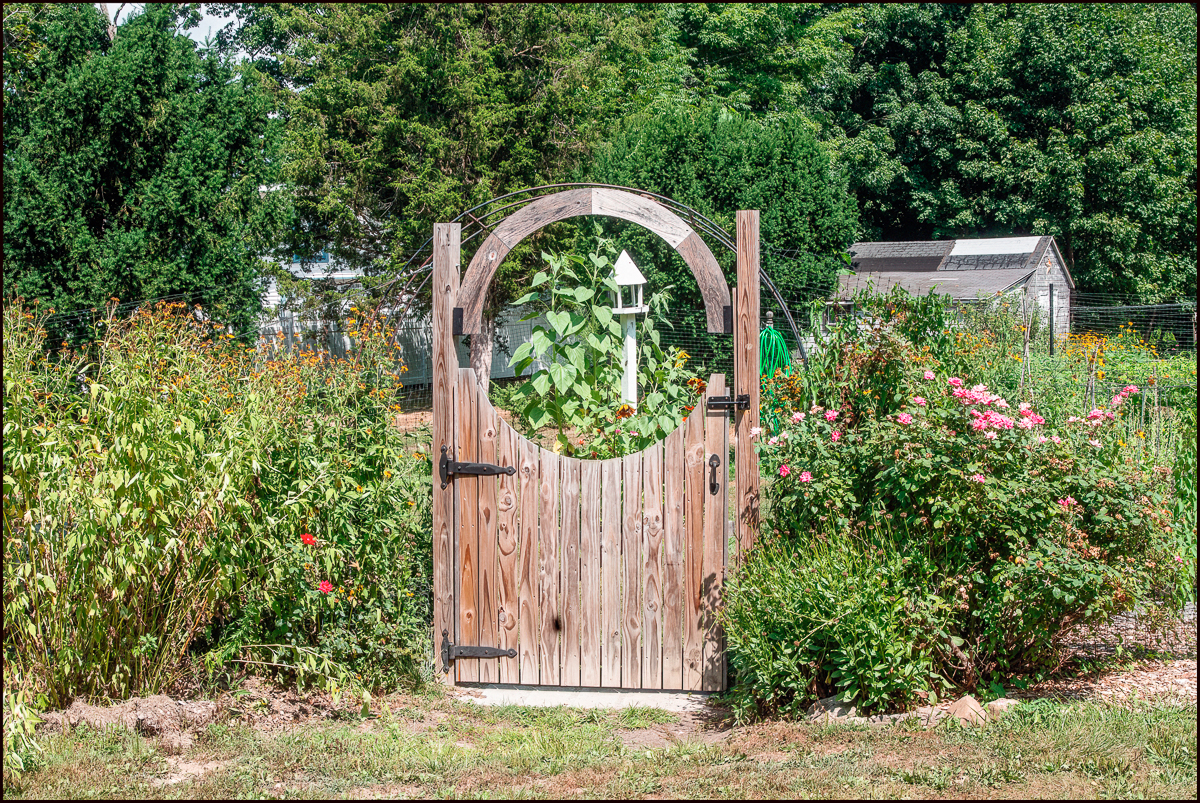
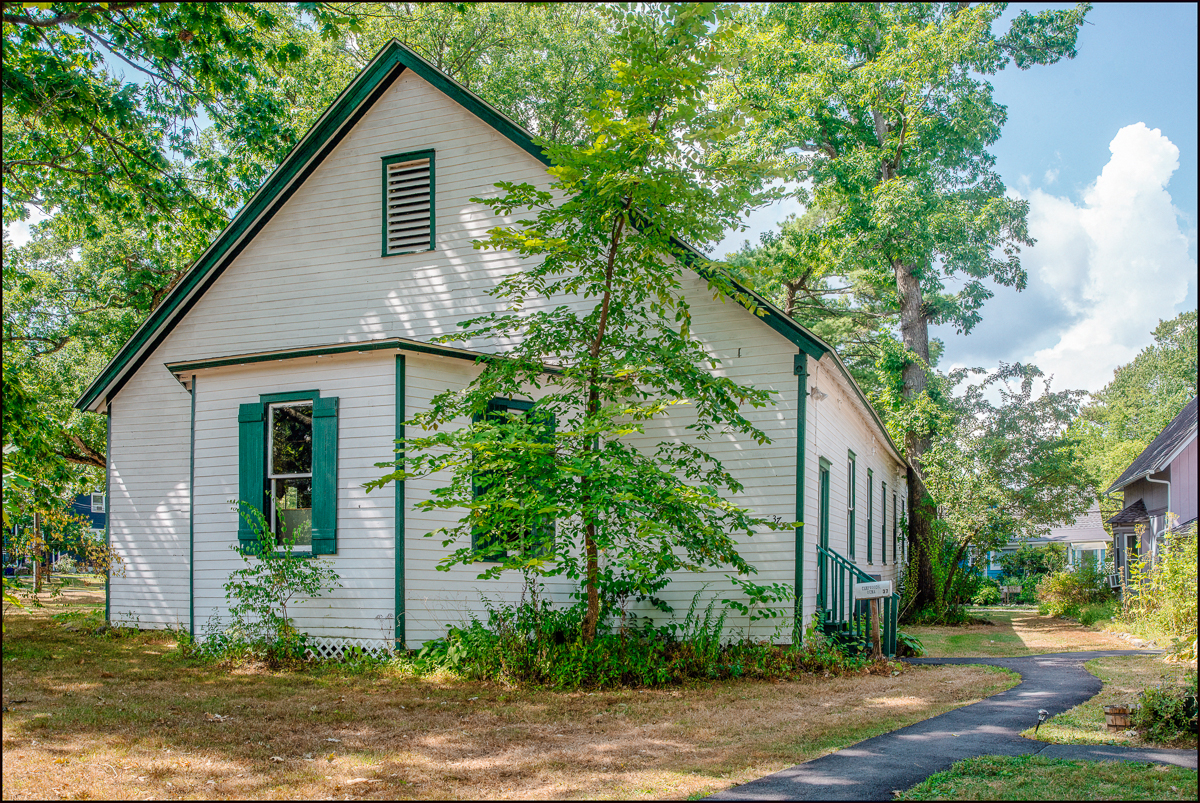
After reading this I returned to the community to take some pictures.

For a more detailed history with some fascinating old photographs see: Methodist Campground to Secular Suburb 1831-2001 by Bill McGrath.


Taken with a Nikon D800 and Nikon AF Nikkor 28-80 f3.3-5.6