Film Camera 2018/1 – Pentax ME Super

I made a New Year’s Resolution in 2016 to use a different film camera every month. I did pretty well in 2017, using 10 cameras rather than the anticipated 12. Towards the end of 2017 going into 2018 I somehow “lost the thread” and haven’t used a single film camera since last October.

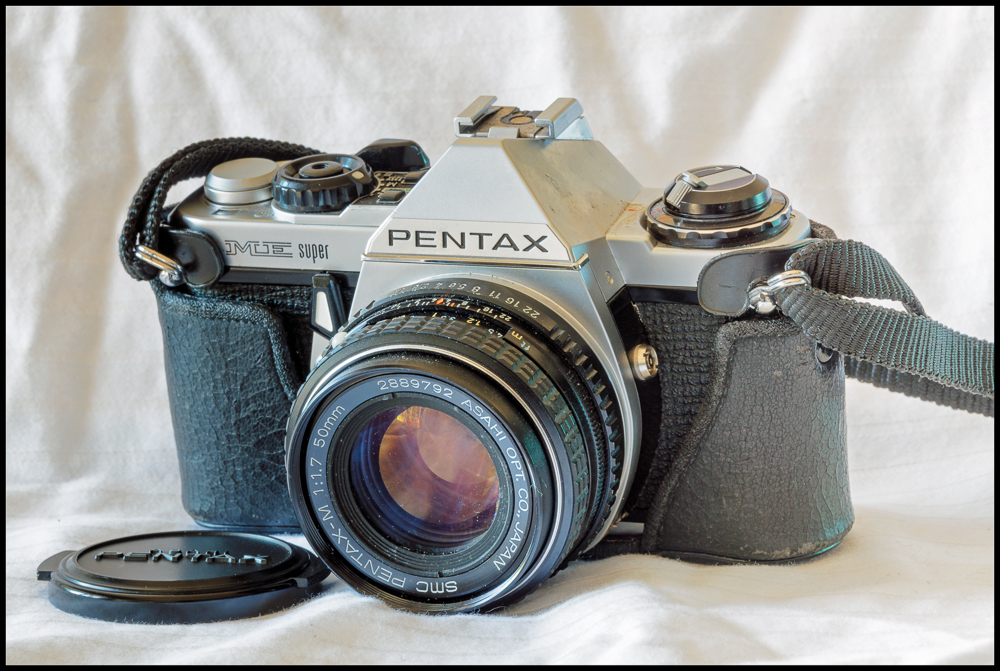
So I’ve decided to start again and try harder. I still hope to use 12 cameras during 2018, but clearly my former way of naming them (e.g. January Film Camera; February Film Camera etc.) isn’t going to work. Instead I’m going to use a numbering scheme. This is the first: Film Camera 2018/1 and it’s a Pentax ME Super.

It’s the first Pentax camera I’ve acquired. Some old friends from the UK were visiting and we were browsing around in the antique/bric-a-brac stores in Cold Spring, NY. I’d found a couple of cameras, but nothing that really interested me. I was about to leave when my friend came over and, knowing my interest in old cameras, brought me over to a cabinet I’d missed. In it was this Pentax ME Super and SMC Pentax-M 50mm f1.7. Everything seemed to be working and the price was absurdly low.

A Quirky Guy With a Camera has a good review (ME Superb! The Pentax ME Super) of it so I’ll try not to duplicate and focus more on my own impressions.

I liked this camera a lot. It’s small, light and consequently easy to carry around. It offers my preferred aperture priority exposure. There is also a manual exposure option, but I found the need to use two small buttons on the top plate rather “fiddly” and I didn’t try to use it. The viewfinder is large and bright and the combination of micoprism and split image rangefinder in the center made it very easy to focus. A series of shutter speeds appears along the left side of the viewfinder along with a green LED indicating which one has been selected. When the chosen shutter speed is too low the LED turns yellow.

I couple of things I didn’t like: 1) No depth of field preview; 2) I found it difficult to move the control dial from ‘auto’ to ‘lock’. You have to press a small white button and then turn a dial and somehow I struggled to get it to move.

I don’t have much to say about the lens at this point. I’ve finished a roll and sent it off for processing. I’ll have more to say when I get back the results. I’ll also know better whether the camera is functioning as well as it seems to.

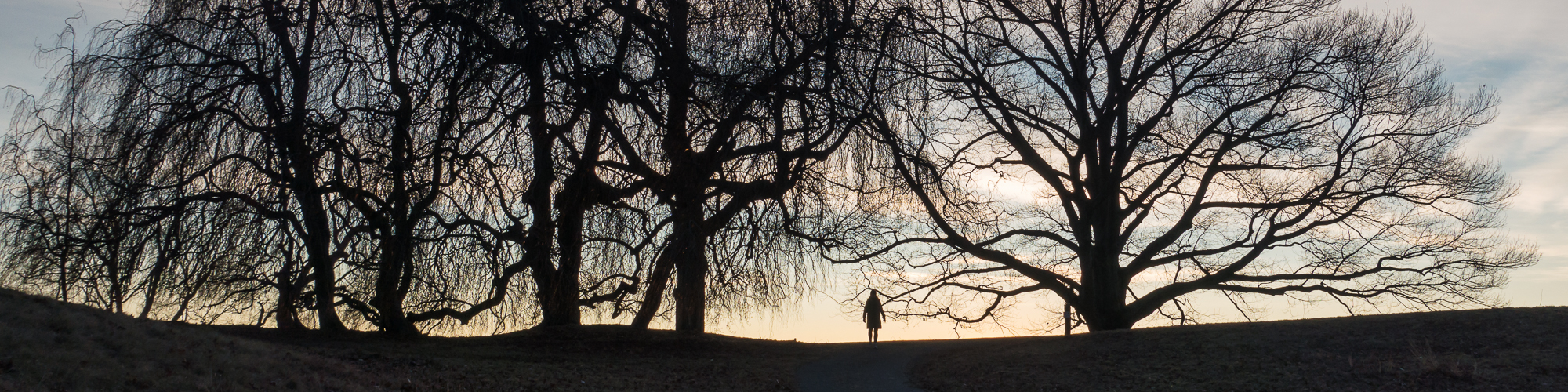
Taken with a Sony A77 II and Tamron A18 AF-18-250mm f3.5-6.3.
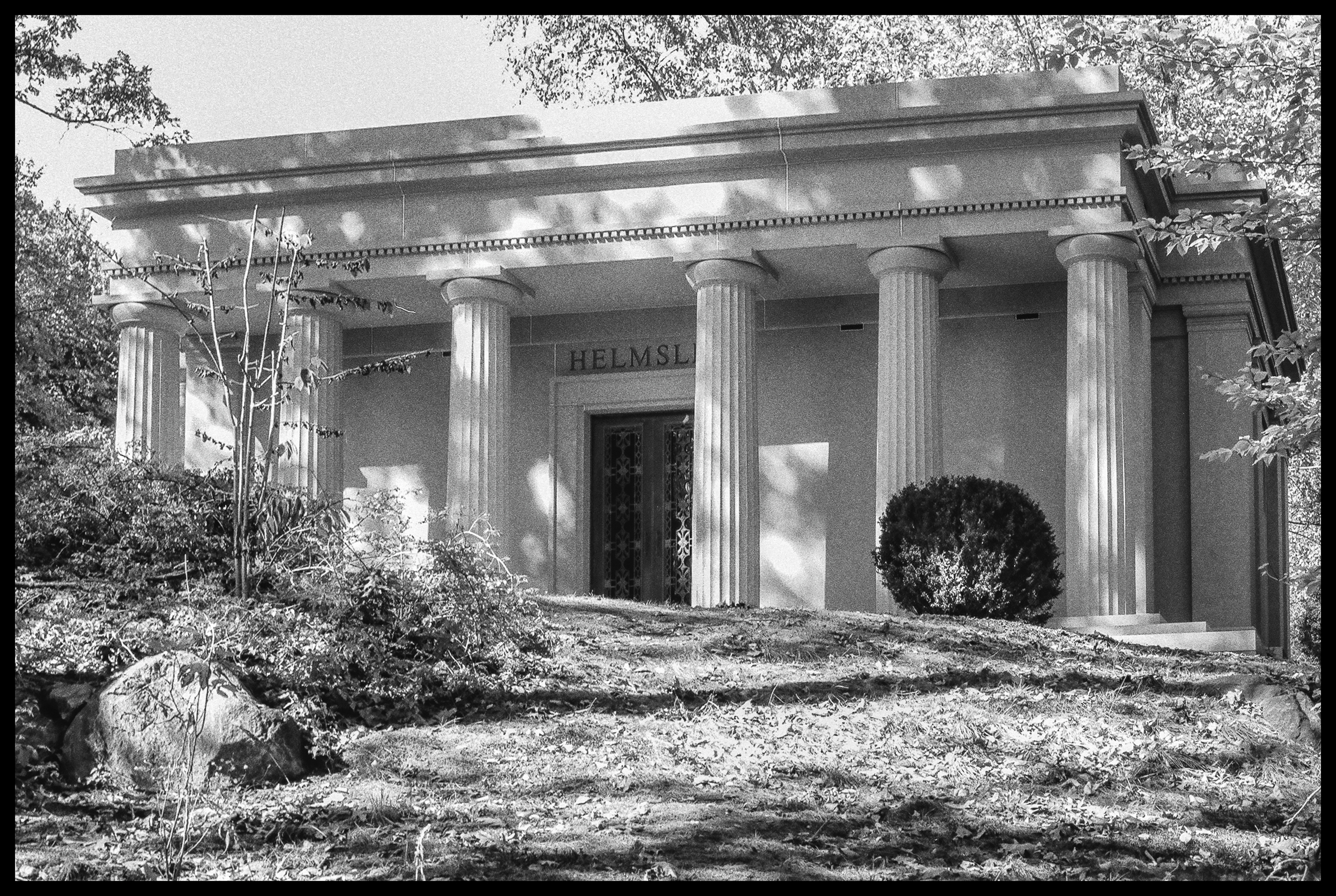
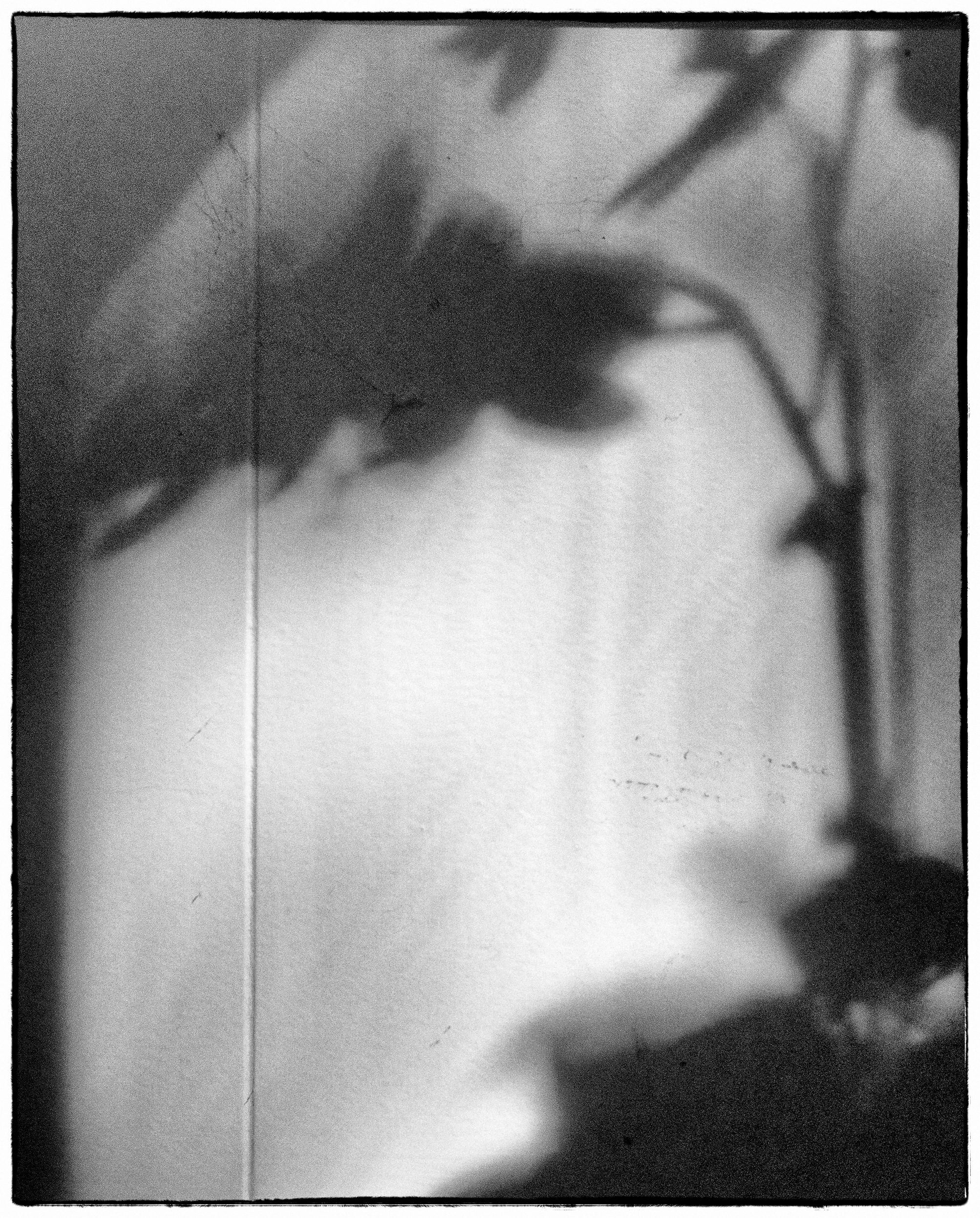
Helmsley Mausoleum, Sleepy Hollow Cemetery

According to Waymarking.com:

Harry and Leona Helmsley were two of America’s and wealthiest (sic) property owner. They made billions in real estate, owning many of the country’s most prestigious properties including the Empire State Building. Their lavish lifestyle and questionable business practices drew the attention of federal investigators which lead to charges of tax evasion. Harry who was in poor health was too frail to plead died in 1997. However, Leona who had reportedly utter the now famous words, “Only little people pay taxes,” was fined and sentenced to 16-years in prison but served only 19-months. Harry died in 1997 and was originally entombed at Woodlawn Cemetery in New York City. Leona disliked the setting so much that she built the mausoleum here and had Harry re-interred in 2004. Leona died in 2007 and is entombed beside Harry.

The Helmsley Mausoleum is the final resting place of billionaire real estate moguls Harry and Leona Helmsley. The private mausoleum complete with stained glass was built in 2004 at a cost of more than $1.4-million dollars. It sits on a wooded hillside in the northern most section of the cemetery, near such notable figures as Walter Chrysler and William Rockefeller.

Leona also specified that her dog Trouble (to whom she bequeathed $12 million – later whittled down to $2 million) also be buried in the Mausoleum. Unfortunately NY State law does not allow this. Trouble passed away in 2011 (see: NY Times. Cosseted Life and Secret End of a Millionaire Maltese). What happened to the remains? According to the NY Times article:

Trouble was cremated and her remains were “privately retained,” said a spokeswoman for the Helmsley Trust. In her will, Mrs. Helmsley asked that Trouble’s remains be buried alongside her own, in the Helmsley mausoleum at the Sleepy Hollow Cemetery in Westchester County. But Jim Logan, a member of the cemetery’s board, said Mrs. Helmsley’s lawyers knew the cemetery would abide by regulations that forbid the interring of nonhuman remains at human cemeteries. That said, mausoleums are considered private property and the Helmsley family had its own key.

Might Trouble be buried alongside her mistress? “In all honesty,” Mr. Logan said, “we don’t know.”

Taken with an Olympus OM2-n MD and 50mm f1.8 F-Zuiko auto-s.

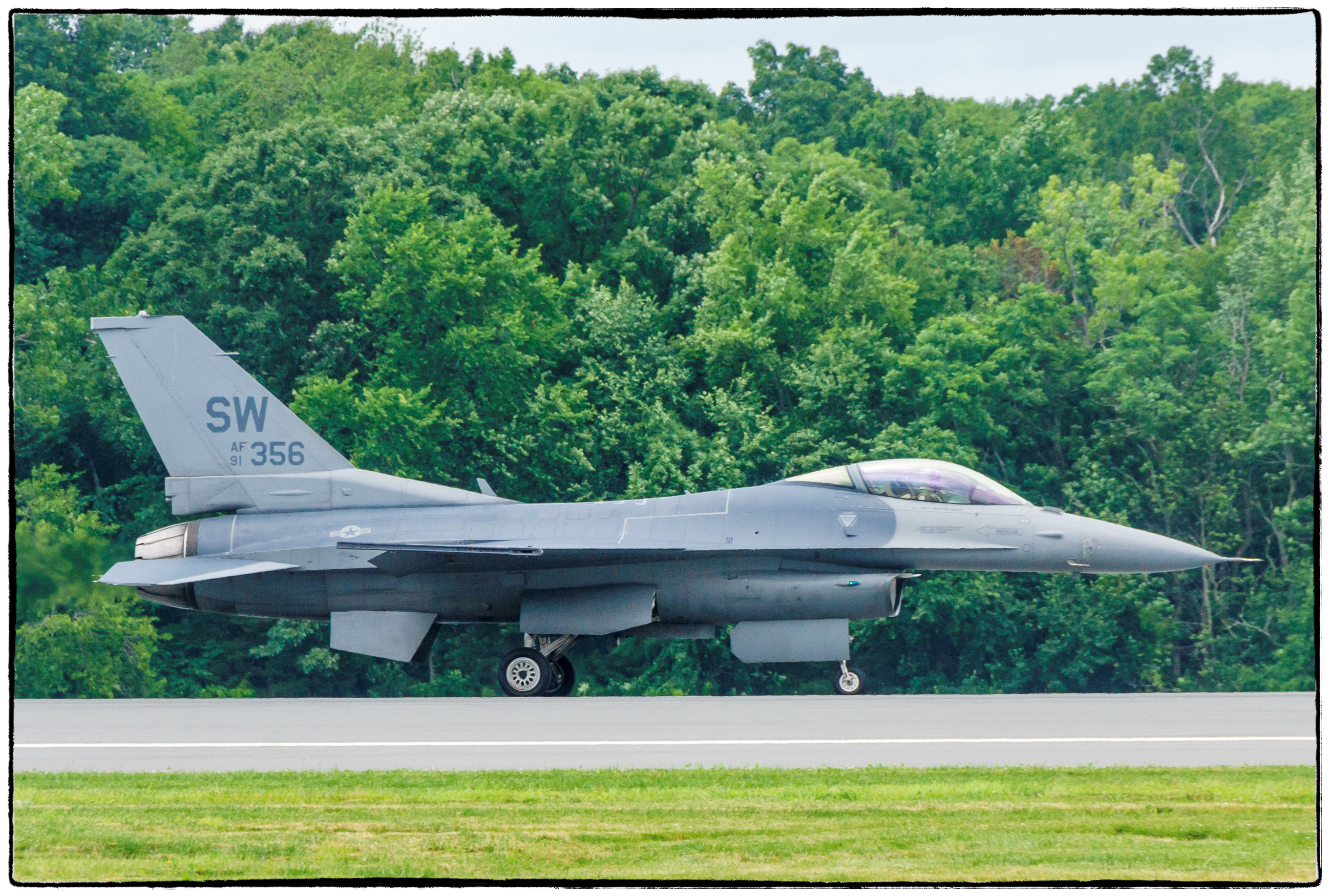
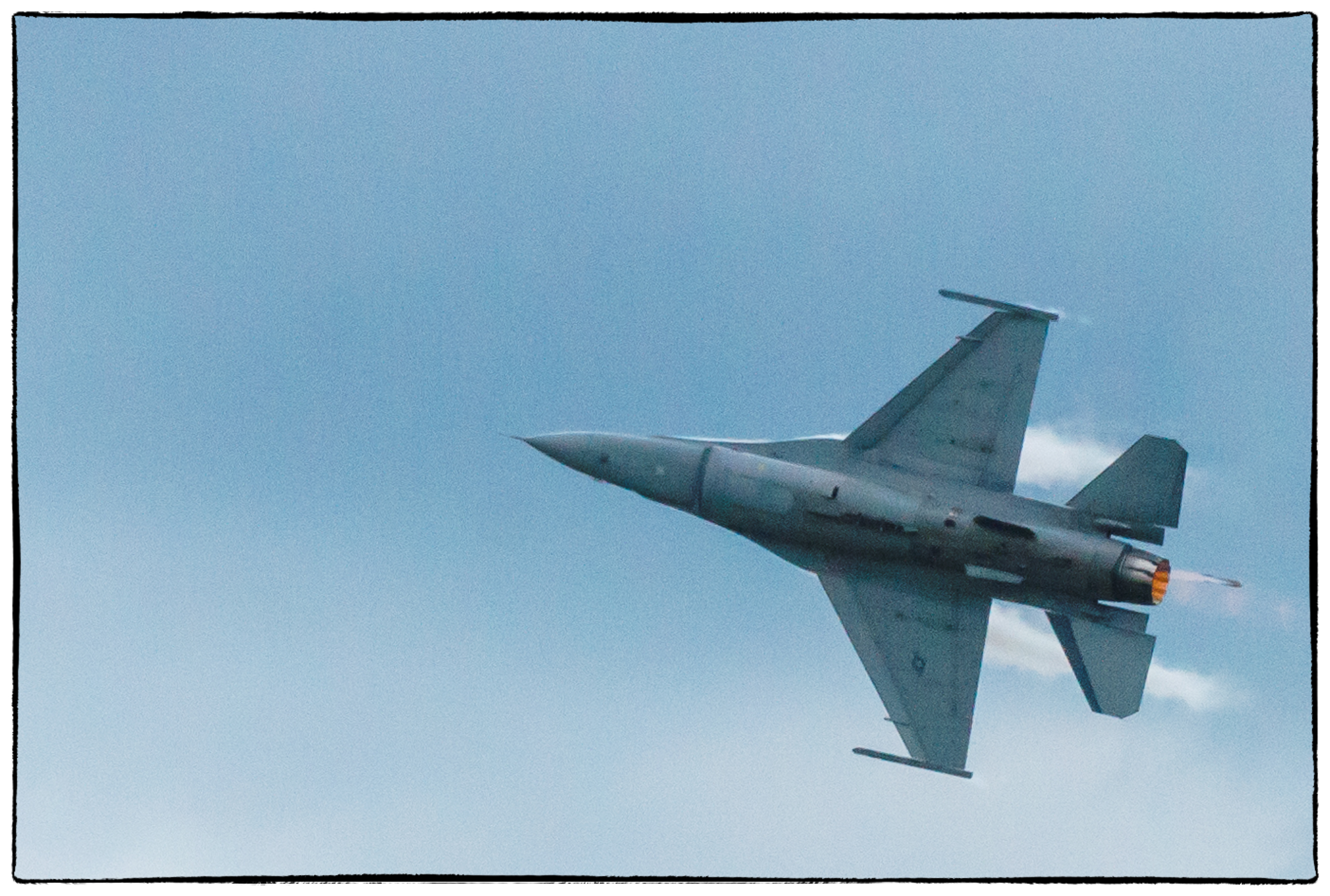
New York Air Show 2017 – F16 Viper

Military.com has this to say about the F16 Fighting Falcon (the F16 Viper is the latest version).:

One of the most versatile aircraft in the U.S. Air Force inventory, the F-16 Fighting Falcon has been the mainstay of the Air Force aerial combat fleet. With over 1,000 F-16s in service, the platform has been adapted to complete a number of missions, including air-to-air fighting, ground attack and electronic warfare.

In an air combat role, the F-16’s maneuverability and combat radius (distance it can fly to enter air combat, stay, fight and return) exceed that of all potential threat fighter aircraft. It can locate targets in all weather conditions and detect low flying aircraft in radar ground clutter. In an air-to-surface role, the F-16 fighting falcon can fly more than 500 miles (860 kilometers), deliver its weapons with superior accuracy, defend itself against enemy aircraft, and return to its starting point. An all-weather capability allows it to accurately deliver ordnance during non-visual bombing conditions.

According to Wikipedia:

At the 2012 Singapore Air Show Lockheed Martin unveiled plans for the new F-16V variant with the V suffix for its Viper nickname. It is to feature an active electronically scanned array (AESA) radar, a new mission computer and electronic warfare suite, and various cockpit improvements; this package is an option on current production F-16s and can be retrofitted to most in service F-16s. First flight took place 21 October, 2015. Production run To upgrade Taiwan’s F-16 fleet started January, 2017.

Taken with a Sony Alpha 500 and Tamron A18 AF 18-250mm f3.5-6.3

New York Air Show 2017 – Overview

I went to two friends to this years New York Air Show. I’d missed the 2016 show, but had last been there in 2015. Of course the trouble with such an event is that you tend to take a lot of pictures. I told one of my friends that this time I wasn’t going to take any pictures. I’d just enjoy watching the show.

Things did not turn out quite as I expected. I’d foolishly assumed that the displays would be pretty much the same as in 2015. This turned out not to be the case. There were a number of new aircraft that I hadn’t seen before, and which I wanted to take pictures of. Good thing I took the camera…just in case.

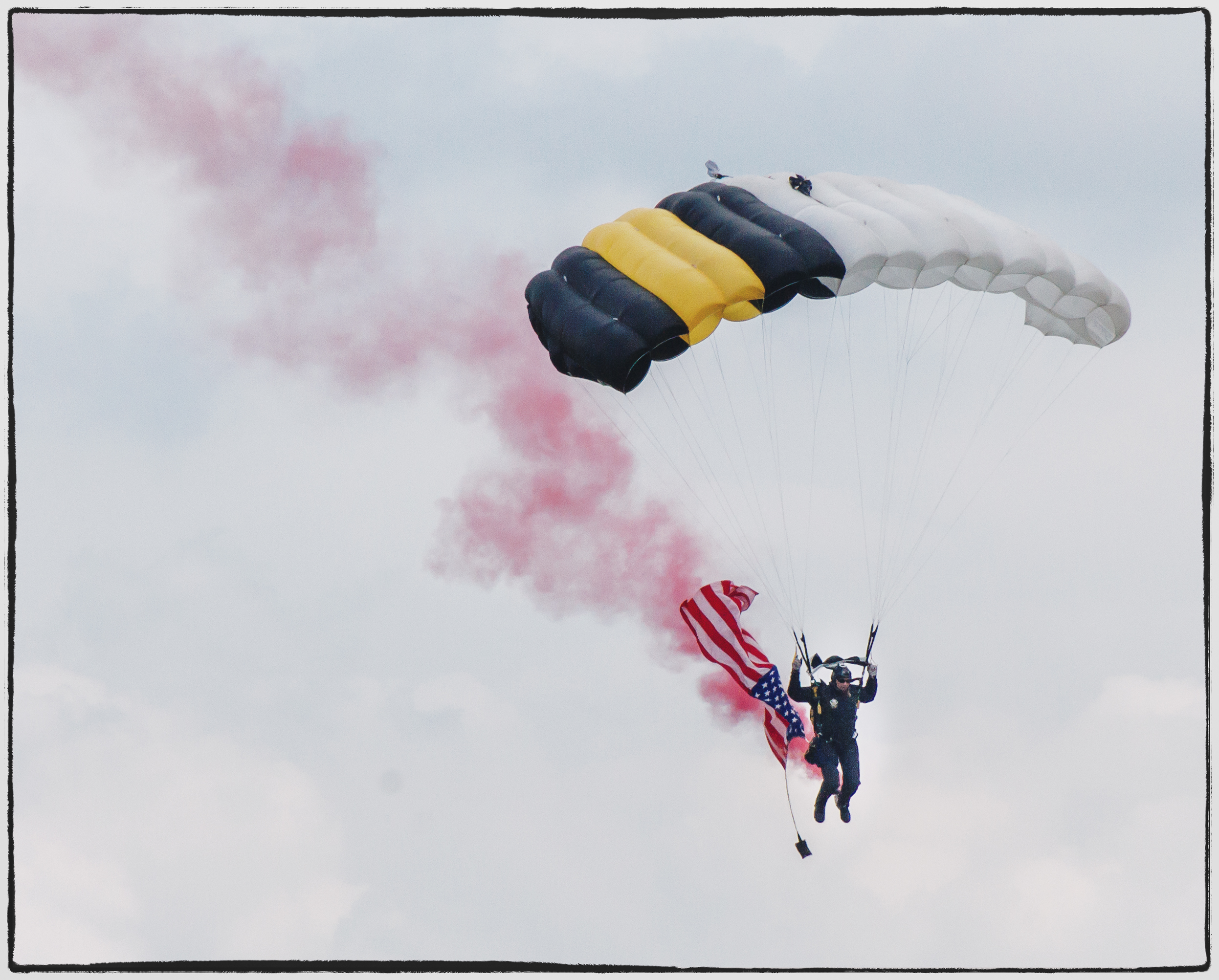
Above a member of the West Point Parachute Team, which opened the show.

Taken with a Sony Alpha 500 with Tamron A18 AF 18-250mm f3.5-6.3 lens.