Leitz 90mm f4 Elmar LTM

When I started camera collecting I was initially focused on rangefinder cameras. I hadn’t really collected anything before, and I wasn’t sure if my interest would last. I didn’t want to spend much money (just in case) and I bought a couple of Former Soviet Union rangefinder cameras: A FED 2 and a Zorki 4. Of course these cameras use lenses (in this case a Jupiter 8 and an Industar 61) with a Leica Thread Mount (LTM).

As time went on I decided that I liked using these cameras and decided it was time to get a real Leica – A Leica IIIf. Although the FSU lenses I had worked well and produced results I liked, I thought I should have at least one actual Leitz lens. I didn’t want to pay an arm and a leg so I opted for this 90mm f4 Elmar. I was at first suspicious of the low cost (less than $100), but I was buying it from a very reputable dealer so I decided to take a chance.

A discussion thread on photo.net entitled Leica 90mm f4 Mystery suggests some reasons why these lenses are inexpensive:

I believe you are describing the 90/4 Elmar in Leica thread mount, (LTM) is that right? The Leitz code designation is ELANG. As long as there is no fungus, fog, or haze, there’s nothing wrong with it. Until 1963 these were of the four-element triplet design. Then they changed to three elements. Like most triplets (and to some extent like practically all lenses), they are sharp in the center, and perhaps less so at the edges and corners especially wide open–like the 50mm Elmar. But there are always photographers who prefer the imaging properties of one or another lens! It’s a decent lens, and a compact one. As the lens began production in 1931, early examples are probably not coated. The thin version started in 1932. They were black until the late ’40’s, when they switched to chrome. They pretty one with the band of Vulcanite was introduced in 1950. I don’t think there’s anything wrong with them. Maybe they have not been “discovered” yet!

Supply exceeds demand. Also, it’s not the sharpest of lenses, but it is a pleasant lens. The VIOOH (Imarect) finder commonly used with it provides a quite small image at the 90mm setting. You have to be careful about parallax with this lens.

I have the “…pretty one with the band of vulcanite” mentioned above, which according to How to determine the production year of a Leica lens based on the serial number was made in 1952 (coincidentally the year I was born).

I really is a lovely lens. My copy is in great shape cosmetically and it feels really well made (especially compared to my FSU lenses, which although they work well feel very “rough and ready”). It’s true that at f4 it’s a bit slow, but for the kind of pictures I take this doesn’t bother me much. Nor does the lack of sharpness. I’ve never been a believer that good photographs necessarily have to be ultra sharp.

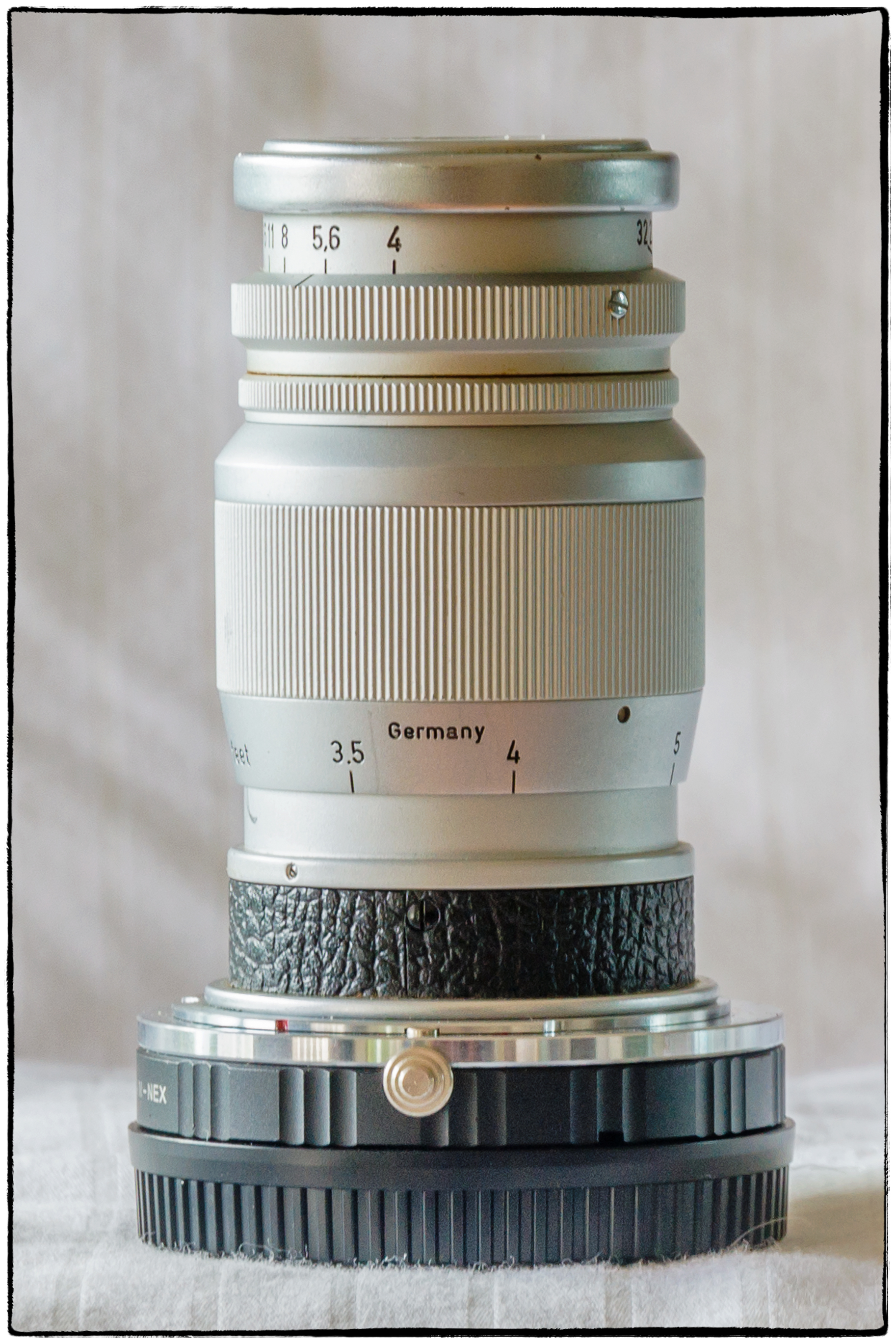
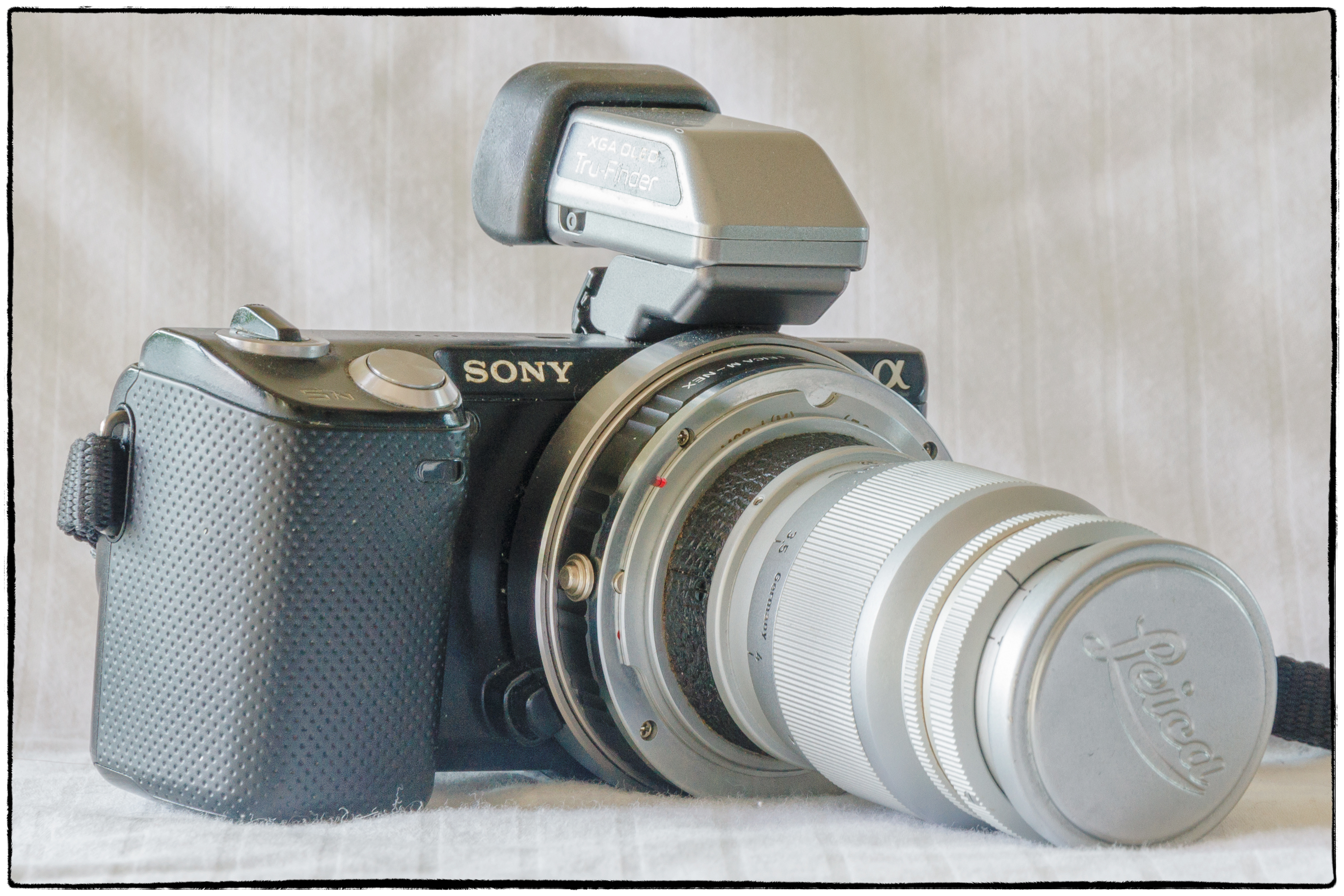
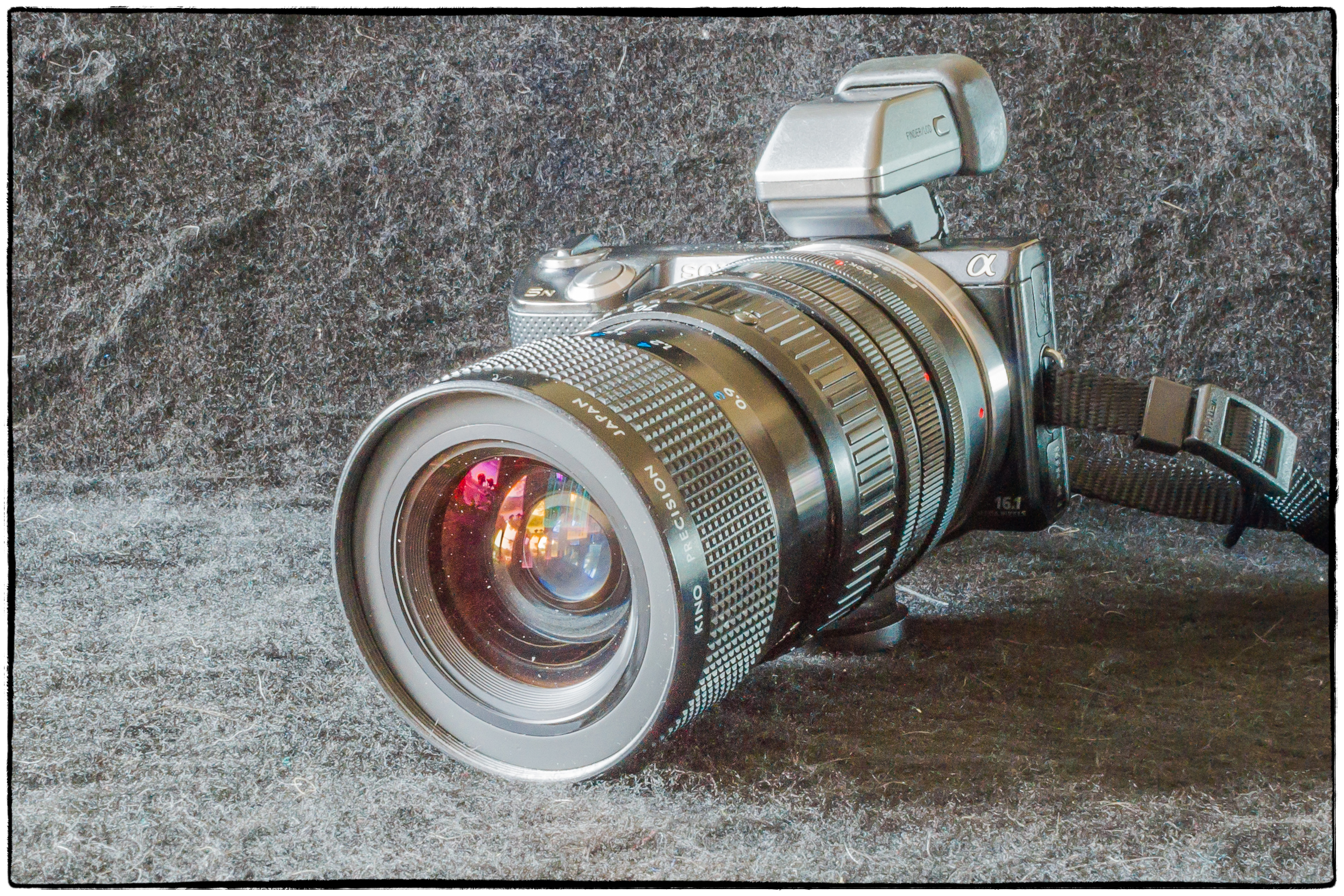
I still haven’t used it on the Leica, but I did decide to use it on my NEX 5N with an adapter – or actually with two adapters. My LTM-Sony E mount adapter doesn’t seem to work right so in this case I used an LTM-Leica M adapter and a Leica M-Sony E mount adapter), which worked perfectly. Note that in the picture above you see the lens, the adapters and a body cap. The actual lens starts at the band of vulcanite. It’s quite small and rather light. In the picture below you can see the lens on the NEX. To take this picture I removed a Minolta MD 50mm f1.4, which was not much shorter and noticeably heavier. On the NEX the lens is of course a 35mm equivalent 135mm lens.

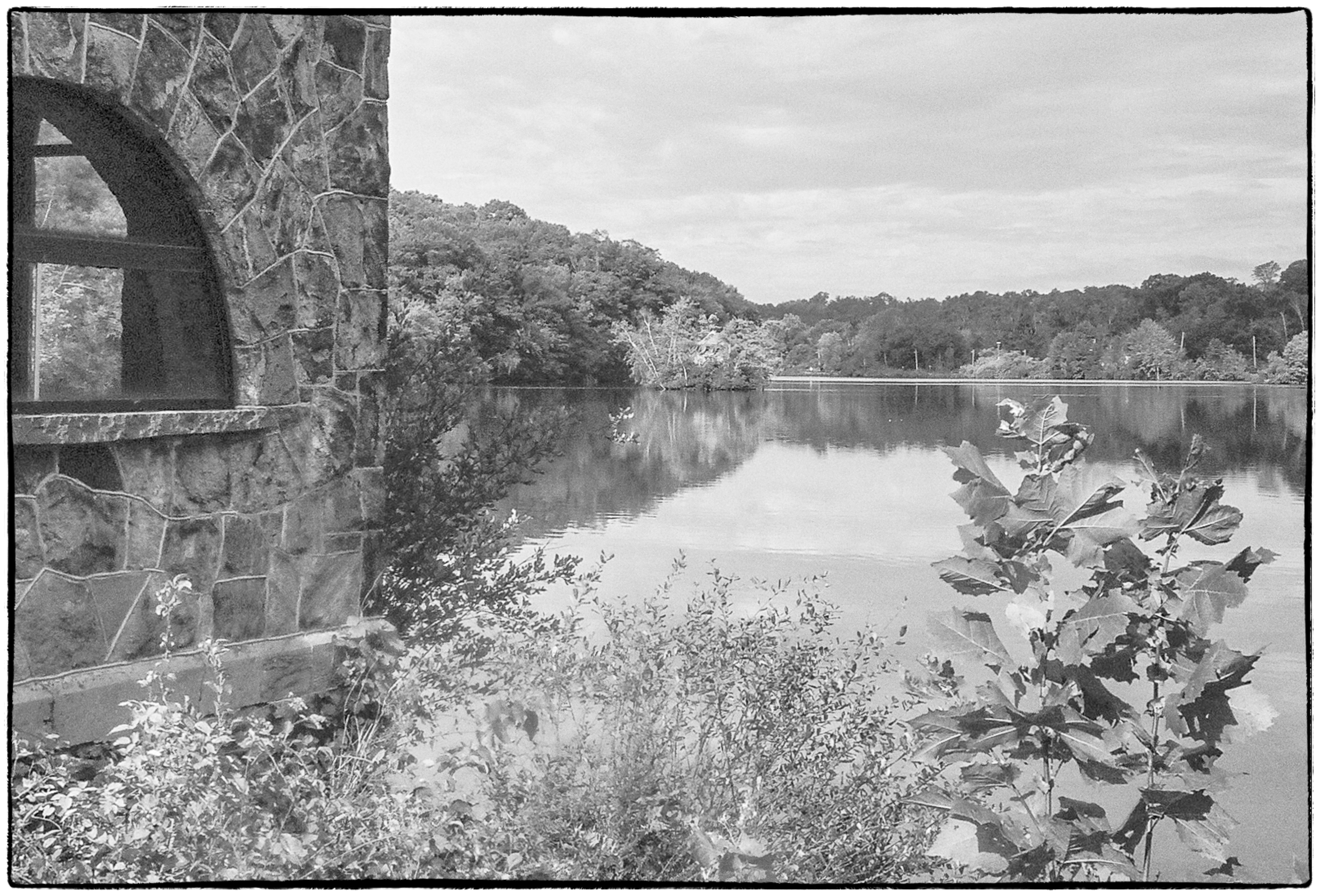
For some pictures taken with this lens see:

Eighteen Arhats: Right Side
Eighteen Arhats: Left Side
Eighteen Arhats: My personal favorite – Mahakappina Thera (not such a great example because I missed the focus).

Leitz 90mm f4 Elmar on Sony NEX-5N

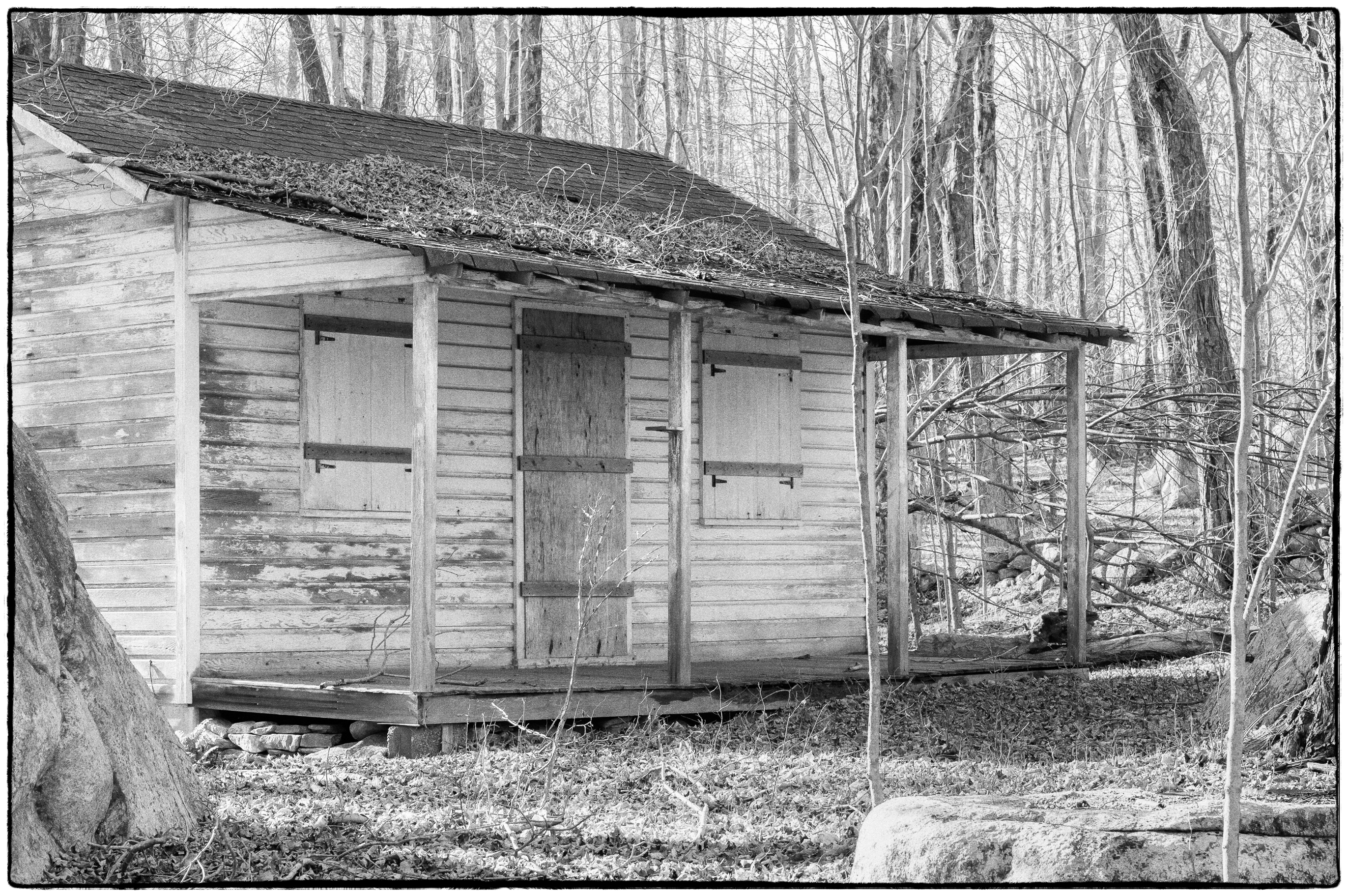
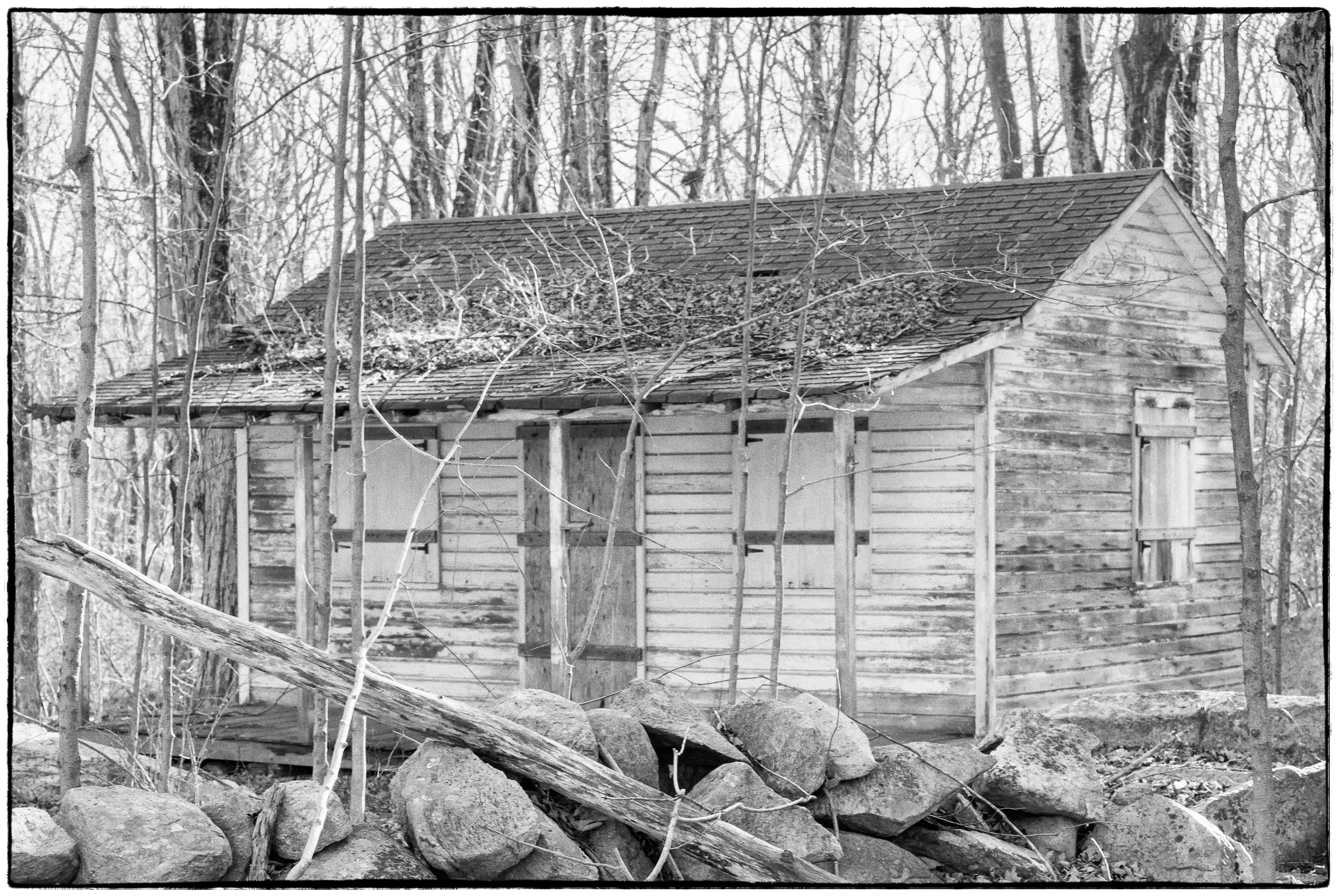
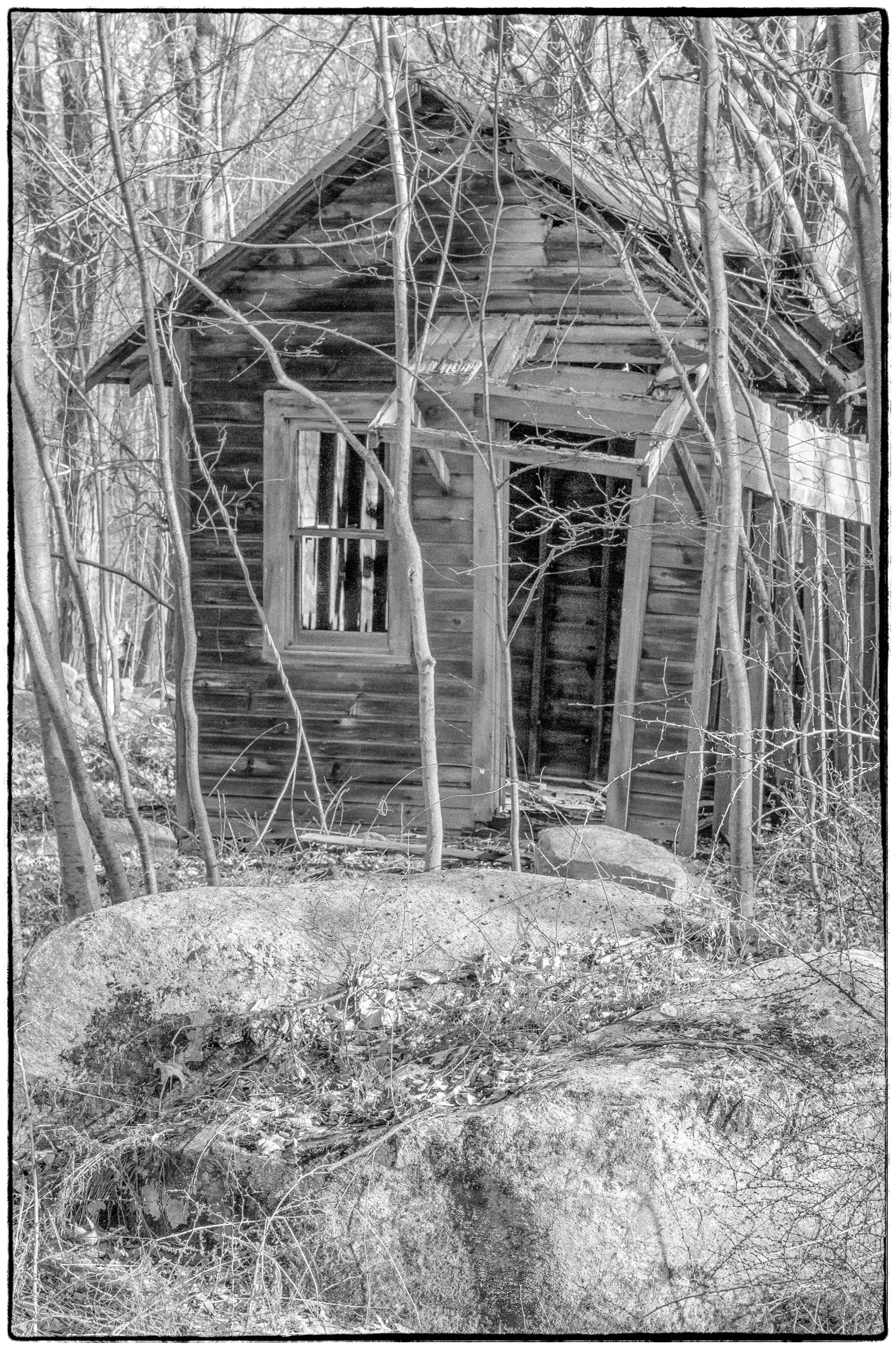
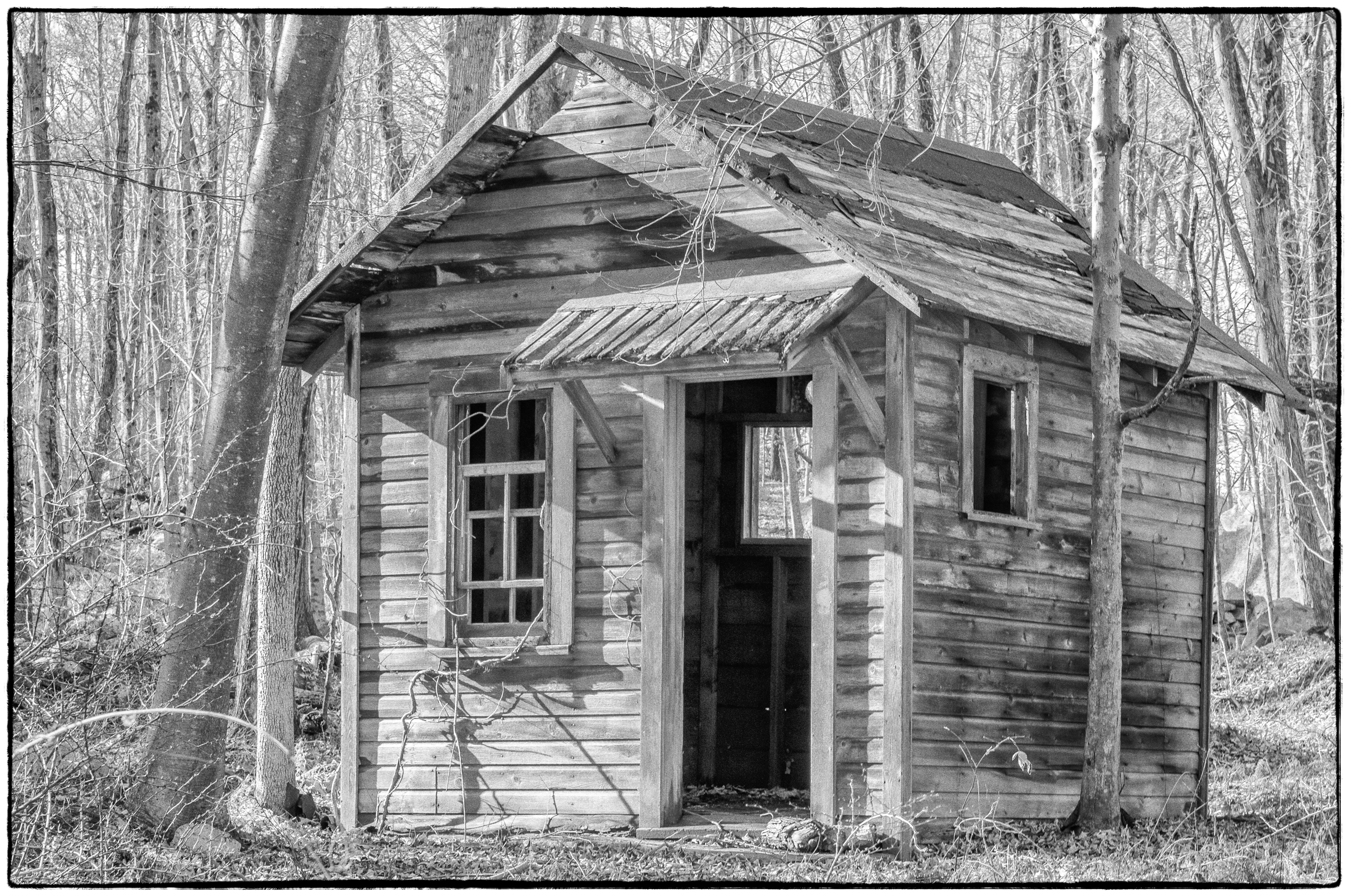
Abandoned shacks

I’ve often noticed these ramshackle wooden shacks just off Route 301 between the Taconic State Parkway and Carmel, NY. I’ve also often thought that we should stop and take some pictures, but until now I haven’t done so.

There are three of them and I don’t know what they are/were or why they’re there. So far haven’t been able to find any additional information.

While taking a picture of the first shack above I decided that I might get a better shot if I was the other side of a stone wall. Unfortunately the only way to get to the other side was to climb over the wall. As I was doing so one of the stones turned under my foot. Luckily it didn’t fall on any part of my anatomy as it was a rather large stone. It did, however, twist my toe, which made walking painful for about a week and rather curtailed my photographic activities.

The view from the other side with the offending wall in the foreground. Unfortunately the picture is not too sharp. I was using an old Minolta manual focus lens and since I was in a fair bit of pain at the time I guess I wasn’t concentrating enough on getting the focus right.

Kino Precision Kiron 28-70mm f3.5-4.5 Macro

I picked this lens up for $9 at a nearby Goodwill Store. I’d heard that Kiron lenses were generally pretty good and already had a Kiron 80-200mm F4.5 Macro zoom that I’d picked up at a garage sale for next to nothing (it came attached to a Minolta X-370). Although I hadn’t used it that much it seemed to be a decent lens. So when I saw this one at Goodwill I thought – for nine dollars what do I have to lose.

I’ve used it a bit now and don’t know quite what to make of it. It’s in Canon FD breech mount and the adapter adds a bit to the length). It’s fairly small and feels very sturdy. It’s a two touch zoom with separate zoom and focus rings. The zoom ring is a little (but not very) stiff. I suspect it will loosen up with use. The focus ring is the opposite. It was so light that I thought at first it was broken (it wasn’t). The zoom range is a bit awkward (42-105mm equivalent on my Nex 5N), not really wide enough on the wide end and the f3.5-4.5 range is decent. In some circumstances (I haven’t yet figured out exactly which) it produces very low contrast images. This doesn’t really bother me much as I shoot in RAW and post-process everything and it only takes a couple of seconds to correct the contrast. The lens also flares badly if you even point it in the general direction of a light source. I suspect that this lens flare contributes greatly to the low contrast images as the more contrasty images were taken with the sun behind me, or in shade. The less contrasty images were taken with light sources in front of me. I do like the color rendition though.

All things considered I’m pleased with my purchase.

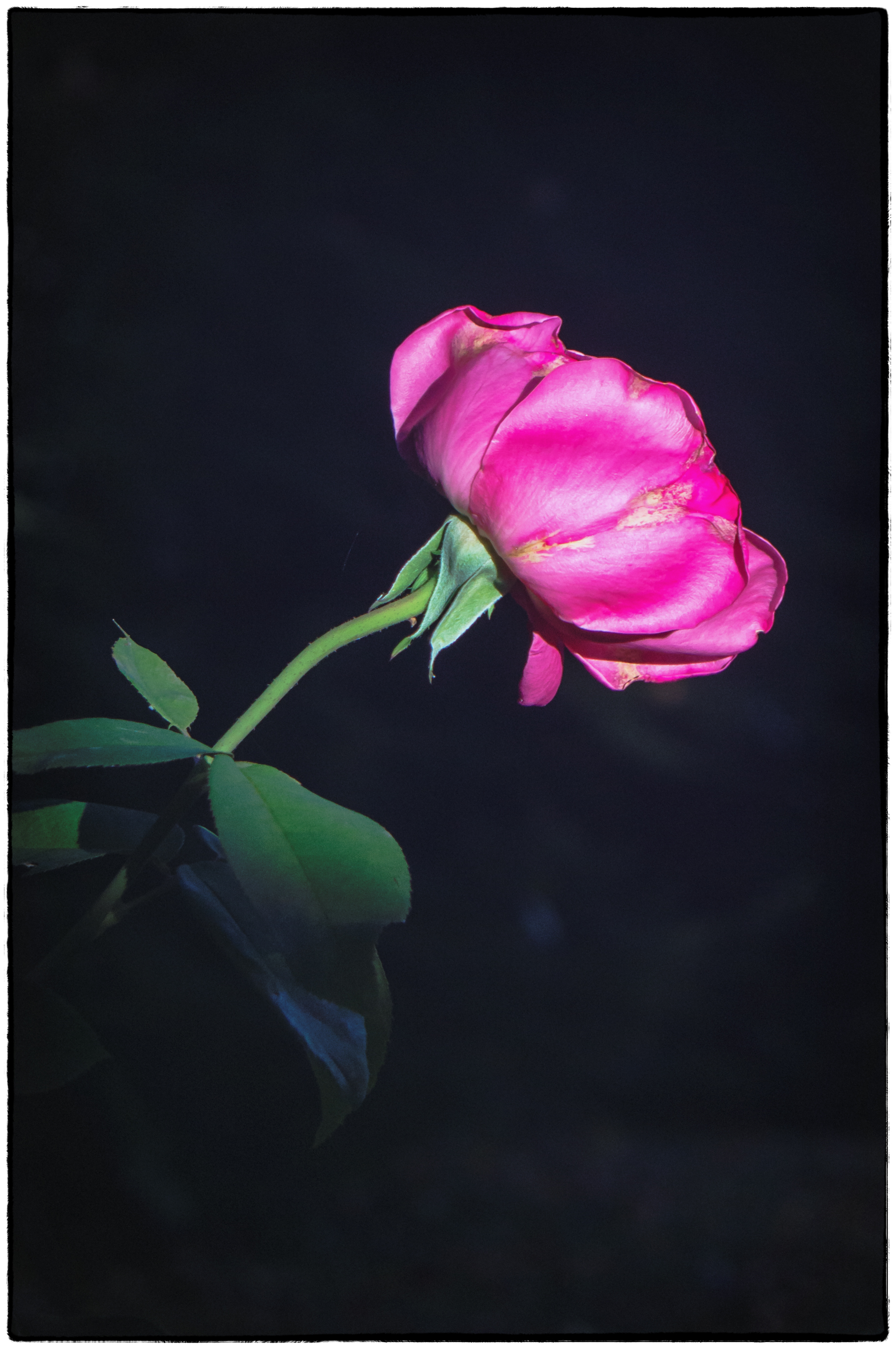
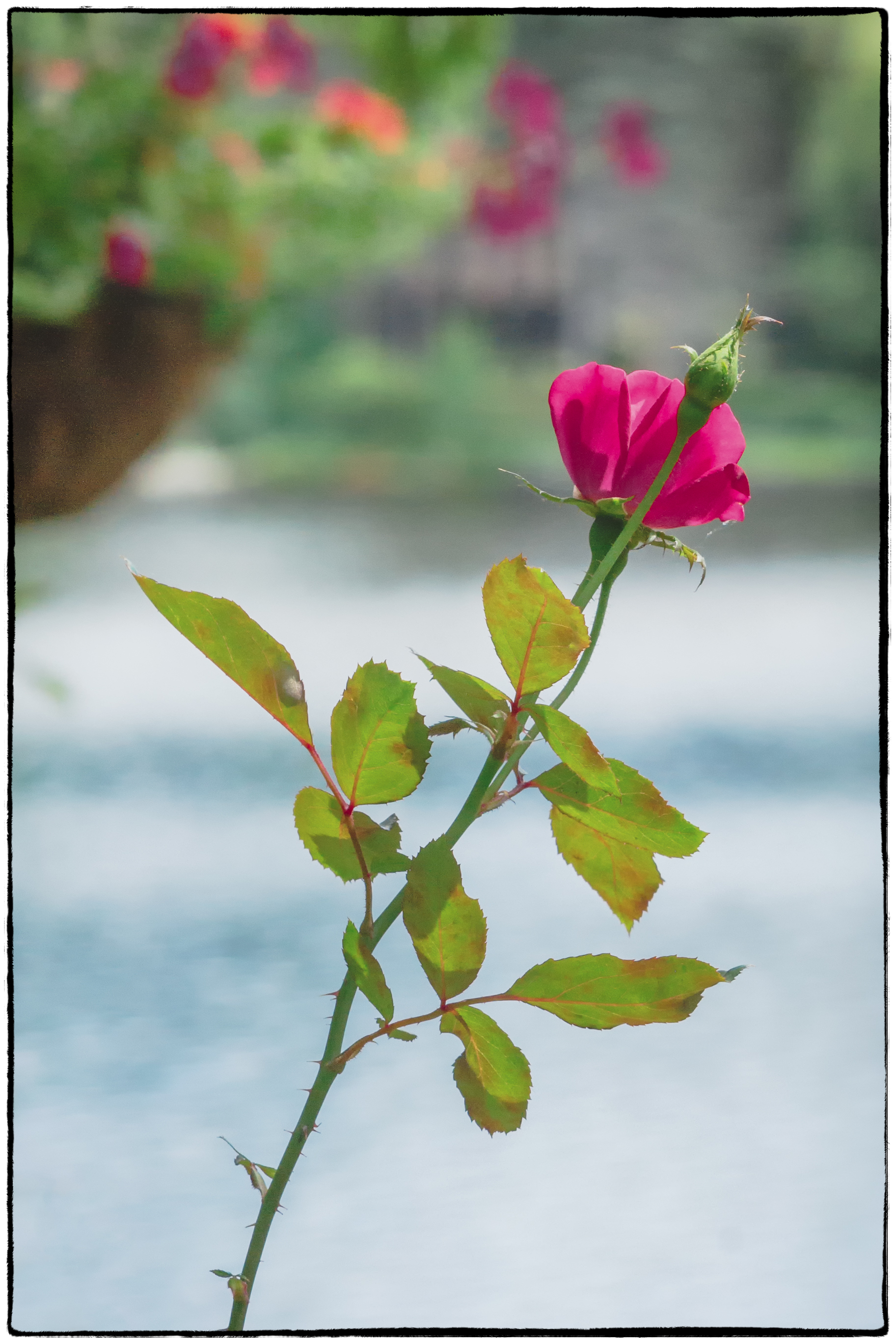
Rose

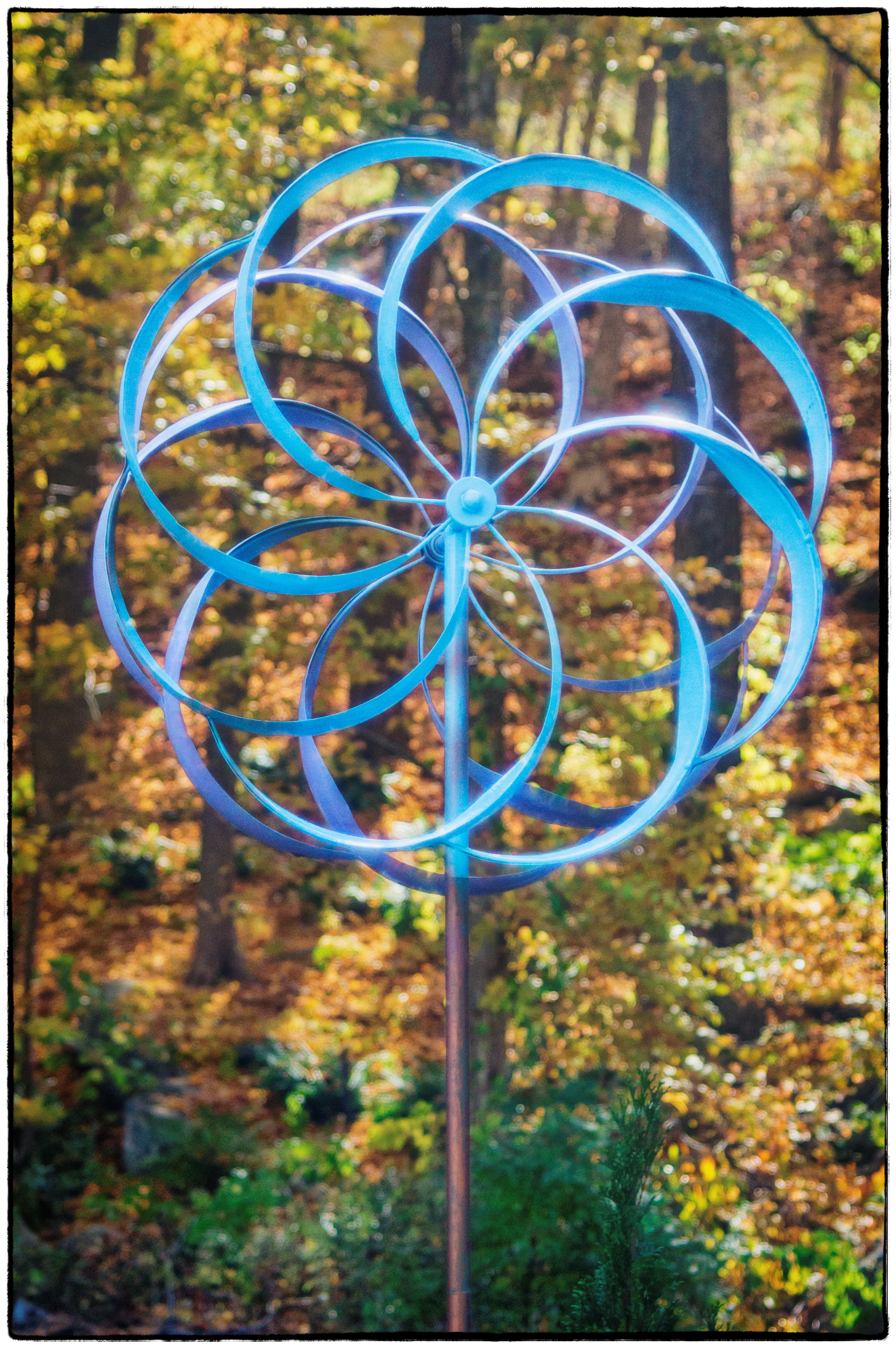
Blue Windmill

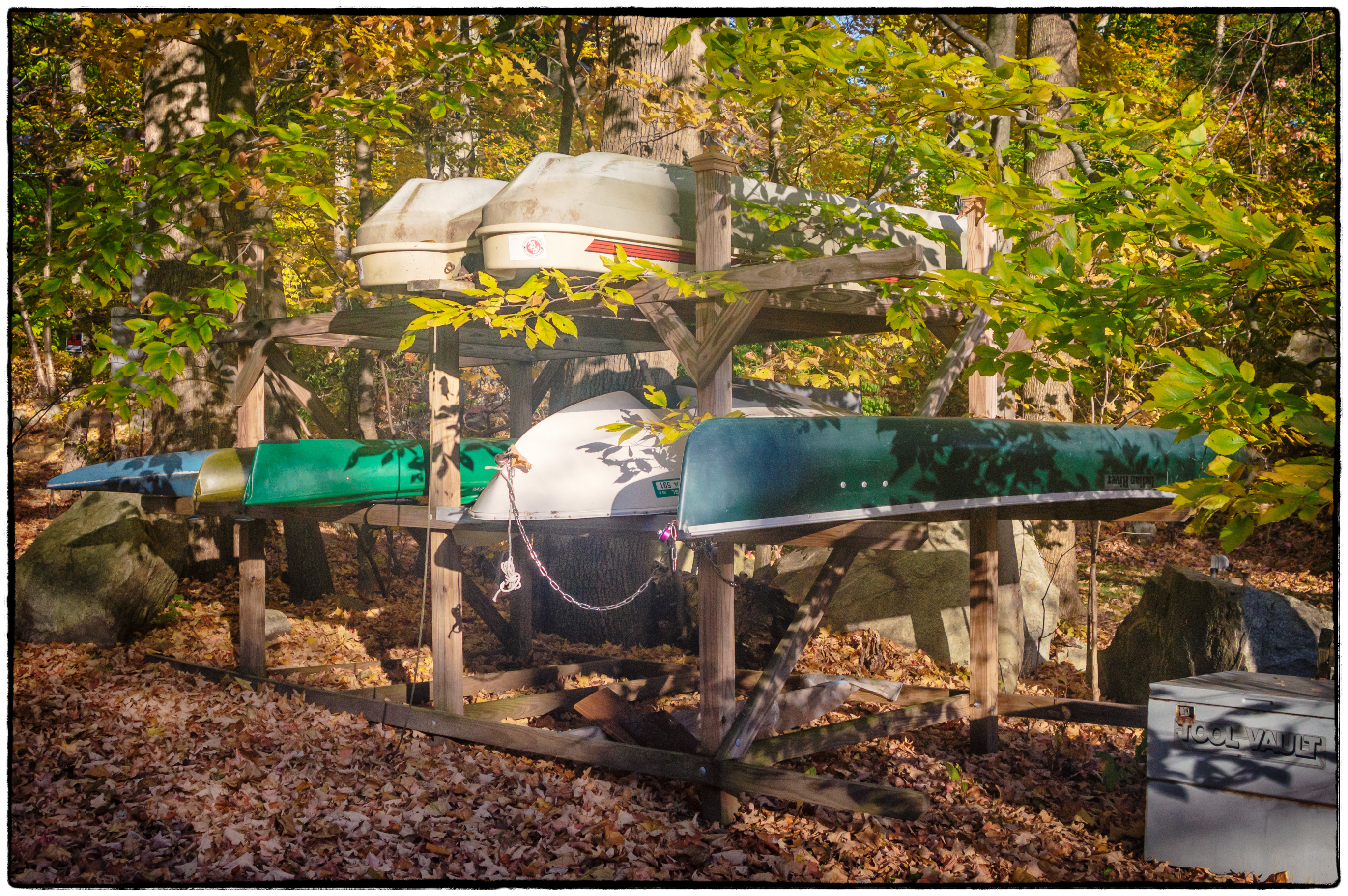
Canoes at Spur Beach

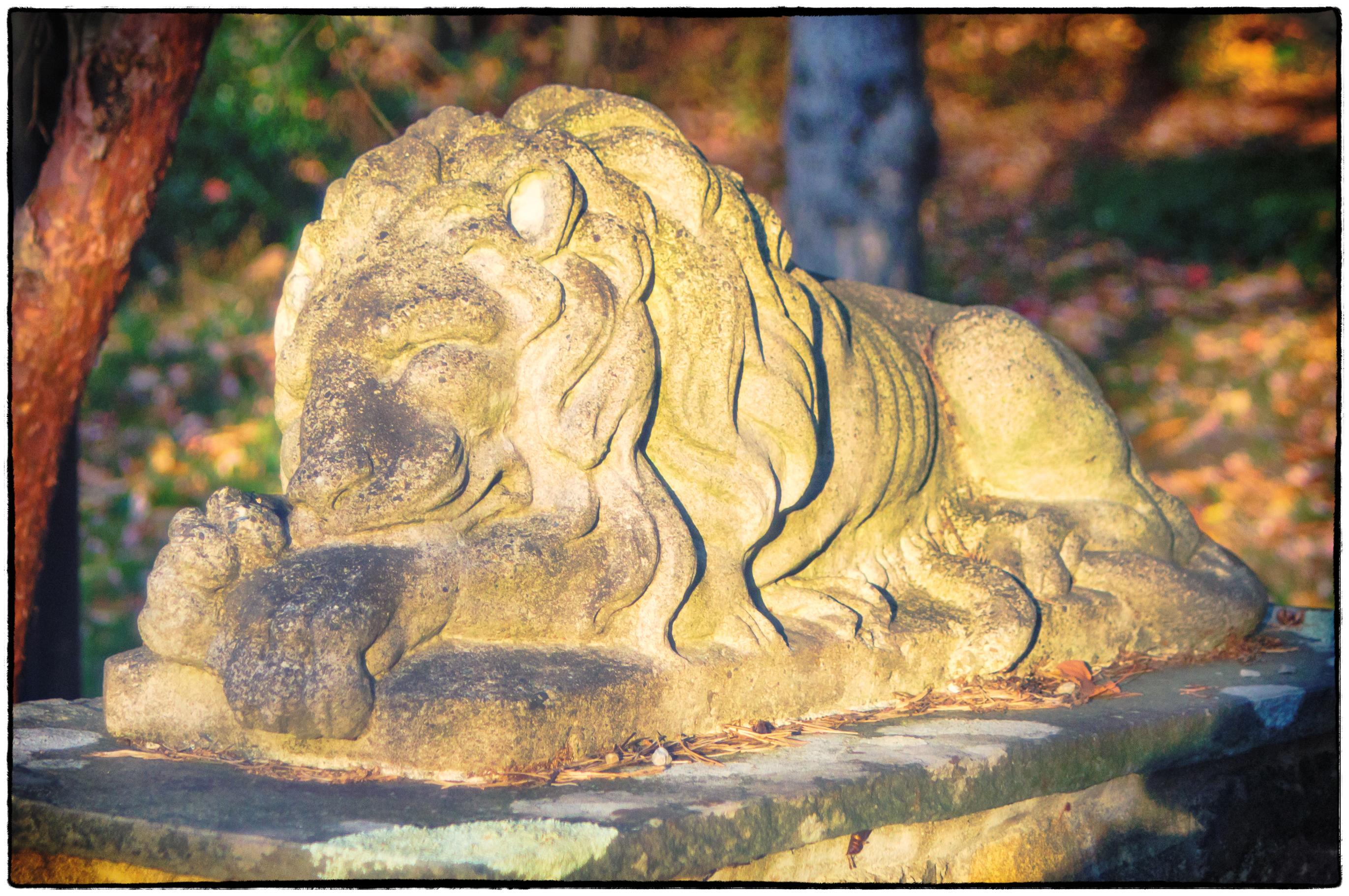
Sleeping Lion Statue

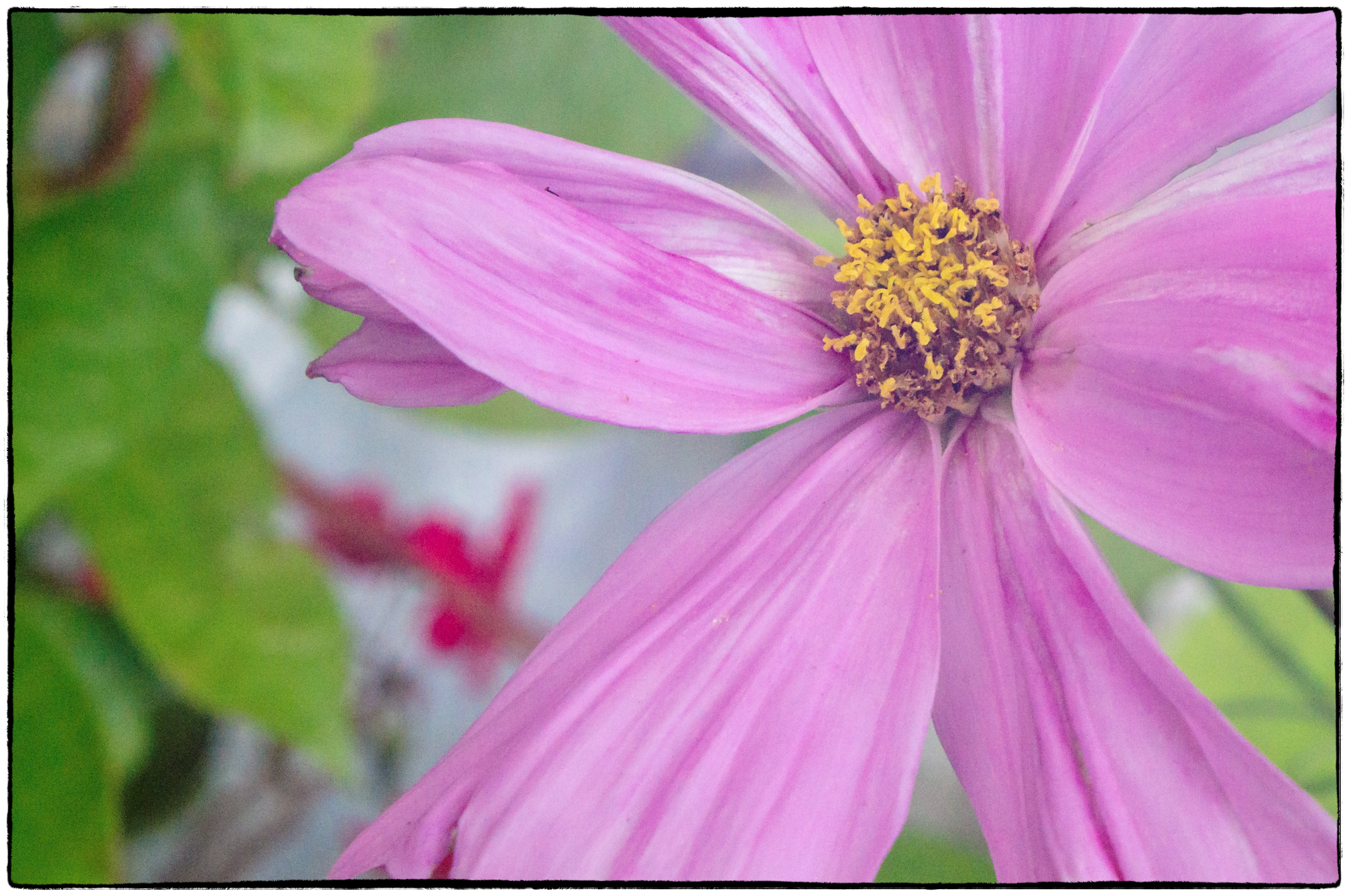
Pink Flower – Cosmos

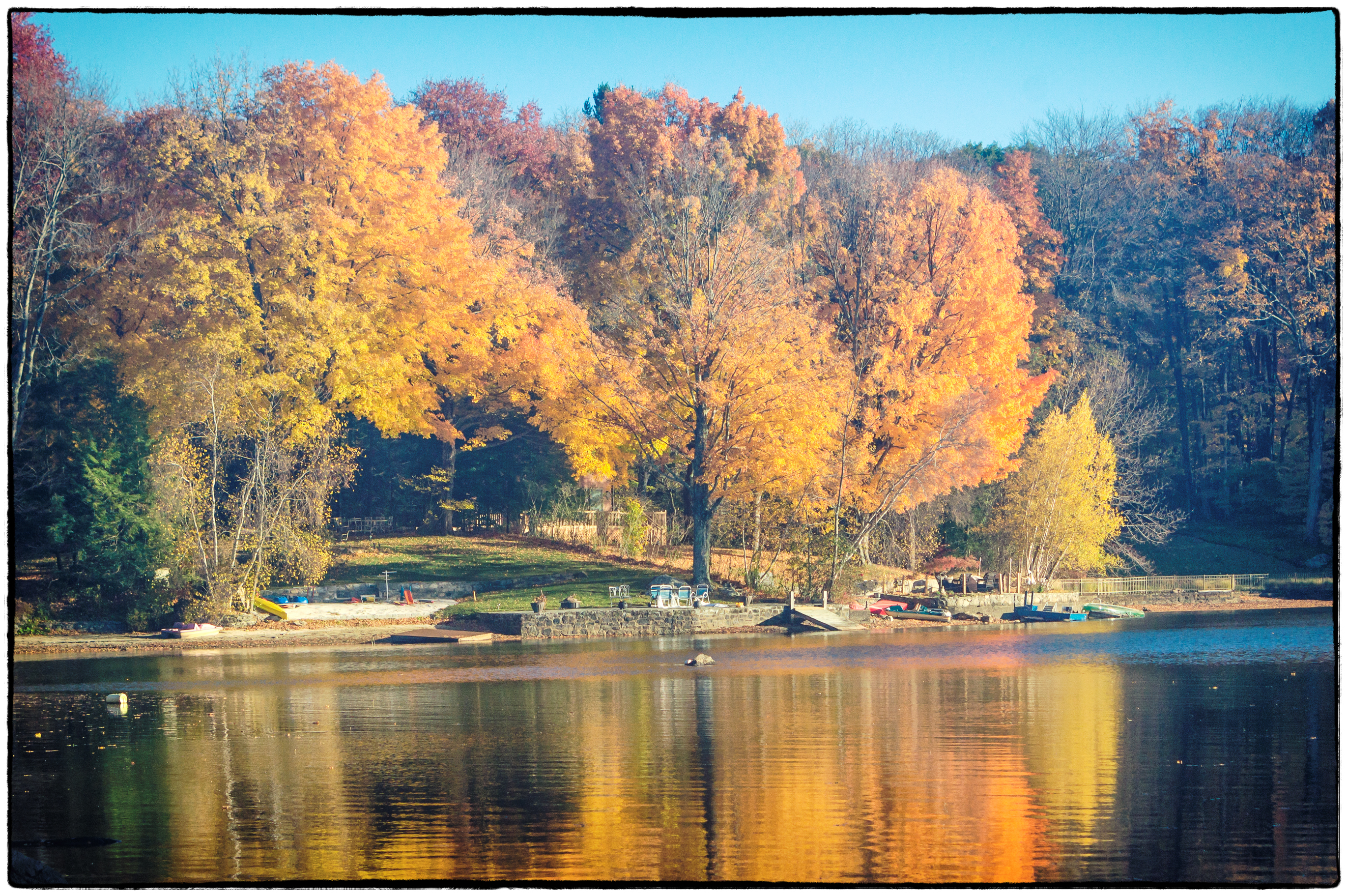
View from North Beach

And a couple of other posts with pictures taken with this lens:

Harley and the Bird Houses
Withered Blossom
Cathy Hanson for Town Council

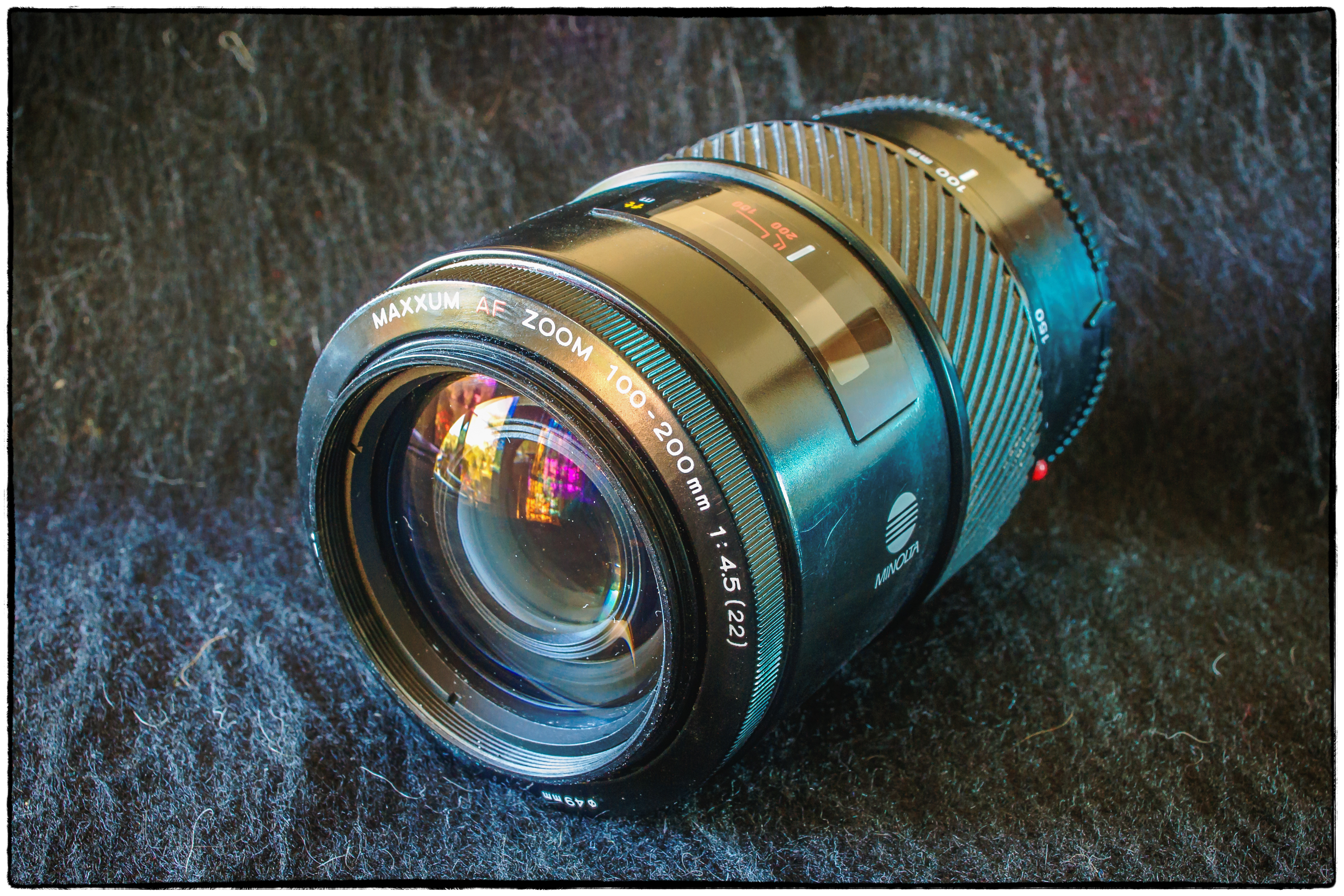
Minolta Maxxum AF 100-200mm f4.5

I’m always on the lookout for interesting new/old lenses – particularly old Minolta AF lenses which will work on my Sony DSLR. I was browsing around and I came across this lens, which had good reviews. I managed to find an inexpensive example so I snapped it up.

Even from a relatively short test I really like this lens. It produces the typical Minolta really good colors and is generally sharp especially when stopped own a bit. It’s small and light and feels well made. I like the fixed f4.5 and the reasonably fast focus as well as the decent out of focus areas. On the negative side the minimum focusing distance is rather long at about 6ft. I’ve read that it flares badly but havent’ experienced this in my admittedly limited test. All things considered a pretty good lenses and bearing in mind what I paid for it extremely good value for money.

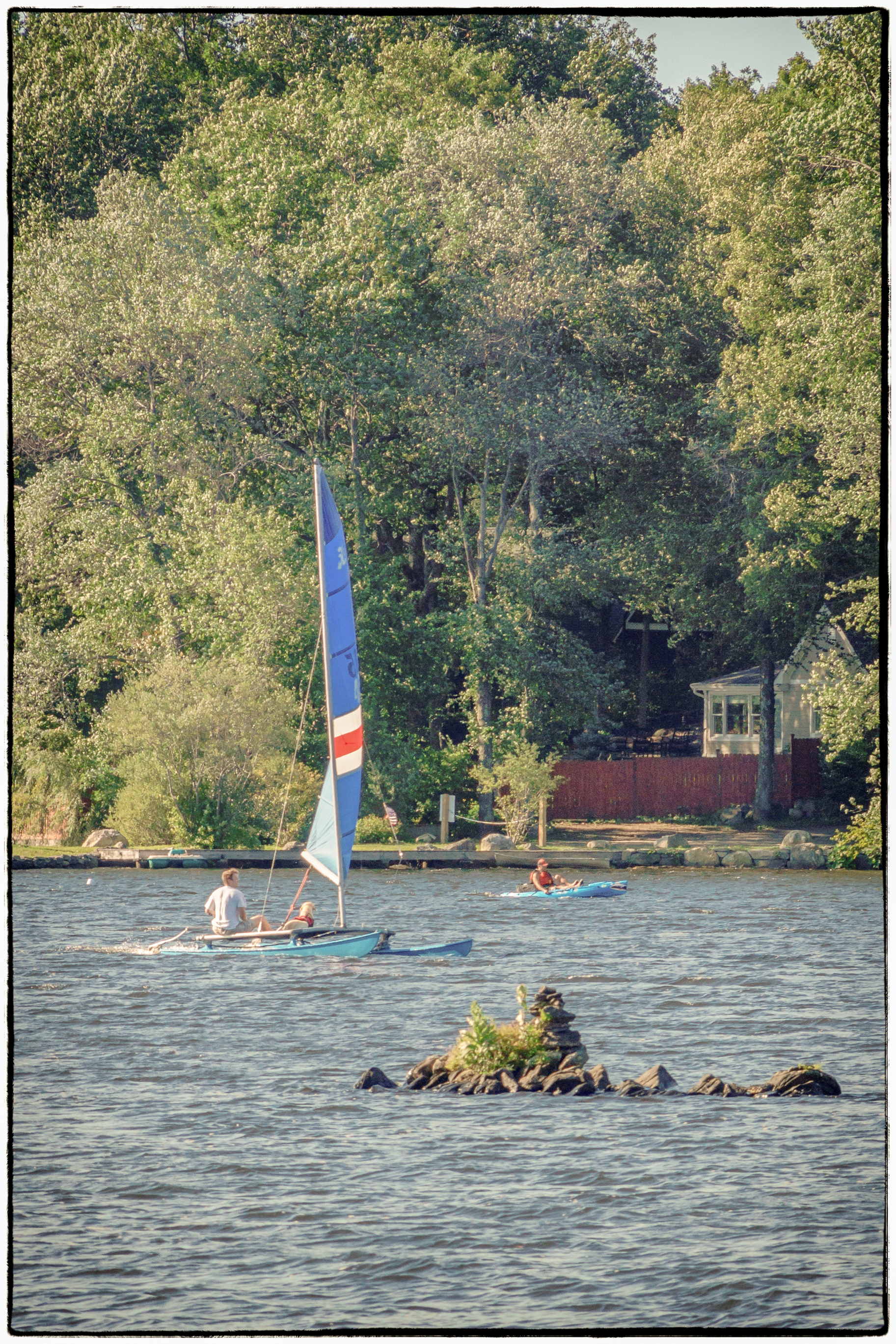
Sails on the Lake.

One of my wife’s roses – nice out of focus areas.

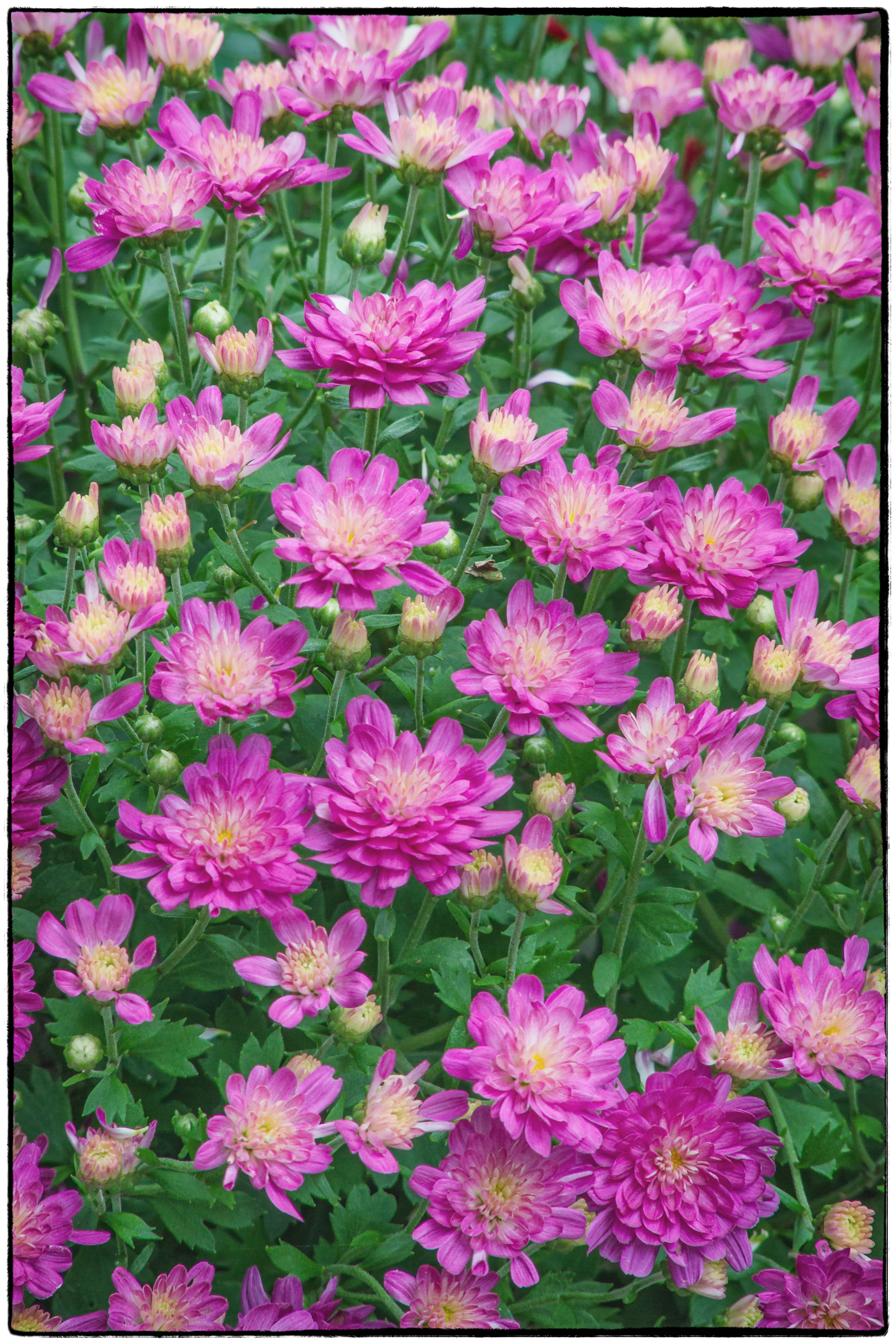
Chrysanthemums

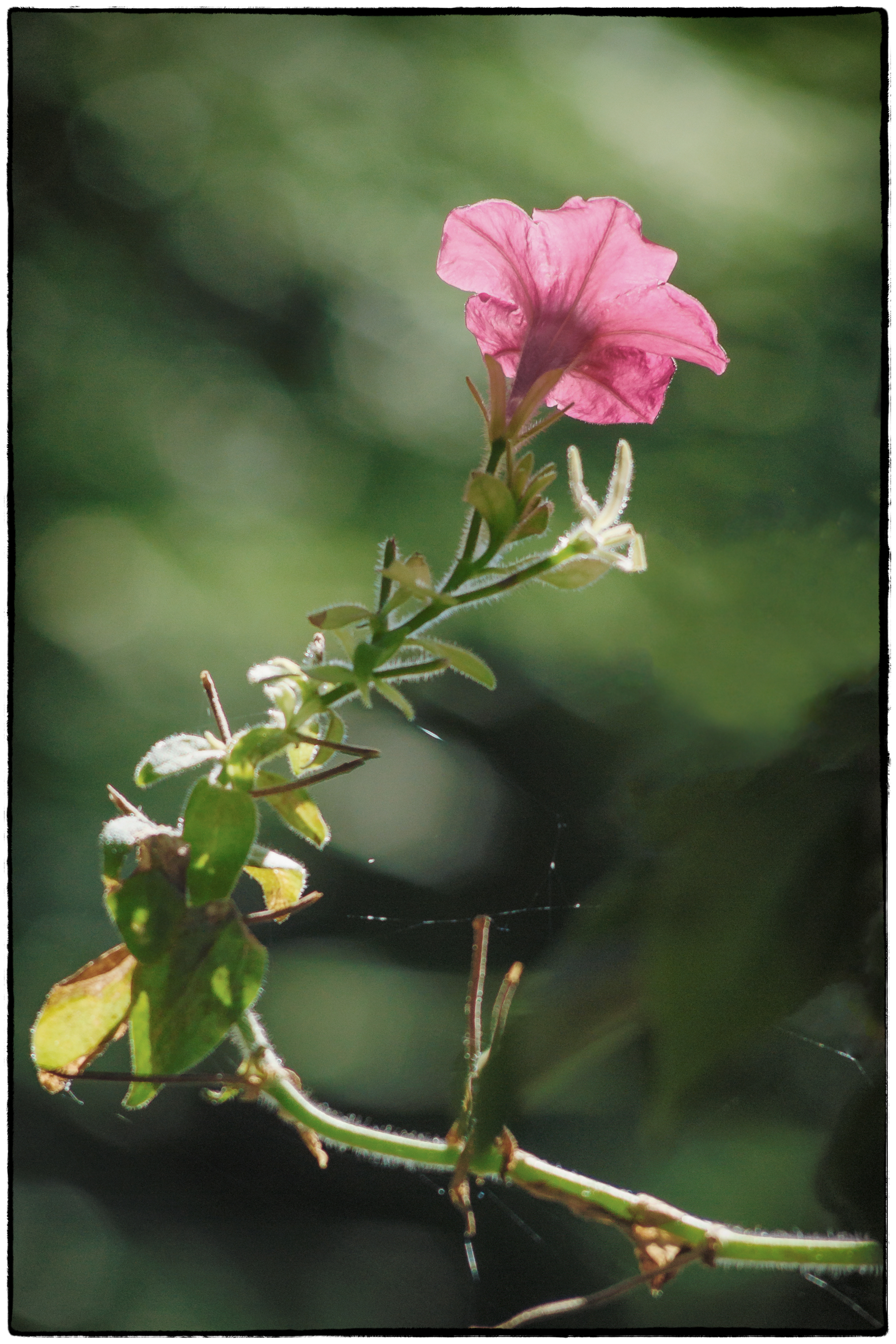
Another flower – don’t know what kind. I liked the out of focus areas.

Carl Zeiss Jena 58mm f2 Biotar

I posted earlier about my acquisition of an Exakta VXIIa, Exa and three lenses. I’ve already provided a little more detail on the Lydith. Now it’s the turn of the Biotar.

I’ve haven’t tried it that much yet, but from an initial test (the inevitable flowers) I think I will probably use it quite a lot. My copy is quite large, rather heavy and more than a little “beat up” (for example the filter threads have been damaged and now won’t accommodate a screw in filter (doesn’t bother me much as I don’t use filters). As mentioned in the earlier post the auto preset level is rather sluggish and I’m sure it wouldn’t stop down the lens fast enough to be useful. This doesn’t bother me much either as I’ll probably mostly use the lens on my Sony NEX 5N and usual subjects are stationary and give me lots of time to stop down manually.

There’s an “interesting” (and animated) discussion on photo.net concerning the relationship between the Biotar and the Zeiss Planar – interesting that is if you like Kingslake‘s “A History of the Photographic Lens” for bedtime reading (as I do). As far as I can tell the Biotar is a variant of the original Planar design.

More posts on this lens to follow.

Update: Rick Drawbridge recently did a post on this lens in Testing the Biotar on photo.net