Gran and Grandad

A cousin in the UK recently sent me this picture. She’s into genealogy and has been building a family tree for us. She informed me that this is my grandmother (Mary Emily Poole) and grandfather (George Dale). As you’ve probably guessed it was taken on their Wedding Day.

I knew my grandmother, but my grandfather passed away sometime before I born. I think this is the only picture I have of him. I vaguely remember another one, but I haven’t see it for years. I remember my grandmother as a rather ferocious, elderly women. It’s easy to forget that she was once young. I understood that he was quite a bit older than she was, but in the picture, this doesn’t seem to be case. Maybe he looked younger than his actual age.

This is the part where I usually mention what camera was used. Of course in this case I haven’t got a clue.
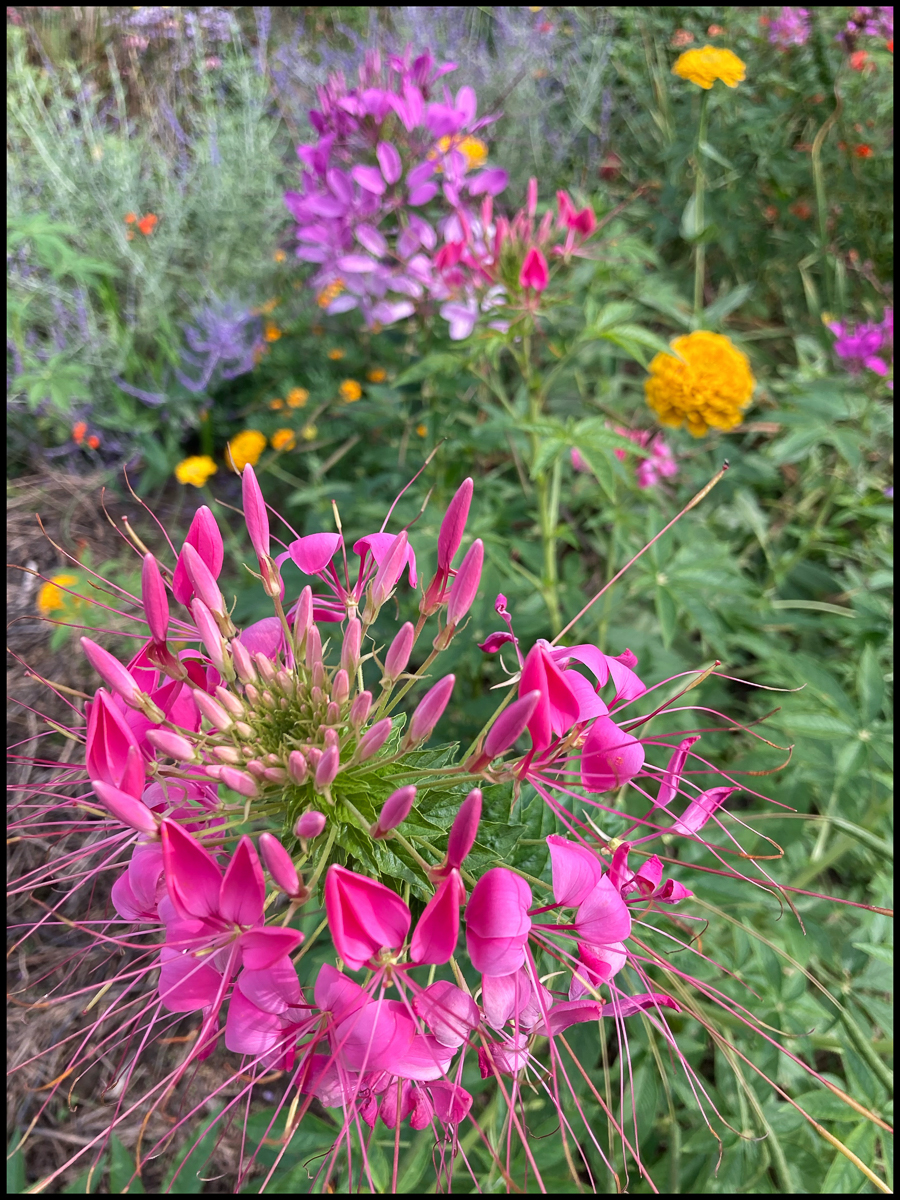
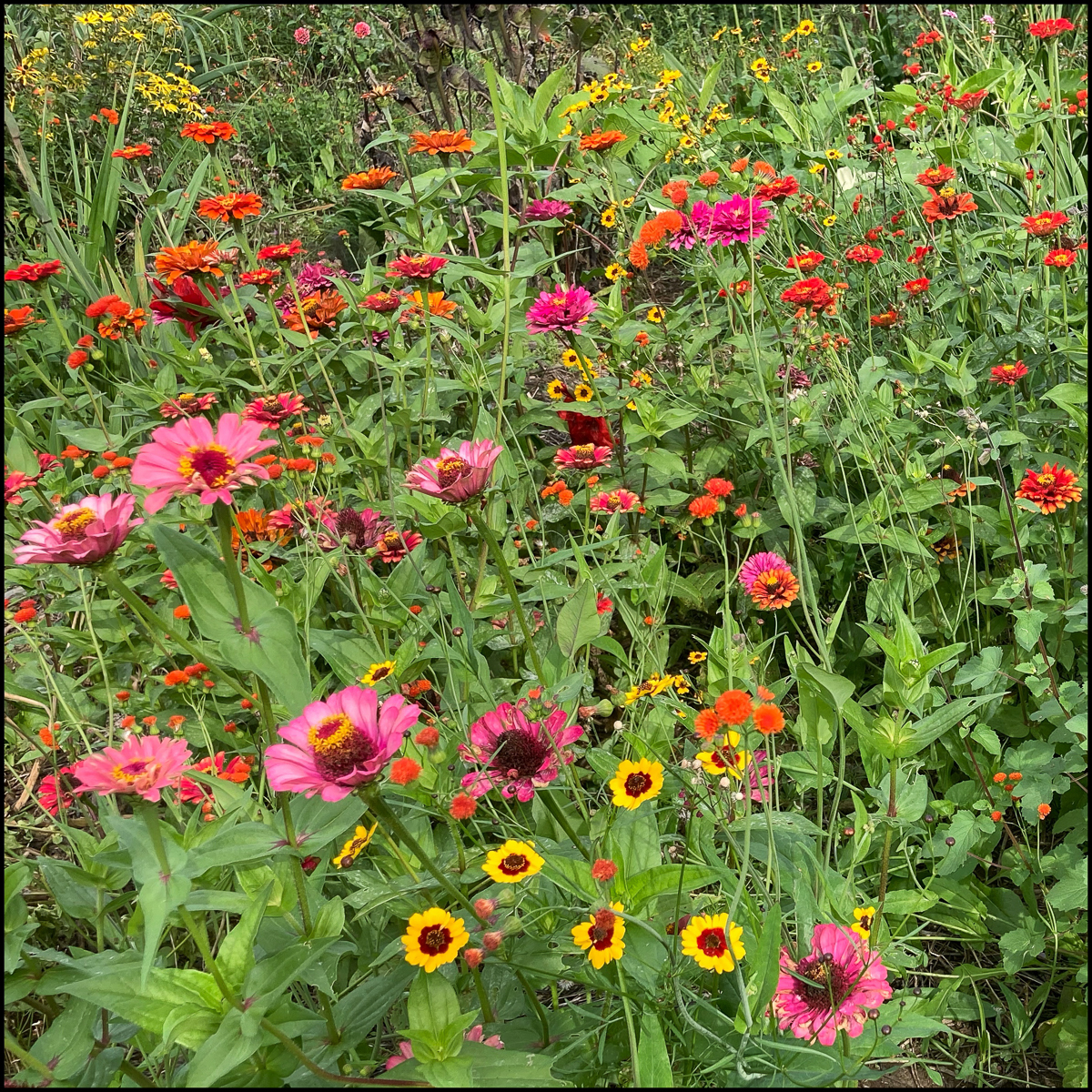
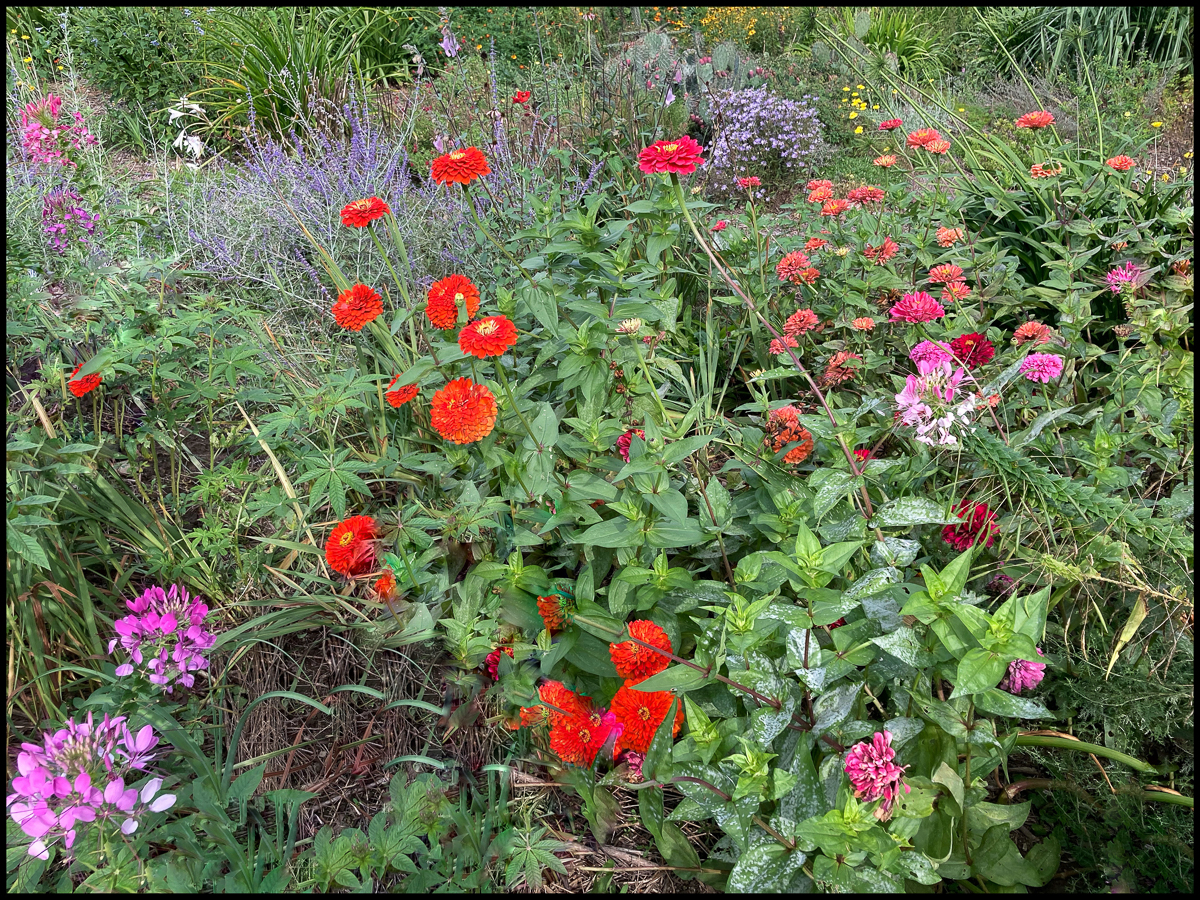
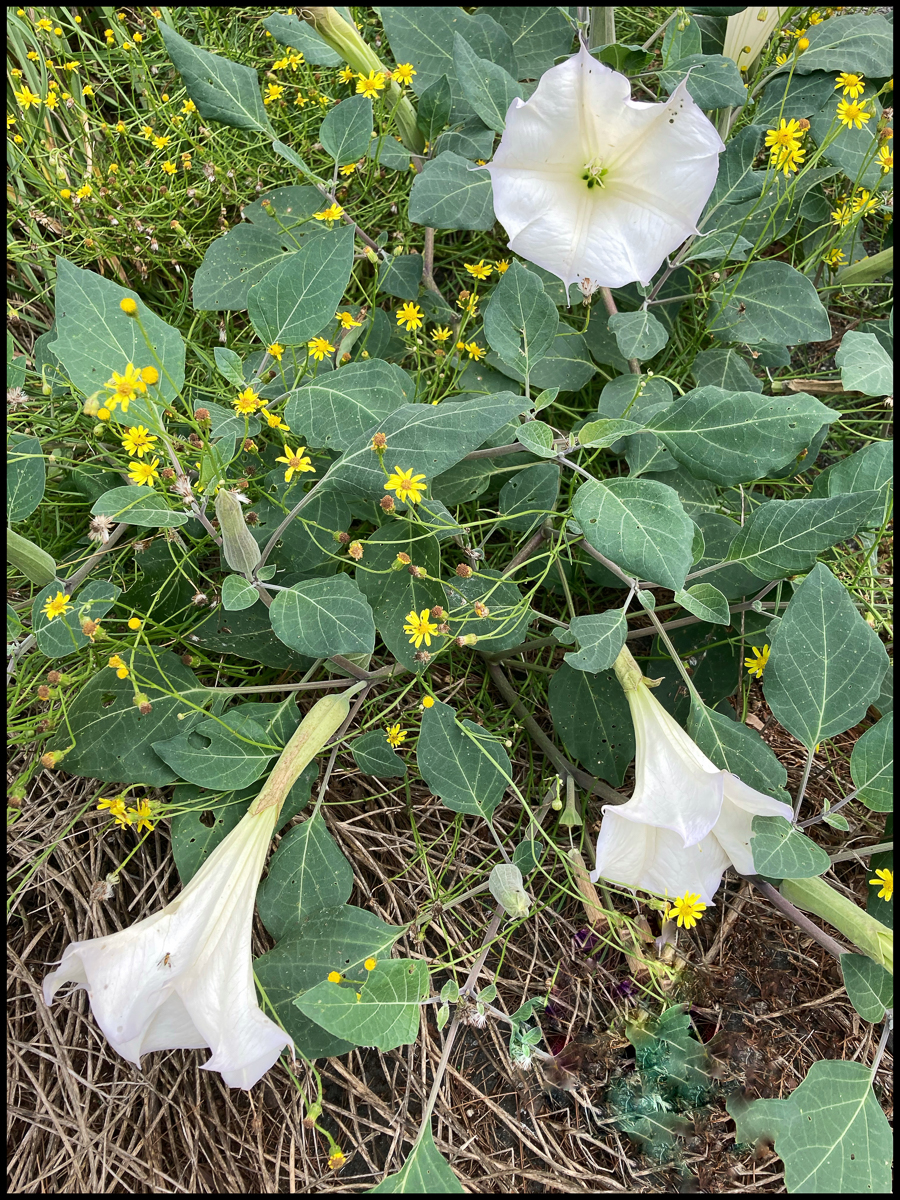
Flowers on Macy Lane

I’ve posted about this garden before: See “A Wild and Crazy Garden”. I passed it again the other day and once again was blown away. I really think we should get rid of our lawns, with all of the maintenance, the ecxessive watering, noisy leaf blowers, mowers, trimmers etc. and just replace them with masses of beautiful colorful flowers.


Taken with a Apple Iphone SE II.

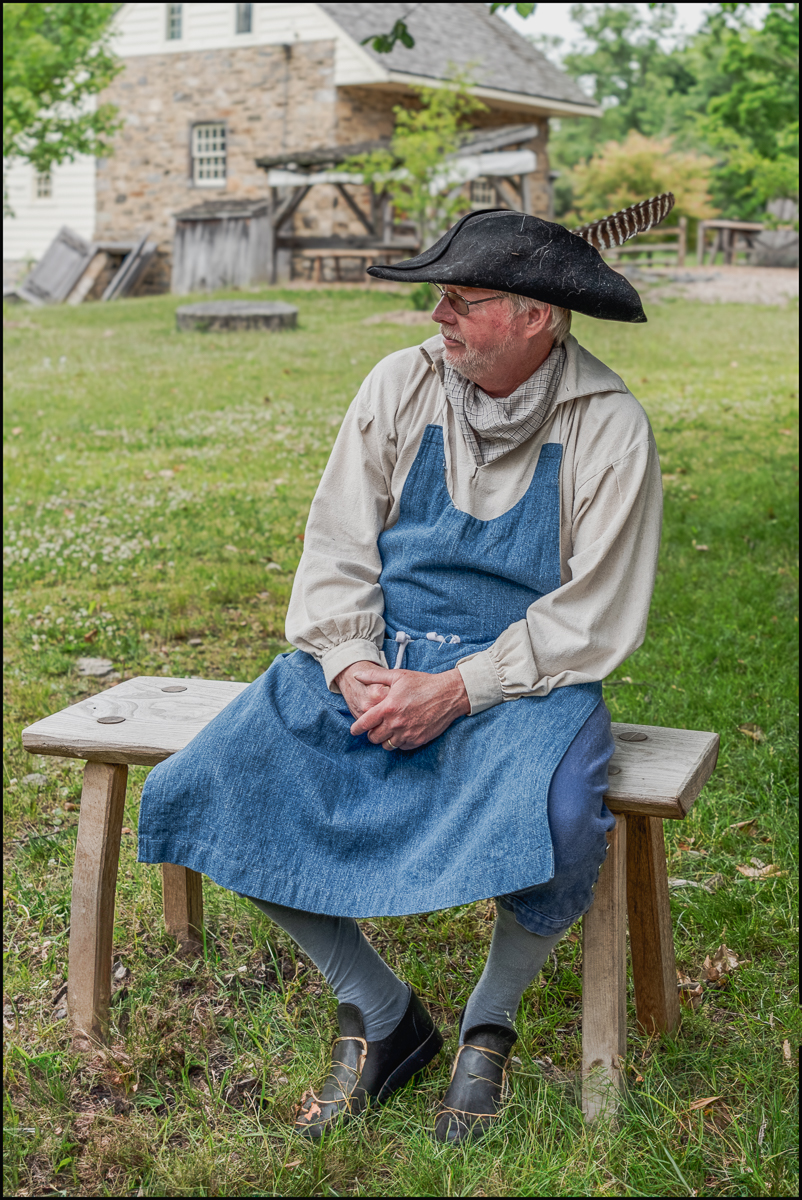
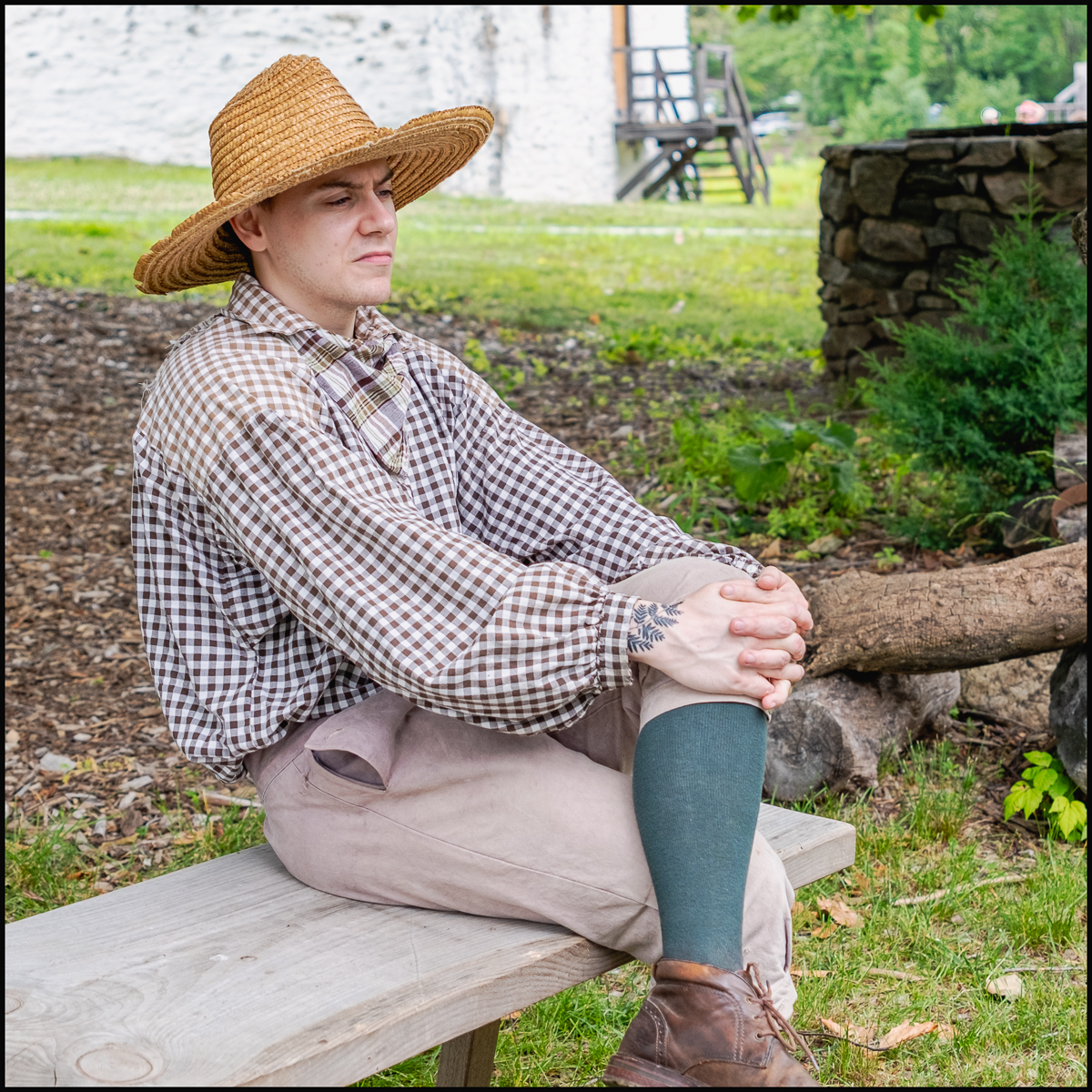
A Visit to Philipsburg Manor – Re-enactors

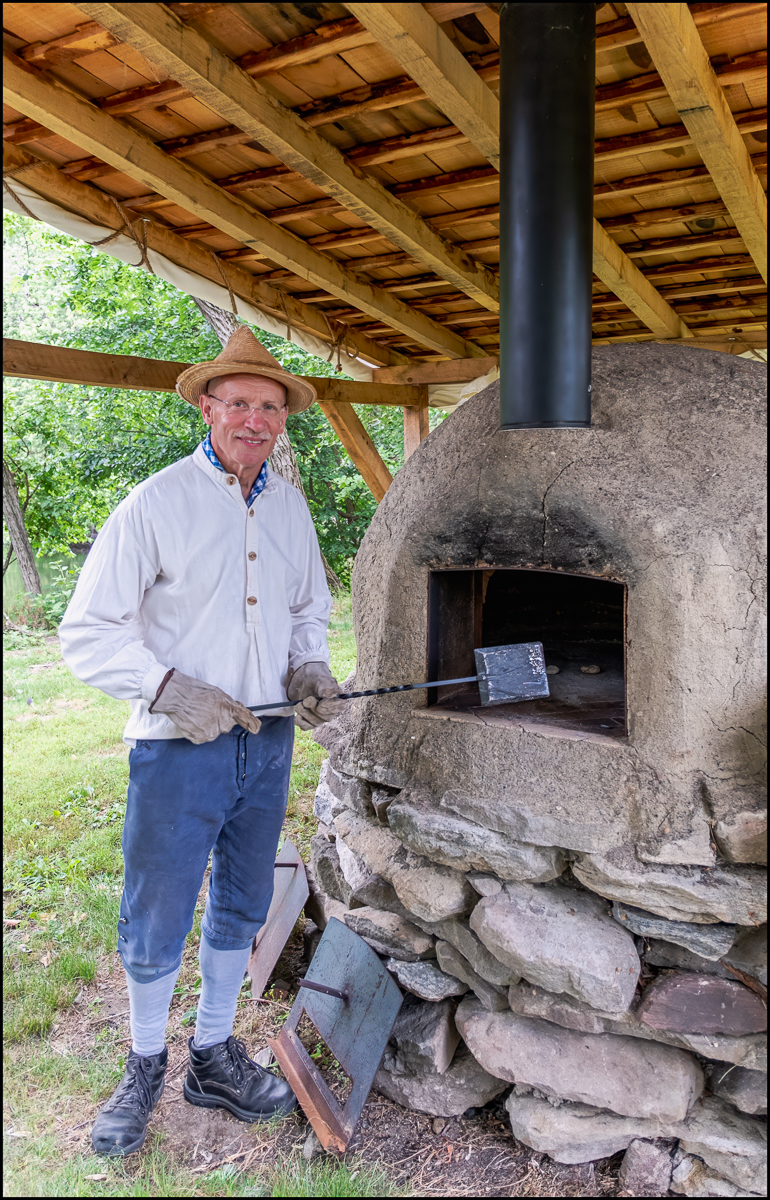
Costumed interpreters re-enact life in pre-Revolutionary times, doing chores, milking the cows, and grinding grain in the grist mill. They also act as guides.

The current tour was in the manor house, and they were waiting for them to emerge. This gave me a chance to go over and chat with them. I work with Briarcliff Manor-Scarborough Historical Society, which is only 6 miles away from the manor. They had an extensive knowledge of local history (one of them was a retired history teacher) so we didn’t have difficulties finding things to discuss.


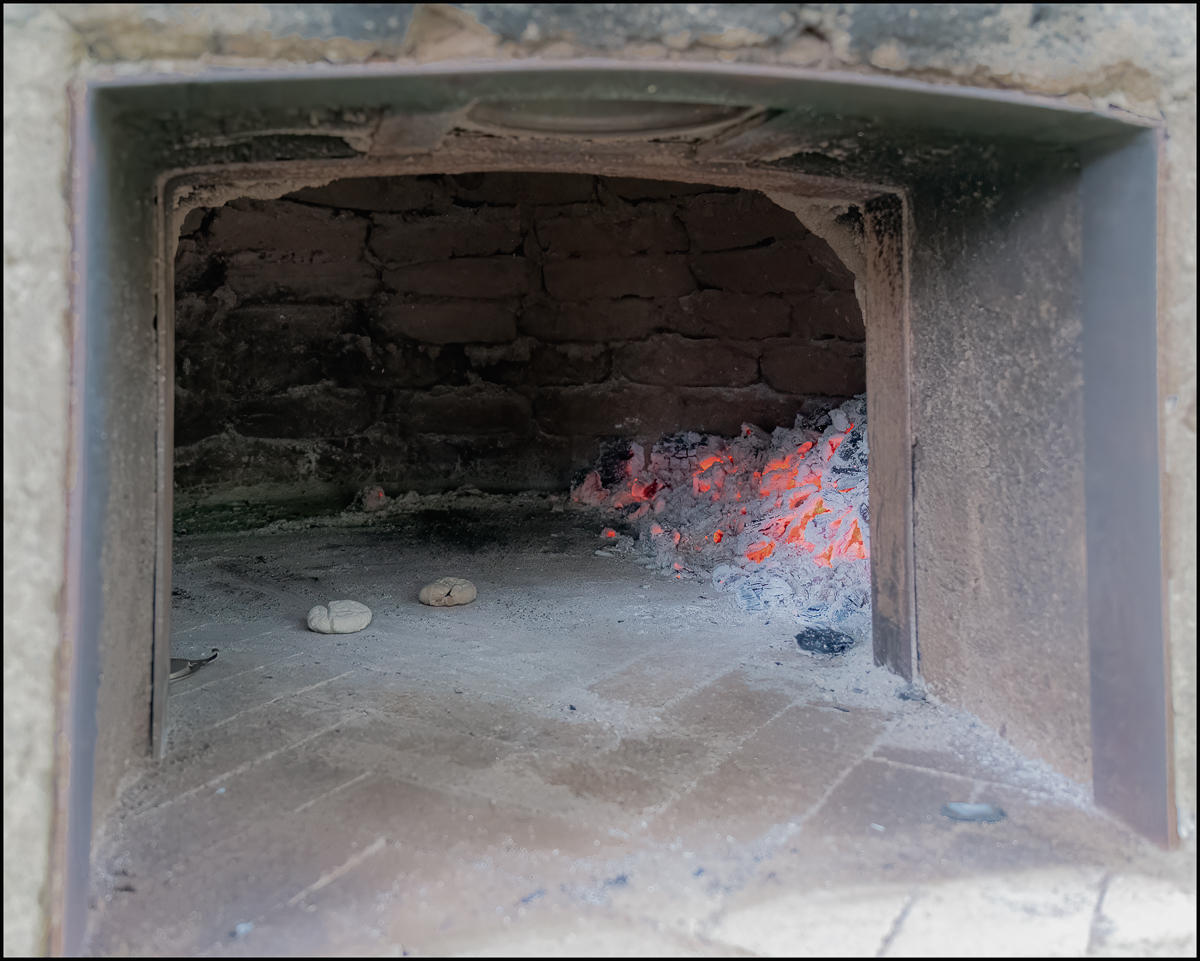
This guy was baking cookies.

Taken with a Fuji X-E3 and Fuji XC 16-50mm f3.5-5.6 OSS II

A Visit to Philipsburg Manor – Tenant Farmers House

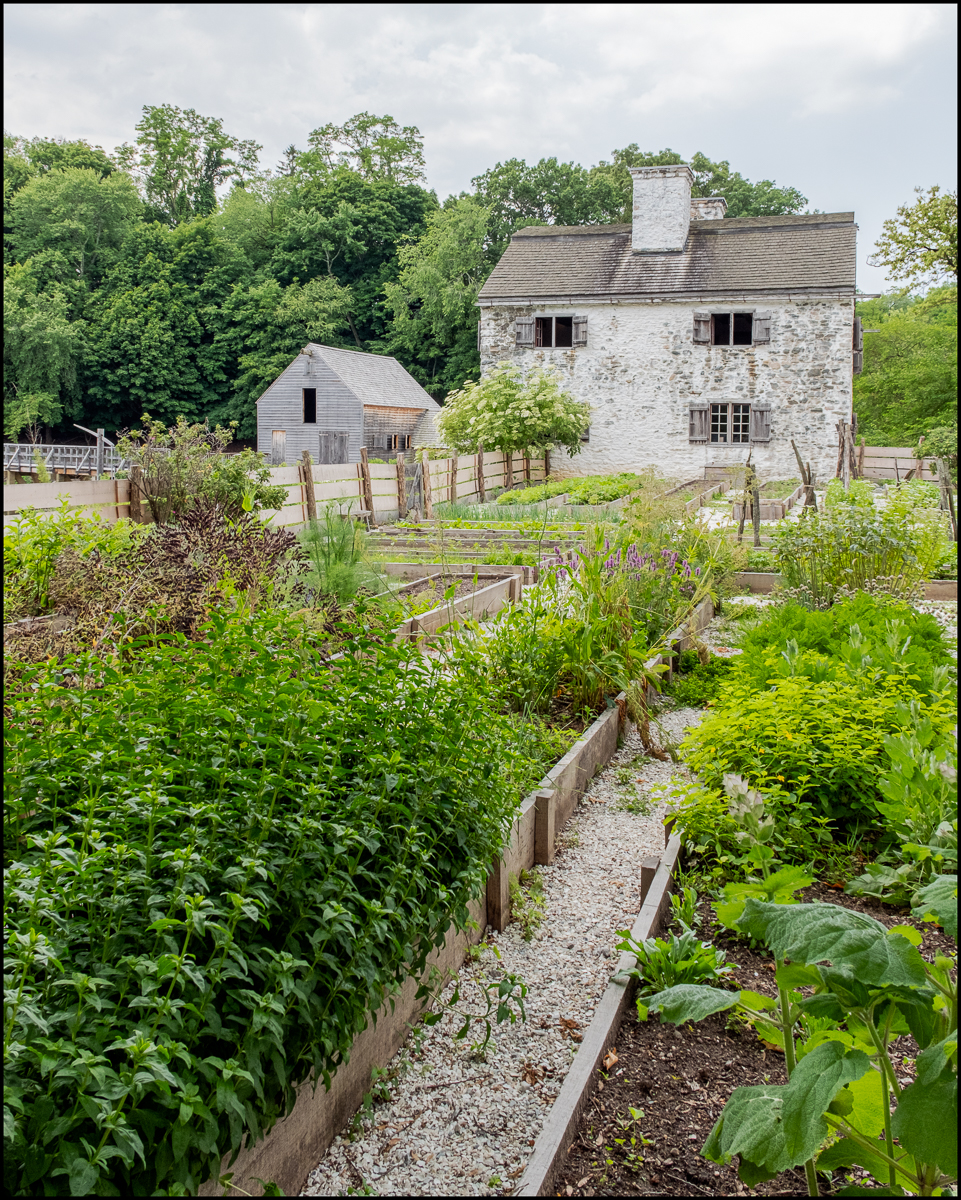
Philipse’s trading center has been restored to its appearance in 1750 when, in addition to the two dozen African slave it was home to several hundred tenant farmers. Their homes looked something like this. I can’t really say more because it wasn’t possible to see the interior. So, you see what I saw.


Taken with a Fuji X-E3 and Fuji XC 16-50mm f3.5-5.6 OSS II

A Visit to Philipsburg Manor – The Slave Garden

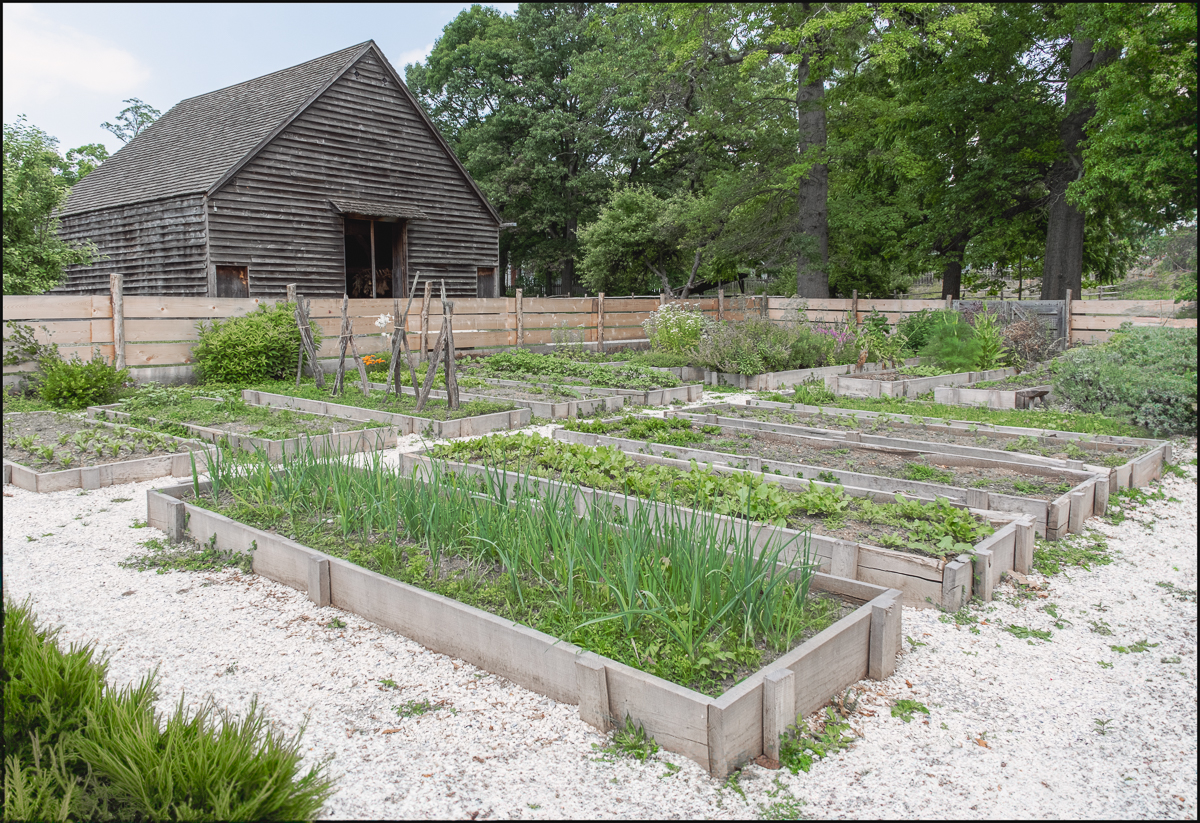
In colonial America, it was common for enslaved men and women in rural areas to keep a provisioning garden to grow vegetables they most wanted to eat.

At Philipsburg Manor, which interprets an 18th-century provisioning plantation operated by 23 enslaved Africans, the slaves’ garden is full of plants African gardeners would have preferred – vegetables like black-eyed peas and sweet potatoes – as well as herbs.

Africans had an intimate knowledge of plants and other natural materials that they used to cure all sorts of ailments. So the herbs in a garden like this one served as an apothecary as well as a spice rack. (A Colonial Drugstore: Philipsburg Manor’s Herb Garden)

Taken with a Fuji X-E3 and Fuji XC 16-50mm f3.5-5.6 OSS II