Painted Stones

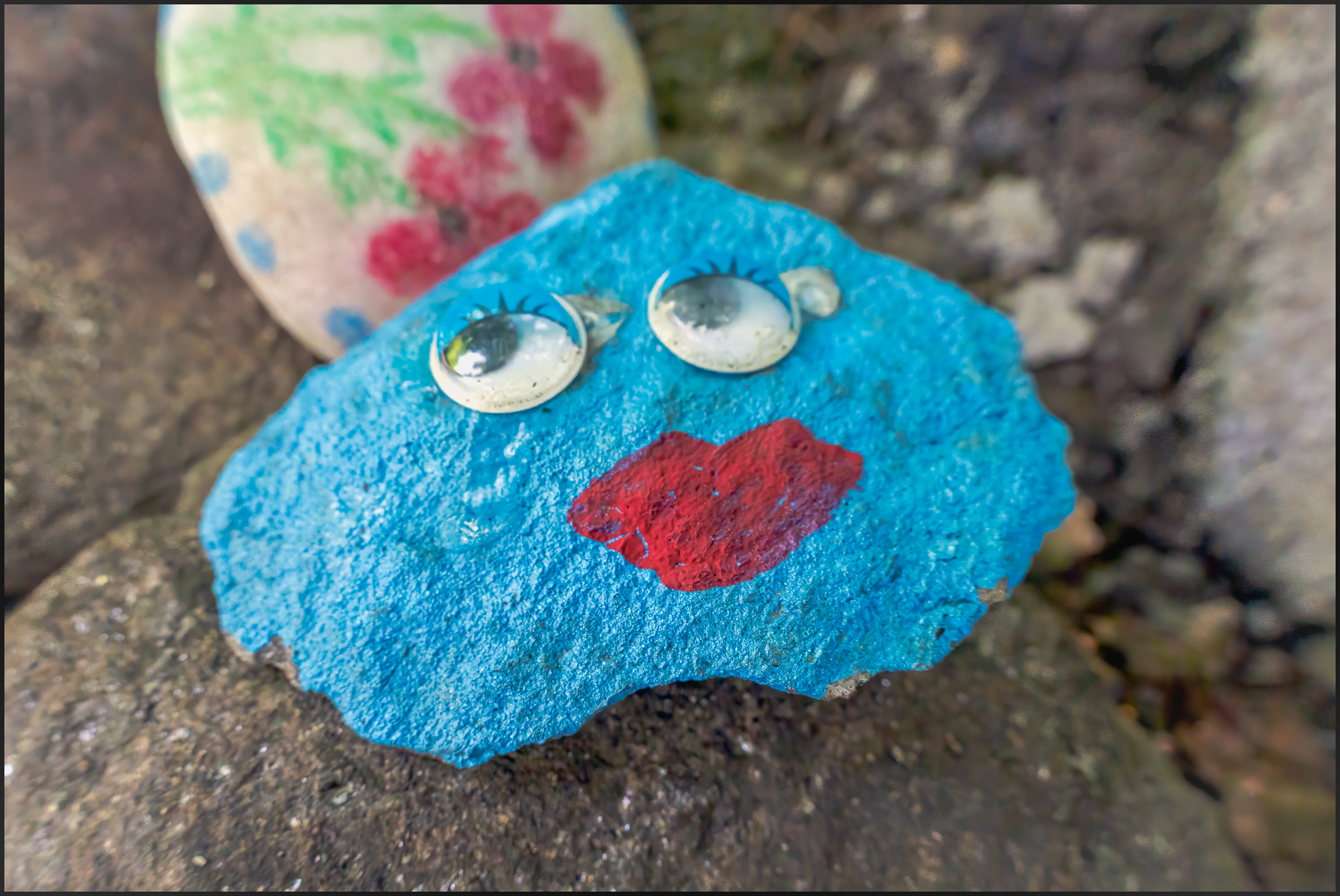
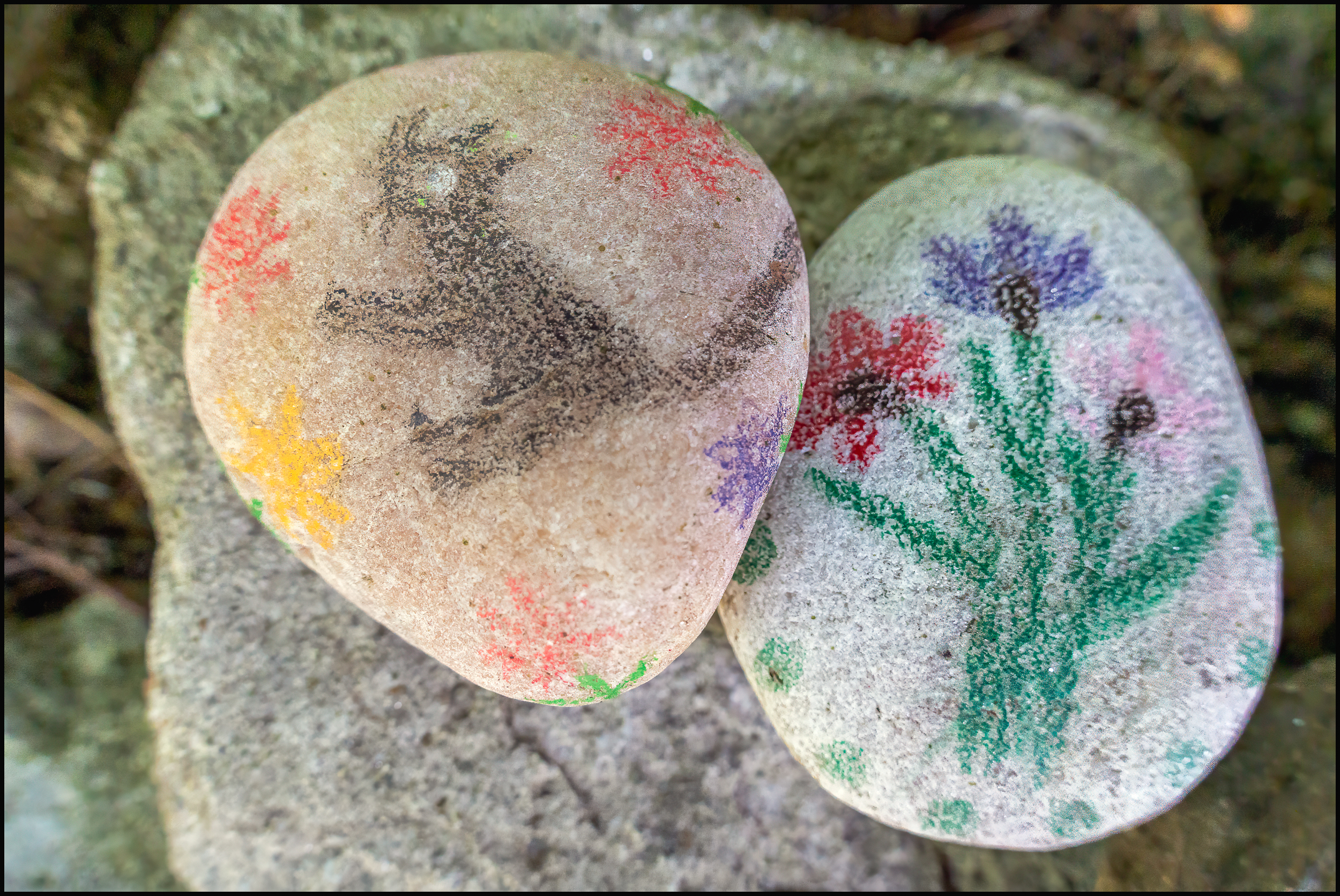
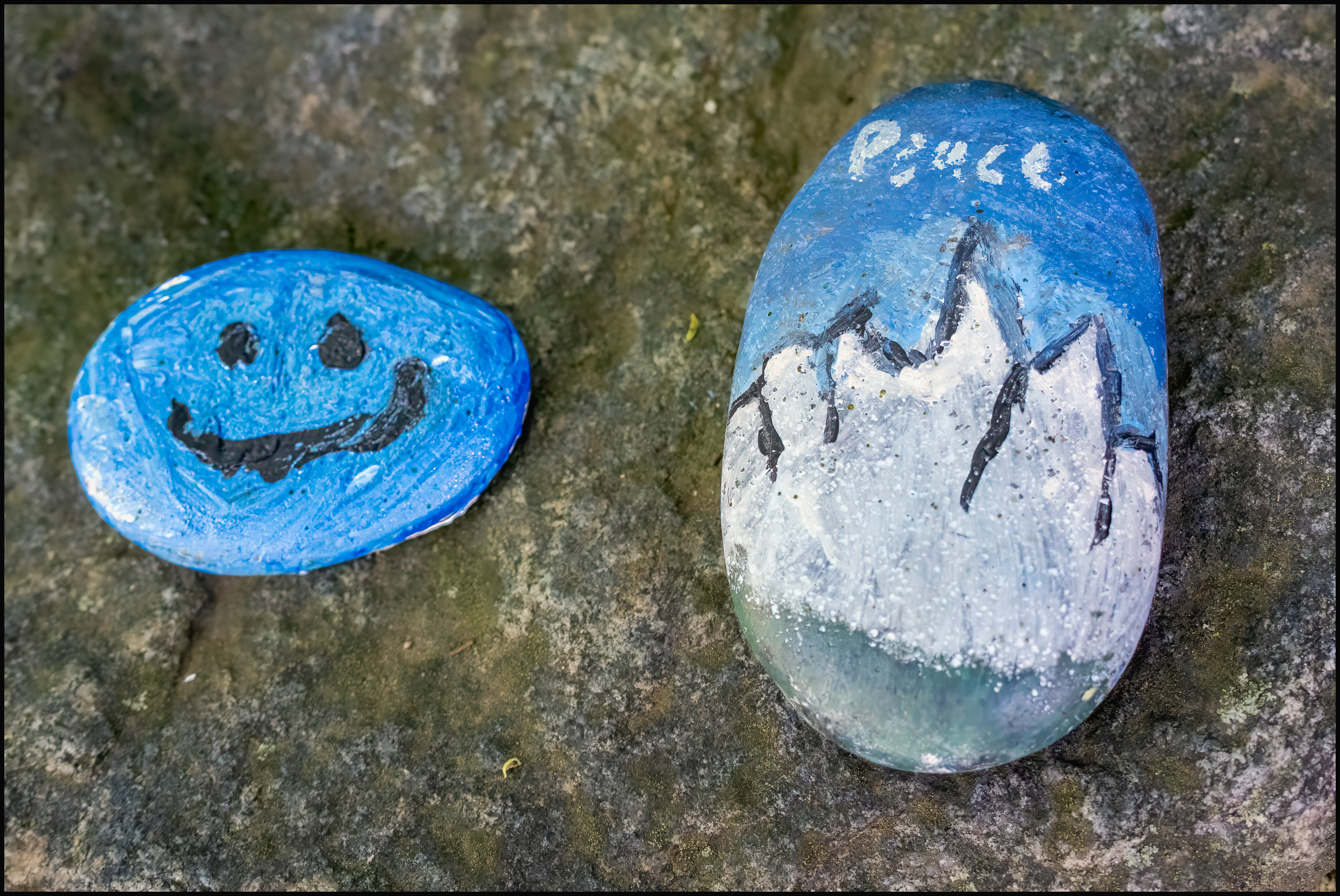
I came across these brightly colored, painted stones on a wall on Revolutionary Road in Briarcliff Manor…or maybe Ossining. I’m told that parts of Revolutionary Road are in Briarcliff, and parts are in Ossining. I don’t know if this is true, and I certainly don’t know where the dividing line might be.

Moreover, I have no idea why these stones are there, nor do I know who made them. I just liked the way they looked.


Taken with a Sony A7IV and Tamron 28-300mm f/4-7.1 Di III VC VXD lens.

Shadows on a boarded up window

During one of my walks, I came across a house that was frankly not in the best of shape. I was a hot, bright, sunny day with very deep shadows. There was also a boarded-up window, and above it a fire escape which cast these shadows onto the white wall and the board covering the window. I liked the way it looked.

Taken with a Sony A7IV and Tamron 28-300mm f/4-7.1 Di III VC VXD lens.

An unsuccessful pursuit

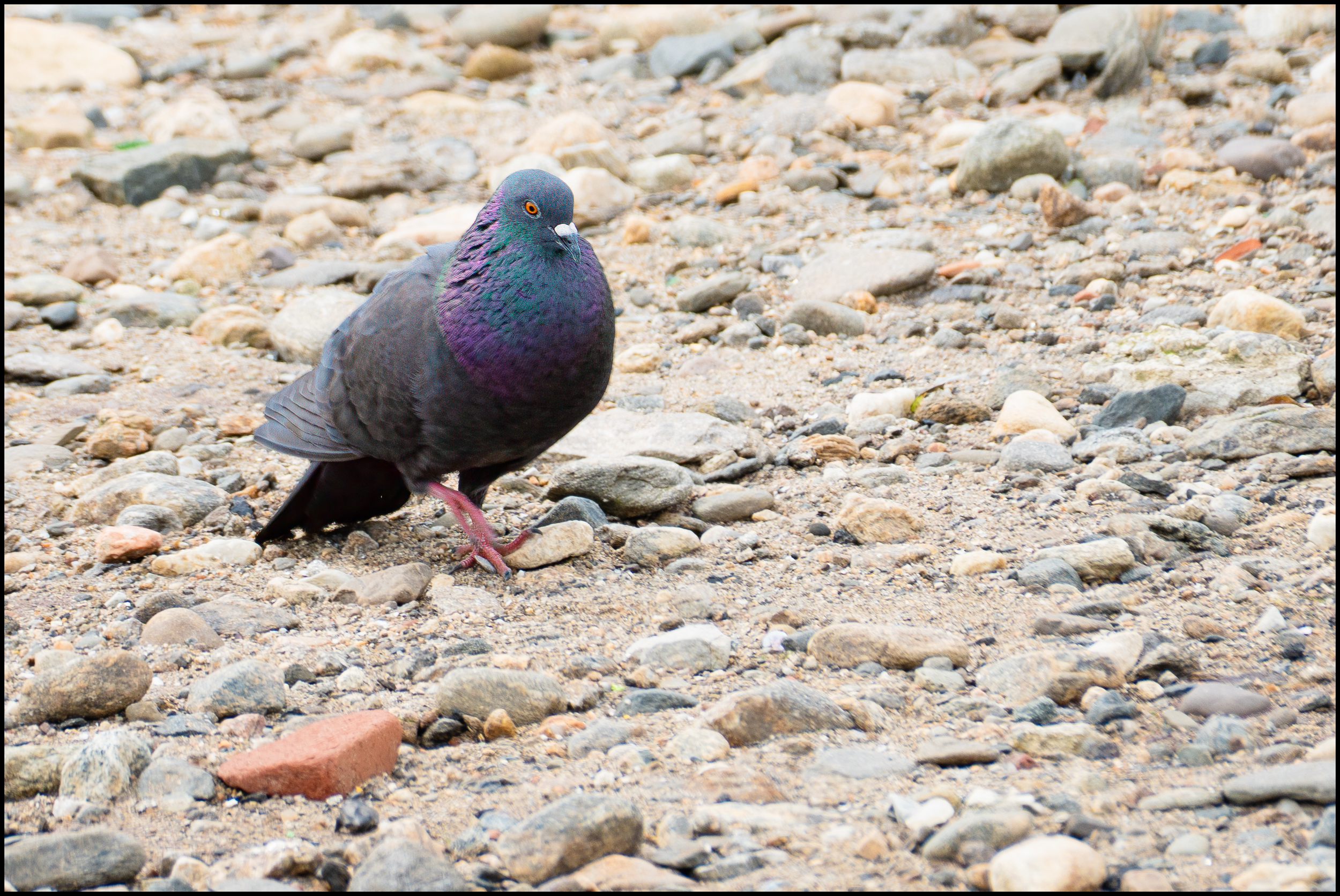
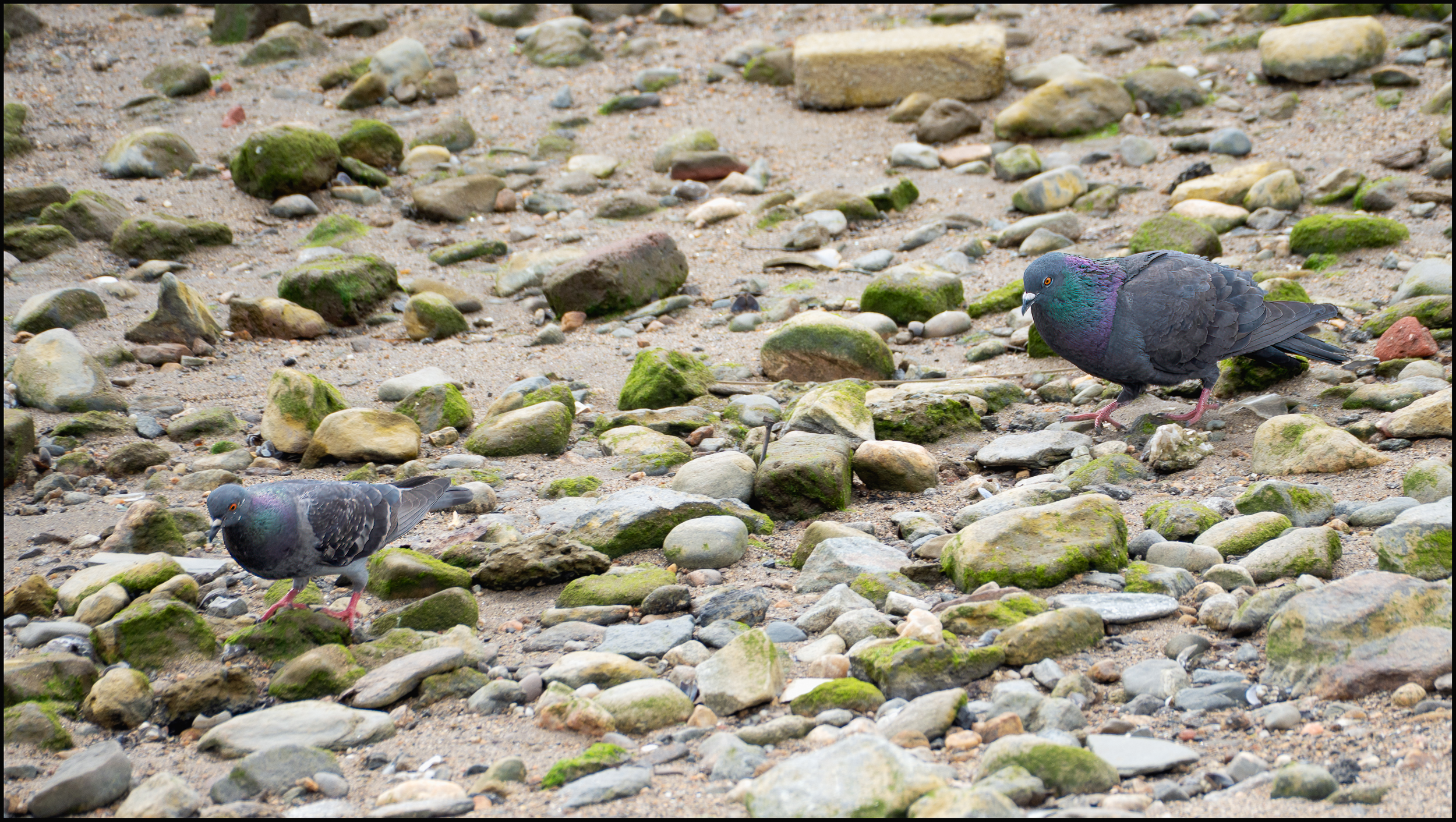
The pigeon (which I assume to be male) in the picture above was clearly looking for a mate. He chased the pigeon (which I assume was female) in the second picture for ages. Unfortunately, he didn’t have any success. She didn’t seem very interested. And he was easily distracted from his pursuit. Whenever he spotted something edible, he broke of his chase to eat it.

Taken with a Sony A7IV and Tamron 28-300mm f/4-7.1 Di III VC VXD lens.

A bird by the Hudson

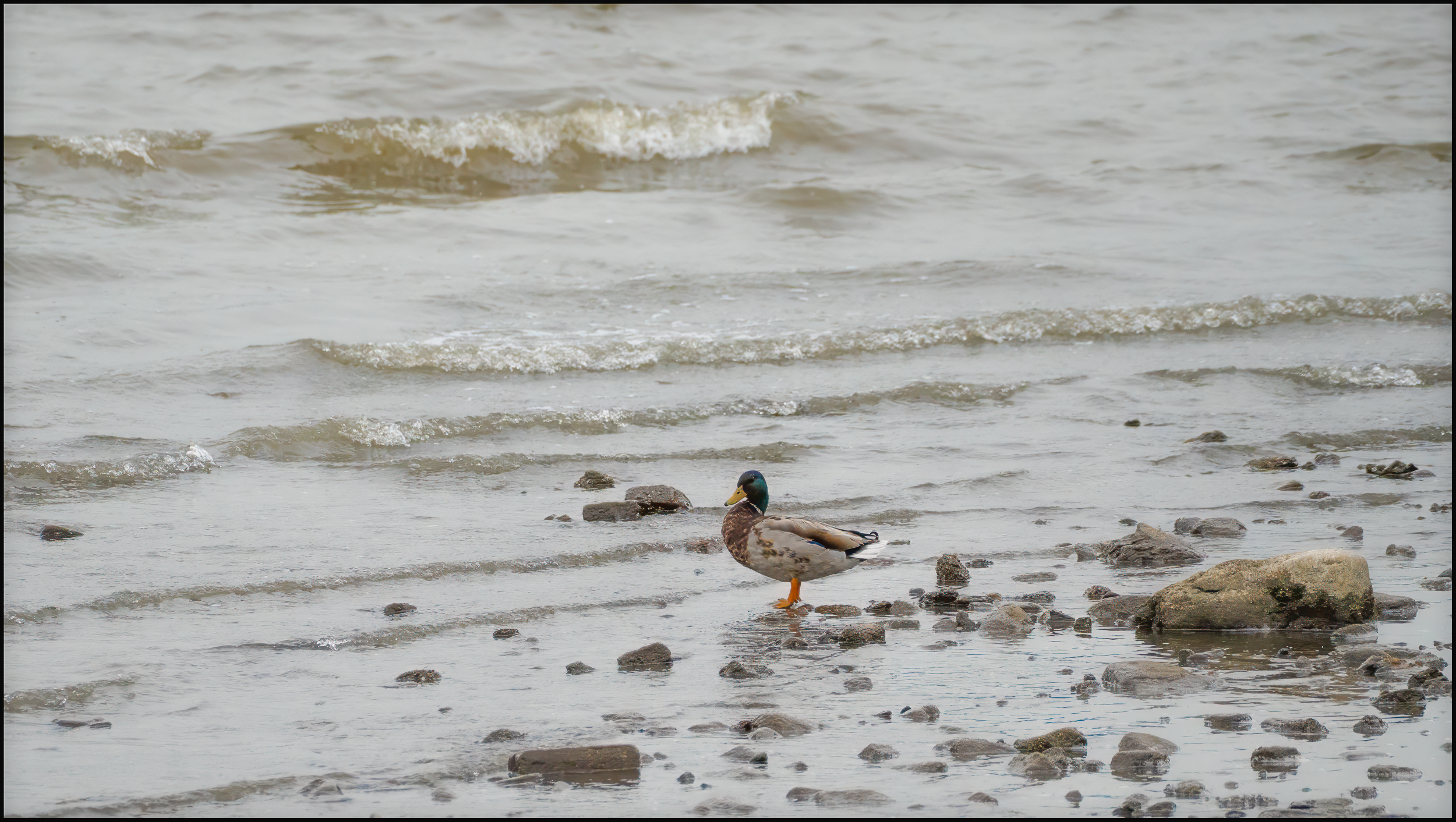
This time it’s the humble mallard. There are so many of them around that I tend to take them for granted. But they really are quite spectacular birds.

Some interesting facts about mallards:

  • Mallards live in wetlands and are social animals that prefer to congregate in groups or flocks of varying sizes.
  • They eat water plants and small animals.
  • Females can lay between 5 and 15 eggs, which they incubate for 26 to 30 days.
  • The young leave the nest within a day of hatching, led to the water by their mother.
  • A mallard usually lives for 5 to 10 years in the wild.
  • The oldest known mallard was a male that lived to be 27 years old.
  • Mallards are considered an invasive species in some regions.
  • They are very adaptable and can live and even thrive in urban areas.
  • Mallards prefer calm, shallow sanctuaries, but can be found in almost any body of freshwater across Asia, Europe, and North America.
  • Male mallards have vibrant feathers called “drakes”.
  • Female mallards are adept at camouflage.
  • Mallards are omnivorous.
  • Mallards form large flocks during migration.
  • Mallards occur in the same basic form across the northern hemisphere. That means a mallard in New York is essentially the same as one in Sandbach (my hometown).
  • Evidence suggests that some mallard pairs mate for life.
  • During summer molt male mallards lose their bright feathers and can look like females. They have a have a second molt in the fall or early winter, giving them back their brightly colored breeding plumage.

Taken with a Sony A7IV and Tamron 28-300mm f/4-7.1 Di III VC VXD lens.