New York Botanical Garden – The Enid A. Haupt Conservatory

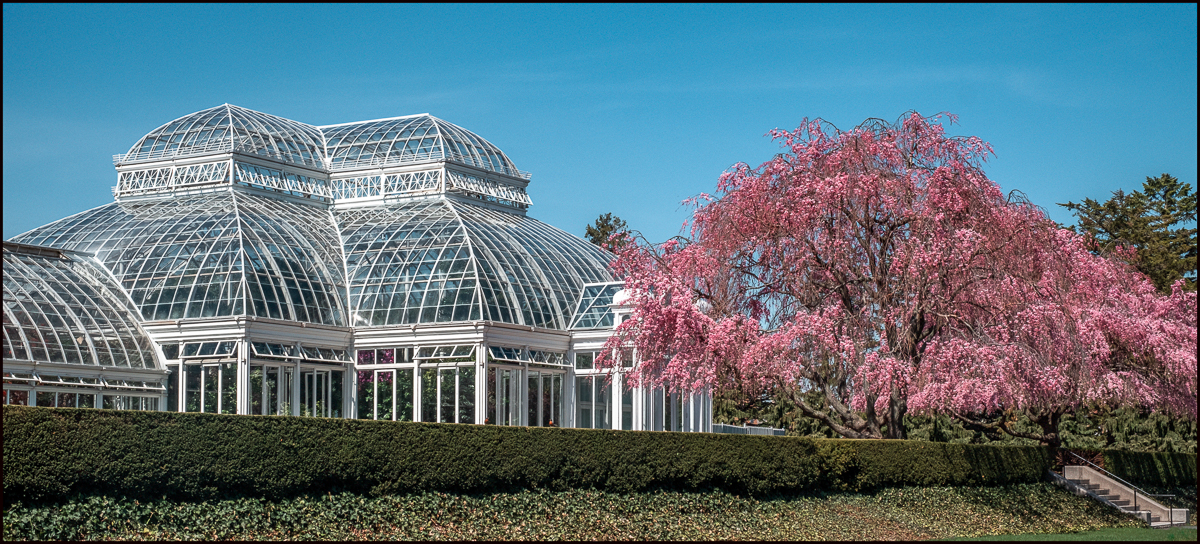
“The Enid A. Haupt Conservatory is a greenhouse at the New York Botanical Garden (NYBG) in the Bronx, New York, United States. The conservatory was designed by Lord & Burnham Co. in the Italian Renaissance style. Its major design features are inspired by the Palm House at the Royal Botanic Gardens at Kew, and Joseph Paxton’s Crystal Palace.

Groundbreaking took place on January 3, 1899 and construction was completed in 1902 at a cost of $177,000. The building was constructed by John R. Sheehan under contract for the New York City Department of Parks and Recreation. Since the original construction, major renovations took place in 1935, 1950, 1978, and 1993. By the 1970s, the building was in a state of extreme disrepair and had to be either substantially rebuilt or torn down. Enid Annenberg Haupt saved the conservatory from demolition with a $5 million contribution for renovation and a $5 million endowment for maintenance of the building. A subsequent renovation, which started in 1978, restored the conservatory closer to its original design, which had been compromised during the 1935 and 1950 renovations. Due to her contributions, the Conservatory was named the Enid A. Haupt Conservatory in 1978.

The 1993 renovation replaced the inner workings of the conservatory. At this time, the mechanical systems to control temperature, humidity, and ventilation were upgraded to computerized systems. The exhibits were also redesigned. The conservatory serves as a focal point of the park and a center for education. It is a New York City designated landmark.” (Wikipedia)

The spectacular annual orchid show is held here.
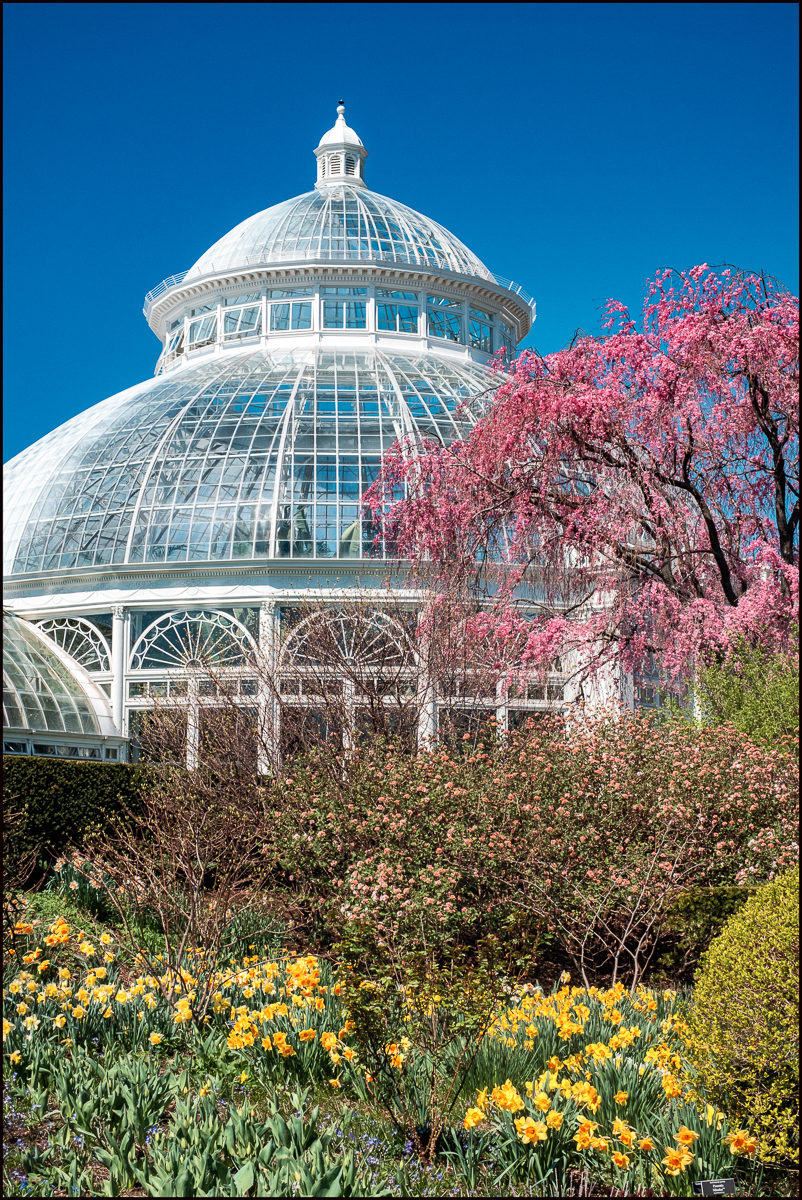
Taken with a Fuji X-E3 and Fuji XC 16-50mm f3.5-5.6 OSS II
New York Botanical Garden – The Grounds

I recently went to the NY Botanical Garden in The Bronx. I’d been there several times before, usually to see the annual Orchid Show. In the past I spent almost all of my visit at the show, so this time I decided to explore those parts of the garden that I had not visited before first. Note that I said ‘first’. I did intend to see the Orchid Show, but not until I’d taken a look at the rest of the Garden.

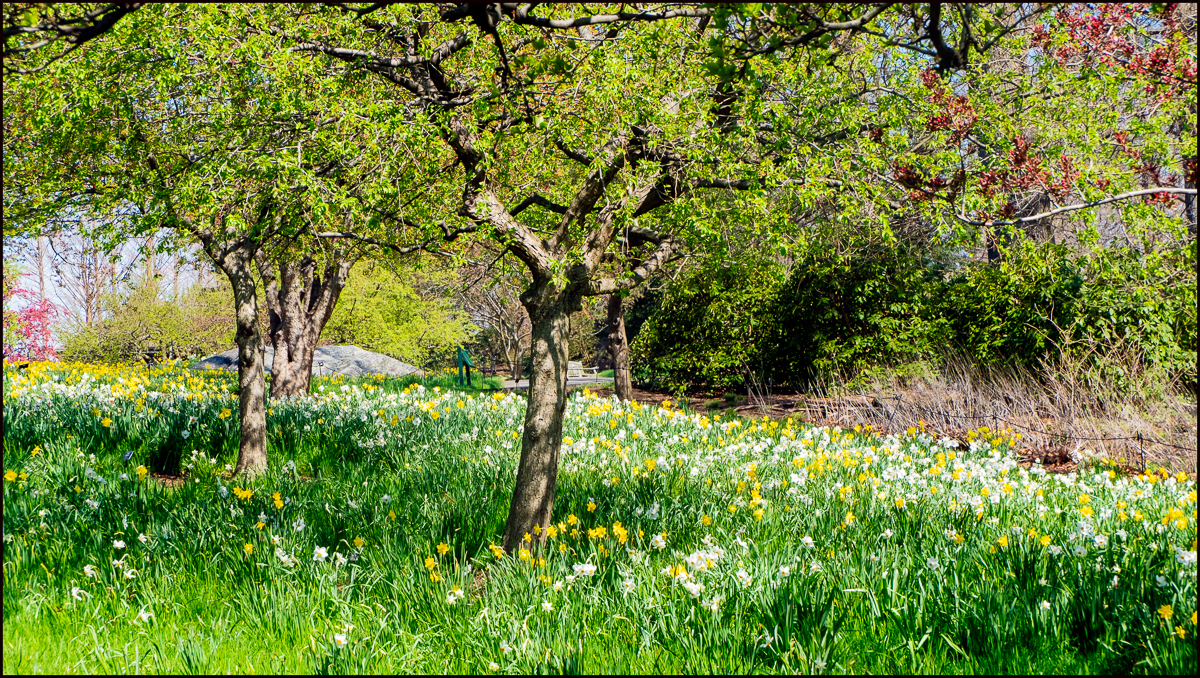
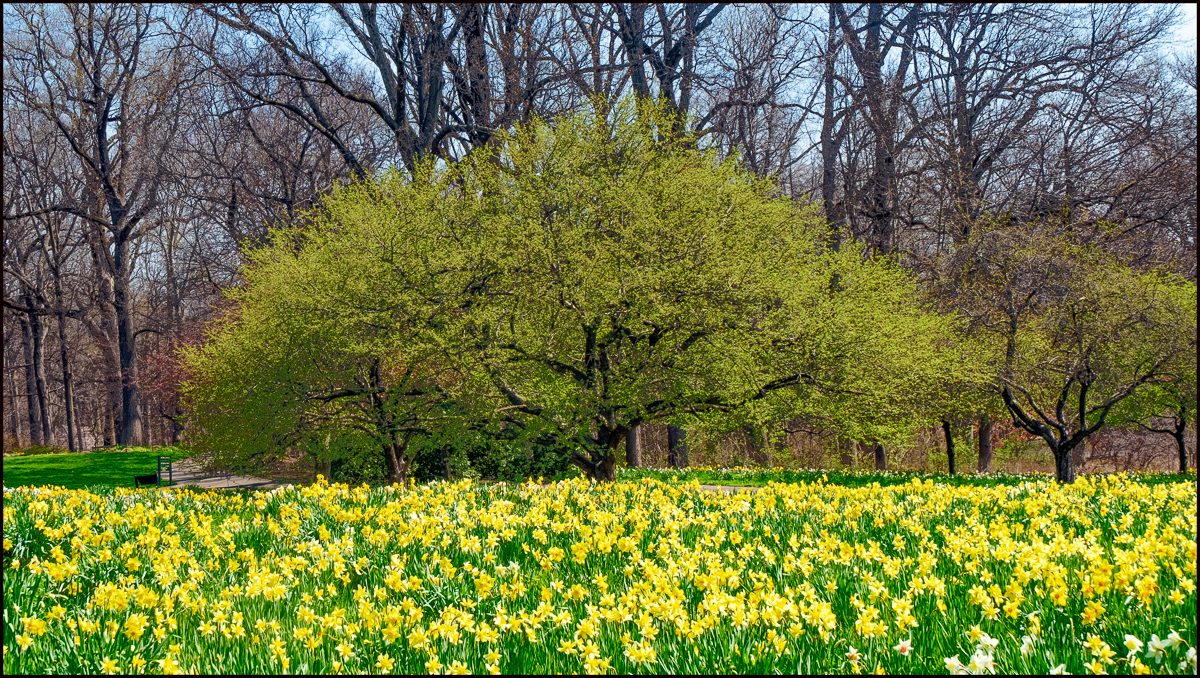
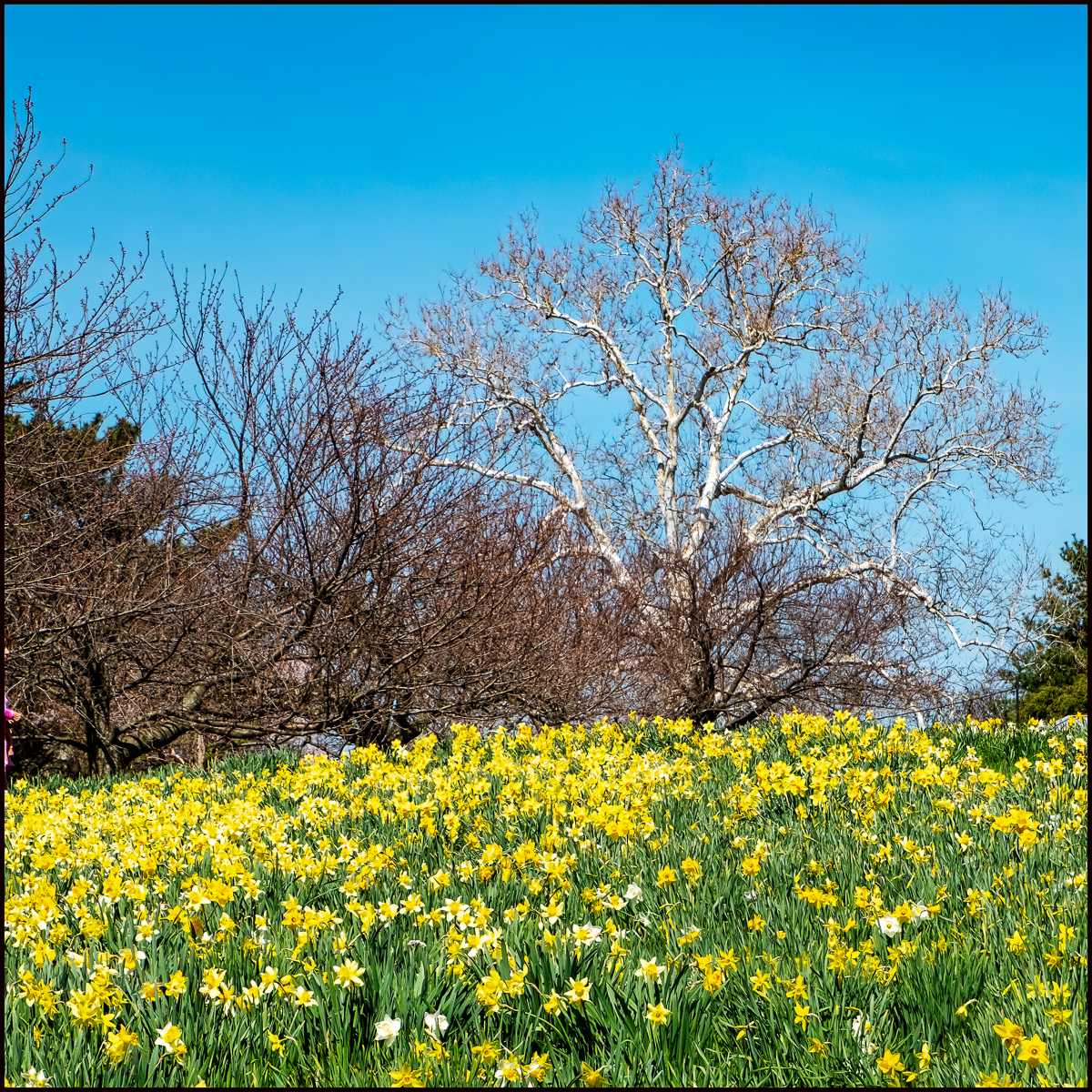
Above: Daffodil Hill. I heard a number of visitors saying that it was not as spectacular as it usually was. I don’t know about that but it certainly looked pretty spectacular to me.


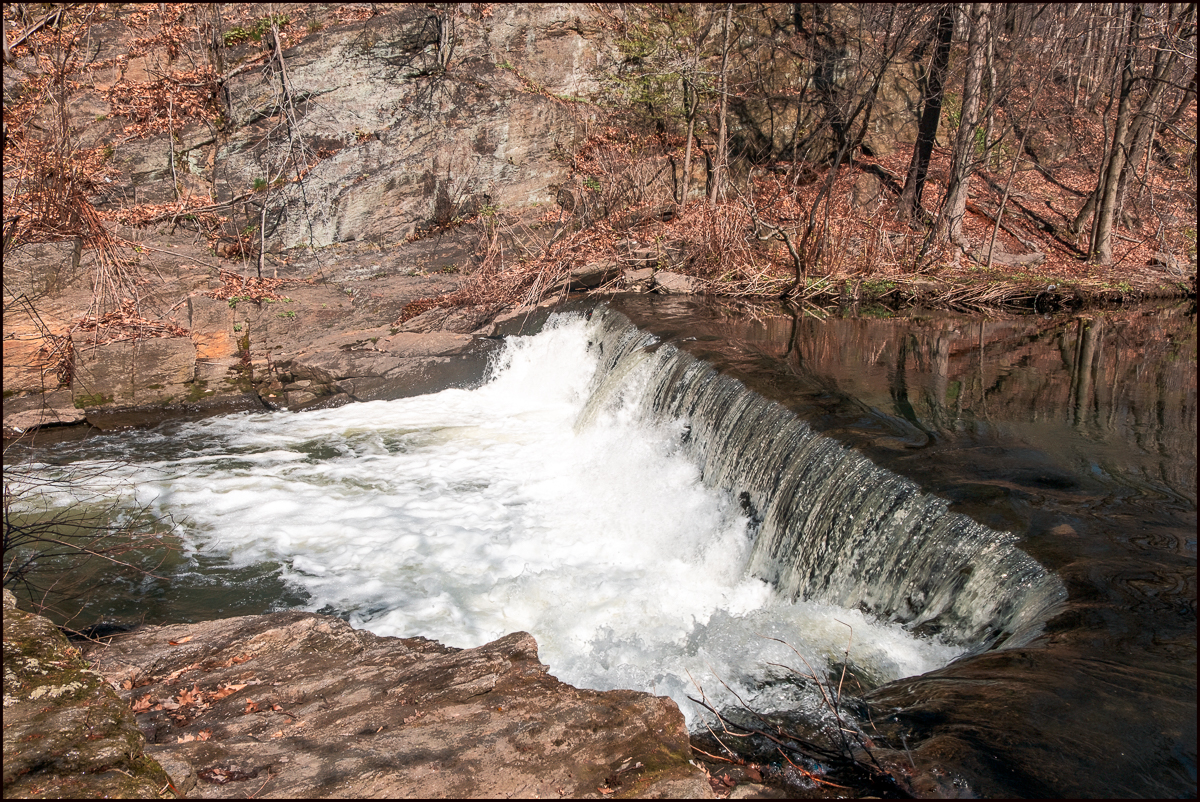
Waterfall on the Bronx River.


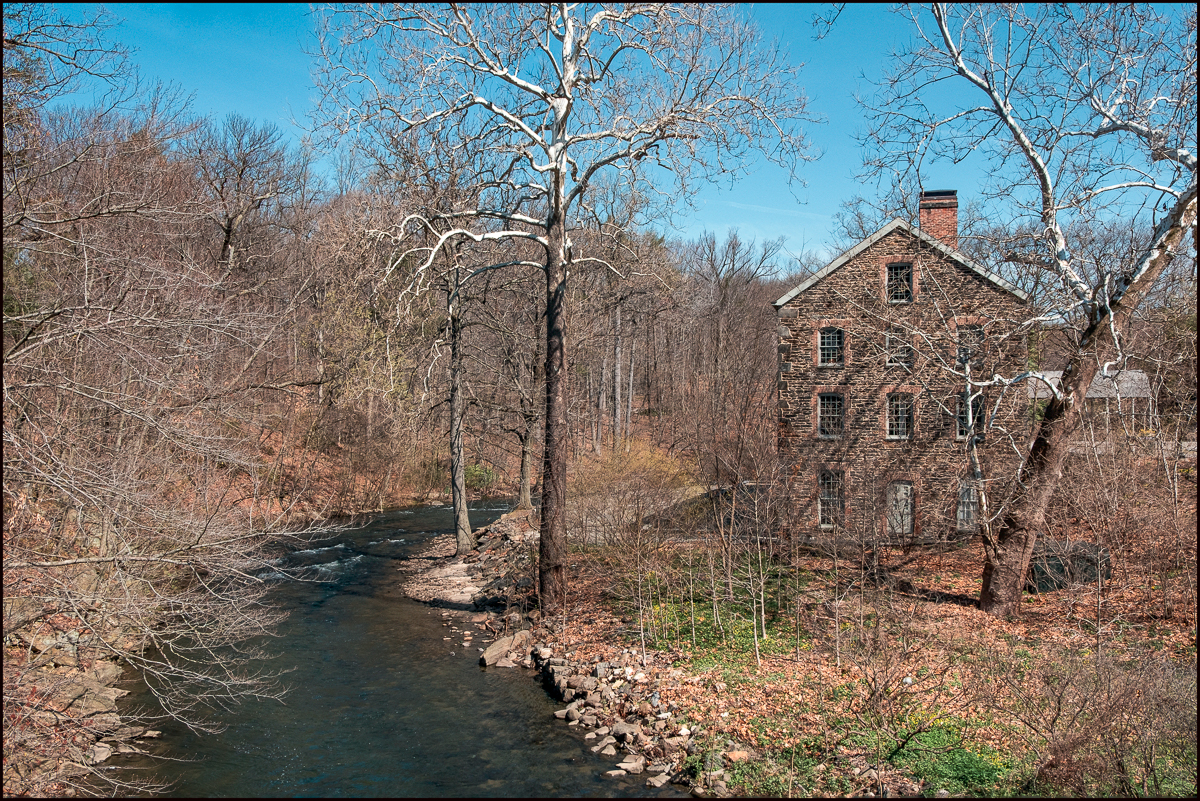
The Stone MIll. Originally built in 1840, the current structure was the third mill on the site. The mill used the Bronx River to power the waterwheels that produced tobacco and snuff. The mill was abandoned in 1870 when the company moved to New Jersey and was later purchased by the City of New York for parkland. It wasn’t until 1937 that the mill was officially transferred to the Garden. It’s houses a small museum and is a popular wedding venue.


Daffodil Hill again


Still more daffodils.


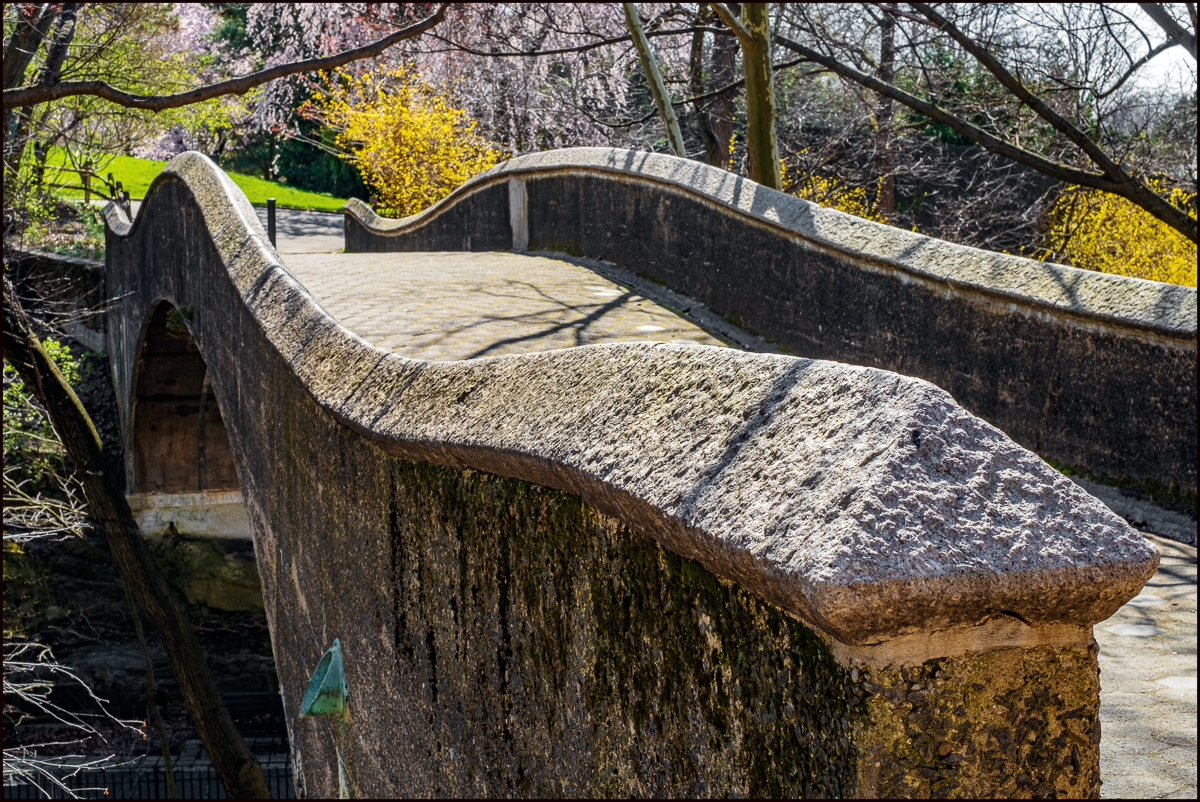
Bridge over the Bronx River.


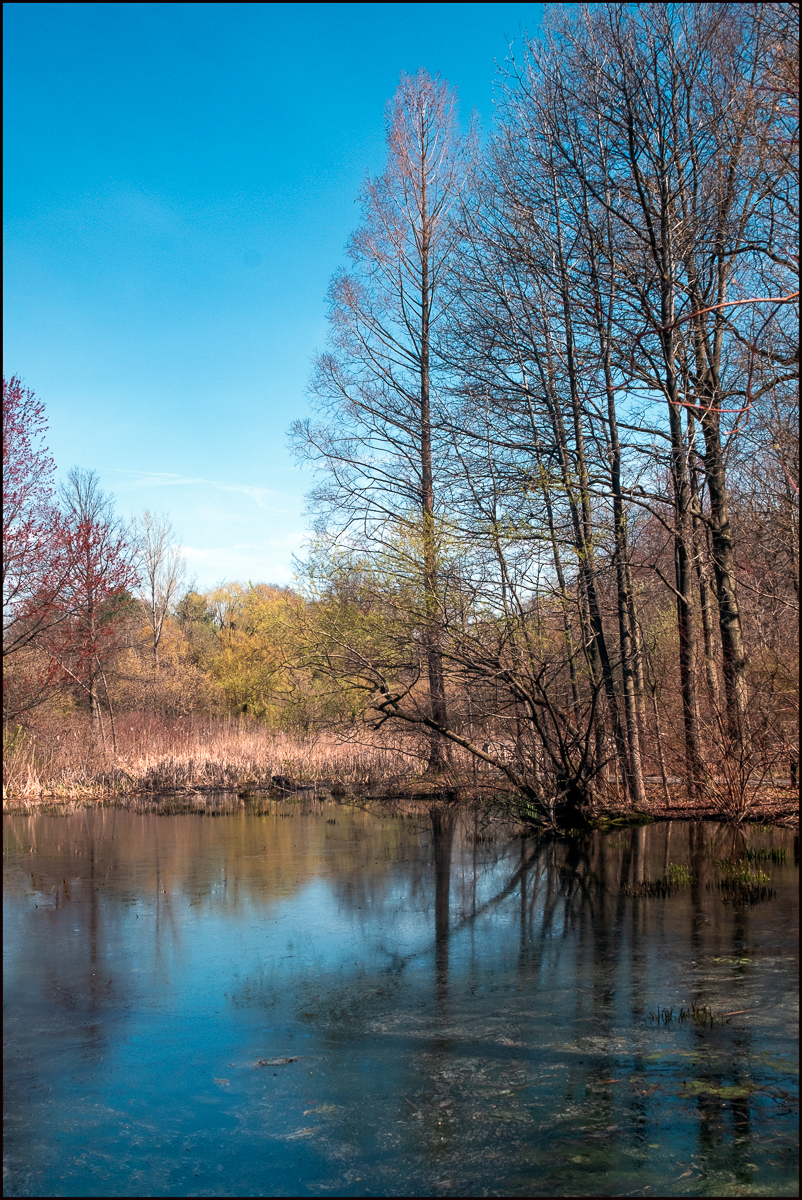
Along the MItsubishi wetland trail (I think)


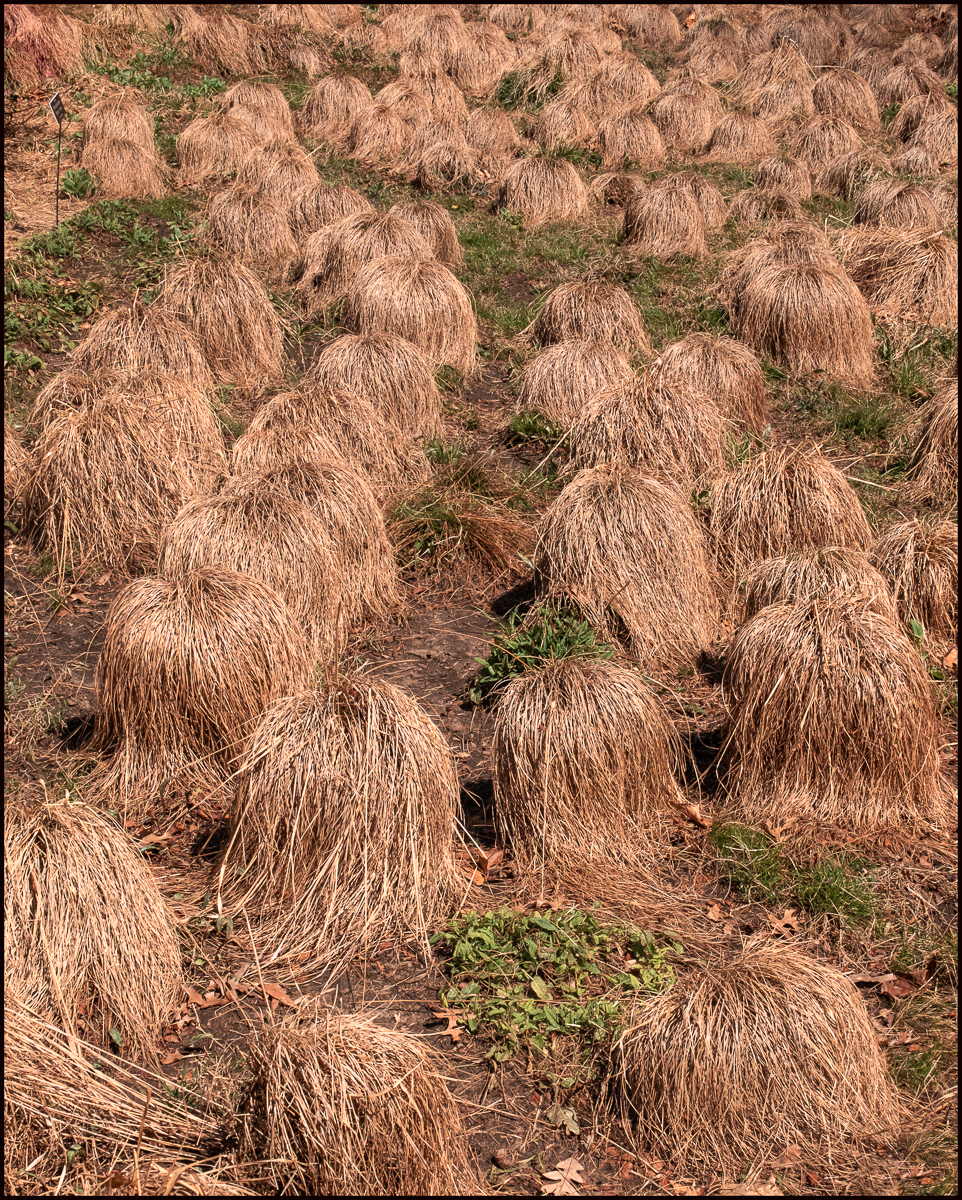
The native plant garden


Words fail me.


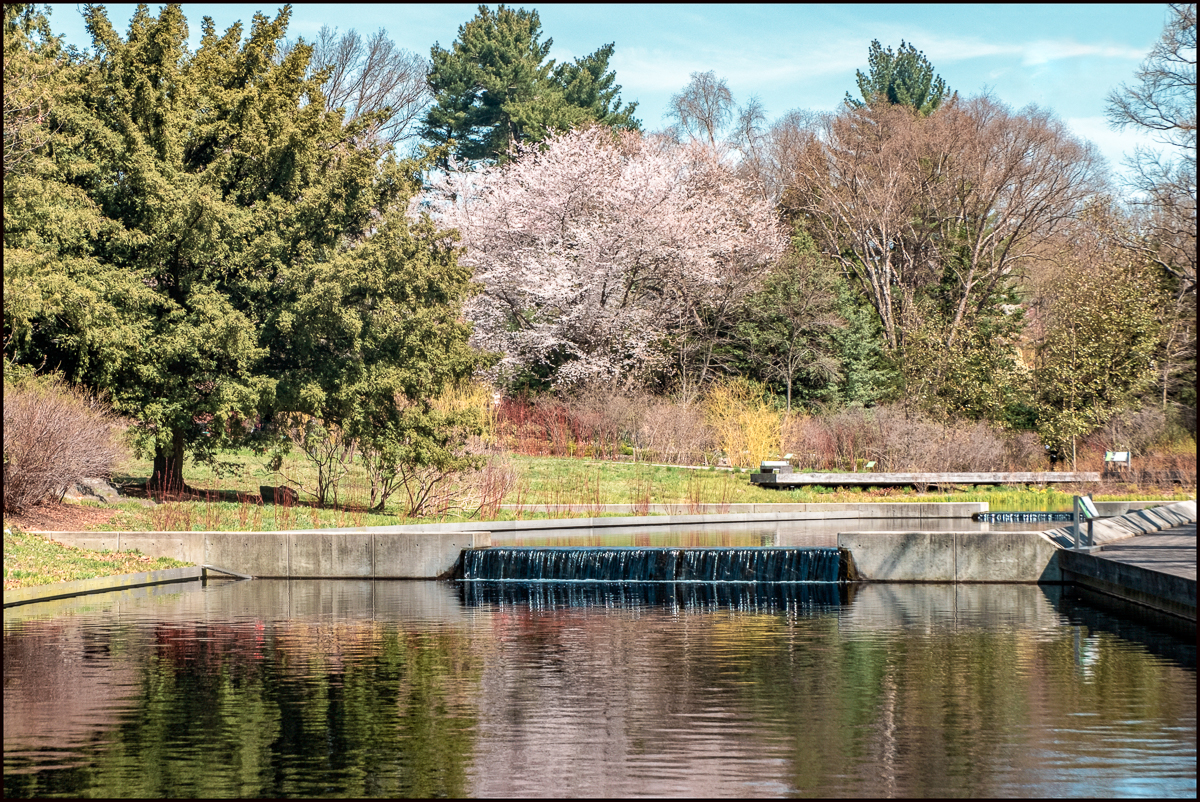
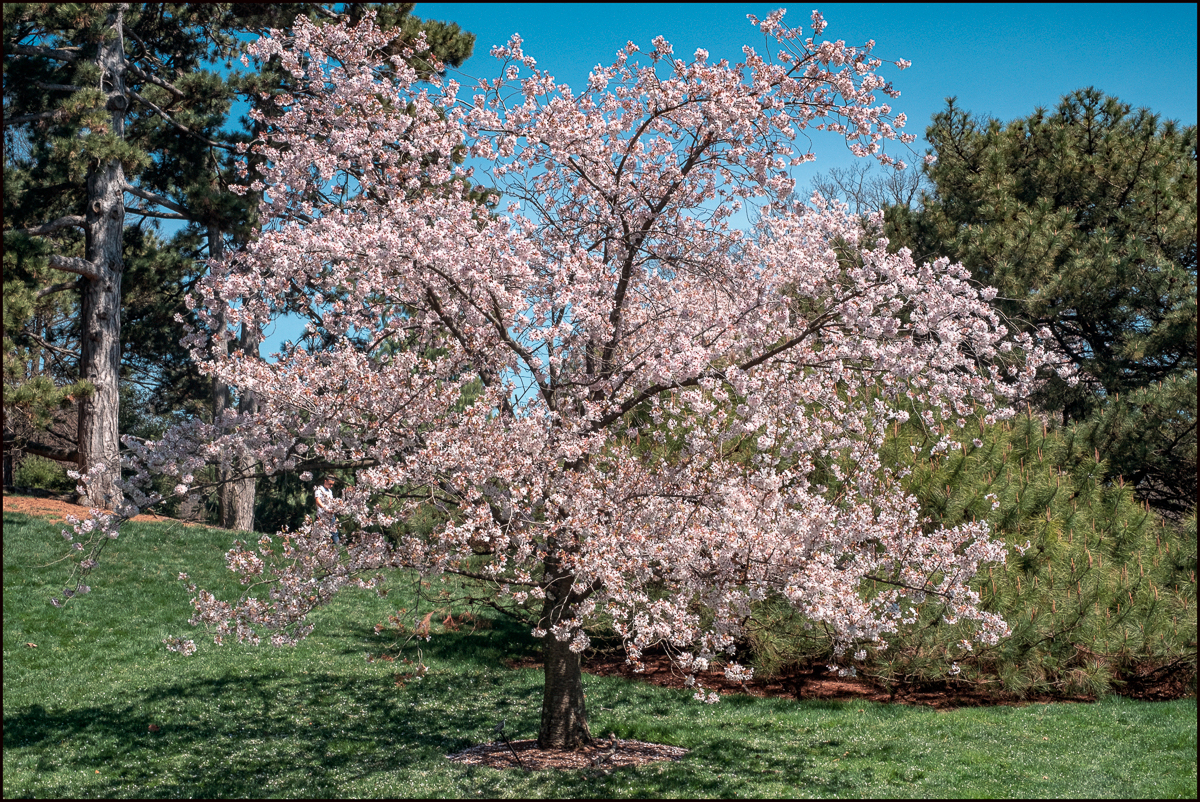
One of the many trees in bloom.

Taken with a Fuji X-E3 and Fuji XC 16-50mm f3.5-5.6 OSS II
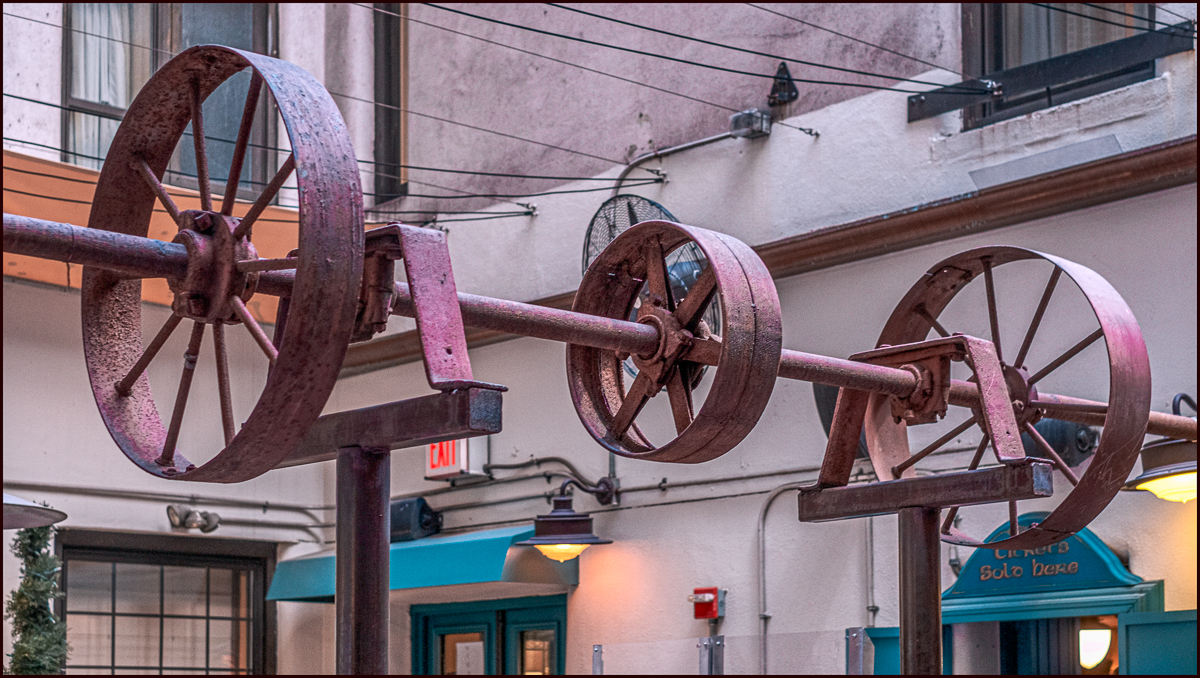
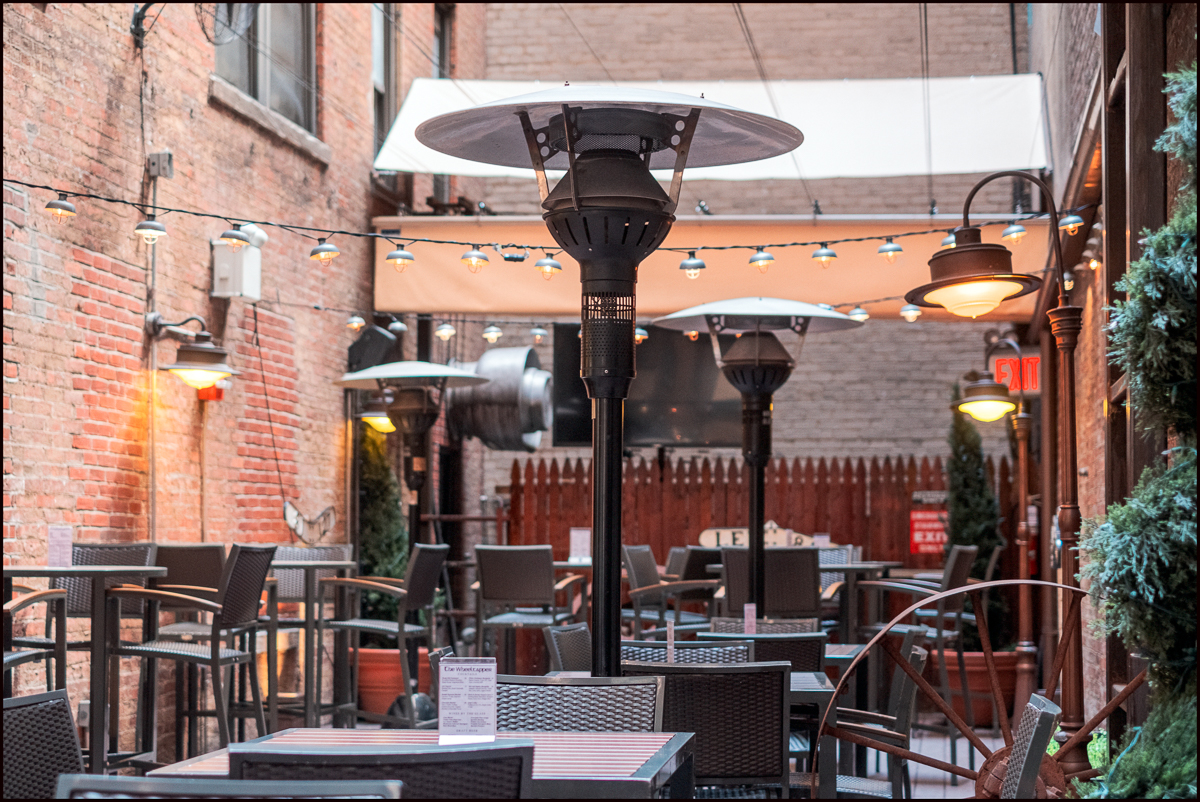
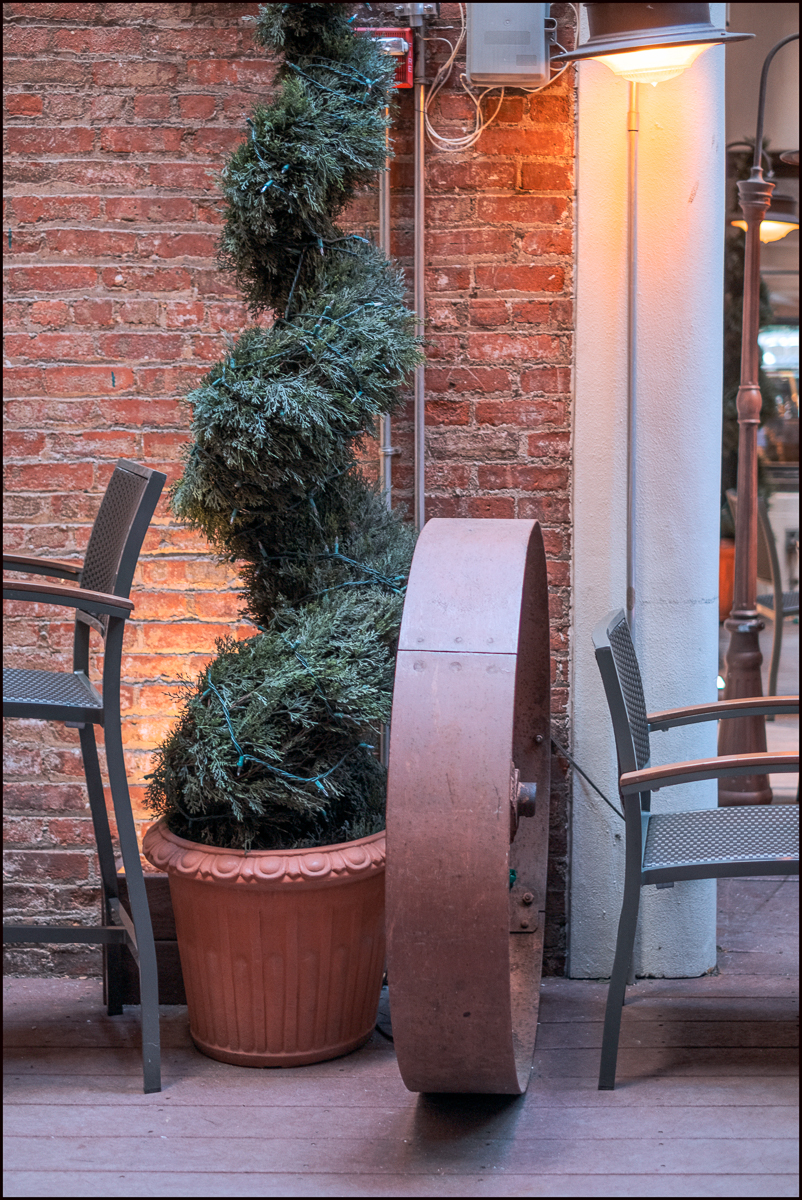
Lunch with a friend at the Wheeltapper Pub and Patio

The pub is located in the Fitzpatrick Hotel on 44th Street between Lexington and Third Avenues in NY City. Most of the space has a fairly typical “pub like” feel, but there’s also an area that, strangely is open to the sky. This is where we ate (fairly typical pub fare). All around are large pieces of metal. The pub is near where I used to work so I’ve been there a few times, but it never occurred to me to look up what a ‘Wheeltapper’ actual was.

According to Wikipedia:

“A wheeltapper is a railway worker employed to check the integrity of train wheels and that axle boxes are not overheating. Typically employed at large railway stations and in goods yards, they tap wheels with a long-handled hammer and listen to the sound made to determine the integrity of the wheel; cracked wheels, like cracked bells, do not sound the same as their intact counterparts (they do not “ring true”). Wheeltappers also check that the axle boxes are not overly hot by using the back of their hand. Although wheeltappers still operate in some eastern European countries, in countries with modern planned maintenance procedures and line-side defect detectors, such as hot box detectors, wheeltappers are redundant. The job is mostly associated with the steam age. Wheeltappers were vital to the smooth running of the railways as a cracked wheel or overheated axle bearing would lead to delays and the loss of revenue. These were particularly common in the 19th century, when axle bearings were lubricated by grease. At this time, metallurgy was a more haphazard science and thus it was impossible to test steel wheels for cracks: the role of the wheeltapper was of crucial importance.”


Taken with a Fuji X-E3 and Fuji XF 35mm f1.4 R

Around the Neighborhood – Briarcliff Manor’s stone lanterns

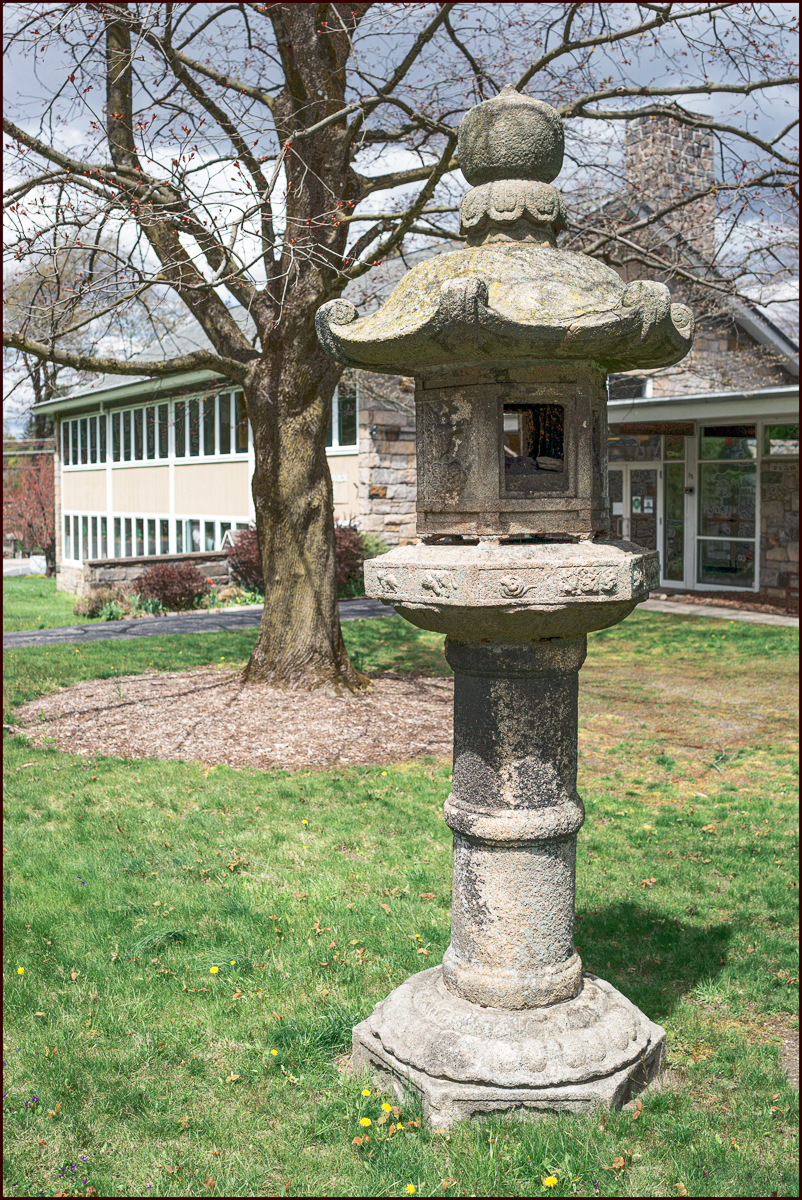
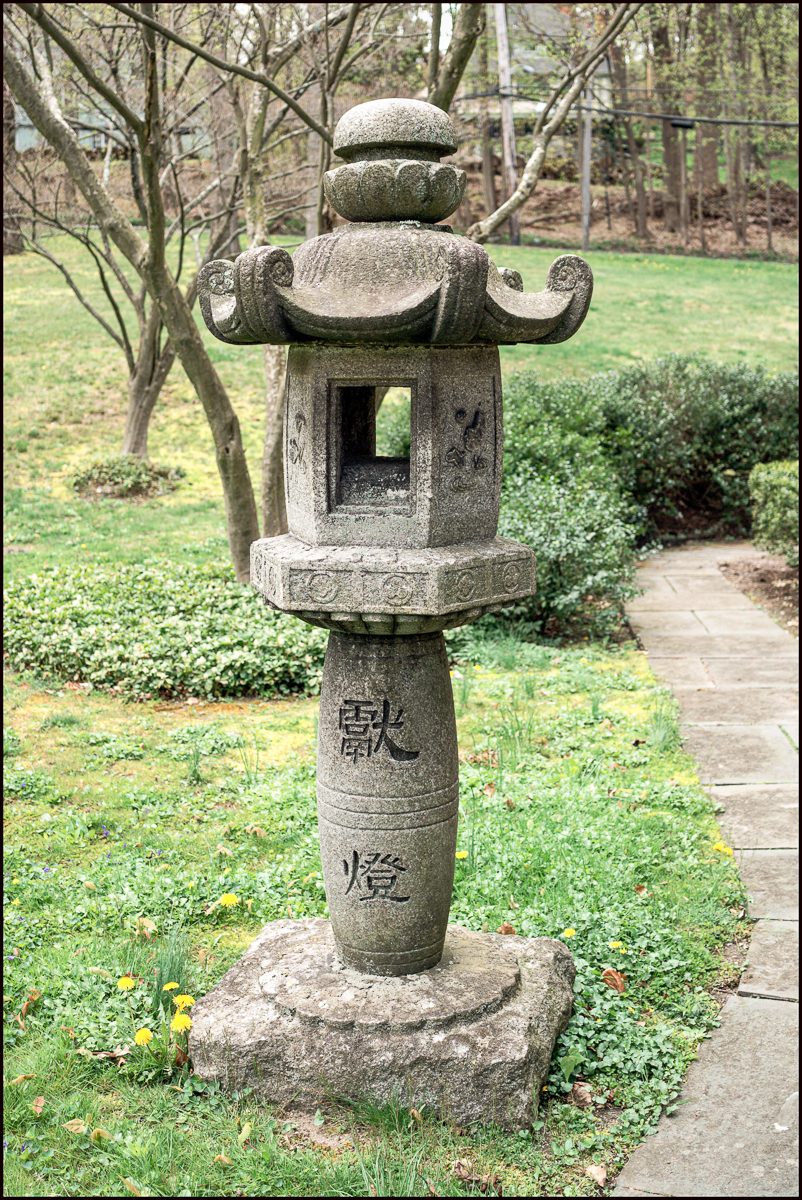
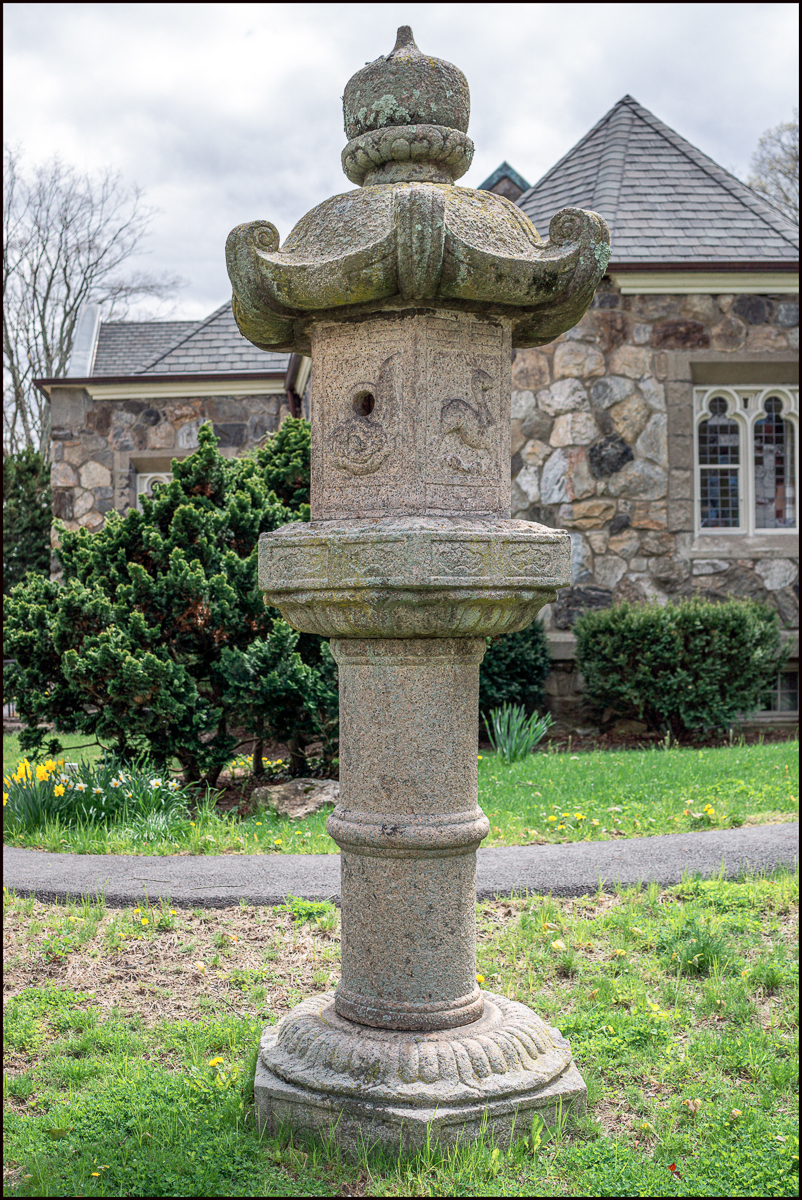
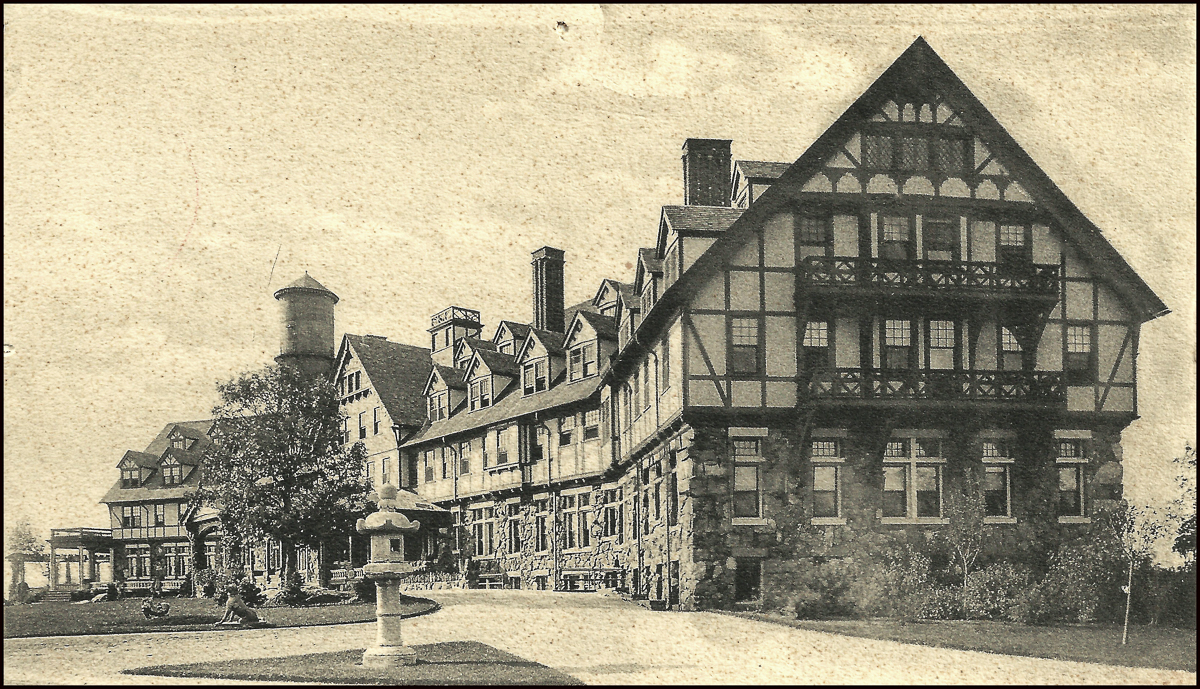
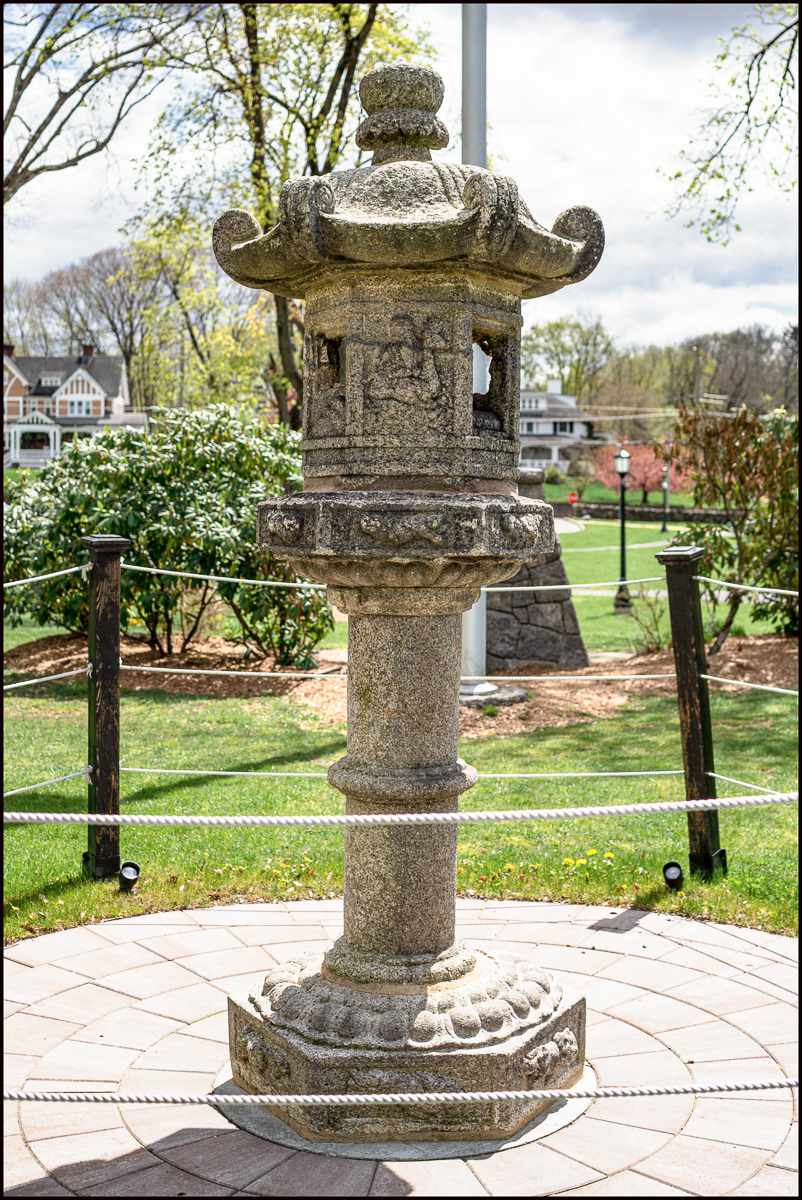
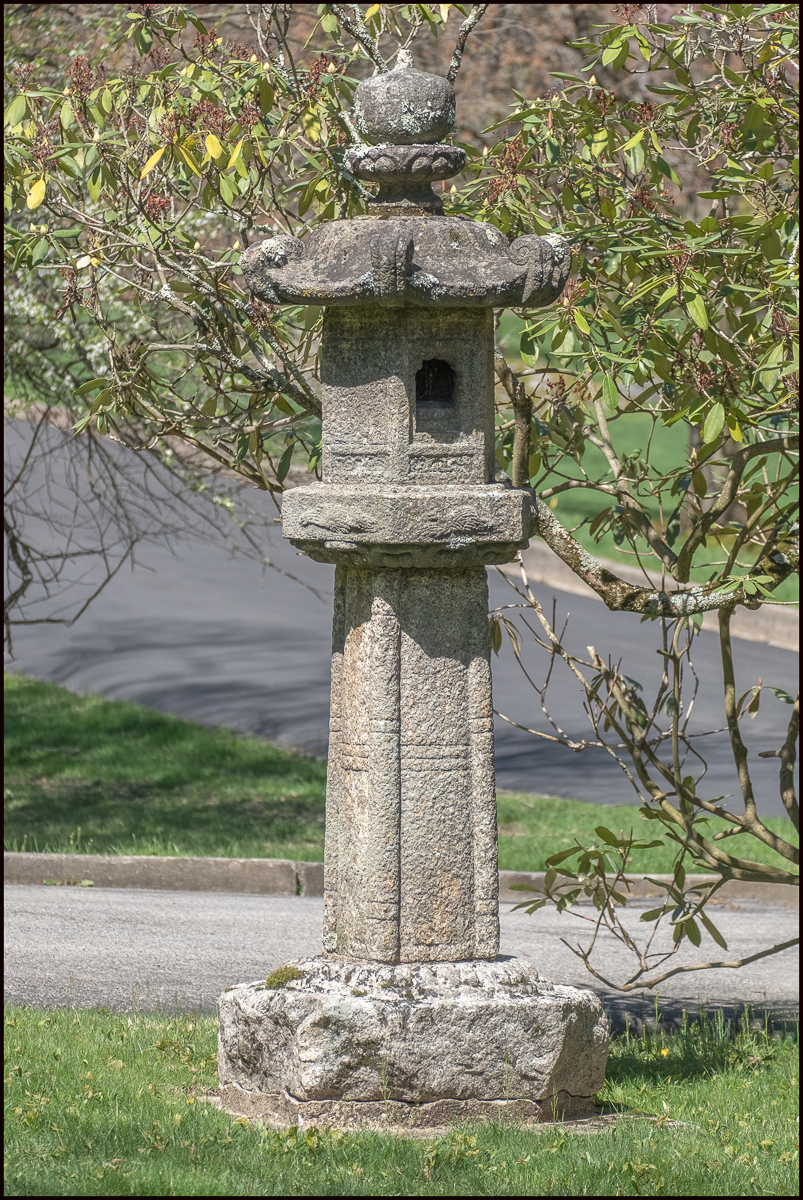
I first spotted one of these lanterns (first picture) shortly after we moved to Briarcliff Manor back in 1998. Interesting, I thought – wondering why such an oriental piece was outside the Congregational Church Parish House. I didn’t think much more about it until some years later when I was walking around taking pictures and noticed two more (second and third pictures) of them in the vicinity of the Congregational Church itself. Shortly after this I came across an old photograph (fourth picture) of the Briarcliff Lodge. Look what’s in the foreground. Finally one day a fourth one appeared in the town park (fifth picture). I only recently spotted the fifth one (sixth picture) in a garden a five minute walk away from where I live. I’d walked past it many times and had not seen it (in my defense it’s on private private property and mostly hidden behind bushes, but if you get the angle right you can see it from the road).

Now I was really interested but wasn’t able to find any additional information. That all changed when I recently went on an excursion to the New York Botanical Garden. The excursion included lunch and at the lunch I found myself sitting next to Karin Smith, the Executive Director of the Briarcliff Manor-Scarborough Historical Society. Karen spoke for a while about these lanterns. Apparently they’re quite old (more than 150 years) and they’re connected to Walter Law, the founder of the Briarcliff Manor and builder of the Briarcliff Lodge. There are six in all. I’ve only been able to find five of them. The sixth one is still in Briarcliff Manor, but it’s on private property and I don’t know where it is.

For additional information see a June, 2021 article by Kendall Hayes in River Journal entitled “A Road Map to Briarcliff Manor’s Stone Lanterns“.
https://riverjournalonline.com/…/a-road-map-to…/24751/

Above: The first one I spotted. It’s outside the Congregational Church Parish House.


This is one of two on the grounds of the Congregational Church itself. I like the decoration on this one.


This is the second one in the vicinity of the Congregational Church (seen in the background) itself. Without measuring I can’t be sure, by my impression is that it’s also larger than the others I’ve seen.


1905 picture of the Briarcliff Lodge with one of the lanterns in the foreground. I think it’s the one in the first picture.


Recently acquired lantern in Law Park, Briarcliff Manor’s town park.


I recently came across this one standing in a garden close to where I live.

Taken with a Sony A6000 and Sony FE 24mm f2.8 G.