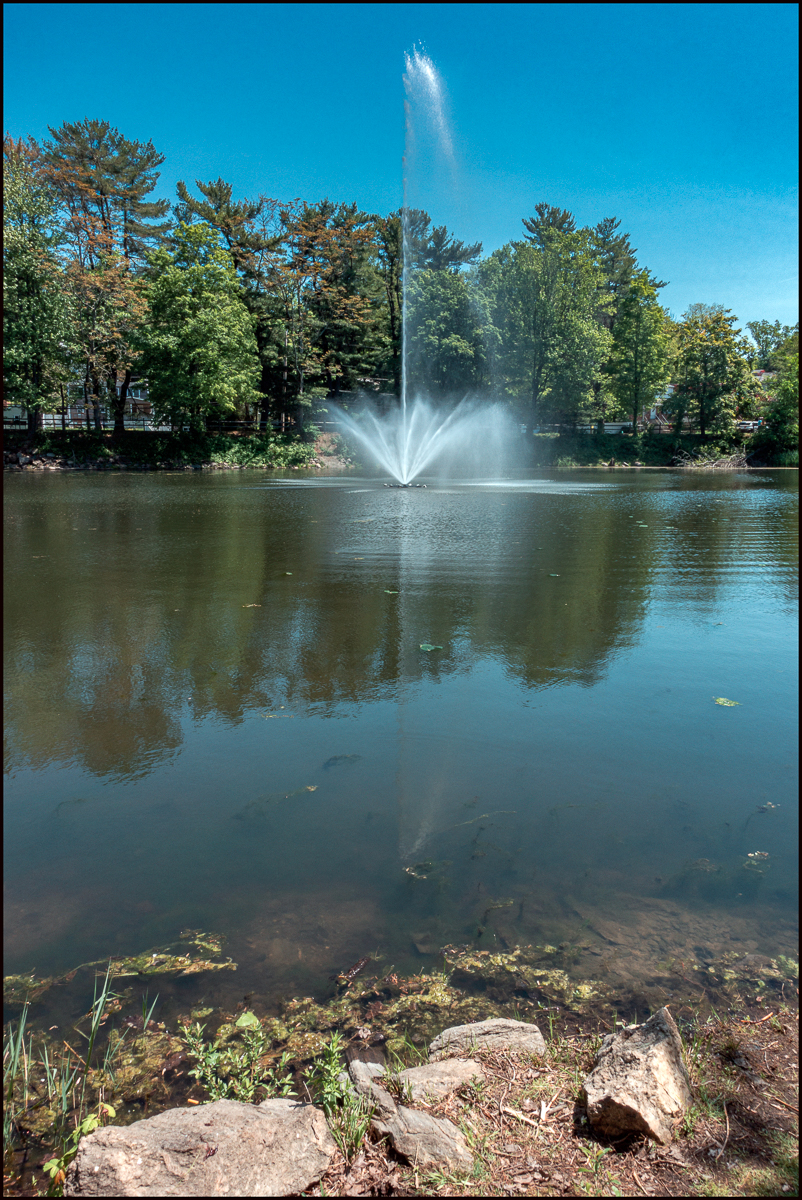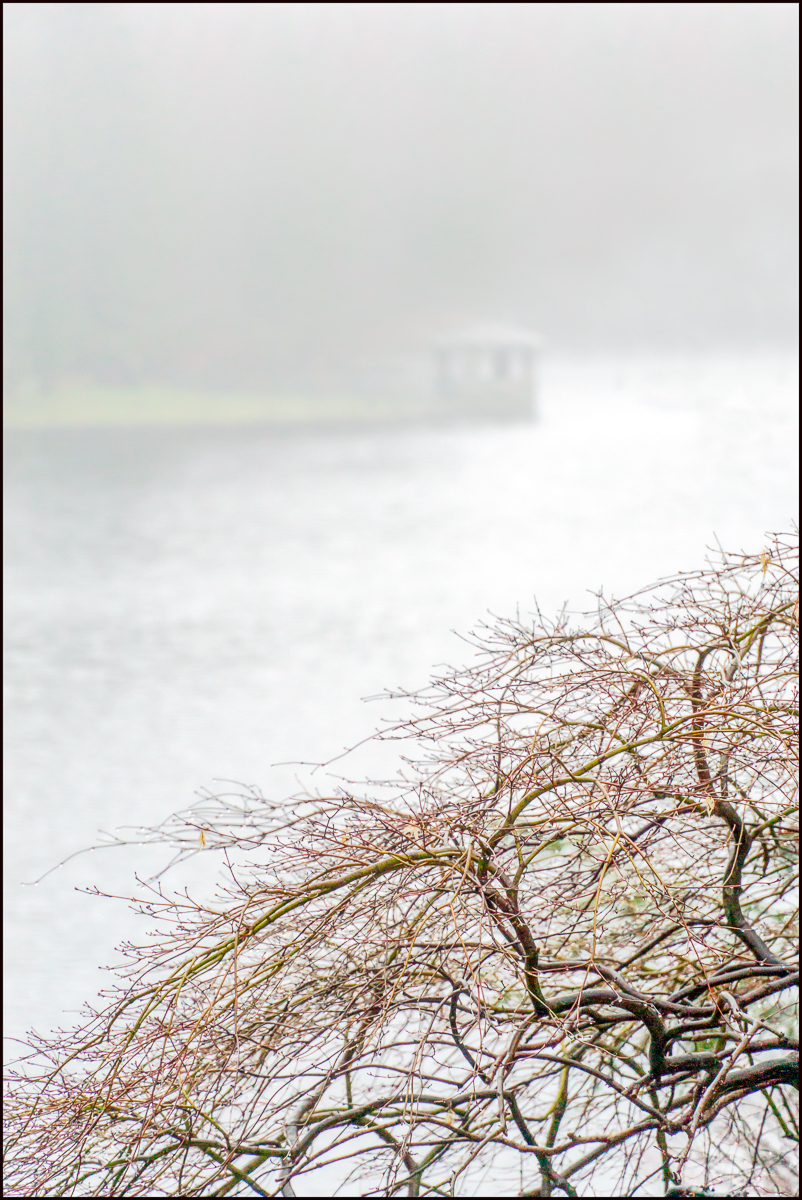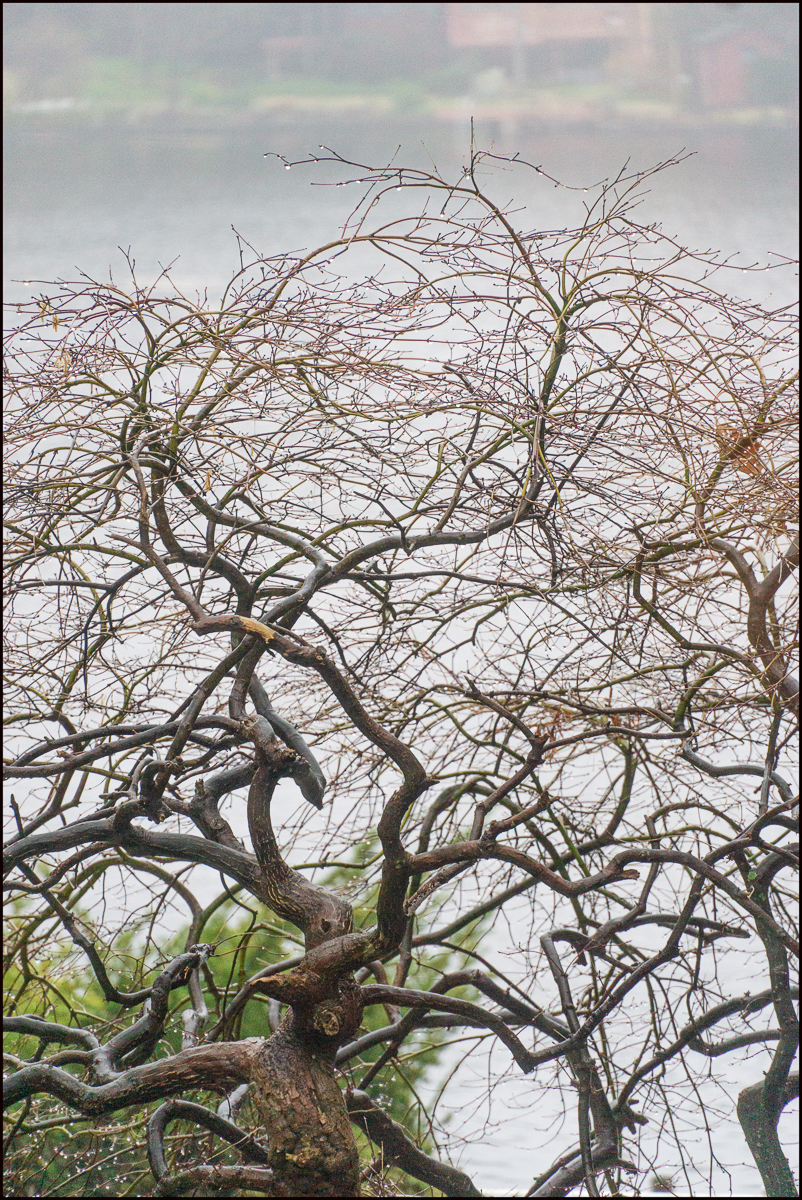
Since I started collecting old cameras I’ve accumulated quite a few vintage lenses in a variety of mounts (Nikon F, Minolta MD, Leica LTM, Leica M, Contact/Yashica C/Y, Exacta, M42 and more). A while back I decided to get a Sony Nex 5n, in large part because I’d read that it adapted well to vintage lenses so I got the appropriate adapters and for a while used them quite a lot and was pleased with the results. Then I picked up a Sony A77II, which didn’t adapt so well and my interest in manual focus waned to a point where I haven’t used the manual focus lenses for ages.
Then I started to collect older digital cameras, many of which (Sony A6000, Olympus OM-D E-M10, Fujifilm X-E1) also adapt well to older lenses. Of course the adapters I’d collected for the Nex 5n work fine on the A6000. I also picked up a few adapters that would work with micro four thirds cameras. I only recently got the Fuji and I’m not sure whether or not I’ll try to use manual focus lenses with it. We’ll see.
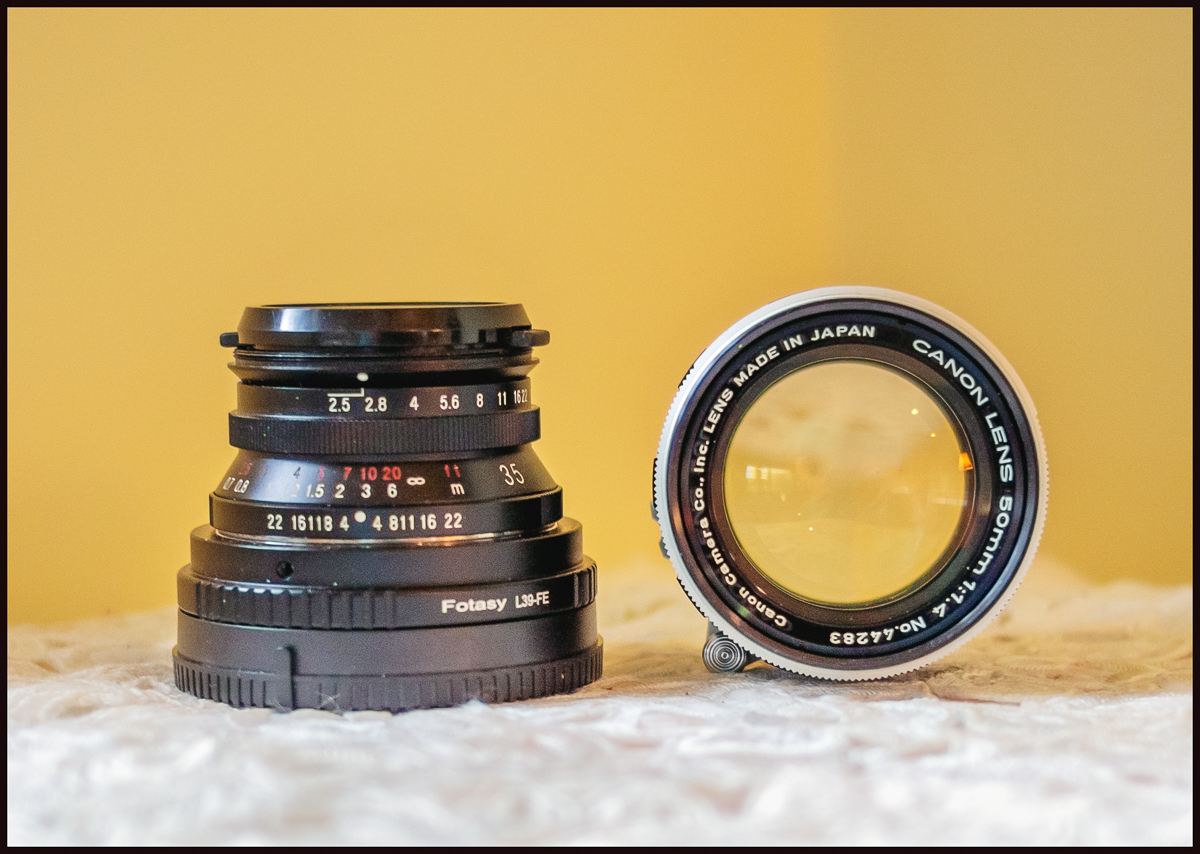
I decided to try manual focus lenses again – this time initially on my Sony A6000. Specifically I decided to try a Canon 50mm f1.4 and a
Voigtländer 35mm f2.5, both in Leica Thread Mount (LTM).
The results were awful! I couldn’t seem to get the focus right! I tried using focus peaking without much improvement. I tried focus magnification with similar results.
But I persisted until I discovered that using a combination of the two seemed to produce the best results. Focus magnification allowed me to ensure that what I was focusing on was indeed in focus, while focus peaking gave me a sense of the depth of field i.e. what I could expect to be in focus in front of and behind where I was focusing.
I should probably have thought of that before. It now seems so obvious.
Taken with an Olympus OM-D E-M10 and Panasonic Lumix 20mm f1.7