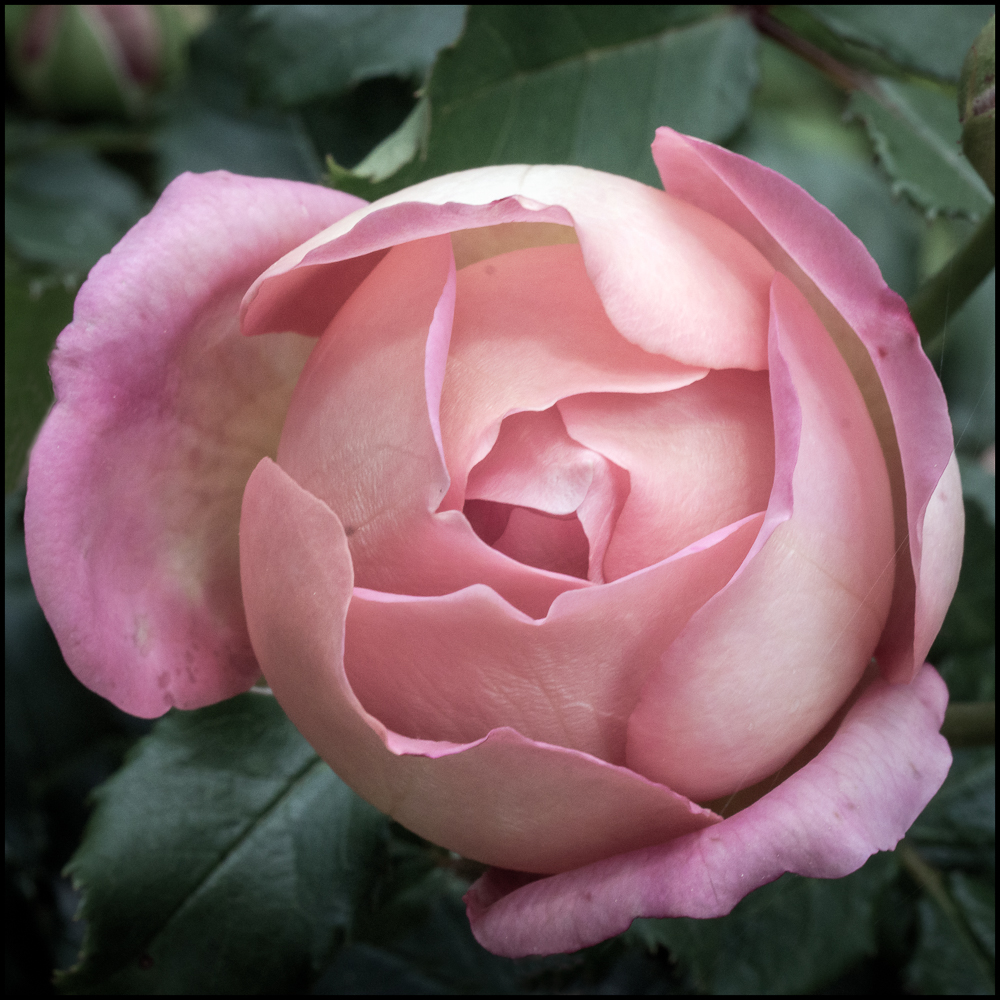
David Austin Roses 1 – Jubilee Celebration

According to the David Austin Site:

We were honored to name this rose in commemoration of Her Majesty Queen Elizabeth II’s Golden Jubilee. The large, domed flowers are a lovely rich pink with tints of soft gold on the underside of the petals, each bloom being elegantly held well above the foliage. Despite the size of the flowers, they are produced with exceptional freedom and continuity. The growth is vigorous, building up into a fine shrub. Very healthy and reliable. It has attractive, glossy foliage. The scent of the young flower is almost pure lemon zest, later becoming a delicious, fruity rose fragrance with hints of fresh lemon and raspberry. Excellent throughout the US including the challenging hot and humid climate of the south east.

Taken with a Sony A77II and Minolta Maxxum AF 50mm f2.8 Macro.
David Austin Roses – Overview

My wife loves gardening. She particularly loves roses, especially David Austin roses. She recently found some good local sources for such roses and she’s acquired a number of new ones for the garden.

For those, like me, who might not know who David Austin was he was the great guru growers of English roses. According to Wikipedia:

David Charles Henshaw Austin OBE (16 February 1926 at Albrighton – 18 December 2018 in the same village) was a British rose breeder and writer who lived in Shropshire, England. His emphasis was on breeding roses with the character and fragrance of old garden roses (such as gallicas, damasks and alba roses) but with the repeat-flowering ability and wide colour range of modern roses such as hybrid teas and floribundas.

You note from the above that he recently passed away, but his spirit lives on – and so does his company. Consequently I seem to have become, at least temporarily, a rose photographer. So far 12 of the new roses have opened up and I’ve been asked to take pictures of them (see future posts).

I’m not much of a gardener, but I have to admit that they’re pretty spectacular.

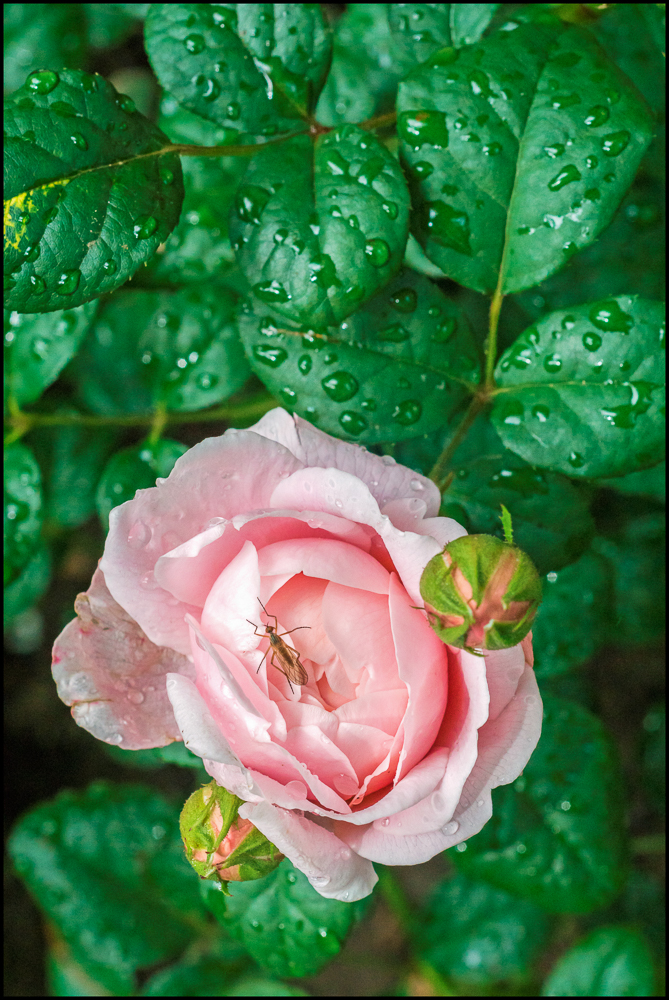
Above: Queen of Sweden with bug.

Taken with a Sony A77II and Minolta Maxxum AF 50mm f2.8 Macro.