December Flowers

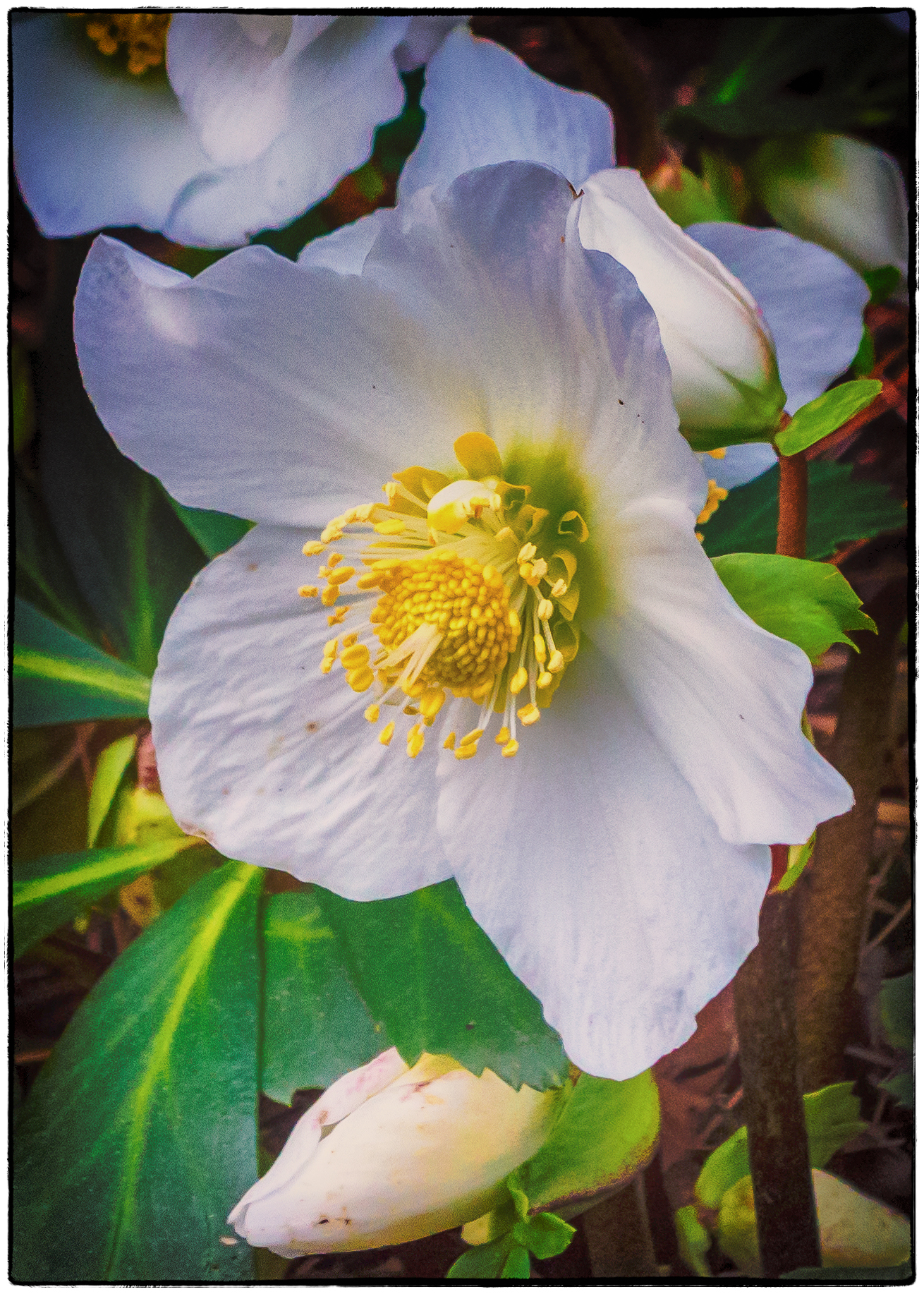
Apart from the odd poinsettia I didn’t think I’d be taking flower pictures at this time of year. I bumped into a neighbour the other day and she remarked that she’d seen some white flowers in a garden along Lake Shore Road. Sure enough, when I looked I came across several clumps of these flowers. I have no idea what they are. I also noticed that there were buds on a magnolia, and in several places shoots were starting to emerge. Friends staying in our other house tell me that dandelions are starting to emerge. The abnormally high temperatures we’ve had recently (and continue to have) seem to have convinced the flora that Spring is here! How I wish that were true.

Collecting Vintage Photographs

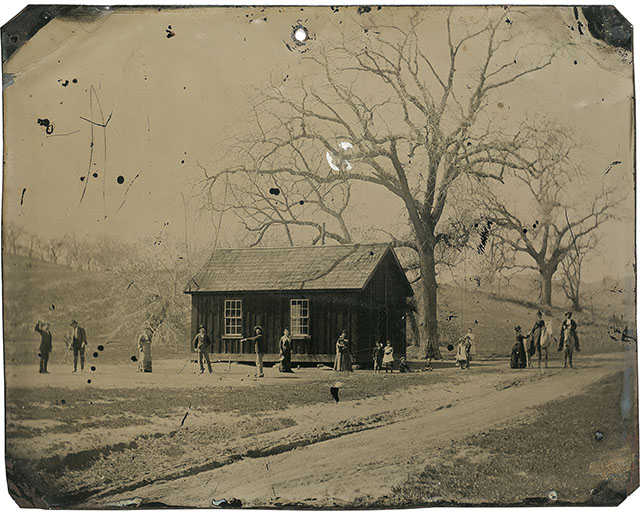
Photography of Billy The Kid, aka Henry McCarty, and members of his gang playing croquet.

Interesting introduction to collecting vintage photographs – something I’ve been thinking about doing for some time. I even bought a more detailed book on the subject: Collecting Photography by Gerry Badger. If you’re thinking about collecting old photographs and need more than this short introduction I’d suggest you take a look at this book.

In 2011, a modern-day treasure hunter was browsing through an antique shop in Fresno, California. Flipping through boxes, he came across an old photograph. An unsmiling group of men, 19th century Americans it seemed, were playing croquet in front of a wooden building in a rural setting. It was an interesting photograph. He paid $2 for it and walked out.After much investigation, it was concluded that one of the men was Billy the Kid, aka Henry McCarty, and the other players were his gang, The Regulators. This was only the second known photograph of the Wild West’s most infamous outlaw. That photo is now worth several million dollars.

Source: An Introduction to Collecting Vintage Photographs

A Portrait

Once upon a time many years ago I used to take lots of pictures of my wife. I really enjoyed taking pictures of her. Nowadays though she doesn’t like me taking her picture (at least other than the obligatory selfies and pictures with friends) saying that she doesn’t look good any more.

I took this picture while we were waiting to go the annual Christmas Party of our local garden club. I would’t say that she “doesn’t look good” in it.

For some of the earlier pictures see:

More Scans.
Another Picture of My Wife.
My Wife Around 1980.

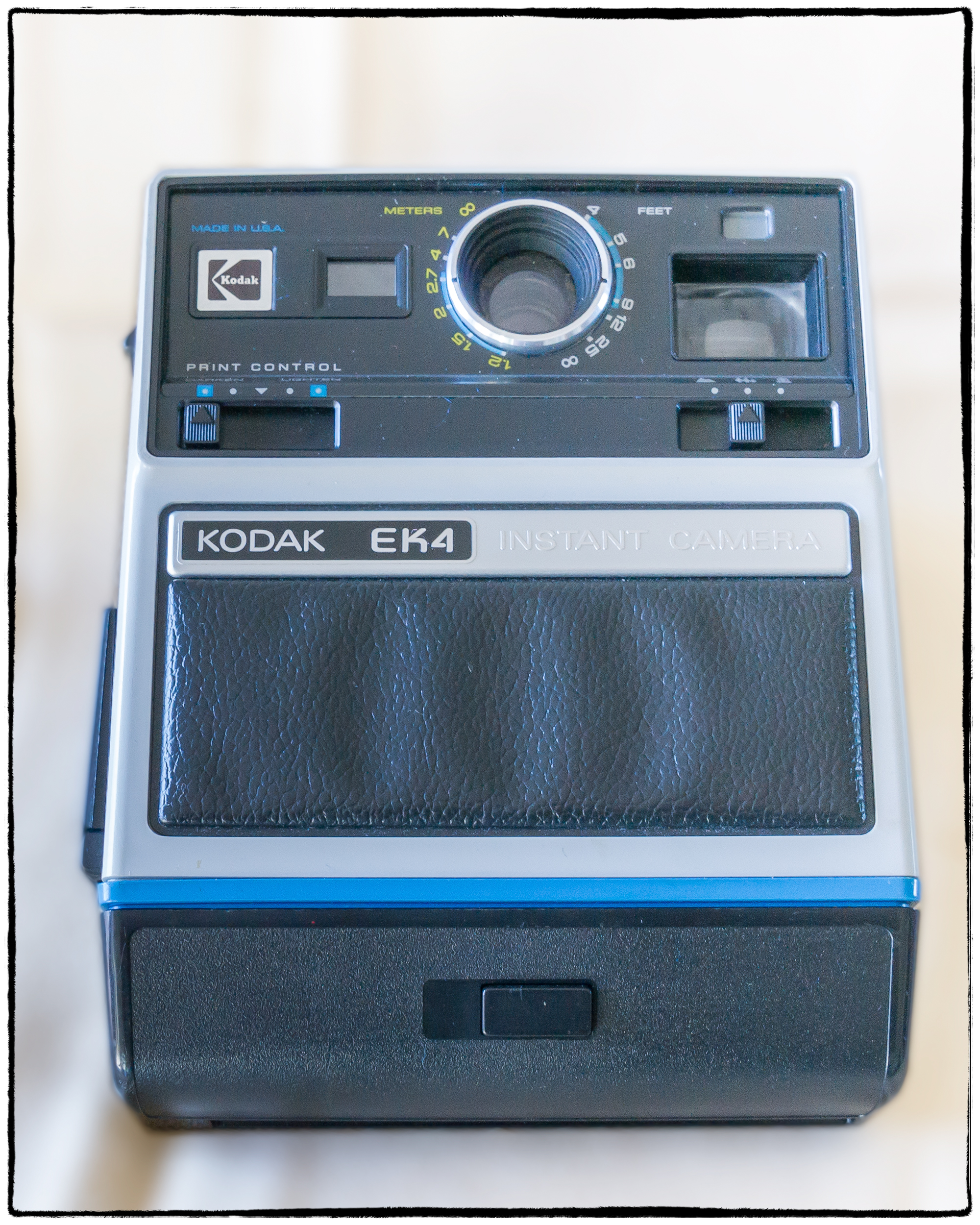
New Addition to the Camera Collection – Kodak EK4

I picked up this old Kodak Instant camera (i.e. as in Polaroid not Instamatic) because of the interesting story behind it. I don’t ever expect to take pictures with it. Kodak stopped making the film almost 30 years ago. It was apparently possible to modify the camera to use Fujifilm FI-800GT film until as recently as 2010 when Fuji discontinued this film. The camera cost practically nothing so even if I could find some leftover Fuji film I wouldn’t be inclined to undertake the modification, and the film was apparently quite expensive.

The story is interesting though. In the 1960s Kodak had manufactured film for Polaroid’s cameras. However, in the 1970s they decided to introduce their own instant cameras. Although Kodak’s design differed from Polaroid’s, Polaroid immediately filed suit for infringement of its patents. The lawsuit dragged on for decades with Polaroid eventually claiming that during the 10 years Kodak had made these cameras Polaroid had lost $12 billion. The lawsuit was finally settled in 1990 with Kodak being found guilty on 7 of the 12 patent infringements.

Polaroid did not get the $12 billion it was asking for, but it did get about $1 billion. Furthemore, Kodak also had to compensate those who had bought any of their instant cameras between 1976 and 1986. Owners were asked to call and register for a compensation package, which would alow them to receive a rebate check for the cameras they had bought. So essentially Kodak had to “buy back” the cameras they had sold.

Kodak was forced out of the instant camera business entirely and never returned.

Kodak made 26 models of their instant cameras (as well as seven types of film) between 1976 and 1986. This is the first of them: the EK4. According to CameraWiki:

The EK4 is a very early model in the Kodak Instant line of cameras released in 1976. It’s features were very basic. It lack an electronic motor for film ejection and requires a hand crank. The nearly identical model EK6 was also available but had motorized ejection. Flip flash socket is on top of the camera. The lens has markings surrounding the lens in both meter and feet. Exposure and focus control is with sliders on the face of the camera. Sliding the focus control rotates the lens indicator to the corresponding distance markers. It used PR10 (PR144) film. It is powered by a 6V flat J sized battery.