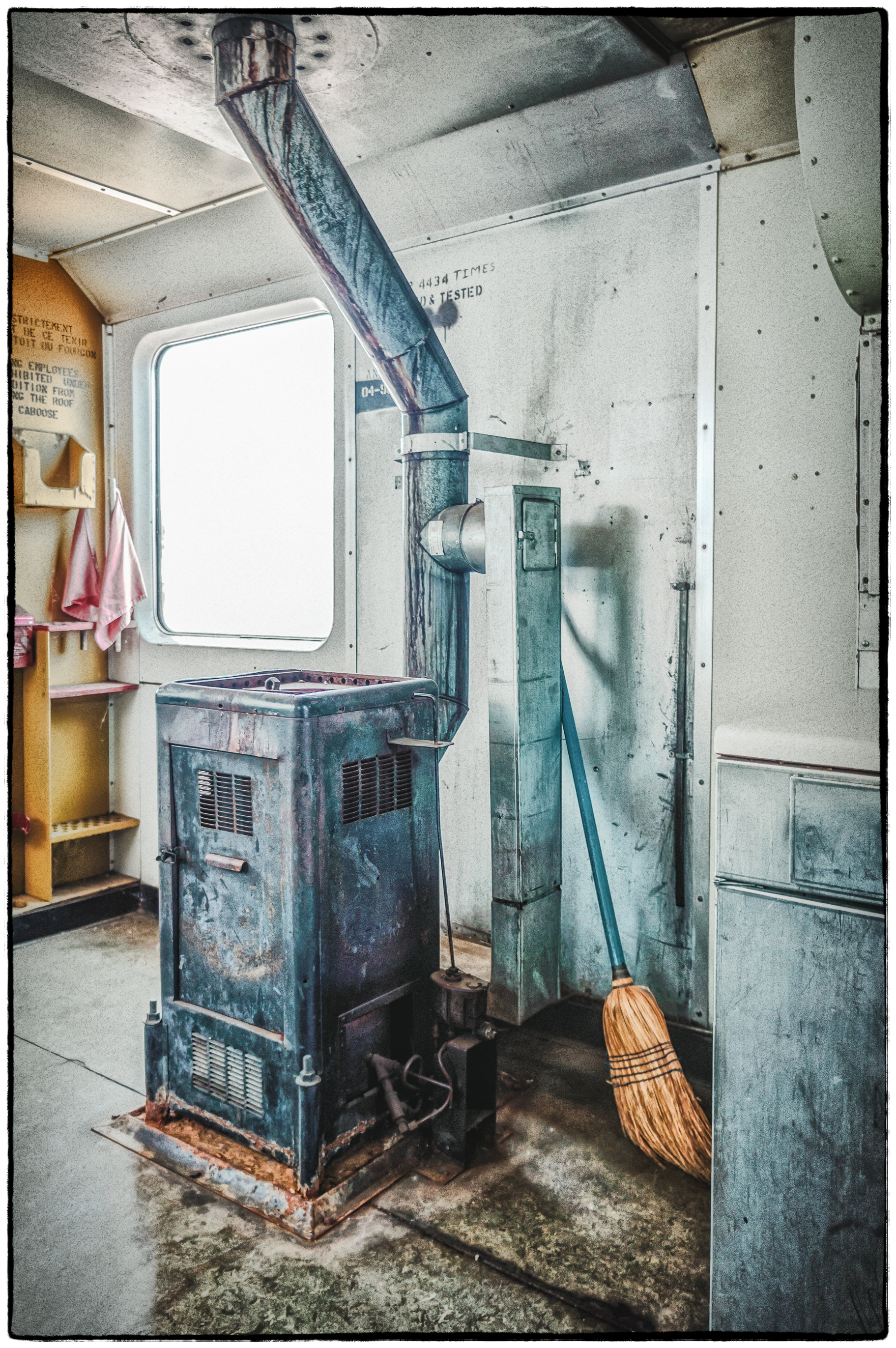
Railway Carriage Interiors

Taken at the Danbury Railway Museum in June, 2013 with a Sony NEX5n and the 18-55mm f3.5-5.6 OSS kit lens. An earlier post can be found at: Danbury Railway Museum

In the image above I like the color contrasts and the converging lines.

I hadn’t been expecting to find a kitchen. Liked the reflections and the smooth metal appliances. Also the slightly dirty, grungy look.

Some kind of mail sorting car? Nice colors.

Got the depth of field wrong but still kind of like it.

Too much dynamic range in this picture. I didn’t think I could do much with it so I tried some (for me) fairly extreme processing. I’m still not sure I like this kind of processing, but the results are not awful.

Trees at Little Stony Point

I’ve been to Little Stony Point several times. It’s quite close, rather picturesque (Beaches, Hudson River views, Cliffs with spectacular views; A small cave) and it’s an easy walk with the dog. It’s also close to Cold Spring so after the walk I can go for a coffee, a bite to eat or a quick beer – or if I want to walk some more find one of the many other trails around Cold Spring.

For other posts see here:

Little Stony Point.
Hudson River from the cliffs at Little Stony Point.
Small cave at Little Stony Point.
Graffiti on the Rocks.

Taken in November 2013 with a Sony NEX 5n and Nikon 50mm f1.8 E-series. This lens doesn’t get the credit it deserves. The first consumer-oriented Nikon lens it used a lot of plastic and has often been disparaged. Nikon didn’t even give it the normal ‘Nikkor’ designation, preferring to call it ‘Nikon’ instead. It is, however, very small, very light and extremely sharp.

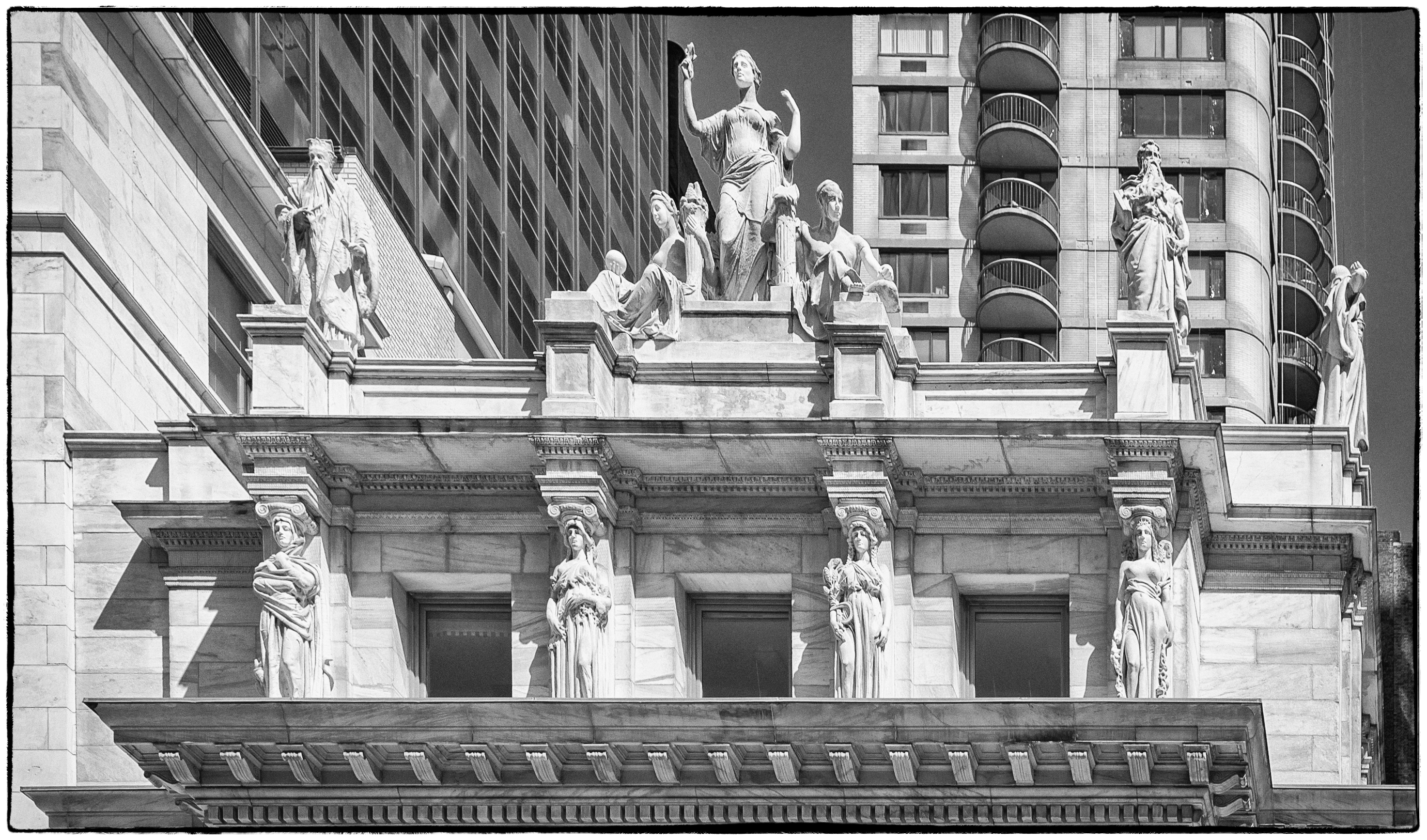
Statues on West Facade of the Supreme Court (Appellate Division) Building, New York City

According to Wikipedia:

The limestone Beaux-Arts courthouse, in the style of an 18th-century English country house, was designed by James Brown Lord and built in 1896−1899. It is considered to be an “outstanding” example of the City Beautiful movement. Some 25 percent of the cost was spent on sculpture, a huge sum at the time. At the time of its construction, the American Architect and Building News predicted that “the rest of the country will envy New York the possession of this building.” In 1900, Charles DeKay wrote in The Independent that the courthouse “shines like an ivory casket among boxes of ordinary maple.”

The exterior features sculptures in white marble on subjects related to law. Karl Bitter’s Peace is the central grouping on the balustrade by Madison Square. Daniel Chester French’s Justice is the central grouping on 25th Street. Justice is flanked by Power and Study, also by French.

Sixteen sculptors worked on the courthouse, all members of the then-newly formed National Sculpture Society. In 1928, The New Yorker called the building “the rather pleasant little Appellate Court House with its ridiculous adornment of mortuary statuary.”

Charles Henry Niehaus’s Triumph of Law, described as a “giant pedimental group” on “a screen of six Corinthian columns, rising from several groups of allegorical sculpture,” fronts 25th Street. Thomas Shields Clarke sculpted screen of female caryatids on the Madison Avenue front, at the third-floor level, representing the seasons; Summer holds a sickle and a sheaf of wheat.

On the roof, there are single standing figure sculptures, depicting historical, religious, and legendary lawgivers. These statues are of the same height and proportion, are robed, and appear with various attributes associated with the law, such as book, scroll, tablet, sword, charter, or scepter. The first statue on the Madison Avenue side is Confucius by Philip Martiny, with Peace by Karl Bitter in the middle, and Moses by William Couper at the other end. Facing south on the 25th Street side is Edward Clark Potter’s Zoroaster, which was along with all 25th Street statues moved down one bay when Charles Albert Lopez’s Mohammed was removed in 1955, following protests against this image of the prophet from Muslim nations. Next on this side is Jonathan Scott Hartley’s Alfred the Great, followed by George Edwin Bissell’s Lycurgus and Herbert Adams’s Solon. Next to Solon is the Justice set of sculptures by French (described above), and then three more statues: John Talbott Donoghue’s Saint Louis, Henry Augustus Lukeman’s Manu, and Henry Kirke Bush-Brown’s Justinian. At street level, “two pedestals holding two monumental seated figures” of Wisdom and Strength by Frederick Ruckstull (born Ruckstuhl) flank stairs leading to a portico.

The exterior of the building was designated a New York City landmark in 1966.

A Couple of Flower Pictures

I noticed today that much of the snow on our patio has melted and that patches of our garden are starting to emerge. In fact if I go to the left side of the garden I can walk down on grass all the way to the Adirondack Chairs overlooking the lake. They’re completely free of snow, as is a fairly large grassy area in front of them. The lake is still frozen but it looks as if Spring is actually on its way. Sometimes, particularly in a very bleak Winter, we forget that Spring does follow.

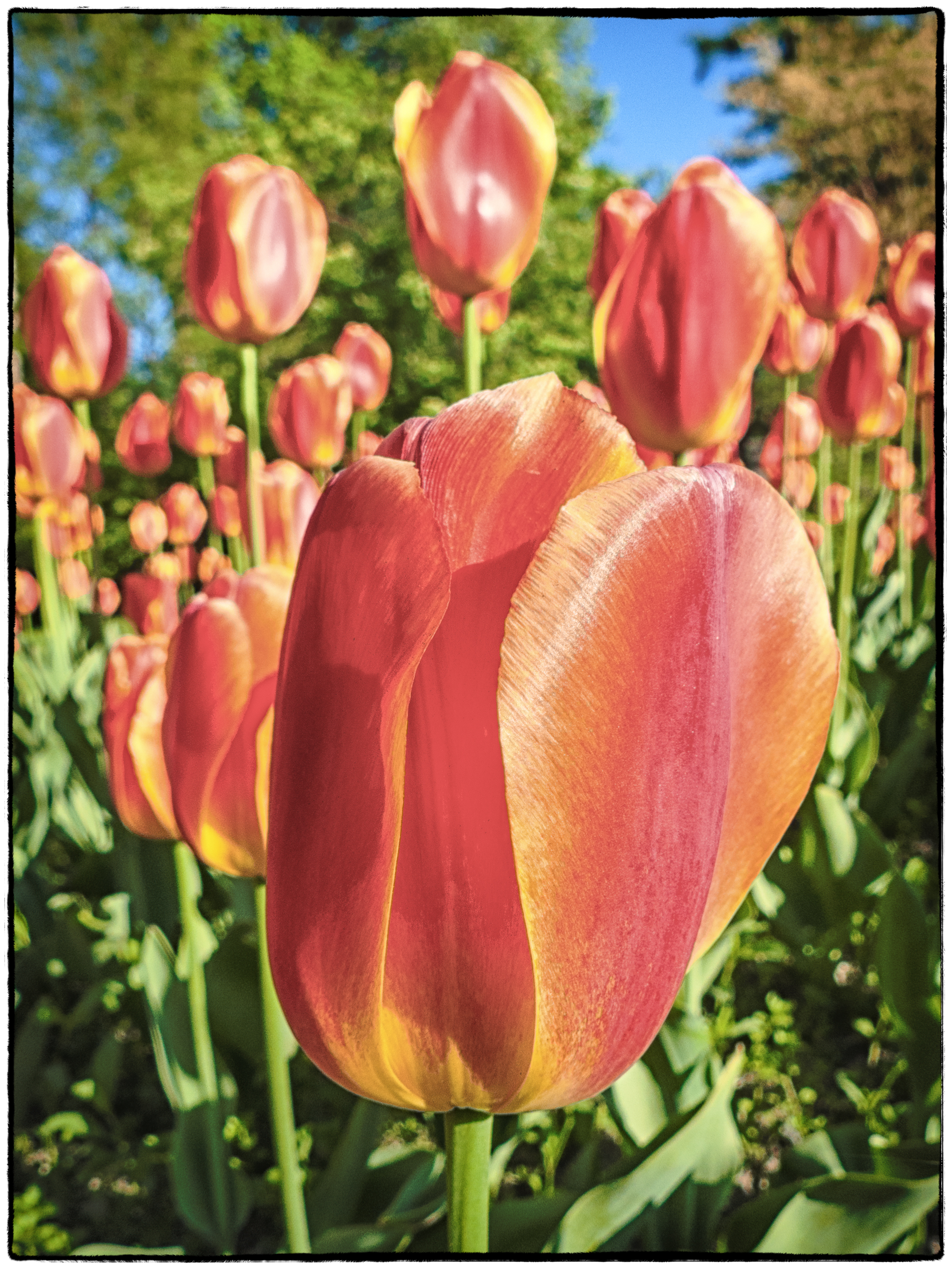
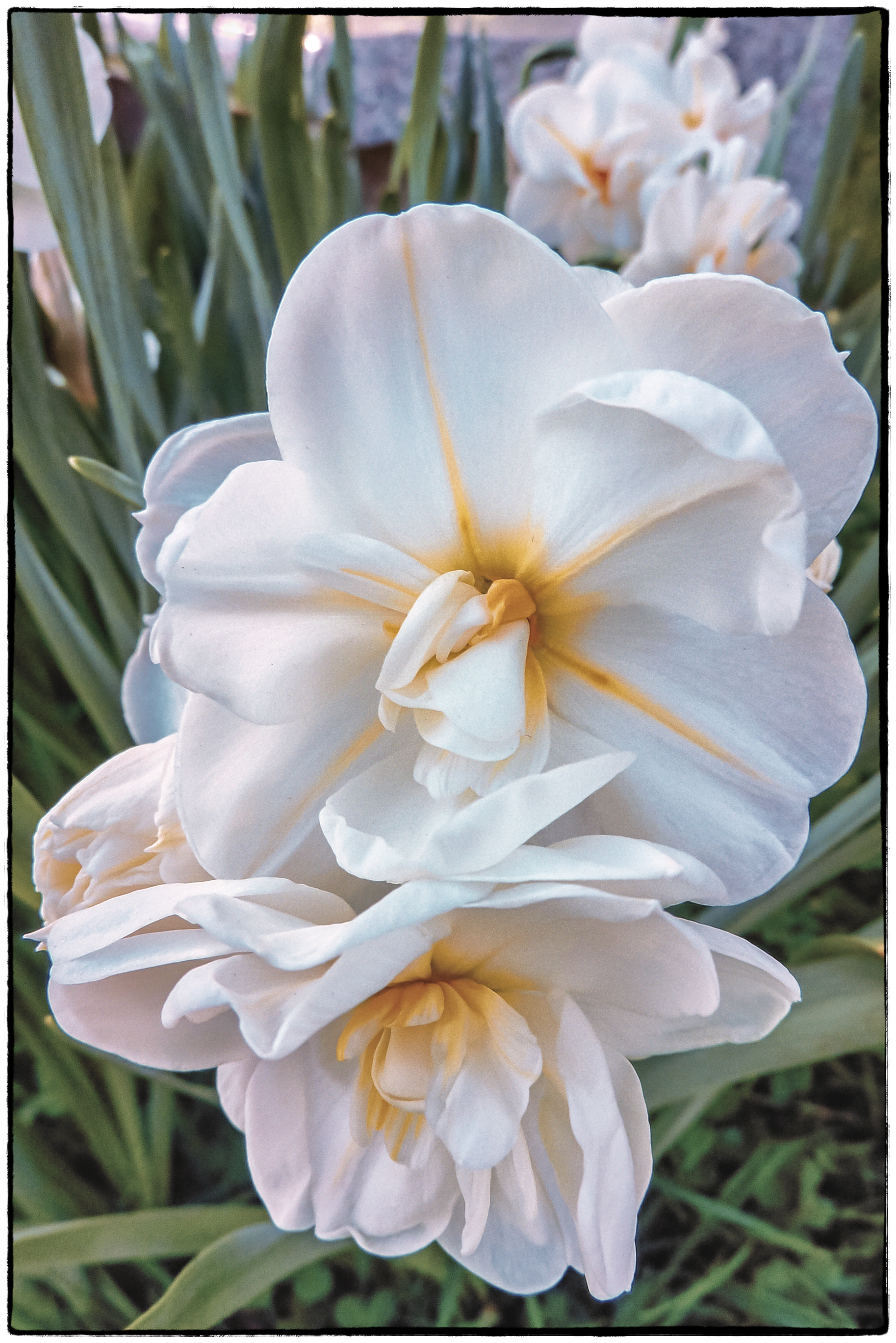
In anticipation of the coming Spring I thought I’d post a couple of bright, colorful pictures from previous years.

These were both taken in April 2010, the first (clearly tulips) with a Panasonic Lumix LX-3 and the second (I have no idea what kind of flower this is) with a Panasonic Lumix ZS-3.

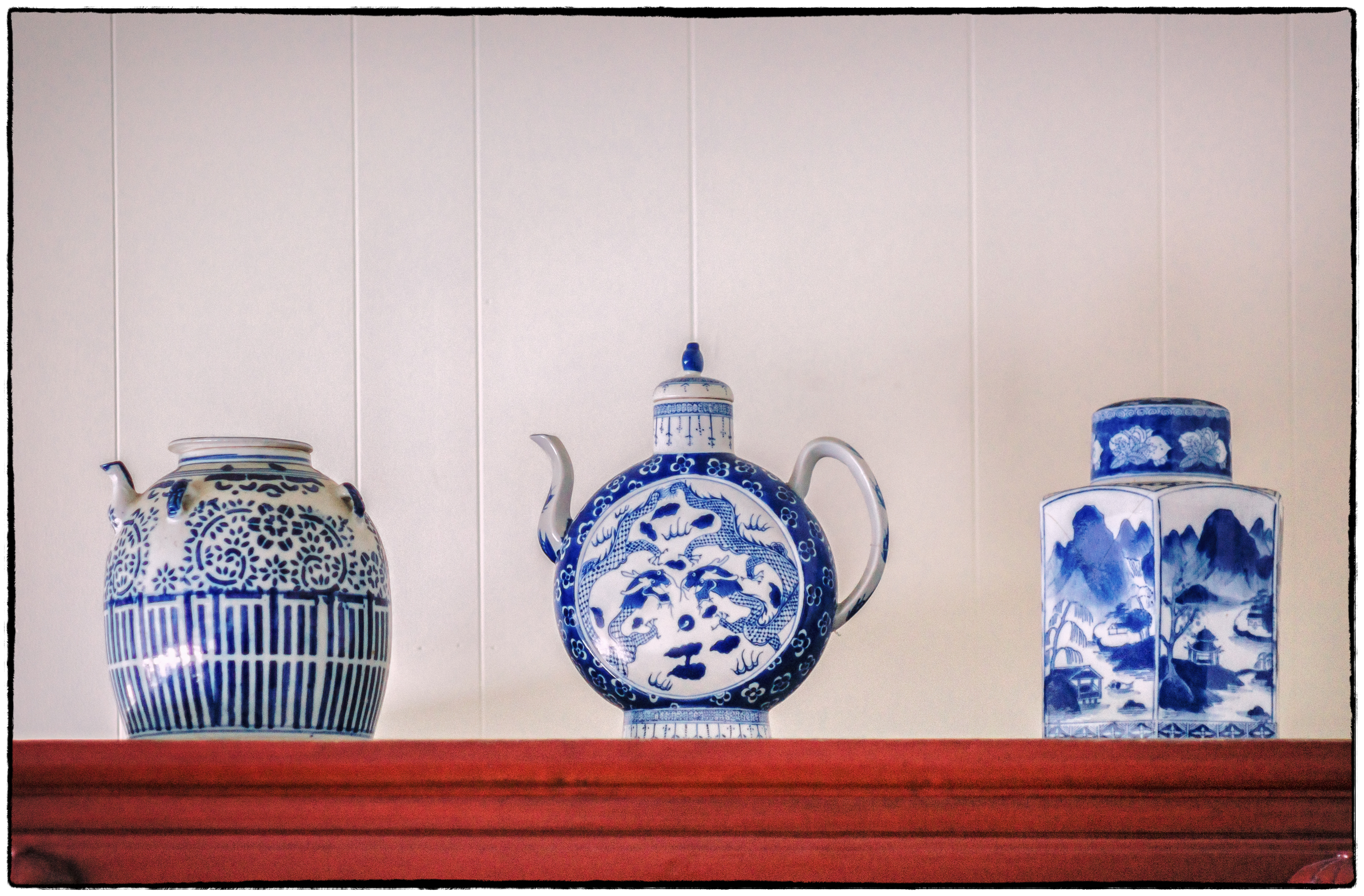
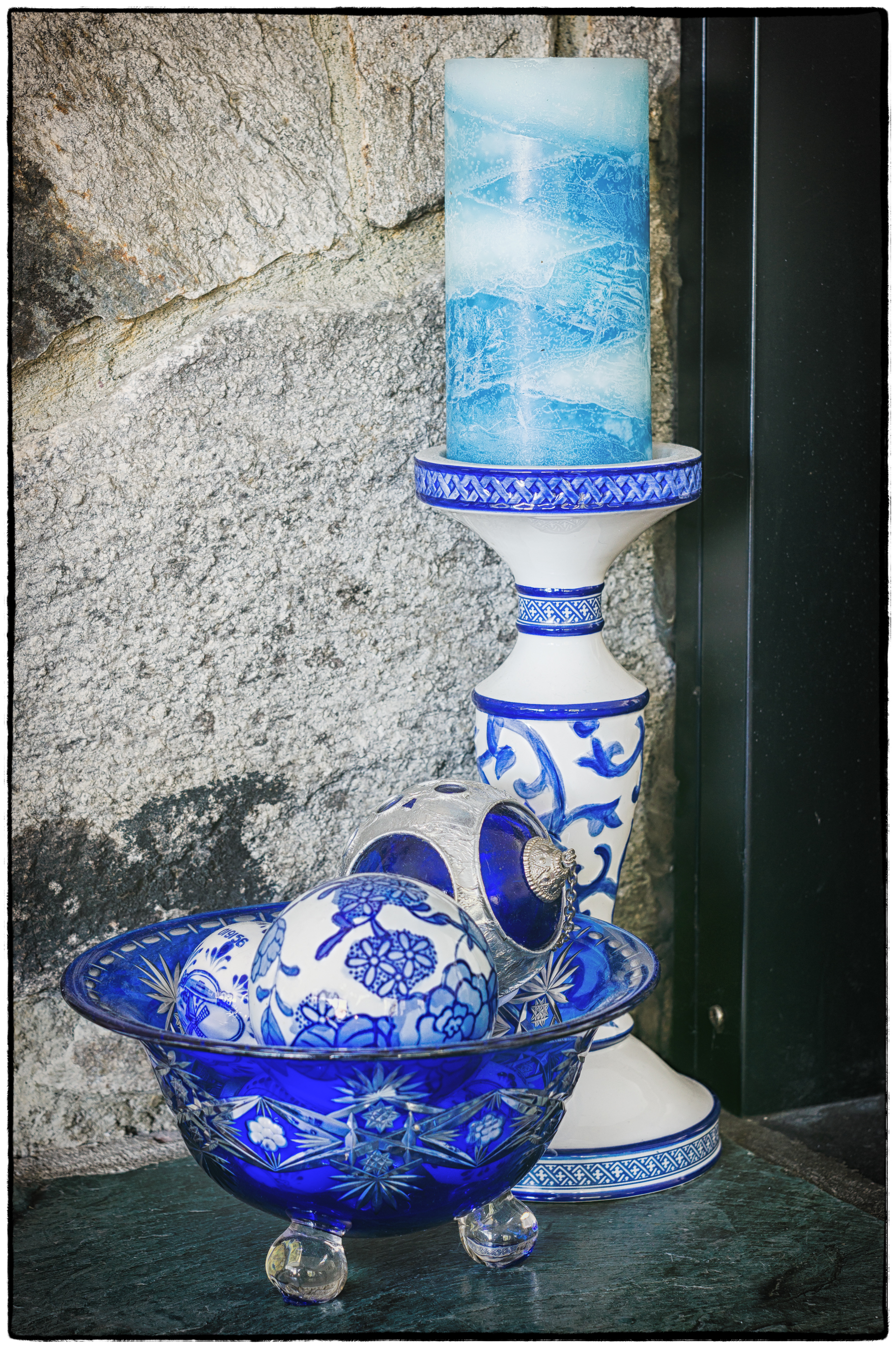
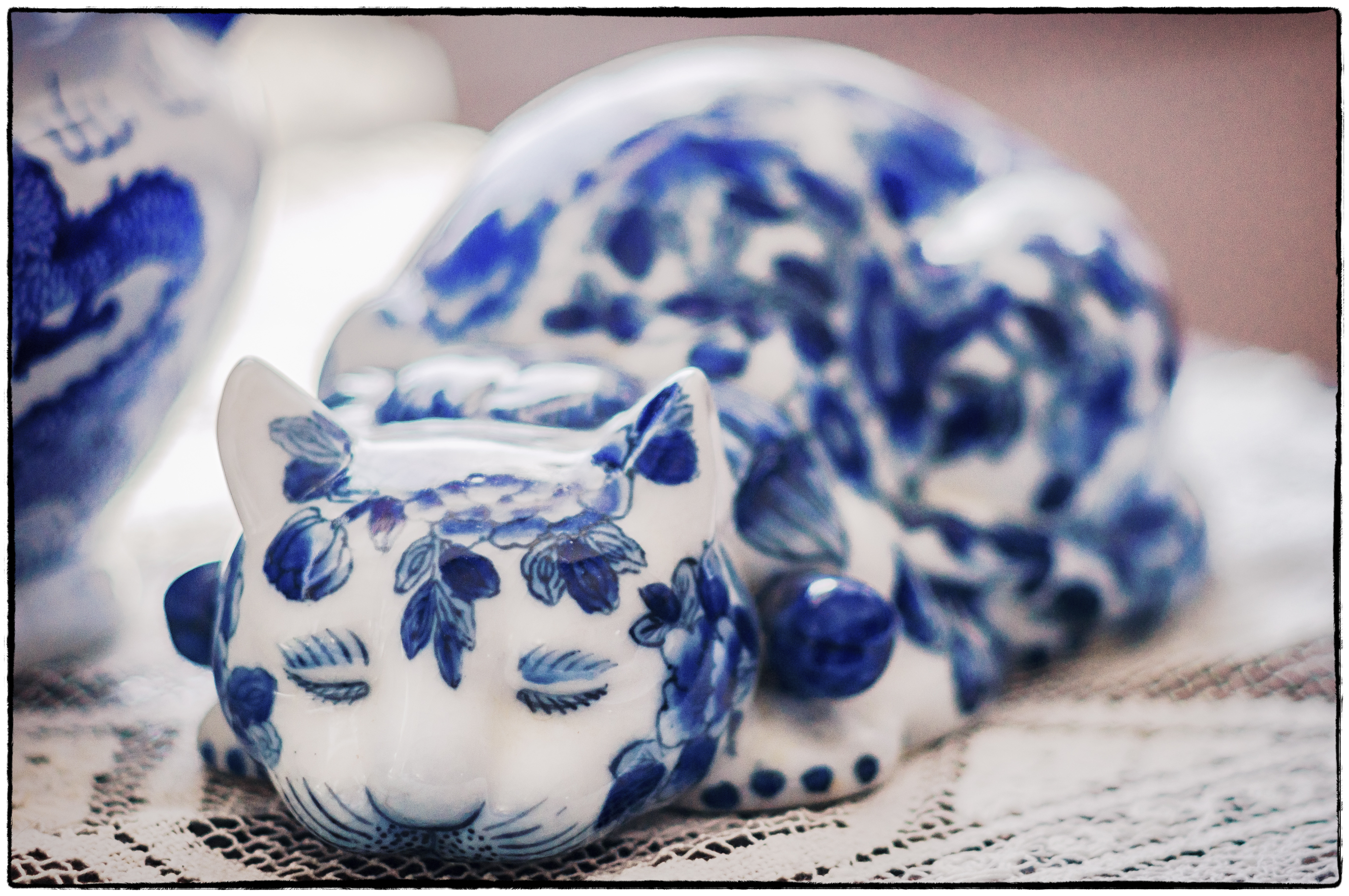
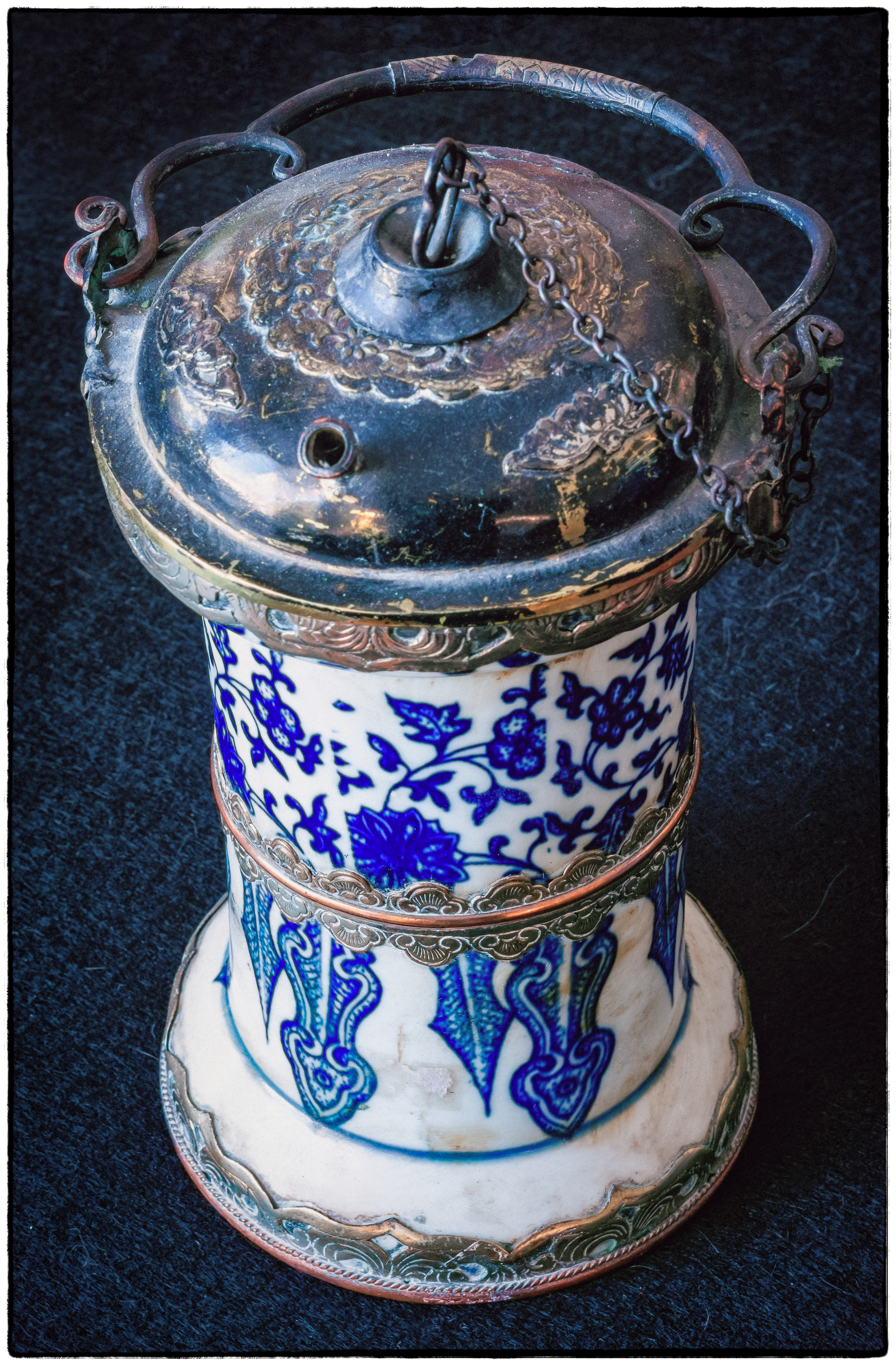
Blue and White

Two jars and a teapot.

My wife likes and collects blue and white objects. Here are a few of them.

The pictures were taken with a Sony NEX 5n, the first and third with an 85mm f2 Nikkor and the second and fourth with a Konica Hexanon AR 50mm f1.7

Still life by the fireplace.

Cat by the window.

Cambodian Jar.