A Day in New York City – Walking by Trump Tower

After lunch at the Loeb Boathouse in Central Park, my wife went shopping with our friend and I decided to go back home. So I walked back to Grand Central Terminal and on my way passed Trump Tower. From what I’d heard the the security would be terrible, but I was surprised that it wasn’t really that bad. There we a couple New York City policemen in front of the entrance – in full armor and bristling with weapons. They seemed to be very pleasant, however, even posing for pictures with tourists. It was a hot day and my feet were hurting (unfamiliar shoes) and I didn’t go inside. I wanted to take a picture of something though – just to commemorate the occasion. Finally I spotted this plaque on the side of the entrance. It’s not all that big – maybe a couple of feet tall, but the name ‘Trump’ appears no less than seven times, in bright gold letters.

A Day in New York City – Honey Bear Statue

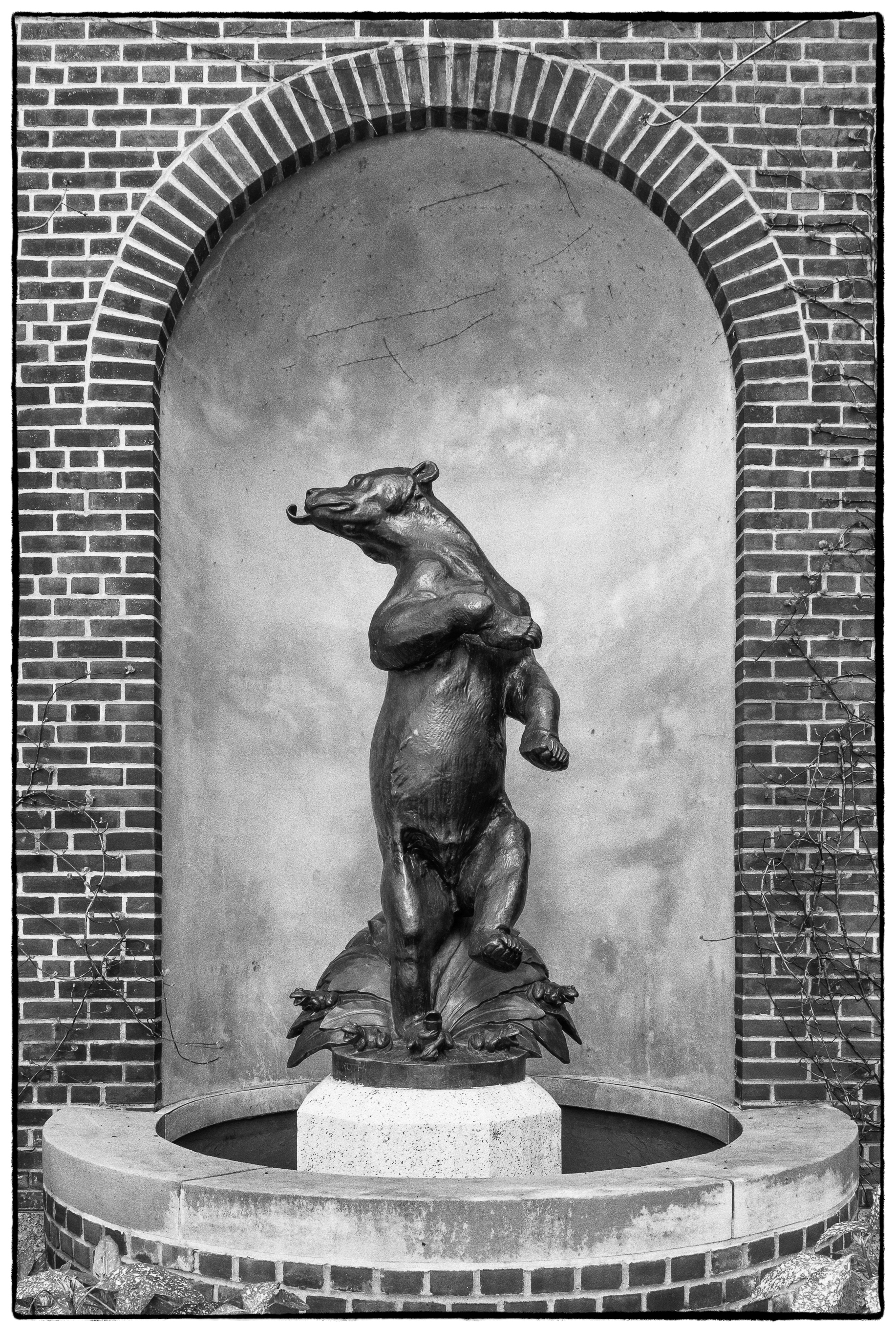
This statue stands just outside the zoo in Central Park, New York City. According to the Central Park Conservancy web site:

This whimsical bronze is in a niche that flanks the triple-archway that supports the Delacorte Musical Clock between the Central Park Zoo and the Children’s Zoo. The Dancing Goat is the bear’s counterpart on the southern side if the Zoo.

Cast at Roman Bronze Works in Brooklyn and installed in 1937, both sculptures are decorative fountains. Water sprays from five small frogs at the feet of the bear, and from five small ducks from the feet of the goat. Created by renowned animal sculptor and Brooklyn native Frederick George Richard Roth, the lighthearted pieces are among several Roth works he did for Central Park in the 1920s and 1930s. (Among them is Balto, the statue of the legendary Alaskan husky).

Central Park Conservancy restored the sculptures in 1993, and today Roth’s pieces continue to delight Park and zoo visitors of all ages.

Sadly I missed the ‘Dancing Goat Statue‘.

Taken with a Sony RX-100 M3

A Day in New York City – A pair of mallards

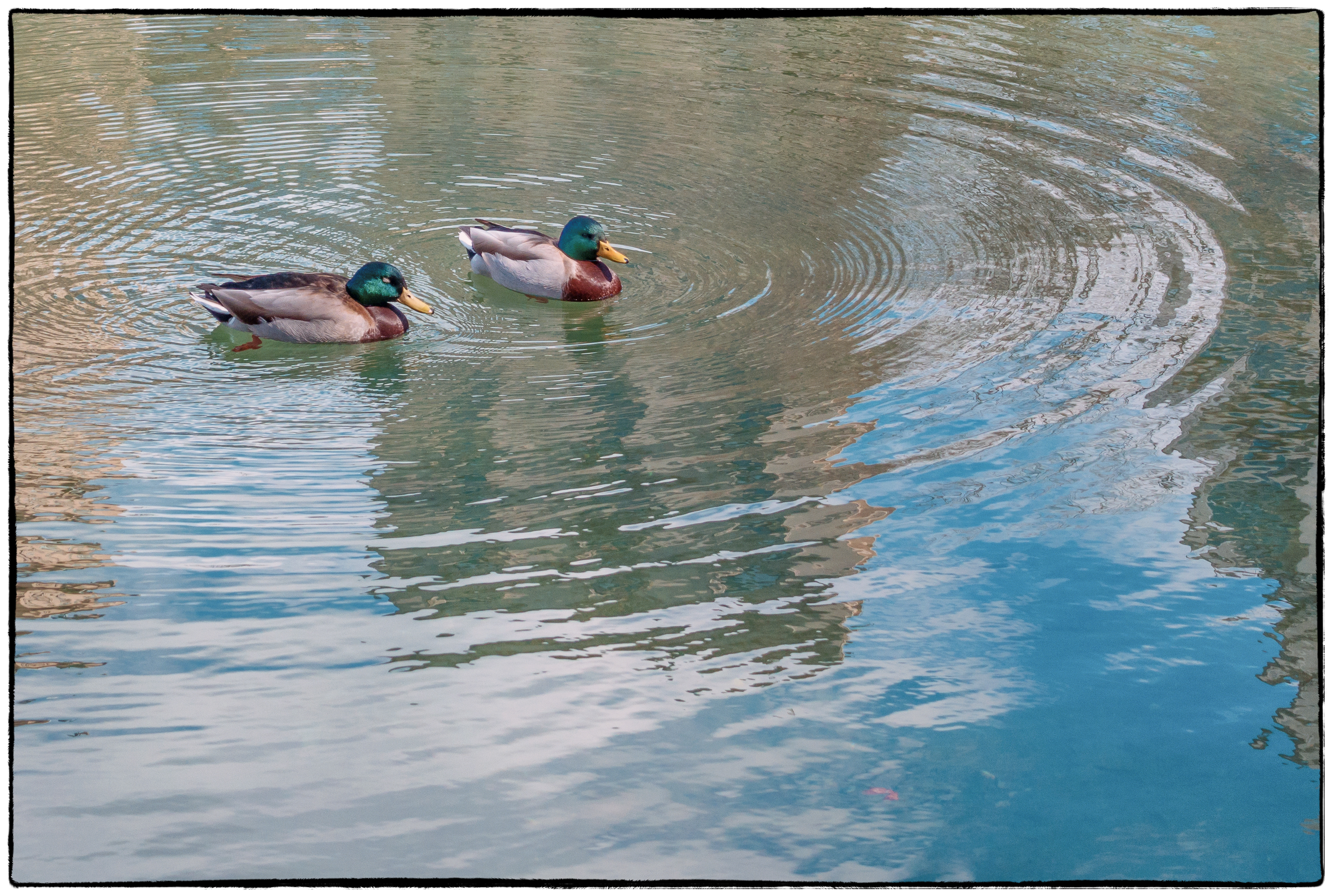
Two mallards swimming on Conservatory Water in Central Park, New York City. I’ve always loved the brightly colored mallards, and I also liked the ripples.

Formally a naturally landscaped water lily pond, Conservatory Water was subsequently converted into a model boat pond. When we arrived there were a few boats, but when I took this picture after finishing lunch the pond was devoid of maritime traffic (i.e. there were no boats on it).

Taken with a Sony RX-100 M3

A Day in New York City – Samuel Morse Statue

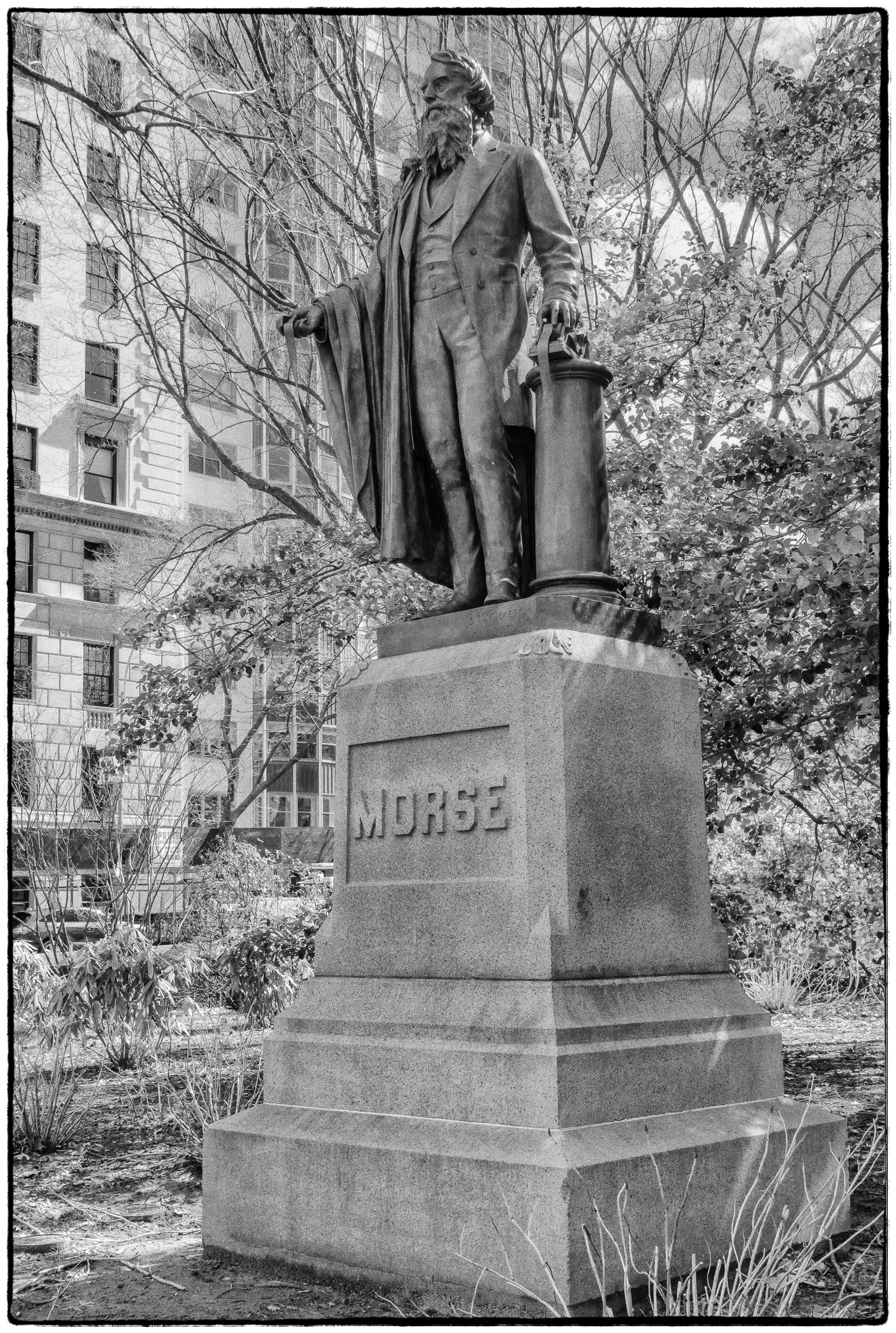
Finally in New York City, we took a taxi from Grand Central Terminal to Central Park. The driver dropped us off near 72nd Street and Fifth Avenue. As we got out of the taxi I noticed a statue. Imagine my surprise to discover that it was of Samuel F.B. Morse, whose former house, Locust Grove in Poughkeepsie we had visited just a couple of days earlier.

According to Wikipedia the statue:

…is an outdoor bronze sculpture depicting American painter and inventor Samuel Morse by Byron M. Pickett, located in Central Park in Manhattan, New York. The portrait statue measures 13′ x 5’6″ x 5′ and sits on a Quincy granite pedestal. It was dedicated on June 10, 1871.

I had some difficulty finding more information about Mr. Pickett, but eventually located the following artice: American sculptor Byron M. Pickett is memorialized. The article provides the following information:

Byron sculpted many works, and was well-known during his lifetime as a man of talent and master of his art. One such work was the statue of Samuel F.B. Morse, which stands today at the Inventors’ Gate at New York’s Central Park. Other works include the statue “Patriotism” in Kingston, two monuments at Gettysburg, and a relief portrait of Abraham Lincoln used by the U.S. Post Office in 1911 on a two-cent postal card. In July 1871, there was a dedication for unveiling the Morse statue and newspaper articles tell of all the dignitaries who were present. Two governors and even William Jennings Bryant were amongst thousands of New Yorkers present.

The information I was gifted by the N.Y. Metropolitan Museum of Art was his death record. My contact there was Catherine Mackay, administrative assistant. This record stated he had died in Tenafly, N.J., and was buried at Brookside Cemetery. Steve visited the plot only to discover there was no marker.

Byron seemingly died in obscurity in retirement at the Mary Fisher Home. To honor Byron’s life, I have purchased a marker for him that was placed on his 179th birthday, which was Aug. 3. Rest in peace Byron; this concludes our quest.

Taken with a Sony RX-100 M3

For posts on Samuel Morse’s former home, Locust Grove see:

Locust Grove – Blue Flowers
Locust Grove – Green Barn
Locust Grove – Hudson View
Locust Grove – View from the Lake
Locust Grove – Barn Doors
Locust Grove – Carriage House
Locust Grove – RIP Pinky Winky
Locust Grove – Detail of a Wrought Iron Container
Locust Grove – The House

And

Canon Eos 650 – Results

A Day in New York City – Abstract

We went into New York City a few weeks ago to meet up with an old friend who was visiting from The Netherlands. We decided to have lunch in the Loeb Boathouse in Central Park.

However, this series of pictures starts not in New York City, but at a CVS in Ossining where we stopped to pick up a few things before taking the train from nearby Scarborough, NY.

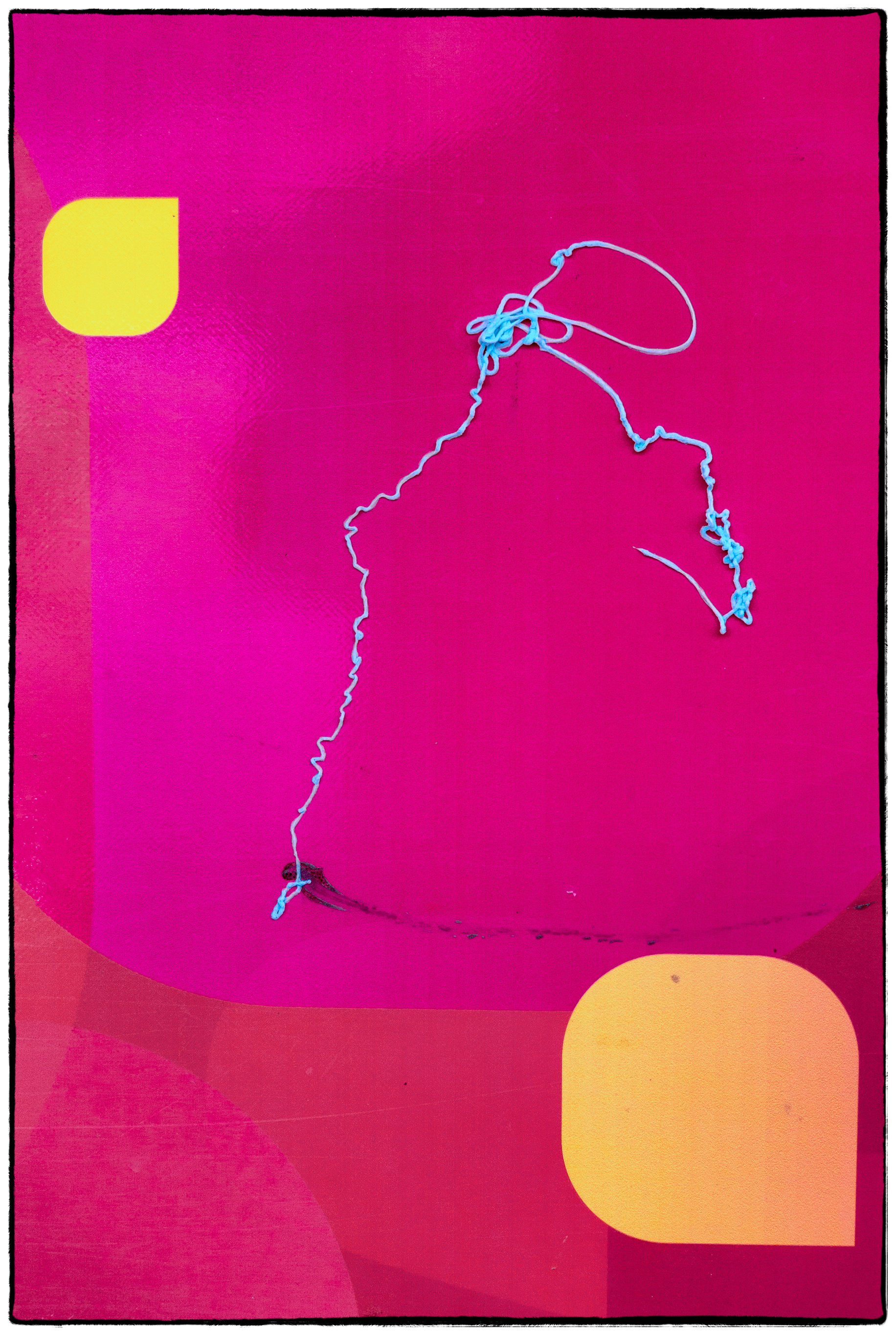
My wife had gone into the CVS while I remained in the car. As I was sitting there I noticed the repeating geometric patterns (the reds, oranges, magentas and yellows in the picture) in a number of panels in the CVS windows. I also noticed that one of the panels was subtly different from the other and got out of the car to take a look. Someone must have sprayed something (I have no idea what that light blue stuff is) on it and there was also a dark smudge.

I liked the bright blue color and the contrast between the regular geometric shapes and the more organic pattern left by the sprayed on substance.

Taken with a Sony RX-100 M3