The Europeans

I’m a huge fan of Henri Cartier-Bresson. So it’s somewhat surprising that until recently I had only one, very small, very thin and not very thorough book on or by him.

So when I was compiling my Christmas Amazon wishlist (the best way for my family to buy me gifts that I actually want) I included a couple of books about him. This is the first. It’s called “Europeans” and in his introduction, Jean Clair states:

In 1955 a collection of photographs called Les Européens was published. It was conceived and designed by Tériade, with a jacket by Jen Miró. Henri Cartier-Bresson had worked on it for five years, a short period if one considers that the celebrated photographs in Images à la Sauvette (1952, published in English as The Decisive Moment) were selected from work spanning twenty years. The book offered a closely woven portrait of Europe after the war: accumulated ruins and the marks of hunger and woe on people’s faces still appearing very clearly.

After that it was all downhill for the introduction as far as I was concerned. I didn’t know who Mr. Clair was so I looked him up. He’s described as follows:

Jean Clair is the pen name of Gérard Régnier (born 20 October 1940 in Paris, France). Clair is an essayist, a polemicist, an art historian, an art conservator, and a member of the Académie française since May, 2008. He was, for many years, the director of the Picasso Museum in Paris. Among the milestones of his long and productive career is a comprehensive catalog of the works of Balthus. He was also the director of the Venice Biennale in 1995.

I suppose I shouldn’t have been surprised by what followed in the introduction: lots of big, arcane words and tortured sentences. The following is fairly typical:

Now, as a wizard of speed, he needed a certain lightness of touch, something airy, mercurial. Hermes, god of commerce and thieves, could well be the god of photographers. With quicksilver as the escutcheon of his equipment, this disciple of hermetic knowledge, borrowing the the powers of the god with winged hat and shoes, sets out to purloin the the fulgurating moment at the crossroads of appearances and to conserve something of Mercury’s spark.

Maybe it’s just me, but I don’t relate well to this kind of “criticspeak”. When I was in university many years ago I had to read a book by Messrs. René Wellek and Austin Warren. I can’t remember the title (I’ve probably blotted it out) but it was something to do with principles of literary criticism. Their best know work seems to be Theory of Literature, but that title doesn’t ring any bells. Anyway I read that book from cover to cover and after I finished it I found that I couldn’t remember a single thing. Still, I remember thinking that the book must have been important or why would they have made us read it. So I read it again with the same result. Maybe now I’m older I should read it again. Who knows – third time lucky.

But on to the pictures. They are of course remarkable, for the most part. We’re so used to seeing Cartier-Bresson’s masterpieces that it’s easy to forget that not all of his pictures fall into that class. Of the 200 or so pictures I only really liked about 43.

Unfortunately, it’s not immediately obvious how the photographs are organized. There’s no table of contents and at first I thought that the pictures were randomly organized. However, after a bit of study I realized that they are in fact organized by country, but that the order of the countries is not alphabetical. Rather it goes as follows (with the number of photographs for each country in parentheses): France (36); Portugal (7); Spain (18); Italy (20); Switzerland (5); Yugoslavia (5); Greece (6); Turkey (5); Romania (4); Hungary (3); Austria (3); Germany (16); Belgium (1); Netherlands (3); Poland (6); USSR (17); Sweden (3); Denmark (1); UK (13); Ireland (10).

Still despite the minor criticisms I really enjoyed the book.

Now on to the second book: Henri Cartier-Bresson. The Modern Century , but first I have to figure out how to read it comfortably. It’s longer, bigger and heavier that the above book.
An all day breakfast

After my 1 1/2 hour walk in Sleepy Hollow Cemetery (See: Trying out my newly acquired Pentax K10) I was hungry so I walked to P.J. Doyle’s to get something to eat.

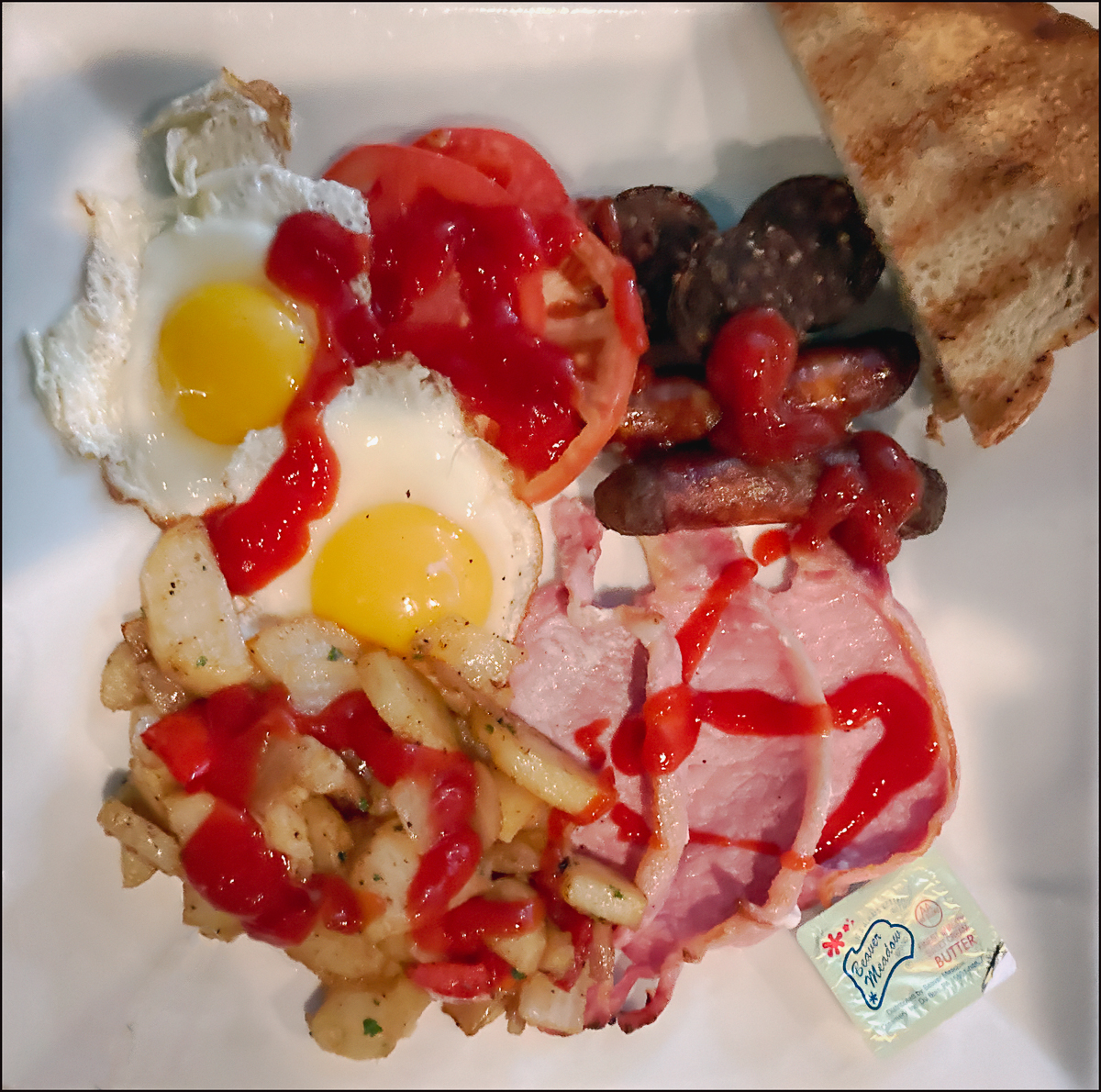
They had what the menu referred to as “Irish Breakfast. Two Eggs any style, Irish Sausage, Rashers, Irish Pudding, Broiled Tomato. Served with Homefries and Toast”. That sounded about right so that was what I ordered.

It was pretty much what I expected except for the bacon, which was not the usual American style bacon: narrow, thin, fatty and with a pronounced smoky taste. Rather it was the kind of bacon that I remember having when I was growing up in the UK: thick and lean with a high meat to fat ratio (see picture).

While I realize that this was not haute cuisine it really hit the spot. When I was in university in the UK I used to play a lot of badminton (it’s not the backyard “sport” that’s played in the US, but rather a sport that’s very fast and strenuous when played seriously). I remember one occasion when I’d been playing with a friend and after we finished we adjourned to the nearest pub for some lunch. In those days most pubs had little or no food, but I remember that meal very well. I had a not too fresh packaged steak and kidney pie that was warmed up in the microwave. Baked beans and a beer completed this culinary extravaganza. I was tired and possibly dehydrated and I swear it was the best meal I every had. The meal I had today reminded me very much of that meal.

My apologies for the quality of the picture. It was taken in a quite dark pub with an Iphone.

Taken with an Iphone SE II.

Trying out my newly acquired Pentax K10

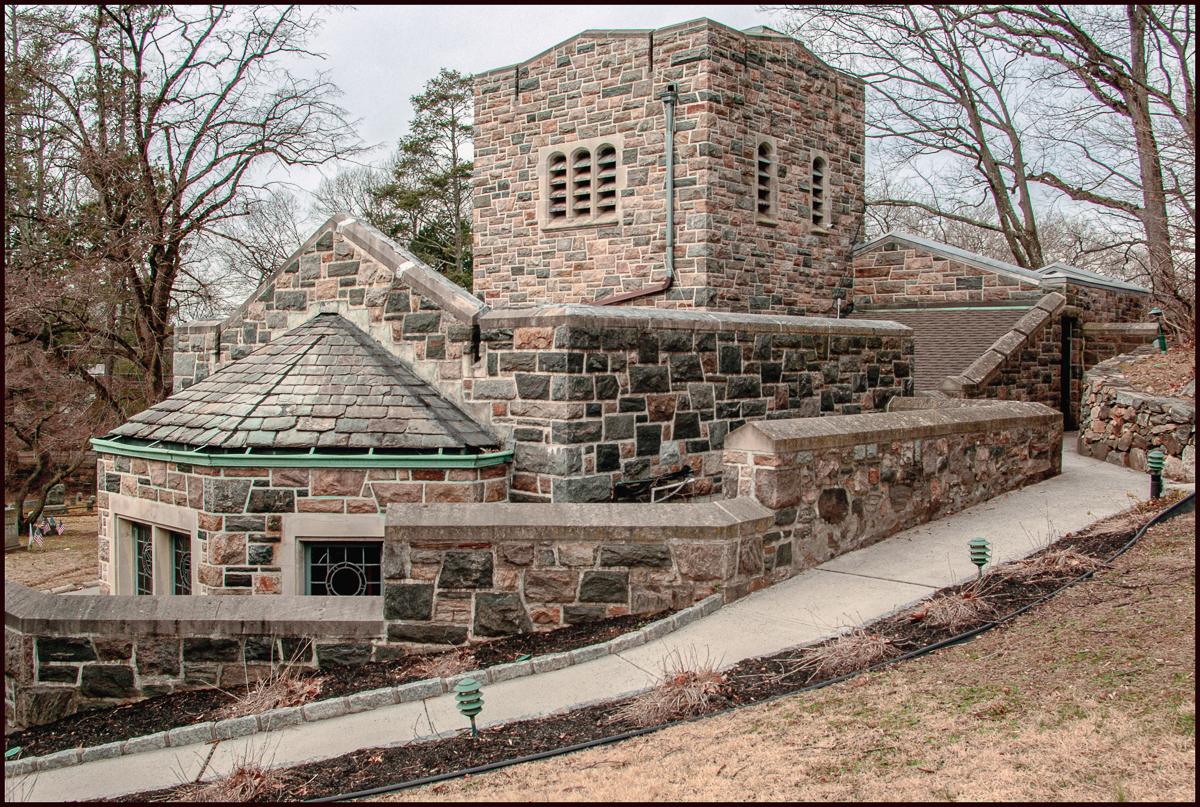
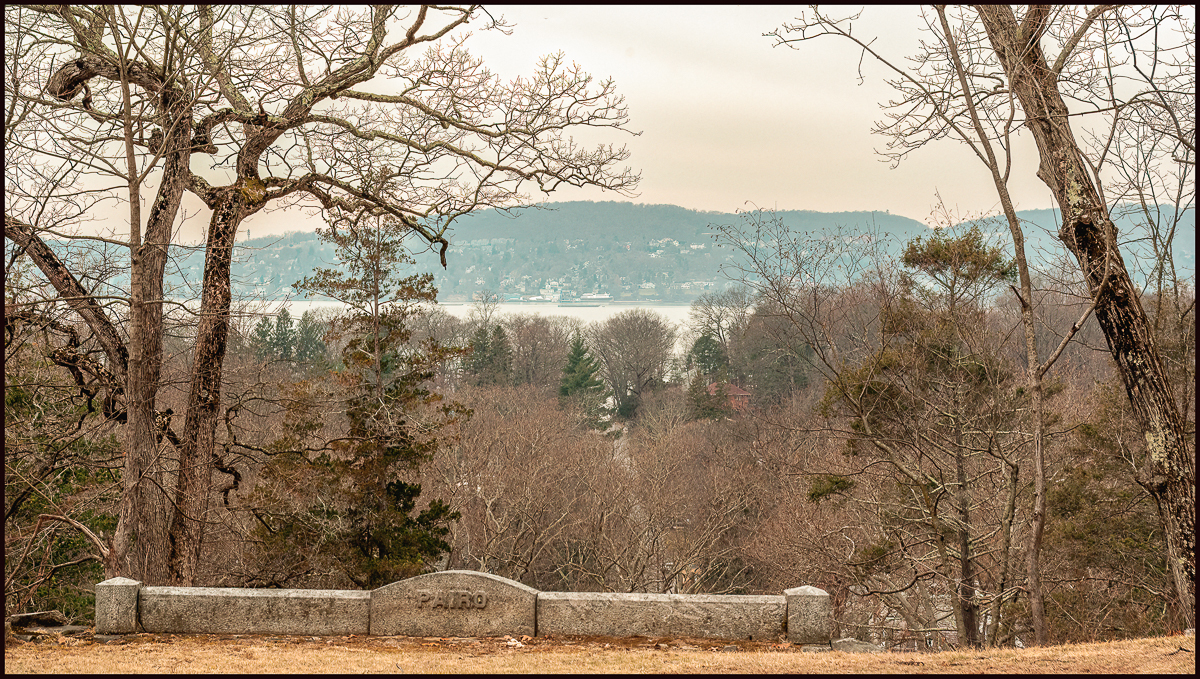
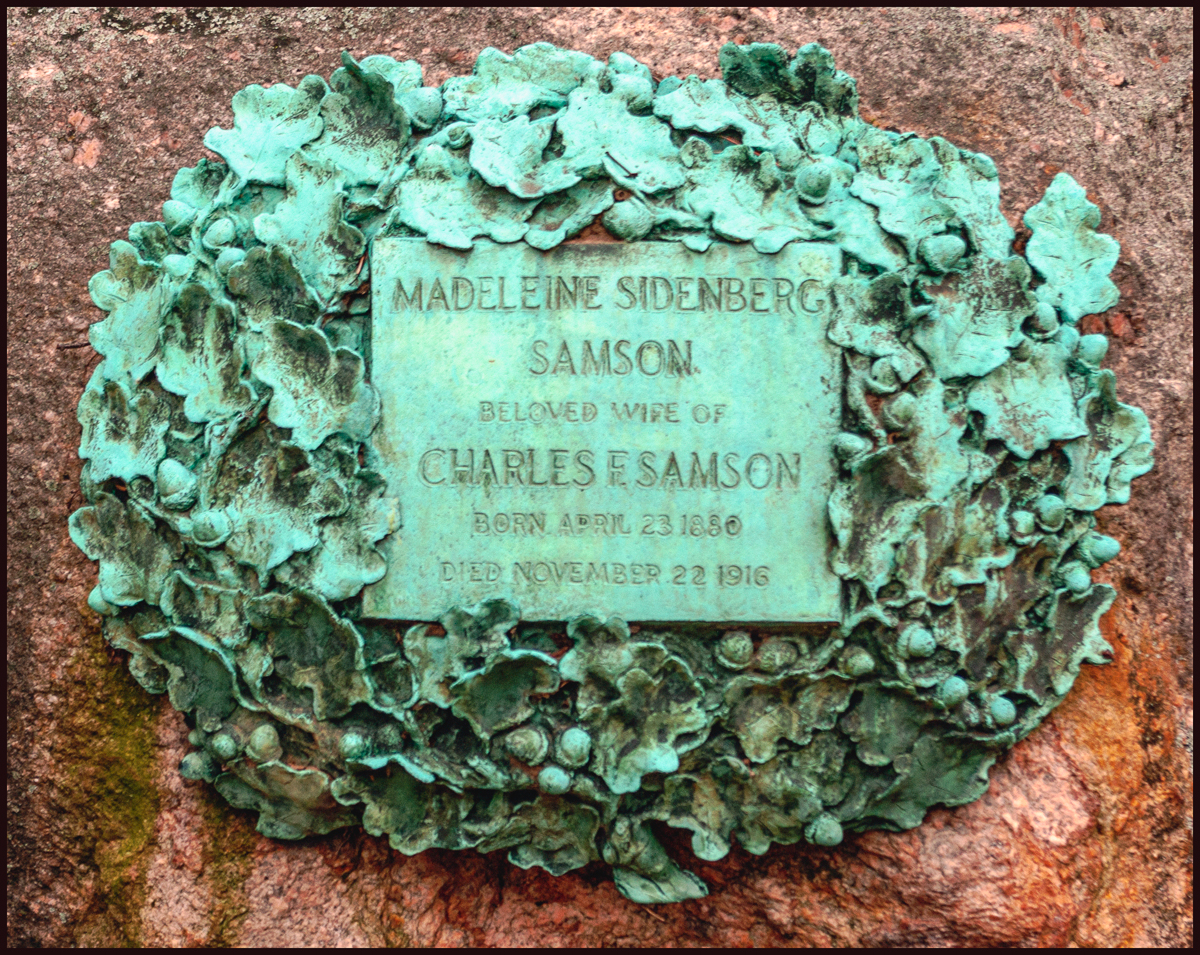
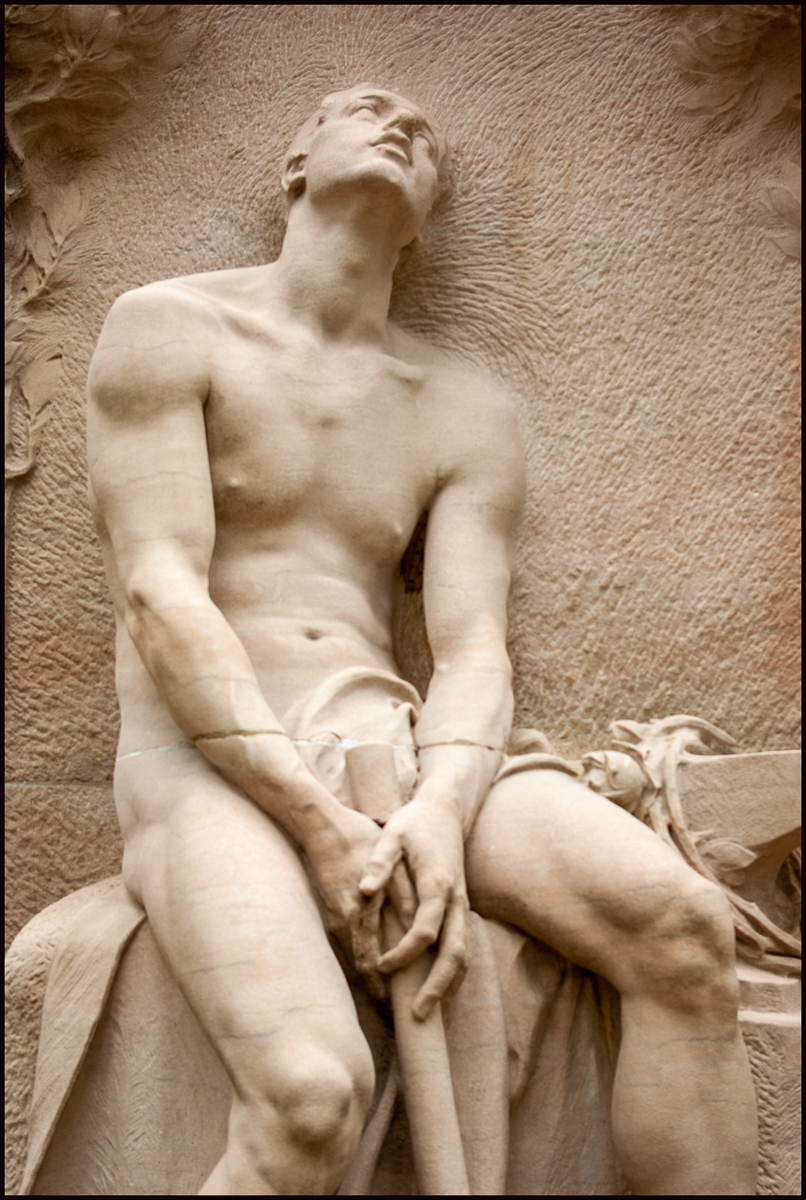
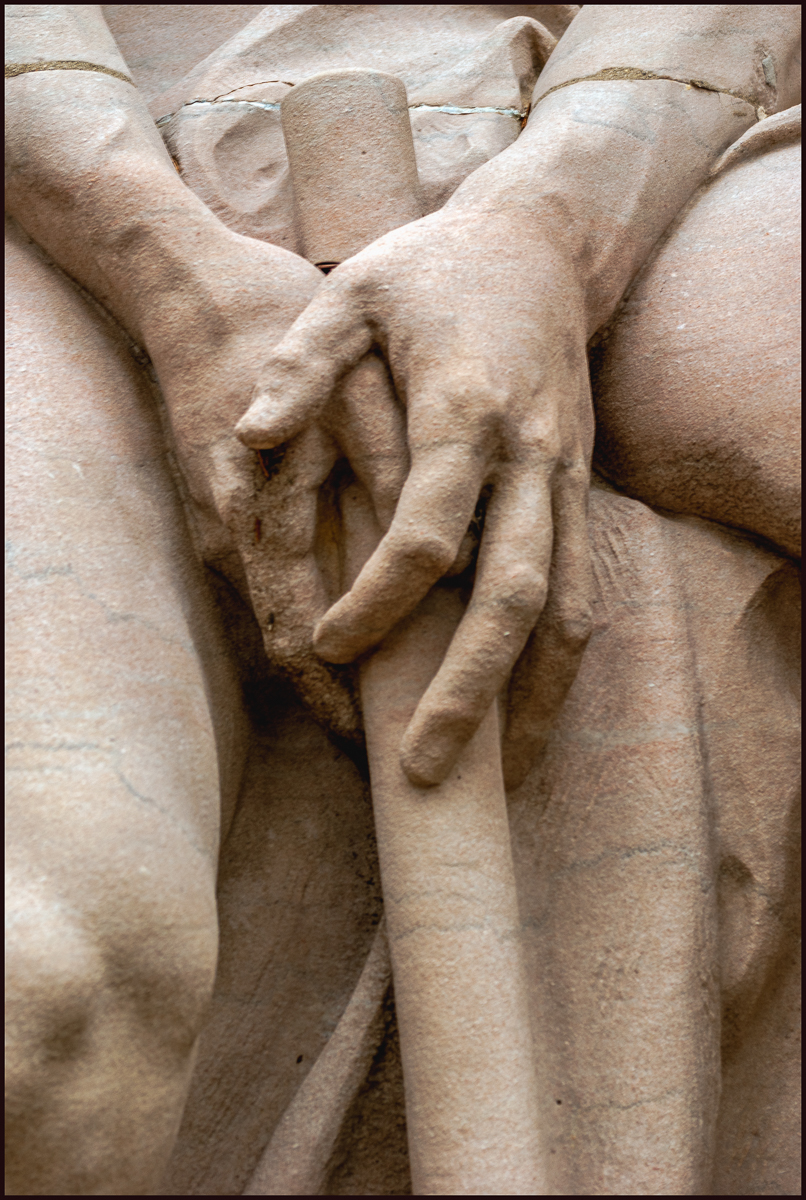
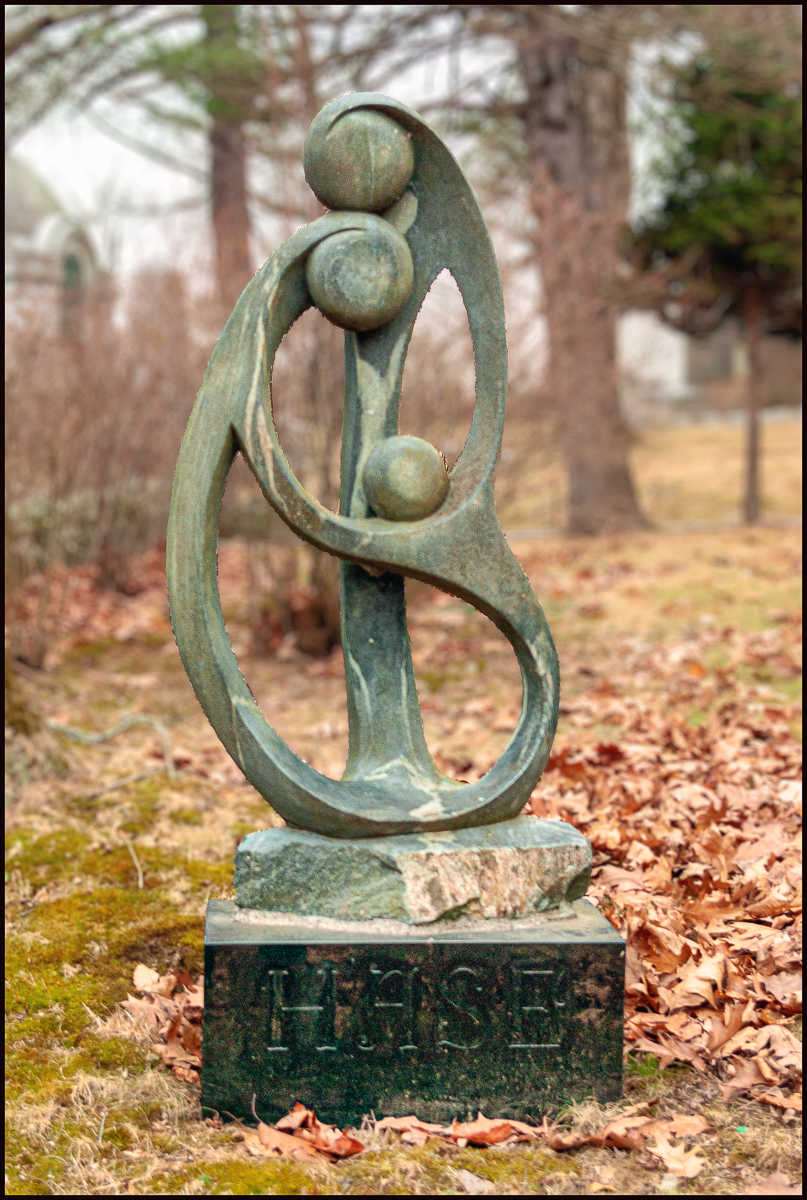
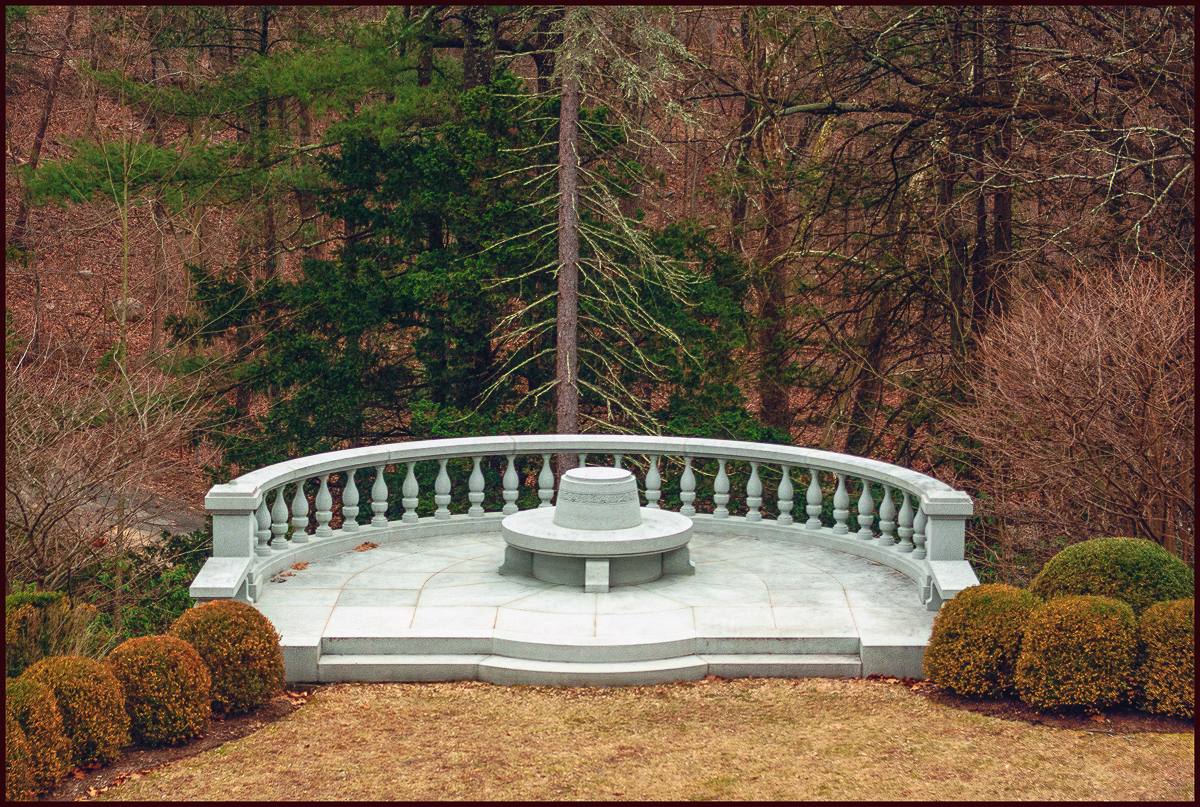
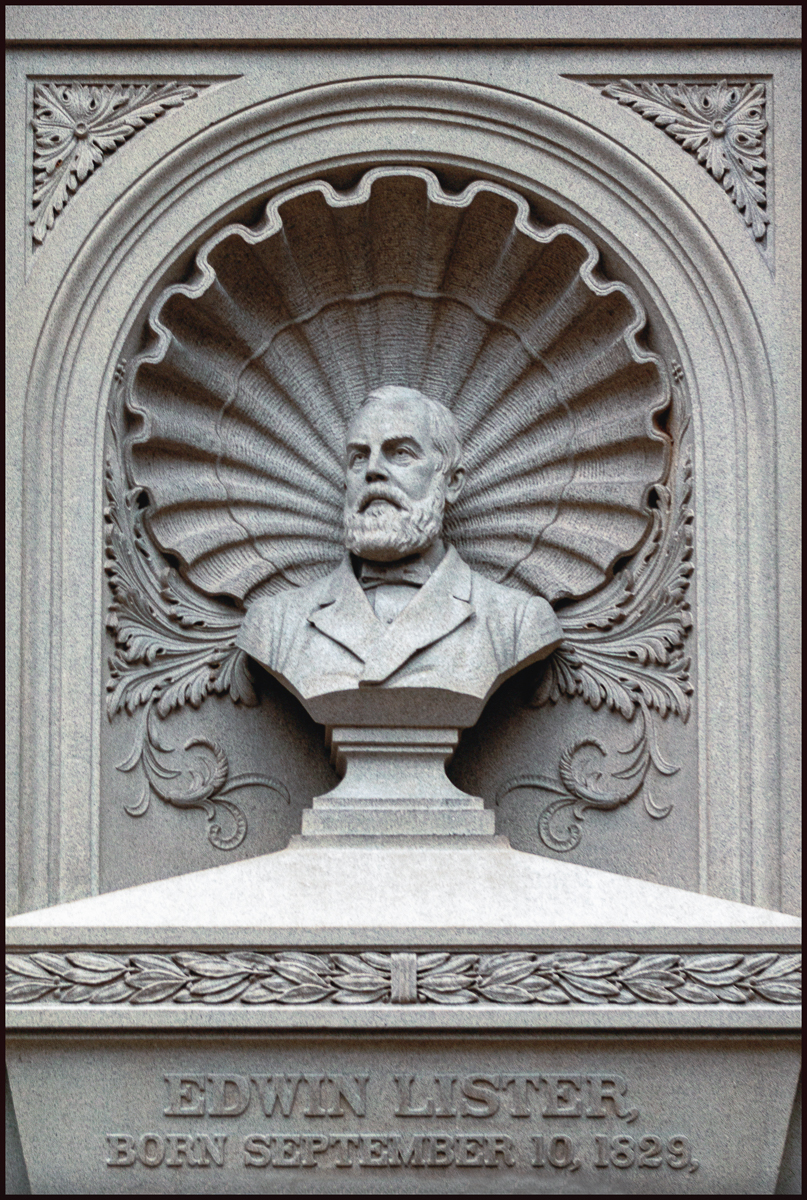
After charging the battery I decided to take my newly acquired Pentax to nearby Sleepy Hollow Cemetery in Sleepy Hollow, NY to confirm that it was working and see how it handled.

So how did things go. Well, the pictures weren’t bad for essentially quick snapshots. I even quite like a few of them. It was a very dull day and the camera/lens combination was not the best for those conditions: old sensor (2006 vintage) that’s not good in low light combined with a old, slow zoom lens (18-55mm SMC Pentax DA f3.5-f5.6). Added to that I made a stupid mistake: of course the camera was used and in my enthusiasm to try it out I forgot to check out how the previous owner had set it up. Turns out he’d set it up in a way that practically guaranteed slow shutter speeds. I thought they were ok for hand holding, but it seems that they weren’t and this led to soft and in some cases, blurry pictures. Still I enjoyed the 1 1/2 hour walk, the camera was fun to use and I learned a lot about it. I’ll do better next time.


Taken with a Pentax K10 and 18-55mm SMC Pentax DA f3.5-f5.6

Another new old camera

In previous posts I’ve mentioned that I had started to collect old digital cameras. This is the latest.

It’s a Pentax K10D and it’s a 10.2-megapixel (which is plenty for most purposes e.g. web site use, social media and prints up to 12″x8″ prints) digital single-lens reflex camera launched in late 2006. It was developed in a collaboration between Pentax of Japan and Samsung of South Korea, was announced on 13 September 2006 and released in mid-November 2006

At the time the K10D was hailed by Popular Photography and Imaging magazine as “an all-star player,” and was named as a finalist for their 2007 “Camera of the Year” award.

It combines a 10.2 effective megapixel CCD sensor, coupled with a 22-bit analog-to-digital converter (ADC) and a shake reduction system which also provides a dust removal feature to keep dust off the sensor surface. The K10D features a new image processor and is dust and weather-resistant featuring 72 seals throughout the camera. The camera was among the first digital cameras to support the DNG format natively. (adapted from Wikipedia)

There’s a good review of it on DP Review in which they conclude:

My first impressions of the K10D were very positive, a well designed and robust body with a clearly extensive range of manual functions and a fairly logical control layout. The positive experience continued in use with the large, bright Pentaprism viewfinder, fast auto focus and short lag times. Menus and playback are equally as snappy although I personally found the connected 4-way controller less easy to use than the K100D’s four separate buttons.

The K10D’s advantages over the competition are fairly clear; dust and weather seals, in-camera Shake Reduction which delivers at least some low light advantage with all your lenses, selectable RAW file format (although both are 10MB+), user definable Auto ISO, digital preview and those unique sensitivity-priority and shutter/aperture-priority exposure modes. It’s a camera which should provide more than sufficient ‘gadget satisfaction’ for even the most demanding shutterbug.

When we reviewed the K100D we thought Pentax had got their image processing just right, however the single element of the entire K10D equation which left us scratching our heads was just that. Either a poorly implemented demosaicing algorithm or a strange choice of sharpening parameters means that while the K10D’s JPEG images have plenty of ‘texture’ they can lack the edge sharpness we’re used to seeing from semi-pro digital SLR’s.

Pentax may well have been aiming for a smooth film-like appearance but I at least feel that the inability to tweak this out by increasing sharpness is a mistake. That said it’s unlikely you’ll see this difference in any print up to A3 size, it’s a 100% view thing so you have to decide if that’s important to you or not. To get that absolute crisp appearance you’ll need to shoot RAW, and use Adobe Camera RAW or another third party converter (as the supplied converter produces similar results to the camera).

With the criticism out of the way we return to the K10D as a ‘photographic tool’, something it does very well. It’s a camera you get used to very quickly and never really leaves you searching for the correct setting or control. It’s also a camera you can grow into, the unique exposure modes are both creatively interesting and useful, a range of options such as this encourage you to experiment. At just under $900 it’s a very strong proposition, so despite our reservations about the slightly soft image processing the K10D just achieves a Highly Recommended.

UPDATE 23/Jan/07: Pentax has today released firmware version 1.1 which fixes some issues and adds new functionality.

So why did I get it? First, even though I have a couple of cameras with CCD sensors I was keen to try another one. The CCD sensor is said to produce images, which are closer to the look of film than other sensors (with the possible exception of the X-Trans sensor found on Fuji cameras). Second, I have Nikon, Canon, Sony, Olympus, and Panasonic digital cameras, but until now didn’t have one from Pentax. I don’t have a digital Leica either and I don’t see me getting one any time soon, much as I’d love to try one.

Taken with a Sony RX100 M3