The Trial of Major John André

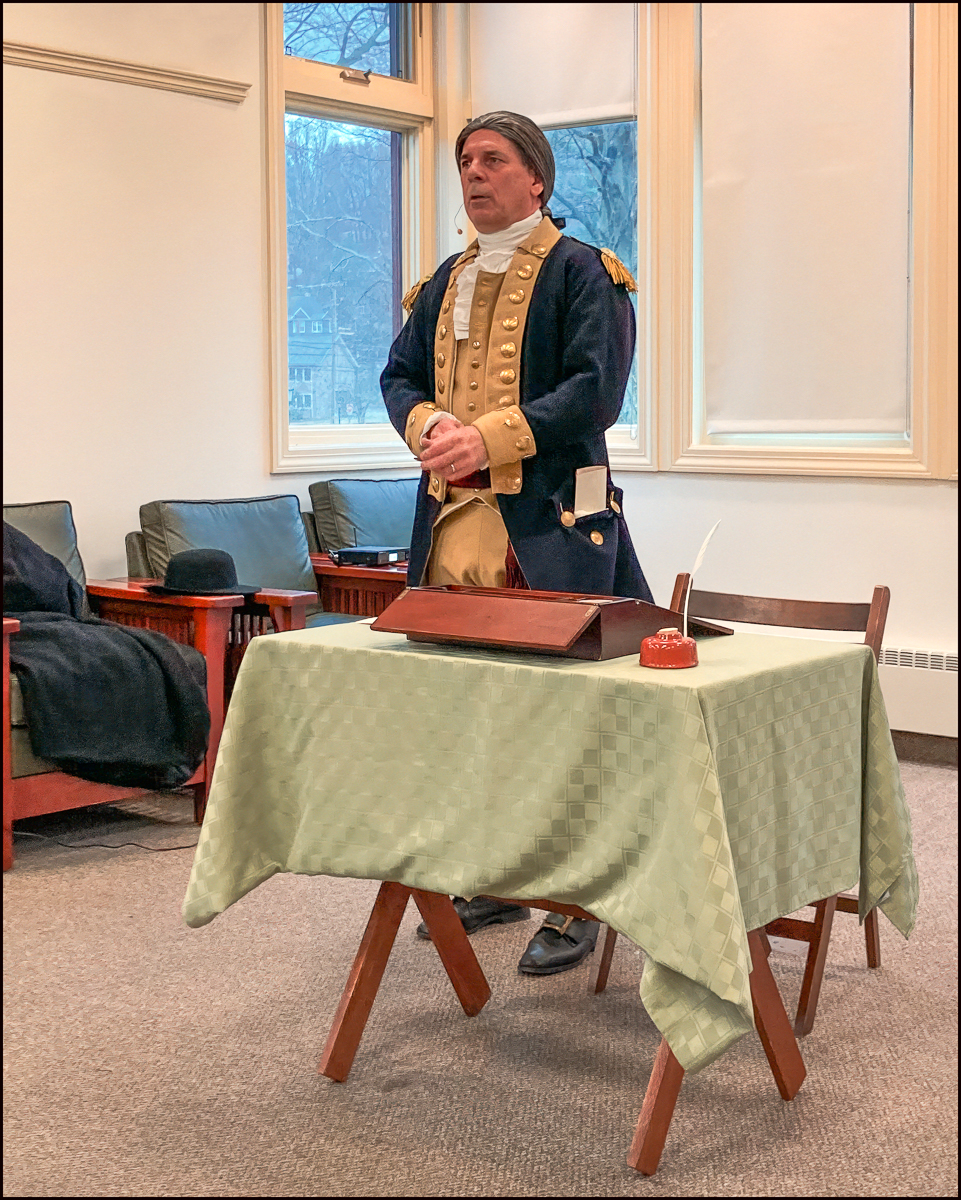
Yesterday I attended an interesting (for those who are interested in US Revolutionary War History, of course) presentation (actually more of a re-enactment) of The Trial of Major John André. It was organized by Revolutionary Westchester 250 as one of the many events and programs commemorating the American Revolution in Westchester County, in the run up to the 250 Anniversary in 2026. The two excellent performers were from “Drama From the Past, LLC. First Person Historical Performances”. The re-enactment was hosted by the Briarcliff Manor Public Library.

For those (particularly my friends in the UK) who may not be familiar with the story I’ll include this short quote from a recent article:

“It is September 29, 1780, the start of André’s trial. General George Washington has just learned the devastating news that American General Benedict Arnold has betrayed his Country and was about to surrender Fortress West Point to the British. Arnold’s accomplice, British Major John André, was captured in Tarrytown, by militiamen John Paulding, David Williams and Isaac Van Wart. André now faces a military tribunal at the Old Dutch Church in Tappan, NY. A Board of Officers has been appointed to decide whether or not he is an officer of the British Army or a spy. Having been captured behind enemy lines, out of uniform and carrying incriminating documents, André is faced with a monumental task of wriggling free from the grim fate that awaits.”

Great fun. I really enjoyed it.

Above: Gary Petagine plays Judge Advocate John Laurence, who prosecuted.

Below: Sean Grady (who portrays Major André). I was sorely tempted to ask him if I could try on his jacket.😀He did a great British accent too.
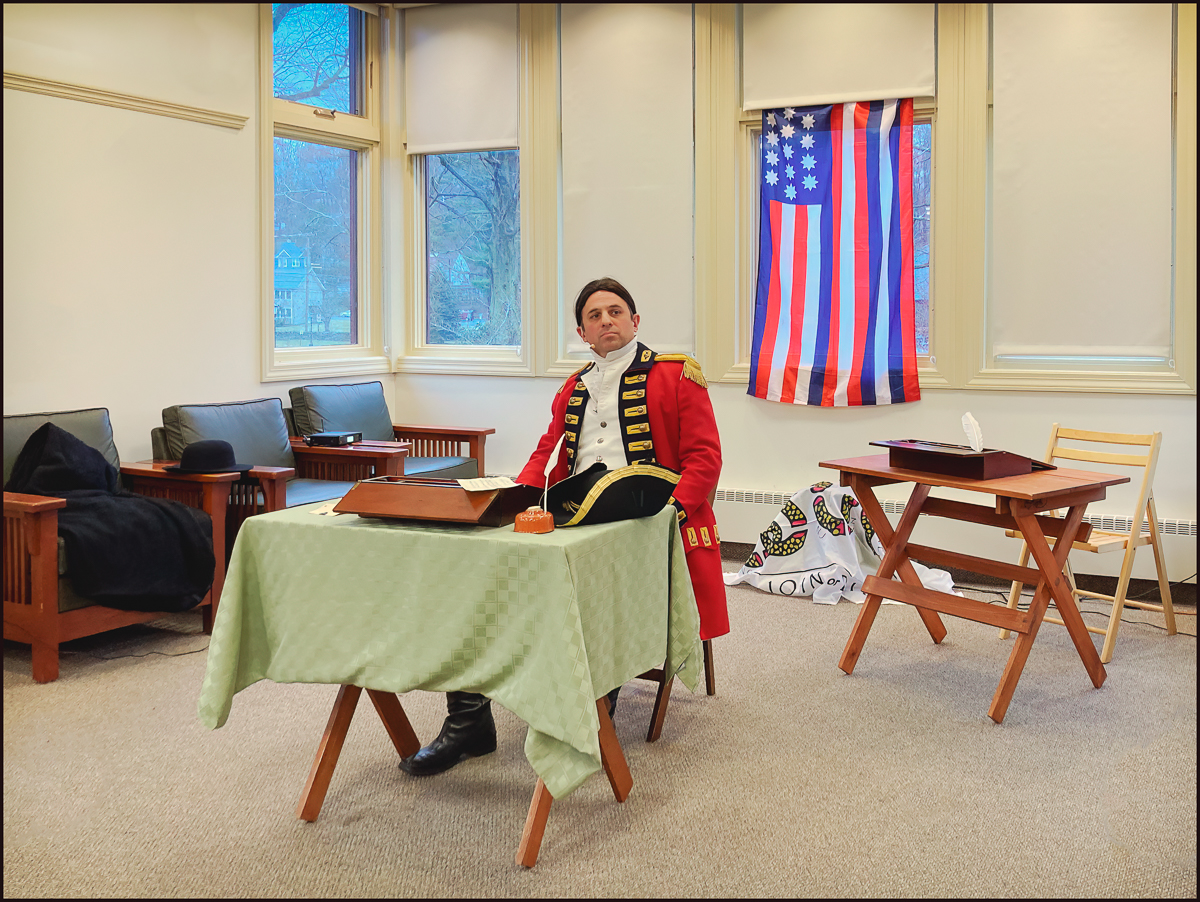
Taken with an iPhone SE II.

Fine art photography

I follow a number of landscape photographers on YouTube. I’ve noticed a trend in the way they are using the words “fine-art”. They usually use it to describe a particular type of image:

  • Black and white.
  • Minimalist composition: i.e. usually a single subject, often situated in water.
  • Still water made smooth with a long exposure.

Something like the above, but not quite. The above image is one of mine and I don’t do that kind of photography. This is probably the closest I come. Maybe a better illustration would the work of Theodore Kefalopoulos. Don’t get me wrong. I’m not criticizing this type of work. When done well I rather like some of it.

Rather I feel that labeling this type of photography as “fine art” is too limiting. Surely “fine art” photography is broader that this. Wikipedia provides the following definition, which I prefer even though I don’t altogether agree with it (why, for example can photojournalism not be considered “fine art”):

Fine-art photography is photography created in line with the vision of the photographer as artist, using photography as a medium for creative expression. The goal of fine-art photography is to express an idea, a message, or an emotion. This stands in contrast to representational photography, such as photojournalism, which provides a documentary visual account of specific subjects and events, literally representing objective reality rather than the subjective intent of the photographer; and commercial photography, the primary focus of which is to advertise products, or services.

Clearly I’ll have to think about this some more. I’m not sure that I fully understand what “fine art” photography is, but I think I know what it’s not: it’s not limited to black and white; minimalist; long exposure seascapes.

Taken with a Fuji X-E3 and Fuji XF 10-24mm f4

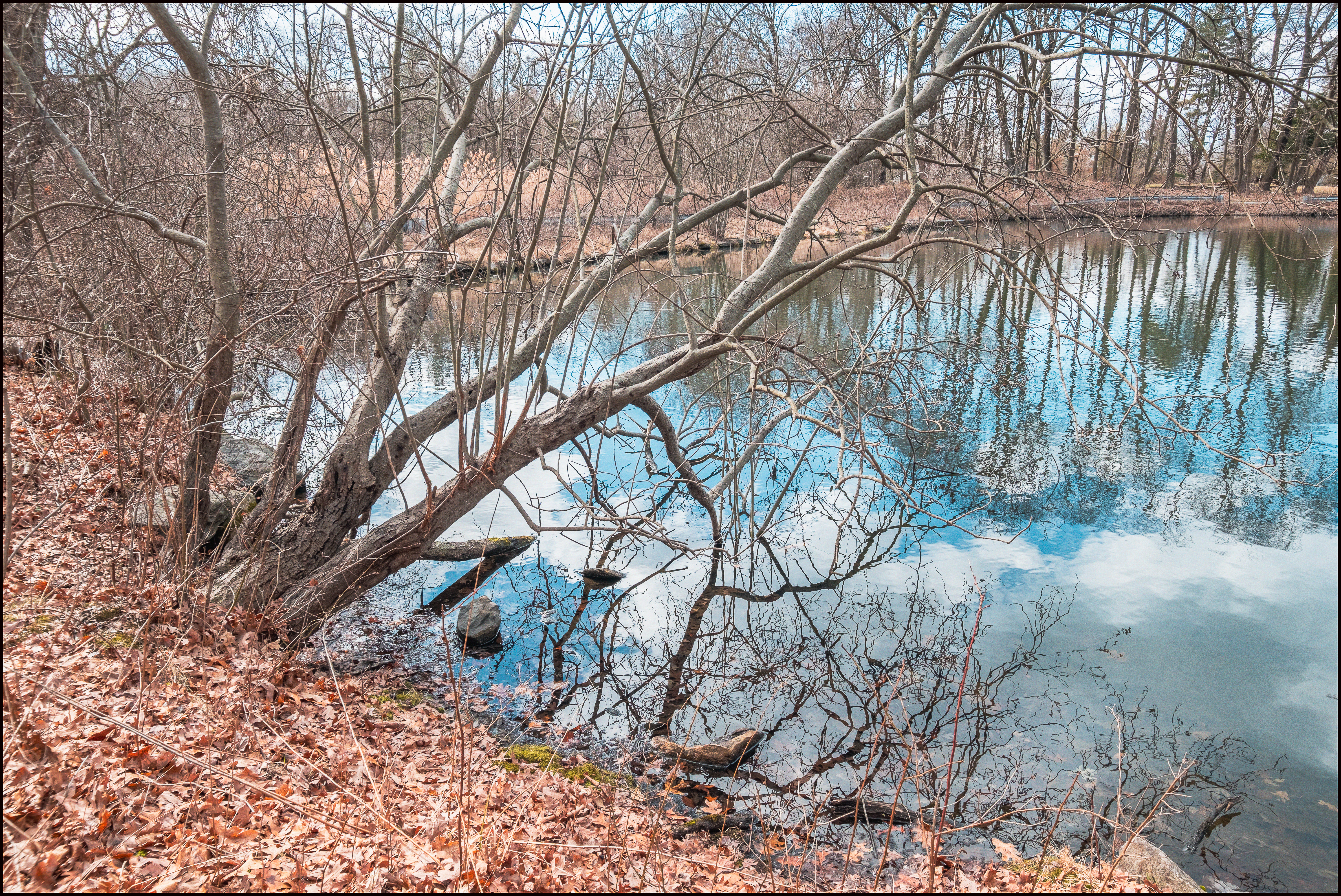
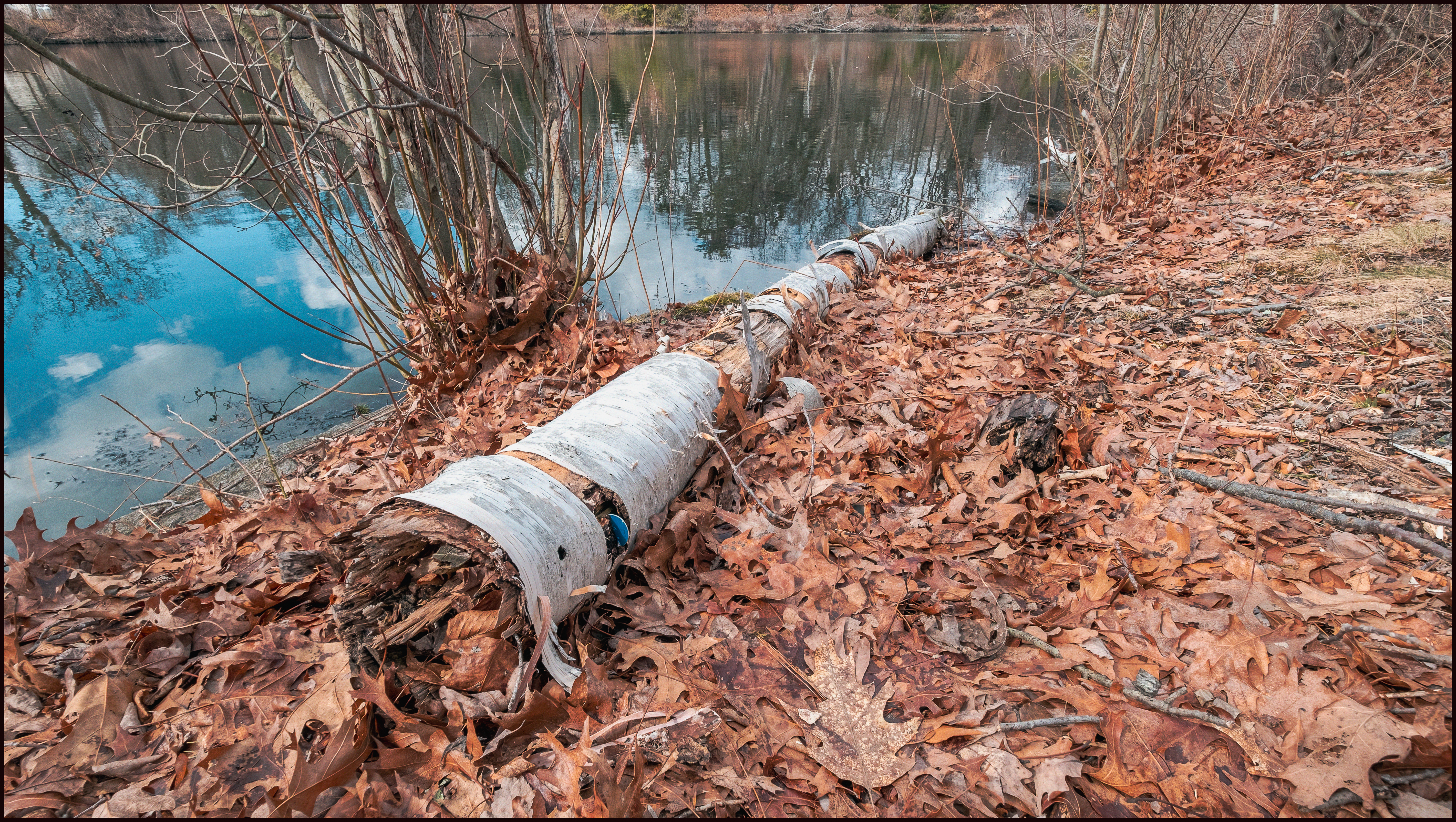
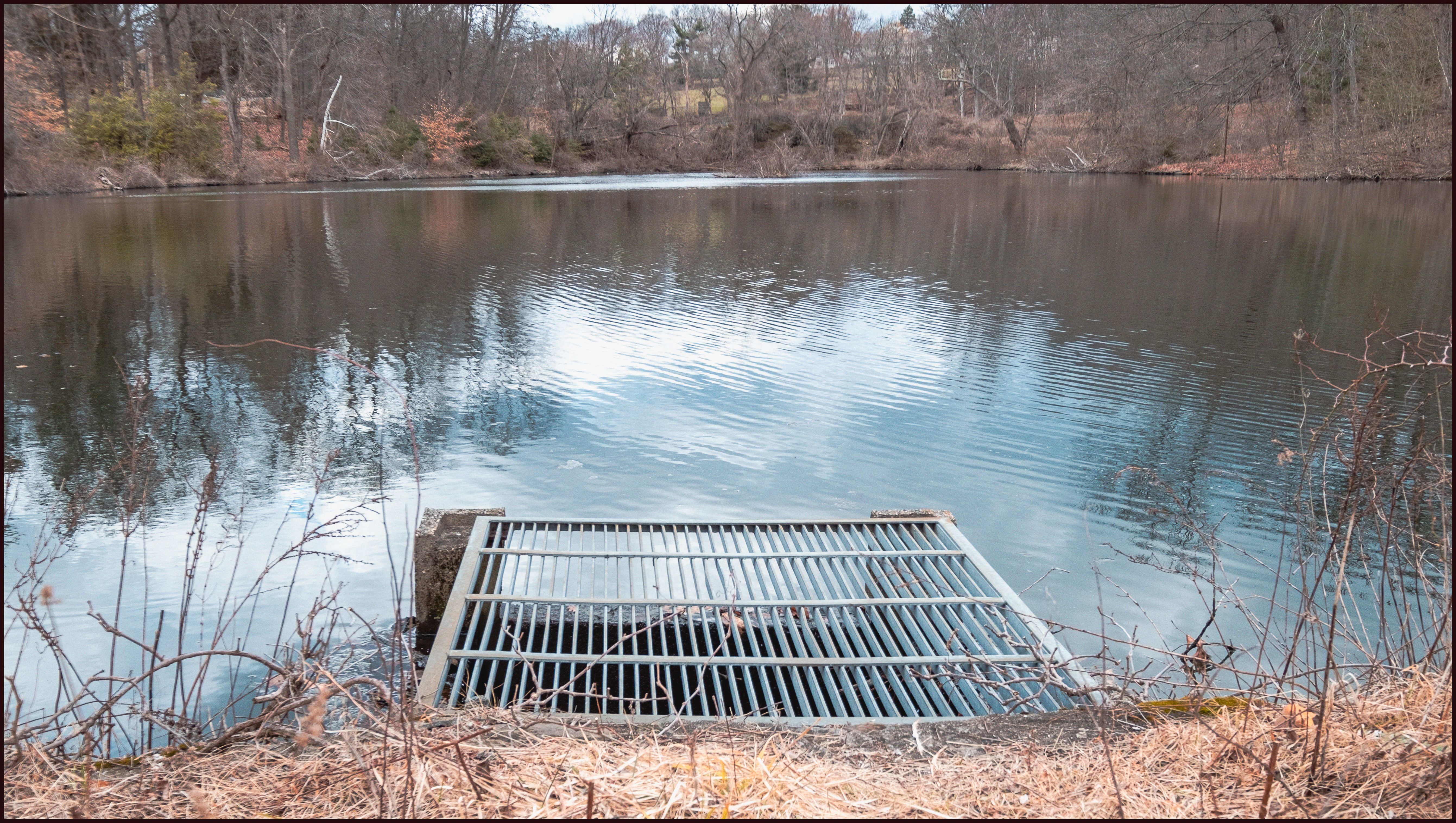
A pond

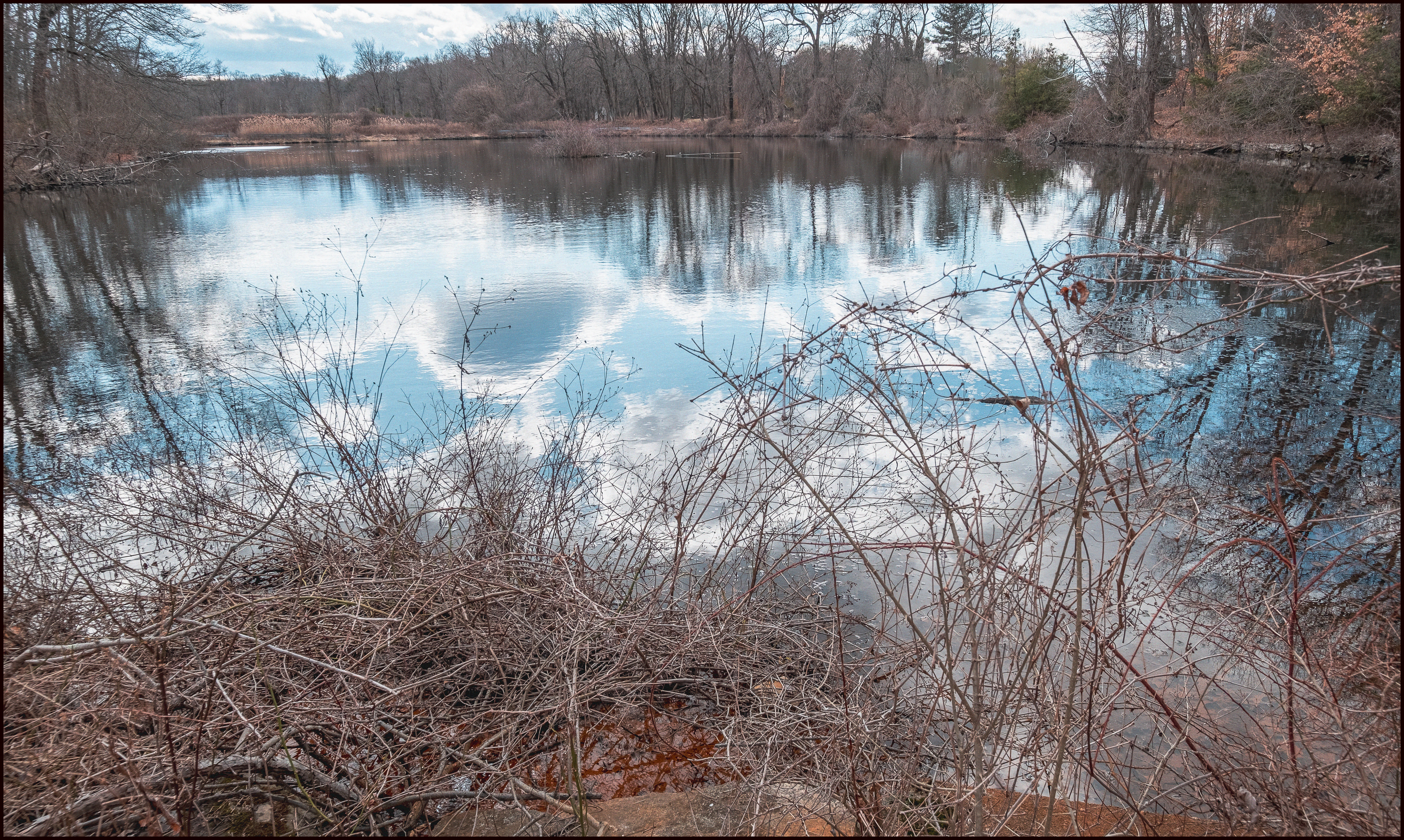
This pond is the subject of my latest photobook. It includes these pictures and others taken in the past. I can’t usually get to the other end of the pond because in other seasons it’s too overgrown. But at this of year I was able, with some effort and numerous scratches from the many thorny bushes to reach the far side.

In the introduction to the book I write:

“The subject is a sad, lonely looking pond. What makes it interesting is that it’s on the site of the former Briarcliff Lodge, a luxury resort in the village of Briarcliff Manor, New York. The Lodge was a notable example of Tudor Revival architecture, and was one of the largest wooden structures in the United States. It was also the first hotel in Westchester County. Walter William Law (the founder of Briarcliff Manor) had it built on his estate, and the Law family owned it until 1937. When the lodge opened in 1902, it was one of the largest resort hotels in the world. It hosted presidents, royalty, and celebrities, and was the scene of numerous memorable occasions for visitors and local residents who attended weddings, receptions, and dances in the ballroom and dining room. For a long time, the lodge was situated among other businesses of Walter Law, including the Briarcliff Farms and Briarcliff Table Water Company.

In 1933, the lodge ended year-round service and housed a “health-diet sanitarium” until the Edgewood Park School for Girls began operation there from 1937 to 1954. From 1936 to 1939, the lodge was run again as a hotel in the summer months while the school was closed. From 1955 to 1994, The King’s College used the lodge building and built dormitories and academic buildings. Abandoned and unmaintained after 1994, the Briarcliff Lodge was destroyed in a catastrophic fire between 2003 and 2004 (Adapted from Wikipedia).”

It’s said that this was once the Lodge’s swimming pool. Local legend has it that if you were to dive to the bottom you’d find tiles.


Trees overhanging the pond.


Downed tree branch.


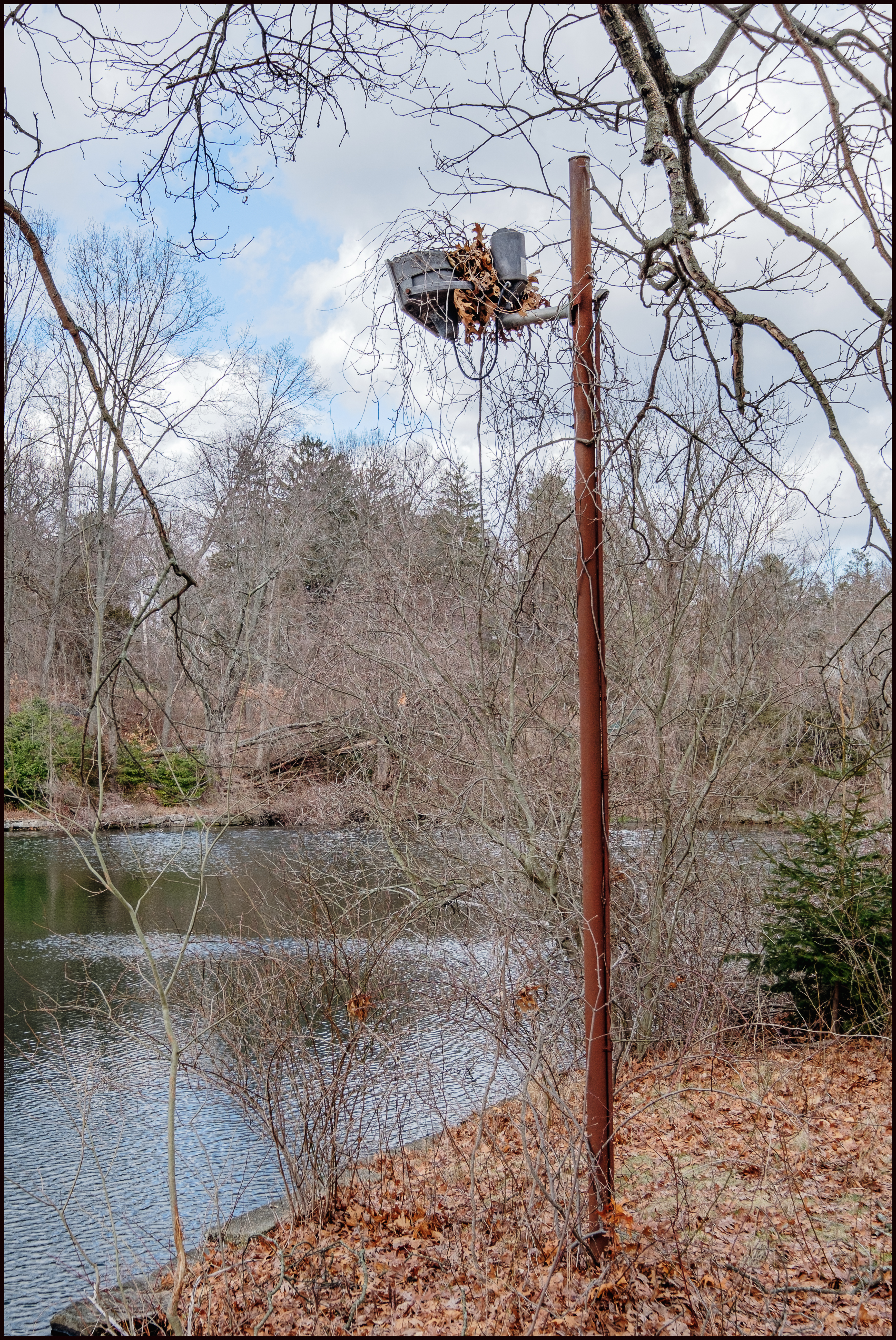
Signs of the past – A flood light.


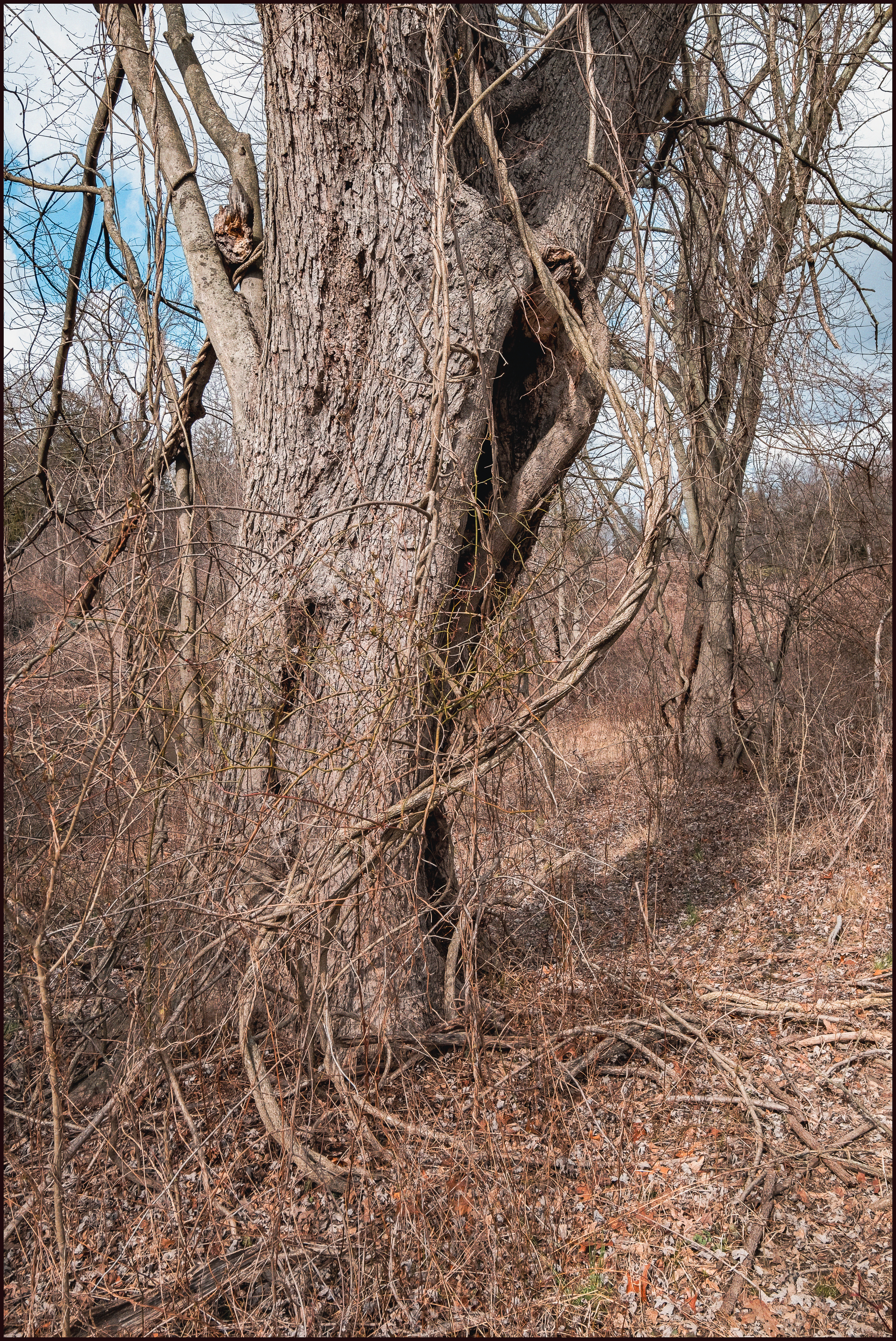
Vine covered tree.


Another vine covered tree.


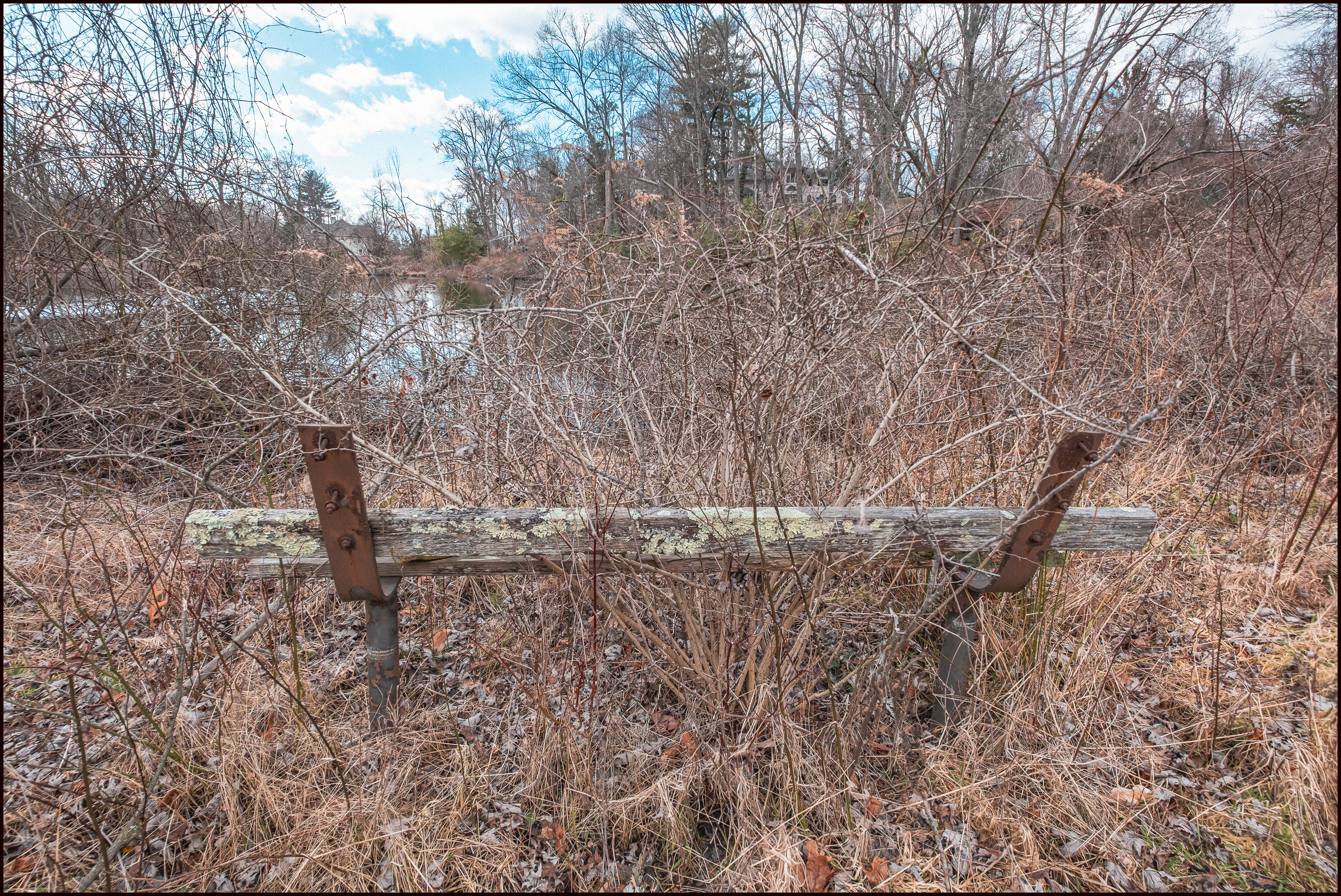
More signs of the past – a forgotten bench.


View from the other end of the pond.


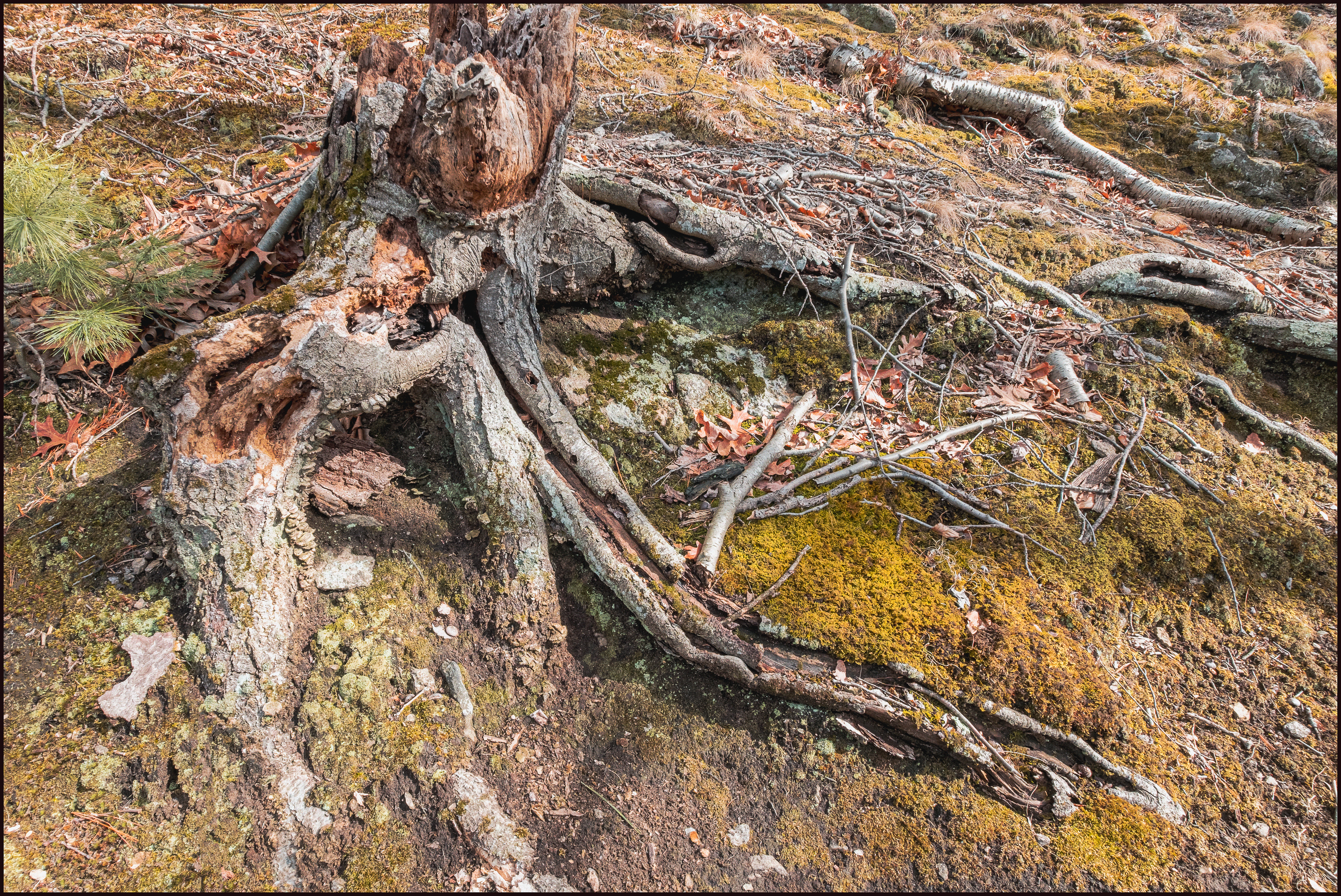
Tree Roots


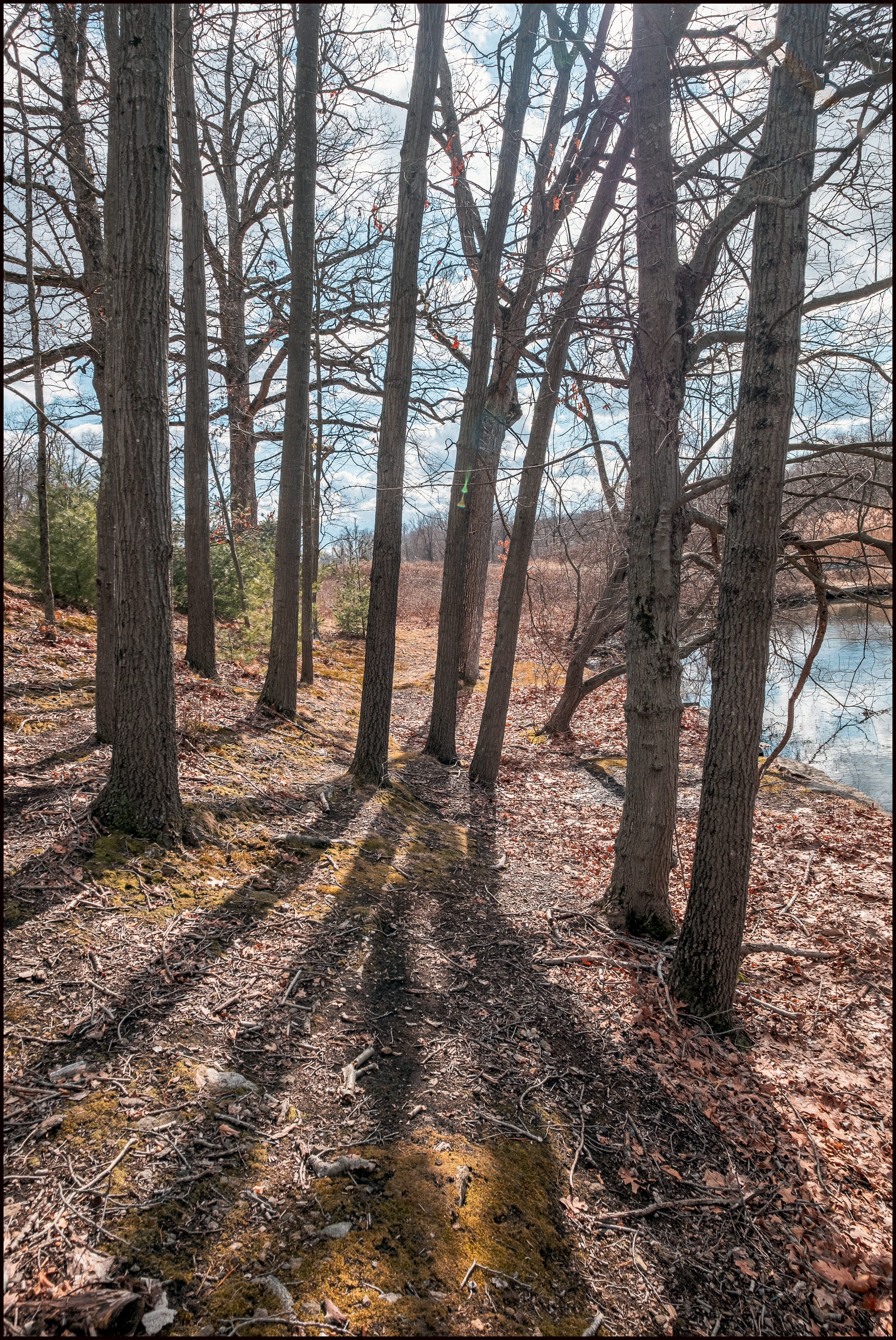
Tree Shadows.

Taken with a Fuji X-E3 and Fuji XF 10-24mm f4

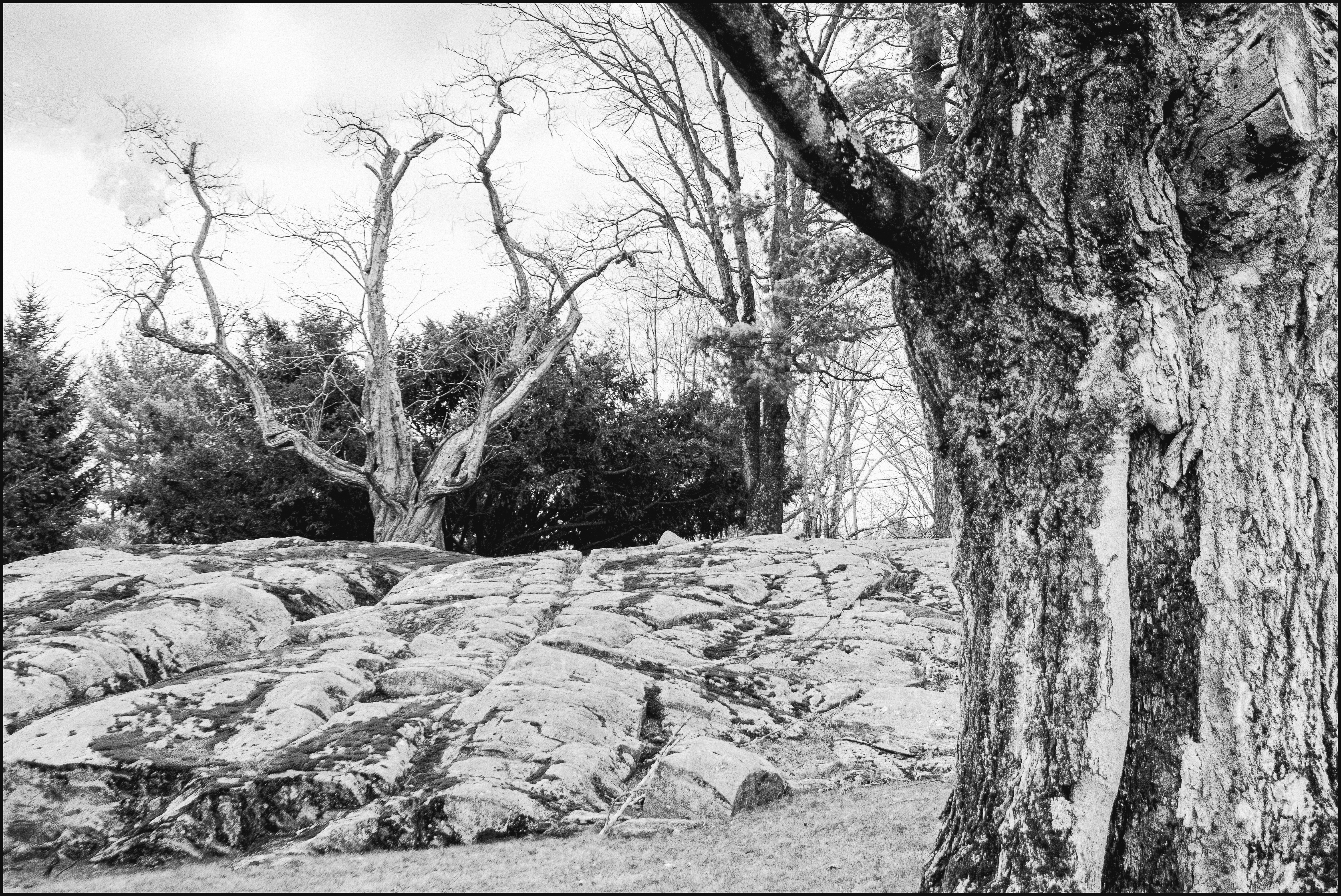
Dead tree with rock outcropping

This was also taken quite close to my house. I liked the juxtaposition of the two trees, the one in the foreground very much alive and the other one probably dead (although you can never be sure until it’s time for the leaves to come out). I rather hope it is dead, because I find it interesting without leaves. The branches almost look like limbs reaching up to the somewhat threatening sky.

Taken with a Fuji X-E3 and Fuji XF 10-24mm f4

Another bridge

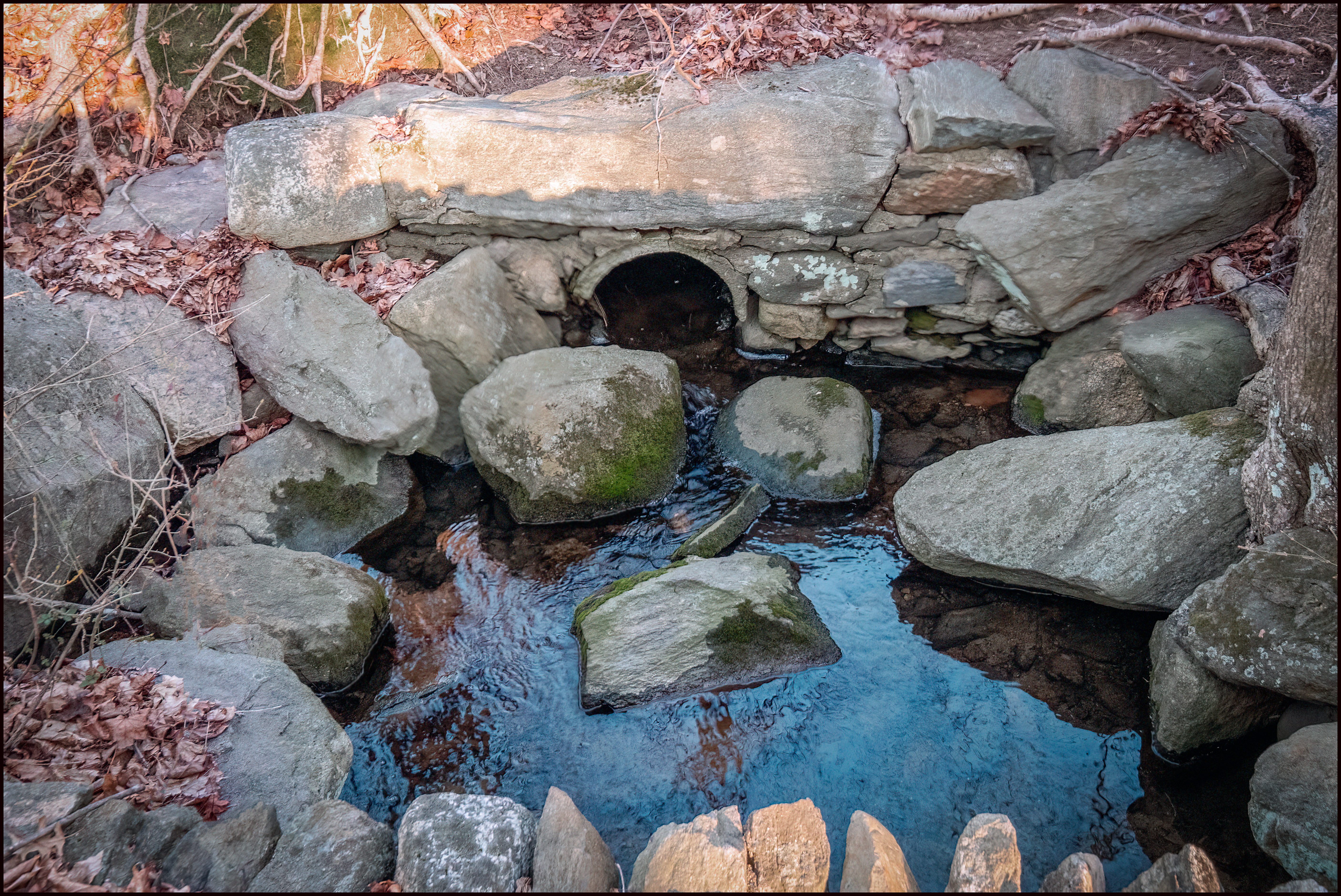
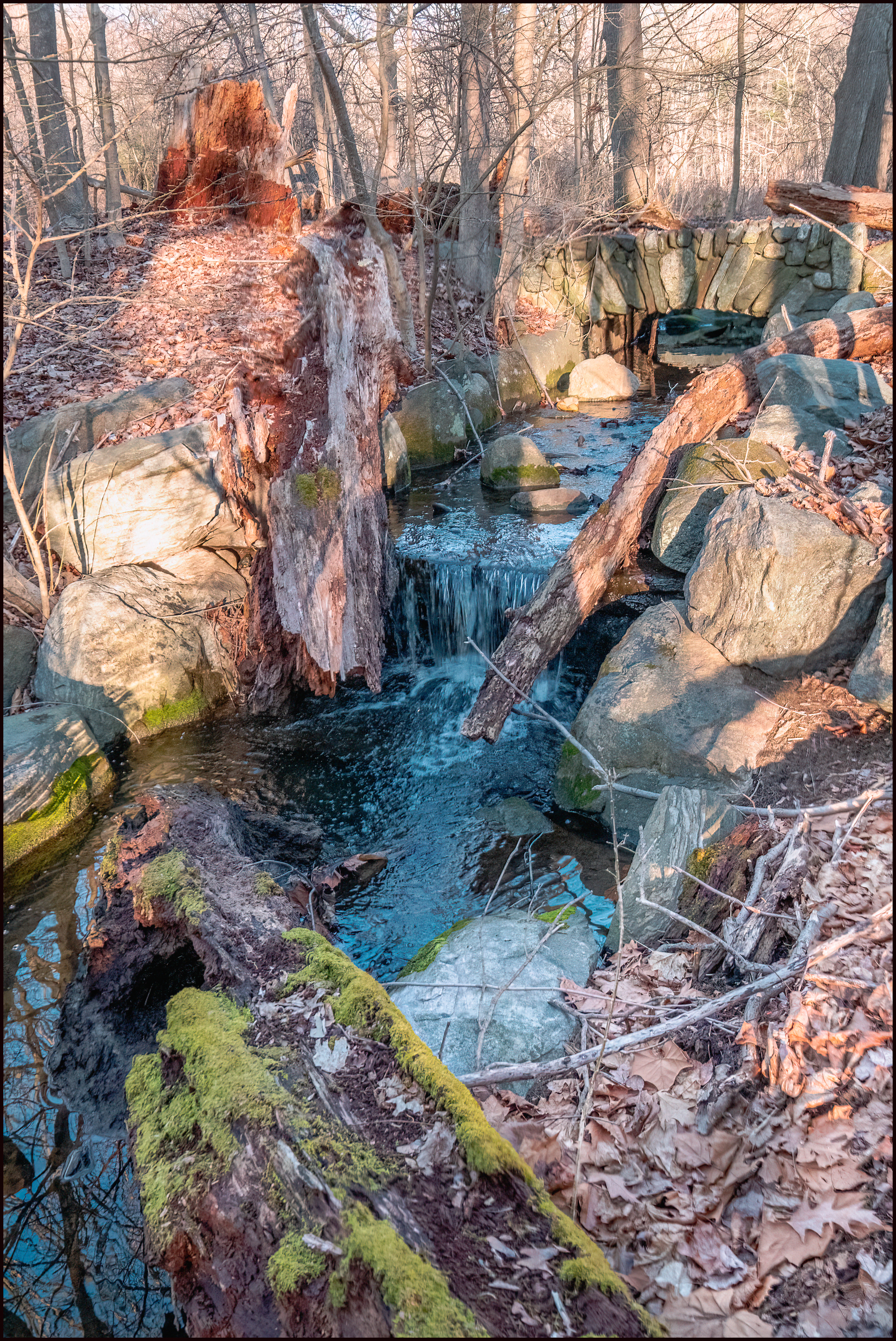
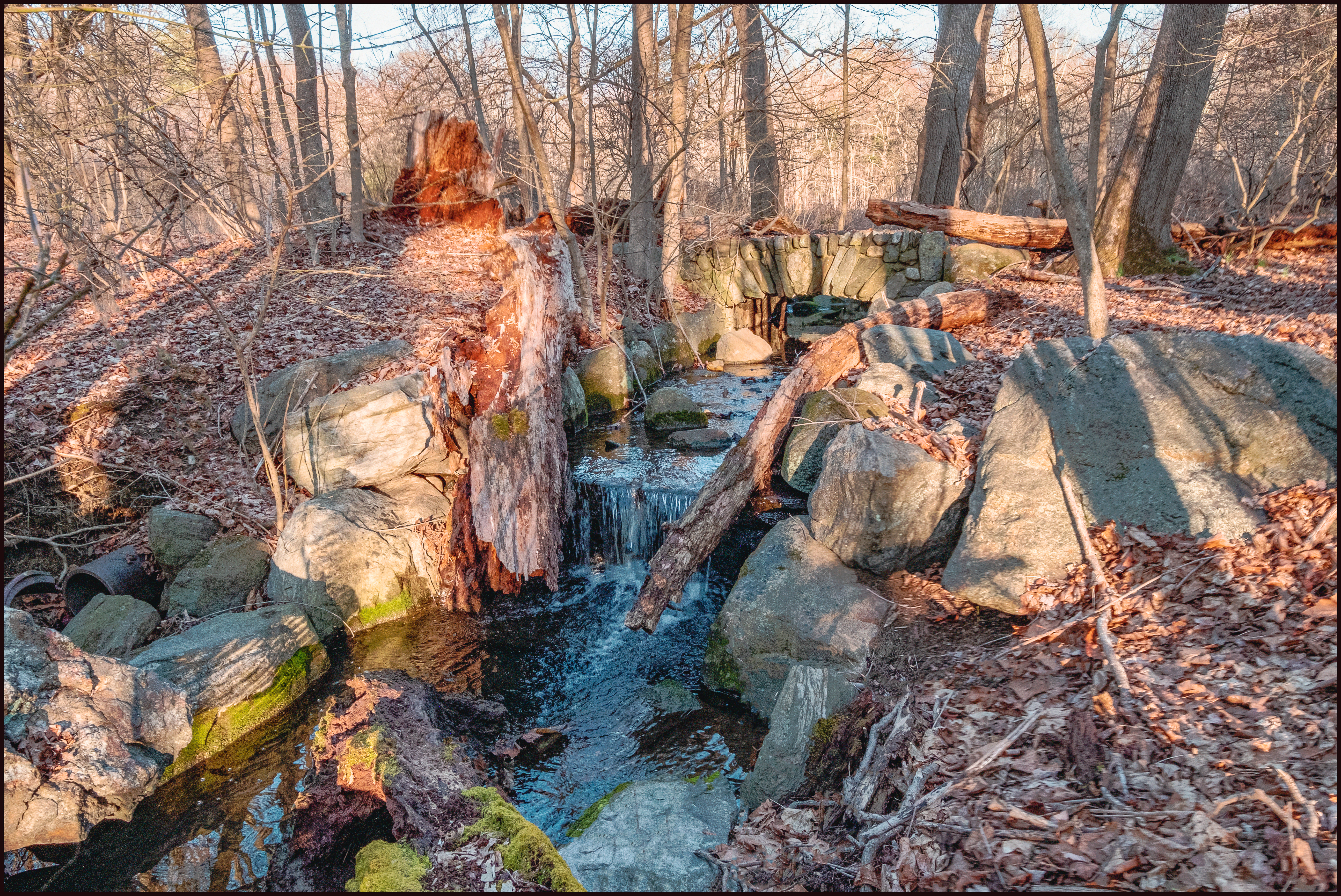
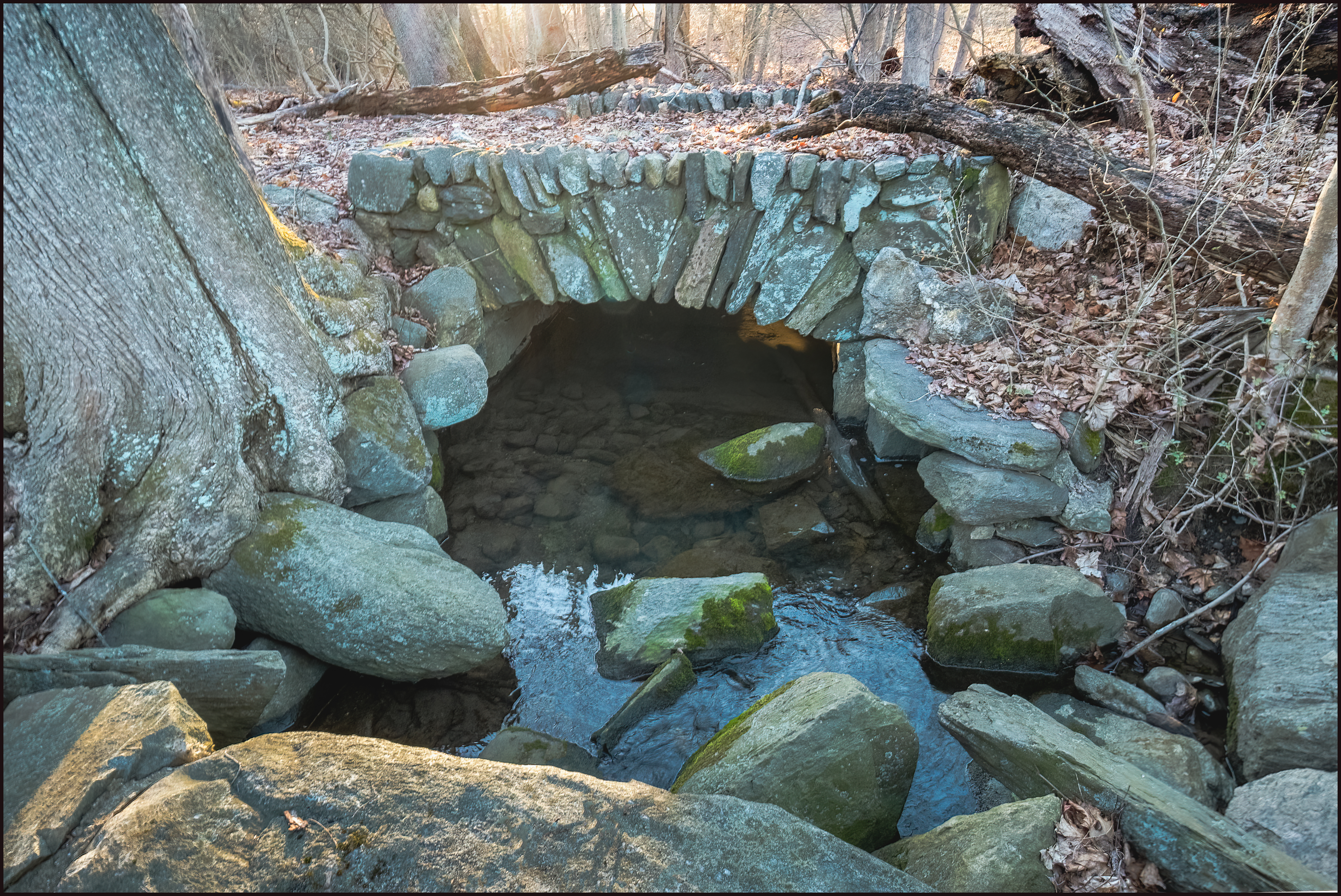
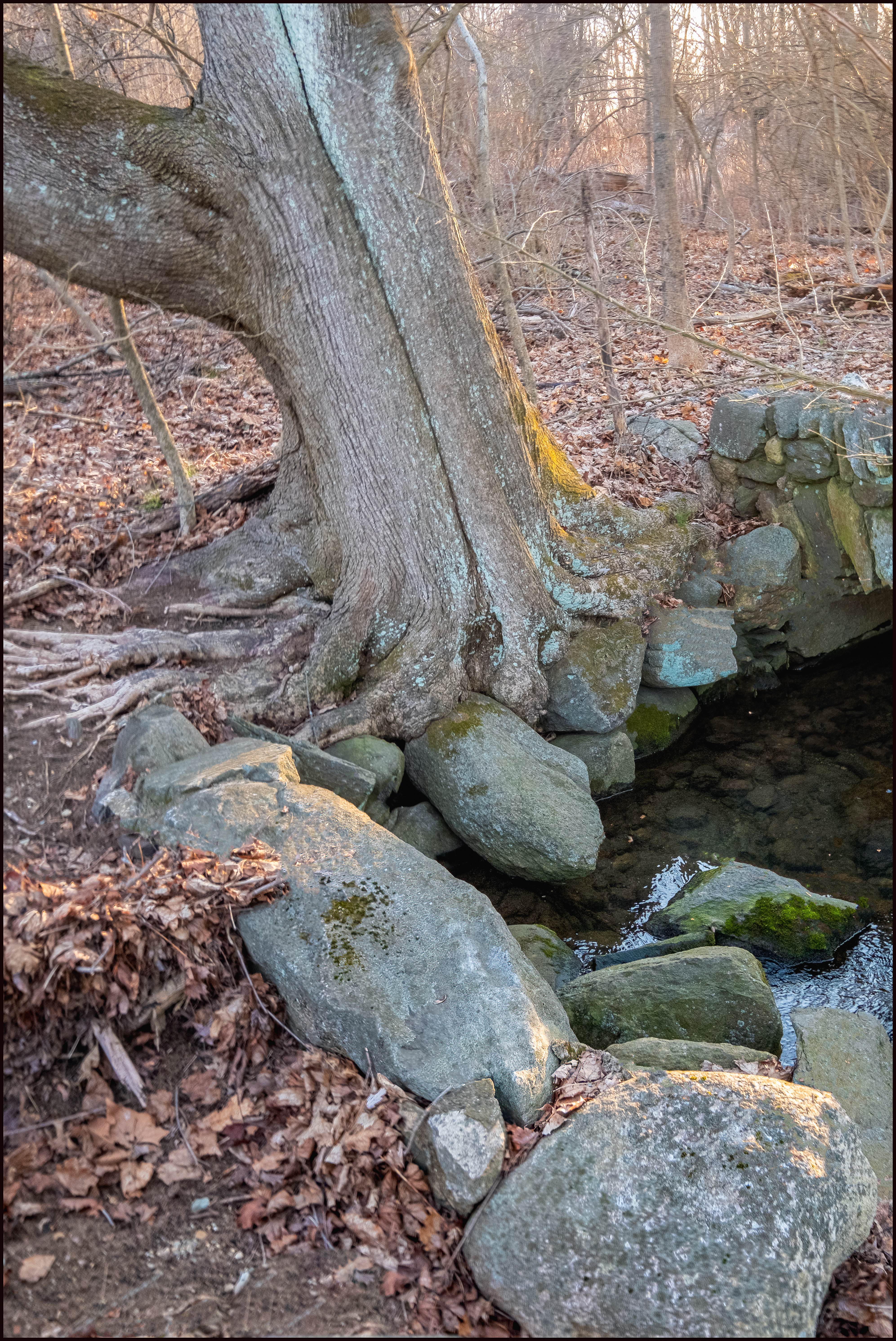
This small bridge is quite close to the larger bridge in the previous post. I’ve taken pictures of this one too – but not many, and those in black and white. These are the first that I’ve taken in color.

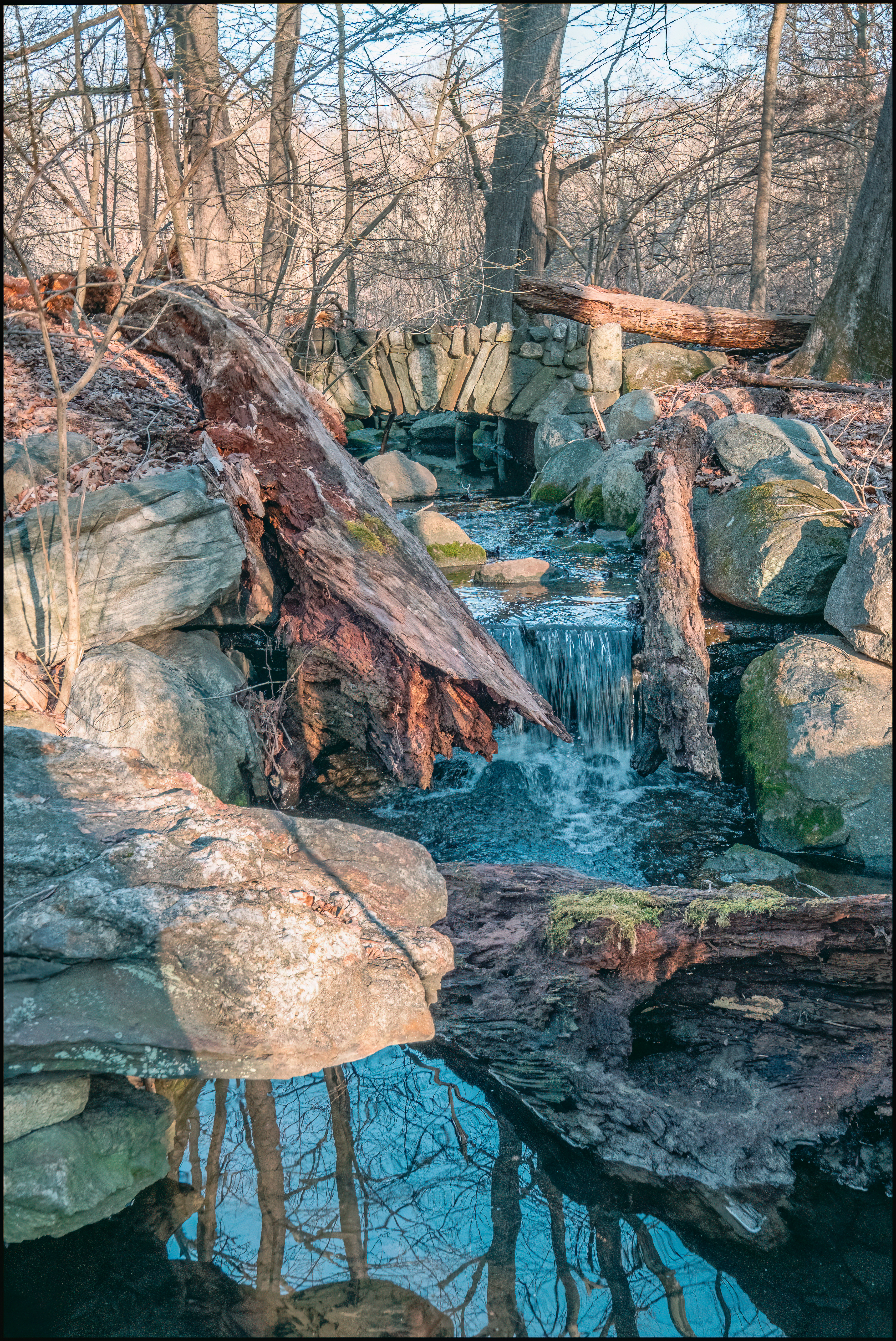
I really like this one. The larger bridge is impressive, but somewhat boring. There’s much more going on with this one: the brook falling over rocks; small pools; old fallen trees; gnarled tree roots with rocks seemingly growing out of them etc. I also find it amazing that although the picture conveys the impression of a burbling brook in the woods, it’s actually only a very short distance from a busy road.

It’s also more of a mystery. While it’s clear that the larger bridge was built to carry the road up to the mansion, I haven’t got a clue what the purpose of this bridge was. It’s really small, only large enough to carry a person (or an animal? or a small cart?). Clearly it allowed passage from somewhere to somewhere else, but why?

I guess I’ll probably never know.


Taken with a Fuji X-E3 and Fuji XF 10-24mm f4