Phra Pathommachedi

At 120.5 metres (395 ft) the Phra Pathommachedi is the tallest stupa in the world. Little is known of the its construction many legends have arisen, the most famous is which is the Legend of Phaya Gong and Phaya Phan (apologies for the somewhat tortured English):

The story is about a king of Nakhon Chai Si, Phaya Gong, had a baby boy, Phan, but the court astrologer predicted that Phan will commit fratricide in the future. Phaya Gong then abandoned Phan. The orphan baby had been unknowingly adopted by chidless Granny Hom. Granny Hom raised Phan in Ratchaburi, a vassal city state of Nakhon Chai Si. One day an elephant of the local lord was in rut and attacked people. Phan went to see the elephant and was able to subdue it. After Ratchaburi lord heard about heroic act of Phan, the lord adopted Phan as his son. Phan wanted to conquer Nakhon Chaisi of Phaya Gong, so he sent a letter to Phaya Gong for war elephant duel battle. Phan killed Phaya Gong, and demand Phaya Gong’s wife to become his queen according to ancient custom. When the queen met Phan, she recognized him to be her son, and told him the truth. Shocked Phan, now became king and named Phaya Phan, executed old Granny Hom for not reveal the truth before he killed his father. After realised that he did a great sin by killing both father and a person who raised him, Granny Hom, in the year 26 BCE Phaya Phan consulted with a group of arhats how to relieve his sin. The arhats recommended Phaya Phan to build a great stupa with great height that birds can fly. Phaya Phan then built a Sri Lanka style stupa by using a very big gong and his bed as foundation and put Buddha’s tooth relic inside. Hundreds years later, the king of Bago wanted the big gong, so he ordered to dig the stupa’s foundation; as a result, both gong and stupa then collapsed. The Bago king tried to rebuild the stupa, so he built Khmer style stupa on the top of old stupa, which was the stupa form until the reign of Mongkut.

Scanned from a film negative. At first I thought the black dots around the stupa (particularly to the right) were marks on the negative, but they’re not. They’re birds.
Photobook completed

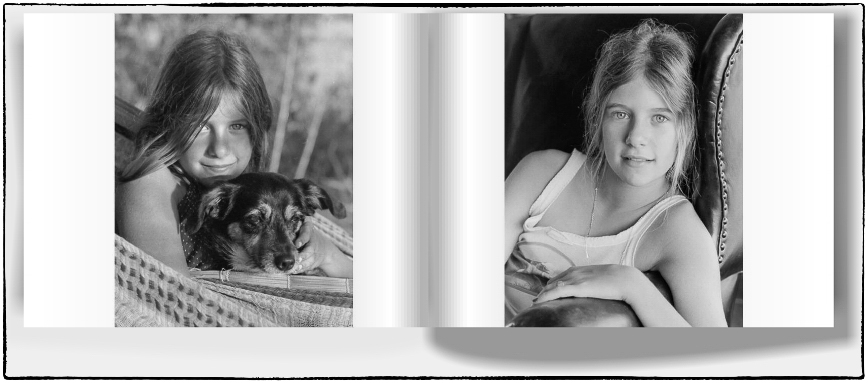
I have a number of ongoing projects few of which I’ve actually completed. In this case, however, I managed to finish one – probably because it had a very definite end point. Back in May 2015 our friend Paul expressed a wish to do something with his old negatives. Specifically he wanted to come up with something that he could give to his two daughters for Christmas. I showed him some of the photobooks that I’d done before and he decided that that would do it. I mentioned this in an earlier post: Paul and Family.

We started off well scanning some of the negatives (all black and white and mostly 30-40 years old) quickly. Then we stopped and with one thing and another didn’t spend much time on this for quite a while. Finally we noticed that Christmas was getting close and maybe we should get a move on. So we finally knuckled down to finish it off.

He didn’t want anything too complex so in the end we selected about 20 of the scanned negatives for inclusion in a simple, softcover 5×7 photobook. I then did a basic layout, which we then reviewed together with Paul making suggestions as to the order of the pictures. By 21 November we were done and the book went off to be printed – two copies. We received them 5 December with plenty of time for him to send them to his daughters in California.

He was pleased with the results and so was I. I always approach prints with a certain amount of trepidation as pictures sometimes look quite different in print than they do on screen. In this case they did look different – better.

I was encouraged by the exercise and I think I’ll do some more photobooks – in color this time. I don’t think I’ve done a color photobook since 2011.

Temple of the Emerald Buddha (Wat Phra Kaew)

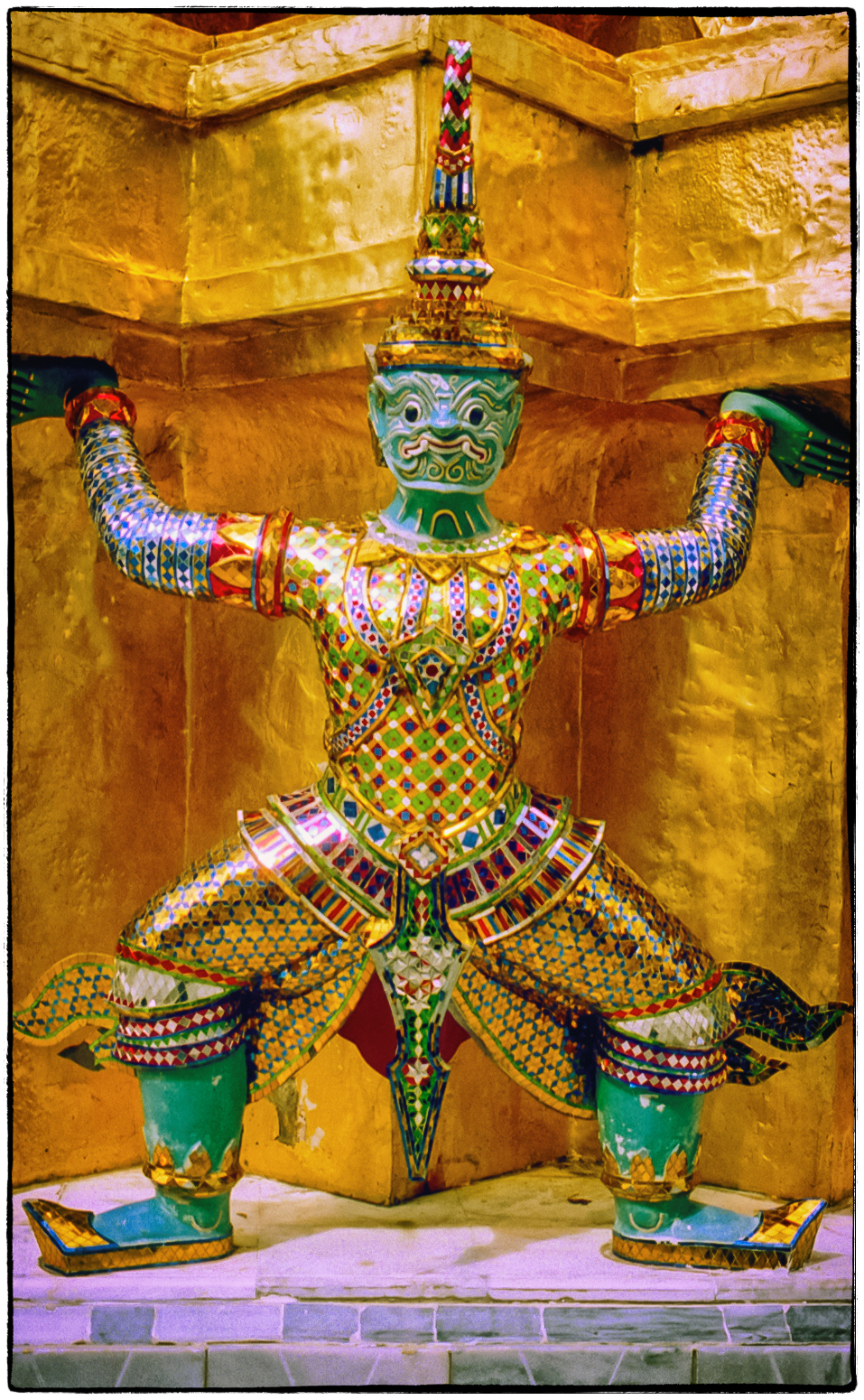
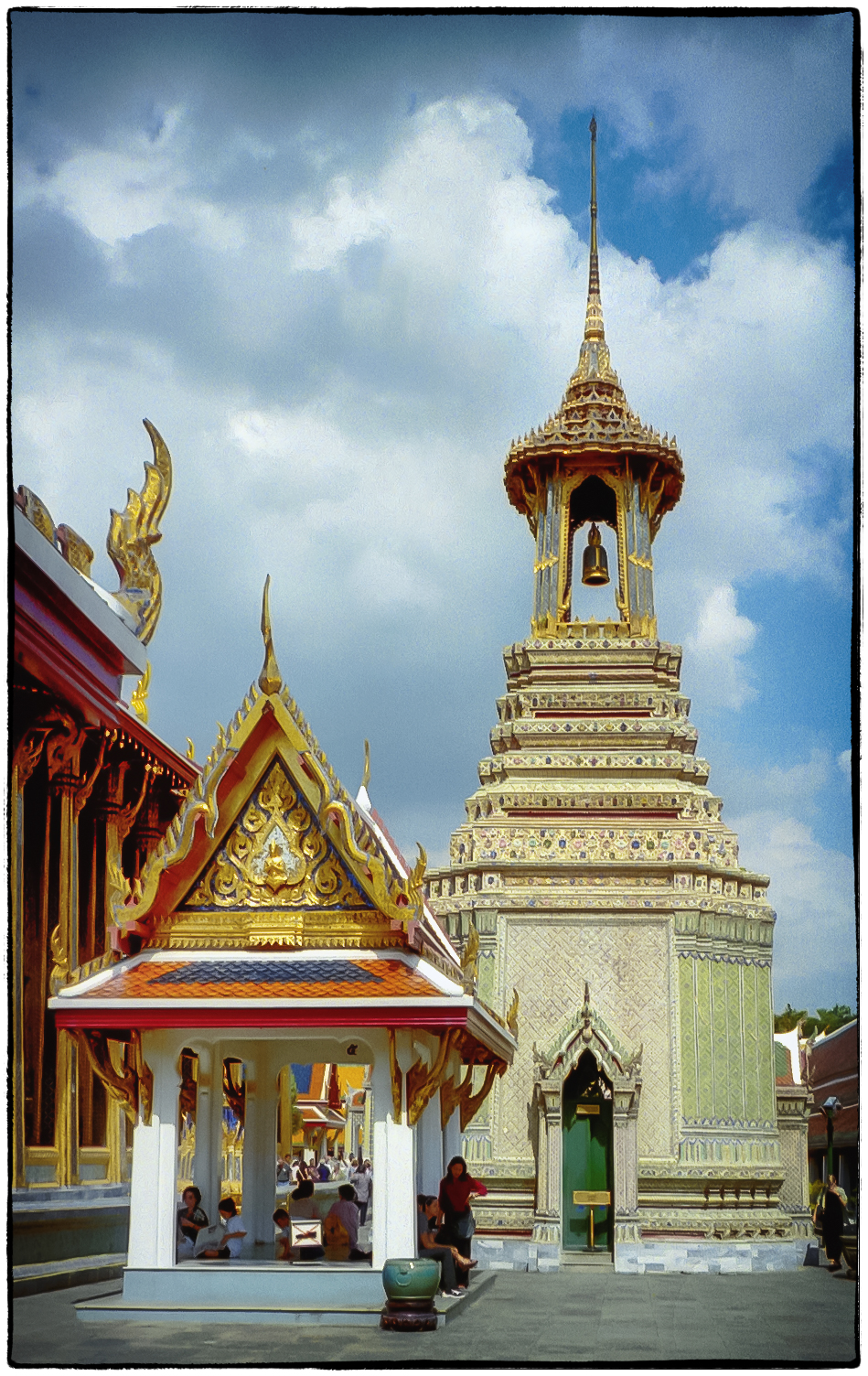
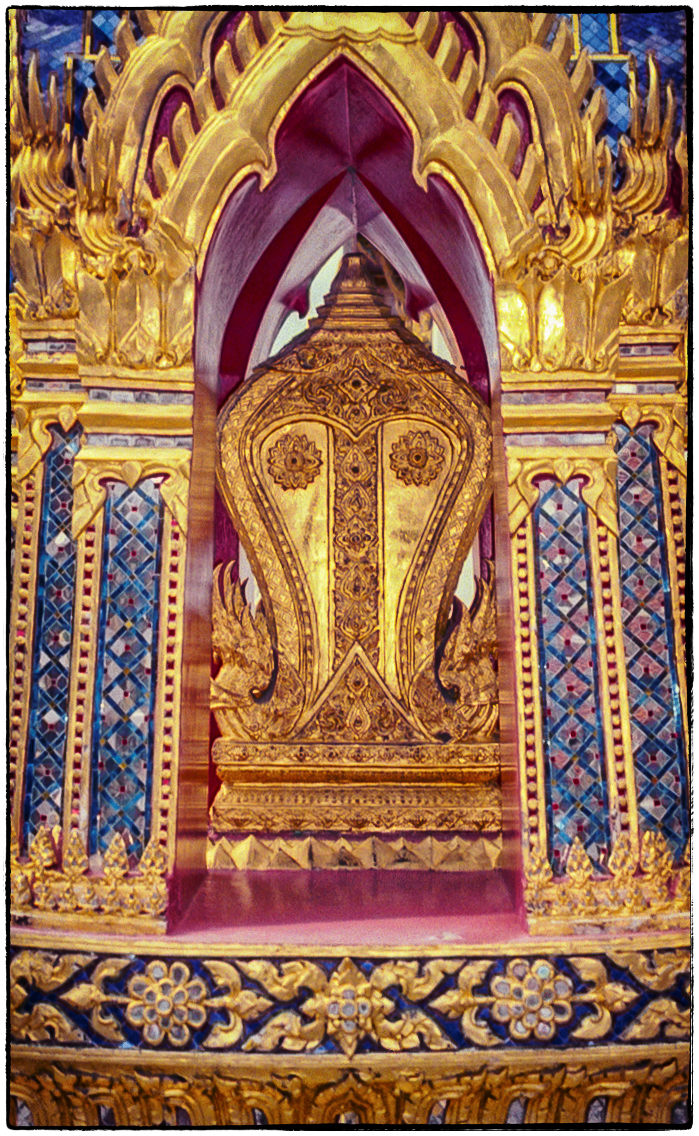
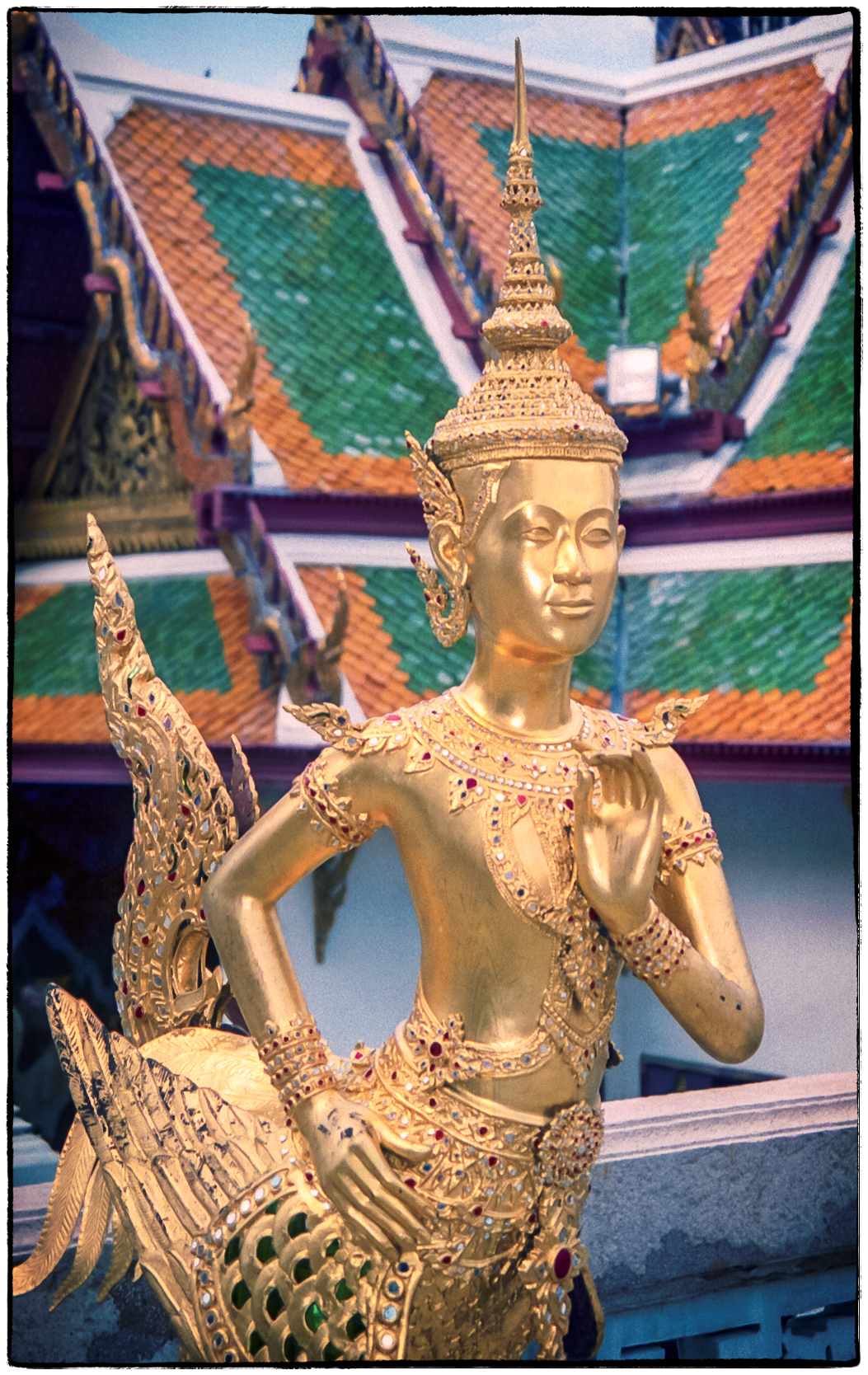
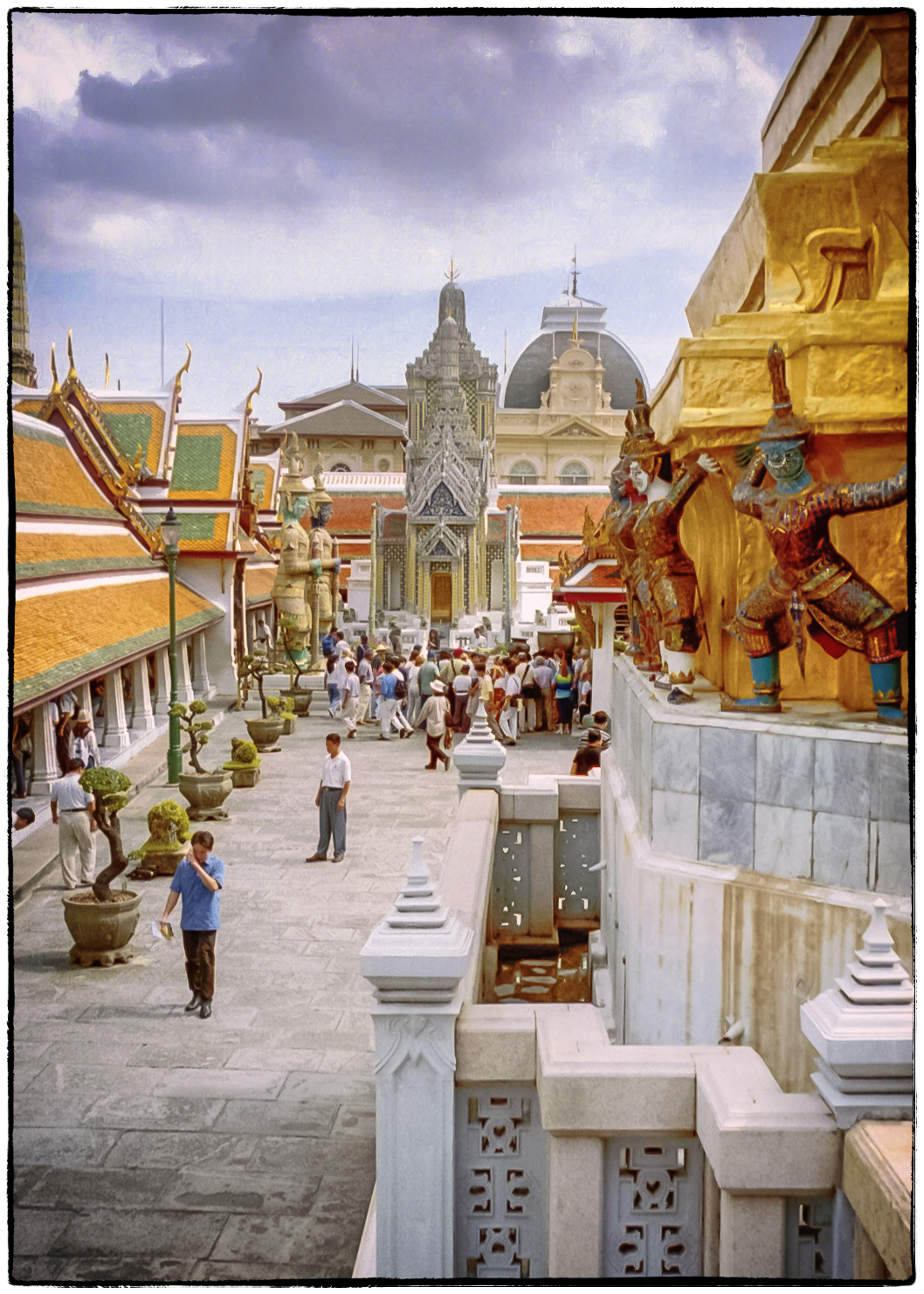
The last couple of days have been wet and dreary so I thought I’d go back to my long term project of scanning my old negatives. These were taken at the Temple of the Emerald Buddha in Bangkok sometime in the late 1990s-early 2000s. At least I think it was the Temple of the Emerald Buddha, but it might have been the Grand Palace. I seem to remember that they are in close proximity but I can’t remember which pictures came from where. According to Wikipedia:

Wat Phra Kaew (Thai: วัดพระแก้ว, rtgs: Wat Phra Kaeo, IPA: [wát pʰráʔ kɛ̂ːw], Pronunciation, English: Temple of the Emerald Buddha; full official name Wat Phra Si Rattana Satsadaram, Thai: วัดพระศรีรัตนศาสดาราม, IPA: [wát pʰráʔ sǐː rát.ta.náʔ sàːt.sa.daː.raːm]) is regarded as the most sacred Buddhist temple (wat) in Thailand. The Emerald Buddha housed in the temple is a potent religio-political symbol and the palladium (protective image) of Thai society. It is located in Phra Nakhon District, the historic centre of Bangkok, within the precincts of the Grand Palace.

The main building is the central phra ubosot, which houses the statue of the Emerald Buddha. According to legend, this Buddha image originated in India where the sage Nagasena prophesized that the Emerald Buddha would bring “prosperity and pre-eminence to each country in which it resides”, the Emerald Buddha deified in the Wat Phra Kaew is therefore deeply revered and venerated in Thailand as the protector of the country. Historical records however dates its finding to Chiang Rai in the 15th century where, after it was relocated a number of times, it was finally taken to Thailand in the 18th century. It was enshrined in Bangkok at the Wat Phra Kaew temple in 1782 during the reign of Phutthayotfa Chulalok, King Rama I (1782–1809). This marked the beginning of the Chakri Dynasty of Thailand, whose present sovereign is Bhumibol Adulyadej, King Rama IX.

The Emerald Buddha, a dark green statue, is in a standing form, about 66 centimetres (26 in) tall, carved from a single jade stone (“emerald” in Thai means deep green colour and not the specific stone). It is carved in the meditating posture in the style of the Lanna school of the northern Thailand. Except for the Thai King and, in his stead, the Crown Prince, no other persons are allowed to touch the statue. The King changes the cloak around the statue three times a year, corresponding to the summer, winter, and rainy seasons, an important ritual performed to usher good fortune to the country during each season.

Unfortunately I apparently didn’t get a picture of the Emerald Buddha itself.

At Home – Briarcliff Manor

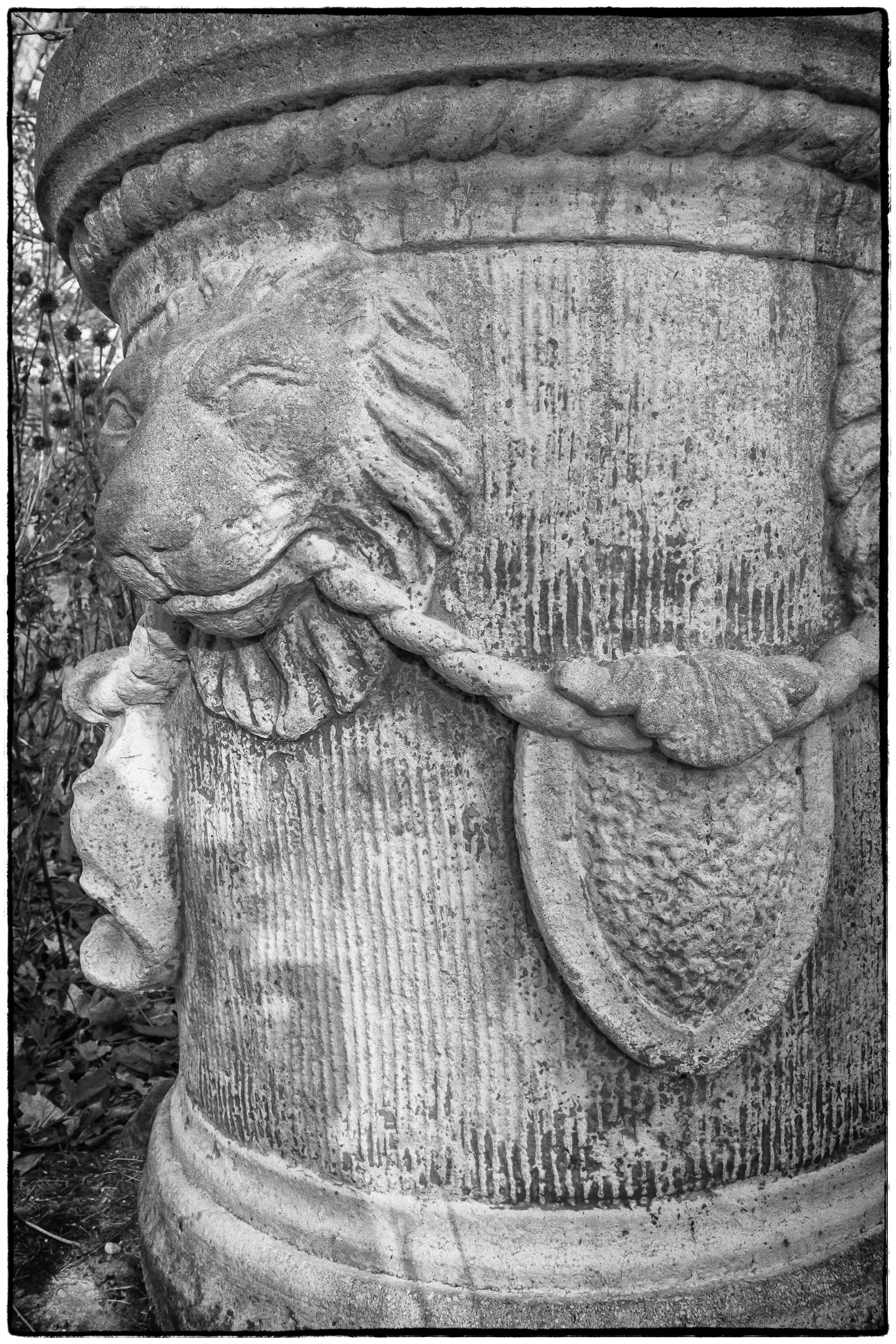
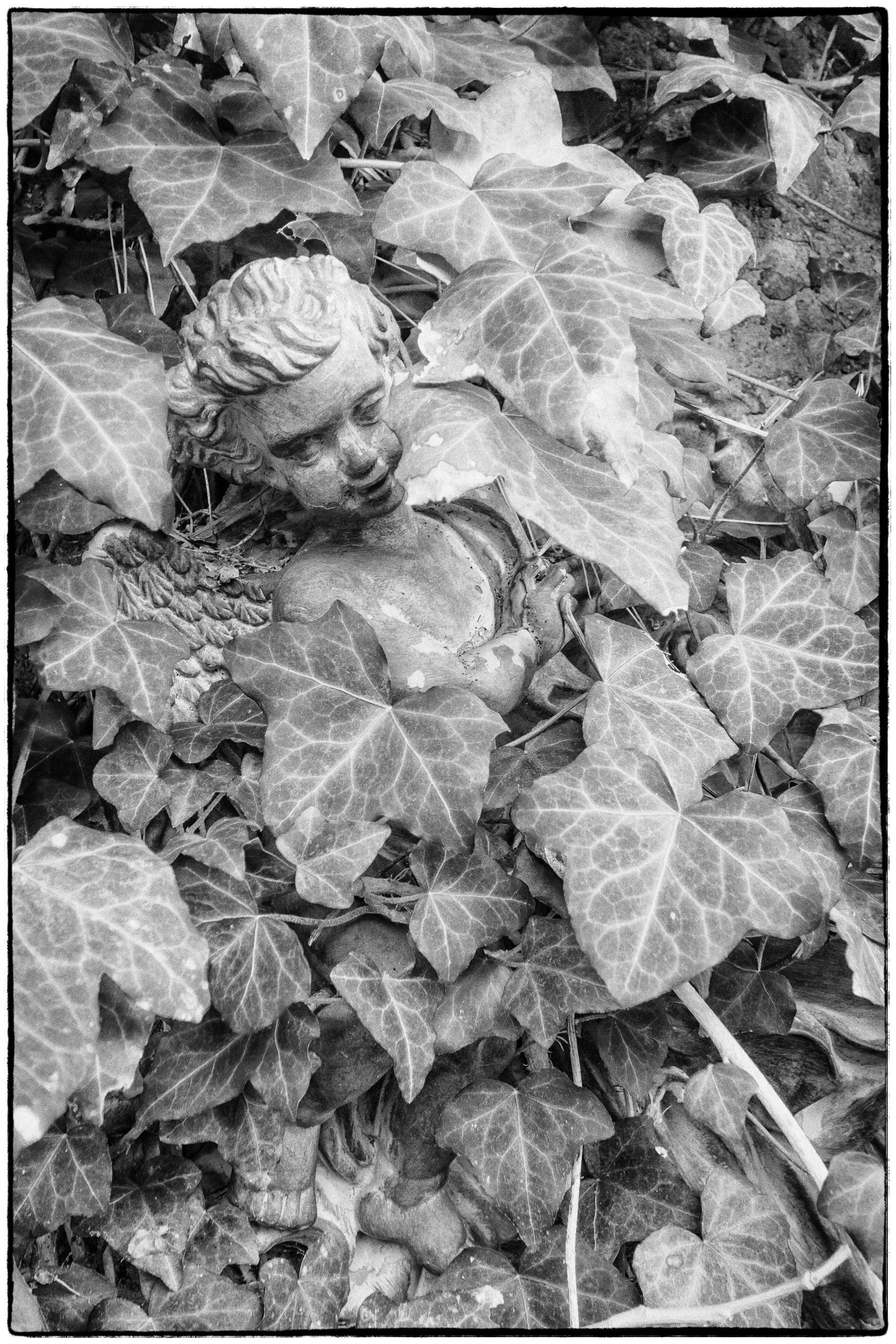
Yesterday was Black Friday and my wife wanted to go shopping. Since the demise of our old Toyota about a year ago we now have only one car and I didn’t feel much like going to the mall so I stayed at home in Briarcliff Manor. To keep myself occupied I walked around the garden taking some pictures of various and sundry garden ornaments.

Well

Lion Head

Cherub in the Ivy

Cherub – Close up

Lady Fountain