A gift from a neighbour


One of our neighbours had been to the house and noticed that I collect old cameras. She mentioned that she had some old cameras lying around somewhere and that she would try to find them. A little later I bumped into her and she mentioned that she had found one and was looking for the other. Last Friday she passed by to drop of the camera she had found.

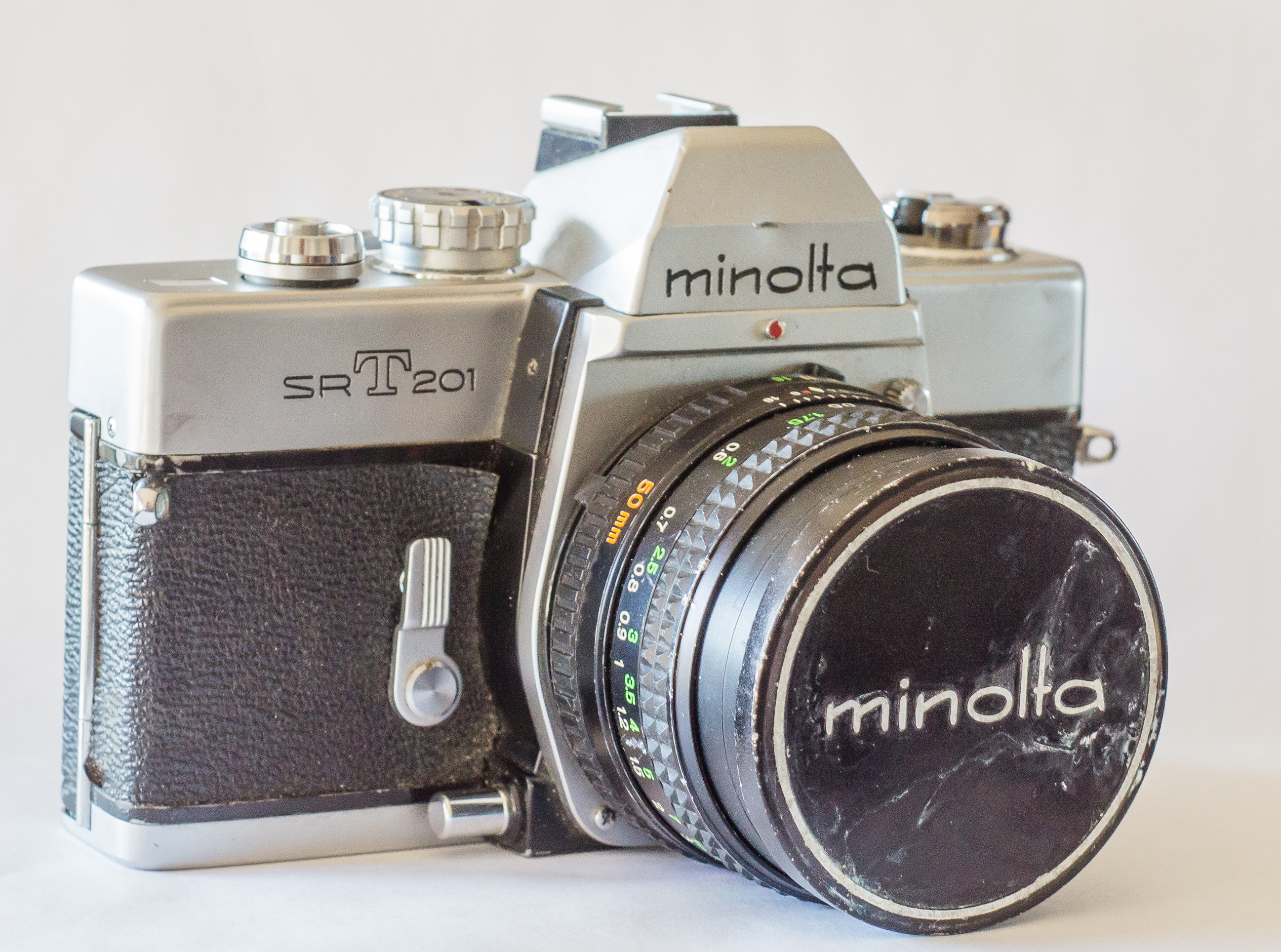
It’s a Minolta SrT 201. As you can see from the pictures it’s not in great shape. There are a number of dents and the the leatherette is coming off in places. More significantly the shutter won’t fire. It came in a worn bag with a number of other items: what looks like a 75mm f4.5 Kodak Anastigmat (completely corroded and with a tube of some sort crookedly attached to the base); something labelled a Kevtar 20-32mm f14 zoom lens that seems to have lost it’s base entirely (the focussing helical is exposed); A handle, which looks as if it was attached to a bracket or a winder at some point; A Hoya 49mm +4 filter; a Minolta SR-meter-2, which might work if I put a new battery in. Finally there is a Certificate of Registration for Personal Effects Taken Abroad dated 8/24/82 and signed by a Mr. Louis Bernstein so I guess he must have left the US (perhaps on vacation, perhaps on business – who knows?) and taken the camera with him.

It also came with two lenses. The first is a Telesar 37-105mm f3.5 macro zoom -two touch with zoom and focus separated. It’s a very heavy lens with a 72mm Spiralite coated skylight filter attached. Something is loose and it’s quite hard to focus. With a little effort, however, it can be focused. From my research I find that Telesar lenses were not considered to be very good. This one is very soft wide open, but quite a bit sharper as you stop down. It also seems very prone to flare. You’d definitely need a lens hood. I don’t really see myself using it much.

The second lens is a different story. It’s a Minolta MD Rokkor-x, 50mm f1.7 (with Vivitar 55mm Skylight filter and slightly beat up Minolta lens cap). It works perfectly.

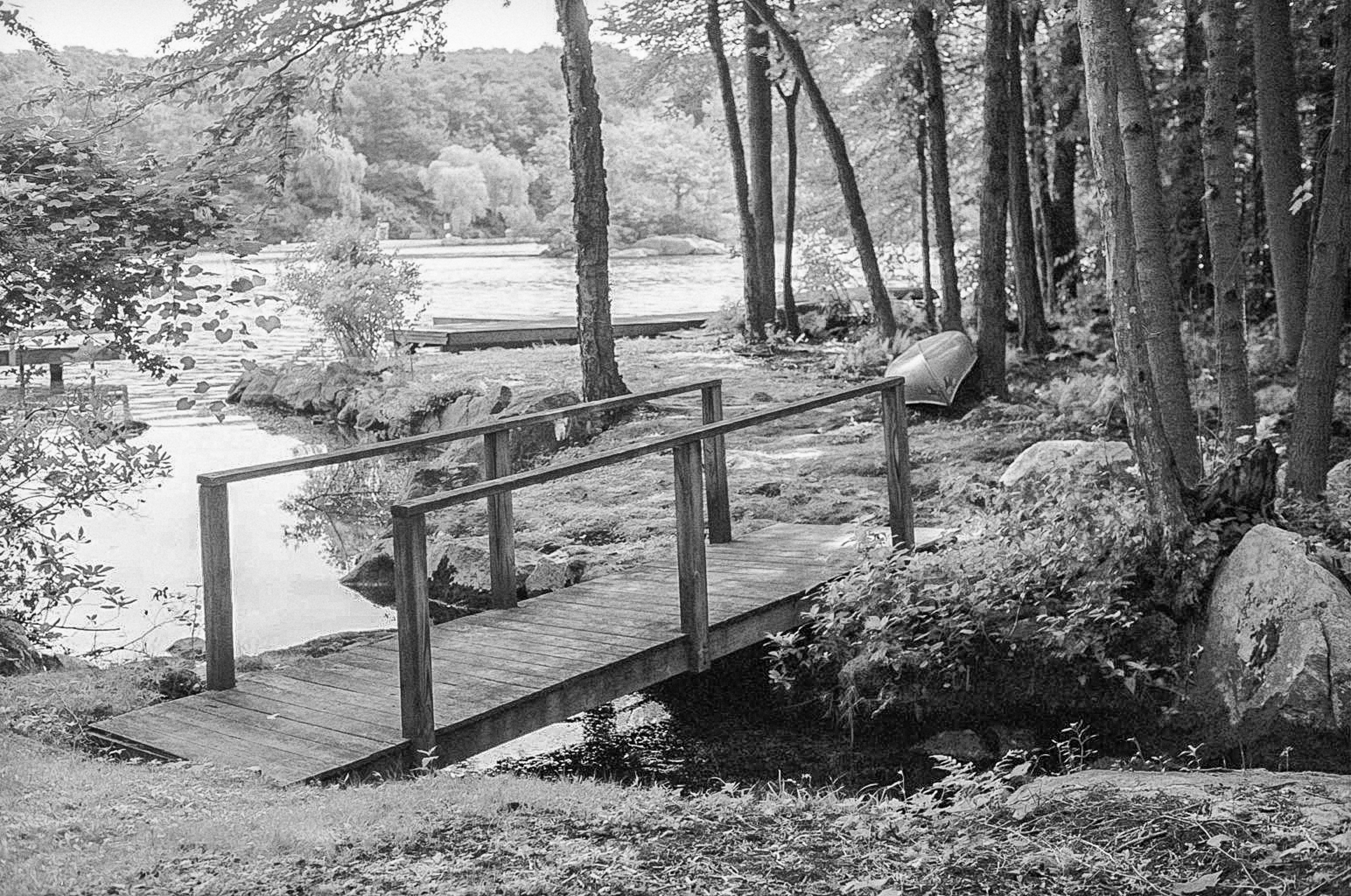
I already have an adaptor for using Minolta MD lenses on my NEX 5n so I tried them out (I didn’t go far with the heavy Telesar though). As mentioned above I wasn’t too happy with the results from the Telesar. I was much more impressed with the Minolta. Pictures can be found in two other posts: Around Canopus Lake and On Pelton Pond.

I have a weakness for Minolta cameras. My first serious camera was a Minolta Hi-matic 7sii (I still have it) given to me as a present by my wife. My first digital SLR was a Konica-Minolta 5D and my current digital SLR is the Konica-Minolta derived Sony Alpha 500. I had been thinking about getting an SrT and this prompted me to spend a few enjoyable hours researching older Minoltas. It’s a pity the shutter doesn’t work on this one as I could have lived with the dents and the worn leatherette. I might still get an SrT and I now have a much better ideas of which one I would want. I also got a nice lens I can use on older Minolta bodies and on my Sony NEX. So thanks to our neighbour Muriel for the gift.

Sony Alpha 500


Ken

In an earlier post I noted that my first digital SLR was a Konica Minolta Maxxum 5d.  I bought this camera because:

a) I’d had a good experience with a minolta camera in the past. My first serious camera was a Minolta Hi-Matic 7sii. By that time I’d had film SLRs, but when I went to digital I started with a Canon
s10 followed by a Canon s50 – both of them compact cameras.

b) The Maxxum 5d was a good buy because at that time Konica Minolta was getting out of the camera business. When I bought the camera I didn’t know that Sony would be picking up the Konica Minolta camera business.

As I mentioned in the earlier post I didn’t really give the Maxxum a chance and after a while i decided that what I needed was a better camera with more megapixels (I was a lot more naive in those days). I had lenses in the Maxxum mount so the logical choice was Sony. I found a good buy on the Alpha 500 and so I got it. However, I think I was souring on SLRs by that time so I didn’t use it that much. I lost interest in photography at that time and my enthusiasm was not rekindled until I lost the Canon Powershot S50 and bought a Panasonic Lumix LX-3 to replace it.

My interest in SLRs (both film and digital) has recently increased and the other day I bought two Maxxum lenses for a grand total of $26. When they come I’ll try them out on the Alpha 500.


Falls at the Croton Dam


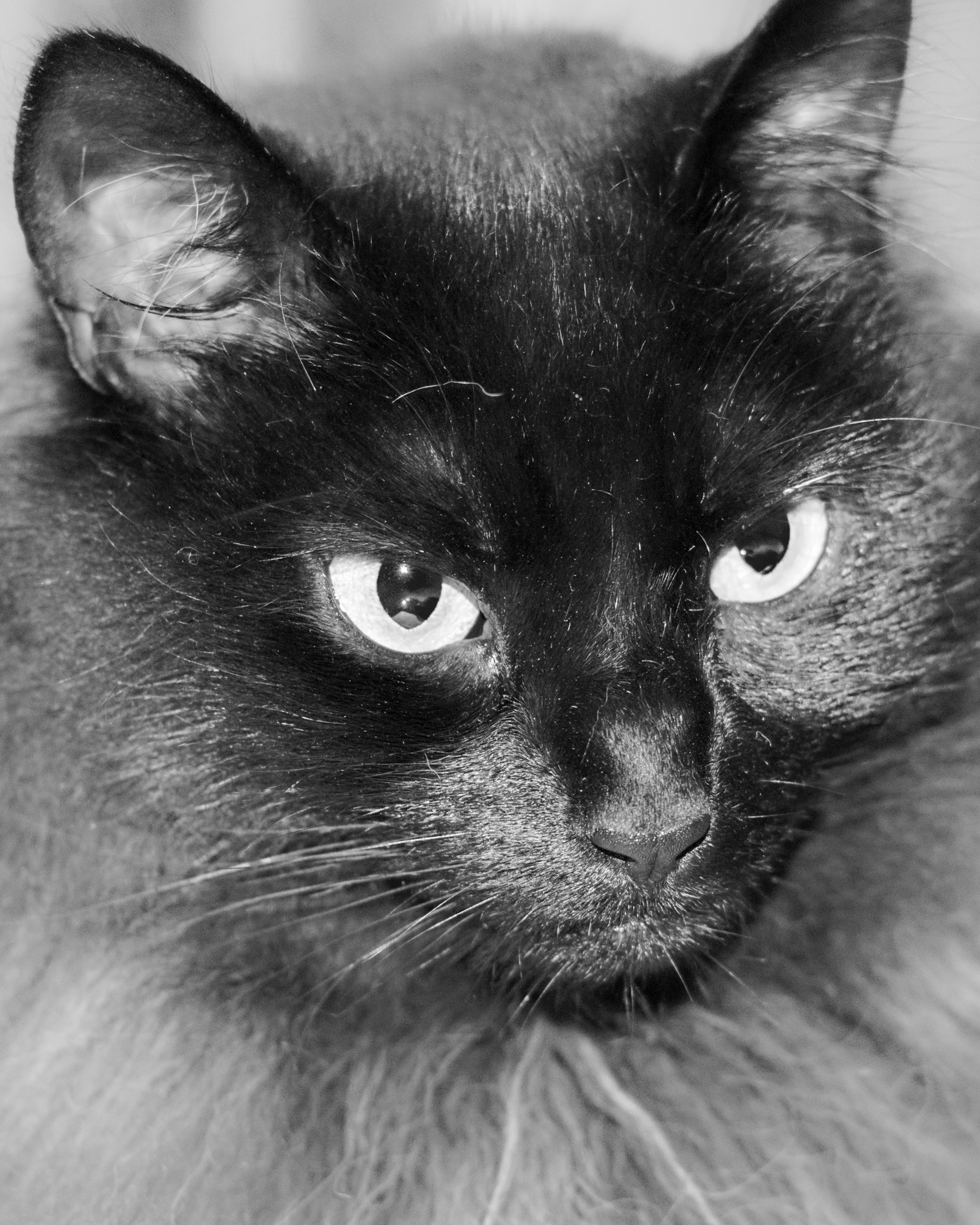
Gypsy – Our cat


Man on a boat. Seen on a boat ride on the Hudson River


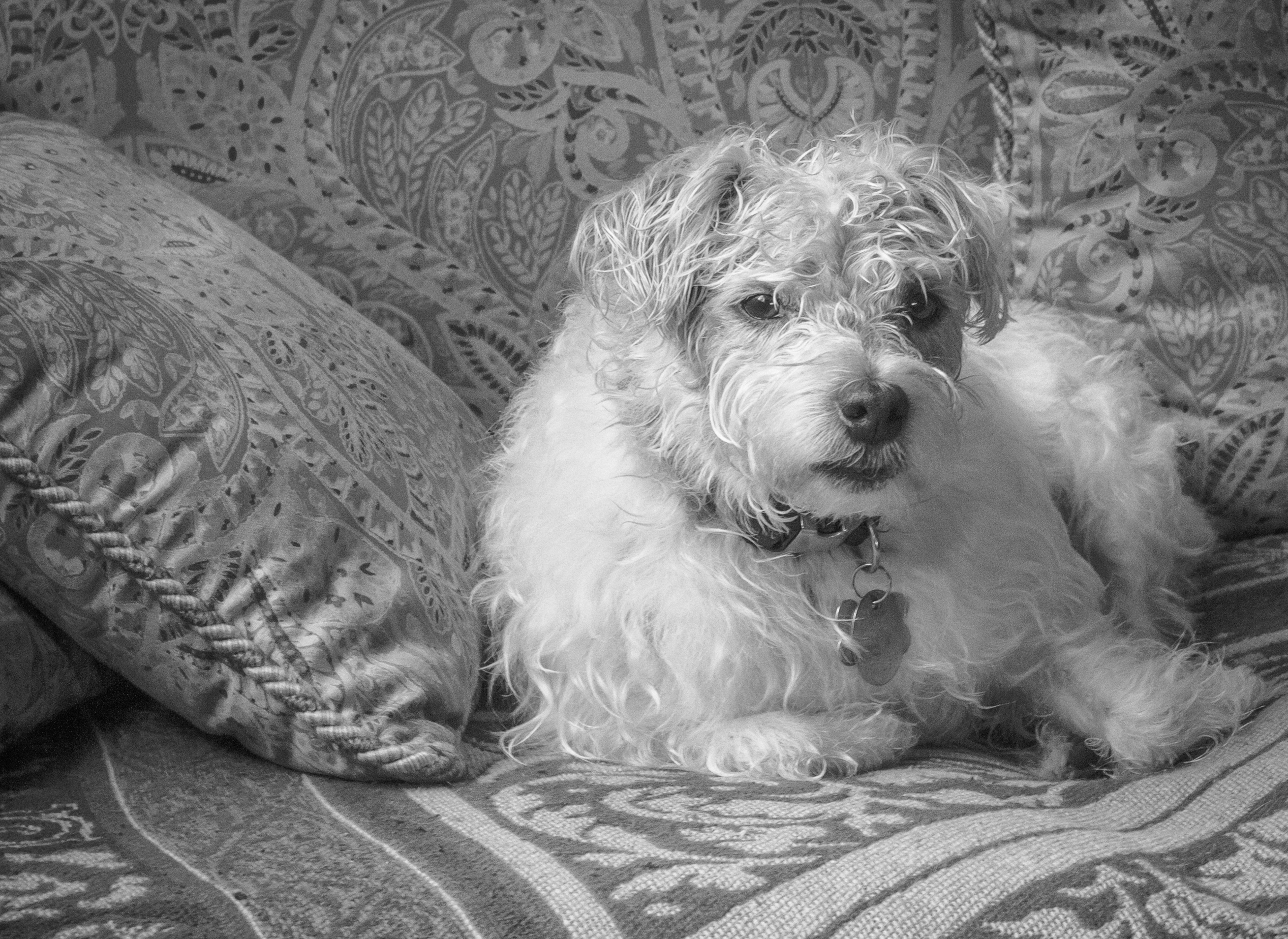
Jackson – Our dog

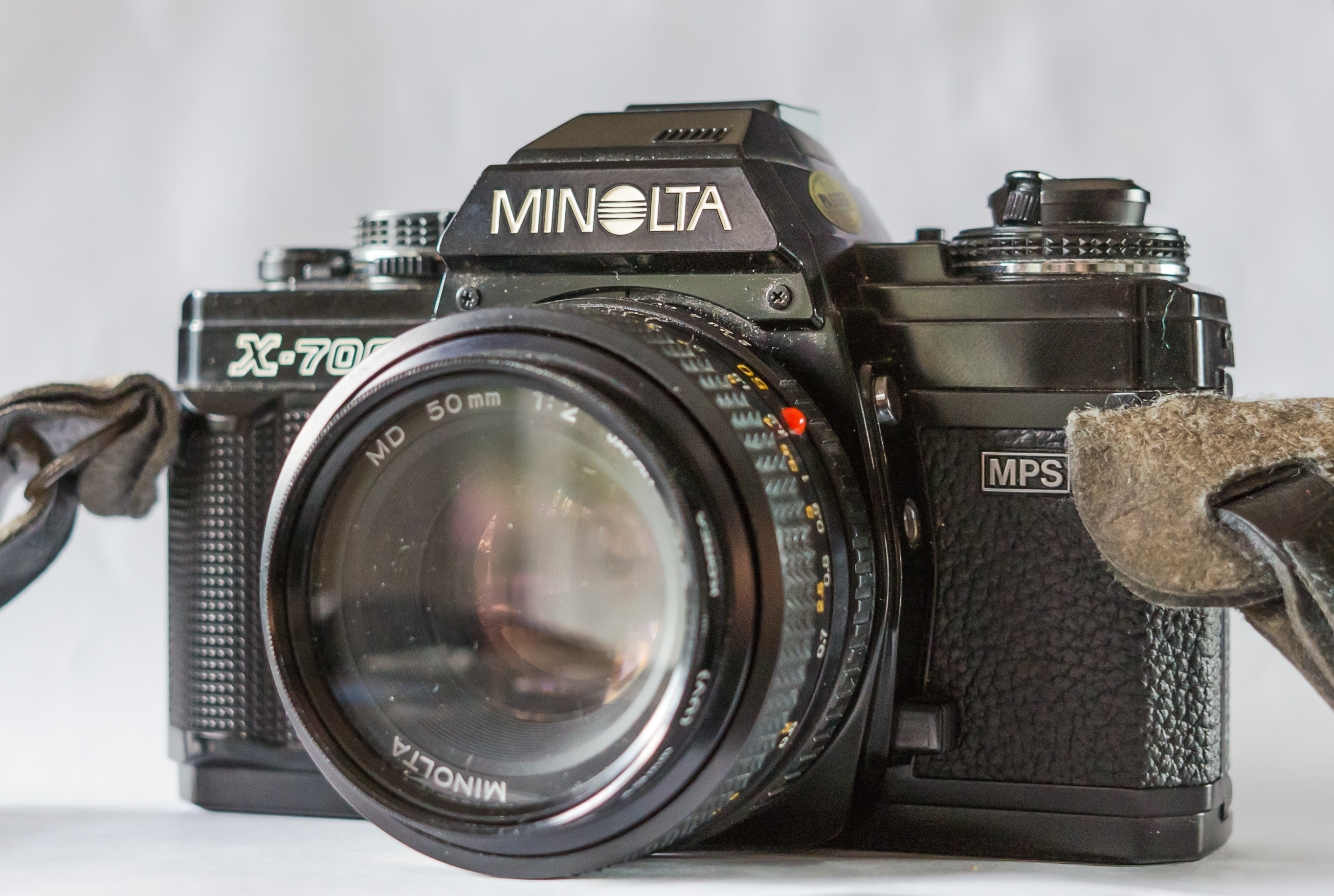
Minolta X-700: Color


Just acquired a nice Minolta X-700. In it’s day (1981) it was Minolta’s top manual focus camera. It was also Minolta’s final manual focus camera. After this came the Maxxum 7000, the world’s first autofocus single lens reflex camera.

It came with a Minolta MD 50mm f2; Rokinon MC 80-250mm f4.5/4.8; Rokinon MC 28mm f2.8; Rokinon MC 135mm f2.8; a Focal 2x teleconverter; a Vivitar 3500 flash; a Soligor Power Winder G and various manuals. All the lenses have haze filters and front and back caps. There’s also a nice leather camera case and a case for the teleconverter. The seller had even been kind enough to include a battery. I bought an adapter for my Sony Nex and tried out all the lenses, but I hadn’t tried the camera with film until today so I didn’t know if the body was working properly. I’m pleased to say that everything seems to work well.

I like this camera. It’s not too heavy and fits nicely into my hands. The depth of field and exposure lock buttons are within easy reach. It’s known for its Programme auto-exposure mode and TTL flash, neither of which I’m likely to use much. I used it in Aperture priority and it worked well. I believe the metered manual mode has a quirk: it shows the recommended shutter speed in the viewfinder rather than the shutter speed that’s actually set. This is apparently remedied in the otherwise less sophisticated X-570.

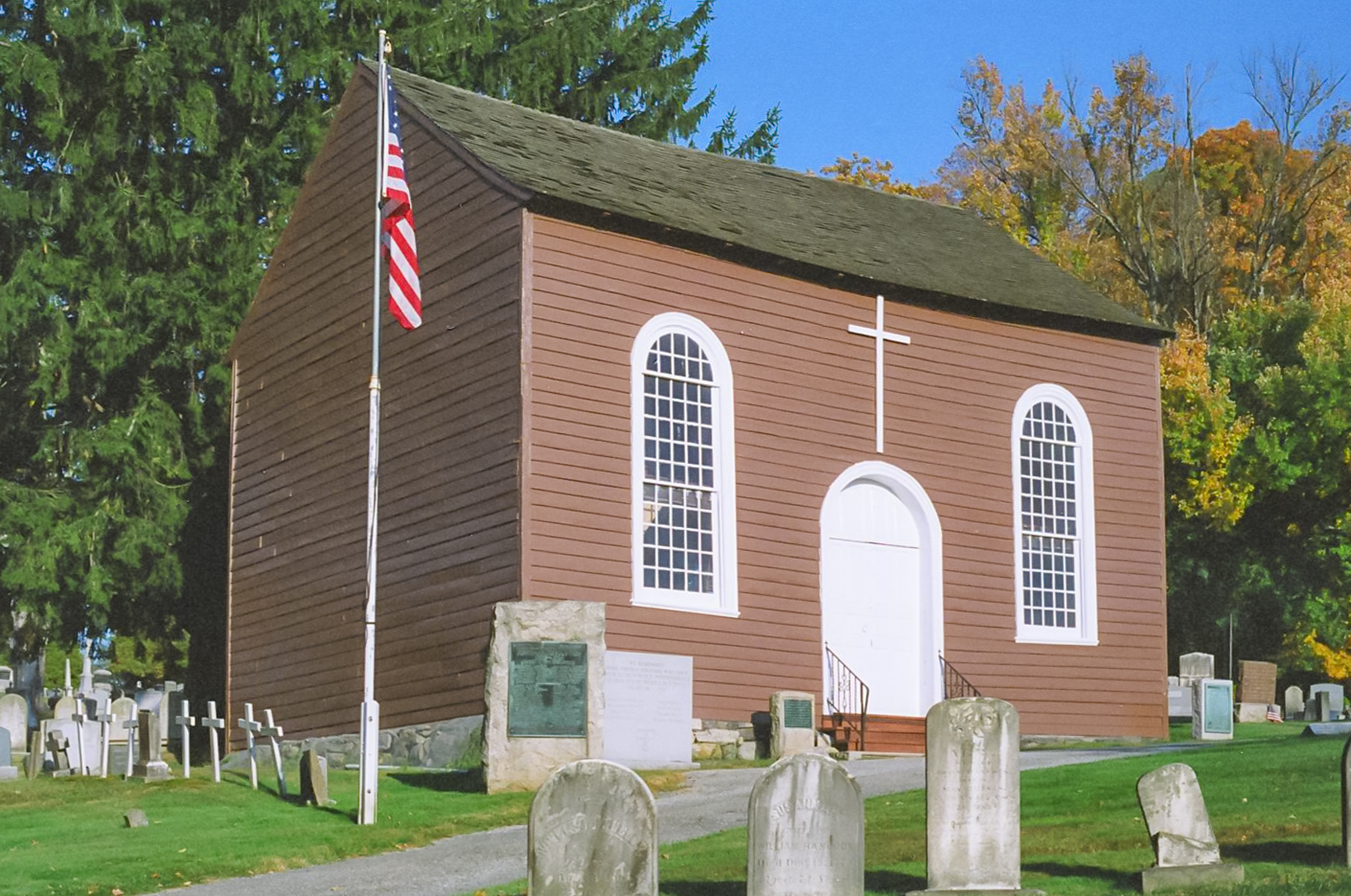
To test the camera body I went to the Old Saint Peter’s Church in Van Cortlandtville.

Some black and whites from the same camera at the same location to follow in the next post.


The Church


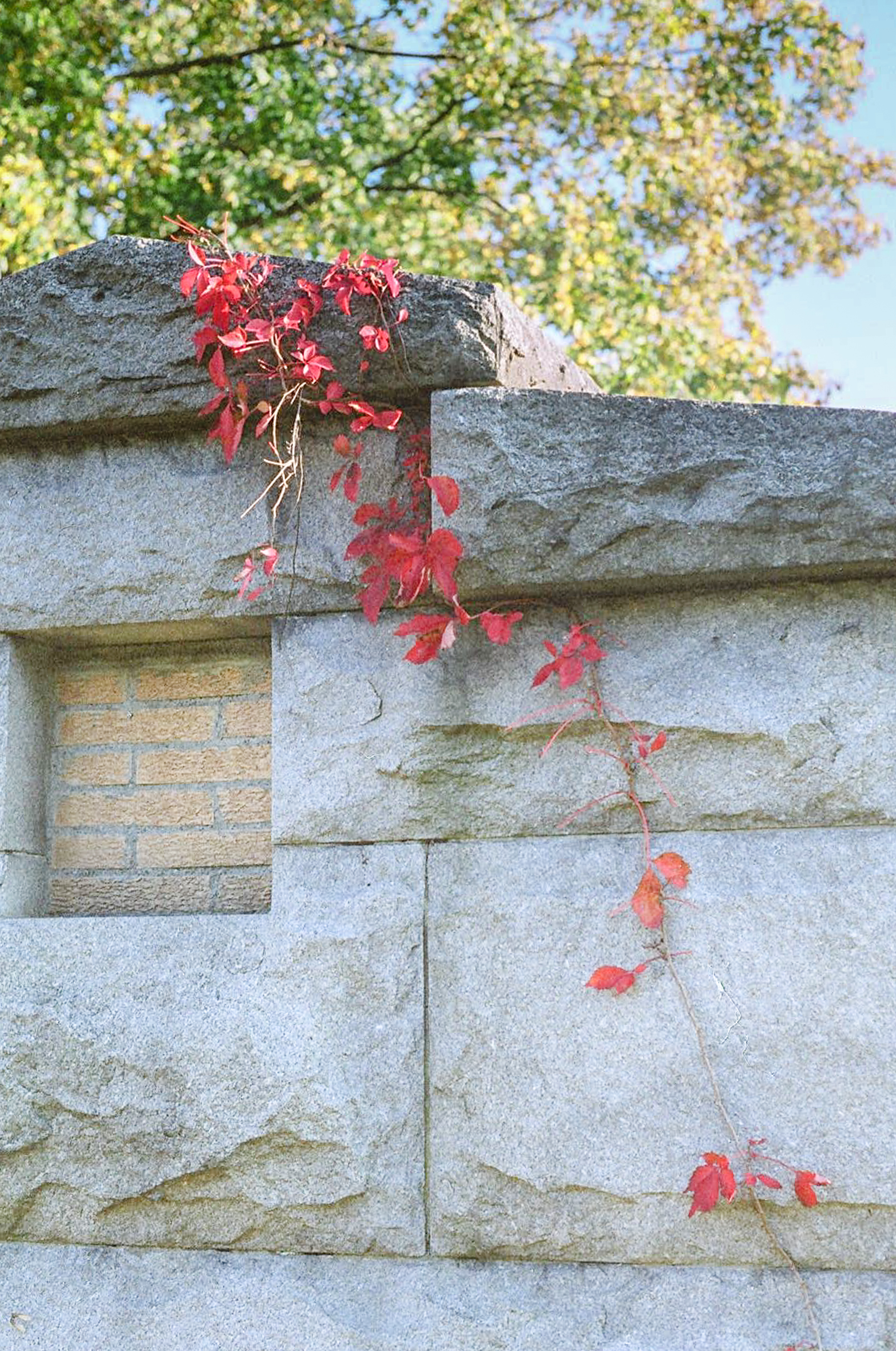
Red leaves on stone


Spectacular flowering bush. I’d like one of these on my grave.


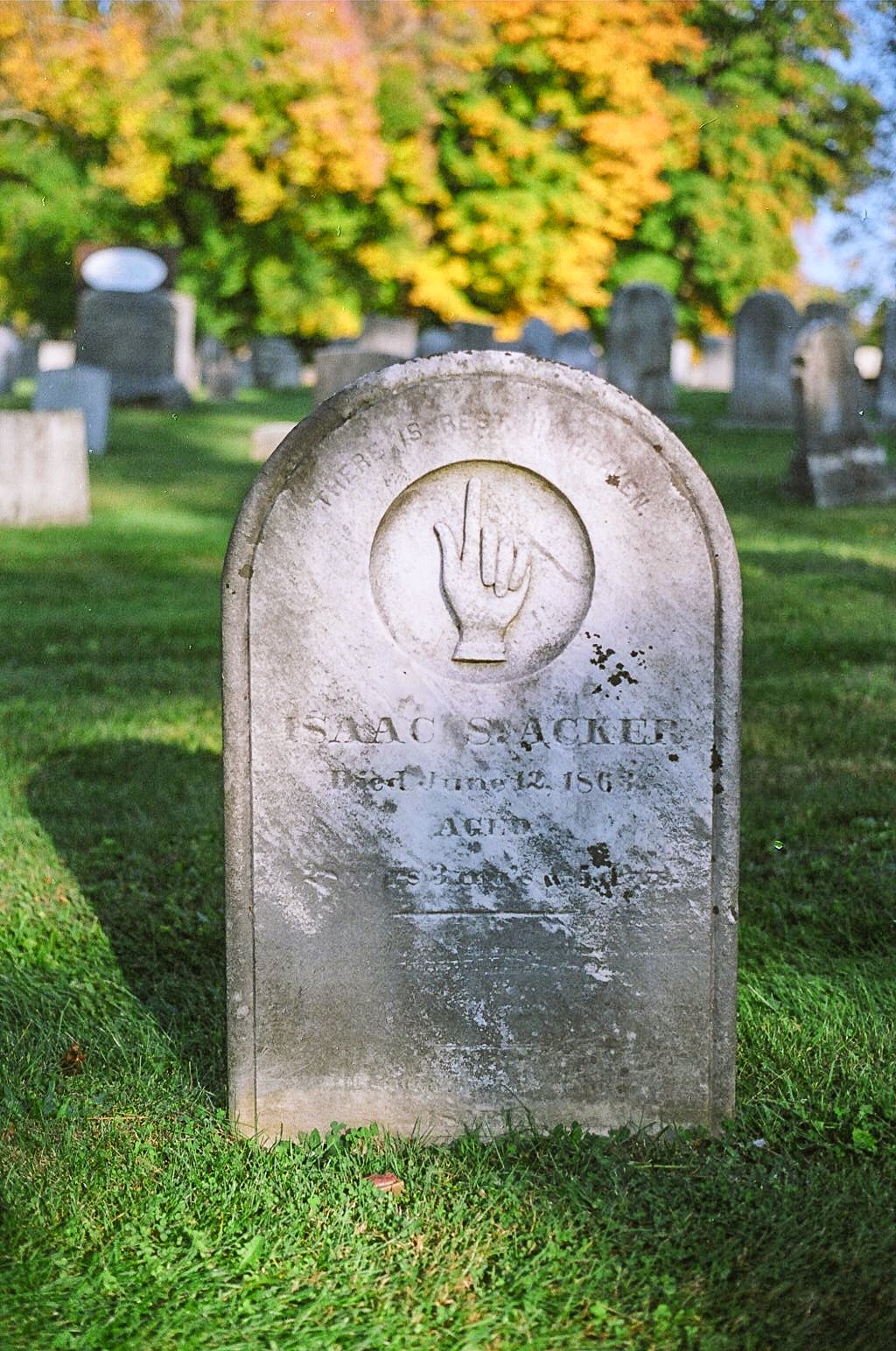
Isaac Sacker gravestone


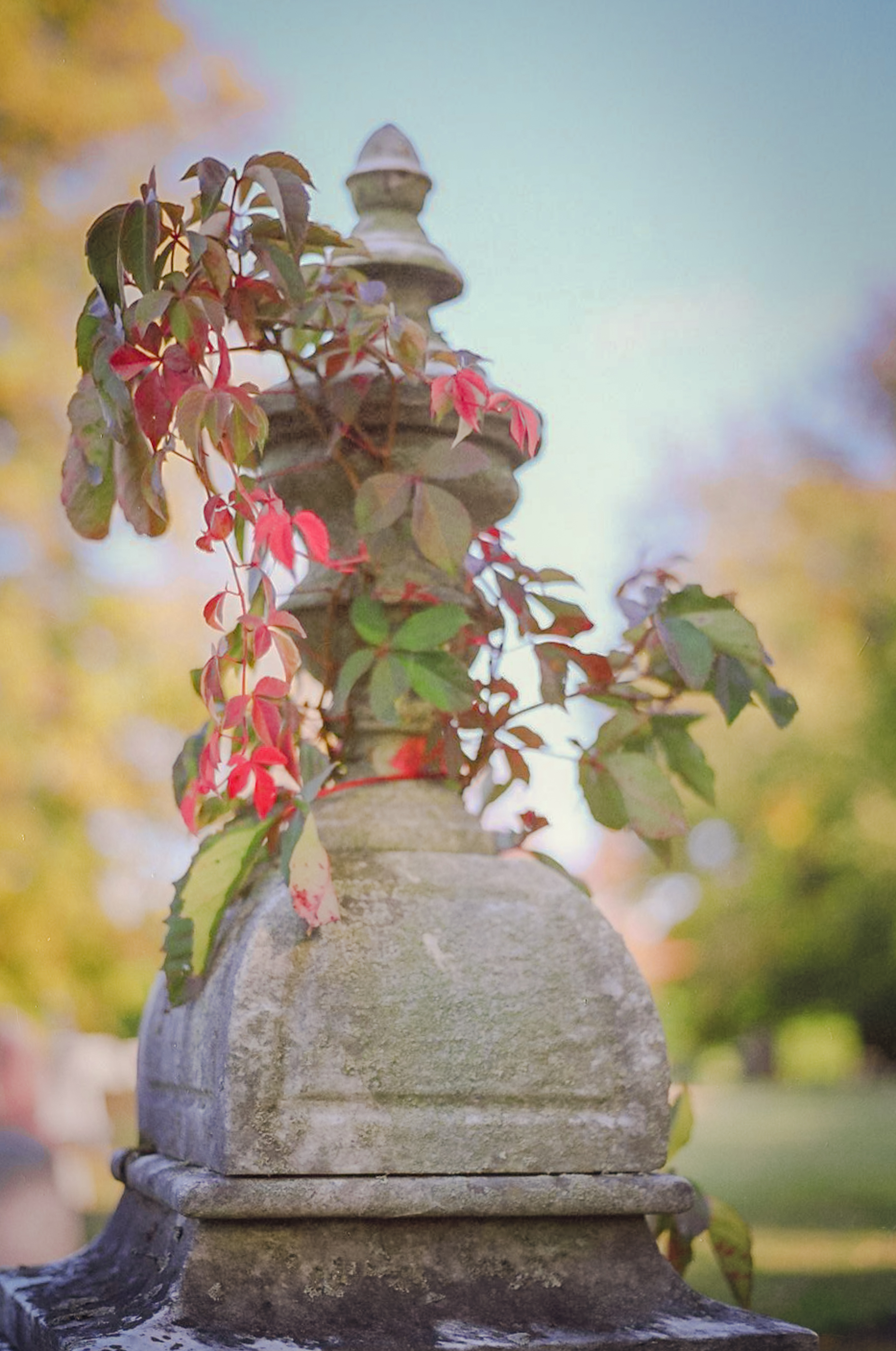
Fall leaves on a grave marker

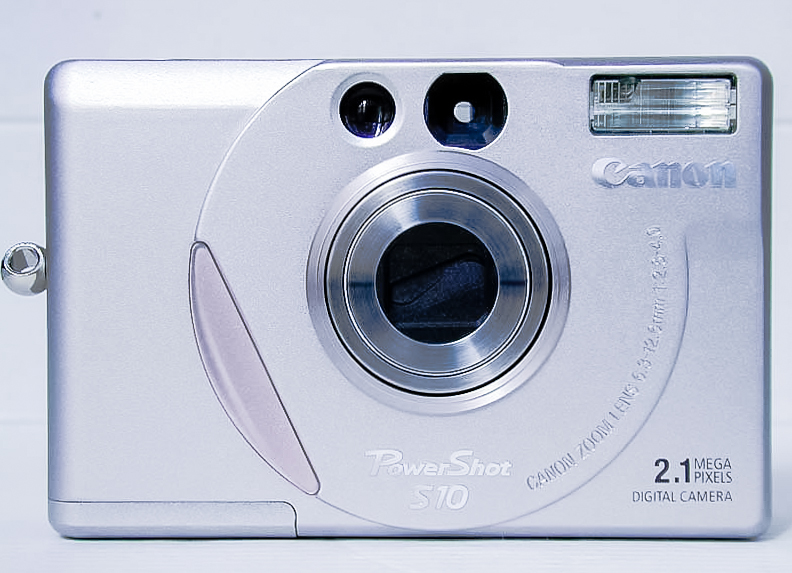
Canon Powershot S10


My second digital camera after the late, unlamented Casio QV-100. This one had a massive 2.1 mexapixel sensor. Seemed a lot at the time.

Digital Photography Review concluded:

The Canon S10 certainly sets new ground, and I’m sure it’s sent a few manufacturers racing back to the drawing board (as I’m sure the 950 did when it was released). The S10 is just so good on so many grounds it goes high on my favourite digicams list. With the addition of USB, CF Type II, Super-Fine JPEG, its small size and value for money, if you can live with the limited zoom ability then the S10 is one camera that ANYONE considering buying a digicam should have somewhere in their list.. (somewhere near the top).

Kudos Canon, you’ve produced a digital camera capable of taking beautiful images in anyones hands, with a great feature set and some neat touches it makes some larger bulkier digicams look like dinosaurs and brings compact digital cameras to a new level.

I liked this camera (mind you after the QV-100 I would probably have liked anything). After a few years I left it on a train to Grand Central Terminal. I’d been thinking about upgrading and this gave me the excuse. After doing some research I chose the Canon Powershot S50. Feeling certain that I would never see the S10 again I went out immediately to buy the S50. A few days later I went to the lost and found at Grand Central Terminal – just in case. Lo and behold the camera had been handed in. I guess I had underestimated the honesty of the average new yorker. Co-incidentally a few years later I left the replacement Powershot S50 in a taxi in Geneva, Switzerland. That too came back, but only after I had purchased a Panasonic LX3, the camera which re-kindled my interest in photography.


Fountain, Arles, 2001


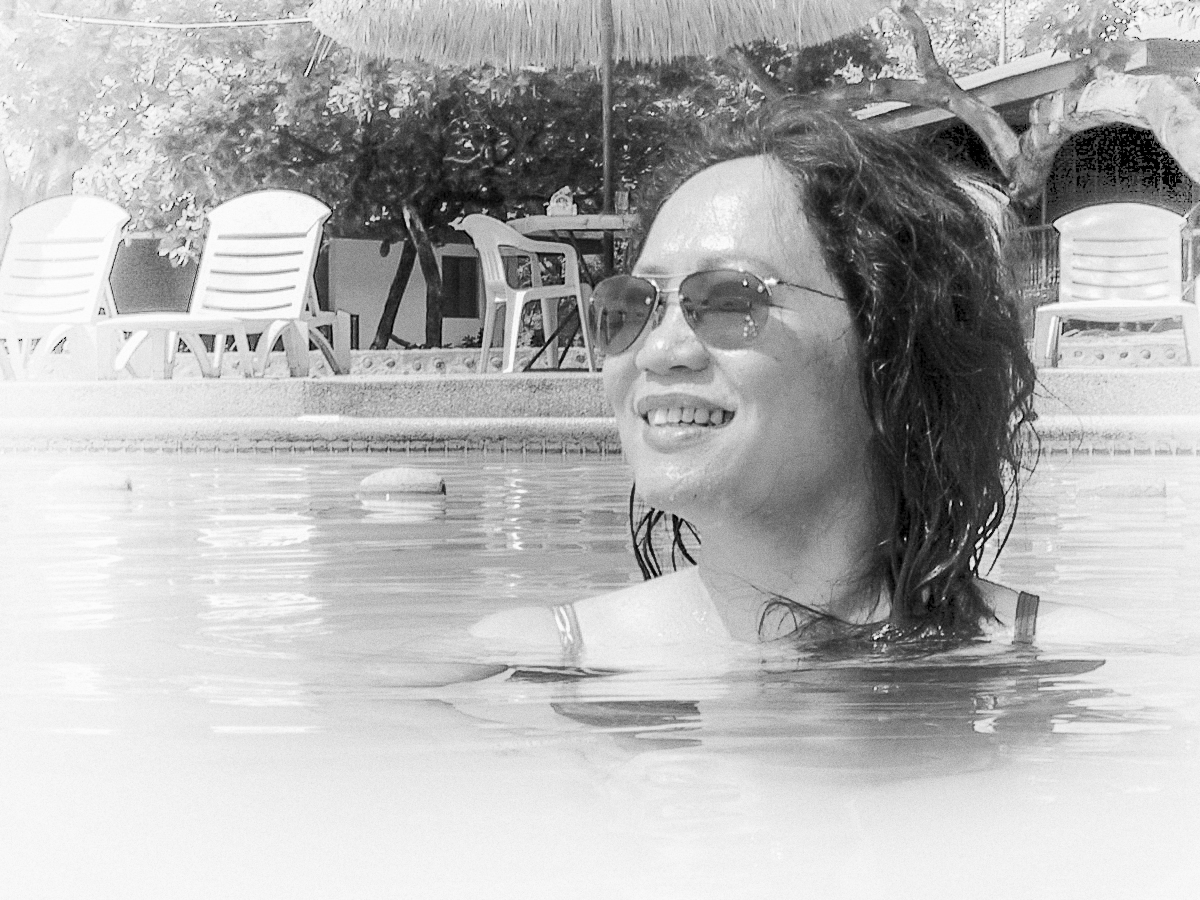
Eirah, Philippines, 2000


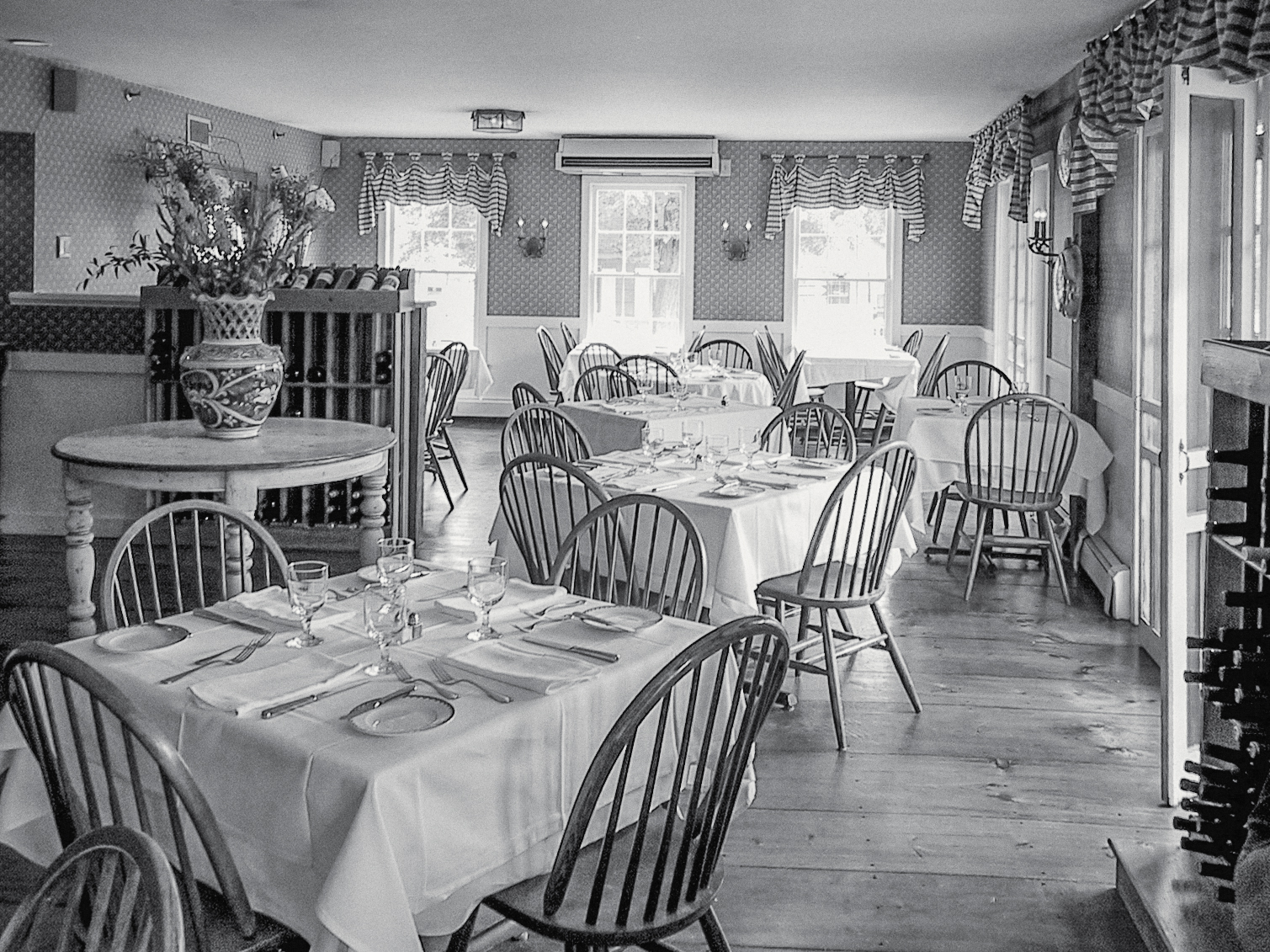
Interior, Hudson House, Cold Spring, NY, 2002


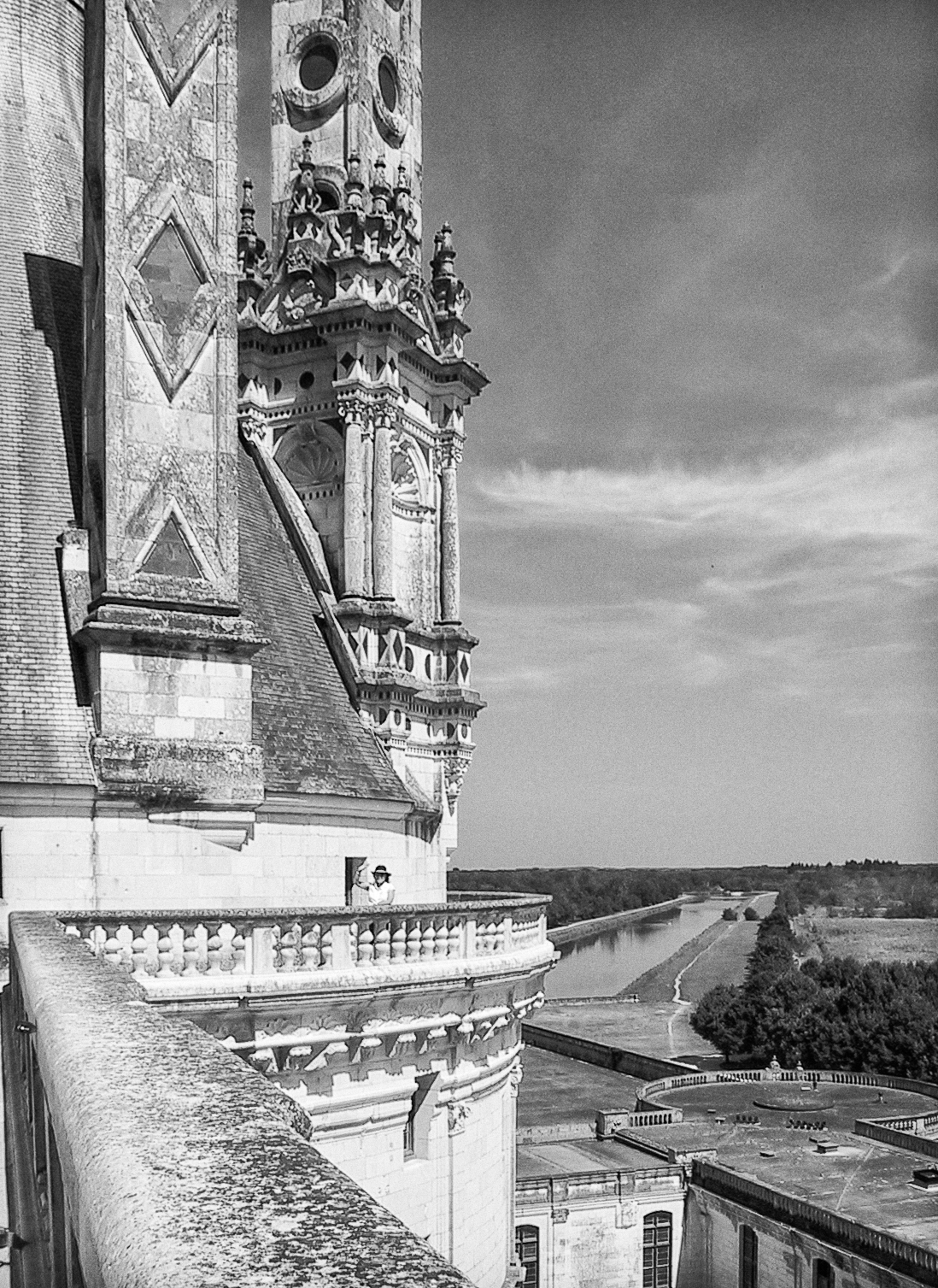
Chambord, Loire Valley, France, 2002


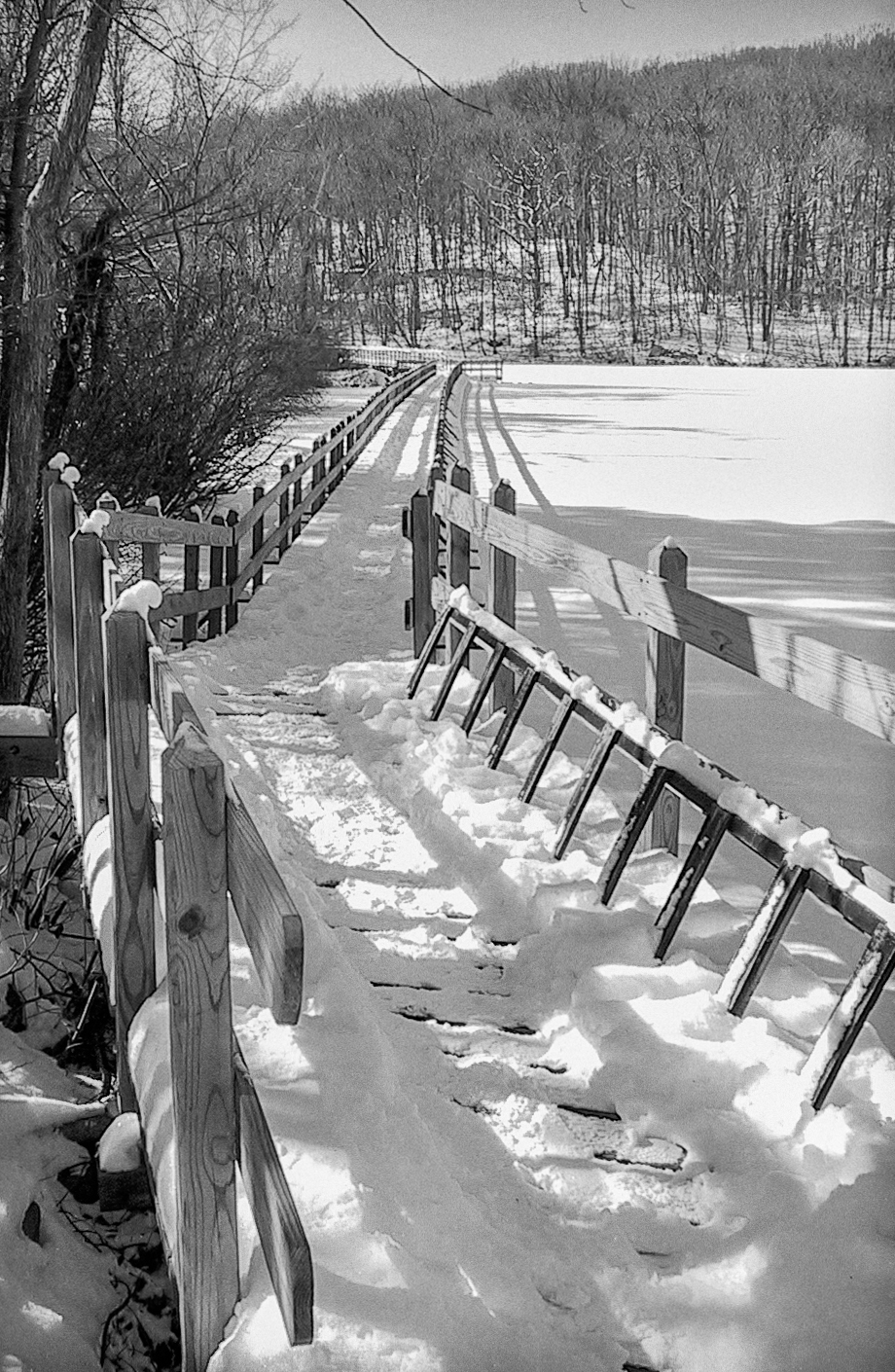
Boardwalk at Teatown Lake Reservation, 2002

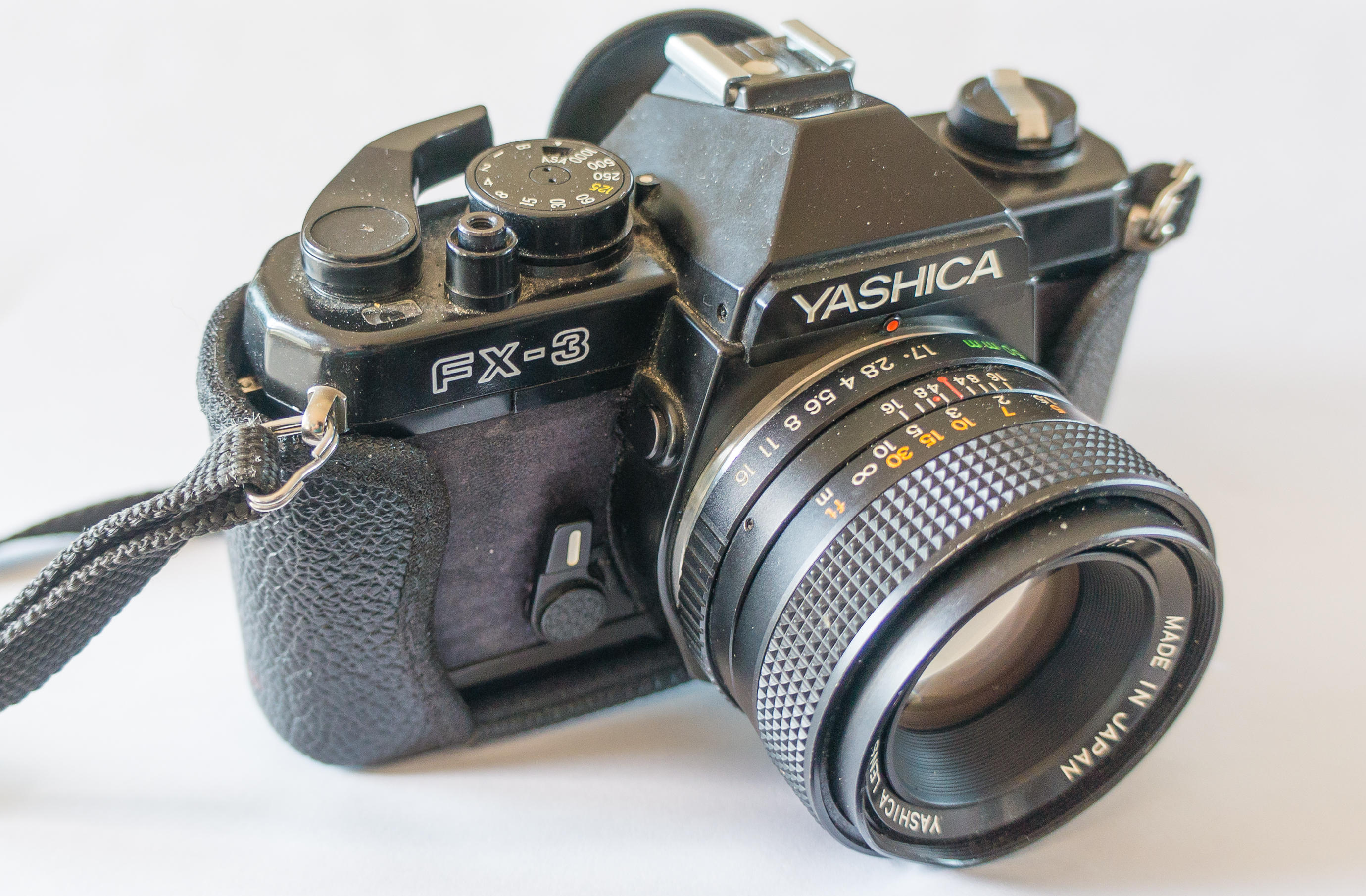
GAS attack gone wrong part two: Yashica FX-3?


In part one of this post I documented how I had bought a Yashica FX-2 in a Goodwill store for $9.99 only to find that the lens was stuck on f1.9 and the 1/1000 second shutter speed didn’t work. I ended that post saying that I was looking for a lens that worked. Well I found one: a 50mm f1.7 ML (a much better lens than the one on the FX-2 even when it worked properly). This one also came with a Yashica FX-3 body attached, two additional lenses (a 45-75mm ML zoom and a 50mm f2 ML) , a flash, a nice camera case, a camera bag and some manuals. All for $5.99. The leatherette has come off the body (I believe a common problem with old Yashicas and even the much more expensive Contaxs). It leaves a kind of fuzzy covering that I don’t find unpleasant. I can always recover it if I feel the need. There’s also a ding on the filter ring of the 50mm f1.7 lens that doesn’t seem to affect it’s performance although it does make it difficult/impossible to put screw-in filters on. The light seals look as if they will need replacing at some point.

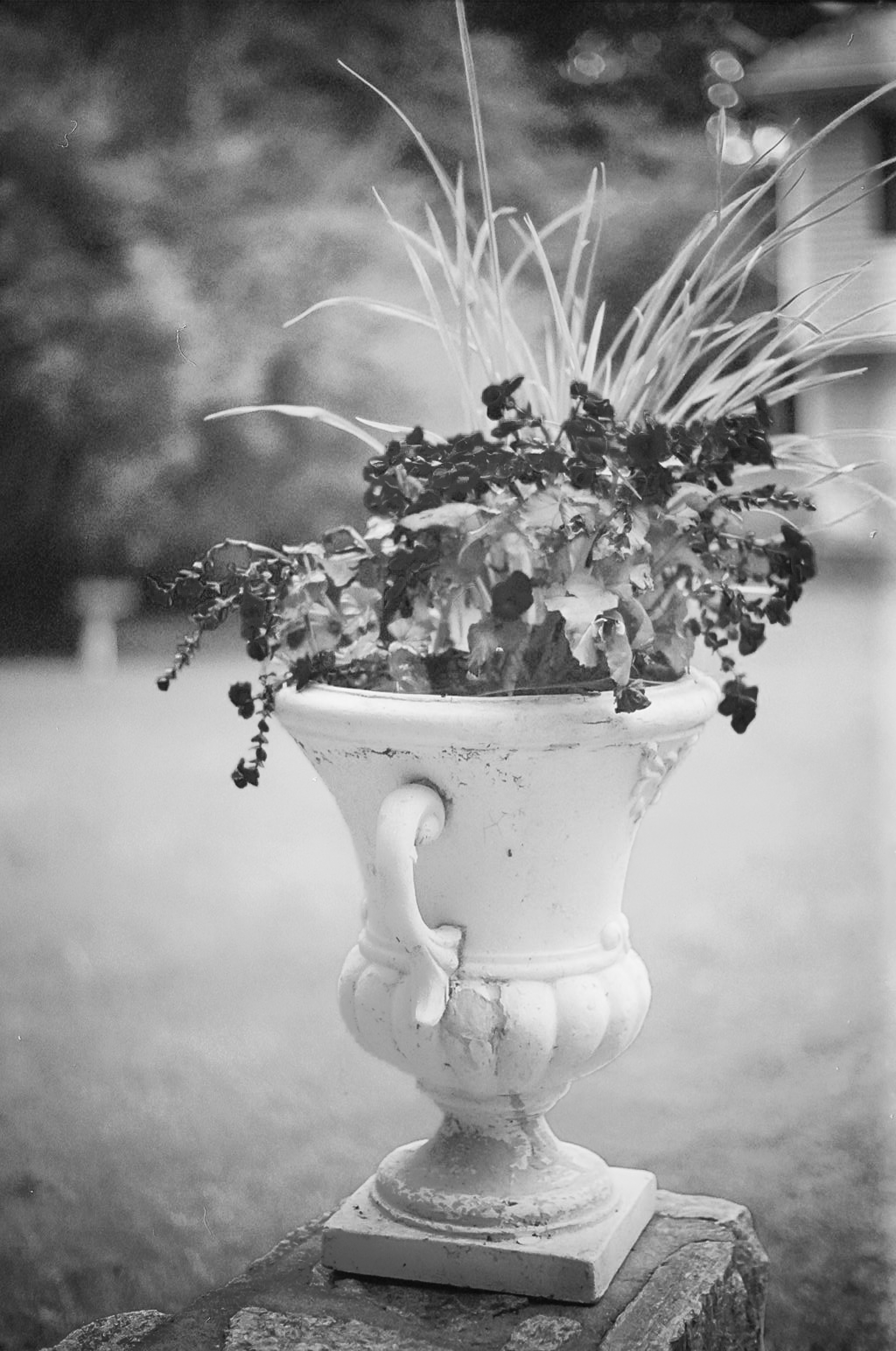
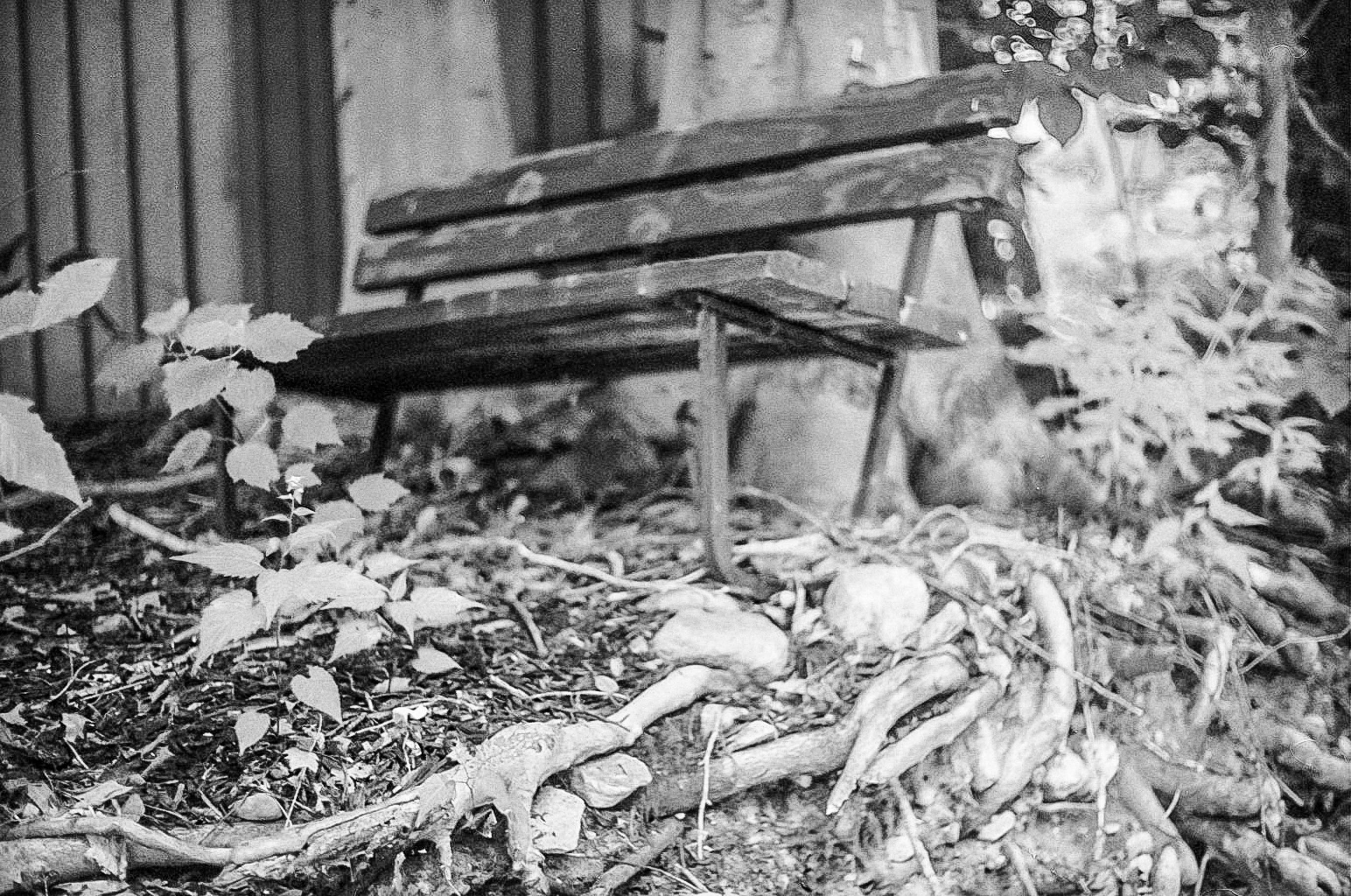
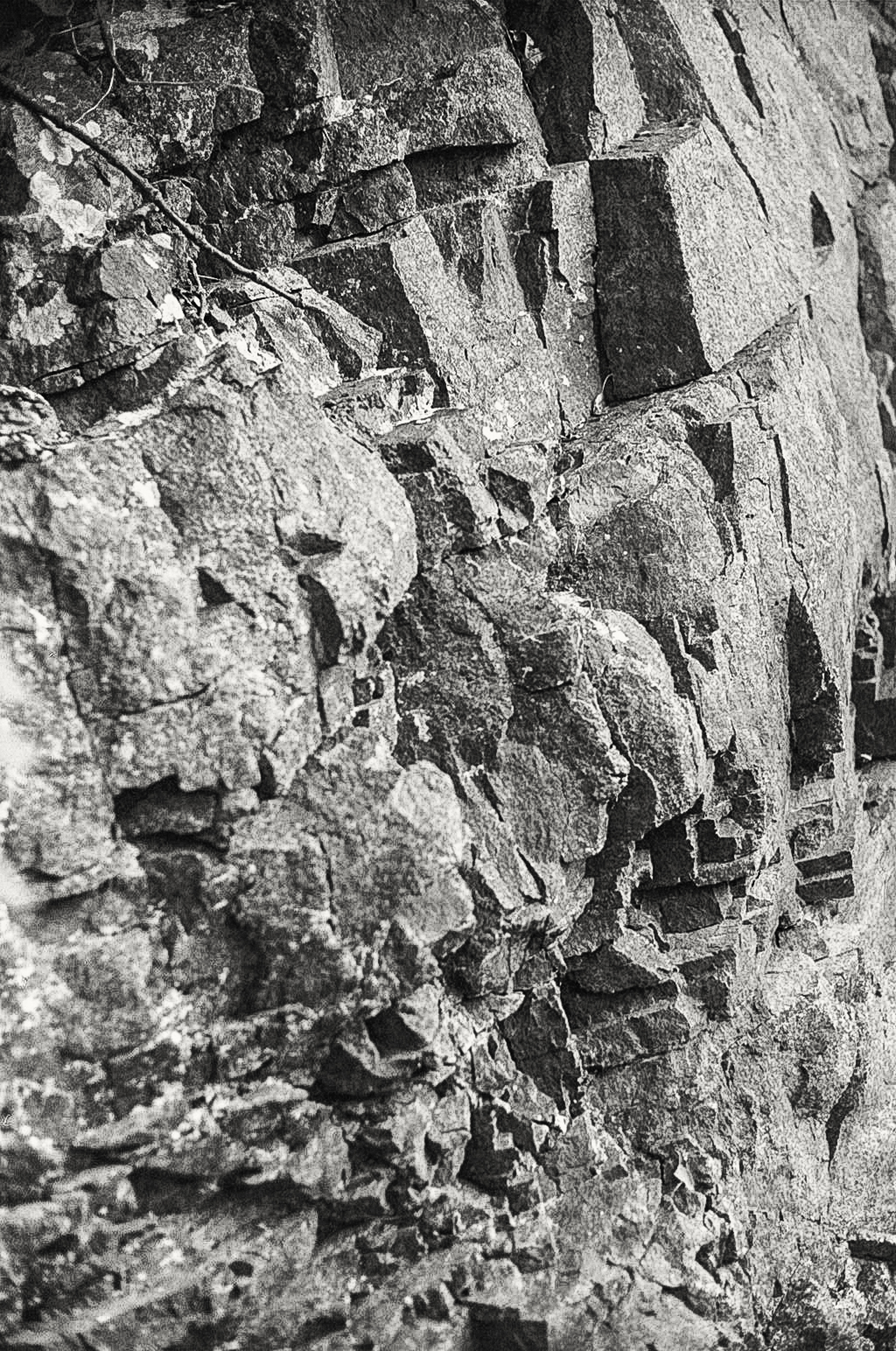
So much for cosmetics. Does the thing actually work? Or does it have hidden problems like the FX-2. I took it out to try it and I’m pleased to say that it works perfectly. I tried all the shutter speeds, and all the aperture settings. Everything works fine. The focus is smooth. No light leaks. The results are below. Any failings with the pictures are the fault of the photographer and not the camera. I used a ten year old roll of Kodak Gold 200 that I found in a box while cleaning out the garage, had processed an scanned and then converted to black and white myself.


Urn


Bench


Rock Face


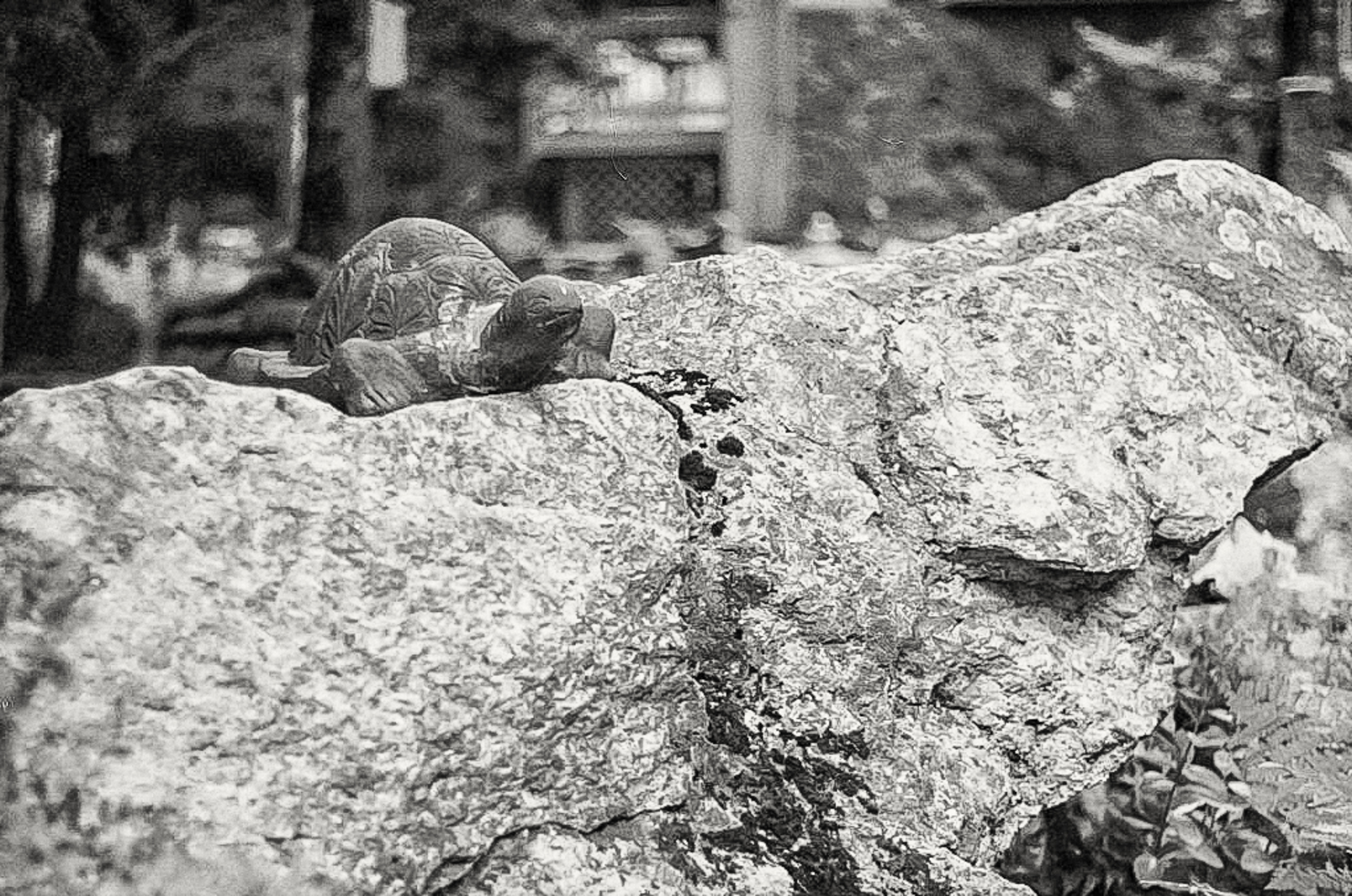
Toy Turtle on a Rock


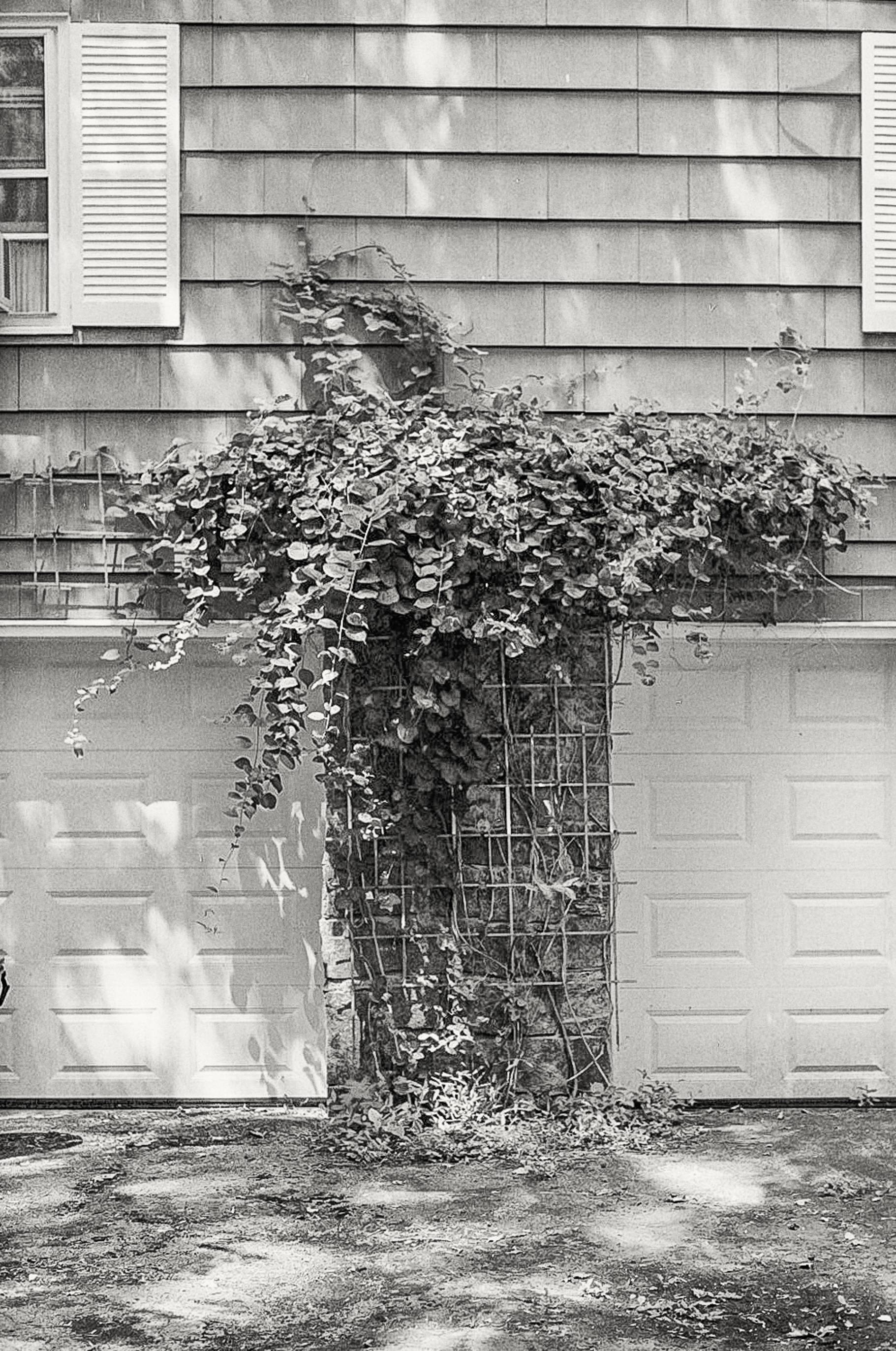
Trellis


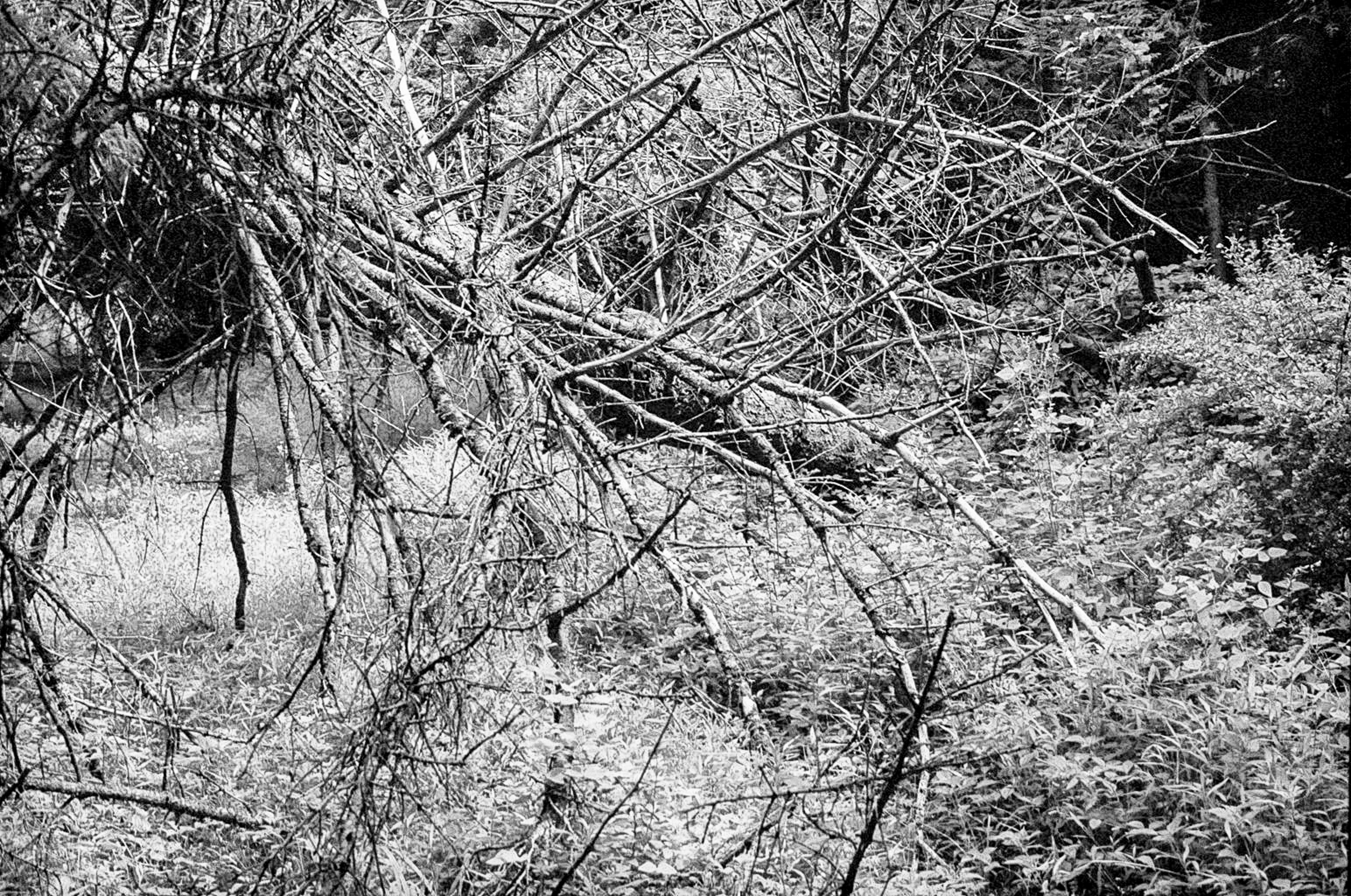
Fallen Tree


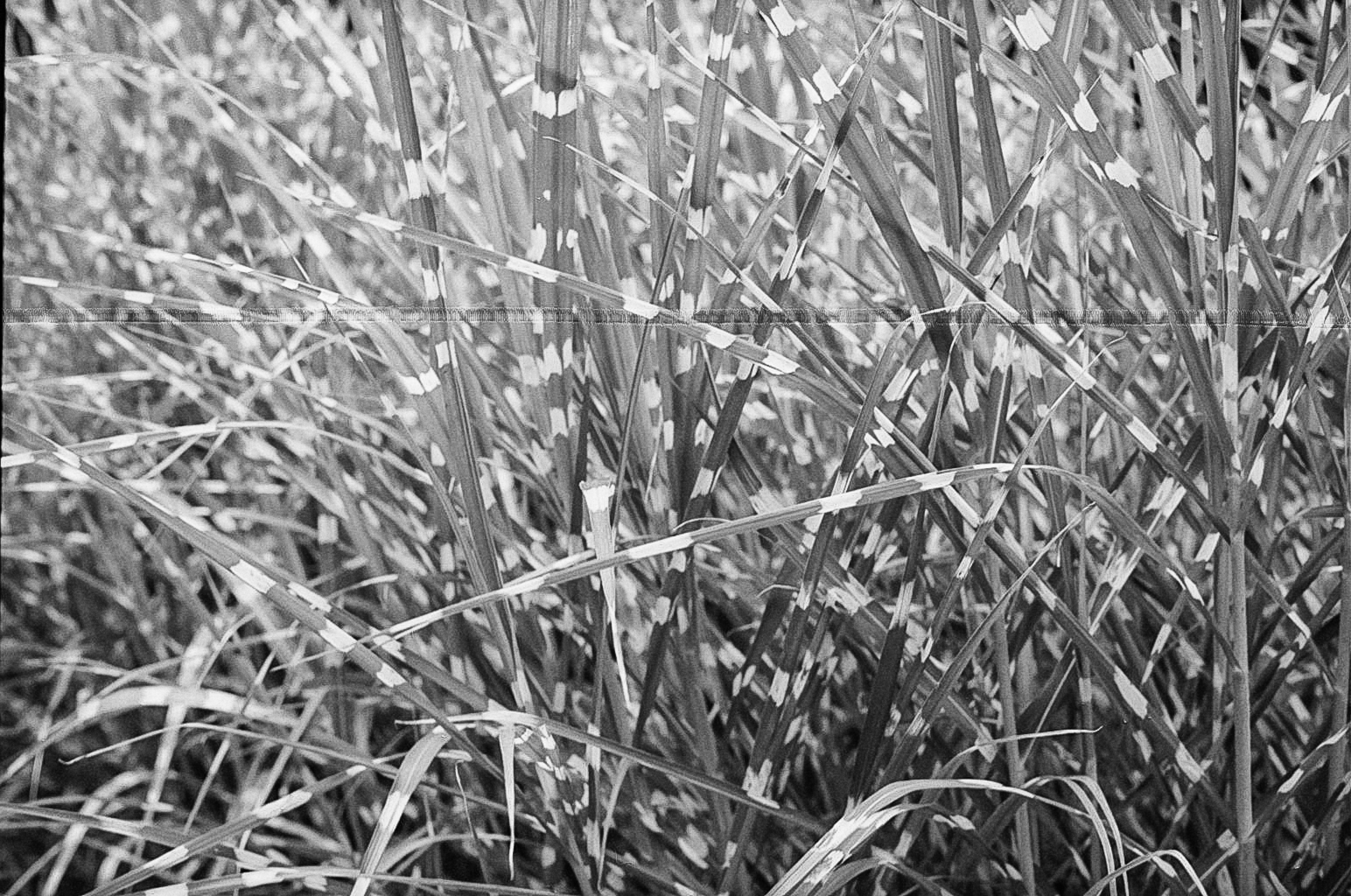
Grasses


Bridge to the lake


Flower