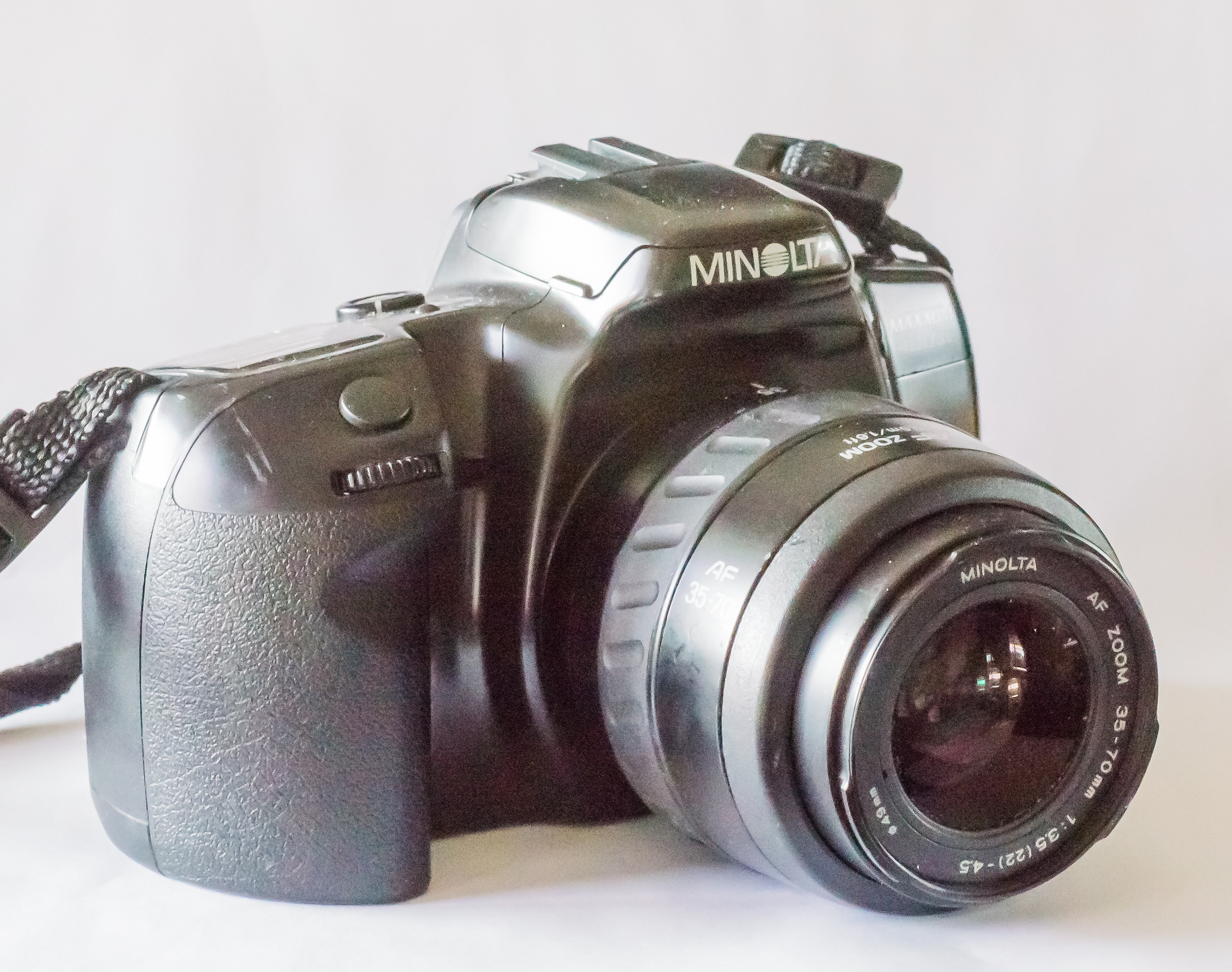
Minolta 400si


I didn’t particularly want this camera – it’s a Minolta Maxxum (also called Dynax in some markets) 400si (just to confuse you apparently also called 500si in some markets).  What I wanted was the two lenses that came with it.  They’re Minolta autofocus lenses that I can use with my Sony Alpha 500 since it has the same mount as Minolta Maxxum/Dynax cameras.  A camera, two lenses, six filters and a strap for $26.  I figured I couldn’t really lose.

The camera arrived.  I tried the lenses on my Sony and they worked perfectly.  The camera also seemed to work so I thought I’d try it out.  I noticed that it had a film in it and that five exposures had already been made so I finished it off and took it to CVS to be developed and scanned.  I picked it up with a little trepidation as I had no idea what those first five pictures were and hoped they weren’t of anything obscene or illegal (it turned out that they were of cats).  However, the pictures were quite disappointing – very very low contrast.  I’d checked out the camera and the apertures and shutter speeds all seemed to work OK.  I have no idea how old the film was so maybe the film had degraded over time.  Or maybe it had been poorly processed?  Or maybe the camera wasn’t reading the ISO correctly?  Or maybe I just got something wrong? I’ll try it again with a fresh film and see how it goes.

How did I like the camera?  It’s a very basic camera and quite “plasticky” feeling.  It’s very light though and quite comfortable in the hands.  Seems to require a lot of pressure on the shutter release.  Portrait, Landscape, Close-up, Sports and Night Portrait scene modes.  Programme, Aperture Priority, Shutter Priority and Manual exposure.  Viewfinder display shows aperture setting, shutter speed setting and over/under exposure warning. Manual focus is also possible.  No depth of field preview.  Not one of the greats, but has most things that most people would want.
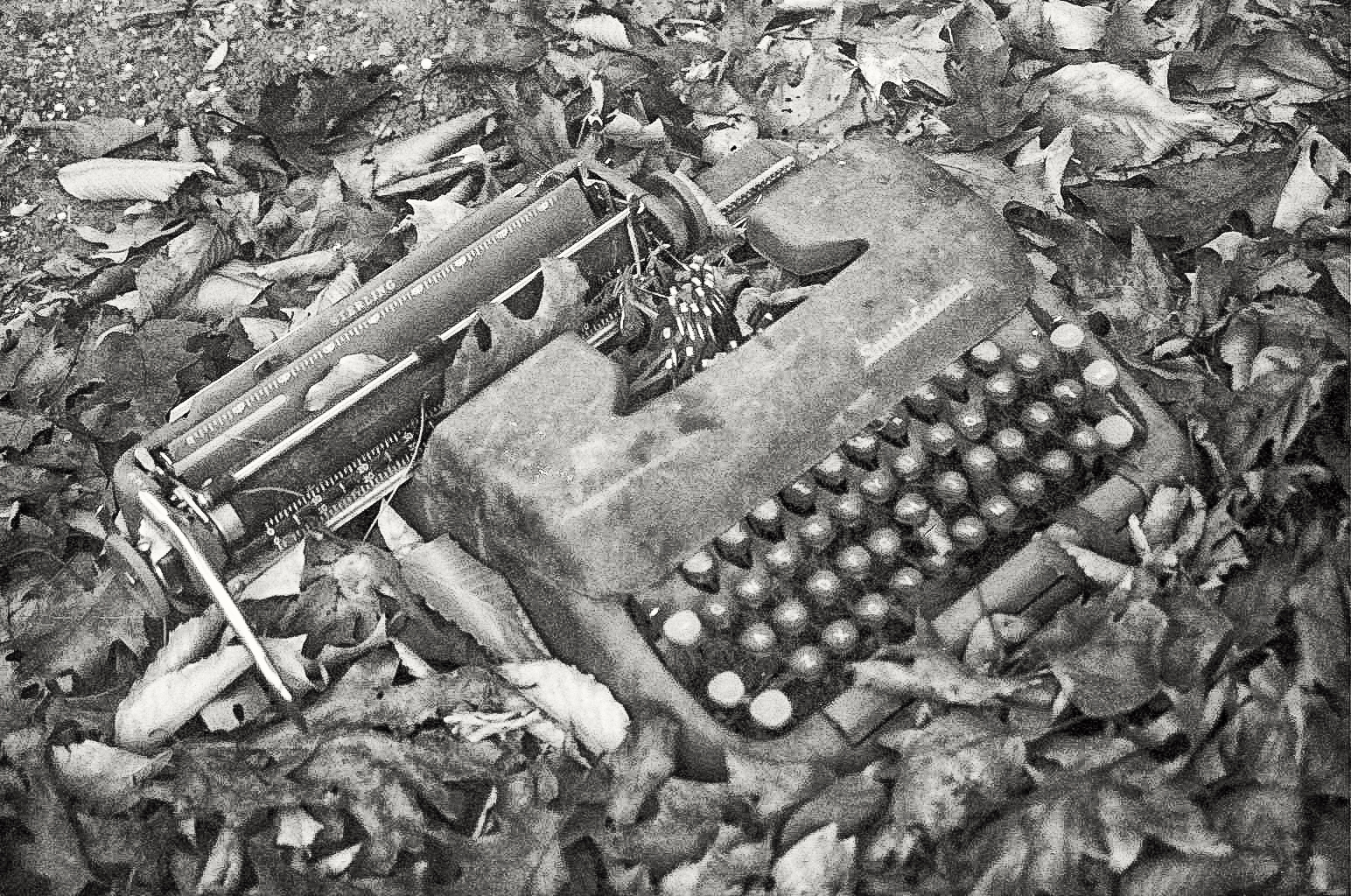

Old typewriter by the roadside
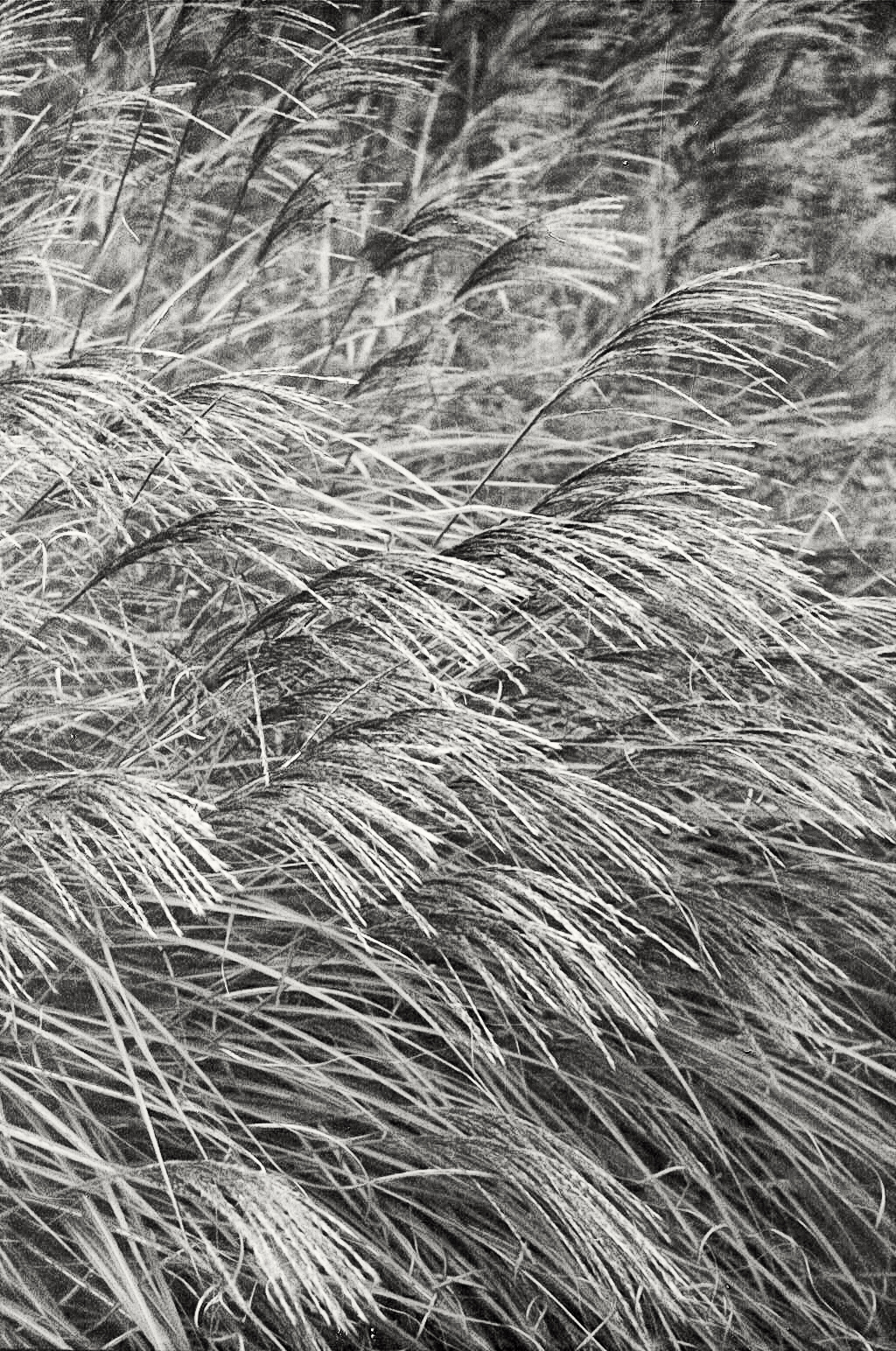

Grasses
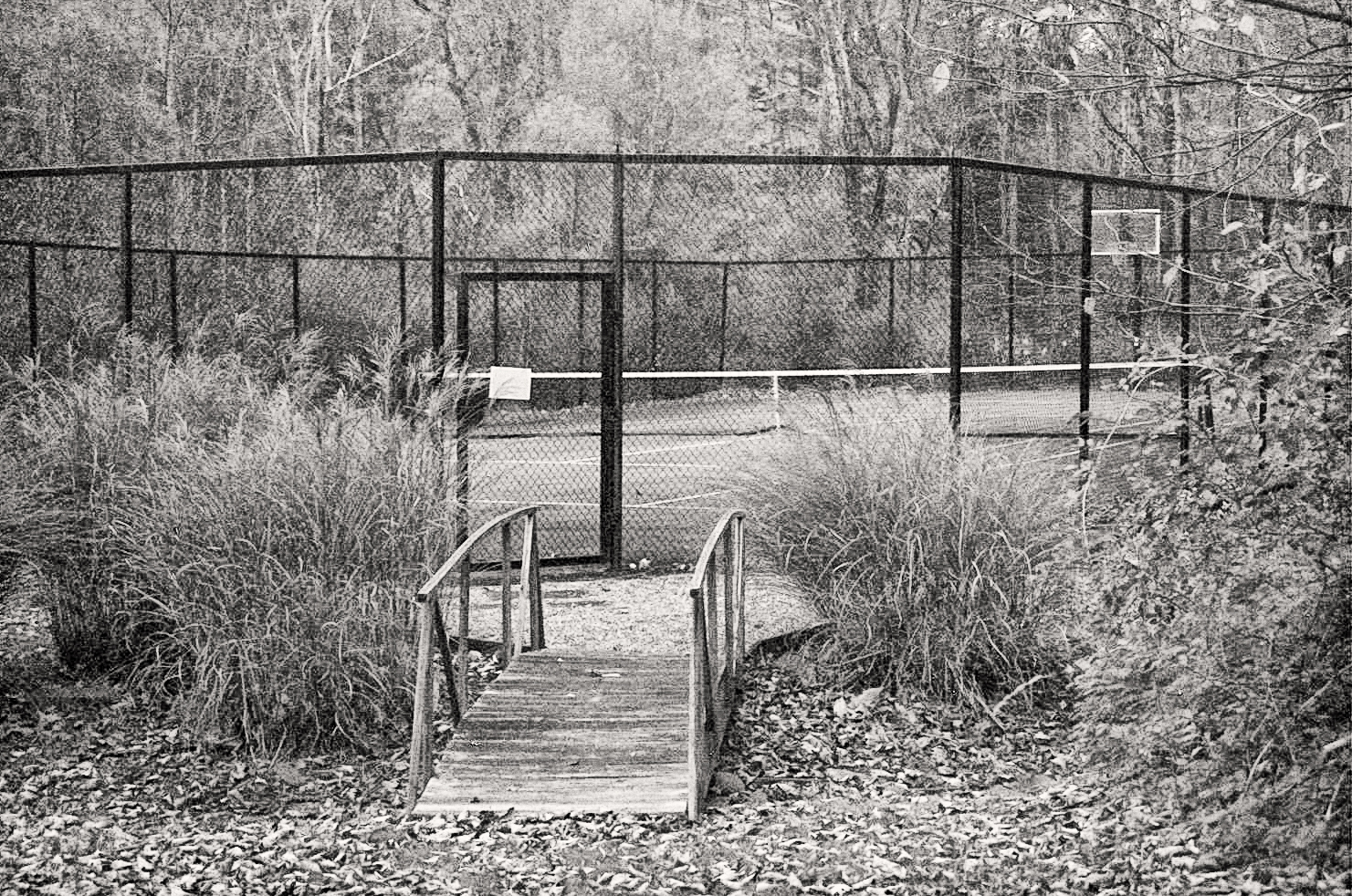

Tennis court
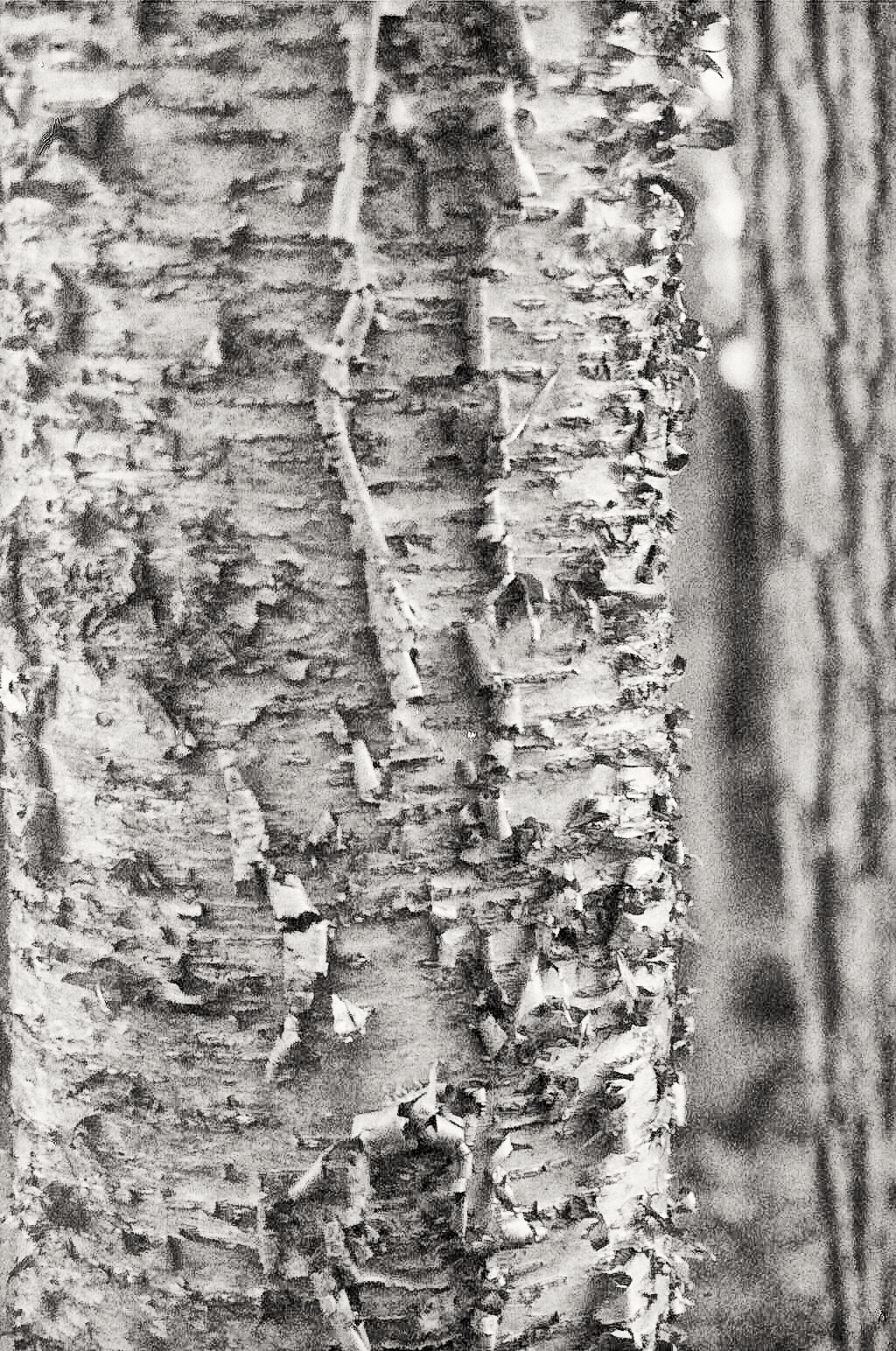

Birch tree
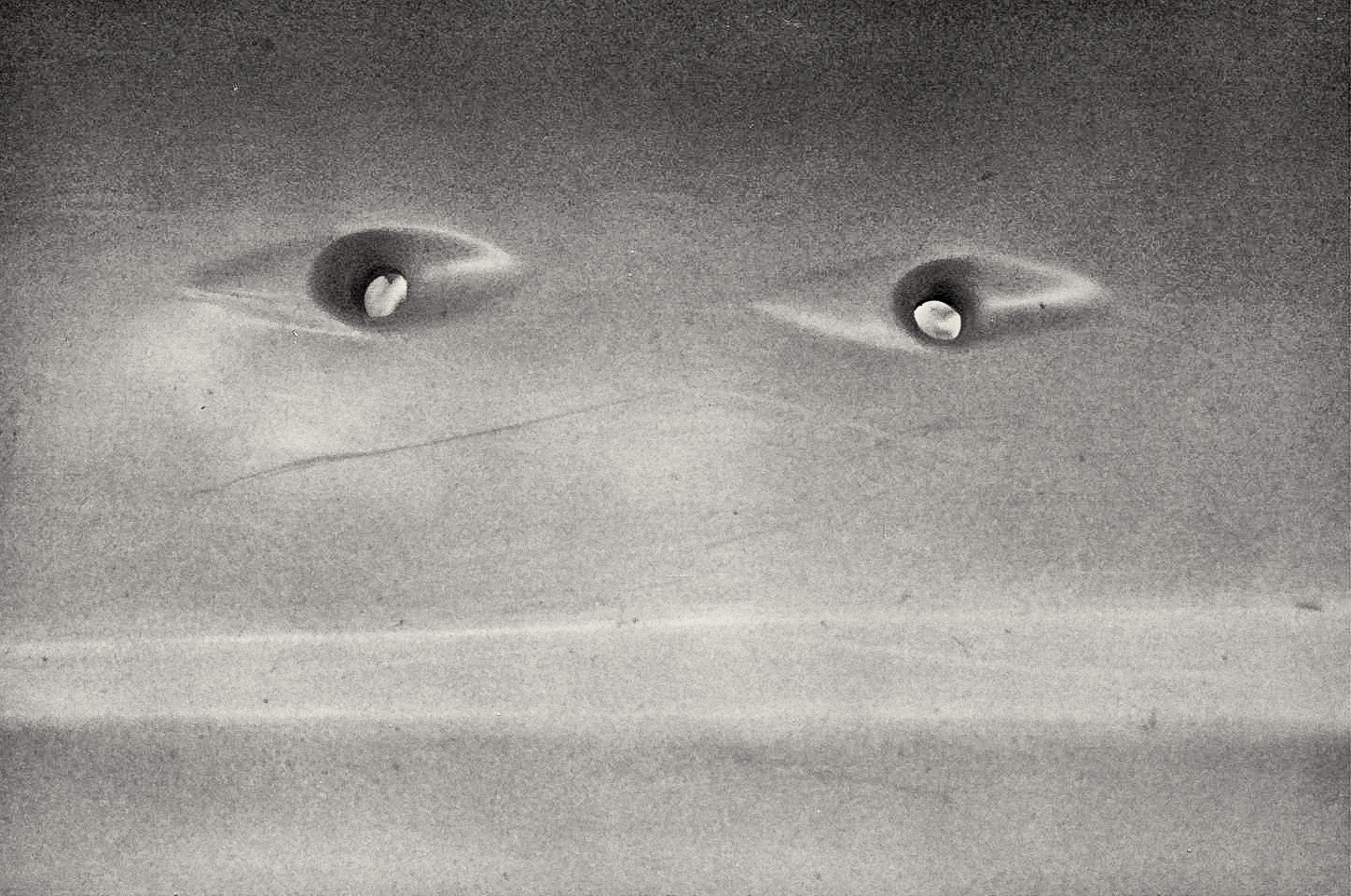

Eyes on the Kayak
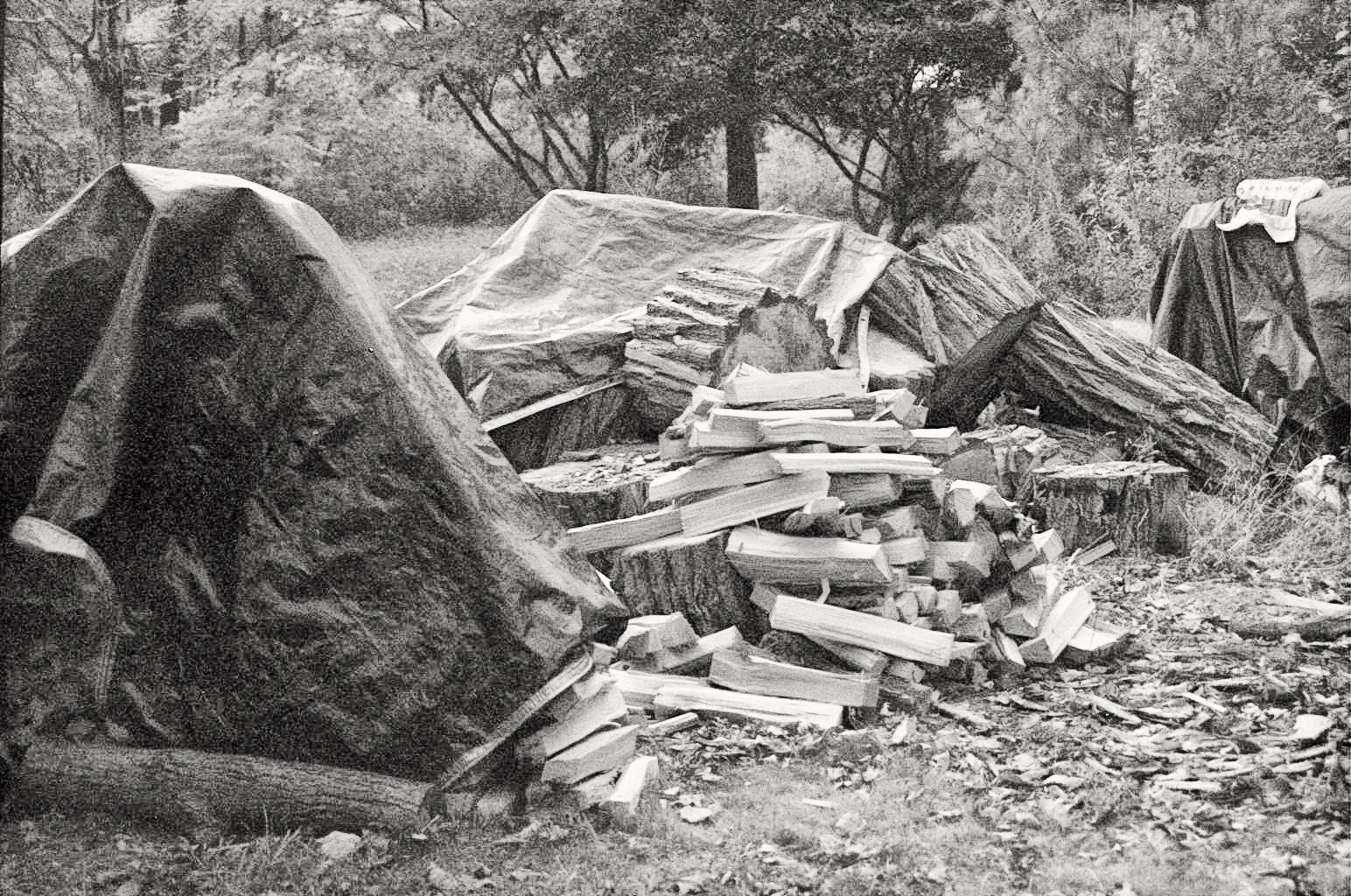

Log pile
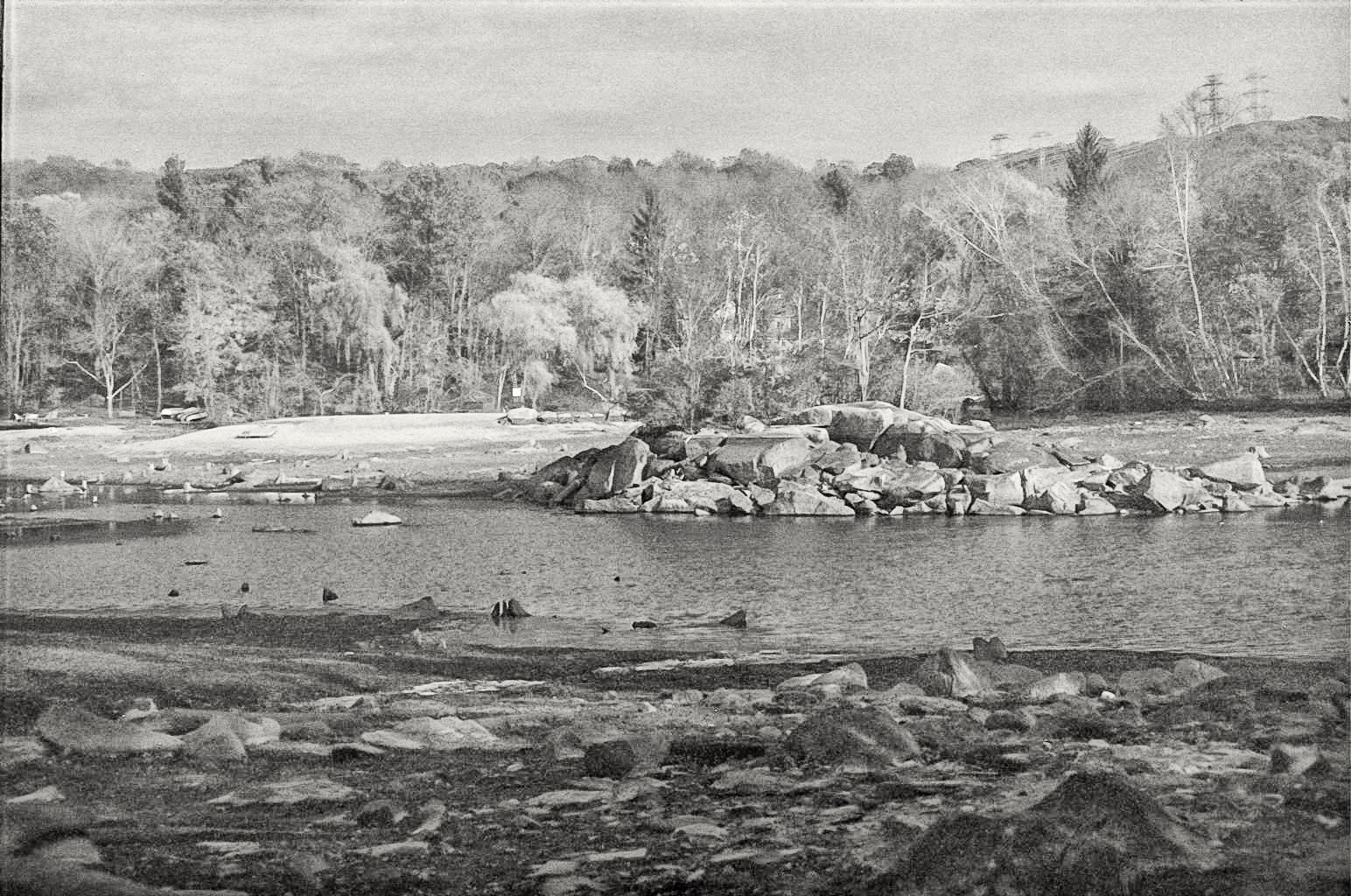

Lakeview
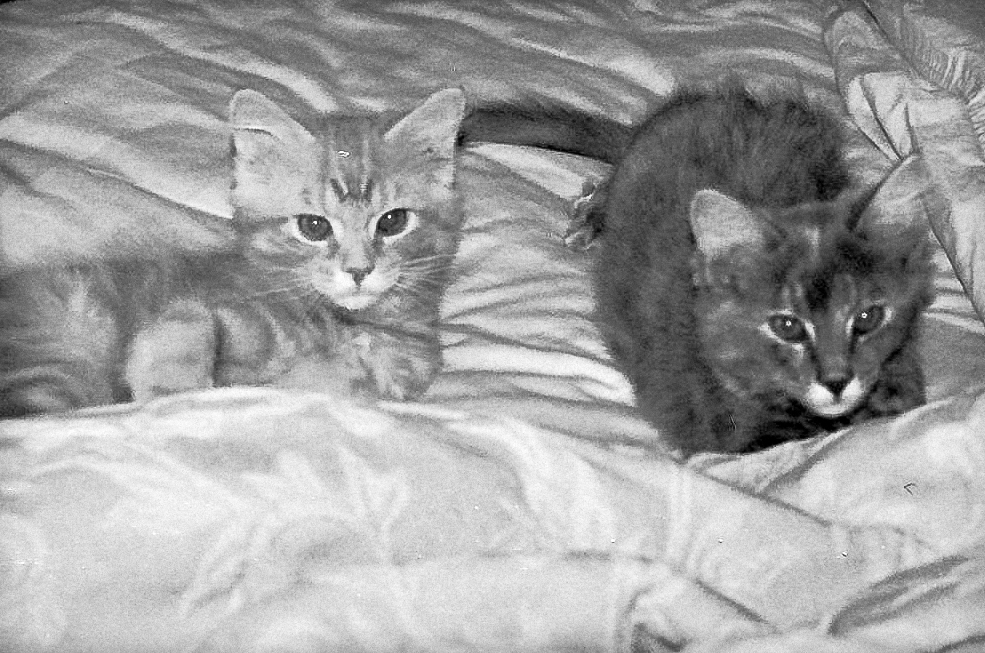

And finally one of the cats.  Courtesy of the unknown photographer with my thanks.

Sony Alpha 500


Ken

In an earlier post I noted that my first digital SLR was a Konica Minolta Maxxum 5d.  I bought this camera because:

a) I’d had a good experience with a minolta camera in the past. My first serious camera was a Minolta Hi-Matic 7sii. By that time I’d had film SLRs, but when I went to digital I started with a Canon
s10 followed by a Canon s50 – both of them compact cameras.

b) The Maxxum 5d was a good buy because at that time Konica Minolta was getting out of the camera business. When I bought the camera I didn’t know that Sony would be picking up the Konica Minolta camera business.

As I mentioned in the earlier post I didn’t really give the Maxxum a chance and after a while i decided that what I needed was a better camera with more megapixels (I was a lot more naive in those days). I had lenses in the Maxxum mount so the logical choice was Sony. I found a good buy on the Alpha 500 and so I got it. However, I think I was souring on SLRs by that time so I didn’t use it that much. I lost interest in photography at that time and my enthusiasm was not rekindled until I lost the Canon Powershot S50 and bought a Panasonic Lumix LX-3 to replace it.

My interest in SLRs (both film and digital) has recently increased and the other day I bought two Maxxum lenses for a grand total of $26. When they come I’ll try them out on the Alpha 500.


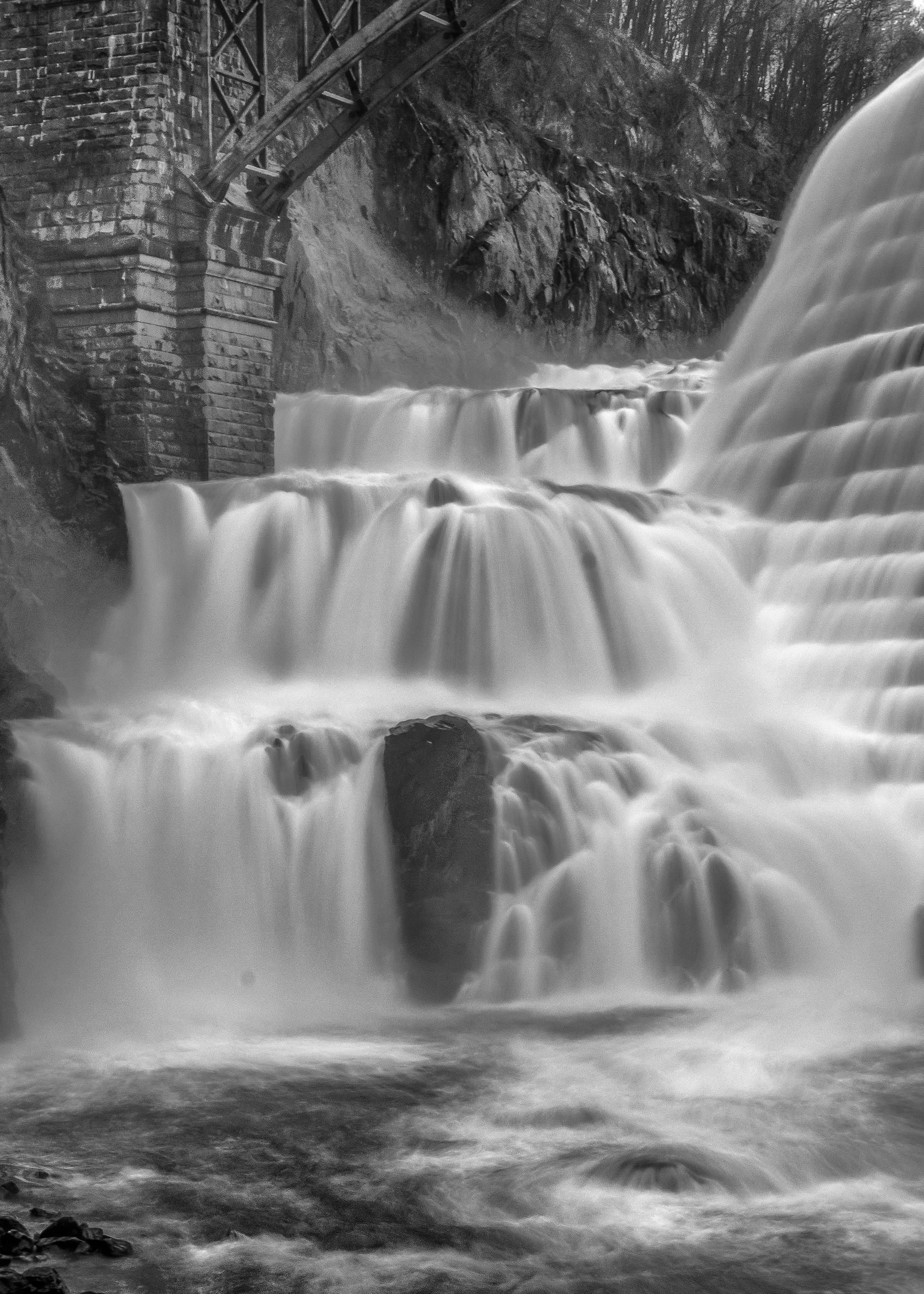
Falls at the Croton Dam


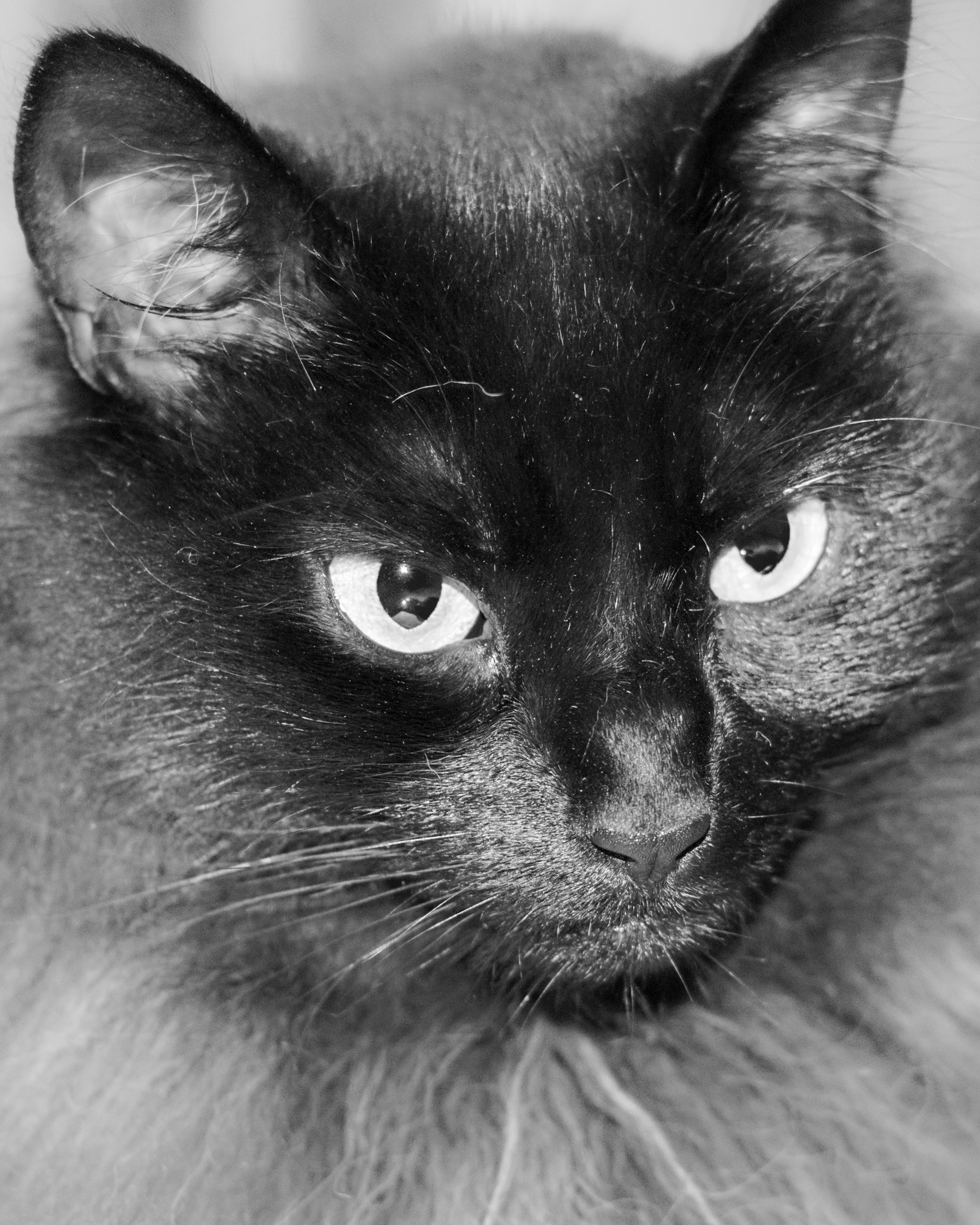
Gypsy – Our cat


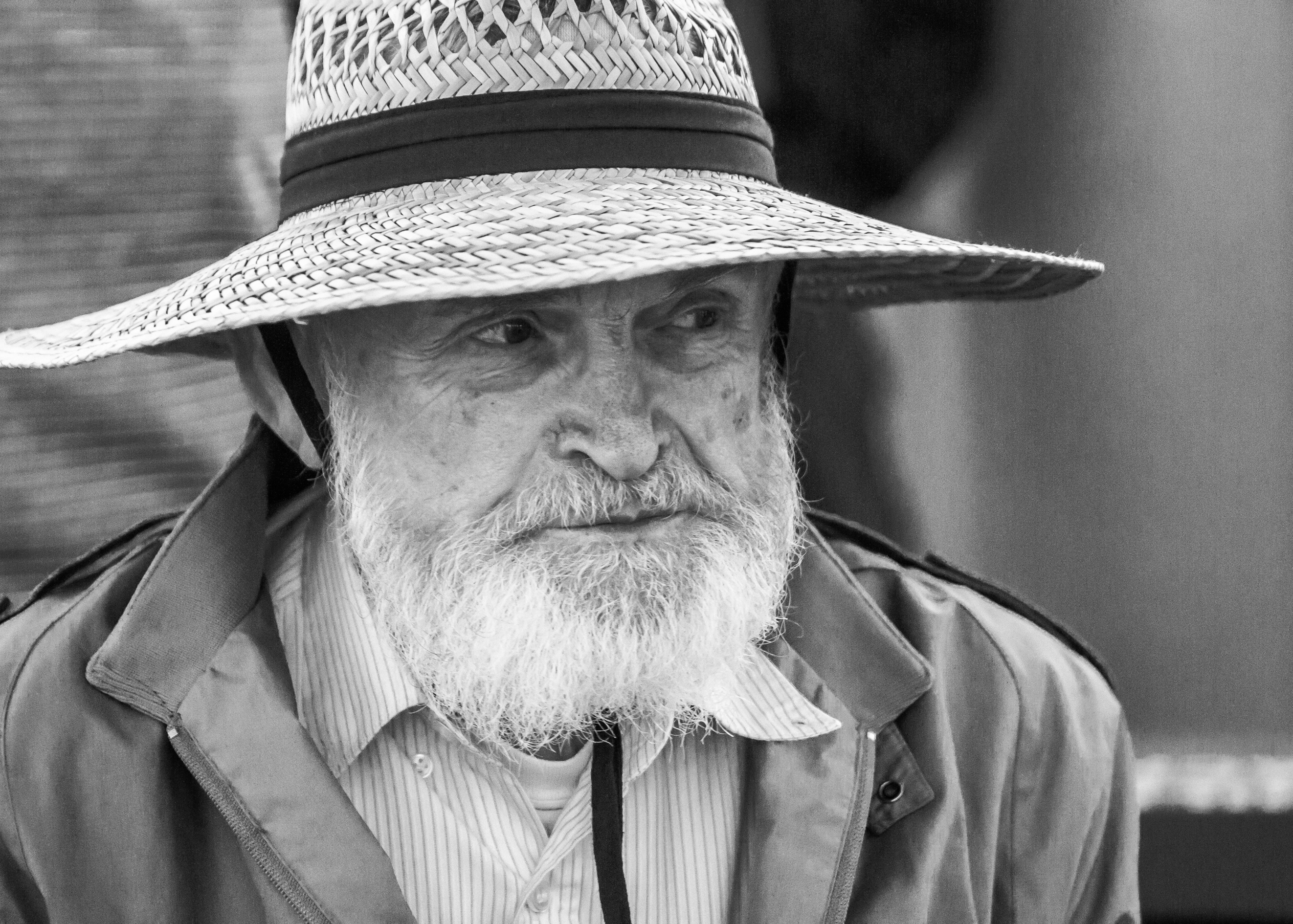
Man on a boat. Seen on a boat ride on the Hudson River


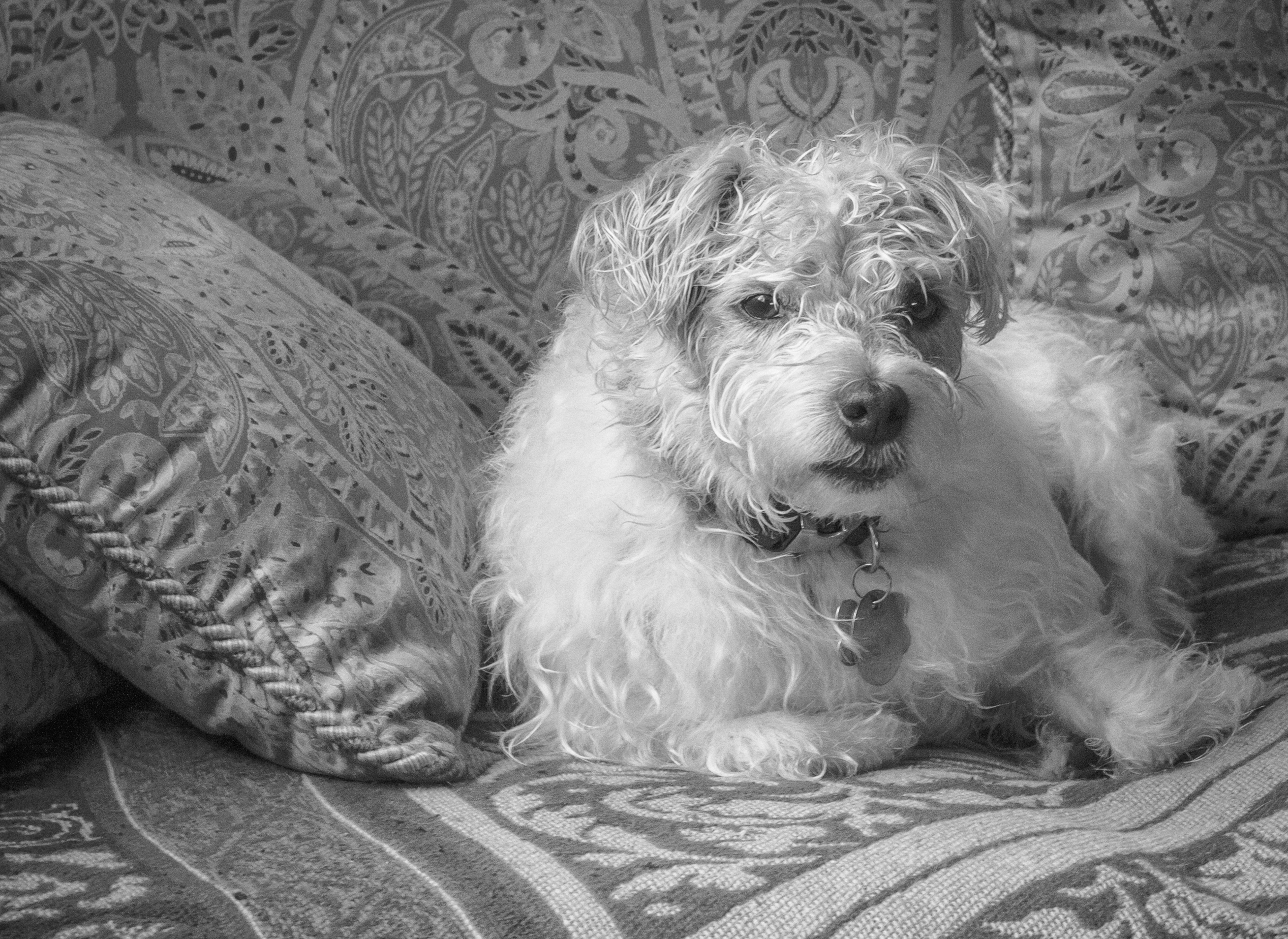
Jackson – Our dog

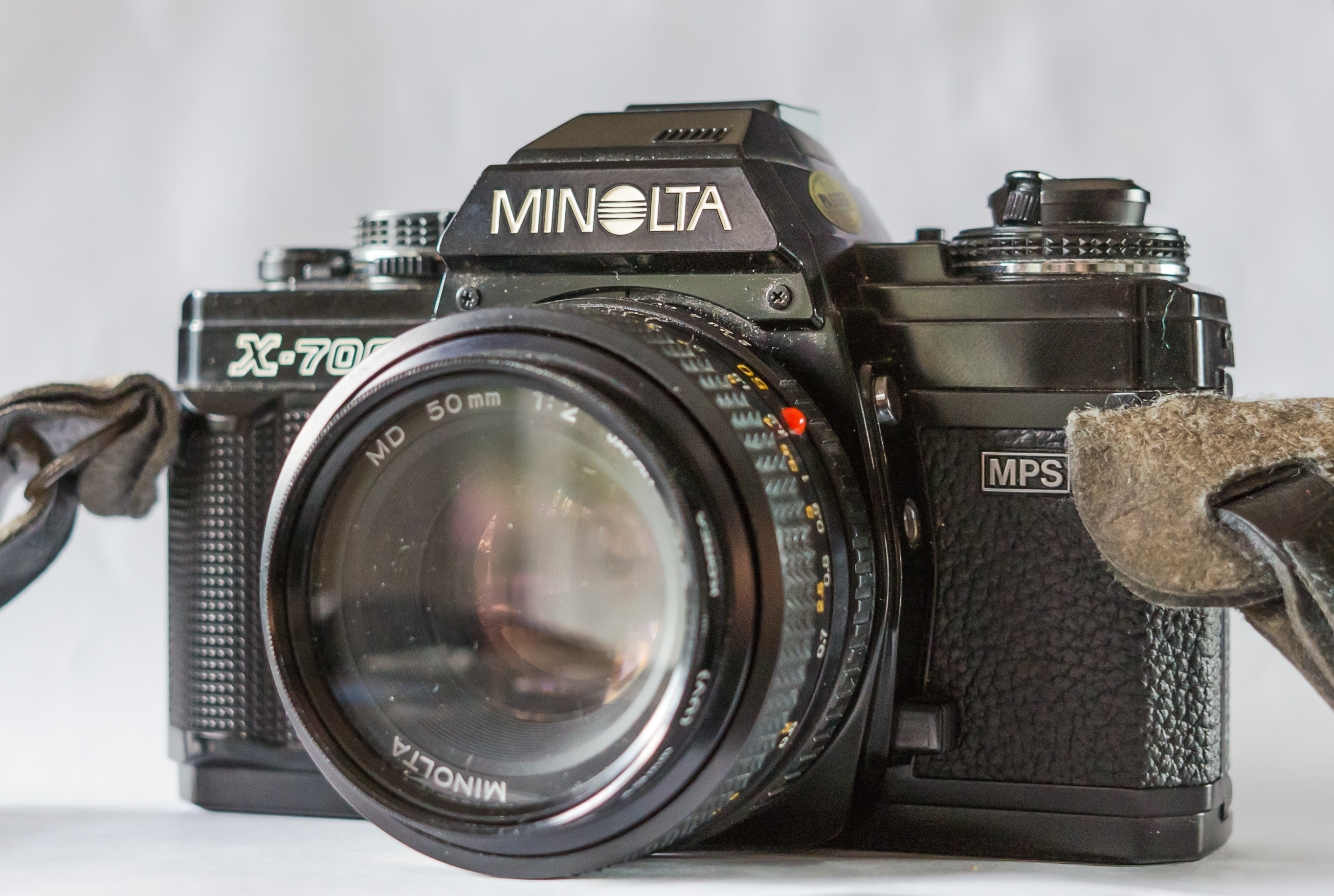
Minolta X-700: Color


Just acquired a nice Minolta X-700. In it’s day (1981) it was Minolta’s top manual focus camera. It was also Minolta’s final manual focus camera. After this came the Maxxum 7000, the world’s first autofocus single lens reflex camera.

It came with a Minolta MD 50mm f2; Rokinon MC 80-250mm f4.5/4.8; Rokinon MC 28mm f2.8; Rokinon MC 135mm f2.8; a Focal 2x teleconverter; a Vivitar 3500 flash; a Soligor Power Winder G and various manuals. All the lenses have haze filters and front and back caps. There’s also a nice leather camera case and a case for the teleconverter. The seller had even been kind enough to include a battery. I bought an adapter for my Sony Nex and tried out all the lenses, but I hadn’t tried the camera with film until today so I didn’t know if the body was working properly. I’m pleased to say that everything seems to work well.

I like this camera. It’s not too heavy and fits nicely into my hands. The depth of field and exposure lock buttons are within easy reach. It’s known for its Programme auto-exposure mode and TTL flash, neither of which I’m likely to use much. I used it in Aperture priority and it worked well. I believe the metered manual mode has a quirk: it shows the recommended shutter speed in the viewfinder rather than the shutter speed that’s actually set. This is apparently remedied in the otherwise less sophisticated X-570.

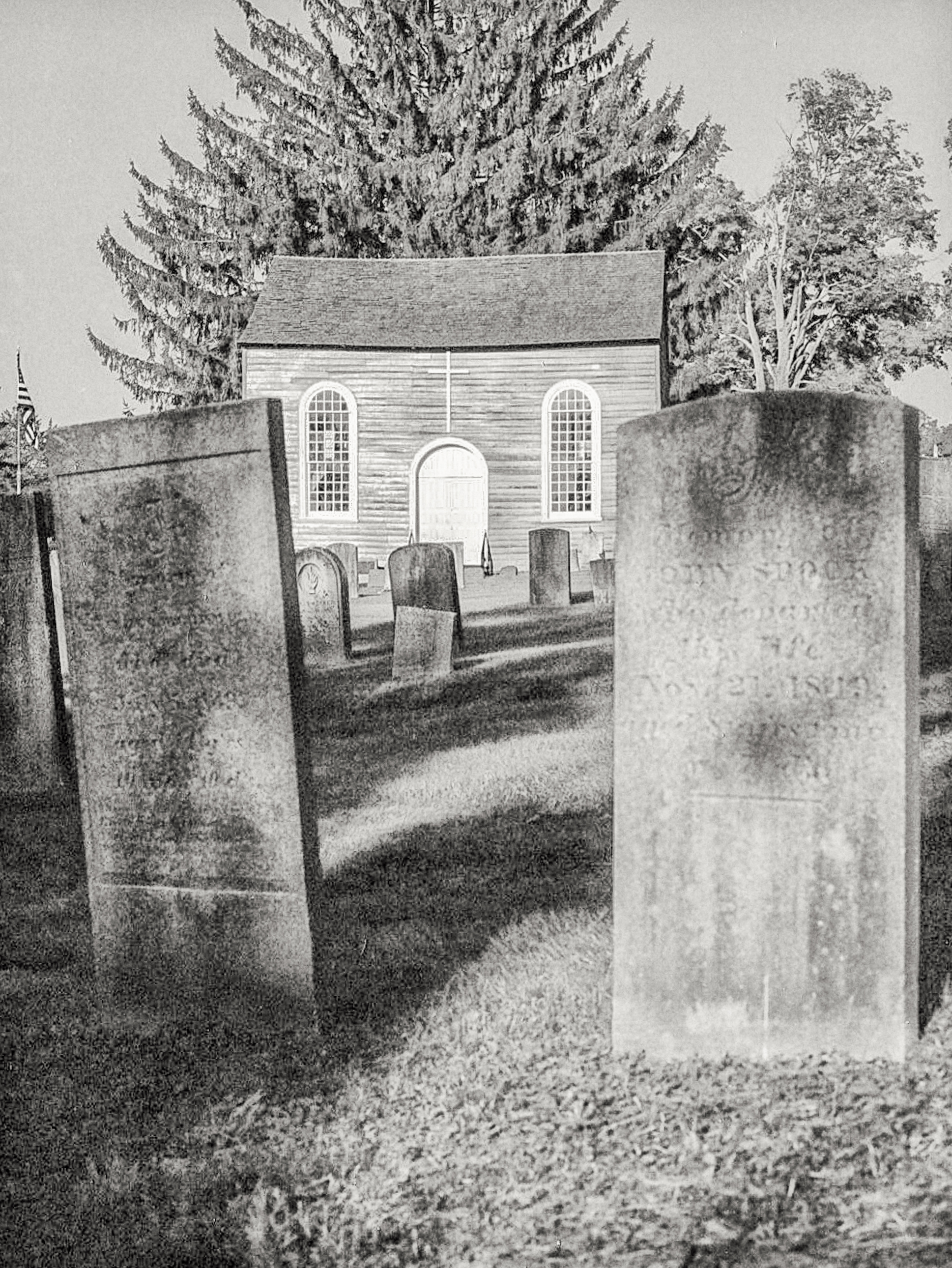
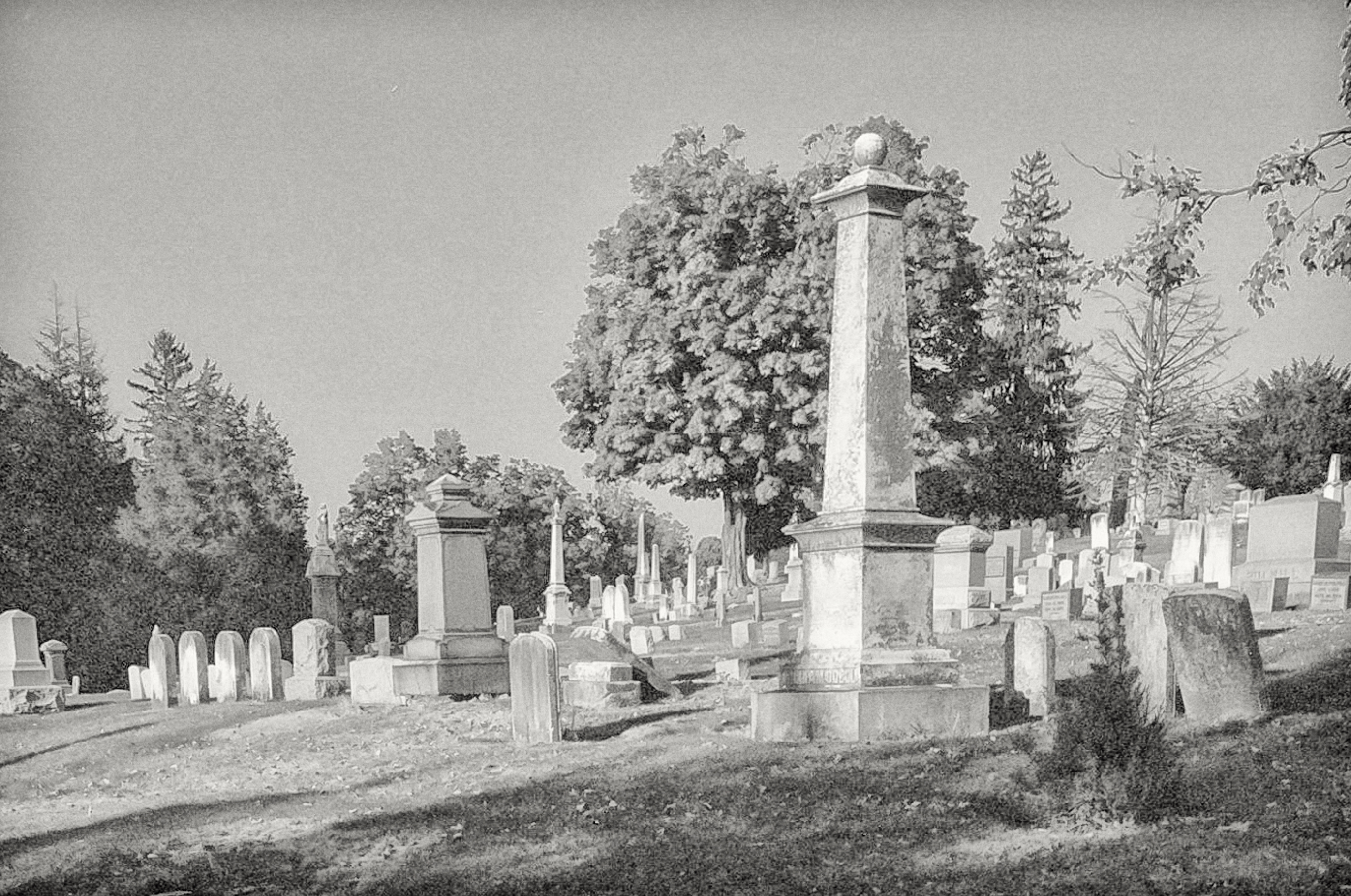
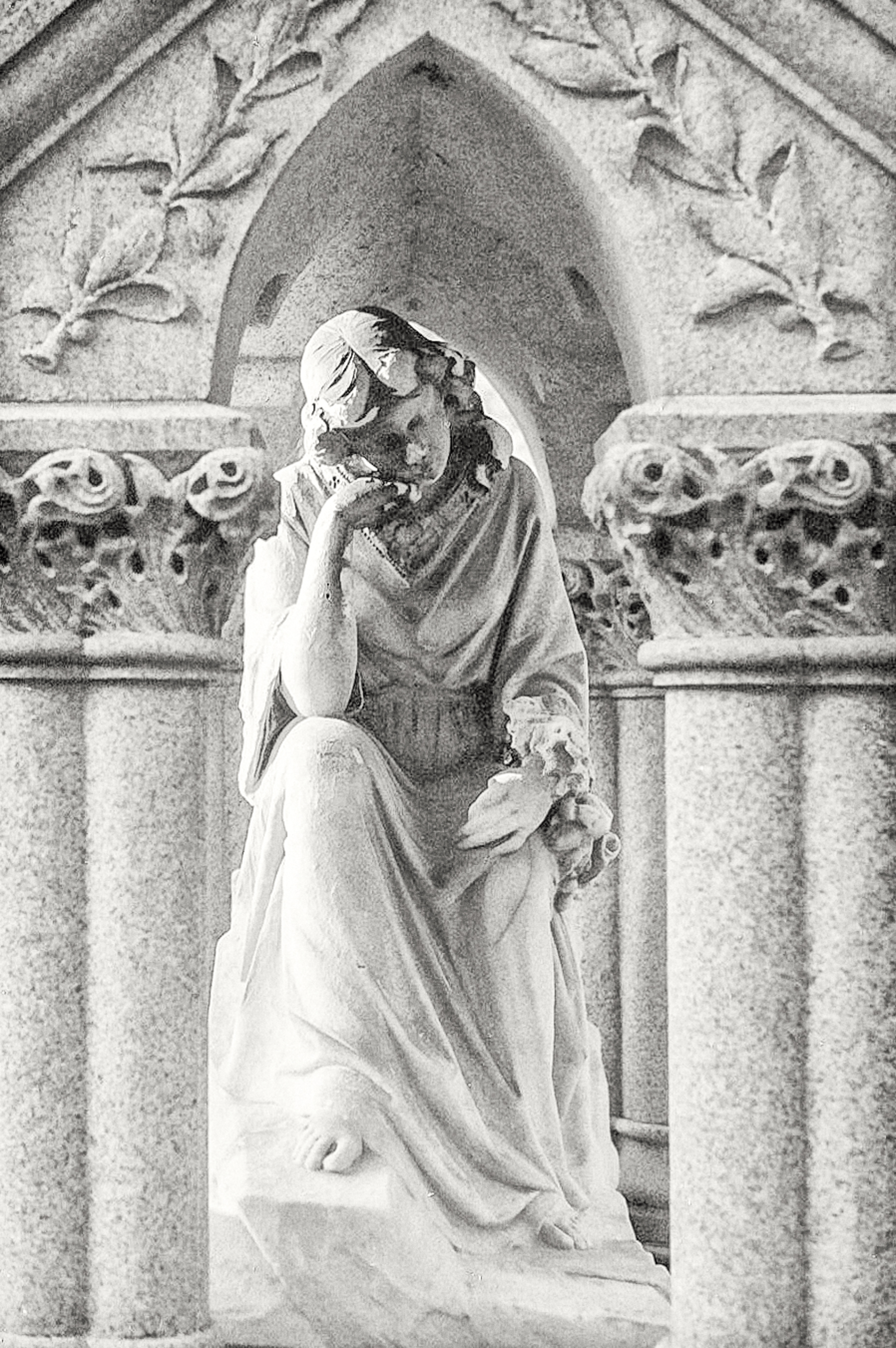
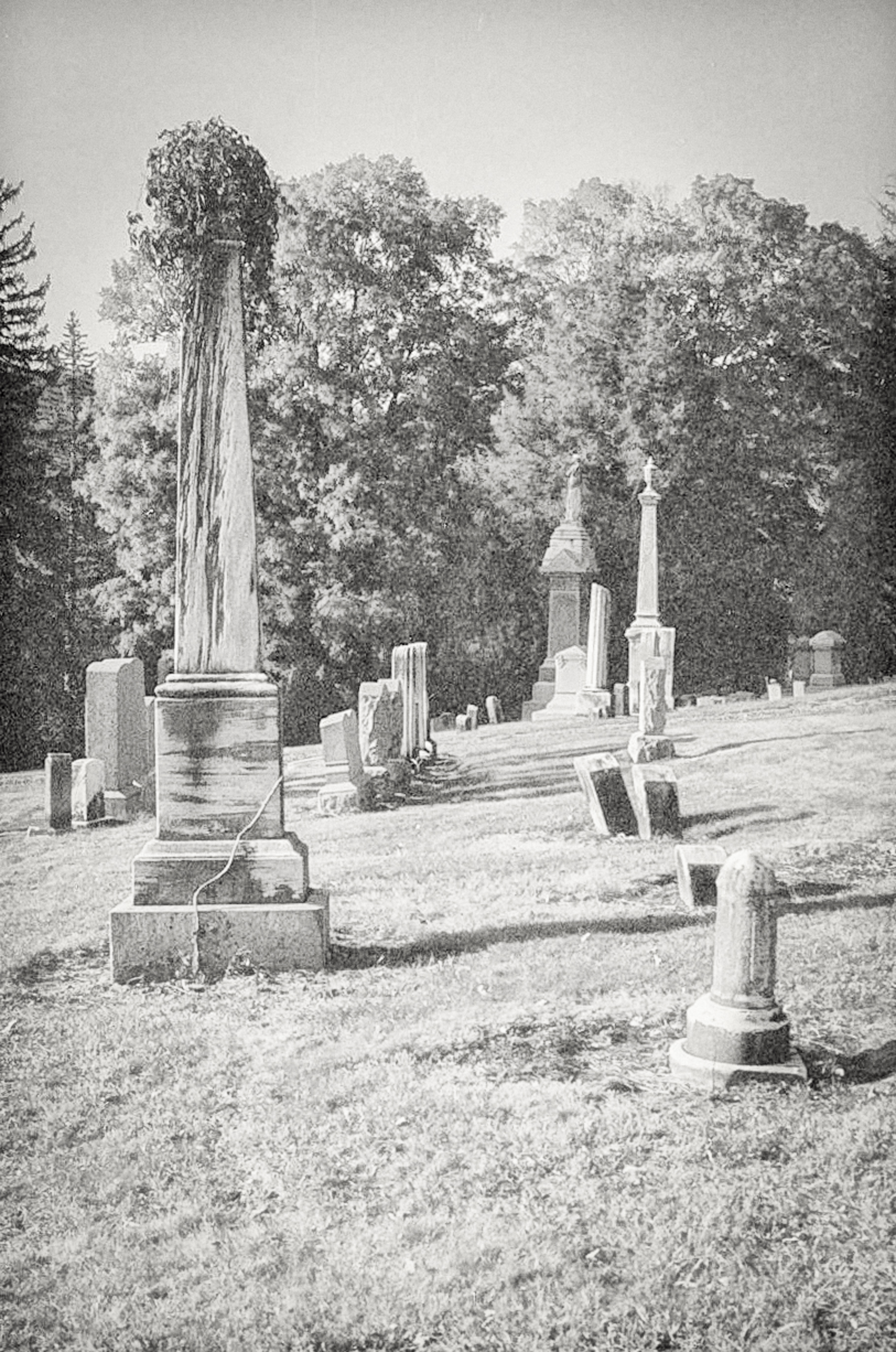
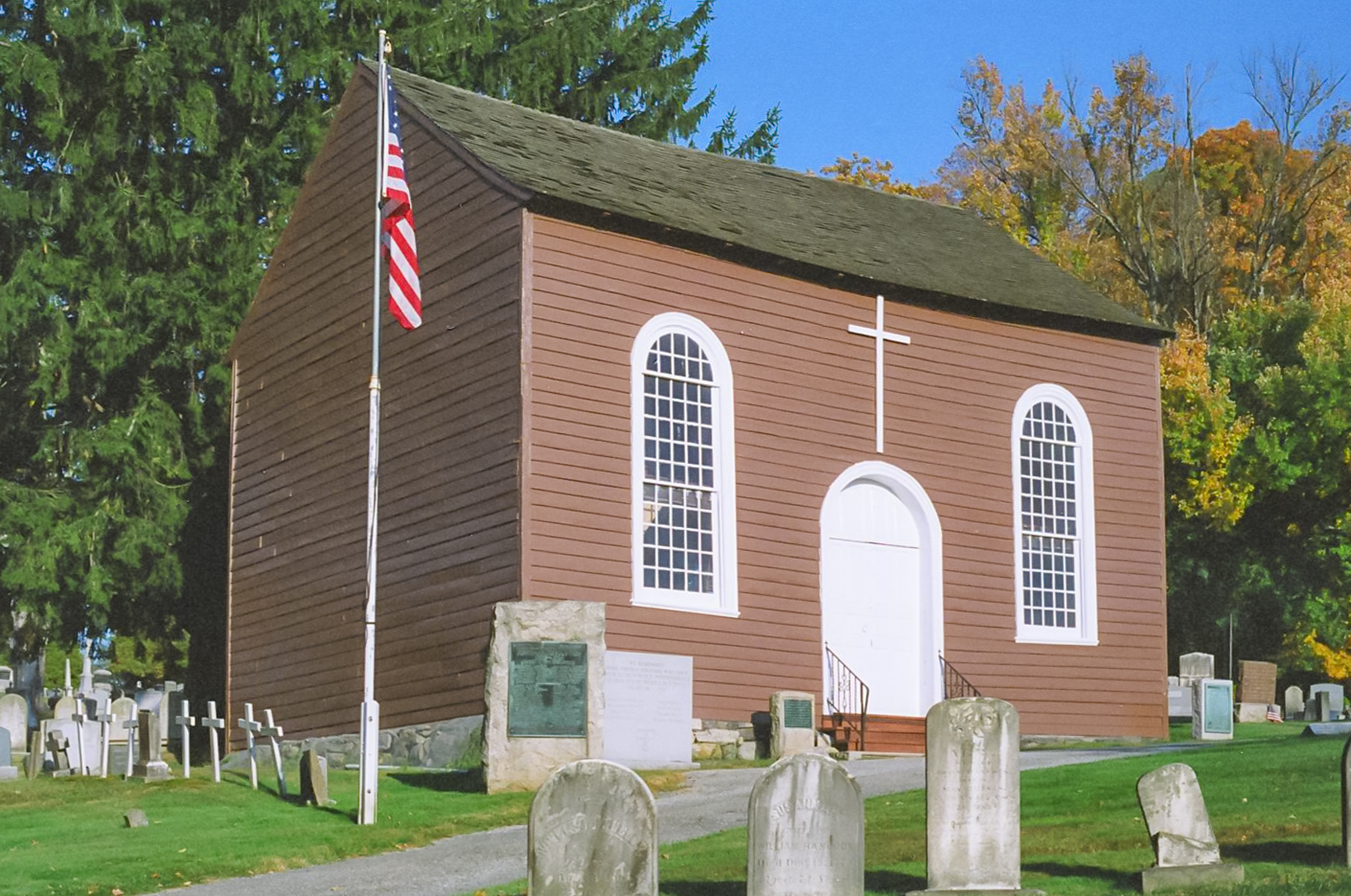
To test the camera body I went to the Old Saint Peter’s Church in Van Cortlandtville.

Some black and whites from the same camera at the same location to follow in the next post.


The Church


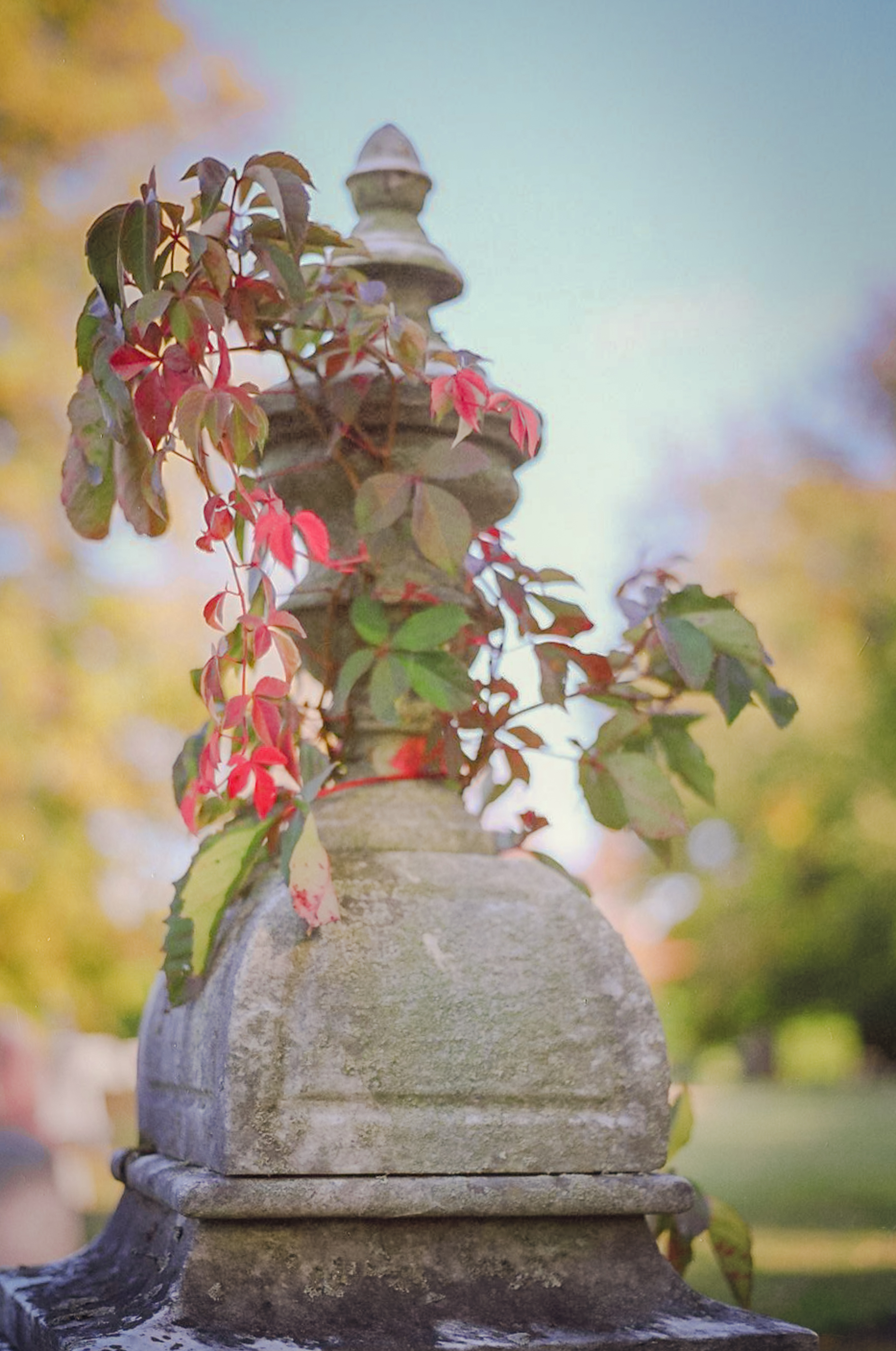
Red leaves on stone


Spectacular flowering bush. I’d like one of these on my grave.


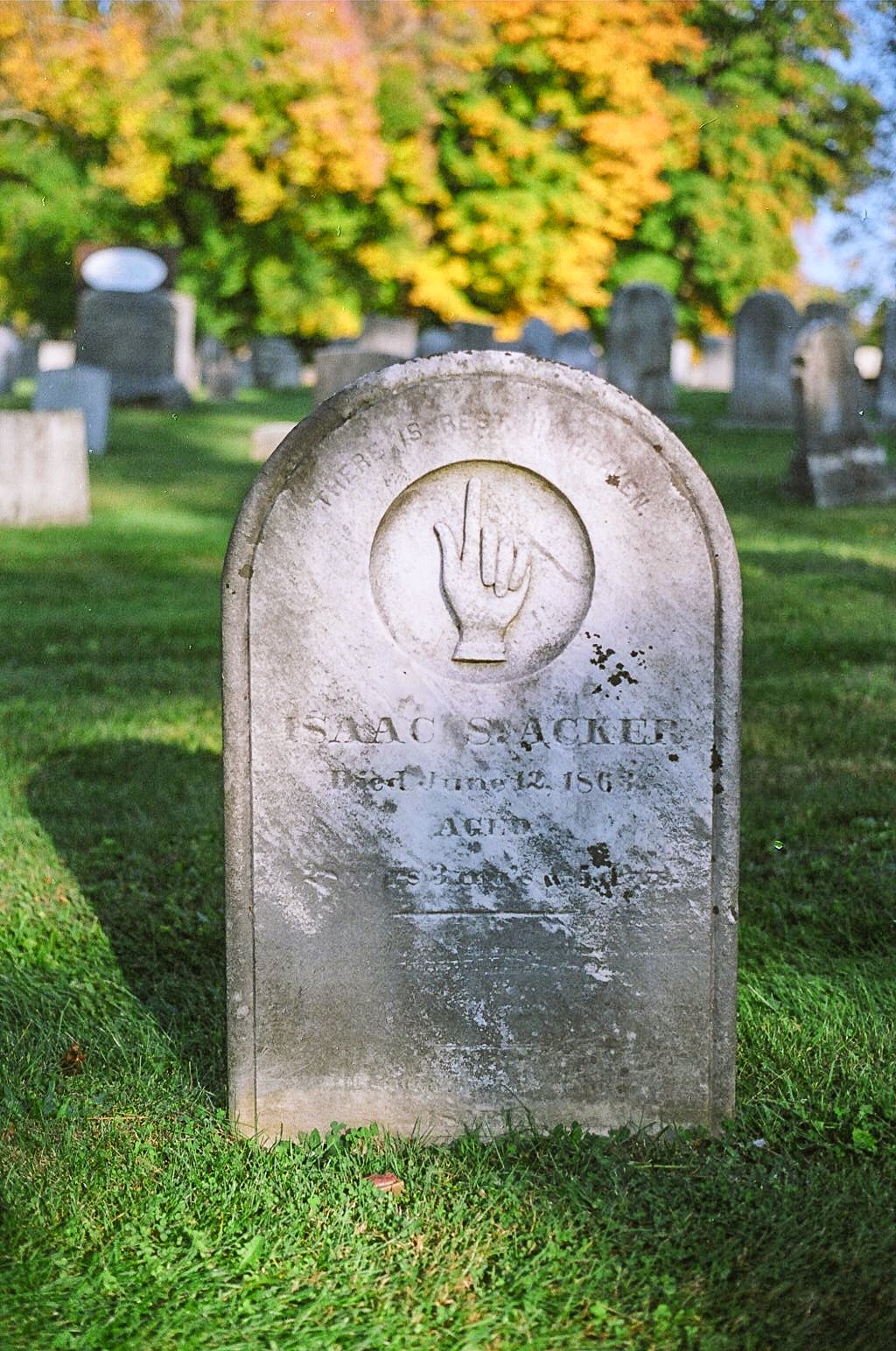
Isaac Sacker gravestone


Fall leaves on a grave marker

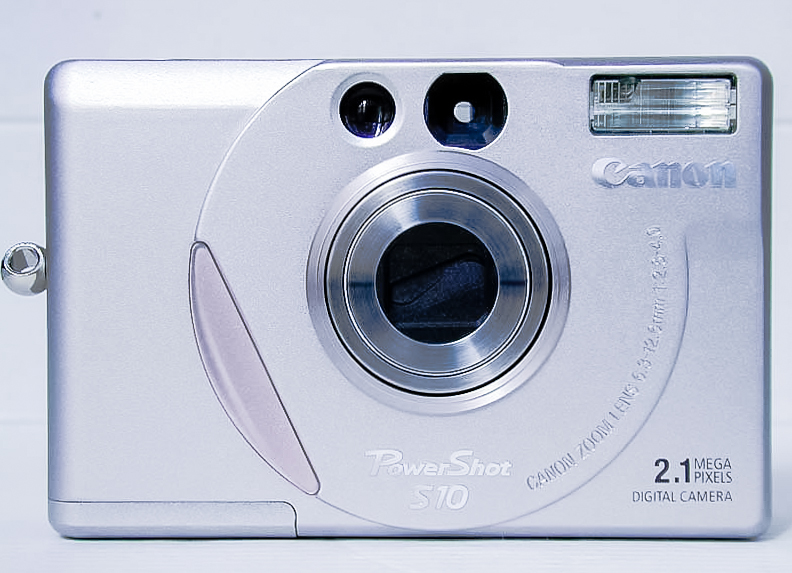
Canon Powershot S10


My second digital camera after the late, unlamented Casio QV-100. This one had a massive 2.1 mexapixel sensor. Seemed a lot at the time.

Digital Photography Review concluded:

The Canon S10 certainly sets new ground, and I’m sure it’s sent a few manufacturers racing back to the drawing board (as I’m sure the 950 did when it was released). The S10 is just so good on so many grounds it goes high on my favourite digicams list. With the addition of USB, CF Type II, Super-Fine JPEG, its small size and value for money, if you can live with the limited zoom ability then the S10 is one camera that ANYONE considering buying a digicam should have somewhere in their list.. (somewhere near the top).

Kudos Canon, you’ve produced a digital camera capable of taking beautiful images in anyones hands, with a great feature set and some neat touches it makes some larger bulkier digicams look like dinosaurs and brings compact digital cameras to a new level.

I liked this camera (mind you after the QV-100 I would probably have liked anything). After a few years I left it on a train to Grand Central Terminal. I’d been thinking about upgrading and this gave me the excuse. After doing some research I chose the Canon Powershot S50. Feeling certain that I would never see the S10 again I went out immediately to buy the S50. A few days later I went to the lost and found at Grand Central Terminal – just in case. Lo and behold the camera had been handed in. I guess I had underestimated the honesty of the average new yorker. Co-incidentally a few years later I left the replacement Powershot S50 in a taxi in Geneva, Switzerland. That too came back, but only after I had purchased a Panasonic LX3, the camera which re-kindled my interest in photography.


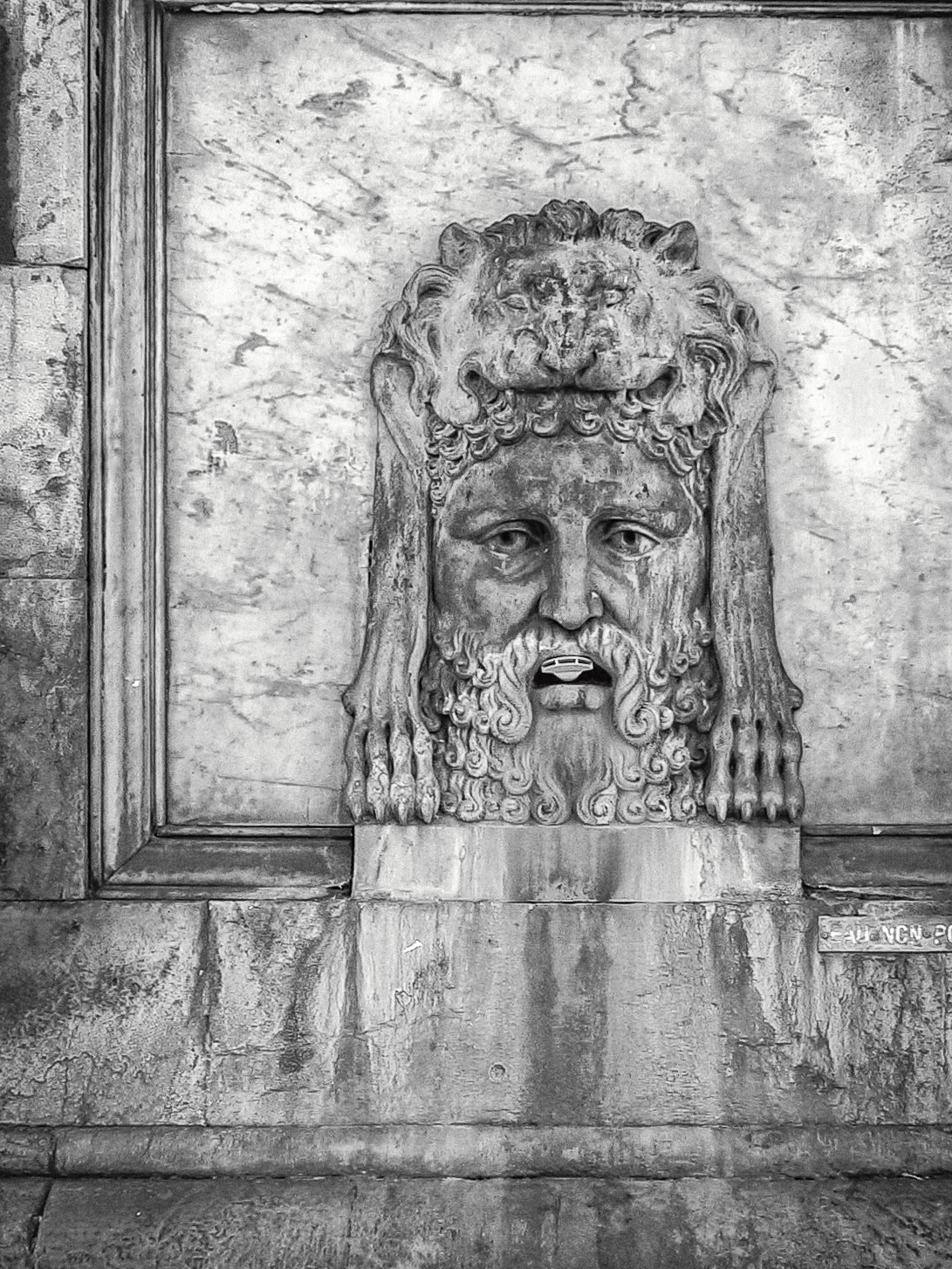
Fountain, Arles, 2001


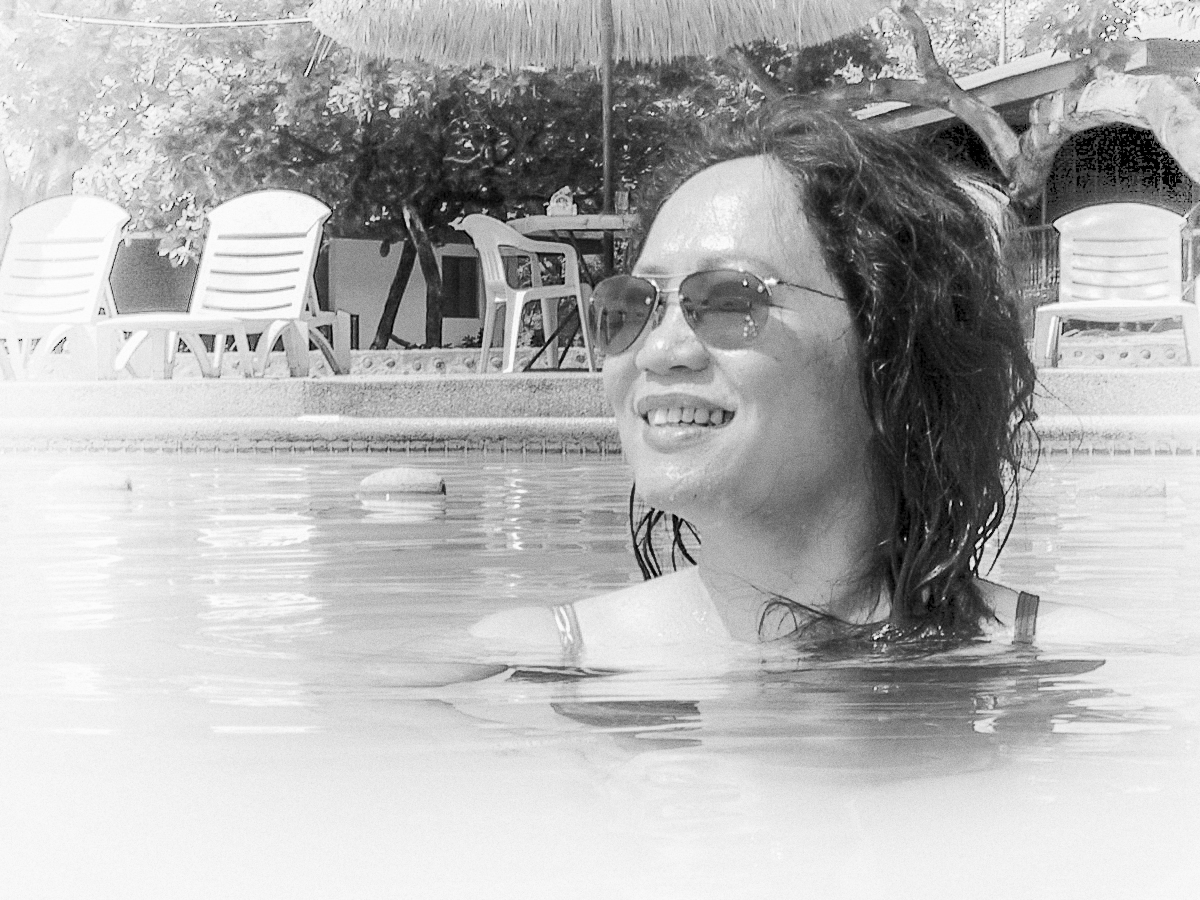
Eirah, Philippines, 2000


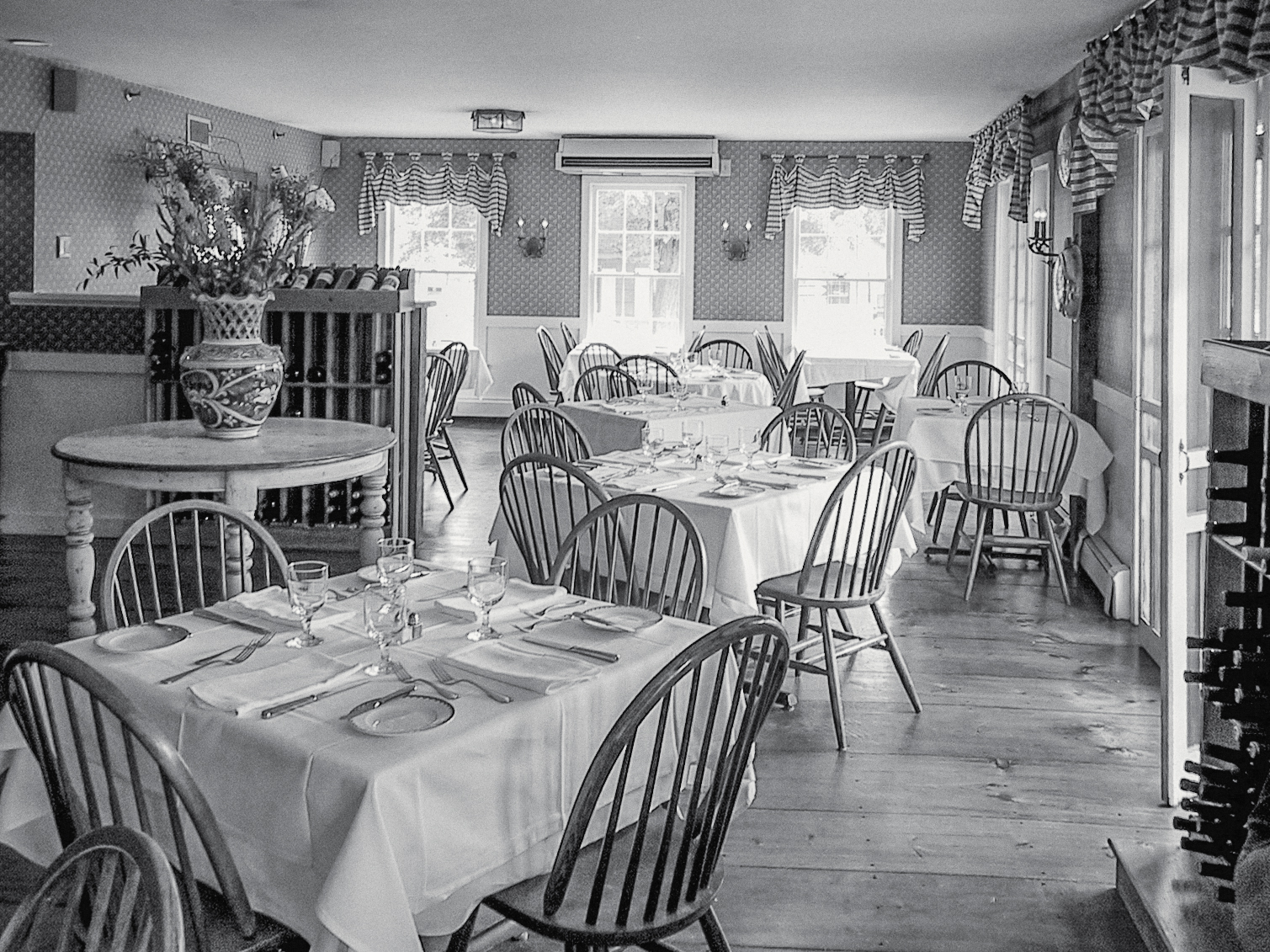
Interior, Hudson House, Cold Spring, NY, 2002


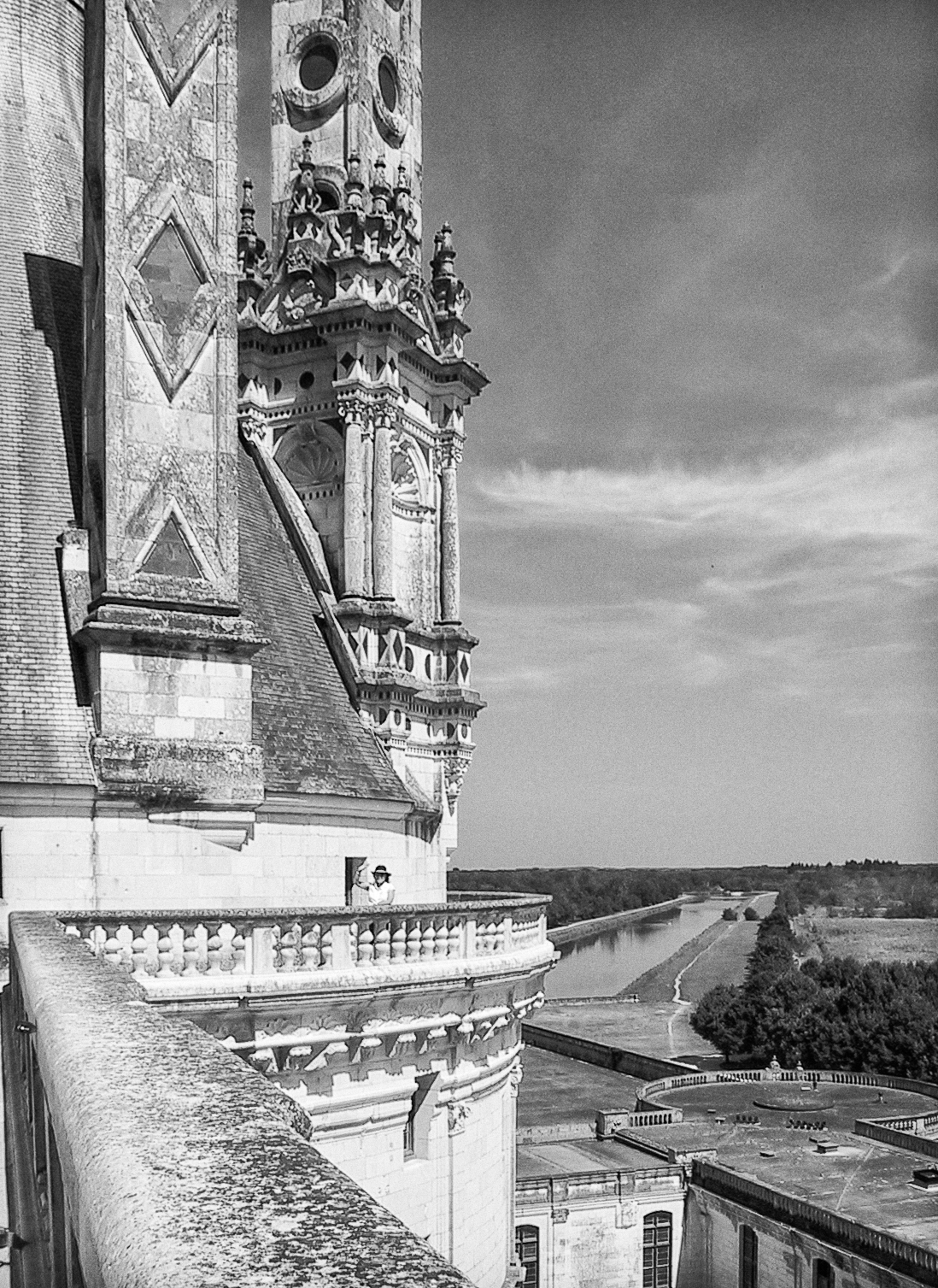
Chambord, Loire Valley, France, 2002


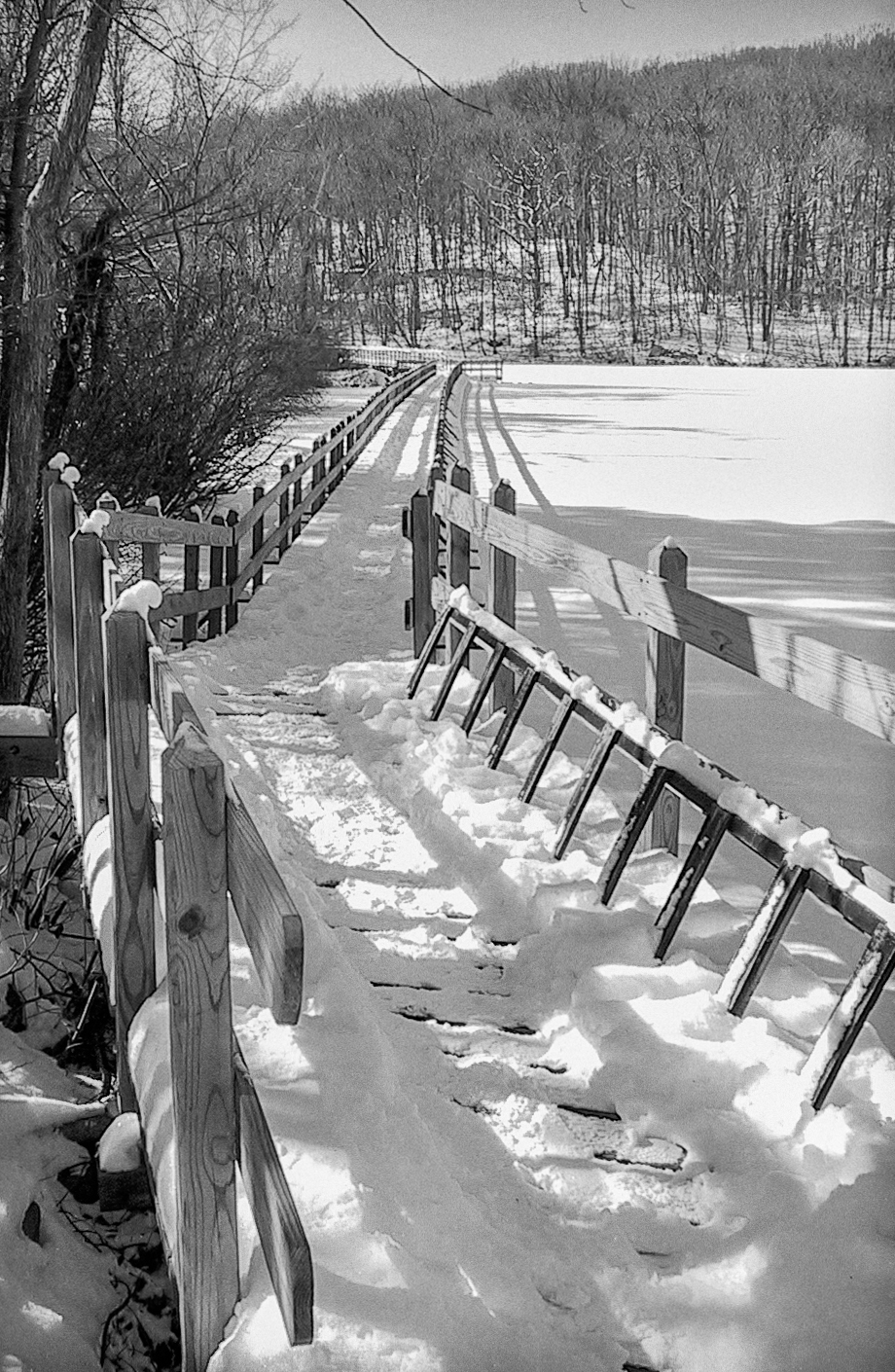
Boardwalk at Teatown Lake Reservation, 2002