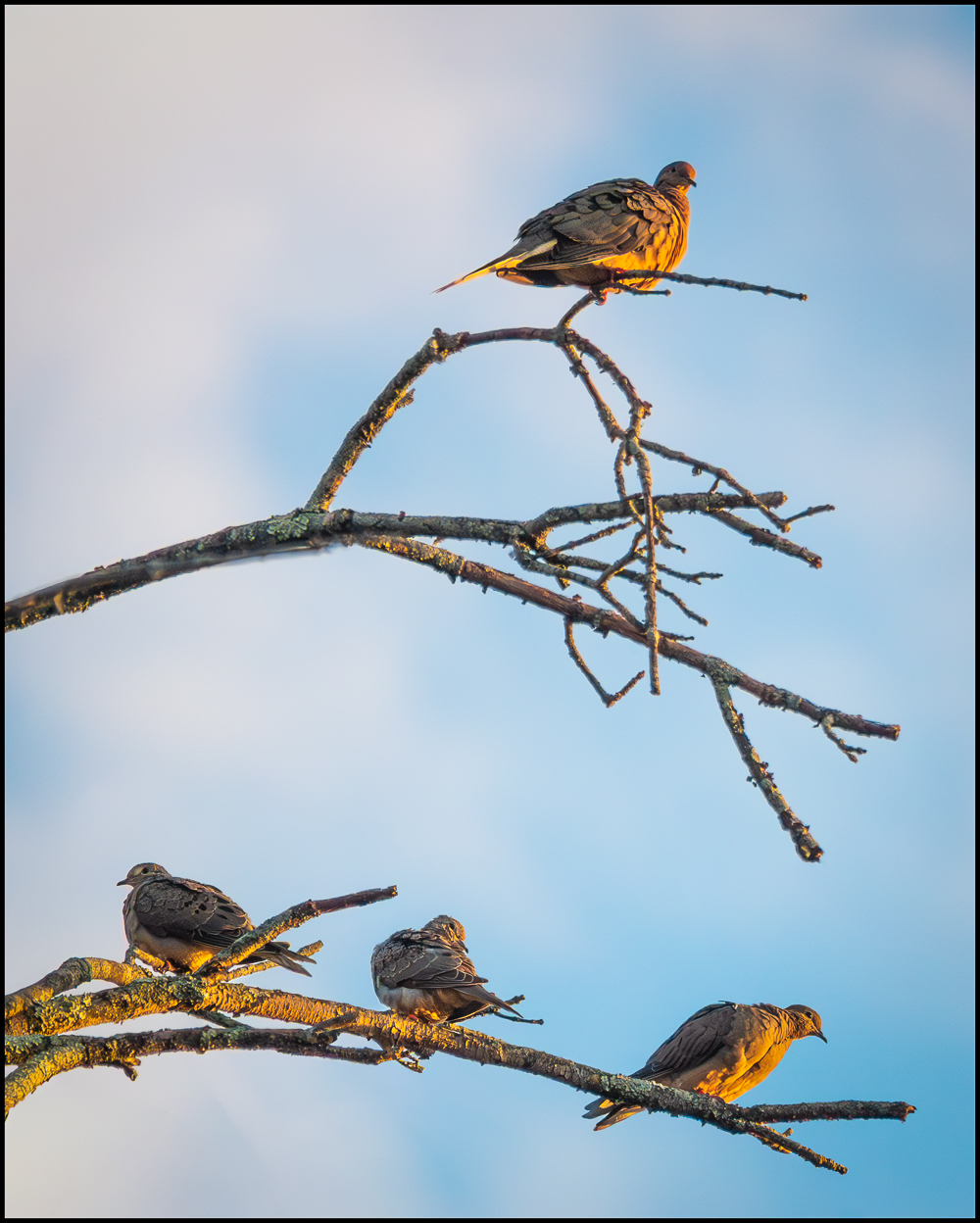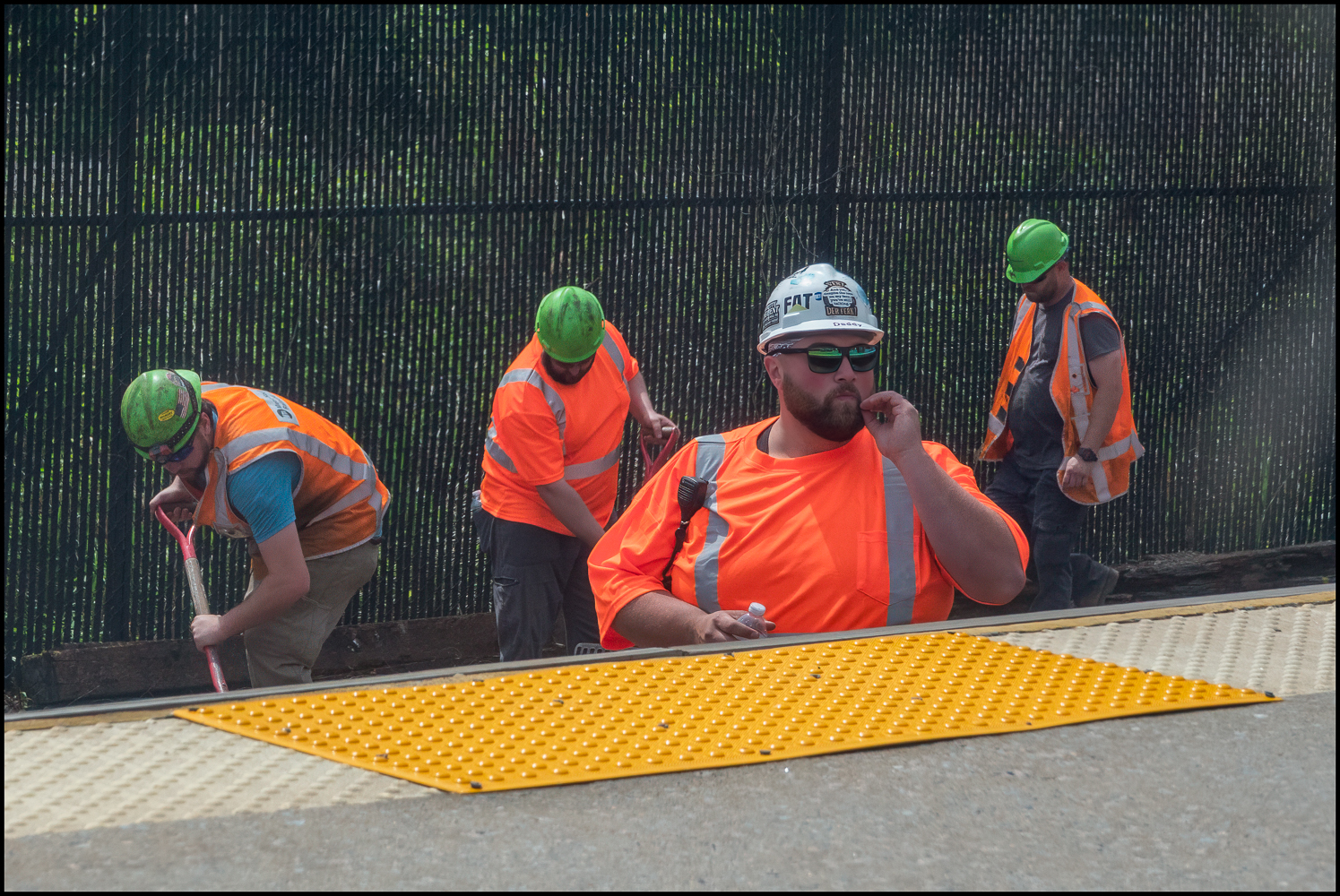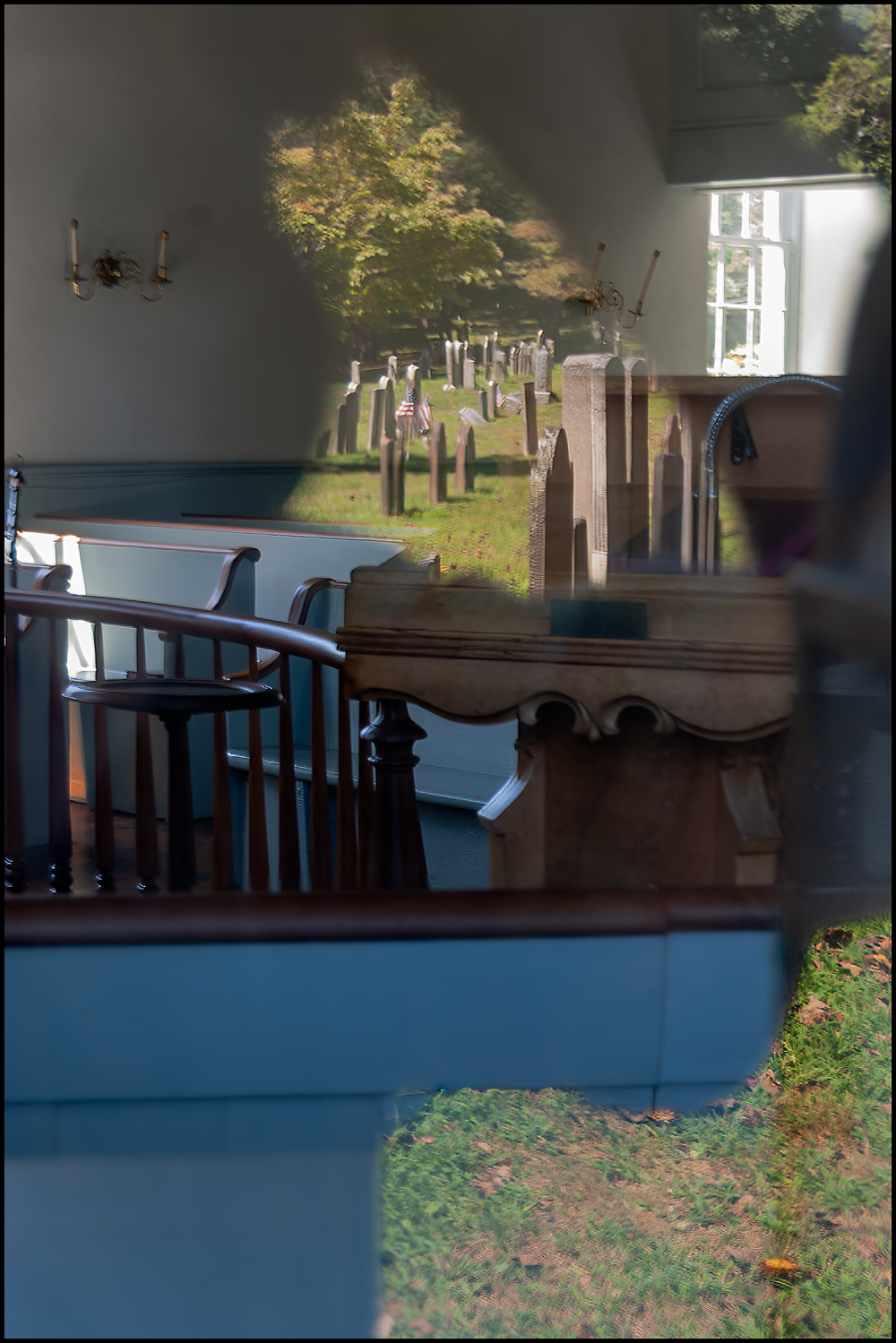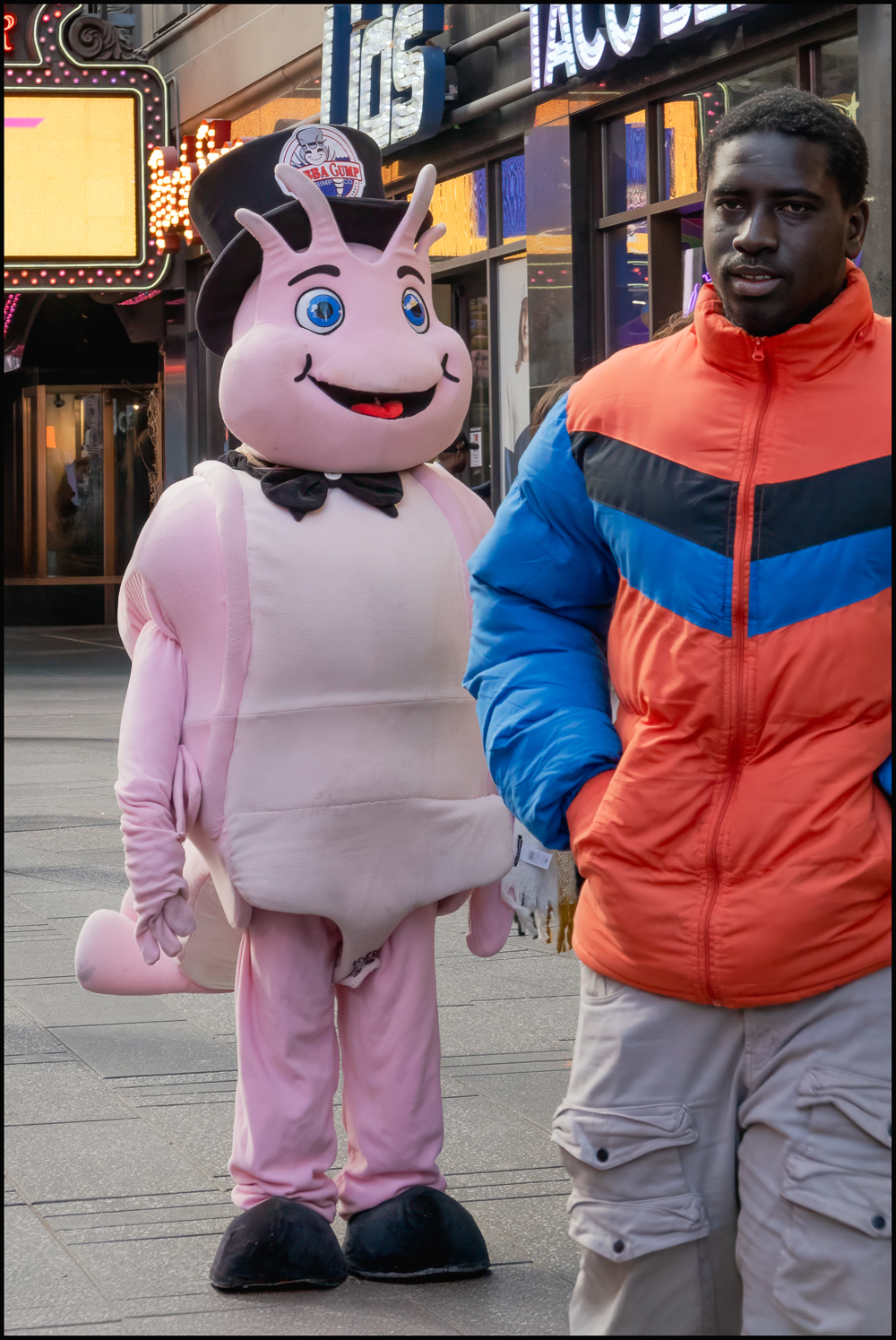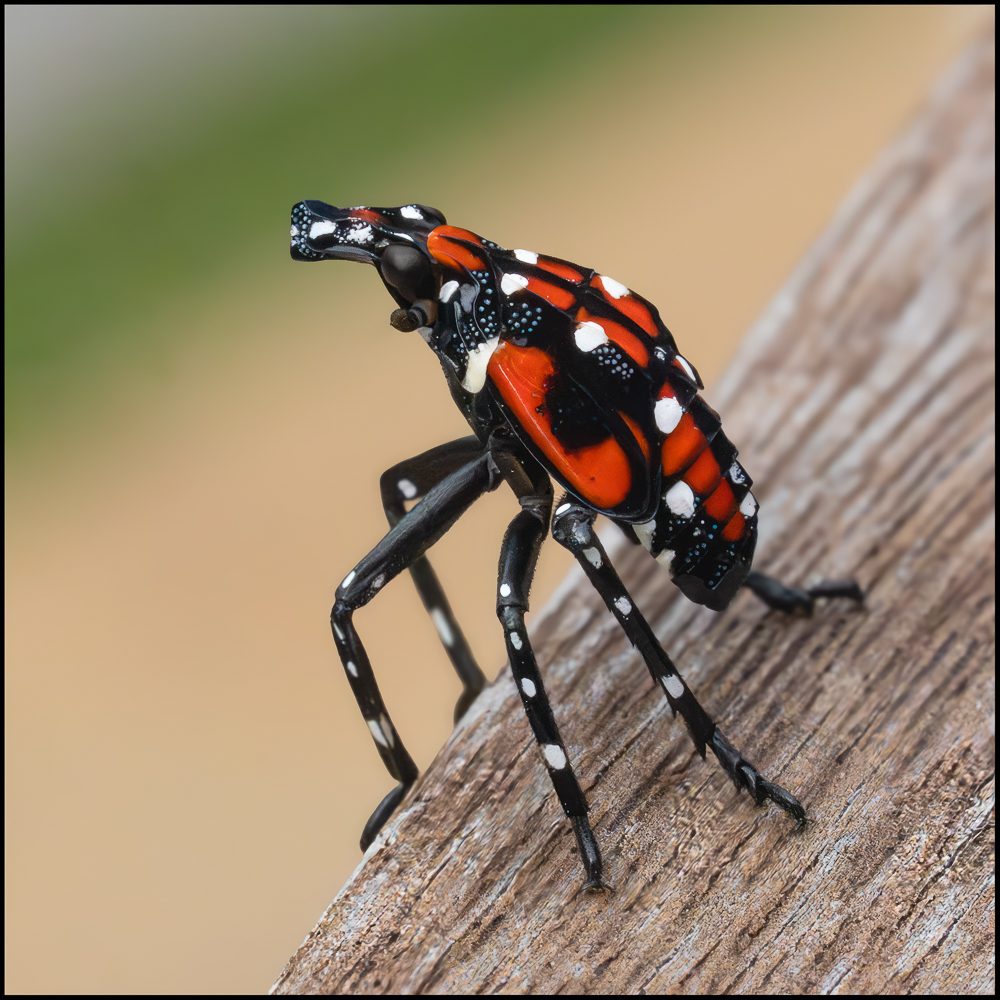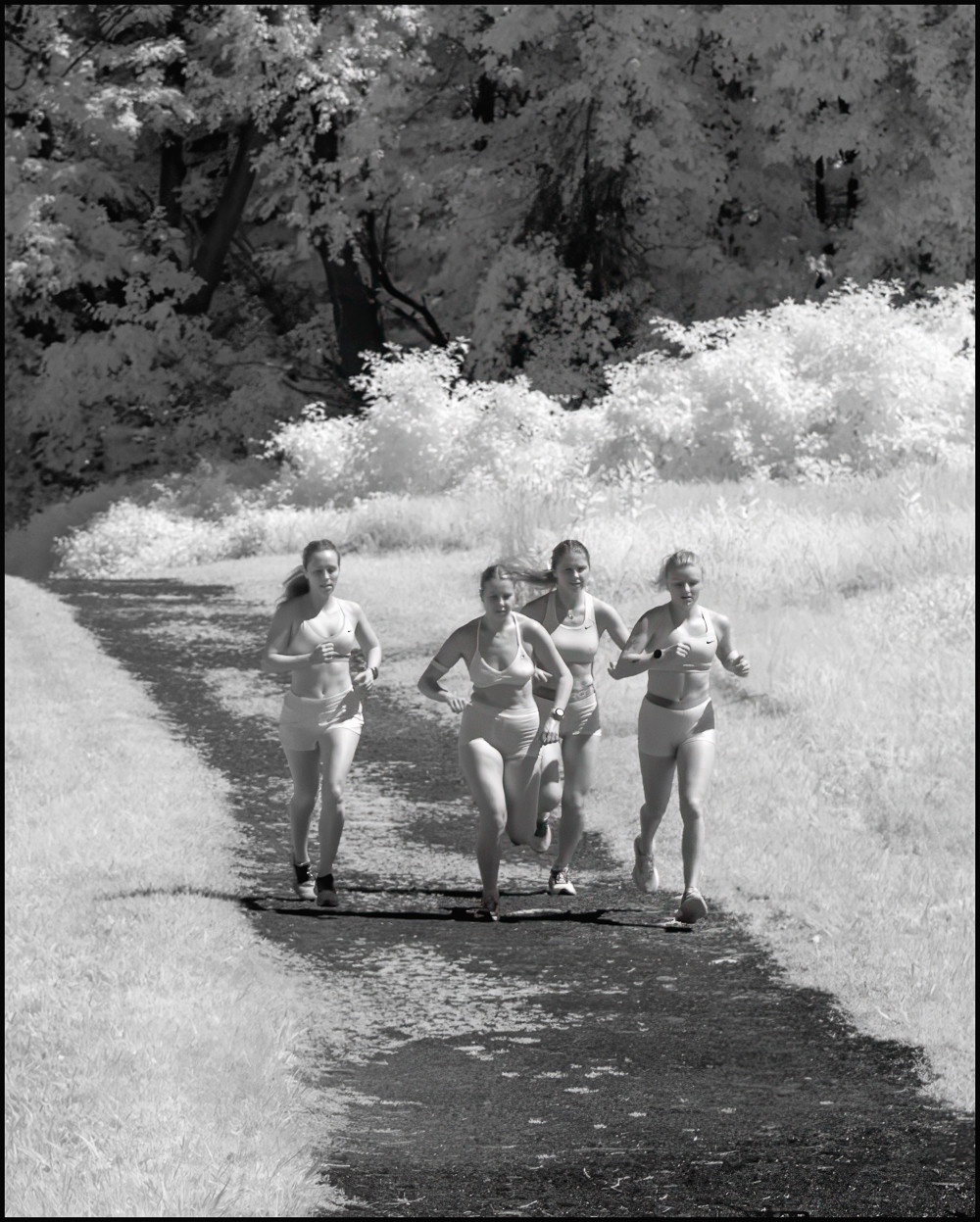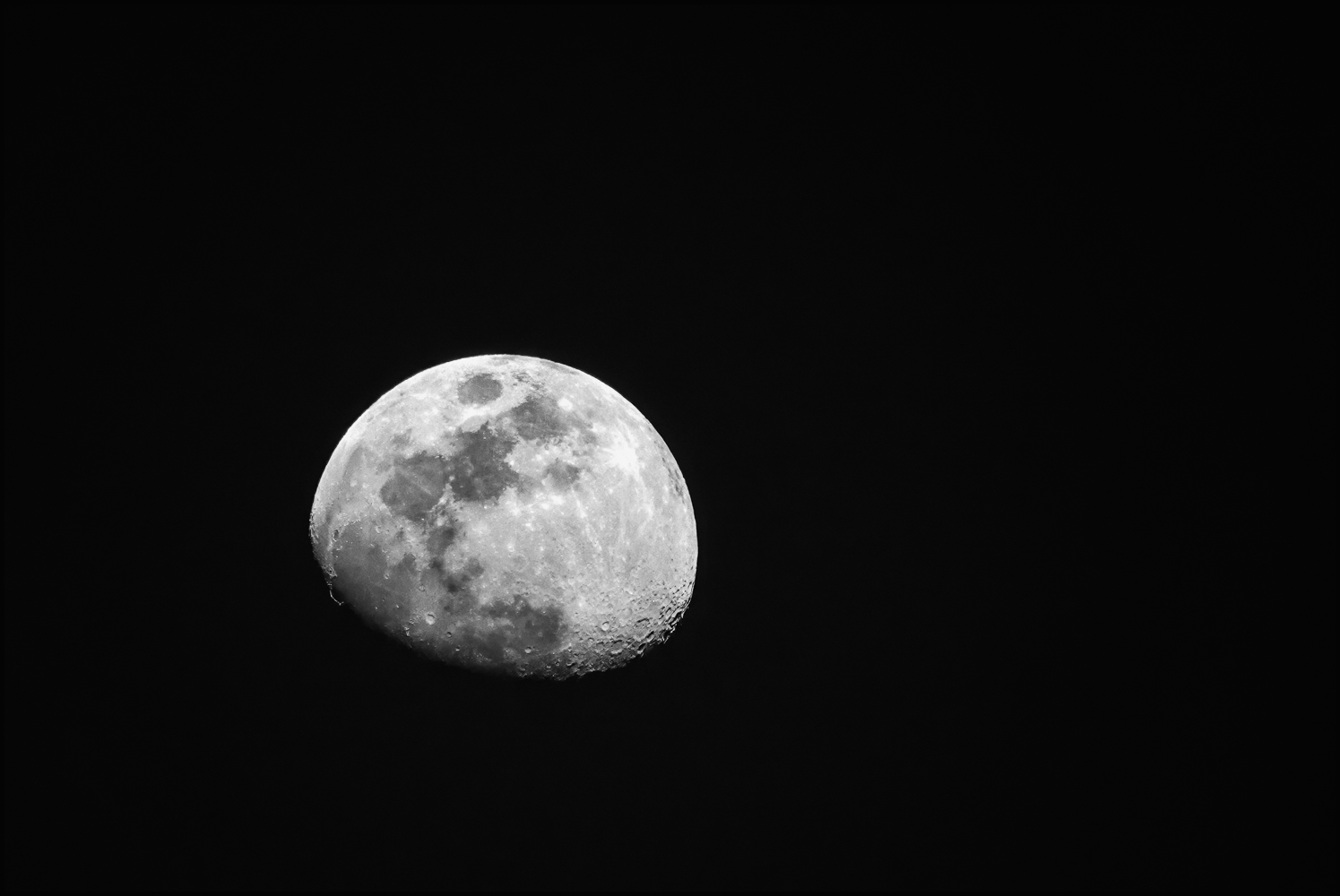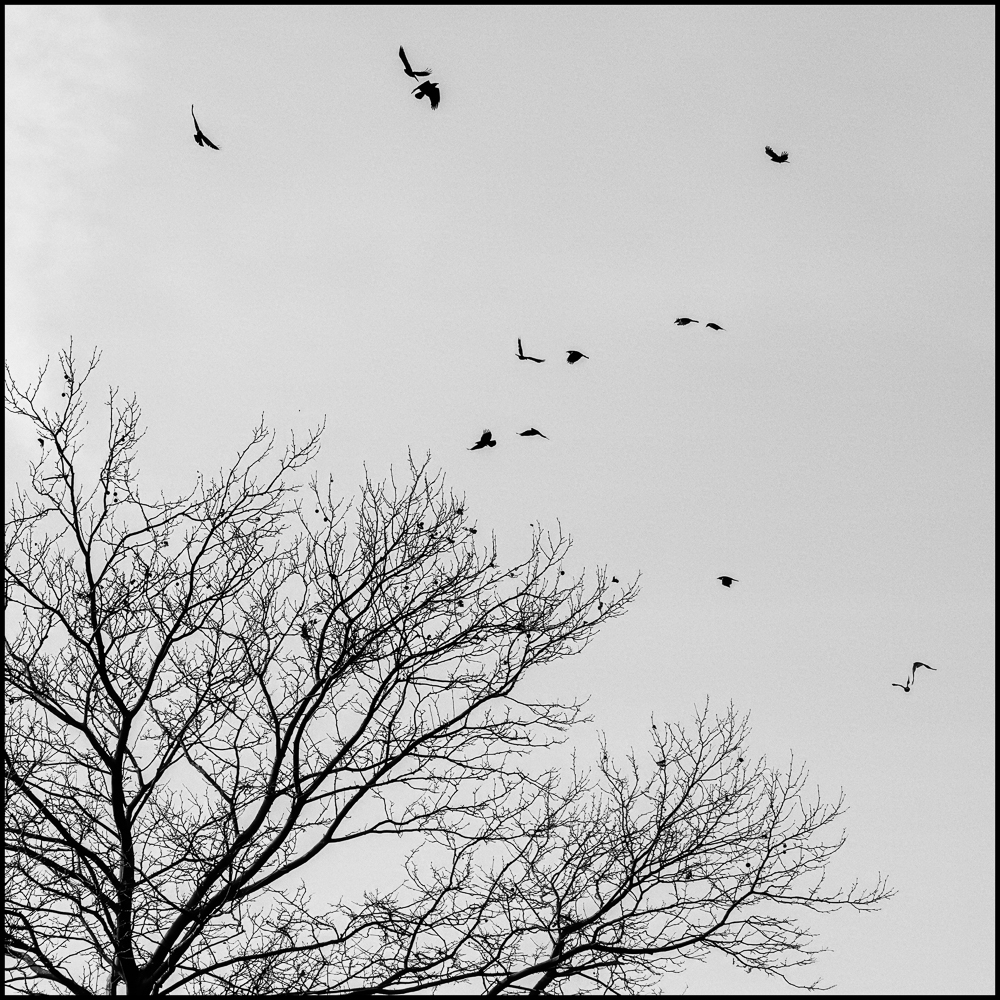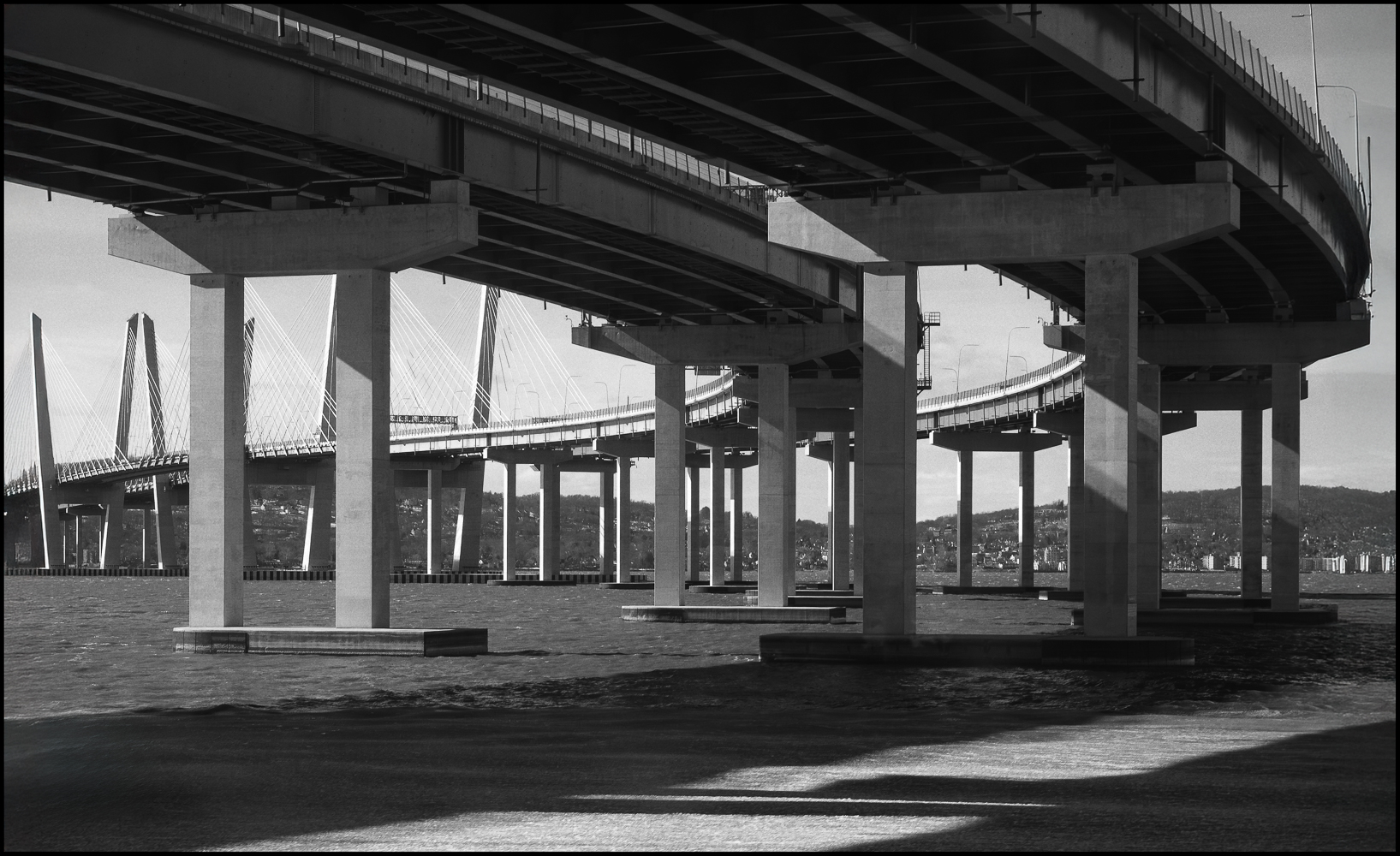
Things I found interesting, but about which I could not find any additional information and/or didn’t have anything to say.
Taken with a Sony A7CII and Sony FE 28-70 f3.5-5.6 OSS
Photographs and thoughts on photography and camera collecting
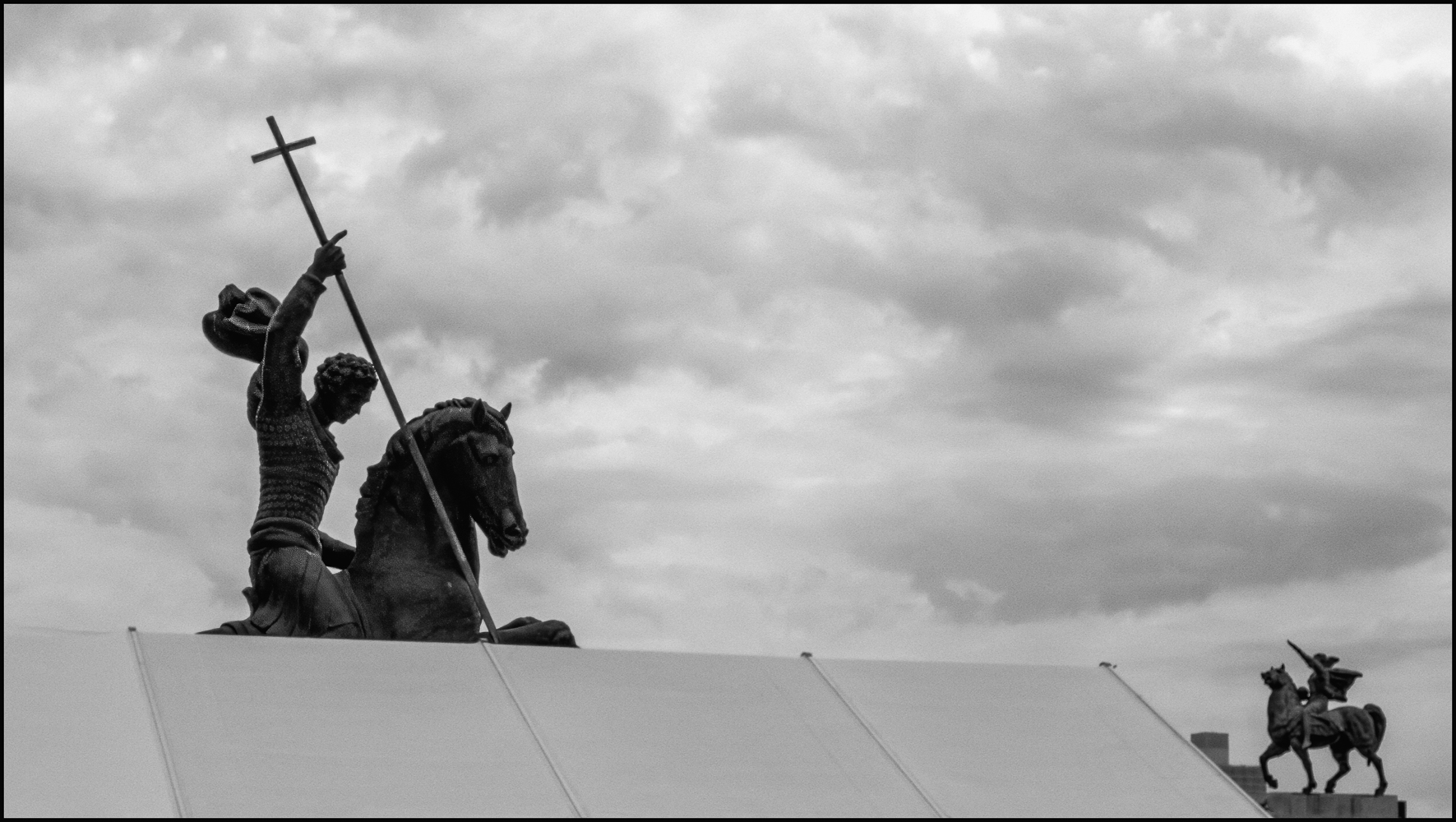
Thomas Dongan (1634 – 1715), Second Earl of Limerick, was Royal Governor of the Province of New York 1683 – 1687. His significance to the province and to the structure of the United States is described in the inscription in the base:
One of the greatest constructive statesmen ever sent to any English colony. The assembly which he created passed an act known as “The Charter of Liberties and Privileges” which assumed the sovereignty of the people and proclaimed religious liberty, the right of suffrage, trial by jury and no taxation without the consent of the assembly. Dongan’s charter was the Magna Charta of American constitutional liberty. Many of its principles are embedded in the structure of our federal government.
TITLE: Dongan Statue
ARTIST(S): Unknown
DATE: 1930
MEDIUM: Granite
CONTROL NUMBER: IAS NY001734
PHYSICAL LOCATION: Dongan Park, Dongan Place at Mill Street, City of Poughkeepsie
Direct Link to the Individual Listing in the Smithsonian Art Inventory: [Web Link]
Source: Waymarking.com
Taken with a Sony A7CII and Sony FE 28-70 f3.5-5.6 OSS
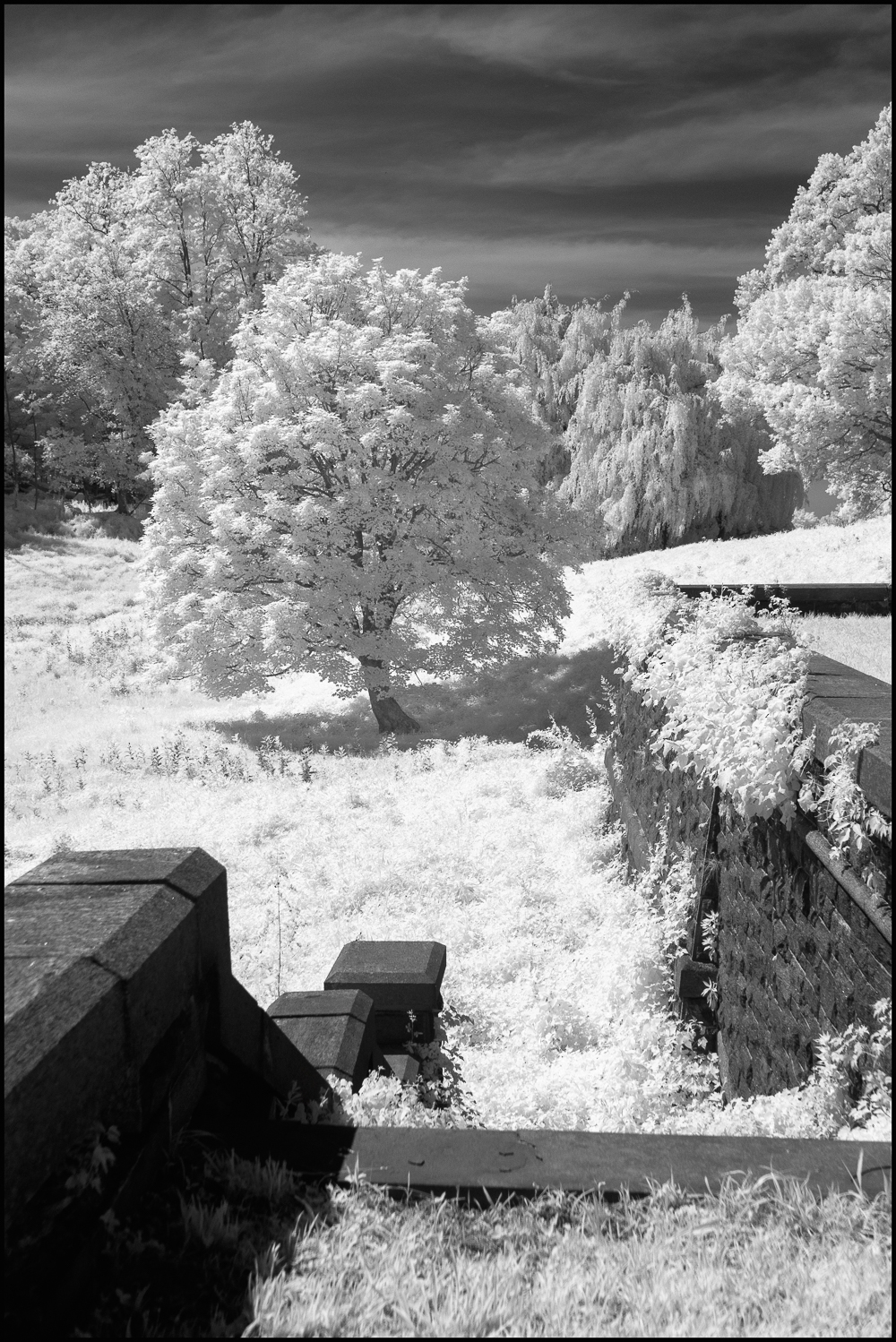
The Fall Kill is a creek in Dutchess County, New York, United States. The stream is approximately 38 miles (61 km) long, and joins the Hudson River in the city of Poughkeepsie.
The creek begins in the towns of Hyde Park and Clinton, flows southward through the town and city of Poughkeepsie, and drains into the Hudson River. The creek’s drainage basin accounts for approximately 12,476 acres (19.5 sq mi; 50.5 km2) of the larger Hudson Direct Watershed. As of the 2000 Census, about 28,500 people resided in this area.
Although the northern section of the creek is characterized by marshes and wetlands harboring several threatened or endangered species, the southern end of the creek is surrounded by heavy urbanization. In the city of Poughkeepsie, 2.5 miles (4.0 km) of the Fall Kill were channelized by stone walls during the Great Depression.
The Innis Dye Works building, dating to the 1830s, abuts the creek several hundred feet from its confluence with the Hudson River. The creek was an important source of industrial water power in the early 19th century, such as grinding materials to make dyes.[4]
The New York State Department of Environmental Conservation designates the creek as a “Class C” stream, meaning it is suitable for fishing. The Fall Kill is also a third order stream by the time it reaches the Hudson River.
Taken with a Sony A7CII and Sony FE 28-70 f3.5-5.6 OSS
“Once in a while a historic house will suddenly pop up in the news and remind us all of just how much history we have in Dutchess County and right here in Poughkeepsie. There have been recent debates and discussions as to what should be done with the old house and grounds at Wheaton Park. There are plans for building several units for apartments that would have easy access to the train station. Even talk of keeping the old mansion and renovating it to also serve as housing. But what was the original use of this property? And what other purposes did it serve?
What we now know as Wheaton Park today was once the formal grounds and mansion of the Pelton Family. Built around 1860, this home was lived in by brothers Charles and George Pelton. It sits high on a hill just across the Fallkill creek where their factory was located. The brothers operated their factory on Mill street that produced carpets and pins (the factory still stands today!). They did quite well for themselves despite suffering a massive fire in their factory in 1854 (seen in a newspaper article to the right). During the Civil War, they were producing 60,000 yards of carpet a year. Both Pelton brothers had worked their way into the respectable circles of Poughkeepsie society, particularly George, who was a major supporter of the Democratic party in the area and was appointed by President James Buchanan to serve as the Postmaster in Poughkeepsie in 1856. The house was lived in by Charles and his wife Parthenia, and George (who never married) until 1895 when George (who was 16 years younger than his brother Charles) passed away.
The house was then used for a few years as a temporary home for the deaf. The Rev. Thomas Gallaudet was in the process of moving his operations from New York City to Dutchess County. As an Episcopal priest whose mother was deaf, Gallaudet’s mission was to create a home that focused on the needs of deaf mutes. While he was waiting for the construction of his new facility in Wappingers, Gallaudet used the old Pelton house until 1903. Surprisingly, the land that had once been the Pelton’s formal grounds had remained intact even as Poughkeepsie grew up around it, and this is what attracted the attention of local residents who wanted more park space for the city’s children at the start of the 20th century.
Caroline Wheaton, a wealthy philanthropist from right here in Poughkeepsie, decided to leave the city $4,000 at her death in 1908. Her son Isaac was the one who suggested it be used to create a park which is exactly what Mayor John Sague did in 1910. Not only were the grounds preserved and turned into Wheaton Park, but the house soon became a nursery and by 1916, the house was fully operational as a day nursery while the park grounds continued to be enjoyed (as seen in this old postcard to the right). The Poughkeepsie Day Nursery served the city and thousands of children within it for a century, closing up in 2014. The house is listed on the National and State register of Historic Places. What does the future hold for this house and park? Time will tell.” (Hidden Mansions: Pelton/Hill House) by Shannon Butler”.
Taken with a Sony A7CII and Sony FE 28-70 f3.5-5.6 OSS
“The Tesla Cybertruck is a battery-electric full-size pickup truck manufactured by Tesla, Inc. since 2023. It was first unveiled as a prototype in November 2019, featuring a distinctive angular design composed of flat, unpainted stainless steel body panels, drawing comparisons to low-polygon computer models.
Originally scheduled for production in late 2021, the vehicle faced multiple delays before entering limited production at Gigafactory Texas in November 2023, with initial customer deliveries occurring later that month. As of 2025, three variants are available: a tri-motor all-wheel drive (AWD) model marketed as the “Cyberbeast”, a dual-motor AWD model, and a single-motor rear-wheel drive (RWD) “Long Range” model. EPA range estimates vary by configuration, from 320 to 350 miles (515 to 565 km).”
As of 2025, the Cybertruck is sold in the United States, Mexico, Canada and South Korea. The Cybertruck has been criticized for its production quality and safety concerns while its sales have been described as disappointing.” (Wikipedia)
In my opinion it’s possibly the ugliest vehicle I’ve ever seen, made worse with the bilious color scheme.
Taken with a Sony A7CII and Sony FE 28-70 f3.5-5.6 OSS