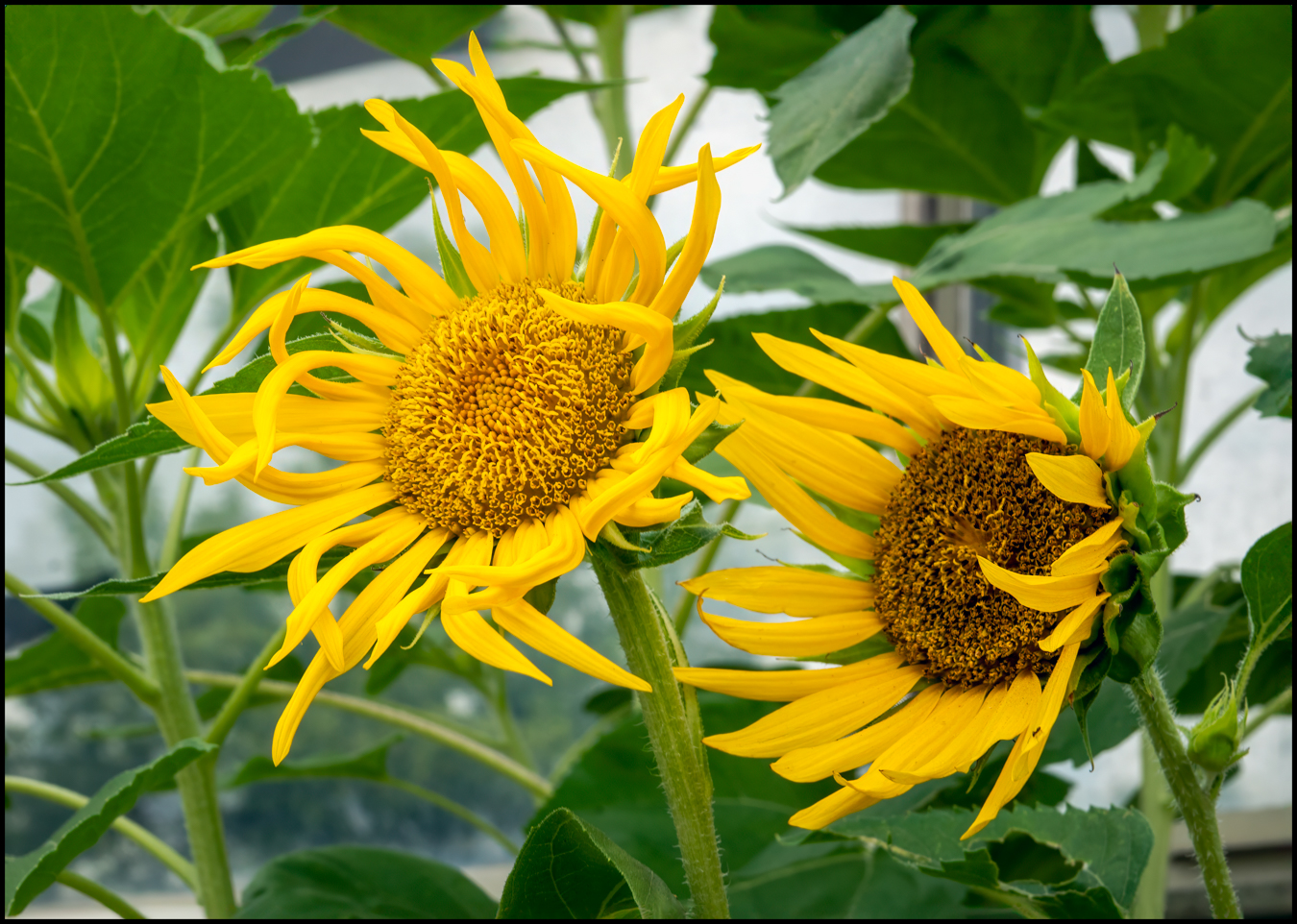
Back down near the river again. Just as I was passing the Lincoln Depot Museum I came across these gorgeous sunflowers. Look out Van Gogh!
Taken with a Sony RX10 IV
Photographs and thoughts on photography and camera collecting

Back down near the river again. Just as I was passing the Lincoln Depot Museum I came across these gorgeous sunflowers. Look out Van Gogh!
Taken with a Sony RX10 IV

I was walking back down it was much easier going down than going up) along Central Ave. to catch my train I heard the sound of running water. I looked across the street and noticed a pocket park with a couple of benches, and an information board (see below). In case you can’t make out the rather small text it reads:
McGregory Brook flows from the hills just east of Peekskill to the Hudson River at Riverfront Green Park. Kitchawank people, of the Wappinger confederacy, inhabited the area surrounding McGregory Brook and nearby Annsville Creek prior to Dutch settlement, led by Jan Peeck.
King William III of England granted 1,500 acres to Hugh MacGregorie in 1692, and the brook became the boundary between the original settlement known as Peekskill and surrounding Van Cortlandt lands. Numerous mills and factories diverted McGregory Brook for power, including Dain’s Lumber Company, Naylor Brothers machine shops, Mackellar’s Mills, and Union Stove Works. For many years, Peekskill residents drew water from the Tan Yard Spring, which also surfaced near this site.
Today, McGregory Brook enters a series of culverts at Field Street, flows beneath Downtown Peekskill, and emerges just east of this site. Remnants of industrial infrastructure can still be seen from the footbridge overlooking the waterfall.
Although McGregory Brook is no longer visible on most maps, FEMA’s 100-Year Flood Map clearly shows the pathway of McGregory Brook from Penelope Pond to the Hudson Riverfront. The lack of sunlight inhibits the brook’s natural ecosystem. While few fish, amphibians, or aquatic invertebrates inhabit the brook, filamentous green algae thrives on its surfaces, likely supported by nutrient enrichment from stormwater runoff and other sources.
For more information about Peekskill’s waterways and all of its natural features, explore the Peekskill National Resource Inventory at www.peekskilnri.com. For more information on Peekskill’s rich history, visit the Peekskill Museum at 124 Union Avenue.


Taken with a Sony RX10 IV

I was now ready to head back to the station to get my train. Soon after leaving Ramenesque I came across these dogs. At first, I thought there was only one of them, but then the second one raised its head. I have no idea what breed they are? They certainly were very cute though!


Taken with a Sony RX10 IV

As I mentioned earlier it was a very hot and humid day. As I left Ramenesque I noticed this group of people eating ice cream. A wonderful opportunity for a bit of street photography, I thought. Pity the guy on the far left was not a foot or two away from the rest. I could perhaps have waited to see if he would move, but I had to get to my train and I was a little concerned that they might notice me.
Taken with a Sony RX10 IV
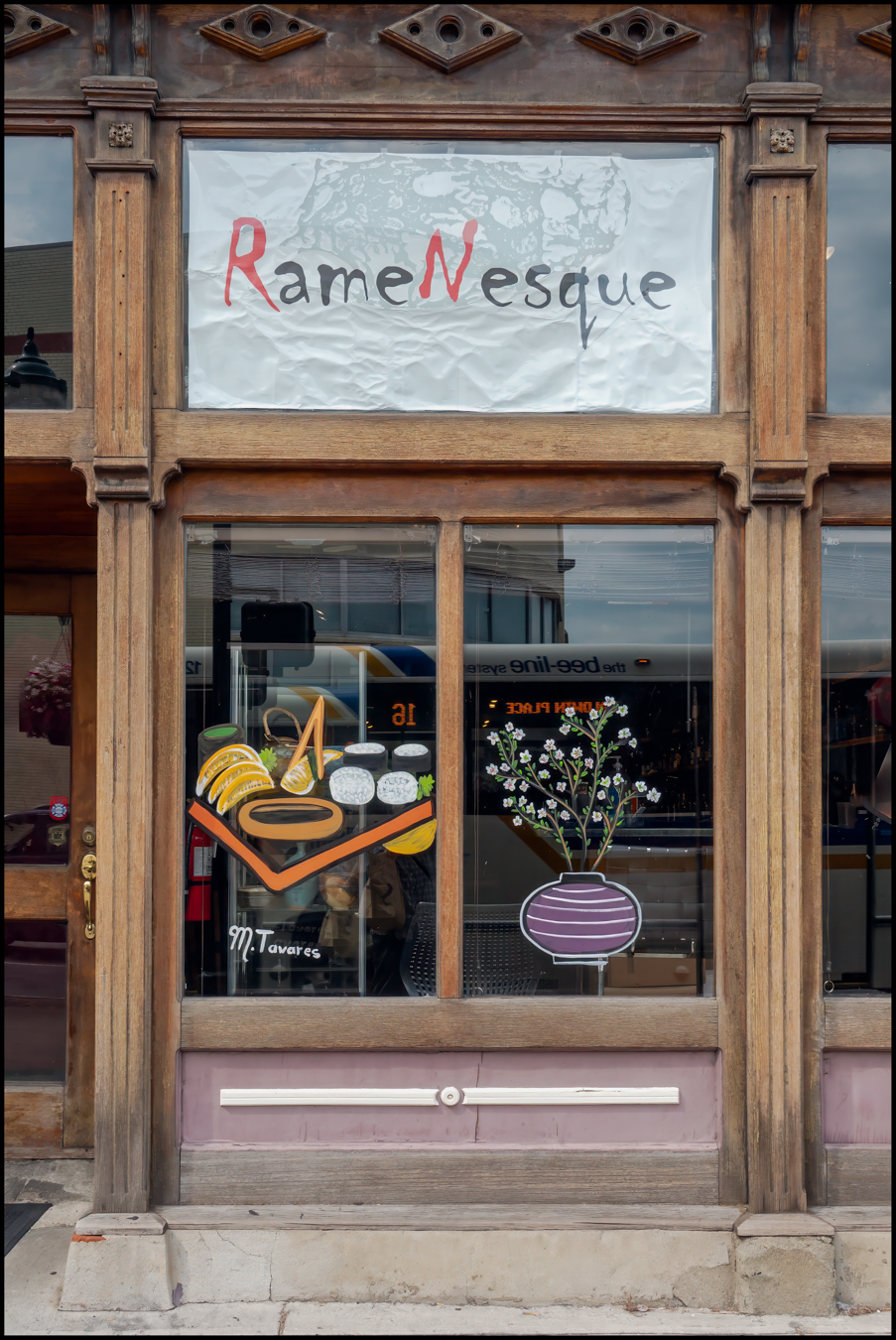
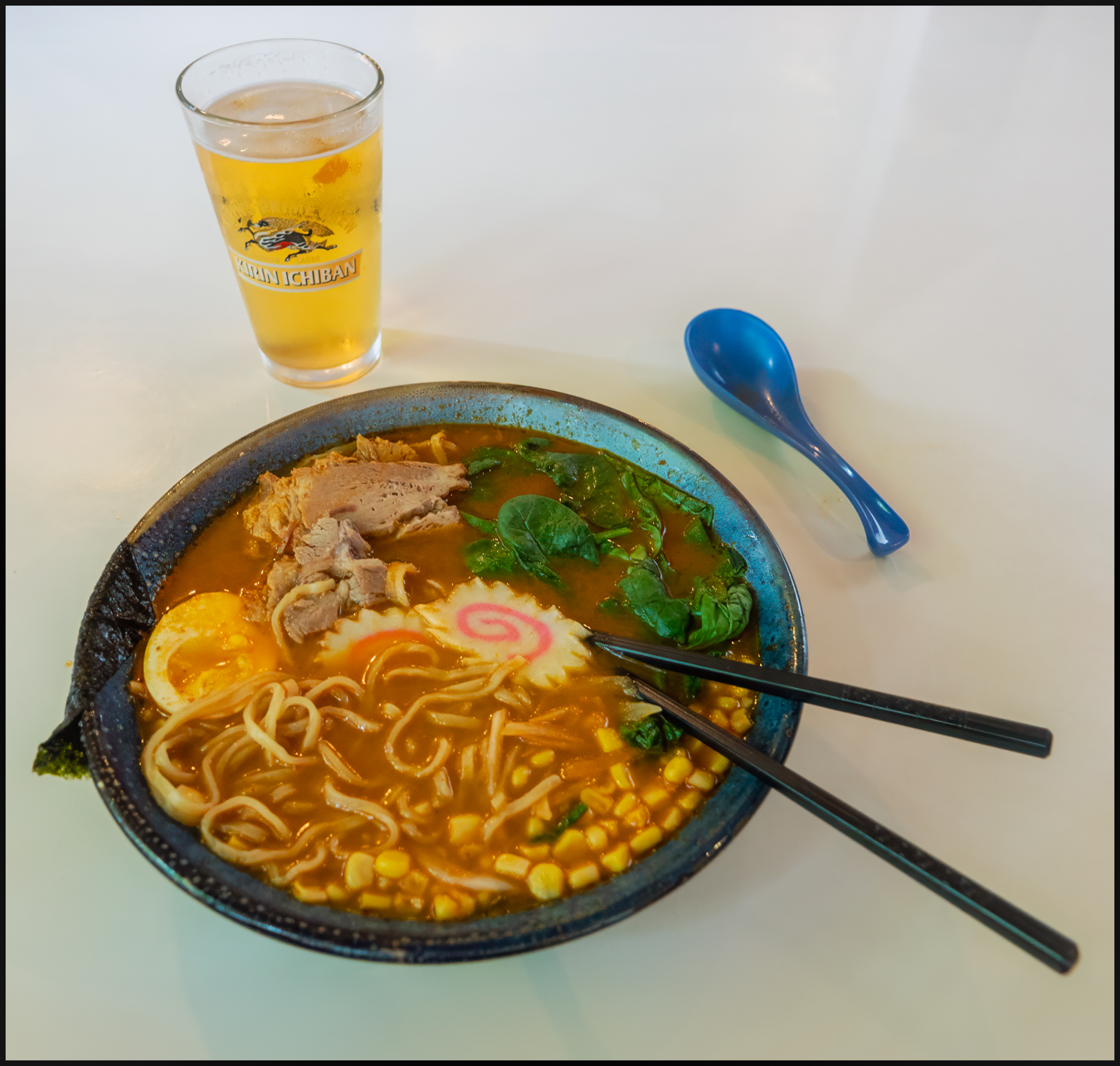
Finally I got to my ultimate destination: Ramenesque, which describes itself as follows:
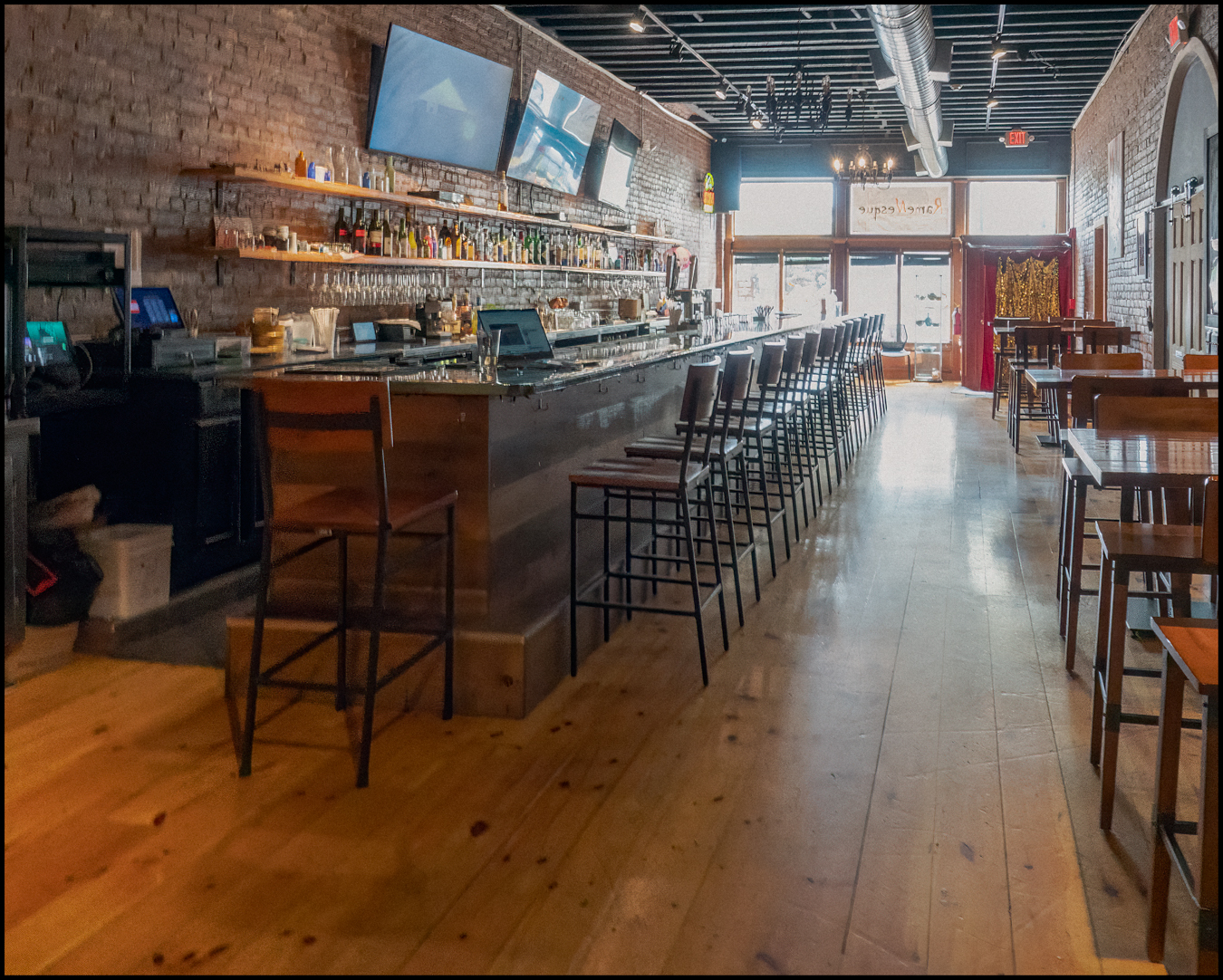
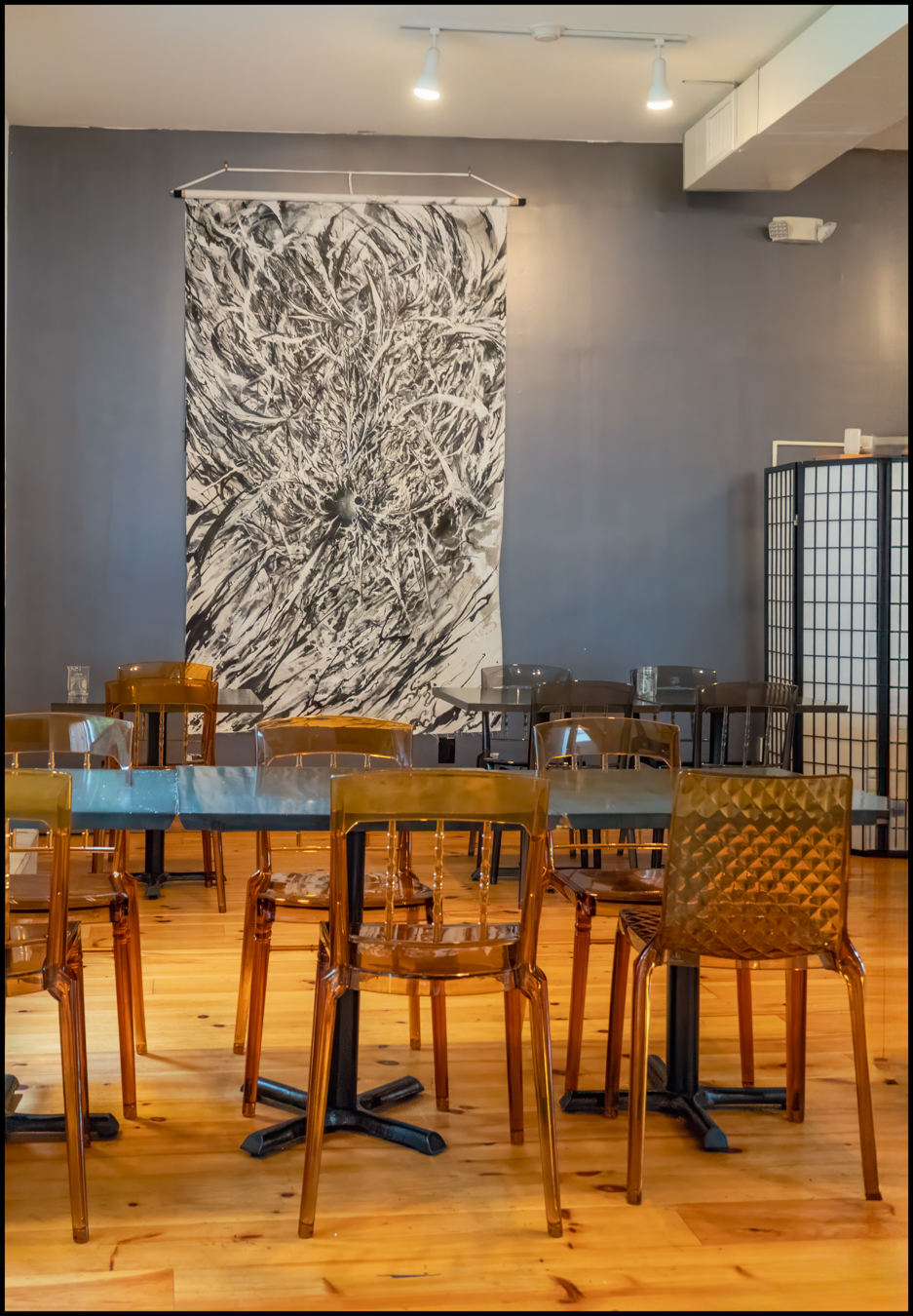
RameNesque opened her doors in October 2013. A Manhattan Village styled Ramen restaurant with a unique interior design that fits Chef Nikki’s concept in creating a Japanese Causal Dining & Café atmosphere. RameNesque offers Peekskill a variety of Japanese cuisine.
Homemade style Shoyu Ramen, Miso Ramen, Tom Yum Ramen, Dan Dan and Vegetarian Ramen.The kitchen staff makes a daily batch of soup that simmers daily for several hours. No MSG, artificial ingredients and ready made products. Only fresh produce, natural flavor enhancers such as seaweed, and love for healthy & flavorful homemade foods are allowed in RameNesque kitchen.
Tom yum or tom yam is a family of hot and sour Thai soups. The strong, hot, and sour flavors make it very popular in Thai cuisine. The name “tom yam” is composed of two Thai words. Tom refers to the boiling process, while yam means ‘mixed’. Historian Giles Milton contends that the origins of Tom Yum can be traced back to India, where there is a variation of hot and sour shrimp soup known as “sour prawn soup”. In Thailand, Tom Yam is available in various types, with the most popular being “Tom Yam Nam Khon,” or Creamy Tom Yam Soup, and “Tom Yam Nam Sai,” or Clear Tom Yam Soup. This soup features a variety of main ingredients, including shrimp, pork, chicken, and seafood.
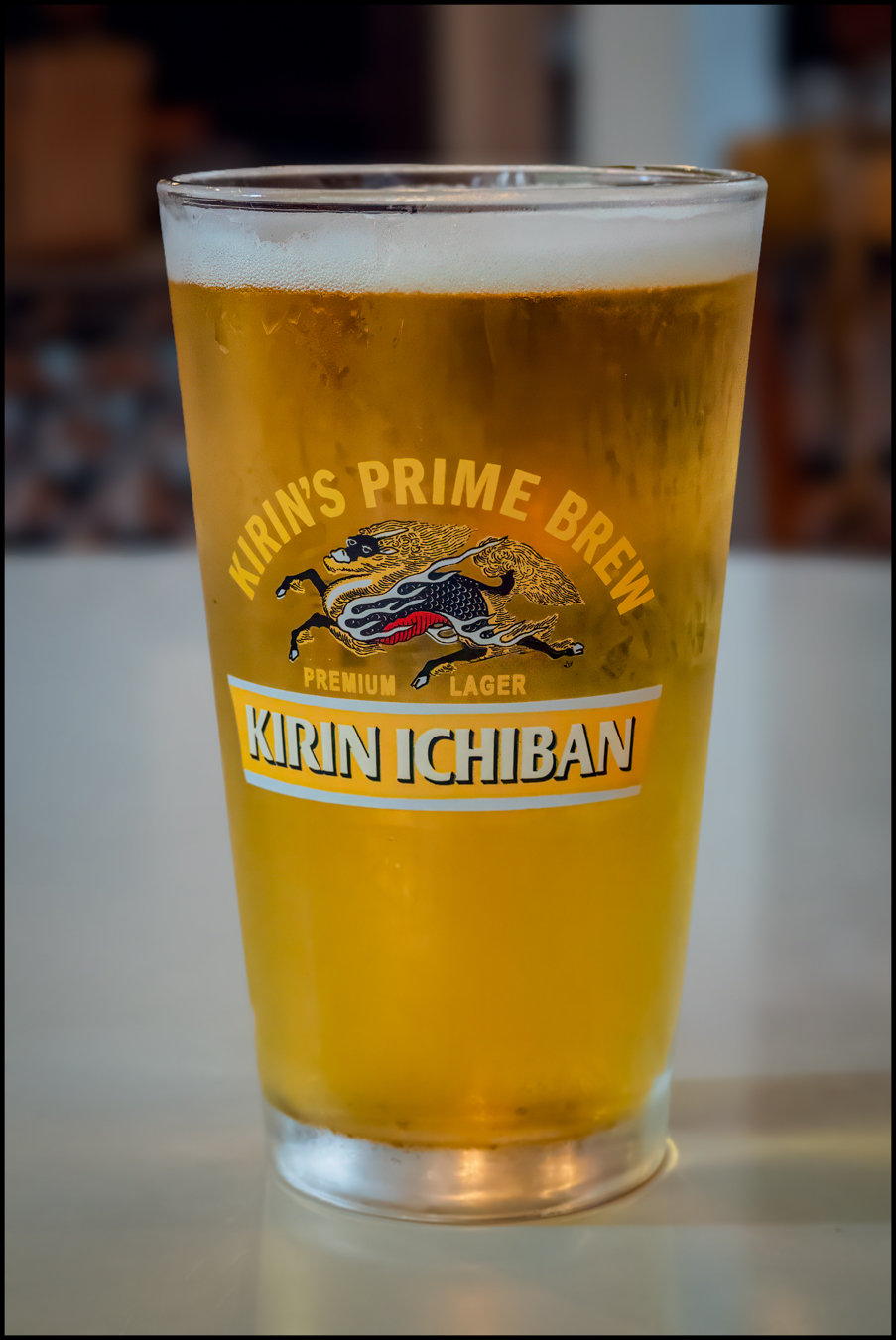
They asked how spicy I liked it and I answered very spicy. That’s my preference. and I often find that Asian restaurants tone it down for westerners so if you want it spicy you have to ask for very spicy. This one was just right. I really enjoyed it.
Taken with a Sony RX10 IV