By the roadside 27: Oenothera?

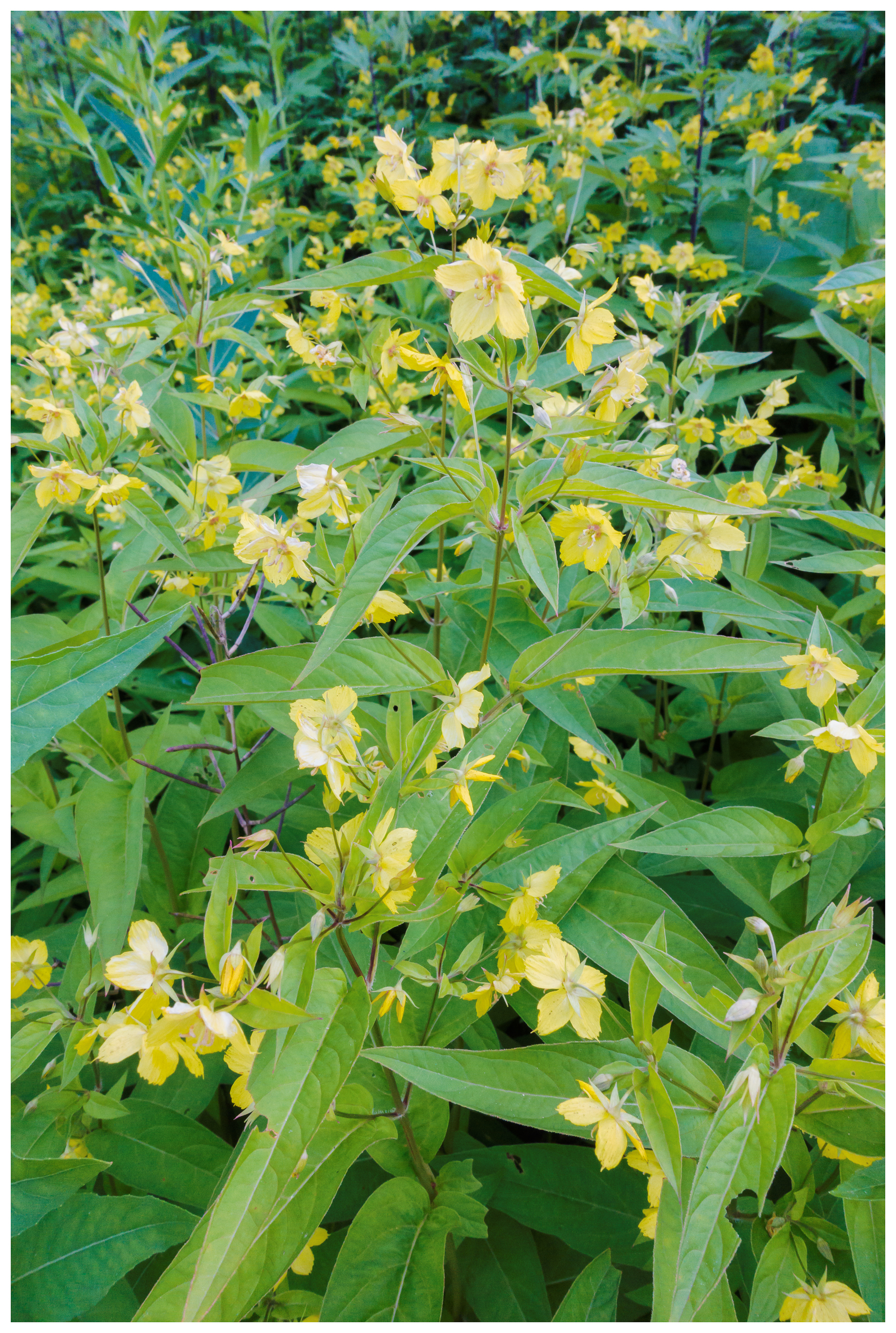
It’s getting harder and harder for me to figure out what these flowers are. After spending quite some time on this one the most I’ve been able to conclude is that it might be some variety of Oenothera, commonly known as Evening Primrose.

According to Wikipedia:

Oenothera is a genus of about 145 species of herbaceous flowering plants native to the Americas. It is the type genus of the family Onagraceae. Common names include evening primrose, suncups, and sundrops. They are not closely related to the true primroses (genus Primula).

The species vary in size from small alpine plants 10 centimeters tall, such as O. acaulis from Chile, to vigorous lowland species growing to 3 meters, such as O. stubbei from Mexico. The leaves form a basal rosette at ground level and spiral up to the flowering stems. The blades are dentate or deeply lobed (pinnatifid). The flowers of many species open in the evening, hence the name “evening primrose”. They may open in under a minute. Most species have yellow flowers, but some have white, purple, pink, or red. Most native desert species are white. Oenothera caespitosa, a species of western North America, produces white flowers that turn pink with age. One of the most distinctive features of the flower is the stigma, which has four branches in an X shape.

If Google search results are any indication Evening Primrose Oil is a popular dietary supplement. One vendor describes it as follows:

This 100% pure evening primrose seed is prized for its abundant food, health, and cosmetic benefits. Evening primrose is a common wildflower found in North America, Europe, and parts of Asia. The yellow flowers only open in the evening, hence their common name. Evening primrose has been used throughout in Europe since the seventeenth century.

This particular oil should be kept refrigerated to help prolong shelf life. Because of its many health benefits, evening primrose seed oil is truly a wonderful food additive. It may be taken alone, or can be drizzled on top of salads or other prepared meals. For cosmetic use, evening primrose oil should be added after any preparation steps that require heat. Refrigeration is recommended for this oil.

However, A now archived article of uncertain age on Drugs.com states:

Evening primrose has been used in alternative medicine as a possibly effective aid in treating nerve damage caused by diabetes, and osteoporosis.

Evening primrose has also been used to treat asthma, eczema, attention deficit- hyperactivity disorder (ADHD), hepatitis B, high cholesterol, liver cancer, breast pain, obesity, menopausal hot flashes and night sweats, premenstrual syndrome (PMS), and skin or joint symptoms of psoriasis. However, research has shown that evening primrose may not be effective in treating these conditions.

Evening primrose may have been combined with other plants or extracts in a specific preparation to treat these conditions .

Other uses not proven with research have included chronic fatigue syndrome, dyslexia, coordination and movement problems, diaper rash, dry eyes, rheumatoid arthritis, multiple sclerosis, ulcerative colitis, schizophrenia, Alzheimer’s and other conditions.

It is not certain whether evening primrose is effective in treating any medical condition. Medicinal use of this product has not been approved by the FDA. Evening primrose should not be used in place of medication prescribed for you by your doctor.

Of course the flower in the picture may not be Evening Primrose at all and all of the information above irrelevant.
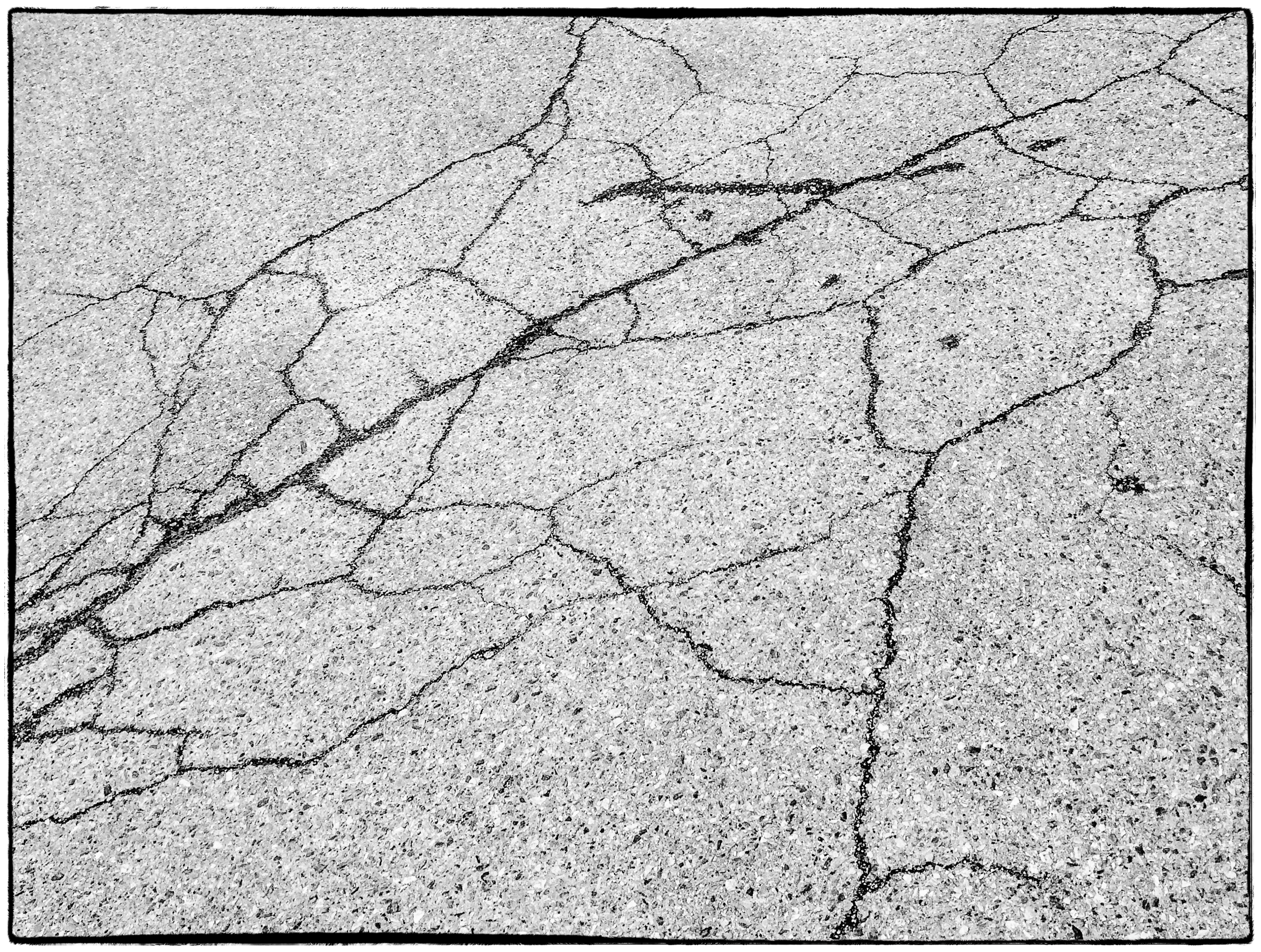
Cracks

This cracked surface appealed to me. At first you don’t really know what it is. It looks a bit like some kind of aerial photograph of a parched landscape, with the cracks representing a series of rivers or gullies. Or maybe I’m reading too much into this and it’s just a bunch of cracks!

The picture demonstrates the value of looking down from time to time. Thinking about this as I write I realized that while I often look down, I rarely look up. I’ll try to look up more in future.

Focus

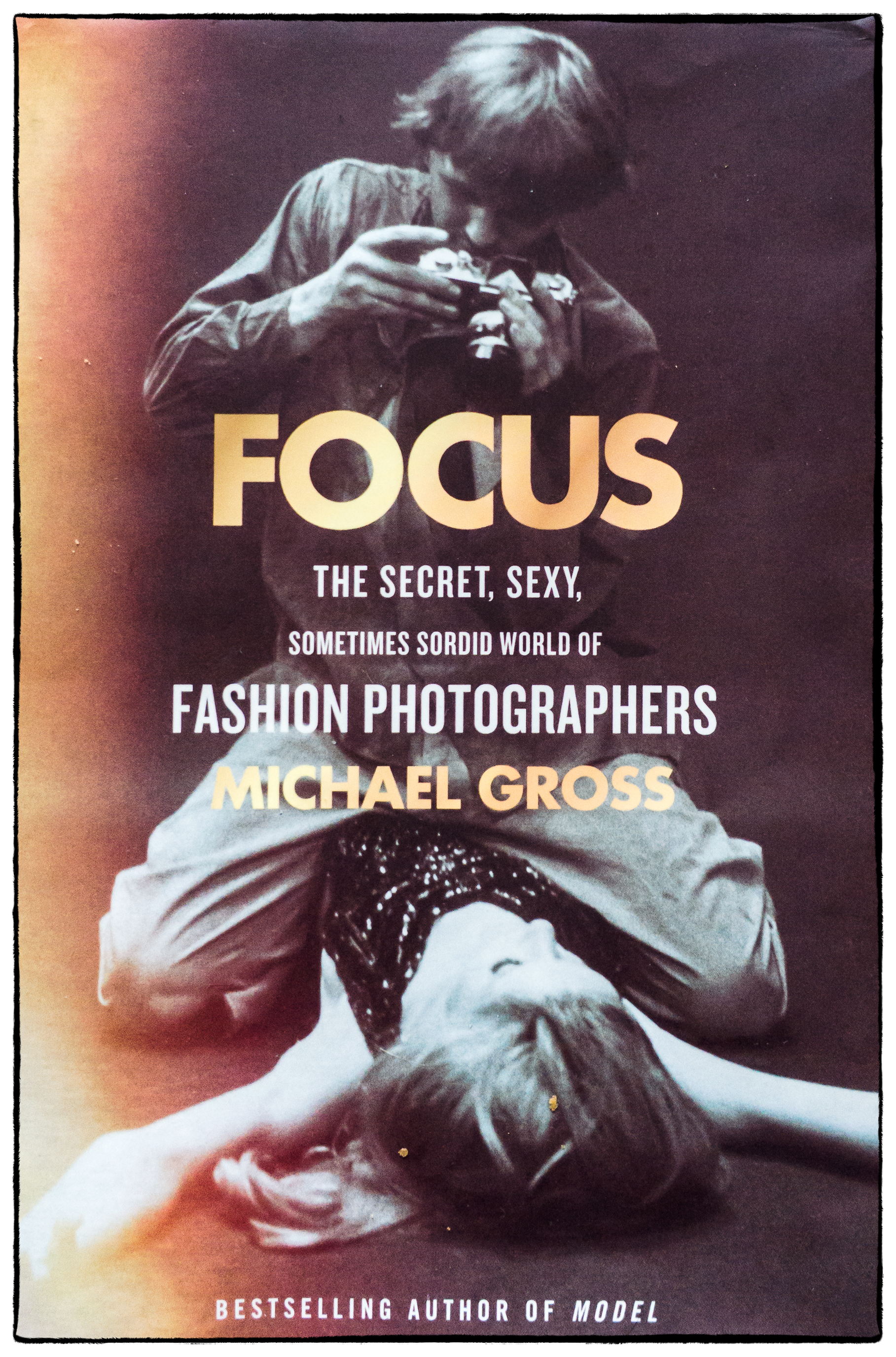
Although I do most of my reading on my Amazon Kindle, I tend to prefer reading photography books in hard copy. I feel that the Kindle does not do justice to the photographs. I was in Barnes and Noble one day and felt like reading something photography related. They didn’t have very much and most of what little they had I had already read.

I’d looked at this book in the past, but since I’m not much interested in fashion photography I hadn’t bought it. I think the cover image and the title: Focus. The secret, sexy, sometimes sordid world of fashion photographers had put me off it a bit too.

But I really wanted to read something photography related, and this was the only option available, so I bought it. I didn’t expect to like it very much and was pleasantly surprised when I did.

Of course I was already familiar with some of the names: Richard Avedon (although I hadn’t realized that he was such a colossus in photography), Irving Penn (who of all the people in the book I was most familiar with), Terry Richardson (whose name I’d heard because of the controversies but whose work I was not familiar with), Helmut Newton, maybe David Bailey but most of the other names (e.g. Melvin Sokolsky, Jerry Schatzberg, Terence Donovan, Brian Duffy, Bert Stern, Bill King, Patrick Demarchelier, Pierre Houlès, Gilles Bensimon, Mike Reinhardt, Arthur Elgort, Steven Meisel, Bruce Weber, Bob Richardson) I’d barely heard of.

Of course the “sexy”, “sordid” aspects of the field come through (e.g. the author mentions the apparently enormous size of Gilles Bensimon’s penis several times). And I found the rather sad lives of some of the photographers (e.g. Ben Stern, Bill King, Bob Richardson) to be rather touching.

For the first time I know a bit about Vogue, Harpers Bazaar (e.g. did you know that until 1929 the magazine was called ‘Harpers Bazar’?), Elle etc. I know who Diana Vreeland and Anna Wintour are/were. And I’m more aware of the important role of the Art Director (e.g. Alexey Brodovitch, Alexander Liberman). I’m also rather more familiar with how fashion magazines have evolved over the years.

An interview with the author can be found at: Michael Gross Discusses His Provocative New Book on Legendary Fashion Photographers.

I thoroughly enjoyed this book.

Chimney in the Woods

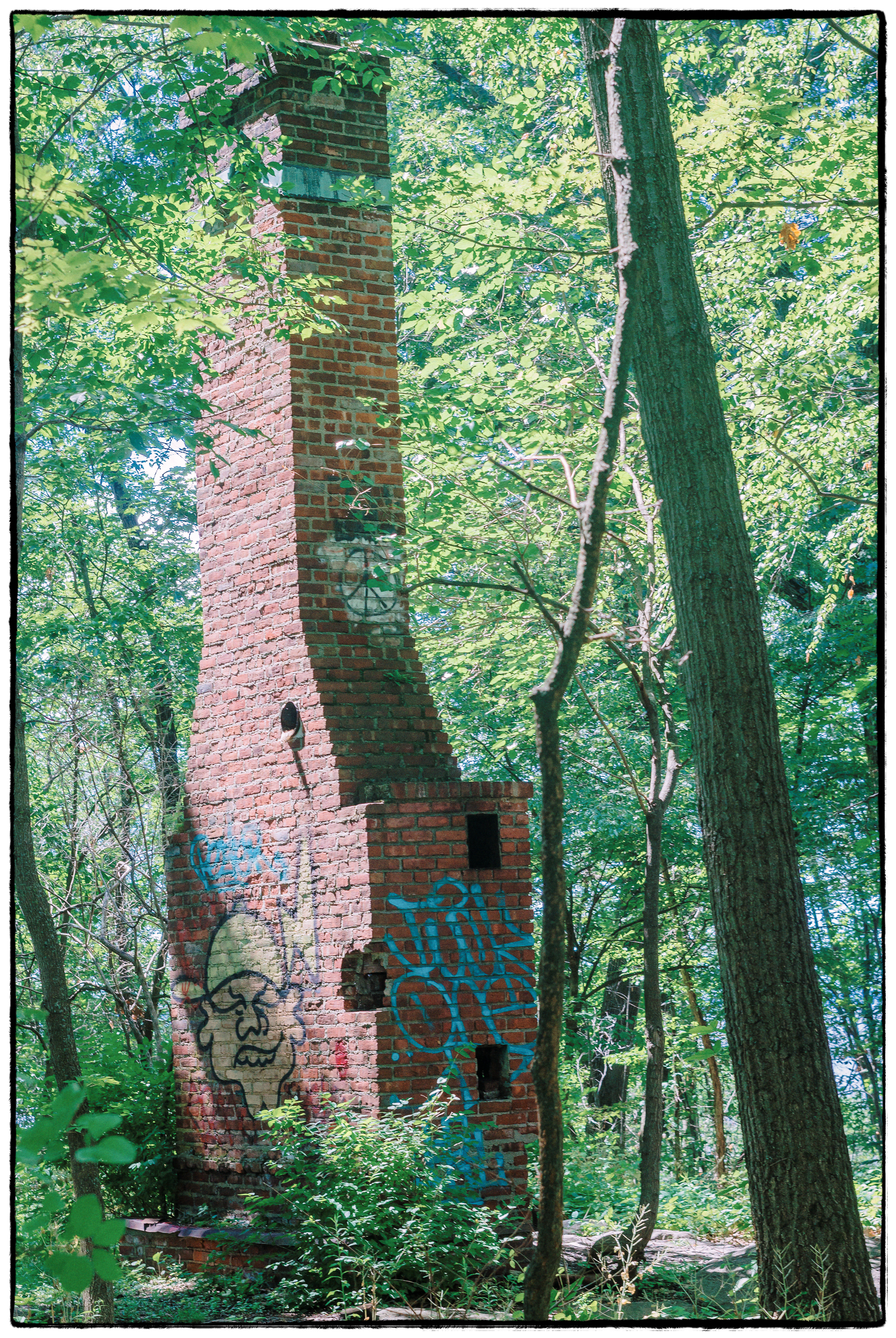
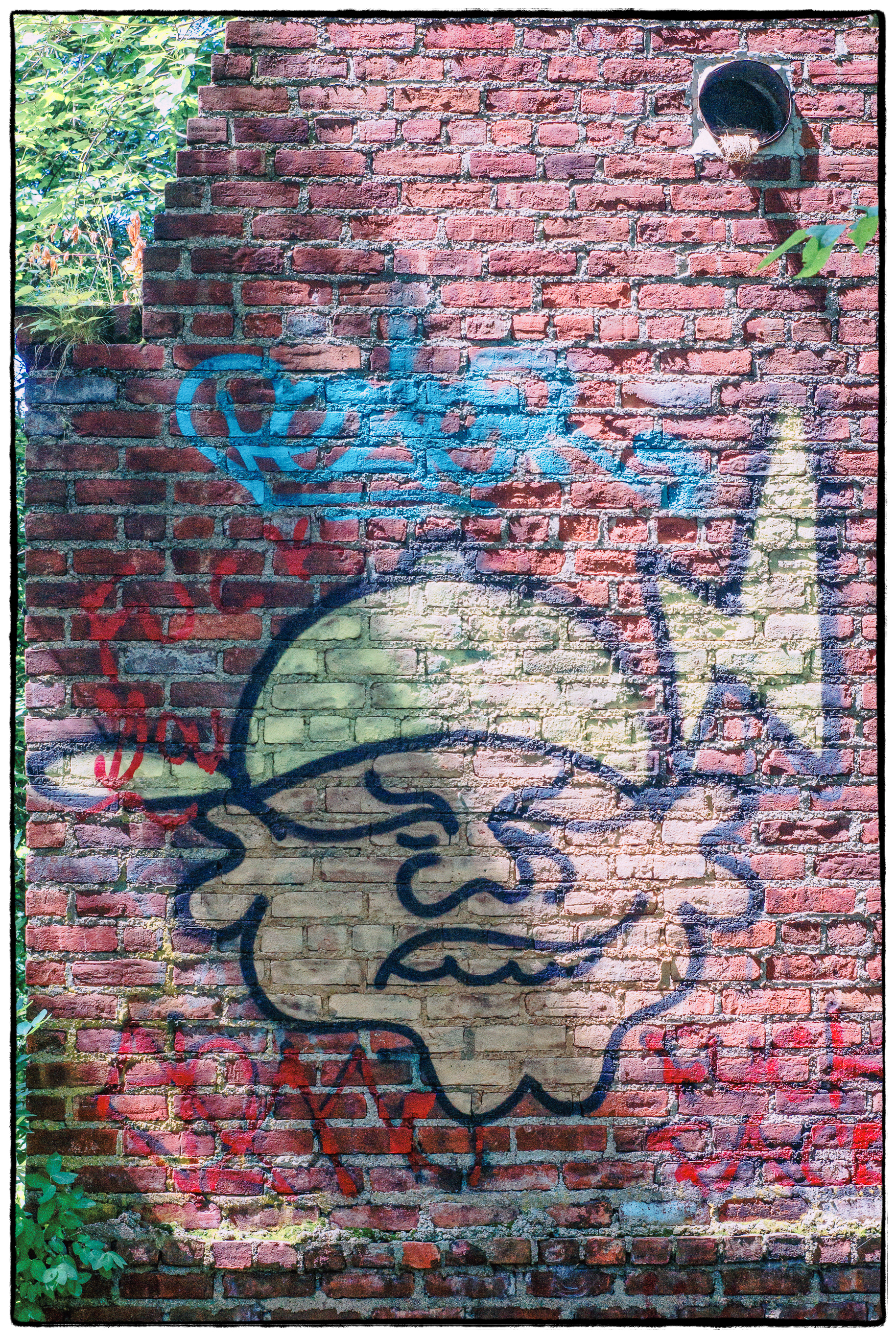
If you walk in the woods around where I live you from time to time come across ruins, but it’s still always a bit of a surprise. I came across this chimney (with fireplace) just off the trail on Oscawana Island. I have no idea what it once was, and have been unable to find any additional information. Since the Island is directly opposite Oscawana Park (the old McAndrews estate with its numerous ruins) I imagine in might be connected to that.

The graffiti is a bit better than I usually come across (see: Croton Gorge – Why do they do this?), but it’s certainly not in the class of the graffiti I came across in Geneva (see: Geneva – Route de Drize, Graffiti)

American Flag

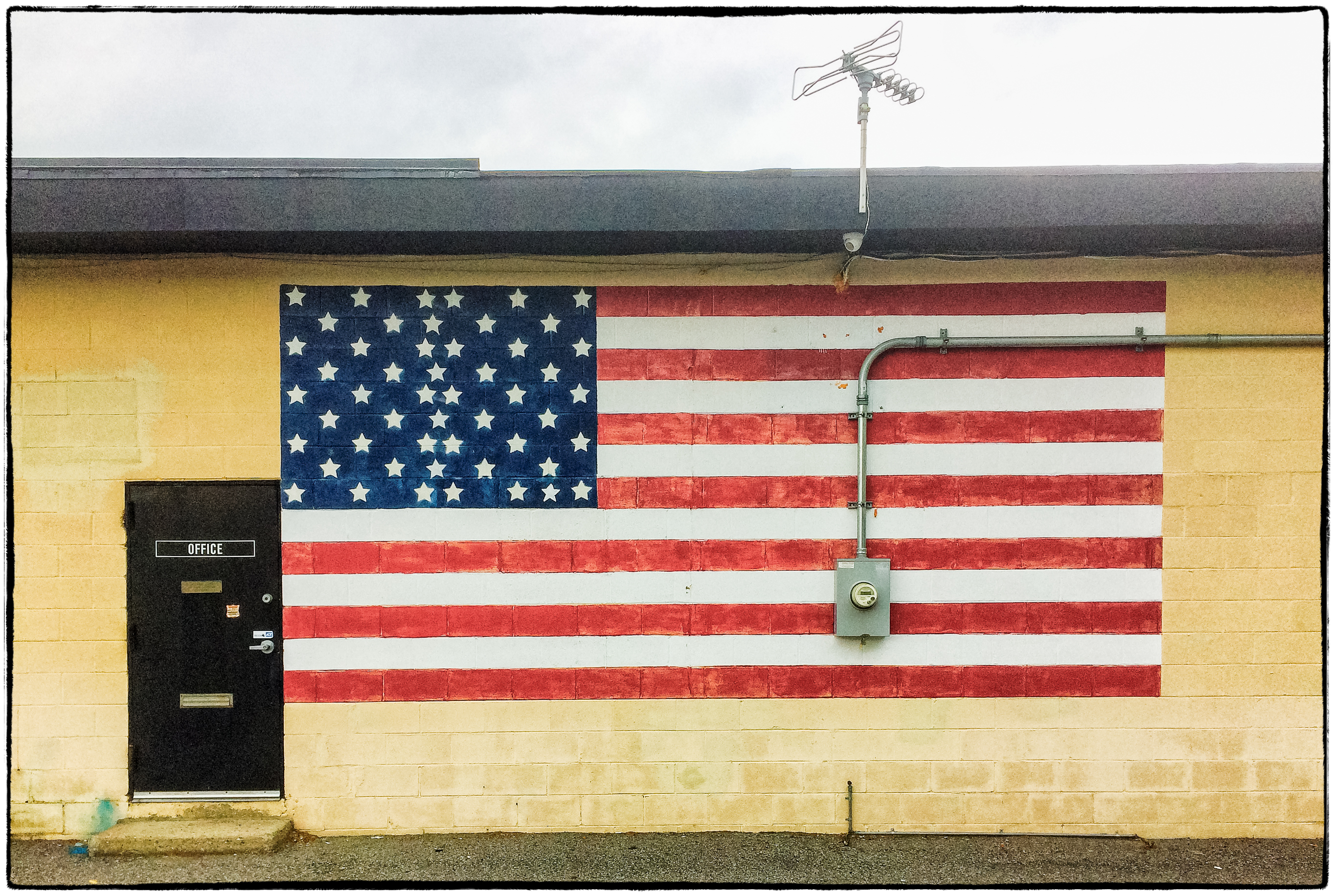
Opposite DeCicco Market in Jefferson Valley there’s a small strip mall. One day, while my wife was taking her dance class at nearby Club Fit I took the dog for a walk and came across this American Flag.

What first struck me was its size. It covers most of the rear of this store. Then I thought about its very existence. Why was it there? It’s on the rear of the store and you can’t see it from anywhere else. I can’t imagine that many people walk behind the store (as I did). Finally I started to get the feeling that there was something wrong about it and I eventually figured out what: it’s the stars. It almost seems as if there were two people doing the stars, one working from the left and one from the right. When they got to the middle they discovered that they didn’t have enough room for the remaining stars and so they bunched them up in the middle.

Taken with the only camera I had with me: an iphone 5s