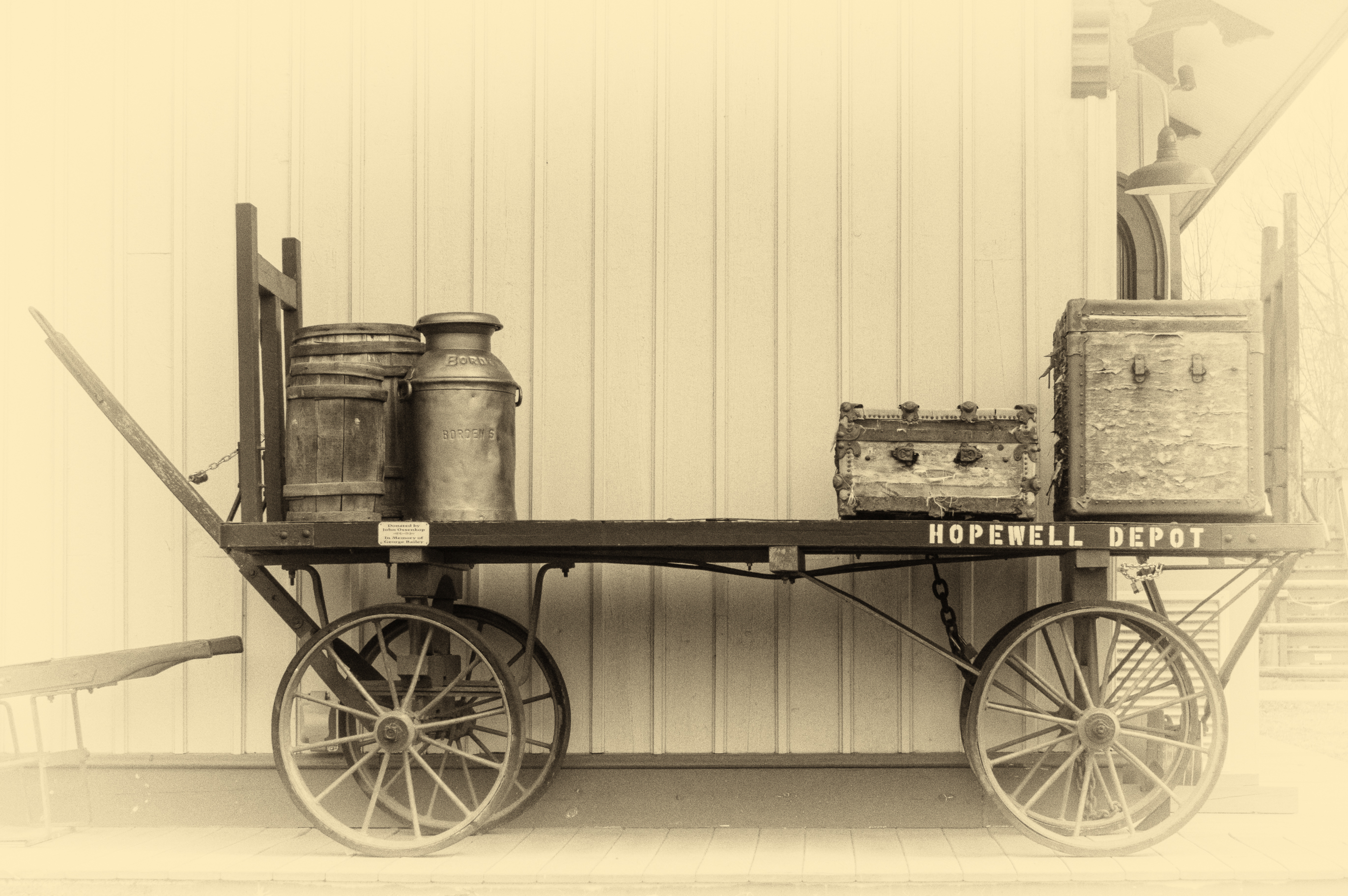
A Day in New York City – A pair of mallards

Two mallards swimming on Conservatory Water in Central Park, New York City. I’ve always loved the brightly colored mallards, and I also liked the ripples.

Formally a naturally landscaped water lily pond, Conservatory Water was subsequently converted into a model boat pond. When we arrived there were a few boats, but when I took this picture after finishing lunch the pond was devoid of maritime traffic (i.e. there were no boats on it).

Taken with a Sony RX-100 M3

A Day in New York City – Samuel Morse Statue

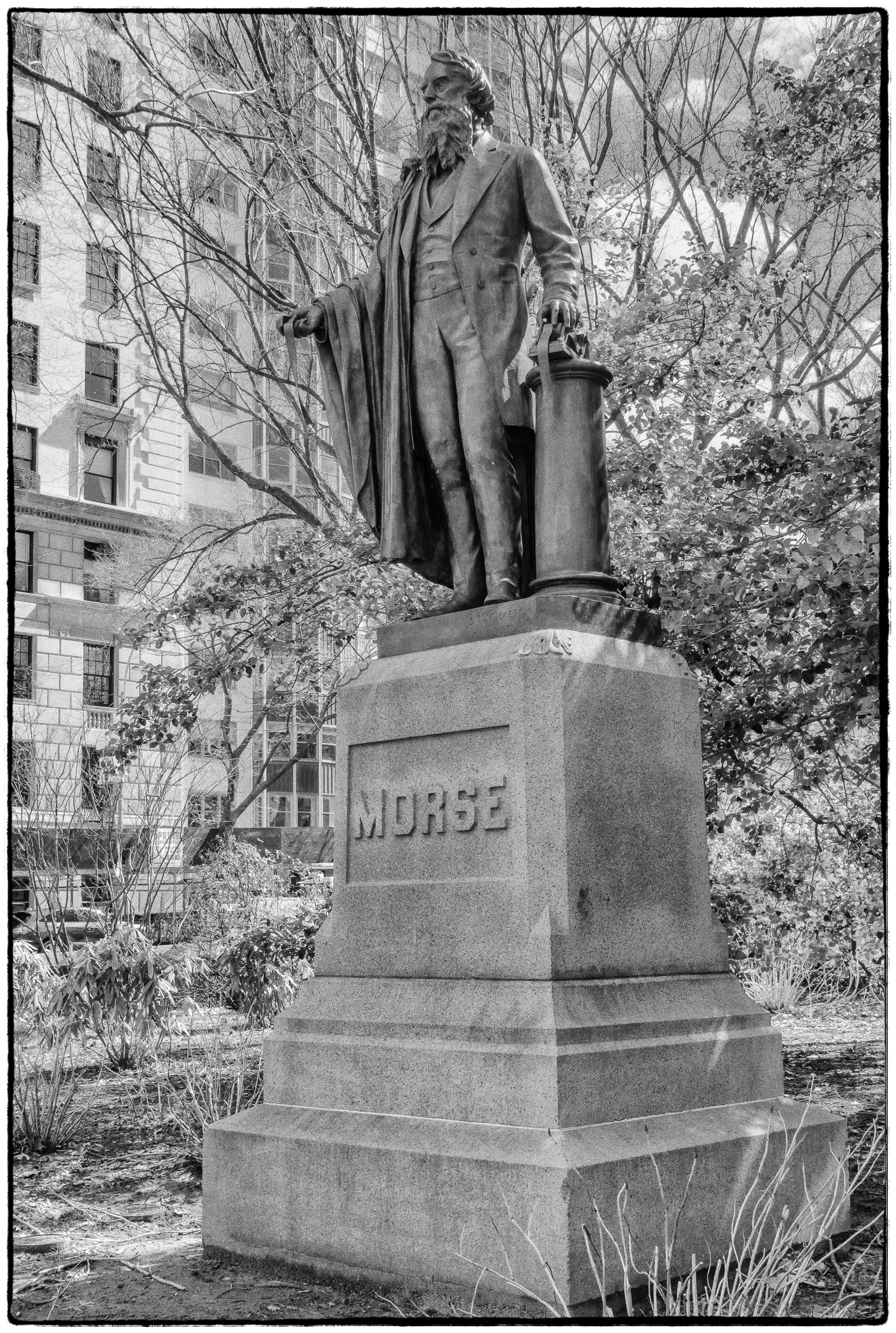
Finally in New York City, we took a taxi from Grand Central Terminal to Central Park. The driver dropped us off near 72nd Street and Fifth Avenue. As we got out of the taxi I noticed a statue. Imagine my surprise to discover that it was of Samuel F.B. Morse, whose former house, Locust Grove in Poughkeepsie we had visited just a couple of days earlier.

According to Wikipedia the statue:

…is an outdoor bronze sculpture depicting American painter and inventor Samuel Morse by Byron M. Pickett, located in Central Park in Manhattan, New York. The portrait statue measures 13′ x 5’6″ x 5′ and sits on a Quincy granite pedestal. It was dedicated on June 10, 1871.

I had some difficulty finding more information about Mr. Pickett, but eventually located the following artice: American sculptor Byron M. Pickett is memorialized. The article provides the following information:

Byron sculpted many works, and was well-known during his lifetime as a man of talent and master of his art. One such work was the statue of Samuel F.B. Morse, which stands today at the Inventors’ Gate at New York’s Central Park. Other works include the statue “Patriotism” in Kingston, two monuments at Gettysburg, and a relief portrait of Abraham Lincoln used by the U.S. Post Office in 1911 on a two-cent postal card. In July 1871, there was a dedication for unveiling the Morse statue and newspaper articles tell of all the dignitaries who were present. Two governors and even William Jennings Bryant were amongst thousands of New Yorkers present.

The information I was gifted by the N.Y. Metropolitan Museum of Art was his death record. My contact there was Catherine Mackay, administrative assistant. This record stated he had died in Tenafly, N.J., and was buried at Brookside Cemetery. Steve visited the plot only to discover there was no marker.

Byron seemingly died in obscurity in retirement at the Mary Fisher Home. To honor Byron’s life, I have purchased a marker for him that was placed on his 179th birthday, which was Aug. 3. Rest in peace Byron; this concludes our quest.

Taken with a Sony RX-100 M3

For posts on Samuel Morse’s former home, Locust Grove see:

Locust Grove – Blue Flowers
Locust Grove – Green Barn
Locust Grove – Hudson View
Locust Grove – View from the Lake
Locust Grove – Barn Doors
Locust Grove – Carriage House
Locust Grove – RIP Pinky Winky
Locust Grove – Detail of a Wrought Iron Container
Locust Grove – The House

And

Canon Eos 650 – Results

A Day in New York City – Abstract

We went into New York City a few weeks ago to meet up with an old friend who was visiting from The Netherlands. We decided to have lunch in the Loeb Boathouse in Central Park.

However, this series of pictures starts not in New York City, but at a CVS in Ossining where we stopped to pick up a few things before taking the train from nearby Scarborough, NY.

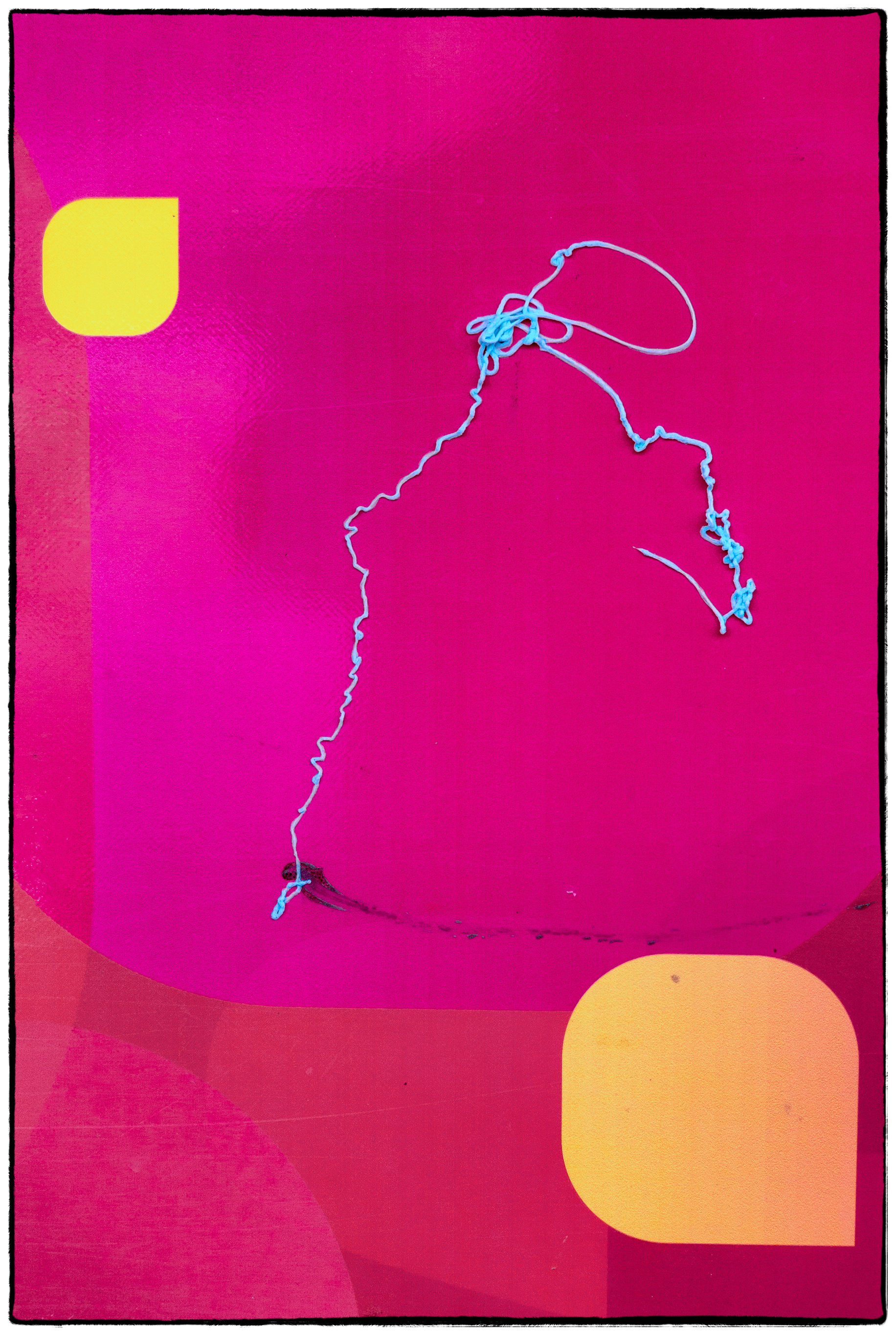
My wife had gone into the CVS while I remained in the car. As I was sitting there I noticed the repeating geometric patterns (the reds, oranges, magentas and yellows in the picture) in a number of panels in the CVS windows. I also noticed that one of the panels was subtly different from the other and got out of the car to take a look. Someone must have sprayed something (I have no idea what that light blue stuff is) on it and there was also a dark smudge.

I liked the bright blue color and the contrast between the regular geometric shapes and the more organic pattern left by the sprayed on substance.

Taken with a Sony RX-100 M3

The Octagon House

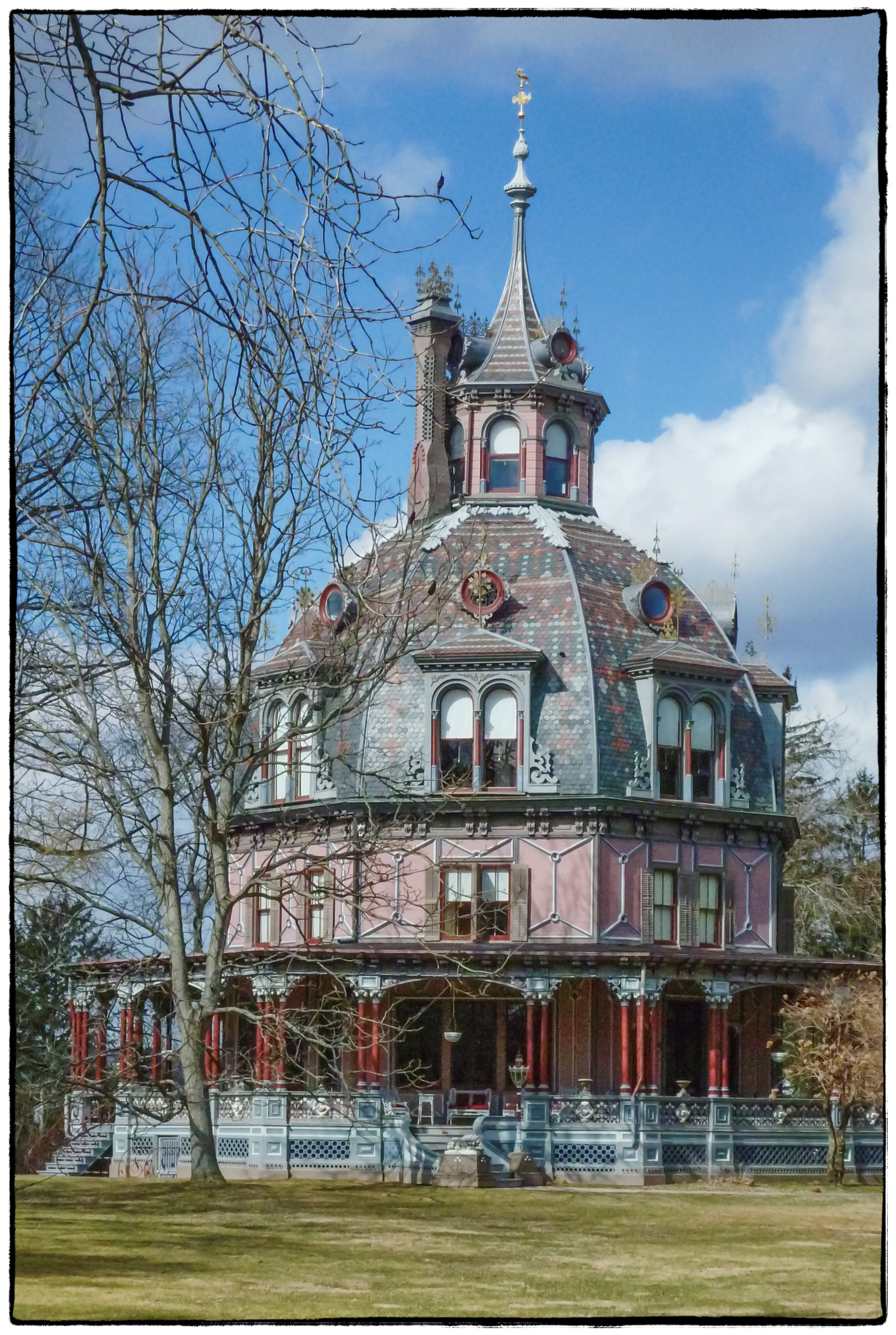
I saw this remarkable structure while walking south along the Old Croton Aqueduct Trail from Irvington, NY. According to Wikipedia it’s the Armour-Stiner House:

The Armour–Stiner House, also known as the Carmer Octagon House, is a unique octagon-shaped and domed Victorian style house located at 45 West Clinton Avenue in Irvington, in Westchester County, New York. It was designated a National Historic Landmark in 1976. It is known that other domed octagonal residences were built in the United States, but it is unknown if any of them still exist.

The house was built in 1859–1860 by financier Paul J. Armour based on the architectural ideas of Orson Squire Fowler, although the specific architect of the house is unknown. The dome was added and the house was enlarged during 1872–1876 by Joseph Stiner, who was a tea importer. The Armour–Stiner House is said to be one of the most lavish octagon houses built in the period, and is now one of only perhaps a hundred still extant.

The house was occupied from 1946 to 1976 by historian Carl Carmer, who maintained that the house was haunted. In 1976, the house was briefly owned by the National Trust for Historic Preservation to prevent it from being demolished. The Trust was unable to fund the amount of renovation the property required, and sold it to a preservationist architect, Joseph Pell Lombardi, who has conserved the house, interiors, grounds and outbuildings.

The house remains a private residence. It is located on the south side of West Clinton Avenue, on the crest of a hill overlooking the Hudson River, to the west. It is about 1650 feet from the river, and about 140 feet above it, consistent with Fowler’s siting ideas. The Old Croton Aqueduct, another National Historic Landmark, abuts the property on the east.

It caught my attention because I’d never seen anything like it before (and from the text above am not likely to). I also liked the pastel colors and lavish decoration.

Taken in February, 2012 with a Panasonic Lumix ZS7, which accounts for the picture’s overall softness.

Hopewell Junction Depot

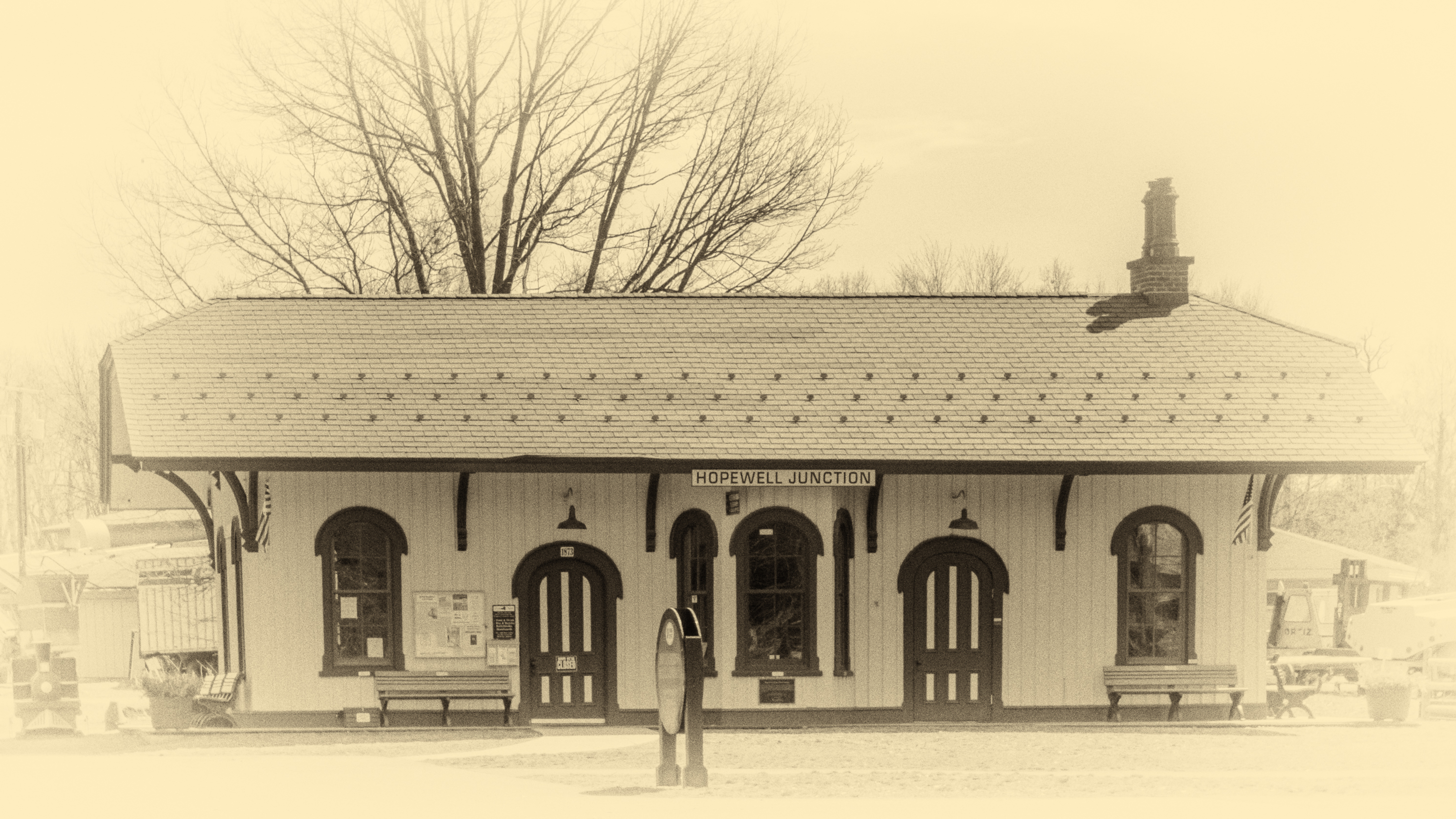
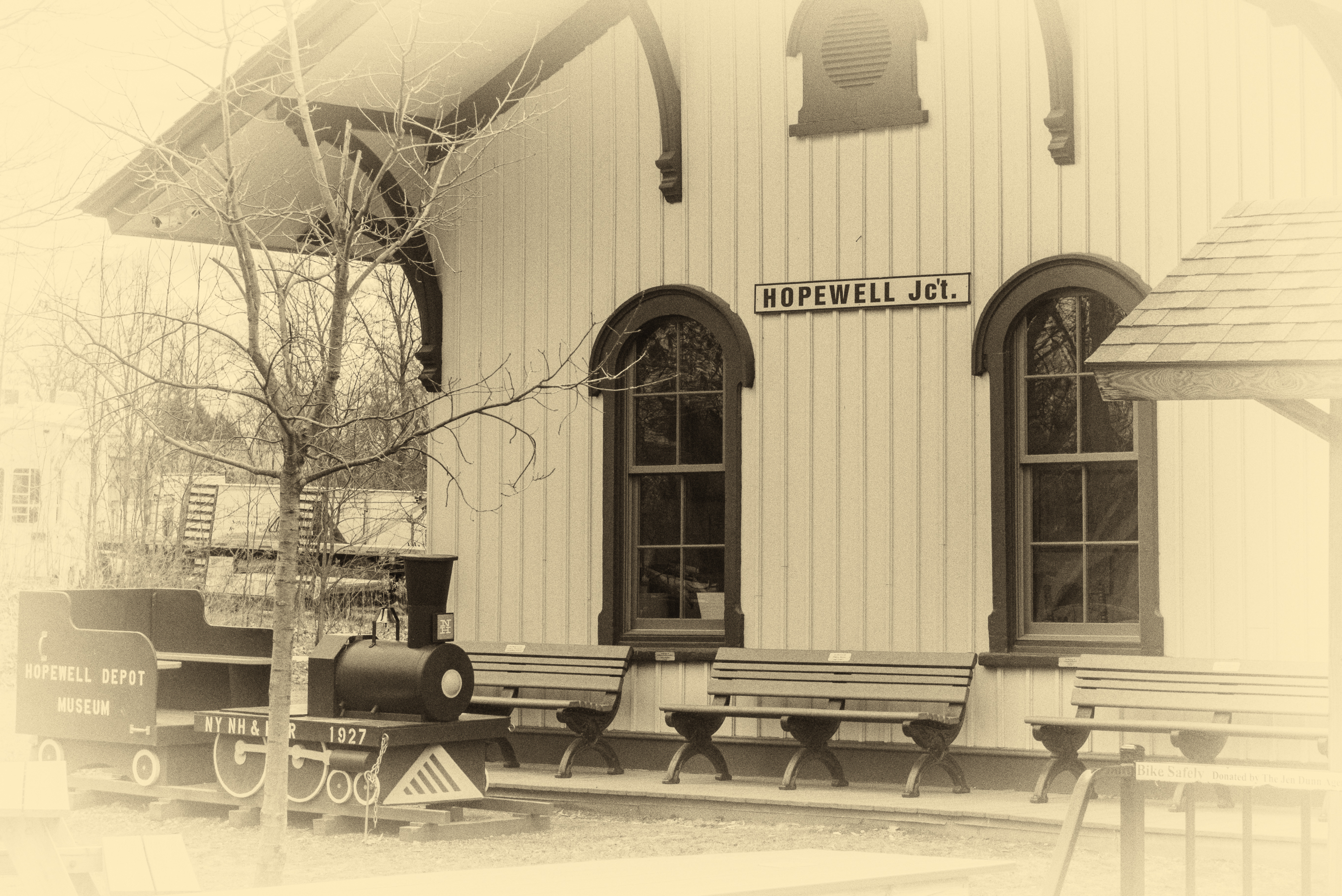
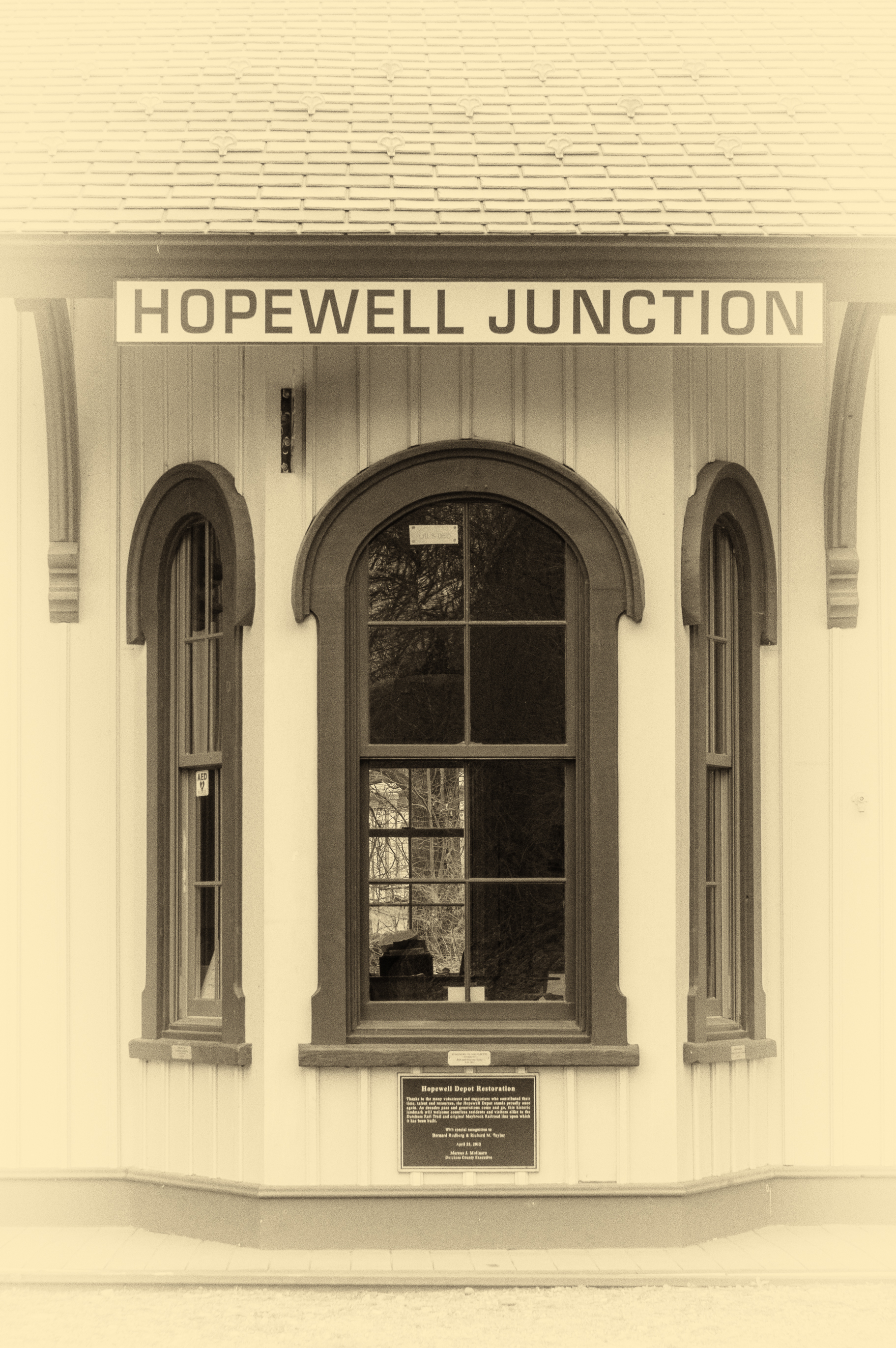
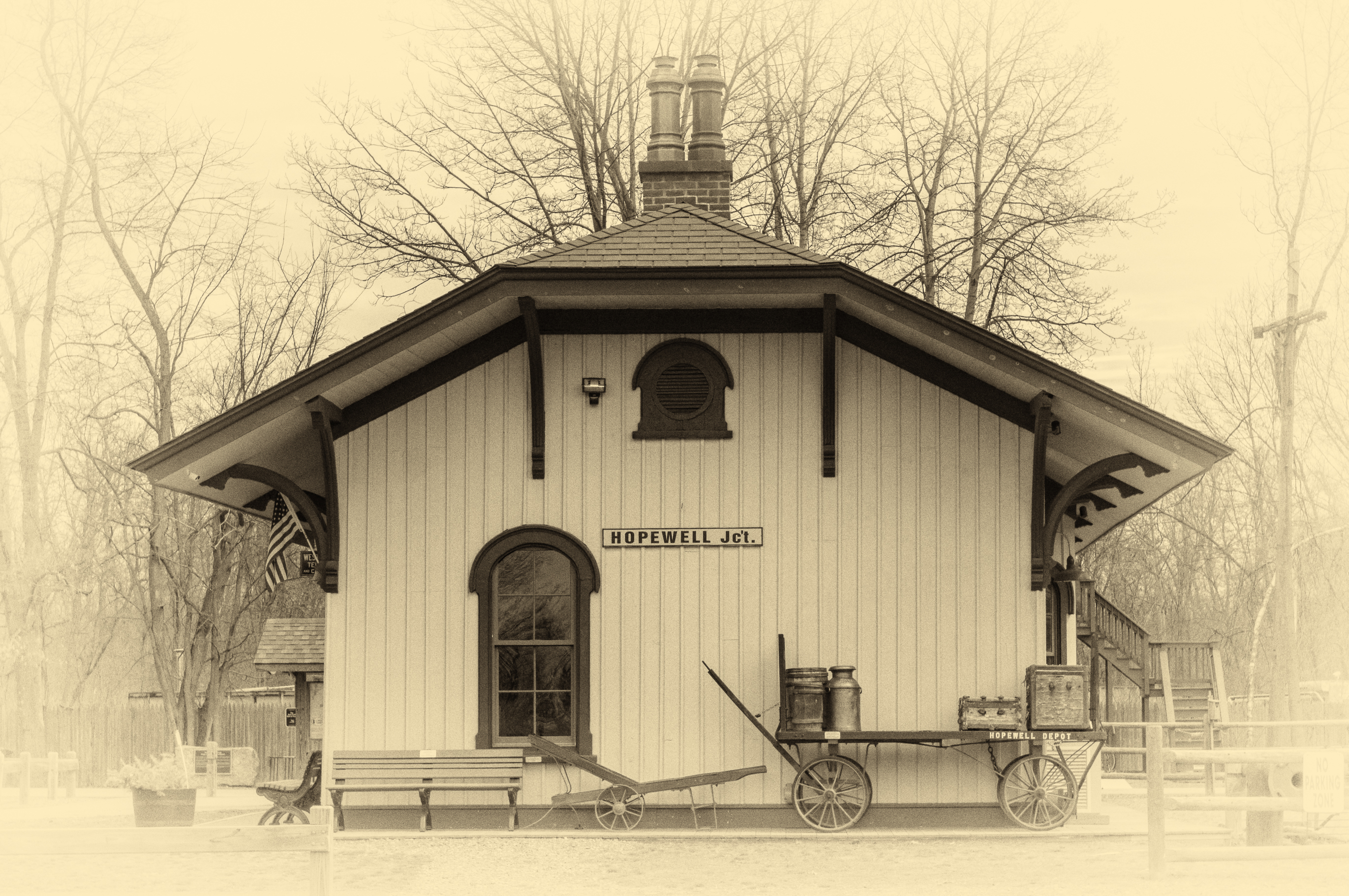
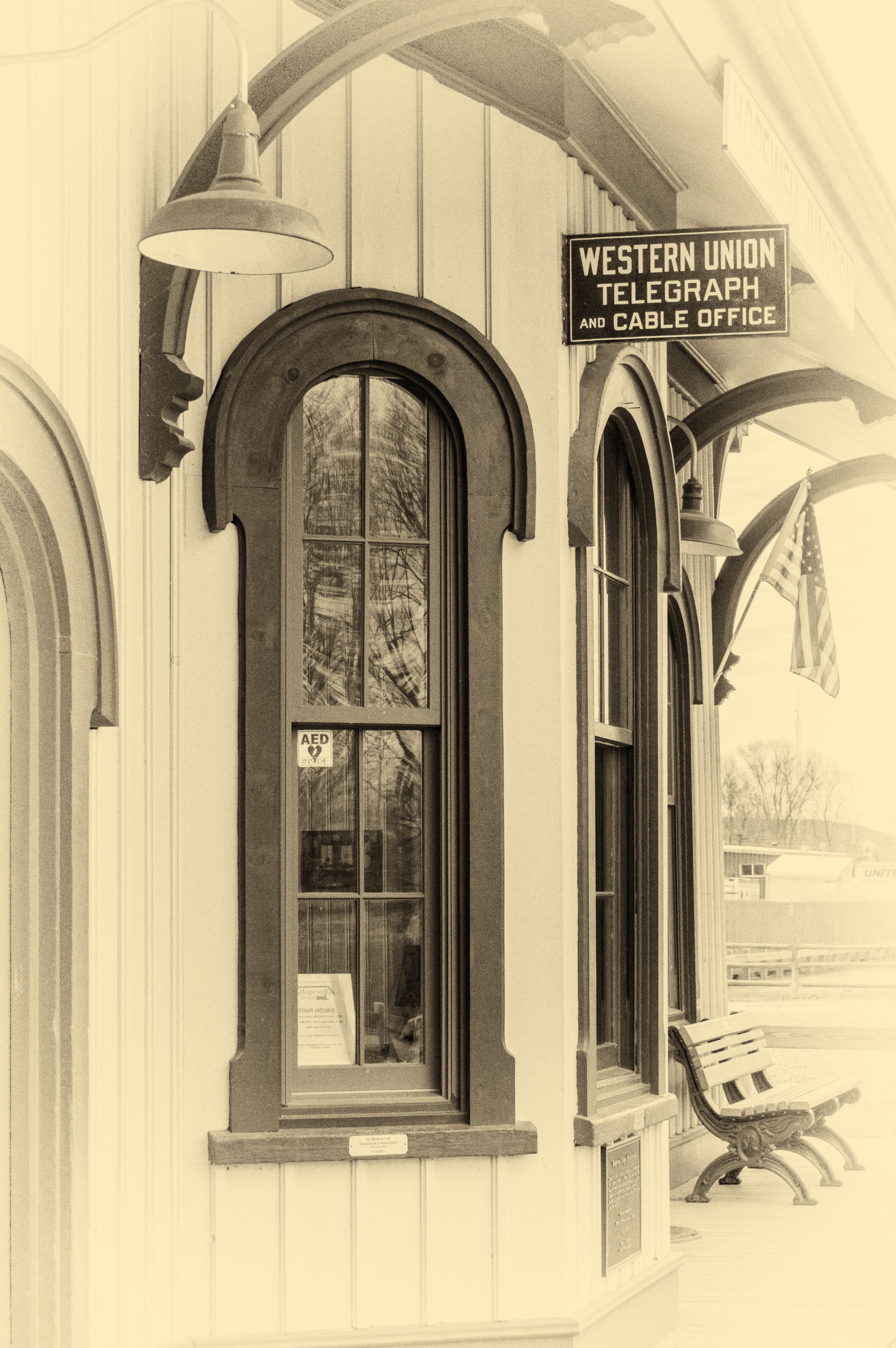
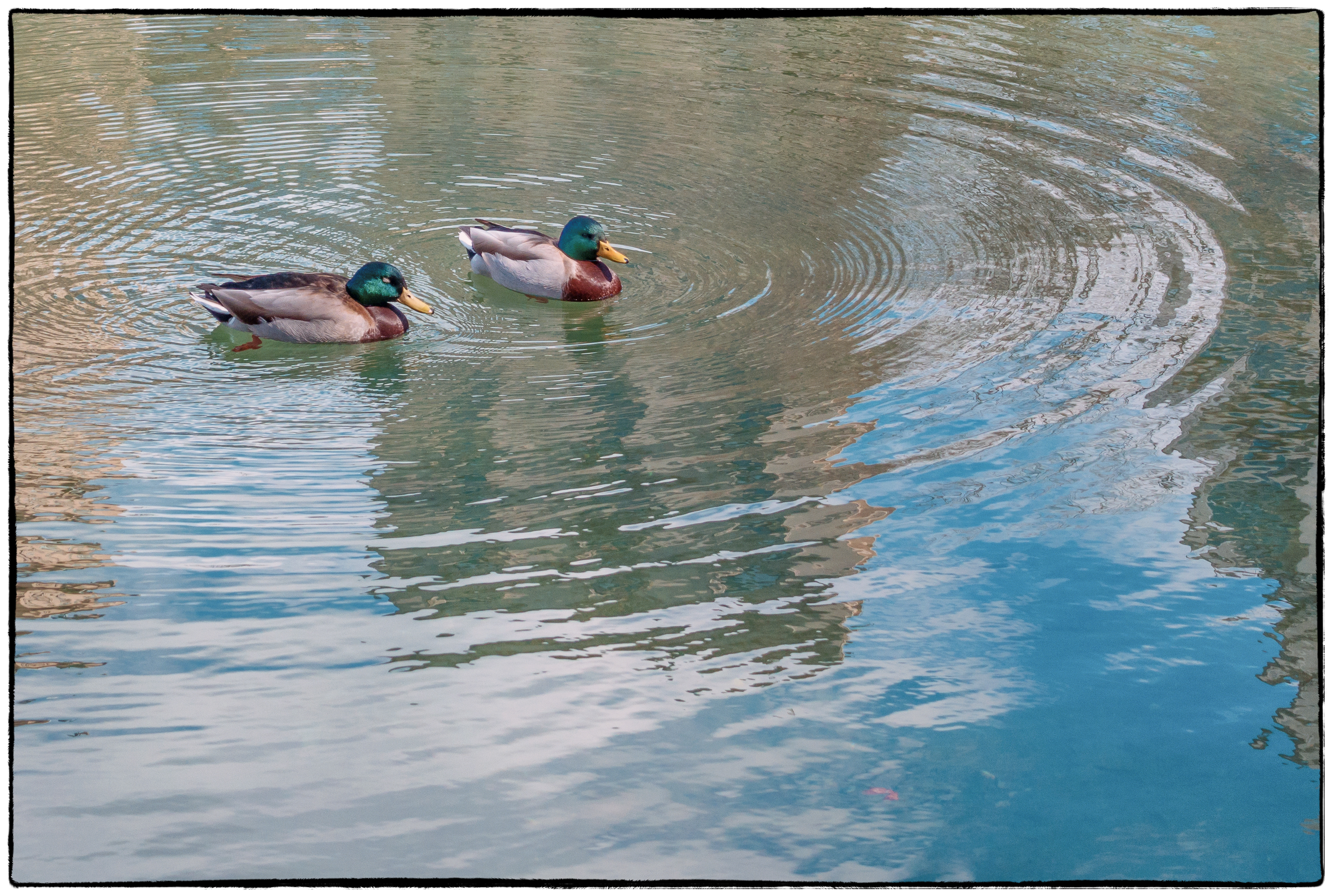
I came across these old photographs of the Depot at Hopewell Junction. I could tell that they were old because Anthony Musso in his book Hidden Treasures of the Hudson Valley Vol. II mentions that the original depot originally had doors with rounded tops. Apparently it was hard to insulate properly so all but one were replaced with square topped doors. In the pictures you can clearly see that the doors all have rounded tops so the pictures must pre-date the change. Right?

Actually no. I took these pictures about a month ago and decided that this “aged” look was appropriate. Mr. Russo’s book is now a few years old and it seems that the restoration efforts have proceeded well, with the doors having been changed back to their original tops. For additional information on the restoration efforts see here.

For a good, short, illustrated history of the depot see here.

The depot is now a vistor’s centre/museum located at the beginning of the Dutchess County Rail Trail. I’ve walked on a number of these converted rail trails and don’t usually like them. They’re also used by cyclists who go whizzing by at high speed, often without giving you any warning that they’re coming. This one is, however, different: The old railway had two tracks so there was room to separate the walkers and the cyclists. In fact there are two trails: one of packed earth for walkers and another one paved for cyclists so there is no likelihood of collision.

Taken with a Sony Nex 5N and Carl Zeiss Jena 50mm f3.5 T Tessar