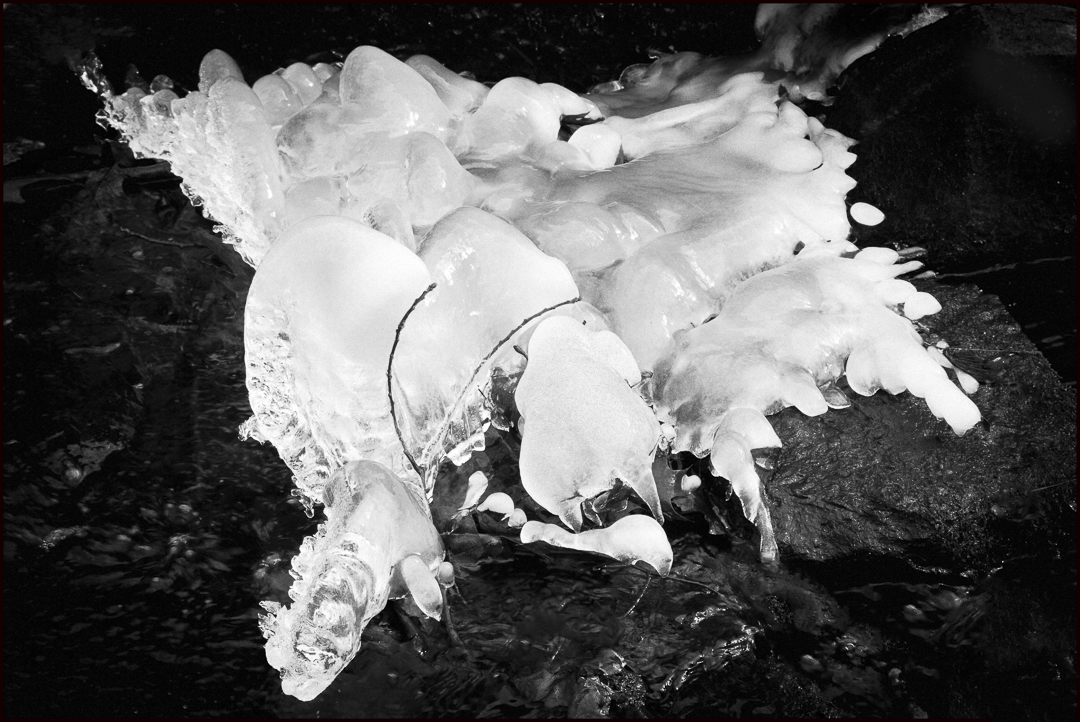
I came across this blob of ice in a nearby stream. I like it’s smooth texture and shiny surface, especially in contrast to the darker surroundings.
Taken with an Olympus OM-D EM-10 and Panasonic Lumix G Vario 14-42 f3.5-4.6 II
Photographs and thoughts on photography and camera collecting

I came across this blob of ice in a nearby stream. I like it’s smooth texture and shiny surface, especially in contrast to the darker surroundings.
Taken with an Olympus OM-D EM-10 and Panasonic Lumix G Vario 14-42 f3.5-4.6 II

I came across these trumpet playing Christmas angels outside one of the large, impressive houses on Central Drive in Briarcliff Manor.
Taken with a Panasonic Lumix GF1, Lumix G Vario 14-42 f3.5-4.6 II

This was taken at the Rockefeller State Park and Preserve. I’d seen an interesting composition with small stream and the round stretch of water in the foreground and the larger, Swan Lake in the middle-background. I even liked the way you can see a path winding up to the Overlook Trail on the far side of the lake.
Then I saw this couple approaching along another trail and I decided to wait to see if they would walk across the stepping stones, which they did.
Taken with an Olympus OM-D E-M10 and Panasonic Lumix G Vario 45-150mm f4-5.6
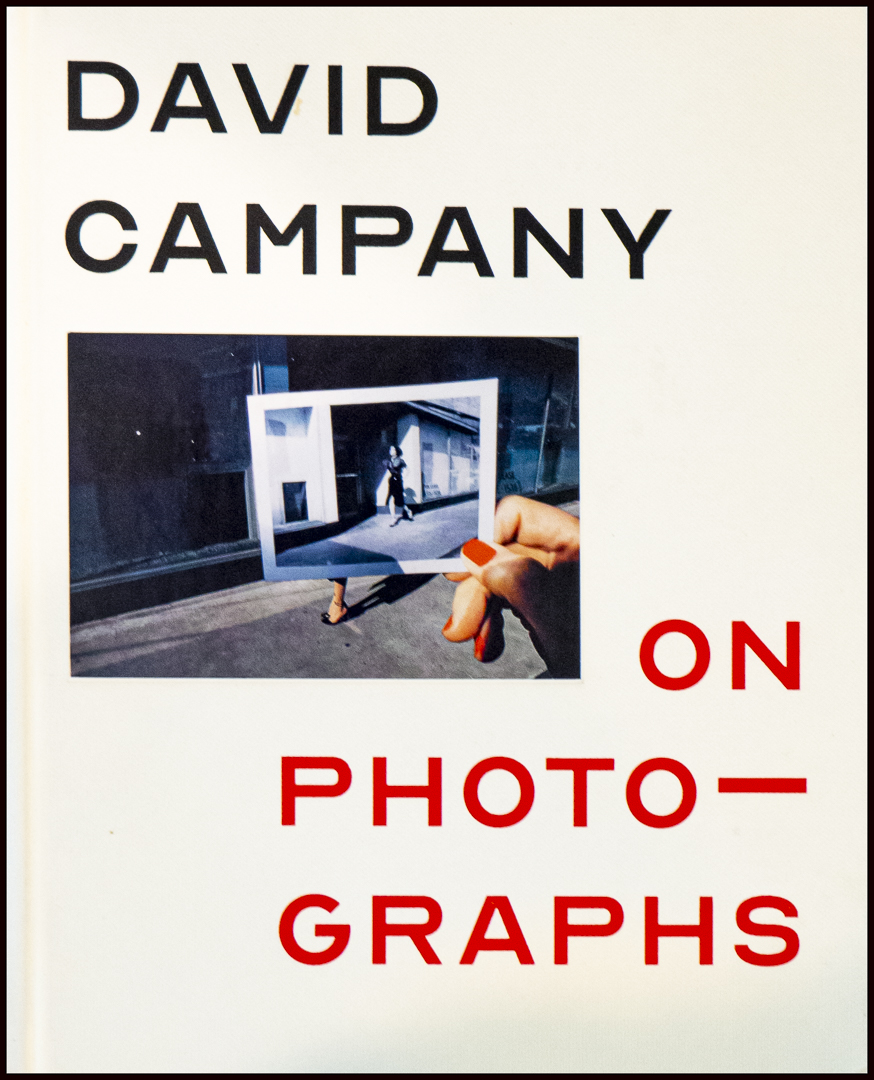
The summary on Amazon.com reads:
An exploration of photography in 120 photographs.
In On Photographs, curator and writer David Campany presents an exploration of photography in 120 photographs. Proceeding not by chronology or genre or photographer, Campany’s eclectic selection unfolds according to its own logic. We see work by Henri Cartier-Bresson, William Eggleston, Helen Levitt, Garry Winogrand, Yves Louise Lawler, Andreas Gursky, and Rineke Dijkstra. There is fashion photography by William Klein, one of Vivian Maier’s contact sheets, and a carefully staged scene by Gregory Crewdson, as well as images culled from magazines and advertisements.
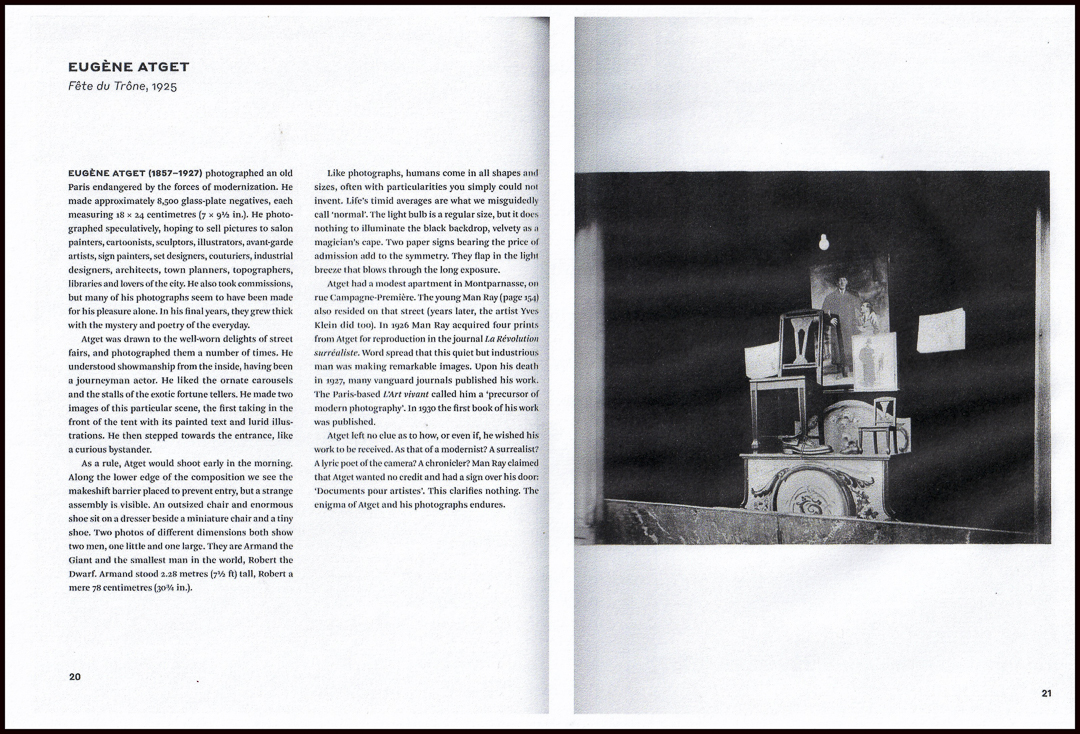
Each ofthe 120 photographs is accompanied by Campany’s lucid and incisive commentary, considering the history of that image and its creator, interpreting its content and meaning, and connecting and contextualizing it with visual culture. Image by image, we absorb and appreciate Campany’s complex yet playful take on photography and its history.
The title, On Photographs, alludes to Susan Sontag’s influential and groundbreaking On Photography. As an undergraduate, Campany met Sontag and questioned her assessment of photography without including specific photographs. Sontag suggested that someday Campany could write his own book on the subject, titled On Photographs. Now he has.
It’s a useful book with lots on information on the photographs and the photographers, many of whom I’d previously never heard of. It’s not a book I would try to read from beginning to end. Rather it’s something to pick up and browse through when you have a few minutes to spare.
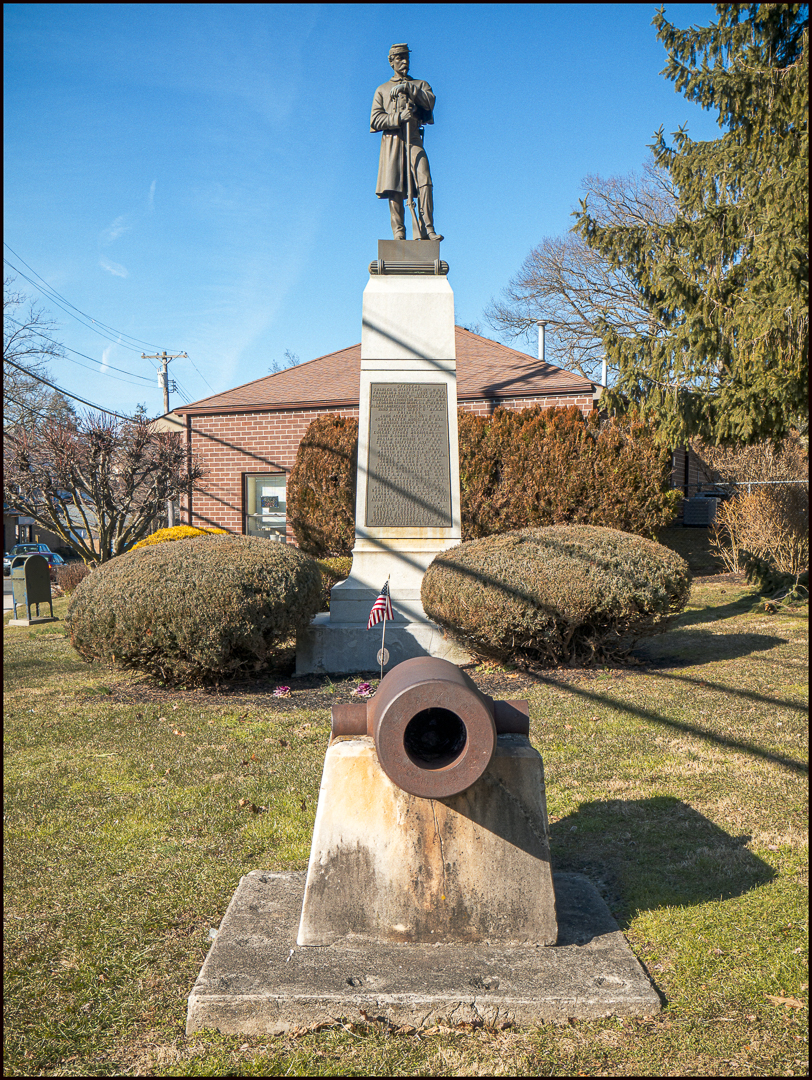
Apparently dissatisfied with the Civil War Memorial in Nelson Park the town of Ossining decided to build another one. According to New York Almanac:
Soon after it appeared, “The Kneeling Angel” acquired a derisive name, “The Squatting Angel.” Perhaps some felt that the figure’s kneeling position presented an image of sorrowfulness that was not in keeping with the martial and victorious spirit a winning side in a war ought to convey. In April 1884, the monument was moved from its prominent position in Downtown Ossining to the grounds of the old Park School to a spot where the present school playground is. Later in 1939, due to the construction of the new Park School it was moved once again to the lower part of Nelson Park and finally it came to rest at its present location at the eastern edge of Nelson Park.
In January of 1887, a movement to have a new monument that would be more heroic in nature than the Kneeling Angel was launched. Accordingly, a prototypical image of a Civil War soldier with musket in hand was selected. It was similar to the soldier monuments found on courthouse lawns, battlefield sites, cemeteries and other public spaces in the North and the South. Thousands of these sculpted forms made of various stone and metal materials were produced.
The man chosen to head up Sing Sing’s Monument Committee was Colonel Edwin McAlpin, a resident of the Village and commander of the 71st Infantry Regiment of the New York National Guard. (Col McAlpin did not serve in the Civil War) The committee included practically all of the Village’s prominent men and they contracted with Maurice J. Power owner of the National Fine Arts Foundry located at 218 E. 25th Street in Manhattan to cast it. Among the notable pieces of bronze sculpture produced by the foundry were large battle monuments at Trenton and Monmouth, New Jersey; Newburgh, Albany and Buffalo, New York; Augusta, Maine; Manchester, New Hampshire; Clinton, Holyoke, Lawrence and Springfield, Massachusetts; and others in Michigan, Ohio, Pennsylvania, Tennessee, Georgia and North Carolina. It is probable that the sculptor Ossining’s Standing soldier monument was Caspar Buberl (1834–1899) He and Power mutually worked on a number of other Civil War monuments and earlier in their careers, they apprenticed together.
Ossining’s soldier was placed atop a 14’ granite shaft and he towers 7’ ft. 6” above that. A bronze tablet on the shaft bears the names of the 35 Ossining soldiers who perished in the War. According to newspaper accounts the dedication on Decoration Day, May 30, 1887 was preceded by a huge parade of civic and military organizations including McAlpin’s regiment who came on up from New York City on a train chartered by the Colonel at his personal expense. The total cost of the monument was $3,500.
Originally, the statue was located over a small reservoir at Hubbell’s Corner (the intersection of North Highland Avenue (Rt.9) and Croton Avenues). Apparently, the statue’s location was a bottleneck and New York State and the Village agreed to widen the intersection and change the grading. Accordingly, in September of 1930, it was moved to the intersection of Pleasantville Road and Brookville Avenue where it stands today.
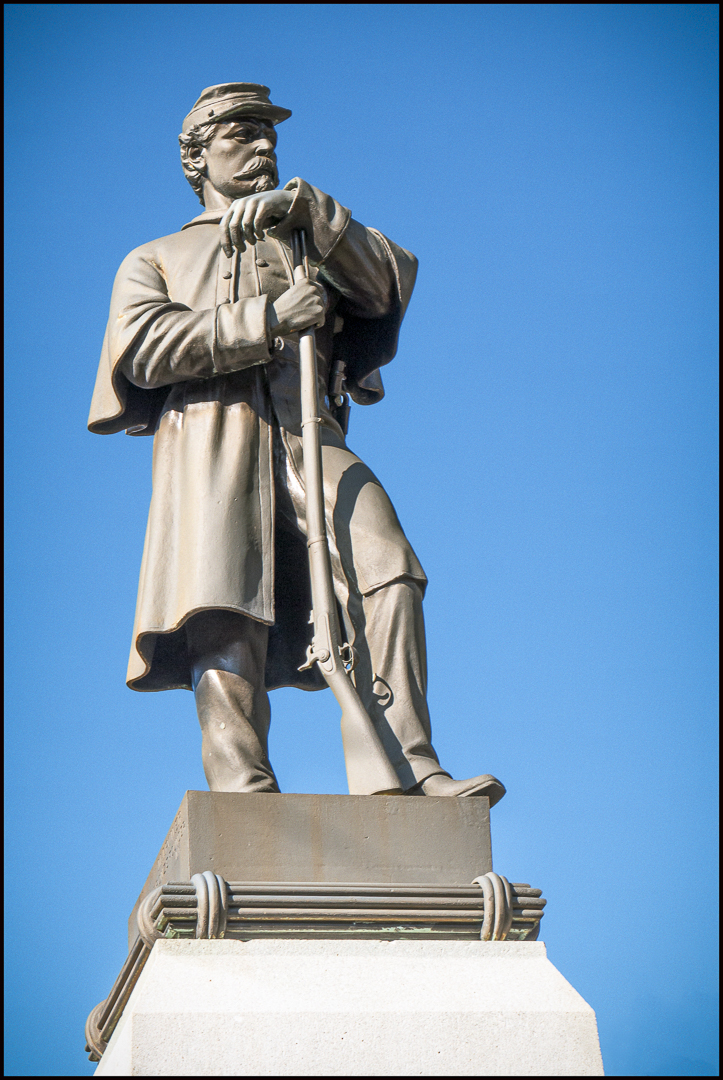
Taken with an Olympus OM-D E-M10 and Panasonic Lumix G Vario 45-150mm f4-5.6