A visit to Merestead – Overview

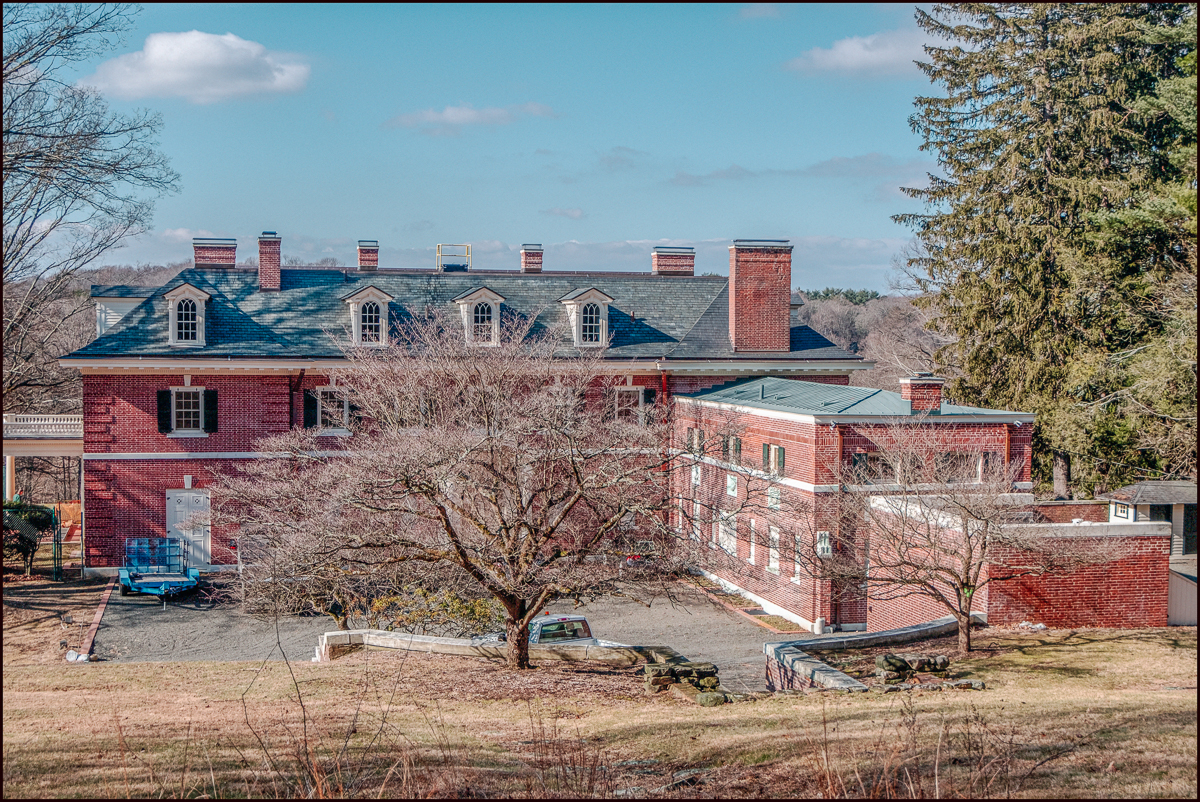
I recently went with a friend to the Merestead Estate in Mount Kisco. I had three reasons for going there: First, my friend offered to take me to visit somewhere interesting and I was only too keen to go; Second, I’d never been there; Third, there’s a connection to the work I’m doing for the Briarcliff Manor-Scarborough Historical Society (BMSHS). Last September I helped prepare a presentation on Walter Law’ Mysterious Lanterns. William Sloane, the owner of Merestead was a good friend of Walter Law (the founder of my village: Briarcliff Manor) and was for many years his partner at W. & J. Sloane, a luxury furniture and rug store in New York City that catered to the prominent and the wealthy. While researching the presentation we came across a photograph showing one of the lanterns. This was not a surprise as we already knew that Law had given one of the lanterns to Sloane. What was a surprise was that in the same picture, in the distance we could just about make out what looked like another lantern, the existence of which was unknown to us. So we just had to go an take a look.

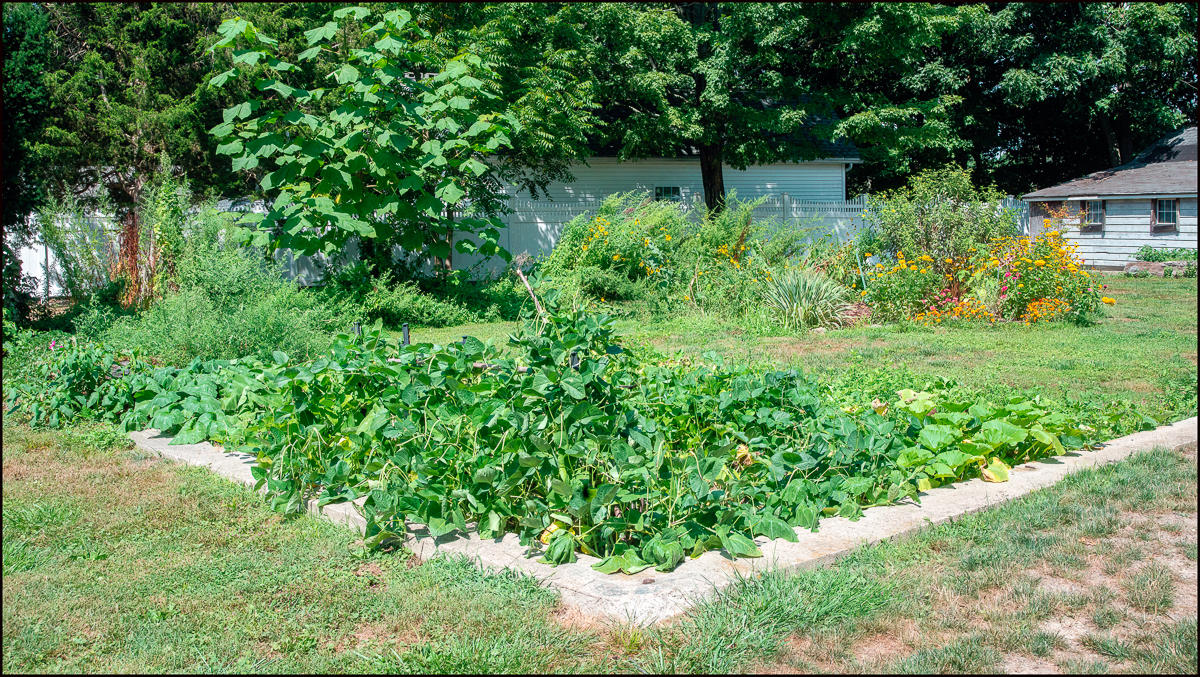
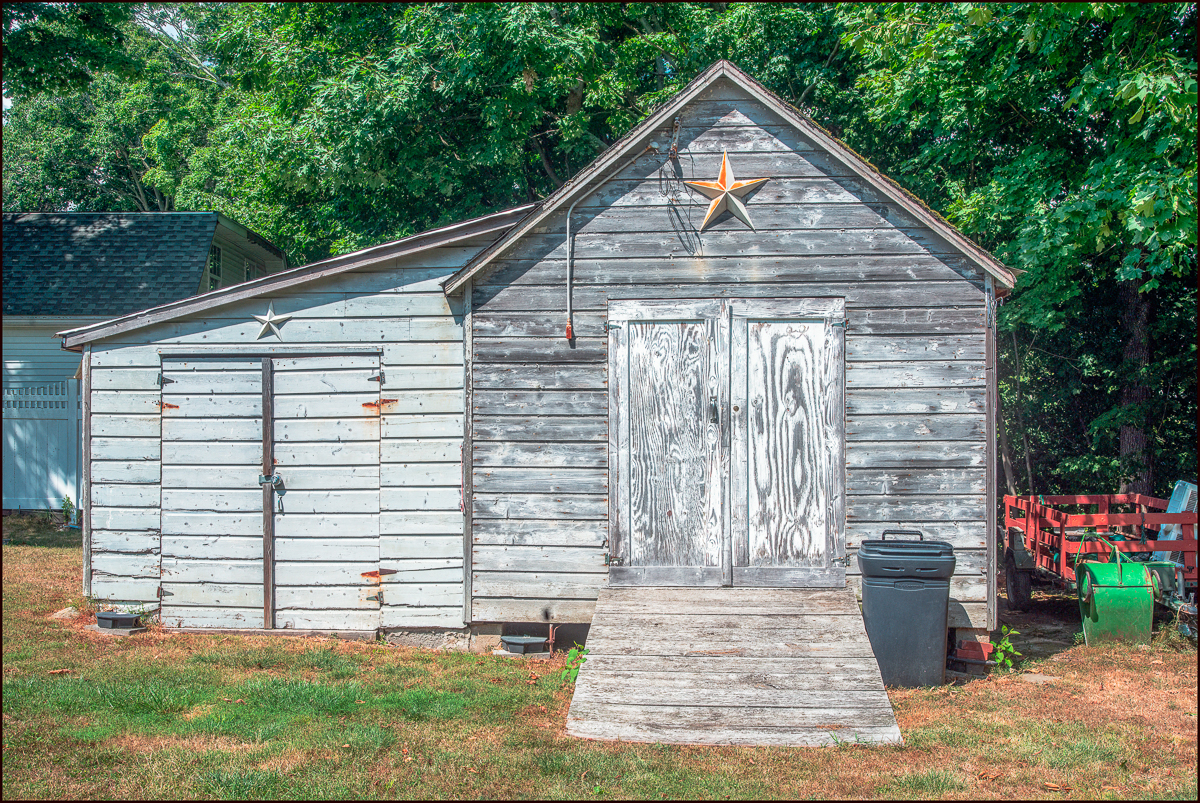
“Merestead, the country estate of William Sloane, includes a large neo-Georgian mansion completed in 1907, a nineteenth-century farm complex modified at approximately the same date, and 136 acres of open fields, gardens, and woodlands. Approximately nine acres at the northwest corner of the estate property was sold off during the mid-twentieth century. The estate is located in a rural area of northern Westchester County on Bryam Lake Road east of the village of Mount Kisco, New York, There are ten contributing historic components which constitute the historic Merestead estate complex. The estate buildings and entire original estate lands have remained virtually unchanged since the early twentieth century and the property contains no non-contributing structures.” (United States Department of the Interior, National Park Service, National Register of Historic Places Inventory—Nomination Form)

Taken with a Fuji X-E3 and Fuji XC 16-50mm f3.5-5.6 OSS II

West Point Foundry

According to the National Park Service:

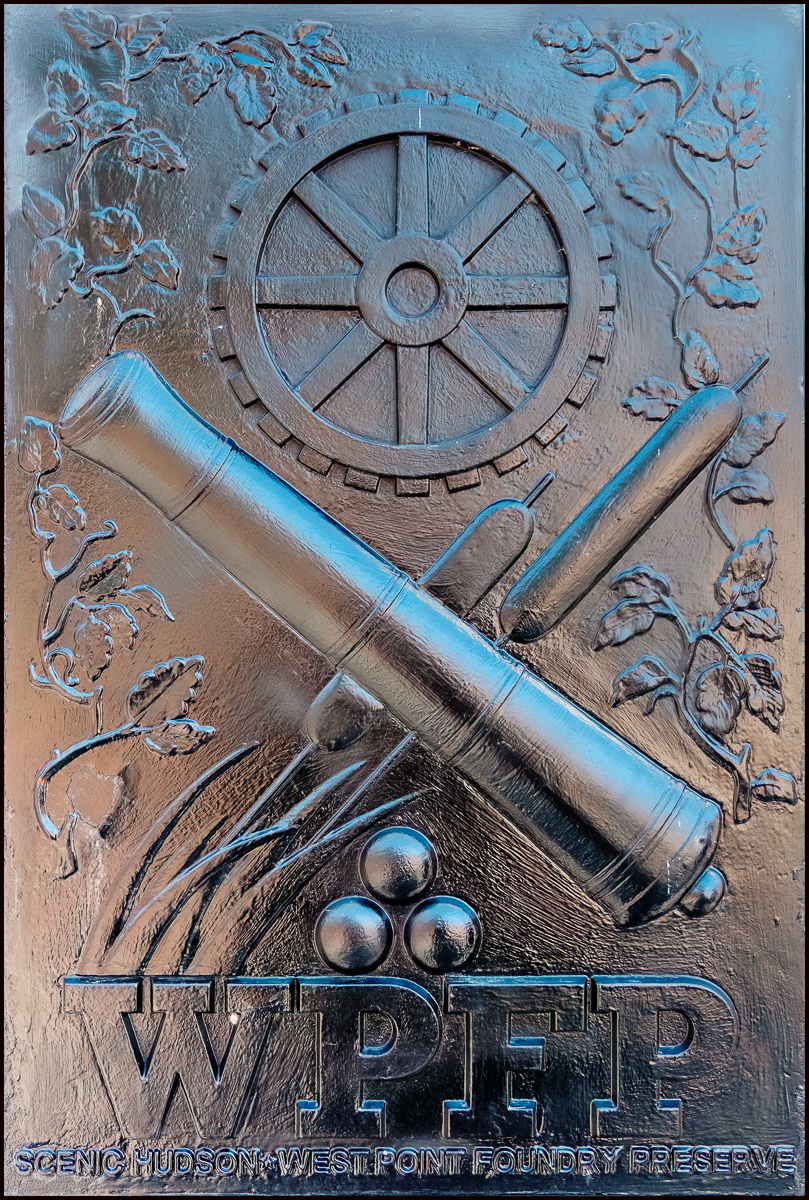
Of the four historic ironworks selected by President James Madison to supply artillery to the U.S. military, only West Point Foundry remains. Operating from 1818-1911, the foundry gained renown during the Civil War by producing Parrott guns, cannons whose range and accuracy gave the North a distinct advantage (prompting a visit from President Abraham Lincoln in 1862). A technological marvel that helped spark America’s rise as an industrial superpower, West Point Foundry also manufactured some of the nation’s first locomotives, ironclad ships and pipes for New York City’s water system. Today, nonprofit Scenic Hudson is responsible for transforming the 97-acre site into an “outdoor museum.” Trails through the wooded preserve, located in a tranquil ravine, pass the significant ruins of foundry buildings. Interpretive features, including a full-scale representation of the boring mill’s 36-foot waterwheel, explore the foundry’s contributions to the Industrial Revolution, its role in the Civil War and the land’s astonishing ecological renewal.

I’ve been here a few times, but not recently. It’s easily reached by public transportation: there’s a trail that starts from the southern end of the north-bound platform of the Cold Spring Metro North station.


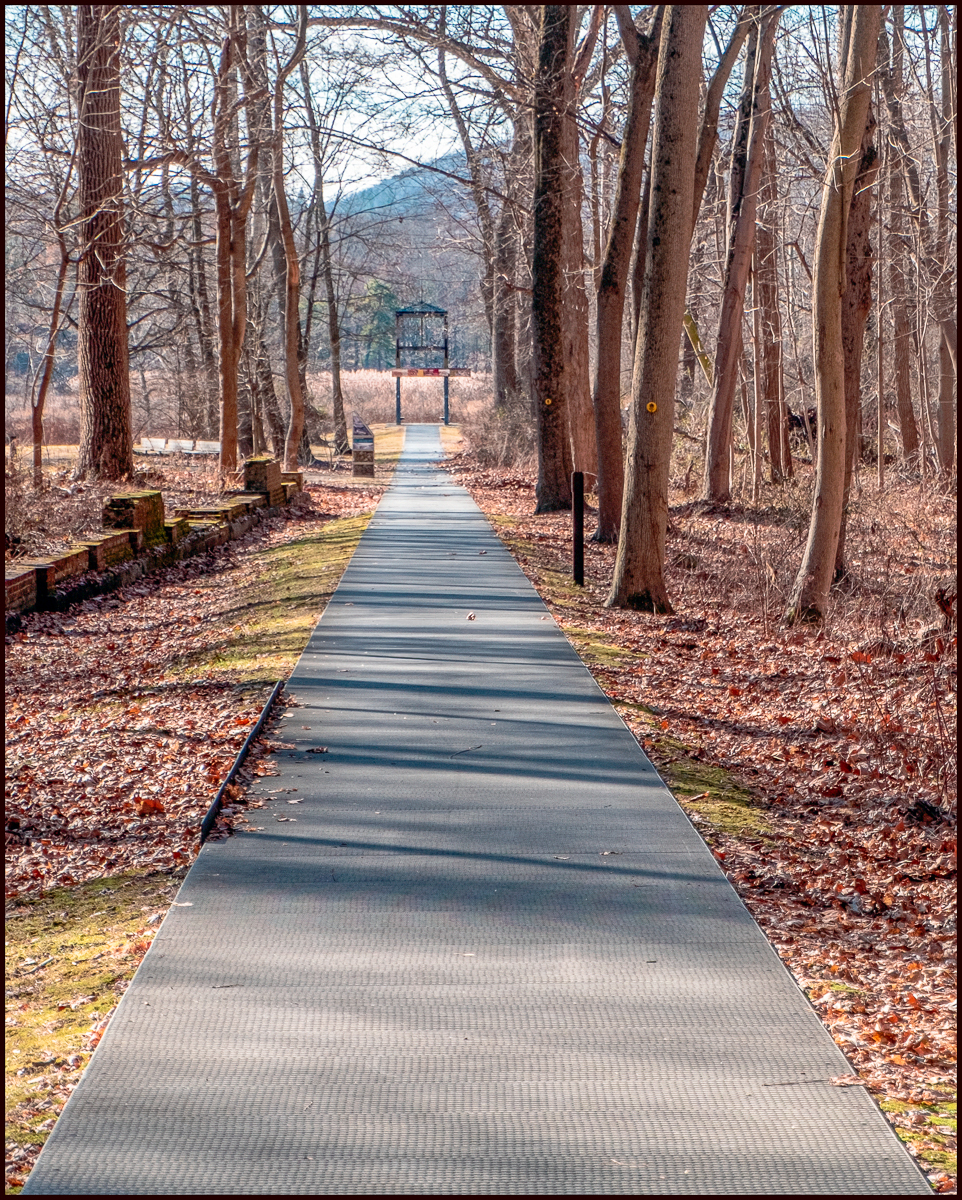
Walkway to the gun testing platform. I believe that at the time of my last visit the walls on the left were covered in vegetation and were barely visible.


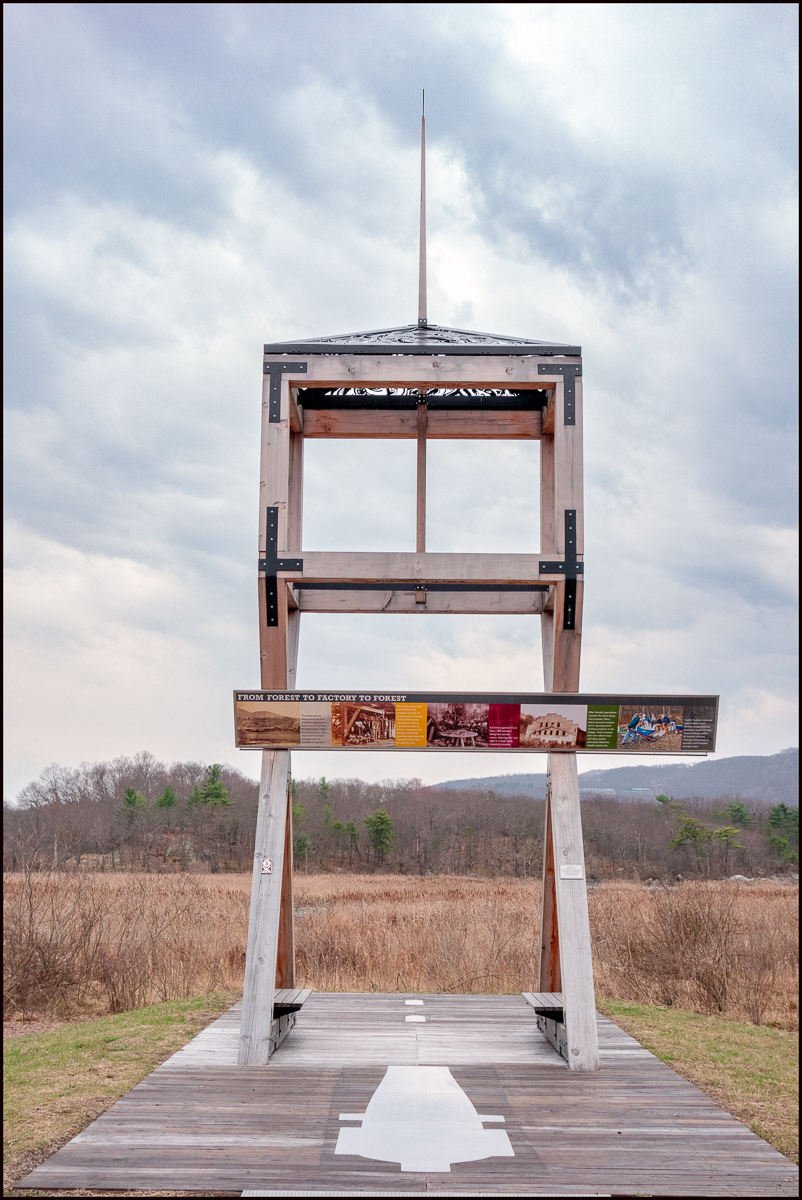
The gun testing platform. From here they fired cannons across the marsh to make sure they were working.


Decoration on the top of the gun testing platform


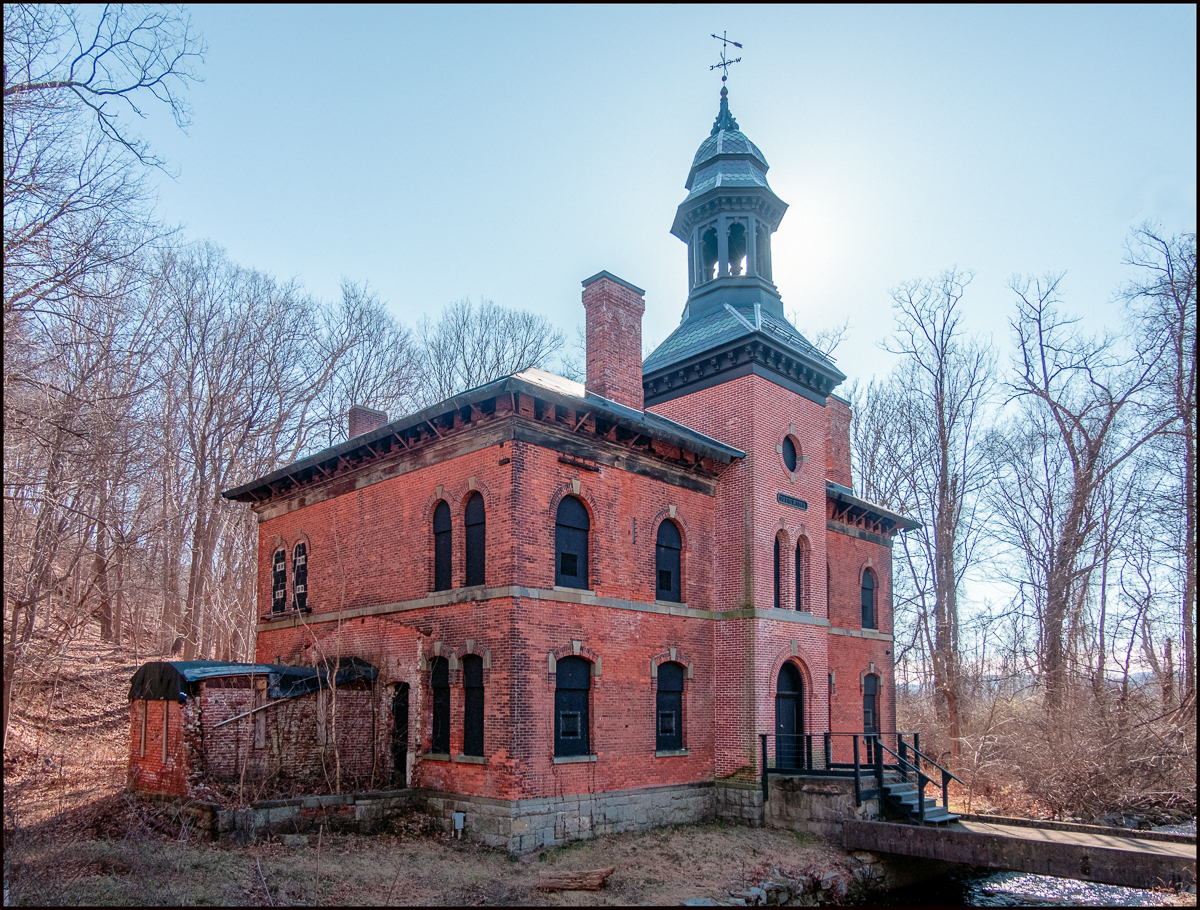
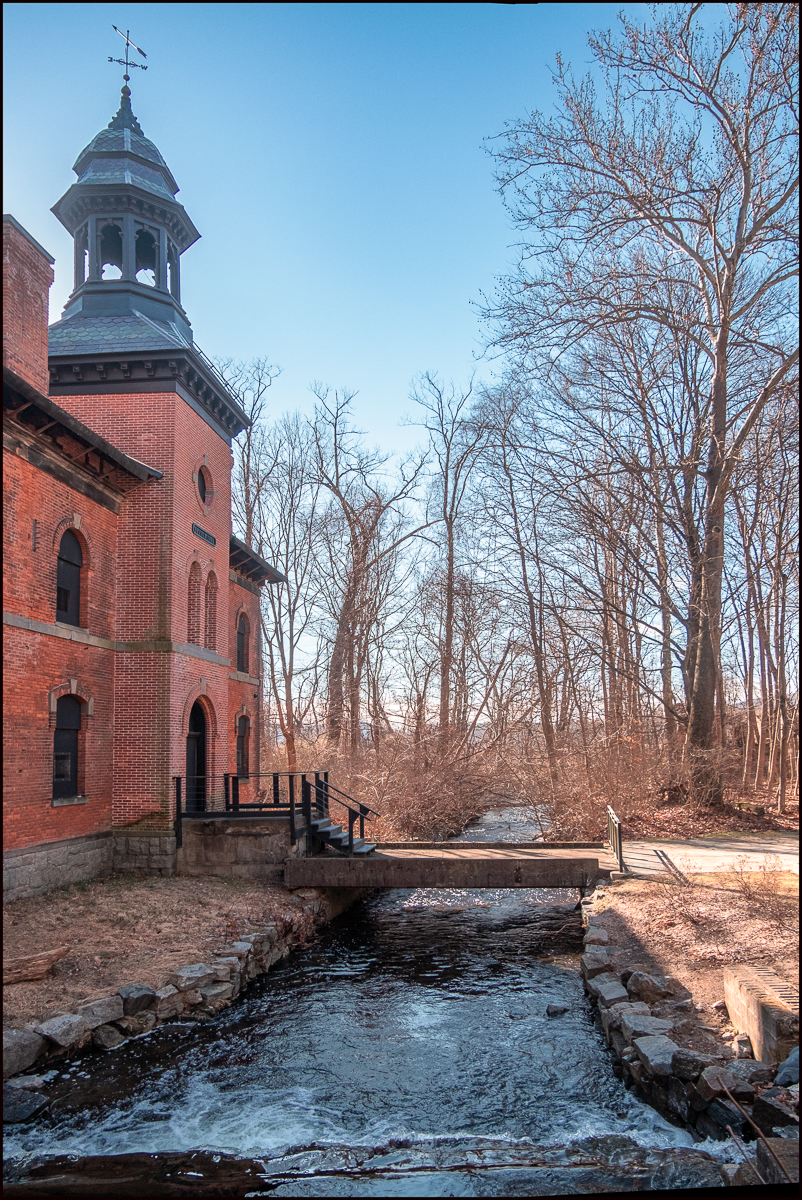
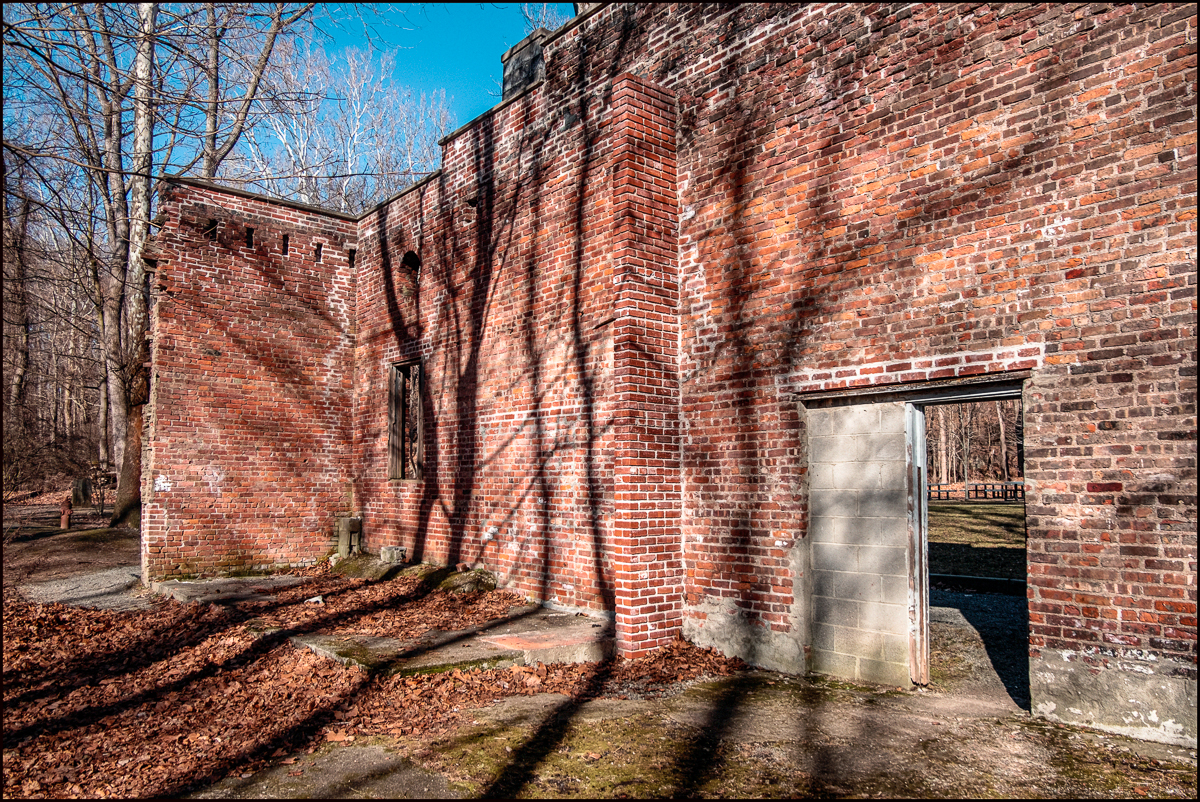
This and the following picture are of Administration Building, the only intact building that remains. When I first came here the cupola was missing. It was on the ground being restored. It seems that they’ve done some more restoration: the brickwork seems to be in better shape.


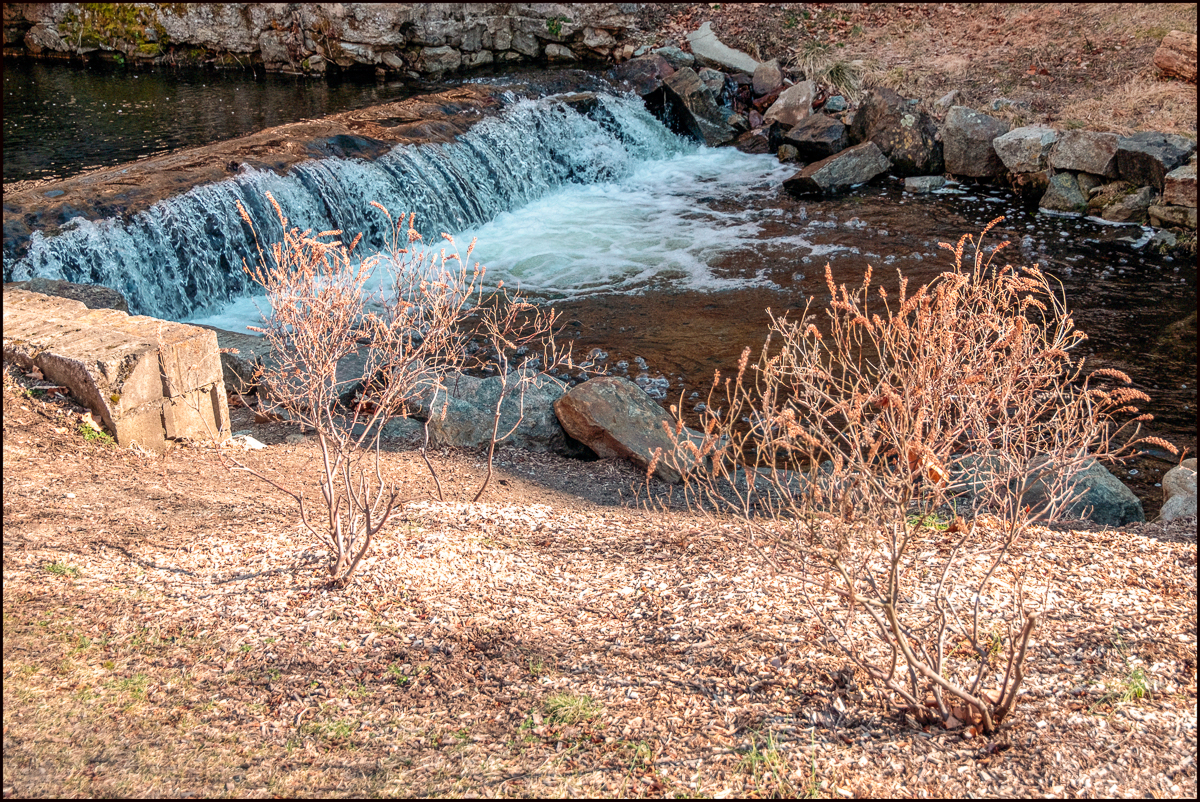
This and the following picture show Foundry Brook


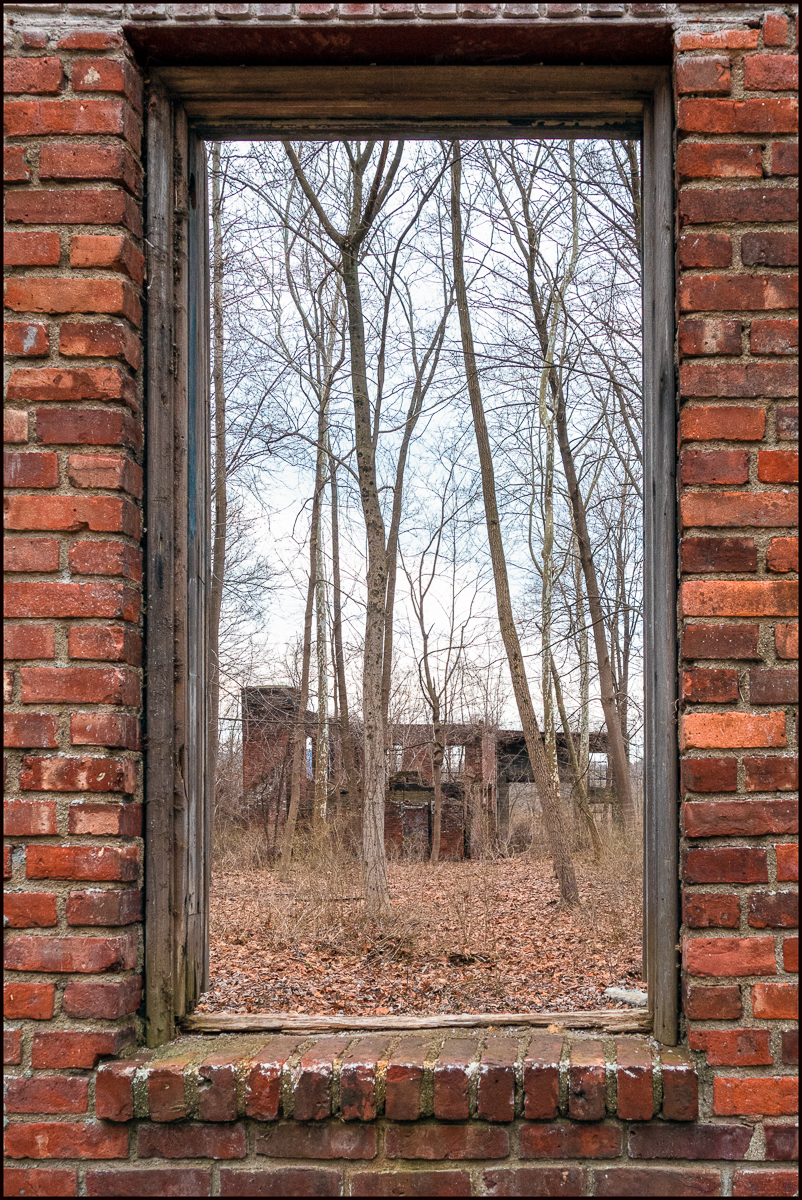
Ruins


More ruins


Reproduction of a portion of the water wheel, over which Foundry Brook flowed and which drove the Foundry machinery.

For more information see here and here.

Taken with a Fuji X-E3 and Fuji XC 16-50mm f3.5-5.6 OSS II

Briarcliff Manor-Scarborough Historical Society – Presentation on “The Chain that Saved the Colonies”

In earlier posts I’ve mentioned that I am volunteering at the Briarcliff Manor-Scarborough Historical Society.

The BMSHS organized a presentation last Sunday (January 15, 2023) on “The Chain that Saved the Colonies.” To stop the British invasion of the New England Colonies during the American Revolution, Peter Townsend manufactured a Great Chain at Sterling Forest for the Continental Army. The chain was placed across the Hudson River at West Point.

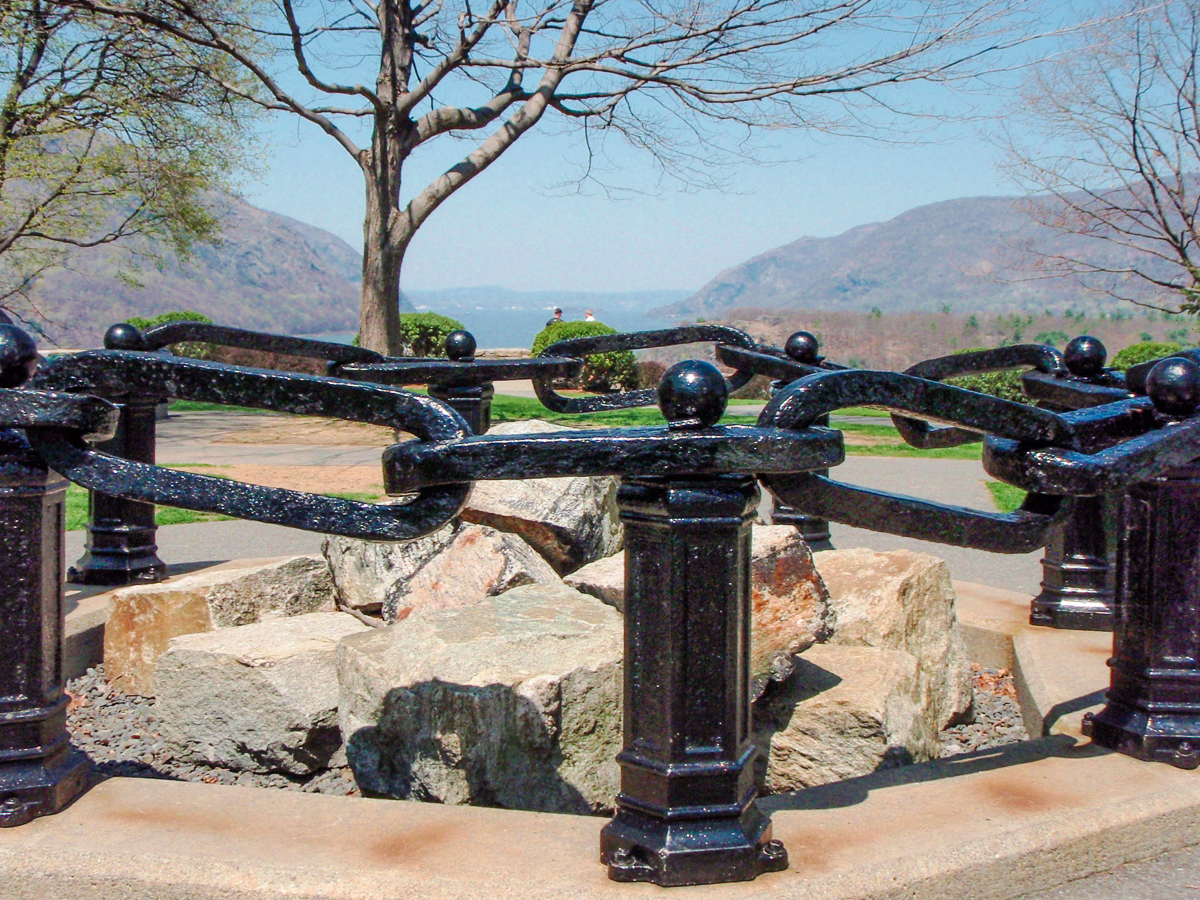
Above some links from The Great Chain on display at Trophy Point, West Point, NY.

The presentation was given by Donald ‘Doc’ Bayne. ‘Doc’ has been interested in history since the age of 8. After a long career with Minolta during which he worked as a part time Forest Ranger for Sterling Forest State Park, ‘Doc’ accepted the position of Environmental Educator and Historian for the park. He has acquired a vast knowledge of the forest, animals, Native Americans, and iron history.
In his position he planned and conducted history and nature hikes in both Sterling Forest and Bear Mountain State Parks. He has lectured on many aspects of the environment such as the iron history of New York State. He is a passionate researcher and educator with the ability to feel the history of the land and transmit it to the people.

‘Doc’ shared the history of the iron industry that started in 1736 in Sterling Forest and how the Sterling Forge was used to create the Great Chain that was placed across the Hudson. He also covered the apparently lucrative business of selling fake chains, explaining how to spot a fake rather than real chain, and pointing out where a lot of the chains (both real and fake) are located.
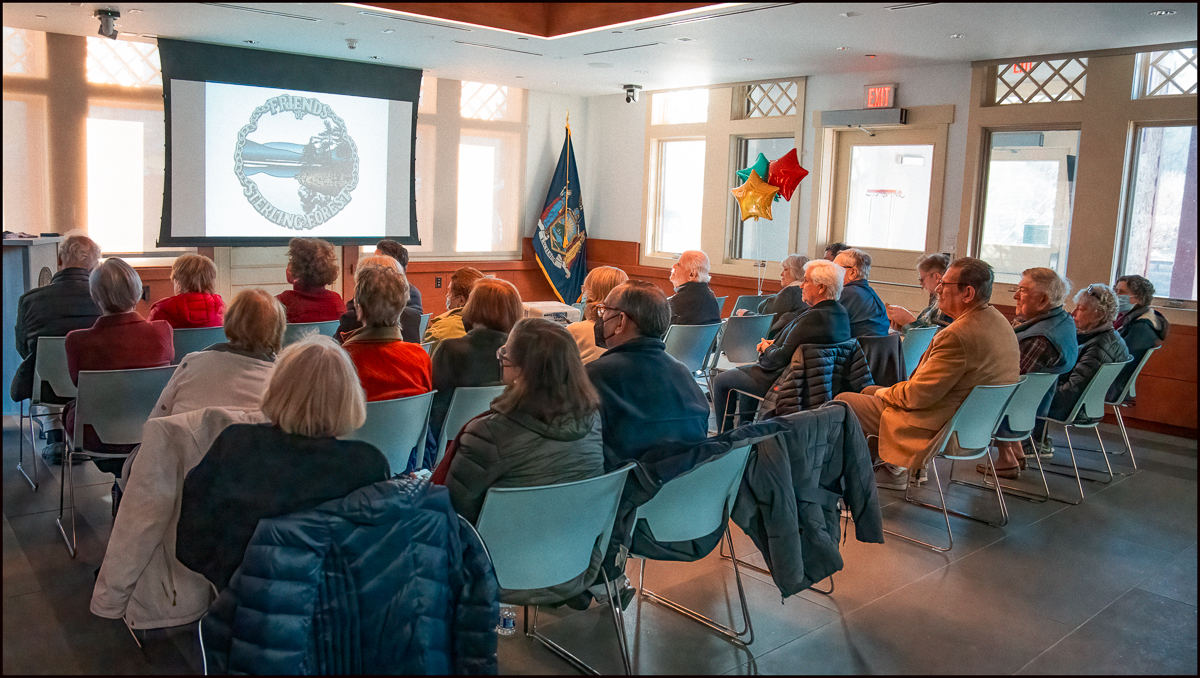
The almost full house thoroughly enjoyed the presentation.

The presentation was not recorded. However, ‘Doc’ has given the presentation many times and one version is available on YouTube. Over time he adds and deletes information so what is available on YouTube is not identical to the one he gave on Sunday, but it’s very close. That presentation can be found here:

Sorry about the Ads, but anyone who uses YouTube will know that this is the price you pay for using the free version of YouTube.


The Vescio Community Center awaiting the arrival of the attendees

BMSHS Executive Director, Karen Smith introduces the presentation and ‘Doc’ Bayne.

An almost full house watched the presentation

‘Doc’ Bayne giving his presentation

The location of The Great Chain

Taken with a Sony A7IV and Rokinon/Samyang AF 24-70 f2.8 FE

An interesting discovery

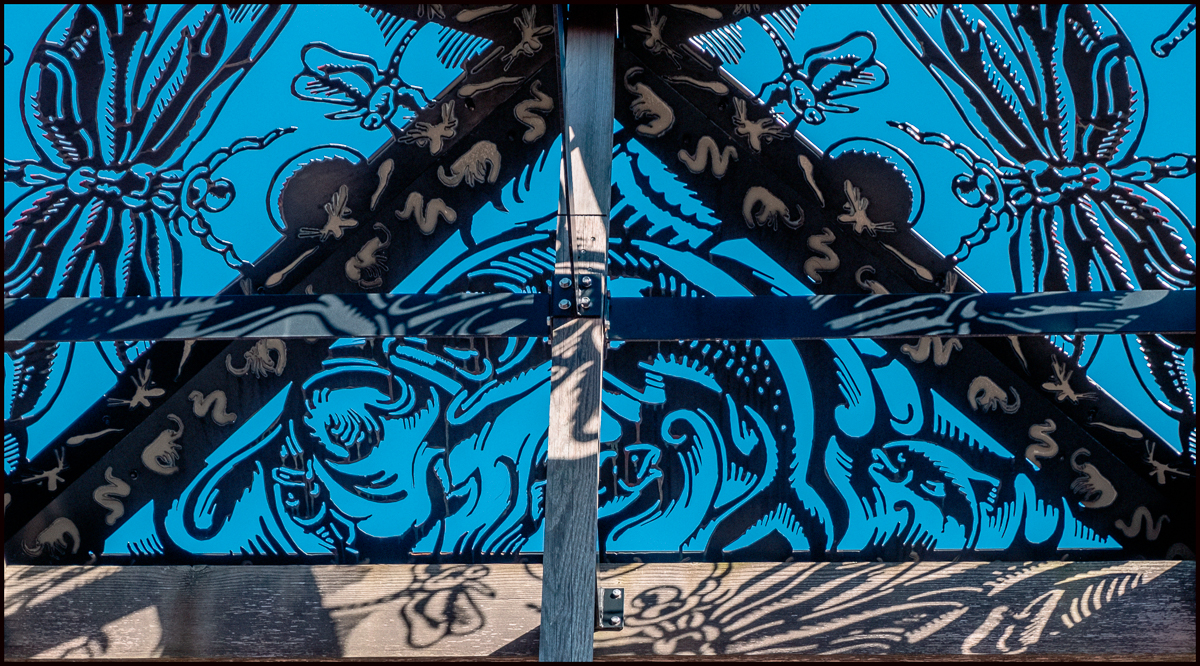
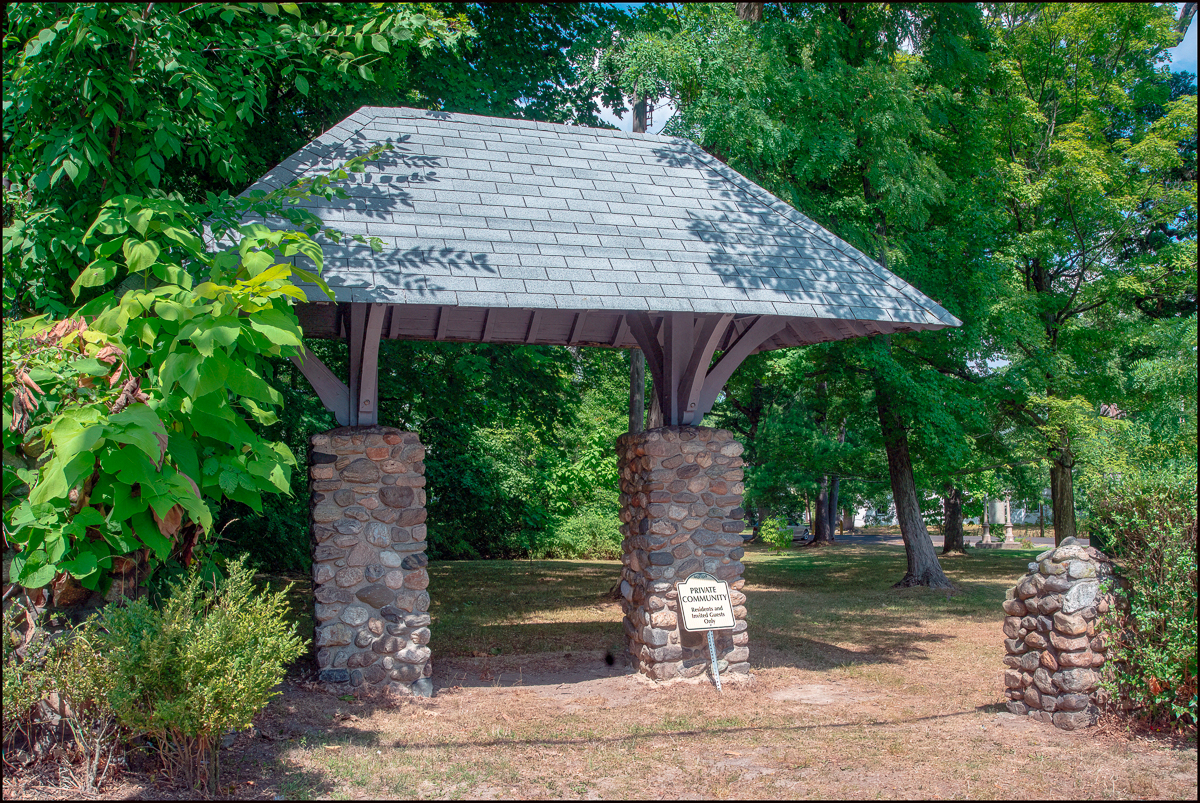
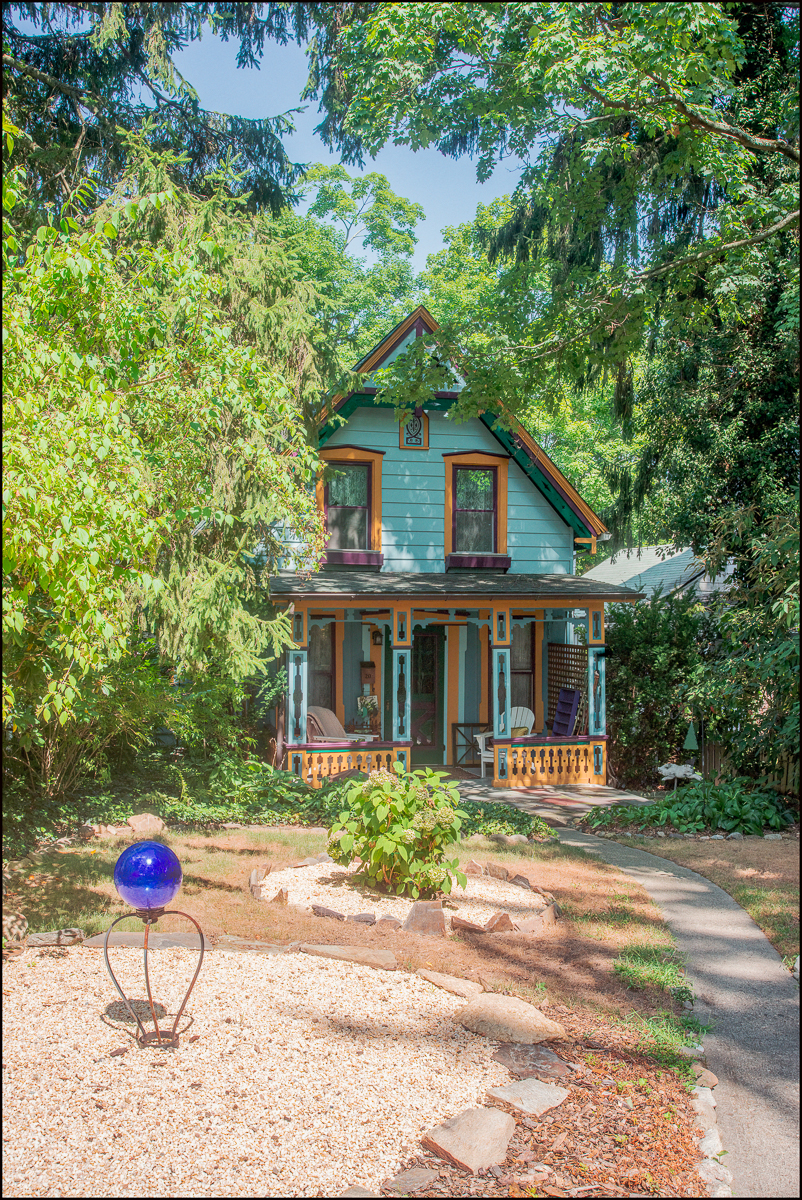
Last August I went for breakfast with some friends. We went to a small café in a part of Ossining, NY that I was not familiar with. As we approached the café I noticed the interesting structure above. It seemed to me that there might be something interesting there. I didn’t explore further because of time constraints, but on returning home I looked around for some additional information.

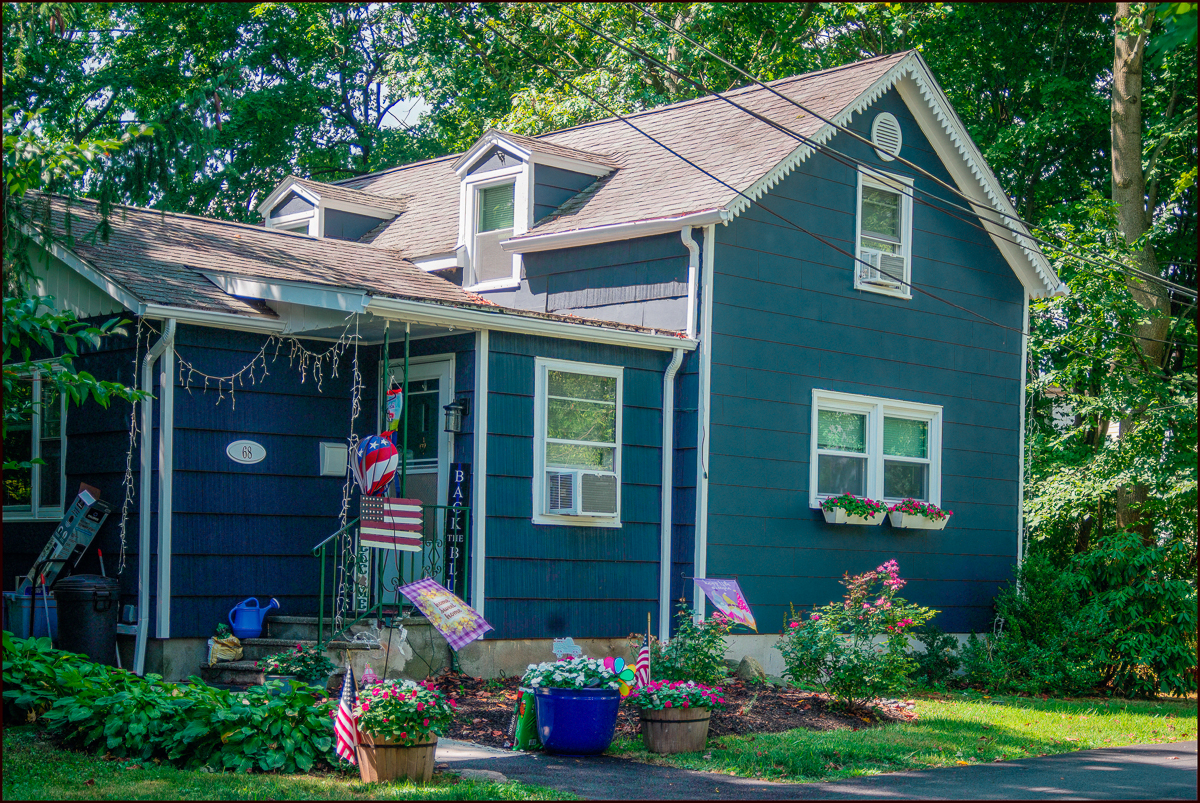
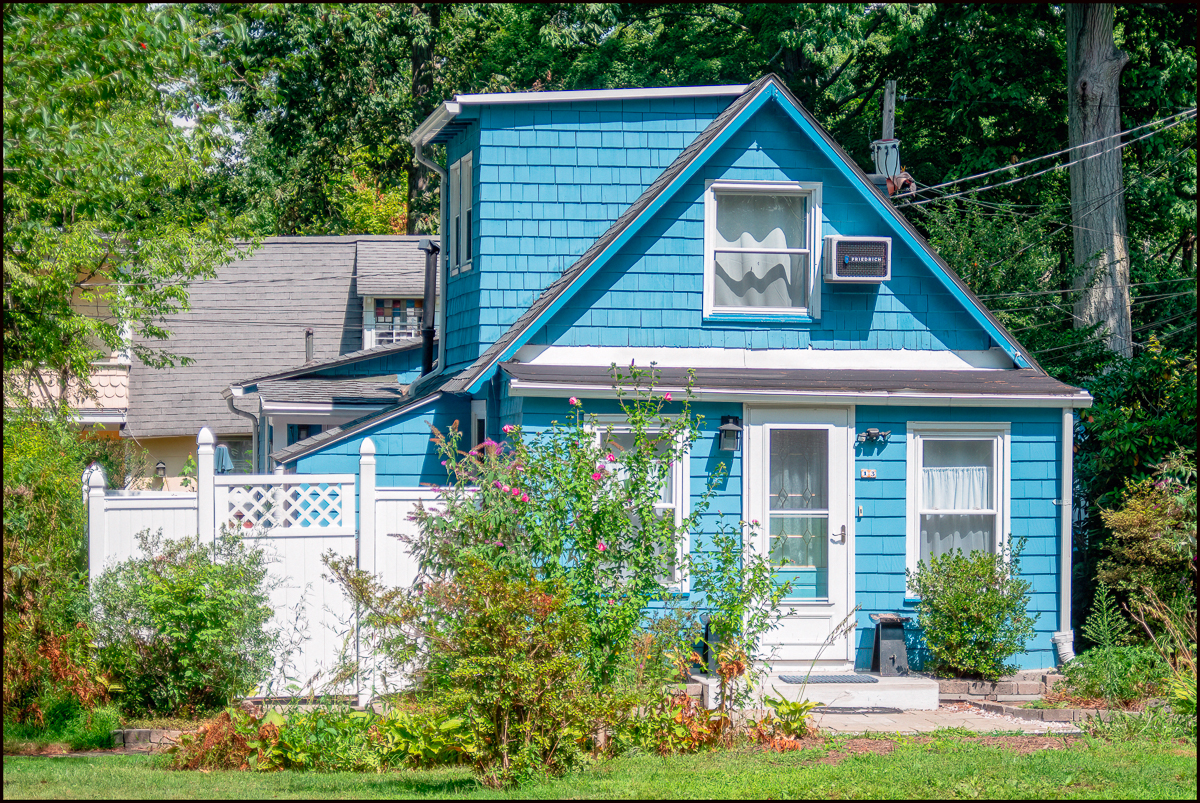
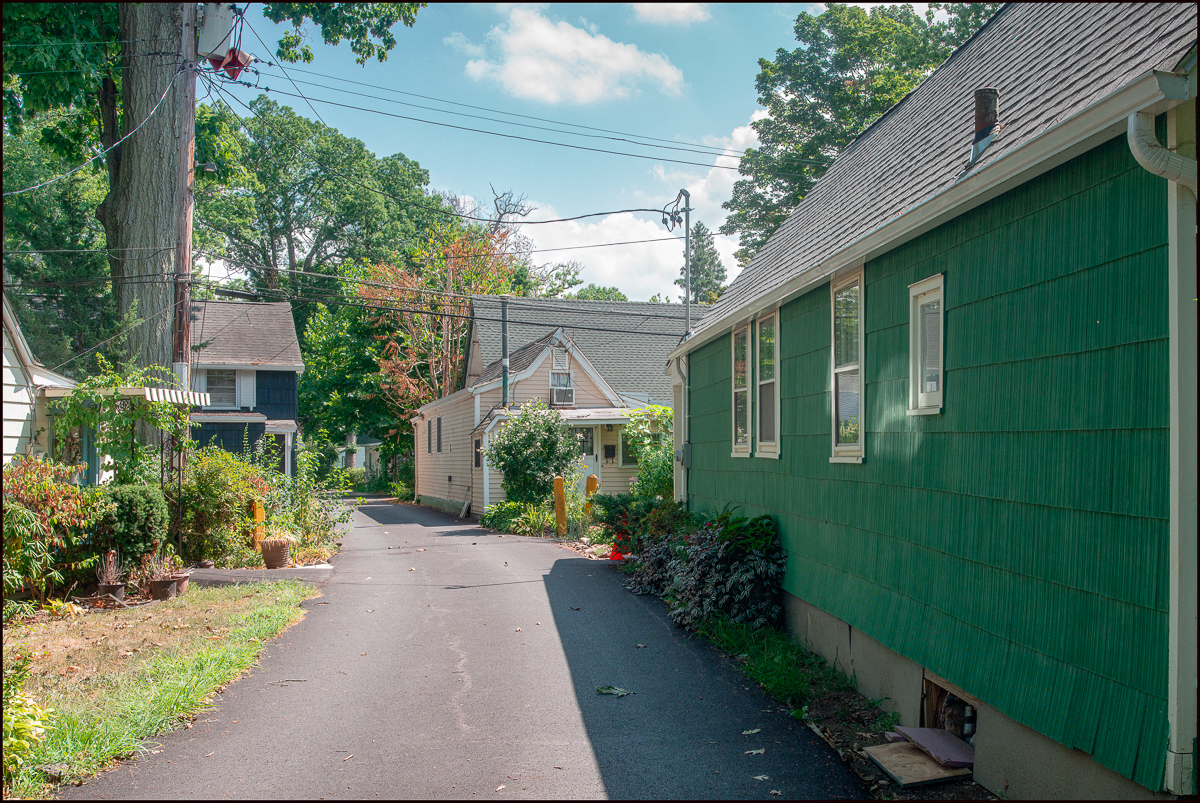
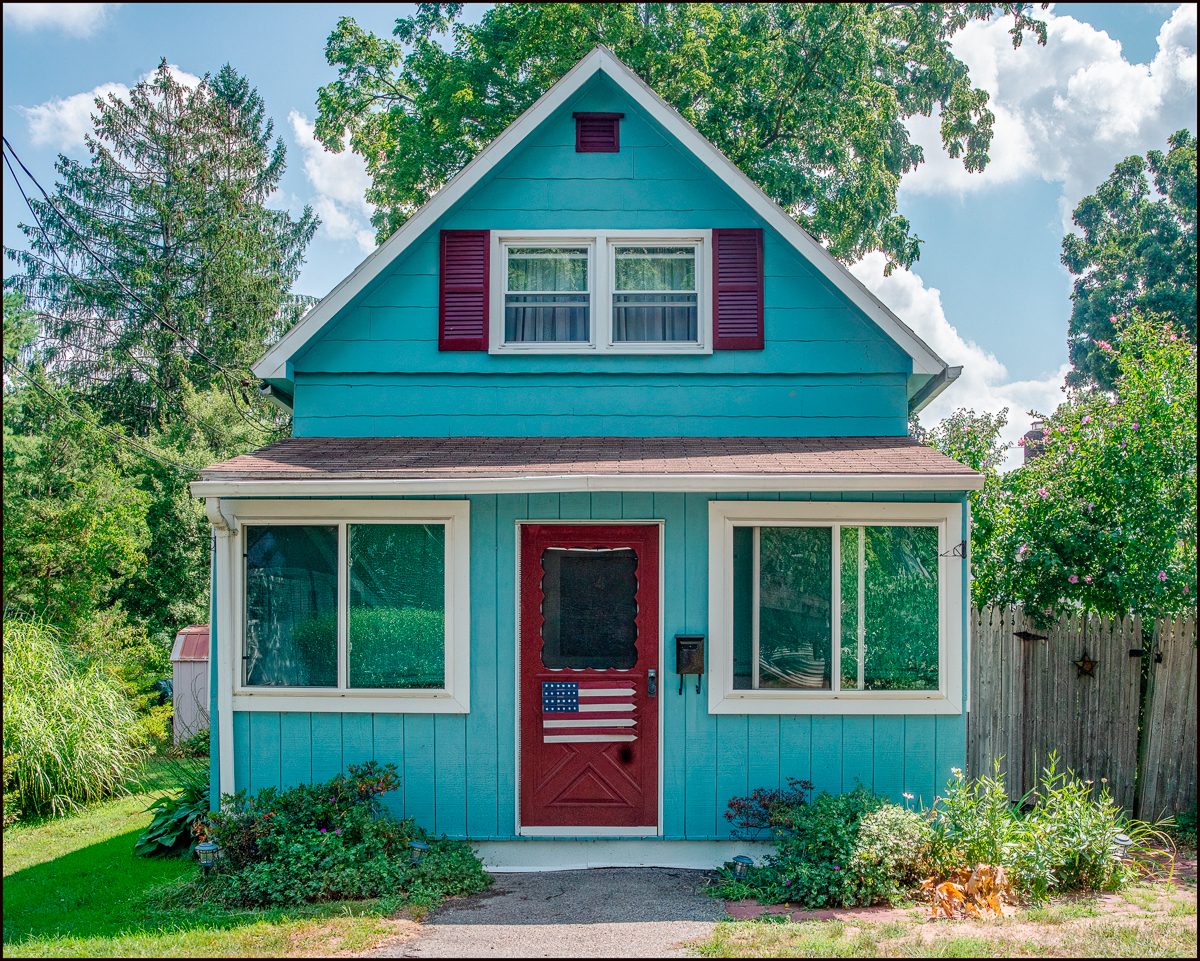
It’s called Campwood Grounds and this picturesque and colorful community has some interesting history.

The following is excerpted from “Camp Woods, Ossining, New York: Methodist Camp Ground to Secular Suburb, 1831-2001” Quarterly of the Westchester Historical Society 79.3 & 4 (Summer 2003)

In the early 19th century, the Methodist congregations that followed Wesley’s Methodist theology created a permanent home for the annual celebration of an evangelical expression of worship in the woods of Westchester. Wesley’s evangelical teachings are rooted in a theology that looks to the original source of Christian faith — the New Testament.

From the beginning, the Methodist camp meeting was a social phenomenon as well as profound religious experience for the participants. The evangelical preaching was often thunderous and lasted through the entire day and carried on late into the night, as various preachers took turns exhorting the crowd to accept salvation. CampWoods in Ossining proved to be an ideal location for these public religious affirmations.

In 1854 a group of Swedish Methodists, most of whom were recent immigrants to New York City, organized their first independent camp meeting at CampWoods. Their participation proved to be the lifeblood of the Ossining camp meeting site during the second 50 years of its existence.

The pre-Civil War period of the camp meetings at CampWoods maintained its character as a religious jubilee in the countryside. During the 1850’s, the atmosphere on the boats, trains and wagons coming to the 10-day meetings in the woods of Ossining and during the religious retreats themselves were jubilant and celebratory. A typical camp meeting in August 1868 attracted an estimated 15,000 attendees.

During the 1870’s, regular attendees began to erect quasi-permanent structures on top of what were originally tents used for temporary housing and small outdoor kitchens. Frame cottages replaced these “tents” by the end of the century. By this time, many families remained in residence throughout the summer, as they prepared for the 10 days of camp meetings. Eventually, the cottages were equipped with electricity, running water and modern plumbing. Eventually, these families began leasing land from the Association and building their own summer cottages, and a permanent community began to take shape.

After World War II, more families winterized their cottages and by 1962 there were 28 year-round houses on the grounds. They formed a close-knit group, gathering for picnics and other social events. By the closing decades of the 1800s, the large-scale camp meetings of the 1860s had waned, and an organized neighborhood was beginning to develop.

The building of the more permanent cottages after the turn of the twentieth century and the decreasing attendance changed the character of the meetings. The 10 days of the camp meeting could be likened more to an intensive religious retreat than the dynamic camp meetings of the early 19th century. Residents would stay for several months, including those renting a room or a cot at the boarding houses. During the latter years of the Depression only the Swedish meetings continued. The Association Board and residents organized Sunday evening vesper services in lieu of the camp meetings held by groups other than the Swedish contingent.

In 1947, the New York State Legislature codifed the transfer of CampWoods land ownership to a new organization under the name “the Ossining Camp Meeting Association.” During the 1950s more cottages were winterized and community developments were increasingly independent of the religious aims of the original community. The previous infrastructure supporting the large-scale annual meetings, for example, the religious tabernacle, the Brummel boarding house, and “The Restaurant” were eliminated. After 1994, the Swedish tabernacle, community dining hall and caretaker’s cottage have been closed.

Although today’s CampWoods grounds is a secular and more diverse community, the Ossining Camp Meeting Association continues to oversee the community, maintain the grounds, and preserve the Methodist history of the community.

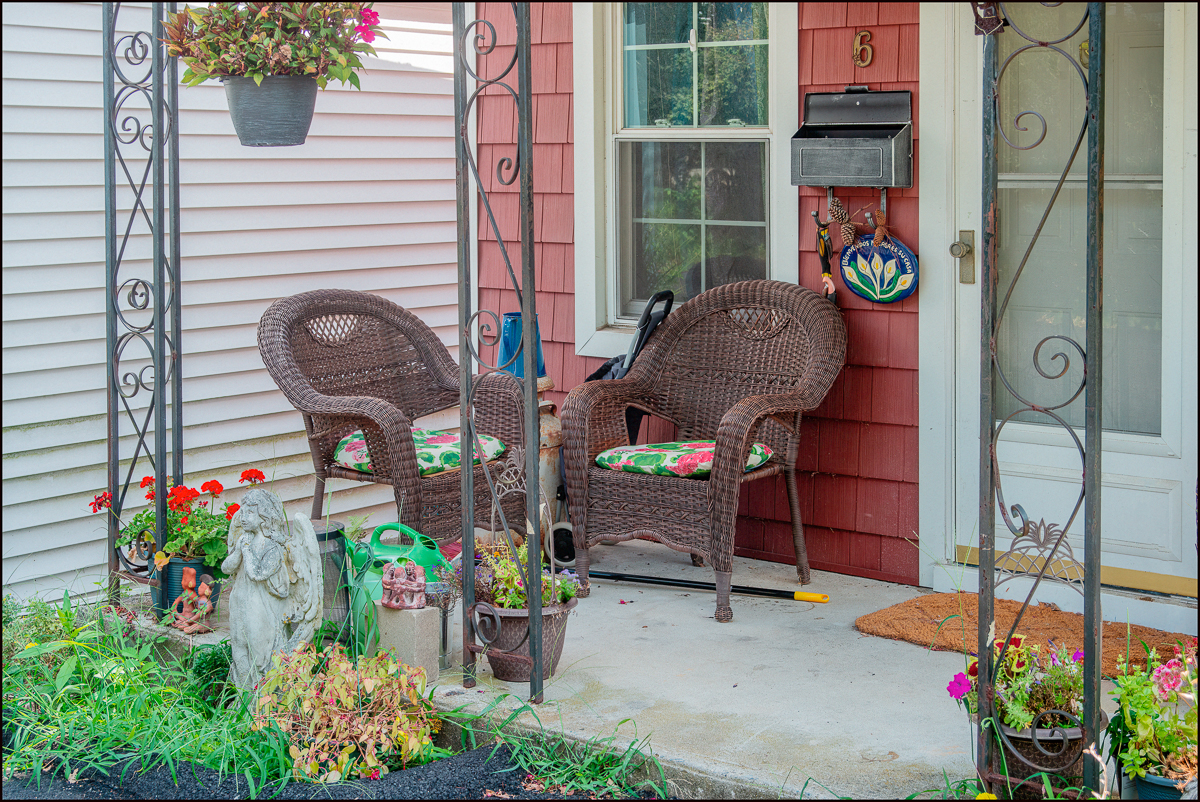
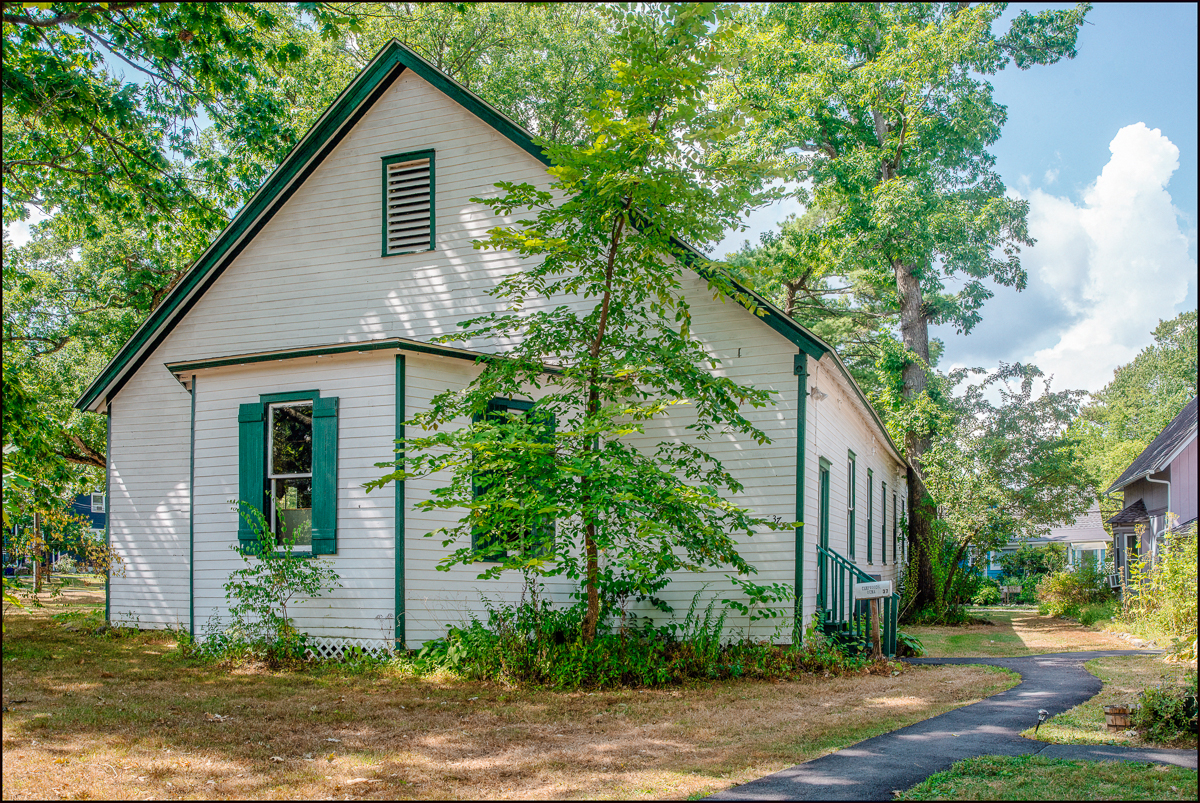
After reading this I returned to the community to take some pictures.

For a more detailed history with some fascinating old photographs see: Methodist Campground to Secular Suburb 1831-2001 by Bill McGrath.


Taken with a Nikon D800 and Nikon AF Nikkor 28-80 f3.3-5.6

A walk to Ossining – Albany Post Road (Route 9)

As I was walking past the house in the preceding post three men doing garden maintenance turned on their really loud leaf blowers. I continued walking along the road very much aware of the noise of the cars racing along it. Then I heard the sound of a passing airplane before a flight of blackhawk helicopters roared overhead, no doubt on their way to West Point.

“The Post Road followed the original Wickquasgeck Trail, carved into the brush of Manhattan by its Native American inhabitants. This trail originally snaked through swamps and rocks along the length of Manhattan Island. Upon the arrival of the Dutch, the trail soon became the main road through the island from Nieuw Amsterdam at the southern tip. The Dutch explorer and entrepreneur David Pietersz. de Vries gives the first mention of it in his journal for the year 1642 (“the Wickquasgeck Road over which the Indians passed daily”). The Dutch named the road “Heerestraat”.

In 1669, the provincial government of New York designated a postal route between New York City and Albany, the colony’s two most important settlements at the time. It was little more than a narrow path in many places, following old trails used by the Wiccoppe and Wappinger tribes. Stagecoaches headed north originally started from Cortlandt Street in lower Manhattan; later the starting point was moved up to Broadway and Twenty-first Street.

In 1703, the legislative body provided for the postal road to be a “public and common general highway” along the same route, starting in Kingsbridge, Bronx and ending at a ferry landing in present-day Rensselaer. It was called the Queen’s Road, after Queen Anne.

The King’s Bridge was built as a toll bridge in 1693, by Frederick Philipse, a wealthy merchant and major landholder in the Bronx and Westchester. The bridge, the first connecting Manhattan with the mainland, spanned the former Spuyten Duyvil Creek at what today is Kingsbridge Avenue. At Kingsbridge the Post Road split with the eastern spur heading to Boston, and the northern branch heading to Albany.” (Wikipedia).

I’m very interested in the history of the US Revolutionary War and I couldn’t help but wonder what this road was like during the revolution. A lot quieter I imagine. We certainly pay a price for the convenience that 21st century living brings to us.

Taken with a Fuji X-E3 and Fuji XC 16-50mm f3.5-5.6 OSS II