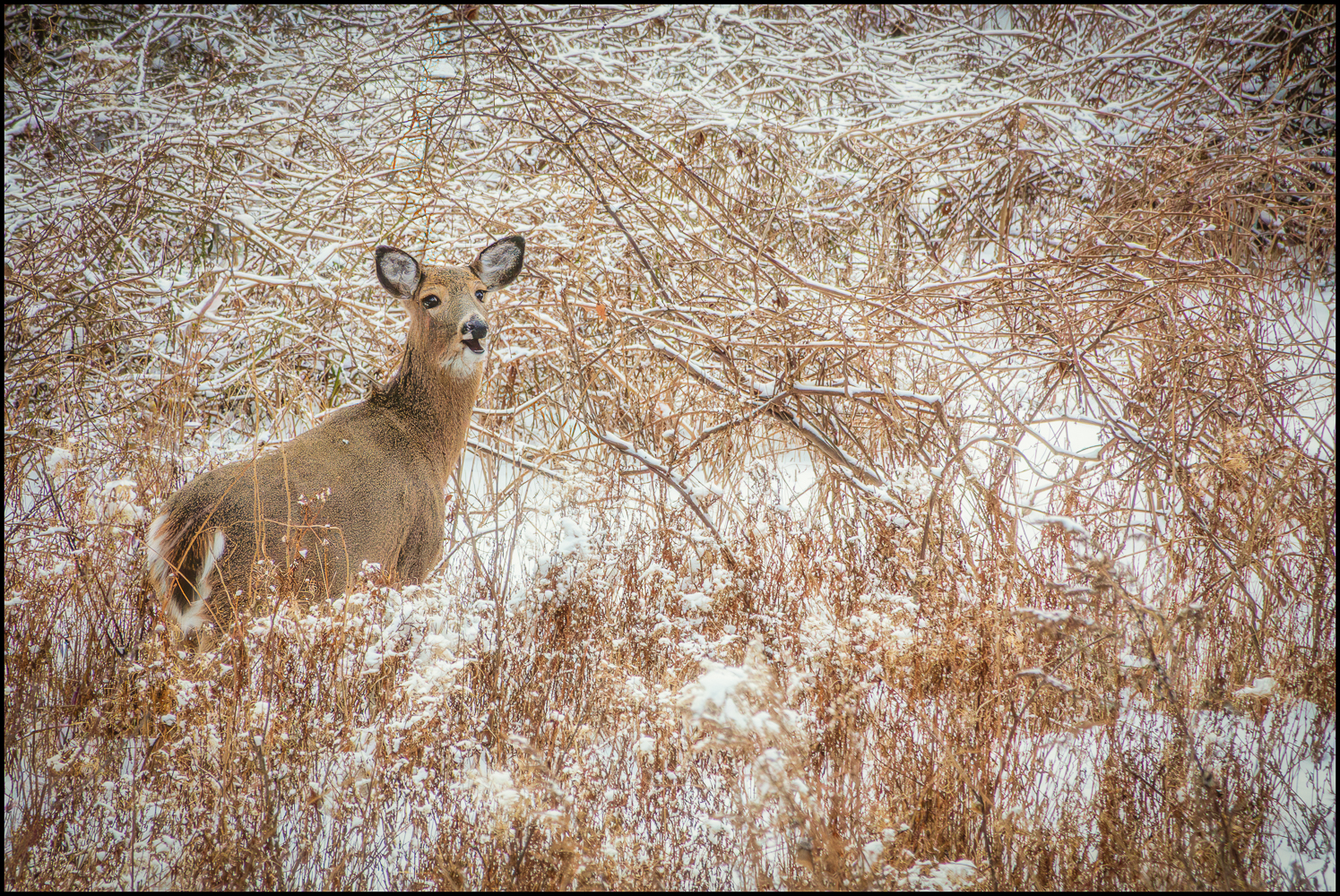
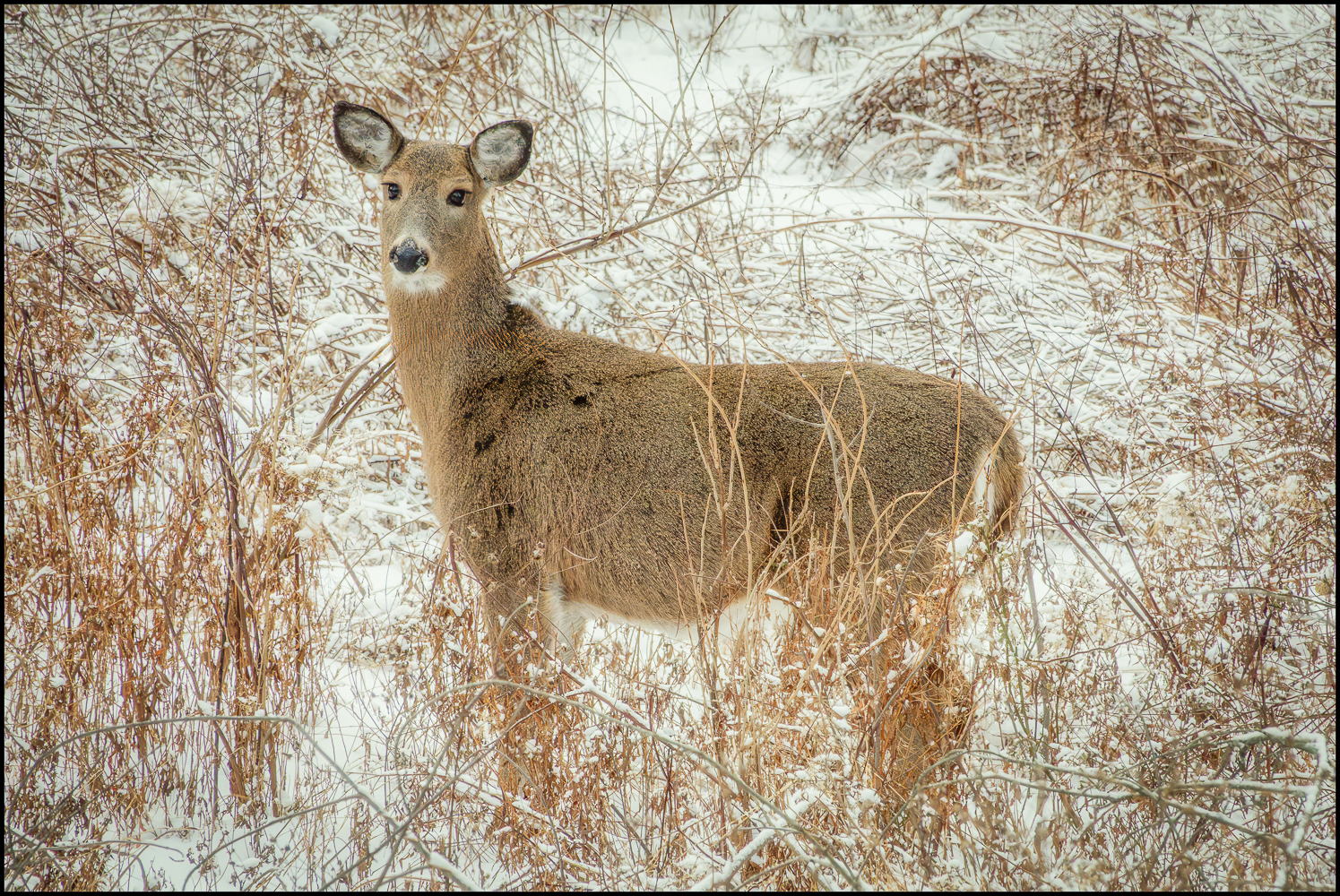
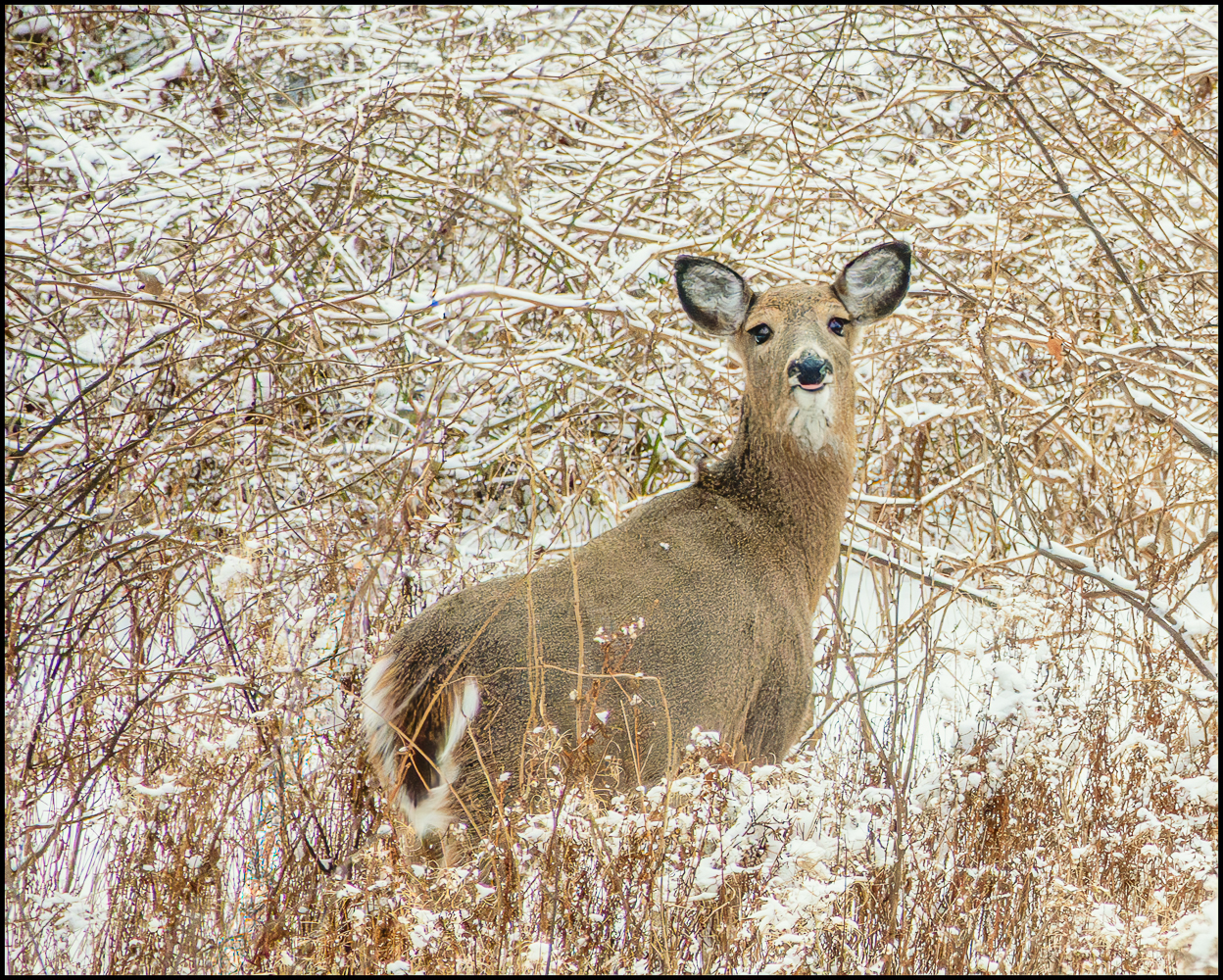
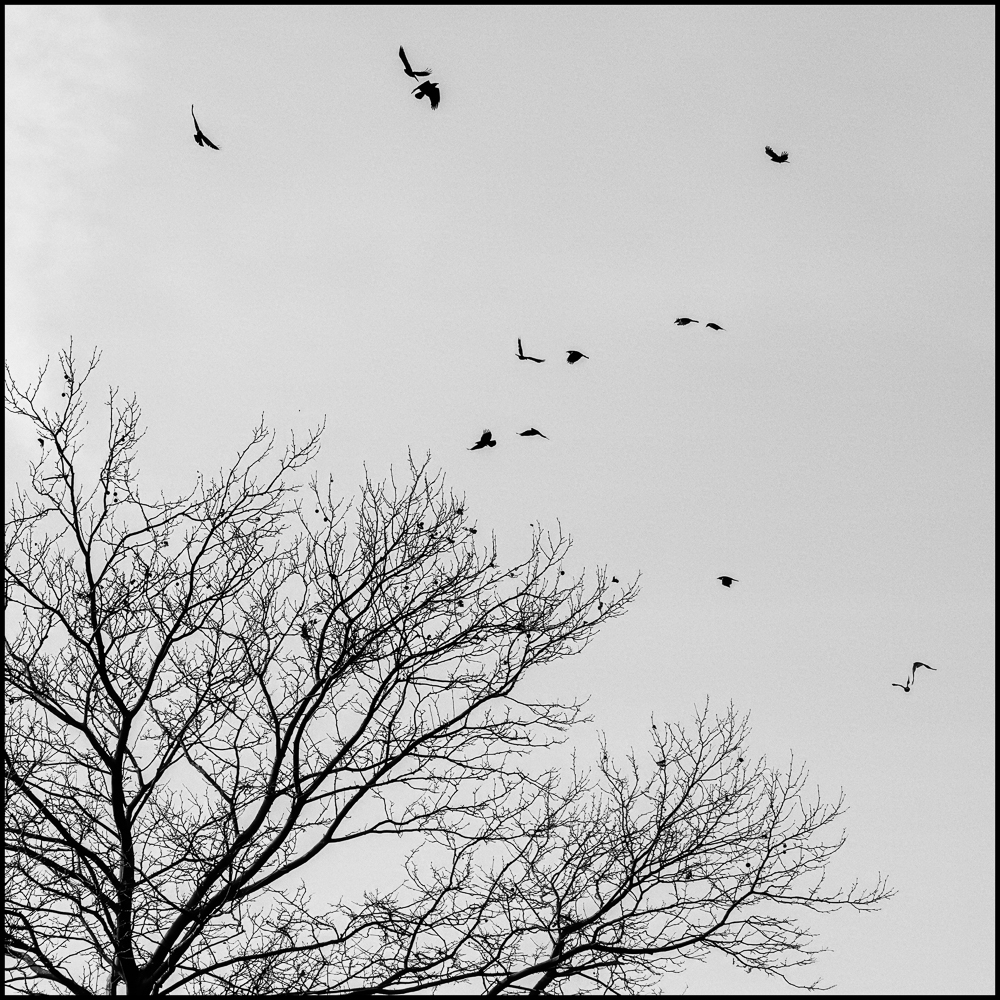
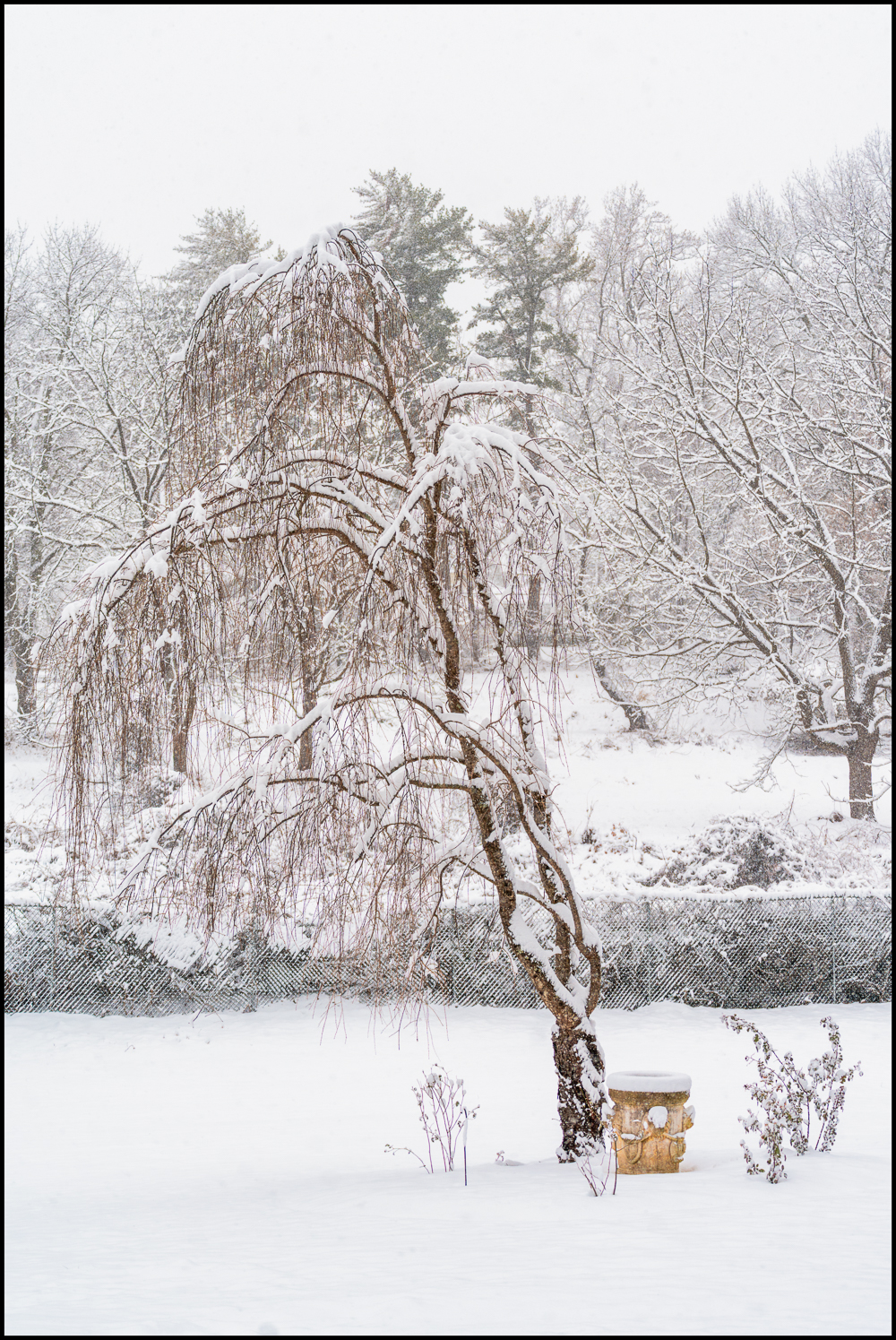
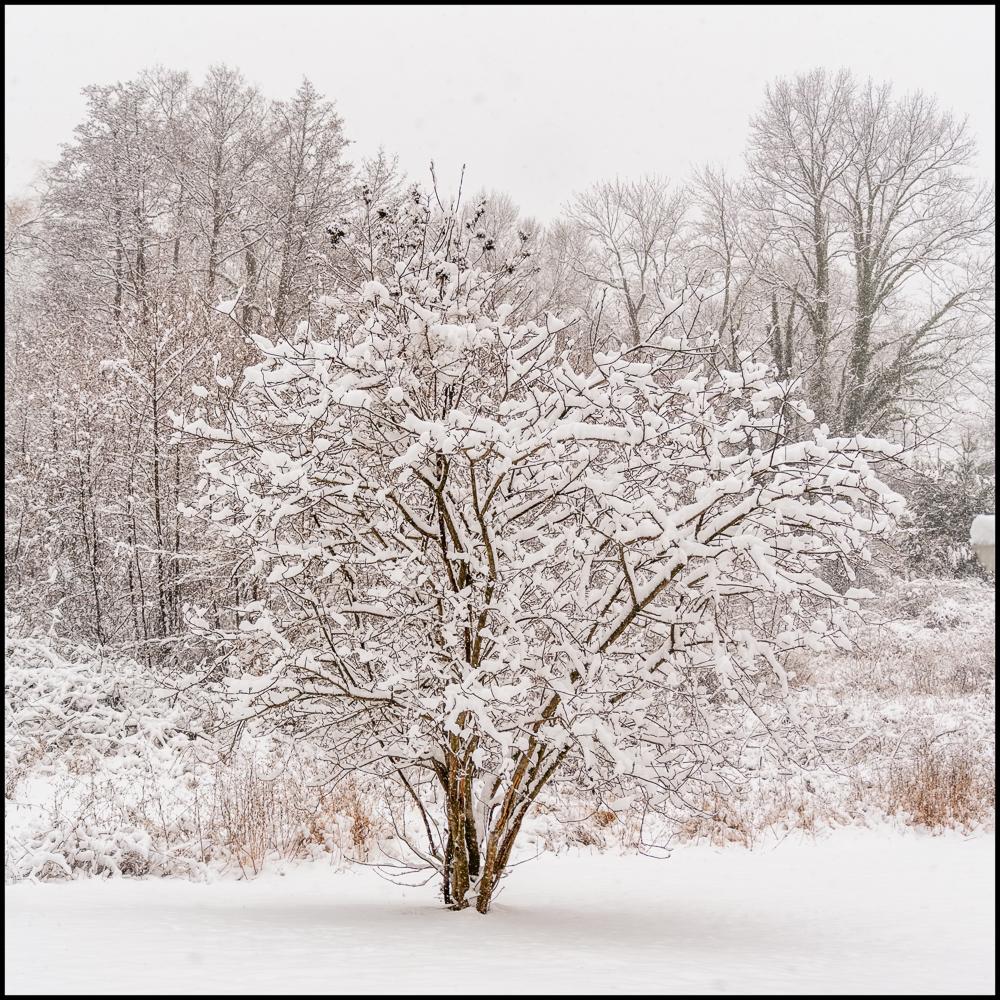
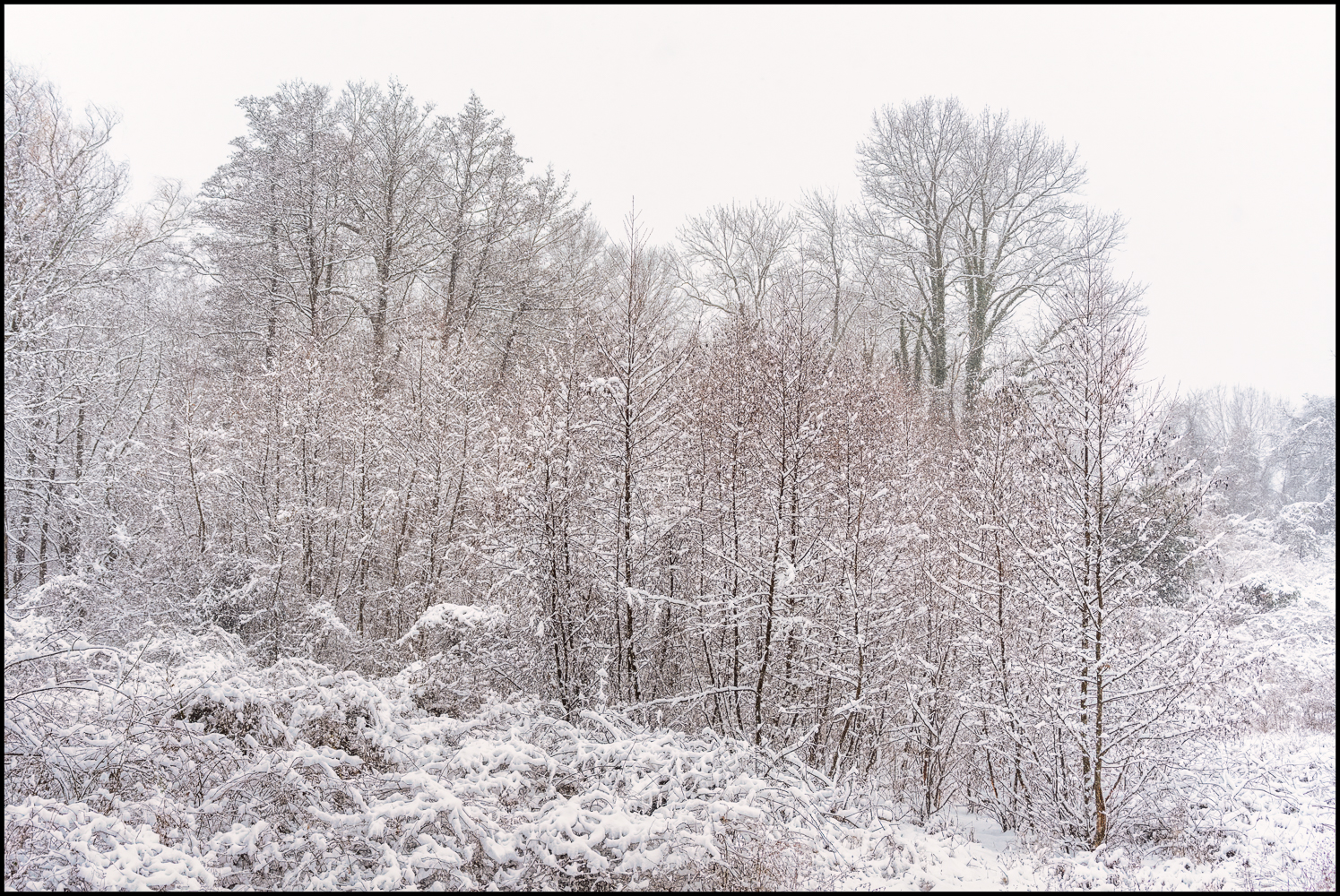
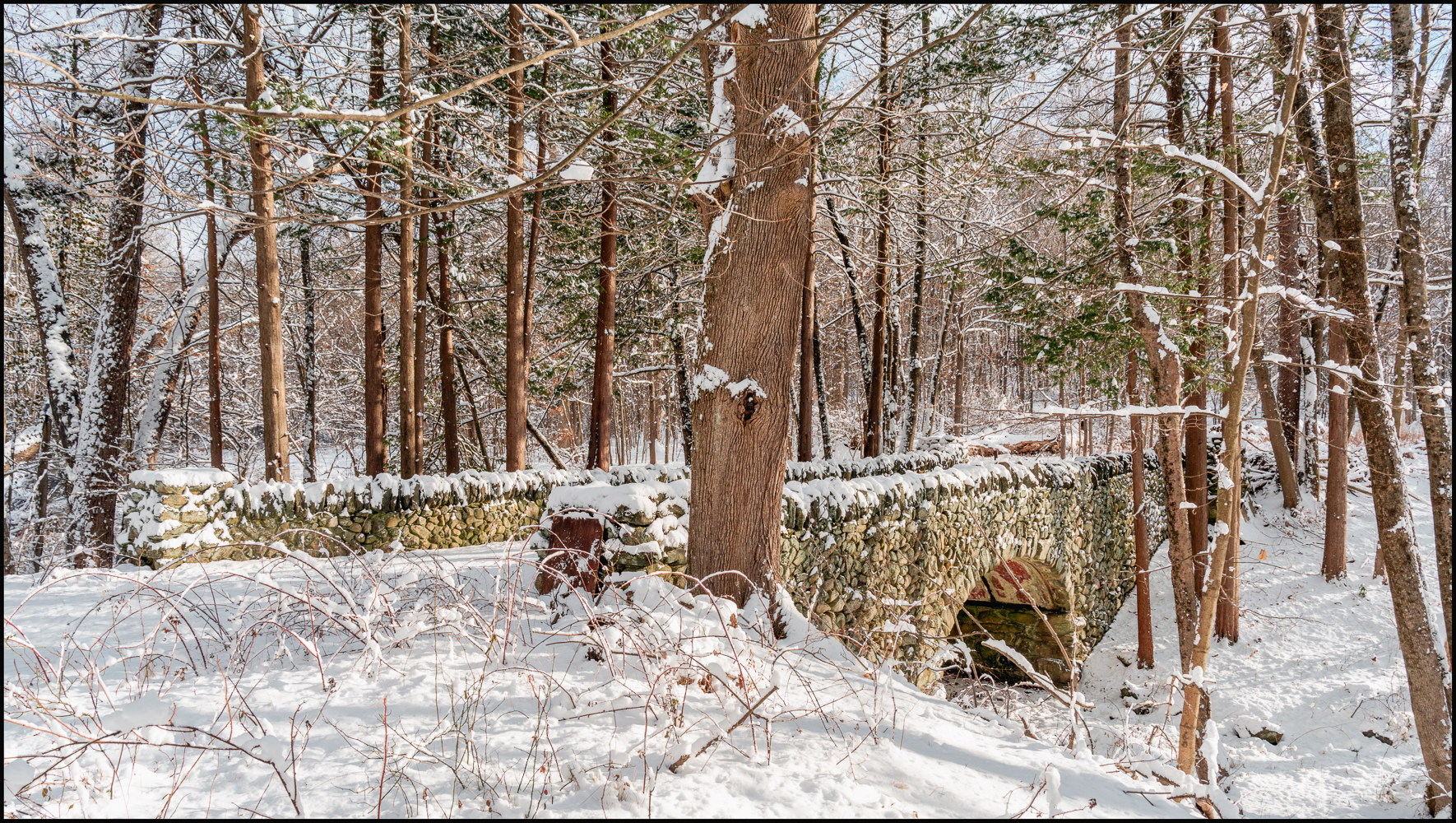
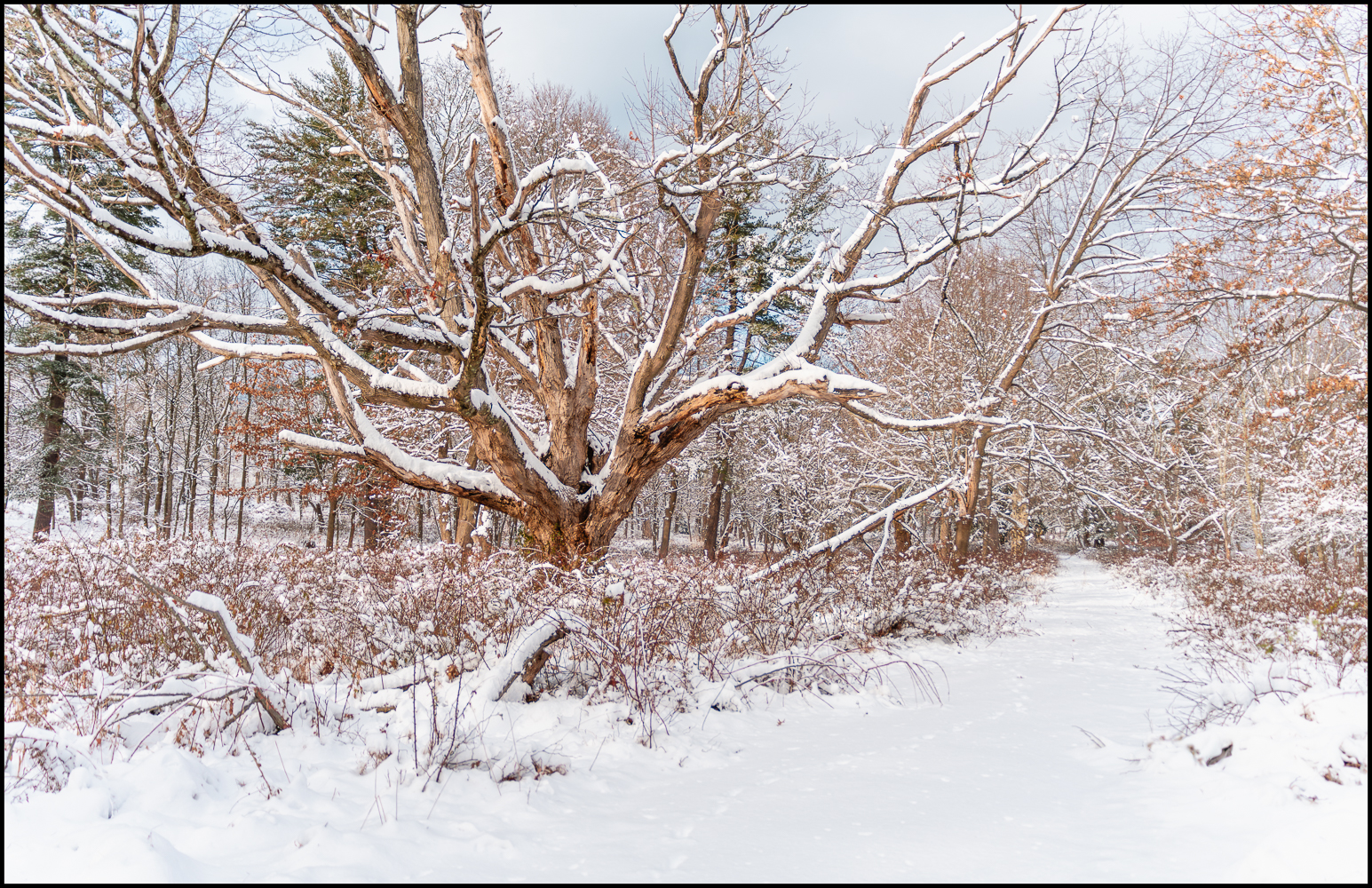
First Snow of the Season

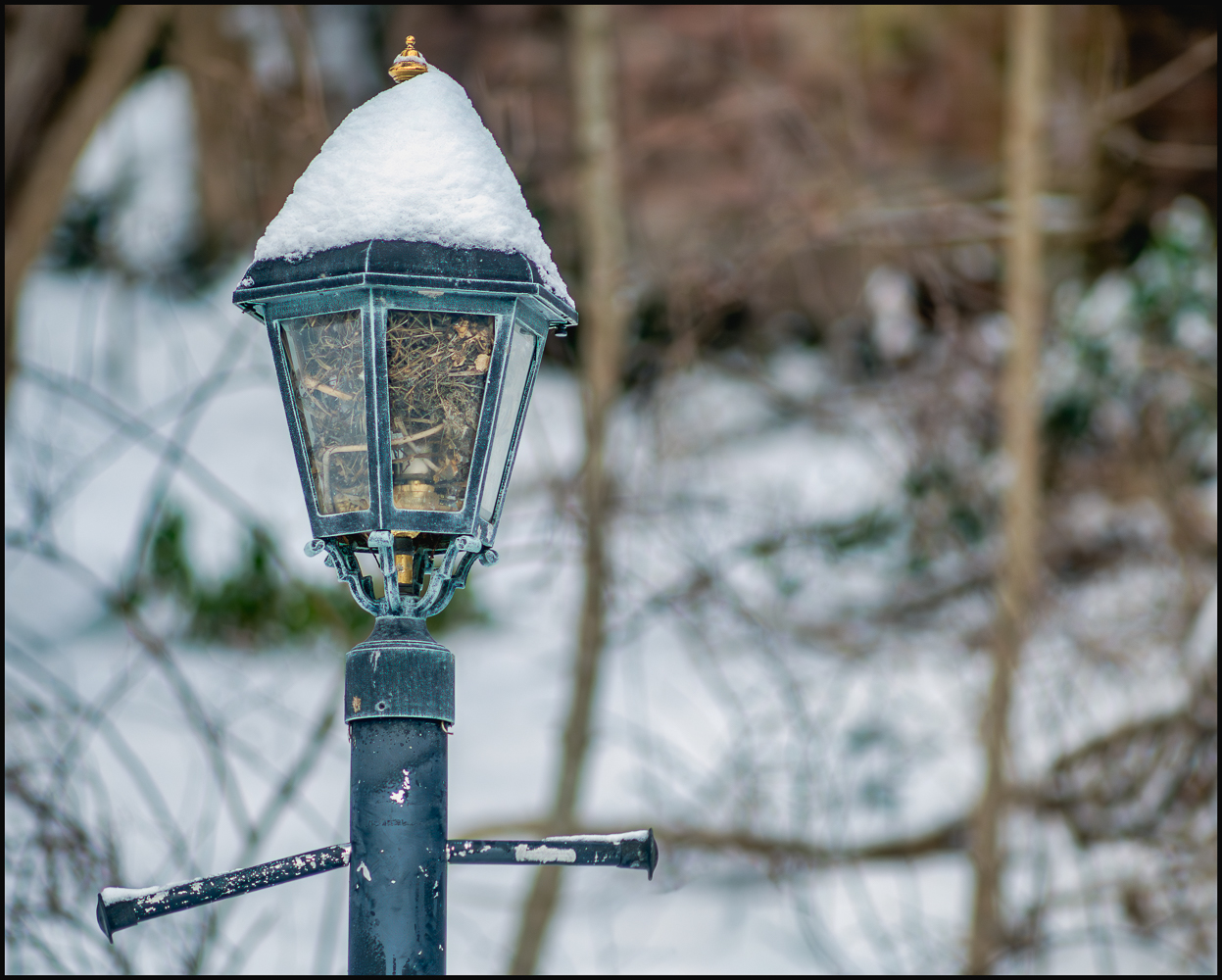
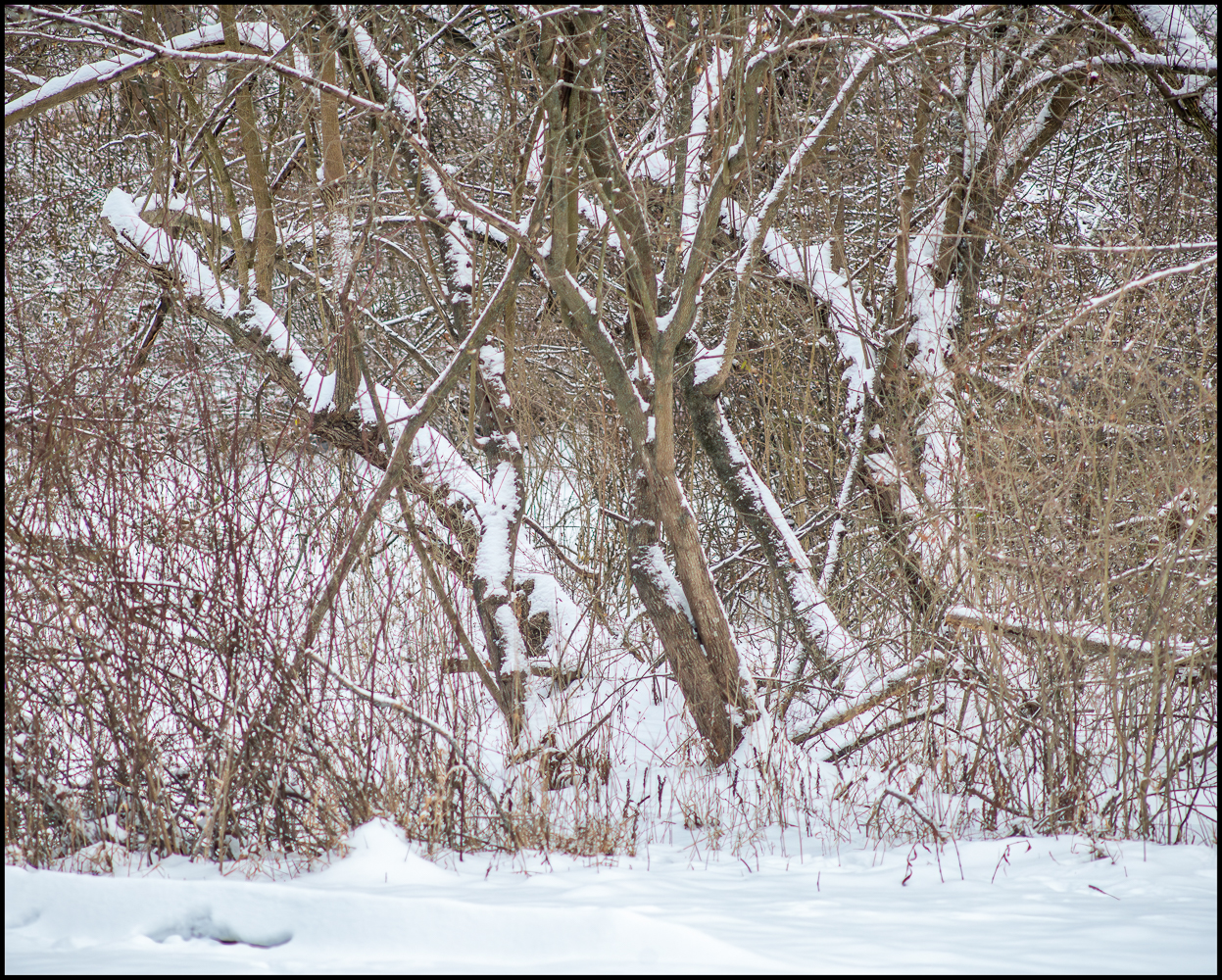
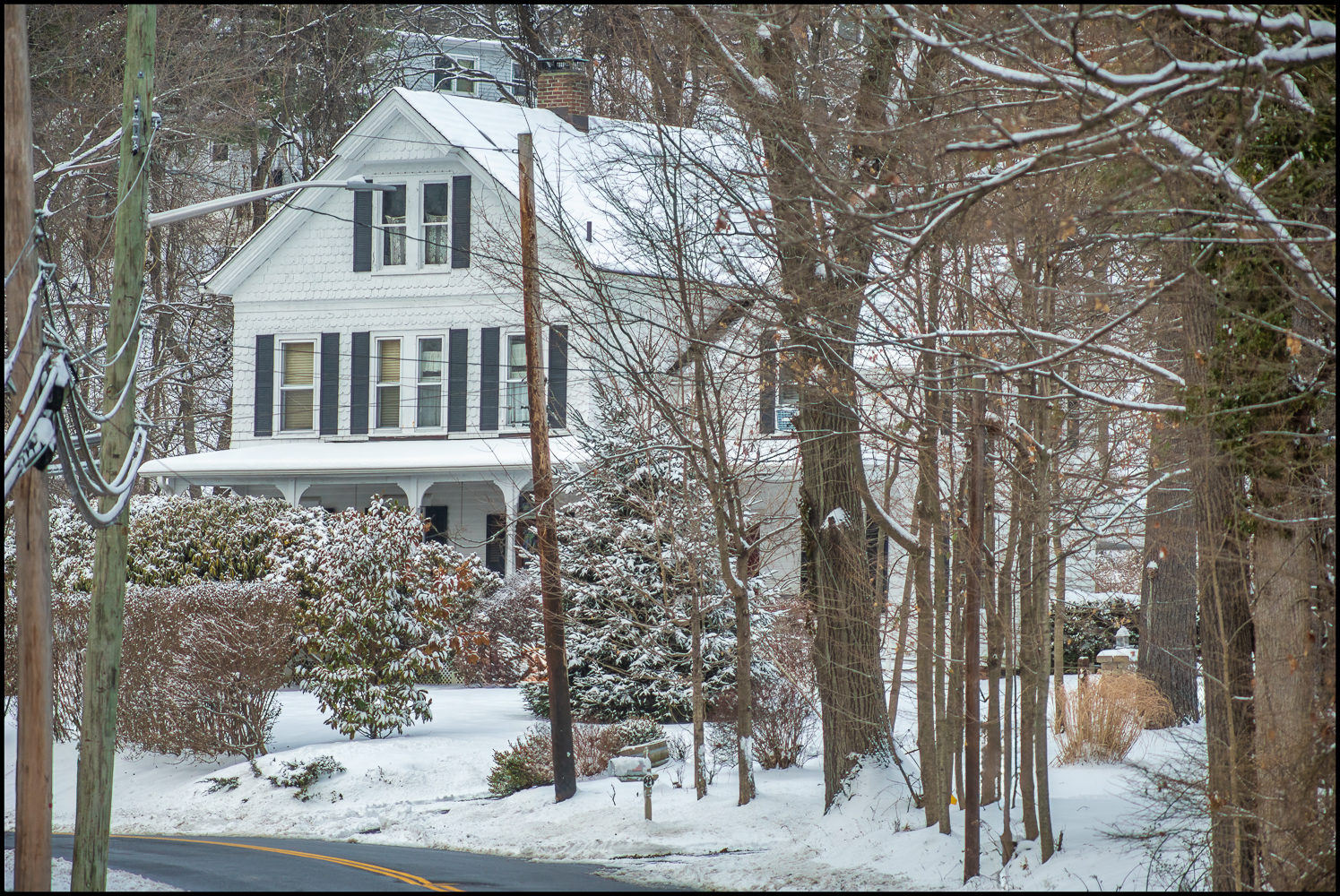
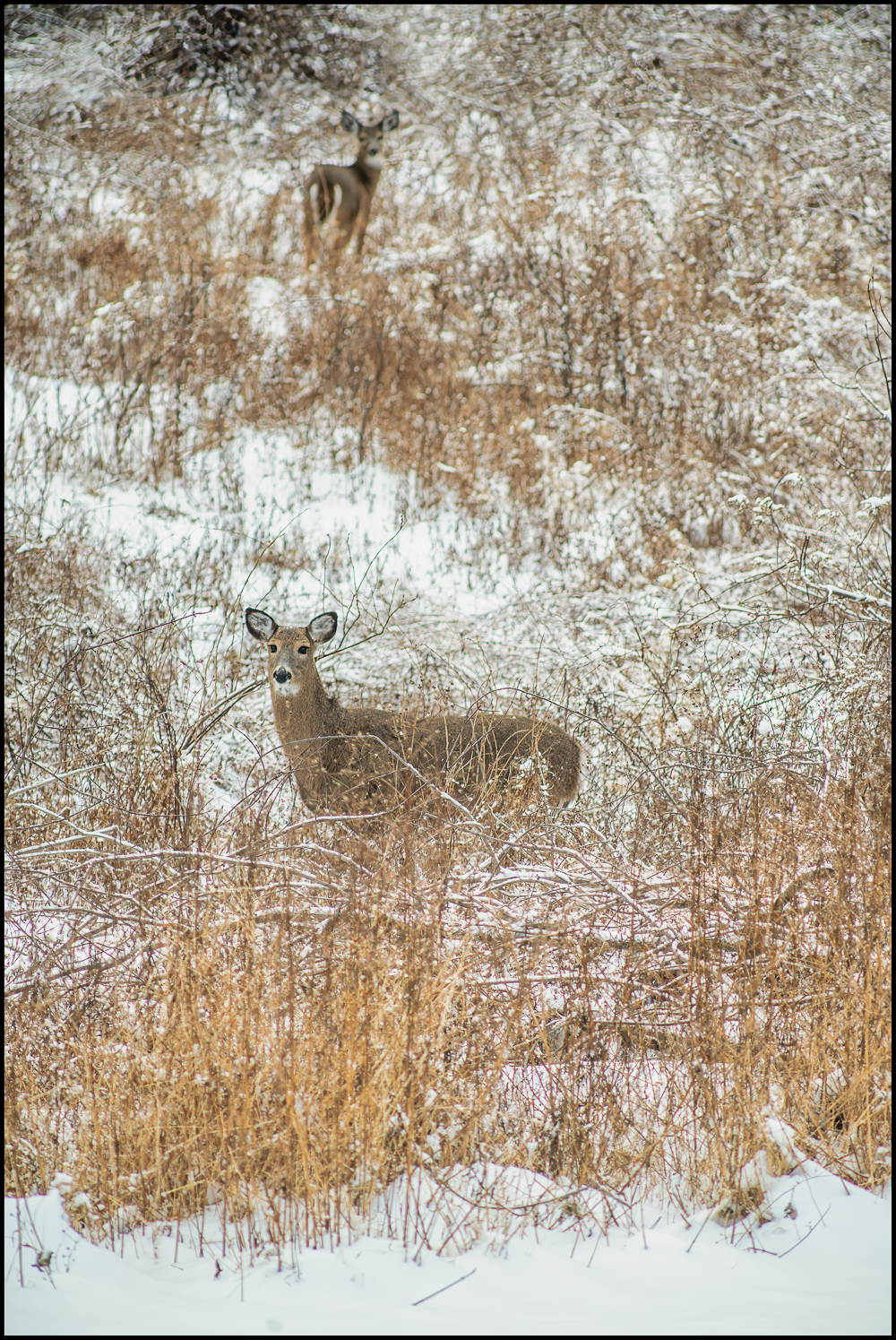
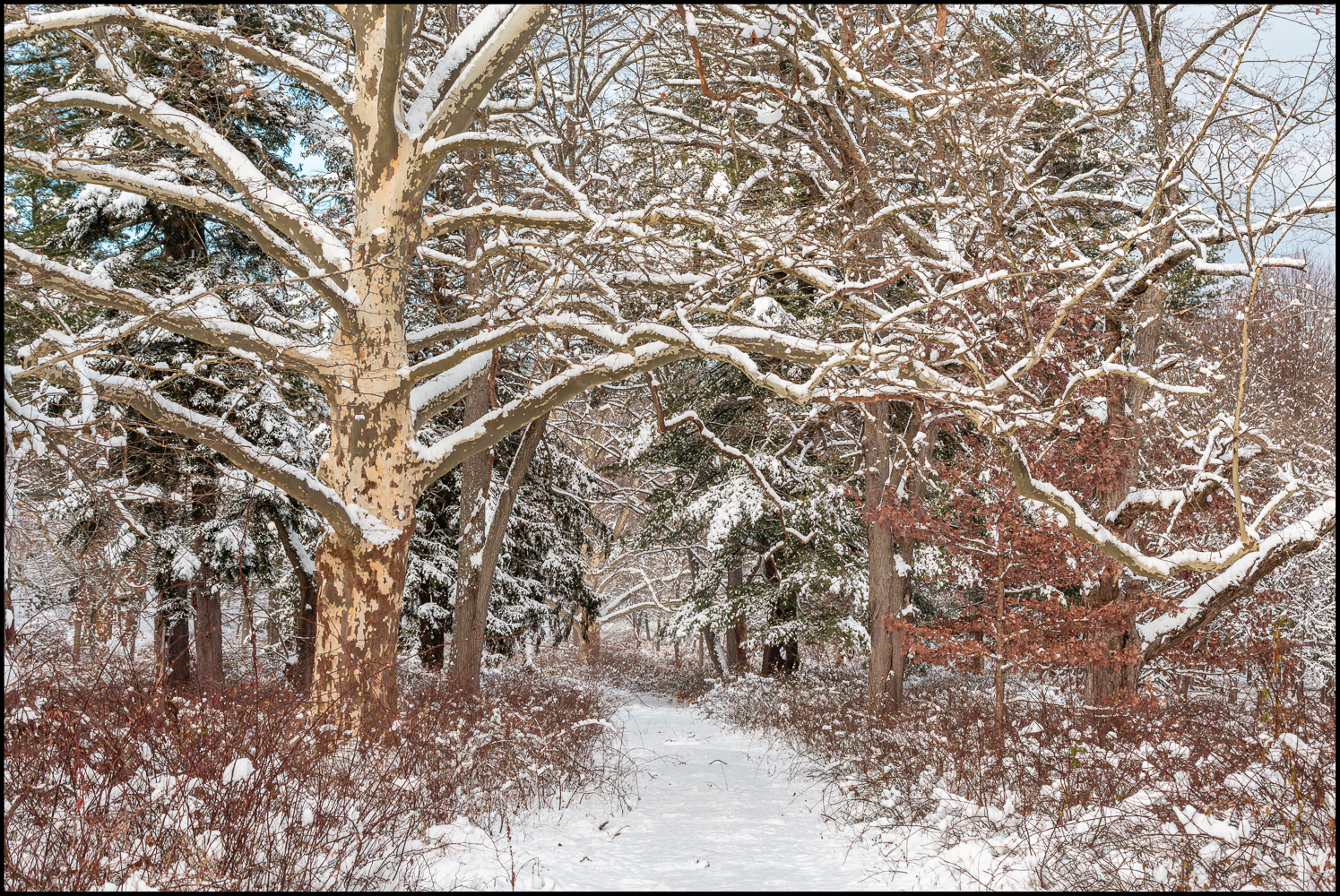
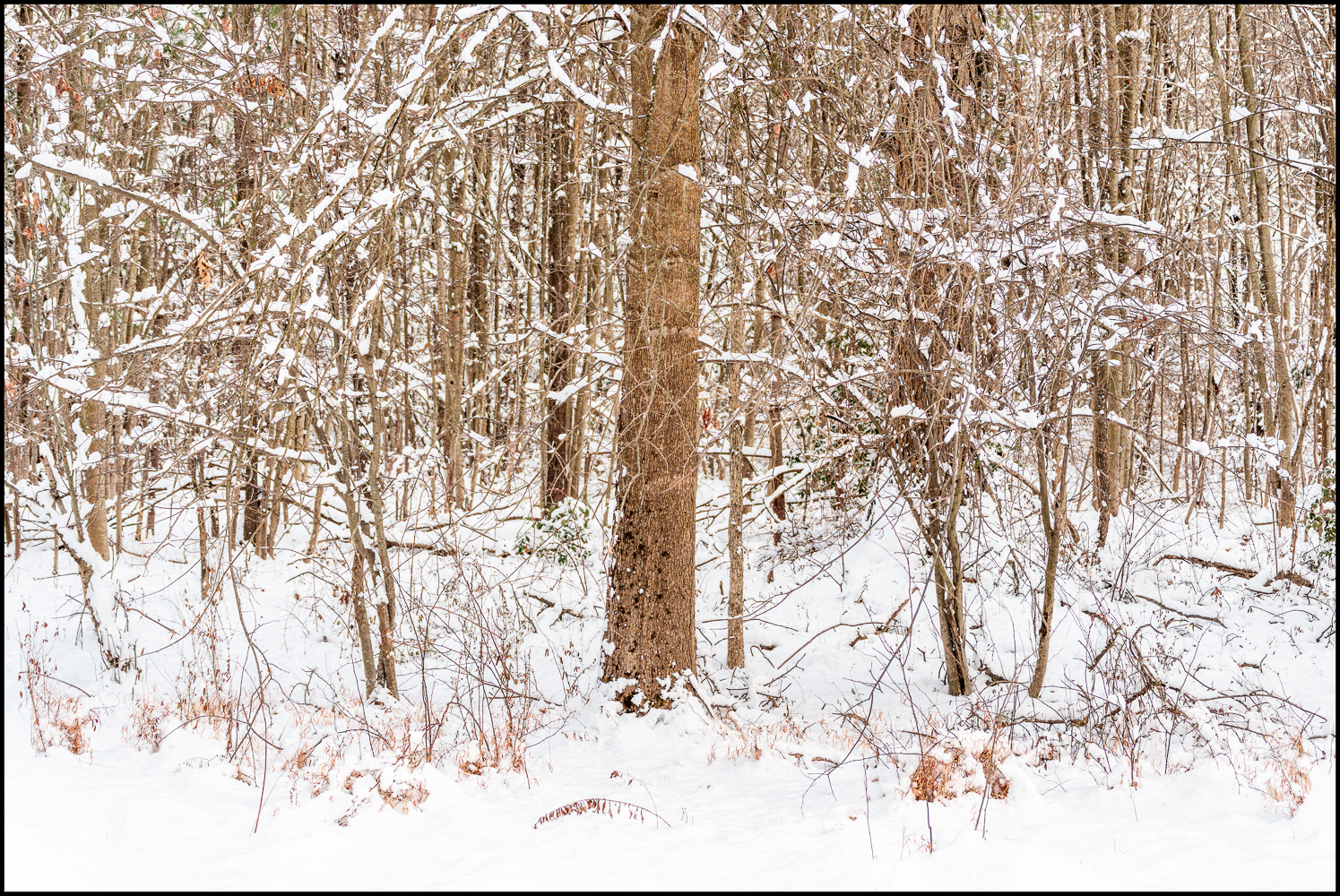
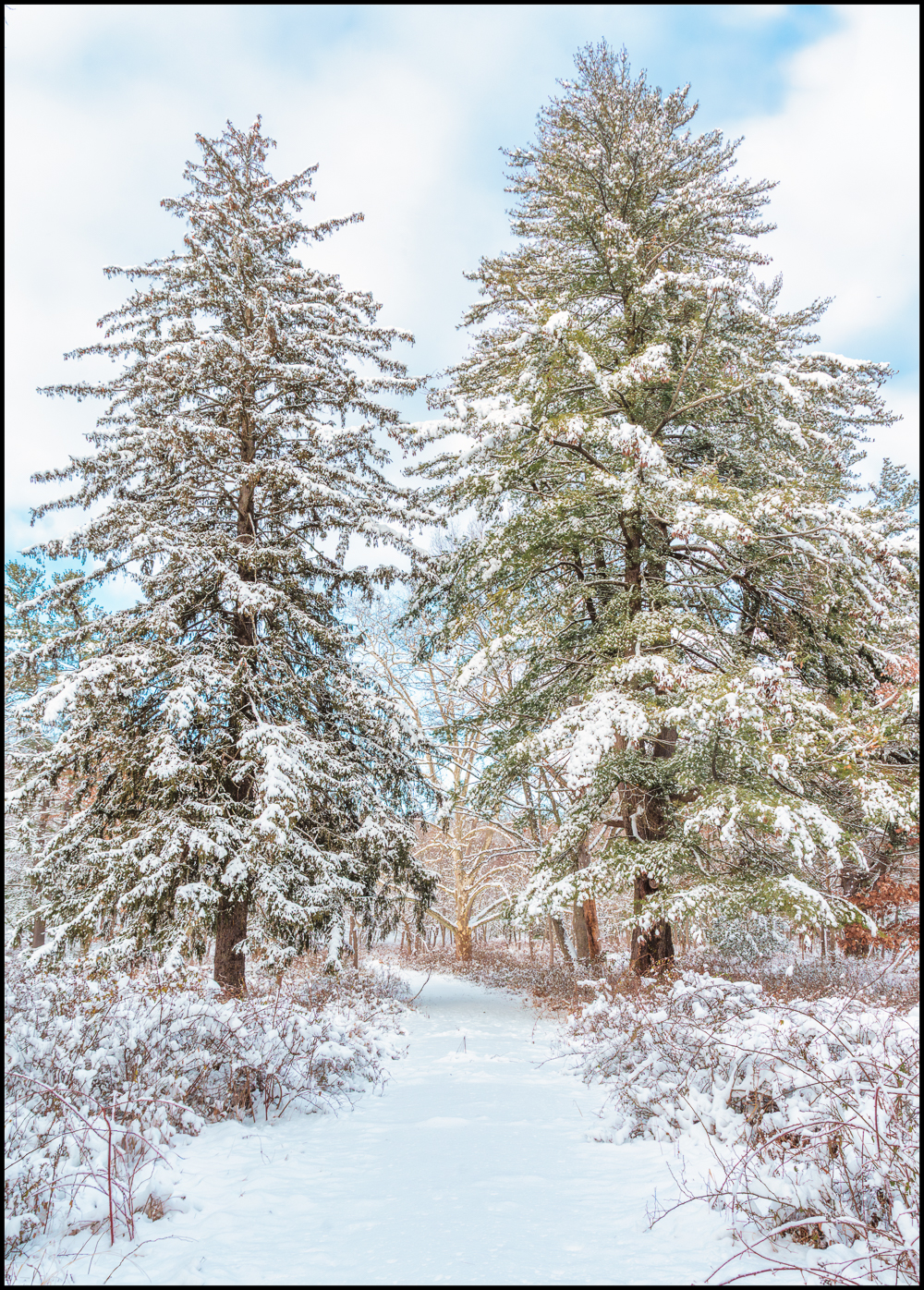
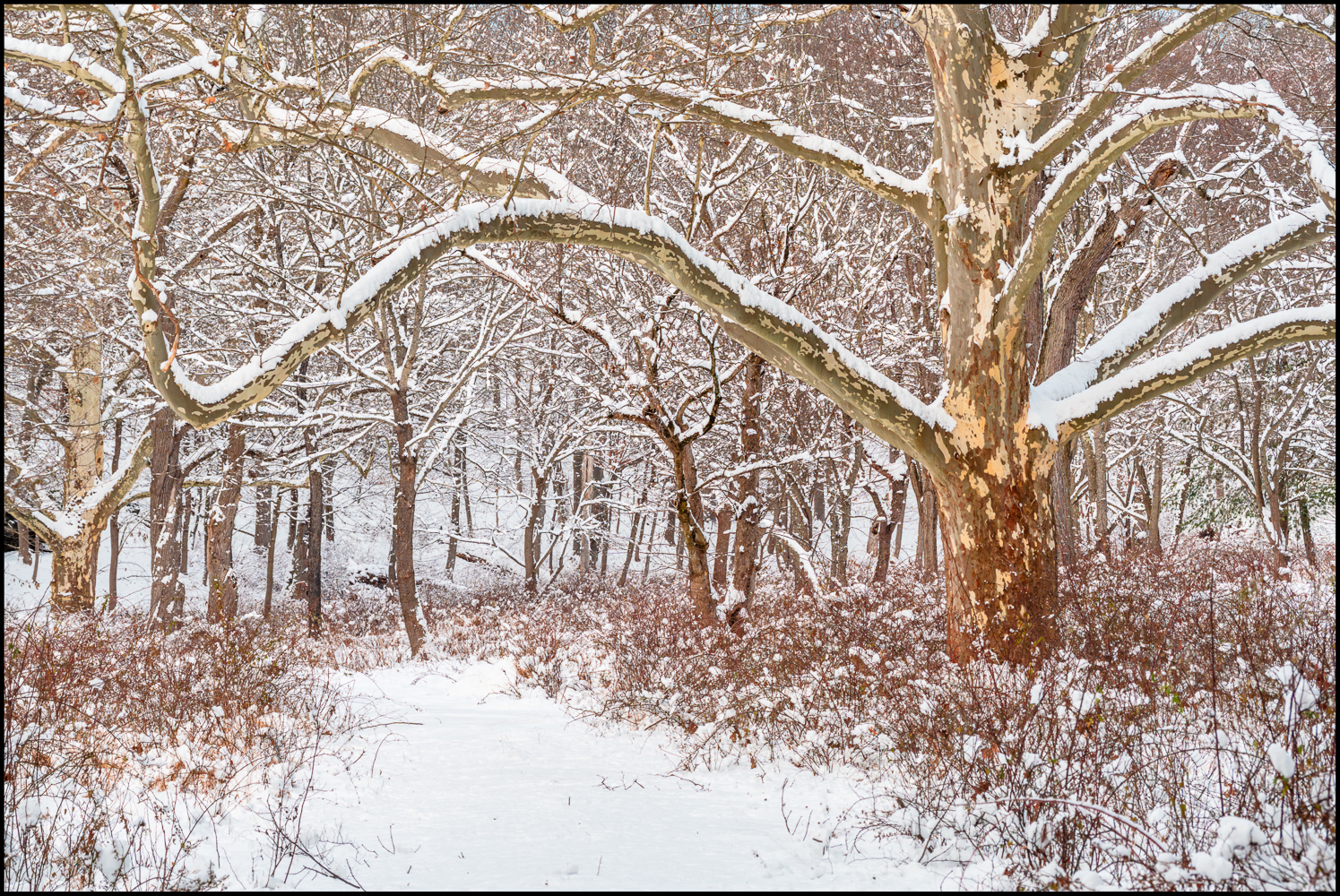
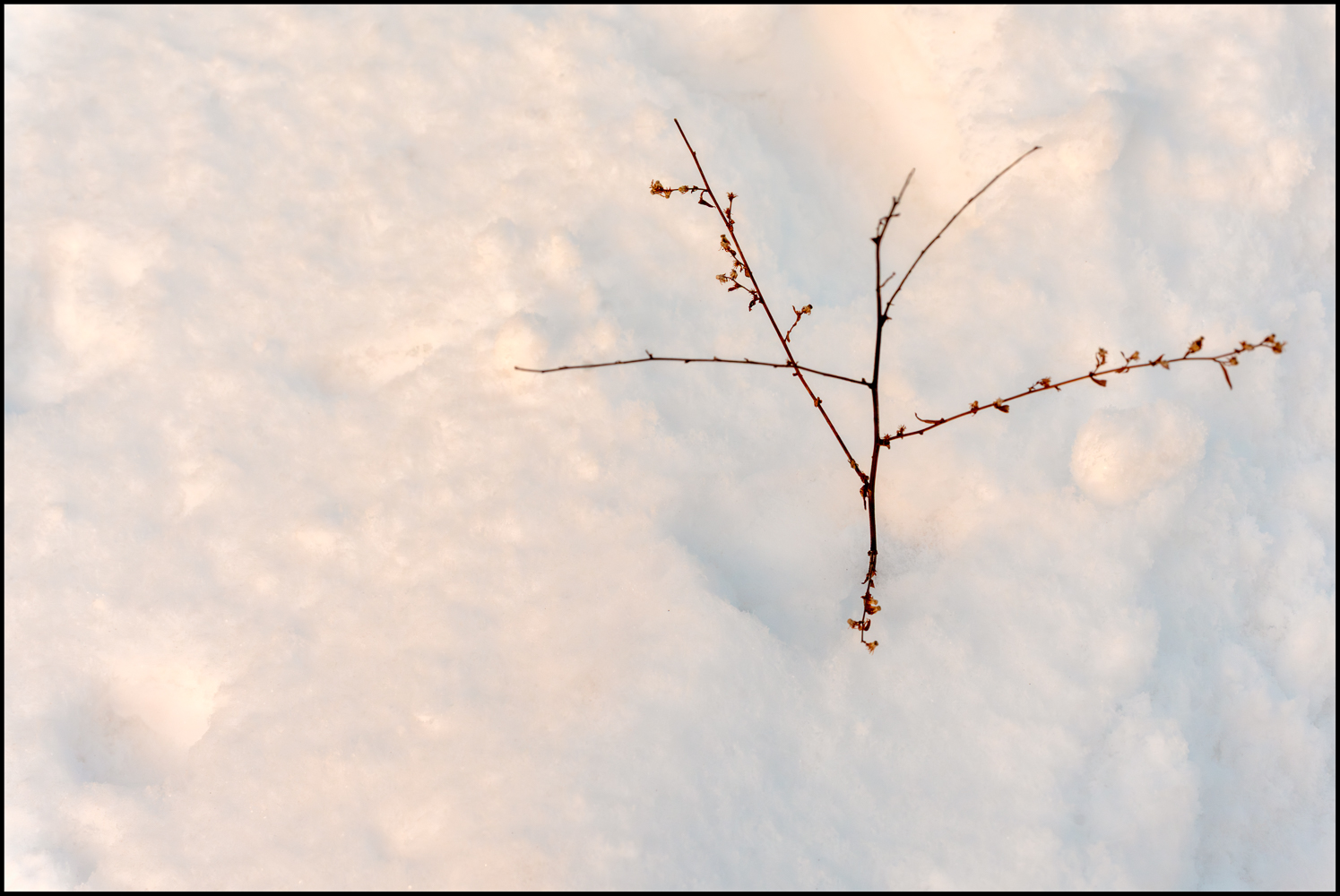
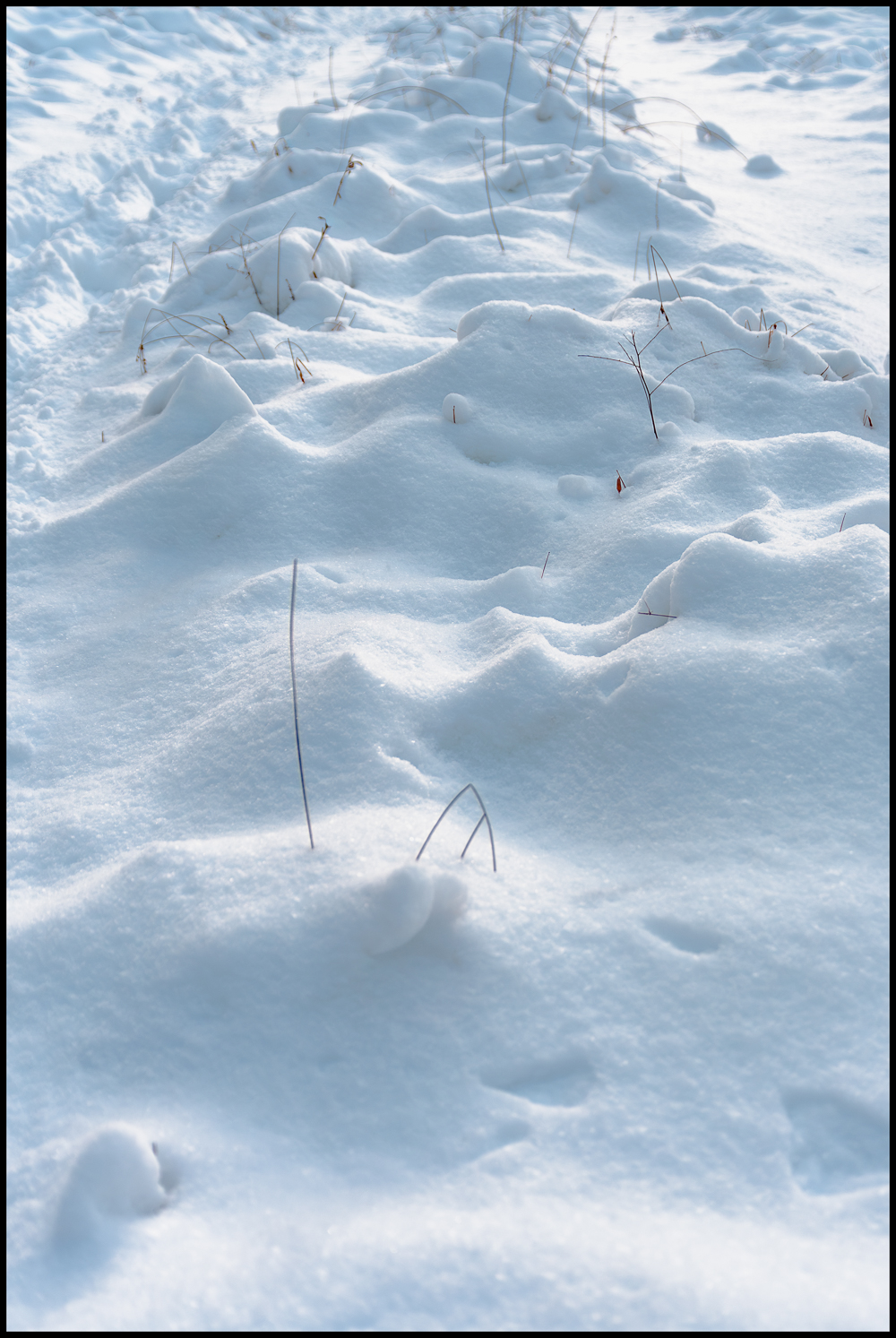
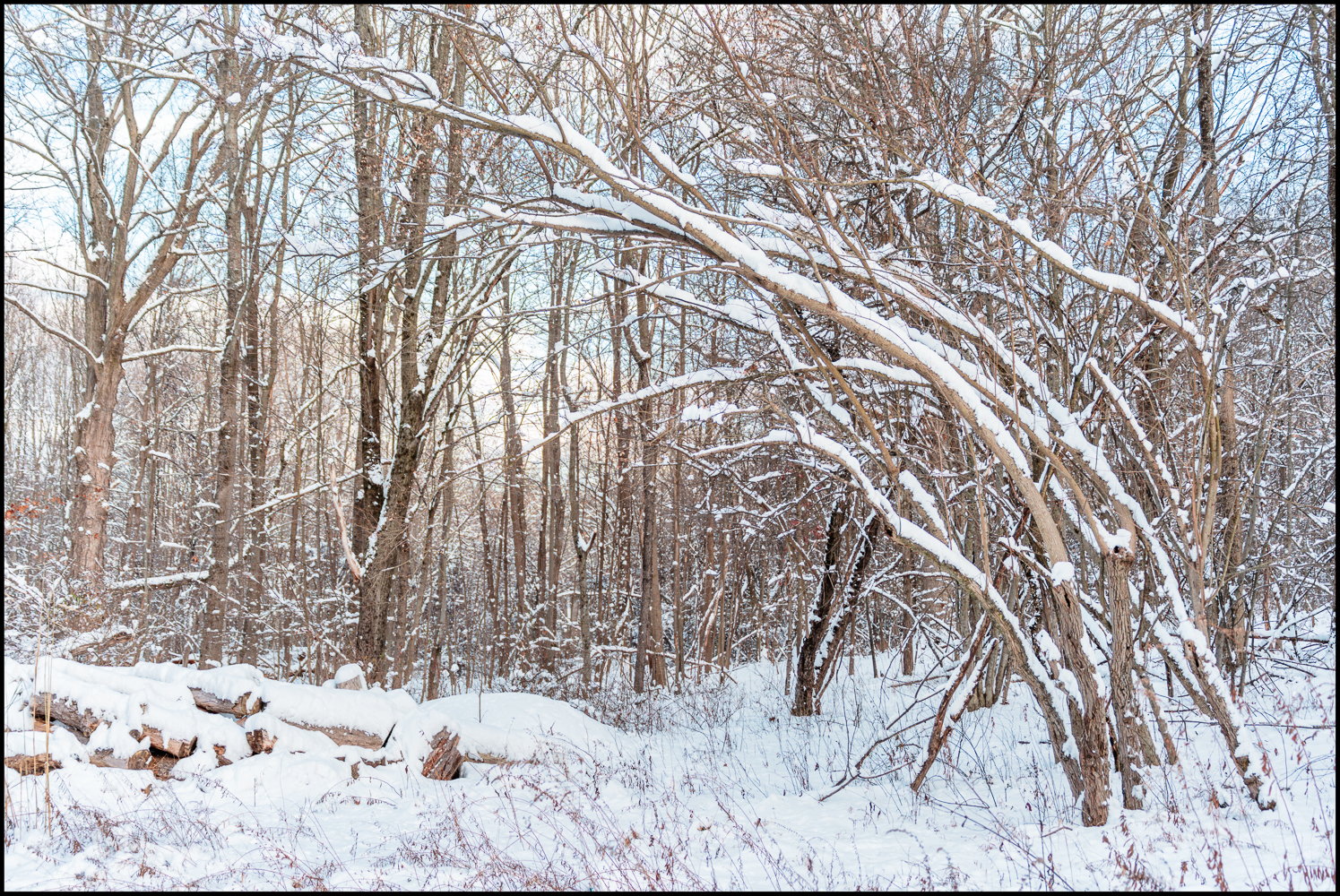
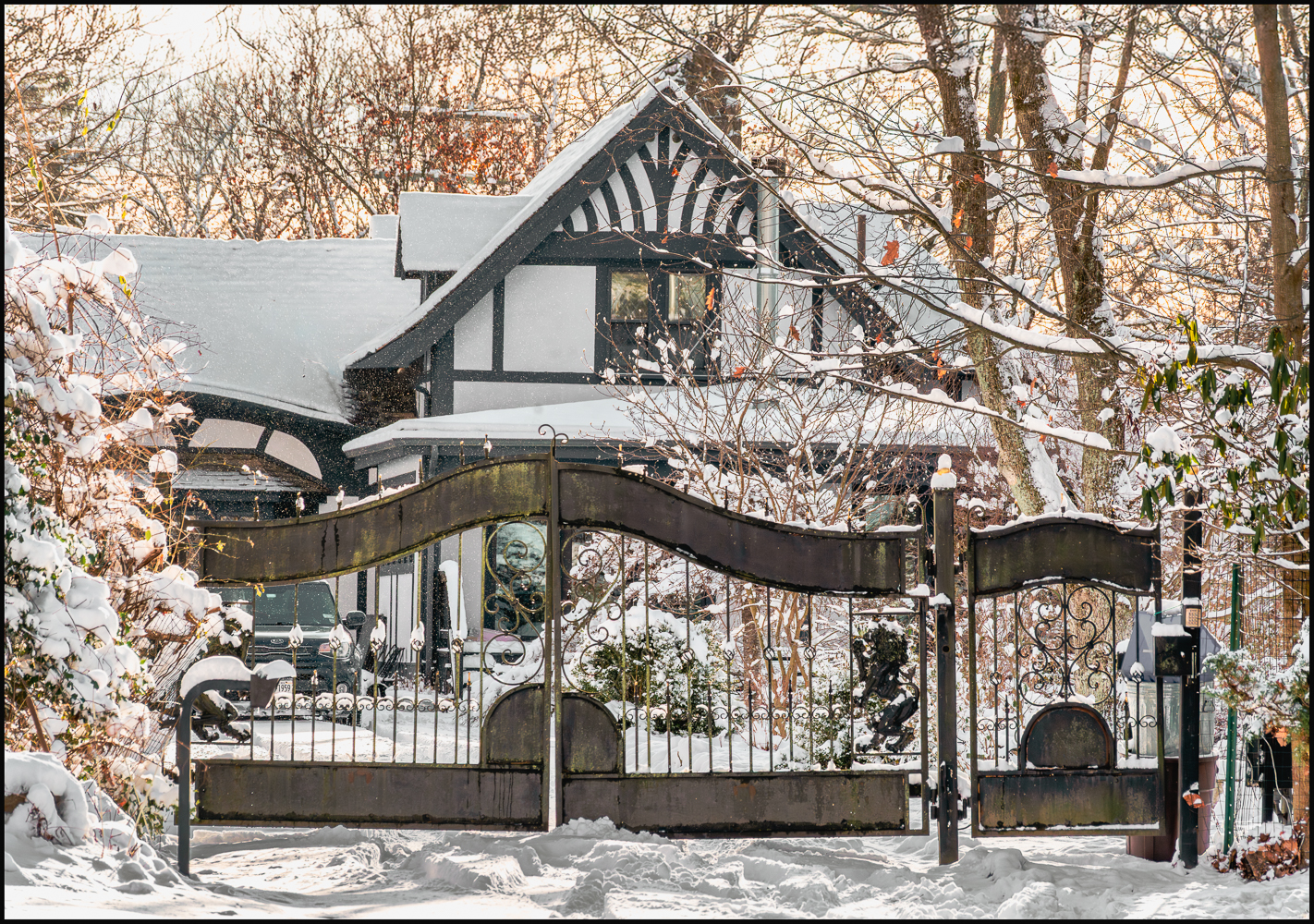
December 14th saw our first accumulating snow of the season, about five inches. The first few pictures were taken at my house early in the morning when it was still snowing, the rest later in the day. It was rather cold and I had to force myself to go out. Also walking in the snow wasn’t easy. But it was worth it.
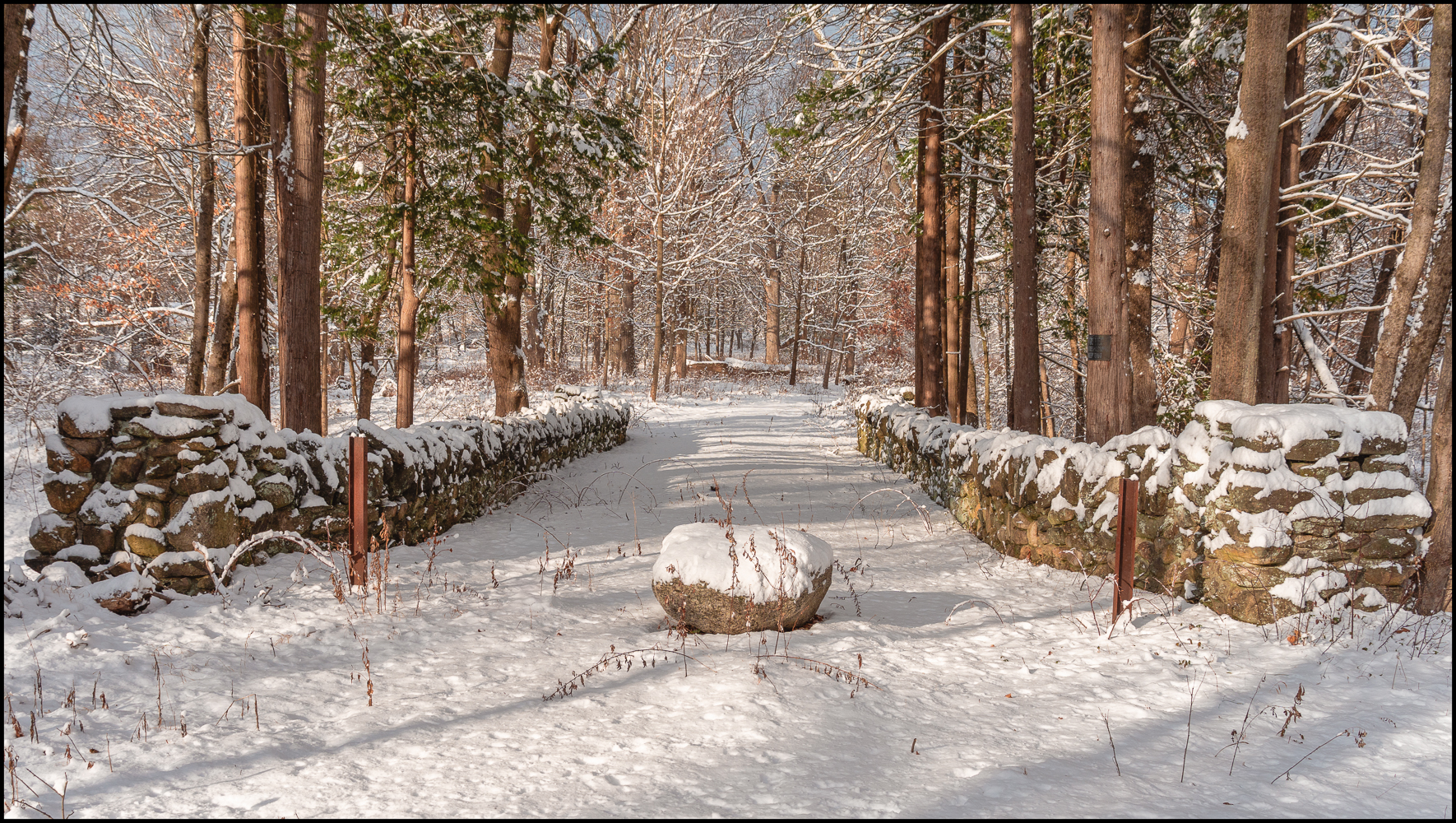


Taken with a Sony A7IV and Tamron 28-300mm f/4-7.1 Di III VC VXD lens.

A Walk Around the Mount Carmel District, Poughkeepsie – On the River

After I’d finished my meal, I still had some time before my train would arrive. I also realized that I hadn’t been down to the River. Since Mahoney’s (and the Train Station) was only a short walk to the river, off I went.

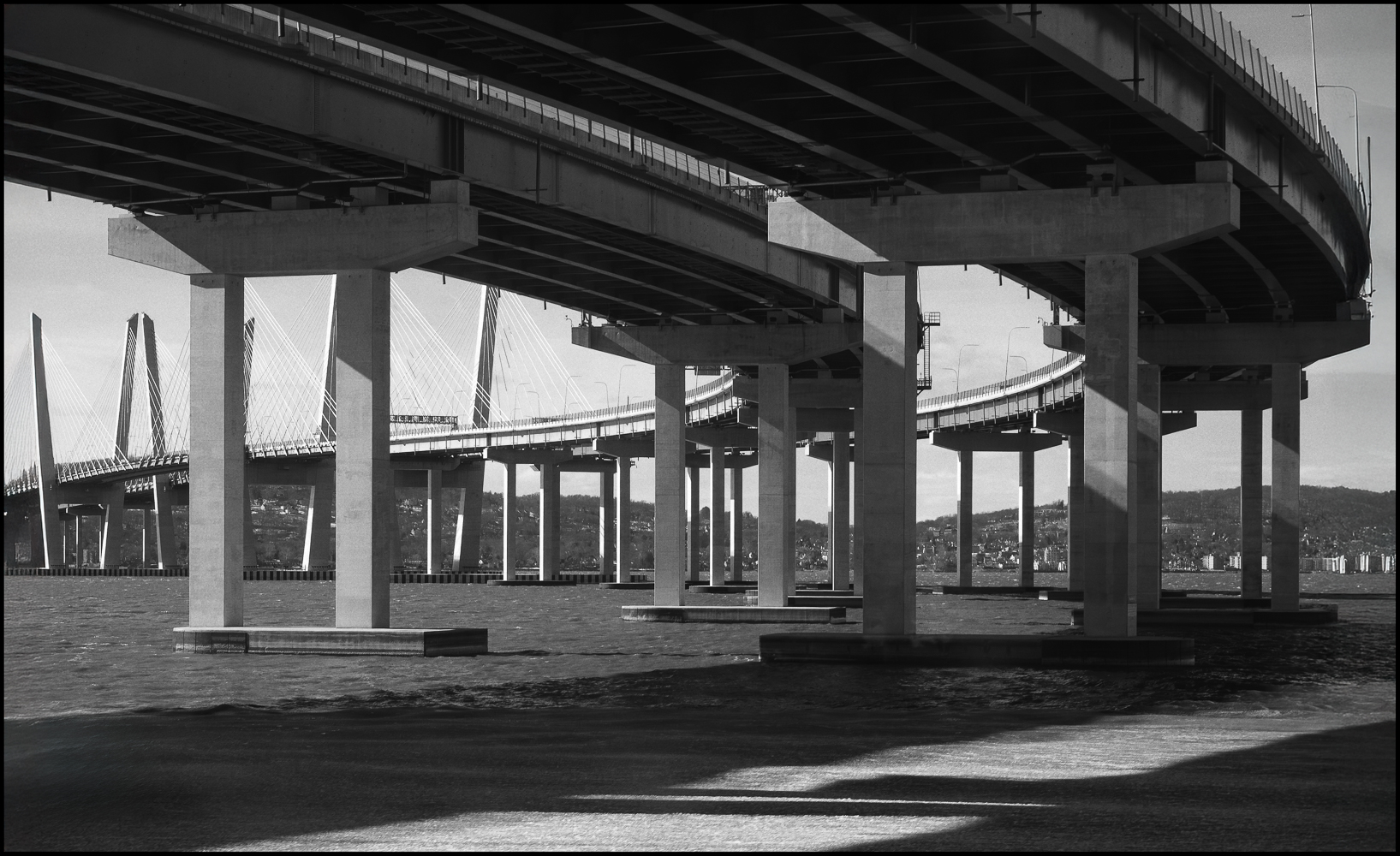
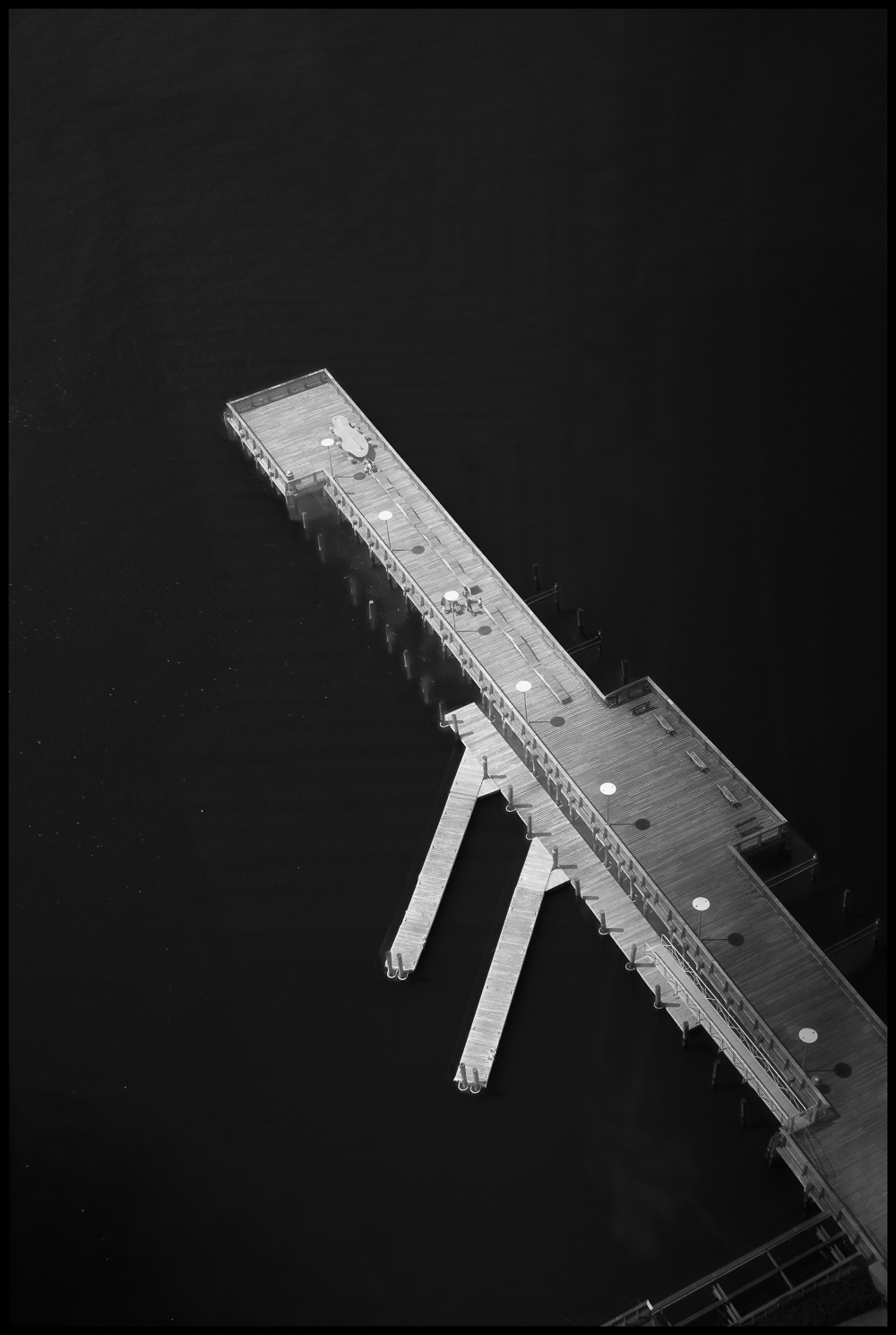
The first picture above provides another view of the Walkway over the Hudson. The other two provide similar (but not identical views of the Mid-Hudson Bridge.

The Franklin Delano Roosevelt Mid-Hudson Bridge is a toll suspension bridge which carries US 44 and NY 55 across the Hudson River between Poughkeepsie and Highland in the state of New York.

Proposals for the Mid-Hudson span were made by state legislature in 1923. Although the Bear Mountain Bridge in Orange County, New York and the Holland Tunnel in Manhattan were under construction, there were then no fixed highway crossings south of Albany. Then-Governor of New York Alfred E. Smith signed the bill in June 1923. Construction would be undertaken by the New York State Department of Public Works (now the New York State Department of Transportation).

Construction began in 1925. Caissons weighing 66,000 tons were sunk into the riverbed; dirt was removed by crews working in a pressurized environment. The 315-foot-tall (96 m) Gothic steel towers were constructed in April 1929. Three years after opening, ownership was transferred to the New York State Bridge Authority in 1933, shortly after the Authority was created.

Then-Governor Franklin D. Roosevelt and his wife Eleanor attended the opening ceremony on August 25, 1930.

The toll plaza was originally located on the eastern side of the bridge, but was moved to the western side in Ulster County when a new highway approach was opened on December 20, 1967.[2][3] Originally, tolls were collected in both directions. In August 1970, the toll was abolished for westbound drivers, and at the same time, eastbound drivers saw their tolls doubled. The tolls of eleven other New York–New Jersey and Hudson River crossings along a 130-mile (210 km) stretch, from the Outerbridge Crossing in the south to the Rip Van Winkle Bridge in the north, were also changed to eastbound-only at that time.

The Mid-Hudson Bridge was designated as a New York State Historic Civil Engineering Landmark by the American Society of Civil Engineers in 1983.[3][5] The bridge was renamed the “Franklin Delano Roosevelt Mid-Hudson Bridge” in 1994.” Adapted from Wikipedia. The Full Article contains much more information and can be found here

Taken with a Sony A7CII and Sony FE 28-70 f3.5-5.6 OSS

A Walk Around the Mount Carmel District, Poughkeepsie – Fall Kill Vortex

The Fall Kill is a creek in Dutchess County, New York, United States. The stream is approximately 38 miles (61 km) long, and joins the Hudson River in the city of Poughkeepsie.

The creek begins in the towns of Hyde Park and Clinton, flows southward through the town and city of Poughkeepsie, and drains into the Hudson River. The creek’s drainage basin accounts for approximately 12,476 acres (19.5 sq mi; 50.5 km2) of the larger Hudson Direct Watershed. As of the 2000 Census, about 28,500 people resided in this area.

Although the northern section of the creek is characterized by marshes and wetlands harboring several threatened or endangered species, the southern end of the creek is surrounded by heavy urbanization. In the city of Poughkeepsie, 2.5 miles (4.0 km) of the Fall Kill were channelized by stone walls during the Great Depression.

The Innis Dye Works building, dating to the 1830s, abuts the creek several hundred feet from its confluence with the Hudson River. The creek was an important source of industrial water power in the early 19th century, such as grinding materials to make dyes.[4]

The New York State Department of Environmental Conservation designates the creek as a “Class C” stream, meaning it is suitable for fishing. The Fall Kill is also a third order stream by the time it reaches the Hudson River.

Taken with a Sony A7CII and Sony FE 28-70 f3.5-5.6 OSS

A Walk Around the Mount Carmel District, Poughkeepsie – Walkway over the Hudson

The Walkway over the Hudson (also known as the Poughkeepsie Bridge, Poughkeepsie Railroad Bridge, Poughkeepsie–Highland Railroad Bridge, and High Bridge) is a steel cantilever bridge spanning the Hudson River between Poughkeepsie, New York, on the east bank and Highland, New York, on the west bank. Built as a double track railroad bridge, it was completed on January 1, 1889, and formed part of the Maybrook Line of the New York, New Haven and Hartford Railroad.

The bridge was removed from service on May 8, 1974 after damage from a tie fire. It was listed on the National Register of Historic Places in 1979, and its entry updated in 2008. The bridge was designated as a National Historic Civil Engineering Landmark by the American Society of Civil Engineers in 2009.

It reopened on October 3, 2009, as a pedestrian walkway, and part of the new Walkway Over the Hudson State Historic Park. The New York State Bridge Authority owns and is charged with maintaining the bridge structure (as directed by the Governor and Legislature in July 2010). The park is operated by the New York State Office of Parks, Recreation and Historic Preservation.[6] In 2017, the walkway hosted 593,868 visitors. Connecting the Hudson Valley Rail Trail in Highland to the Dutchess Rail Trail, the span forms part of the Empire State Trail.[8]

At a length of 6,768 feet (2,063 m), it was the world’s longest pedestrian footbridge from its opening until October 2016, when it became the second-longest after being surpassed by the 7,974-foot (2,430 m) Mile Into the Wild Walkway in Keenesburg, Colorado, United States. The Walkway over the Hudson now refers to itself as the world’s longest elevated pedestrian bridge as it has a much higher elevation above its base than the Mile Into The Wild. The Walkway over the Hudson allows bicycles and the Mile Into The Wild does not. Also, the Walkway over the Hudson does not have an admission fee.

For more photographs of the Walkway over the Hudson see here.

Taken with a Sony A7CII and Sony FE 28-70 f3.5-5.6 OSS