More flowers in the woods

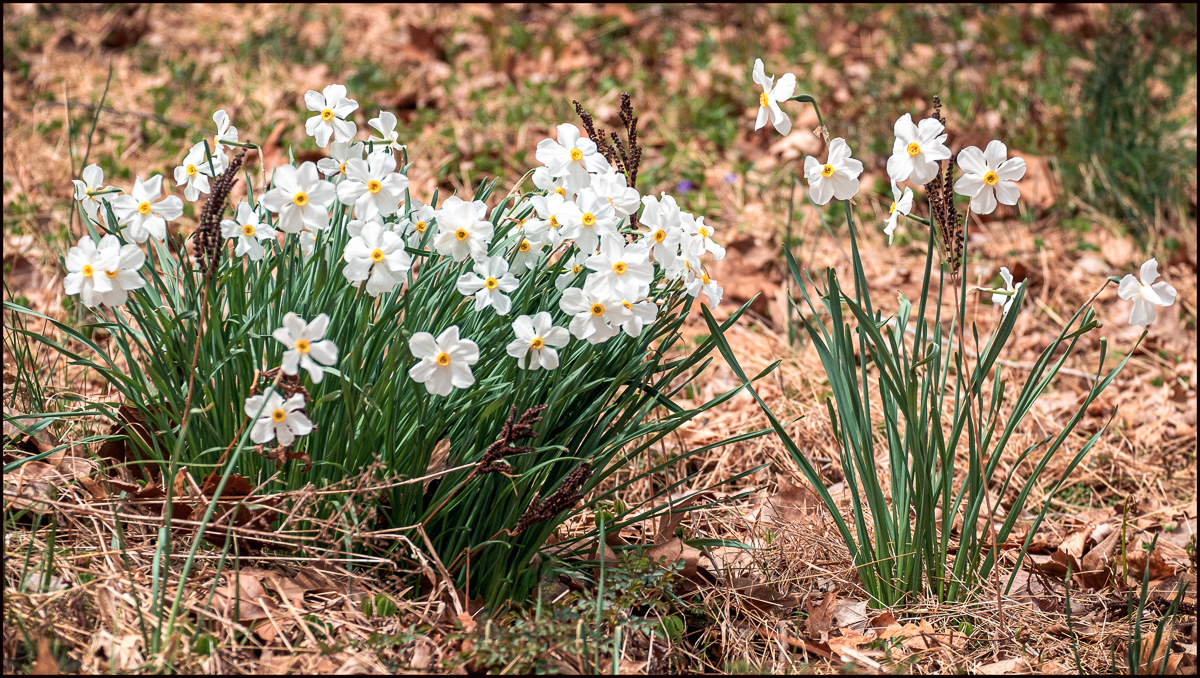
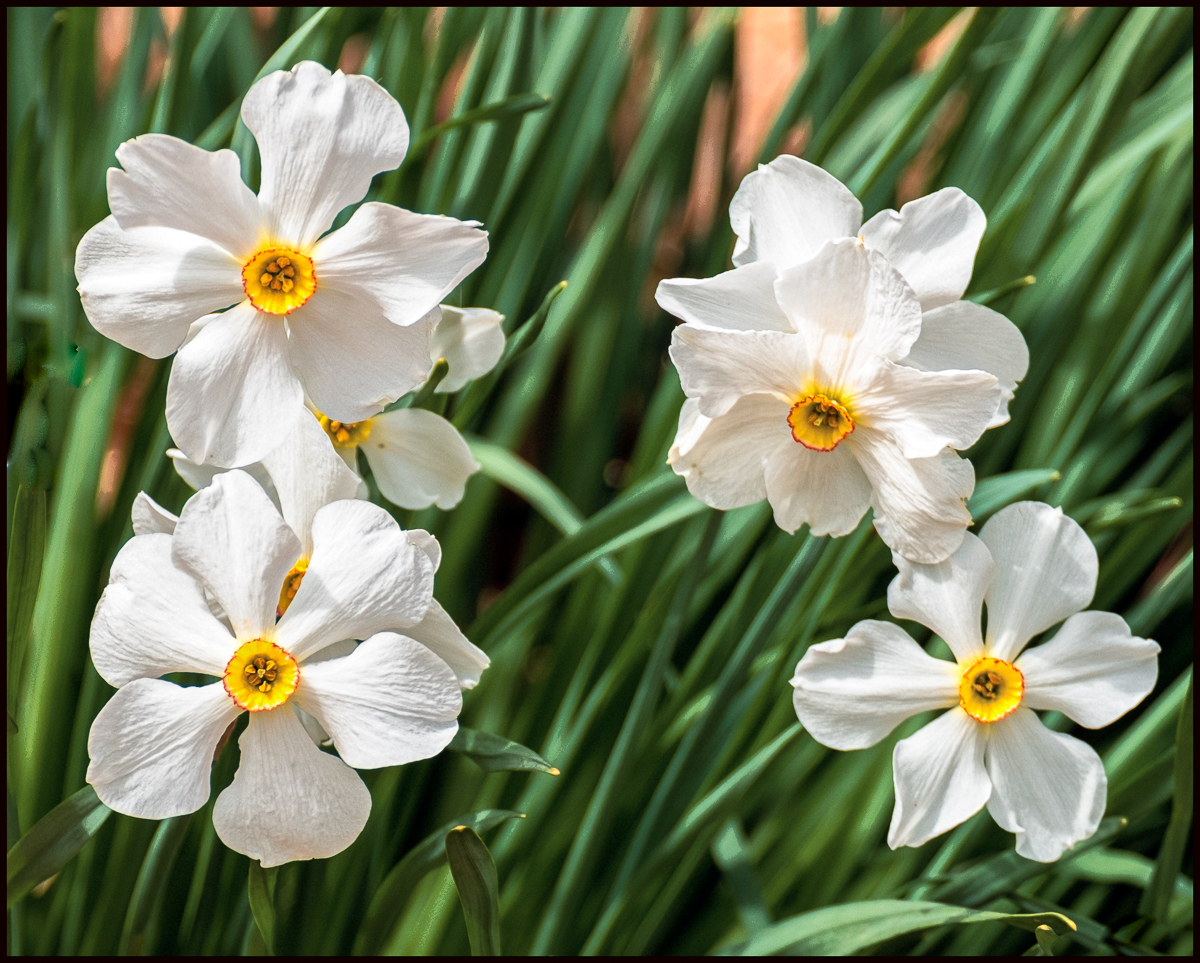
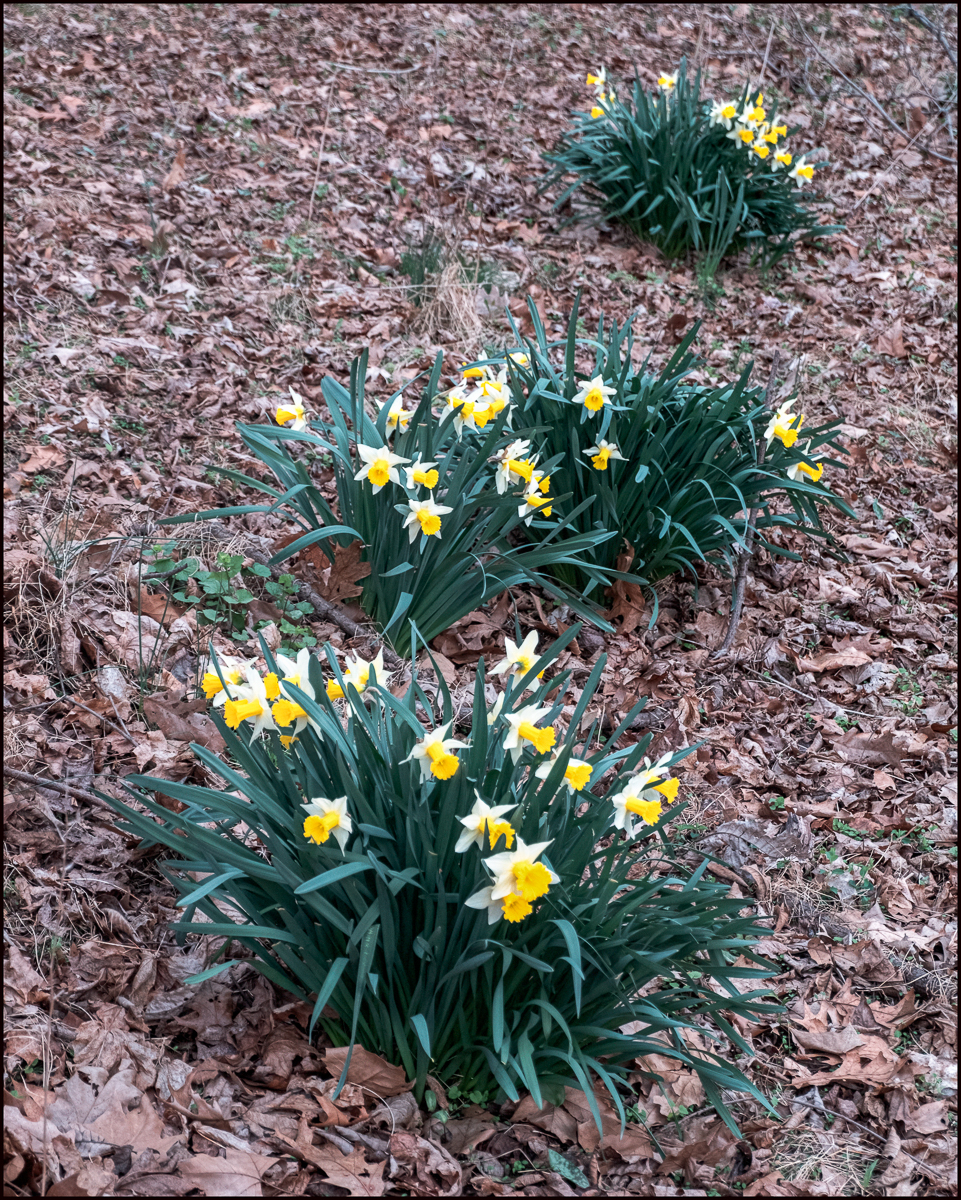
In an earlier post (See: Daffodils in the Woods) I mentioned that I’d come across some clumps of daffodils in the woods. These were only a short distance away from the daffodils. They must have just bloomed because I’d never seen them before. In the landscape they’re so striking that I don’t think I would have missed them. I don’t know much about flowers but some internet searching leads me to believe that they are Poet’s Narcissus (a relative of daffodils). Whatever they are I really like the way they look.

Narcissus poeticus, the poet’s daffodil, poet’s narcissus, nargis, pheasant’s eye, findern flower or pinkster lily, was one of the first daffodils to be cultivated, and is frequently identified as the narcissus of ancient times (although Narcissus tazetta and Narcissus jonquilla have also been considered as possibilities). It is also often associated with the Greek legend of Narcissus. It is the type species of the genus Narcissus and is widely naturalized in North America.

For anyone (like me) who doesn’t know the story of Narcissus:

Narcissus, in Greek mythology, the son of the river god Cephissus and the nymph Liriope. He was distinguished for his beauty. According to Ovid’s Metamorphoses, Book III, Narcissus’s mother was told by the blind seer Tiresias that he would have a long life, provided he never recognized himself. However, his rejection of the love of the nymph Echo or (in an earlier version) of the young man Ameinias drew upon him the vengeance of the gods. He fell in love with his own reflection in the waters of a spring and pined away (or killed himself); the flower that bears his name sprang up where he died.
Taken with a Fuji X-E3 and Fuji XF 55-200mm f3.5-4.8 R LM OIS
Daffodils in the woods

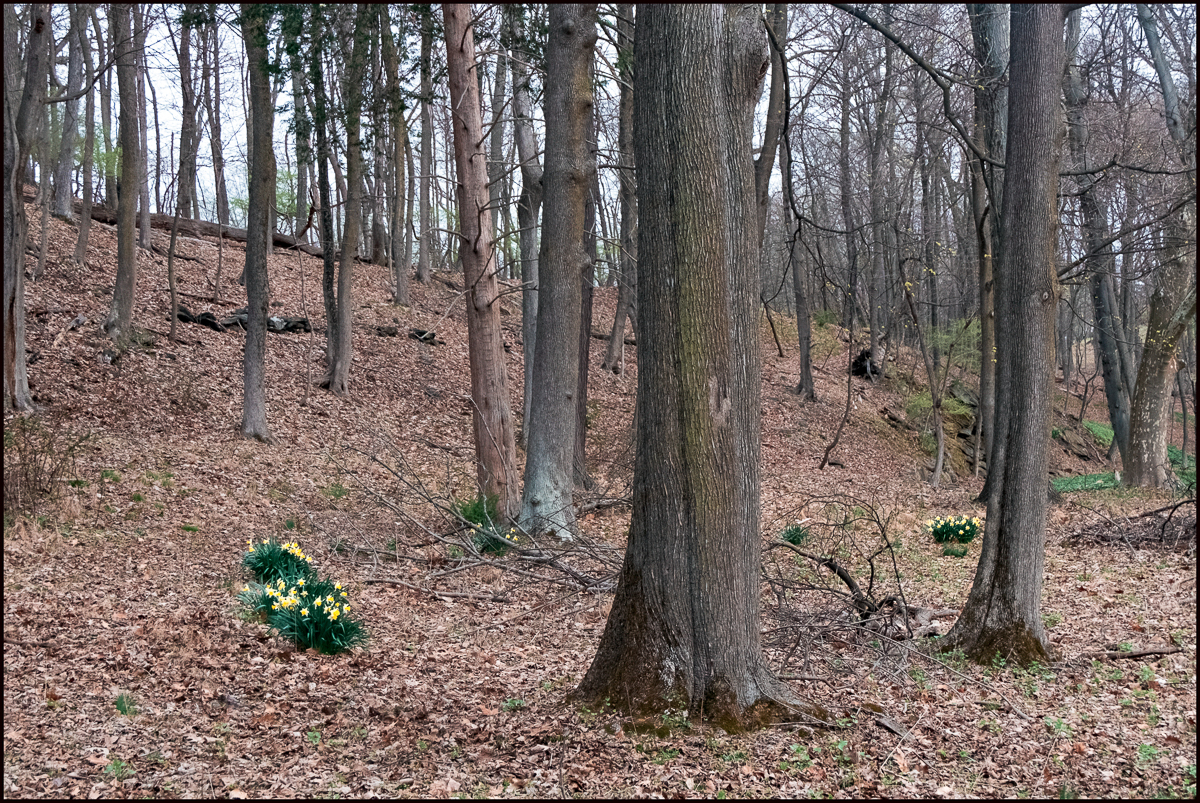
When I came across these daffodils in a nearby woodland (see photo below for context) my first reaction was to wonder how they got there. I always thought that daffodils grew from bulbs and I imagined that it would be difficult for the bulbs to easily transfer to the wild. Then I came across this:

First, the wild daffodil can reproduce by generating seeds, which is a sexual method of reproduction. The flowers must be fertilized by an outside source in order to create these seeds, and pollen is required for this process. There are two important parts to a typical plant that are necessary for this type of reproduction. The pistil contains the stigma and the female gamete, where the daffodil’s ovule is found. On the stamen of a plant, pollen is produced, which contains the male gametes. When pollen is transported from one plant to another, it drops into the stigma and fertilizes the ovules of the plant, inside its ovary. A seed then develops from the fertilized ovule. When the daffodil blooms die, the tiny black seeds are dry and ready for dispersal. The seed pod (ovary) of the daffodil cracks open, and seeds either fall to the ground or are transported by wind or animals to a new location.

Essentially any insect or organism can serve as a pollinator for the daffodil. It really doesn’t matter how the pollen gets in the stigma, it just has to come in contact with it in order to start fertilization.

From seeds, daffodils take a very long time to grow into a full plant. It can take from five to seven years for a daffodil to bloom from a planted or dispersed seed.

So there you have it: unless someone deliberately planted them in this woodland they must have grown from seeds.

Taken with a Fuji X-E1 and Fuji XC 16-50mm f3.5-5.6 OSS II

To the Rockefeller State Park Preserve and back. Part 2: Along the Old Croton Aqueduct Trail

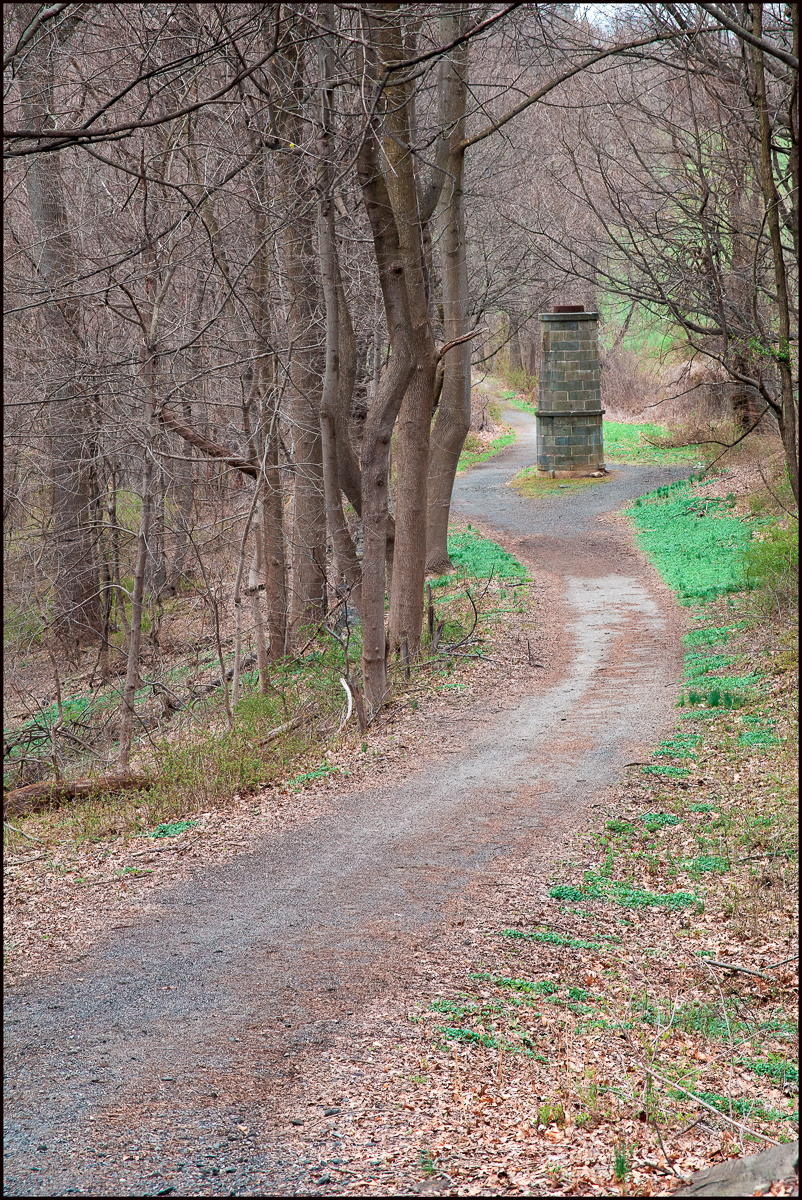
To the Rockefeller State Park Preserve and back. Part 2: Heading for home along the Old Croton Aqueduct Trail. For anyone who doesn’t know what the Old Croton Aqueduct is, it was built between 1837 and 1842 and was New York City’s first water supply system. It replaced the inadequate wells, springs, and ponds used until then. Drawn from the Croton River in Westchester County, the abundant clean water helped fuel a population boom and remained in service until 1958.

Although most of the 41 mile long aqueduct lies underground, some structures are still visible in the Bronx and Manhattan. This trail highlights the remains of the aqueduct and provides a sense of the complex engineering and difficult labor that was required to build it. Above: One of the 21 ventilators along the aqueduct.


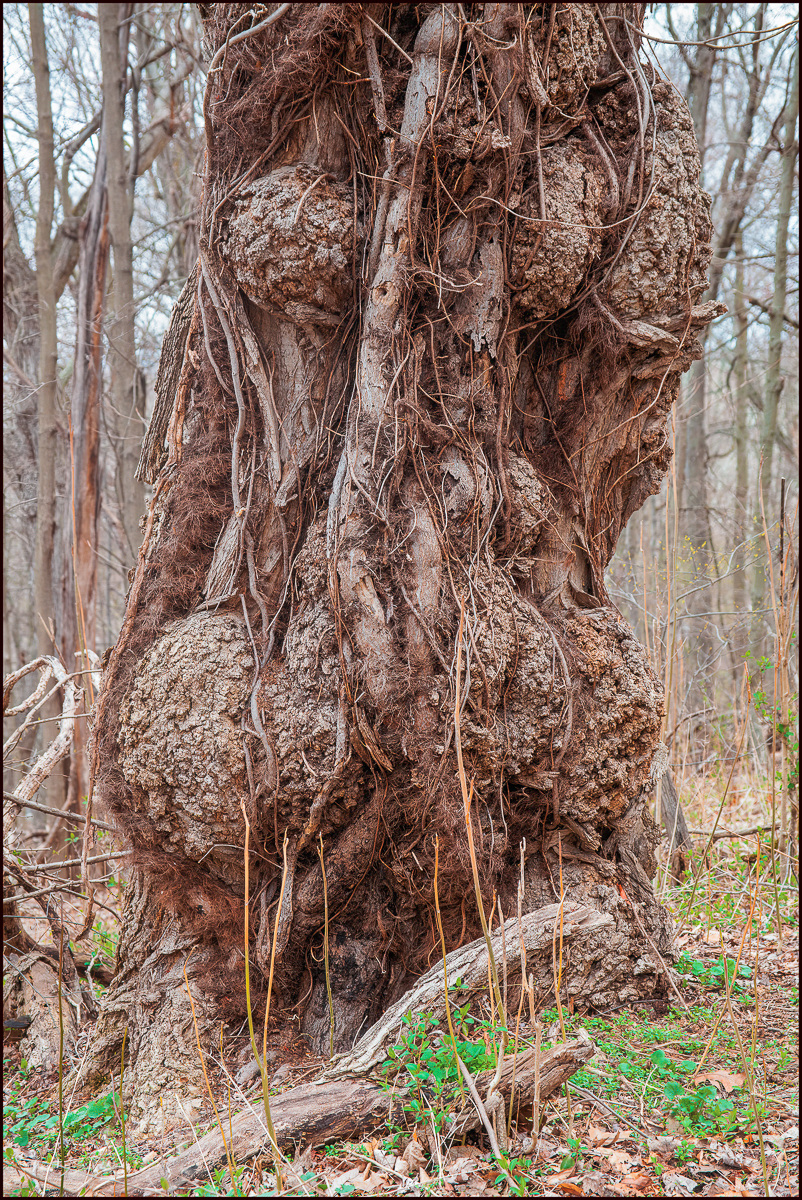
A gnarly tree.


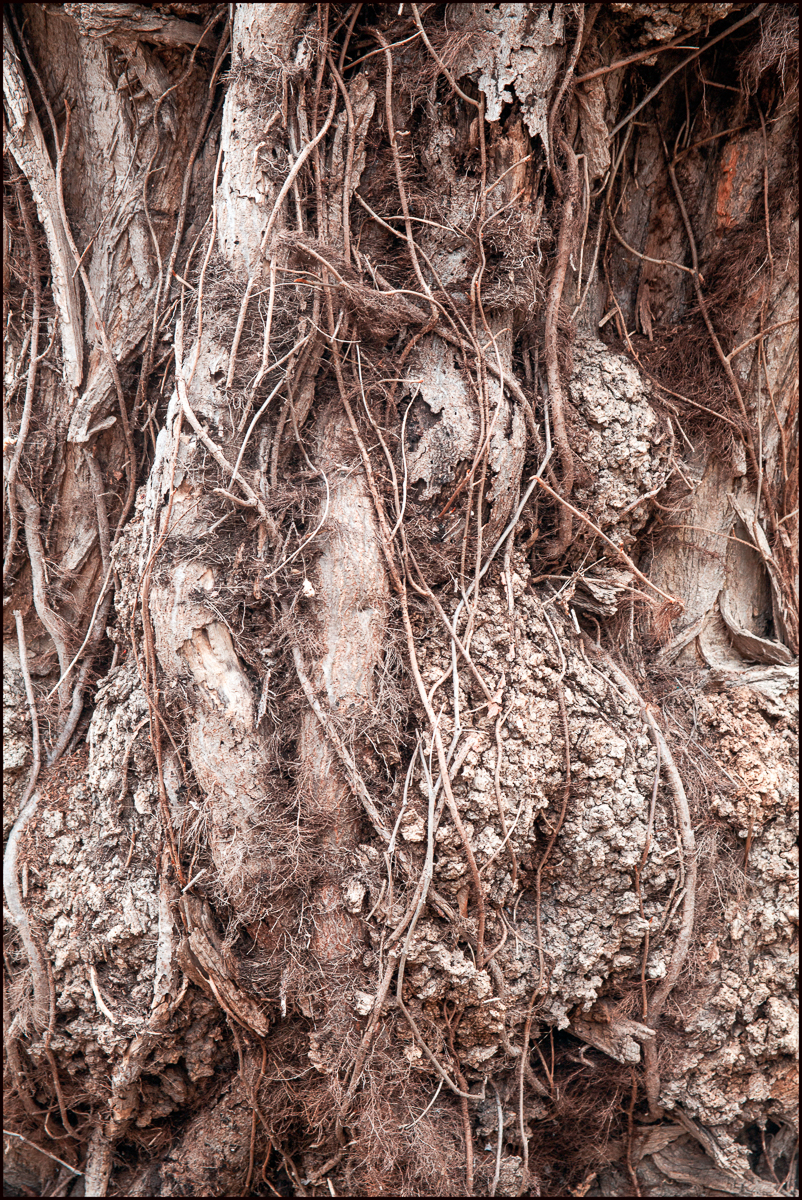
A closer view of the same tree


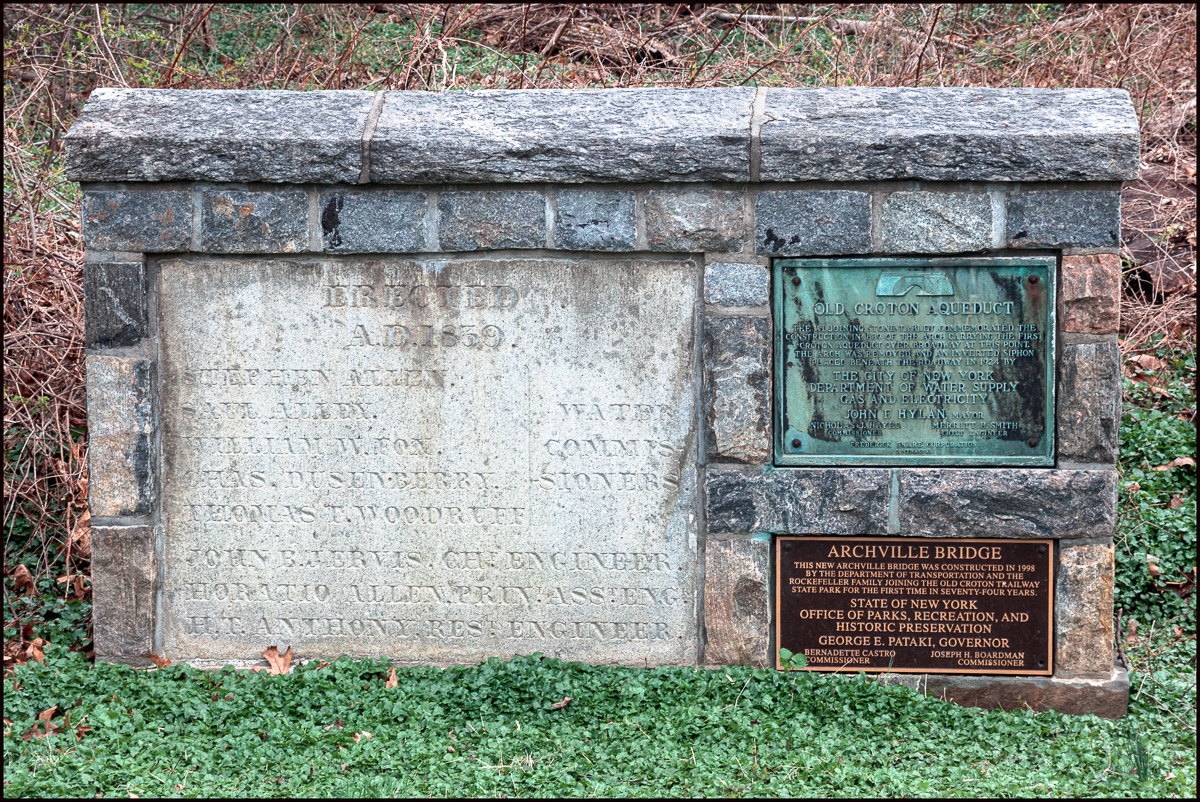
The Archville Bridge Monument. While the bridge itself is not particularly memorable (which probably explains why I’ve never taken a picture of it despite passing over it many times) it does have a somewhat interesting history.


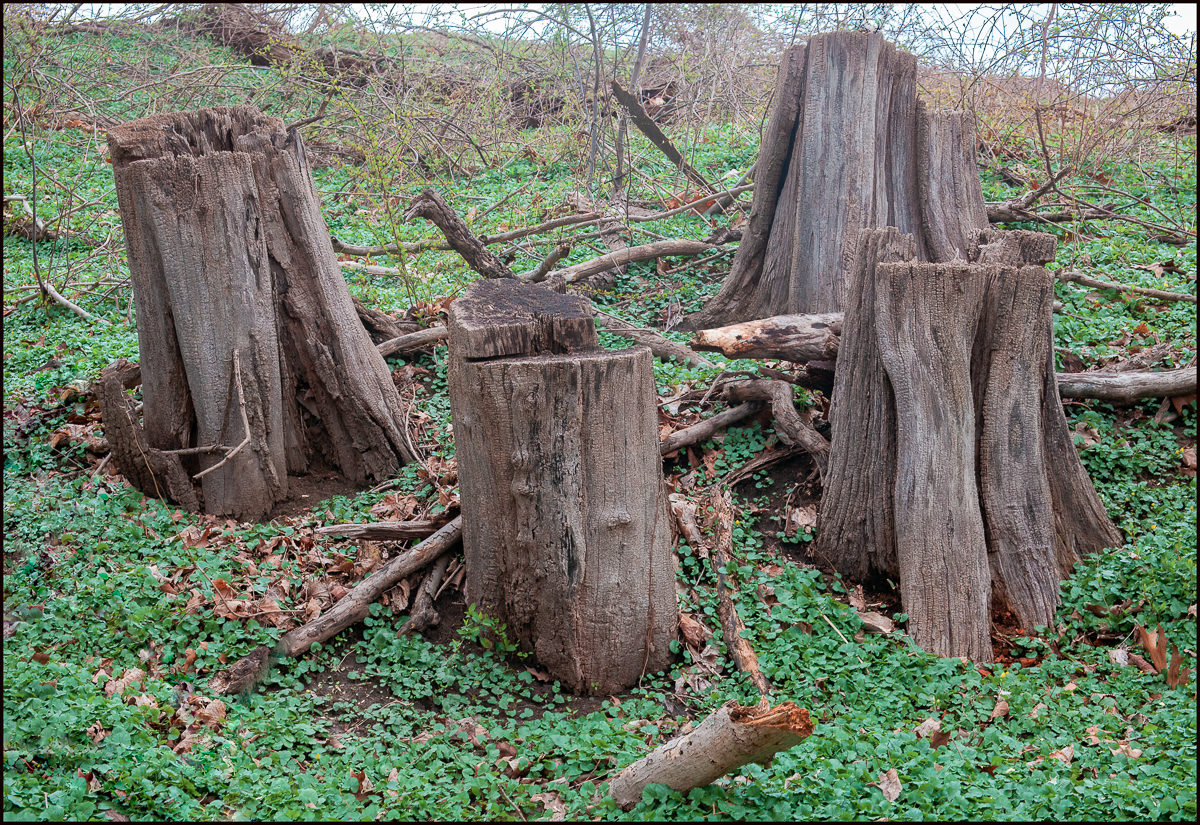
Tree Stumps.


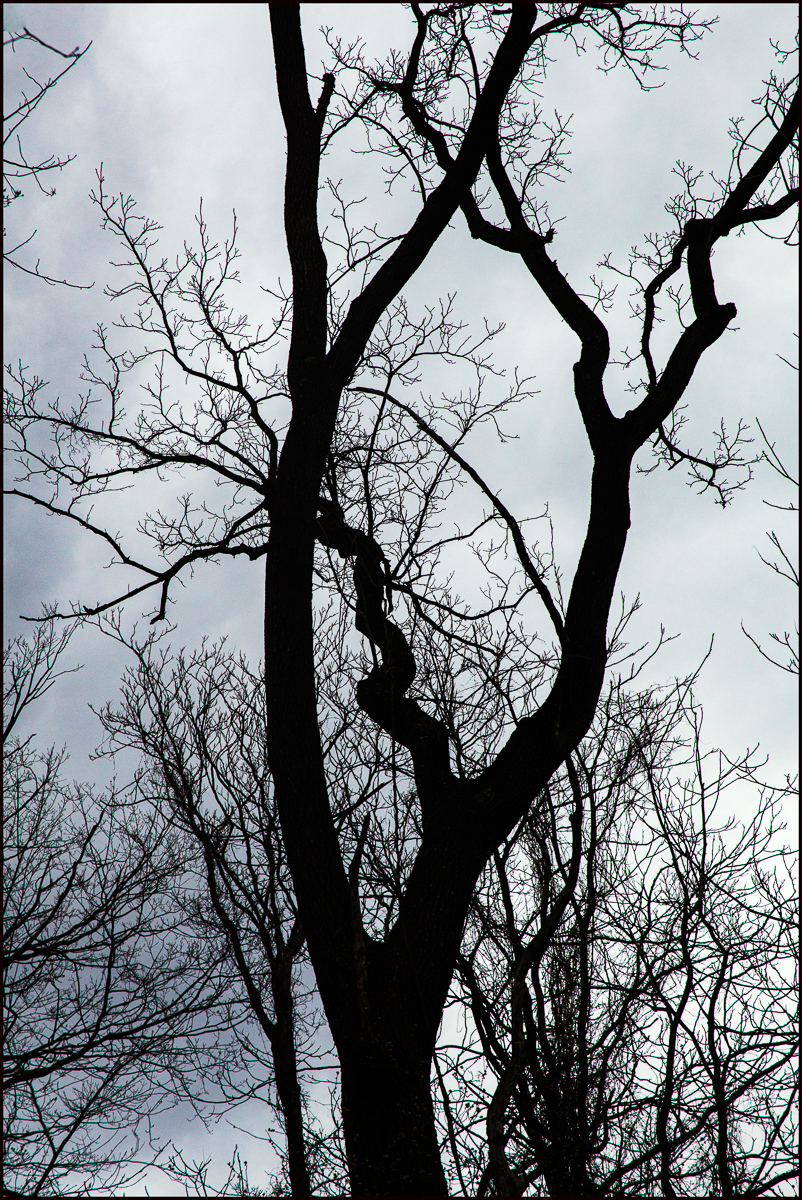
Tree silhouette.


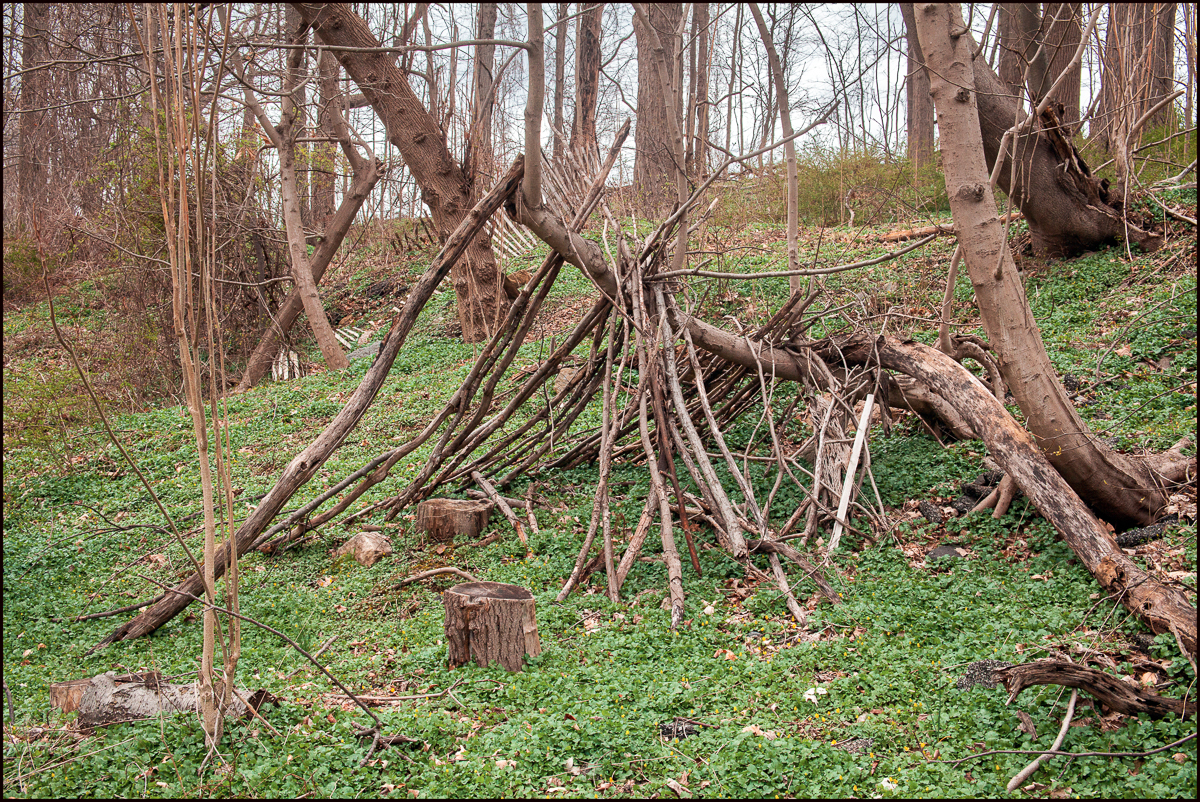
Some kind of structure. I believe it’s called a woodland den. A recent article by Ellyn Kail is worth a read: The Unexpected Architectural Beauty of Woodland Dens


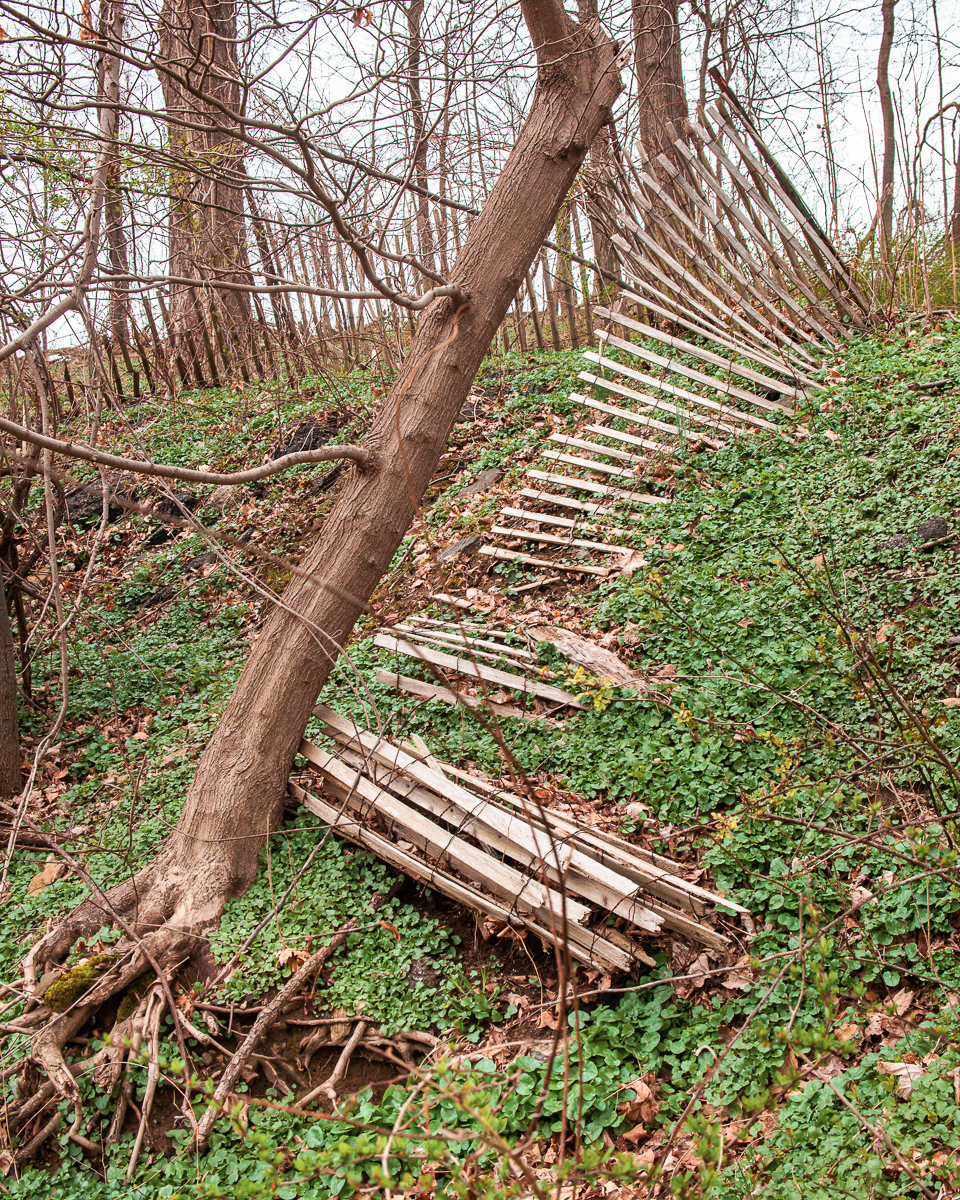
Broken fence.


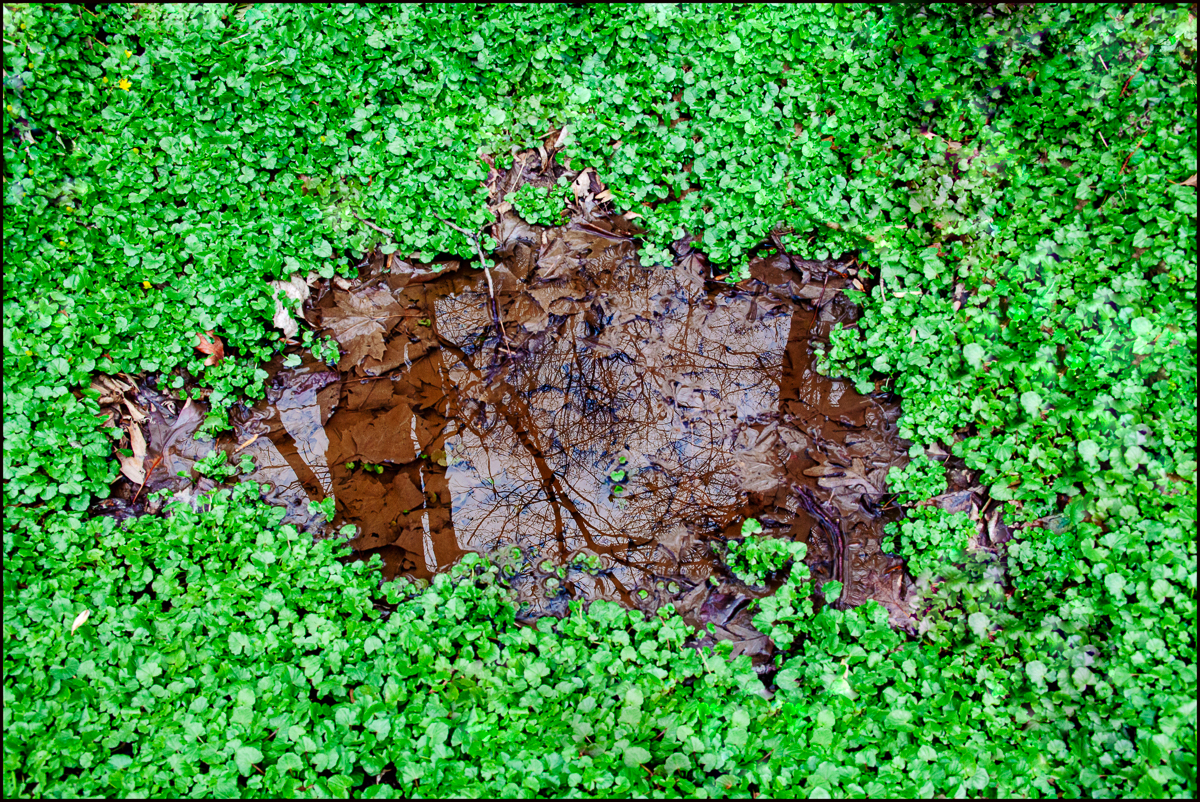
A puddle


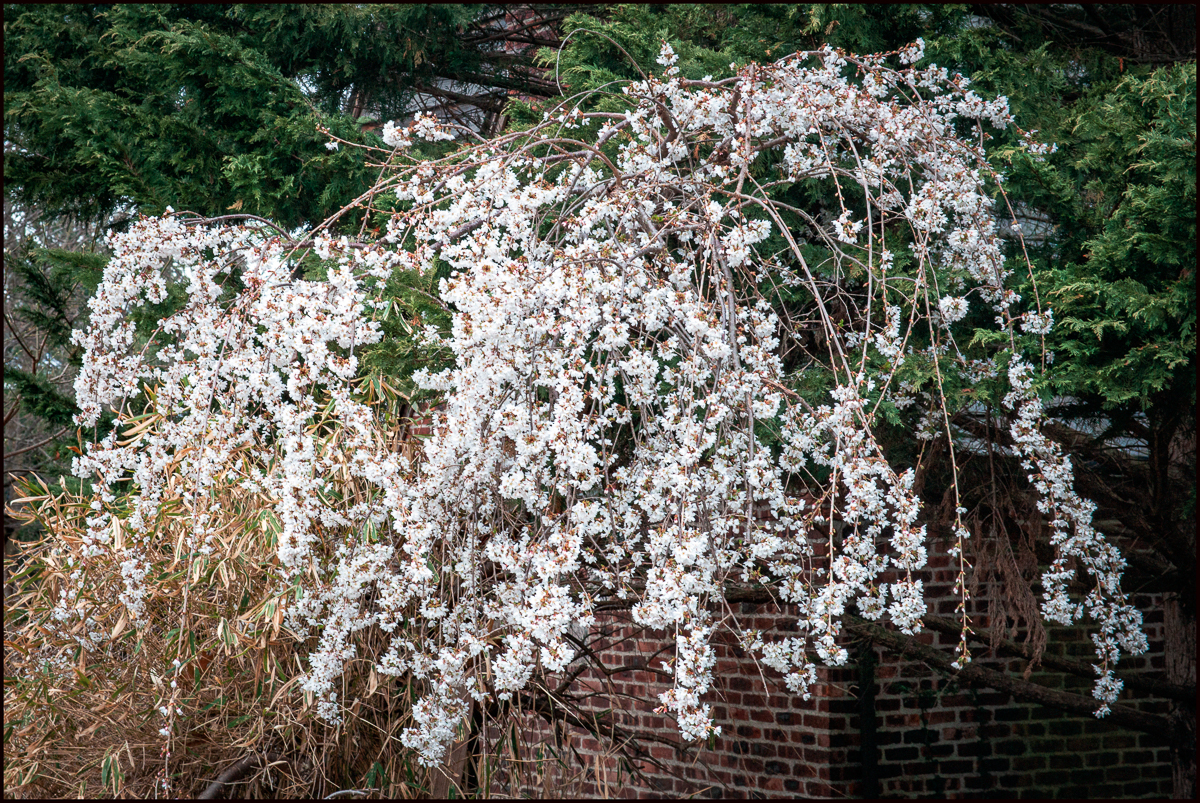
Blossoms.

Taken with a Canon EOS 5DII and Canon EF20-105mm f3.5-4.5 II USM

To the Rockefeller State Park Preserve and back. Part 1: The Park.

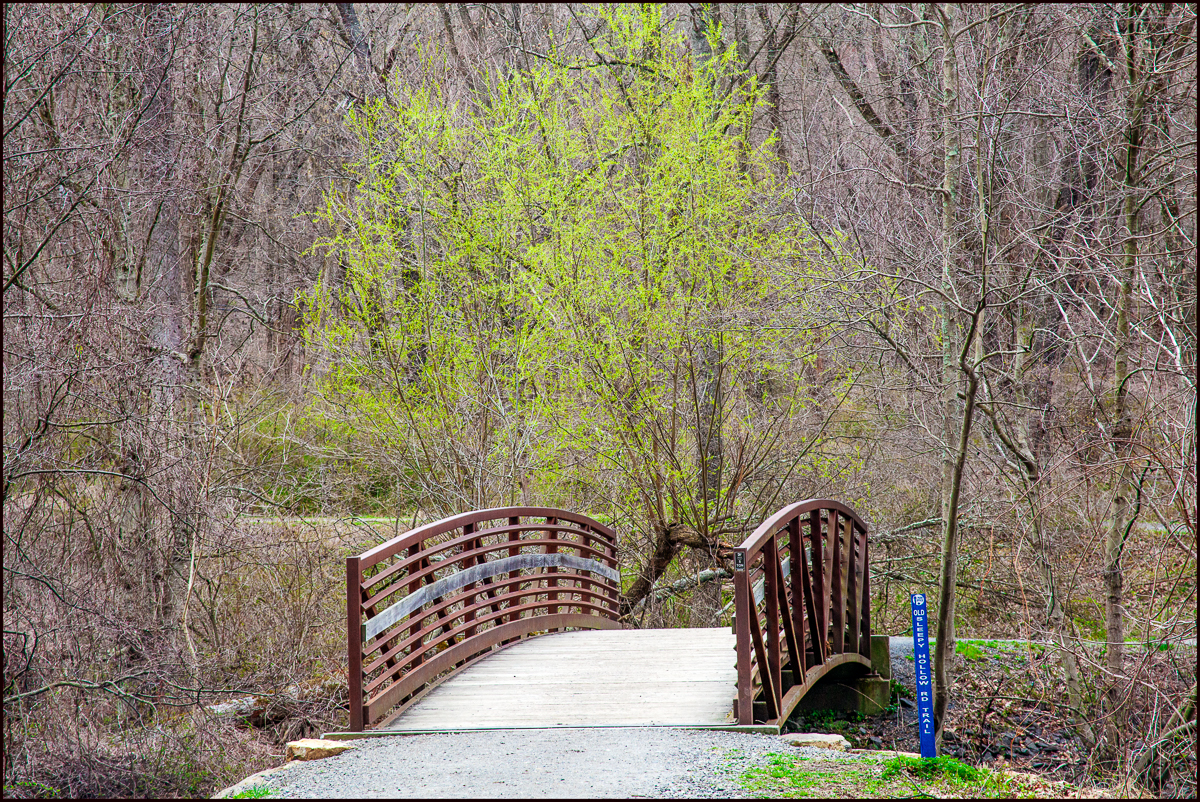
It was a glorious, sunny when I woke up so I decided to get out of the house and take a walk. Unfortunately the good weather didn’t last long. Pretty soon it clouded over and got quite dark and gloomy. The weather forecast even suggested rain. Still I’d decided to go out. I took the dog for a one hour walk around the neighborhood and after a brief rest on returning home I caught a ride to the Rockefeller State Park Preserve. On the way there I decided I would try to walk back to the house so I walked through the park, onto the Old Croton Aqueduct trail, along Route 9 and then up the hill along Scarborough Road back to the house. All told it took me about three hours. So including the walk with the dog I walked for about four hours in all. Above: Bridge over the Pocantico River. Although most of the trees were still bare, a few were starting to show leaves.


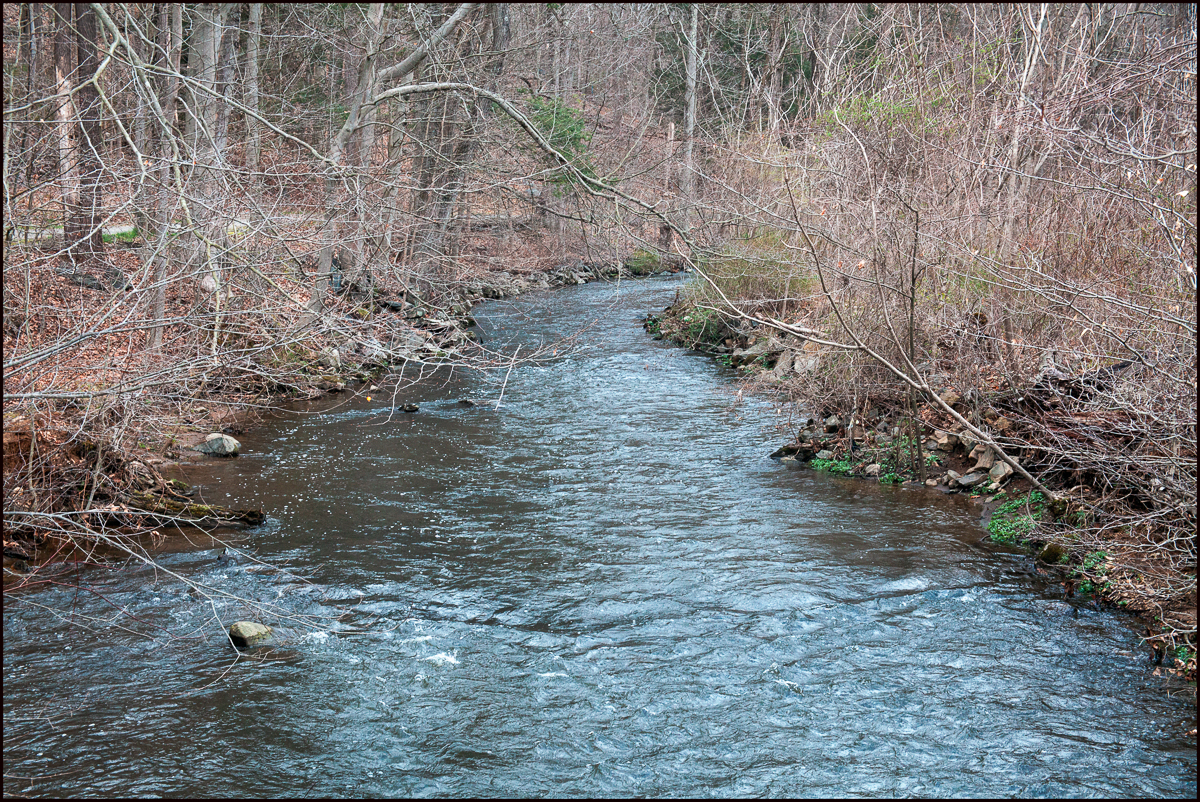
Pocantico River. We’ve had quite a lot of rain lately and it was in full flow.


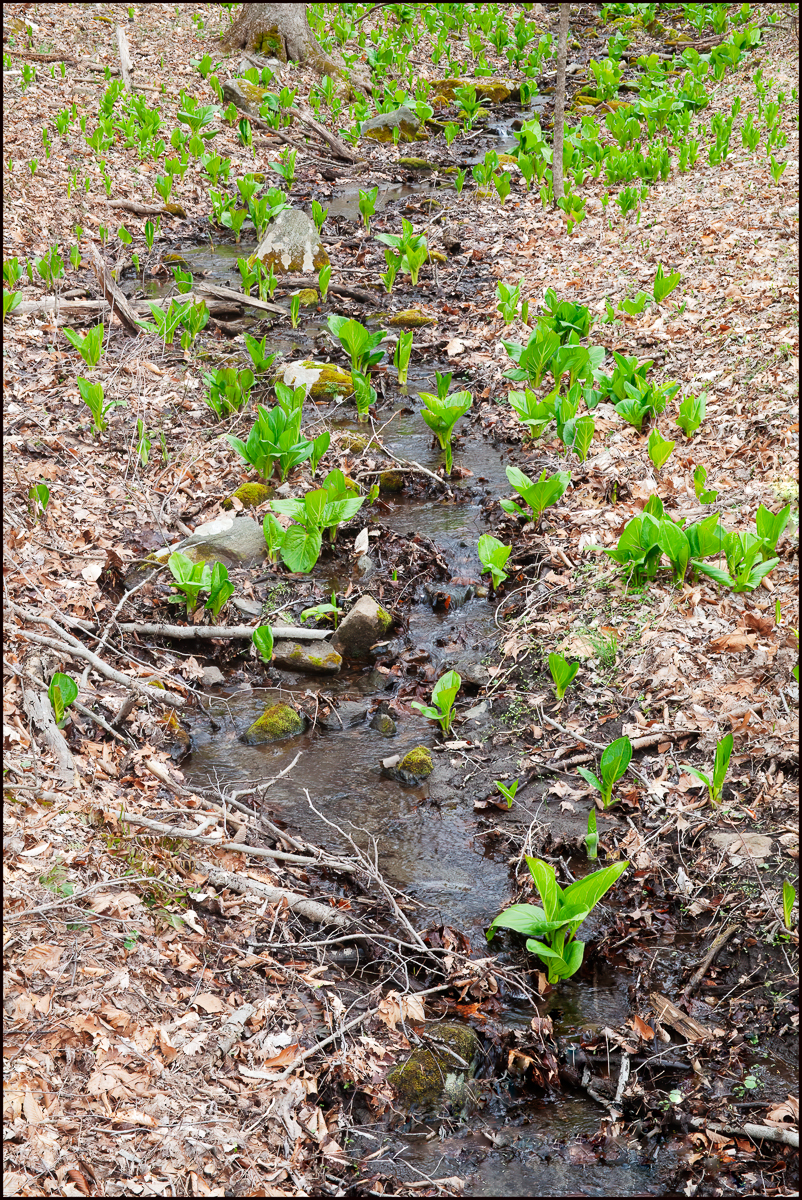
Skunk Cabbage (I think). A low growing plant that grows in wetlands and moist hill slopes of eastern North America. Apparently if you bruise the leaves they present an odor reminiscent of skunks. I can’t confirm this as I’ve never actually tried to bruise one.


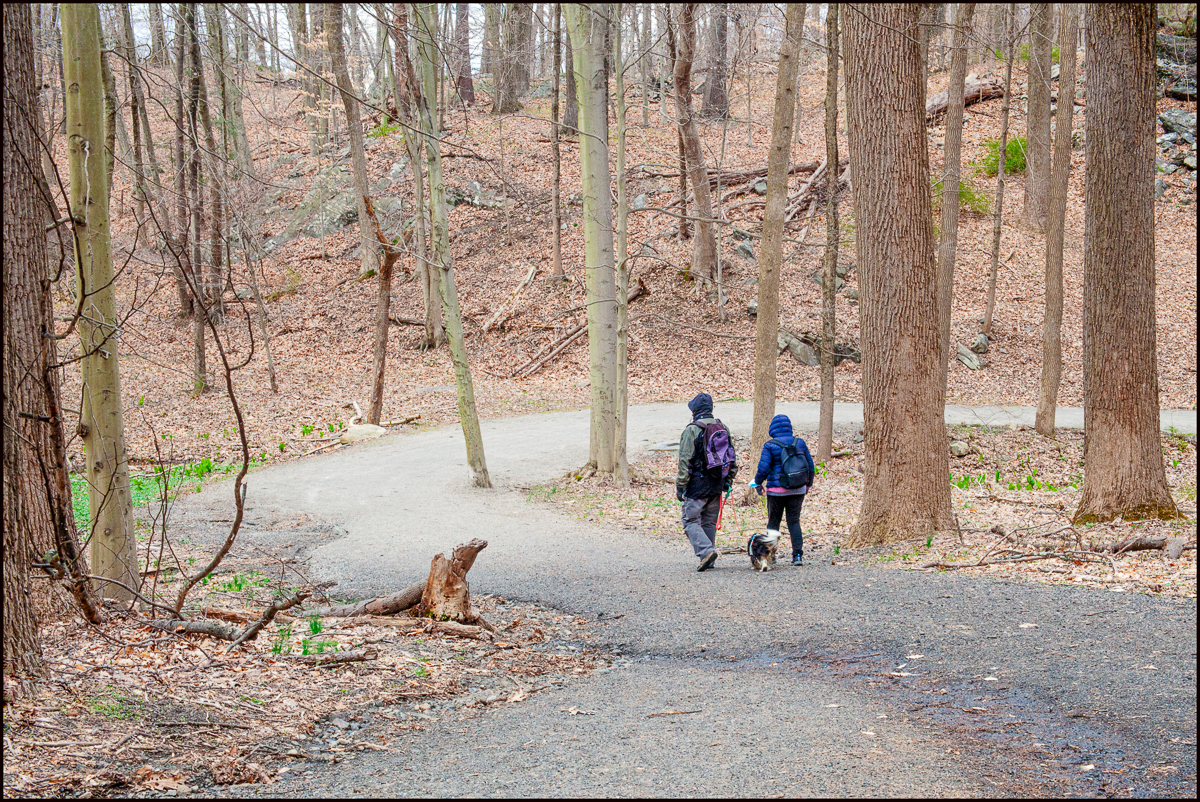
A pair of fellow walkers and their dog. I didn’t take Harley because he’d already had his walk and I was carrying a fairly large, heavy camera. It’s hard to control the dog and use such a camera at the same time.


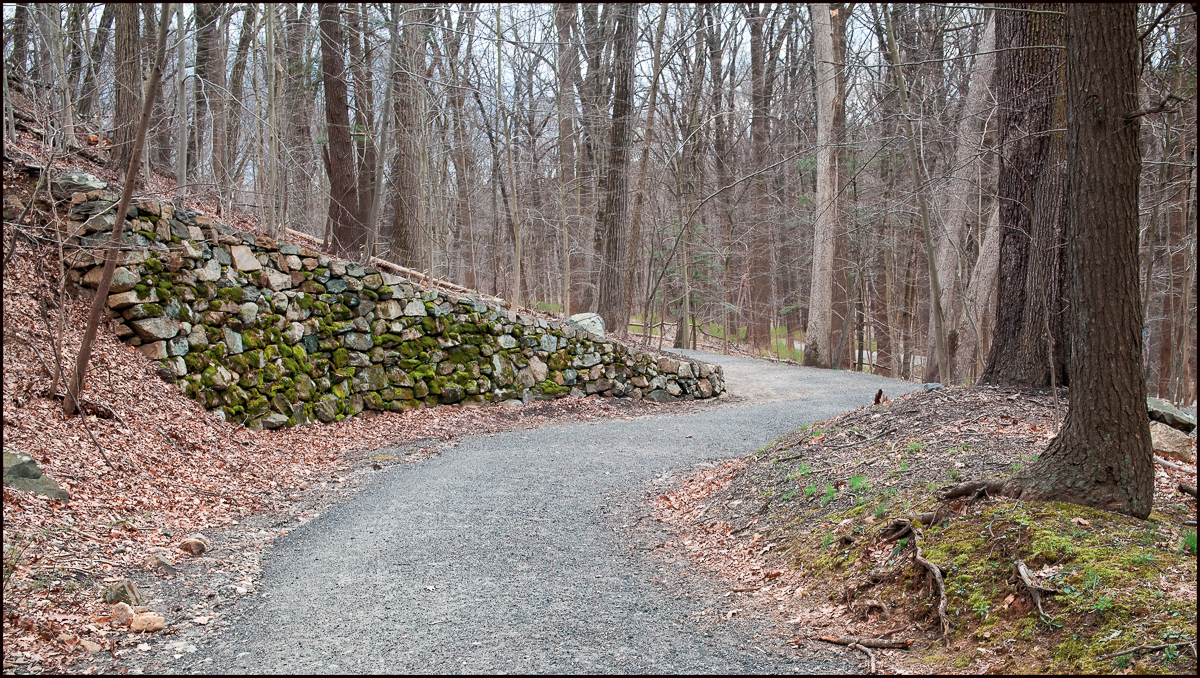
Stone wall.


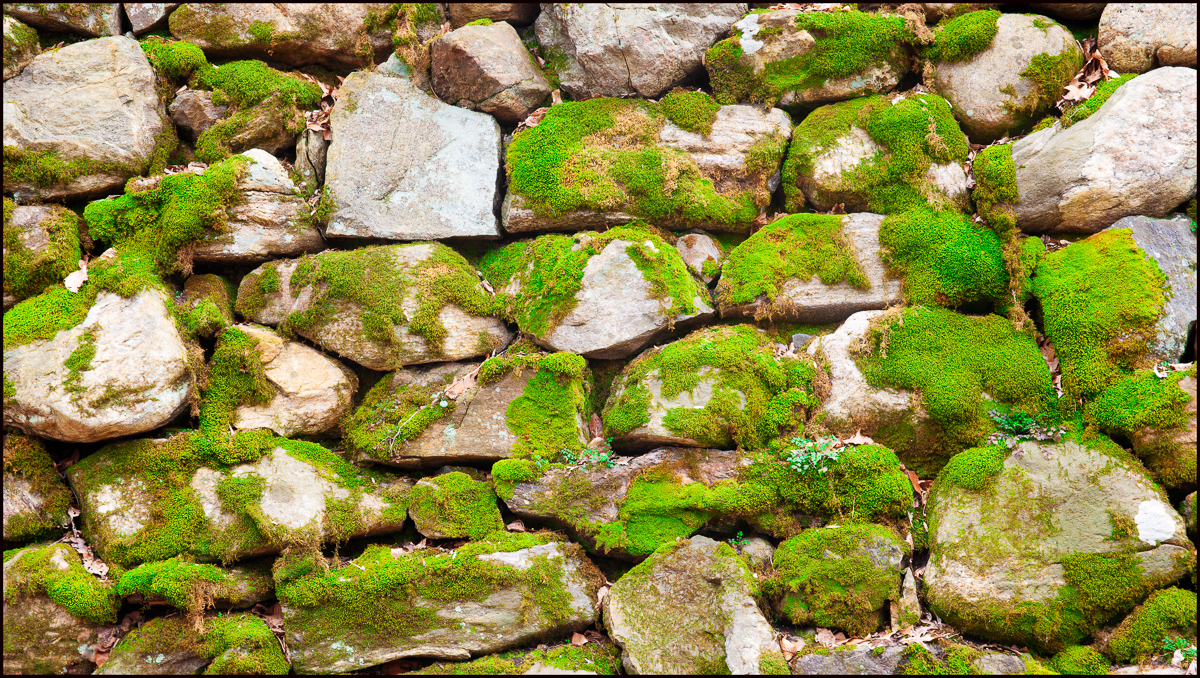
Mossy stones.


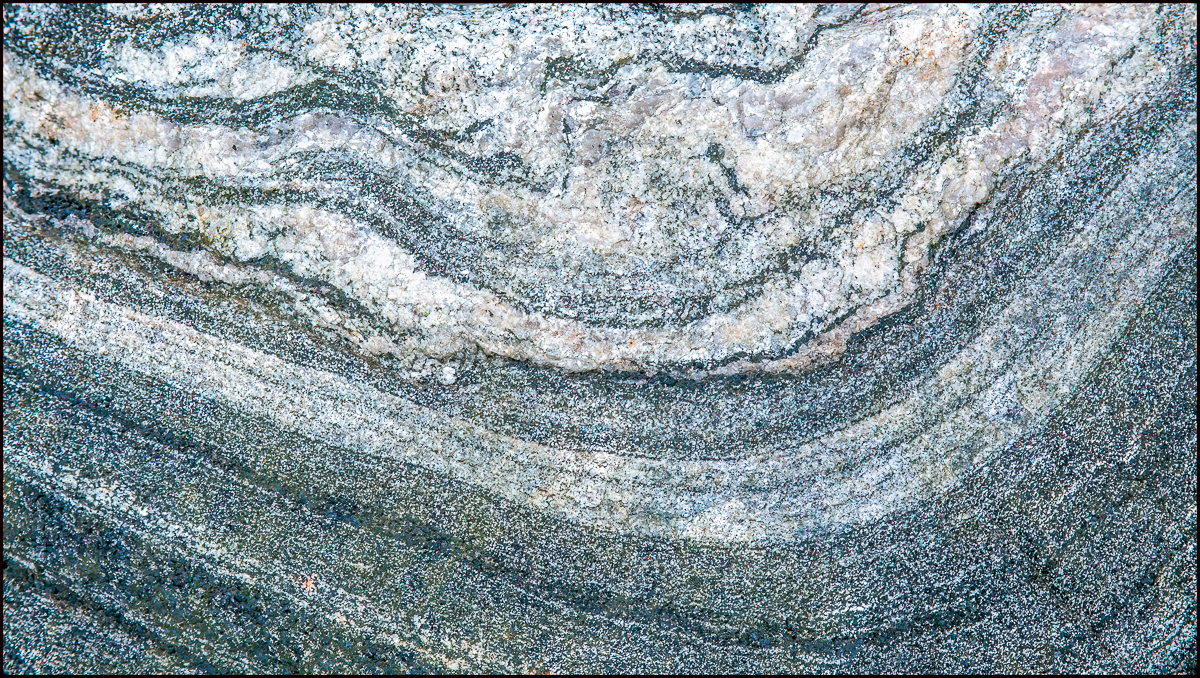
Patterns in stone

Taken with a Canon EOS 5DII and Canon EF20-105mm f3.5-4.5 II USM