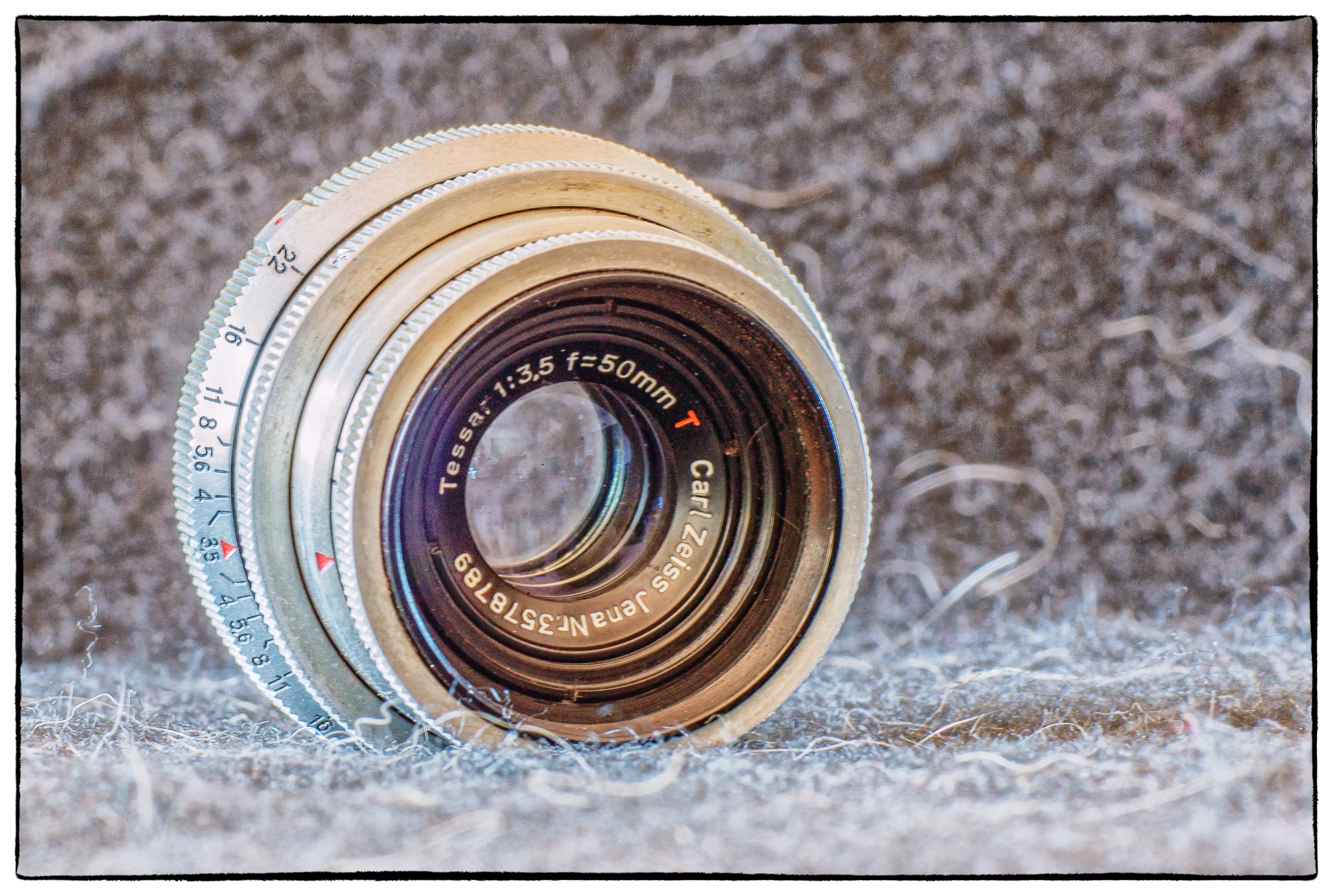
Carl Zeiss Jena 50mm f3.5 T Tessar

This came attached to an Exa (See:New Acquisitions – Exakta Varex/VX IIa and Exa August 10, 2015) that I acquired in 2015, but had never used. I decided to give it a try right after I had tried out the Ludwig Peronar I mentioned in an earlier post (See: Ernst Ludwig 50mm f2.9 Peronar). The two lenses are very similar, both in appearance and in size. But in most other respects they are light years apart. Where the peronar was extremely soft and difficult to focus, the Tessar is remarkably sharp.

It’s a solid, metal lens with four elements in three groups. Quite small (of course the adapter for the NEX makes it much larger. I’d guess about twice as large), it focuses down to about two and a quarter feet. It’s comfortable in the hand and smooth to focus. Apertures range from f3.5 to f22 without defined stop intervals. I also found the out of focus areas to be appealing and was impressed by the color rendition.

I really liked this lens. It’s still on my NEX.

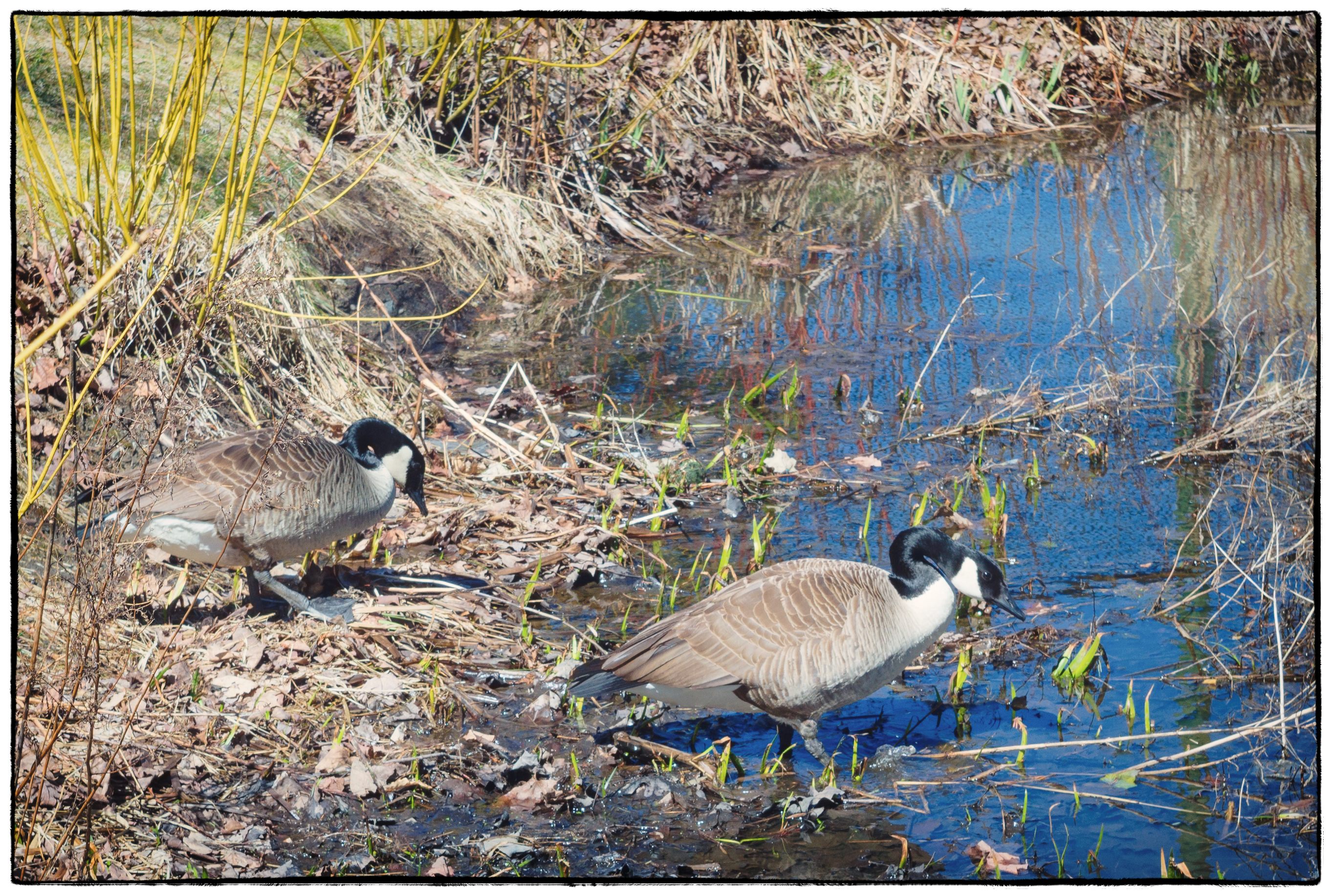
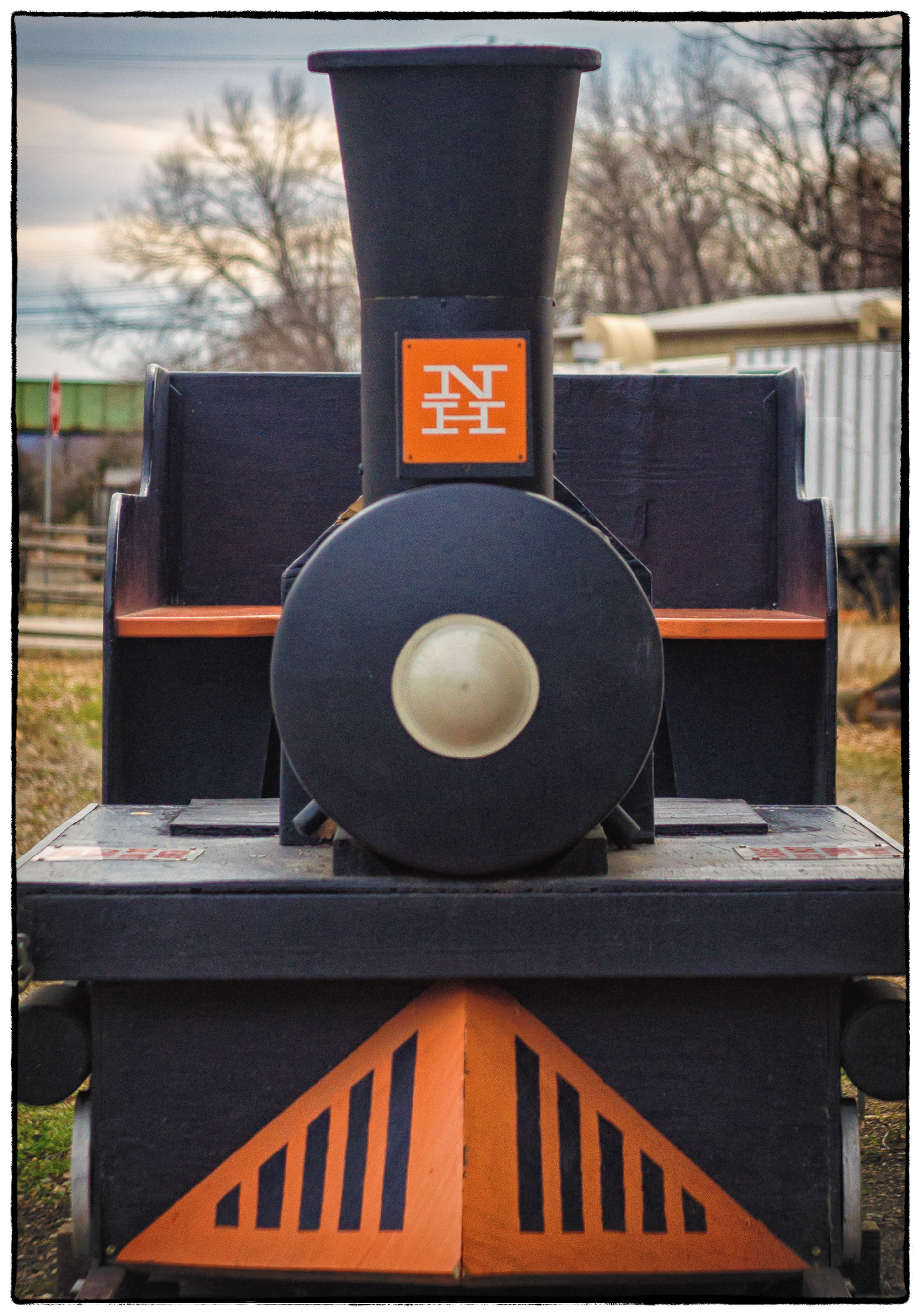
Taken with the above lens on a Sony NEX 5N.

Arthurium and blue and white cat.

Geese.

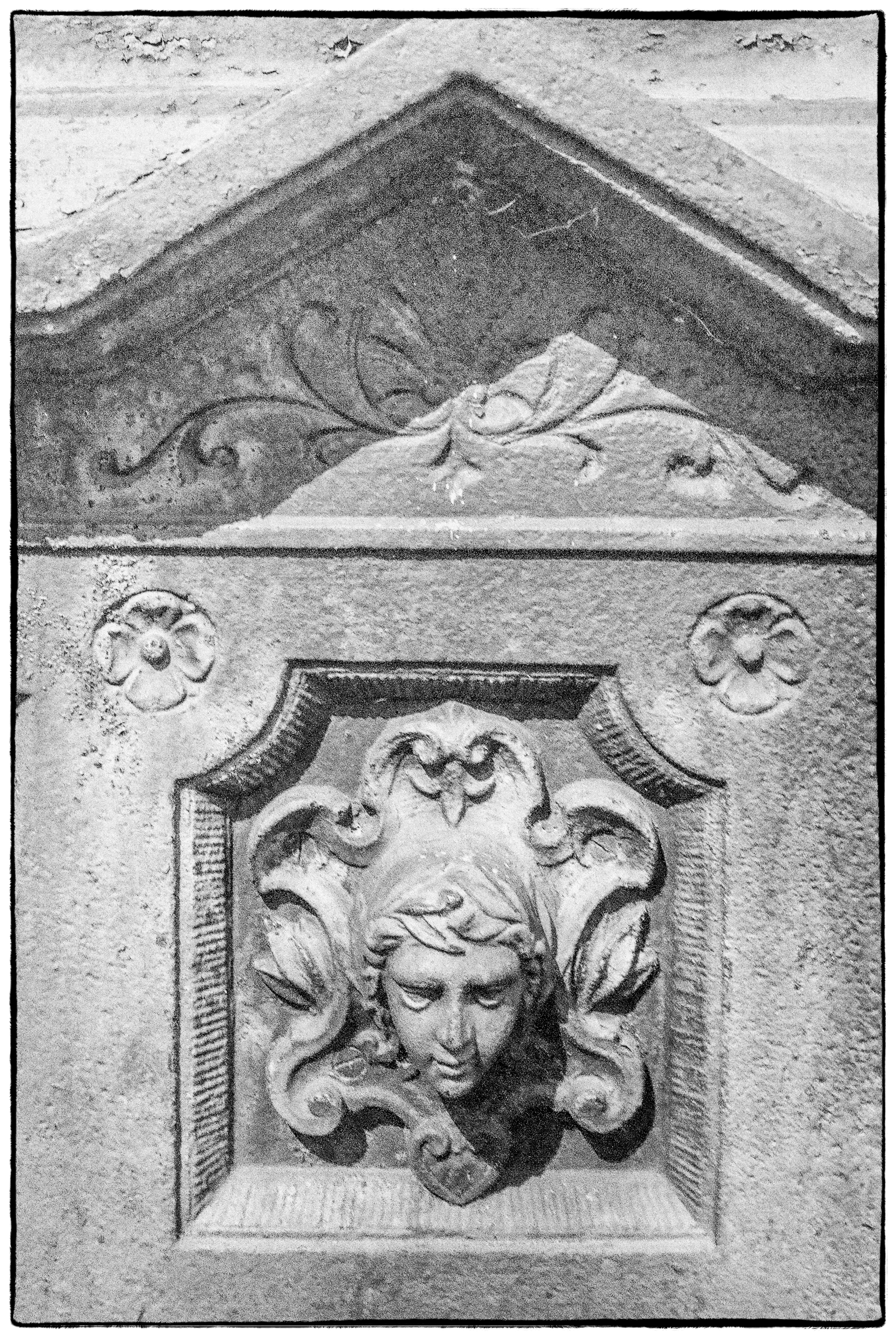
Old Trunk.

Model Locomotive.

For other posts related this lens see:

Hopewell Junction Depot
Vernal Pond
Lichen
Blue and Red Hydrant
First Day of Spring

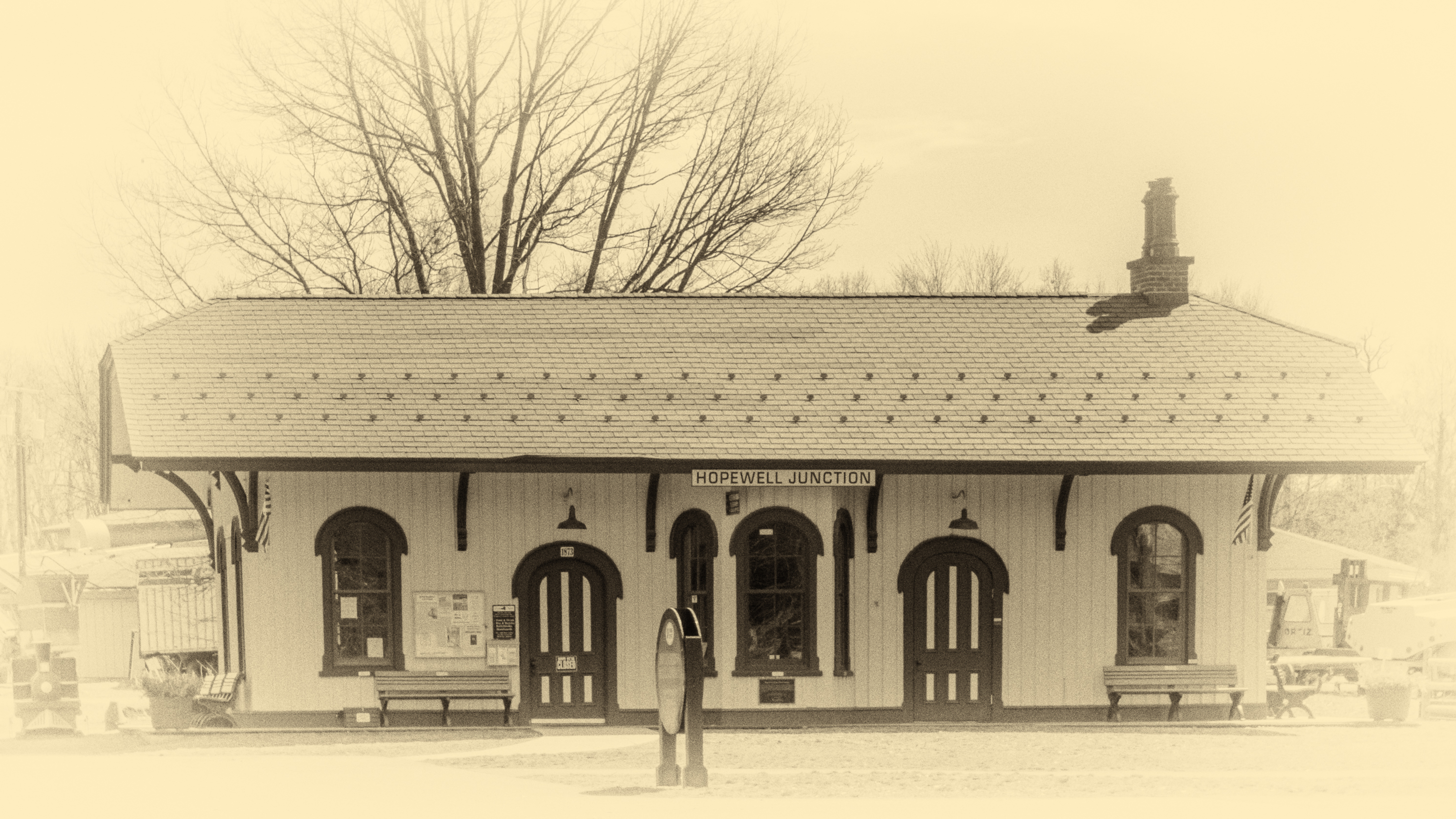
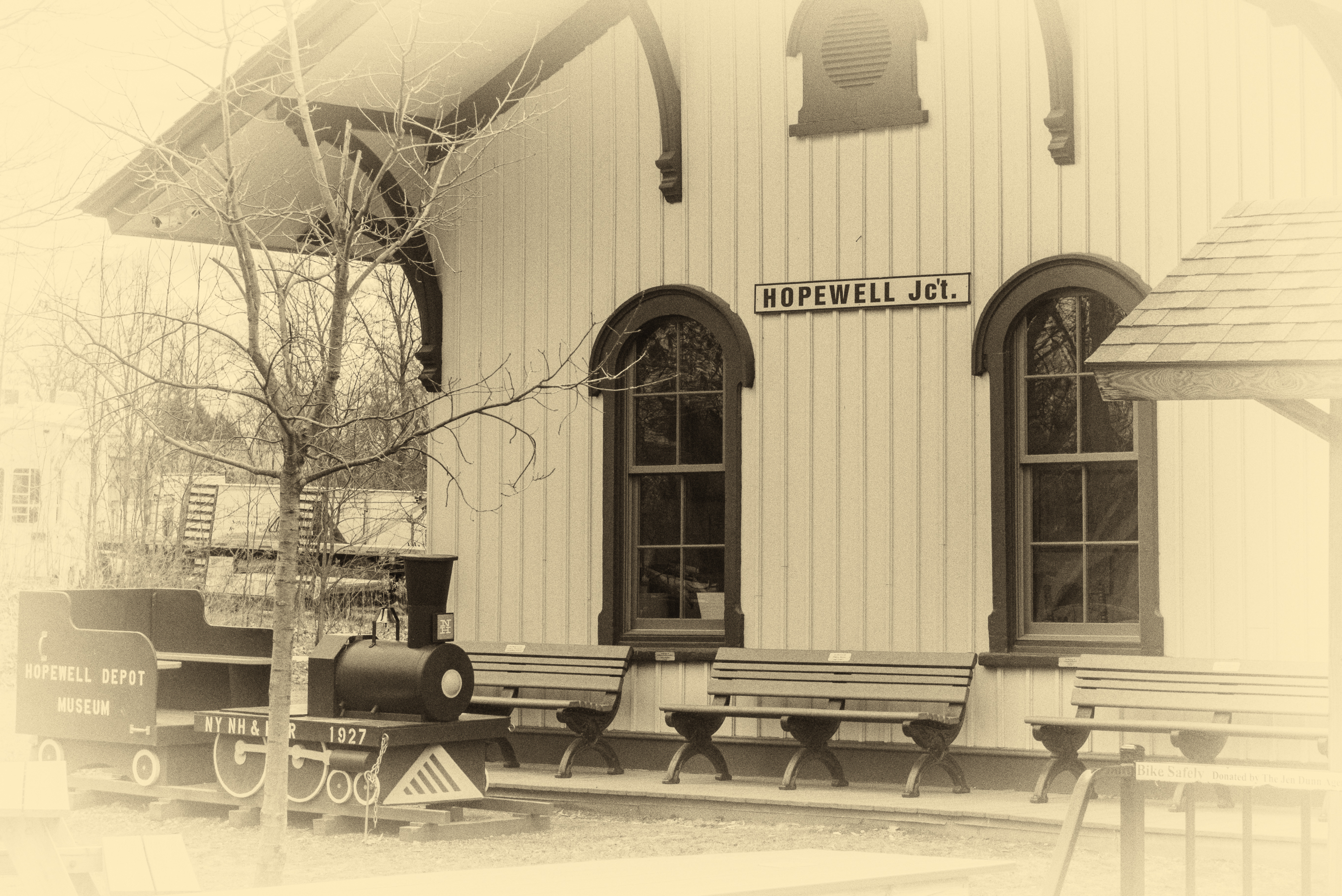
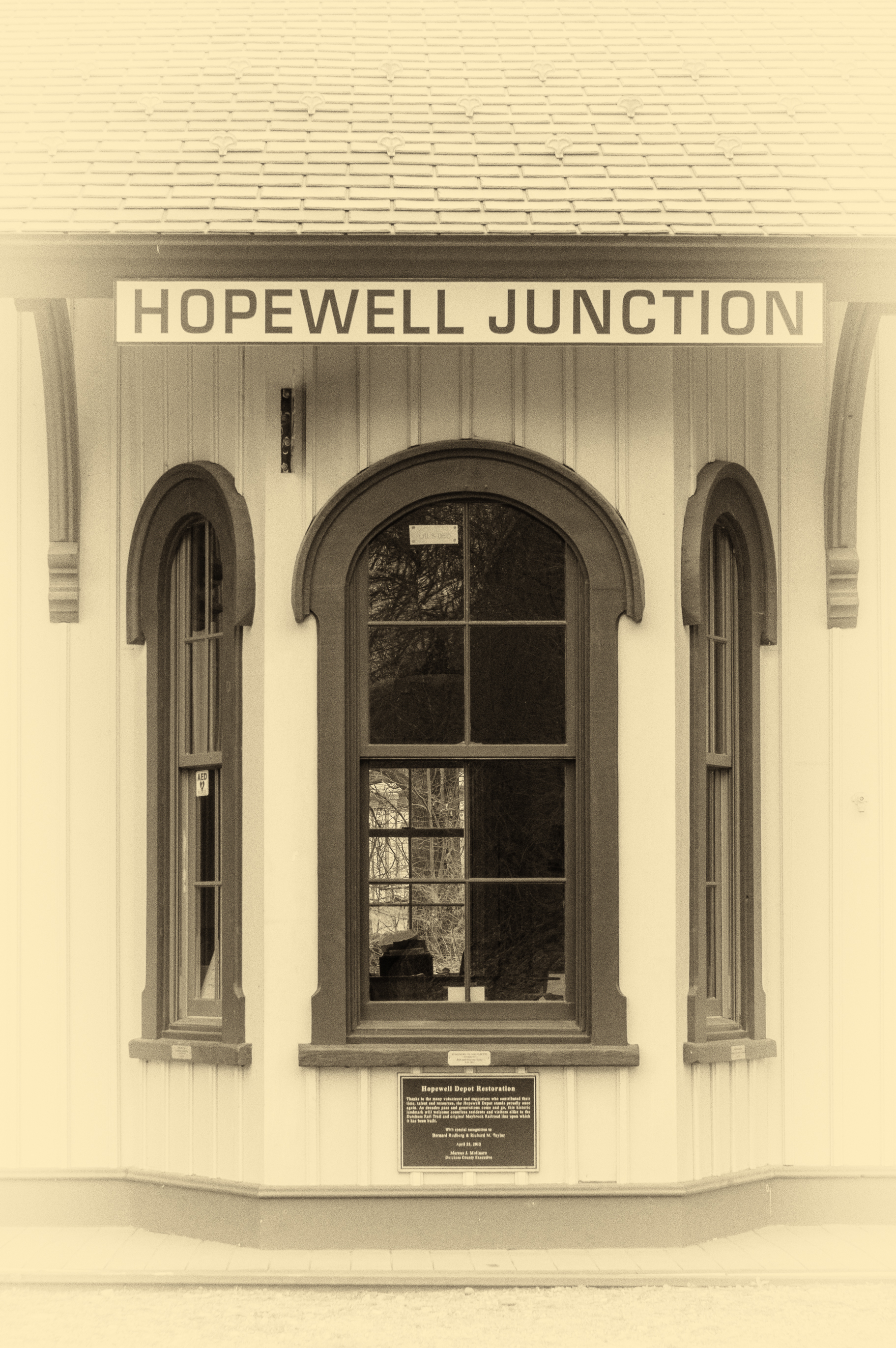
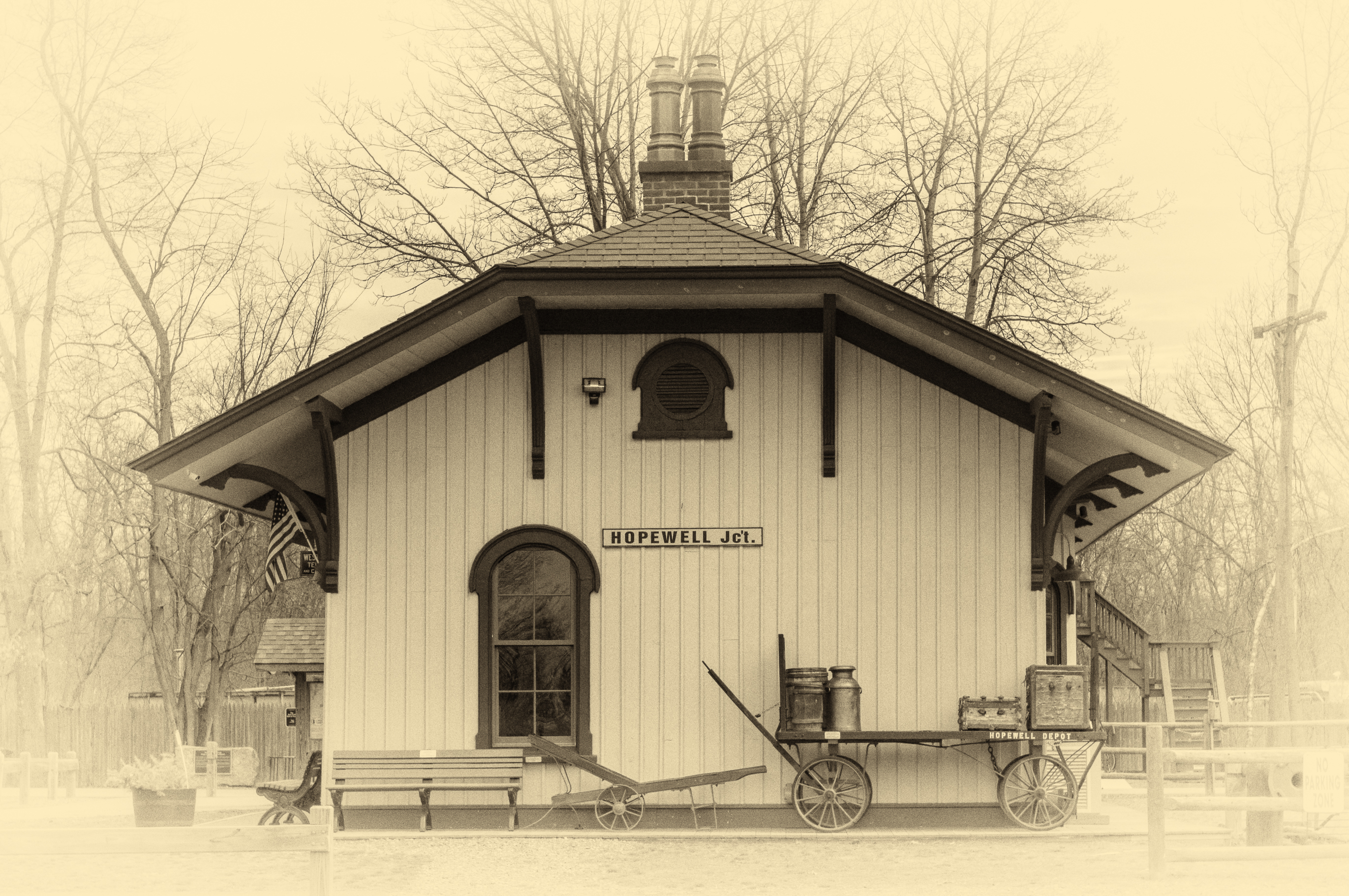
Hopewell Junction Depot

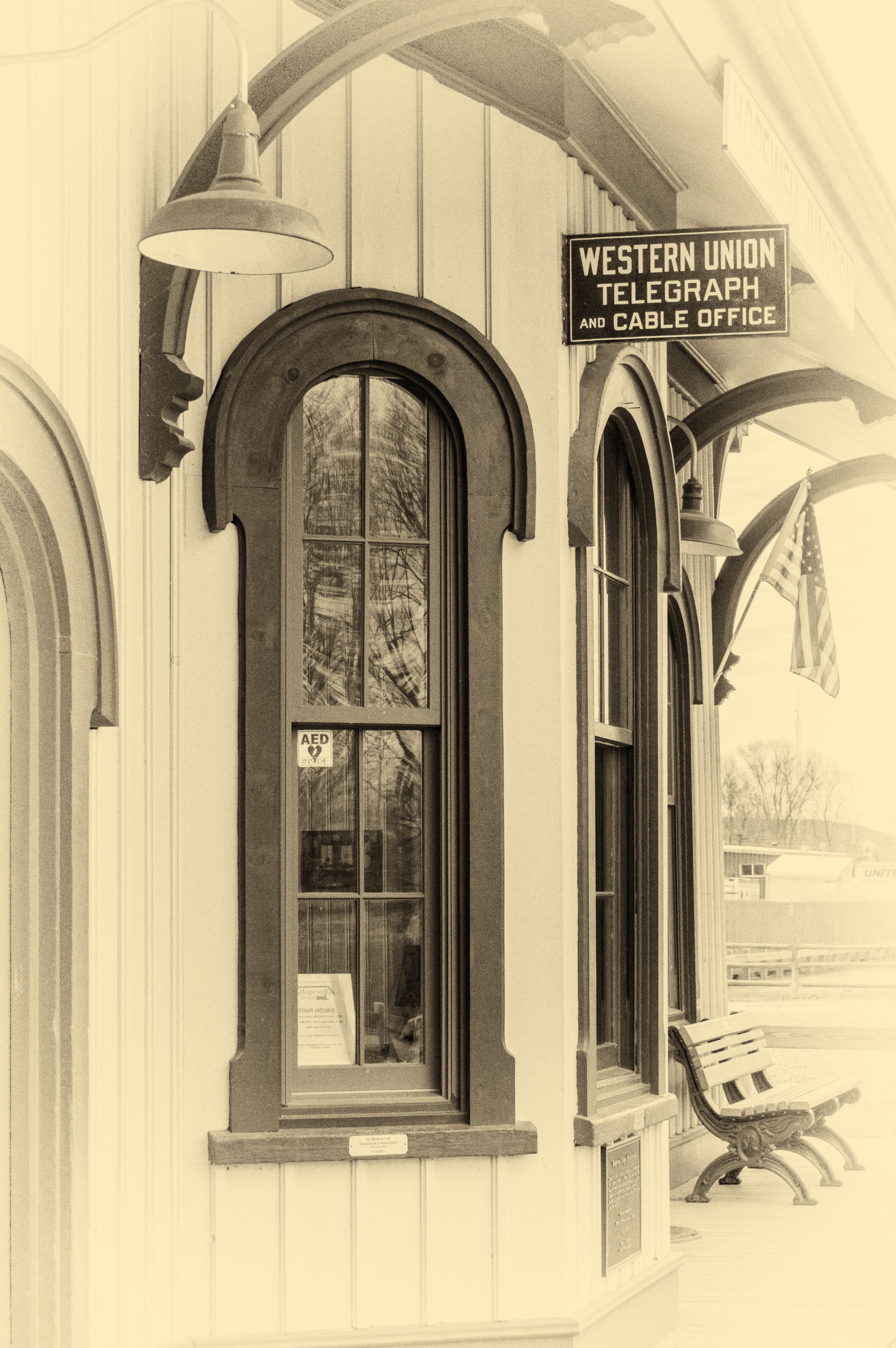
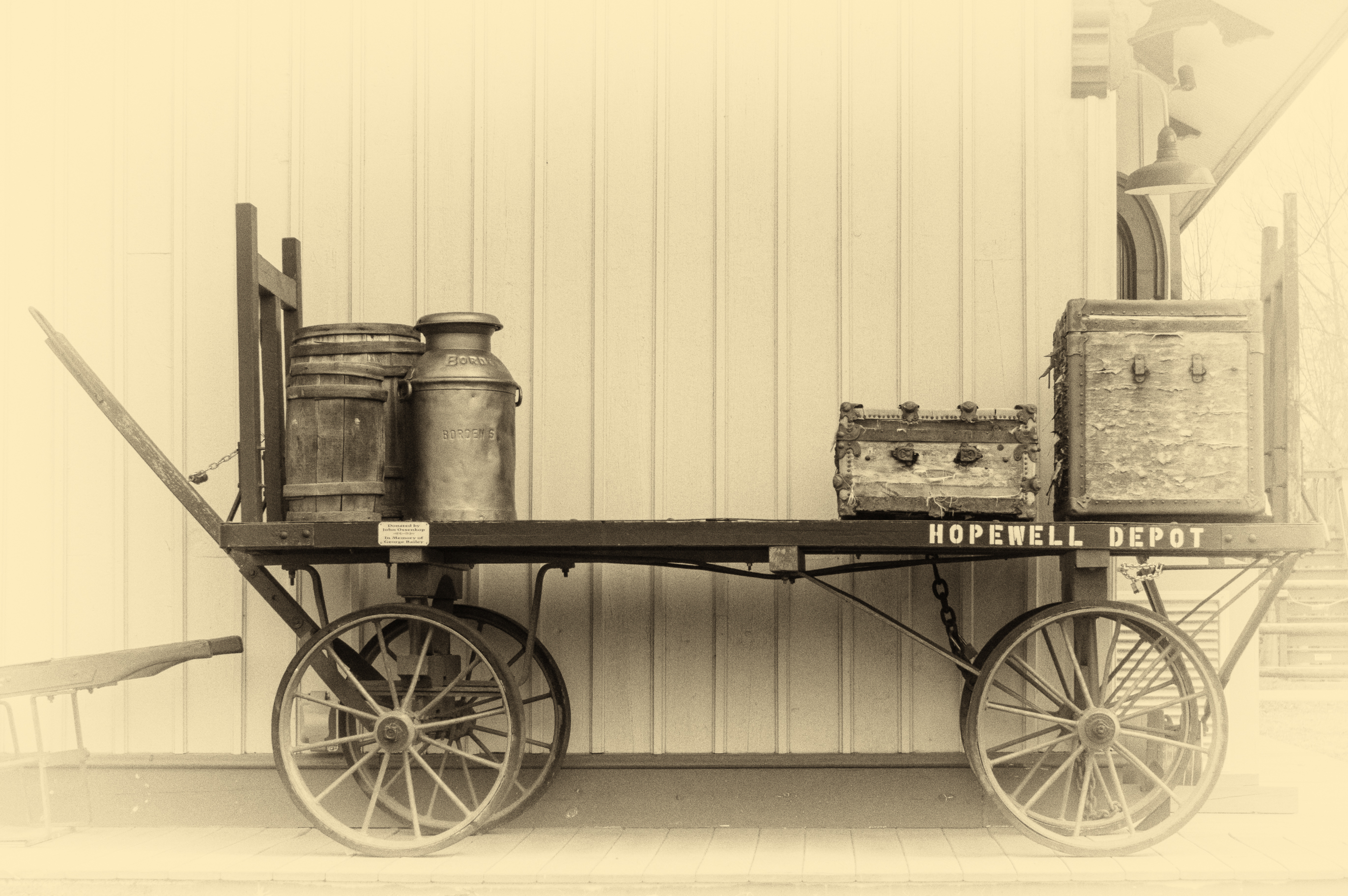
I came across these old photographs of the Depot at Hopewell Junction. I could tell that they were old because Anthony Musso in his book Hidden Treasures of the Hudson Valley Vol. II mentions that the original depot originally had doors with rounded tops. Apparently it was hard to insulate properly so all but one were replaced with square topped doors. In the pictures you can clearly see that the doors all have rounded tops so the pictures must pre-date the change. Right?

Actually no. I took these pictures about a month ago and decided that this “aged” look was appropriate. Mr. Russo’s book is now a few years old and it seems that the restoration efforts have proceeded well, with the doors having been changed back to their original tops. For additional information on the restoration efforts see here.

For a good, short, illustrated history of the depot see here.

The depot is now a vistor’s centre/museum located at the beginning of the Dutchess County Rail Trail. I’ve walked on a number of these converted rail trails and don’t usually like them. They’re also used by cyclists who go whizzing by at high speed, often without giving you any warning that they’re coming. This one is, however, different: The old railway had two tracks so there was room to separate the walkers and the cyclists. In fact there are two trails: one of packed earth for walkers and another one paved for cyclists so there is no likelihood of collision.

Taken with a Sony Nex 5N and Carl Zeiss Jena 50mm f3.5 T Tessar

Canon Eos 650 – Results

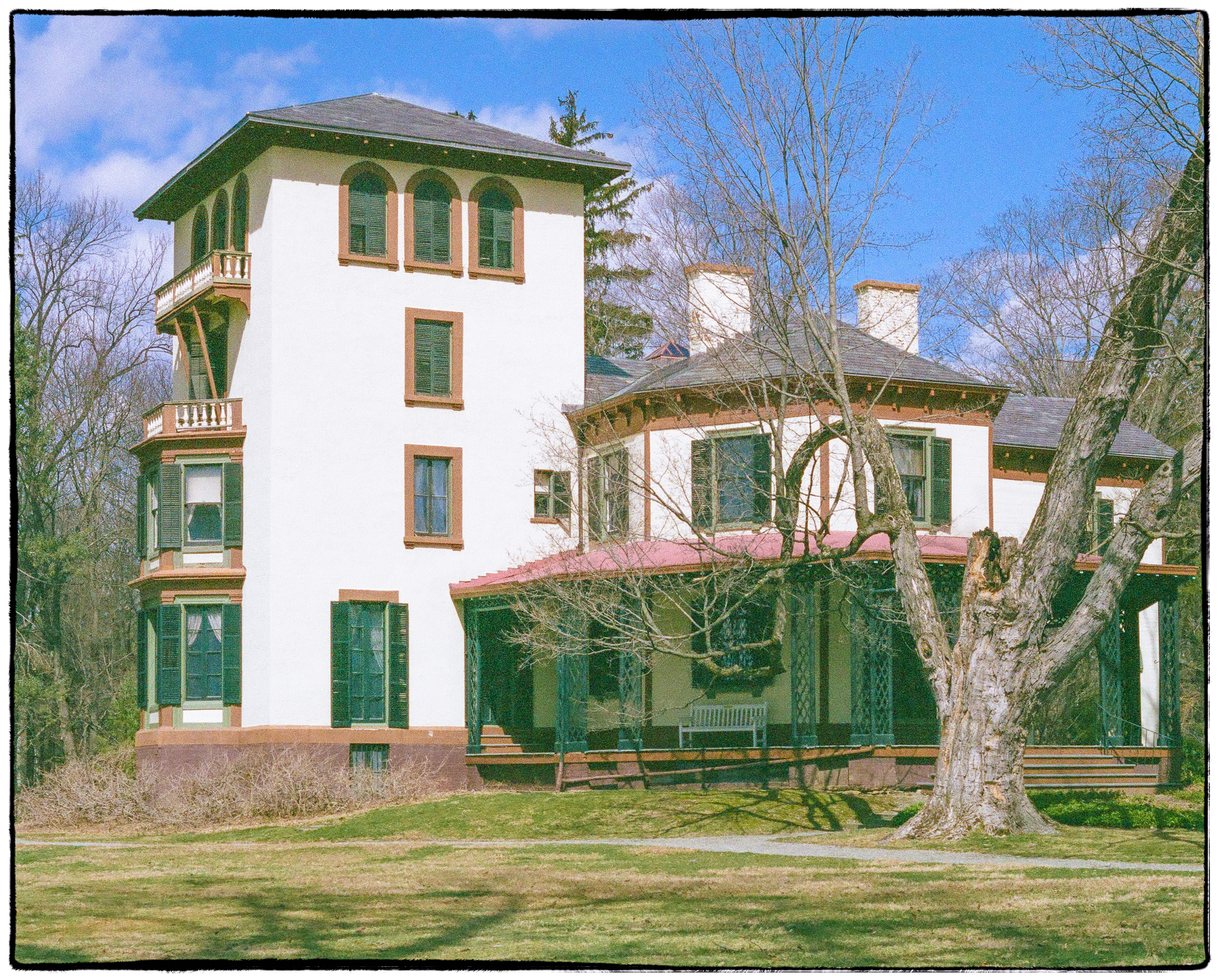
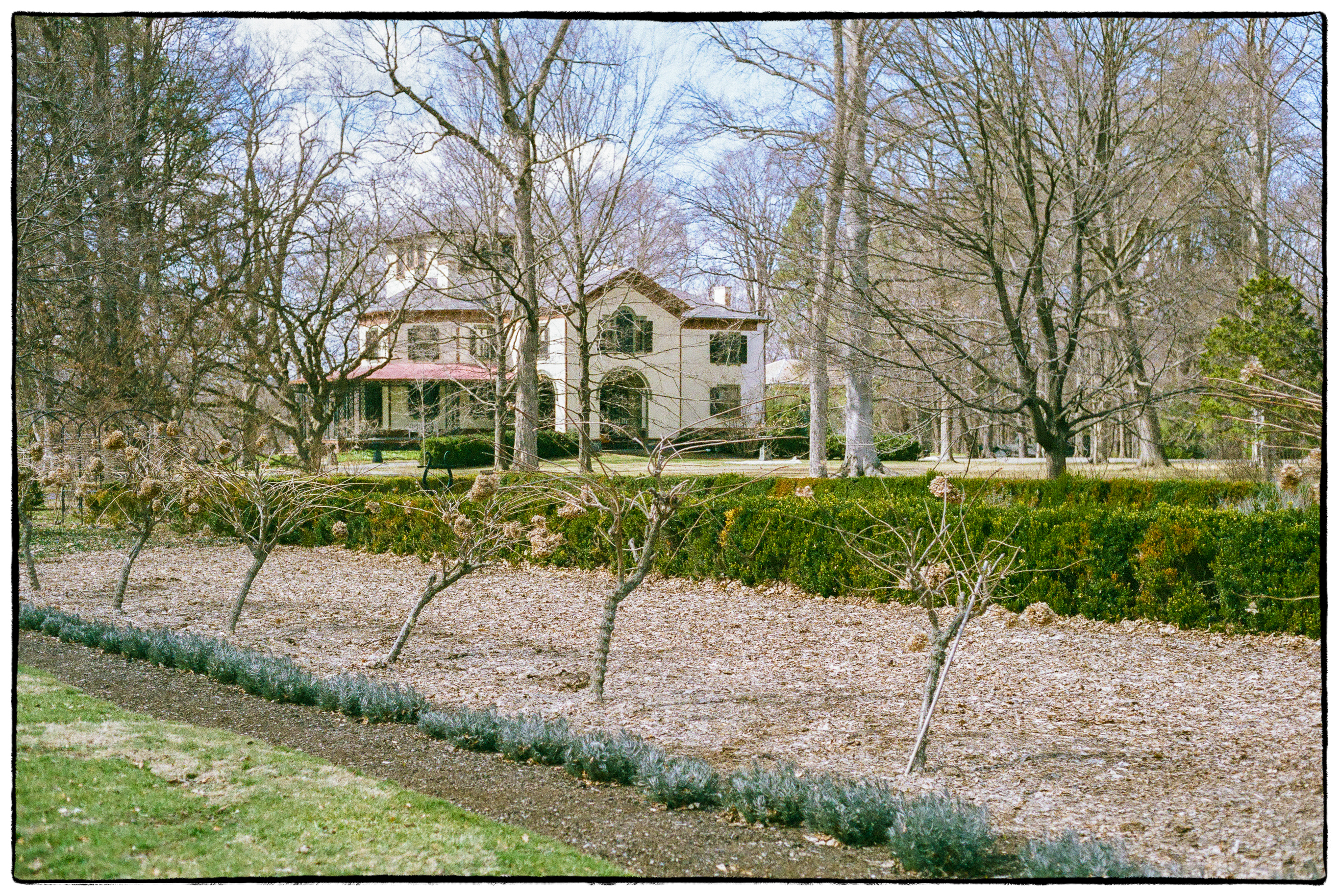
Here a few results from my March Film camera: a Canon EOS 650 with Canon EF 50mm f1.8. The pictures were taken at Locust Grove, the former home of Samuel F.B. Morse the renowned inventor, and unknown to me until our visit accomplished painter (particularly of portraits). Above is the house. I also took along a digital camera so I’ll say more about the house when I post those pictures. I used a very old (I don’t recall exactly how old, but definitely many years old) roll of Agfa Vista 200 that I had lying around.

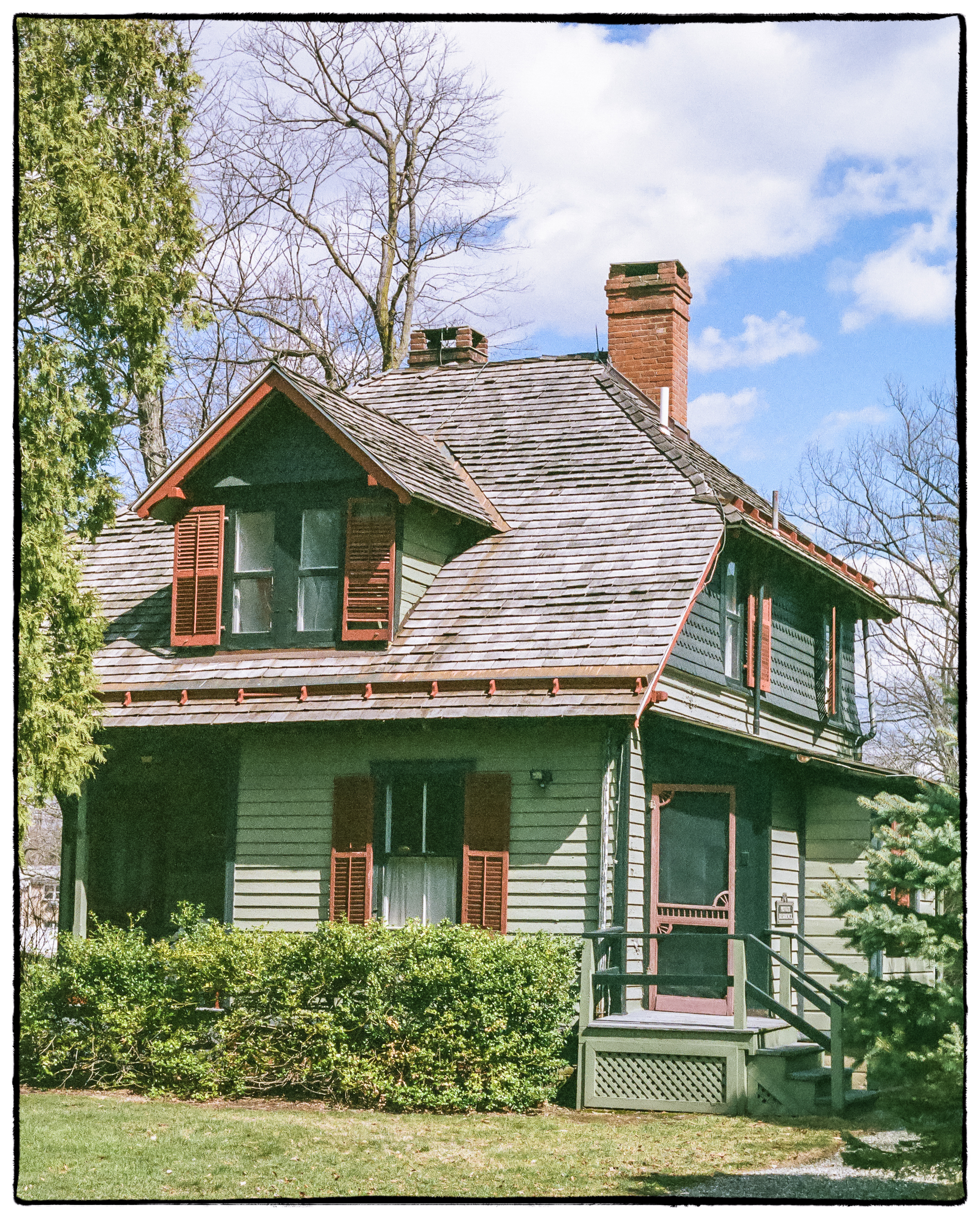
The Caretaker’s Cottage.

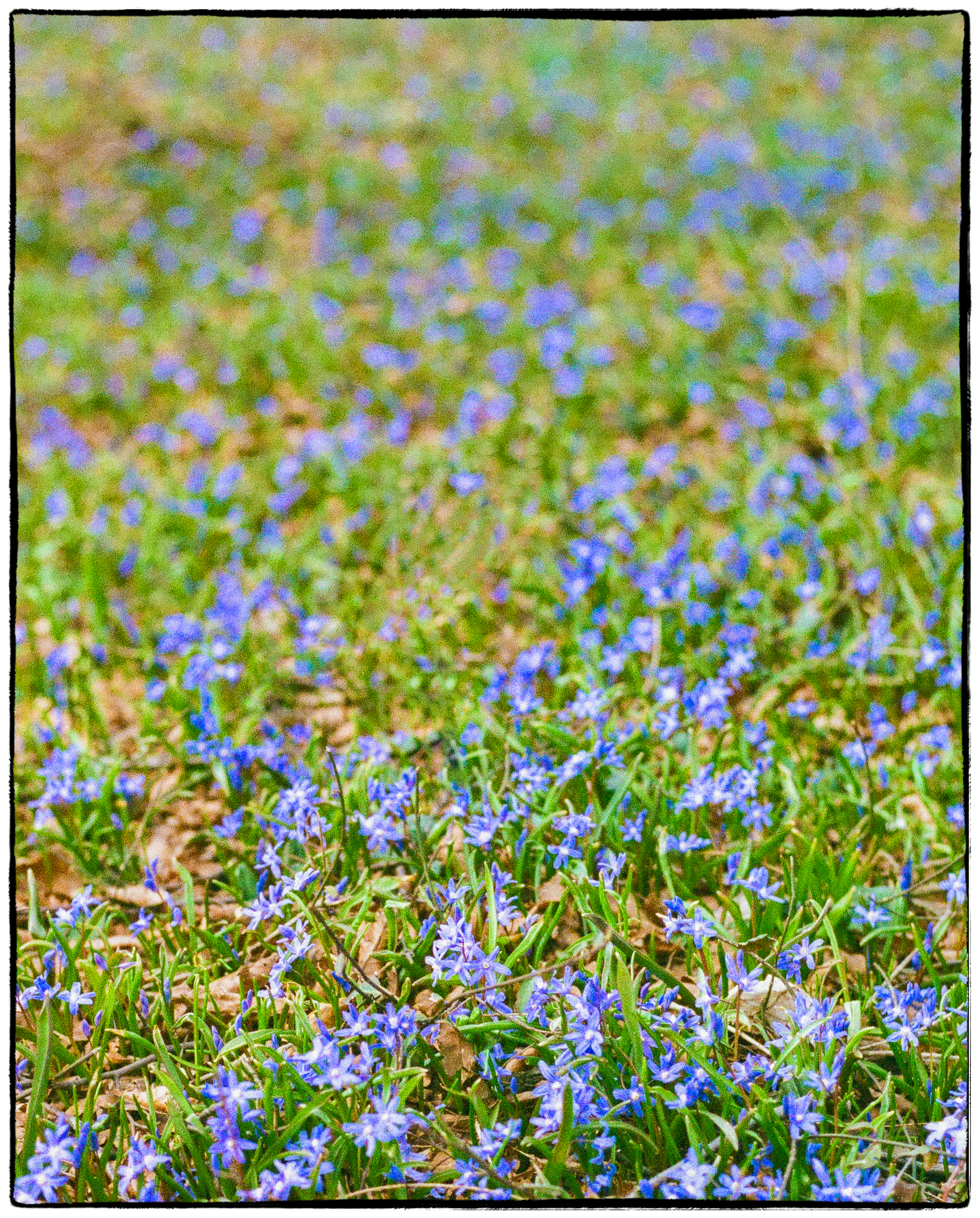
Blue flowers. These were all over.

View of the house from the gardens. Here I tried the “Depth” mode where you set the closest point you want to be in focus, then the farthest point and the camera selects the optimal aperture to achieve this. I’ve read that this was also available on the EOS-1N, but I can’t recall seeing it on any non-Canon camera. It seemed to work.

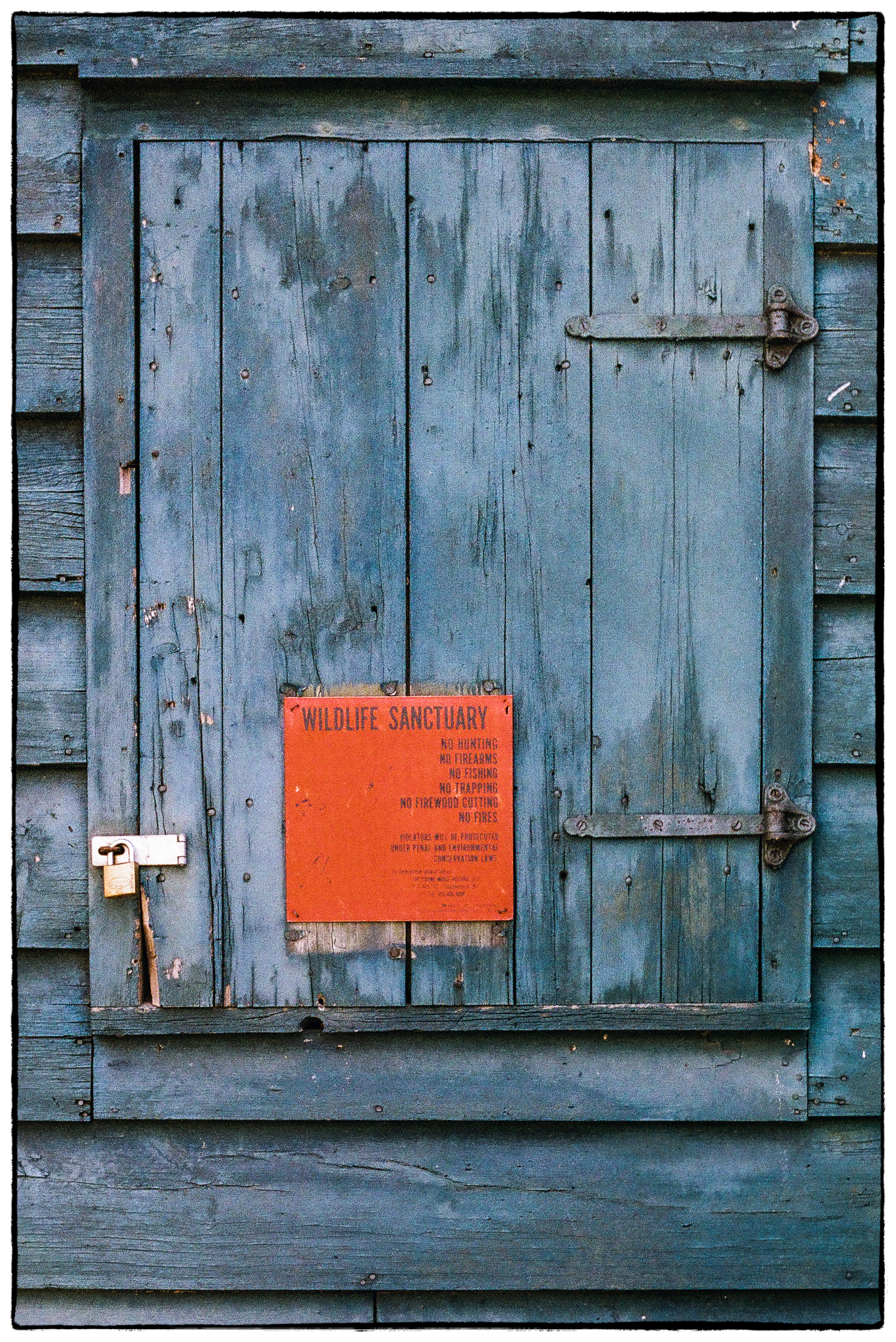
Barn Door

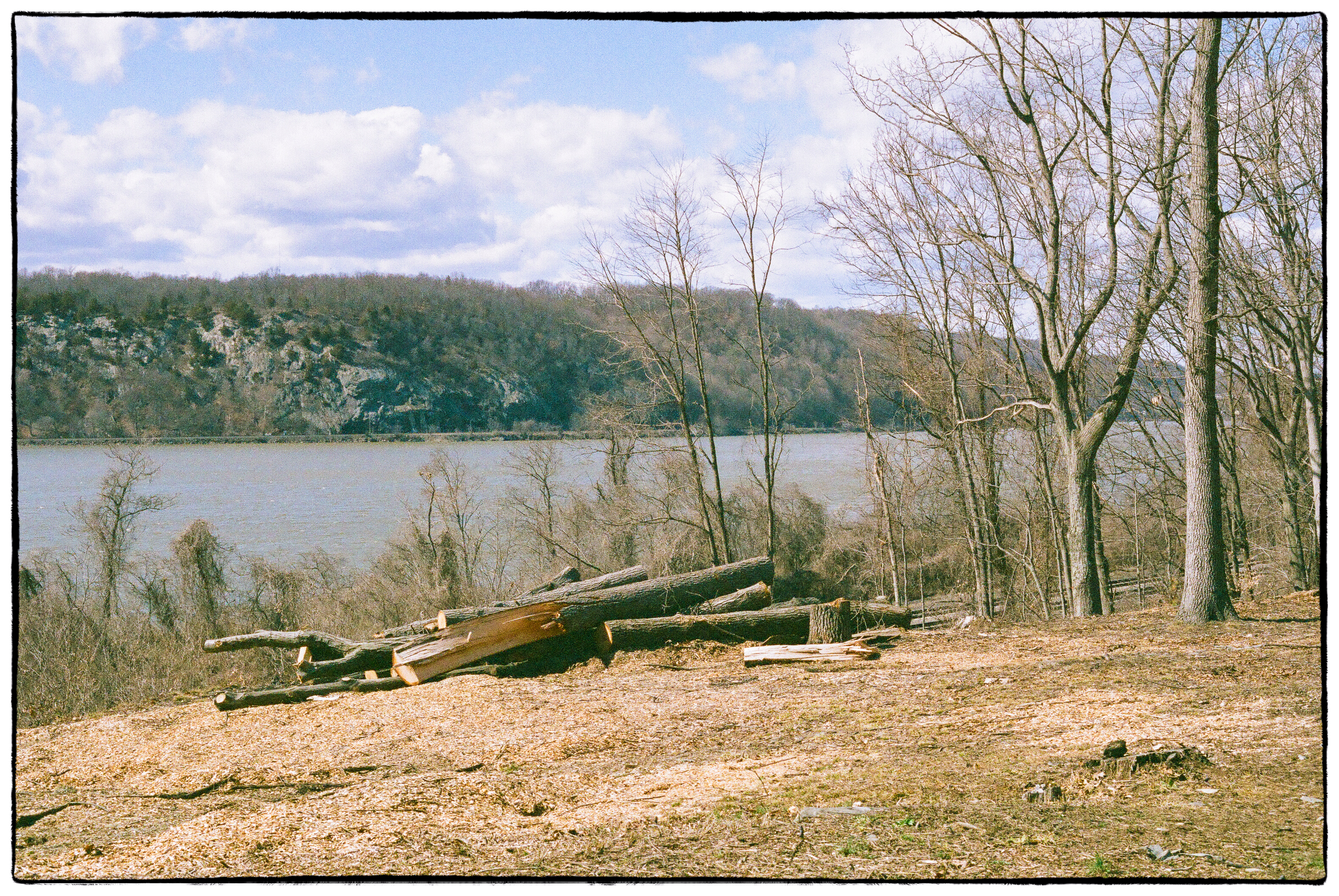
Hudson View

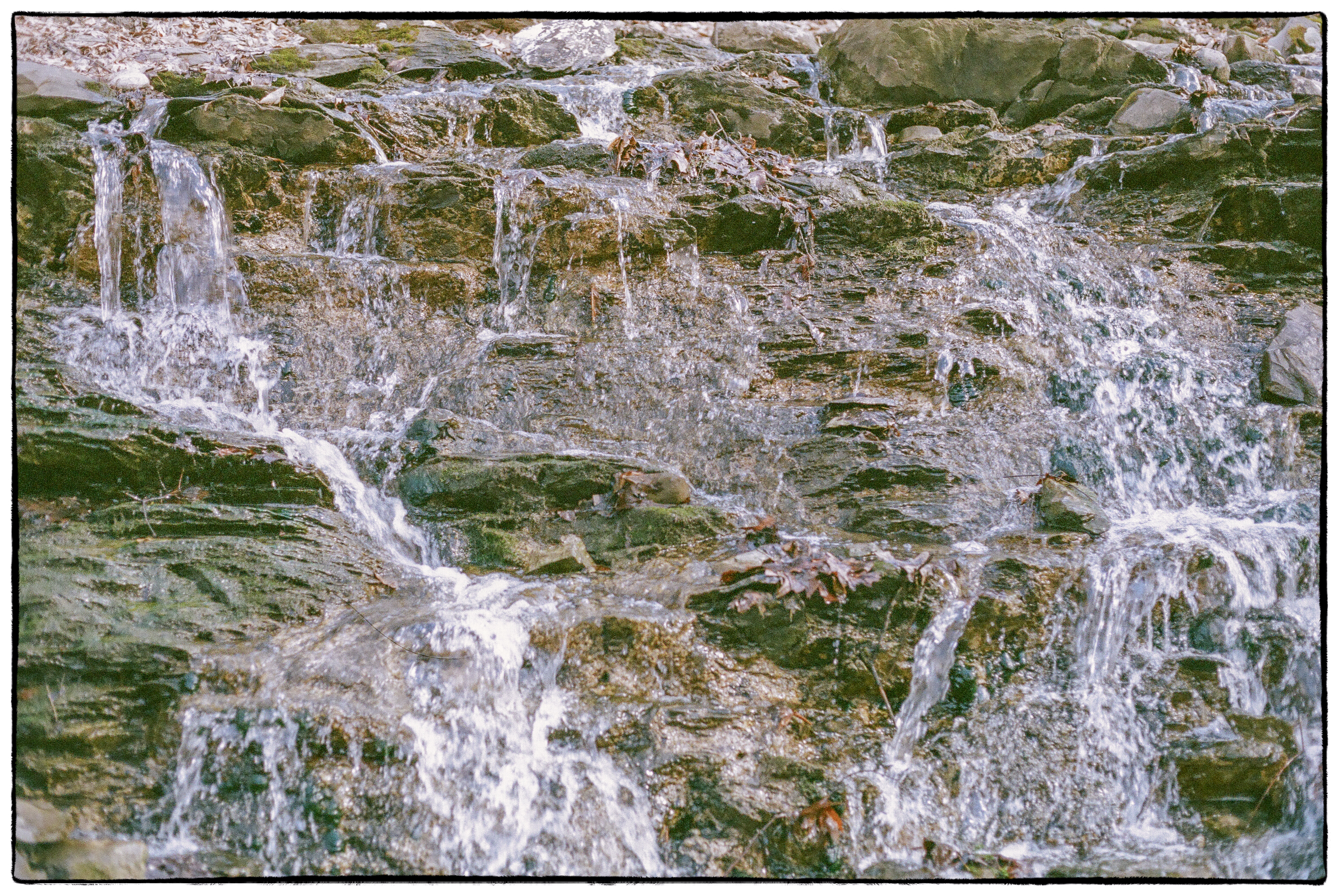
Cascade

I enjoyed using the camera. It feels solid and reliable and the fairly minimal set of controls were easy to use. Focus was fast enough for my needs. I read on the internet somewhere (unfortunately I can’t remember where and I can’t seem to find it again) that the camera does not rewind automatically and that you have to manually press a button to get it to do so. This is definitely not the case (although there is a button that you can press to rewind mid-roll if you wish). Mine kept on until the end of the roll and then rewound automatically. It’s quite noisy when it rewinds. For my type of photography it doesn’t much matter, but if you wanted to remain unobtrusive (e.g. at a wedding, during a performance etc.) this would be a definite disadvantage.

All the pictures I took had something of a green cast. I suspect this is because of the ancient film I used. One of these days I’ll try a new film and see what I get.

It’s a lot of fun to use, with nothing to get in the way of the photographic experience.