To the Rockefeller State Park Preserve and back. Part 2: Along the Old Croton Aqueduct Trail

To the Rockefeller State Park Preserve and back. Part 2: Heading for home along the Old Croton Aqueduct Trail. For anyone who doesn’t know what the Old Croton Aqueduct is, it was built between 1837 and 1842 and was New York City’s first water supply system. It replaced the inadequate wells, springs, and ponds used until then. Drawn from the Croton River in Westchester County, the abundant clean water helped fuel a population boom and remained in service until 1958.

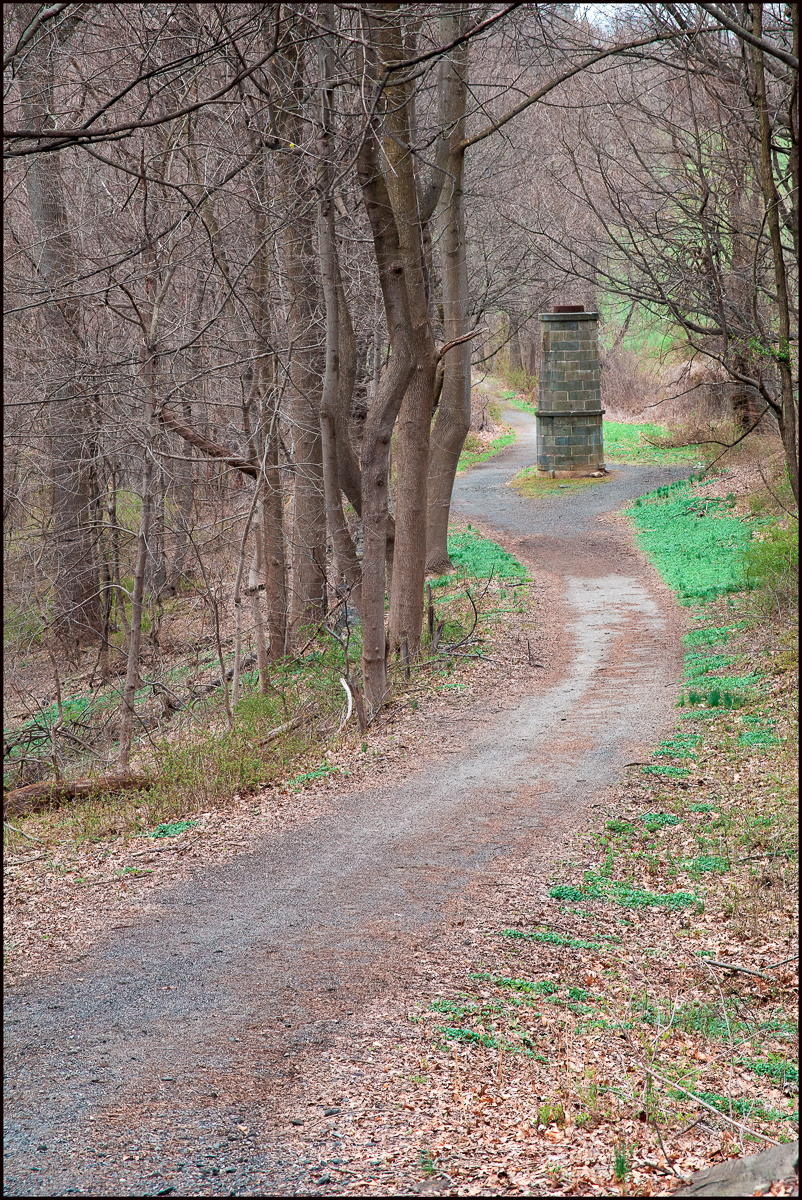
Although most of the 41 mile long aqueduct lies underground, some structures are still visible in the Bronx and Manhattan. This trail highlights the remains of the aqueduct and provides a sense of the complex engineering and difficult labor that was required to build it. Above: One of the 21 ventilators along the aqueduct.
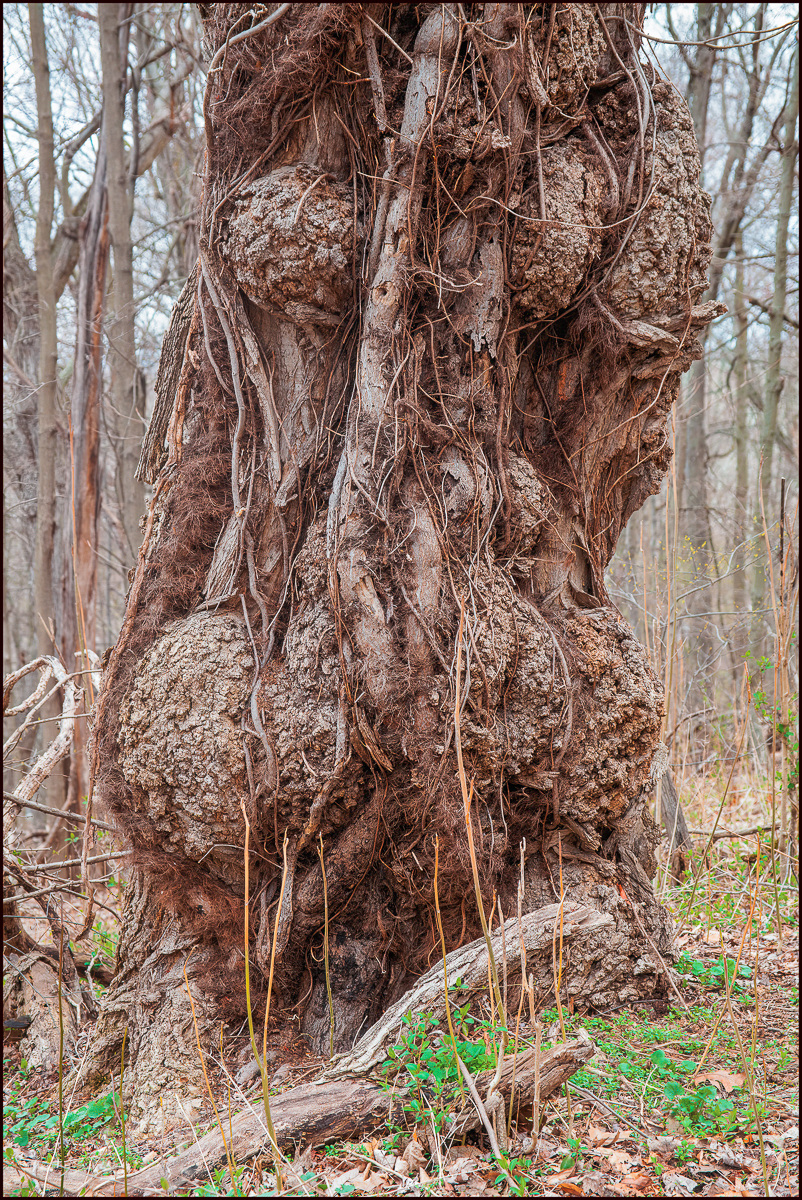

A gnarly tree.
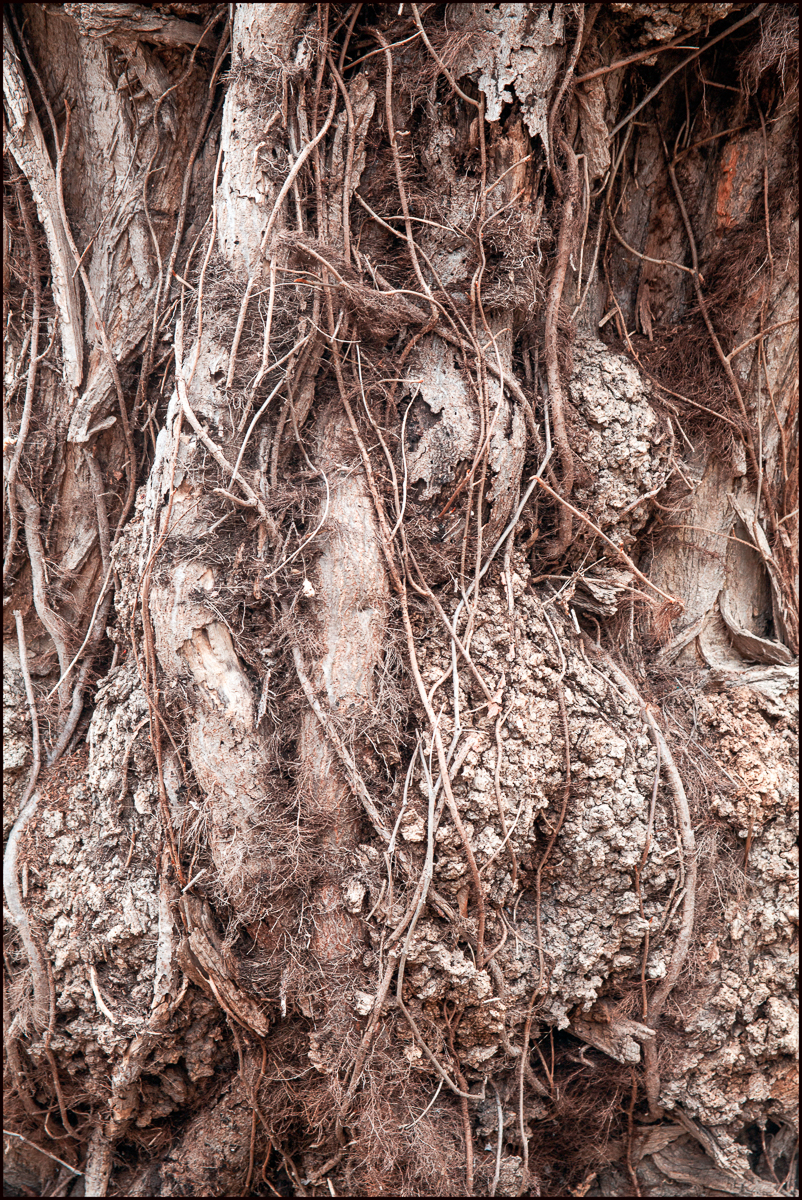

A closer view of the same tree
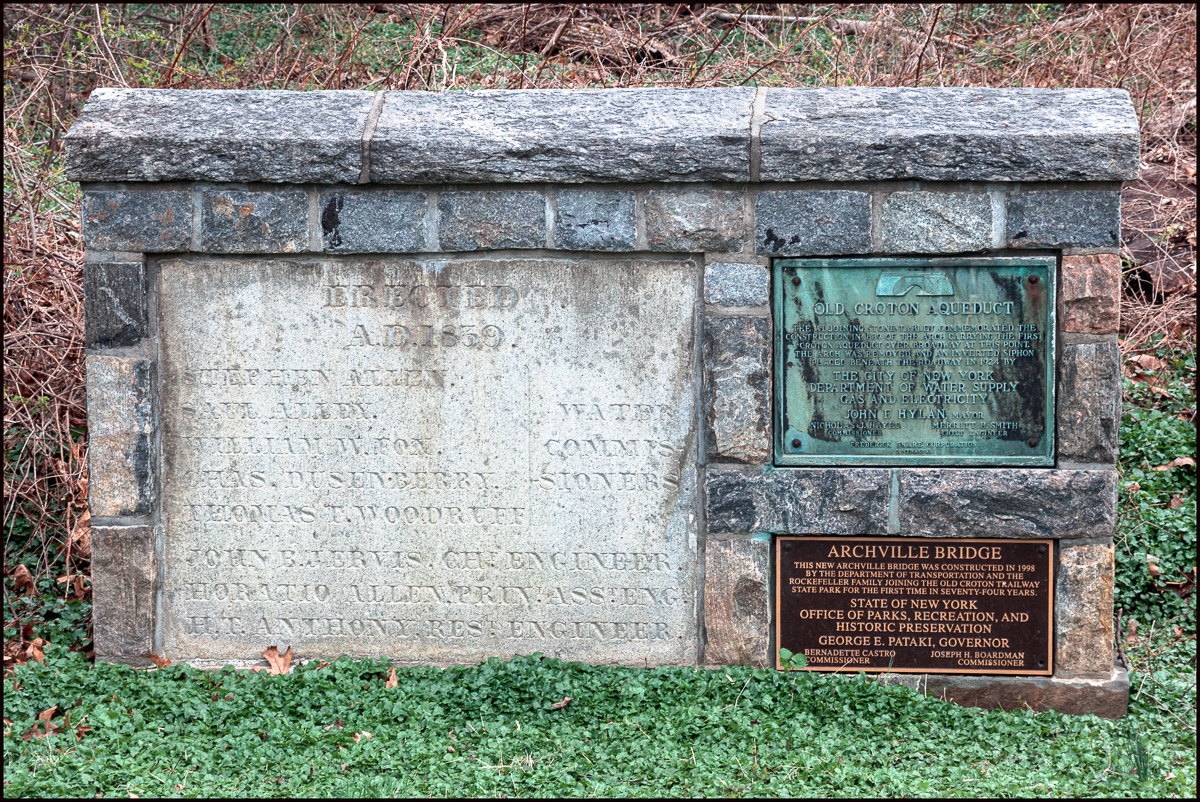

The Archville Bridge Monument. While the bridge itself is not particularly memorable (which probably explains why I’ve never taken a picture of it despite passing over it many times) it does have a somewhat interesting history.
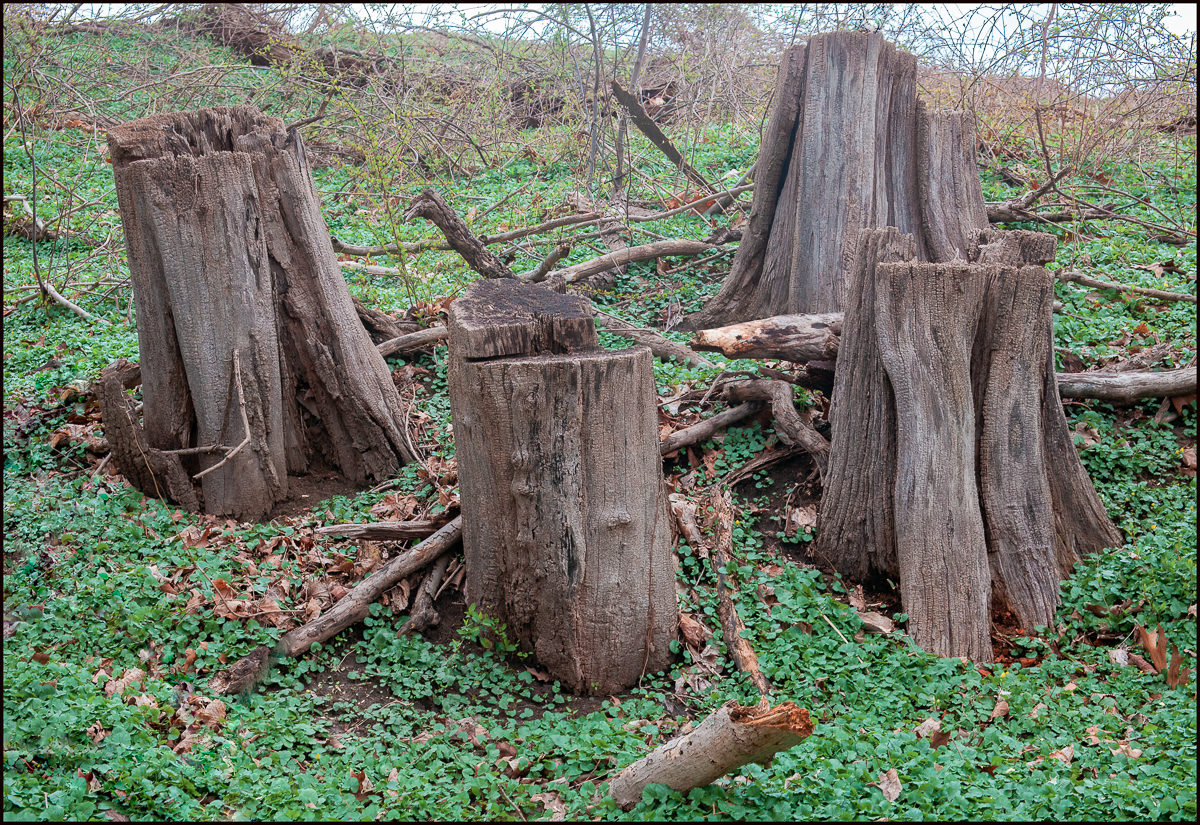

Tree Stumps.
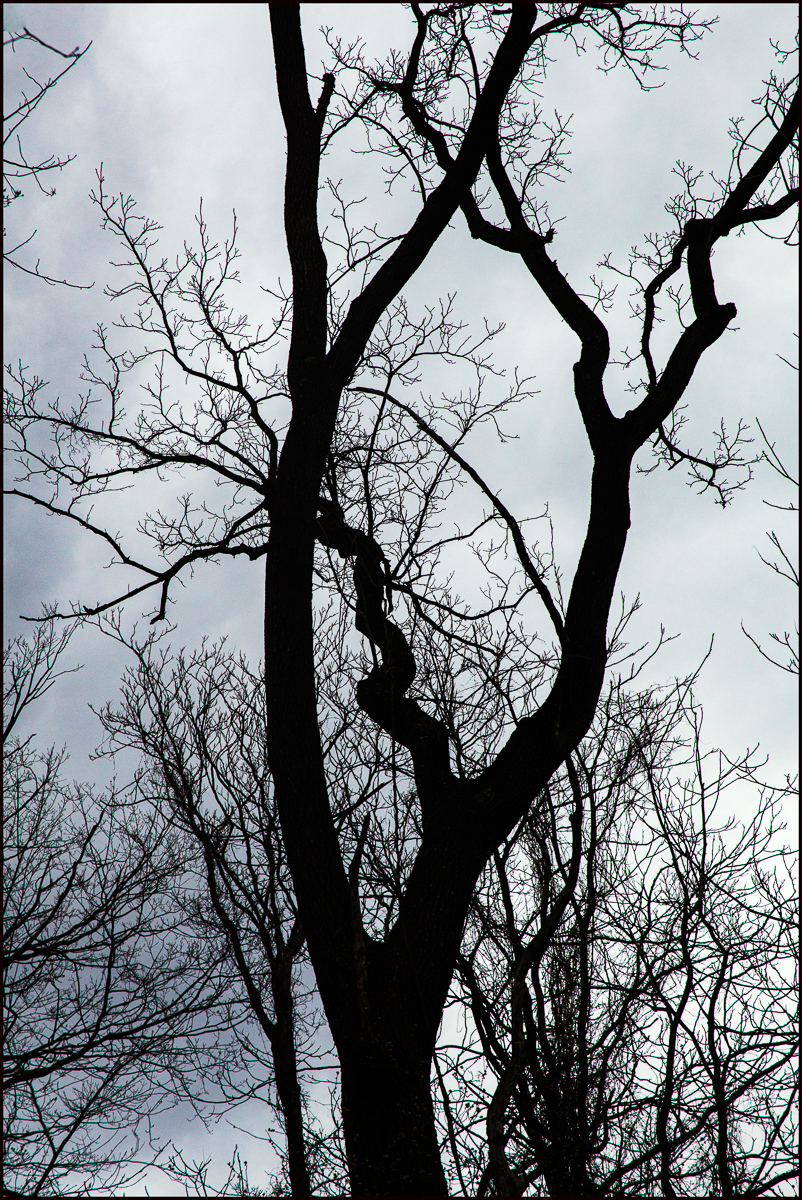

Tree silhouette.
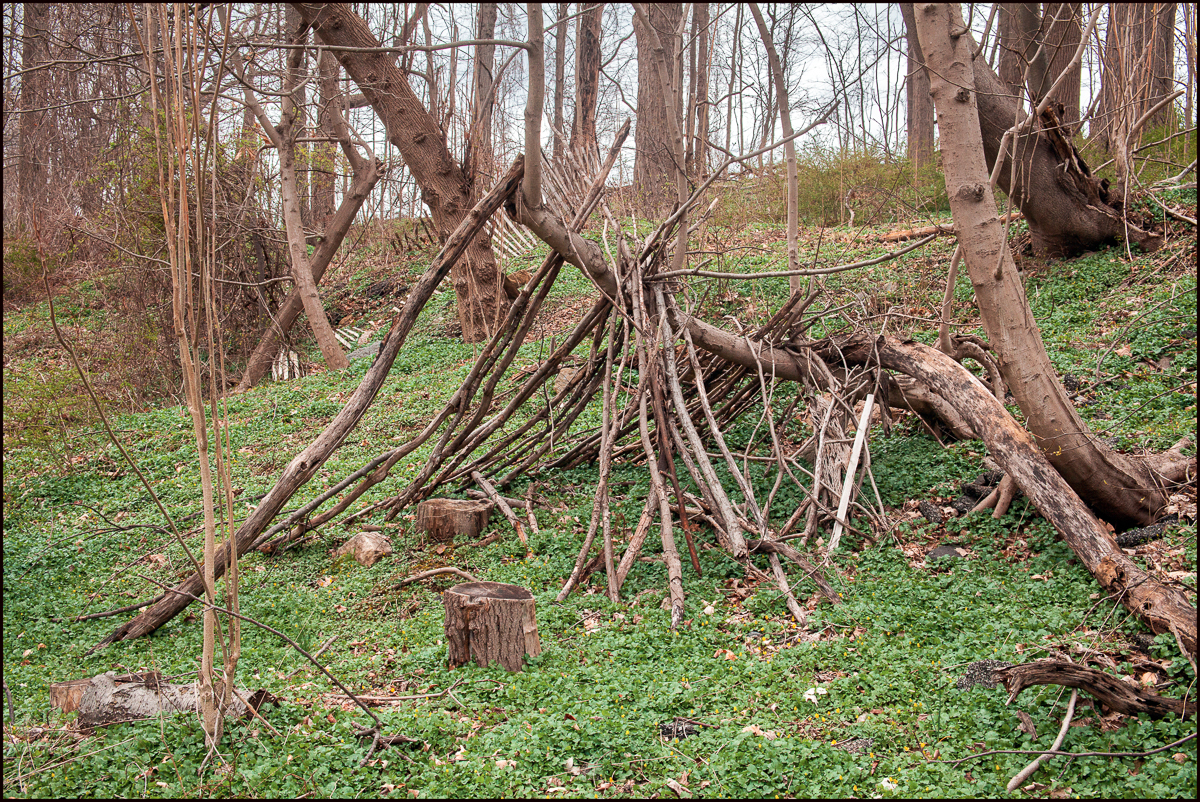

Some kind of structure. I believe it’s called a woodland den. A recent article by Ellyn Kail is worth a read: The Unexpected Architectural Beauty of Woodland Dens
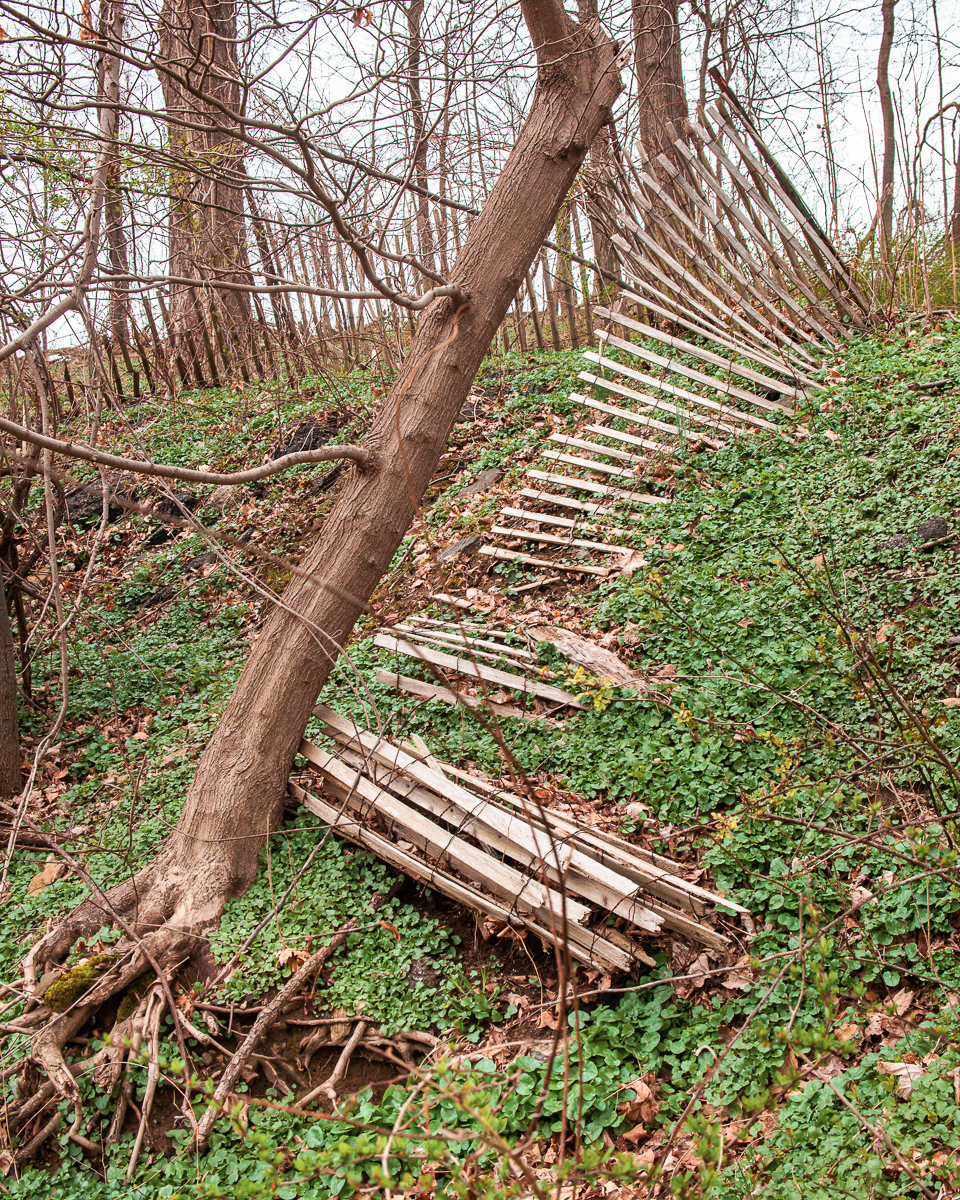

Broken fence.

A puddle
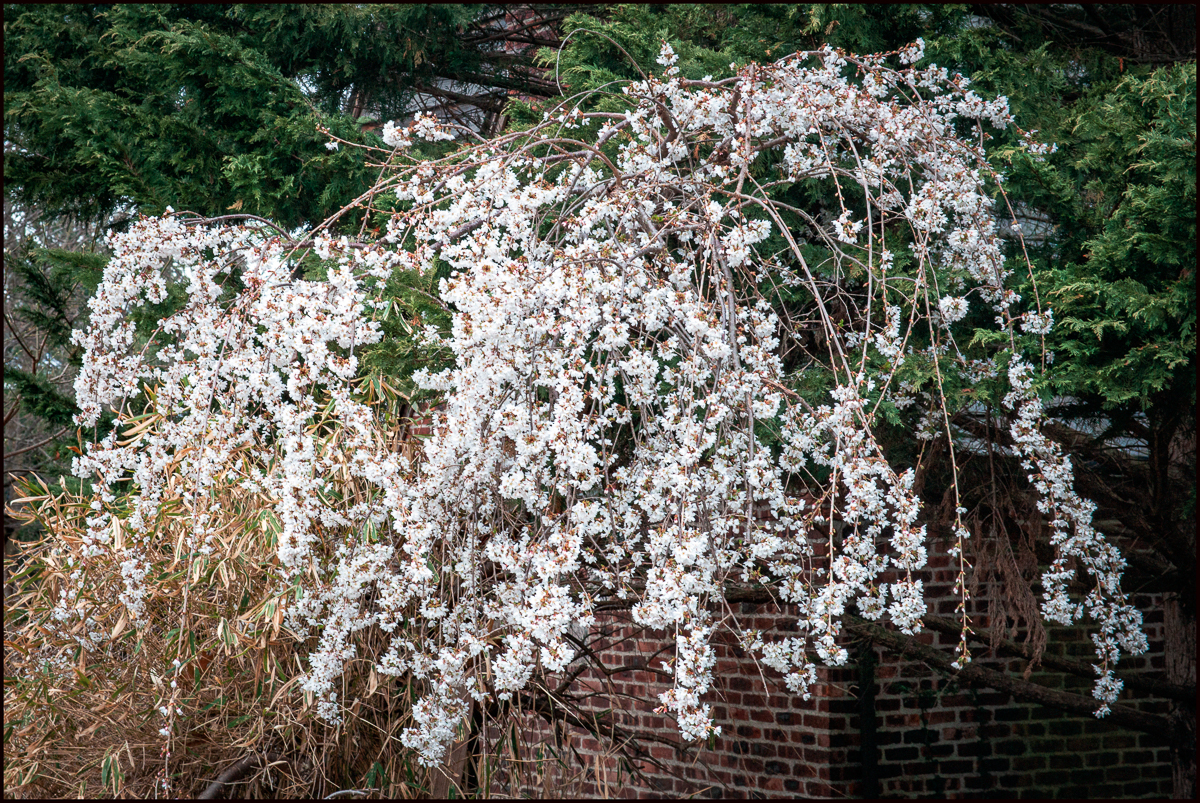

Blossoms.

Taken with a Canon EOS 5DII and Canon EF20-105mm f3.5-4.5 II USM
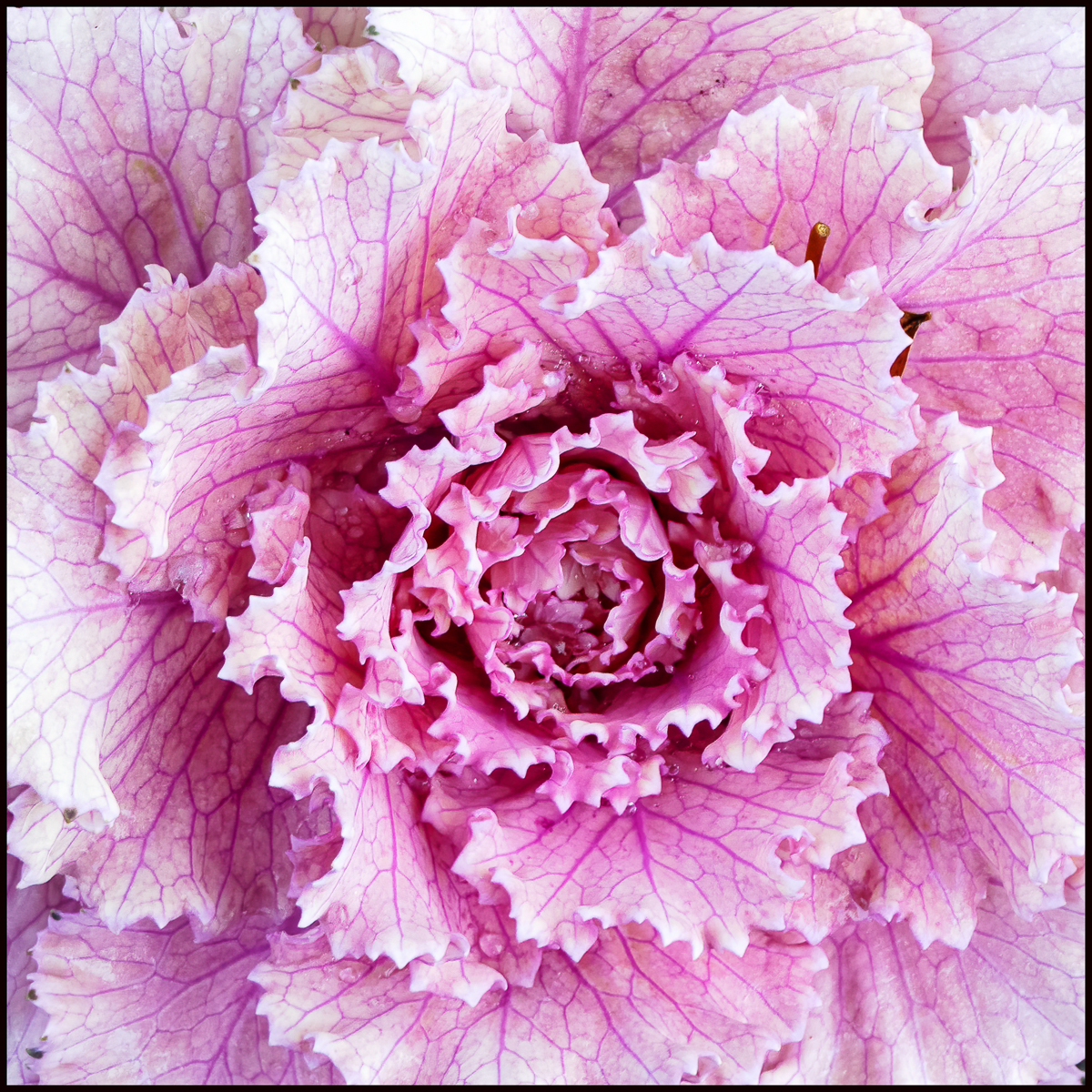
A touch of brightness in an otherwise dull landscape

These and a few brightly colored berries and seeds and the only things adding color to the Winter landscape. I always wondered what they were and couldn’t understand why people would want brightly colored cabbages in their non-vegetable gardens. After some ‘googling’ I discovered that they are ornamental (or flowering) cabbage . Apparently there are a number of varieties. Who knew?

Taken with a Sony A7IV and Sony FE 28-75 f3.5-5.6 OSS.

2021 Favorites – Color


Building on Water Street, Ossining, NY.


Grasses in the snow, Briarcliff Manor, NY.


Outside “The Perfect Pint” in New York City.


Birds, Tarrytown, NY.


Ice on Peekskill Bay, Peekskill, NY.


Nearby woodland, Briarcliff Manor, NY.


Woman with a red bag, Grand Central Terminal, NY.


A scary visitor, Briarcliff Manor, NY.


Ants on a thistle, Briarcliff Manor, NY.


Deer in the meadow, Briarcliff Manor, NY.

Blue flowers

I came across these blue flowers (weeds?) almost directly across the road from my house. Something about them reminded me of old autochrome images I had seen and loved in the Metropolitan Museum, NY.

According to the National Gallery of Art:

The Autochrome, a positive color transparency on glass, was invented by Auguste and Louis Lumière in 1907 and manufactured by them until 1933. Autochromes were made by coating a glass plate with a sticky varnish and dusting it with a layer of randomly distributed, translucent potato-starch grains. These grains, which were dyed red-orange, violet, and green, were then interspersed with fine black carbon dust, and again varnished. The plates were next coated with a light-sensitive gelatin silver-bromide or silver-iodide emulsion. When the plate was inserted into a camera, the light from the lens passed through the dyed starch grains, which acted as color filters before reaching the emulsion. After exposure, the plate was processed to make a unique, full-color, positive silver image.

Autochromes have a hazy, ethereal-looking quality, like a painting that isn’t actually a painting that is (at least in my experience) impossible to duplicate in digital photography, although the picture above comes close.

Incidentally isn’t “Lumière”, the name of the creators of the process a wonderful name in this context. If you don’t understand French the word means “light”.

Taken with a Sony A77II and Minolta 50mm f2.8 Macro lens