Sleepy Hollow Cemetery – a couple of mausoleums

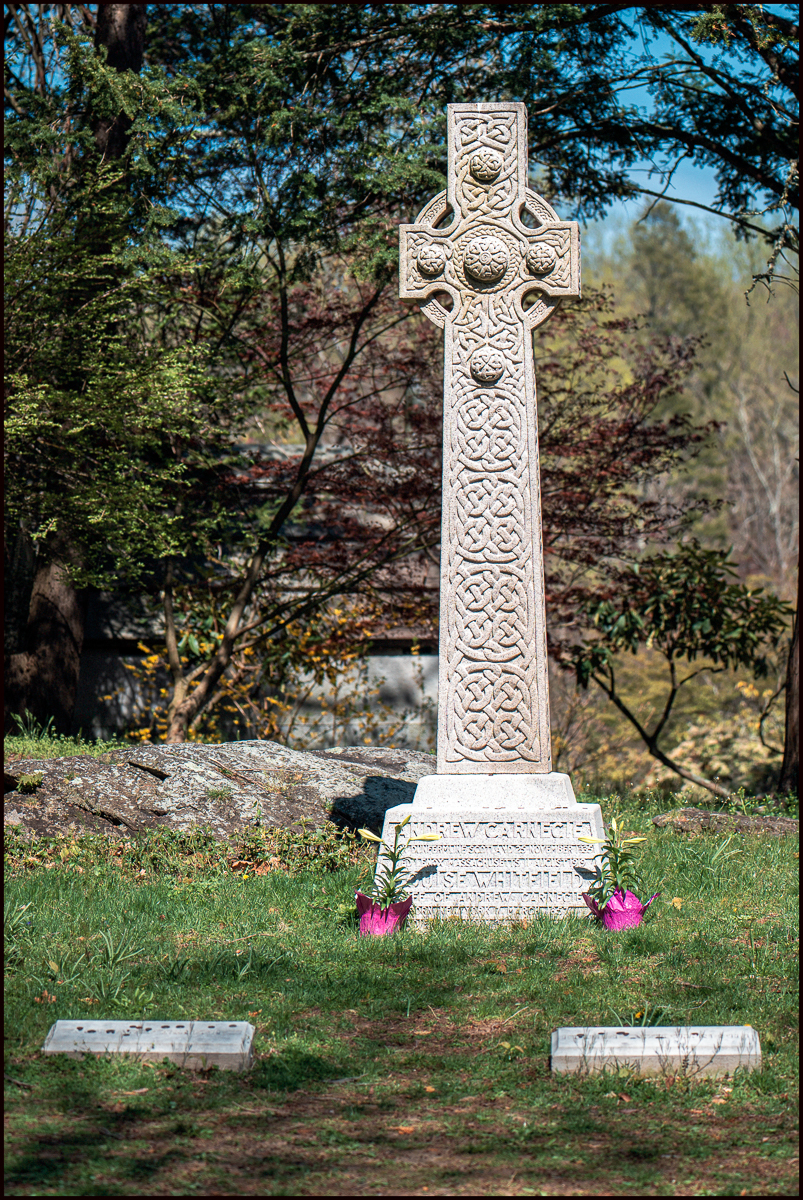
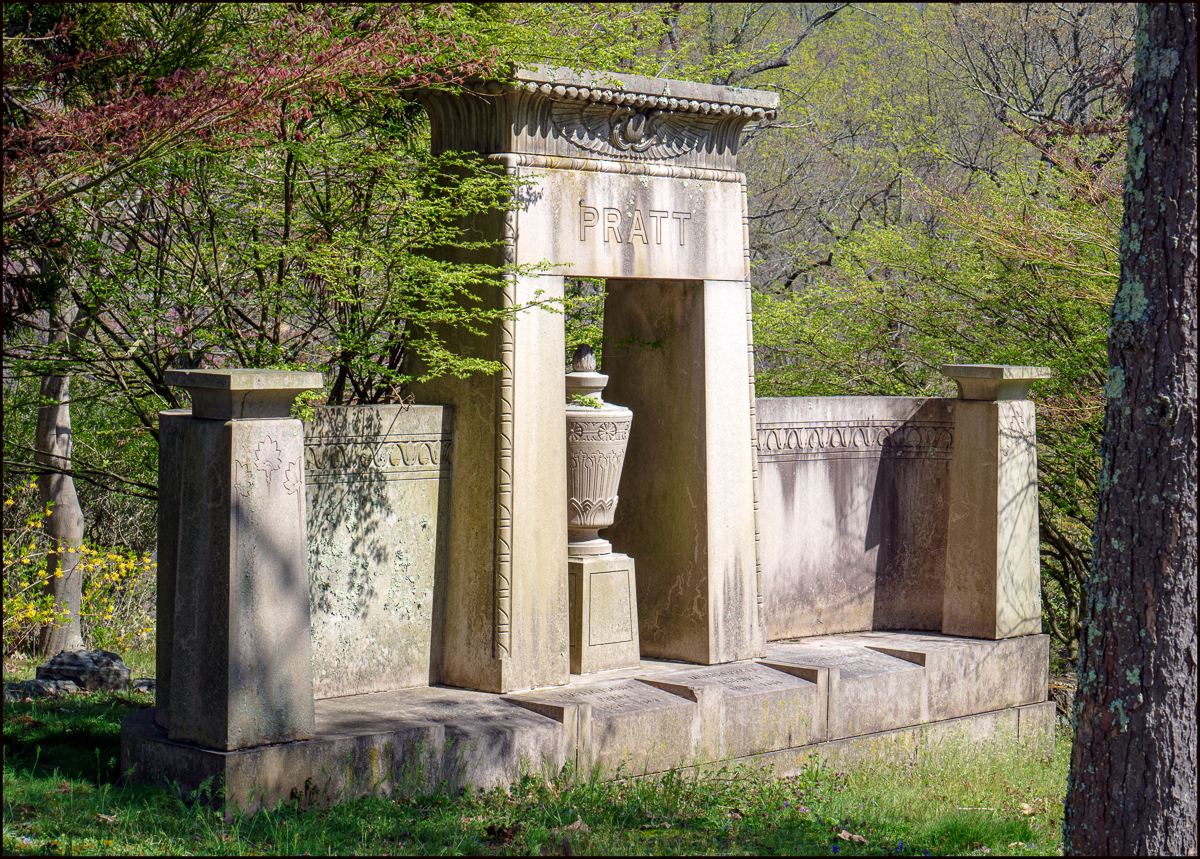
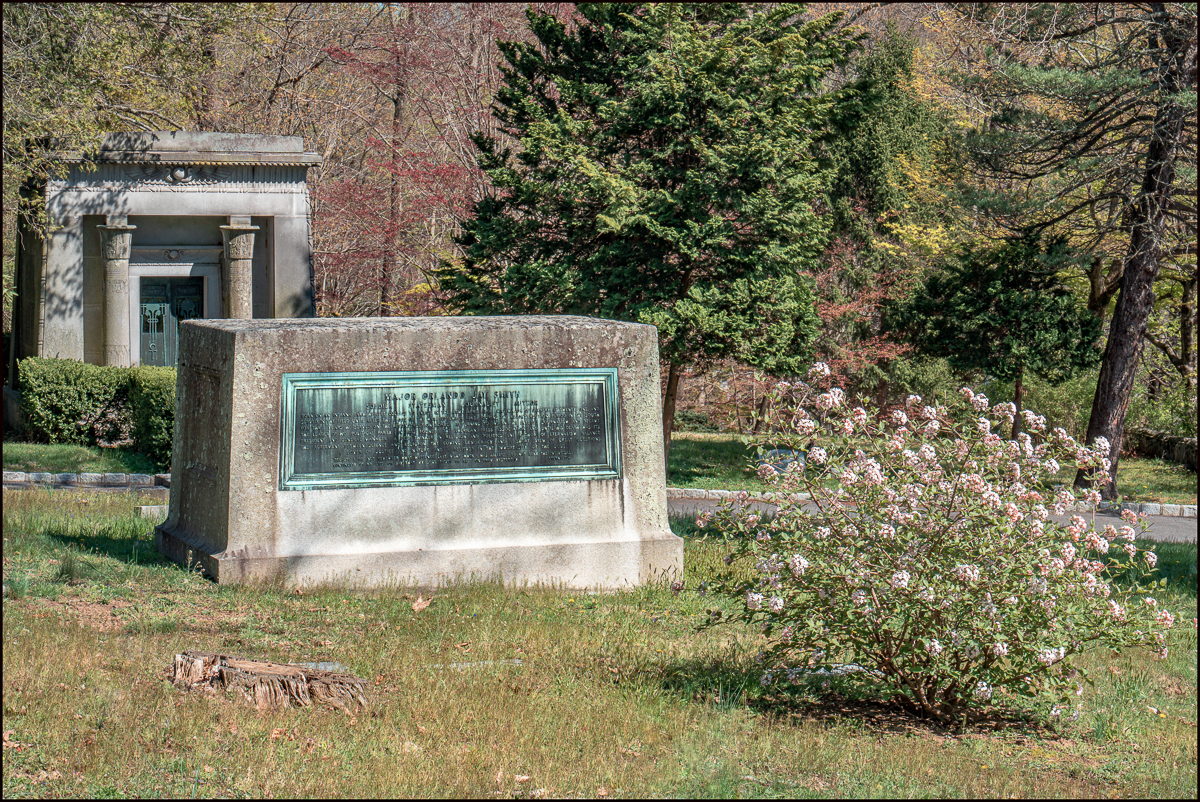
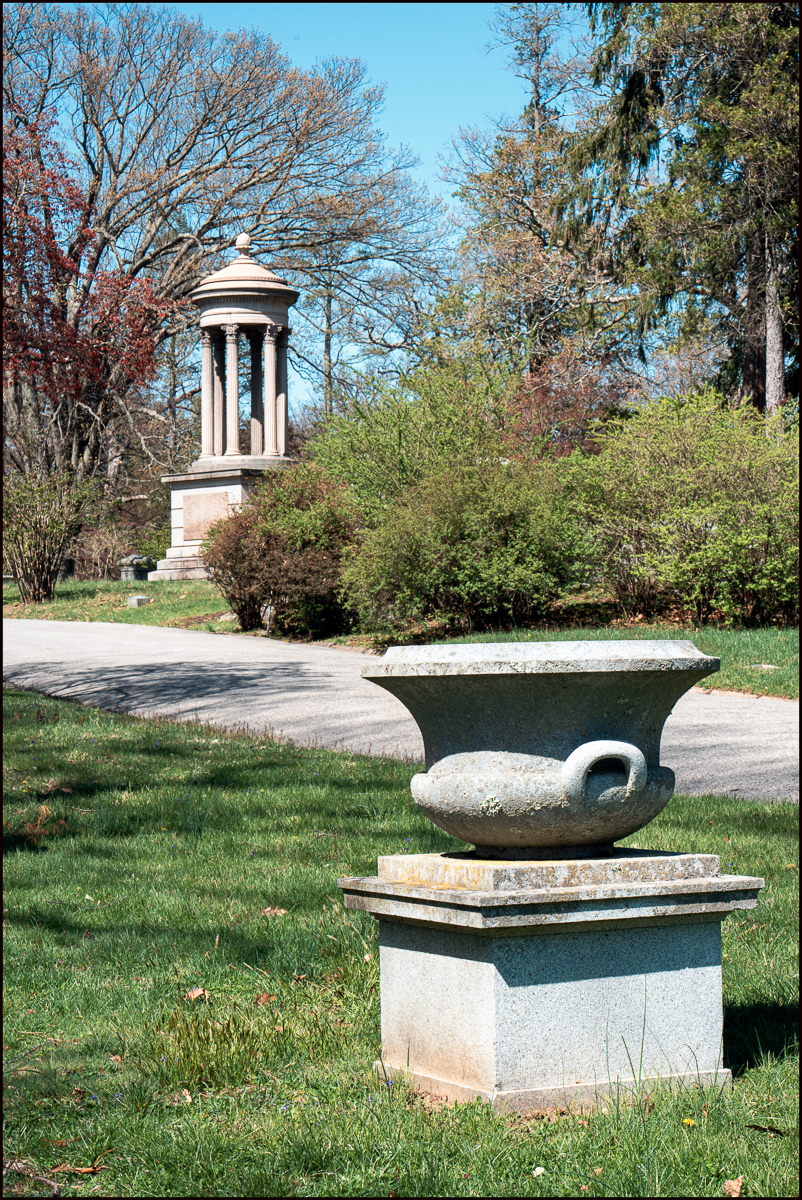
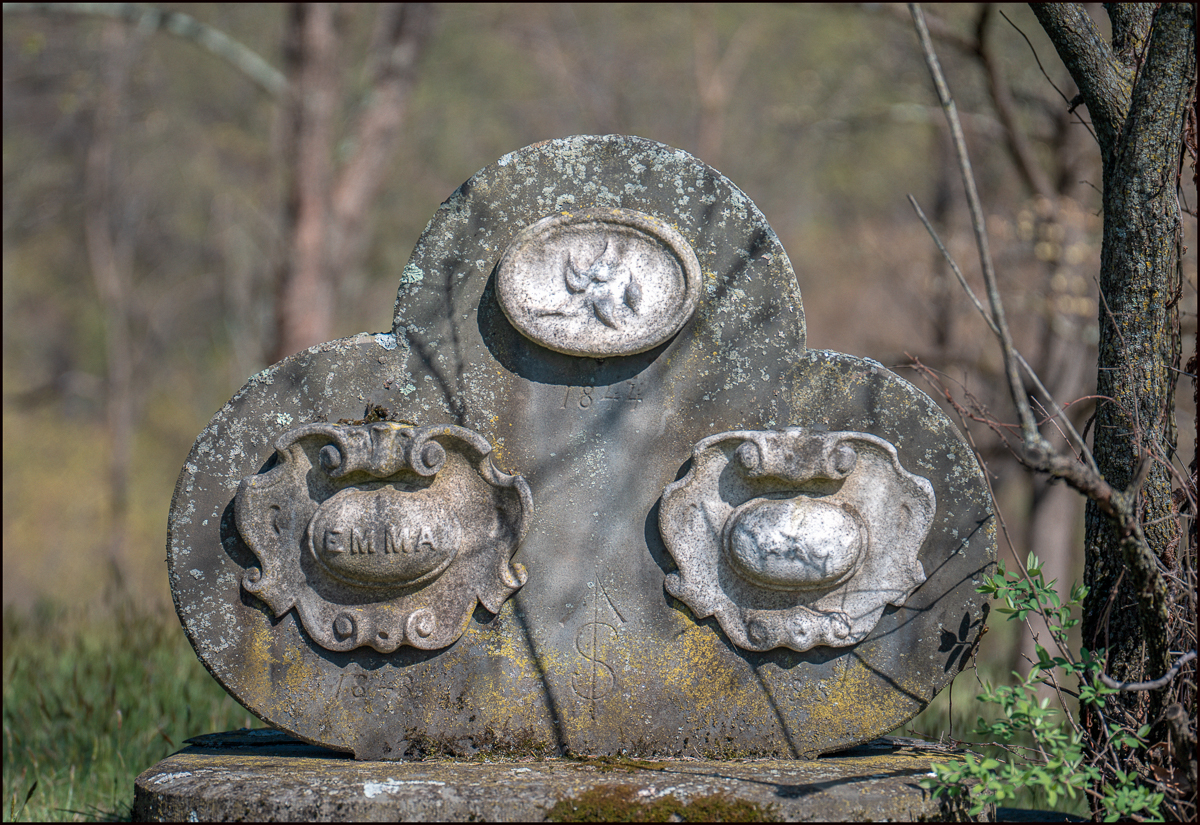
The weather was gorgeous a few days ago so I decided to go for a walk in nearby Sleepy Hollow Cemetery. Although we tend to refer to it as Sleepy Hollow Cemetery it’s actually two adjoining cemeteries. The Old Dutch Burial Ground is the older part. It’s interesting historically, but to me less interesting photographically. The newer part is the Sleepy Hollow Cemetery proper where you find a lot of large monuments and mausoleums.

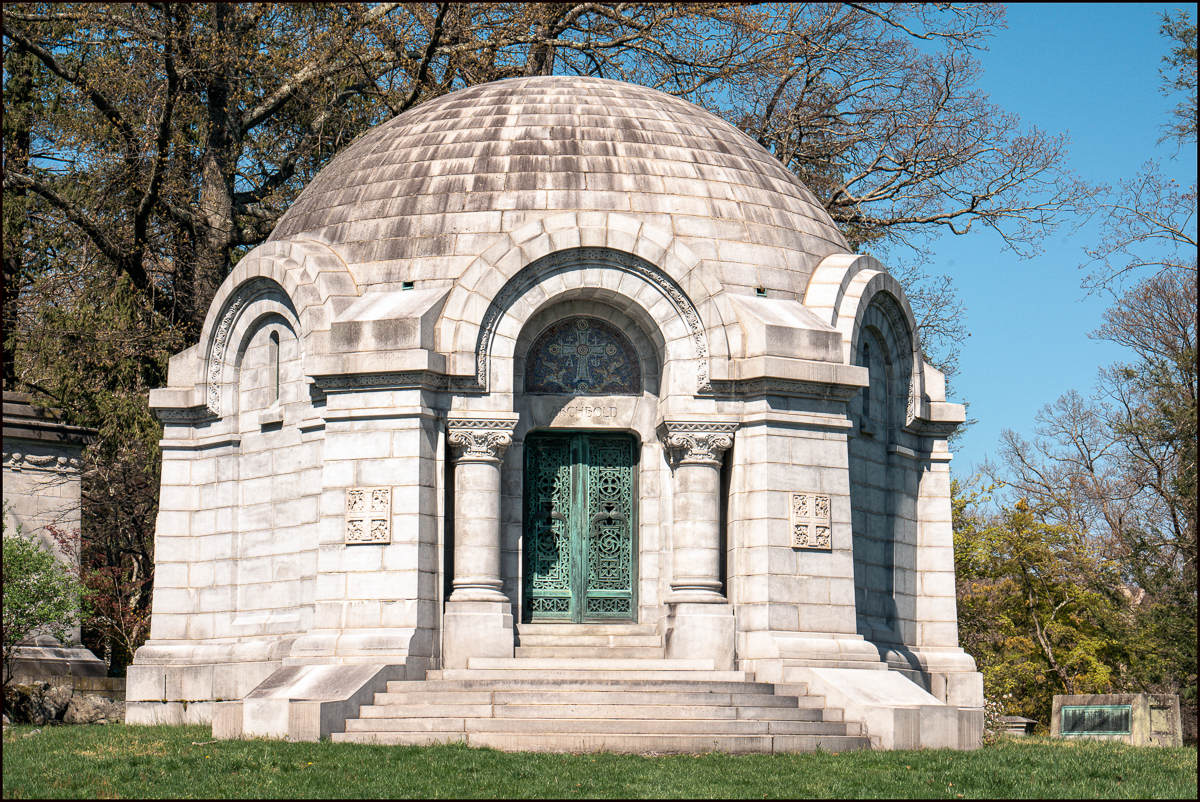
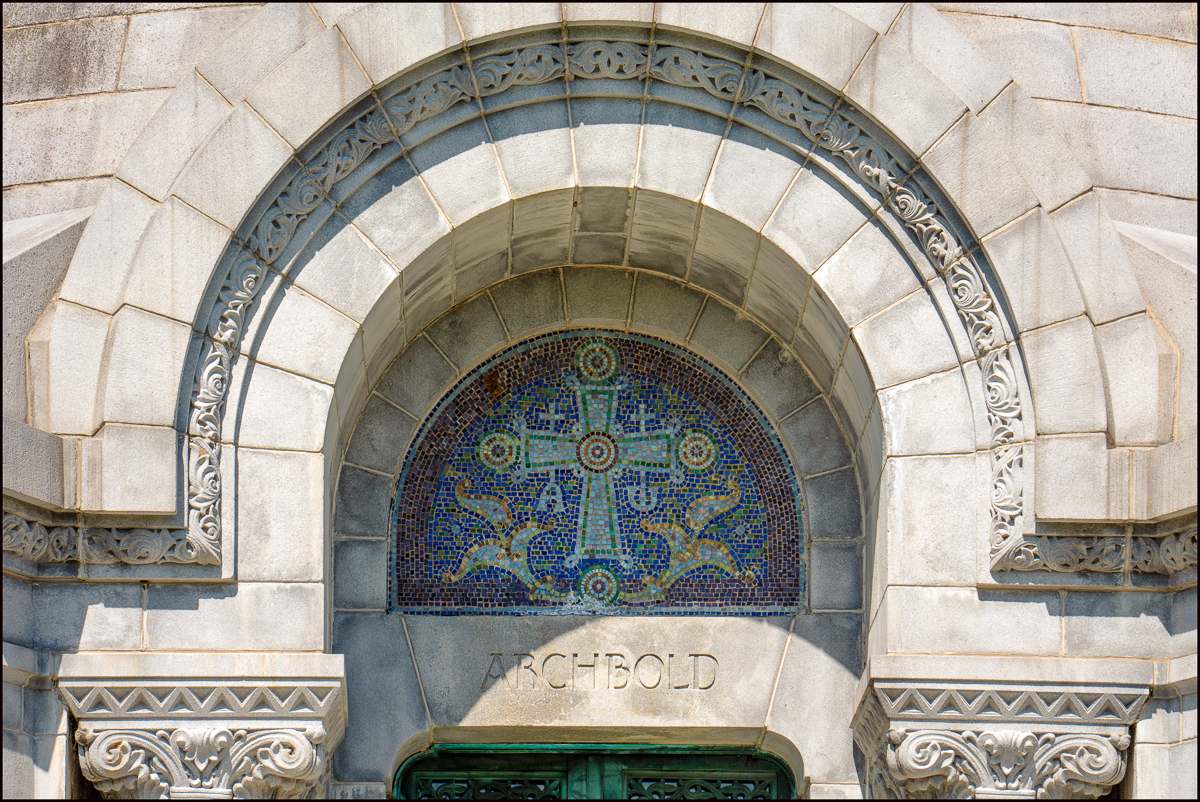
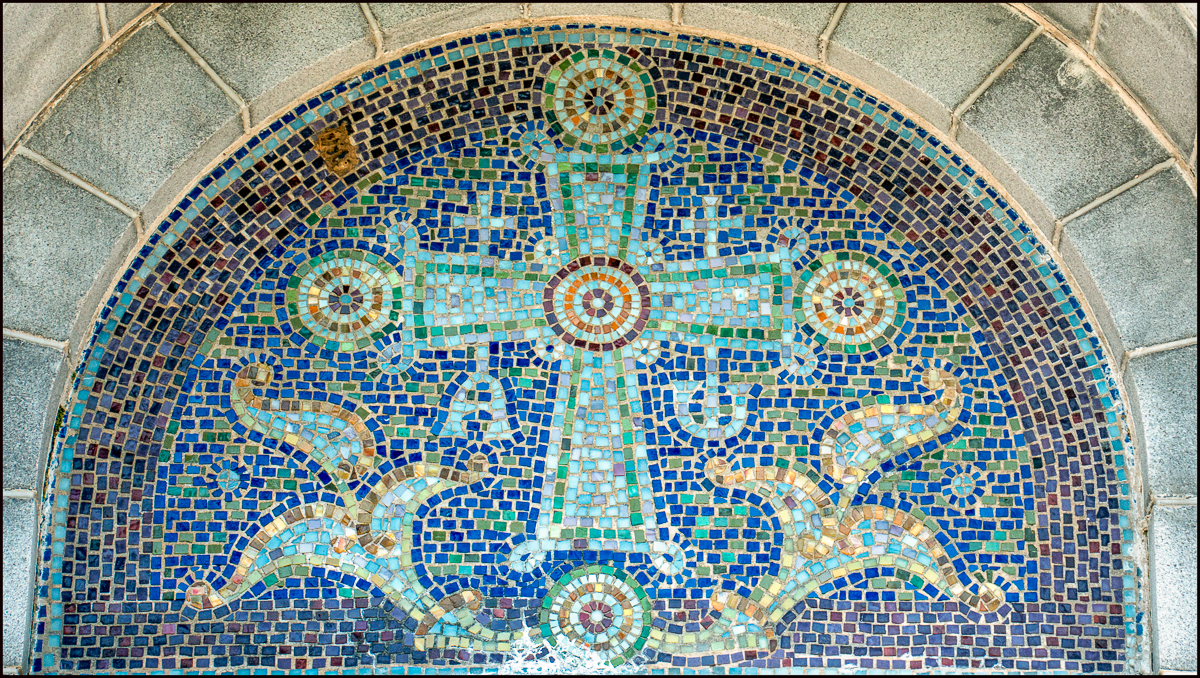
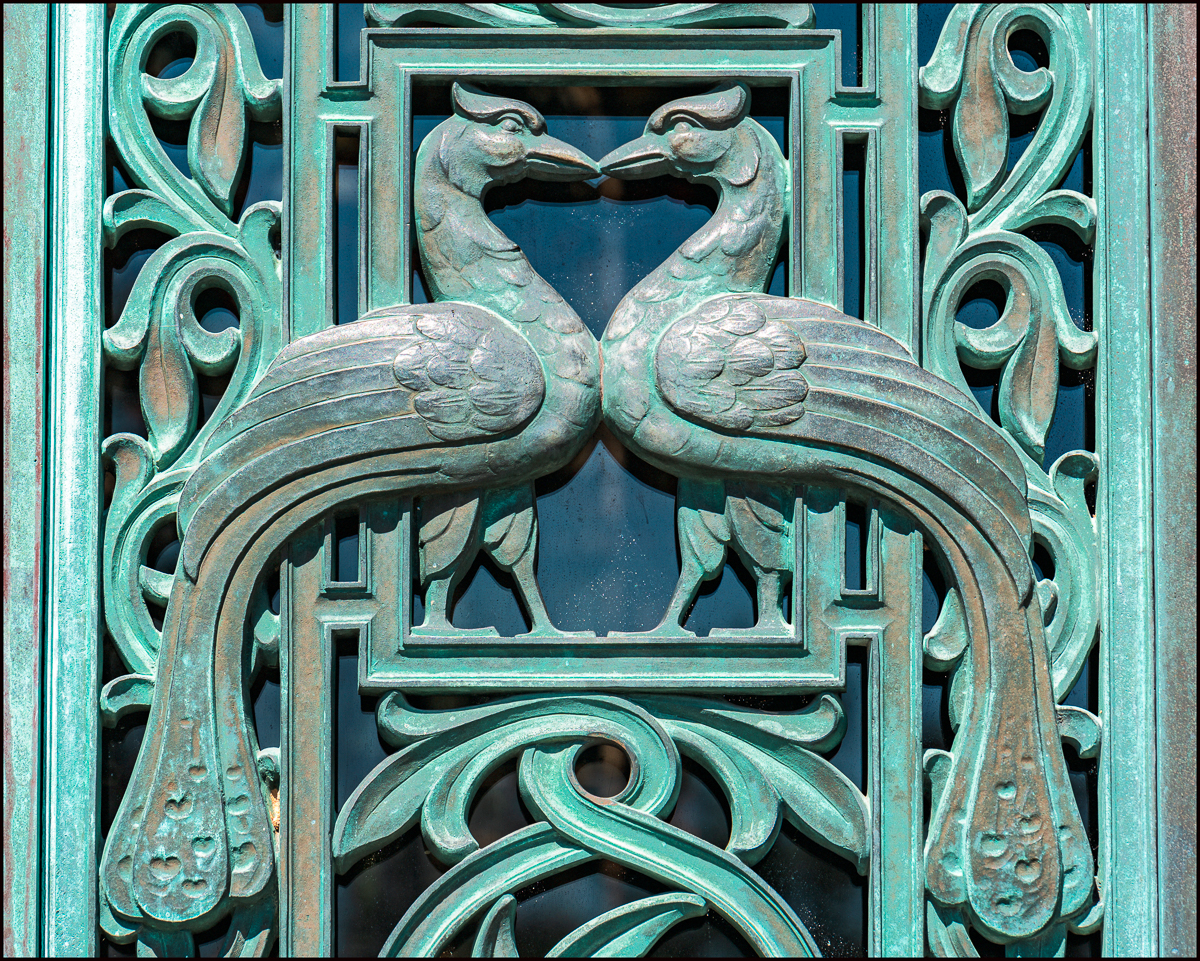
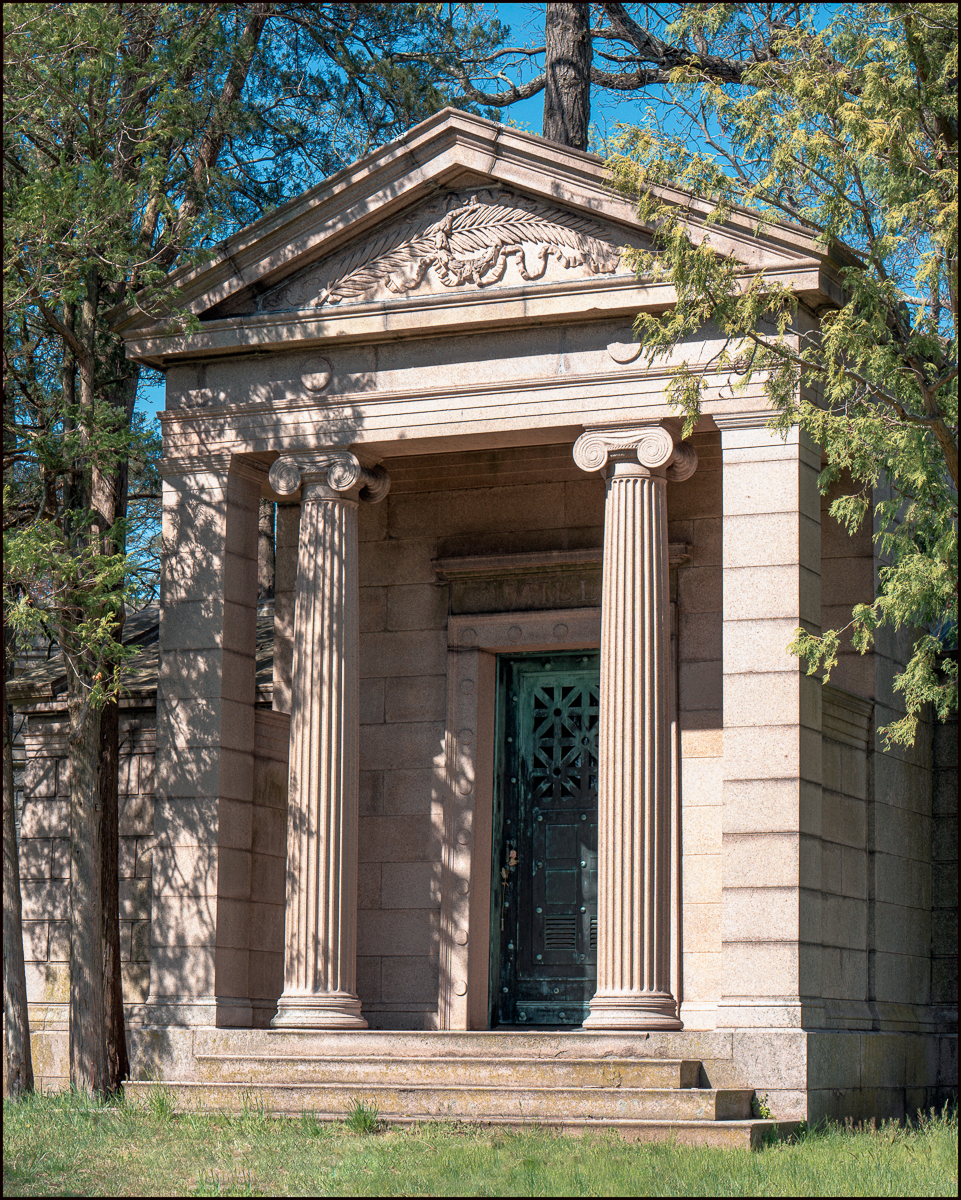
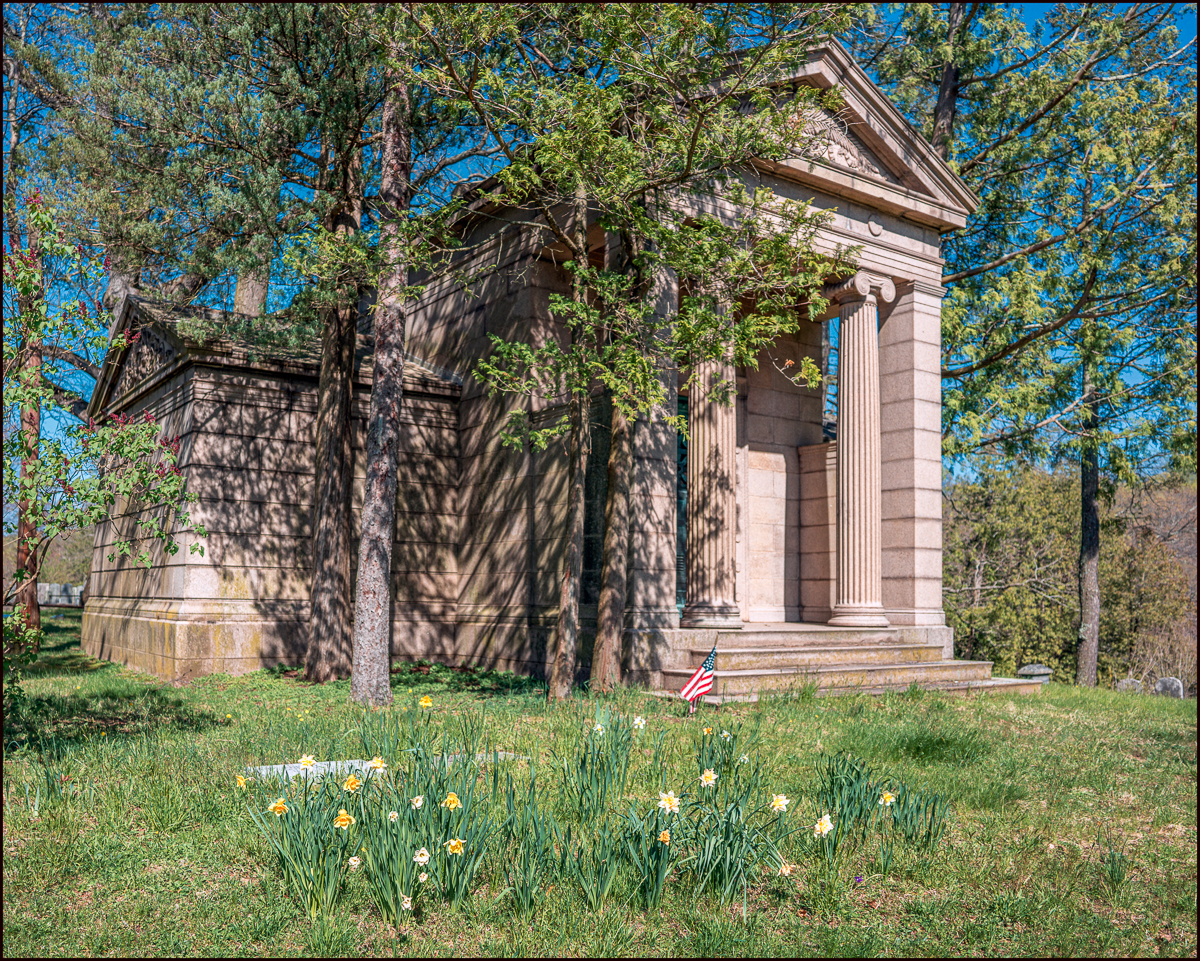
Above and the next three pictures: The Archbold Mausoleum – to me perhaps the most spectacular in the Cemetery. “John Dustin Archbold was born in Leesburg, Ohio, and moved to Pennsylvania by 1864. In 1870, he married Annie M. Mills. Together they had four children, Mary Lavina born 1871, Anne born 1873, Frances born 1875, and John Foster born 1877. He became president of Acme Oil Company. In 1875, he became a director and vice president of Standard Oil Company until 1911 when he took over as president. He held this position until his death in 1916.”


Architectural details of the Archbold Mausoleum entrance.


Closer view of the spectacular mosaic over the doorway.


Detail of the door to the Archbold Mausoleum.

The two pictures below are of the Darius Ogden Mills Mausoleum. Darius Ogden Mills (September 25, 1825 – January 3, 1910) was a prominent American banker and philanthropist. For a time, he was California’s wealthiest citizen.

Mills was born in North Salem, in Westchester County, New York, the fifth son of Hannah Ogden (1791–1850) and James Mills (1788–1841), a supervisor, postmaster and justice of the peace for the town of North Salem. In 1841, aged 15 he began working as a clerk in a small general store in New York City. At age 21, he moved to Buffalo, New York and became the cashier of the Merchants’ Bank of Erie County, and later a one third owner.

In December 1848, he took an exploratory trip to California, through the Isthmus of Panama, where he joined the California Gold Rush. By November 1849, he had made $40,000 and decided to make California his permanent home. In 1850, he returned to Buffalo where he sold his interest in the Bank and returned to Sacramento, where he founded his own bank, the “Gold Bank of D. O. Mills & Co.
In 1864, with other investors, he founded the Bank of California, which grew large in the 1860s and 1870s, but collapsed due to financial irregularities involving its chief cashier, William Chapman Ralston. Mills used his personal fortune to revive the bank and within three years, the bank was again strong.

In 1880, two years after resigning from his second term as the president of the Bank of California, Mills returned to New York, where he participated in the development of a number of buildings in Manhattan, including 160 Bleecker Street, or “Mills House No. 1”. He also invested in the Niagara Falls Power Company, one of the first large power companies organized in the United States. His devotion to philanthropy involved sitting on the boards of a number of charitable and cultural institutions.

Mills died of a heart attack in 1910 at his Millbrae home, leaving an estate worth $36,227,391. His remains were returned to the East Coast for burial in the Sleepy Hollow Cemetery in Sleepy Hollow, New York

Taken with a Sony A7IV and Tamron Di III VXD A056SF 70-180mm f2.8.

Film Camera 2021 -3 Pentax Espio 115G – Results

I liked the appearance of this camera with its brushed silver and black look and it was quite a pleasant camera to use.

The zoom to 115mm was a bit intimidating and extended for quite a distance from the front of the camera. I suspected that it was probably quite soft a the longer end of the zoom so I tended to avoid the telephoto end. Unfortunately I hadn’t realized that the wide end suffers a lot from pincushion distortion.

I took the camera out on a pretty bad day: it was overcast and dark with quite a bit of haze. Also I was using an old film (of course I didn’t know how old it was). So the resulting pictures needed a bit of tweaking in terms of exposure and contrast, but bearing in mind that the film was probably quite old they weren’t too bad.

The review I mentioned in the preceding post (See: Film Camera 2021 -3 Pentax Espio 115G) concludes:

I really enjoy using the 115G — it’s a lot of camera packed into a little package, and for me at least, the pluses are definitely more significant than the minuses. It’s a solidly built little machine that produces nice, sharp images. If you happen to see one turn up at your local thrift store at a reasonable price, grab it. I think you’ll find, as I have, that it’s a very capable shooter.

I’d agree: all things considered it’s a decent camera, but unfortunately I have other point and shoot cameras that I like more so I don’t think I’ll be using it again.

Above the brick wall of the former Speyer Estate.


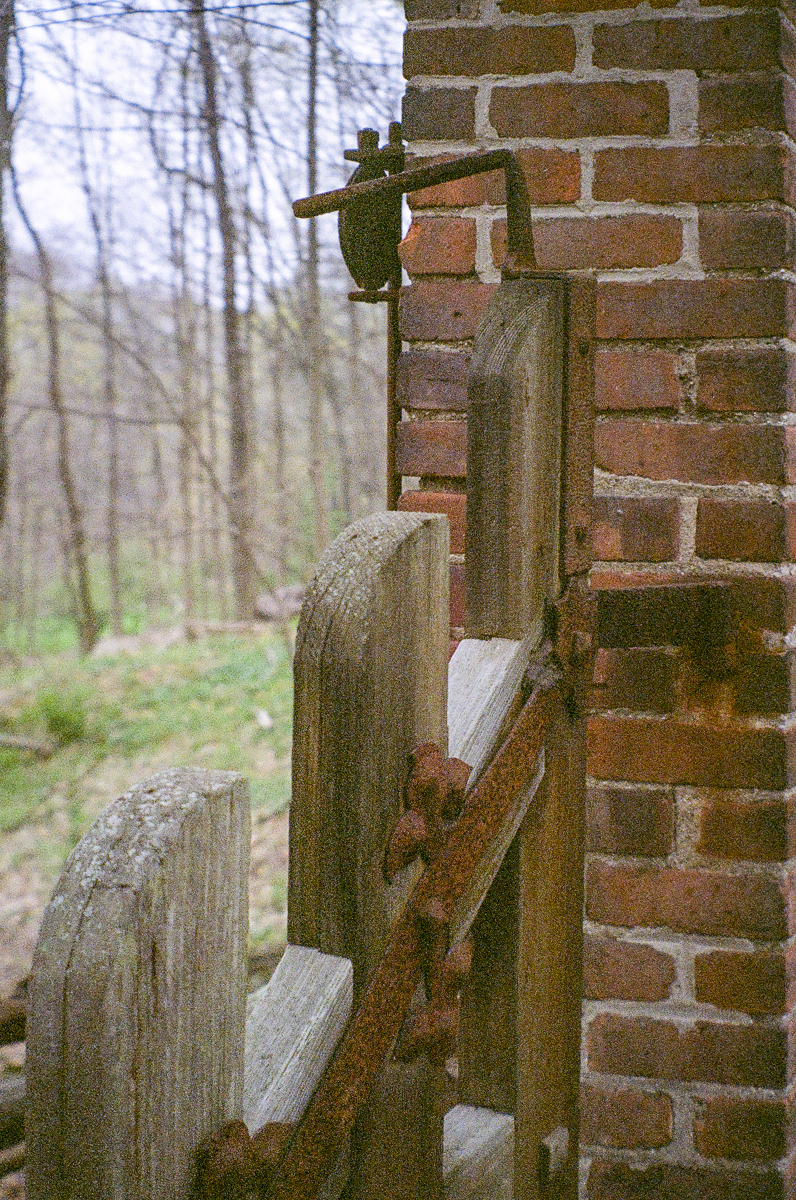
A gate in the wall.


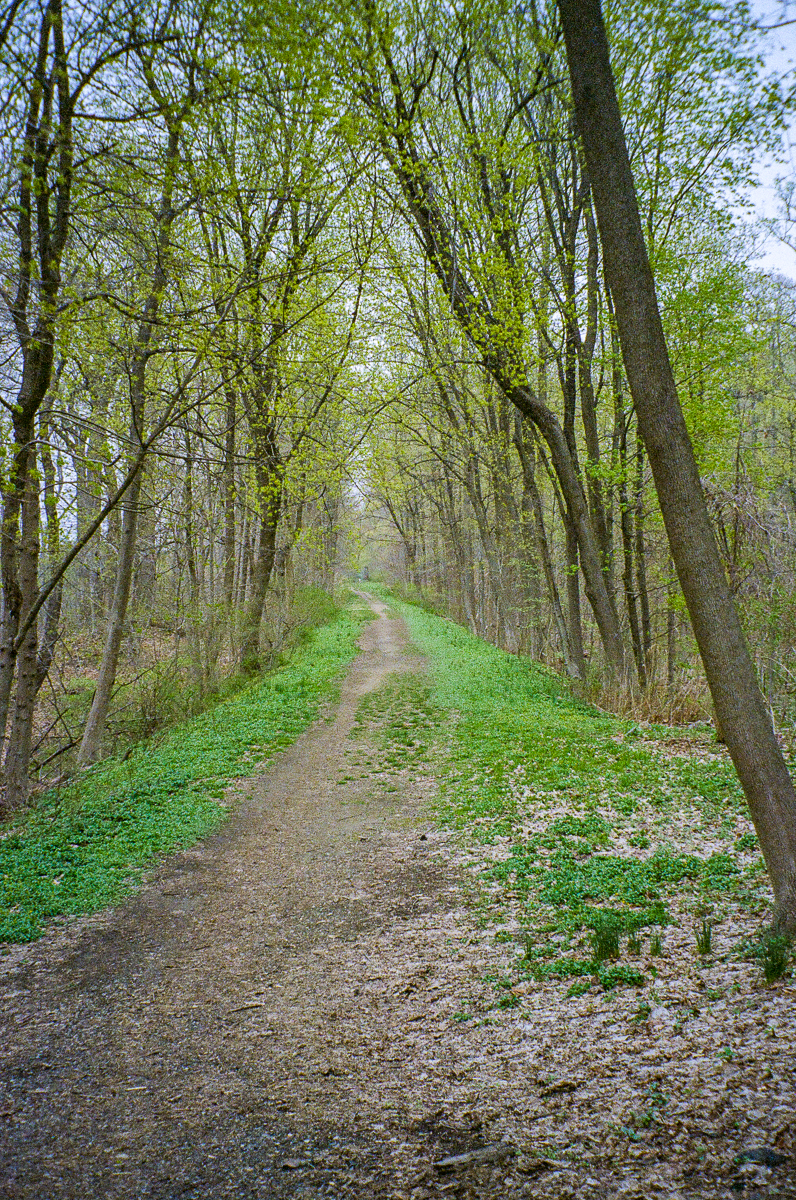
Passing the Old Croton Aqueduct trail.


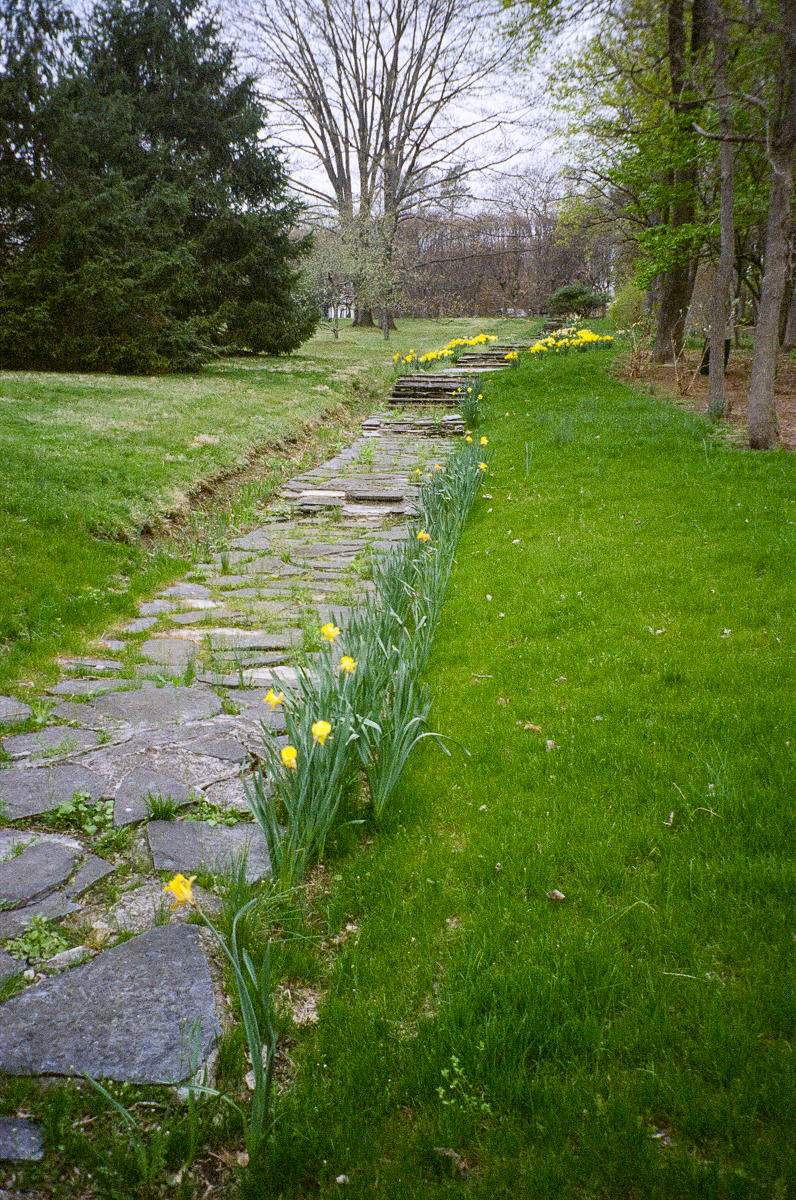
A garden at the intersection of Albany Post Road (Route 9) and Scarborough Station Road.


Another garden, this time at the intersection of Albany Post Road and Revolutionary Road.


Entrance to Scarborough Presbyterian Church.


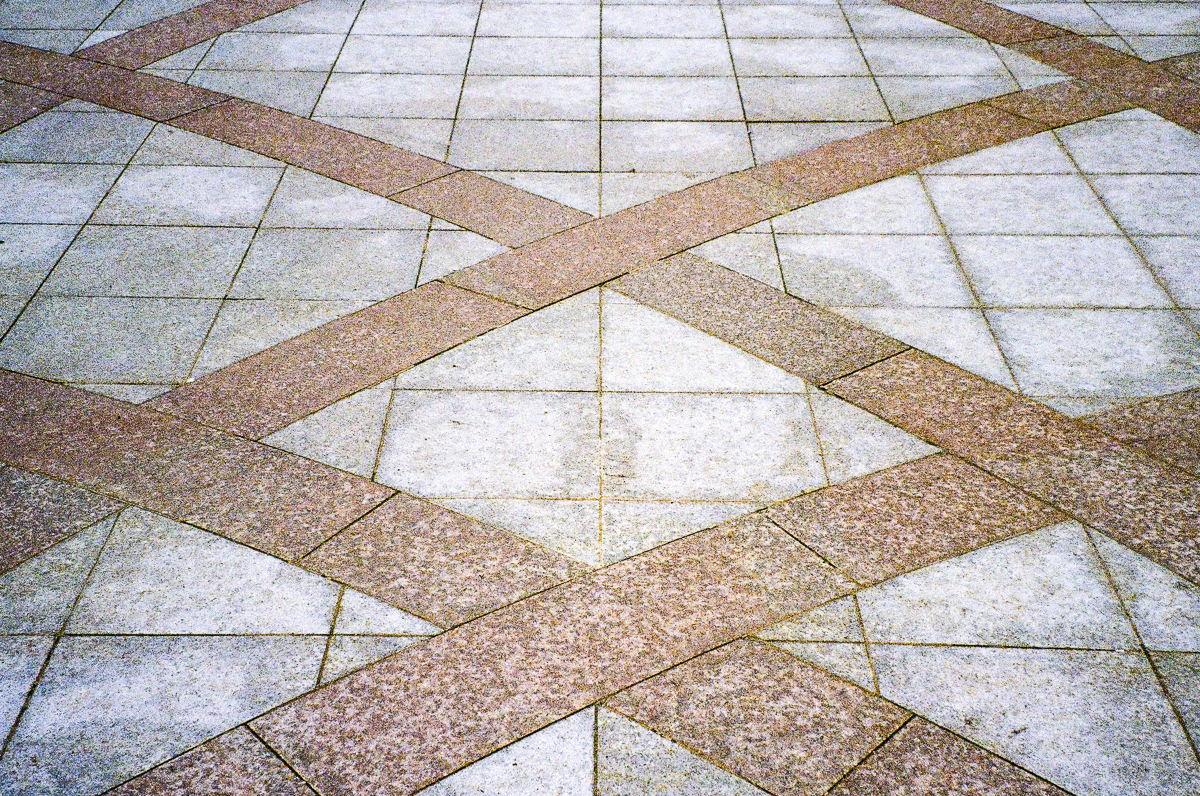
Crisscrossing patterns.


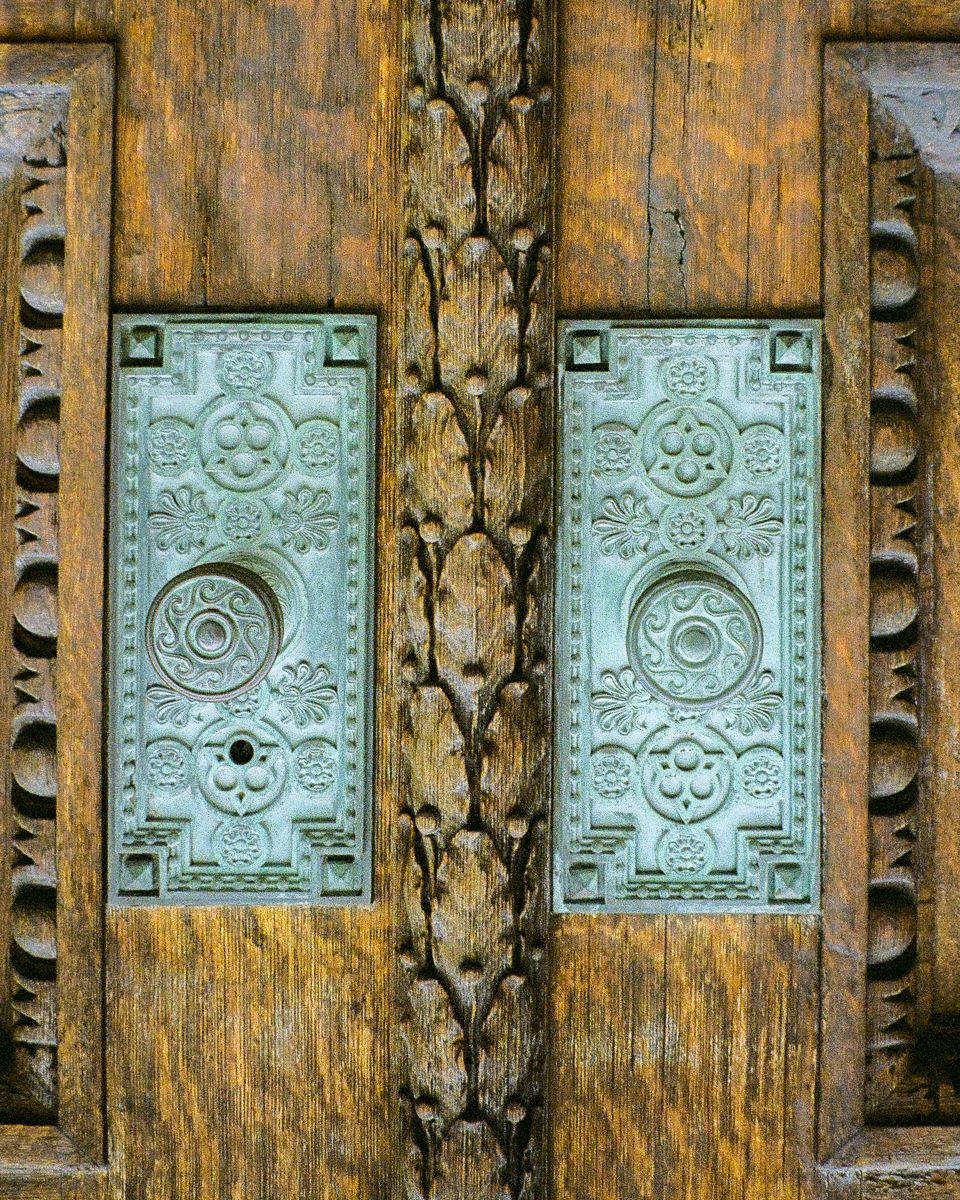
Detail of the door of Scarborough Presbyterian Church.


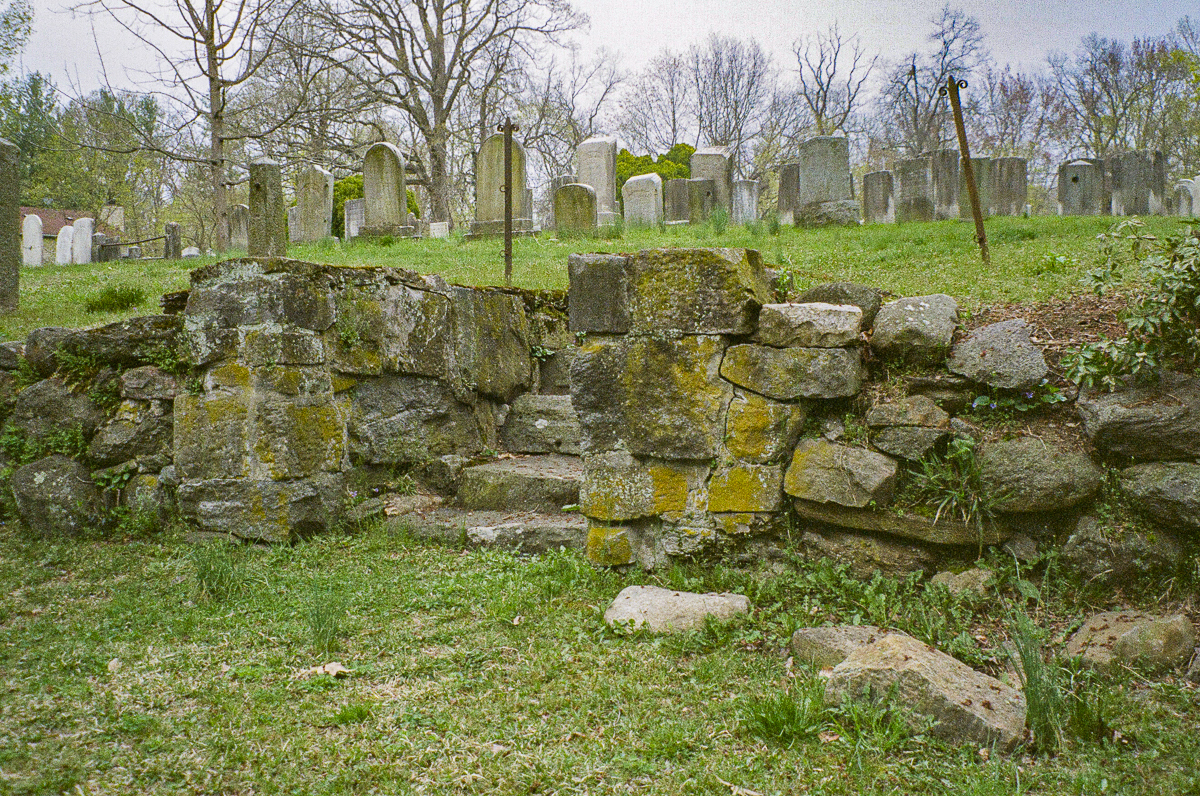
Historic (1764) Sparta Cemetery.


Tree at Sparta Cemetery.


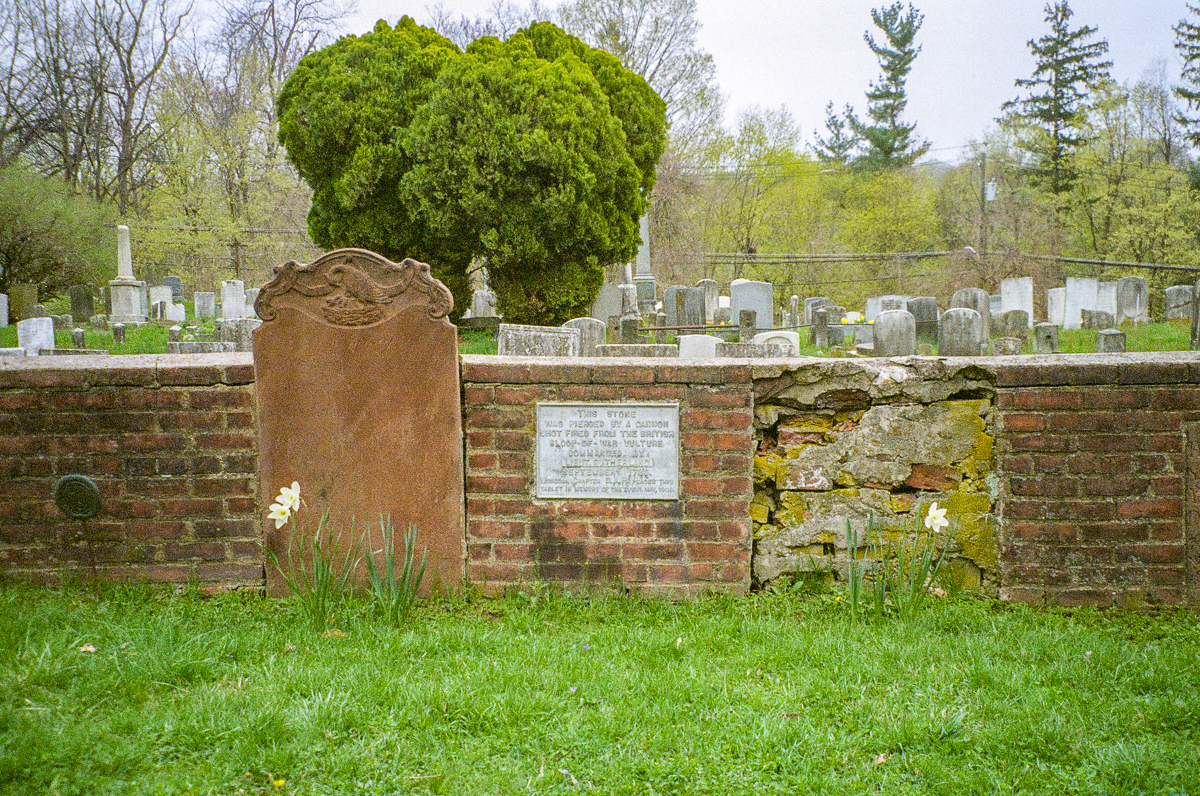
The plaque reads in part: “This stone was pierced by a cannon shot fired from the British sloop-of-war Vulture commanded by Lieutenant Sutherland, 1780”.


Interesting detail of a headstone.


Gravestones and a monument.


Same tree as above, different angle.


A brick wall at the corner of Scarborough Road and Ridgecrest Road.


Another brick wall, this time with tree roots.

Film Camera 2021 -2 Kodak VR35K14 – Results

All in all it was a pleasant camera to use. Like most point and shoot cameras there is little in the way of settings so you can focus more on your composition than on technical details. I can’t remember that there were any negatived points to the camera, but nor were there any features that blew me away. Other than the lens (a four element f2.8 coated Ektar), which as most reviews state is pretty good. As Mike Eckman says in his review:

There are many cameras from the 1980s that are highly regarded for the quality of images they can make. The Kodak VR35 K14 is not one of them, but it should be. Looking at the images in the gallery above, I would have believed you if you told me these came from a high end German point and shoot, or even an SLR. With the sole exception of a tiny amount of vignetting in some outdoor photos, the images are nearly perfect. Color accuracy is excellent, contrast is excellent, sharpness is excellent. The camera’s metering and auto focus system worked well, even indoors. The garish green florescent cast of the lights from the train picture are accurately rendered here. I used the fill flash feature a couple of times outdoors and it worked wonderfully. I’m only showing 10 of the 24 images from my first roll, but frankly, I could have shown the whole roll and they would have all looked just as great.

Kodak has made some really great cameras in the past. While they don’t enjoy the legendary reputation of other mid 20th century camera marques like Zeiss, Leitz, or Nikon, many of Kodak’s earlier cameras were quite good. Of the ones that were “quite good”, many of them used names like “Medalist” and “Ektar” so when I first started shooting this camera, I’ll admit to having a bit of cautious excitement as to what the camera could do.

I still question the use of the name “Medalist” but at least the camera performs well.
From a usability standpoint, the camera works much like most other automatic mid-80s point and shoots. The camera is a bit on the large side and with questionable ergonomics, but all of that was forgiven when I saw the images.

While I question the decision to label this camera as a “Medalist” with an “Ektar” lens as it shares absolutely nothing in common with the original Kodak Medalist or it’s 5-element Ektar lens. The one here is a 4-element semi wide-angle f/2.8 lens that is likely a Tessar inspired design. If Kodak was looking to tap into their past for a high quality point and shoot camera, perhaps they should have called this the “Signet”.

Nevertheless, this Medalist with an Ektar lens absolutely lives up to the reputation of it’s ancestors in how painlessly it delivers fantastic results and is a camera I highly recommend if you have an opportunity to pick one up.

Although it’s larger, and less ergonomic than the Olympus Stylus Epic/Mju II it’s much less expensive and in my opinion produces images that are just a good (or perhaps even better?)

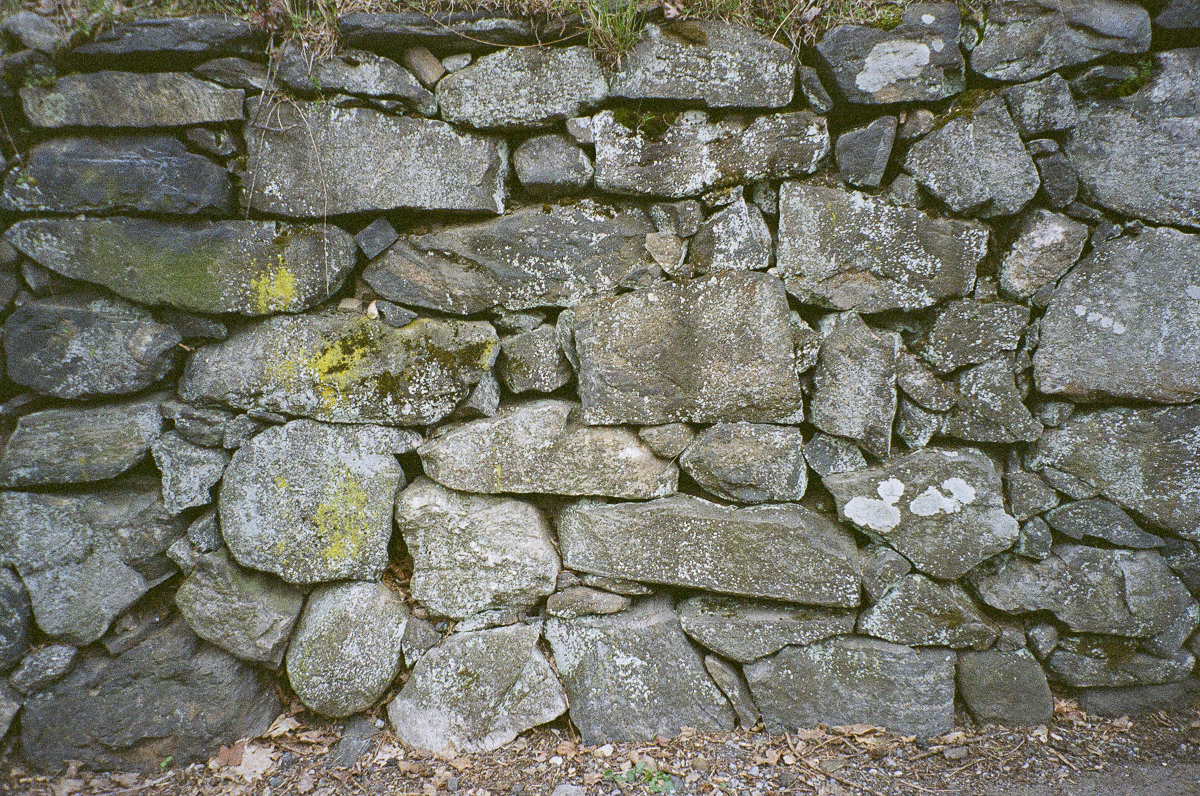
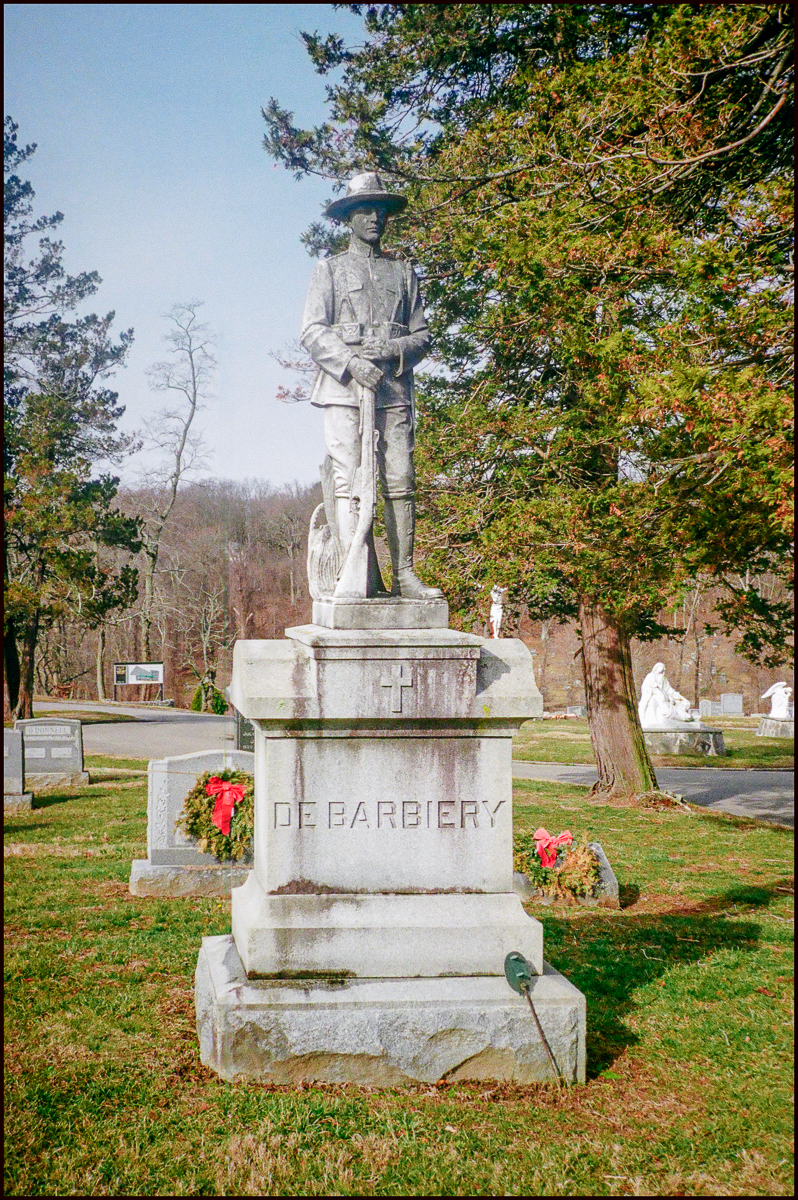
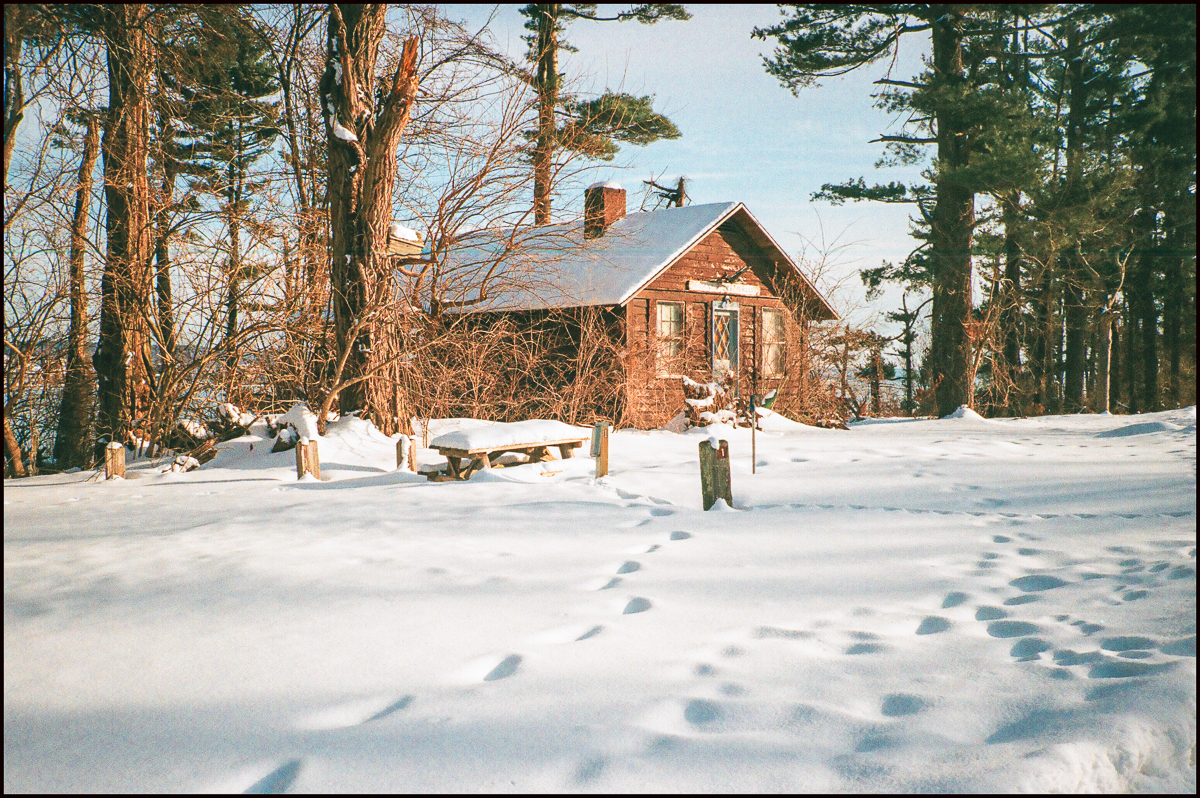
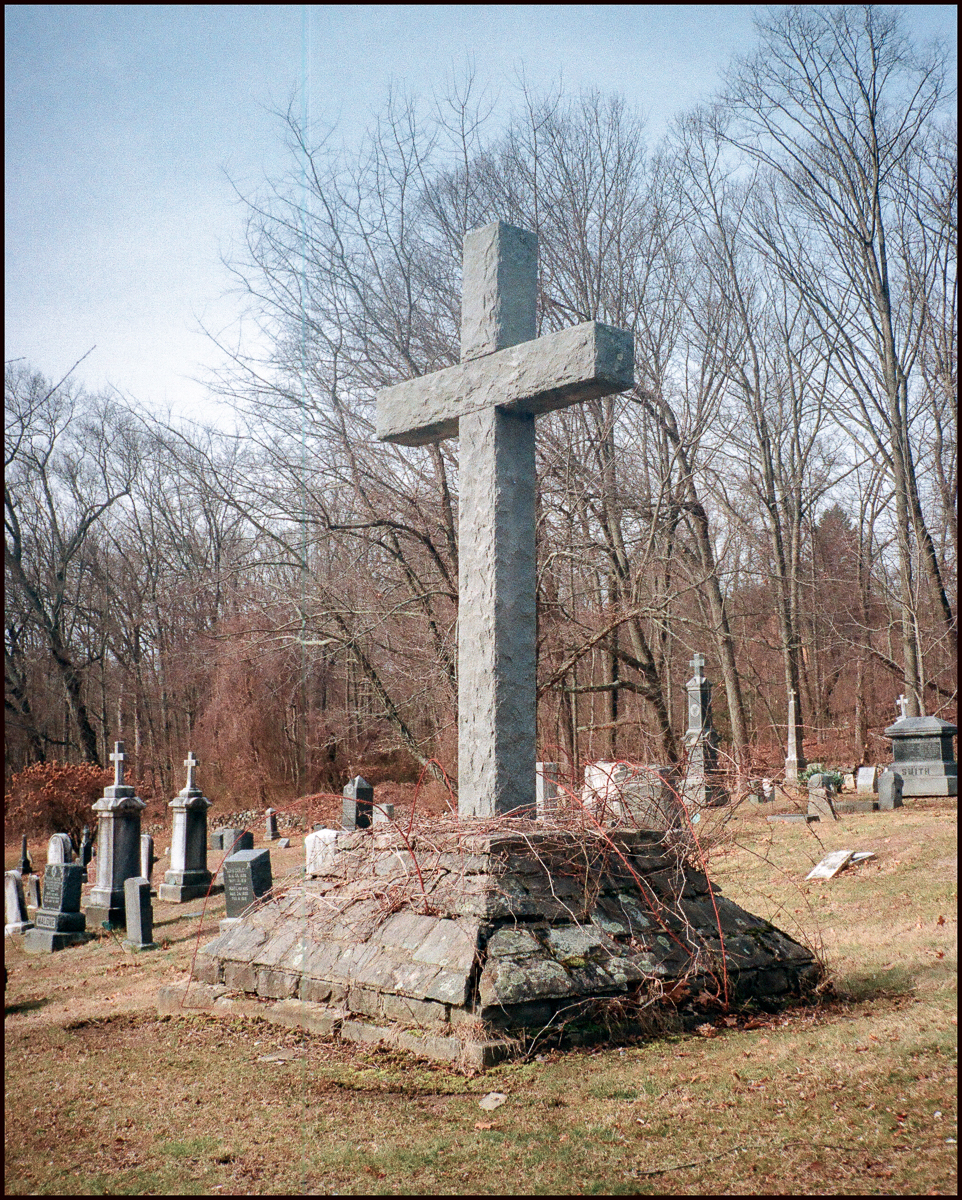
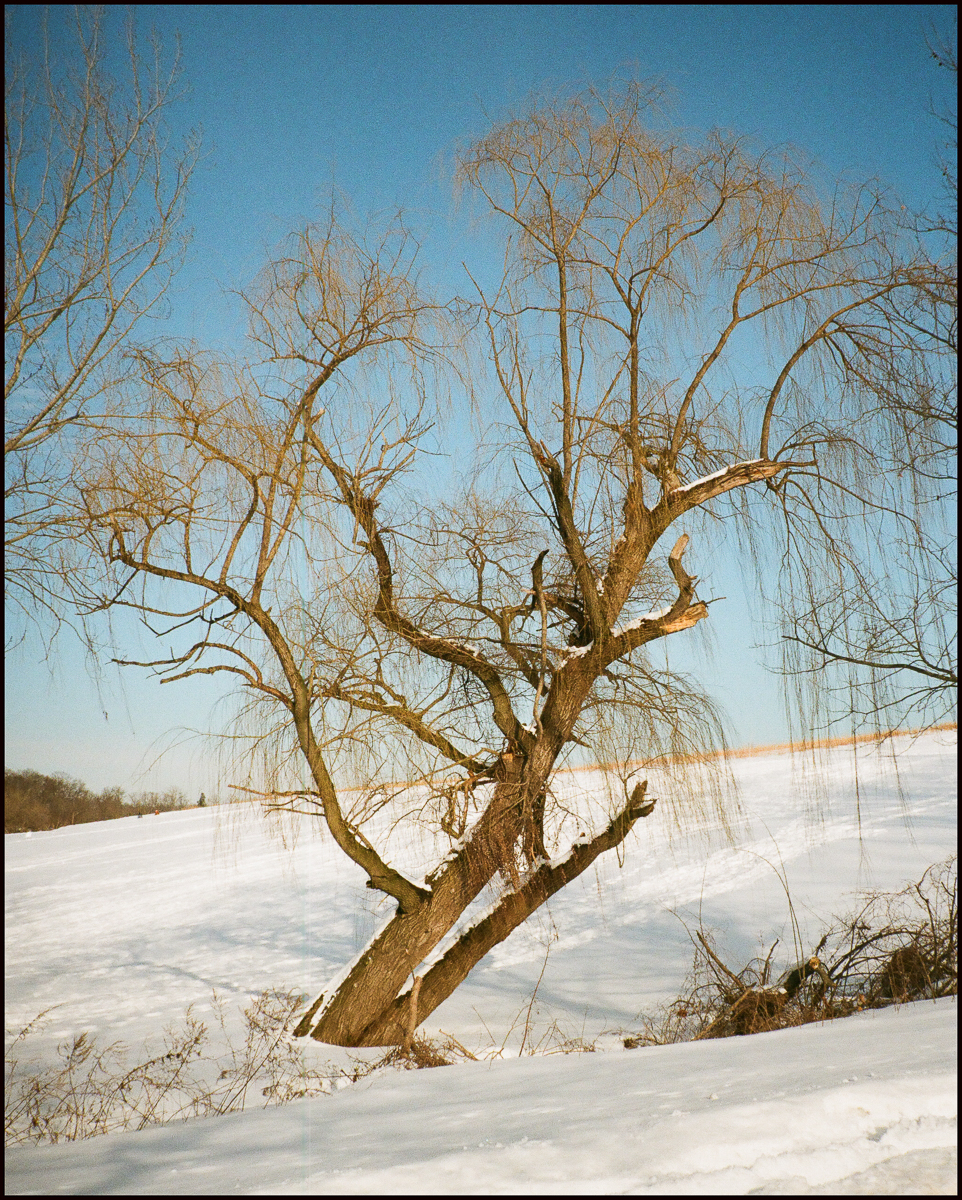
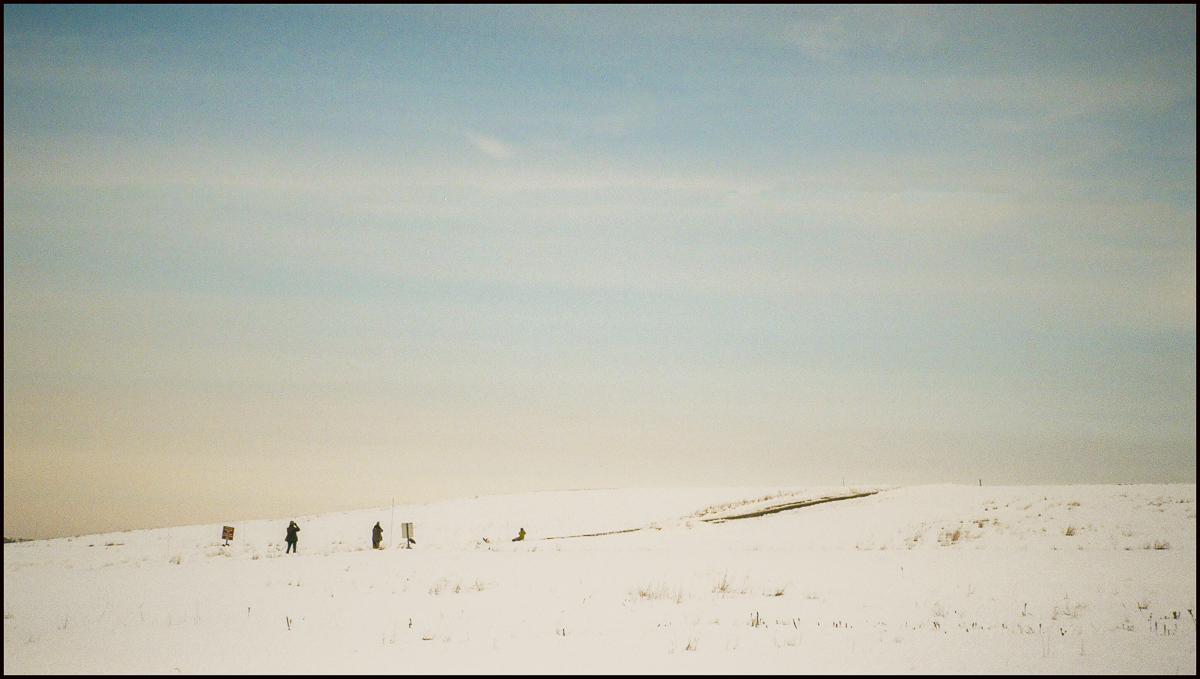
The snowy pictures were taken at Croton Point Park, Croton-on-Hudson, NY and the cemetery pictures at St. Augustine’s in Ossining, NY. I believe the film used was Kodak Colorplus II.


Film Camera 2021 -1 Canon EOS A2/Canon 5 – Results

When I acquired the camera I noticed that it still had an apparently full roll of film in it so I decided to just go ahead and shoot it. Since I had no idea how long the film had been in the camera I didn’t have very high expectations. I wasn’t disappointed. The roll showed all of the characteristics of a long expired film: decreased sensitivity, very low contrast, and increased grain.

Still I hadn’t been looking for great pictures. I was more interested in testing a newly acquired camera to see if it was working and how well in performed. In that sense I think my outing was a success.


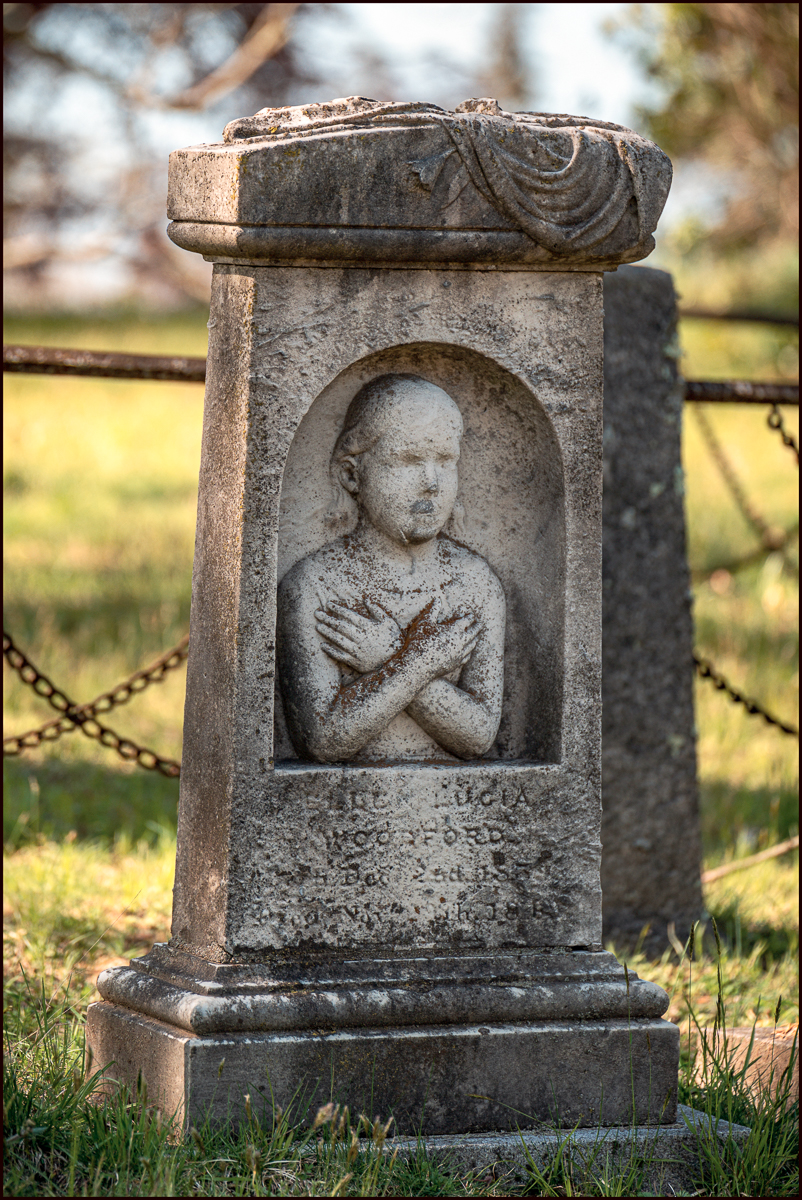
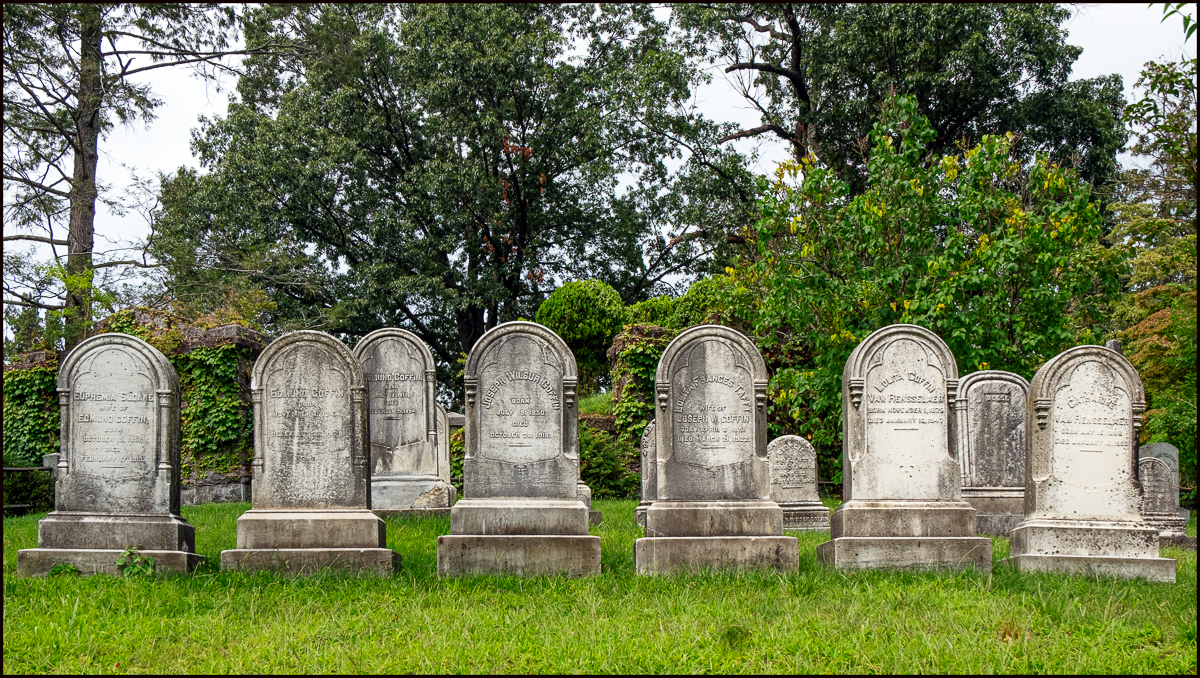
All pictures taken in Sleepy Hollow Cemetery, Sleepy Hollow, NY.