Lunch in Hastings-on-Hudson

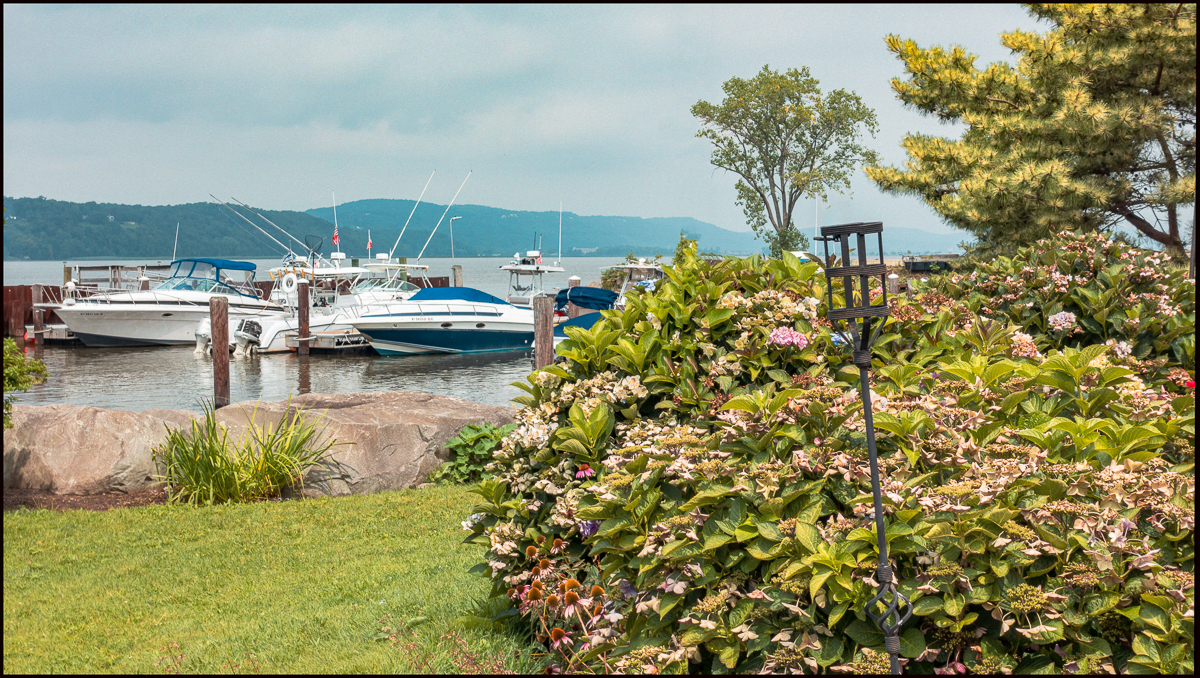
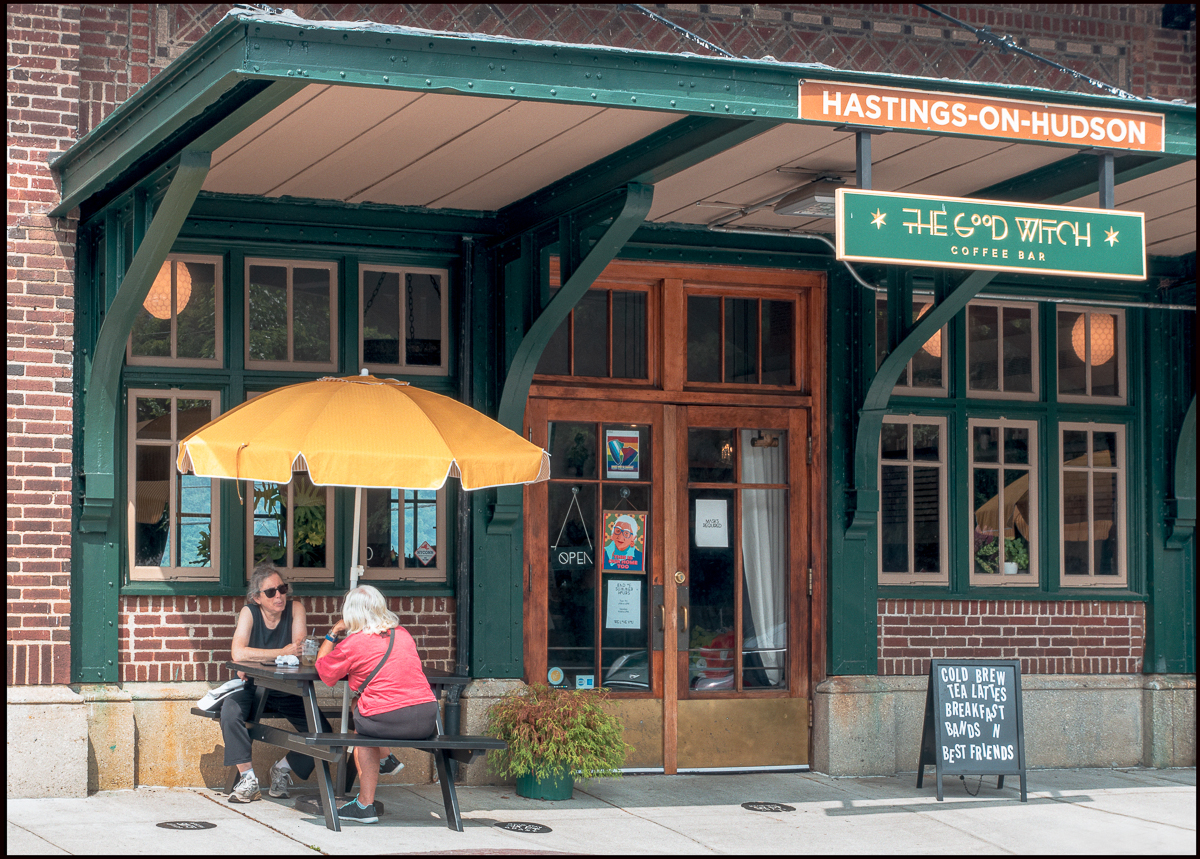
Back in early August I met up with my friend and former colleague Robert Cohen for lunch at Harvest on Hudson, a very pleasant restaurant right on the river in Hastings-on-Hudson. I arrived early and decided to have a coffee while waiting at “The Good Witch” right by the station in Hastings (in fact it looks like it was once the actual station building). It’s an interesting place – I’d never seen kimchi bagels before.
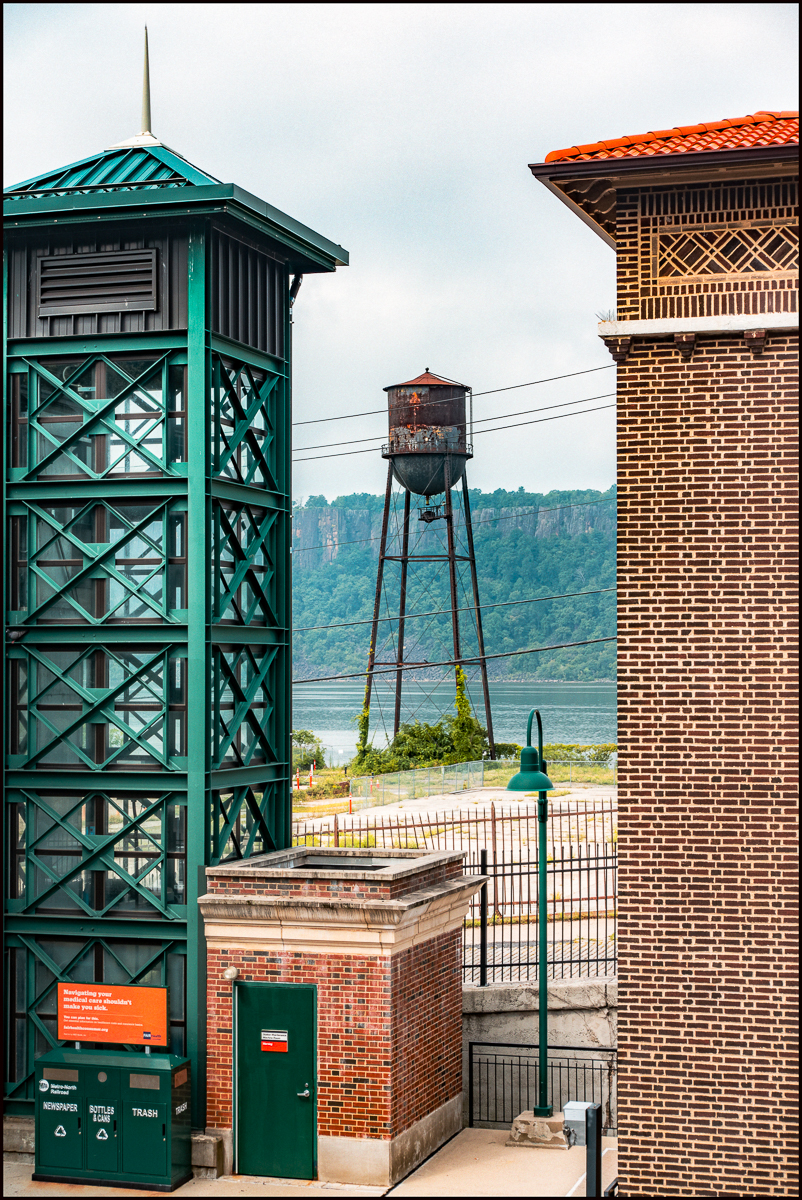

View from the overpass at Hastings station. In between the two buildings is the iconic water tower.
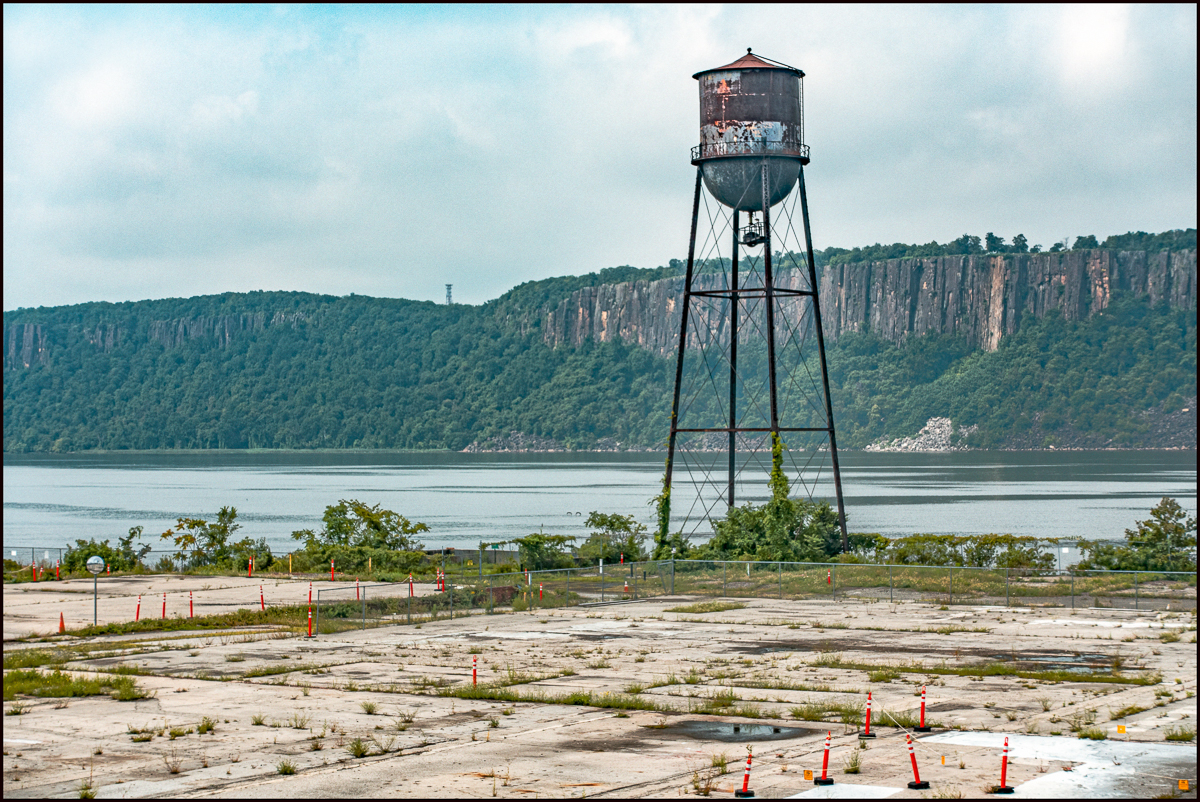

Another view of the water tower with the Palisades in the background. The Palisades are anywhere from 300 to 540 feet high depending on where you are. The water tower is about all that remains of the former Anaconda Wire and Cable (AWC) works. The site is heavily polluted and is in the process of being remediated by the current owner prior to re-development. All the other buildings have been demolished, but the tower has become a symbol of Hastings-on-Hudson and a majority of the residents do not want it to be demolished.
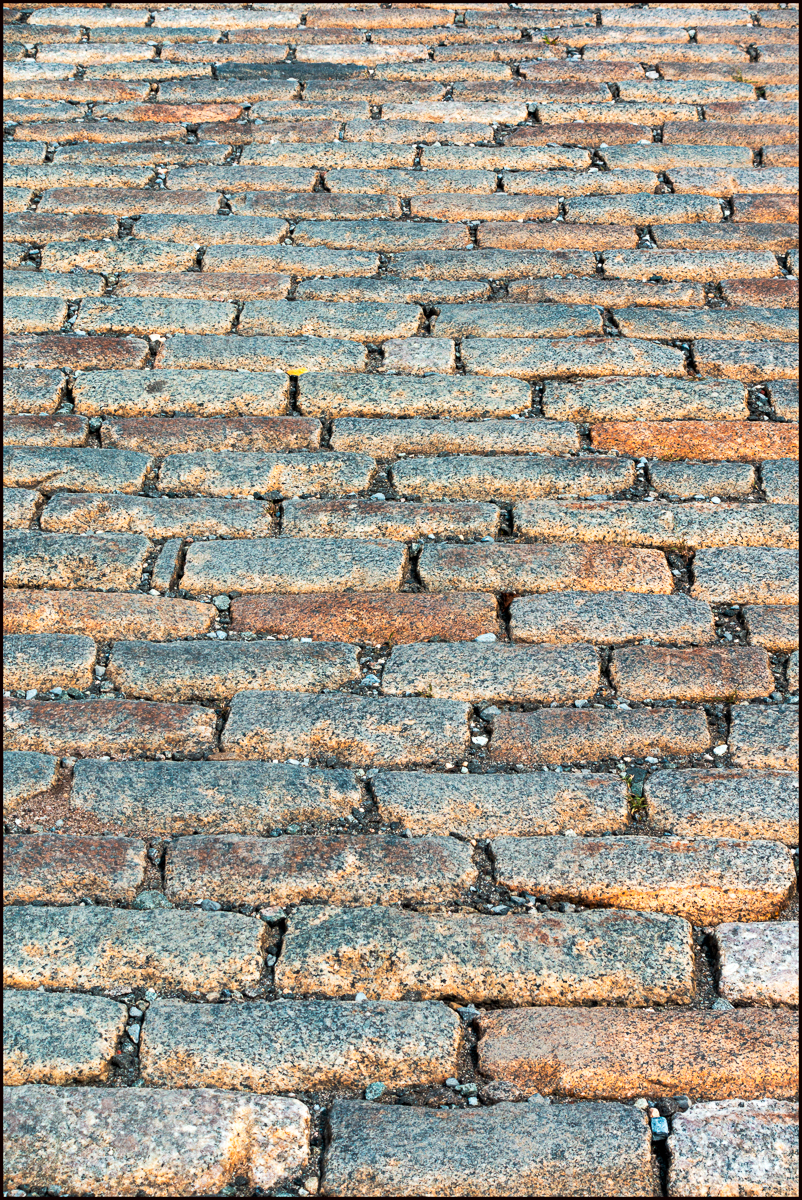

Old paving stones. In 1880, the Hastings Pavement Company began making hexagonal pavers, still visible in the sidewalks along the west and east sides of Manhattan’s Central Park and in Brooklyn’s Prospect Park. The “fog works,” so nicknamed because of the smoke the paving company generated, would remain on the Hastings waterfront until 1936. During World War One, the waterfront industries geared up to support the war effort. Hastings Pavement supplied pavers for the Great Army Supply Base in Brooklyn and Navy yards in New York, Boston, Philadelphia, Brooklyn and Hampton Roads. These pavers look quite old. I wonder if they date back to this period.
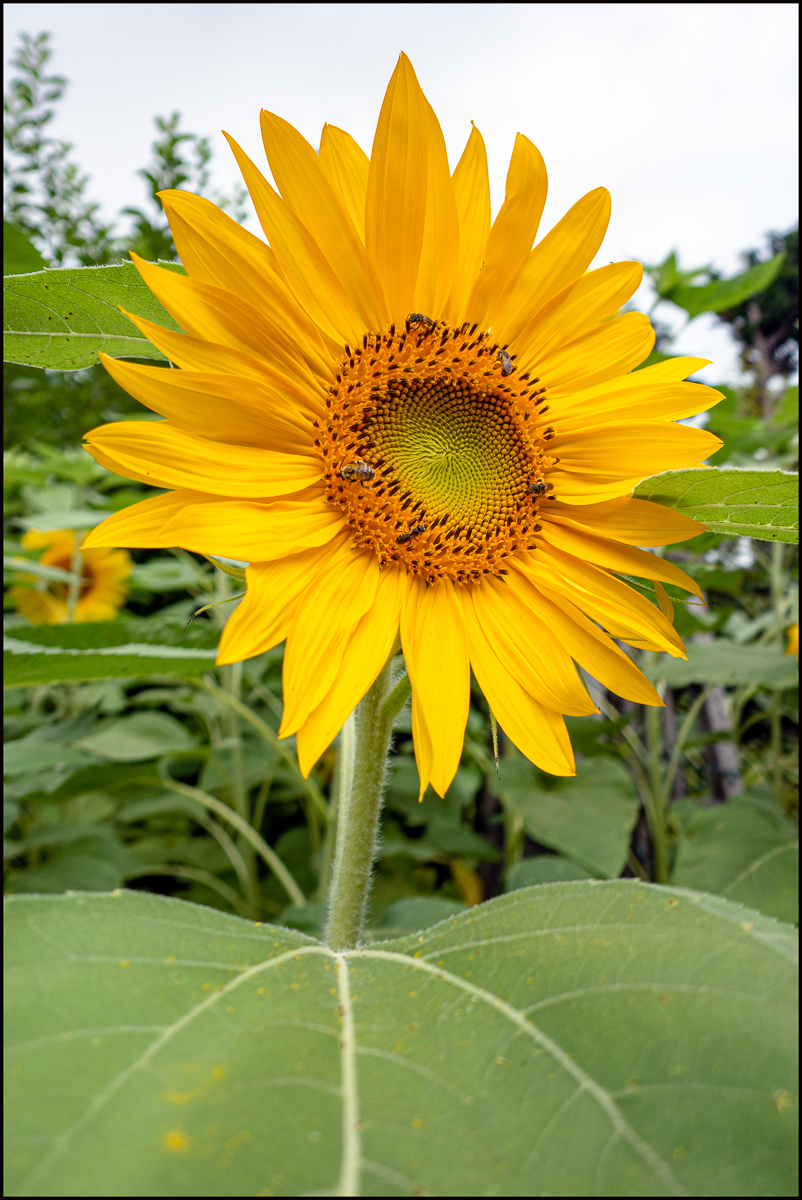

A sunflower by the entrance to Harvest on Hudson.


Losts of flowers in and around the restaurant.
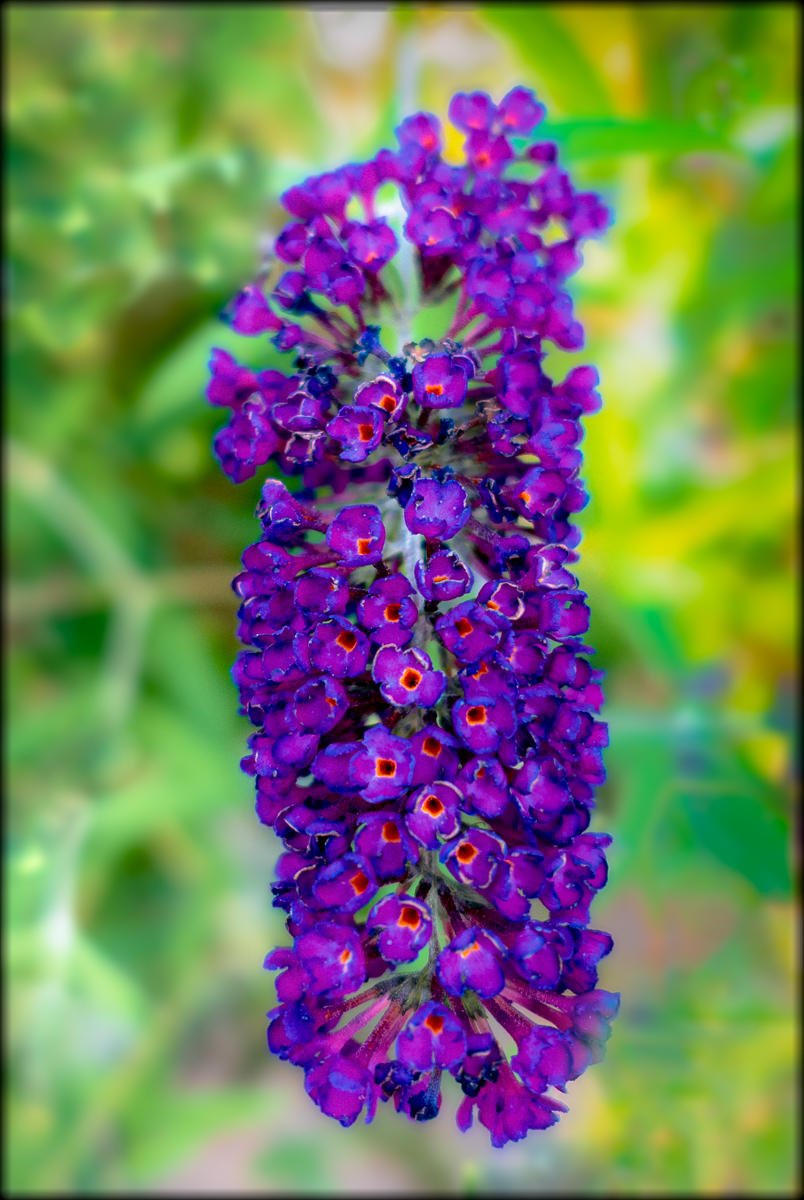


Robert waiting for our table to be ready.


At the restaurant.



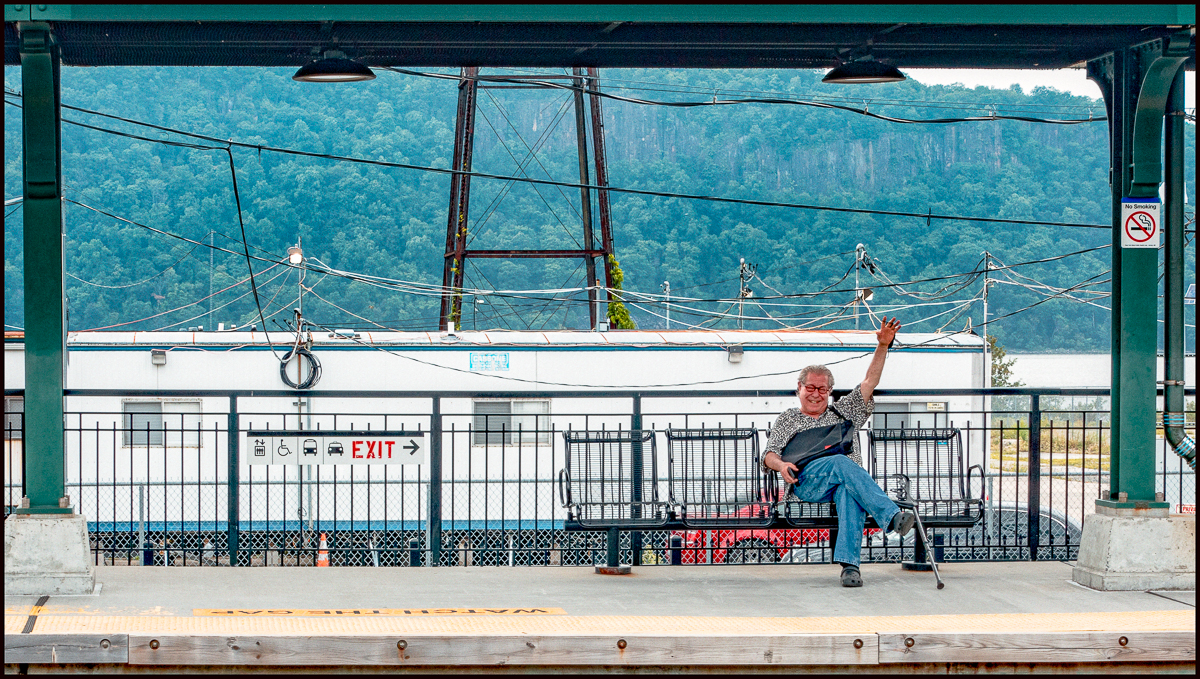
Robert waiting for his train back to The Big Apple.

Taken with a Sony RX100 III.
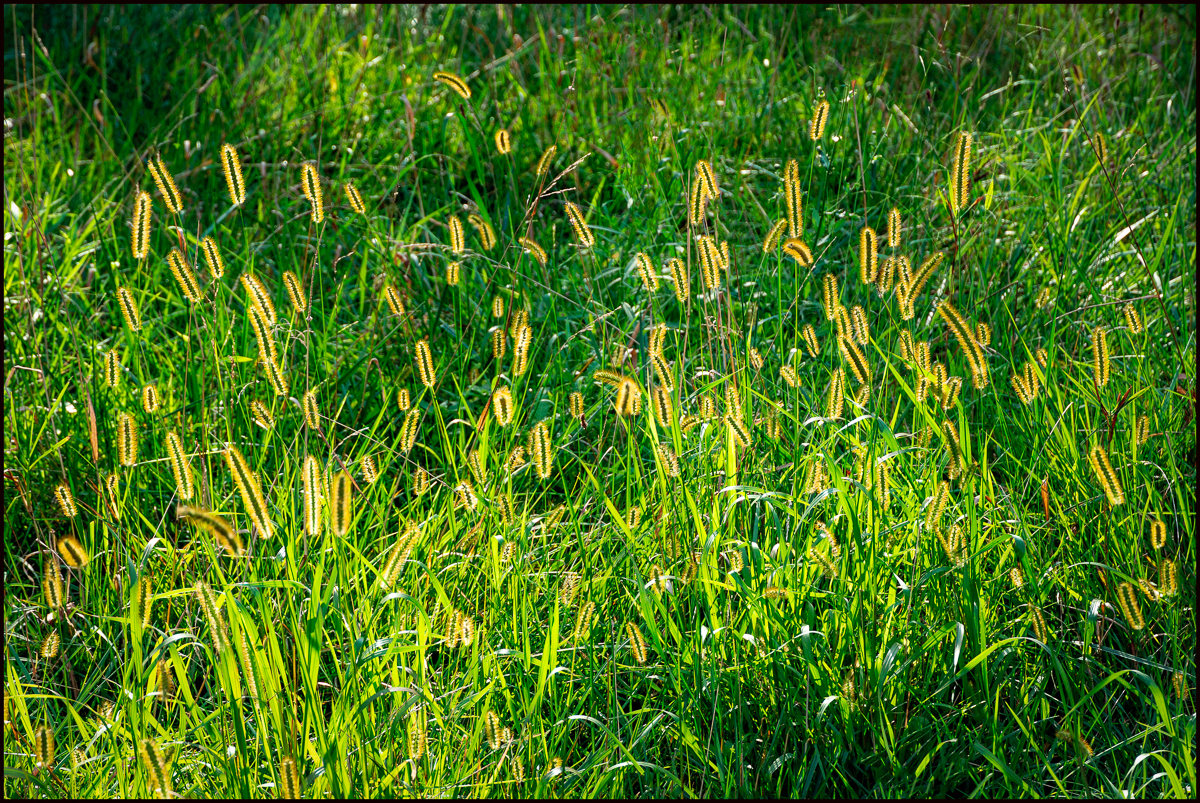
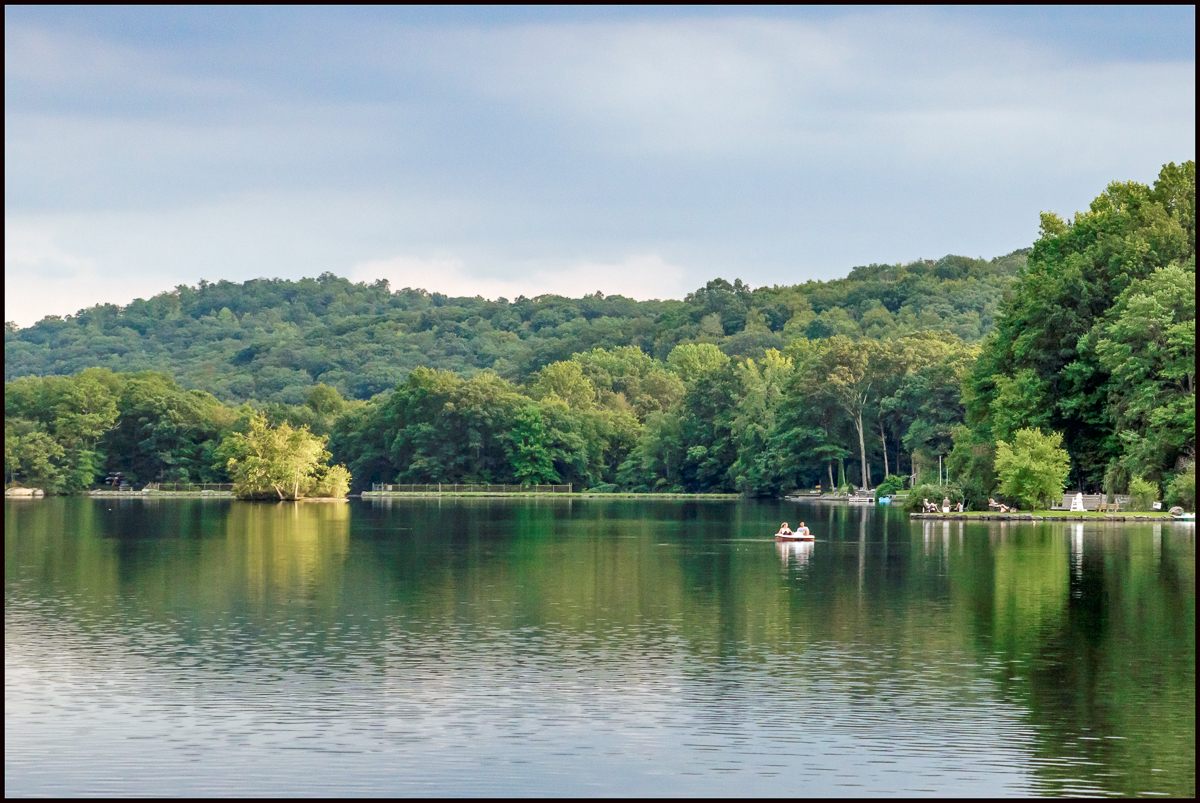
Up at the lake

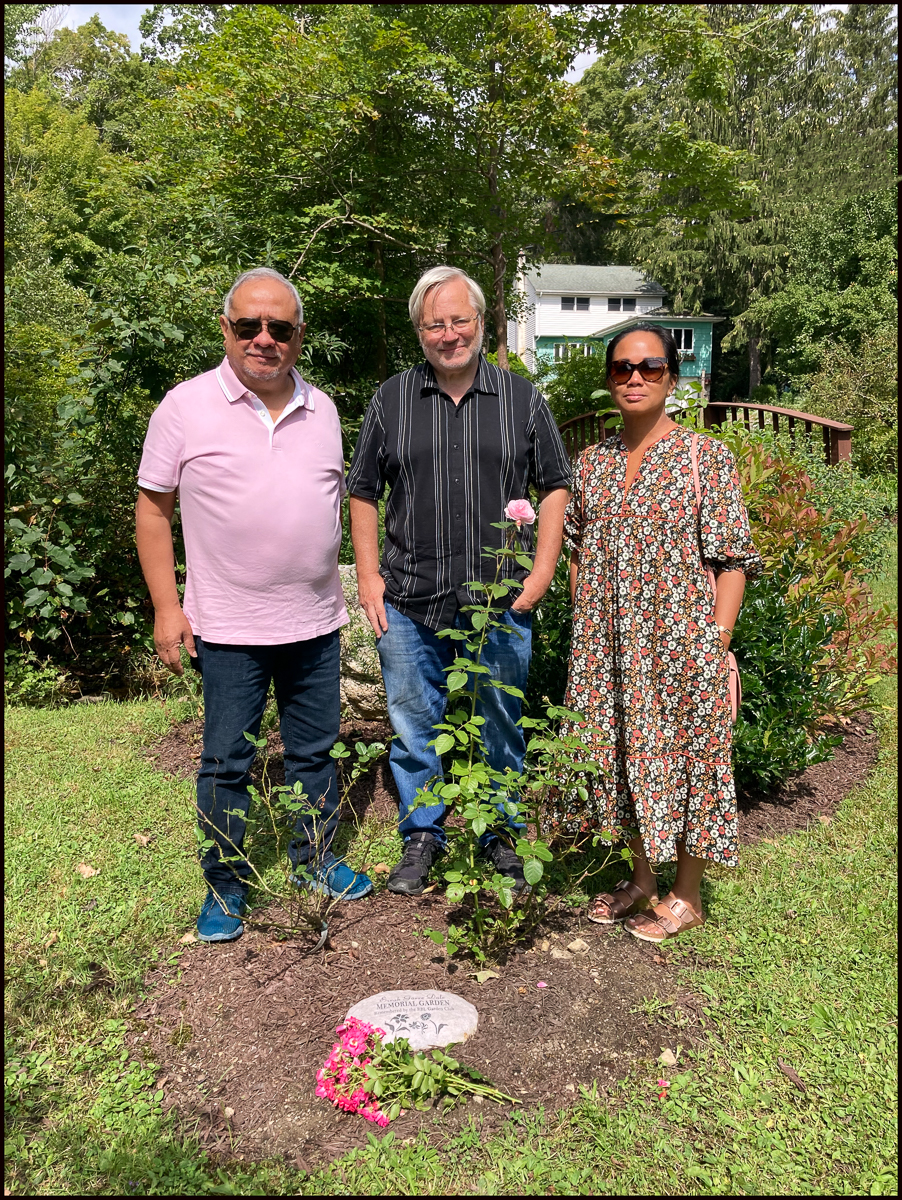
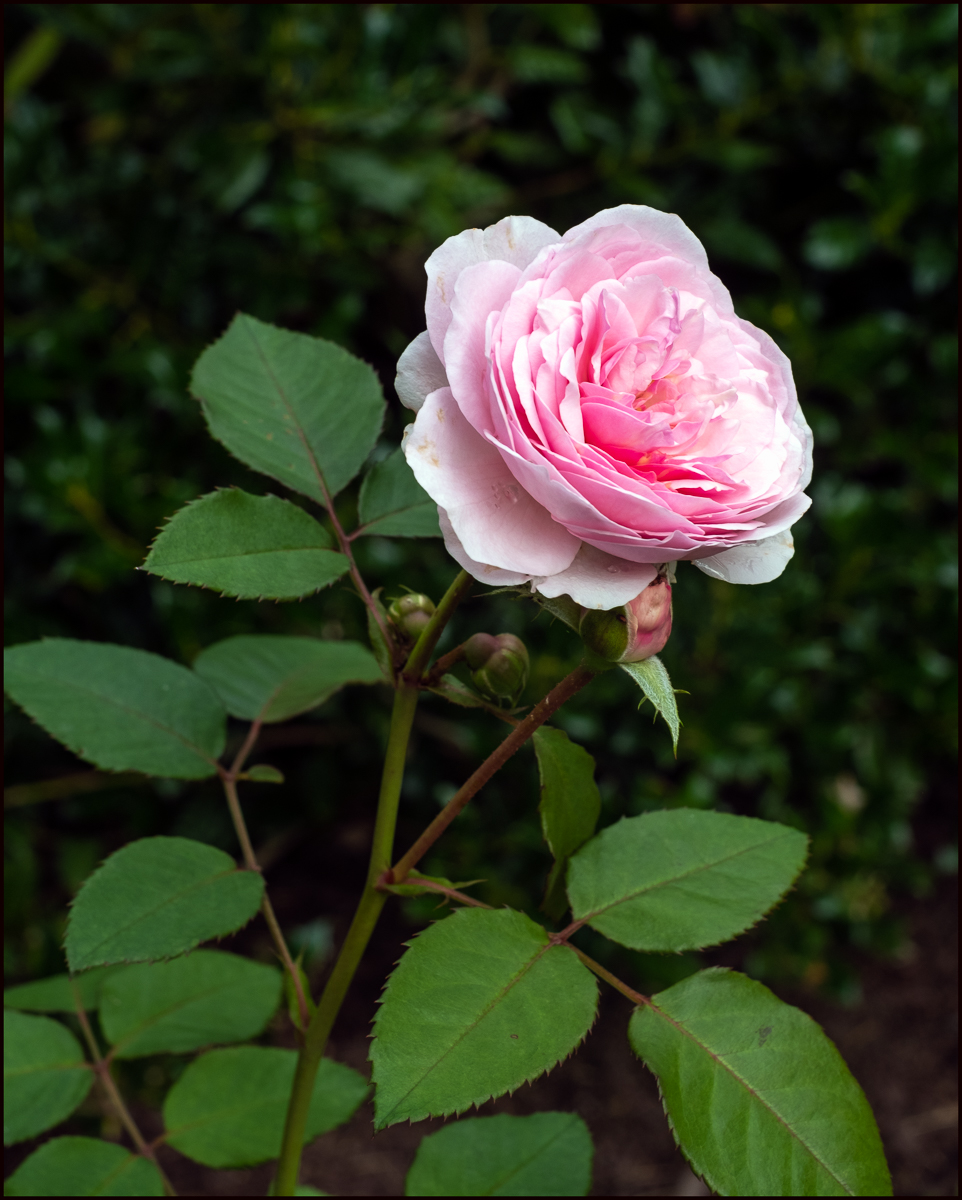
Jasmine and my brother-in-law, Roy were visiting. Roy had not been in the New York area for quite some time, and Jasmine had not been here since my wife, Eirah (her mother) passed away almost a year ago. In particular they wanted to see the memorial garden near the entrance to our lake side community. We had donated two of Eirah’s many roses to the Garden Club (Eirah was a very active member) and they’d planted them in this small garden and placed a stone bearing her name.

To our surprise one of the roses was blooming.


Taken with an Apple Iphone 8se II.

Film Camera 2021 -3 Pentax Espio 115G – Results

I liked the appearance of this camera with its brushed silver and black look and it was quite a pleasant camera to use.

The zoom to 115mm was a bit intimidating and extended for quite a distance from the front of the camera. I suspected that it was probably quite soft a the longer end of the zoom so I tended to avoid the telephoto end. Unfortunately I hadn’t realized that the wide end suffers a lot from pincushion distortion.

I took the camera out on a pretty bad day: it was overcast and dark with quite a bit of haze. Also I was using an old film (of course I didn’t know how old it was). So the resulting pictures needed a bit of tweaking in terms of exposure and contrast, but bearing in mind that the film was probably quite old they weren’t too bad.

The review I mentioned in the preceding post (See: Film Camera 2021 -3 Pentax Espio 115G) concludes:

I really enjoy using the 115G — it’s a lot of camera packed into a little package, and for me at least, the pluses are definitely more significant than the minuses. It’s a solidly built little machine that produces nice, sharp images. If you happen to see one turn up at your local thrift store at a reasonable price, grab it. I think you’ll find, as I have, that it’s a very capable shooter.

I’d agree: all things considered it’s a decent camera, but unfortunately I have other point and shoot cameras that I like more so I don’t think I’ll be using it again.

Above the brick wall of the former Speyer Estate.


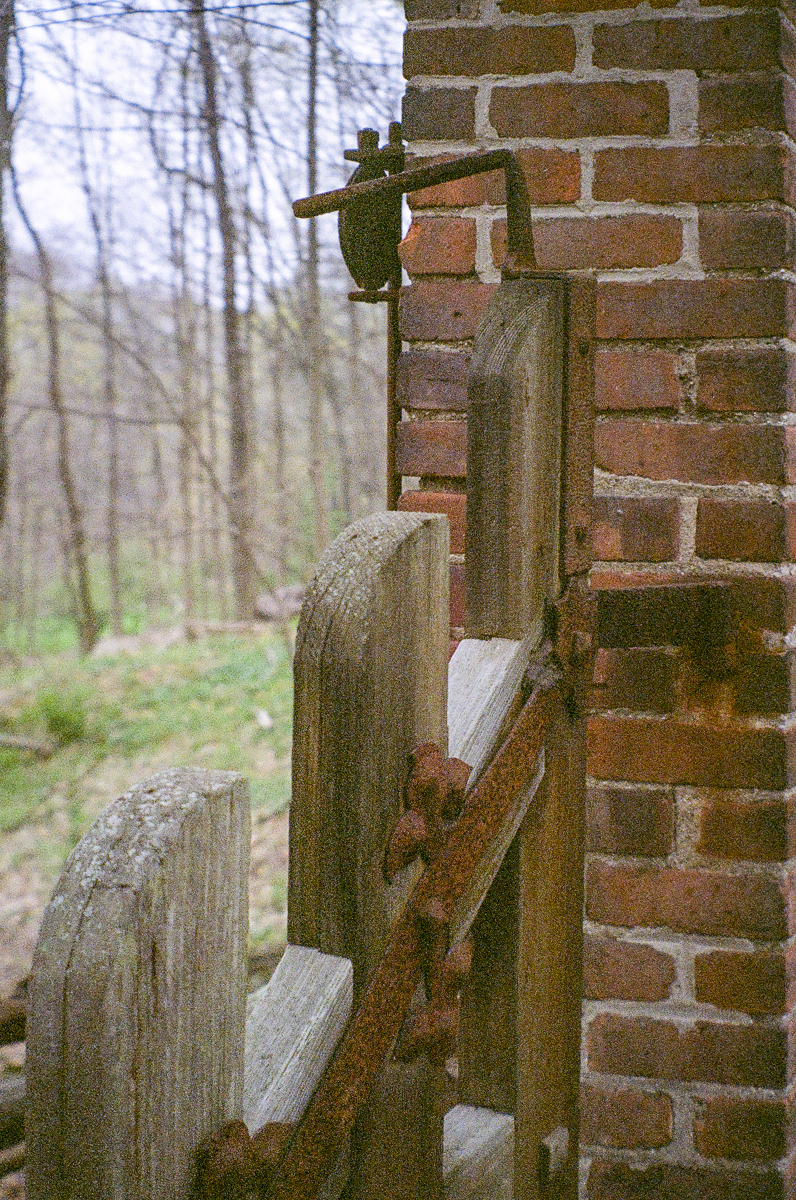
A gate in the wall.


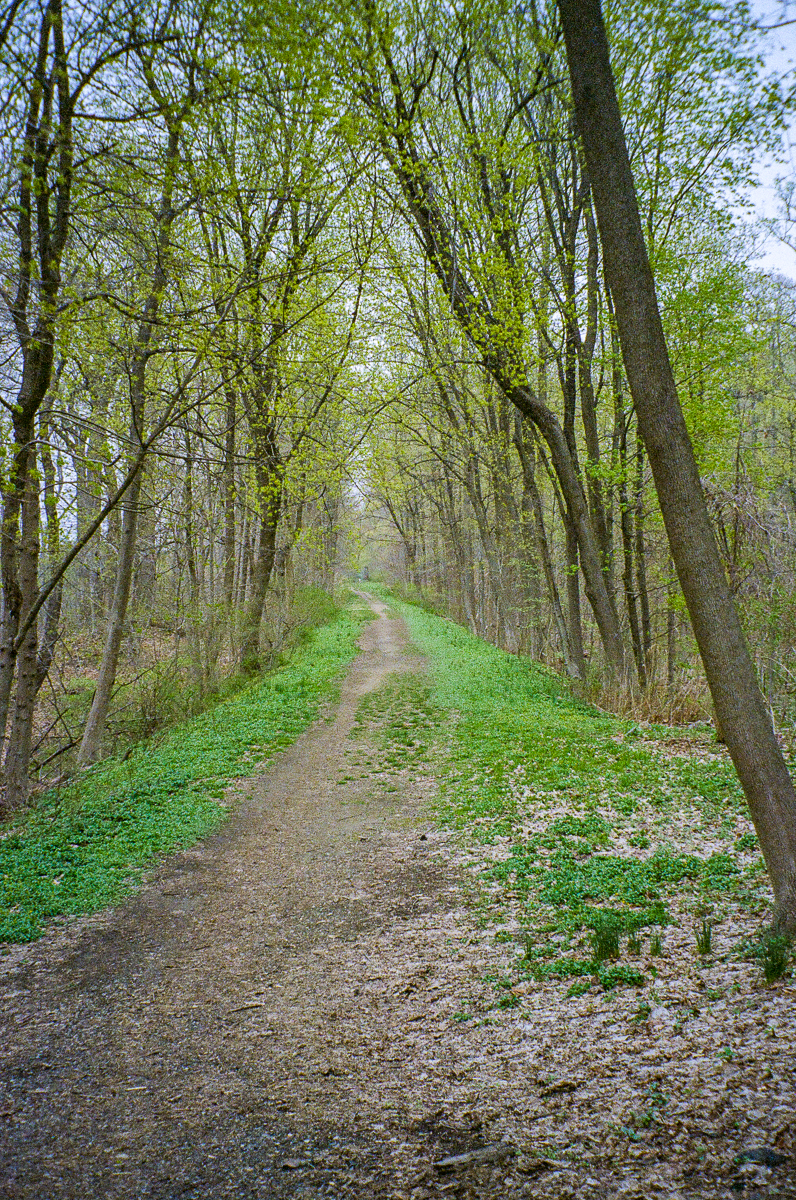
Passing the Old Croton Aqueduct trail.


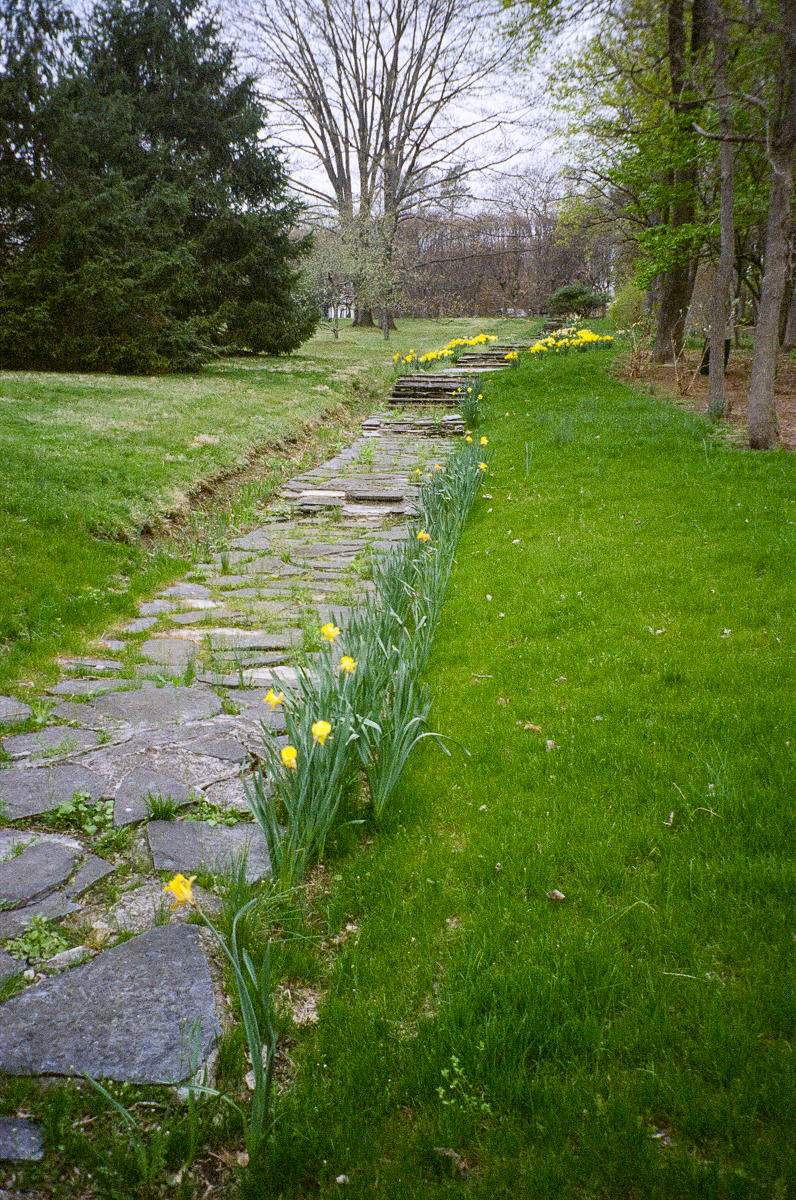
A garden at the intersection of Albany Post Road (Route 9) and Scarborough Station Road.


Another garden, this time at the intersection of Albany Post Road and Revolutionary Road.


Entrance to Scarborough Presbyterian Church.


Crisscrossing patterns.


Detail of the door of Scarborough Presbyterian Church.


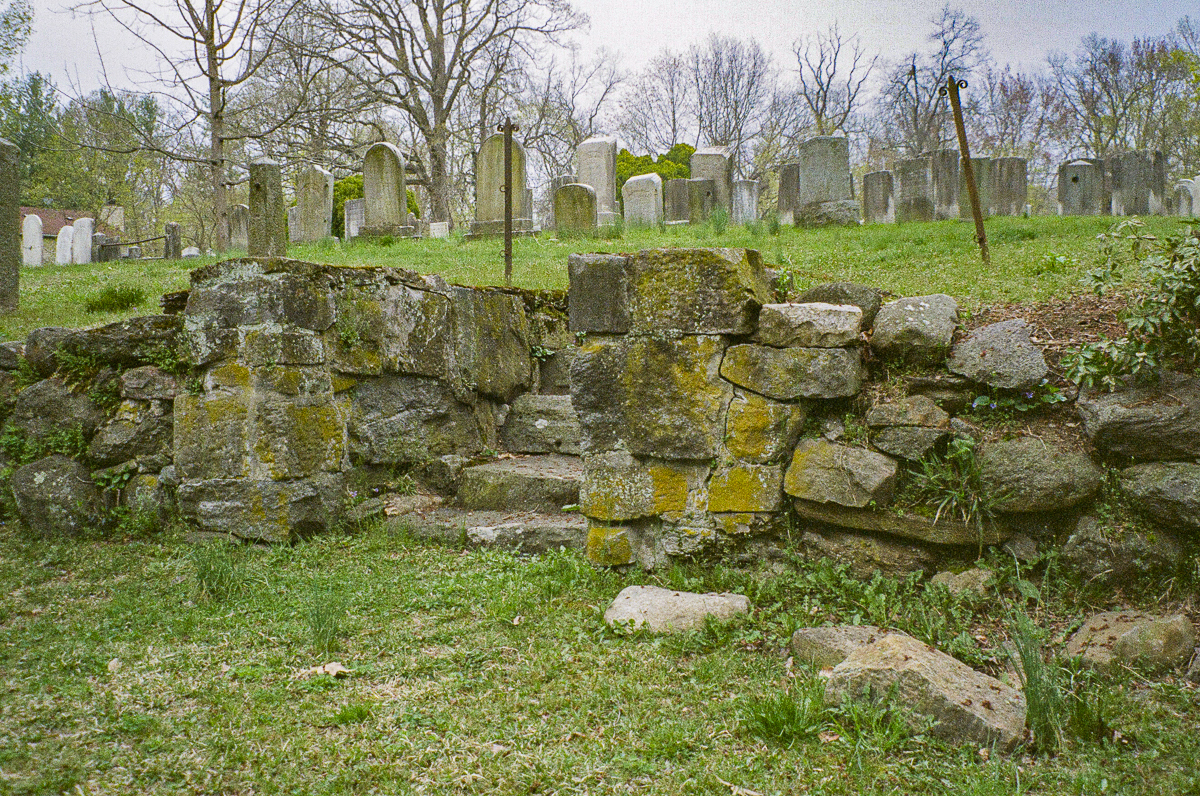
Historic (1764) Sparta Cemetery.


Tree at Sparta Cemetery.


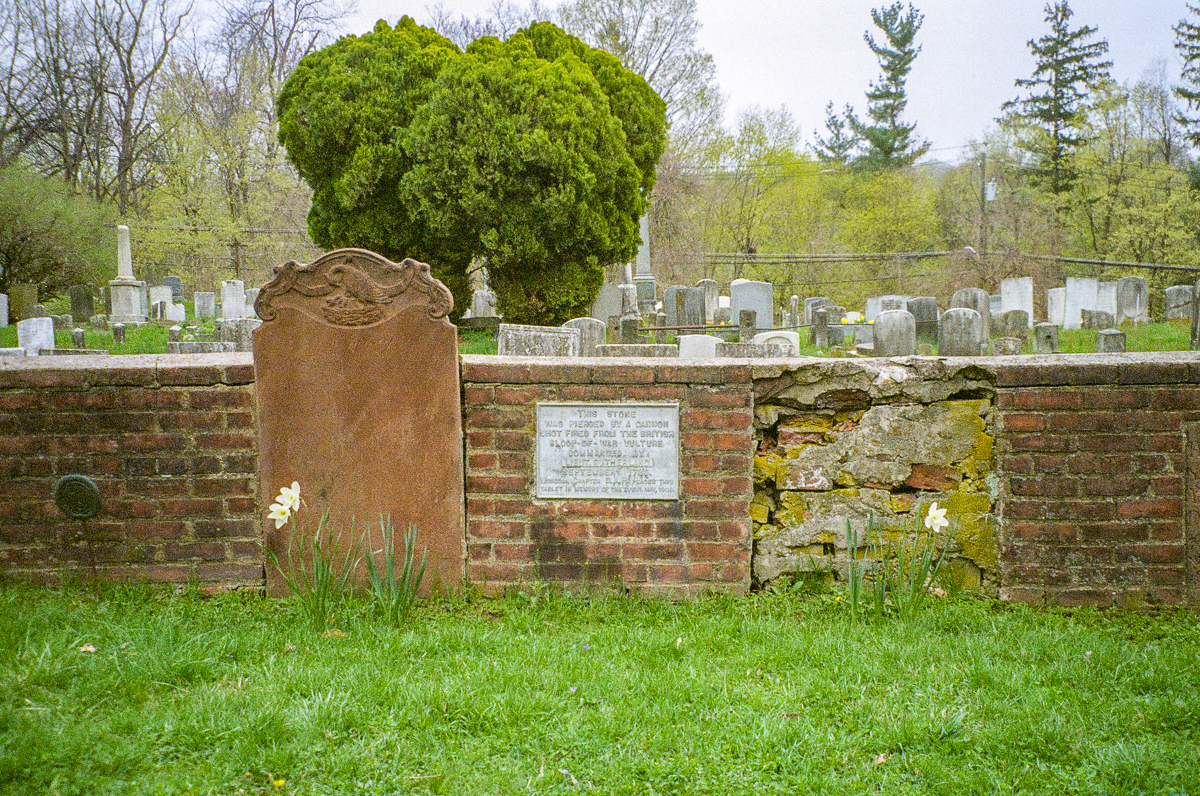
The plaque reads in part: “This stone was pierced by a cannon shot fired from the British sloop-of-war Vulture commanded by Lieutenant Sutherland, 1780”.


Interesting detail of a headstone.


Gravestones and a monument.


Same tree as above, different angle.


A brick wall at the corner of Scarborough Road and Ridgecrest Road.


Another brick wall, this time with tree roots.