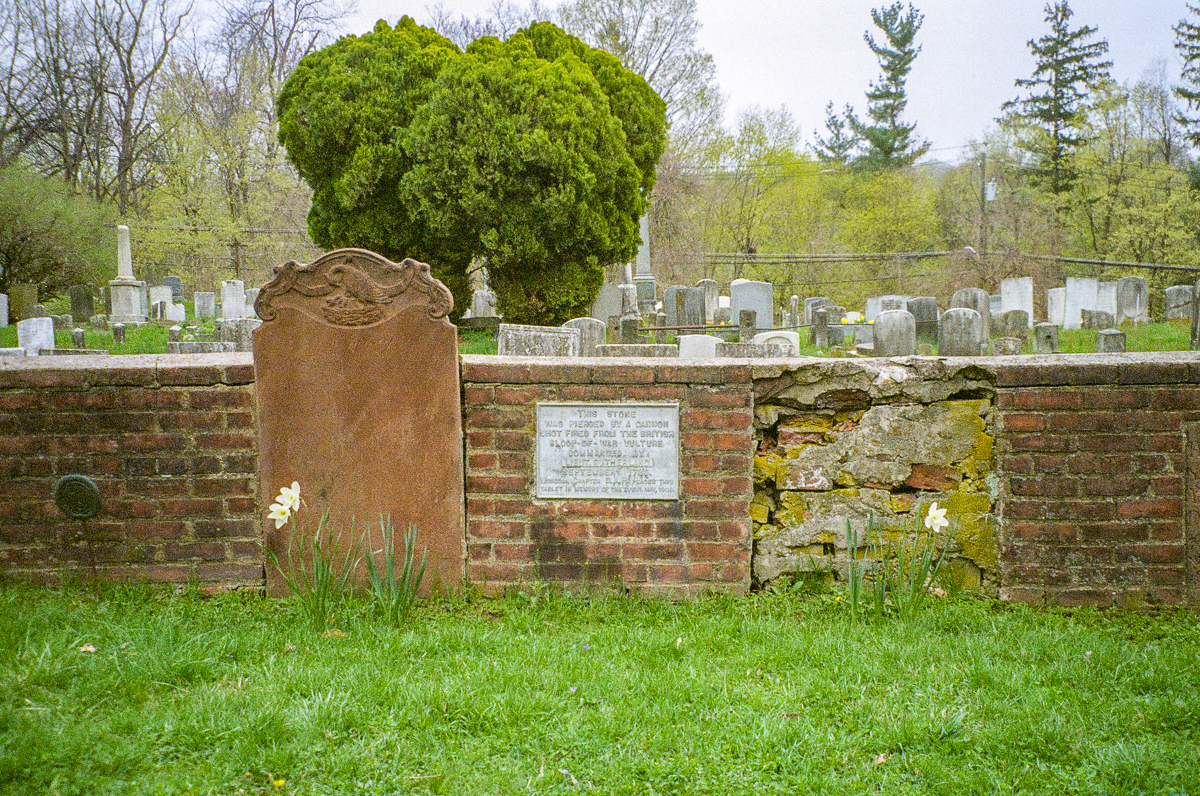
This mansion is within walking distance of my house in Briarcliff Manor, NY. I used to pass it every day on my way to the railway station. Beechwood was most notably the home of Frank A. Vanderlip and his family. The house and property were owned by the Vanderlip family from 1906 to 1979.
Near the center of the property, at the southwest corner of Route 9 and Scarborough Station Road, sits the mansion that features two large porticoed entryways, a two-story octagonal library, numerous porches, verandas, and over 100 interior rooms. Other major structures included a hunting lodge, a second mansion built for the Vanderlips’ daughter Charlotte, a home for the Vanderlips’ physician, and the Scarborough School, a progressive school which the Vanderlips established just south of the mansion in 1916.
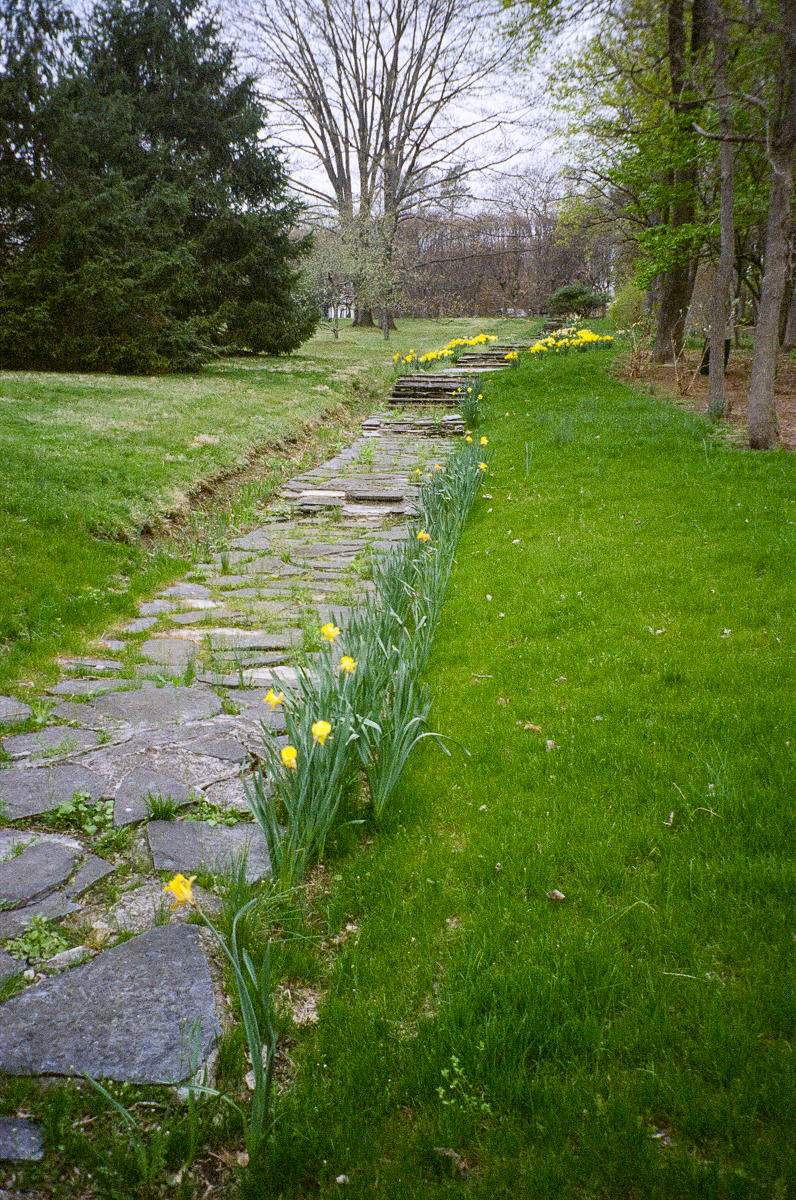
The 80-acre private parkland was designed by Frederick Law Olmsted for the Vanderlips and has expansive lawns, a grove of large beech trees, imported trees, and an Italianate garden with an alcove, fountain, and small pool with Wisteria-covered trellises. The lawns, formal gardens, and stone gazebo, erected by the Vanderlips, have been preserved and feature in wedding ceremonies that occasionally occur on the property. The Beechwood estate also contained a carriage house, gatehouse, squash court (no longer extant), and a white-stucco artist’s studio named Beech Twig. The estate’s garage is located northeast of the mansion, and is a flat-roof, two-story concrete building dating to the early 1900s.
The first portion of the main residence dates to 1780, and includes the original kitchen’s fireplace. Benjamin and Ann Folger were among the earliest residents, and named their residence “Heartt Place”. In the 1830s, Folger deeded the estate to a self-proclaimed prophet, Robert Matthews, who believed himself to be the resurrected Matthias of the New Testament. Matthews persuaded his followers to fund an expansion to the house, which he had named “Zion Hill”. During this time, Isabella Baumfree (Sojourner Truth) was his housekeeper. After he spent the money his followers and Folger had given him, Matthews became violent. Further on, he was tried for murder, and acquitted for lack of evidence. Matthews was later found guilty of assaulting his grown daughter, and he served a short jail term.
The property was in the Remsen family for decades. Anna Remsen Webb was one of the inheritors of the estate. In the 1890s, her husband’s half-brother Henry Walter Webb substantially added to the estate from numerous properties, including the Remsen estate and William Creighton’s estate (Creighton had named his house “Beechwood” after he purchased it in 1836). Henry Webb attached the name Beechwood to the entire estate and house. He renovated and expanded the mansion, hiring R. H. Robertson to double the size of the house. Robertson designed the expansion in the Colonial Revival style, to be compatible with the neoclassical Federal style of the original but more ornate.
Frank A. Vanderlip and his wife Narcissa Cox Vanderlip purchased the 23-acre property from Webb’s widow in 1906, and bought more property to make the estate a total 125 acres. He hired William Welles Bosworth soon after to further enlarge the house and to design a wing for his library and the lawns of the estate. In 1907, Among the guests the Vanderlips hosted at the house were Woodrow Wilson, Henry Ford, Sarah Bernhardt, Annie Oakley, Franklin D. Roosevelt, John D. Rockefeller, and Isadora Duncan. The Wright Brothers even landed a plane on the property.
Vanderlip descendants sold the Beechwood property. Three condominiums were built during a transformation of the mansion in the 1980s and a later expansion resulted in a total of 37 condominiums on the property’s 33 acres. (Adapted from Wikipedia).
While Vanderlip was vice president of the First National City Bank (later Citibank), he had two fluted smoked granite columns from the headquarters 55 Wall Street shipped to Beechwood (55 Wall Street was being remodeled and the columns were re-spaced, with two left over). He had the columns placed two-thirds above ground in Beechwood’s entranceway off of Albany Post Road , an entrance which was later closed due to increasing traffic volume on Route 9 (the current entrance is off Scarborough Station Road).
The former entranceway, designed by William Welles Bosworth
Closer view of the ornate wrought iron gate.
Covered walkway. I image that architecturally this kind of structure has a formal name, but I don’t know what it is.
The top lawn.
The Scarborough Day School was a private school in Scarborough-on-Hudson, in Briarcliff Manor, New York. Frank and Narcissa Cox Vanderlip established the school in 1913 at their estate, Beechwood. The school, a nonsectarian nonprofit college preparatory day school, taught students at pre-kindergarten to twelfth grade levels and had small class sizes, with total enrollment rarely exceeding 150 students. Since 1980, the buildings and property have been owned by The Clear View School which runs a day treatment program for 83 students. The current school still uses the Scarborough School’s theater, which was opened in 1917.
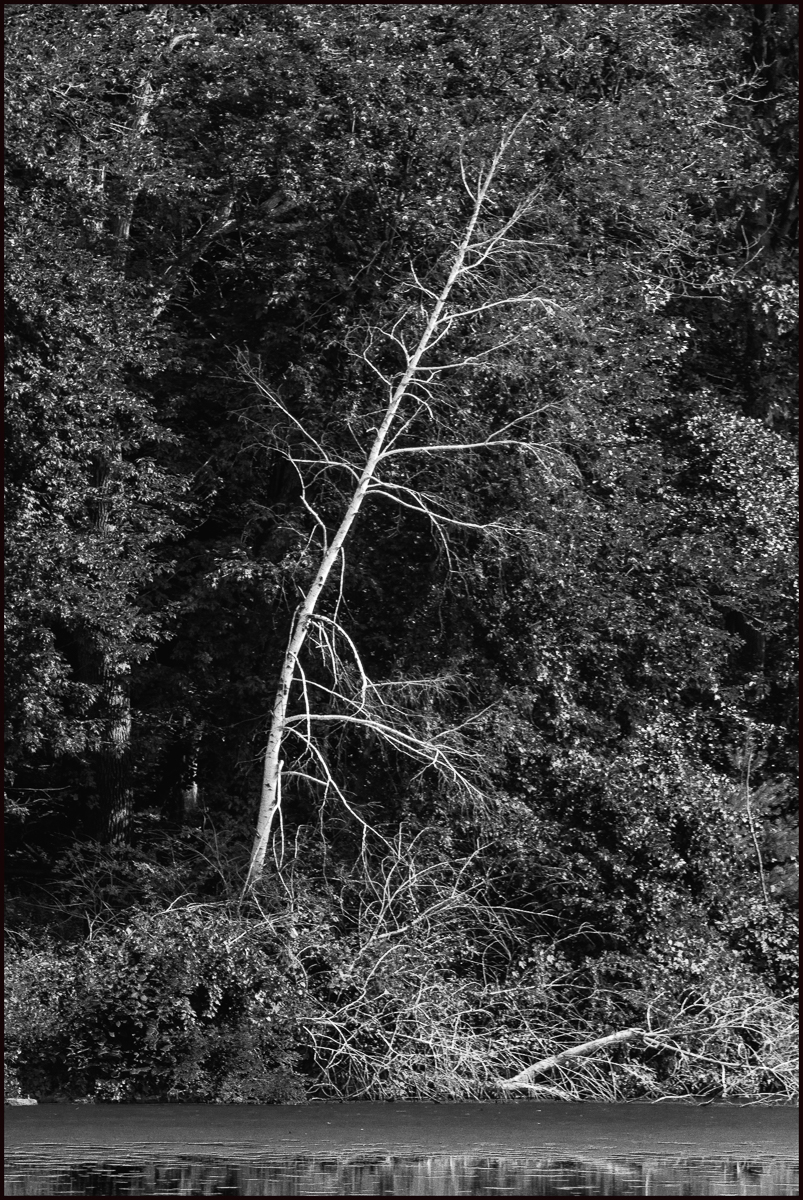
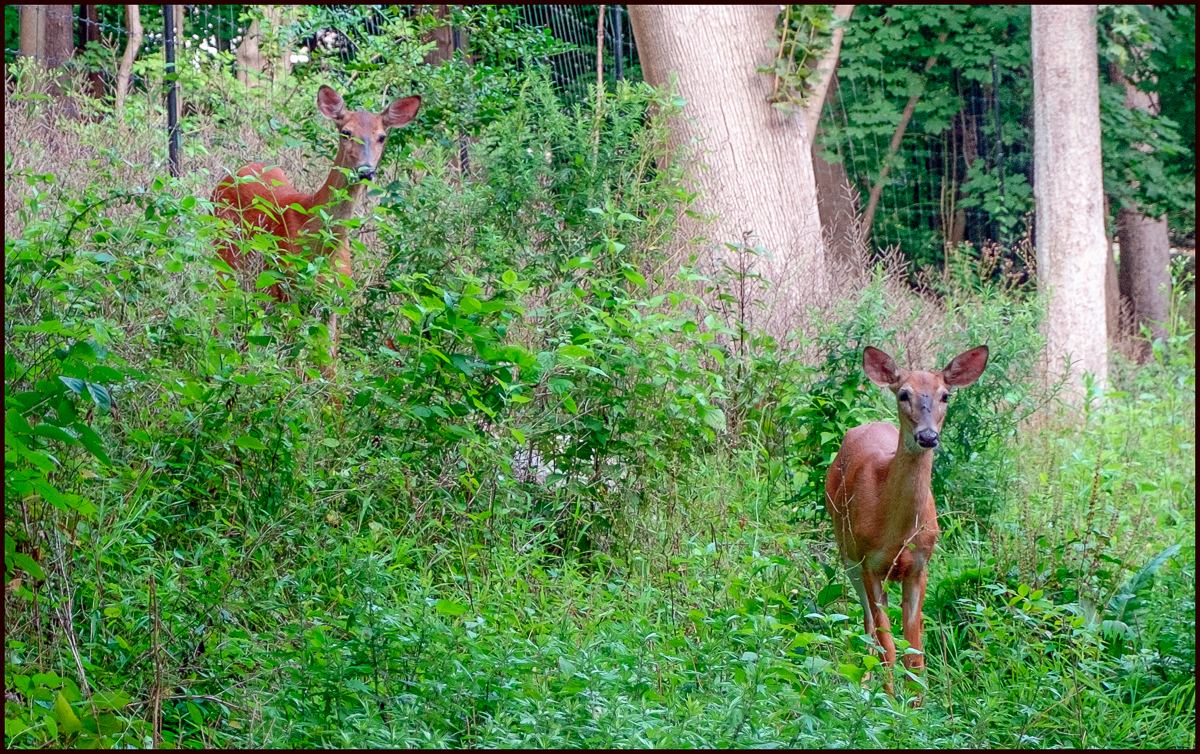
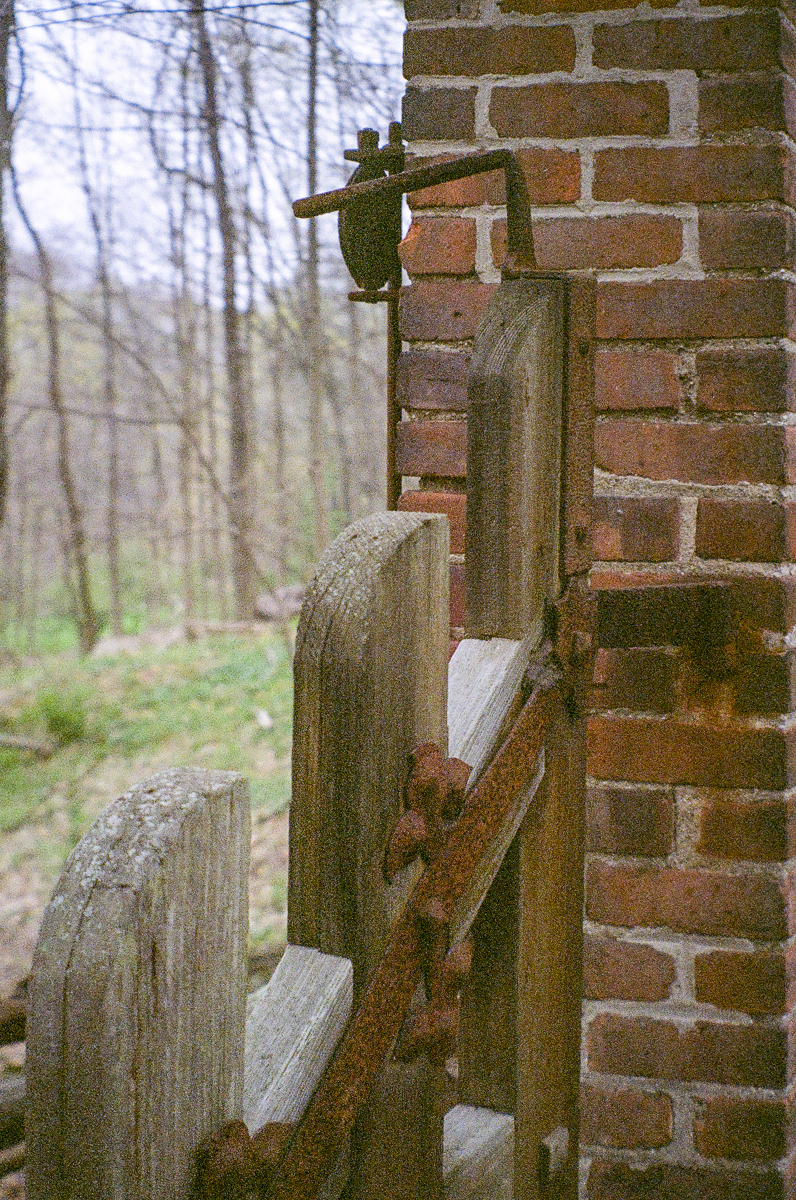
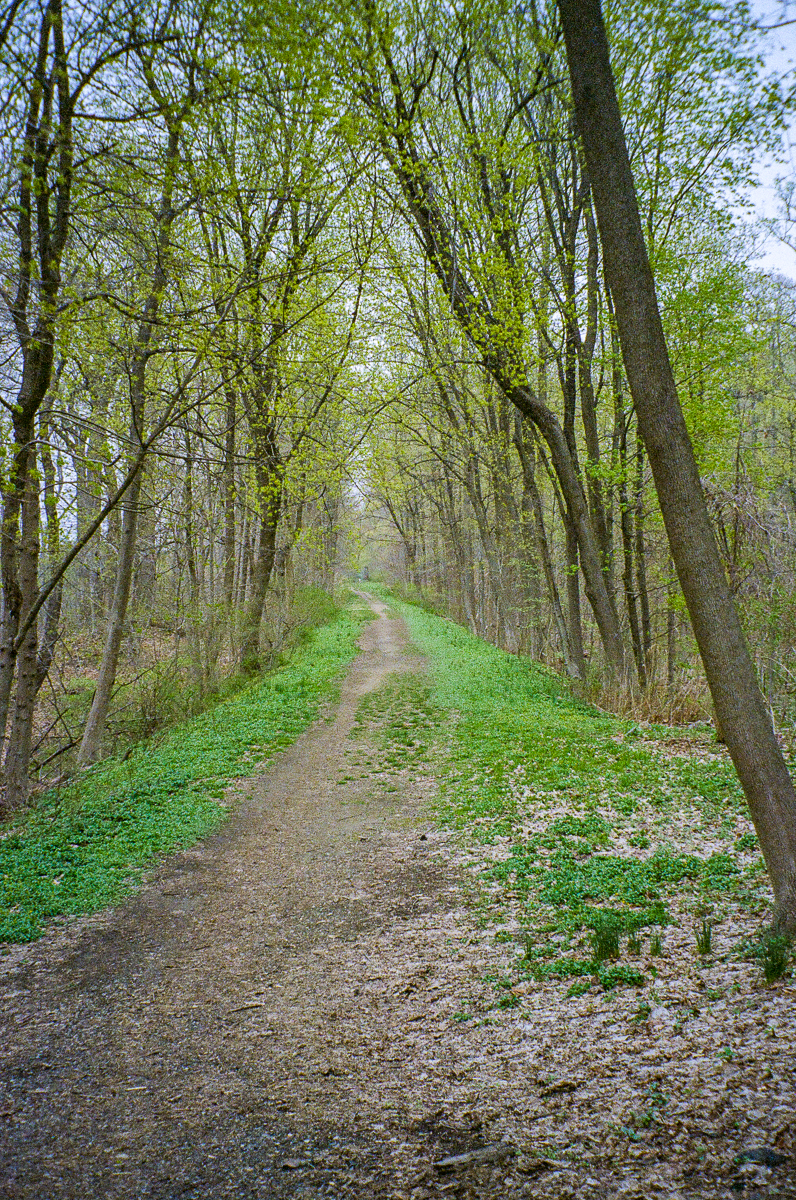
Taken over time with a variety of cameras.